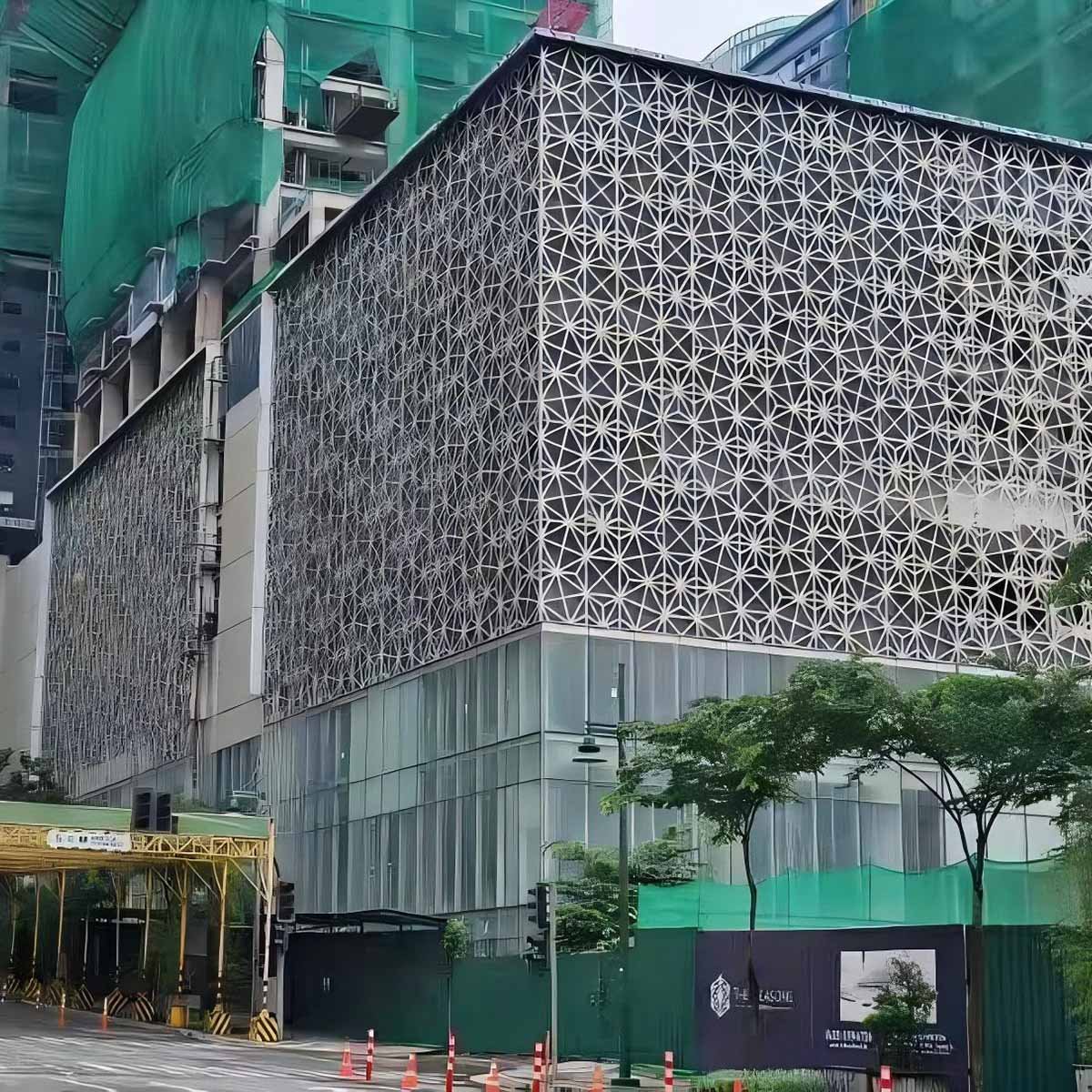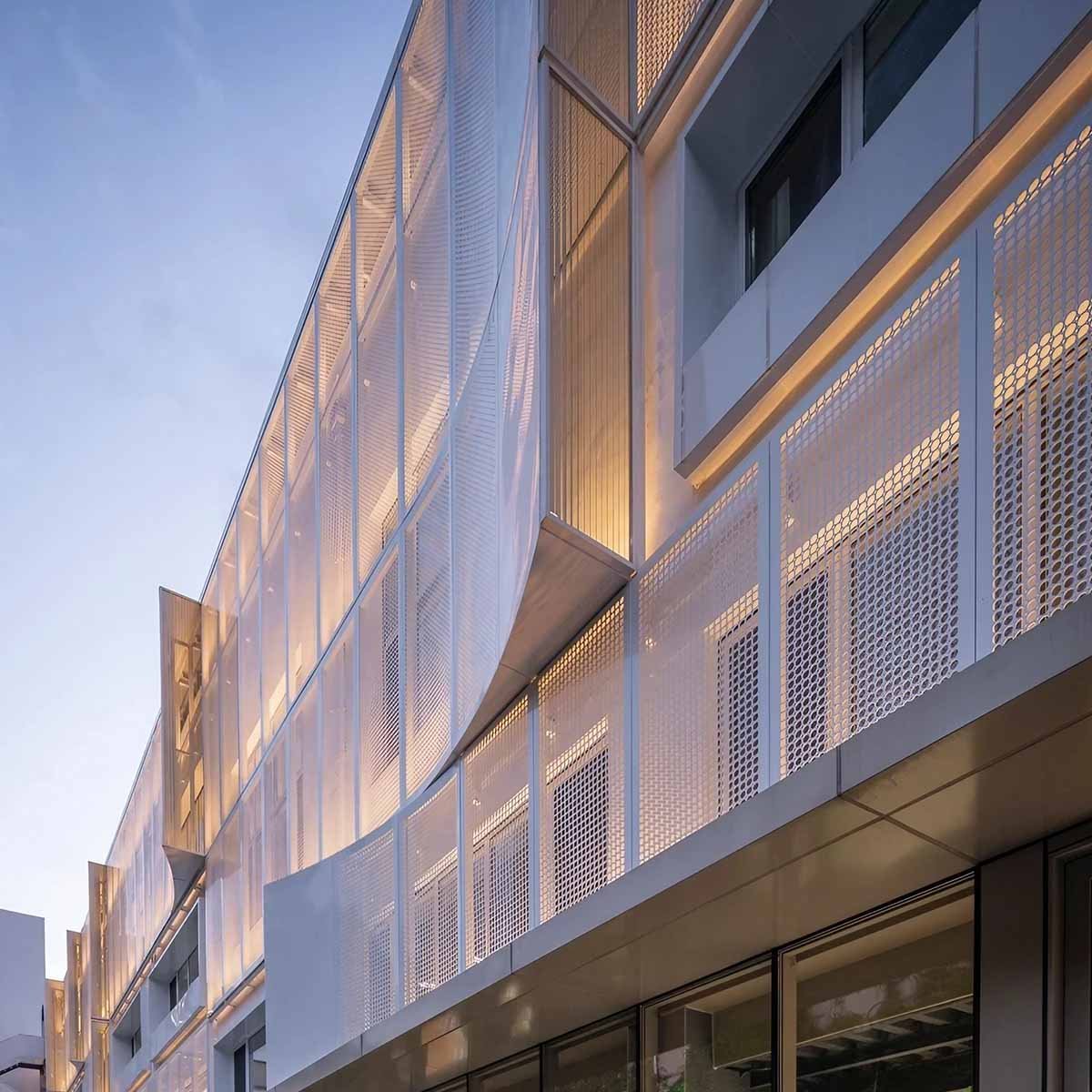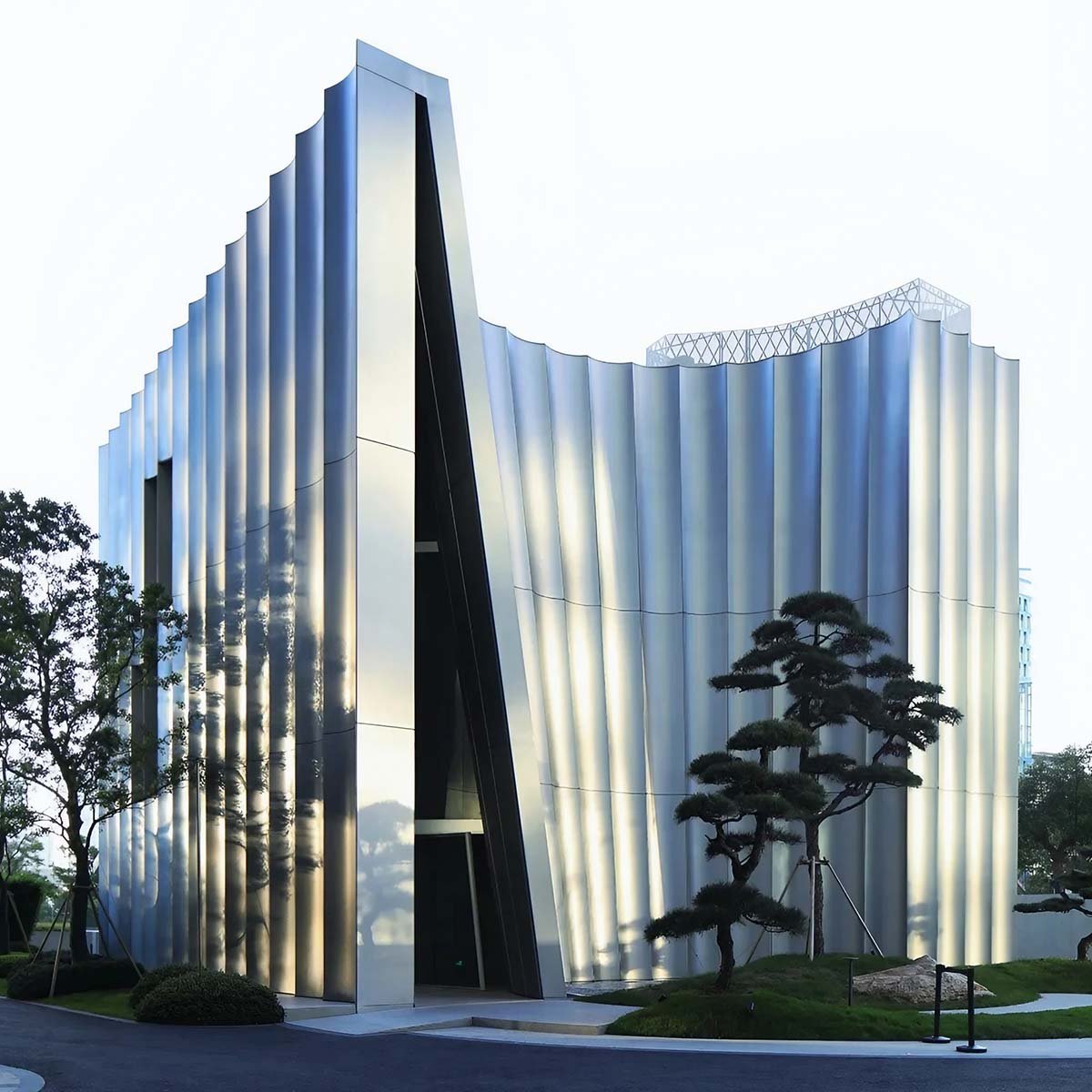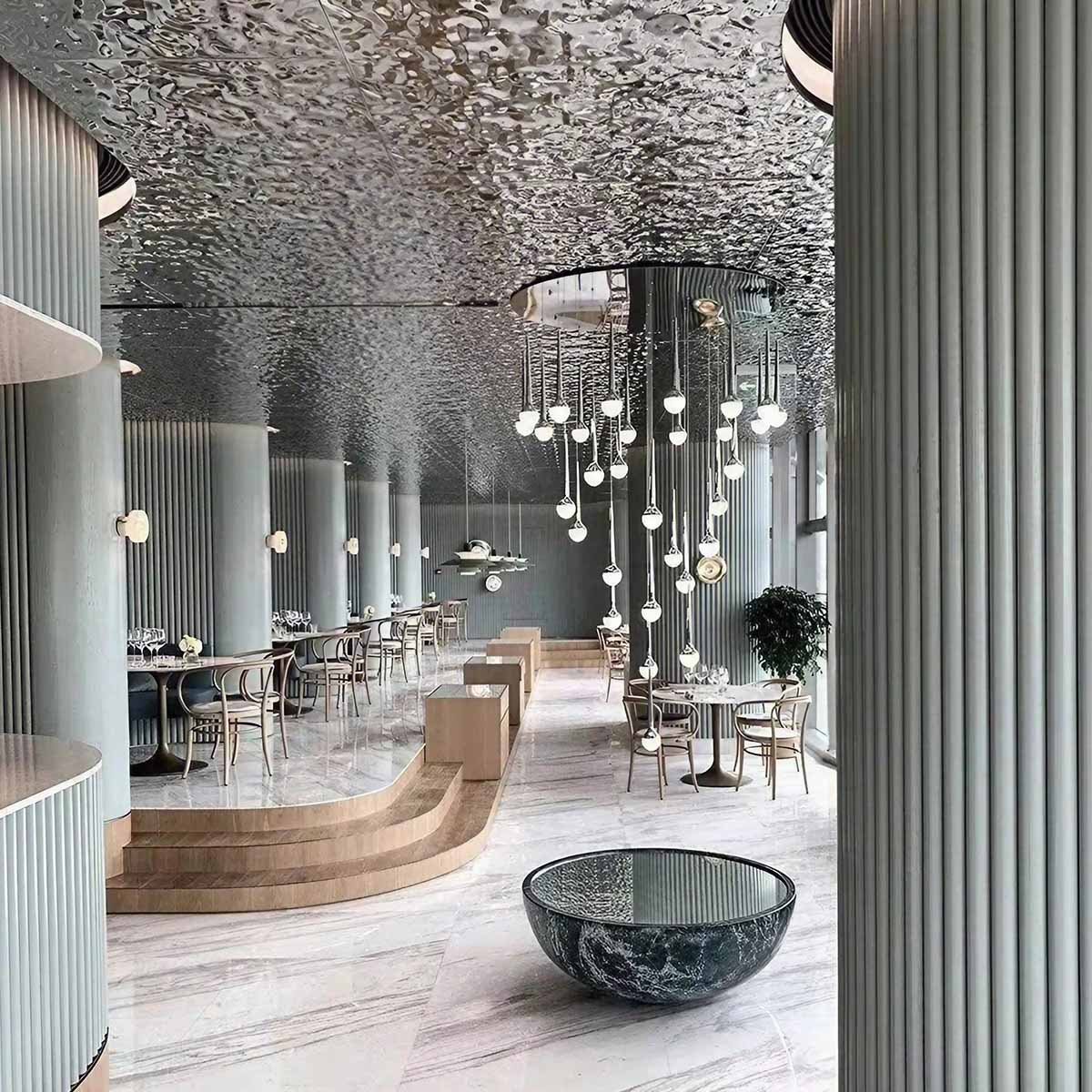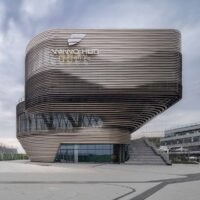





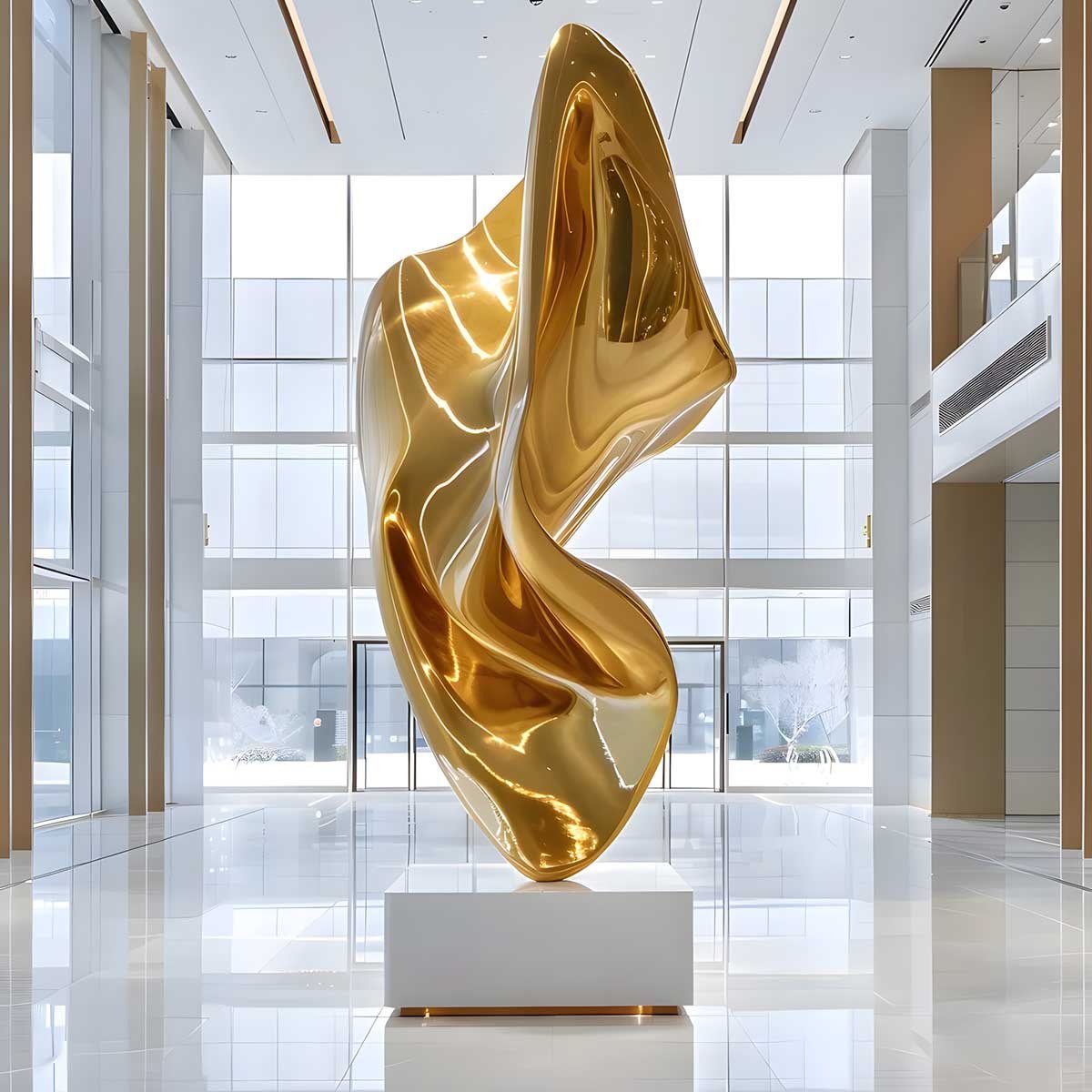
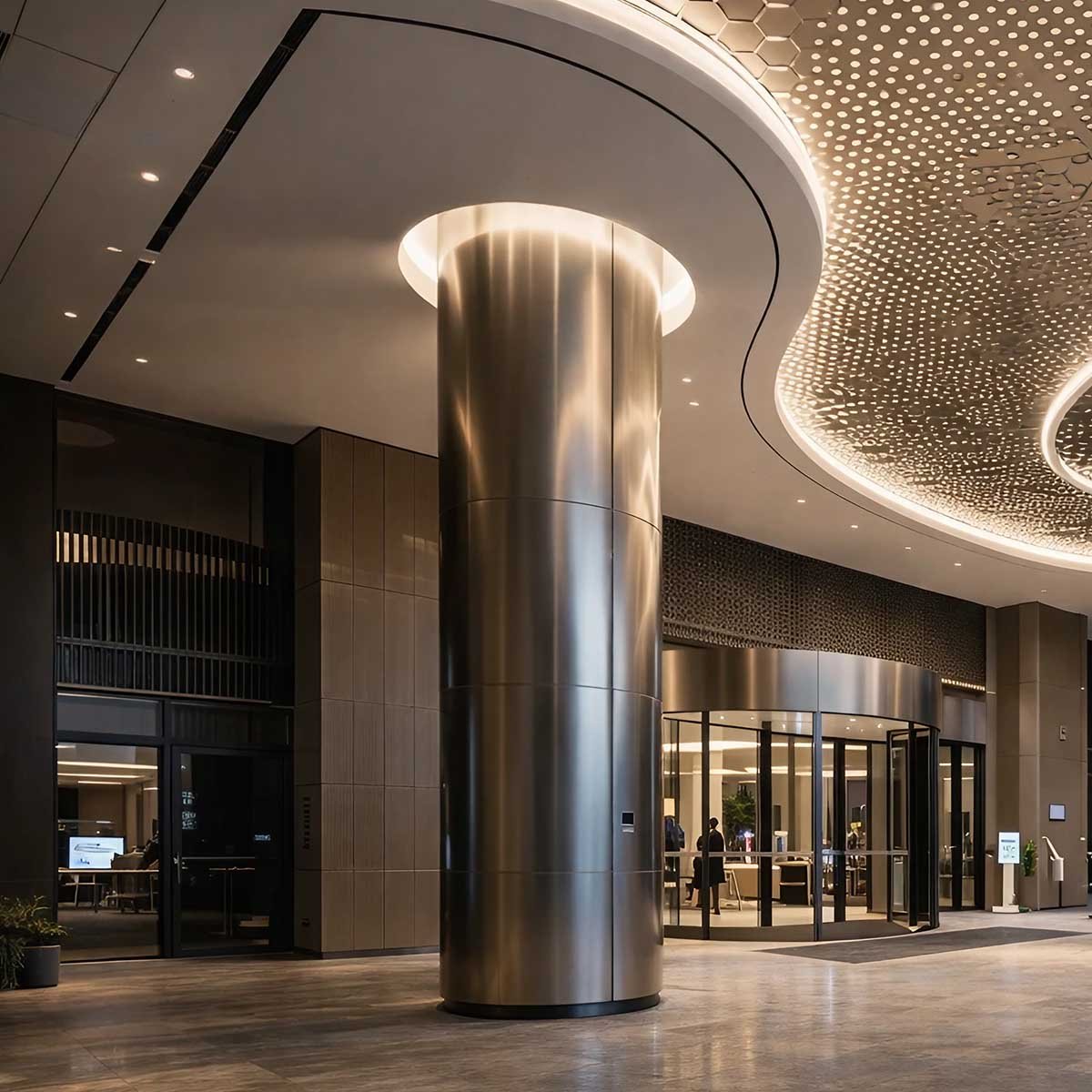

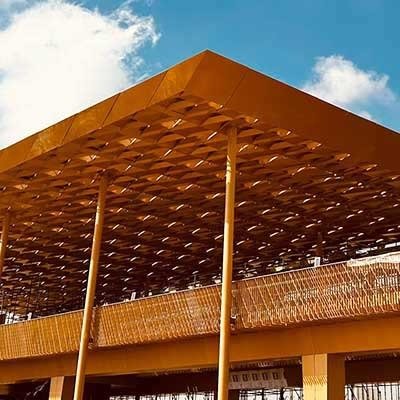
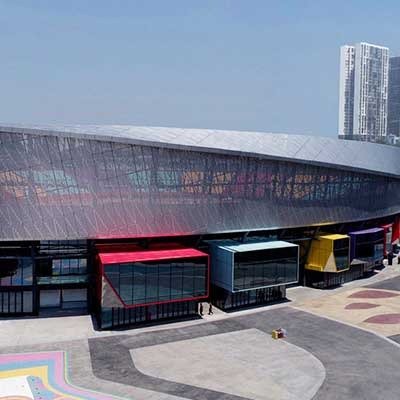



Architectural stainless steel is an important part and element of modern architecture, where the form is as important as function. A smooth surface increases its allure for both indoor and outdoor uses, while outstanding stiffness makes it long-lasting.
Stainless steel stimulates advancing architectural designs with elegance and functionality in the facades, railings, and interiors. This multi-use, eco-friendly material not only looks amazing but delivers incredible performance that choice of any architect.
Table of Contents
ToggleAesthetic Appeal of Architectural Stainless Steel
This material is associated with modernity and can be used only with today’s elegance, it does not deteriorate and looks attractive. They complement the elegance of architectural projects having great offers in terms of classical shiny looks and touch.
Variety of Finishes and Textures
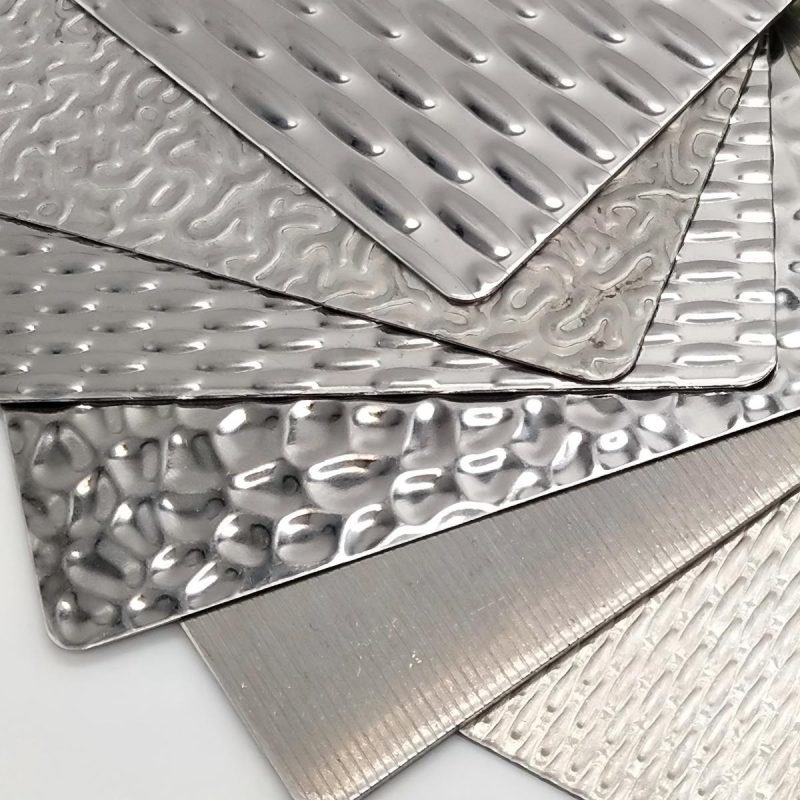
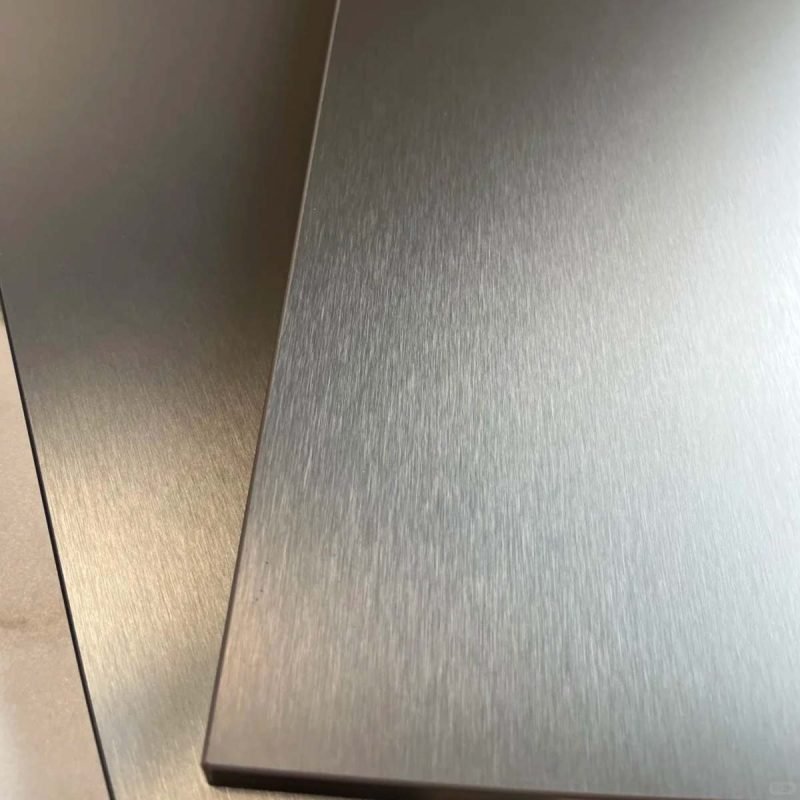
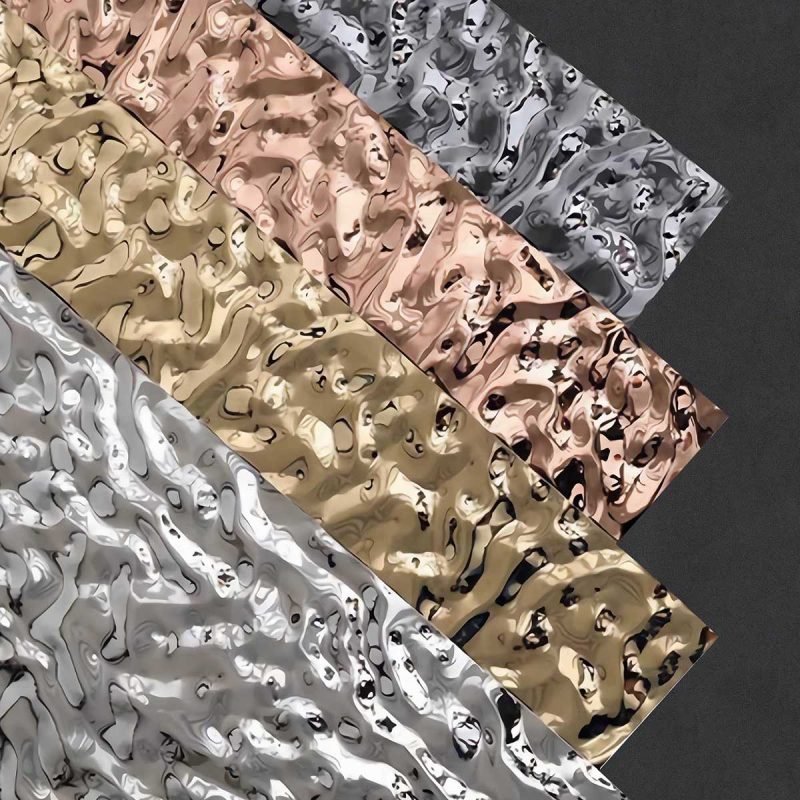
There is a wide selection of architectural stainless steel finishes including brushed, polished, matt, and patterned. It is the reason why it makes it possible for architects to negotiate on surfaces with aims at meeting certain visions and project outlines.
Versatile Design Integration
It can support an extension of a home’s theme of the area ranging from modern architecture to more classic designs. Stainless steel goes hand in hand with other materials, for example, glass, wood, and stone enhancing the beauty of the final product.
Play of Light and Reflection
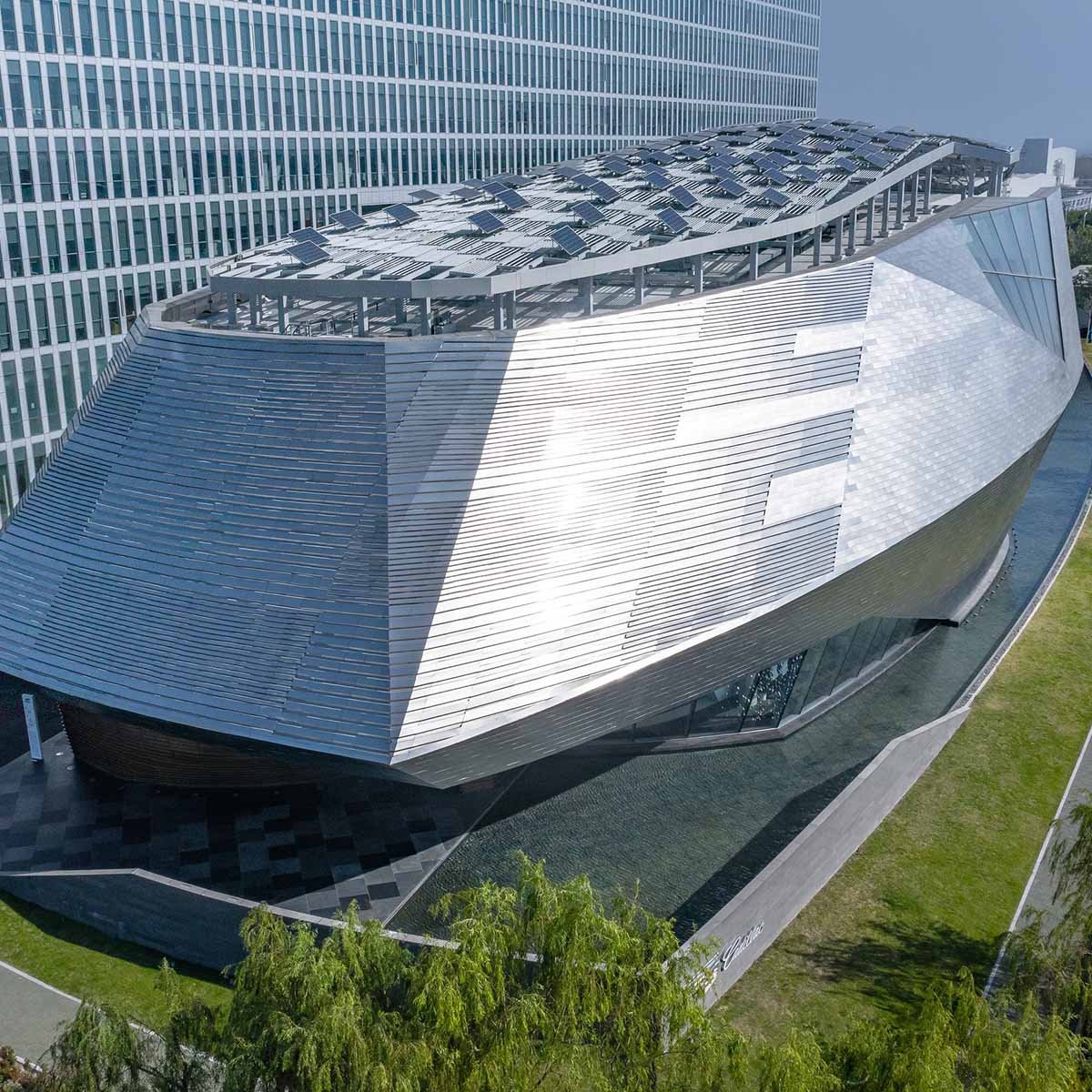
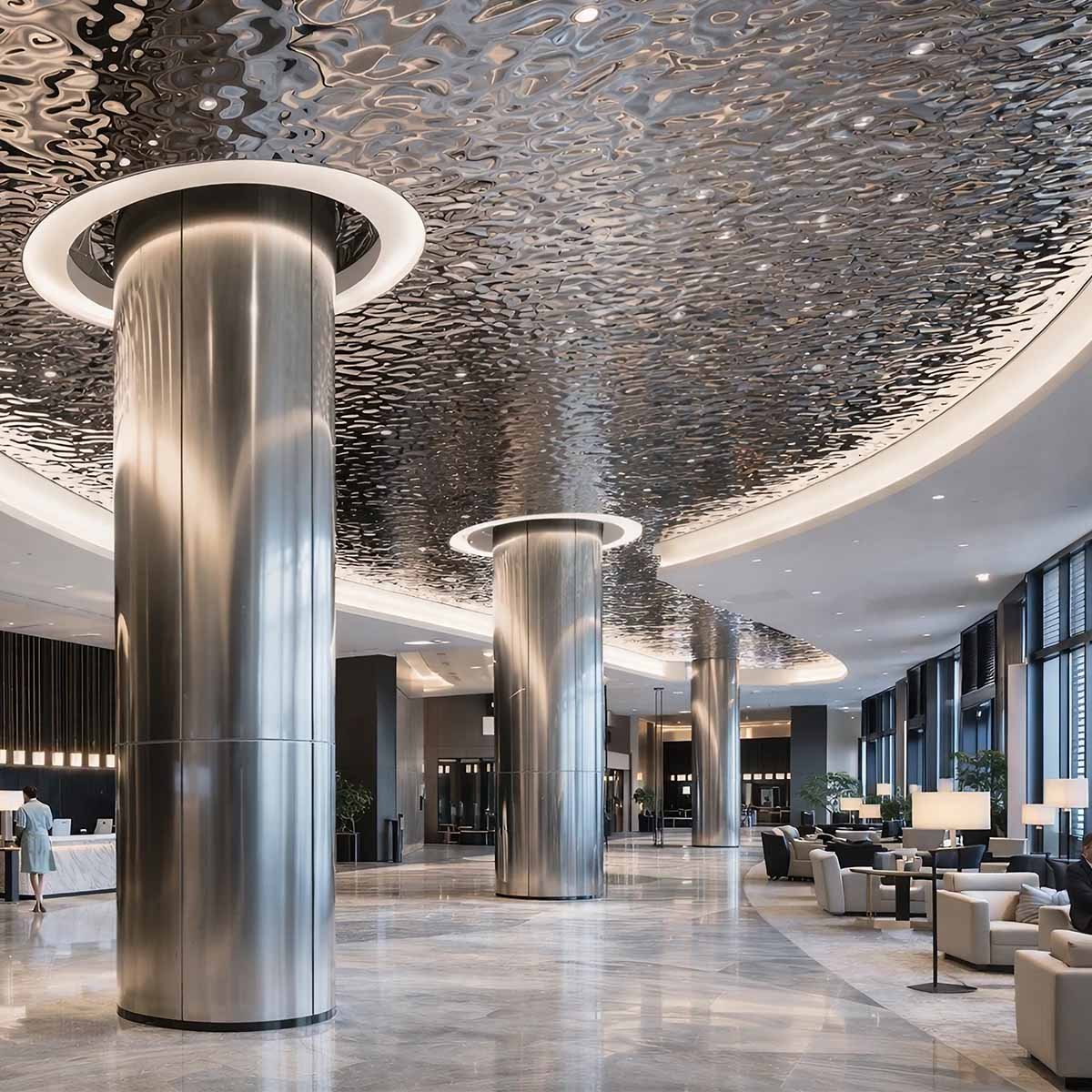
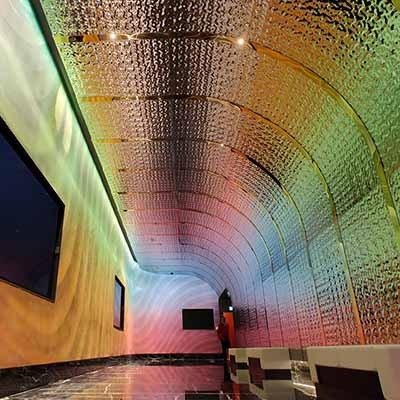
The reflecting capability of the stainless steel makes spaces voluminous and dynamic. In its operation, it can alert and respond to natural and artificial light hence realizing dramatic visual effects that culminate in the beautification of structures.
Stainless steel is very common in today’s architectural designs because it is easy to give it a neat and sleek look. In the ways how it can enhance and interact with light, it poses modern architectural projects with timeless characteristics.
Innovative architecture stainless steel applications for your building. Contact our specialists today for customised solutions, upscale finishes and long-lasting systems that make creative architecture a reality.
Textured and Patterned Options for Stainless Steel
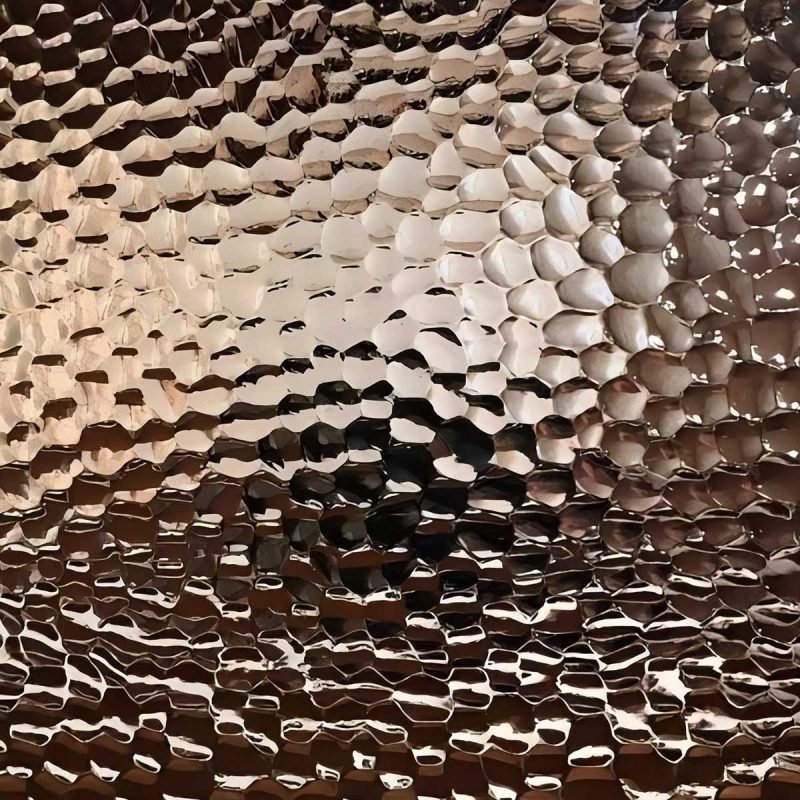
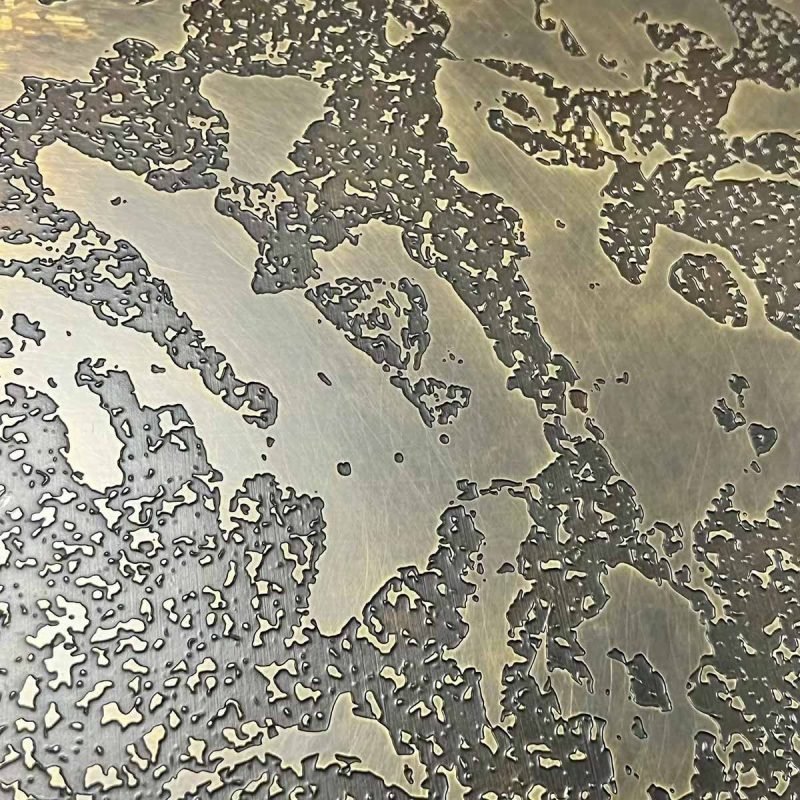
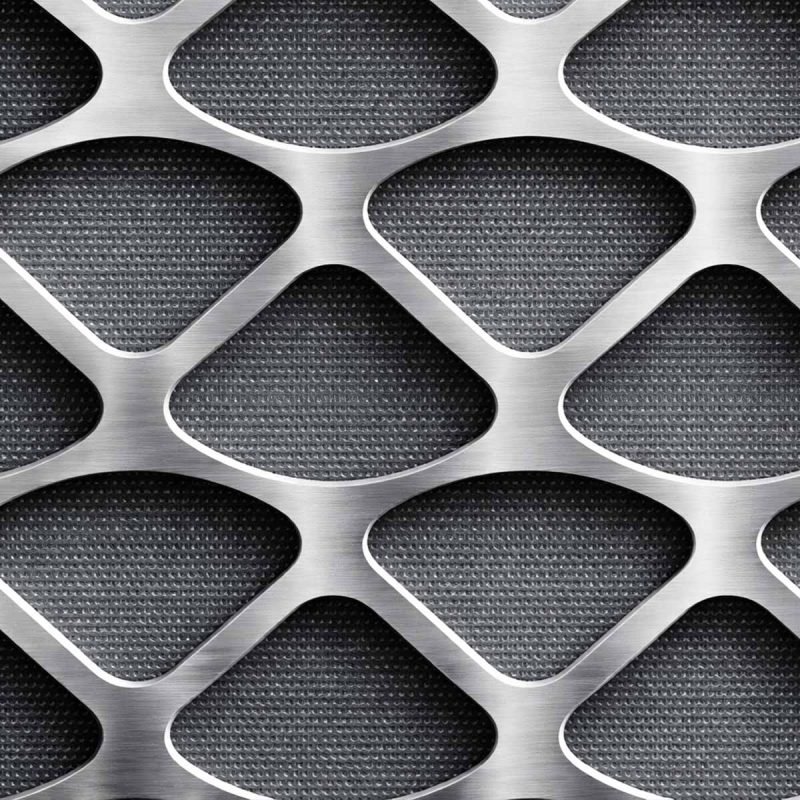
Brushed and coated weaves technological metal with terrific appeal and offers unique benefits that contribute significantly to designs. These finishing improve not only aesthetic but also functional features and are suitable for different architectural concepts.
Water Ripple Stainless Steel
Embossed Stainless Steel
Hammered Stainless Steel
Etched Stainless Steel
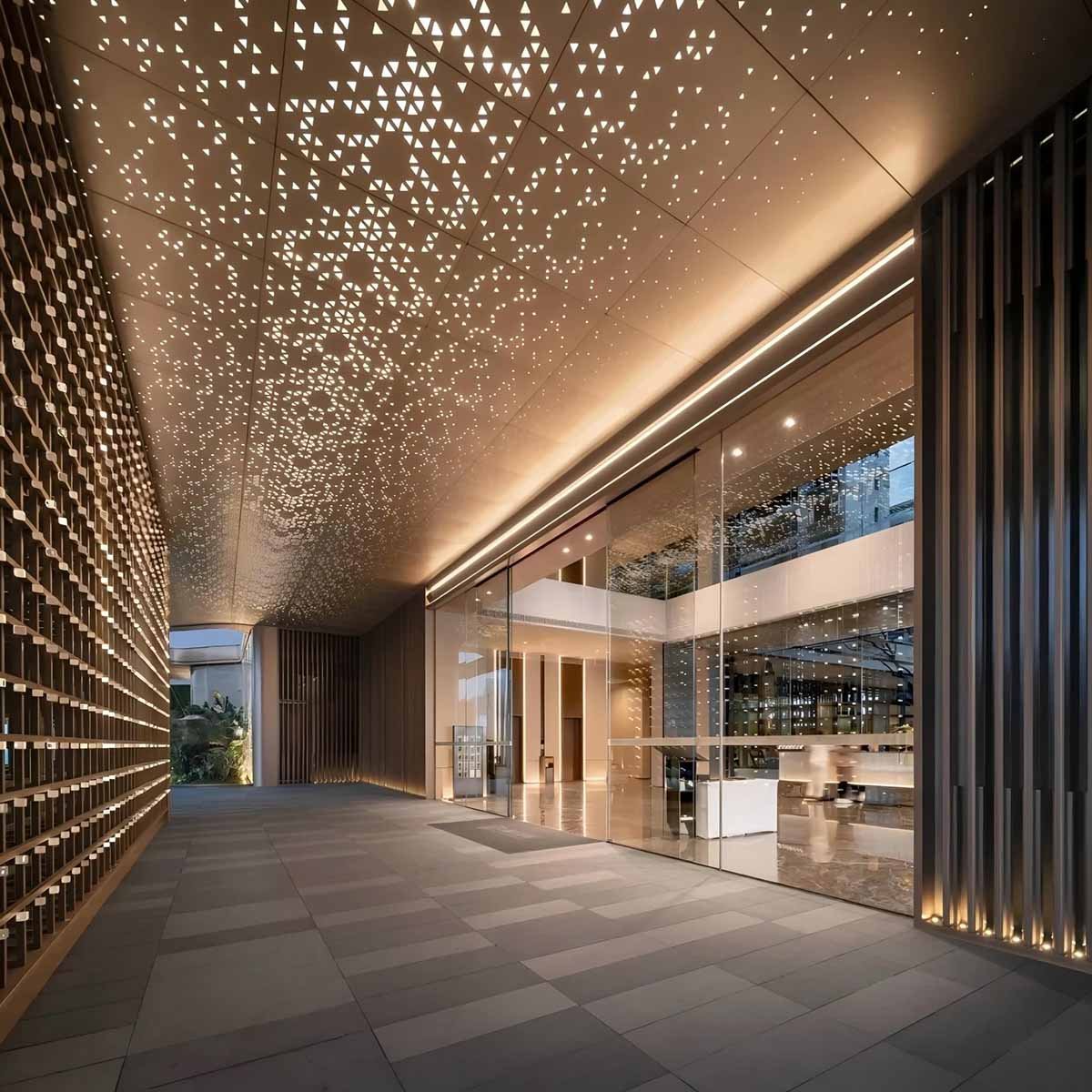
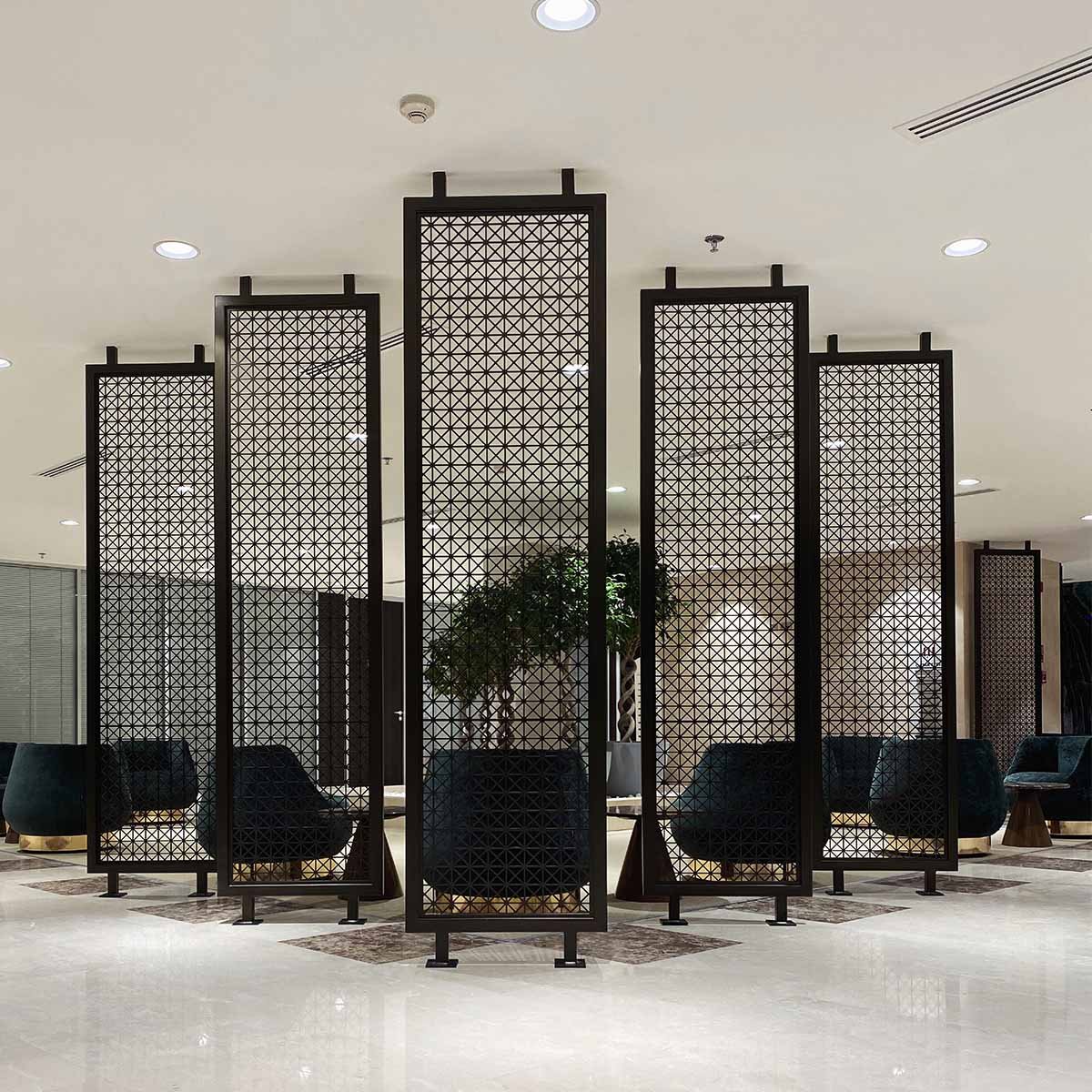
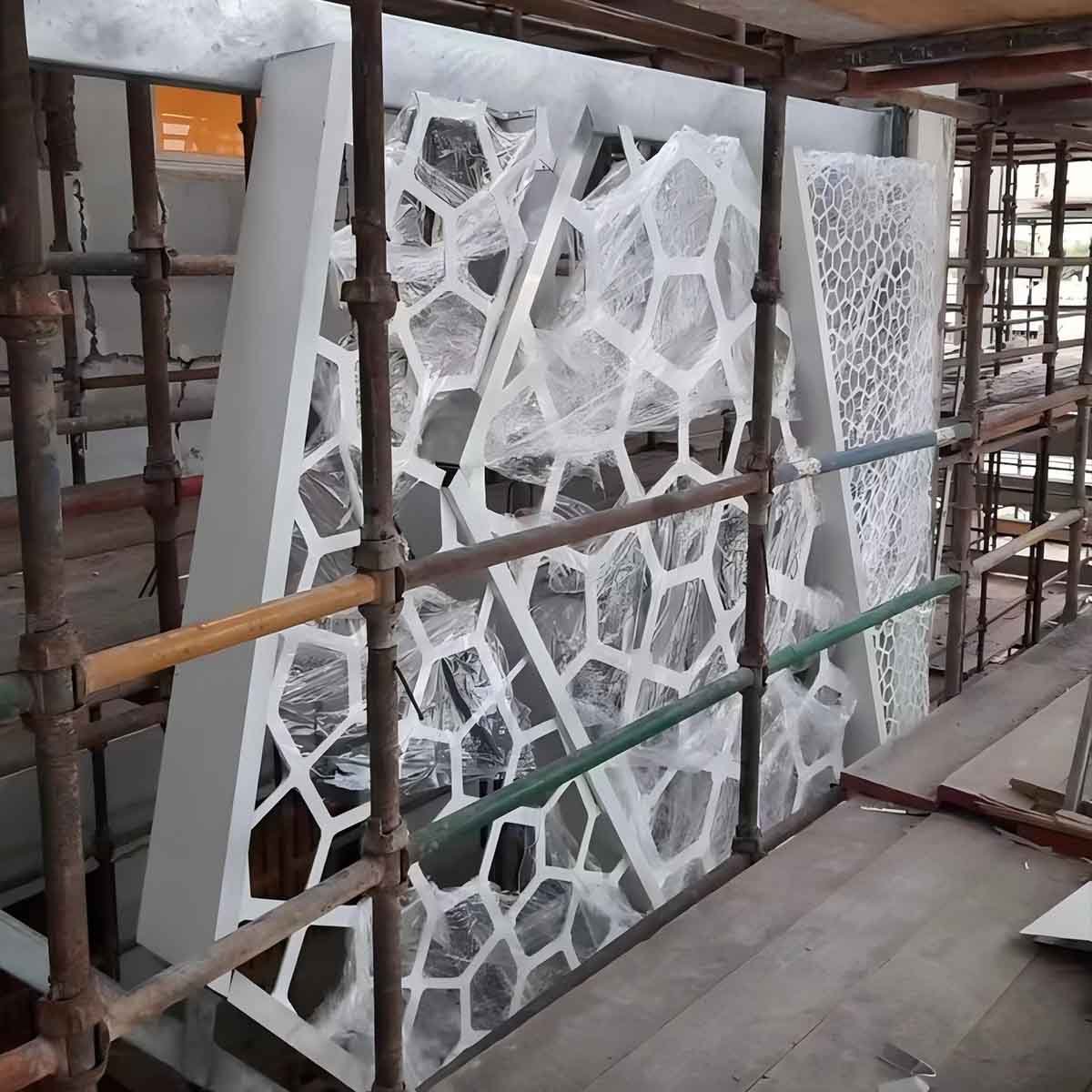
Laser-Cut Stainless Steel
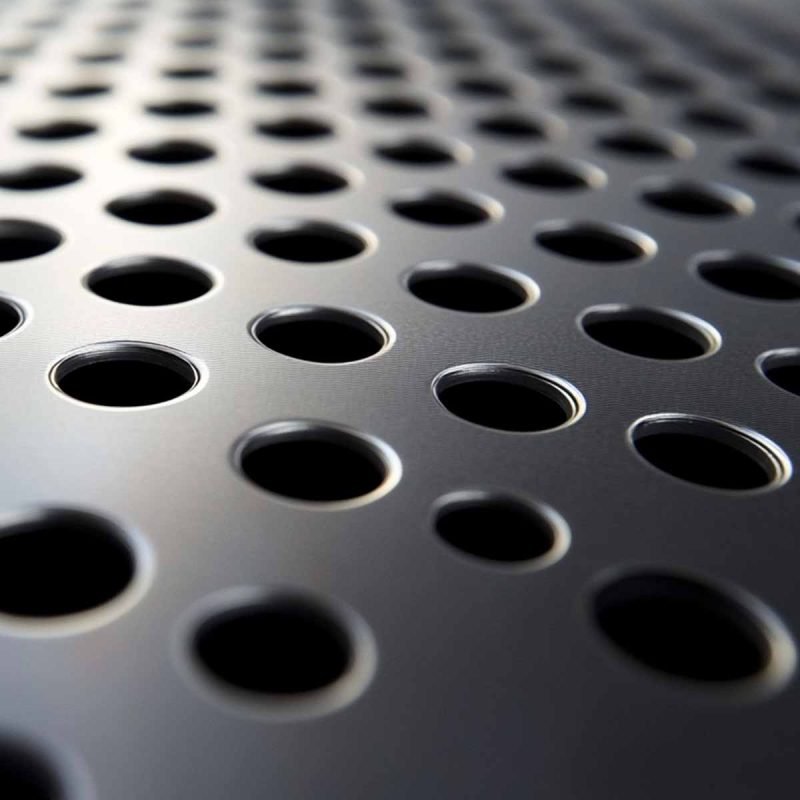
Perforated Stainless Steel
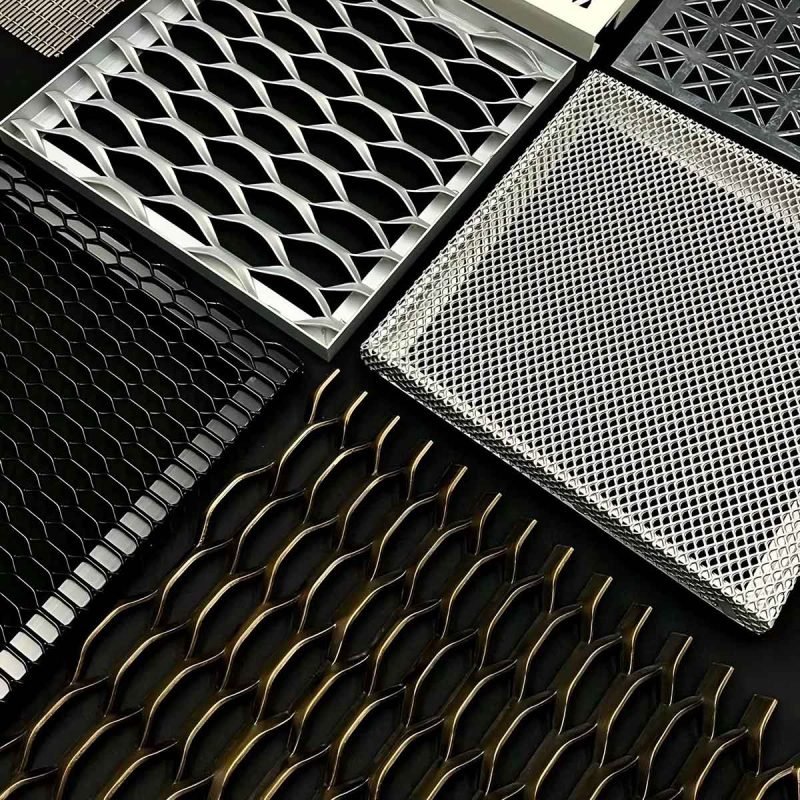
Expanded Stainless Steel
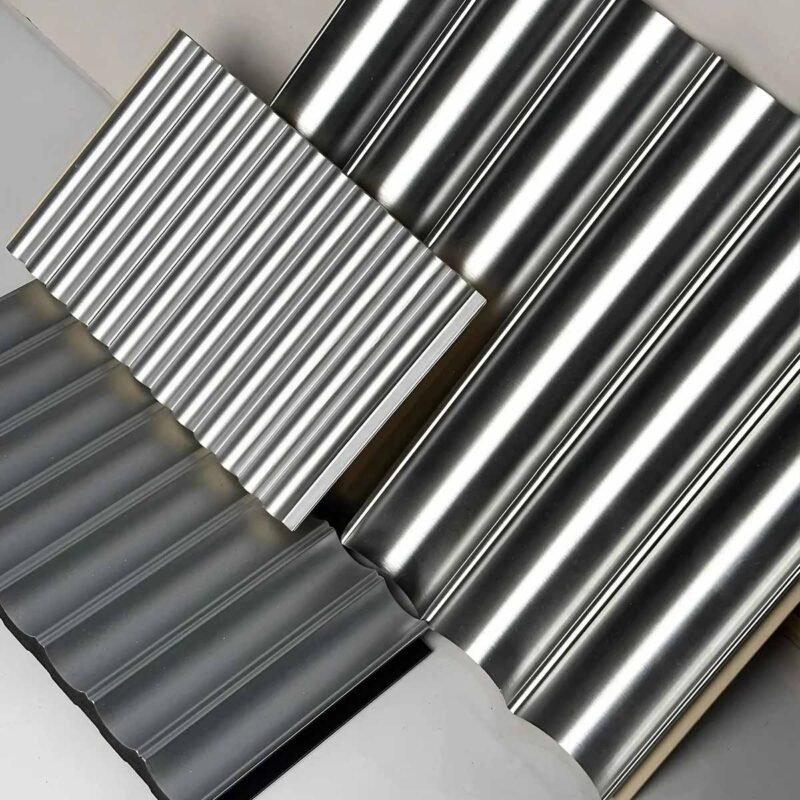
Corrugated Stainless Steel
This is in a bid to introduce the latest patterned and textured stainless steel that acts as a blend between looks and functionality in design. No matter as an exterior or interior feature these choices offer endless aesthetic and technological potential.
Surface Options for Stainless Steel
The surface finishes and styles of stainless steel are specifically critical when defining the appearance as well as usability. They come in touches of metallic sheens to rough, dull appearances and can thus be used in various architectural purposes.
Mirror Stainless Steel
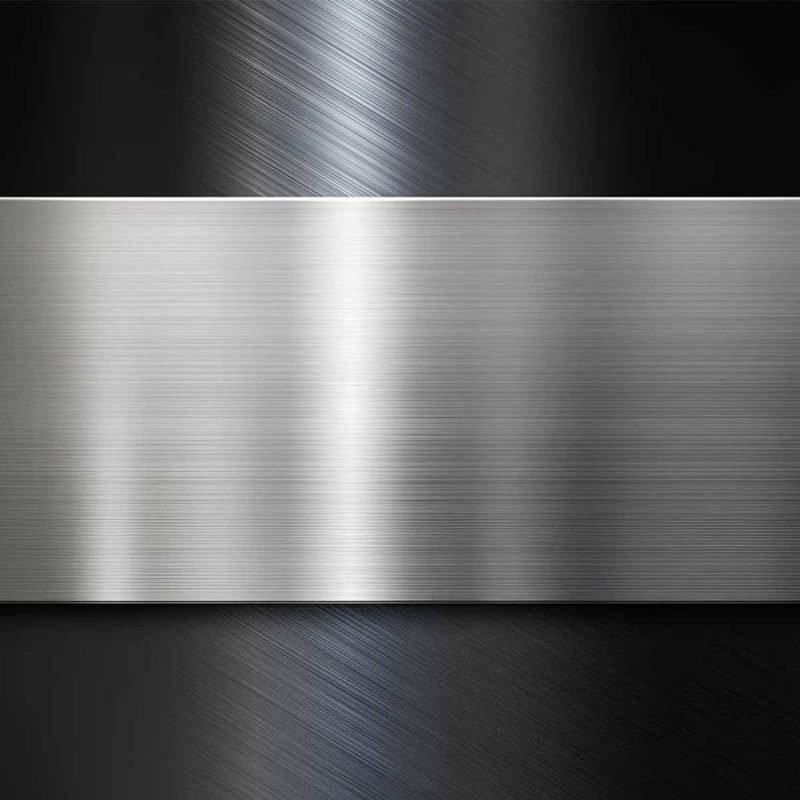
Brushed Stainless Steel
Satin Stainless Steel
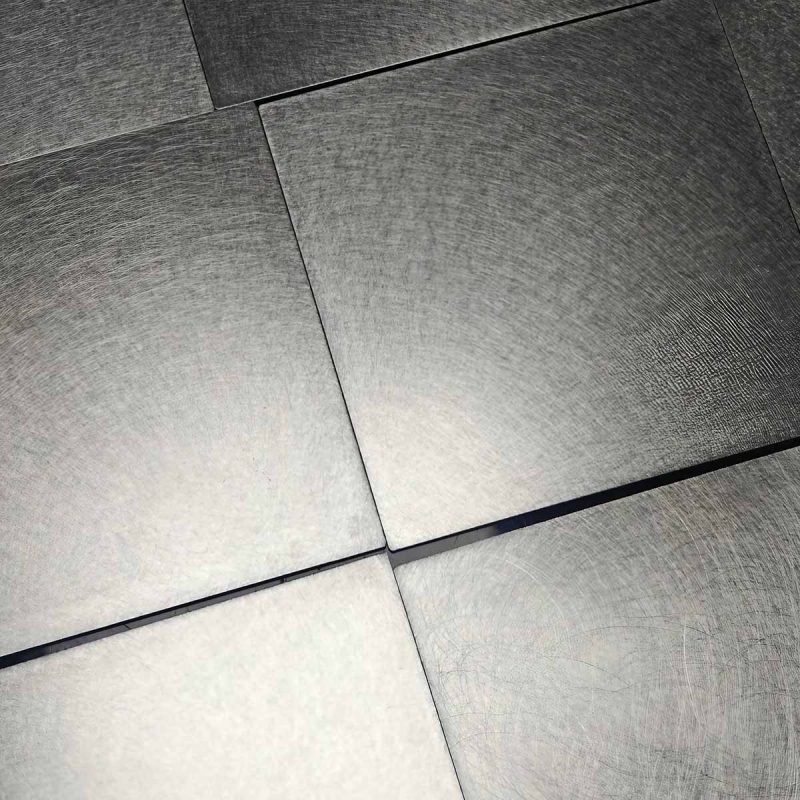
Vibration Stainless Steel
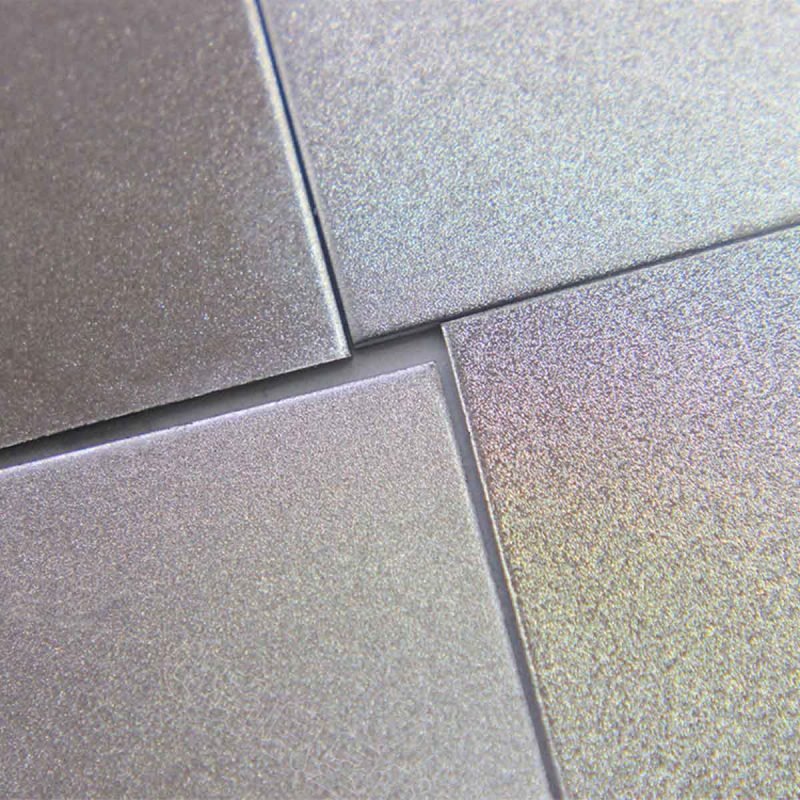
Sandblasted Stainless Steel
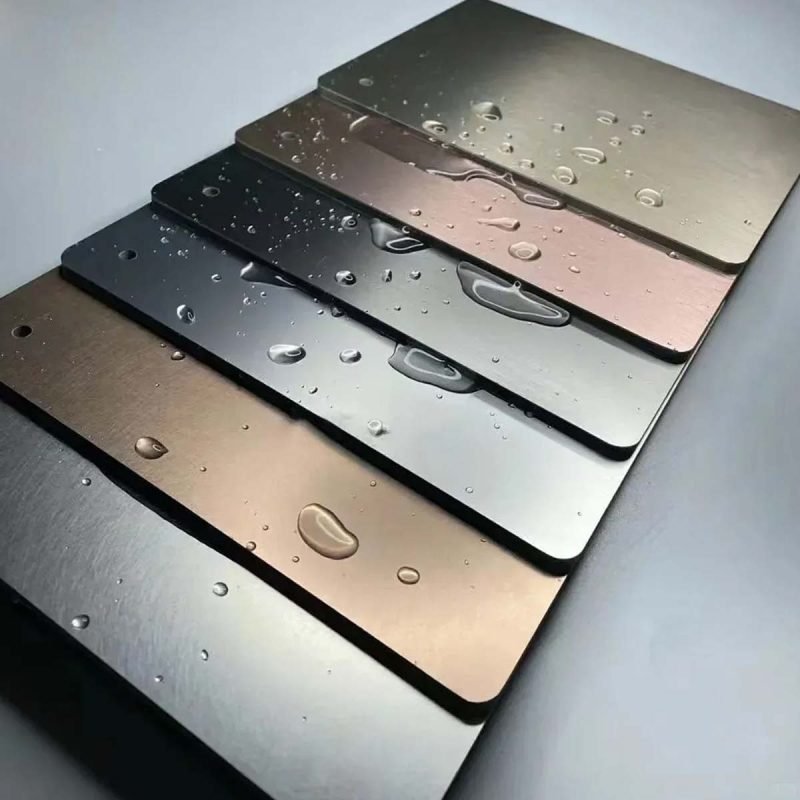
PVD Coated Stainless Steel
Stainless steel comes in a variety of surface finishes: from reflective mirrors to beautiful PVD-based hard coatings. These finishes act as good looks and functionality into a single coordination thus being preferred in modern architectural designs.
Practical Applications of Stainless Steel in Architecture
Stainless steel is a practical material that can with great effectiveness be used in architecture. The increase in load-bearing capacity while still delivering beauty underlines both utilitarian and ornamental uses of various structural components.
Exterior Facades and Cladding
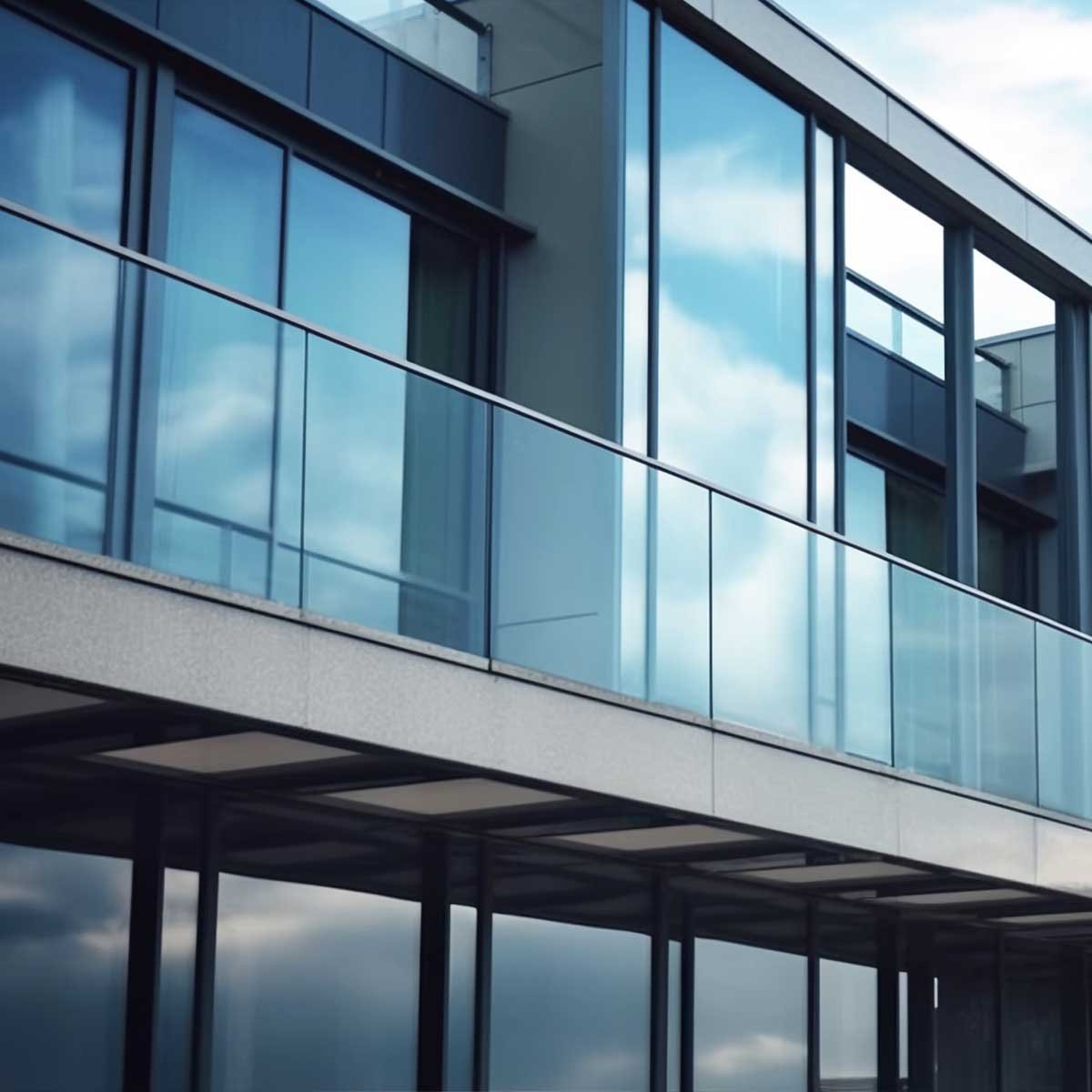
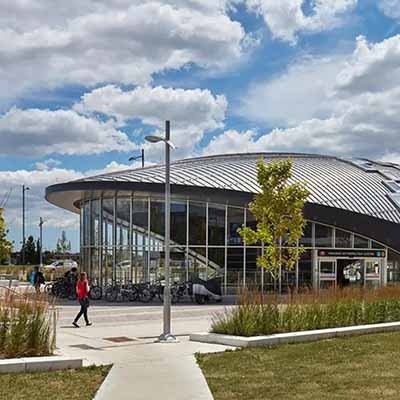
Stainless steel cladding panels are useful in protecting buildings from the weather while also ensuring that the buildings get a resistant outlook. Due to its non-corrosive nature, it is used for exterior projects since it is a very durable material.
Interior Design Elements
Stainless steel underlines interior spaces with futuristic sophistication as applied on the stair rails, countertops, partitions, and decorative panels. Due to this, it has adopted elegance and endurance to recent architectural designs around the world.
Urban and Landscape Architecture
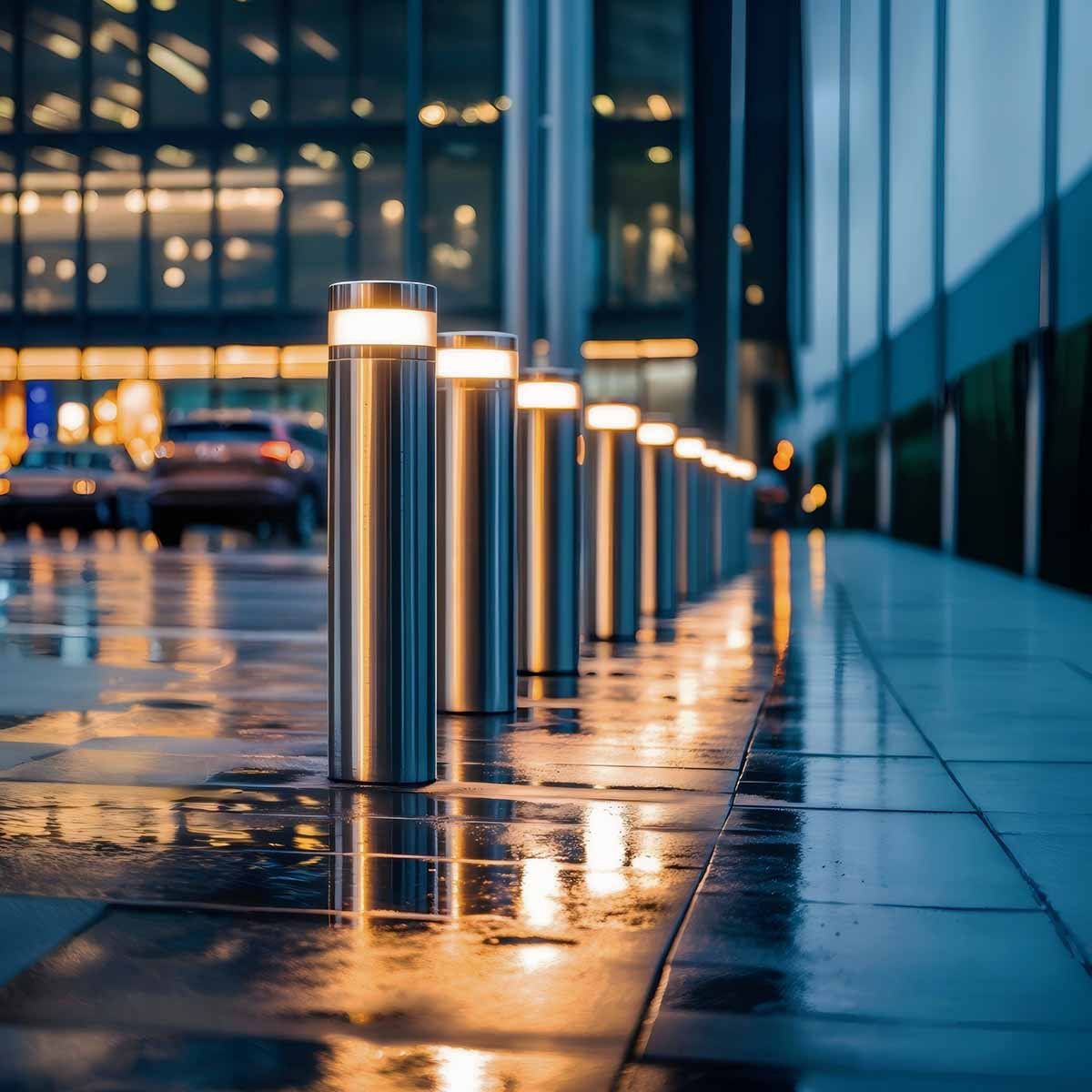
In its way and conjunction with other features of the material, stainless steel beautifies the urban environment and public domain. From the sculpture, the bench, and the screen it nurtures long-lasting memories in terms of form as well as function.
These uses of stainless steel beautify as well as complement the utility of architectural projects. Since the exterior, interior, and landscape applications are displayed, it proves how effective the type is for designing and construction purposes.
Durability and Strength
Stainless steel is very strong, and thus ideal for the construction of structures through architectural designs. It will also offer good wearing, corrosion and other extreme conditions to thus offer high durability in various operating environments.
Corrosion Resistance
Weather and Temperature Resistance
Low Maintenance and Longevity
These resistance capabilities alongside strength and durability make stainless steel perfect for use in architecture. The material’s operational viability of course affirms it can hold up in tough environments, and hold it’s beauty for years to come as well.
Versatility in Architectural Design
The architectural stainless steel comes in an unmatched flexibility that makes it easy to apply in a variety of designs. The material can be adapted easily in fabrication and enables architects to go for styles and design objectives not previously possible.
Structural and Decorative Uses
Stainless steel can be used in all functional sense and aesthetic ways where facades, staircases, and railings are incorporated into building structures. It is the most important material to achieve refined and varied aesthetics in recent constructions.
Customizable Fabrication
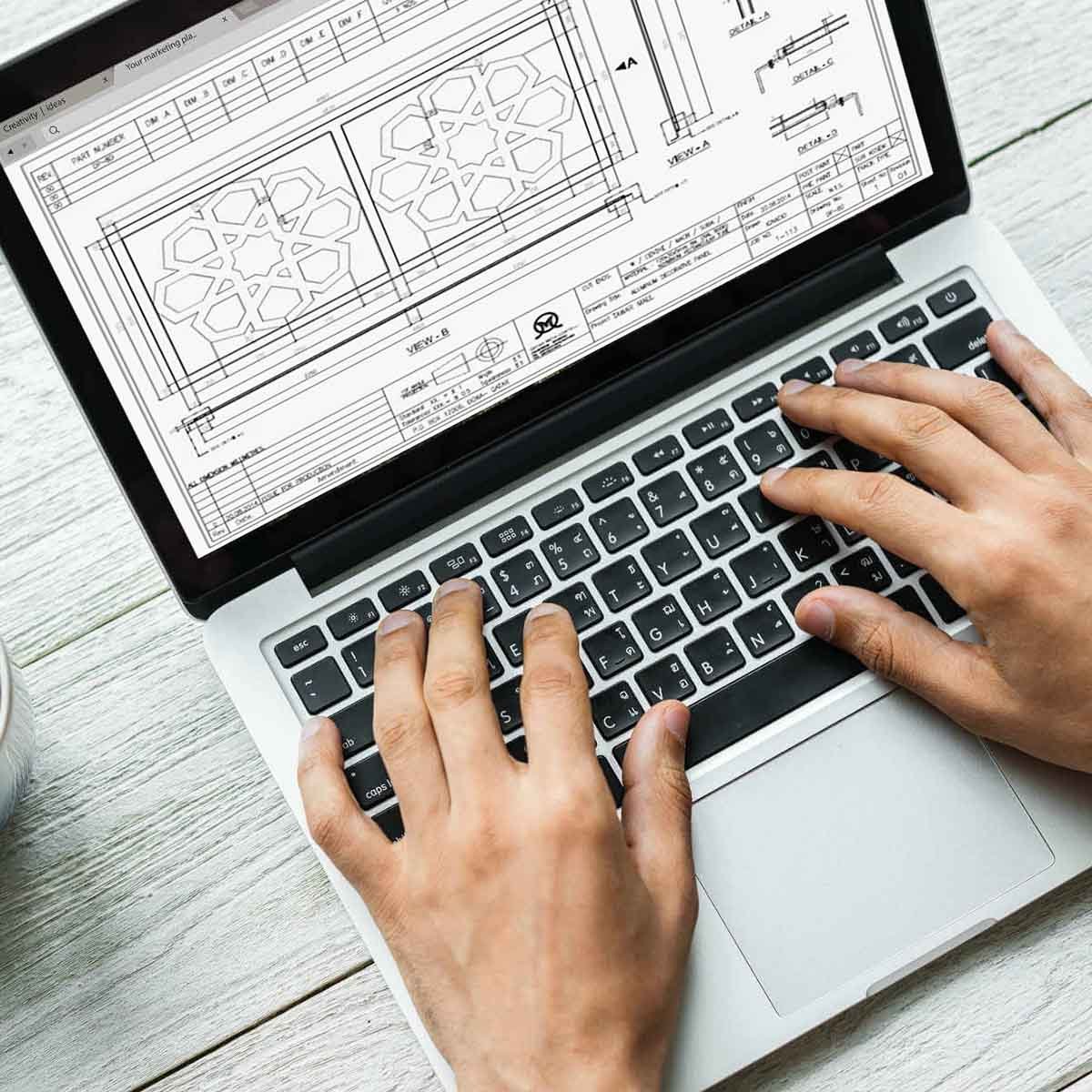
High technologies like laser cutting and production control computer-assisted cutting can help in making deep forms and surfaces. Such tools make it possible to design and come up with products that can suit well specific architectural ideas.
Integration with Other Materials
Stainless steel comes in shades of silver-gray which matches most of the modern looks when combined with glass, wood, and stone. This versatility makes it possible to have new products, in both regional and modern architecture typologies.
The characteristic of stainless steel allows architects to actualize their vision while at the same time meeting structural needs. Hence makes it a versatile and material-compatible product for both contemporary and classic architectural design.
Sustainability of Architectural Stainless Steel
Stainless steel though a strong material also has its strength on the side of the environmentally friendly materials. Being recyclable and ecofriendly it is suitable for design-conscious architectures who are concerned about the future of the environment.
100% Recyclable Material
Stainless steel is 100% recyclable, this minimizes waste of resources and we should make better use of this material. Due to these properties, it has become highly essential in the green building systems and the Environmental sustainability.
Energy Efficiency
The reflective nature of stainless steel makes it better in terms of admitting natural light thereby cutting-on energy costs for artificial lighting. It also makes it easier to control temperatures indoors possibly reducing heating and cooling costs.
Minimal Environmental Impact
Fewer replacement cycles or even no cycle at all, and exemption from the application of chemicals known to be dangerous for the environment. This helps to make it an environmentally friendly product which makes it a good choice of material.
Architectural stainless steel can be recycled, and its use is energy effective hence conserving the environment and it is therefore sustainable. These qualities make it possible for specialist architects in green and sustainable construction to consider it.
Advanced Fabrication Techniques for Architectural Stainless Steel
Contemporary trends in fabrication and design add more effect and utility to architectural stainless steel. These methods allow for rational, unique designs, which look to exceed boundaries and change the ways that architecture functions.
Laser Cutting for Precision
Laser cutting is very precise it can easily produce maximum patterns and designs that the client needs. This technique guarantees that all the stainless steel pieces used should fit the aesthetic as well as the mechanical function designs seamlessly.
CNC Machining for Customization
CNC allows for precise shaping and cutting which gives the architects the power of having almost detailed designs executed on the construction materials. This precise configuring also makes it easy to fit into imitative and creative design schemes.
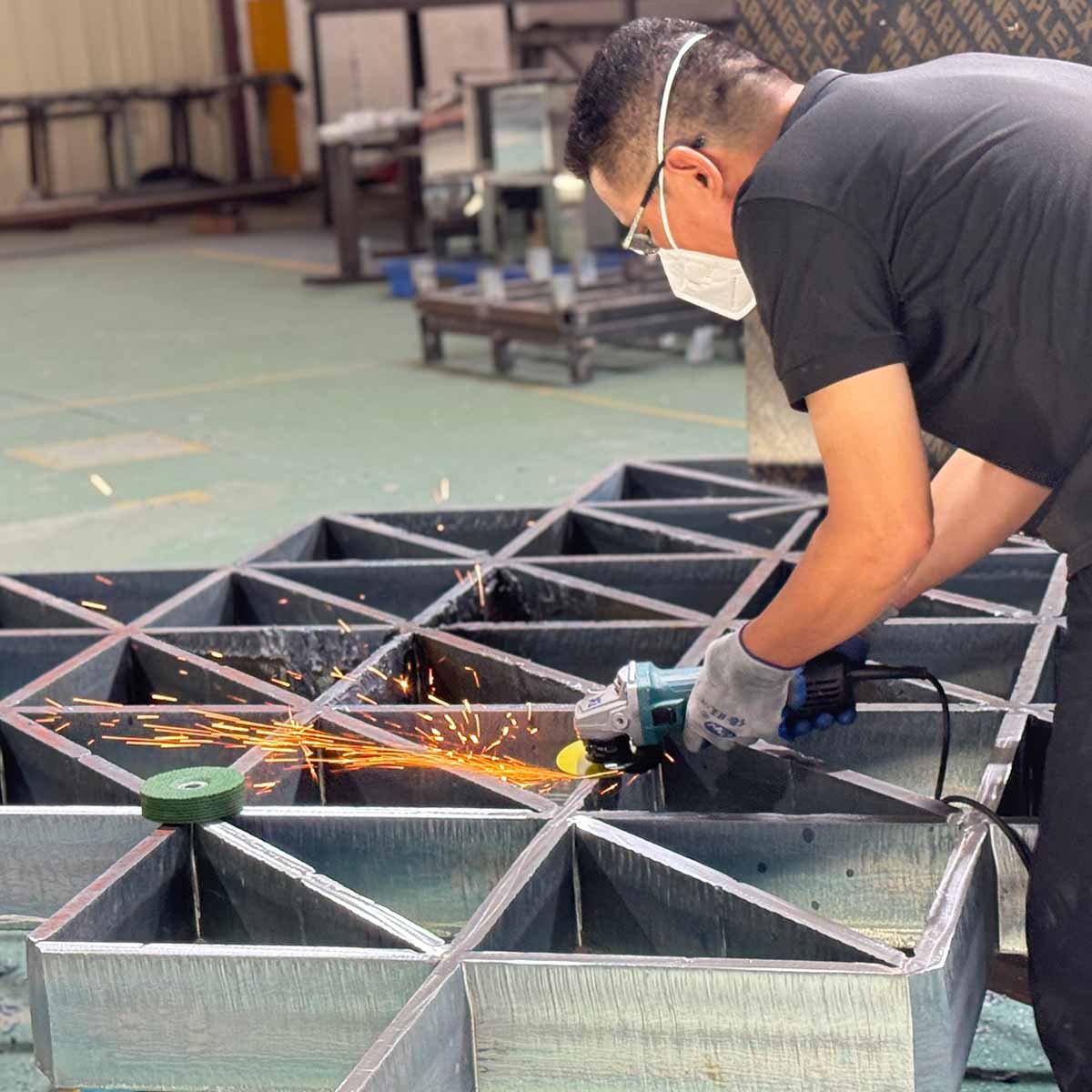
Specialized Welding and Finishing
Cleaning prevents structural failure during polishing while brushing and texturing enhance the appearance of this material. It is, therefore, possible to achieve a work of equal endurance and strength of the product as well as fine aesthetic value.
Laser cutting and different types of finishes give the stainless steel quality and variety that can applied in various usages. All such innovations enable architects to practice complex and durable concepts that depict modern architectural masterpieces.
Looking for premium architectural stainless steel solutions? Speak with our experts to get your custom designs, excellent materials and absolute precision for facades, interiors and contemporary architectural projects.
Comparing Stainless Steel with Other Architectural Materials
Among the other architectural products, stainless steel is maybe one of the more versatile and combines both durability and a great look. Because of these features, it would be suitable for construction work and beautification of many projects.
Durability vs. Other Materials
This is advantageous over other materials such as wood which can bend and glasses which are very sensitive to wear and tear and adverse weather conditions. This leads to outstanding durability as well as increased levels of performance.
Aesthetic Advantages
Stainless steel’s rather austere appearance is superior to such hitherto popular materials as concrete and brick in terms of “class”. It is suitable because it increases the movement of light which makes the rooms look larger and lighter in complexion.
Cost-Effectiveness Over Time
Even though stainless steel is relatively expensive while being compared with some “bare essentials” it still is cheaper in the long run as it does not require frequent replacement. Its longevity confirms high demand and, therefore, high utility.
Stainless steel is better than other such kinds of material in terms of durability, surface, and cost-effectiveness in the long run. And because ability to create a look that will be modern and the great wear resistance prefer it to work on architecture.
Trends in Stainless Steel for Contemporary Architecture
This development goes on to make trends that change the position of stainless steel in modern architecture. It works well in everything from graphic statement-making to subtle, streamlined applications; this material is all about design concepts.
Integration with Smart Technologies
Stainless steel is being blended into the smart systems that range from the smart facade to the smart energy. Together these two aspects bring value and innovation to the use and performance of modern architectural designs and solutions.
Sustainability in Modern Designs
Architects use the recyclability and durability of stainless steel to construct environmentally friendly buildings. This will be in line with the global trends whose emphasis is on sustainable construction and minimal effects on the environment.
Dynamic Facade Designs
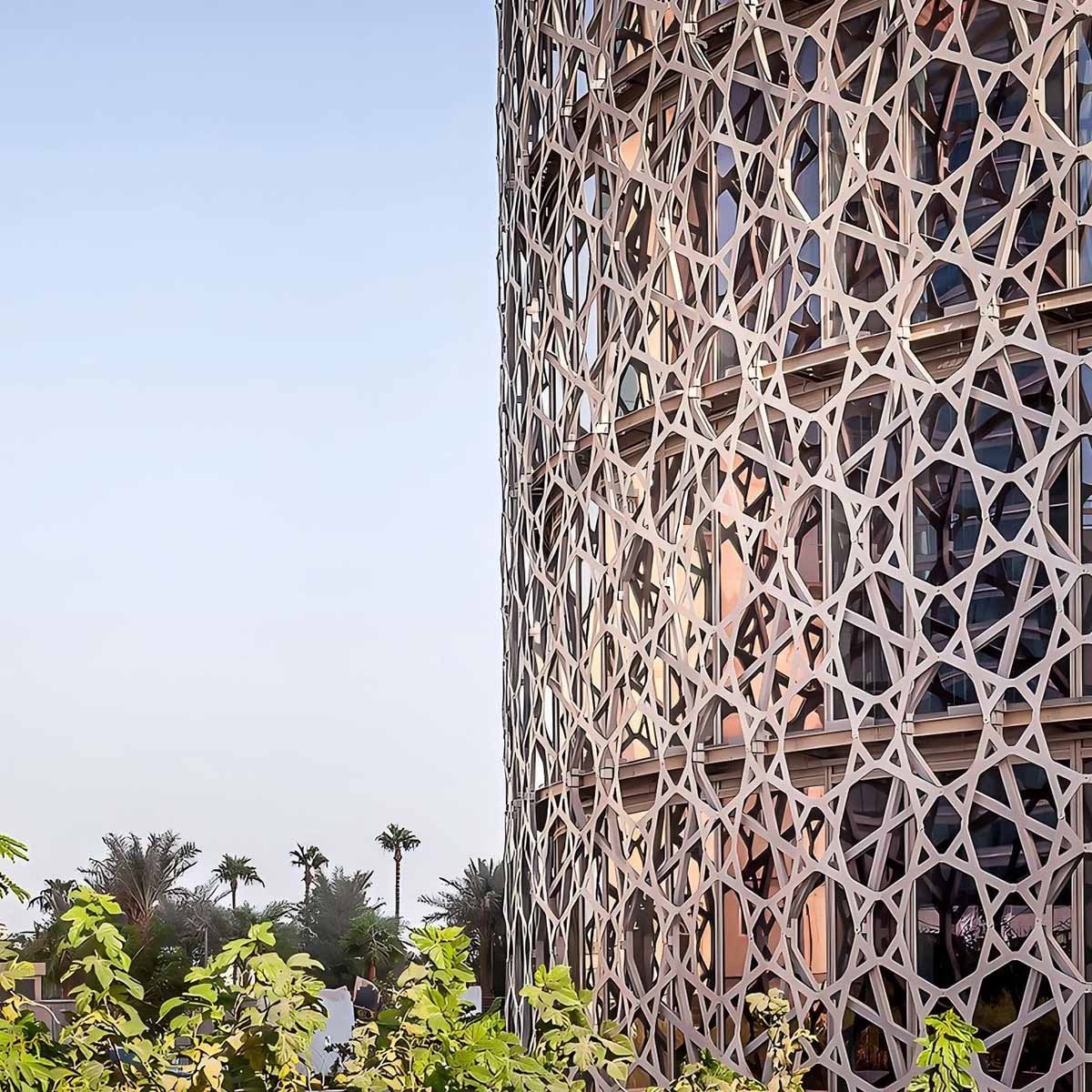
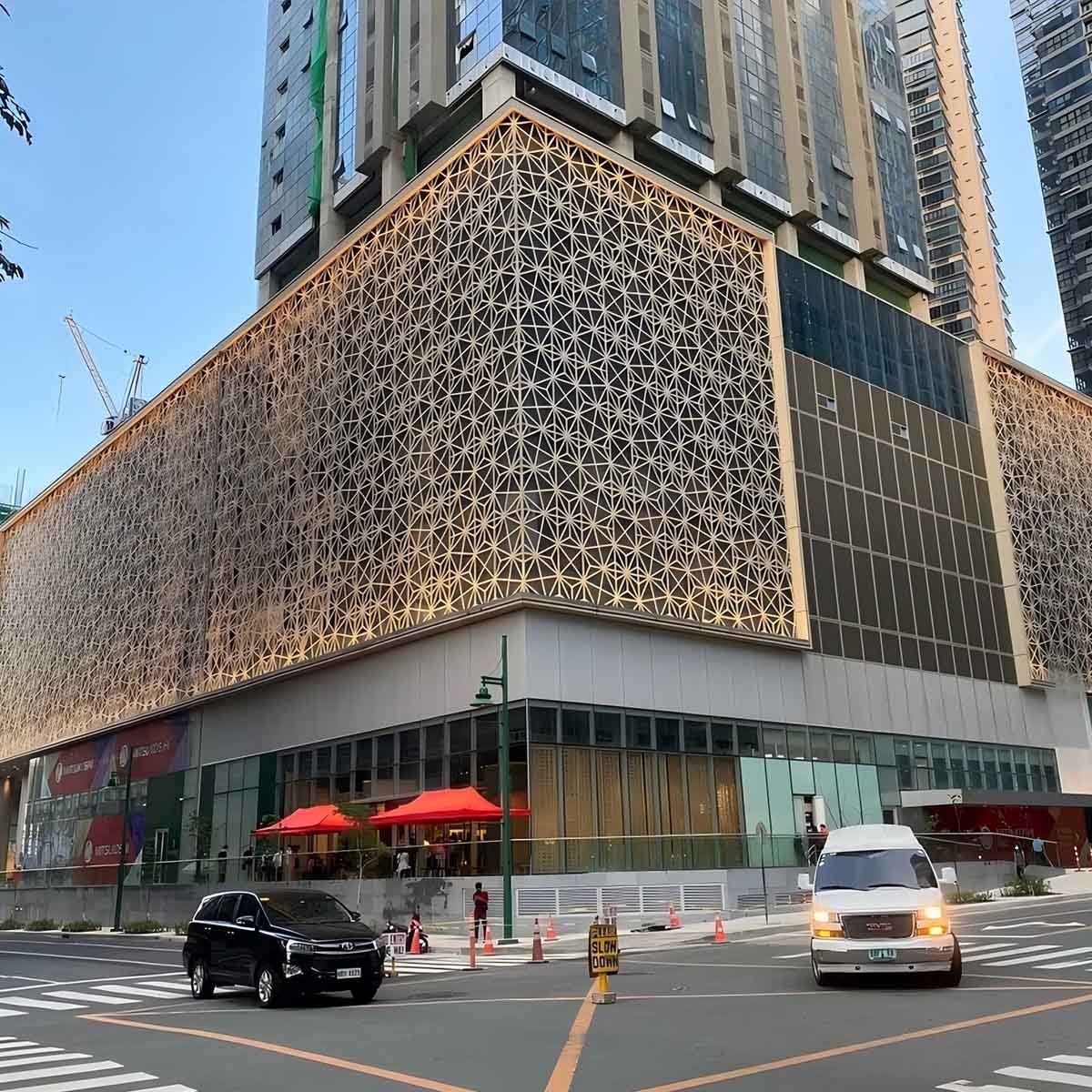
Perforations, laser-cut patterns, and movable panels are used to construct dynamic facades using stainless steel material. These designs add beauty to the buildings and at the same time provide a solution to natural air flow and control of light.
Mixed-Material Combinations
Integrating stainless steel with other materials such as wood, stone or glass is another novelty in modern architecture. These combinations establish contrast which helps to add depth furthermore adds a personal touch to the appearance.
Sustainable Manufacturing Practices
Recycling is a way of conserving energy when producing stainless steel while green coatings also help in improving the sustainability of stainless steel. These innovations raise its prospects in environmentally friendly construction projects.
Expanded Use in Minimalist Architecture
Stainless steel’s smooth appearance and reflective surface make the material suitable for modern designs inside and outside a building. This makes it one of the most suitable types of architecture today being this simple and very functional.
Trends in the construction industry chic designs like daring finishes and great interfaces place stainless steel as a pillar of modern architecture. The properties of the material make it relevant and thus useful for future-oriented design solutions.
Conclusion
Architectural stainless steel looks elegant and also provides features such as improved usability, corrosion immunity, and more. That is why it is so suitable for the contemporary flexible and ecological concepts of creative and durable buildings.
Through facade and interior fittings, stainless steel continues to challenge the creativity of architects. Selecting this excellent material guarantees an everlasting concept that improves the aspect of beauty as well as the efficiency of your creations.
Contact Request
Looking for a custom stainless steel architectural solution? Reach out to our team for top-notch advice, quality materials, and trustworthy manufacturing solutions today.