






Custom-Made Solution
Architectural
Metal Wall Cladding
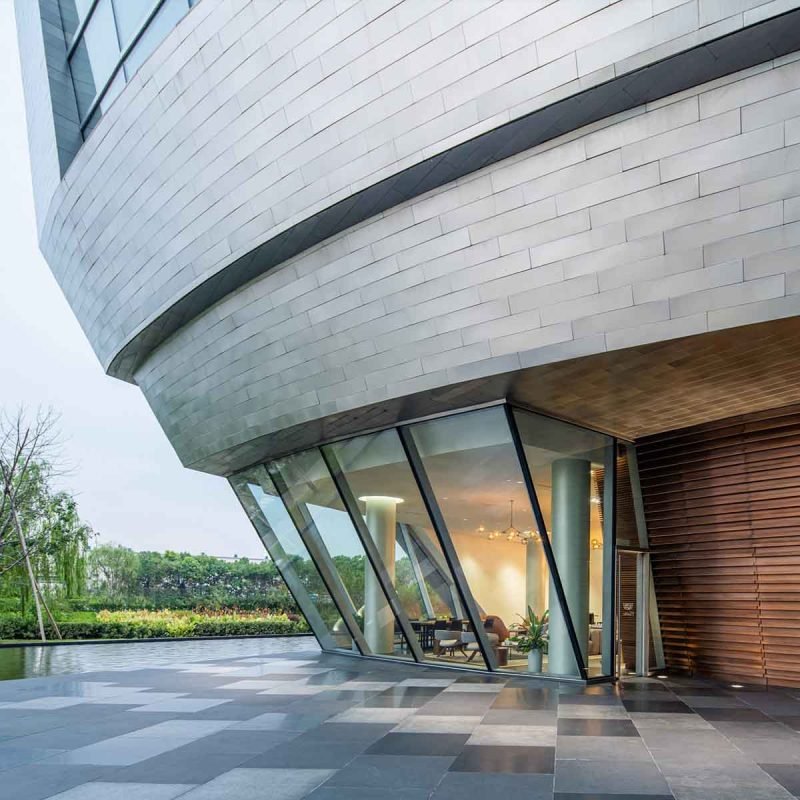
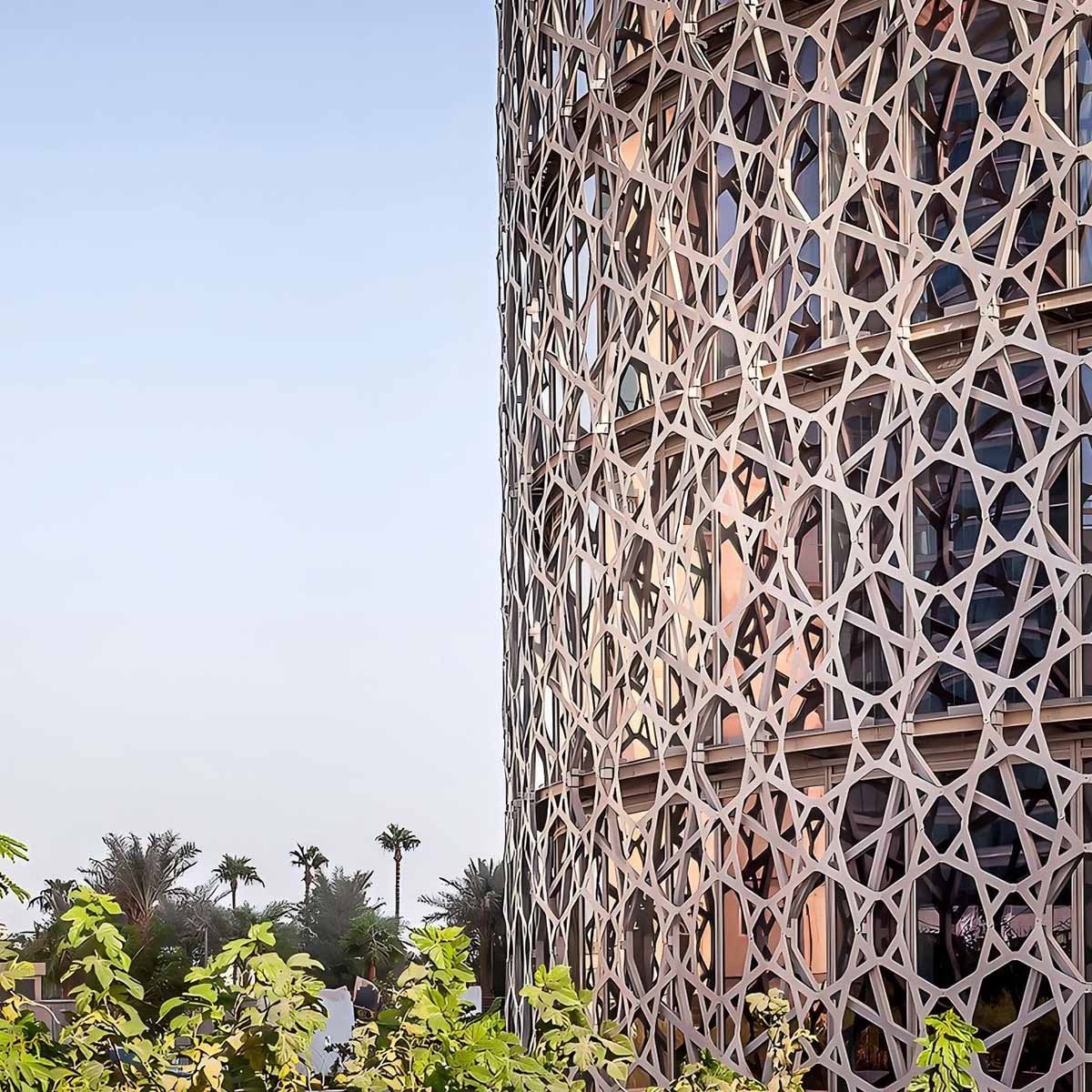
Architectural metal wall cladding improves the look and practicality of structures through the installation of strong metal panels on the walls. Made up of materials like aluminum or stainless steel, it provides weatherproof features and fire protection.
Metal wall cladding comes in numerous surfaces, richness, and hue making it easy to apply in any architectural design. It improves energy, insulation, and acoustic and this makes it appropriate for functional stated, and distinctive modern architecture.
Applications
Cladding Categories
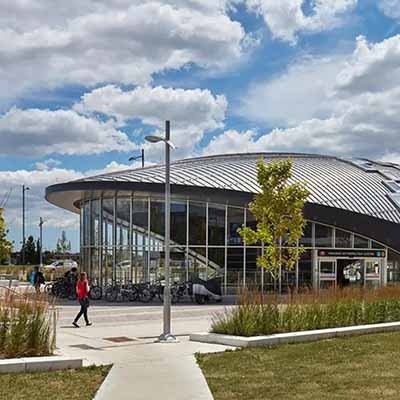
Architectural wall cladding is an improvement in functionality and aesthetic beauty hence it is widely applied in various constructions. Common examples are in residences, business and office structures, health care facilities, schools and universities, museums and art galleries, sports stadiums and concert halls, and stores and malls.

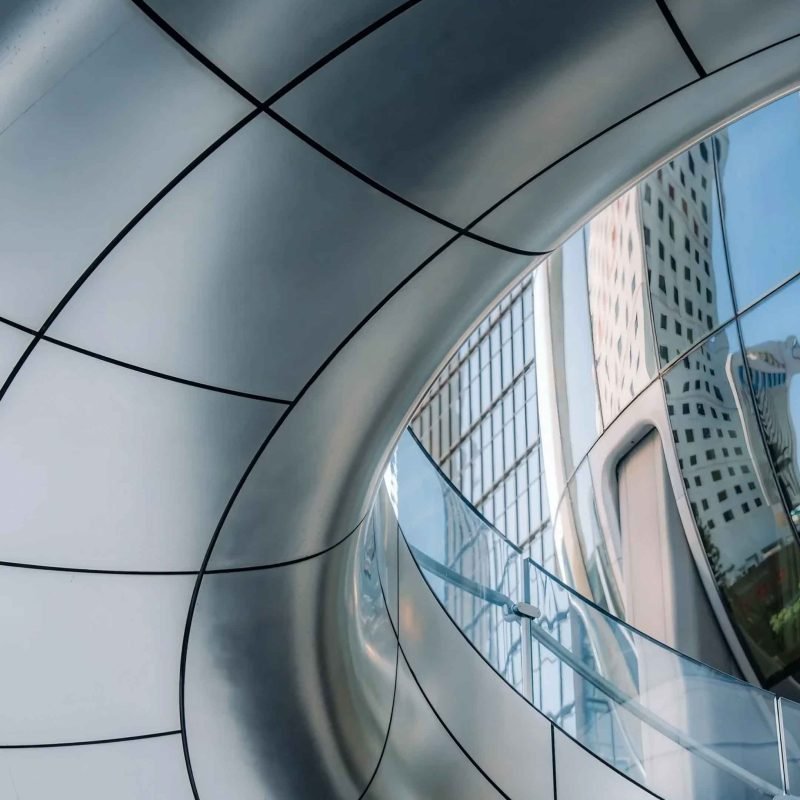
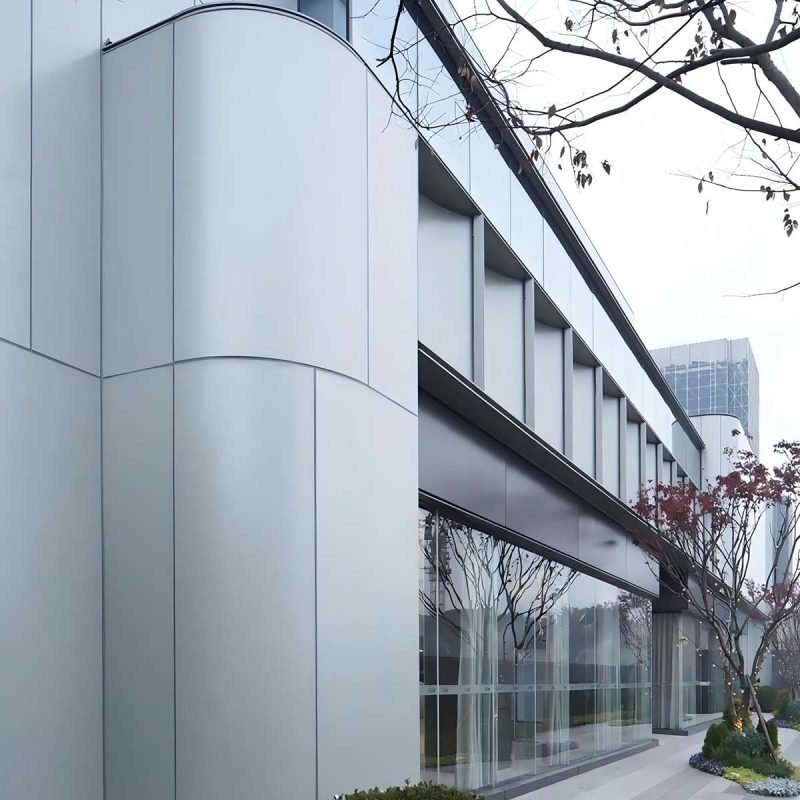
Exterior Stainless Steel Wall Panels
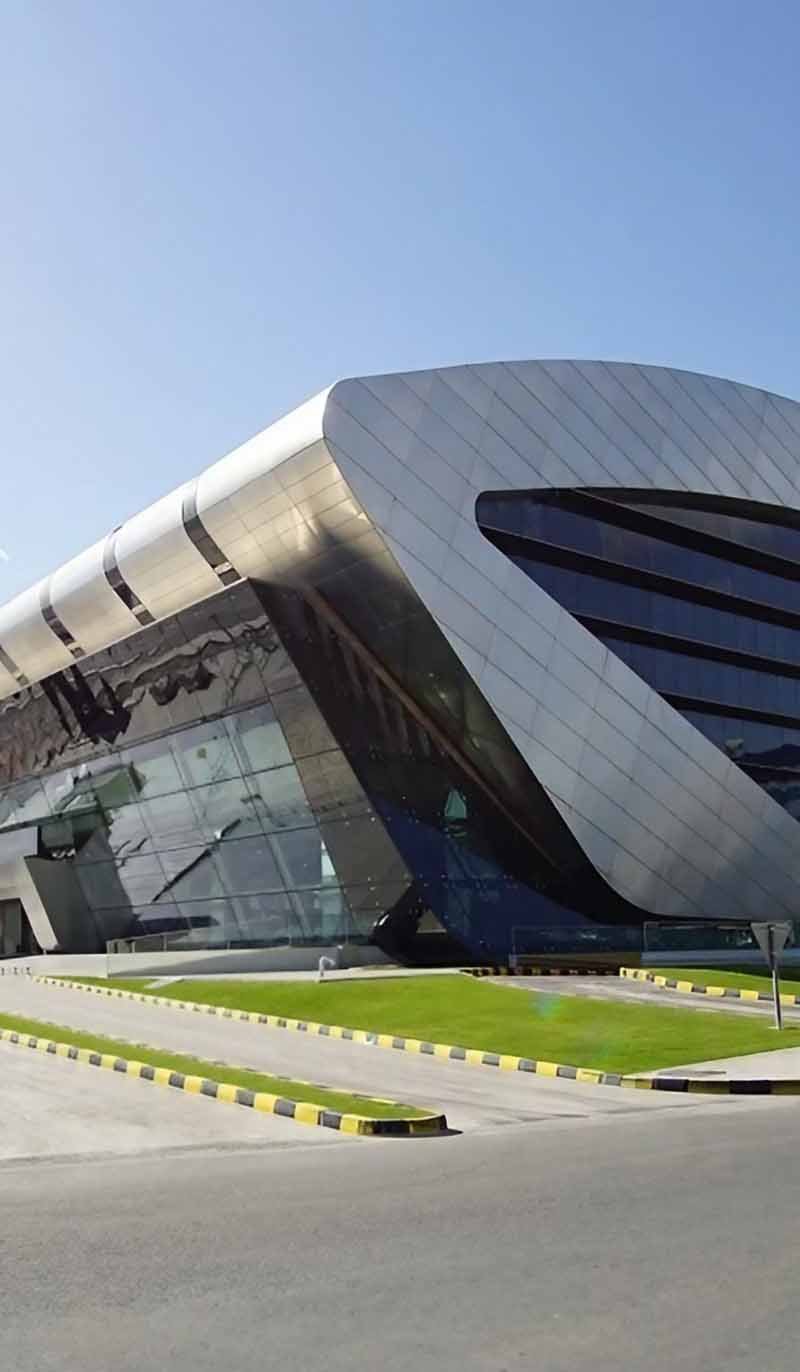
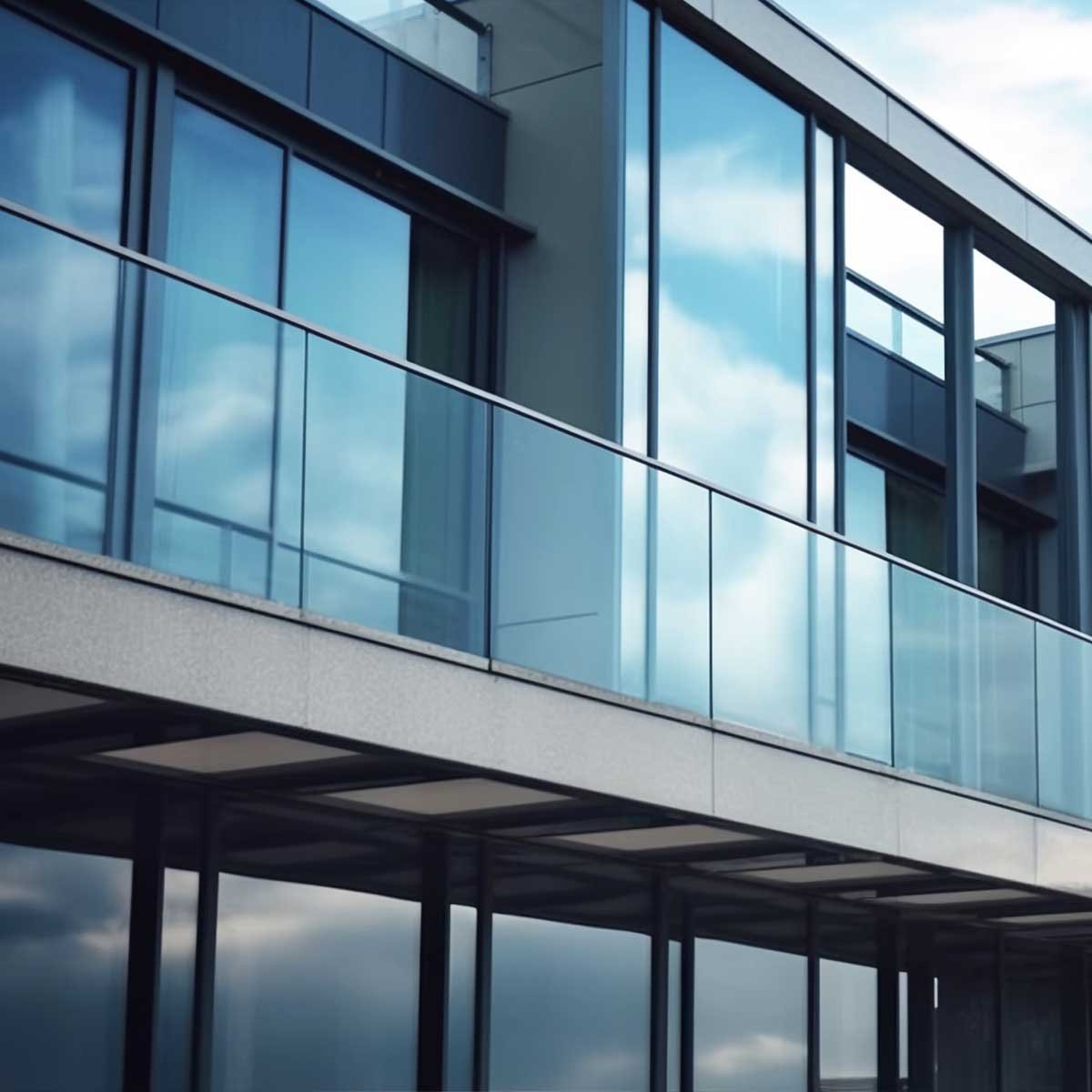
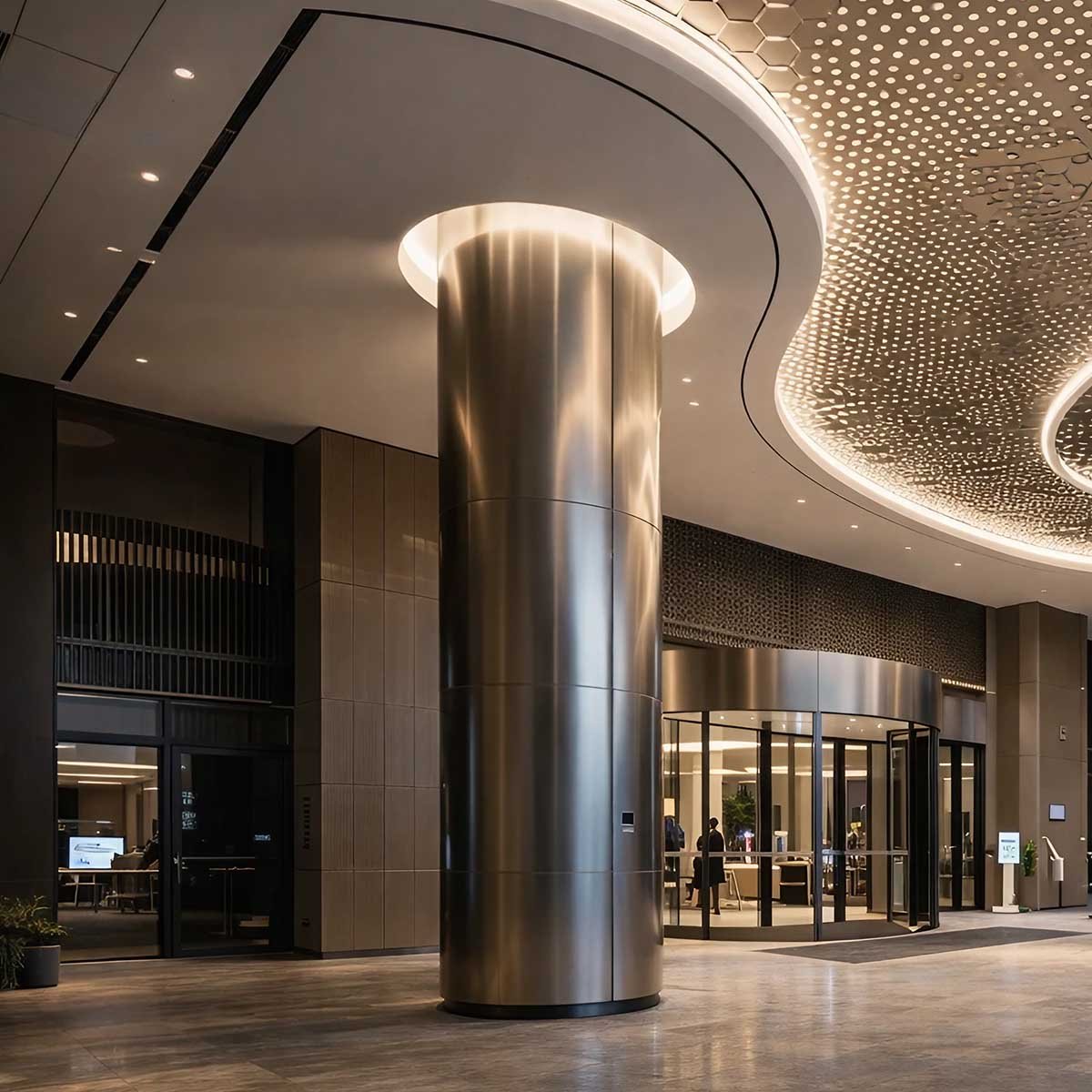
Stainless steel facade panels improve not just the looks of the structures, but also their performance. These have smooth texture and fine surface leaving a modern petrol with exterior walls.

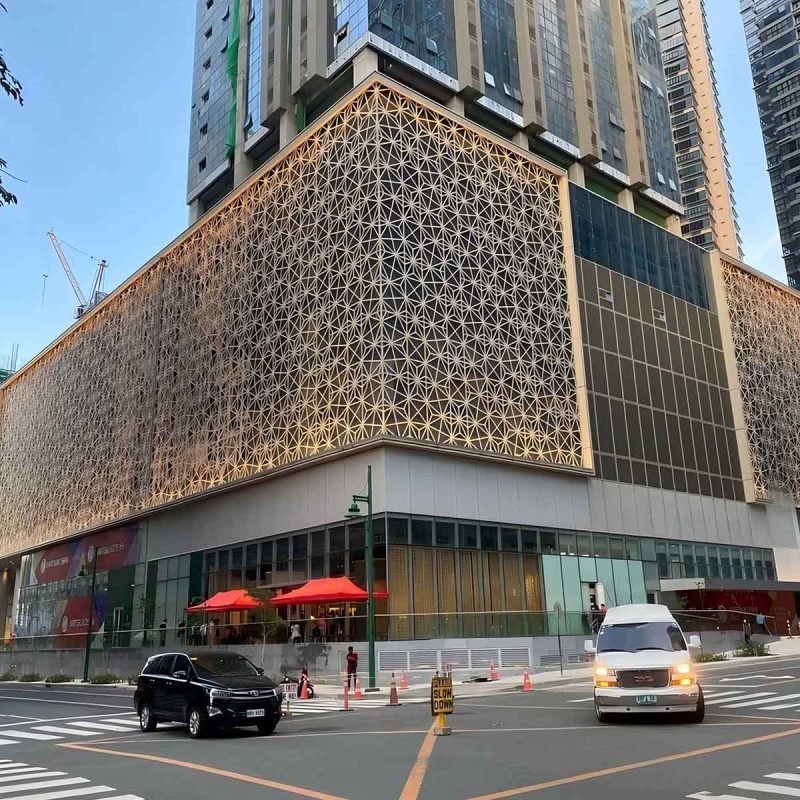
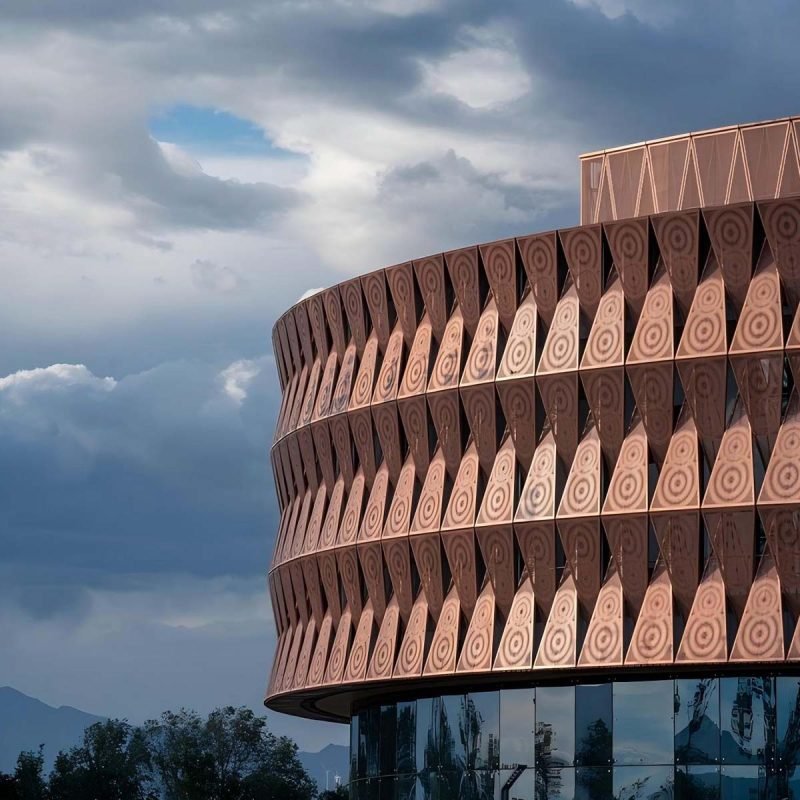
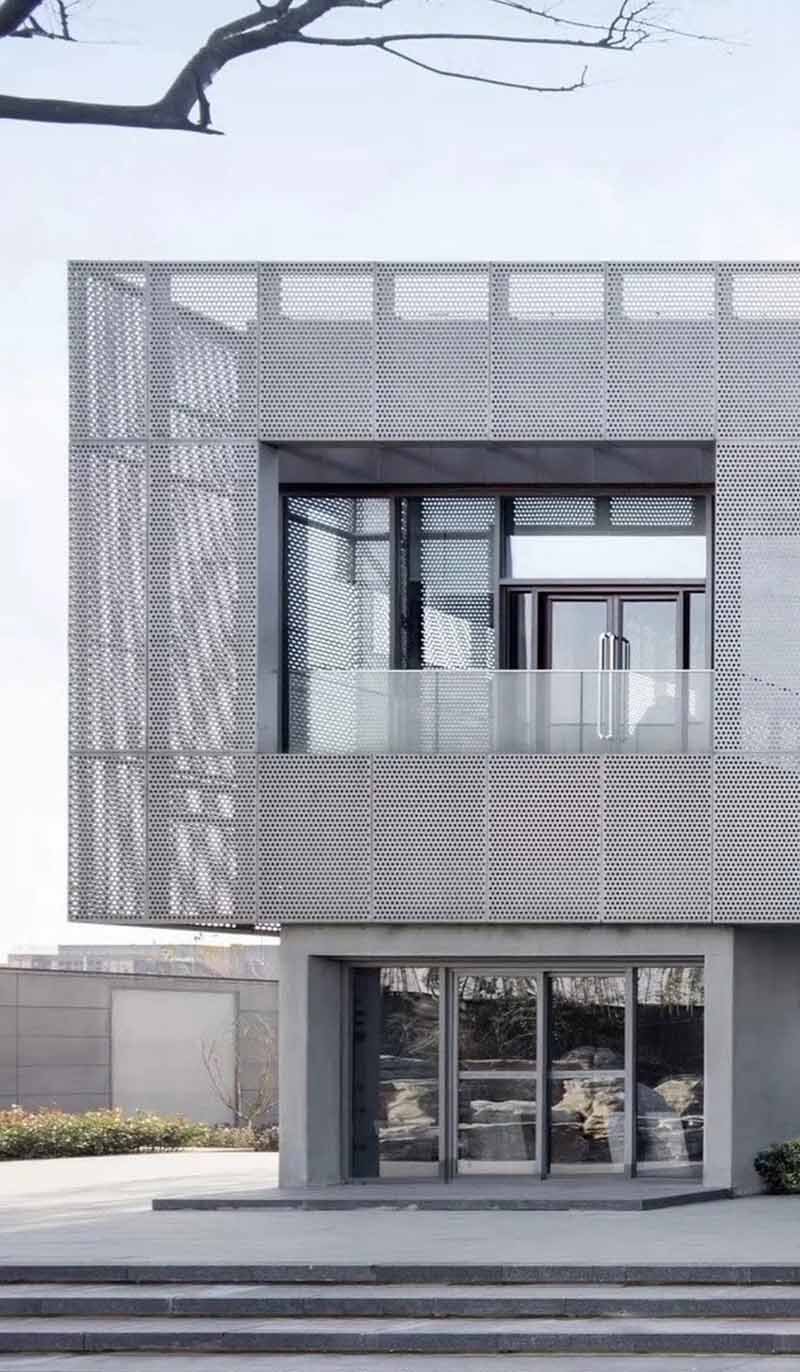
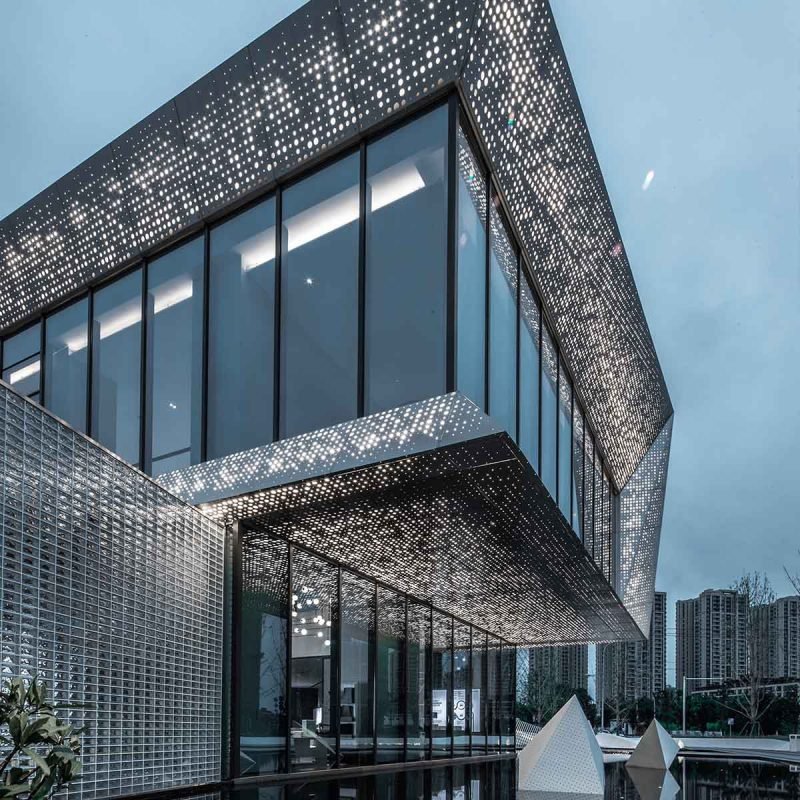
Perforated Metal Cladding Panels
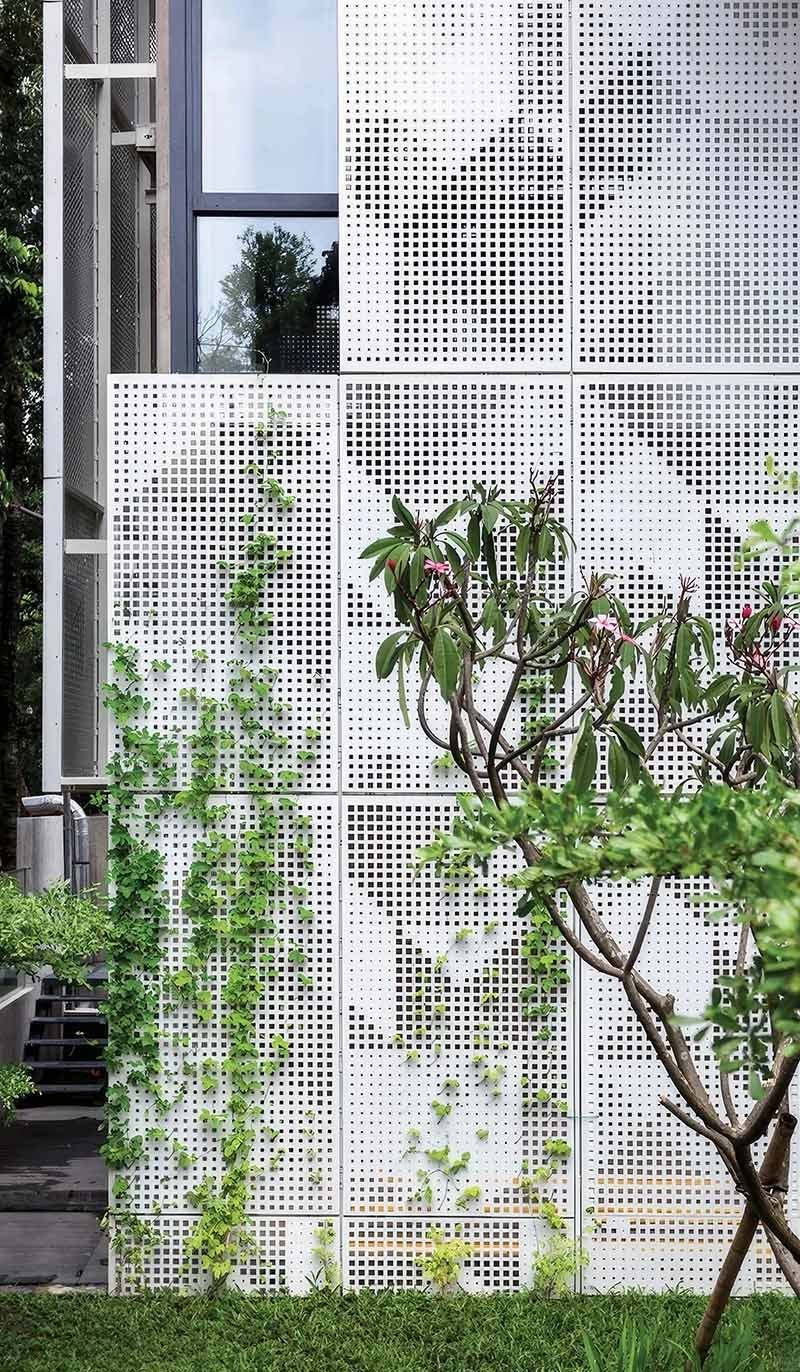
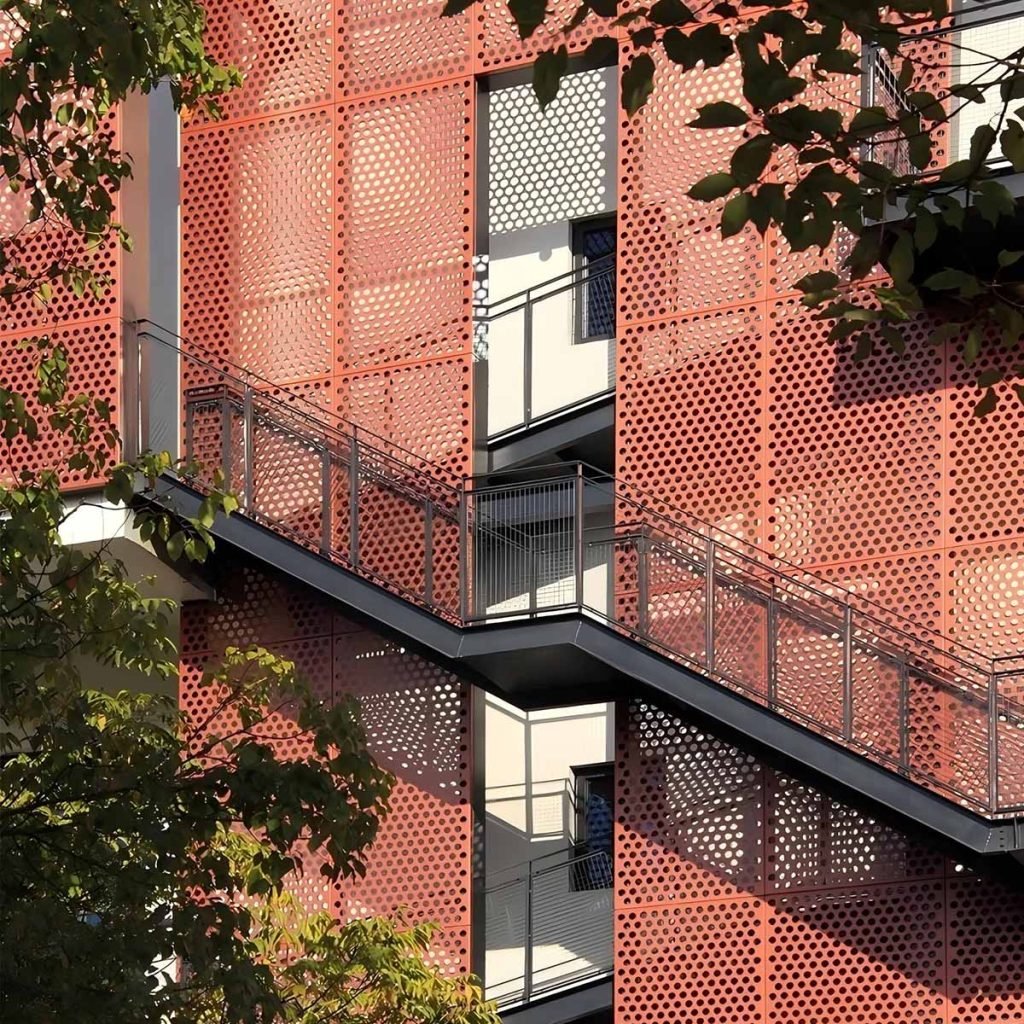
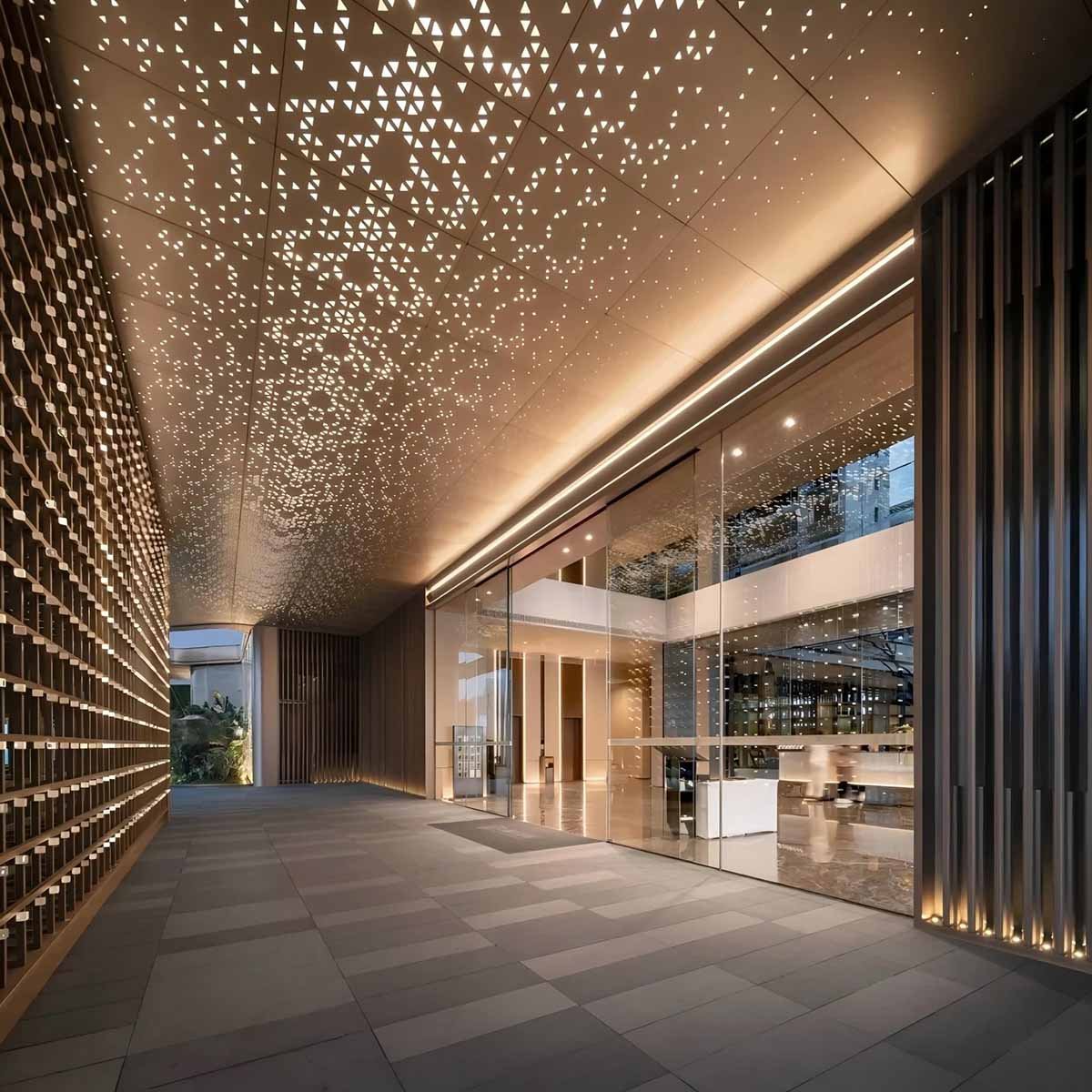
Perforated metal cladding is the most viable option considering the aspects of functionality and beauty. It also has finely executed patterns of very small aperture as part of its design and functionality.

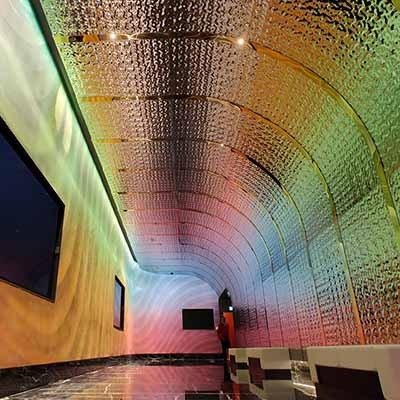
Water Ripple Metal Wall Panels
This furniture is pleasing to the eye and is made of a water ripple metal sheet that gives modern elegance to the room. Some are made from stainless steel with high quality giving the product a unique look.

Interior Stainless Steel Wall Panels
Stainless troughs can be mounted vertically on the walls with the use of wall cladding panels which look trendy. It makes them appropriate for end uses that require longer longevity inside buildings.

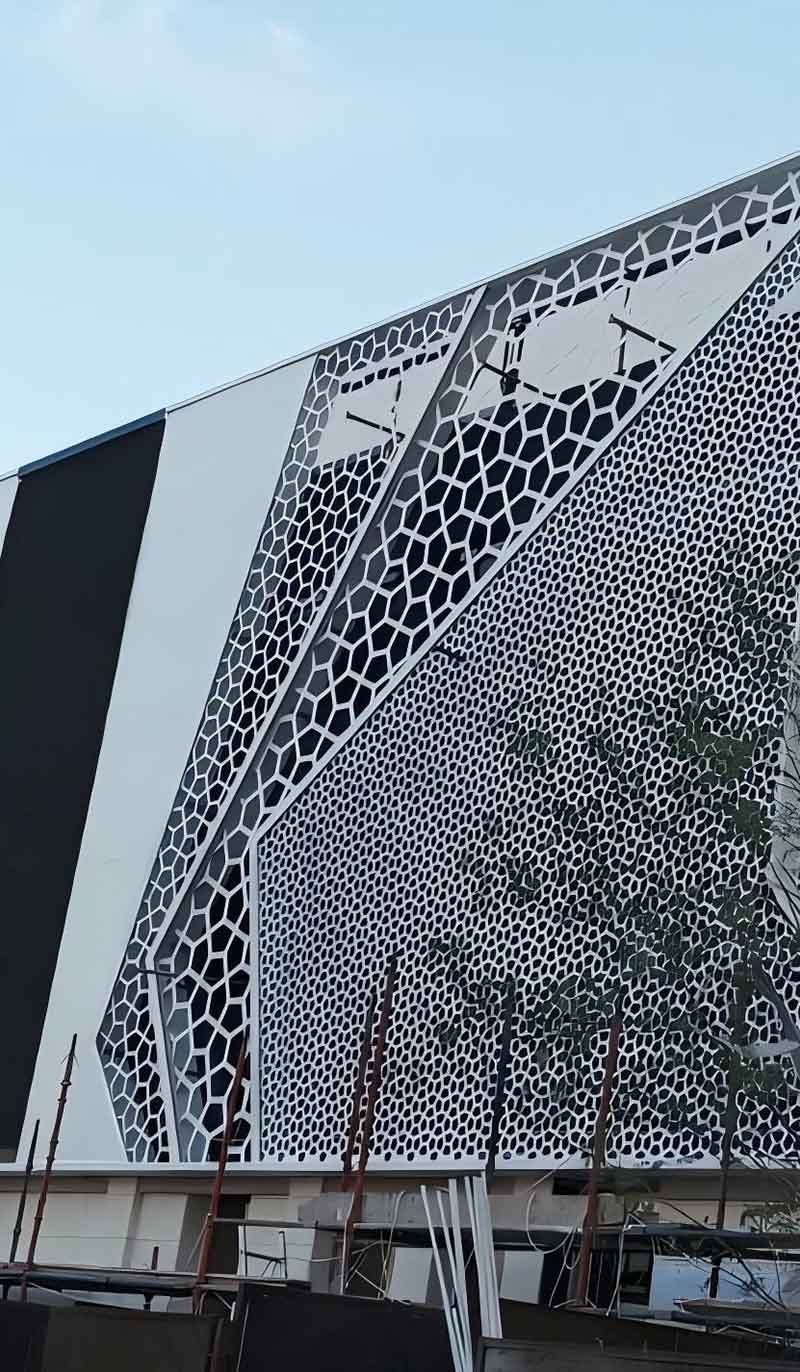
Laser Cut Metal Facade Panels
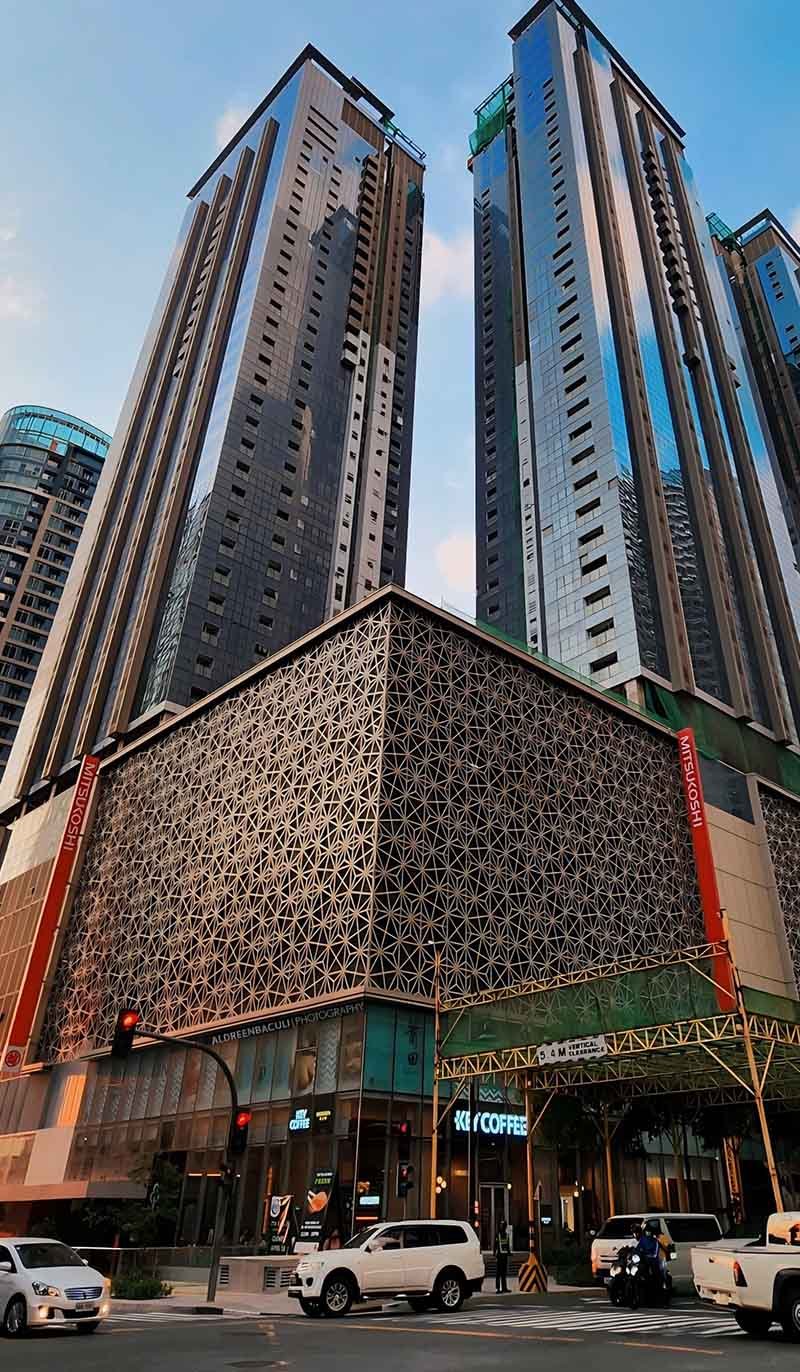
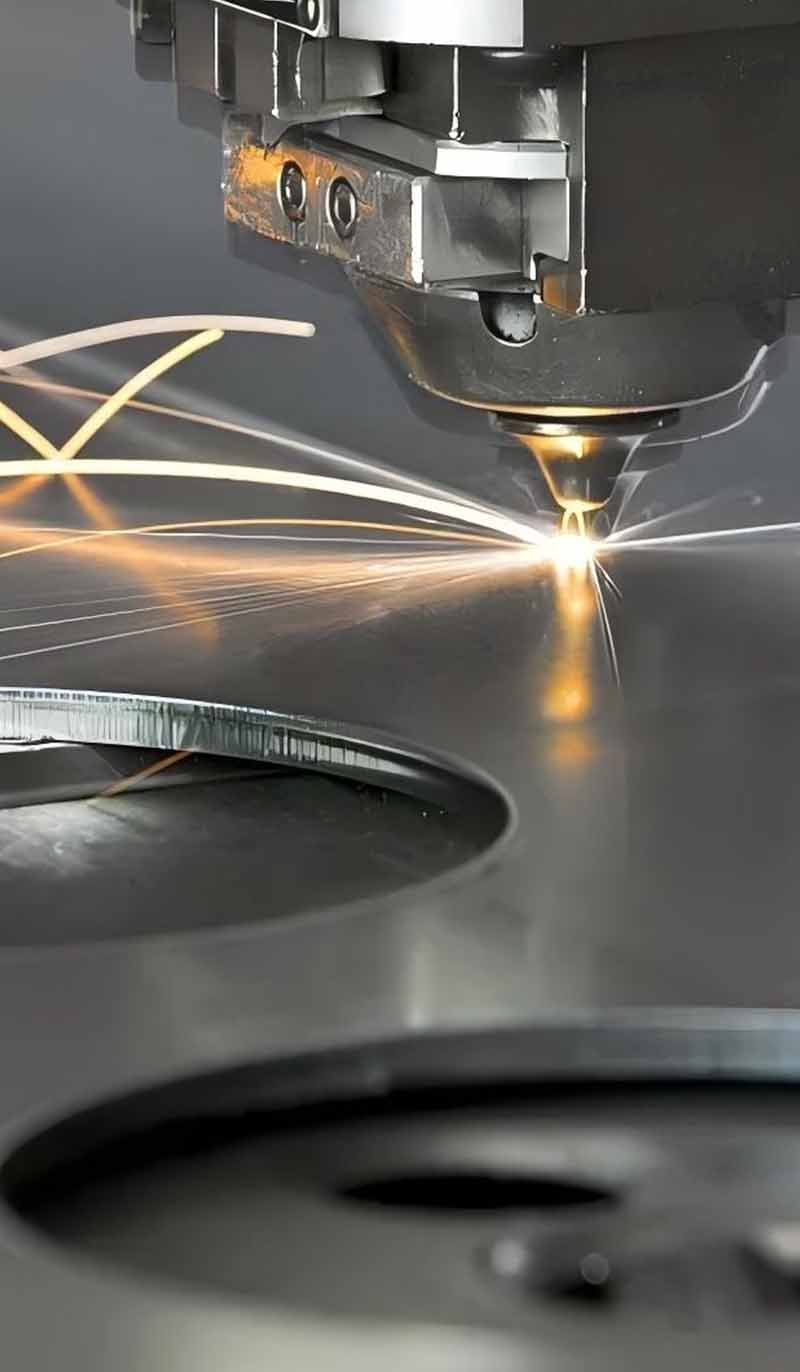
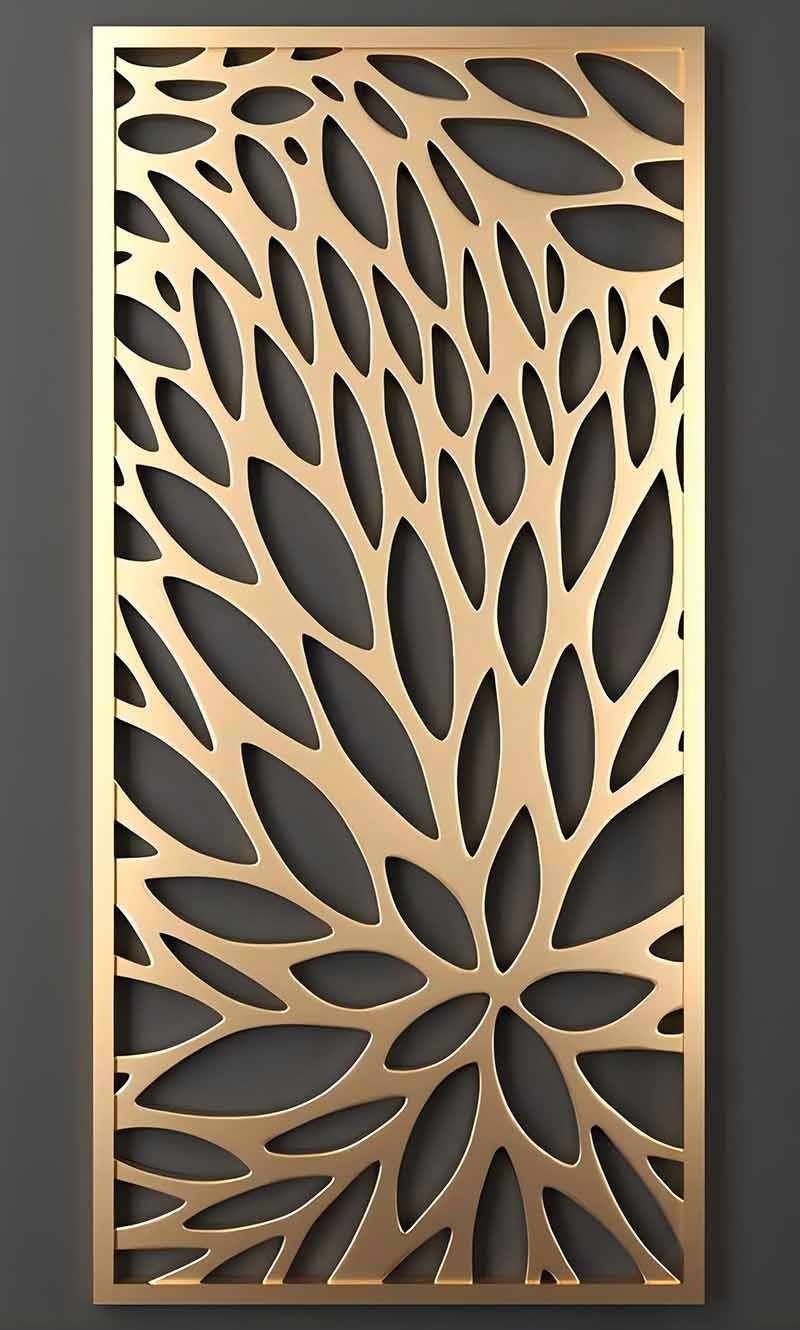
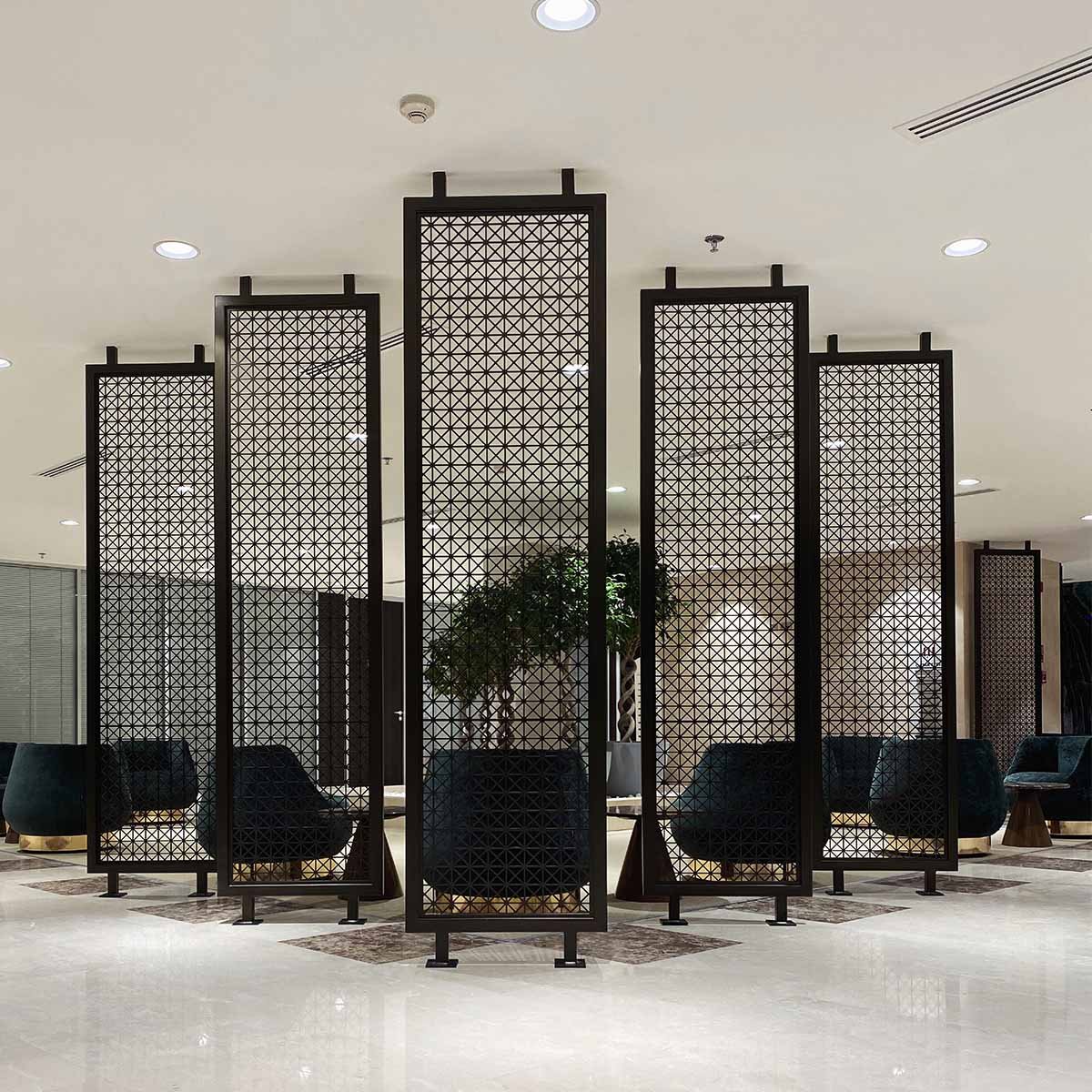
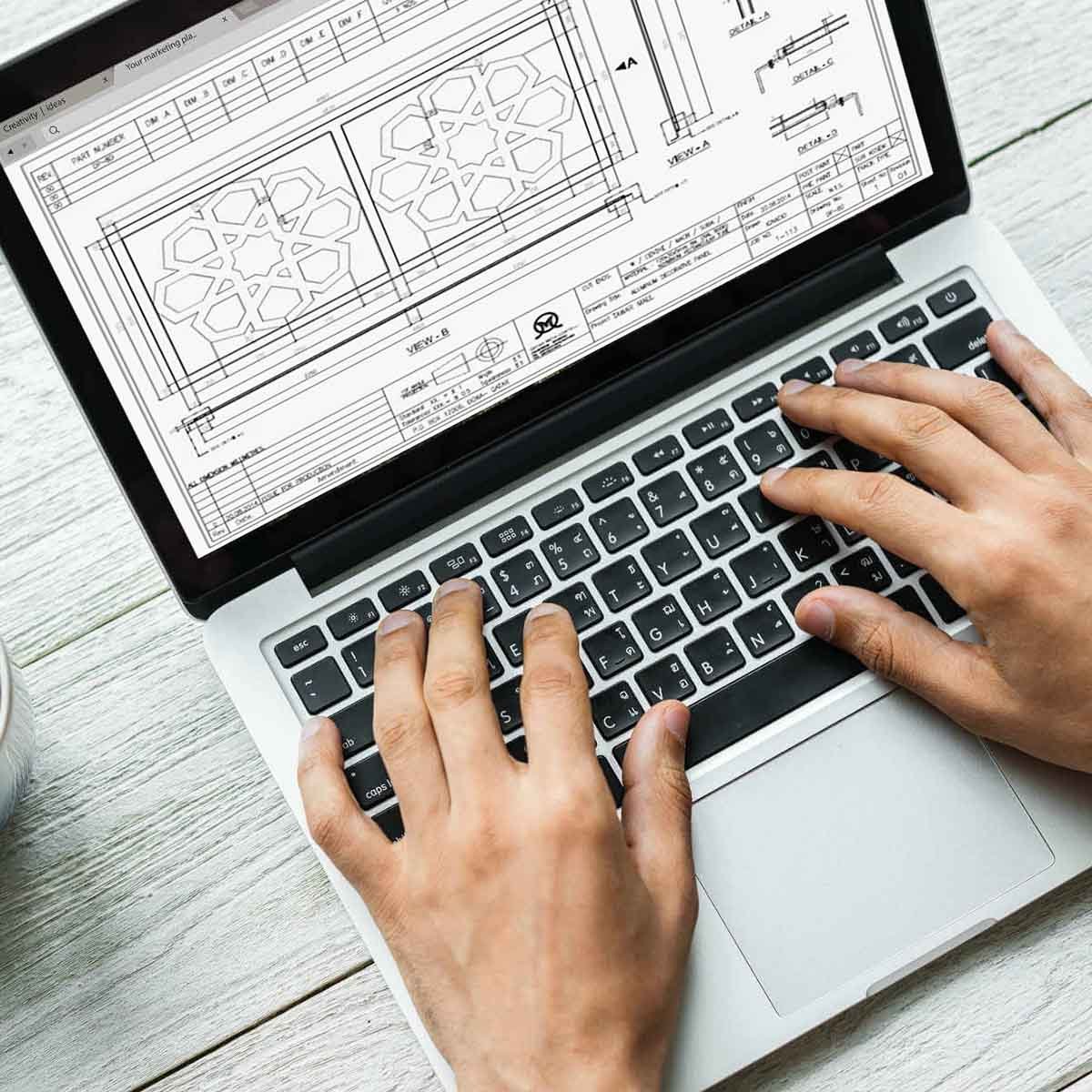
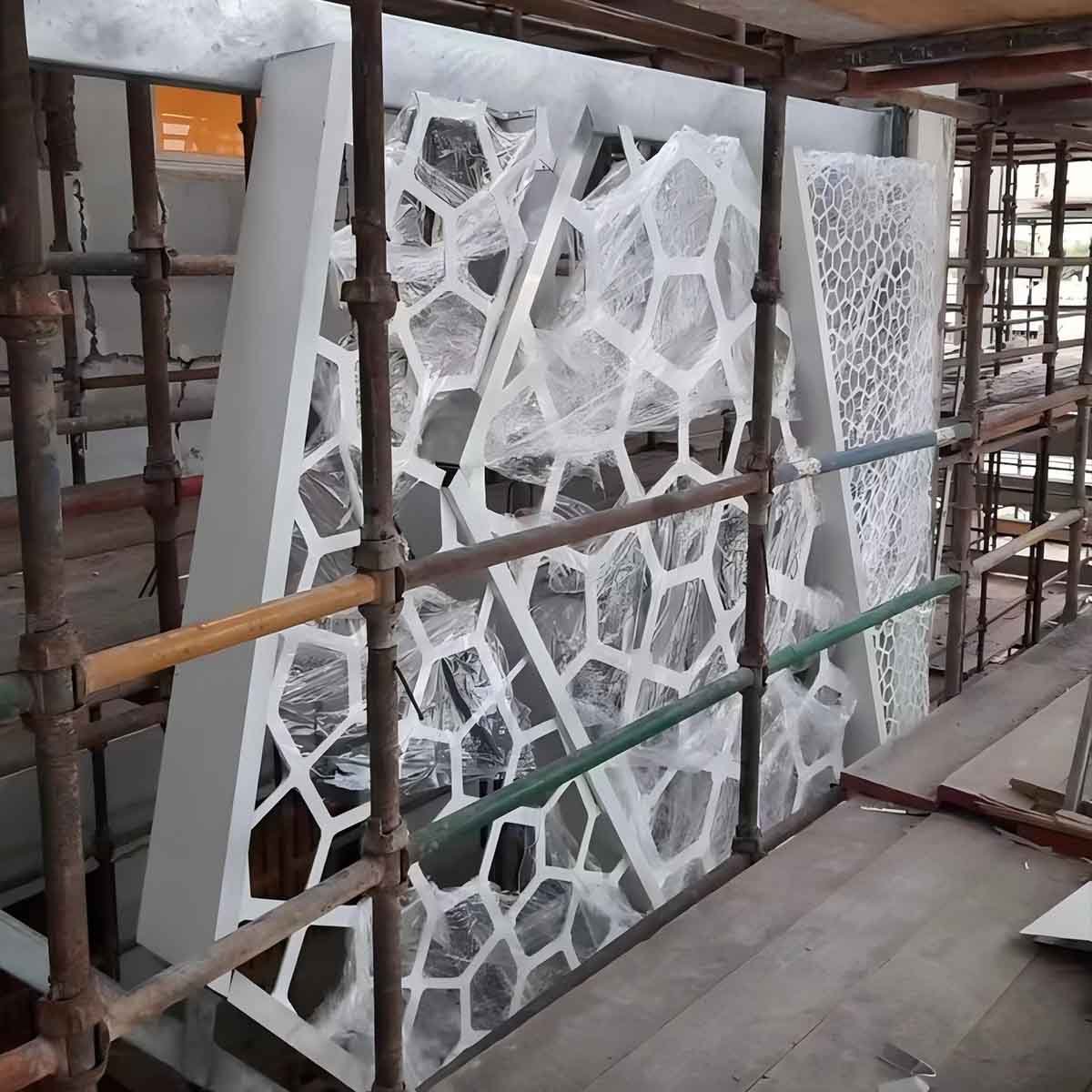
Metal facade panels with laser-cut patterns add the element of art to the functionality. These aesthetic and suitable panels received special attention to detail thanks to the laser cutting method.

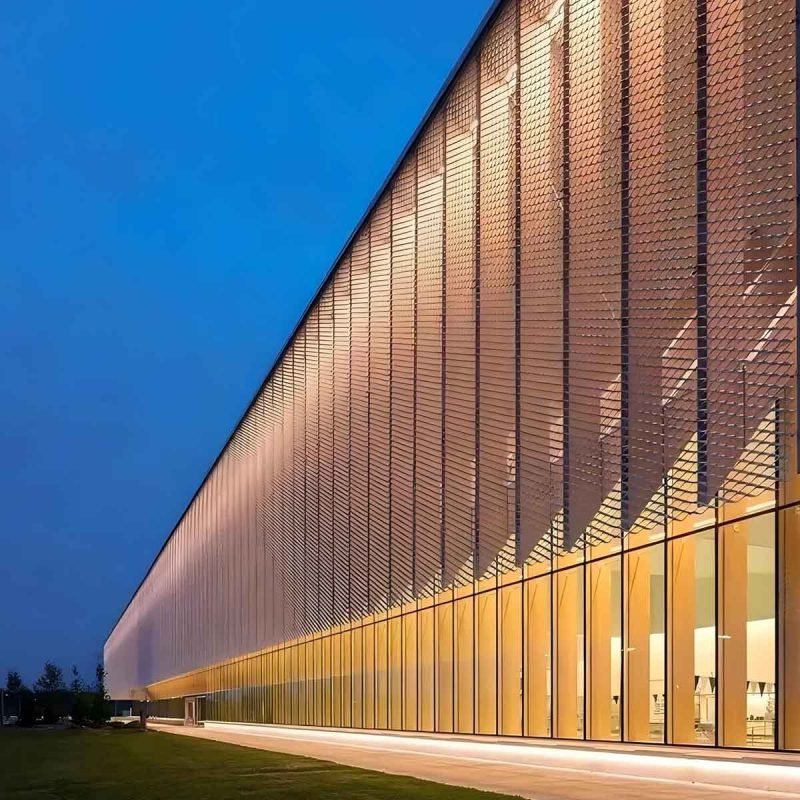
Expanded Metal Mesh Facade
Functional architectural aesthetics of the constructed expanded metal facade. They are made from high-strength lightweight materials, as well as improving aesthetics they add value to functionality.
Commercial Buildings
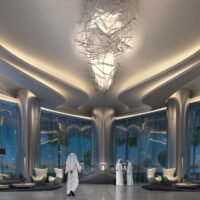
It is used mostly in central city commercial buildings like offices, hotels, and malls among others because of its glamorous look. It also brings toughness, and resistance to harsh weather conditions, and is easy to maintain especially in busy areas.
Educational Institutions
In many schools and institutions, metal cladding is applied to improve the aesthetic value of the building, so that the exteriors are appealing. It also shields the building against environmental forces for it to be hard and stand strong as required.
Residential Buildings
Metal cladding is applied in residential constructions delivering modern looks and protection from weather conditions. It is appreciated by the homeowners and developers for its heat insulating properties and fire resistance, and reasonable cost.
Cultural and Recreational Facilities
When it comes to exterior design metal wall cladding is very popular for museums, theaters, and stadiums. It increases beauty at the same time improves durability, low maintenance feature, water resistance, and soundproofing of this cultural heritage.
Industrial Facilities
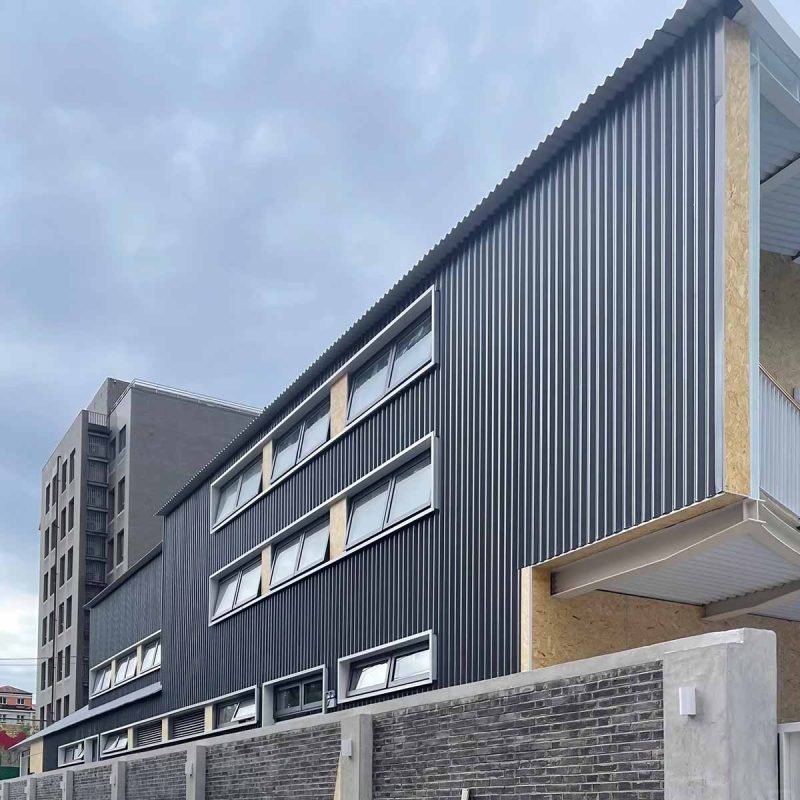
Metal wall cladding is very common in industrial structures and it can adequately shield any structure from any weather and it makes structures neat looking. It also supports the regulation of temperature, noise, and fire instance among other things.
Public Spaces
Metal cladding primarily offers a long term lasting protection with architectural patterns most especially in airports and train stations. It is very ornate and does not require constant fussing over, perfect for a facelift of both appearance and utility.
Renovations and Retrofitting
Metal cladding is usually used when it is necessary to modify the building and bring it to another use in the new millennium. This method redecorates the external facade, and at the same time improves the energy, insulation, and strength of the building.
Metal wall cladding can, therefore, be referred to as a versatile solution that provides aesthetic and performance improvement of structures. These are the aspects that have made it possible for it to be used in many sectors some of which include the following aspects longevity, low maintenance, and energy saving.
Material
Metal Options for Architectural Cladding
Depending on the functional and aesthetic characteristics of the building required the metal cladding could be manufactured with various types of materials. These include titanium, stainless steel, zinc, copper, and aluminum which all have their distinguishing properties to enable architects to attain their look and durability.
Aluminum
When using aluminum as metal cladding, it is also very familiar with versatility and low weight as well as high corrosion immunity. In this, it can be coated or anodized to have different looks and at the same time gives strength in working and ease of installation.
Stainless Steel
Stainless steel cladding gives the buildings enhanced mechanical stability, durability against corrosion, and beautification through the modern outlook. However, it can be treated in various forms as can be brushed, polished, or given a patterned surface.
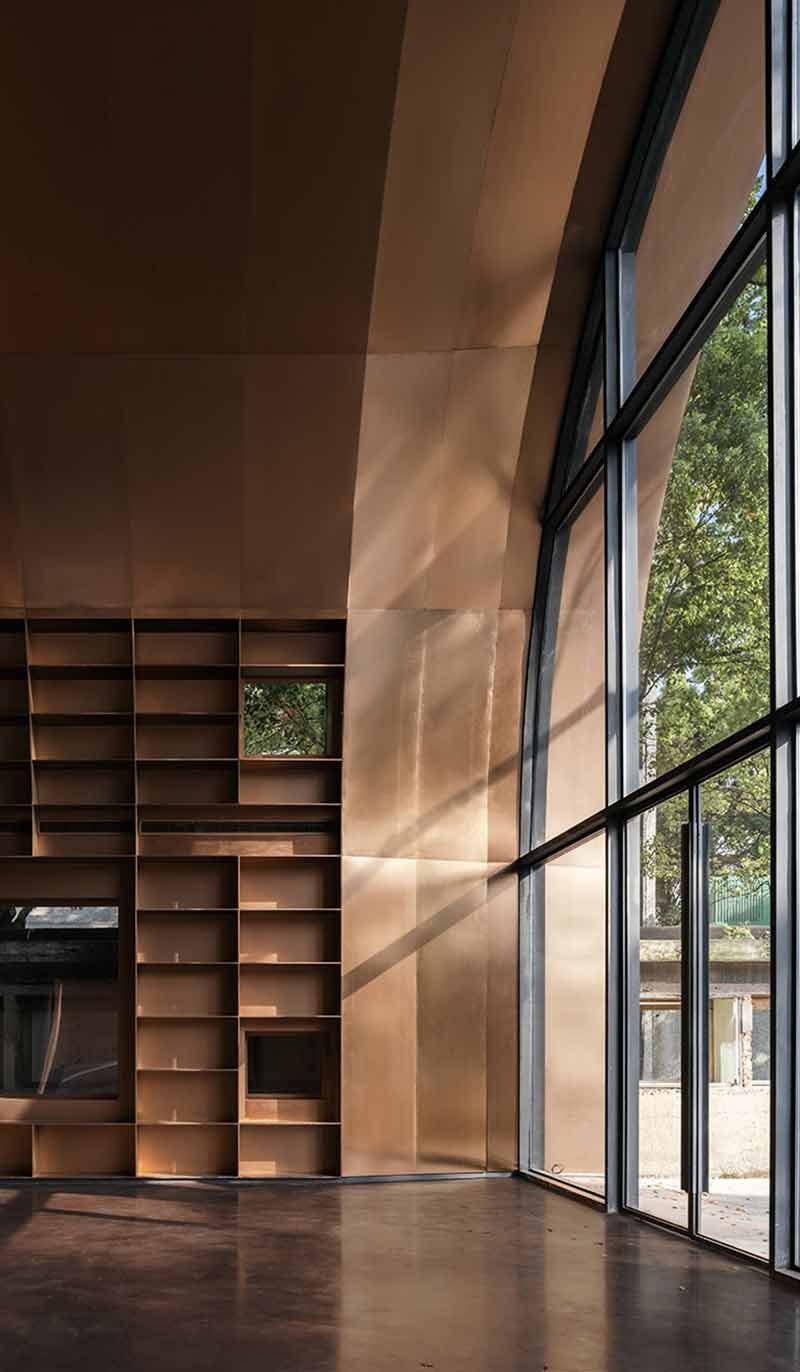
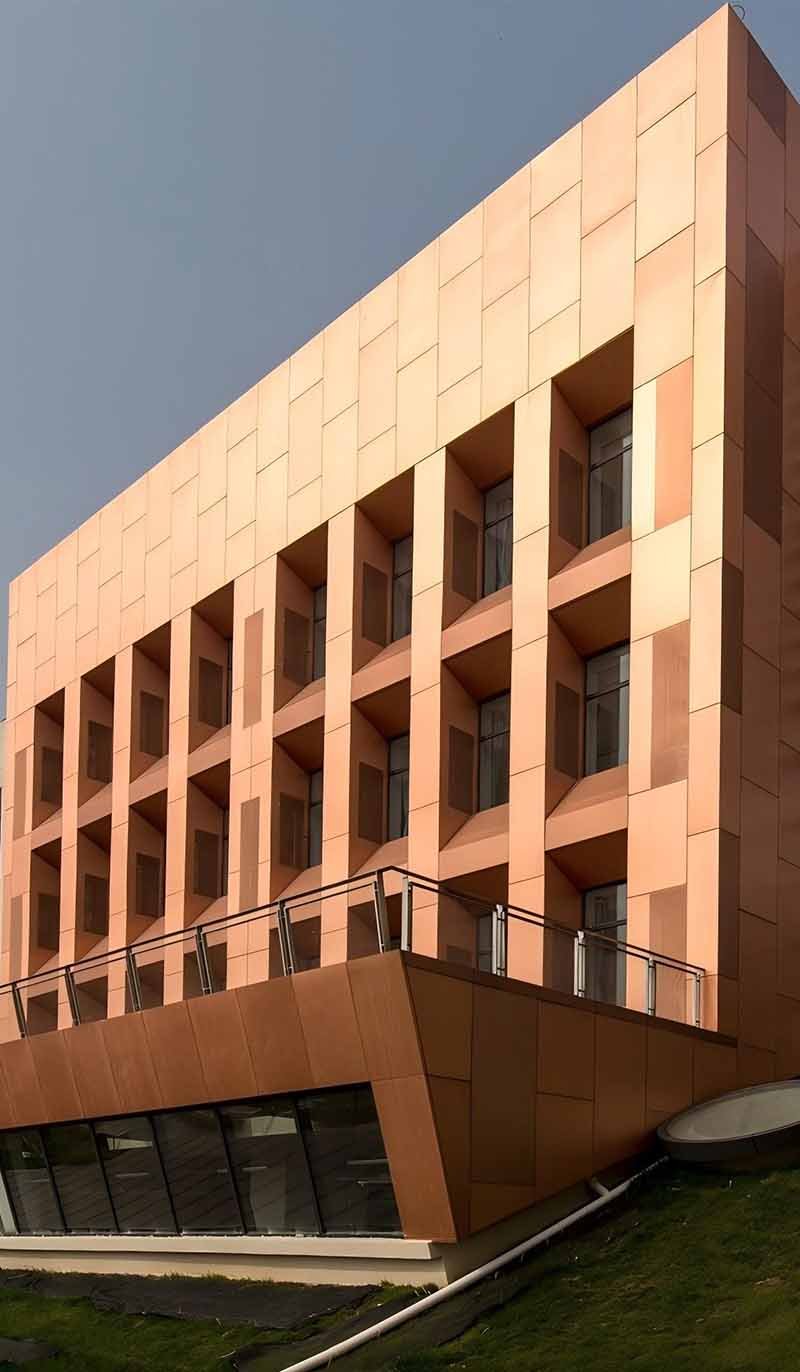
Copper
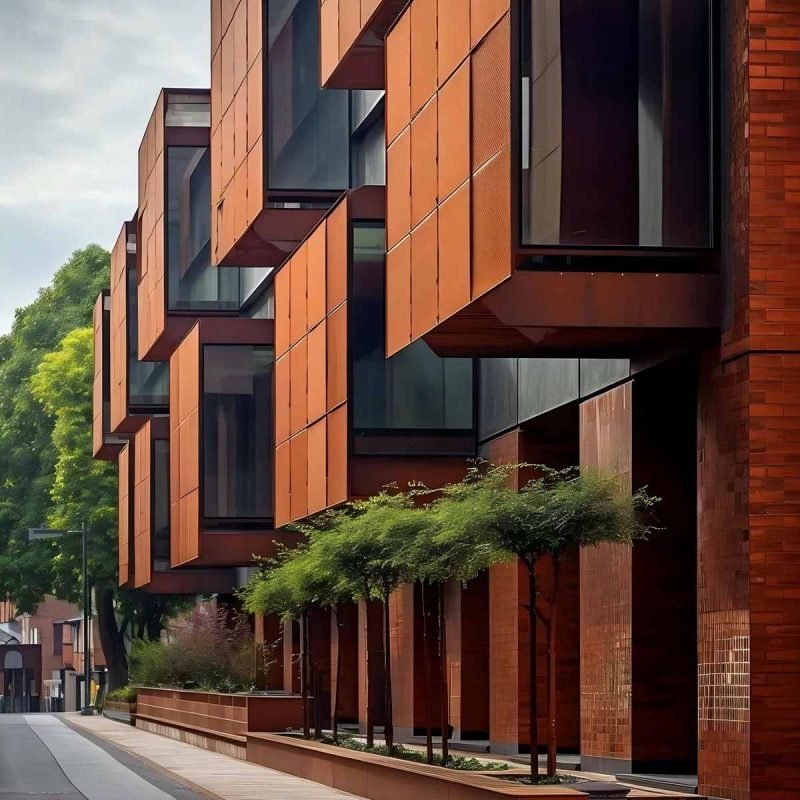
Gives the cladding a copper color that has aged, and this results in a look that is rich in gold. Because of this factor, it does not wear out quickly, has designs that are unique in the market and sustainable designs hence used greatly in high-end architectures.
Composite Panels
These are made by bonding metal skin such as aluminum to some other material thereby making it a suitable cladding material. These panels increase the design capability and bring energy savings through different coatings, colors, and surface finishes.
There is nothing as topical as the material chosen for architectural metal cladding since it not only describes the aesthetic appeal of the facade but its technical properties as well. I think that each has some advantages over the other aluminum or copper and architects can plan the level of durability they need in their design.
Highlights
Why Choose Metal Wall Cladding
for Architectural Projects
This paper is going to briefly discuss the two advantages that are inherent in using and implementing metal wall cladding in architectural projects. Intended for use by architects or designers who seek to enhance the appearance and functionality of an object because of its adaptability, sturdiness, and sustainability.
Design Versatility
Architecture admires that metal cladding gives them the freedom to design facades in a very innovative way. Its flexible standard forms, hues, finishes, and motifs enable the builders to turn their artistic imaginations into reality.
Durability
Metal wall cladding is very durable offering protection against all forms of weathering, sun, rust, and flames. The facade of the building will enjoy the durable protection that can prevent it from threats such as corrosion for years.
Sustainability
Metal cladding is appreciated for main activities such as weather, UV rays, corrosion, and fire protection. This makes it to be applied in architectures to be used for many years in the future due to its effectiveness once installed.
Low Maintenance
Metal cladding is easier to maintain since it does not fade, warp, or stain easily and, therefore does not need frequent maintenance. Normally, a routine wash is adequate to maintain it externally attractive as well as efficient.
Lightweight
Another aspect of metal cladding is that it is less bulky than traditional materials and as such easier to transport and install. It gives a sound, protective shell without unduly increasing the load on the construction of the building.
Acoustic Performance
Metal cladding improves building acoustics by controlling noise transfer through insulation or general sound materials. This feature makes this feature perfect for projects that need sound control specifically in noise prone areas.
Quick Installation
This also increases the performance of a building by providing insulation or sound of products used in metal cladding. This feature is useful in any of the projects that need good acoustics meant in situations with high noise levels.
Contemporary Appeal
Metal cladding offers an aesthetic view of the architectural performances that enhance the look of commercial projects, especially in the modern construction of urban buildings. It is about innovation, sophistication, and smart looks.
Architectural Metal Cladding
Frequently
Asked Questions
Regarding this versatile architectural design factor, some of the most common questions about metal cladding facades. Learn about some common questions that people have regarding this durable and beautiful construction technique as well as how it can be installed and the problems that may arise concerning the environmental impact.
-
Q. What is architectural metal cladding?
Metal cladding is defined as the use of metal panels or sheets as interior or exterior skin of building constructions. They said this technique improves the architectural aesthetics, lifespan, and usability of the constructed structure.
-
Q. What are the benefits of using metal wall cladding?
Some of the benefits of metal wall cladding include weather protection, flexibility in design, and minimal need for constant maintenance. The cladding improves energy use, aesthetics, and often acoustic value in providing a barrier to the natural forces affecting structures.
-
Q. Which metals are commonly used for architectural cladding?
Metals used in architectural cladding are titanium, stainless steel, zinc, and copper. Each is different in terms of some of the features such as corrosion, strength, or patina so that the architect can choose the specific metal for the particular project.
-
Q. Can metal wall cladding be customized?
Metal cladding enables design specification in terms of color, texture, shape, and pattern of the facade as desired by the architect. The menu of options may depend on the manufacturer and the kind of metal chosen by the buyer.
-
Q. Is metal cladding suitable for all types of buildings?
Metal cladding is flexible, for industrial, commercial, residential, education, and cultural premises. This type of flat roof is preferred in newly constructed establishments and remodeling of old buildings regardless of architectural forms and designs.
-
Q. Is metal cladding environmentally friendly?
Metal cladding is a popular style of architectural application because a large number of metals can be recycled therefore minimizing waste. It also increases insulation thereby increasing energy conservation, thus reducing energy usage within structures.
-
Q. How long does metal cladding last?
Metal cladding is very strong and long-lasting, it has been proven that with correct care it will last over fifty years. Its durability varies with the type of metal put in it, the quality of installation done as well as the conditions under which the tank is placed.
-
Q. Is metal wall cladding expensive?
It is for this reason that the price of metal cladding varies for reasons such as the type of metal, possibility of additional work and also the size of the project. It may cost a lot, but may last longer than expected with little or no maintenance at all.
-
Q. Can metal cladding be installed on existing buildings?
Metal cladding can be applied during renovation or remodeling of structures making it applicable in old buildings. This depends on the kind of building and state of the structure as well as compatibility of the cladding system on the structure.
-
Q. How is architectural metal cladding installed?
Available methods of installing architectural metal cladding include fastening, adhesive bonding, and interlocking techniques. The choice of the method is very important for the durability; at this one has to follow the instructions given by the manufacturer and has to be professional.
What News at TBK Metal
Latest Blog
15
Sep
10 Best Facade Materials for Contemporary Buildings
Facade materials do not exist in isolation as mere decorative items; they determine the way ...
13
May
Designing with Commercial Stainless Steel: Function Meets Aesthetic
In contemporary commercial architecture, the materials used must be able to convey more than just ...
25
Mar
Customization in Stainless Steel Fabrication by TBK Metal KSA
Customization in stainless steel fabrication has become of key importance in modern-day architecture providing solutions ...
Requesting questions about our products or need help with your requirements? Feel feel to contact us, we normally respond within 24 business hours.