



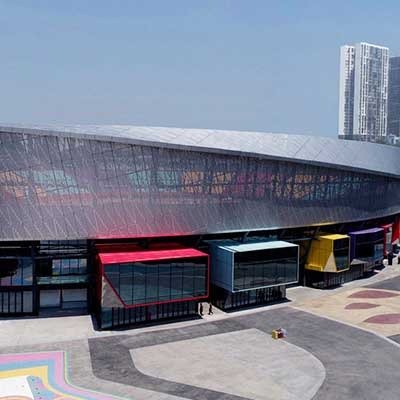
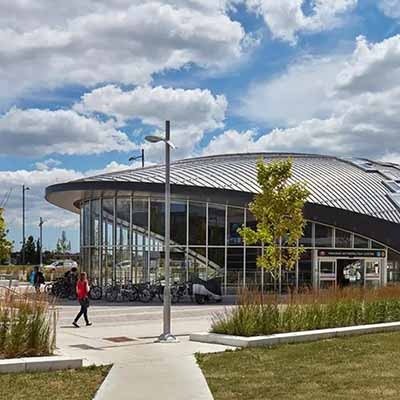
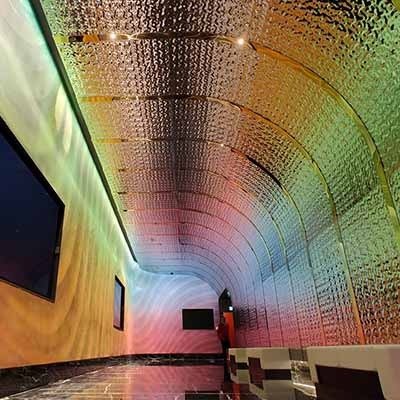
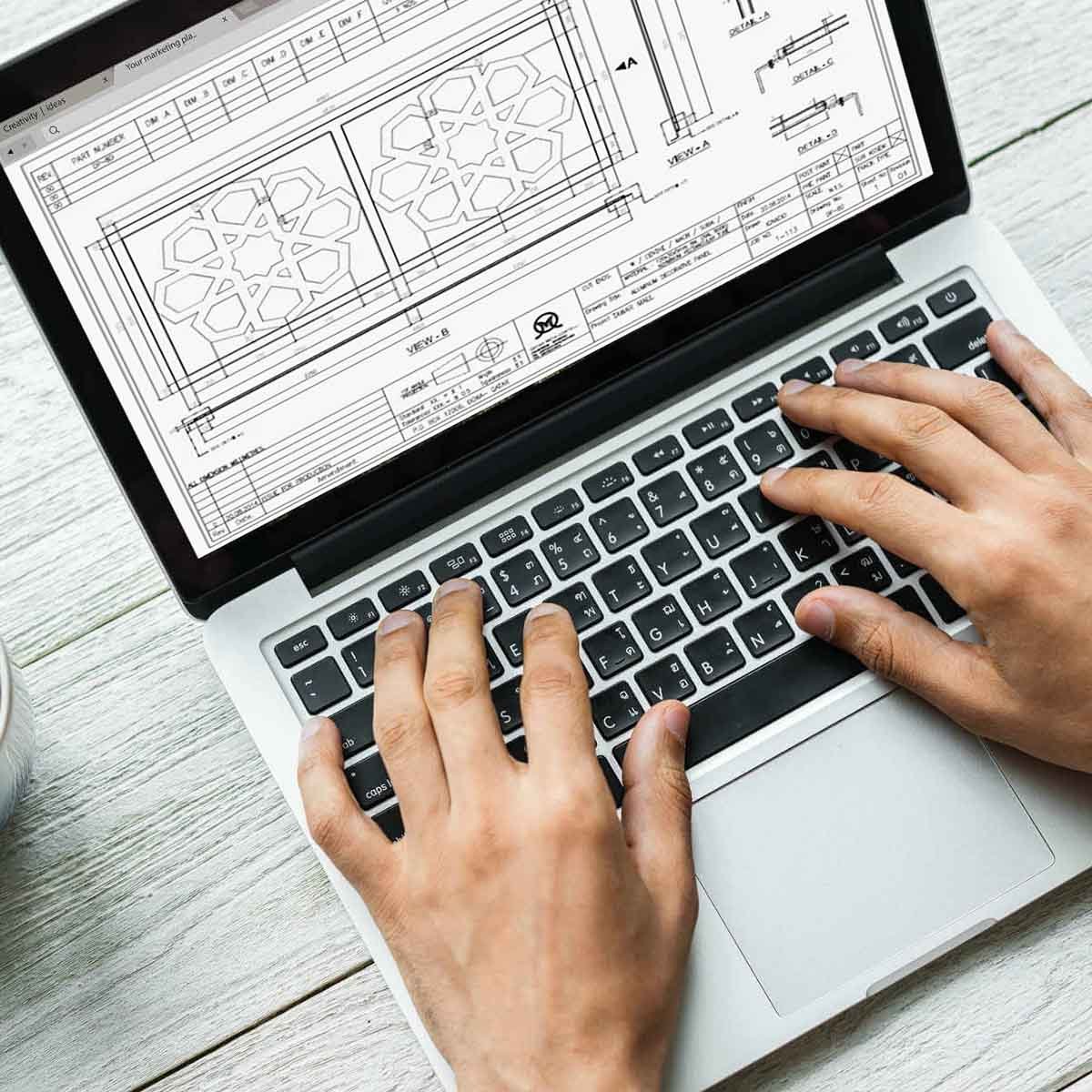


Anodising is a common surface treatment that helps to improve the corrosion resistance, durability and aesthetics of aluminium. It provides an architectural and functional compromise between performance and aesthetics.
Anodised finishes range from natural metallic colours to vibrant decorative colours, making them suitable for a variety of architectural applications. Learning their processes, benefits and limitation allows for the specification of appropriate finishes for each project.
Table of Contents
ToggleWhat Is Anodising Finish?
Anodising is an electrochemical treatment that thickens the naturally occurring aluminum oxide layer on the surface of aluminum to create a protective layer of aluminum oxide without the need for paint or other surface treatments.
Anodising gives greater corrosion resistance from aluminum, which also has an increased surface hardness and wear resistance and maintains its light weight. The silver to black decorative colours are suitable for various architectonic needs.
How Does Anodising Differ from Conventional Coatings?
Anodising is an electrochemical process that does not apply a paint or powder coating to the surface of the aluminium but forms an additional layer of aluminium oxide (oxide film) that protects the surface of the metal.
This means that anodised aluminium has a natural metallic look but it also becomes more resistant to corrosion, harder and more resistant to wear. Its final performance and appearance depend on the aluminium alloy, surface preparation, oxide-layer thickness and processing conditions.
How Does the Anodising Process Work?
The anodising process is achieved by electrochemical reactions between aluminium and an electrolytic bath, which creates a protective oxide film on the surface of the metal. There are a number of important stages involved, depending on the method used.
I. Surface Preparation and Cleaning
The aluminium surface is cleaned of contaminates and if necessary cleaned in a uniform manner prior to anodising, either by etching or polishing the surface.
II. Electrolytic Treatment
The aluminium piece is placed in an electrolyte, causing the formation of a layer of aluminium oxide by an electric current. Its properties depend upon voltage, current density, temperature and treatment time.
III. Colouring (Optional)
Anodised surfaces can be colored with organic dyes or electrolytic colouring for black, bronze, champagne and gold finishes for coloured surfaces.
IV. Sealing and Final Treatment
Sealing seals the porous oxide layer after colouring to enhance corrosion resistance and colour maintenance in hot-water or other approved methods to meet specifications.
It is dependent on the alloy, surface preparation, anodising conditions, the thickness of the oxide and the colouring and sealing process to obtain uniformity of colour, quality and protection.
Looking for reliable architectural aluminium solutions? Contact TBK Metal to discuss your project requirements, explore customised finishing options and find suitable products for your next architectural project.
What Are the Main Types of Anodising?
Anodising is usually divided into three main categories within MIL-PRF-8625: Type I, Type II and Type III. Each has different processing conditions to produce different oxide-layer properties and characteristics.
Type I – Chromic Acid Anodising
The oxide layer produced by Type I is thin and has only a slight dimensional change and is suitable for aerospace components with tight tolerances which are exposed to corrosion.
Type II – Sulphuric Acid Anodising
Type II anodising is an oxide that is corrosion resistant and offers a range of colour choices, and is commonly used for architectural aluminium profiles, panels and window frames.
Type III – Hardcoat Anodising
Type III hardcoat anodising gives a harder, thicker layer of oxide to give greater resistance to abrasion for machinery, engineering and very demanding industrial parts.
Comparison of the Three Main Anodising Types
| Feature | Type I | Type II | Type III |
| Electrolyte | Chromic acid | Sulphuric acid | Typically sulphuric acid |
| Oxide layer | Relatively thin | Medium thickness | Thick |
| Main advantage | Dimensional control | Decorative versatility | Wear resistance |
| Colour options | Limited | Wide range | More limited |
| Typical applications | Aerospace components | Architectural products | Industrial components |
Type II is appropriate for a wide range of architectural aluminium products, and offers a good mix of corrosion protection, decorative properties and durability-while Type III is more suitable for use where increased wear resistance is needed.
What Are the Different Anodising Colours and Finishes?
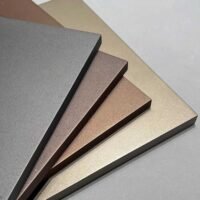
Anodising offers varied aluminium finishes, preserving the metal’s natural appearance. Colour and surface properties are influenced by the alloy, preparation, colouring process and conditions, giving decorative possibilities for architectural use and design projects.
Clear Anodising
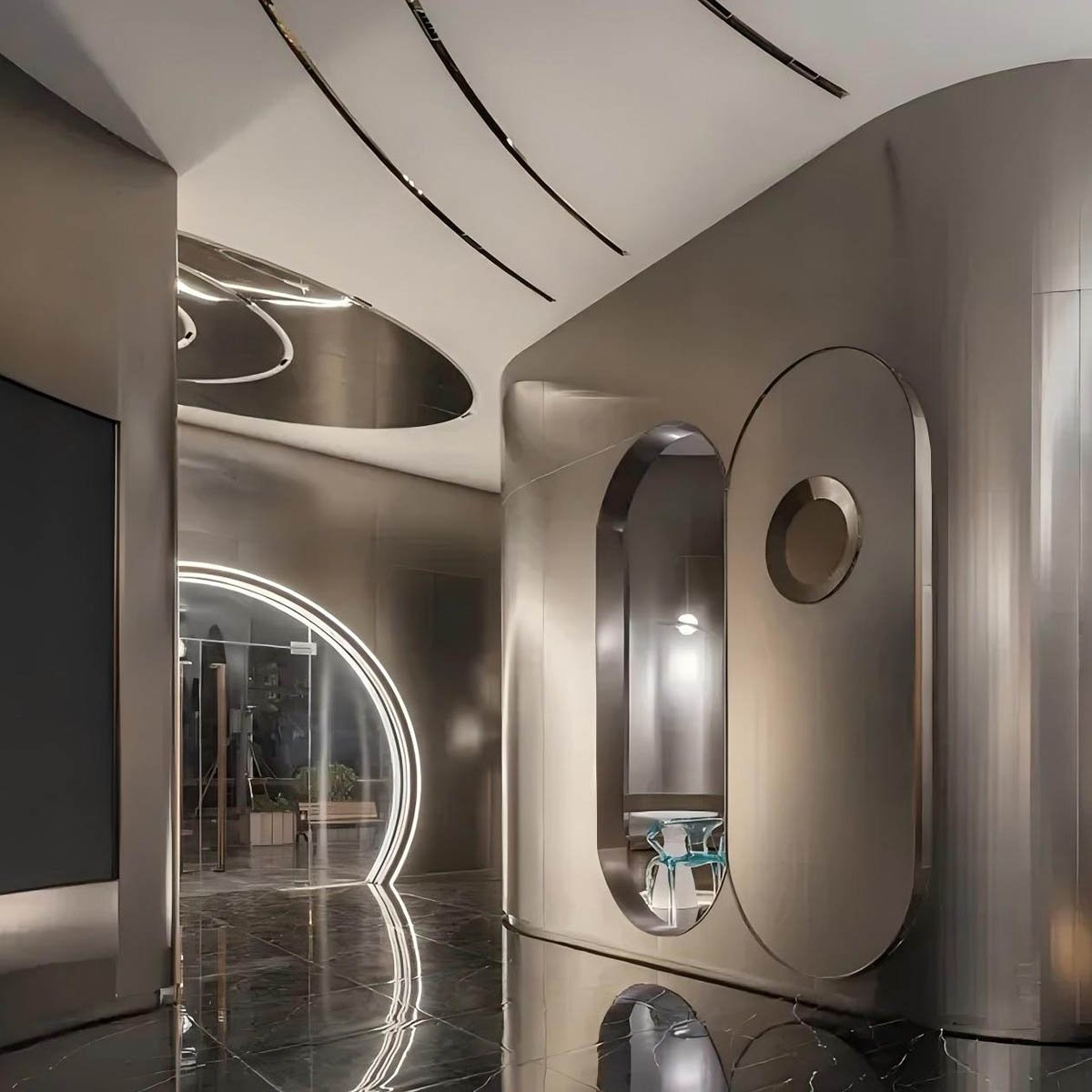
Clear anodising retains the silver-grey appearance of aluminium, which is suitable for window frames, facade profiles and architectural elements that demand a metallic look.
Black Anodising
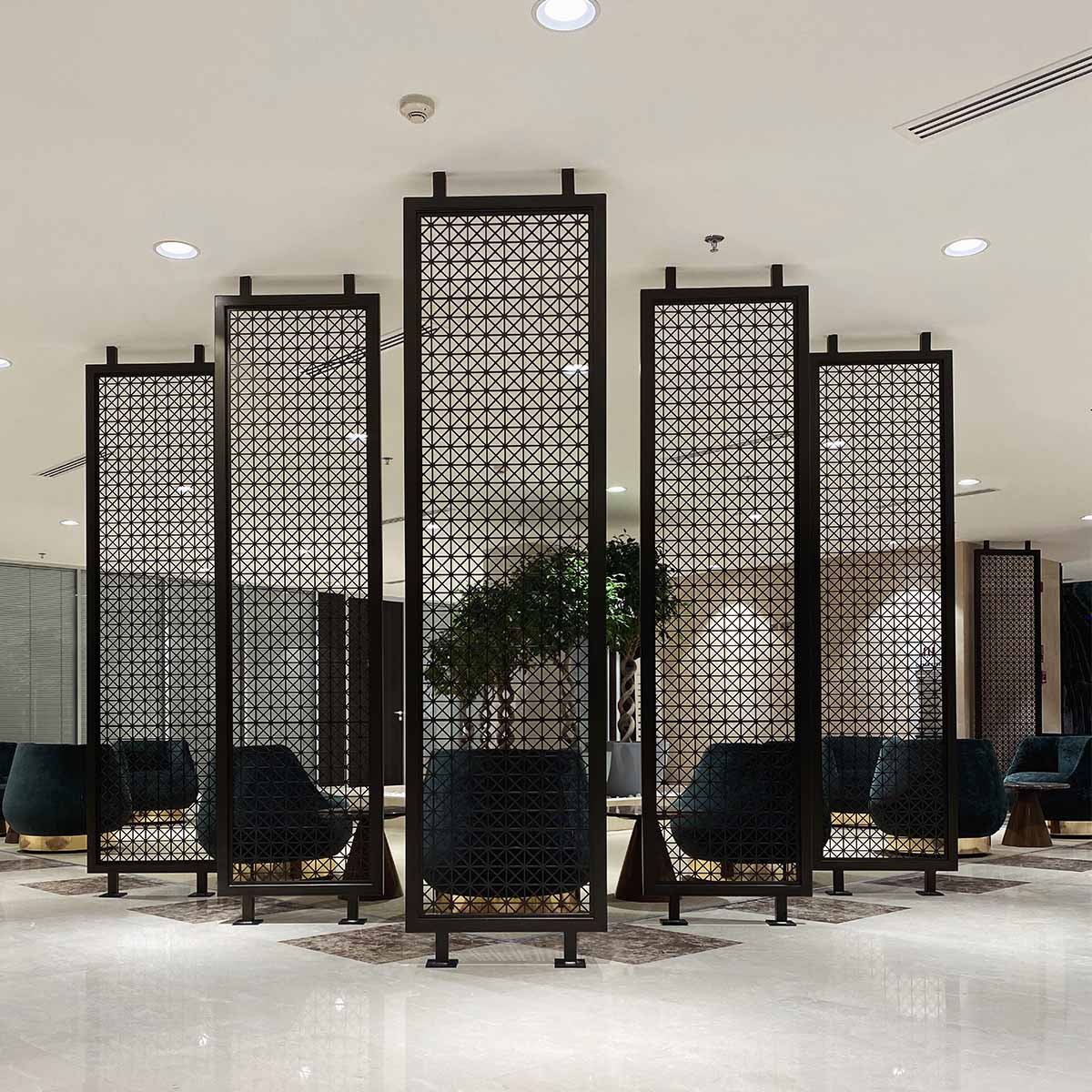
The black anodising finish is a dark, stylish metallic finish that can be applied to contemporary facades, window frames, privacy screen and features to give a sophisticated and more contemporary look.
Bronze and Champagne Anodising
Warm metallic finishes of bronze or champagne provide a note of warmth, harmonizing with stone, glass and timber. They are popular in premium residential, hospitality and commercial projects.
Gold Anodising
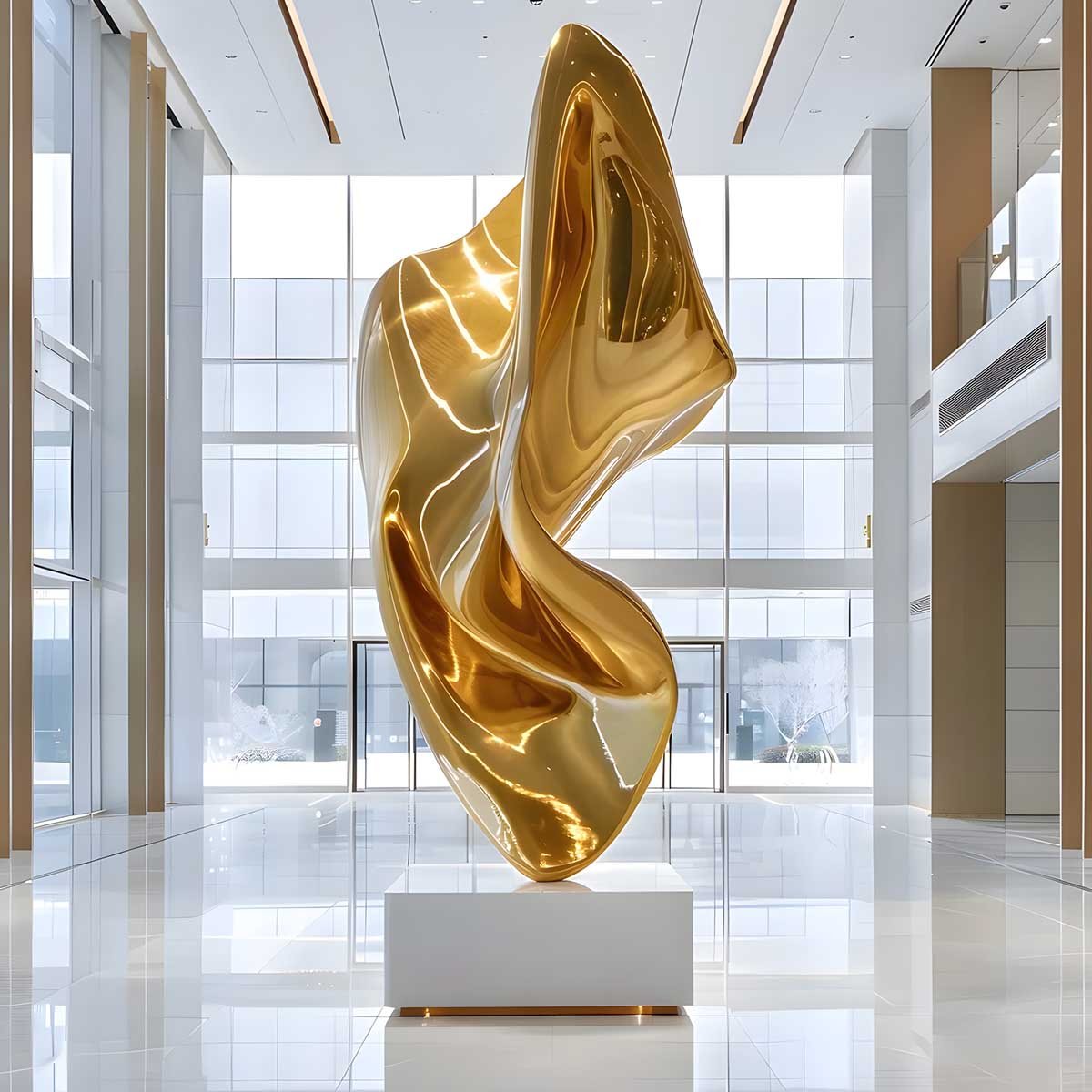
In addition to its distinctive decorative appearance, gold anodising can be in shades of champagne gold or more golden. It’s frequently utilized in feature panels, interior accents and architectural trims.
Custom-Coloured Anodising
Organic dyeing and electrolytic colouring offer more colour options in addition to anodised colour options, but are limited by the type of aluminium alloy and processing conditions.
Matte and Brushed Anodised Finishes
Anodised aluminium texture is influenced by surface preparation. Matte finishes create a more subdued appearance, and brushed finishes impart a sense of direction and dimension to decorative panels and other architectural elements.
The results are influenced by the aluminium alloy, surface preparation, thickness of the oxide layer, colouring, and sealing. Accepting samples will help achieve uniformity of colour and texture in large architectural works.
What Are the Benefits of Anodising?
Lightweight yet allowing the aluminium to be used in architecture, commercial and industrial applications for its surface appearance and protection, anodising is a controlled process that creates an oxide surface layer.
Improved Corrosion Resistance
Enhanced Surface Hardness and Wear Resistance
Long-Lasting Colour and Appearance
Low Maintenance Requirements
Lightweight and Environmentally Considerate
When correctly specified, anodising offers versatile, reliable, and long lasting protection for aluminium to deliver durable, colour stable and maintenance friendly protection for architectural and industrial use.
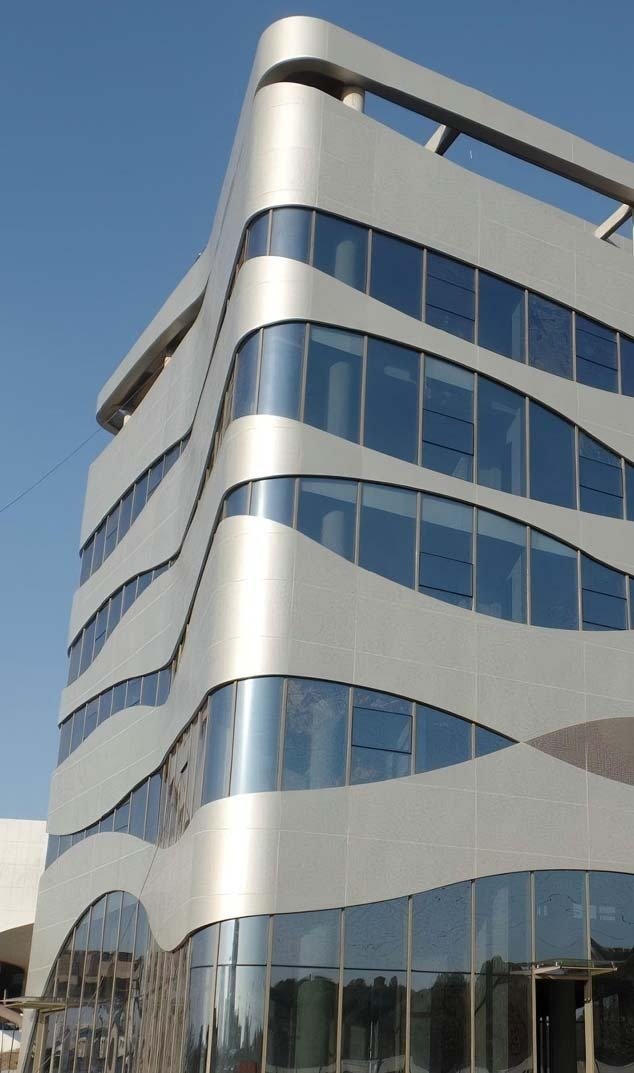
What Are the Applications of Anodised Aluminium in Architecture?
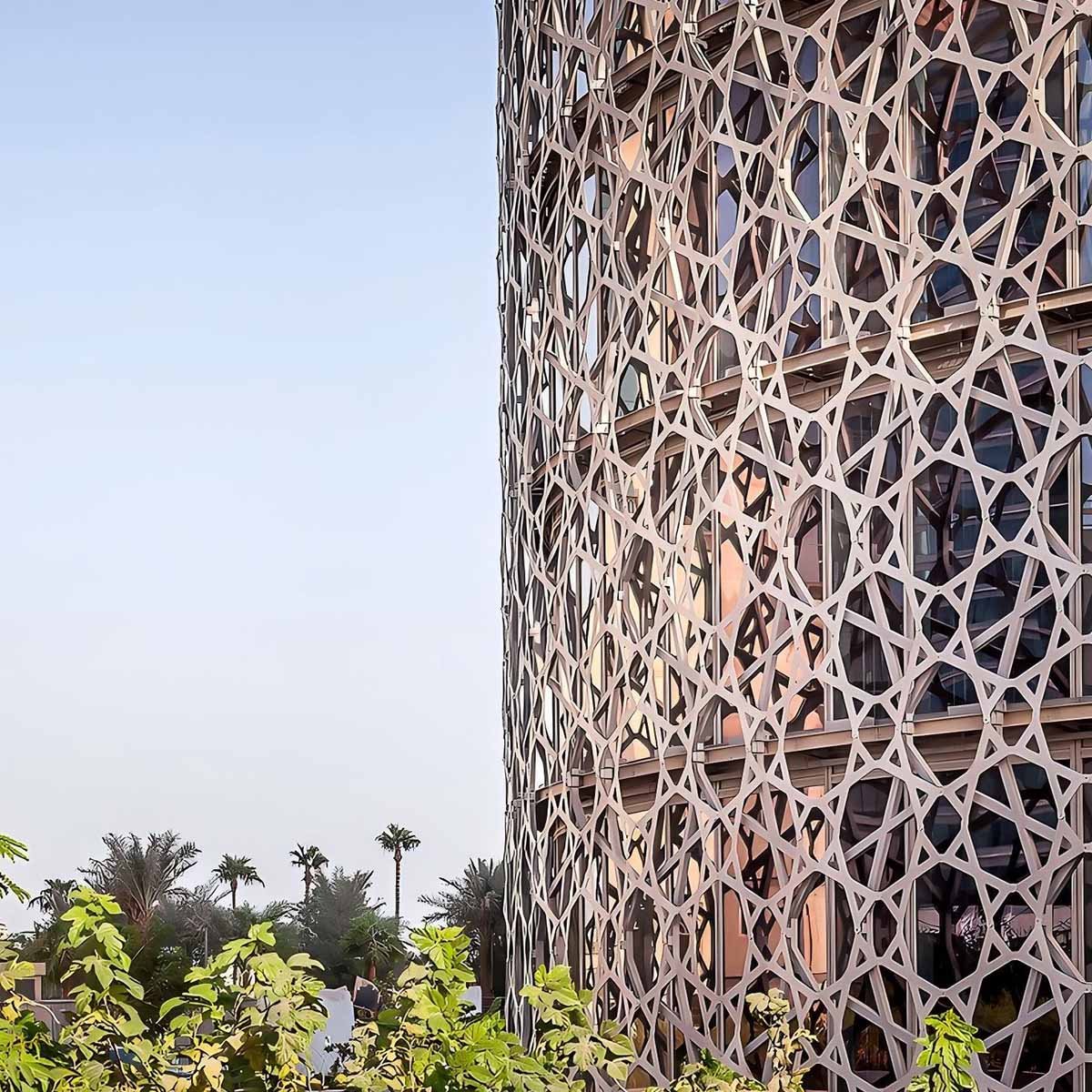
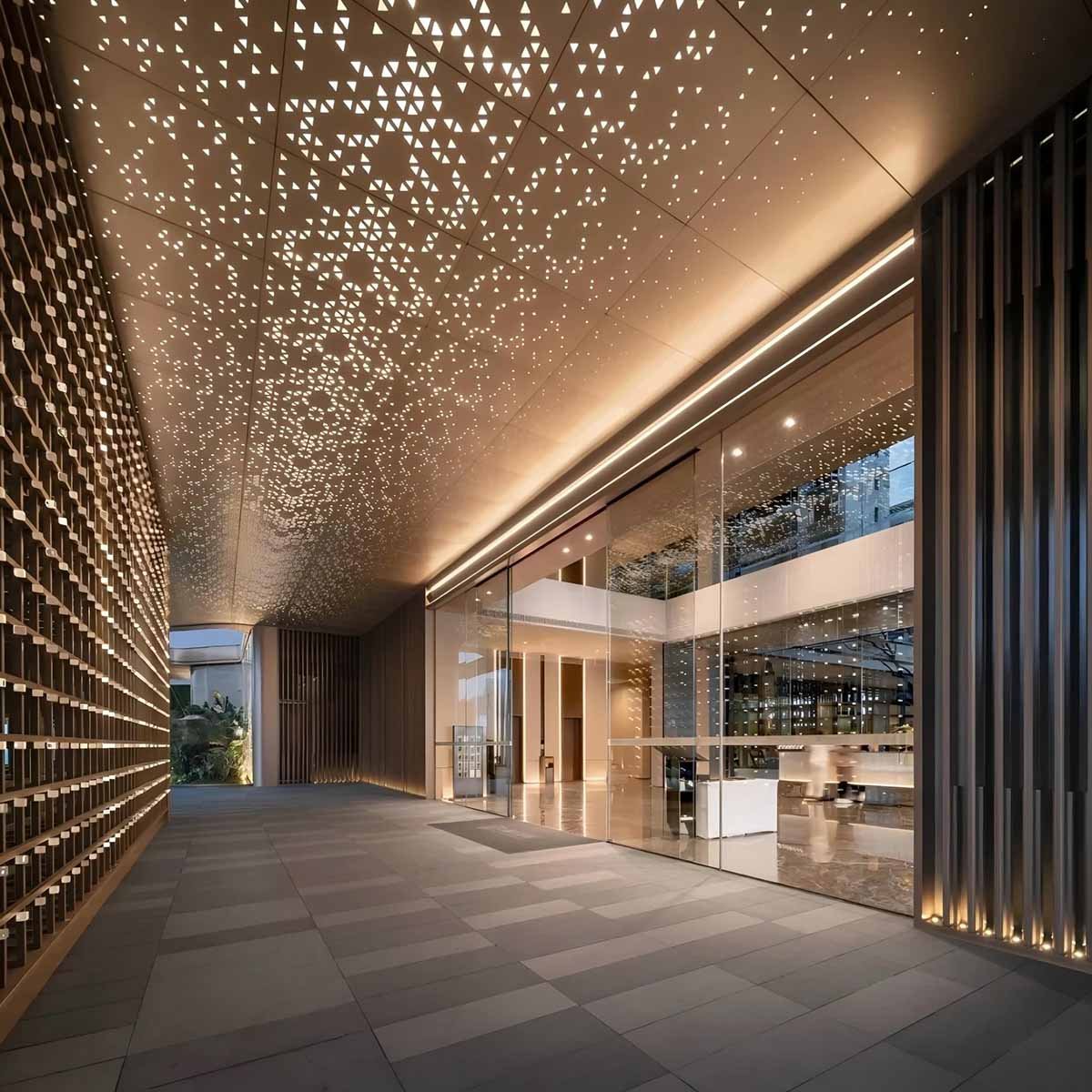
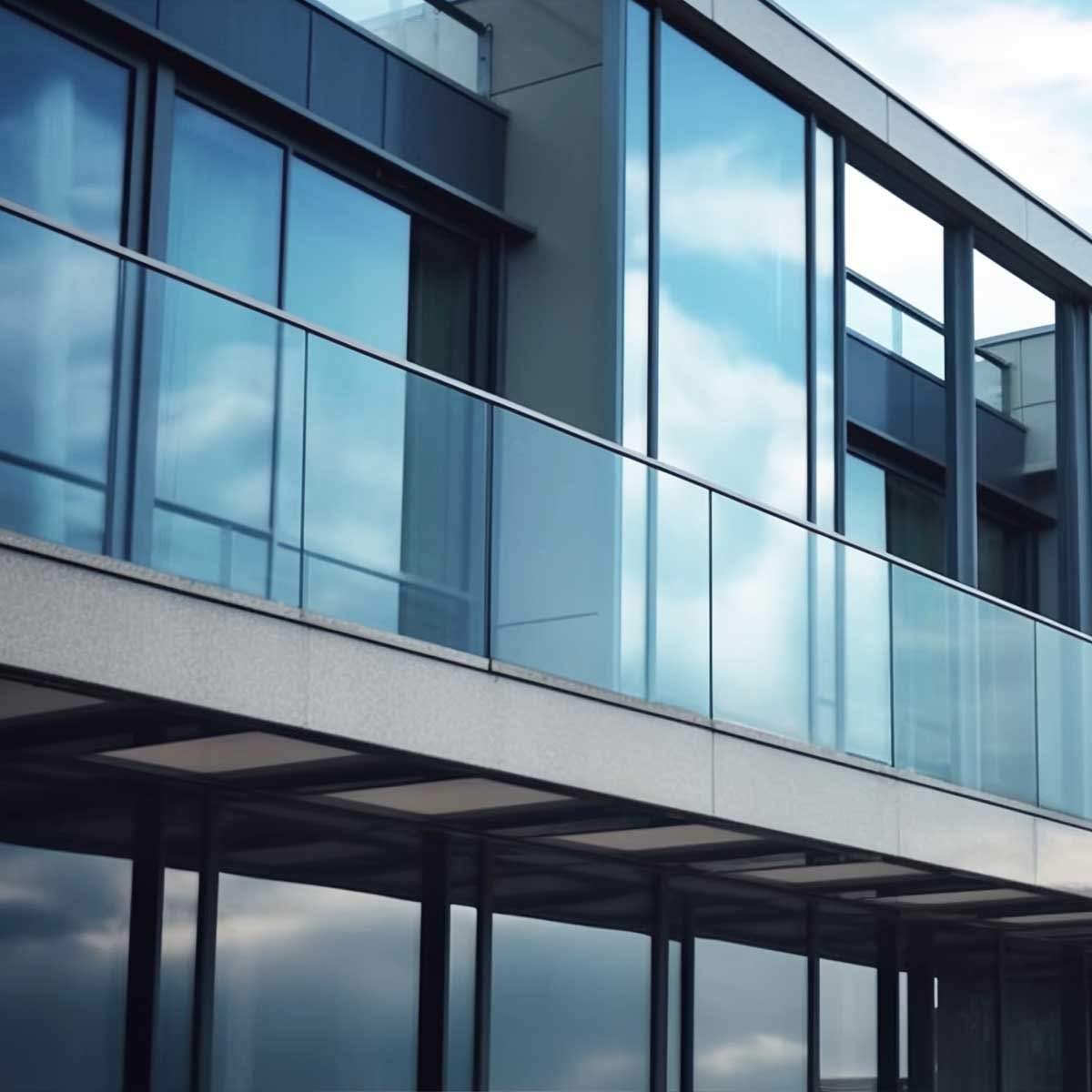
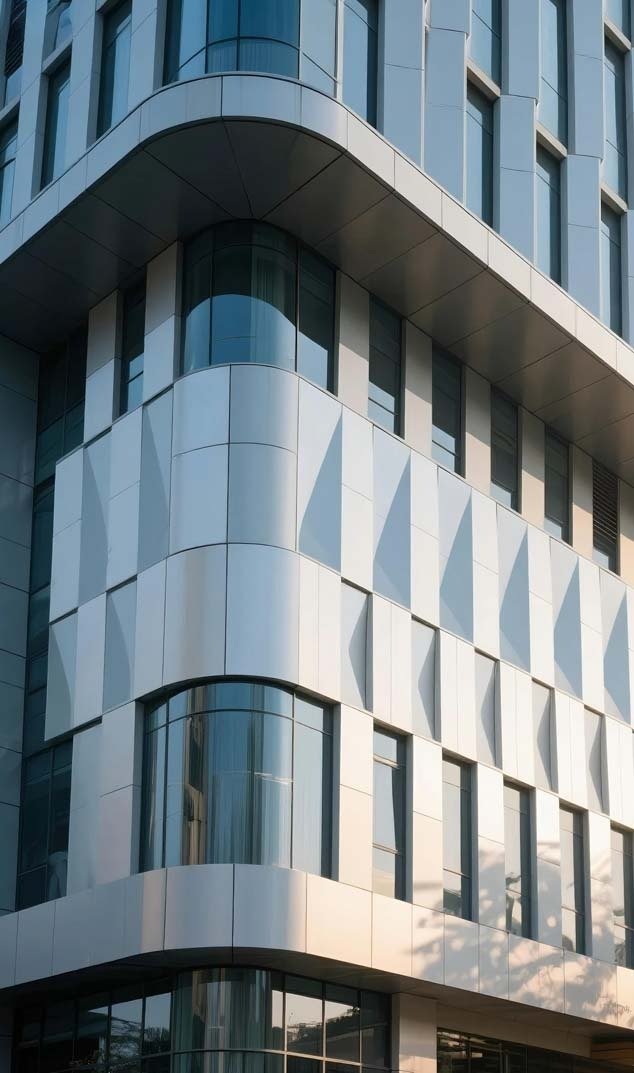
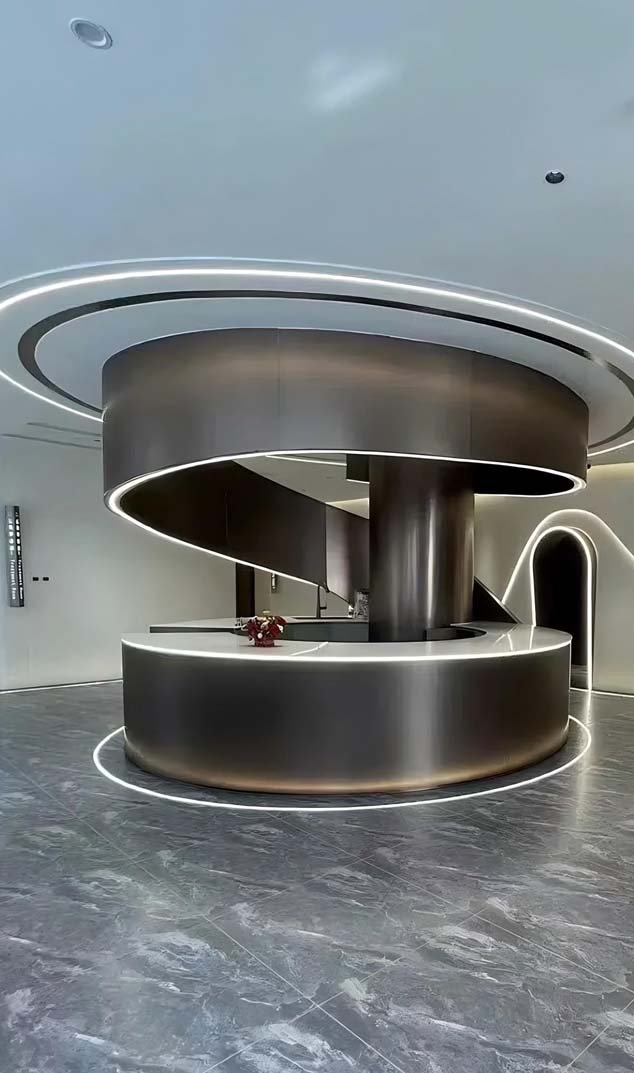
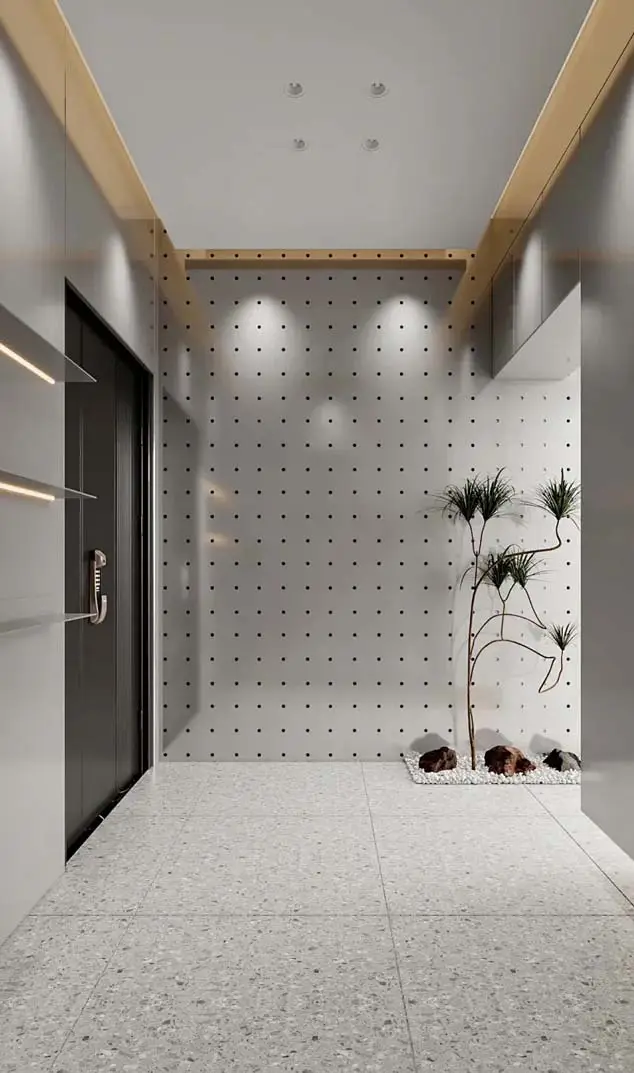
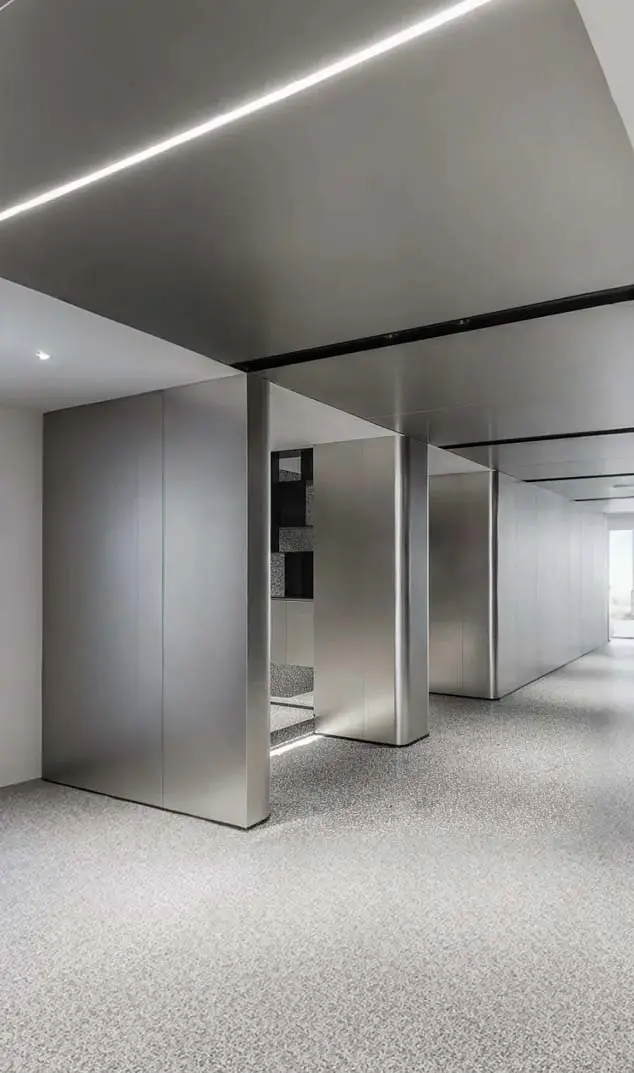
Anodised aluminium is used extensively in architectural metalwork for such applications as facades, ceilings, cladding and screening systems. Its tough surface and variety of finishes allow it to be used in architecture indoors and out.
Building Facades and Exterior Cladding
Interior Ceilings and Decorative Panels
Privacy Screens and Sun-Shading Systems
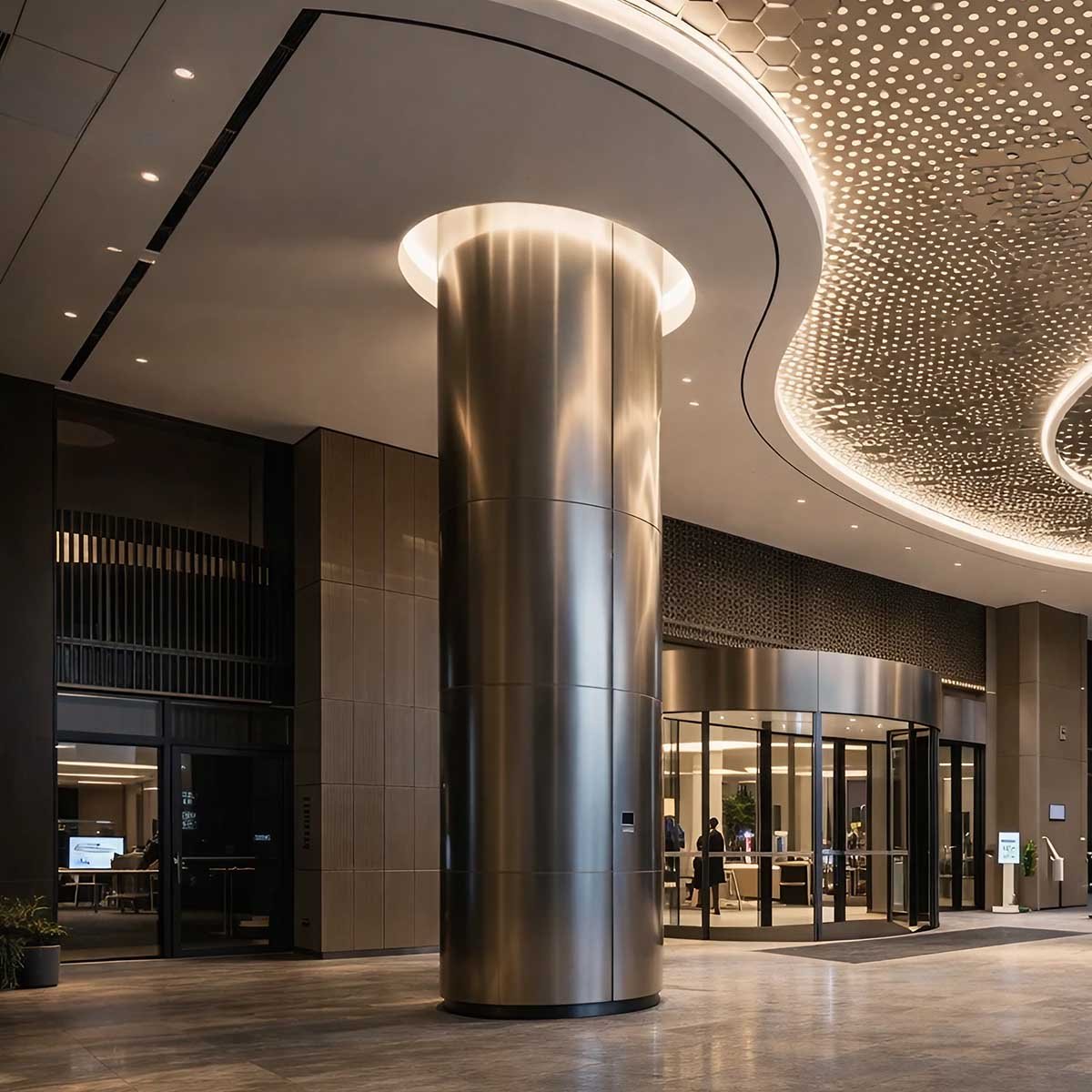
Architectural Columns and Decorative Structures
Doors, Windows and Aluminium Profiles
Anodised aluminium provides lightweight protection with design flexibility, and is durable. The selection of appropriate finishes as part of a project still involves considerations of alloy selection, specifications and environment exposure.
Anodising vs Other Aluminium Finishing Methods
Aluminium surfaces can be protected and enhanced by anodising, powder coating and PVDF coating, and can be applied to different applications, depending on surface properties, colour options and performance, to suit various architectural needs.
Anodising vs Powder Coating
Anodising creates an integrated oxide layer whereas powder coating is a separate cured polymer layer. Powder-coated aluminium has more colour and texture options, whilst anodising will maintain a natural metallic finish.
Anodising vs PVDF Coating
PVDF coating provides a separate protective layer with good weather resistance and colour retention. pvdf-coated aluminium is often used for exterior cladding where long-term finish performance is important.
Comparison of Different Aluminium Finishing Methods
| Feature | Anodising | Powder Coating | PVDF Coating |
| Process | Electrochemical oxidation | Powder application and curing | Liquid coating application |
| Surface | Integrated oxide layer | Polymer coating | Fluoropolymer coating |
| Appearance | Natural metallic | Wide colour selection | Wide colour selection |
| Main advantage | Surface hardness and corrosion resistance | Decorative flexibility | Exterior weathering performance |
| Typical applications | Architectural profiles | Facades, screens and panels | Exterior cla |
Select anodising for metallic finishes and durability, powder coating for design options, or PVDF for weather resistance and colour fastness, depending on the project needs.
What Should You Consider Before Choosing Anodising?
The colour, alloy composition, oxide layer thickness, environmental exposure and surface consistency—all these factors influence the appearance and performance of architectural aluminium, and are all different aspects of the choice of anodising finish.
Aluminium Alloy Selection
Colour consistency and surface appearance are impacted by different aluminium alloys, and choosing the correct alloy will help you to achieve consistent anodised finishes and consistent results.
Anodising Thickness and Applicable Standards
The effects of oxide thickness are on protection, durability and environmental suitability. State it as per the use and ISO 7599 requirements and confirm thickness prior to production to ensure project expectations are met.
Environmental Exposure
Anodised aluminium is suitable for use in coastal, industrial and polluted settings where long life is demanded, in view of the contaminants which are continually present in these environments.
Colour Consistency and Sample Approval
Before mass production, physical samples should be approved to evaluate the colour variation that may be introduced by alloy, preparation and production conditions to assure batch uniformity.
Maintenance and Service Requirements
Regular cleaning is required for the maintenance of the appearance and protection of anodised aluminium and is dependent on accessibility, environmental exposure and recommended cleaning methods.
These factors can be evaluated to mitigate project risks, match finishes to design and site requirements, and to create a consistent quality via early supplier coordination.
Need customised anodised aluminium products for your project? Get in touch with TBK Metal to explore material options, discuss finishing specifications and receive professional support for your requirements.
Why Choose TBK Metal for Anodised Aluminium Products?
Having worked in the industry for more than 15 years, TBK Metal offers a range of customised architectural aluminium products, backed by a strong manufacturing expertise and project support, catering to an array of design and technical specifications.
Extensive Manufacturing Experience
Diverse Material and Finishing Options
Strong Manufacturing Capacity and Technical Support
Proven Architectural Project Experience
TBK Metal provides aluminum panels and facade parts for projects with customised material selection, finishing options and manufacturing specifications.
FAQs About PVDF Coating
Q1. Does Anodising Make Aluminium Waterproof?
Q2. Can Anodised Aluminium Be Scratched?
Q3. Can Anodised Aluminium Be Welded?
Q4. Can Anodised Aluminium Be Bent or Formed?
Q5. Is Anodised Aluminium Suitable for Outdoor Use?
Q6. Does Anodising Affect Aluminium's Electrical Conductivity?
Q7. Can Different Aluminium Components Have Matching Anodised Colours?
Q8. Is Anodising Suitable for Recycled Aluminium?
Conclusion
Anodised aluminium is suitable for architectural use due to its increased resistance to corrosion, surface durability and enduring metallic appearance. Choosing the appropriate alloy, finish and specifications ensures consistent design performance and results.
TBK Metal’s manufacturing expertise, extensive range of finishes, and technical support ensure that your project needs are met and that your designs are realised in a meaningful, practical way for a variety of applications.
Contact Request
Contact TBK Metal today to explore customised aluminium products, discuss your finishing requirements and find suitable solutions for your architectural project.