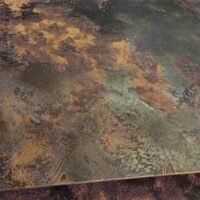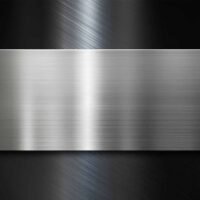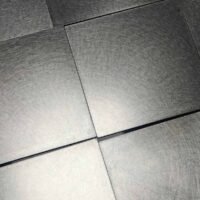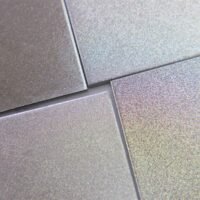




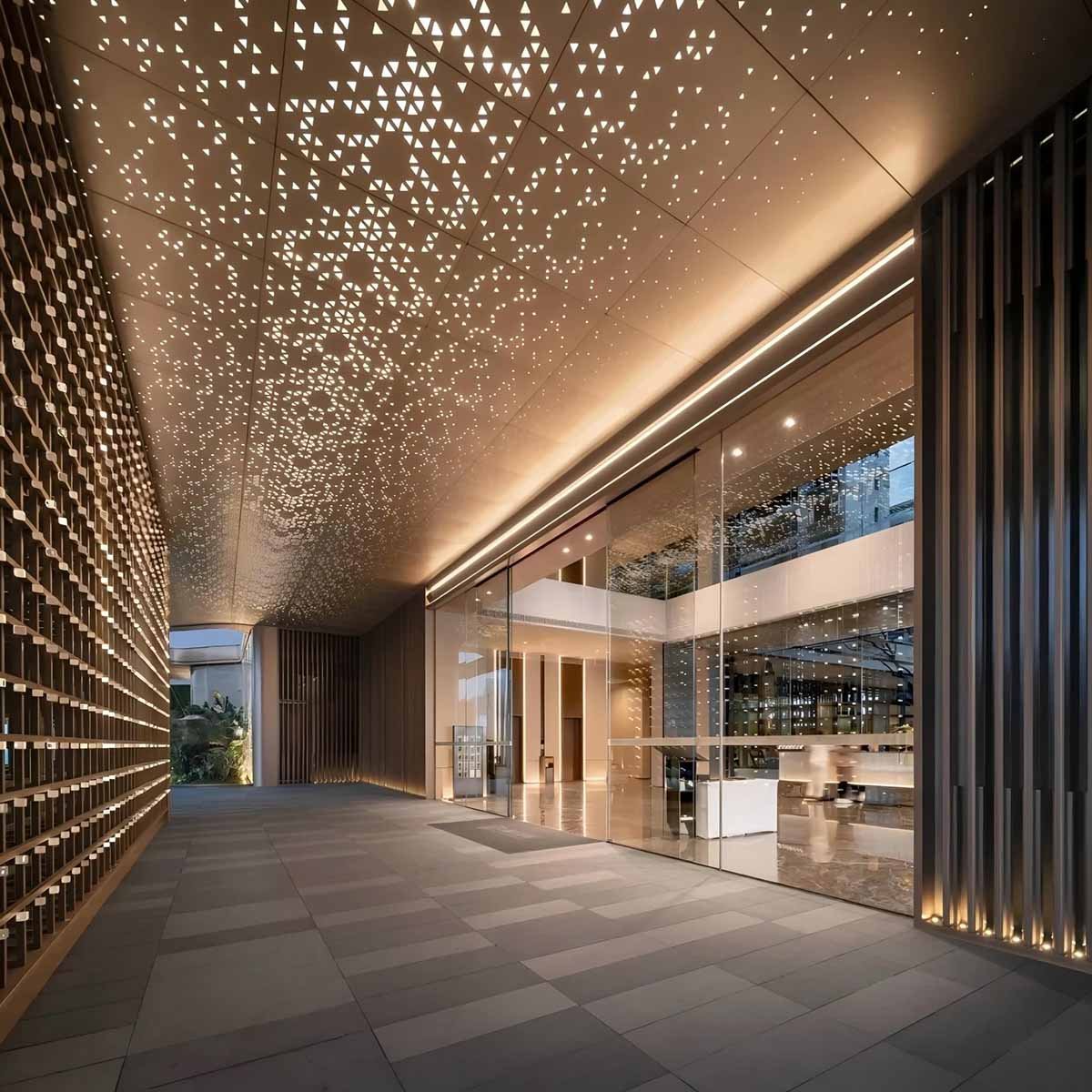
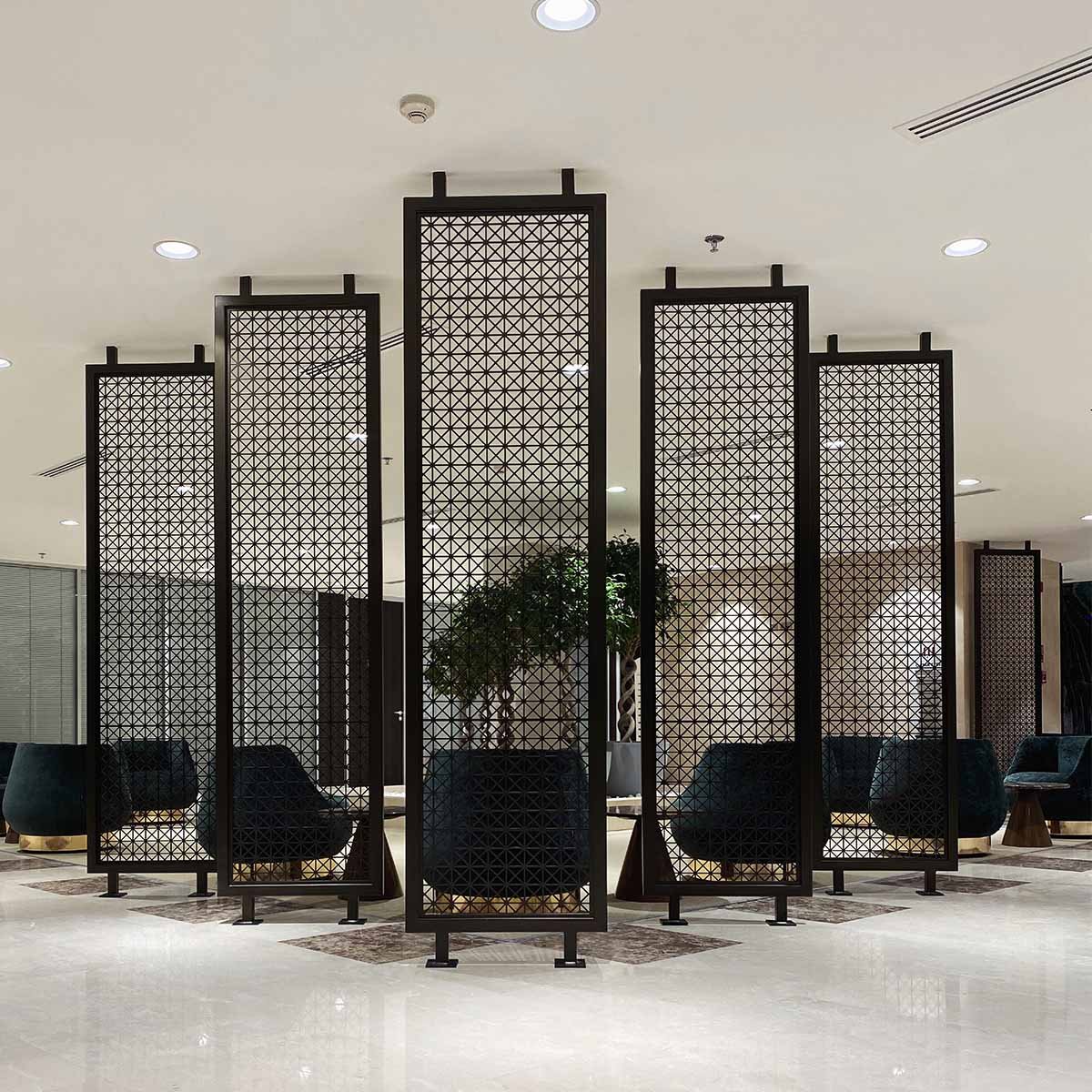
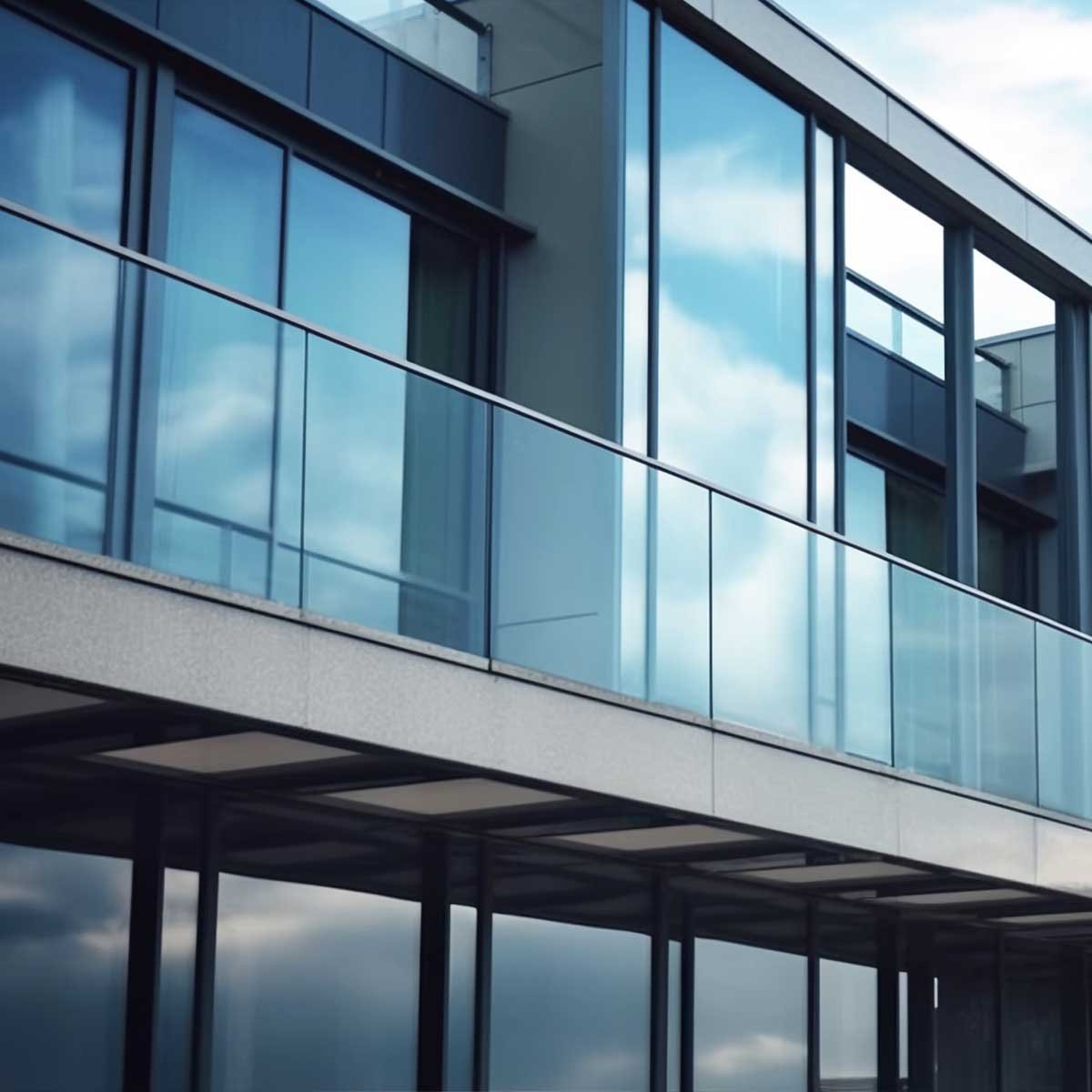
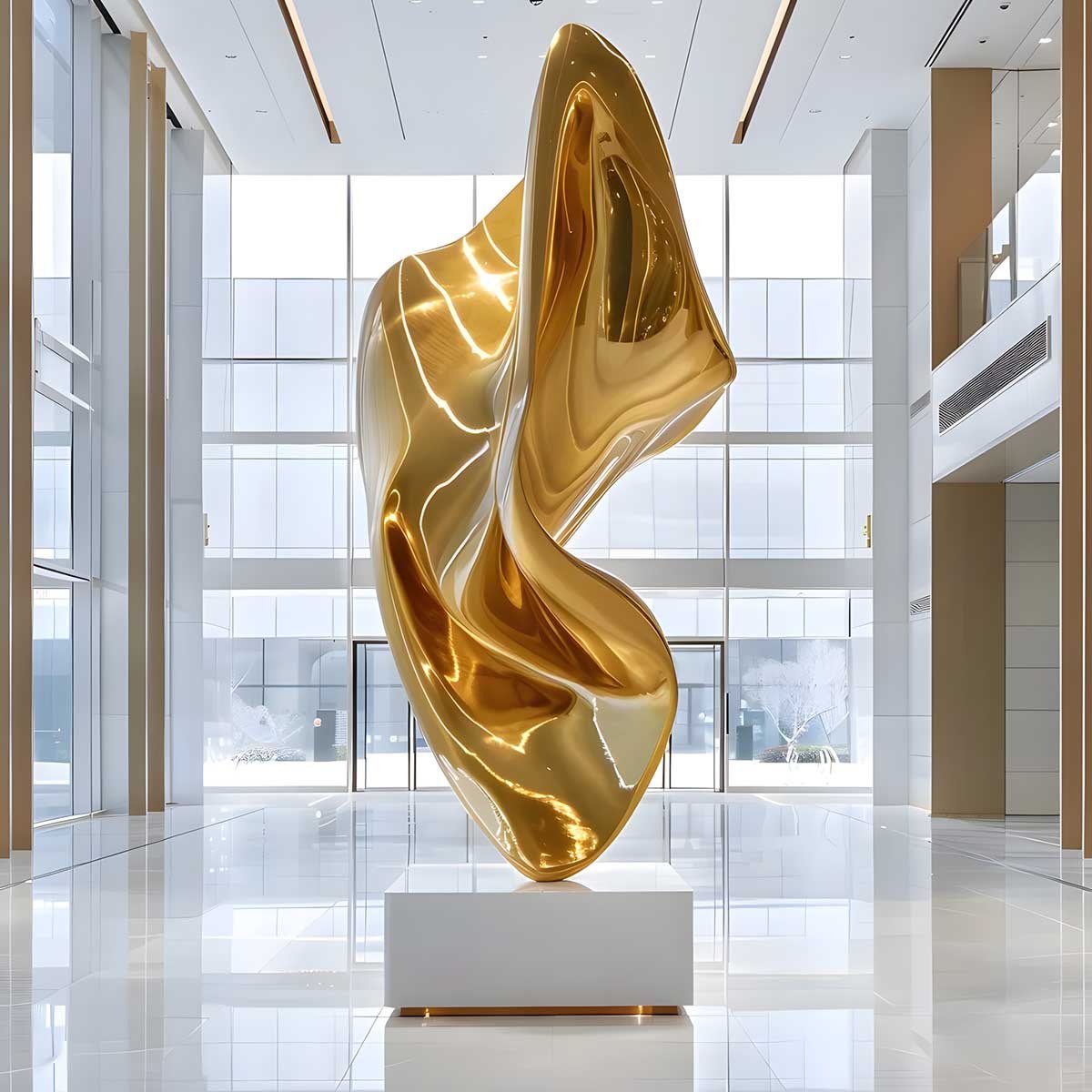
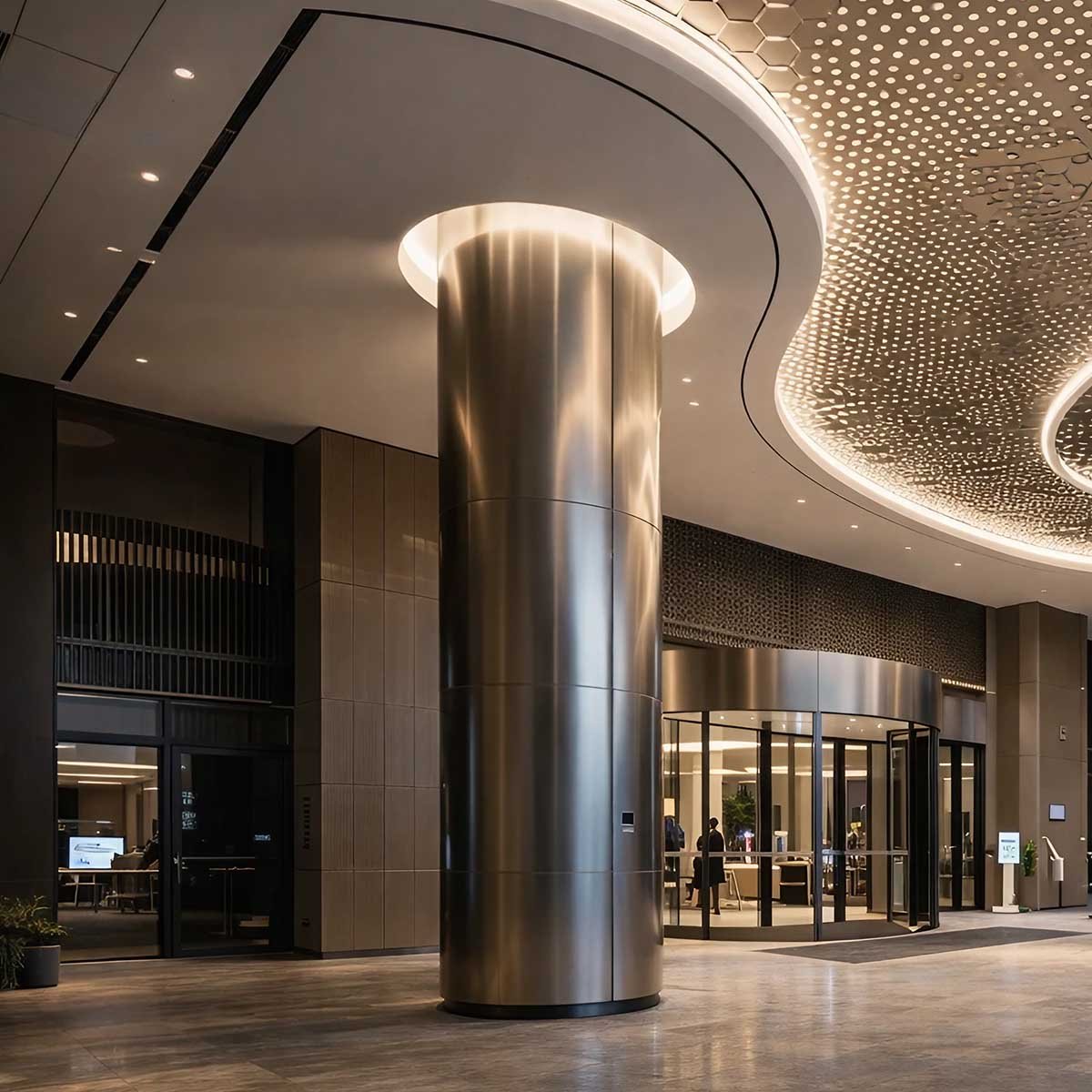
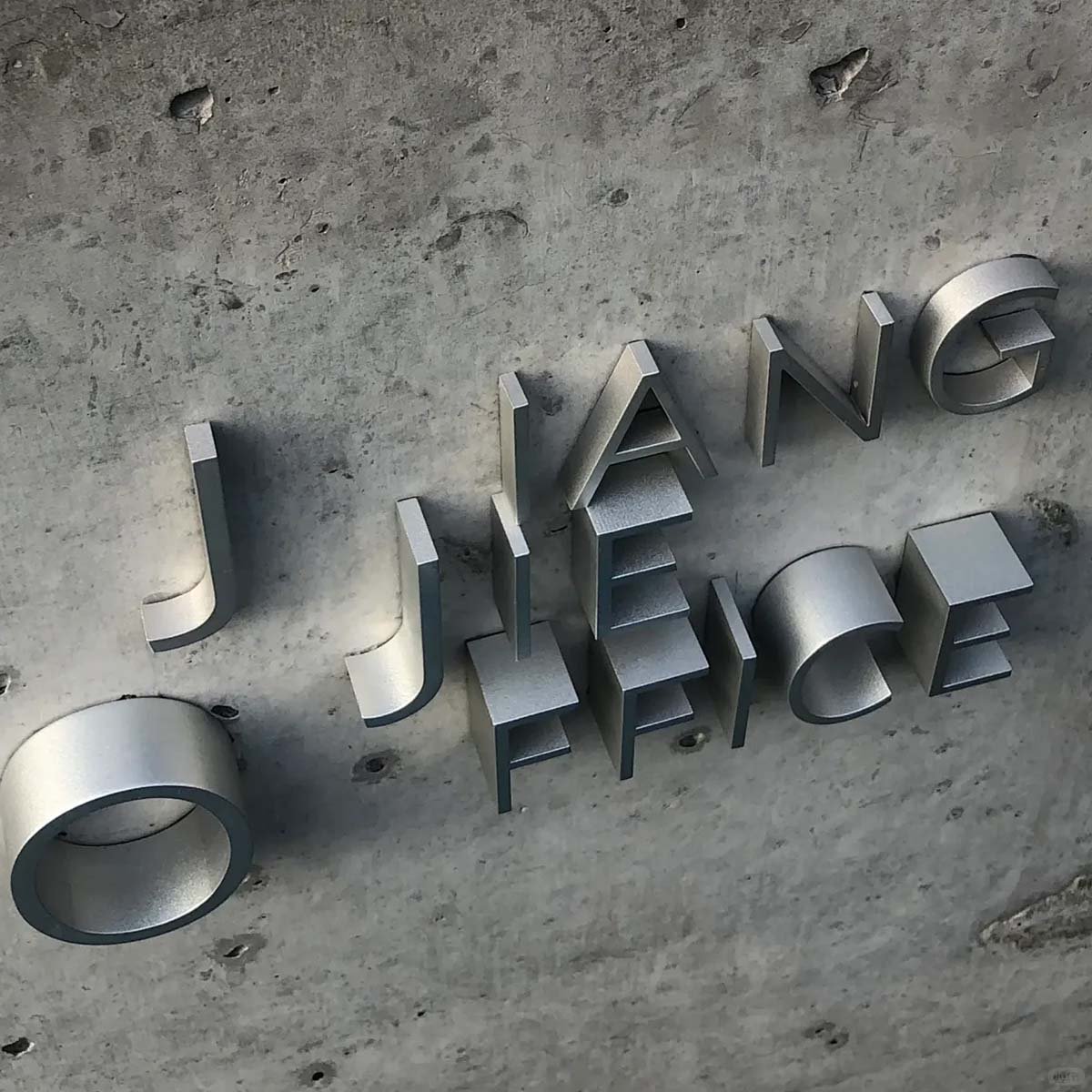
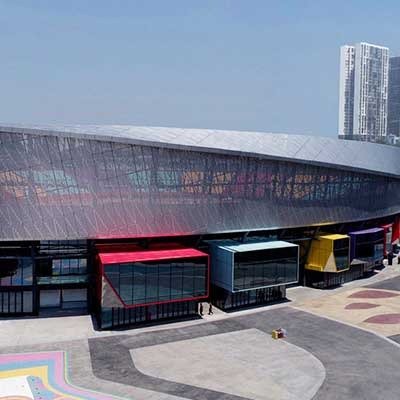
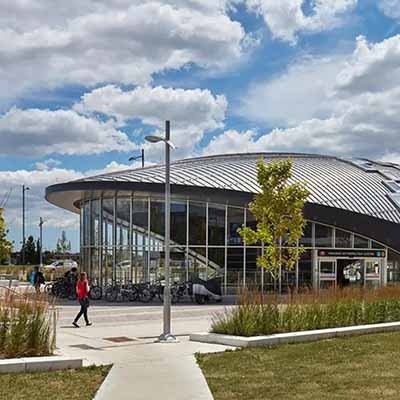
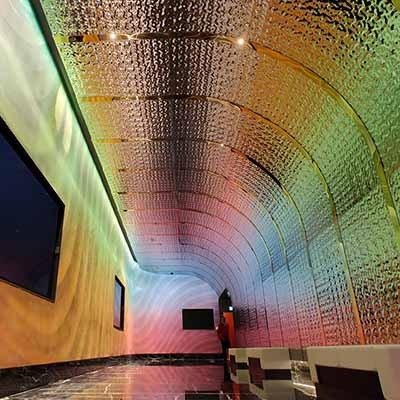
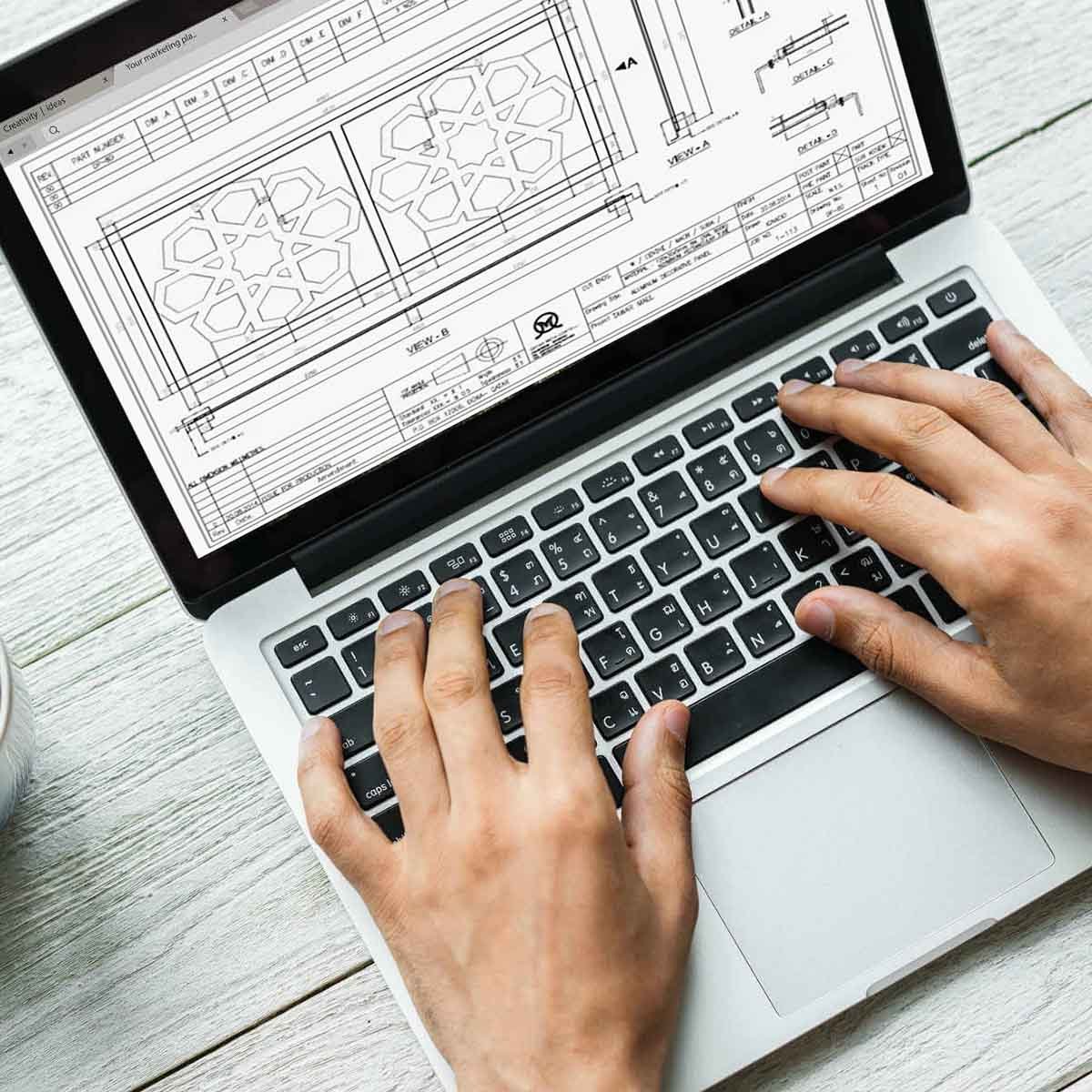


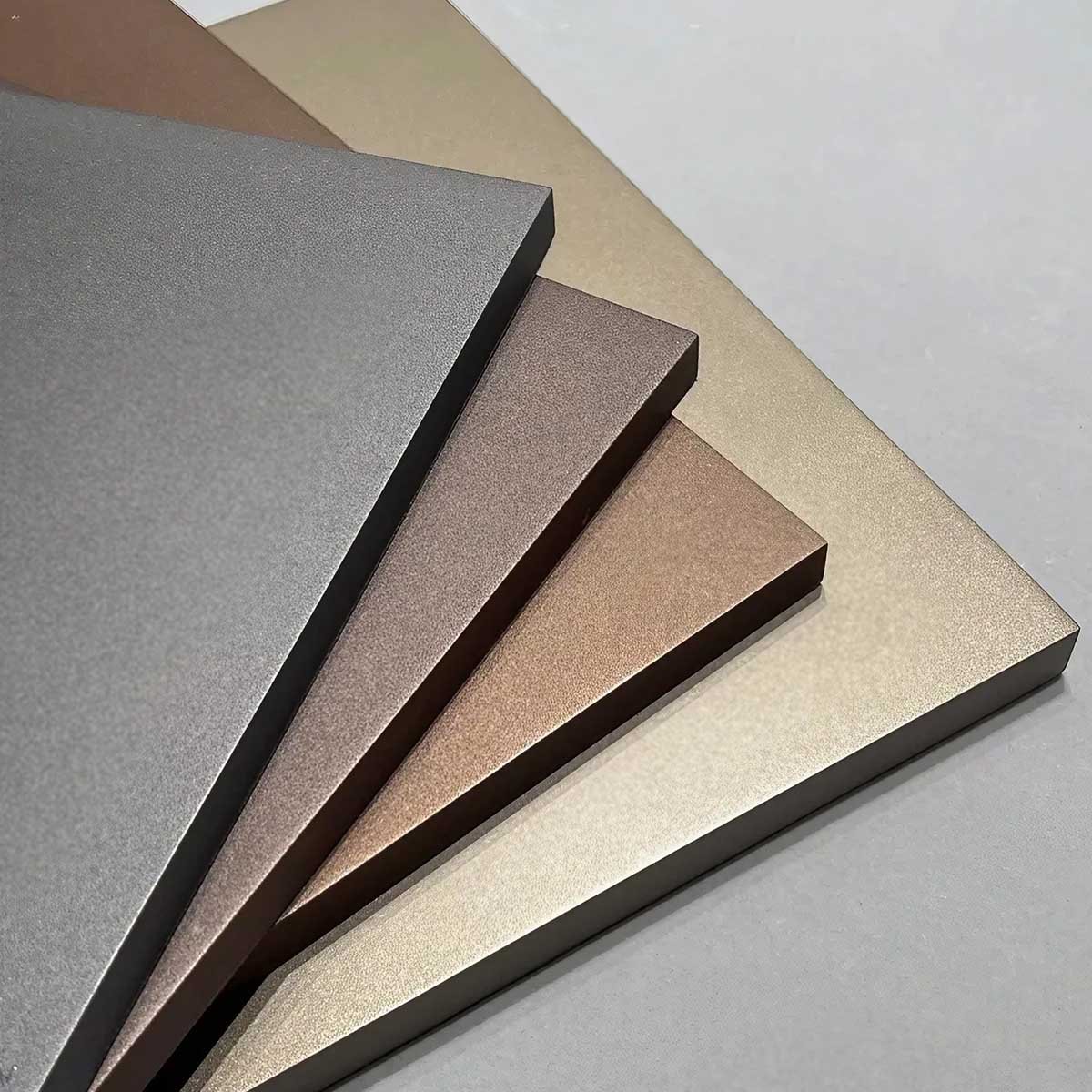
The PVDF-coated aluminium is a lightweight aluminium base with a durable fluoropolymer coating, offering robust weather, UV, corrosion and colourfast performance for harsh exterior applications.
PVDF-coated aluminium is a popular choice for use in facades, cladding, canopies, and decorative architectural details, providing long-lasting durability, flexibility, and uniformity in commercial, residential, and public construction applications.
Table of Contents
ToggleWhat Is PVDF-Coated Aluminium?
PVDF coated aluminium is an aluminium substrate coated with a weatherproof, ultraviolet resistant, moisture and pollution resistant fluoropolymer (PVDF) that protects against weathering, environmental pollution and UV.
Definition of PVDF-Coated Aluminium
PVDF-coated aluminium is lightweight aluminium coated with a durable finish that enhances environmental resistance, surface protection, colour retention and weather performance.
What Is PVDF Coating?
The PVDF coating is a fluoropolymer-based system that consists of polyvinylidene fluoride resin, with different finishes, resistant to UV, weathering, chalking and colour deterioration.
How Does PVDF-Coated Aluminium Work?
A thin layer of cured PVDF polymer is deposited onto an easily formable aluminium base to provide a hard surface and reduce exposure to the environment.
When choosing aluminium for use in architectural applications, the overall performance is dependent on the aluminium grade, preparation, treatment, formulation, application, thickness, cure, and manufacturing quality.
Key Properties of PVDF-Coated Aluminium
The PVDF-coated aluminium is a material with the properties of aluminium and a PVDF-based protective system. Weather resistance, colour retention, surface durability, light weight and fabrication flexibility are the most important properties.
Excellent Weather Resistance
Strong UV and Colour Resistance
Good Corrosion Resistance
Surface Durability
Lightweight Construction
Formability and Fabrication Flexibility
Wide Range of Colours and Finishes
In summary, the overall properties of PVDF-coated aluminium render it suitable for many applications where long-lasting surfaces, stable colour, light weight and architectural fabrication flexibility are desired.
How Is PVDF-Coated Aluminium Made?
The production of aluminium coated with PVDF can undergo a few controlled steps preparing the metal surface, developing the coating system, and curing the resulting surface. Each stage adds to adhesion, appearance, durability and long-term performance.
I. Aluminium Surface Preparation
The aluminium substrate is cleaned to remove oil, dust, oxidation and contaminants, which ensures a consistent surface for proper pre-treatment and coating bonding.
II. Surface Pretreatment
Chemical pretreatment enhances adhesion to the coating and to the substrate, and consistent preparation reduces the chance of contamination impacting coating durability.
III. Primer Application
A primer enhances the bond of pretreated aluminium to subsequent coating layers, and provides protection for surface when the finished panels are exposed to the outdoors.
IV. PVDF Topcoat Application
The PVDF topcoat gives colour, surface appearance and protection which can be varied by colour, gloss level and surface effect as per architectural requirement.
V. Curing
Coated aluminium is then cured under controlled conditions; the temperature, curing time and process control will ensure that the coating will be stable and remain effective.
VI. Quality Inspection
The consistent manufacturing process from substrate preparation, coating and curing to production control helps ensure uniformity in appearance and exterior durability.
The consistent manufacturing process from substrate preparation, coating and curing to production control helps ensure uniformity in appearance and exterior durability.
Looking for durable PVDF-coated aluminium for your next architectural project? Contact TBK Metal for customised fabrication, finish selection, technical guidance, and reliable solutions tailored to your project’s design and performance requirements.
Benefits of PVDF-Coated Aluminium
Lightweight aluminium substrate with a durable PVDF coating offers practical benefits for architectural applications. They offer long-term exterior durability, maintenance convenience, uniform look and design options.
Long-Term Exterior Performance
Reduced Maintenance Requirements
Consistent Architectural Appearance
Flexible Design Options
Suitable for Large-Scale Project
Supports Custom Architectural Solutions
In summary, PVDF-coated aluminium provides a compromise in terms of exterior durability, ease of maintenance, visual uniformity and design appeal, making it suitable for challenging architectural metal applications.
PVDF-Coated Aluminium Finishes and Colour Options
Aluminium Finishes made with PVDF coated aluminium can be coloured, glossed, textured, and decorated by formulations, pigments and preparation and application techniques as used.
Solid Colours
For contemporary architecture panels and façades, solid colours provide clean neutral tones or bespoke colours for individual project identities.
Metallic and Special-Effect Finishes
Metallic and special-effect finishes provide both visual depth and coating protection, resulting in unique appearances that are inspired by natural metals and architectural finishes.
Gloss and Matt Surfaces
Matt finish has a lower level of light reflection; higher gloss finish has a higher level of light reflection and consequently will result in brighter, more reflective finishes.
Woodgrain and Decorative Effects
Decorative finishes add texture that is inspired by the materials, and woodgrain effects give it a warm, lightweight look to the aluminium substrate.
Colour Matching and Project Consistency
Colour matching can be done on a custom basis for branding or architectural needs, available based on manufacturer capabilities. Check approved samples prior to production to verify appearance.
Colour uniformity within panels that are manufactured in several batches can be achieved by using the same substrate preparation, coating formulation, application and colour quality control for large projects.
Applications of PVDF-Coated Aluminium
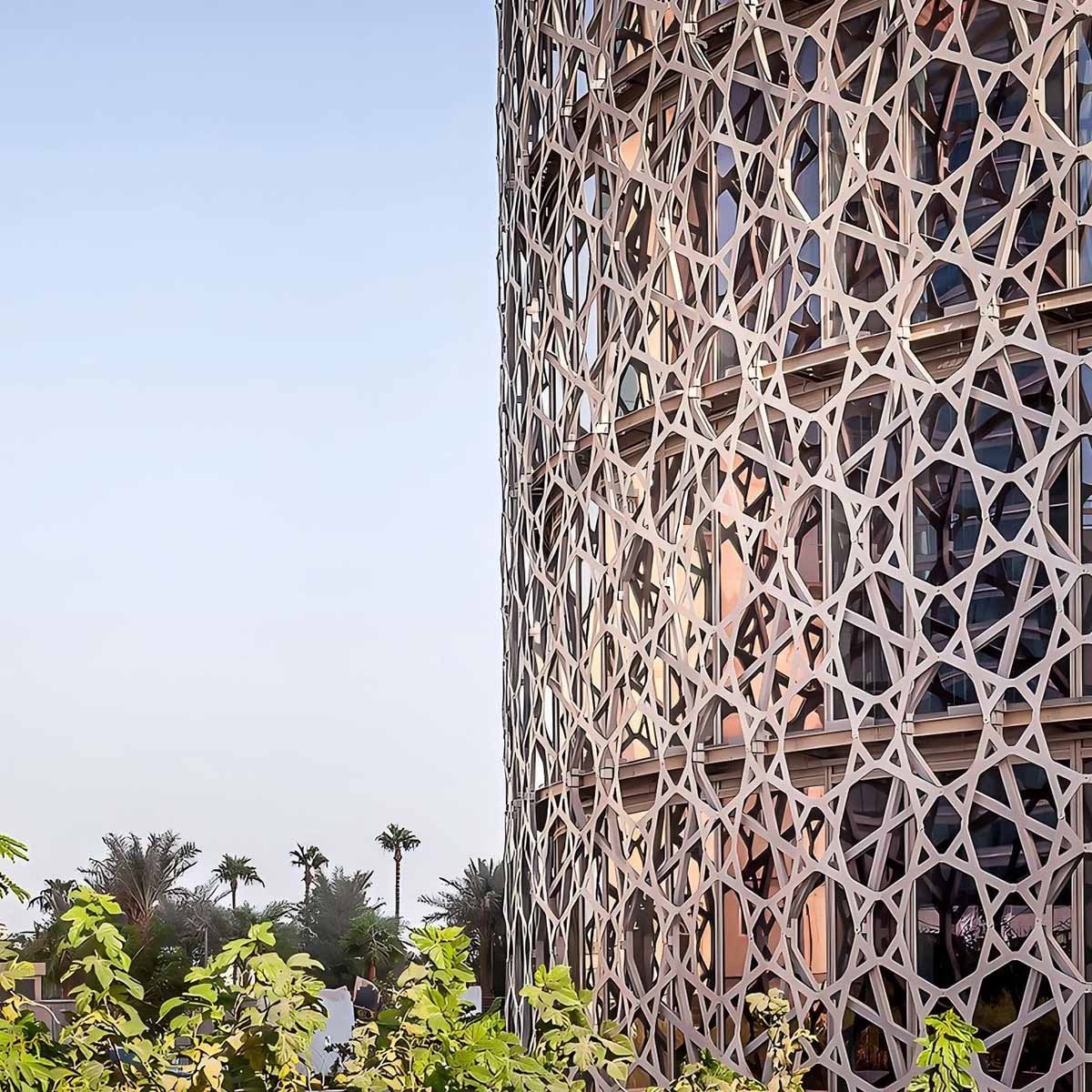
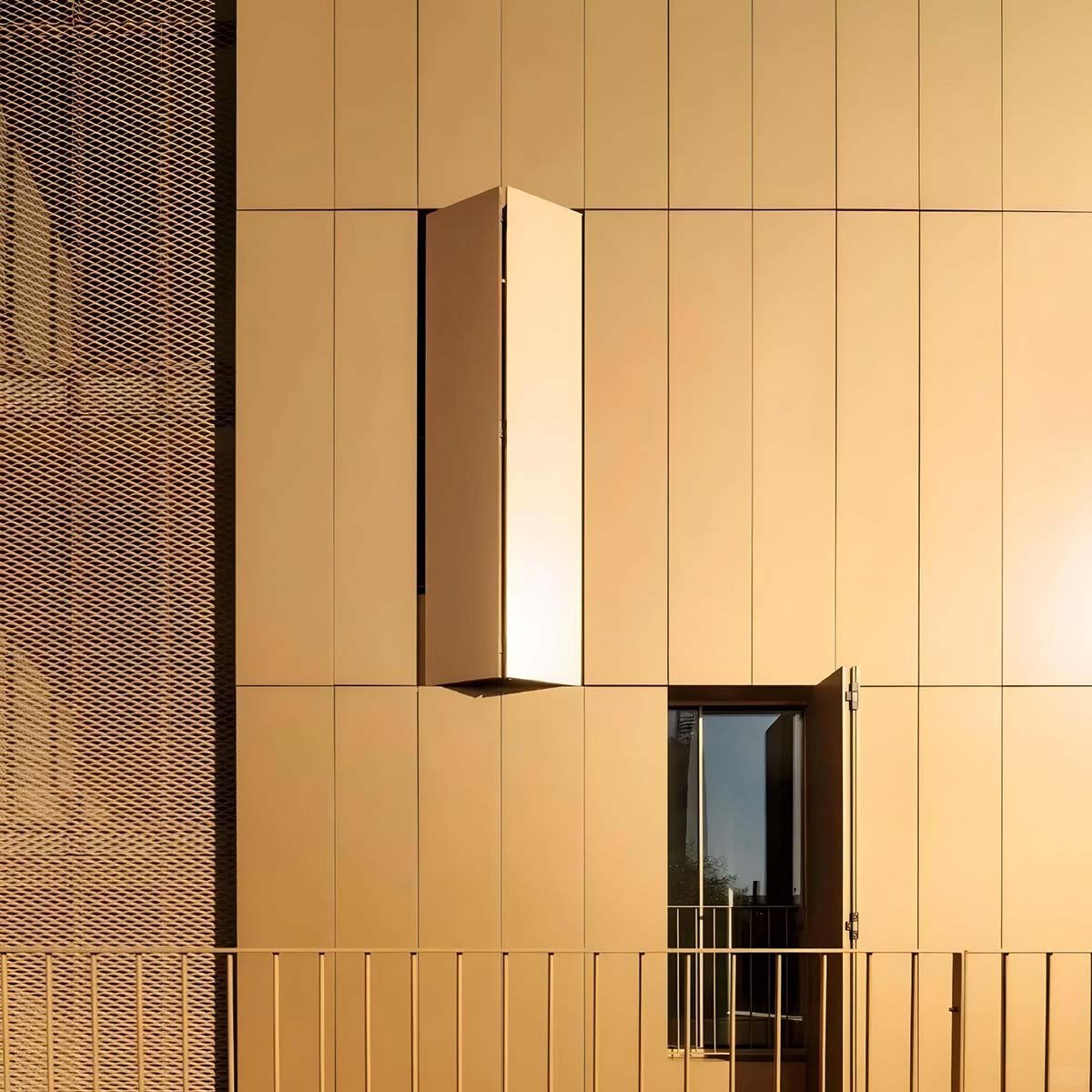
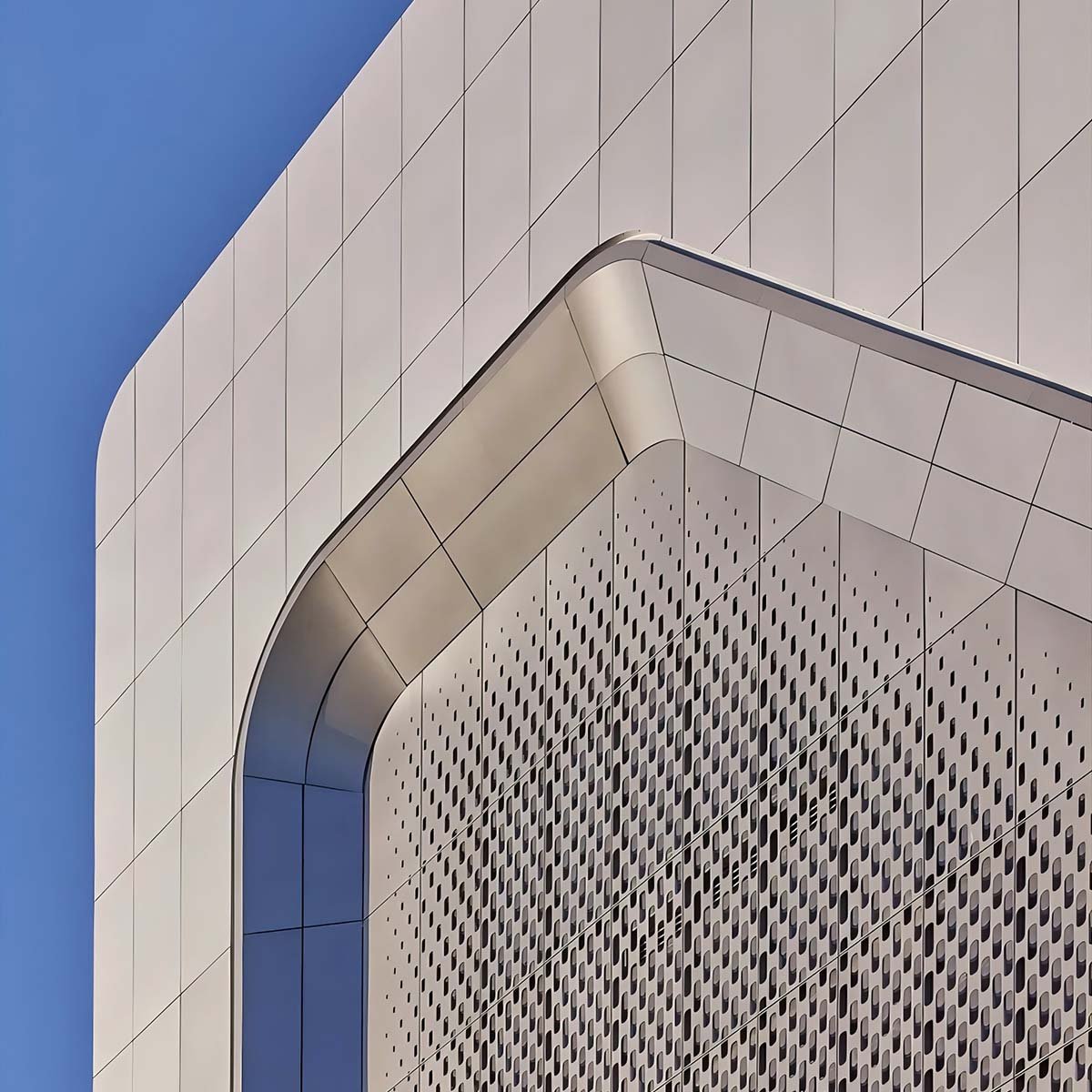
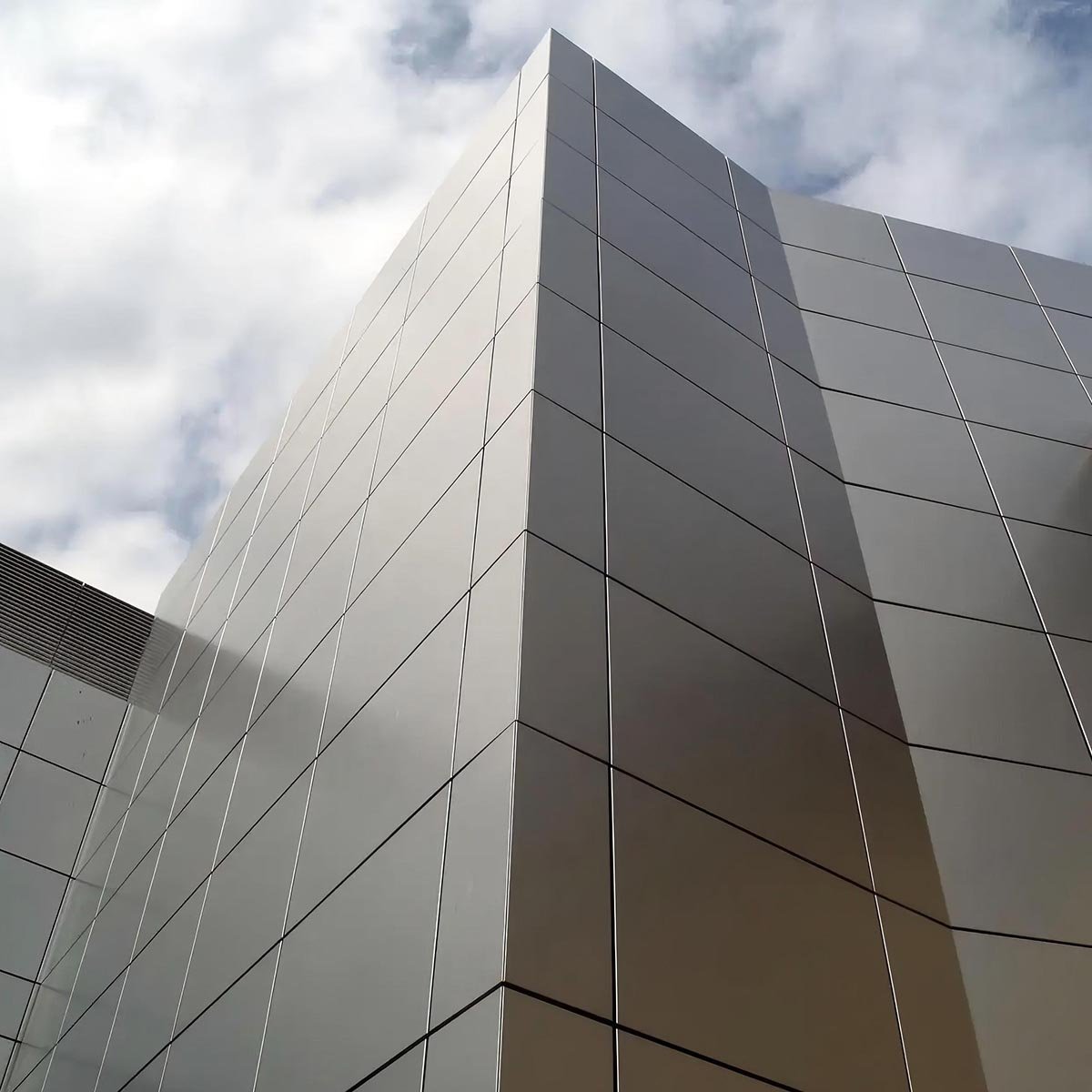
The exterior application of the PVDF coated aluminium is widely used on the building façade, decorative screens, canopies and other customised architectural elements, where durability, colour stability and design flexibility of the surface are required.
Architectural facades
Aluminium Composite Cladding Systems
Curved Architectural Features
Perforated Architectural Panels
Laser-Cut Façade Features
Expanded Metal facades
Canopies and Soffits
Decorative Exterior Features
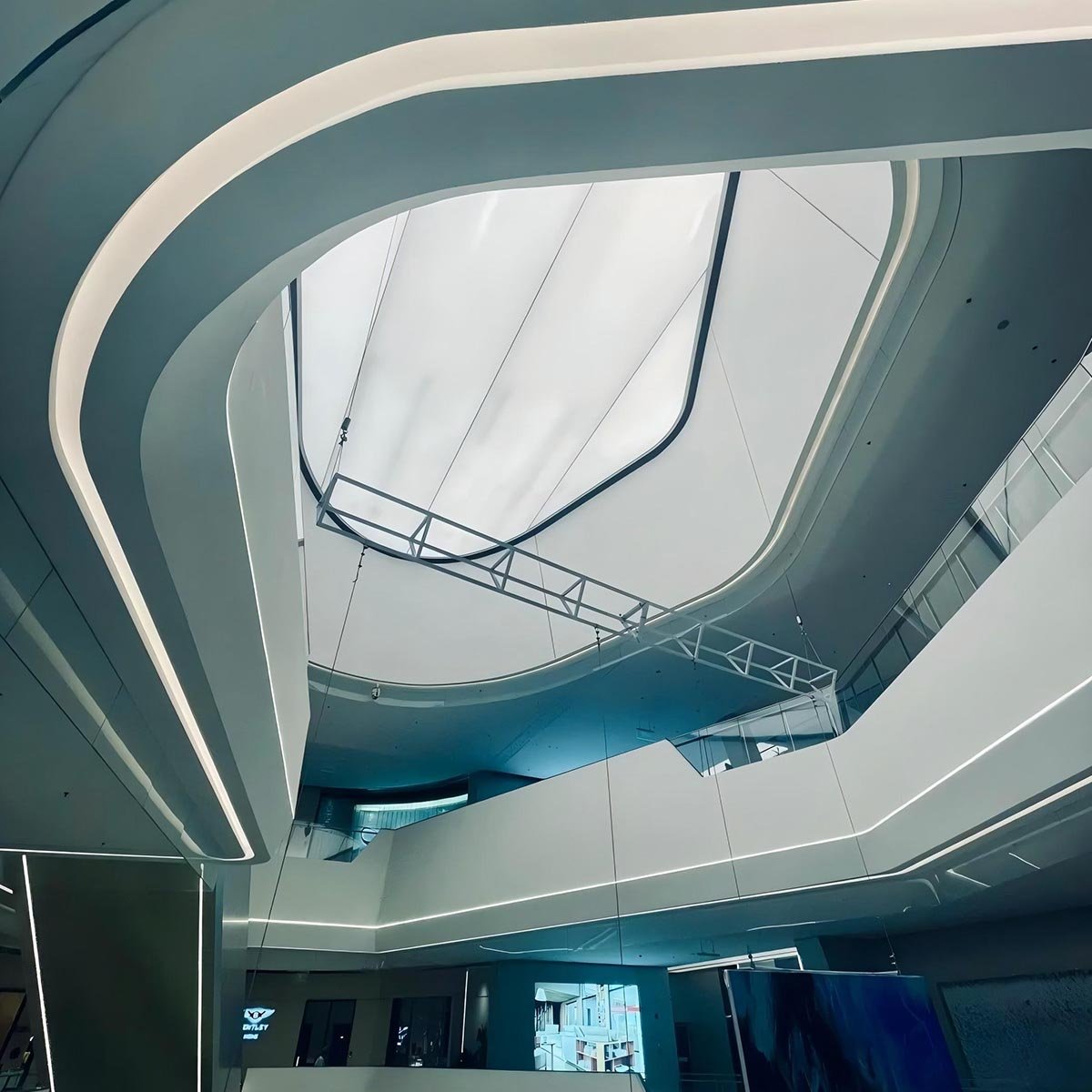
When the production method and coating are suitable for the project, the PVDF-coated aluminium can be used in a variety of architectural applications, such as exterior panels and complex decorative forms.
PVDF-Coated Aluminium vs Other Aluminium Surface Treatments
Aluminium can be treated in different ways to give it different properties in terms of look, stability, colours and applications. The choice of use depends on design, environmental conditions, fabrication methods and performance.
| Feature | PVDF Coating | Powder Coating | Anodising |
| Surface treatment | Fluoropolymer-based coating | Thermoset polymer coating | Electrochemical surface treatment |
| Colour selection | Broad | Very broad | More limited |
| UV resistance | High, depending on system | Varies by formulation | Generally high |
| Colour retention | Generally excellent | Depends on coating grade and exposure | Generally good |
| Surface appearance | Solid, metallic, matt, and special effects | Wide range of colours and textures | Natural metallic appearance |
| Typical applications | Exterior architectural surfaces | Interior and exterior applications | Architectural and specialist applications |
| Custom appearance | High | High | Moderate |
When Should PVDF-Coated Aluminium Be Considered?
Aluminium coated with PVDF is suitable for projects that demand exterior durability and long-lasting colour retention, weather resistance and different architectural appearances, especially facades and exposed parts where appearance is important.
There are also powder coating suits in different colours, different textures, different effects and anodised aluminium which retains the natural metal look. Select by exposure, look, playability, actual creation, specifications.
To choose an aluminium surface treatment, it is necessary to consider the whole project; the formulation of the coating, preparation, manufacturing, and installation and maintenance all have a part to play in the overall results.
How to Choose PVDF-Coated Aluminium for a Project
The decision to use PVDF-coated aluminium involves more than just picking a colour or surface finish. This is the time to take the following factors into account before production, project exposure, substrate requirements, coating specifications, fabrication methods and maintenance expectations.
Consider the Exposure Environment
Evaluate installation environment, including coastal, high-UV, humid, industrial and urban environments, and choose a coating system appropriate for anticipated exposure.
Select the Appropriate Coating System
Review PVDF coating system, resin formulation, layers, thickness, colour and performance requirement for compliance with relevant standards and environmental conditions.
Choose the Aluminium Substrate
The alloy and thickness influences formability, strength, weight and suitability, the choices of the aluminium substrate are based on the panel design, dimensions, forming, structural and fabrication requirements.
Confirm Colour and Finish Requirements
Establish colour, gloss, texture and visual effects prior to production. Approved samples set appearance expectations and facilitate uniformity of colour and finishes on production runs.
Evaluate Fabrication Requirements
Think about cutting, bending, forming and perforating (consider using appropriate methods for complex shapes and agree fabrication tolerances in advance to minimise coating damage).
Consider Panel Dimensions and Installation
Material selection is affected by panel dimensions, material weight, panel joints, fixings, transportation and site conditions. The panel system should be designed to fit the building, installation techniques and tolerances, and movement.
Review Maintenance Requirements
Take surface accessibility into account for routine inspection and cleaning – if pollution, salt deposits, and contaminants are present, the need for routine maintenance may necessitate easy cleaning access.
Check Samples and Technical Documentation
Pre-production samples are reviewed to ensure the consistency of samples and technical data, colour specification, and coating performance information, before mass production.
When choosing the appropriate PVDF-coated aluminium for an architectural project, the factors of exposure, material, appearance, processing, installation and maintenance must be considered.
Maintenance and Cleaning of PVDF-Coated Aluminium
Regular maintenance will keep PVDF coated aluminium in good condition and suitable for most of its service life; the frequency of cleaning should be determined by the installation environment, pollutant exposure, coastal environment, rainfall, surface pollution potential etc.
Routine Cleaning
Clean regularly, top to bottom, with soft tools, mild detergent and clean water to remove dust, dirt, salt and contaminants, and reduce scratching and recontamination.
What to Avoid
Do not use harsh chemicals, abrasive cleaners, solvents, metal scrapers, or abrasive pads, test cleaners first, remove contaminants gently.
Inspecting the Coated Surface
Regular inspection will detect surface issues early. Regularly inspect for scratches, stains, corrosion, particularly around joints, edges, and wet areas; increase inspections in polluted environments.
Repairing Surface Damage
Use compatible touch-up materials, not visual colour matching, for minor damage as per the coating manufacturer’s directions. When there is severe damage, it should be assessed by professionals before repair.
Maintenance Schedule
Regular cleaning, inspection and timely repairs in line with the manufacturer’s maintenance instructions and cleaning advice, help maintain the appearance and performance of PVDF coated aluminium.
Architectural applications can be maintained for the long-term and retain their appearance through regular cleaning, removal of contaminants in a timely fashion, and periodic inspection.
Expert Insights on PVDF-Coated Aluminium
“A suitable PVDF-coated aluminium system should be selected according to the project environment, design requirements, and fabrication process. Consistent surface preparation and quality control are essential for reliable coating performance.”
For architectural projects, the performance of PVDF-coated aluminium depends on more than the coating itself. The substrate, surface preparation, coating system, fabrication process, and environmental exposure should be considered together. Here are Key Considerations for Project Specification:
Environmental Exposure
Take into account sunlight, humidity, coastal areas, industrial pollution and other variables that could impact the coated surface during its useful life.
Coating and Substrate
Verify the aluminium grade, substrate thickness, coating formulation, coating layers and performance requirements for suitability in the intended application/environment.
Fabrication Requirements
The size of panels, bending, forming, perforation, cutting, etc. should be taken into account prior to production to reduce damage to the coating and retain the appearance.
Colour and Finish Consistency
For large works, approved samples provide colour, gloss, texture and appearance, and for multiple panel batches, production controls ensure consistency.
Practical Recommendation
Assess PVDF coated aluminium as a system, including substrate, coating, fabrication and environment to ensure consistent appearance and performance.
Reliable results with PVDF-coated aluminium can be obtained by proper specification. Consider the entire system, from materials to fabrication and installation, to make sure that the final surface looks good and performs as planned.
Need PVDF-coated aluminium for a façade or customised architectural feature? Talk to TBK Metal about material selection, colours, fabrication requirements, and project-specific solutions designed to meet your architectural needs.
Why Choose TBK Metal for PVDF-Coated Aluminium?
Whether it’s simple panels or intricate, tailored architectural metal components, TBK Metal offers customised solutions with consistent finishes, impeccable workmanship, and reliable project support.
15+ Years of Experience
50,000+ sqm Manufacturing Area
5+ Manufacturing Bases
5,000+ Architectural Projects
Custom Fabrication and Finishes
International Service Network
If the project demands the use of coated aluminium using PVDF, TBK Metal can offer solutions tailored to meet the design, material, finish and performance specifications.
FAQs About PVDF-Coated Aluminium
Q1. Can PVDF-coated aluminium be cut and fabricated after coating?
Q2. Can PVDF-coated aluminium be used for curved panels?
Q3. Does PVDF coating affect the weight of aluminium panels?
Q4. Can PVDF-coated aluminium be used in coastal areas?
Q5. Can PVDF-coated aluminium be repaired if the surface is scratched?
Q6. How is the colour of PVDF-coated aluminium matched between batches?
Q7. What thickness of aluminium is suitable for PVDF coating?
Q8. Can PVDF-coated aluminium be recycled?
Conclusion
The PVDF coated aluminium is a combination of lightweight aluminium and durable fluoropolymer that provides a wide range of architectural applications with weather resistance, colour retention, design flexibility and easy maintenance.
The coating system, substrate, fabrication, installation, and environment all affect the performance of the product, ranging from façade to curved panels, to decorative screens and customised features. Choosing the right specification guarantees an even look and stable performance potential over time.
Contact Request
Planning an architectural project with PVDF-coated aluminium? Contact TBK Metal for customised fabrication, finish options, and project-specific technical support.