








Custom-Made Solution
High-Quality
Perforated Metal Cladding Panels
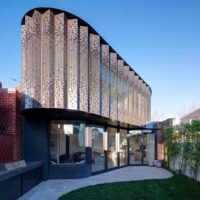
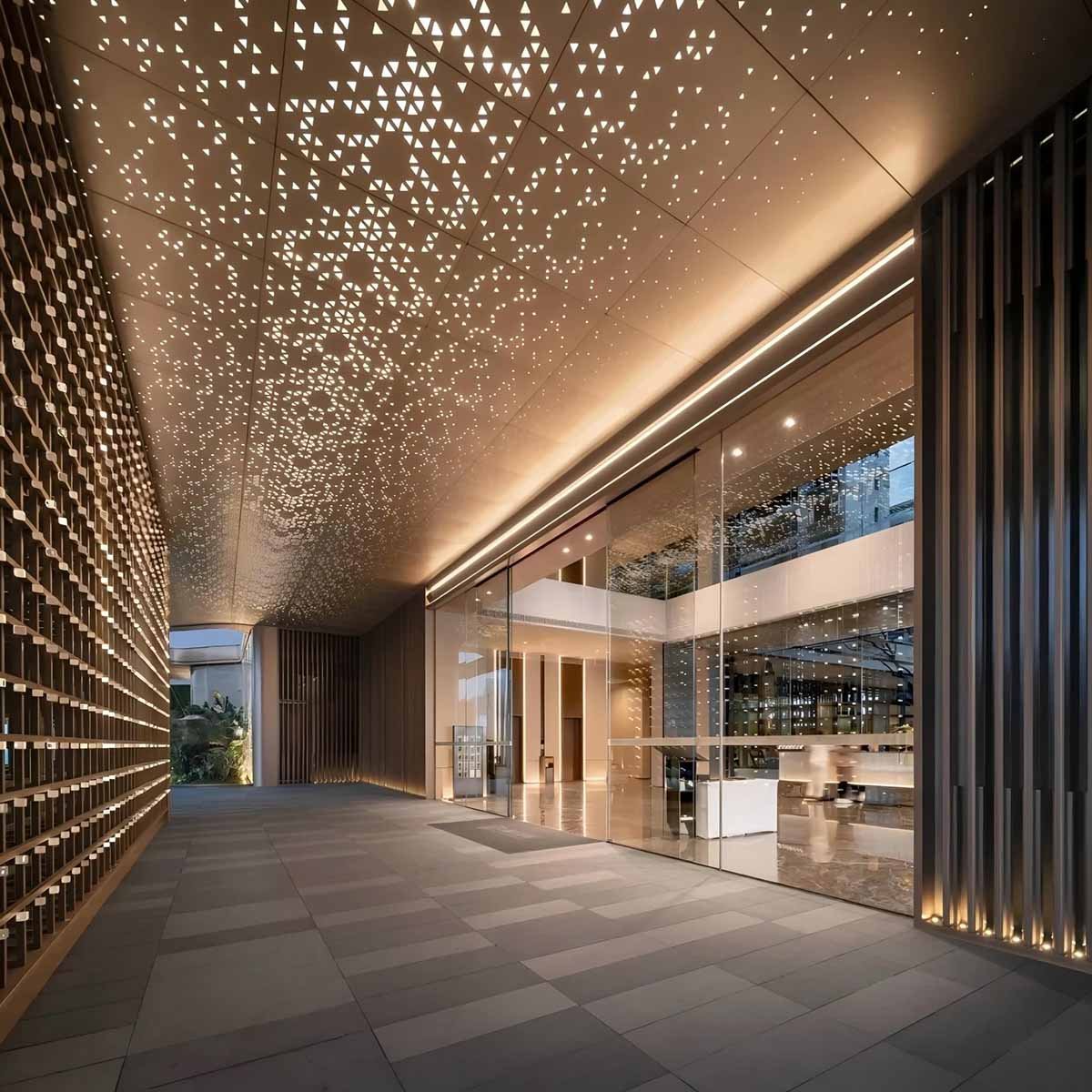
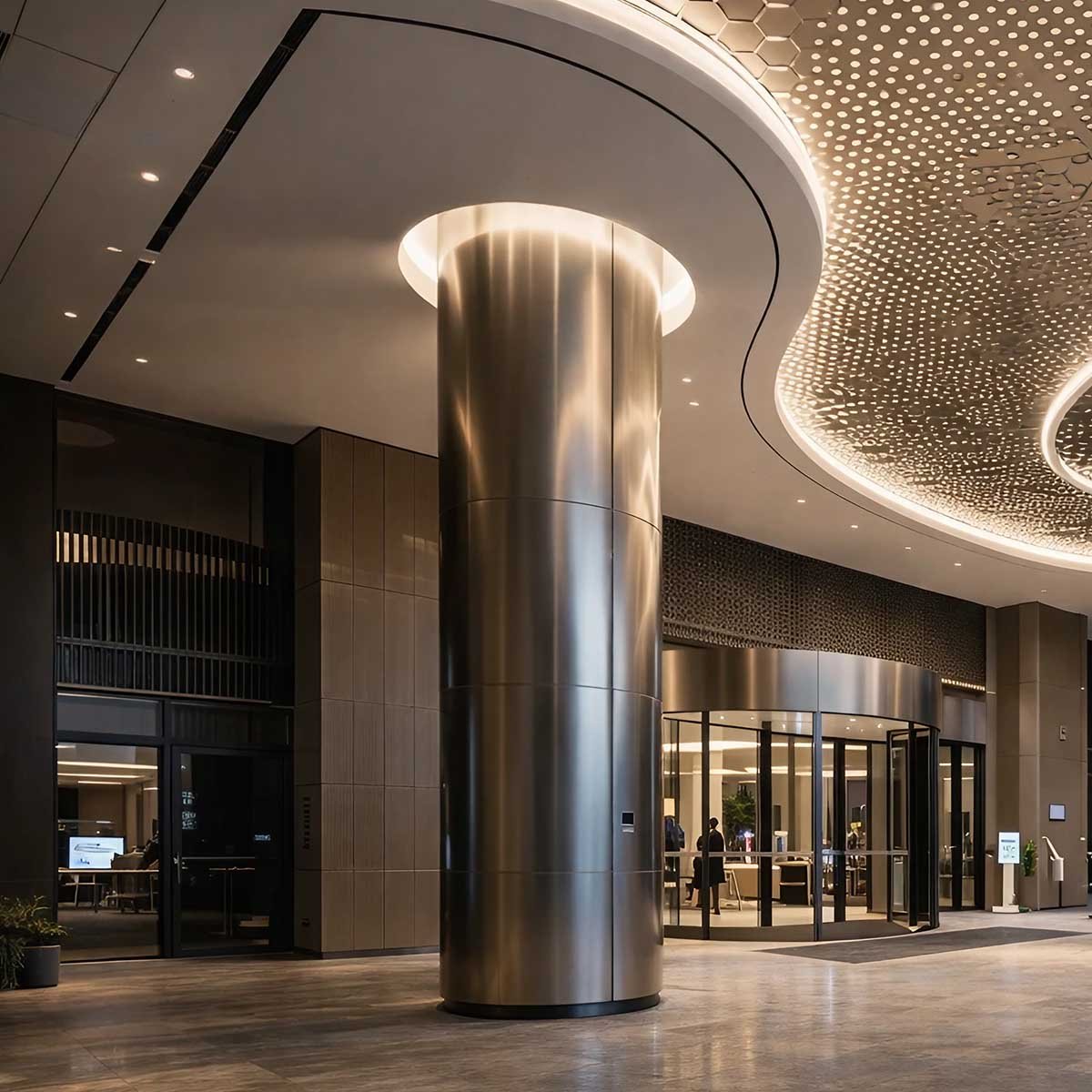
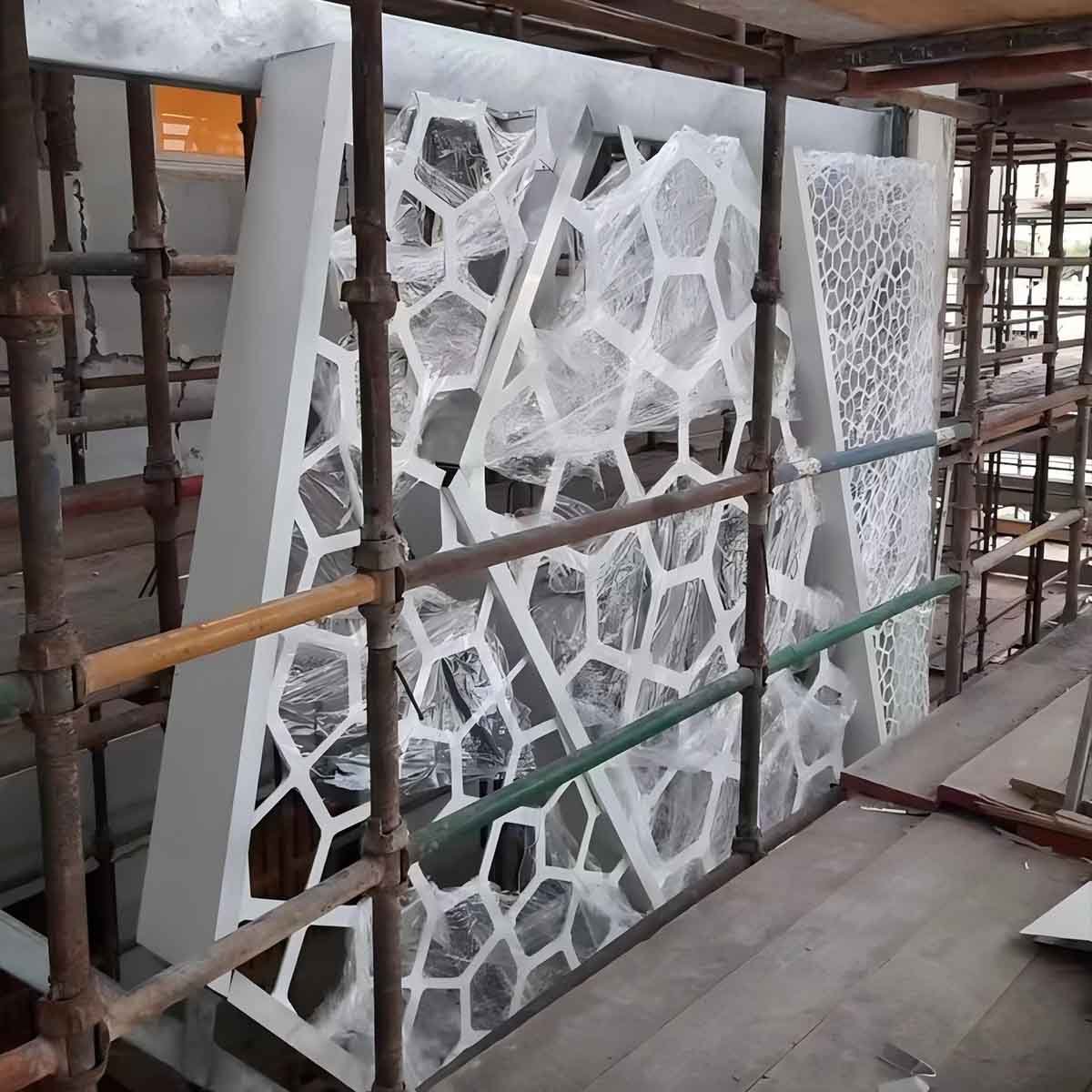
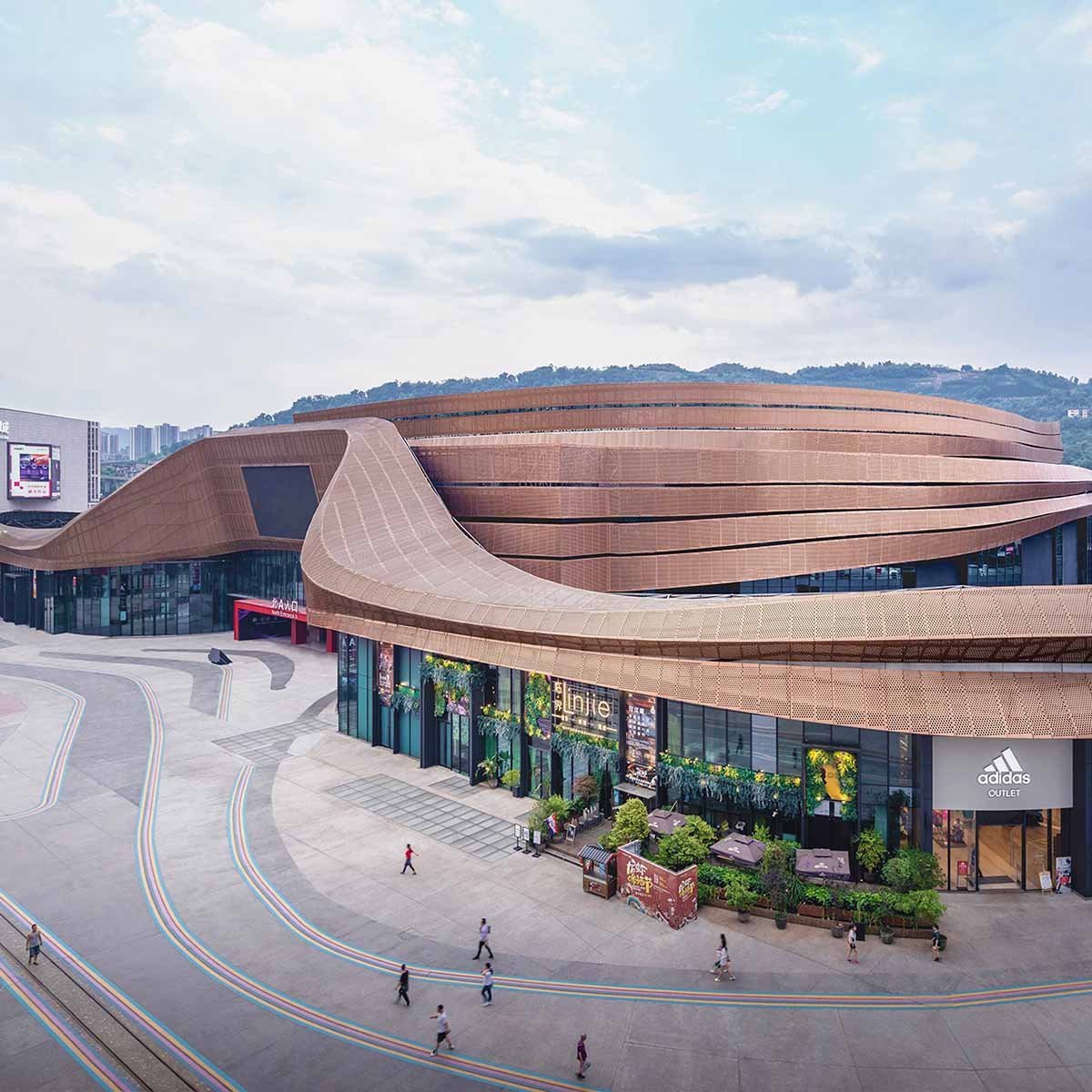
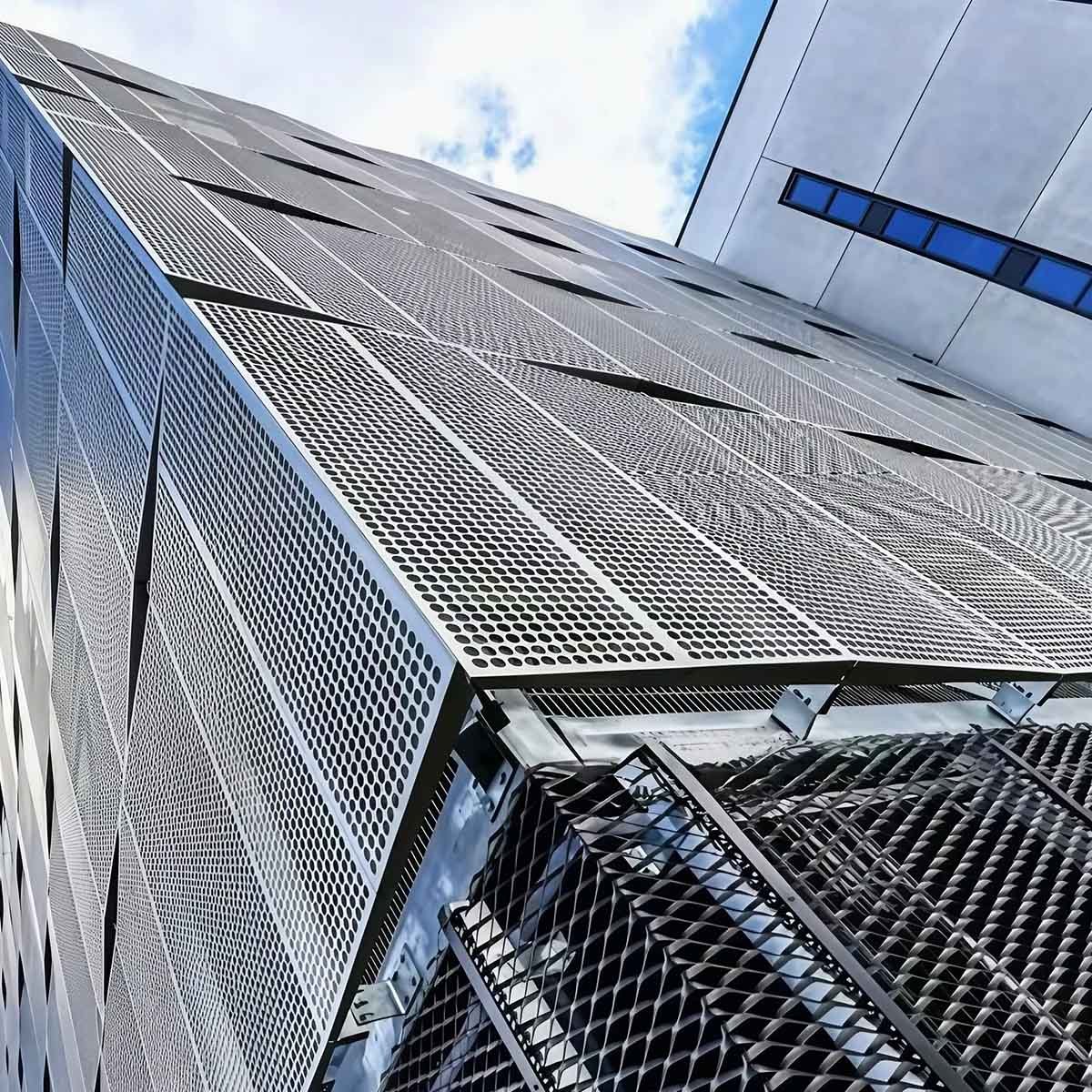
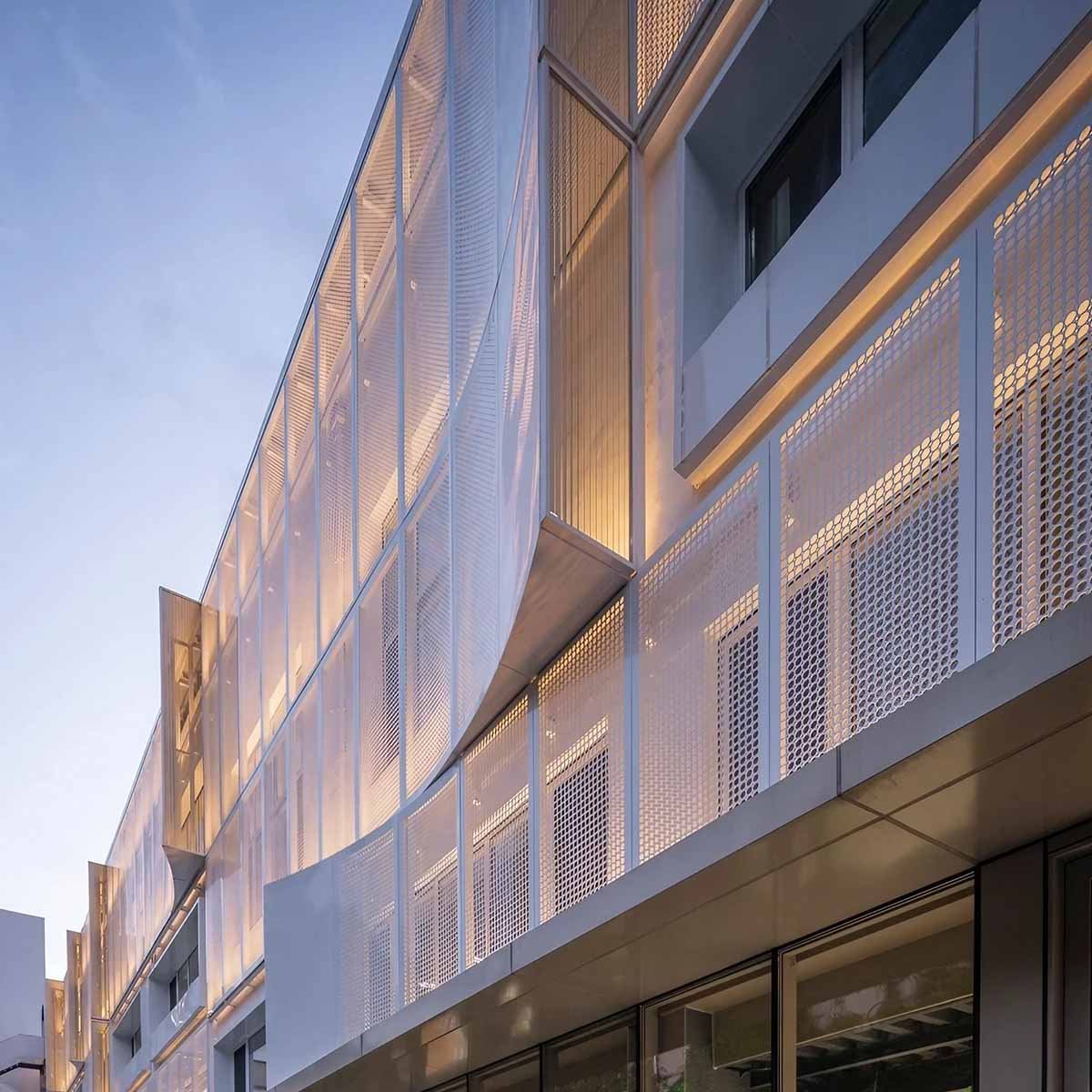
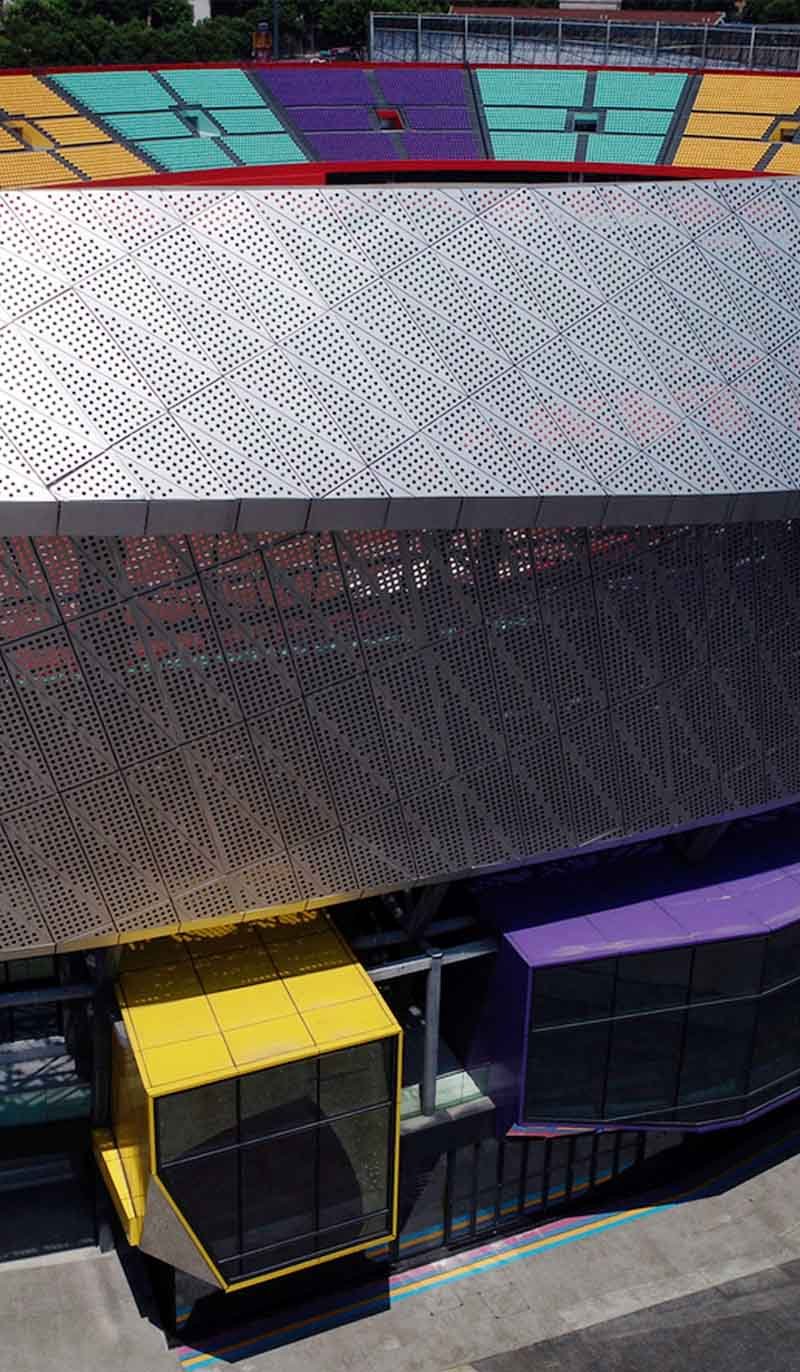
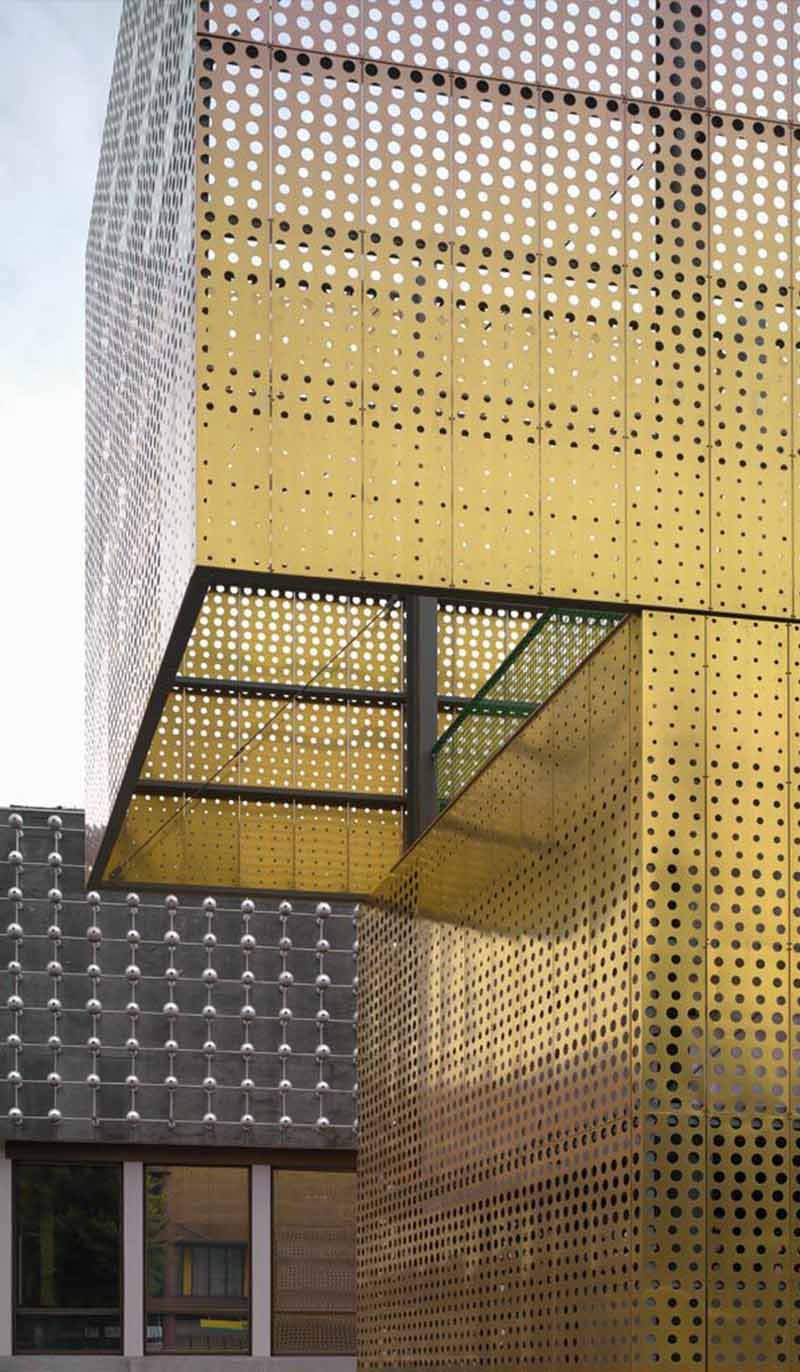
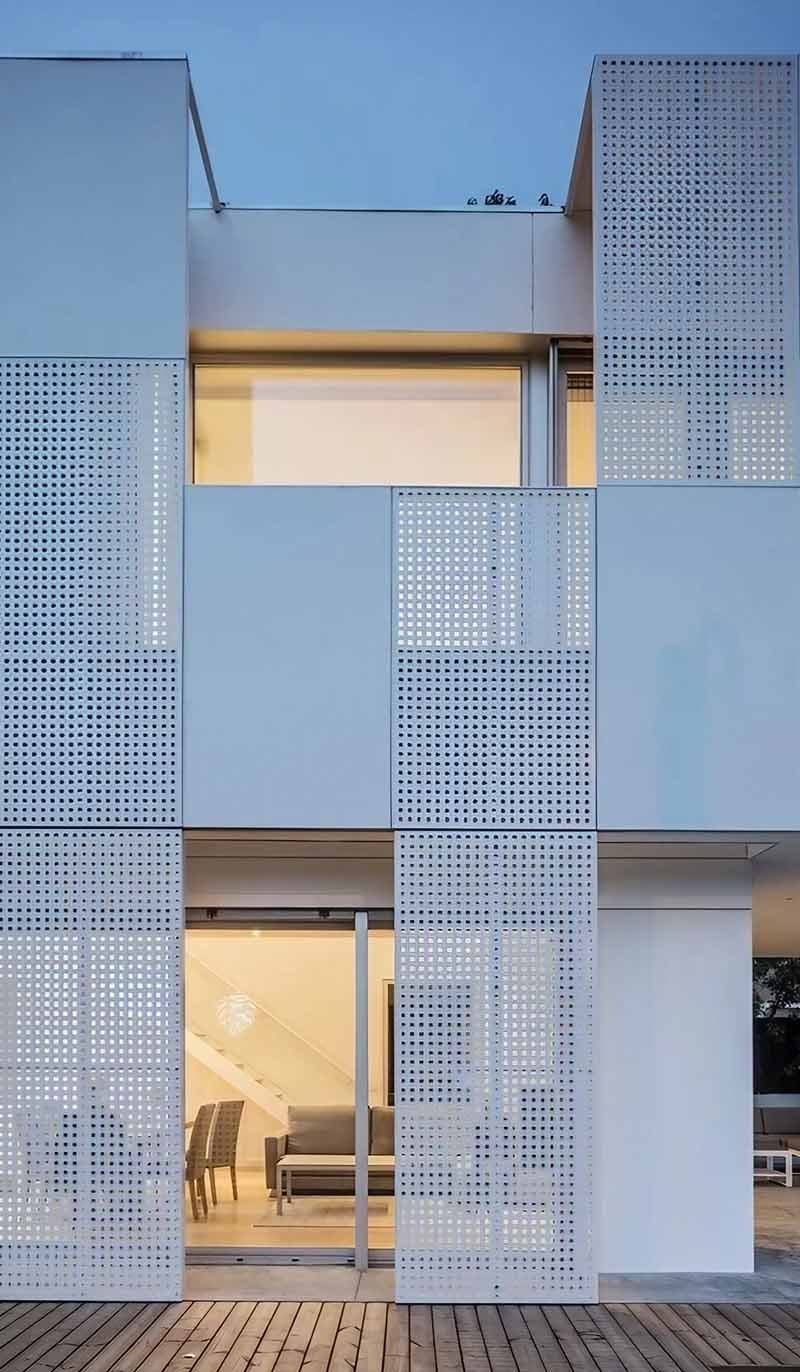
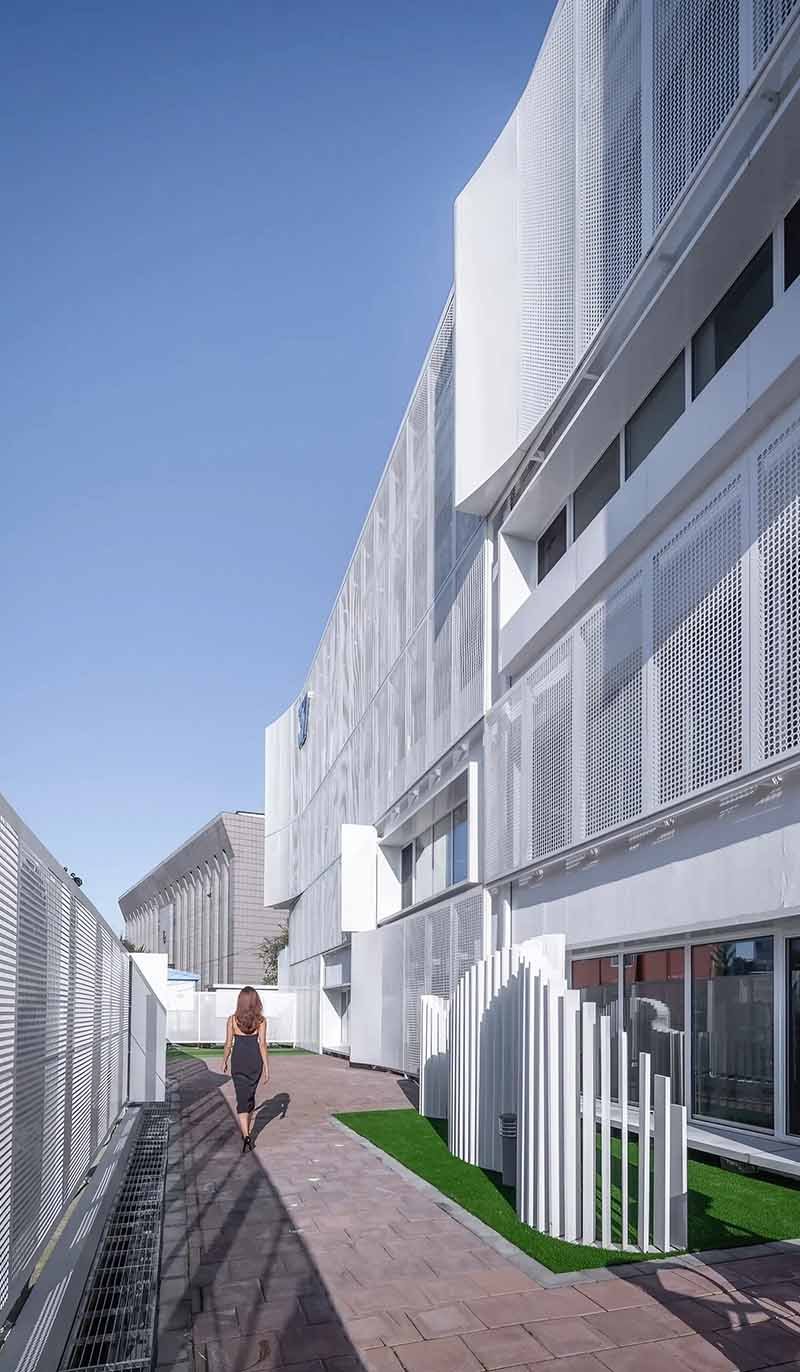
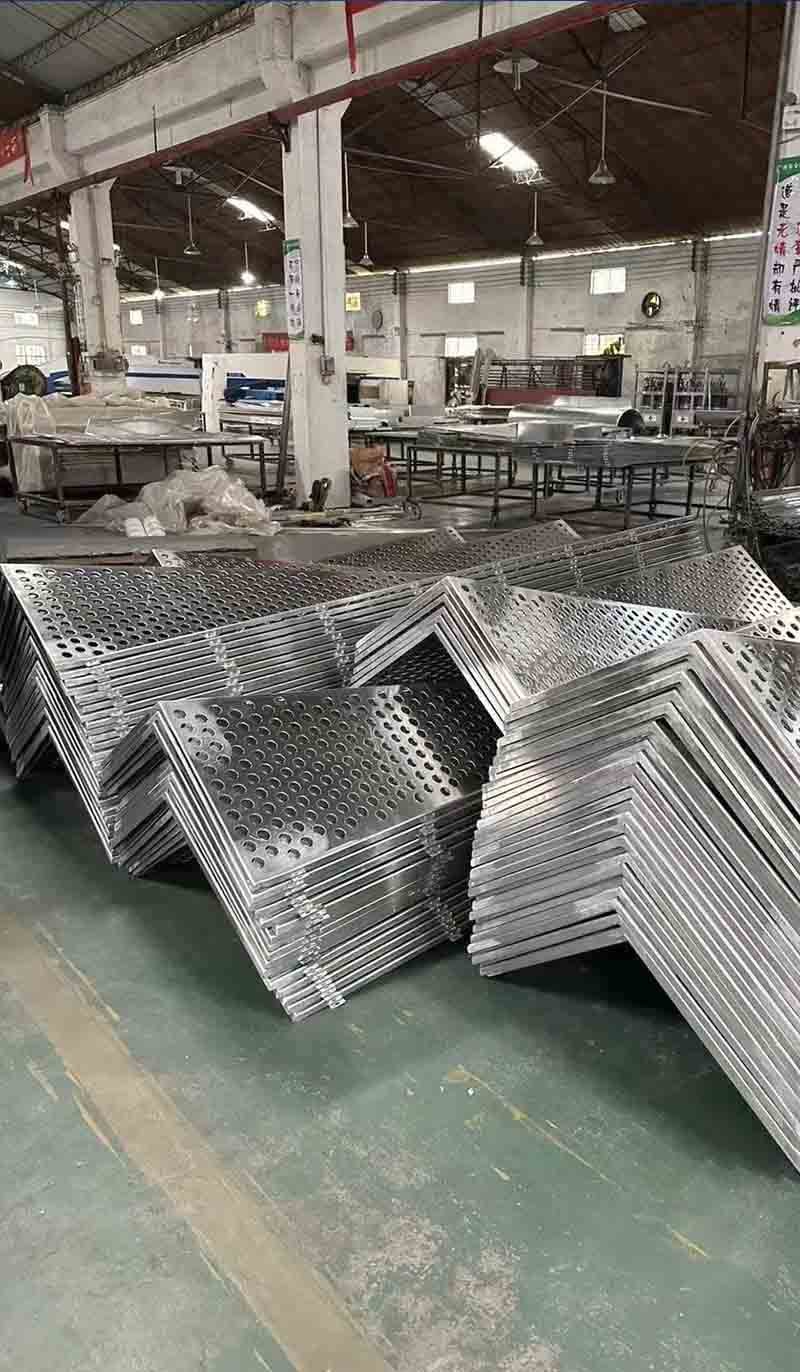
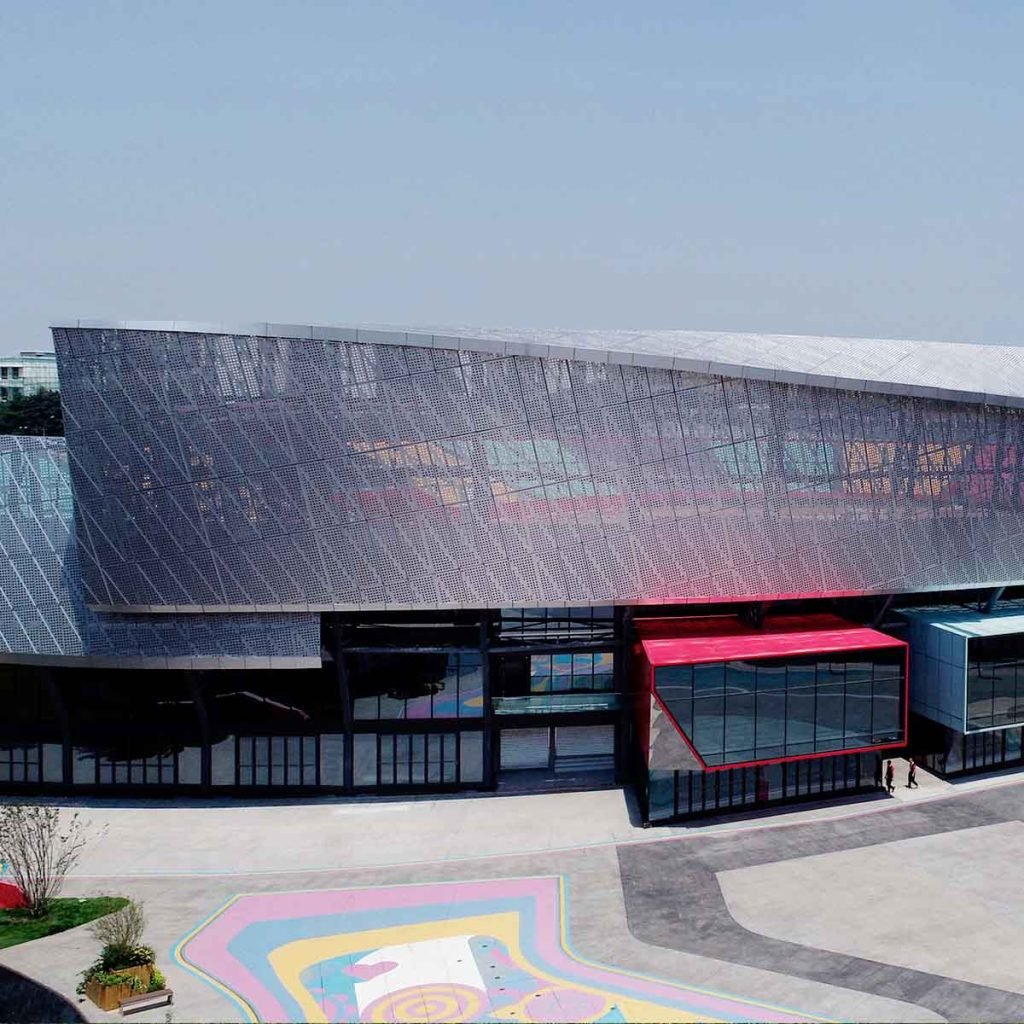
Perforated metal cladding panels, that can be made of aluminum, stainless steel, or galvanized steel, are practical and look good. This provides them with anti-corrosive qualities and at the same time they provide light, air, and sound permeability for an interesting effect.
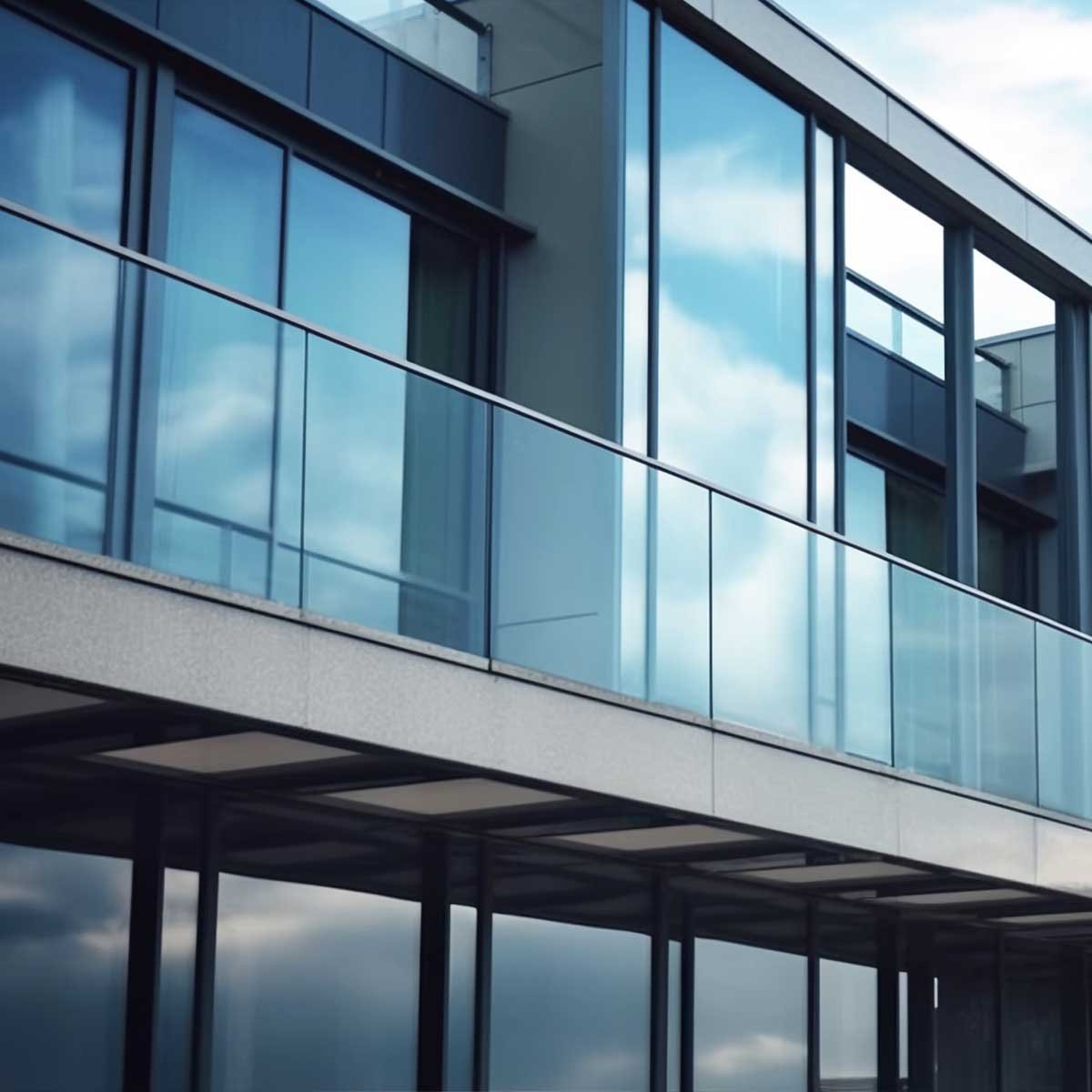
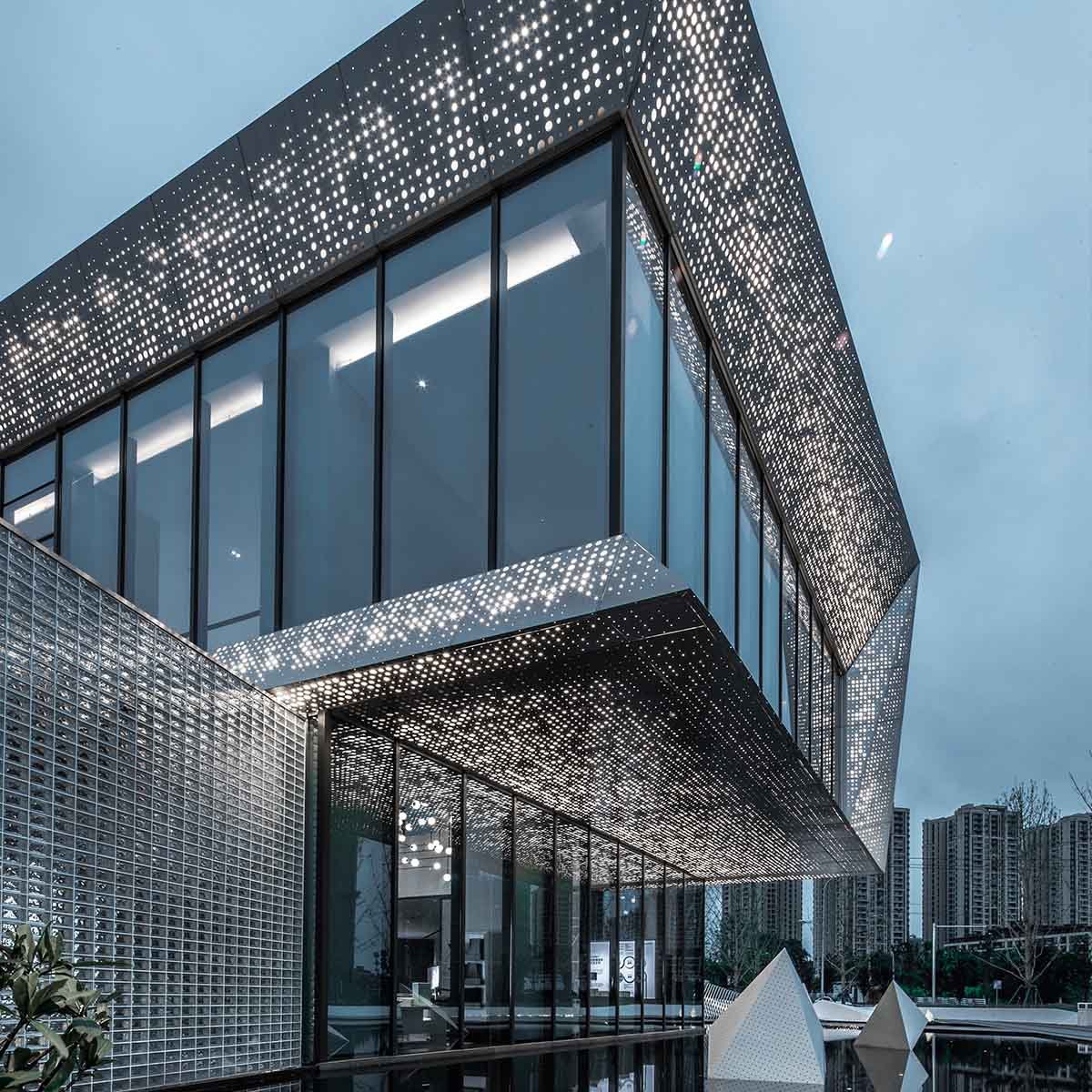
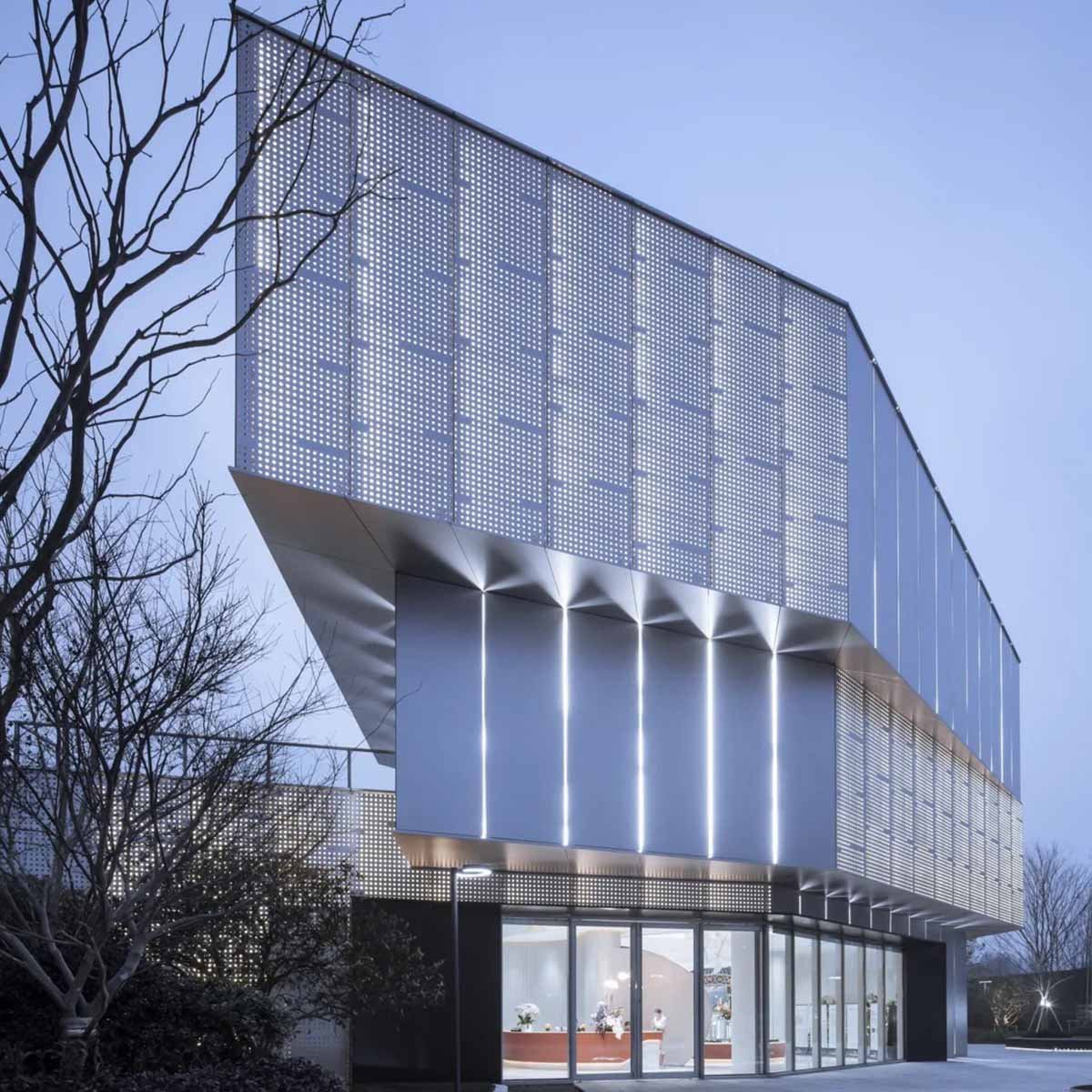
These panels admit maximum natural light, reduce artificial lighting demands, and enhance indoor air flow through natural ventilation. This energy-efficient and air-enhancing solution makes perforated metal cladding panels suitable for facade use while being modern and classy.
Customizable
Specification
| Standard: | GB/T 24001-2016, GB/T 19001-2016, ASTM, JIS, EN |
| Thickness: | 0.8 mm – 3.0 mm. |
| Width: | 30mm-1850mm, Customized |
| Length: | 1220mm-3000mm, Customized. |
| Tolerance: | ±1%. |
| Material: | Stainless Steel, Aluminium, Copper, etc |
| Technique: | Cold Rolled. |
| Finish: | Powder Coating, Anodizing, PVDF Coating. |
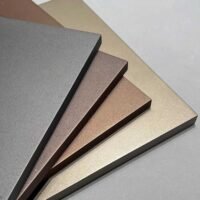
| Colors: | Champagne, Black, Blue, Silver, Gold, Rose Gold, etc. |
| Edge: | Mill, Slit. |
| Applications: | Ceiling, Wall Panel, Facade, Interior Decorations. |
| Packing: | PVC + Waterproof Paper + Wooden Package. |
Where to Be Used
Applications
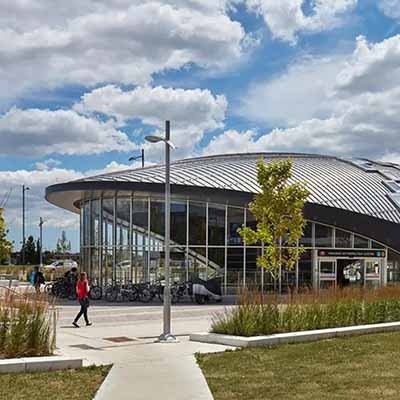
Architectural and construction professionals use perforated cladding panels for a variety of purposes, such as controlling ventilation and airflow, sunlight, and glare, acoustics, privacy and security issues, decorative elements, signage and branding, environmental control, and helping to create sustainable building designs.


Ventilation and Airflow Control
They act as foyers and sun shades and enable the flow of air through the building apertures. They can be applied in air conditioning, heating systems, offices as well as car parking where natural air circulation is required.
Sunlight and Glare Control
Louvers properly placed minimize light penetration into the building by minimizing on glare and heat that results from it. This improves the energy utilization and comfort of the users hence recommended for hot areas.
Acoustic Control
Perforated cladding panels provide improved acoustic and noise control capabilities for indoor and outdoor spaces. It is specific for use in auditoriums, theaters, and music halls to give absolutely the best sound control and quality.
Privacy and Security
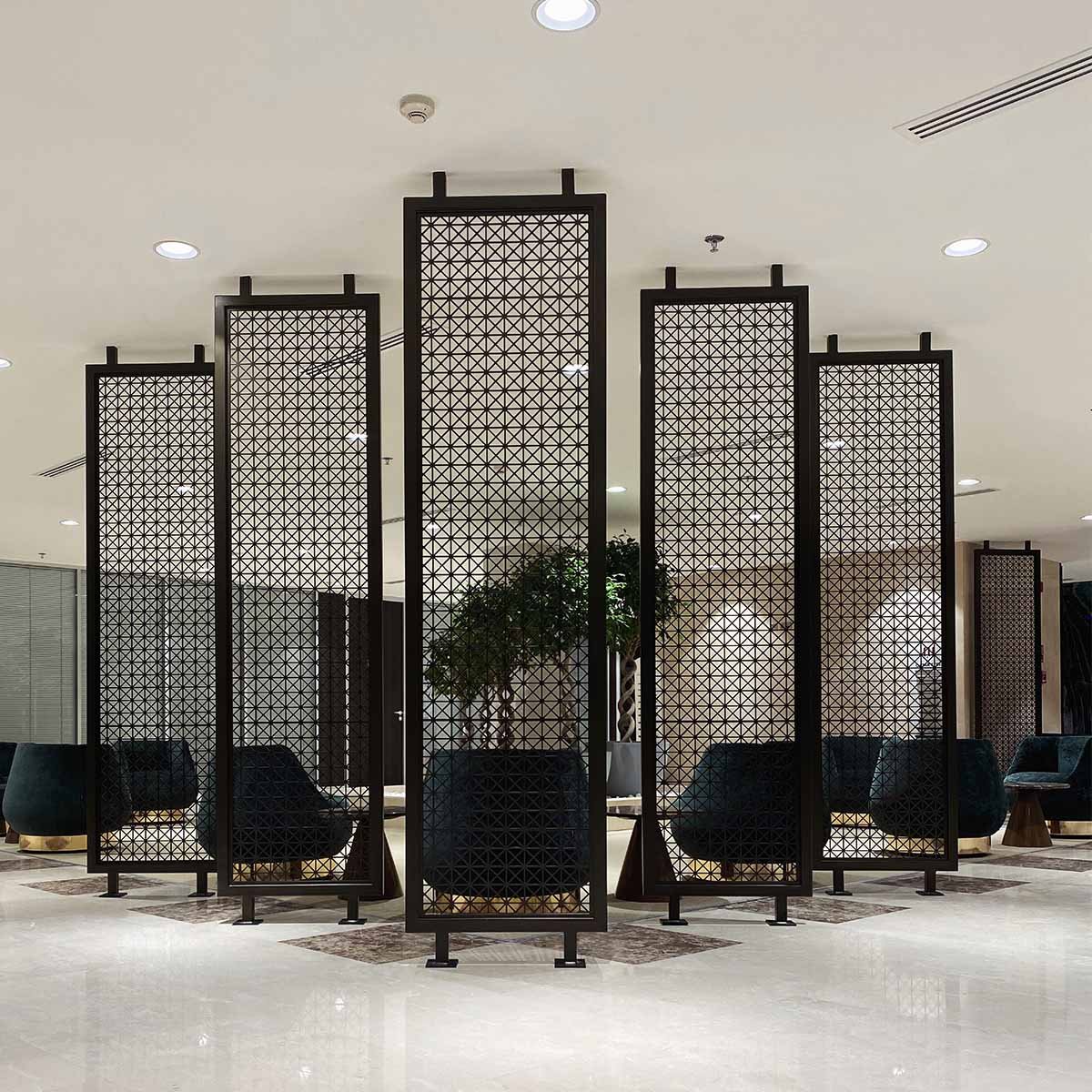
The perforated cladding panel is for privacy screens that do not fully blind views but admit light and air. These are usually fixed on balconies, windows, and fences of homes mainly in urban areas to create privacy.
Decorative Applications
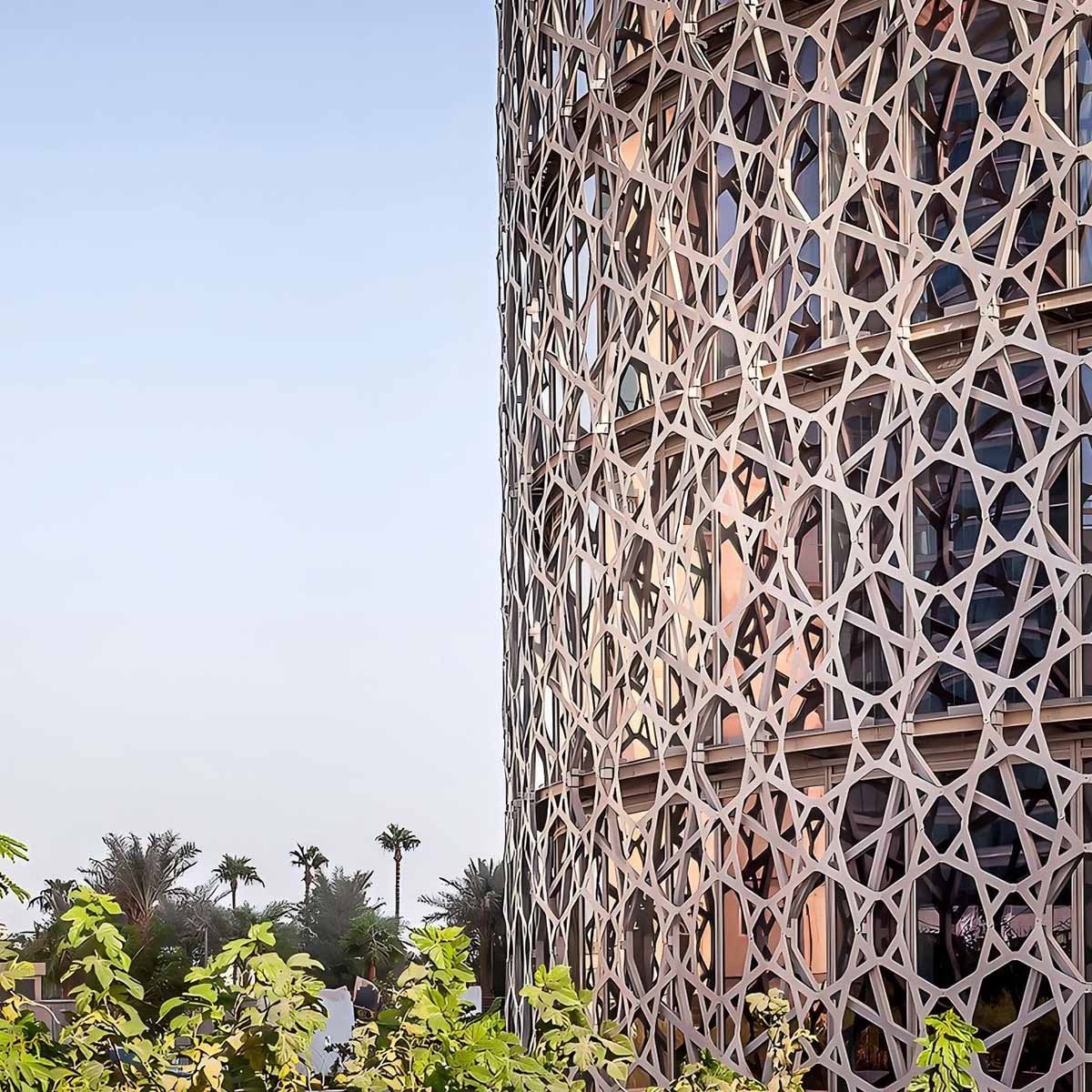
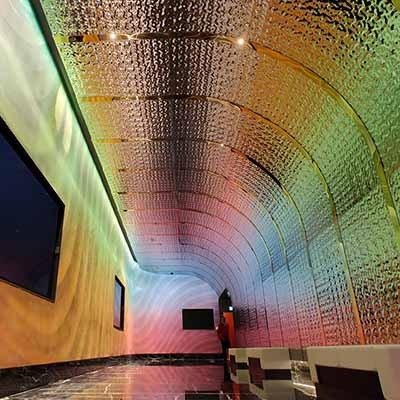
Surface perforations and designs are widely applied in the construction of building façade and interiors for an artistic outlook. It means they introduce art into architectural projects thereby enhancing its aesthetic value.
Signage and Branding
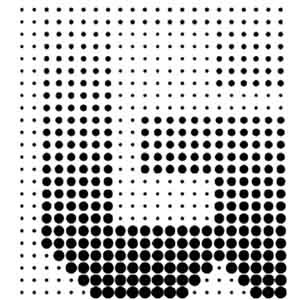
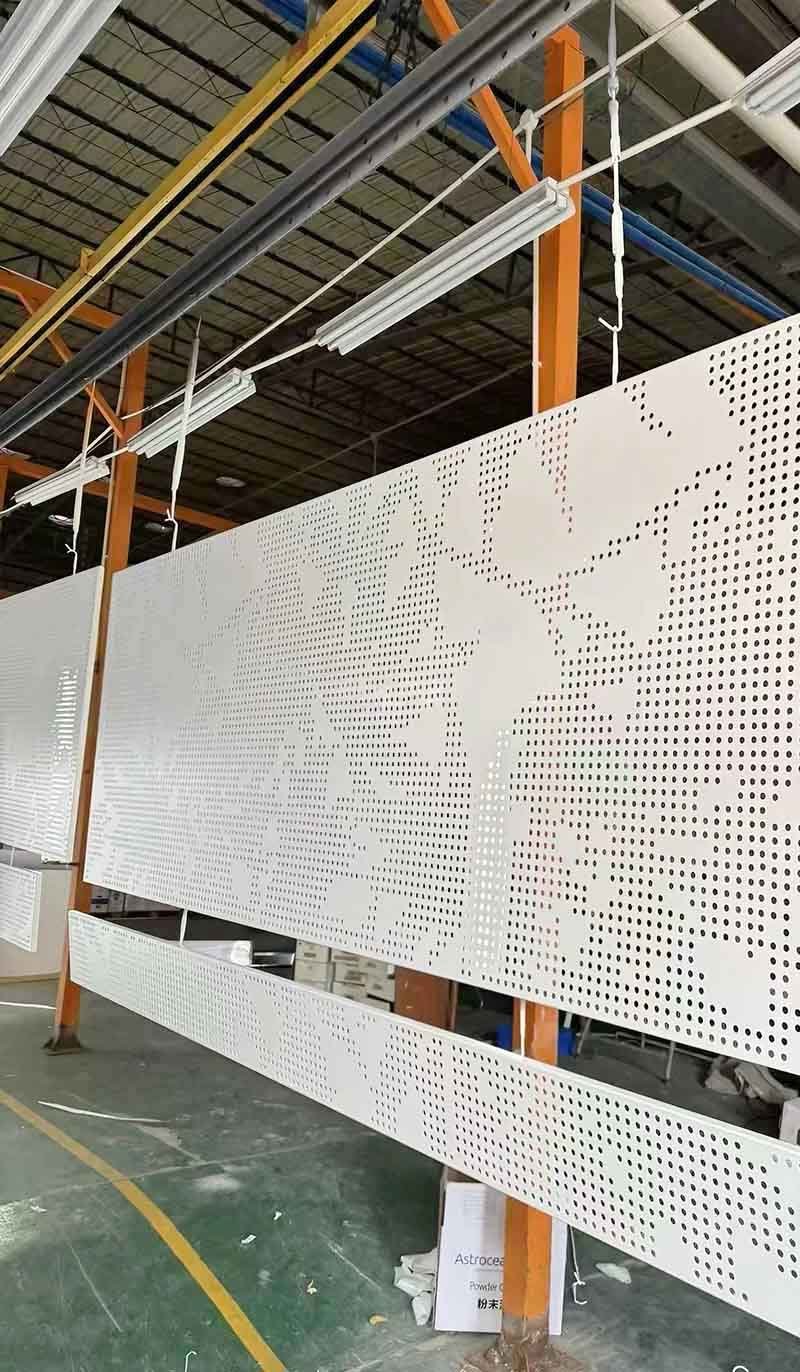
Logos, text, or images can be incorporated as branding elements on perforated cladding panels. They are visually attractive and functional for signage purposes, and provide a window to showcase, through perforations.
Environmental Control
Wind forces and factors of rainwater that interact with the entire facade are through perforations that are panels. That is why their patterns are very well thought out to provide efficient water drainage as well minimizing the impacts of the wind.
Sustainable Design
Perforated cladding panels have sustainability benefits including low use of artificial lighting and ventilation. Sustainable as they are made from recycled material they are weather efficient by design; incorporating natural light and air.
Patterns
Various Options
for Perforation
Patterns
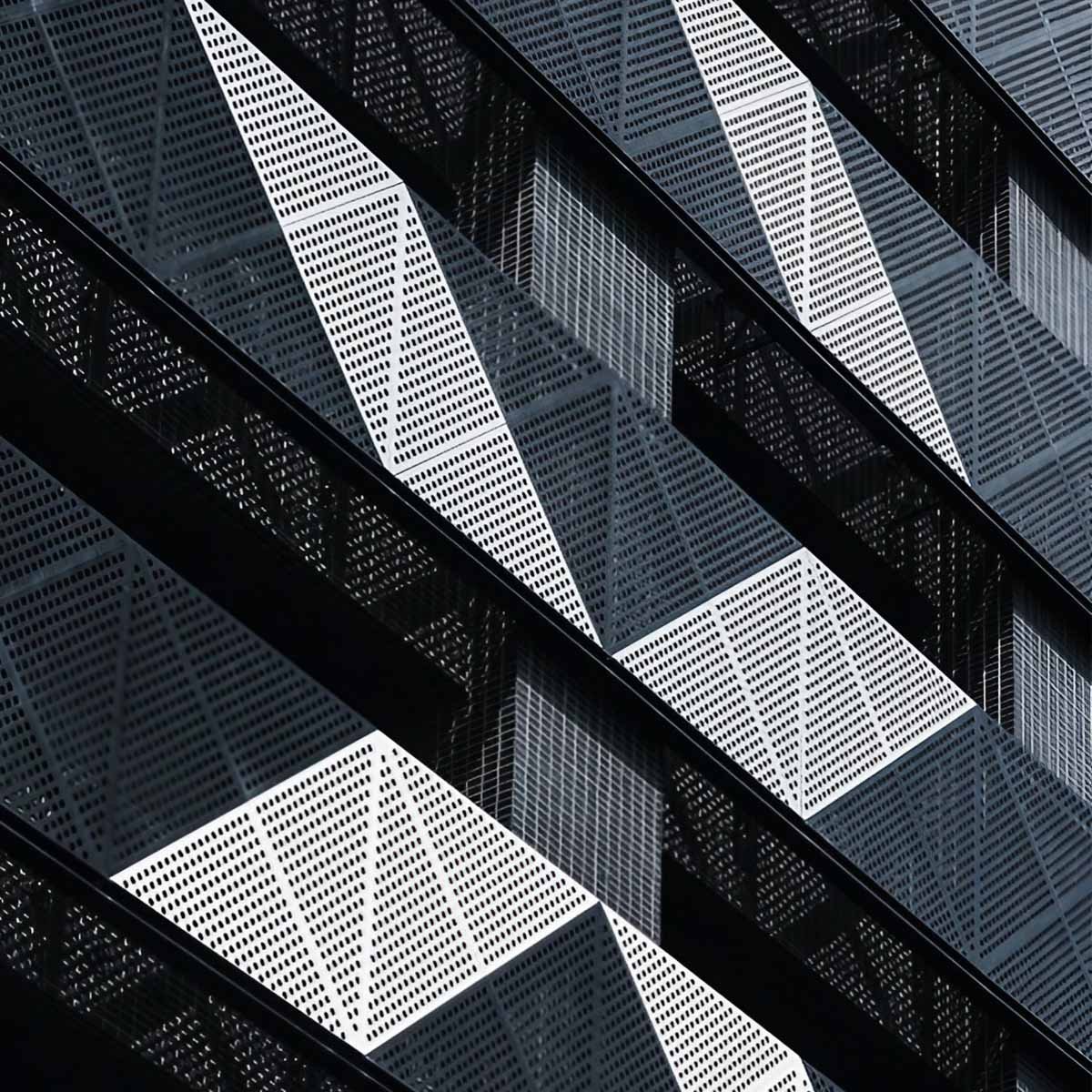
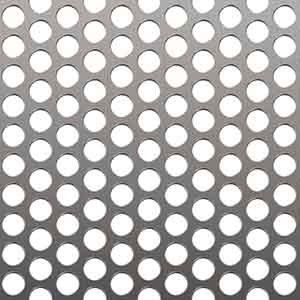
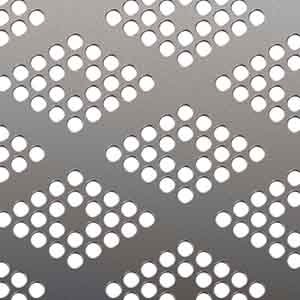
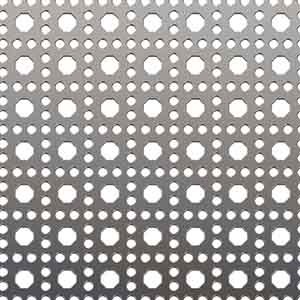
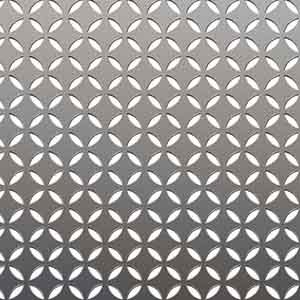
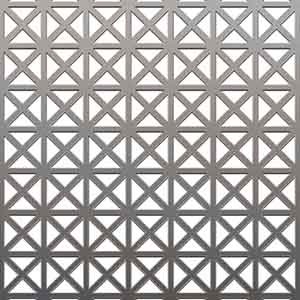
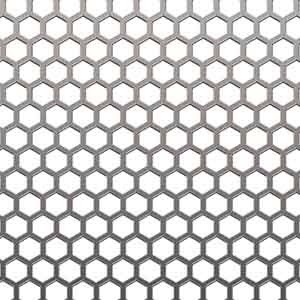
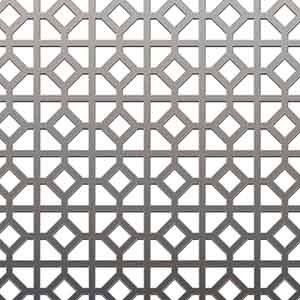
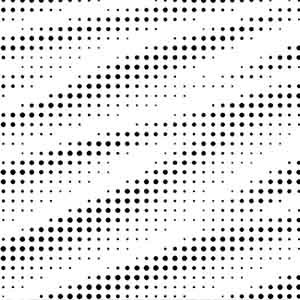
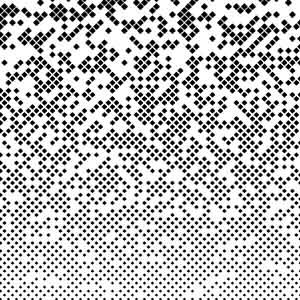
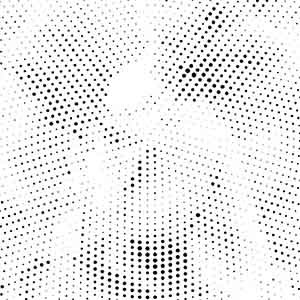
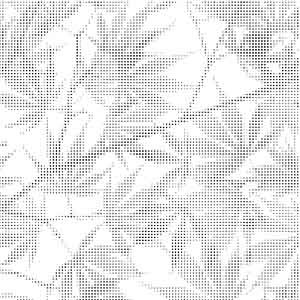
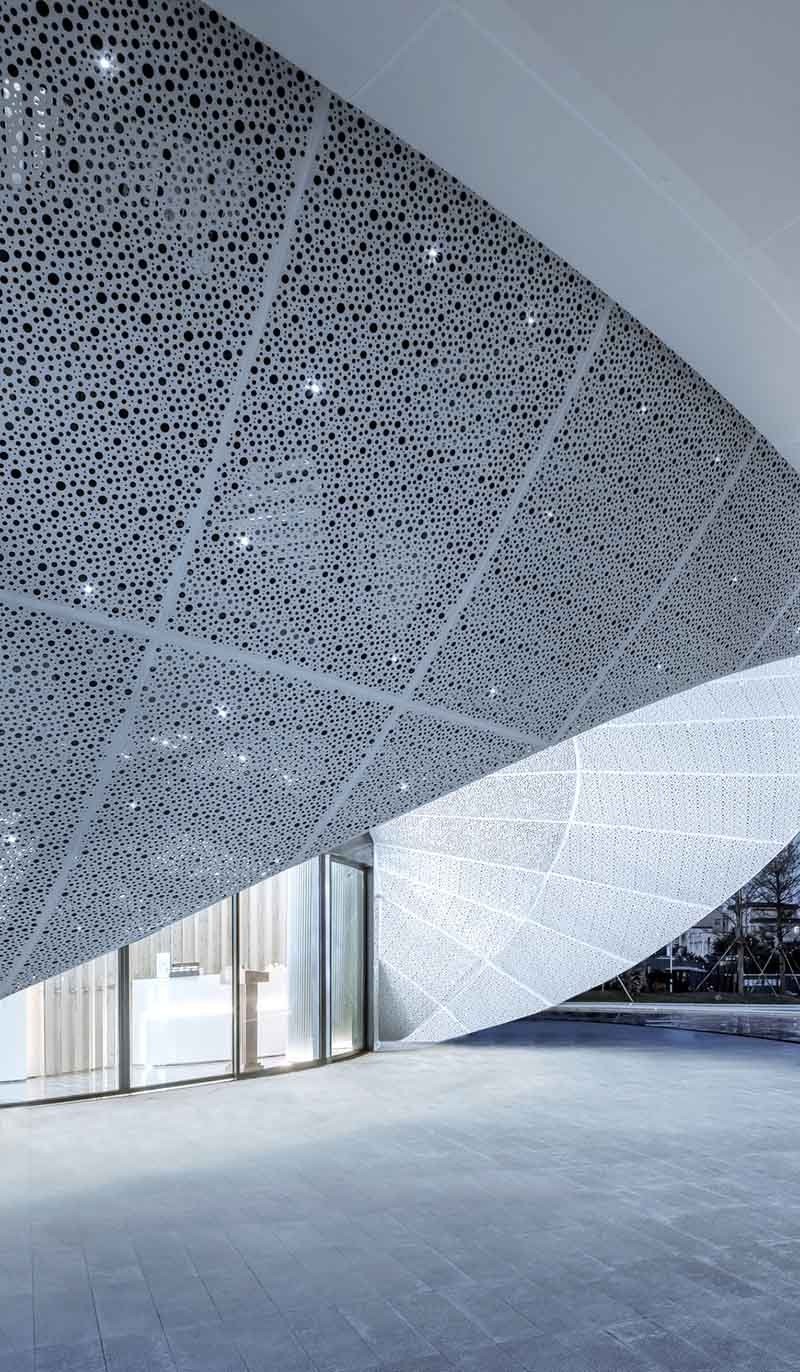
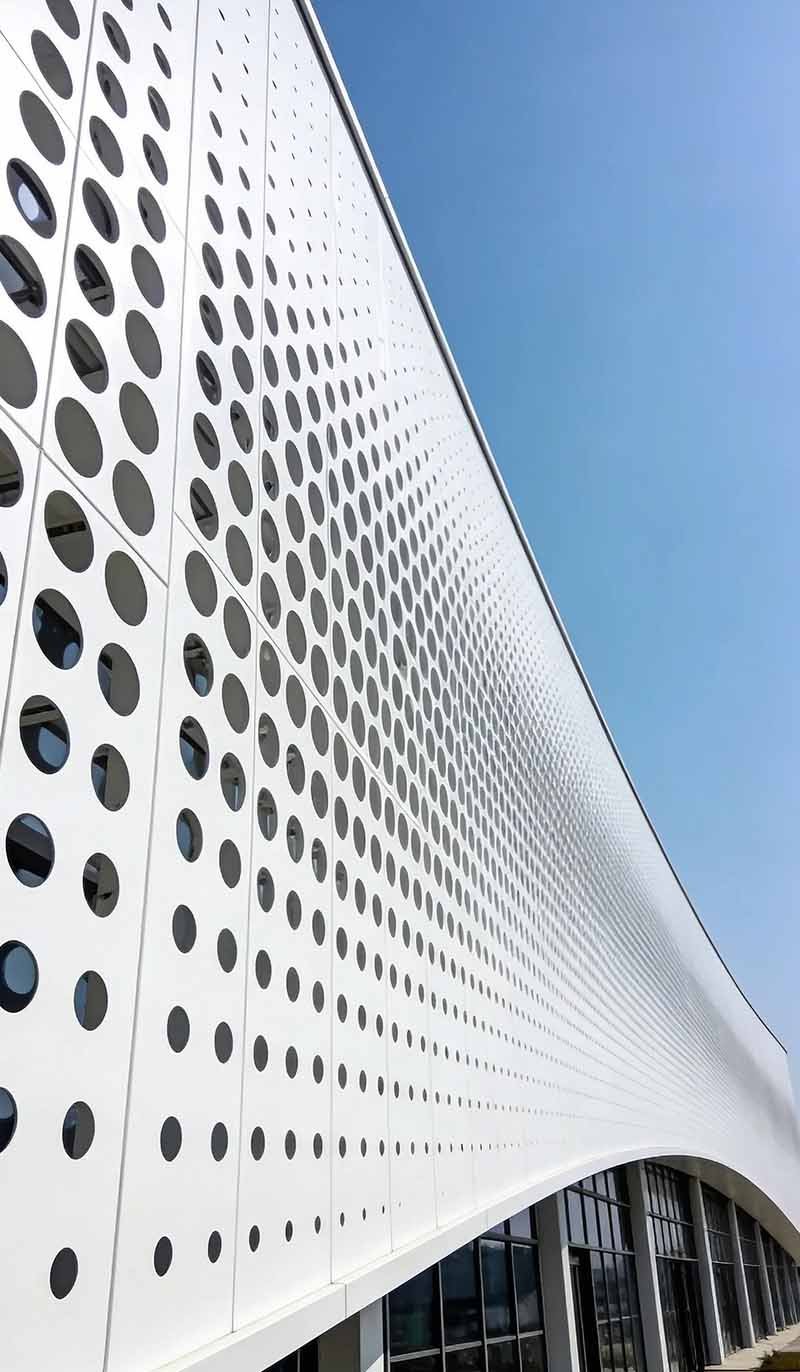
Cladding perforations can vary in some ways when it comes to designs and architects will be spoilt for choice when choosing how to enhance the exterior appearance of a building. Starting with circular patterns produce a softer look more associated with organic geometry while linear patterns produce a cleaner line more associated with modern straight lines, ideal for exteriors.
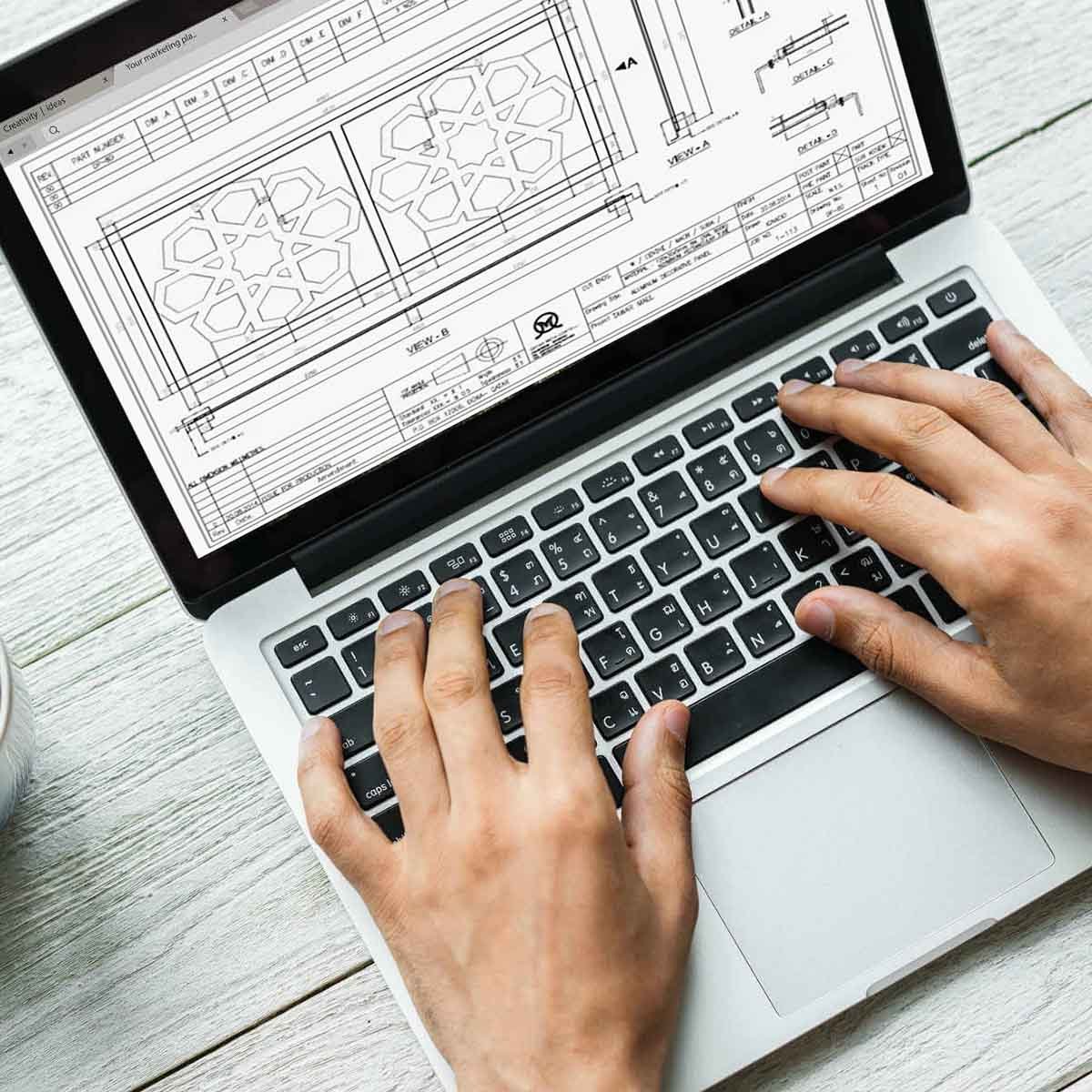
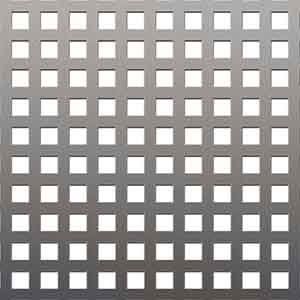
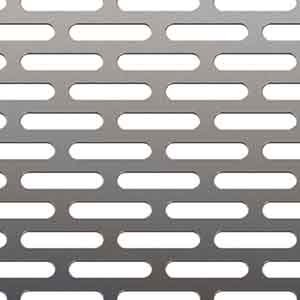
Square and rectangular holes provide a harmonized geometric pattern, unlike other random and custom patterns. Variation in the perforation density determines privacy, ventilation as well as light admission. The flexibility of the patterns that can be achieved by perforated metal sheets is almost endless, from simple and direct to complex and elegant.
Surface
Color Options for Furface Finishes
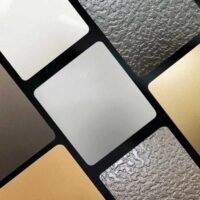
The metal cladding panels that are used are perforated type while its several surface patterns depending on the architecture of the area. These treatments beautify the appearance of the panels and also introduce other layers of abrasion and corrosion. Below are some of the most preferred colors for the outer face of the perforated metal cladding.


Powder Coating
It is more colorful and flexible in different colors and durable thus being cheaper in constant changing of fading, chipping, and scratching. This gives many possibilities which can be chosen depending on the visual image of the certain project.
Anodizing
Anodizing is an electrochemical process that provides a protective coating on metals and at the same time may provide different colors ranging from metallic gray, black, blue, green to reddish-brown to bright and clear.
Painted Finishes
The perforated metal cladding panels must be painted to achieve the desired look. Available in a range of colors to suit your project theme. For the specific look that one desires in their space, play around with textures and sheen.
Natural Metal Finishes
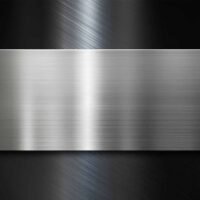
As for other designers, they prefer to reveal and accentuate the metal itself. Such finishes as brushed, polished or satin look very attractive and contemporary while they enhance the natural characteristics of the material.
The aspect color of the perforated metal cladding panel would completely depend on the interior design of a given architectural structure as well as the level of security required. It also depends upon the endurance that is required for the chosen material to function in various aspects of internal as well as external conditions.
Material
Metal Options for Perforated Cladding
One type of exterior or interior skin is known as “perforated metal cladding” which has little patterns or punchings for air passage, light penetration and some aesthetic uses. Perforated cladding can be made of the following metals which have different characteristics and appearances. Below is information on popular metals used for perforated cladding:
Aluminum
Aluminum, which is both lightweight and anti-rust property is often used in perforated cladding. Due to the malleable nature it can easily be formed into various shapes and designs a reason why it is popularly used in architectures.
Stainless Steel
Stainless metal, as one of the members of heavy metal, is most elected for corrosion, outdoors and indoors. It is for all these reasons that the broken geometric patterns of the perforated cladding stand out today.
Copper
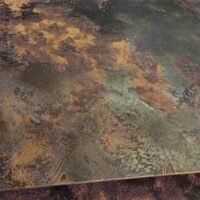
Copper, a striking metal, undergoes a deep patina process that gives it a classic look. Offering an organic feel and required strength, copper-perforated cladding is shiny orange when new but changes to a brilliant greenish color.
Brass
Perforated cladding in the golden copper-zinc alloy, commonly referred to as brass, gives both classic and eclectic styles a warm, rich look. It may acquire a dull coating or is made shiny to remain beautiful for eternity.
Galvanized Steel
That which is made of steel coated in zinc to prevent it from rusting is said to be galvanized steel. Perforated cladding, cheaper, but nearly as robust, is another possibility. To achieve the desired colors it is paintable or powder coated.
Here you can see a small variety of metals that can be used for perforated cladding. Several things make it easier to choose particular metals including their appearance, project cost, environmental conditions, and application. Consultation with design professionals and cladding manufacturers is vital if you want to select the best metal solution for your project.
Highlights
Why Choose Perforated Cladding
for Your Project
Because of the nexus between functionality and design, perforated metal has become a favorite for cladding in contemporary architecture. This kind of flexible panel has some merits to allow energy conservation, environmental concerns, and magnificent graphic flexibility. Below are some of the advantages of installation of perforated metal cladding:
Enhanced Natural Lighting
Perforated cladding during daylight transmits natural light hence eliminating the need for artificial lighting. Uniform geometrical patterns of these holes form stunning images and shadows on the inner walls and attractive aesthetic appeal.
Improved Ventilation
These are fitted with detailed specifications of pinpricked to allow air to flow through freely as air chambers. It aids in the achievement of the energy turnaround, the lesser propensity of requiring cooling, and the ideal climate indoors.
Sound Management
Sound intensity in a specific area can therefore be regulated by using perforated cladding panels. The areas with holes are left blank intentionally to improve the quality of sound, as well as to rub out and bring in the idea of serenity.
Durable and Long-lasting
Aluminum, stainless steel or galvanized steel are materials used to create metal cladding panels: these are very durable and offer resistance against corrosion and they do not require much maintenance irrespective of the climate.
Customization Options
Perforated cladding panels can be easily designed and given a unique edge by architects and designers. Special-purpose buildings are different from other buildings about architectural designs, appearance, and improved aesthetics.
Sustainable Design Solutions
Perforated metal cladding panels save energy for thoughtful design, and careful use of technologies encouraging natural convection of air and natural lighting, thus reducing energy consumption and carbon emissions.
Versatile Applications
Perforated metal cladding panels are frequently used for ornamental and signboards in institutional use, public, residential and commercial buildings since the panels are adaptable and are ideal for exterior and interior uses.
Weather Resistance
Some of the benefits of perforated metal cladding panels include rain, wind, and UV protection but are mostly used for practicality and looks. They are long-lasting which makes them enduring and hence retain their timeless look.
Perforated Metal Cladding
Frequently
Asked Questions
Perforated metal cladding panels are some of the most flexible architectural components used in enhancing building appearance and performance. These efficiently designed perforated panels include food services made from stainless steel or aluminum for attractive designs customized lighting and better ventilation.
-
Q. What are perforated metal cladding panels?
Perforated metal cladding panels are the metal cladding panels having very small holes on their surface, in the form of small dots called perforations. They should be used on facades of buildings or other construction pieces as ornament or for coverage.
-
Q. What materials are commonly used for perforated panels?
Stainless steel, aluminum, copper, zinc, and galvanized steel can be used to fabricate perforated metal cladding panels. Construction materials are preferred based on look and feel, required sturdiness, and climate.
-
Q. What are the benefits of using perforated cladding panels?
Perforated metal cladding panels provide aesthetic values and enable fascinating shapes to be created. Privacy, airflow, and sun control enhance ventilation and minimize glare while energy saving is enhanced.
-
Q. How are perforated metal cladding panels installed?
Perforated metal cladding panels are fixed into frames comprising substructure of steel aluminum or other suitable material. Some designs of installation incorporate mechanical fasteners or clips or may be entirely different from others.
-
Q. Can perforated cladding panels be customized?
Metal cladding panels are particularly used where the panels can be perforated since the patterns can range from transparent to translucent or merely a novelty artistic value. More choices include shape, size, finish, and color.
-
Q. What maintenance is required for perforated metal cladding panels?
These metal cladding panels are very easy to maintain and can just be washed with water and a solution of mild soap. Thus, it is recommended that the equipment is checked at regular intervals in search of first symptoms of corrosion or wear.
-
Q. Are perforated metal cladding panels fire-resistant?
Perforated metal cladding panels are fire resistant, depending on the material of the panel; aluminum and steel are naturally fire resistant. Thinking about the fire safety system of the building is important to address regional standards.
-
Q. Can perforated panels be used in different climates?
Existing climate factors make perforated metal cladding panels appropriate for use but identifying suitable materials for each climate is paramount to weather resistance. Adherence to installation and maintenance practices contributes to panel endurance and resilience.
-
Q. Are perforated metal cladding panels environmentally friendly?
The external perforated cladding panels allow natural lighting and natural ventilation hence reducing artificial lighting and mechanical ventilation. They are produced from recyclable metals hence lowering the environmental effects of their production.
What News at TBK Metal
Relative Blog
14
Sep
Perforated Aluminium Panels: A Revolution in Modern Architectural Design
Perforated aluminium panels are discreetly changing the landscape of architectural design, appearance, utility, and environmental ...
09
Sep
Material Selection for Perforated Wall Panels: A Comprehensive Guide
Choosing the right material is a primary consideration in architectural design and even more critical ...
27
Jul
The Green Revolution: Sustainable Exterior Wall Design with Perforation
Stable construction is now the norm rather than the exception given climate change and the ...
Requesting questions about our products or need help with your requirements? Feel feel to contact us, we normally respond within 24 business hours.