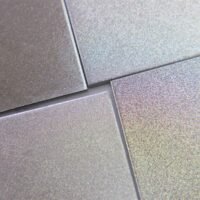




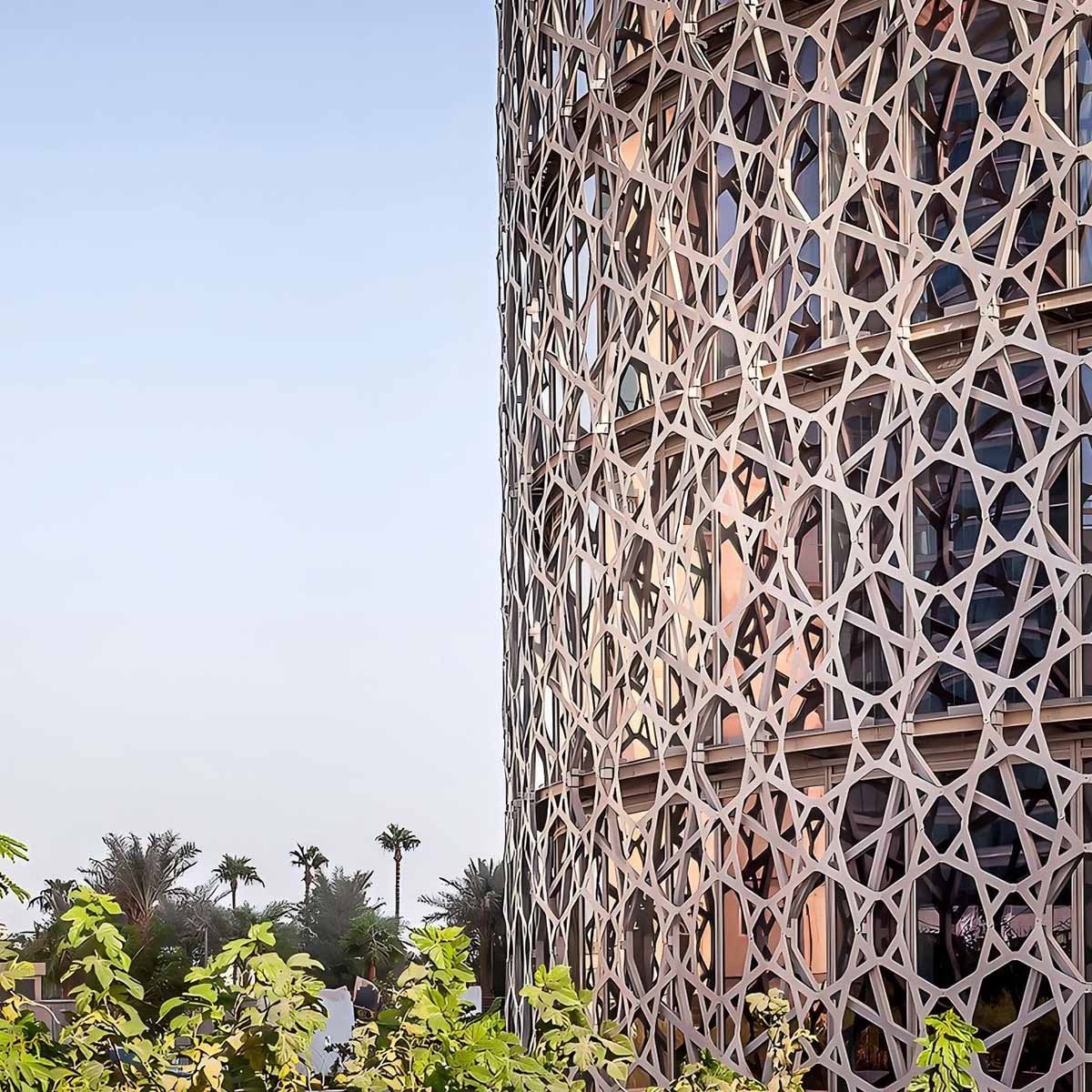
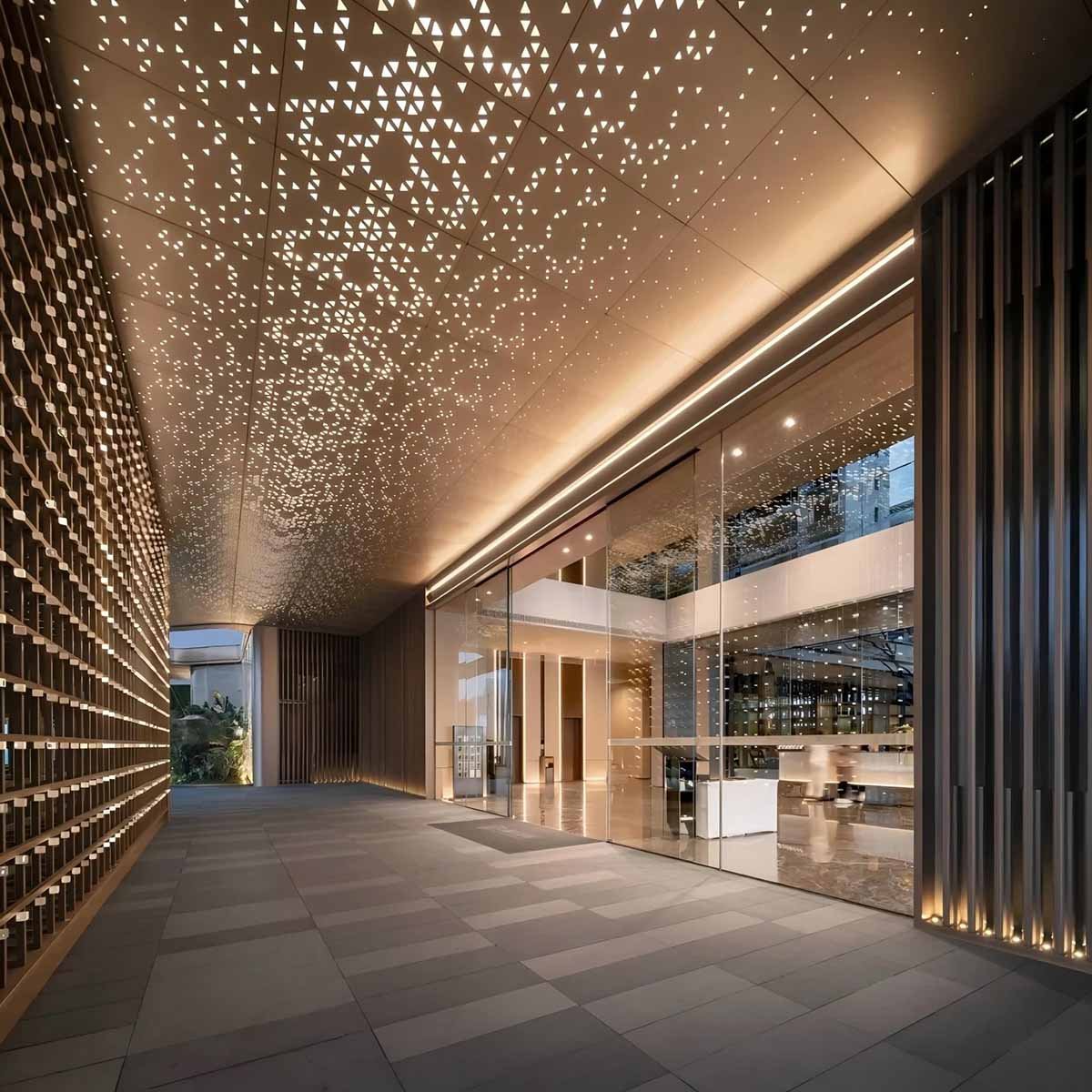
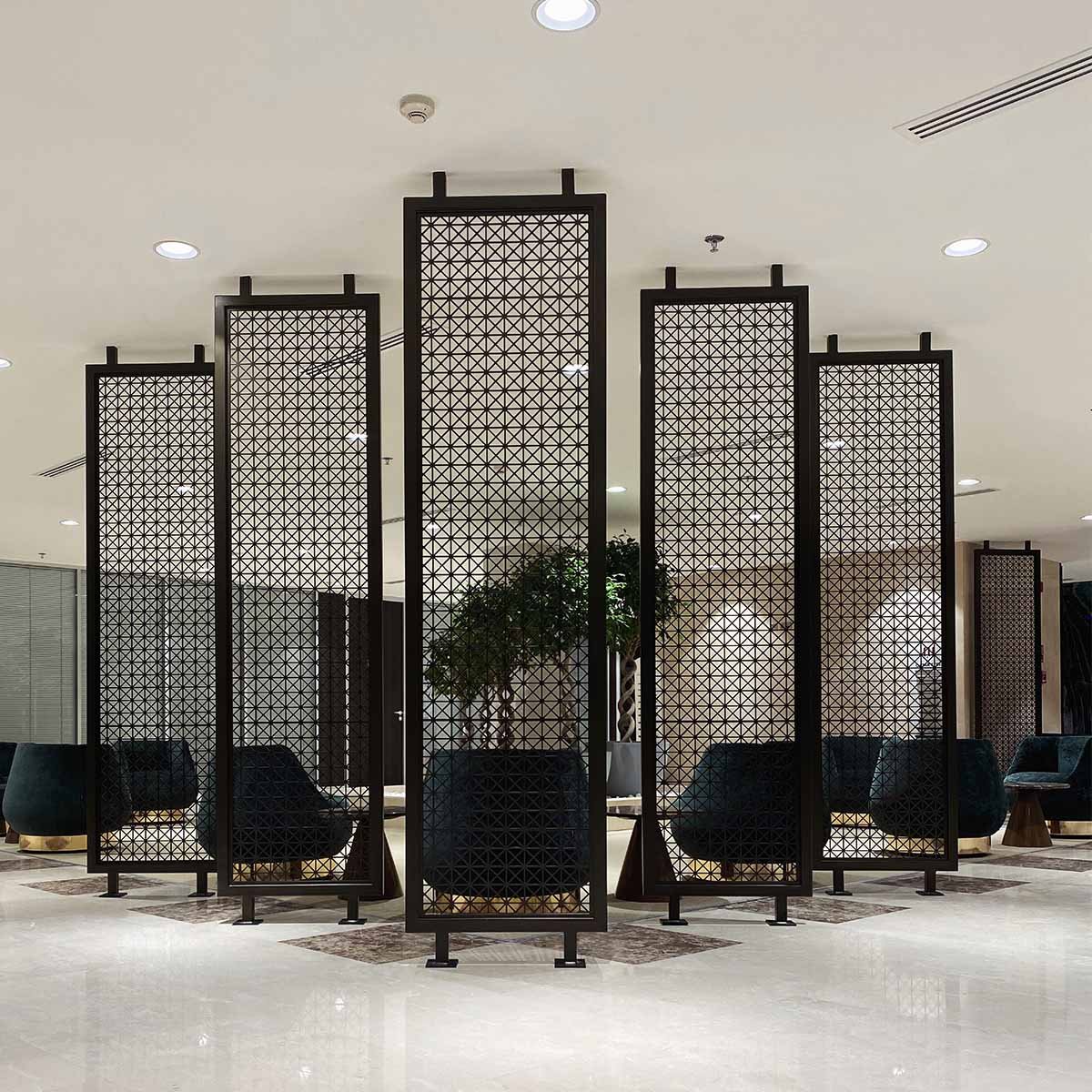
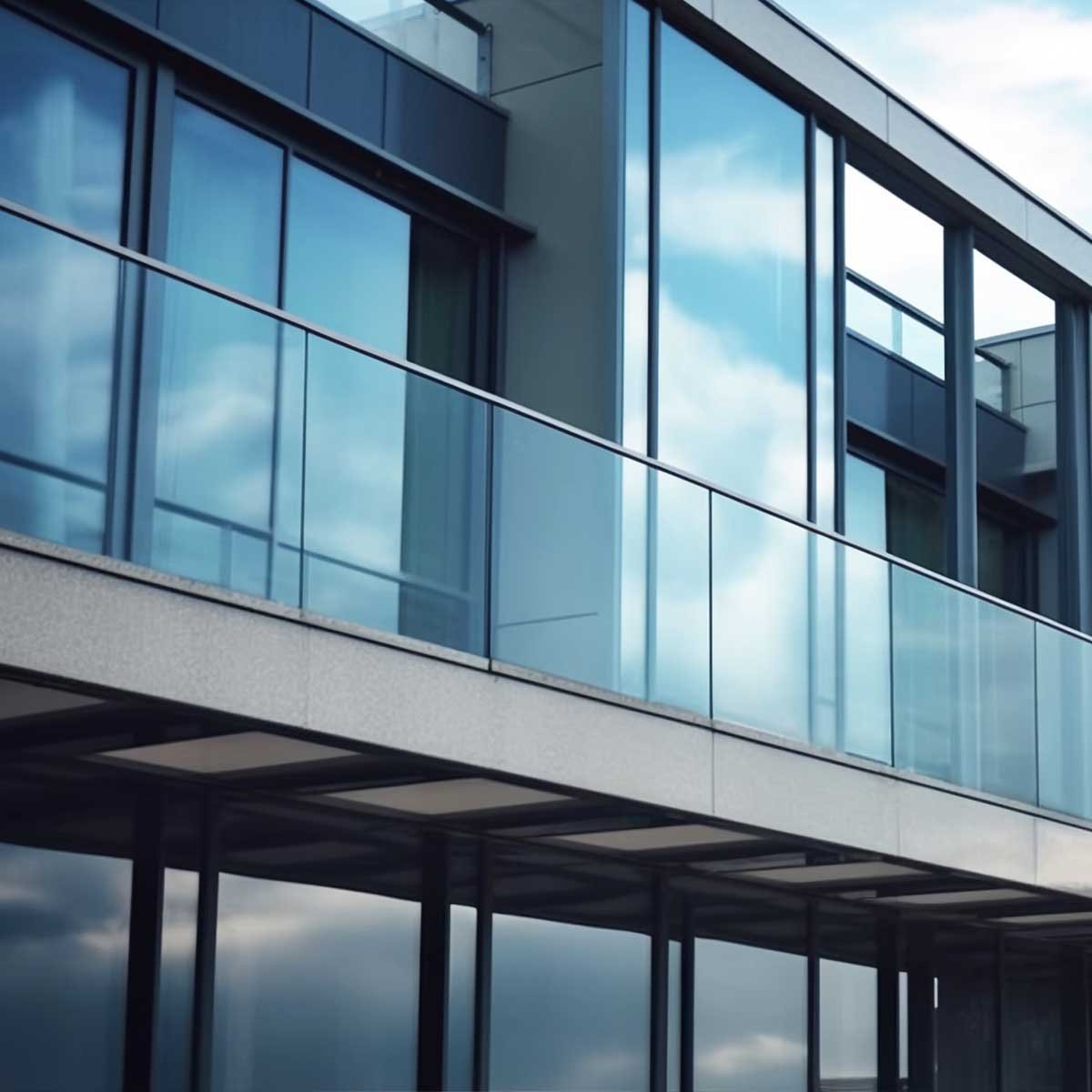
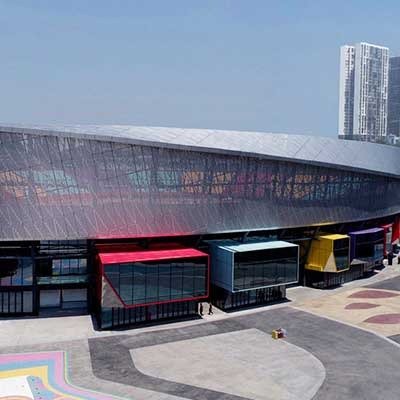
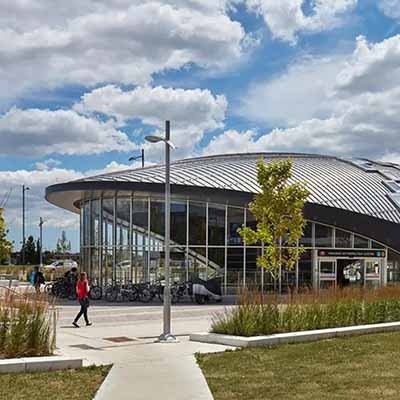
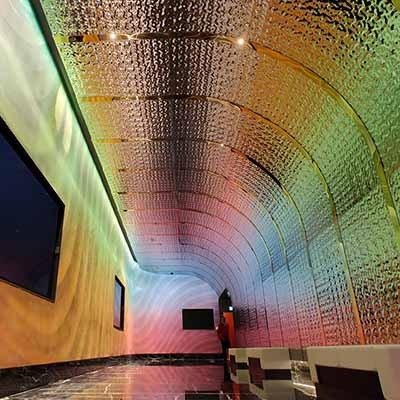
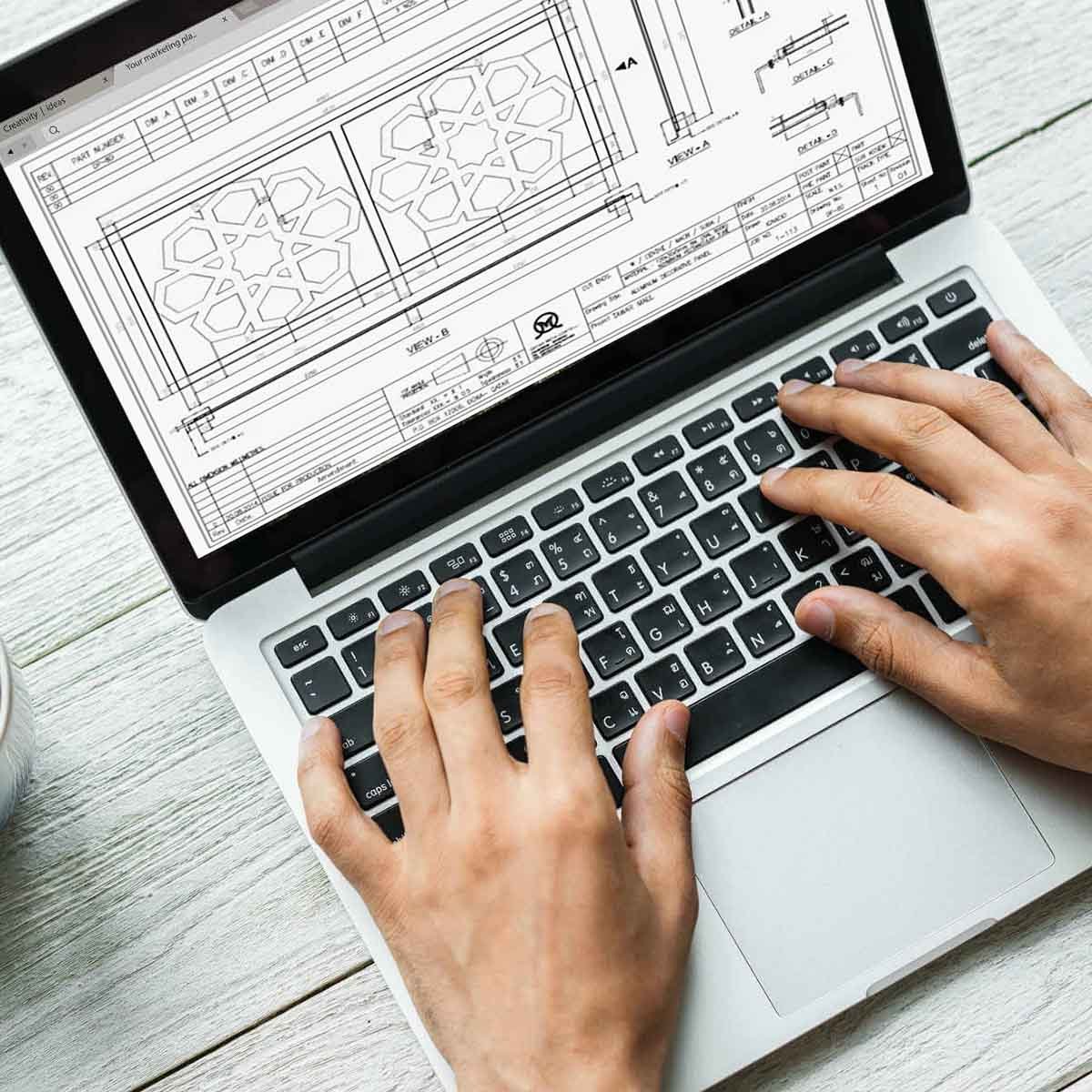



Anodised aluminium is widely used in modern architecture for its durability, corrosion resistance and versatile appearance. It provides improved surface properties for functional performance and for a variety of building applications.
To understand what anodised aluminium is can help architects, designers and contractors choose the right material for the job. This guide delves into its characteristics, advantages, finishes, uses, and factors to contemplate for informed material choice.
Table of Contents
ToggleWhat Is Anodised Aluminium?
First, we should understand what anodized aluminum is. Few people know about anodized aluminum, although it is seen around them all the time. So we will also understand what anodizing is and the difference between anodized and non-anodized aluminum.
Definition of Anodised Aluminium
Anodising is an electrochemical process that forms a thicker oxide layer on aluminium to enhance corrosion resistance, surface hardness and colour retention. Anodising changes the surface of aluminium to form a natural metallic colour or a range of colours, depending on the method used, unlike paint or powder coating.
Anodised Aluminium vs Unanodised Aluminium
| Feature | Surface protection | Corrosion resistance | Surface hardness | Appearance |
| Unanodised Aluminium | Natural oxide layer | Depends on alloy and exposure | Base material properties | Natural metallic finish |
| Anodised Aluminium | Enhanced oxide layer | Generally improved | Increased surface hardness | Natural or coloured finishes |
Anodised aluminium is used in architecture for long life surfaces, appealing looks, low maintenance; specifications vary based on alloy, finish and exposure.
Key Properties of Anodised Aluminium
Anodised aluminium is a lightweight aluminium surface enhanced. Its key properties make it suitable for architectural components that require durability, consistent appearance and reliable performance.
Corrosion Resistance
Surface Hardness and Wear Resistance
Weather and UV Resistance
Lightweight and Thermal Properties
Colour and Surface Appearance
Overall, anodised aluminium offers surface protection, light weight and design flexibility, and appropriate alloy selection and anodising specifications can help to achieve project requirements.
How Is Anodised Aluminium Made?
Anodised aluminium is manufactured a process using electrochemistry to increase the natural oxide layer of the metal. Several controlled stages are used to achieve the necessary surface protection, colour and finish consistency.
I. Surface Preparation
Aluminium is being cleaned to eliminate oil, dirt and other contaminants. To achieve the desired appearance a uniform surface can be attained through etching or other surface treatments.
II. Electrochemical Anodising
The prepared aluminium is dipped in an electrolytic bath and is used as the anode. The controlled aluminium oxide layer is formed on the surface by an electric current.
III. Colouring
Coloured finishes are dyed or electrolytically coloured finishes, whereas natural anodised finishes are coloured by no means, but still look metallic like aluminium.
IV. Sealing and Quality Inspection
This anodised layer is sealed to prevent staining and exposure to the environment and is checked for film thickness, colour uniformity and surface defects, as per specifications.
Anodised aluminium quality is influenced by the alloy choice, surface preparation and process control, resulting in uniform finishes for architectural panels and components.
Looking for reliable architectural metal solutions? Contact TBK Metal to discuss your project requirements, explore suitable materials and finishes, and develop customised aluminium components tailored to your design specifications.
Benefits of Anodised Aluminium
There are a number of benefits to using anodised aluminium in architecture and industry. It is a practical material in projects demanding long-lasting performance, thanks to its superior surface protection, low maintenance and adaptation potential.
Improved Durability
Low Maintenance
Design Flexibility
Sustainability and Recyclability
Long-Term Value
Anodised aluminium provides surface protection, design flexibility and is recyclable. Choosing appropriate alloys and finishes maximises these benefits and satisfies particular performance criteria for the project.
Common Anodised Aluminium Finishes
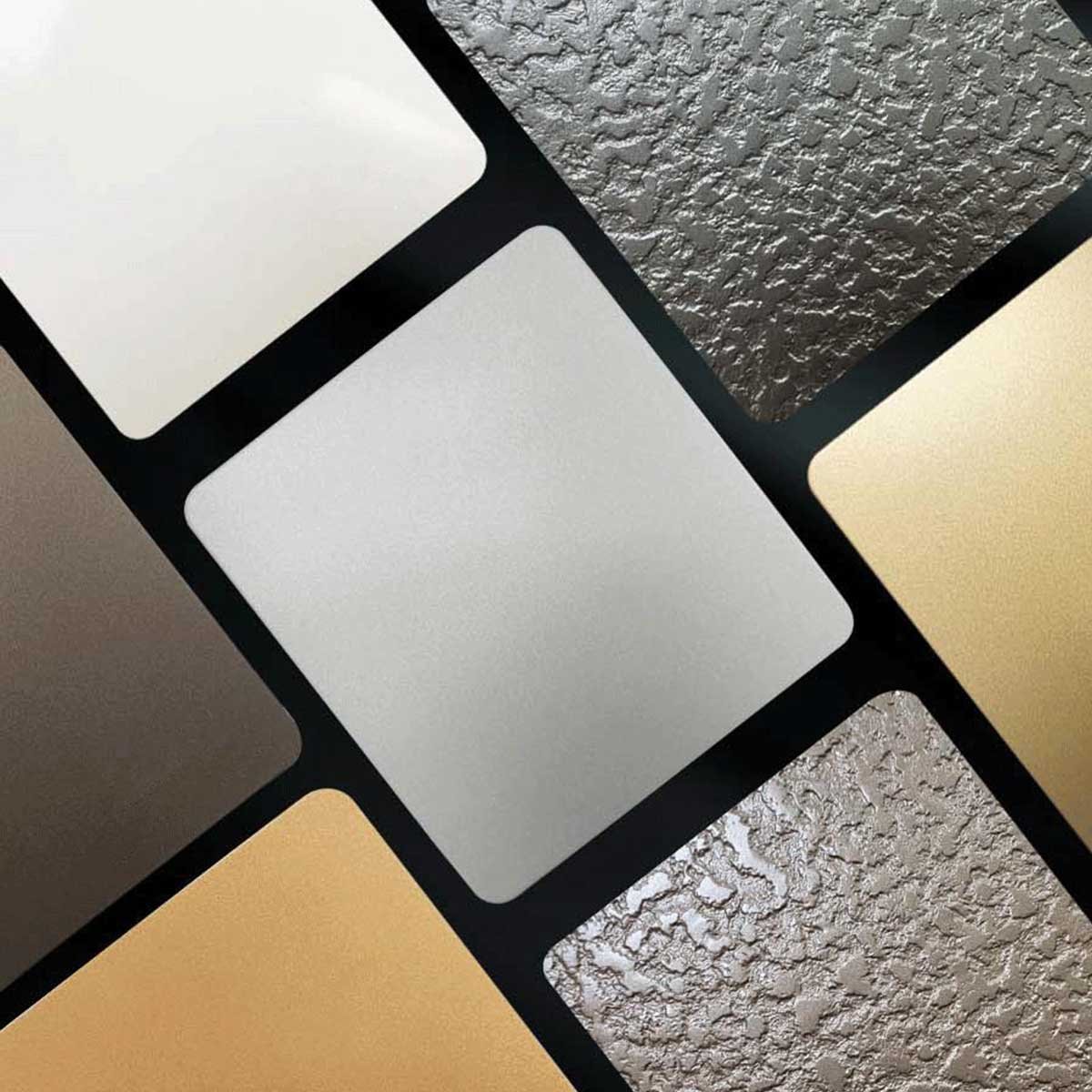
Anodised aluminium can be available in a range of colours and surface finishes to suit various architectural styles. Results are dependent on alloy, preparation, anodising and colouring to offer design flexibility and protection.
Clear or Natural Anodised Finish
Clear anodising provides a natural metallic finish to aluminium with improved surface protection and is ideal for window frames and architectural facades that demand subtle finishes.
Black Anodised Finish
Black anodised aluminium is used on facades, window frames, trims and interior; the colour consistency is related to alloy composition, anodising conditions and colouring method.
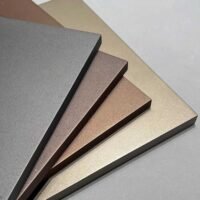
Bronze, Champagne and Gold-Tone Finishes
Colour finishes are added to timber entrances, decorative panels and interior surfaces to add warmth; colour options vary based on colouring processes and base aluminium.
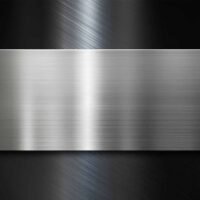
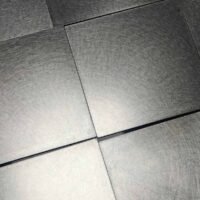
Brushed and Satin Finishes
Reflective surfaces are avoided by brushed and satin finishes, which are developed by mechanical preparation prior to anodising and create a directional grain or softer sheen for architectural applications.
Choosing anodised finish involves a compromise between appearance, exposure, and maintenance and anodised samples and production uniformity of architectural components ensure a consistent look.
Applications of Anodised Aluminium in Architecture
In today’s architecture, anodised aluminium is one of the most common materials for its durability, lightness and versatility. It’s suitable for both indoor and outdoor use, providing protection for the surface and various colors and finishes.
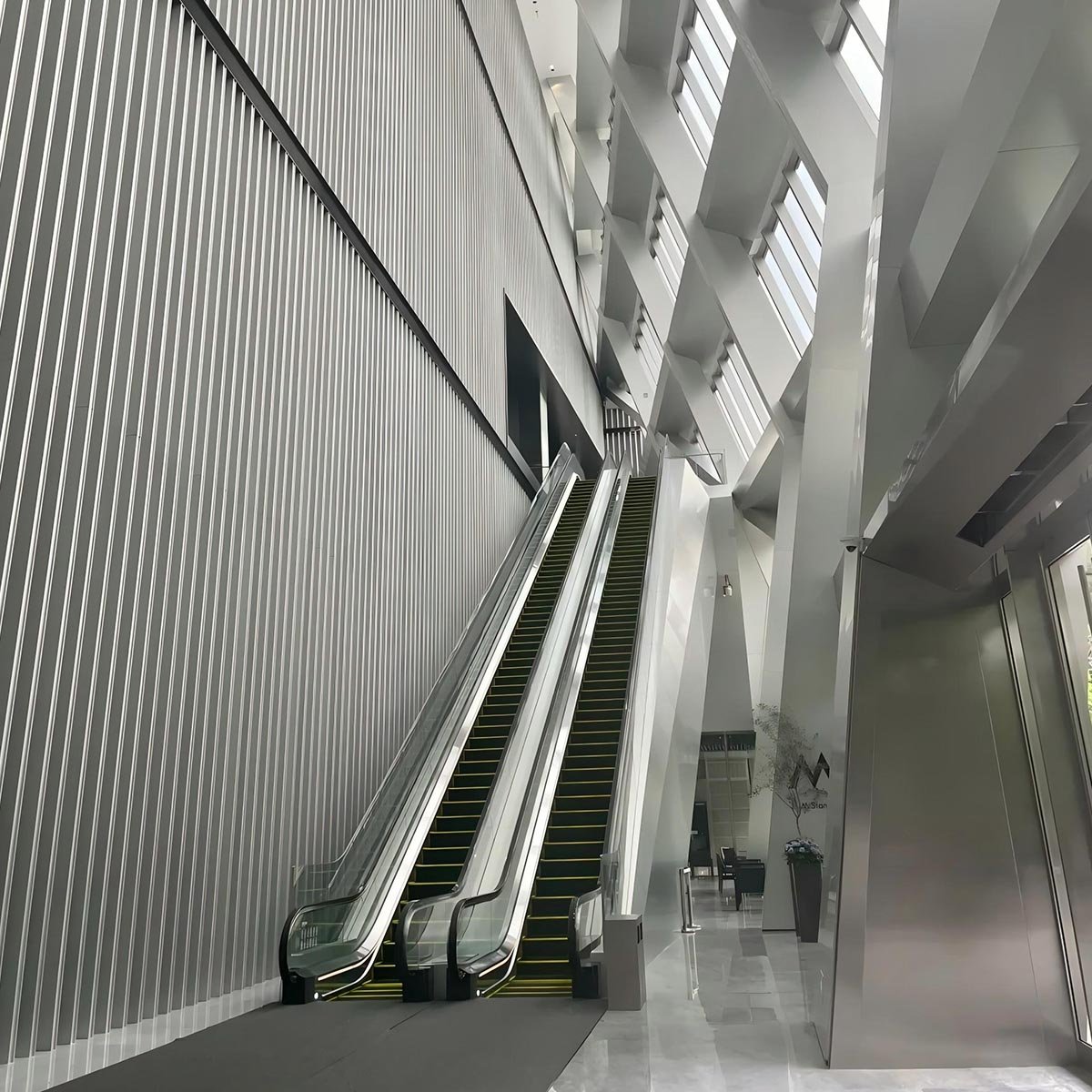
Building Façades and Exterior Panels
Windows, Doors and Aluminium Extrusions
Interior Wall Panels and Decorative Features
Screens, Sunshades and Decorative Metalwork
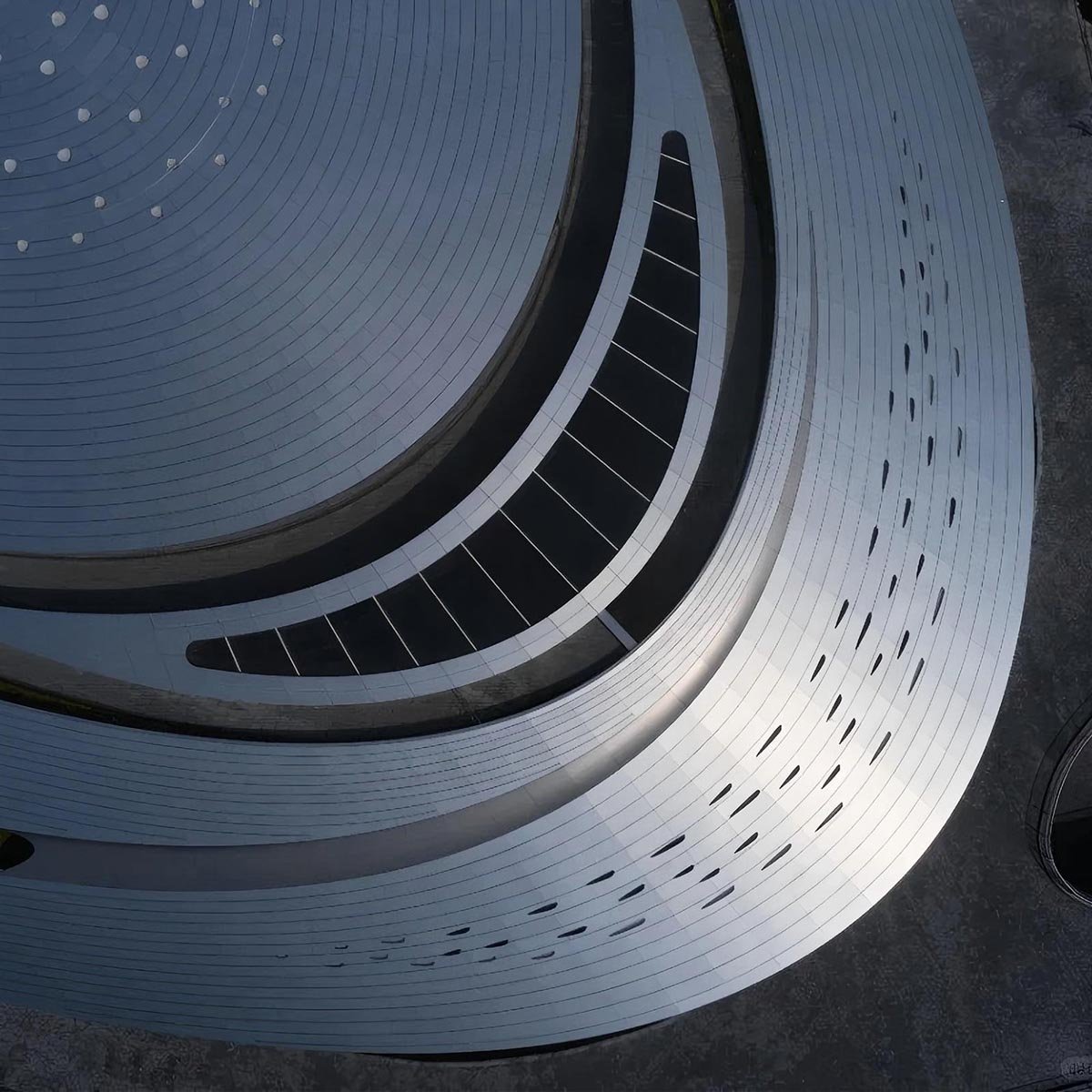
Curved Facade Systems
Composite Façade Systems
Anodised aluminium is a versatile material for architecture in buildings. Environmental exposure, fabrication methods, design intent and project performance requirements are all factors in finish selection.
Anodised Aluminium vs Other Surface Finishes
The right aluminium finish will impact appearance, durability, and maintenance. PVDF coating, anodising, powder coating and mill finished are compared to help architects and specifiers decide what is the best solution for their project.
| Feature | Surface treatment | Appearance | Surface protection | Main consideration |
| Anodised Aluminium | Electrochemically formed oxide | Metallic or coloured | Improved surface hardness and corrosion resistance | Alloy and anodising quality |
| Powder-Coated Aluminium | Applied powder coating | Wide colour and texture range | Depends on coating quality | Coating thickness and curing |
| PVDF-Coated Aluminium | Applied fluoropolymer coating | Wide colour range | Depends on coating system | Weathering requirements and coating quality |
| Mill-Finished Aluminium | No additional finish | Natural manufacturing appearance | Depends on alloy and exposure | Exposure and maintenance |
This is based on design, exposure, maintenance and performance requirements. Early evaluation makes sure that the treatment chosen is both functional and aesthetic.
How to Choose the Right Anodised Aluminium Finish
Choosing an anodised aluminium finish involves considering aesthetics, wear resistance, and environmental conditions. There are a number of factors for architects, designers and contractors to take into account when selecting a finish for a project.
Consider the Application and Environment
Decide indoor or outdoor applications as coast, industrial sites and exposed facades may necessitate careful selection of materials and different performance criteria.
Select the Appropriate Alloy and Film Thickness
The colour and appearance are affected by aluminium alloy and the protection and durability by anodic film thickness. Outline requirements according to application, exposure conditions and standards.
Choose the Colour and Surface Appearance
Identify finishes that match the architectural design, and accept physical samples to confirm colour comparisons within large panels and batches.
Check Fabrication and Installation Requirements
Check cutting, drilling and forming and fixing techniques and exposed edges prior to manufacture. Ensure fabrication co-ordinated with anodising to minimise inconsistencies & dimensional/effect requirements.
Confirm Standards and Quality Control
Check film thickness, colour consistency and surface quality during the process of ensuring the finishes meet project specifications and ISO 7599 standards using appropriate checks.
Anodised Aluminium selection involves clear specifications and early co-ordination, including exposure, material properties, appearance and fabrication, all of which need to be taken into account for reliable performance and consistency.
Cleaning and Maintenance of Anodised Aluminium
Cleaning on a regular basis is important to maintain the look and functionality of anodised aluminium. Suitable maintenance practices remove surface contaminants, reduce staining and help maintain the finish throughout its service life.
Use Mild Cleaning Products
Use clean water and a mild detergent, compatible with anodised surfaces. Dirt can be removed without scratching or affecting the finish by using a soft cloth or non-abrasive sponge.
Avoid Harsh Chemicals and Abrasives
Avoid strong acids, alkalis, abrasive pads and harsh cleaners that may damage the anodic layer or appearance; always follow the manufacturer’s cleaning recommendations.
Rinse Away Residues
Clean and rinse after cleaning to remove detergent and contaminants. Washing in coastal or industrial areas can help minimize the build-up of salt and air pollutants.
Inspect Surfaces Regularly
Check for stains, scratches, deposits and localised damage of exposed components. Vary the frequency of cleaning based on environmental exposures, location and manufacturer maintenance schedule.
Regular inspection and maintenance prevents anodised aluminium from becoming stained and ensures that the performance of architectural components is maximized across the different environments.
Expert Insights on Anodised Aluminium
“Choosing colour is not the only element in working through anodized aluminium projects. Finish consistency, surface quality and the long-term performance is affected by anodic composition, thickness of anodic films, fabrication process and environmental exposure.”
Material and Film Thickness
Select an appropriate aluminium alloy, and indicate the thickness of the anodic film for the application, exposure and relevant standards to achieve the desired finish and surface protection.
Colour and Surface Consistency
Check samples prior to manufacture and establish colour tolerances since variations in alloys and manufacturing processes can cause deviations in large installations.
Fabrication and Environmental Conditions
Plan and organise fabrication and anodising to avoid inconsistencies; consider coastal exposure, pollution and maintenance requirements when selecting materials and finishes.
Recommendations for Project Teams
Verify alloy, finish, film thickness, colour tolerances and inspection requirements before manufacture to minimise inconsistencies and to satisfy project requirements.
A well-defined specification facilitates uniform appearance, surface performance reliability and a better coordinated architectural metal fabrication.
Planning an architectural aluminium project? Contact TBK Metal to discuss fabrication requirements, surface finishes, panel designs and technical specifications for metal components that meet your project’s aesthetic and performance expectations.
Anodised Aluminium Solutions from TBK Metal
TBK Metal offers architects, designers, contractors and developers metal fabrications for architecture, with reliable materials, workmanship and finish to be well coordinated with material selection and manufacturing specifications.
Custom Aluminium Fabrication
Surface Finish Selection
Quality Control and Project Coordination
Support for Architectural Projects
Discuss Your Aluminium Fabrication Requirements
Appearance and quality and performance standards are clearly defined, and early design and manufacturing coordination minimize inconsistencies in finishing and aid in project decisions.
FAQs About Anodised Aluminium
Q1. Can Anodised Aluminium Be Welded?
Q2. Can Anodised Aluminium Be Bent or Formed?
Q3. Does Anodising Change the Dimensions of Aluminium?
Q4. Is Anodised Aluminium Food-Safe?
Q5. Can Anodised Aluminium Be Recycled?
Q6. Does Anodised Aluminium Affect Wi-Fi or Radio Signals?
Q7. Is Anodised Aluminium Magnetic?
Q8. Can Anodised Aluminium Be Used in Contact with Other Metals?
Conclusion
Anodised aluminium is strong, corrosion-resistant, and adaptable to various design needs, making it a versatile choice for construction. Choosing the correct alloy, finish and treatment specification ensures a consistent appearance and excellent long service life.
TBK Metal offers project-specific metal fabrication solutions for architectural projects that demand unique and special pieces. Talk to TBK Metal about the appropriate materials, finishes and manufacturing methods for your next project.
Contact Request
Need customised architectural aluminium solutions? Contact TBK Metal to discuss your design, fabrication requirements and suitable finishes for your next project.