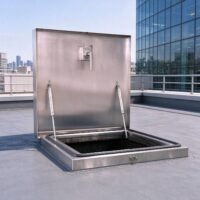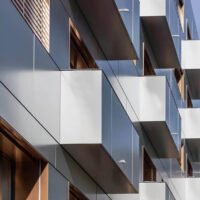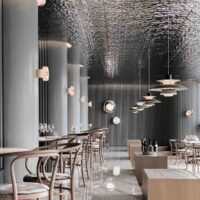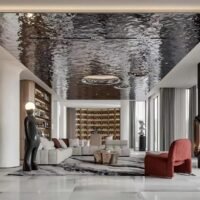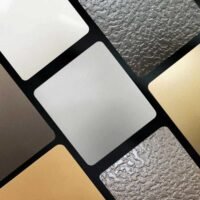





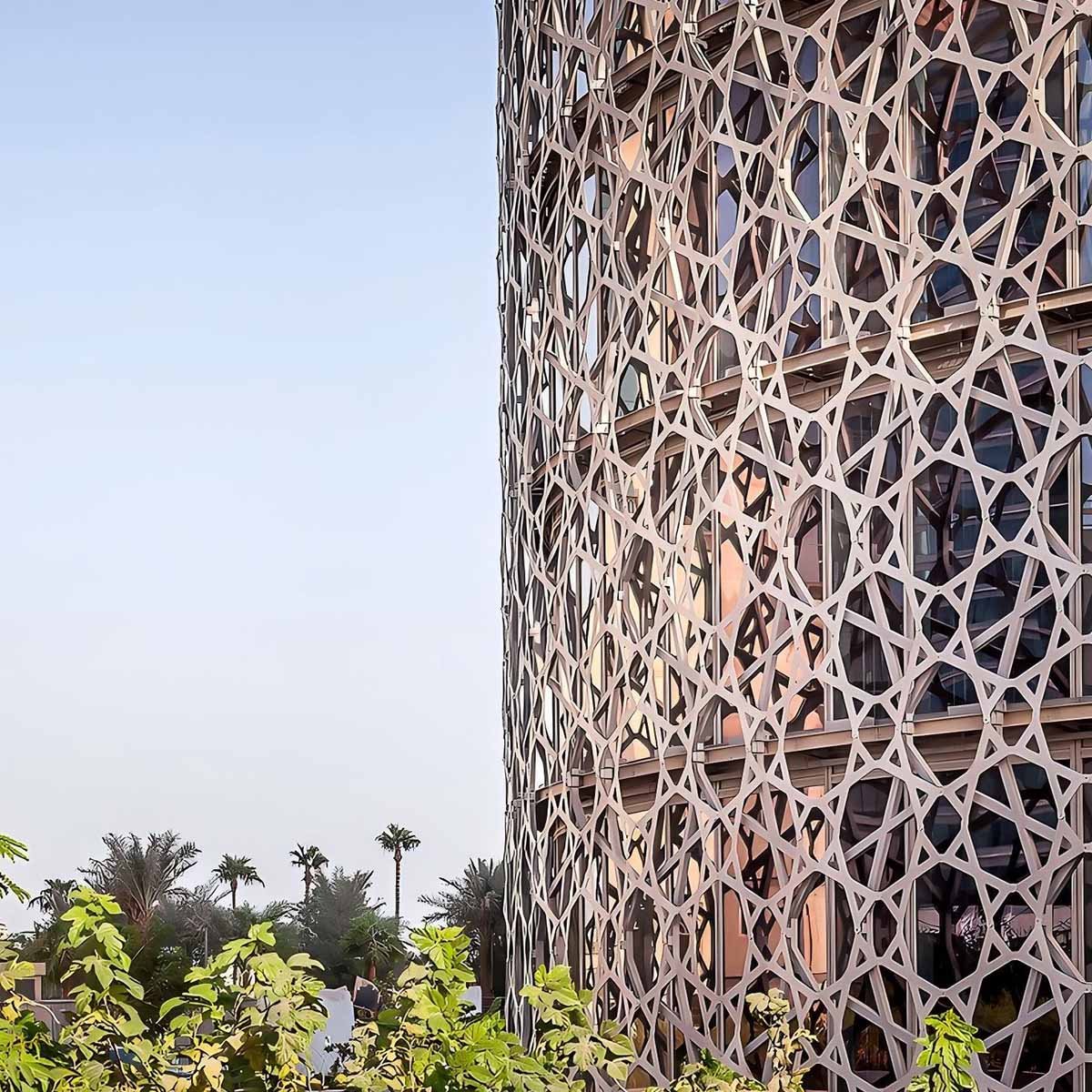
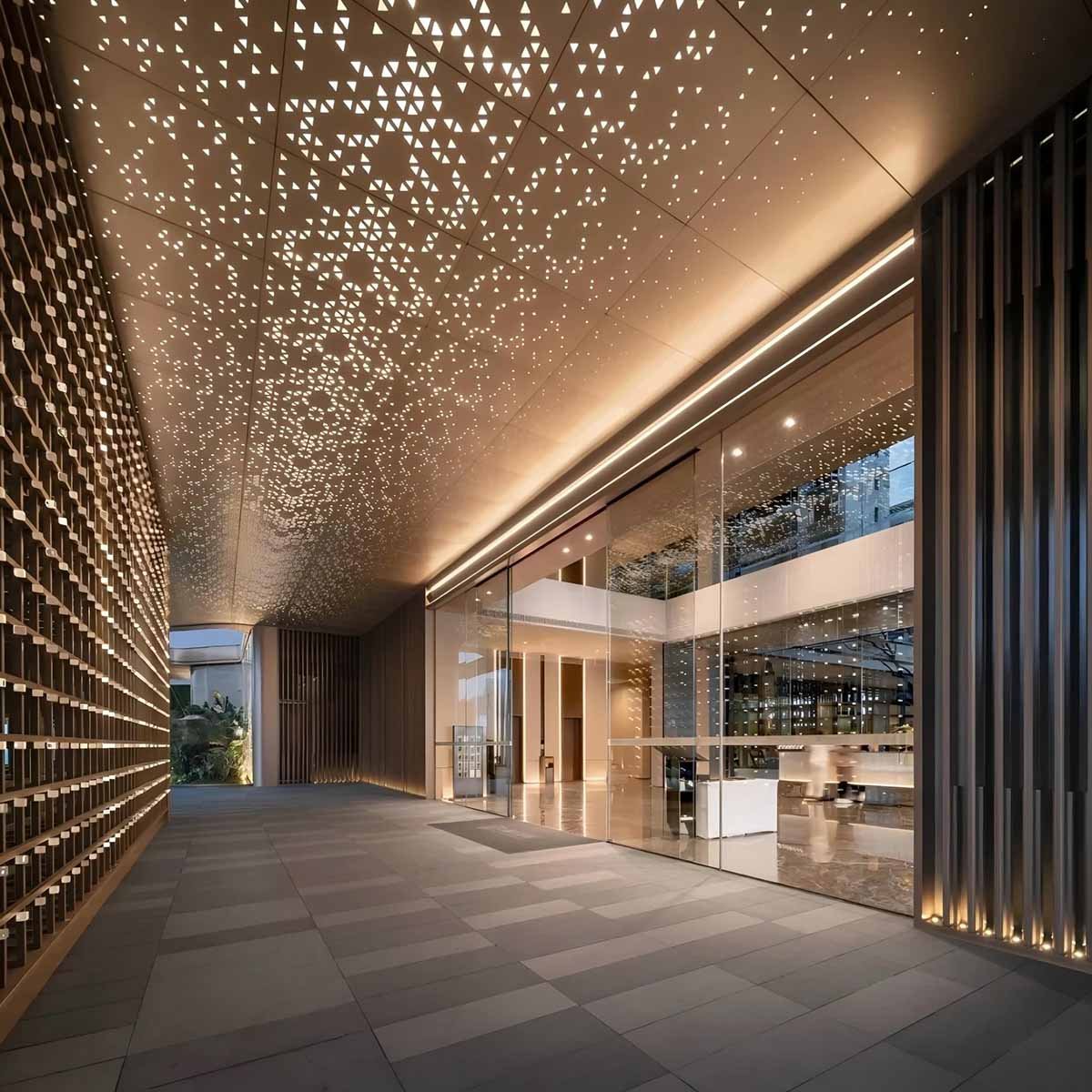
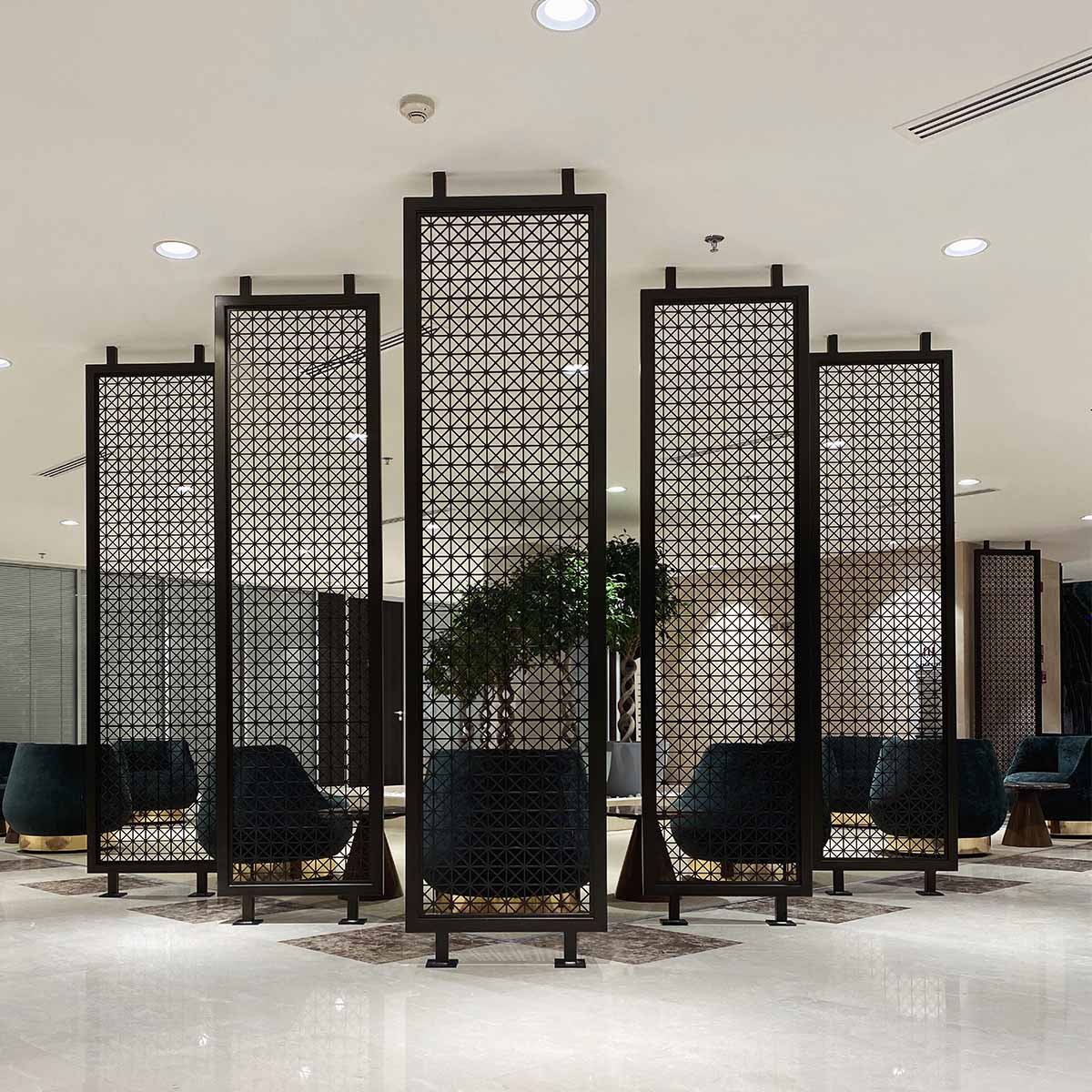
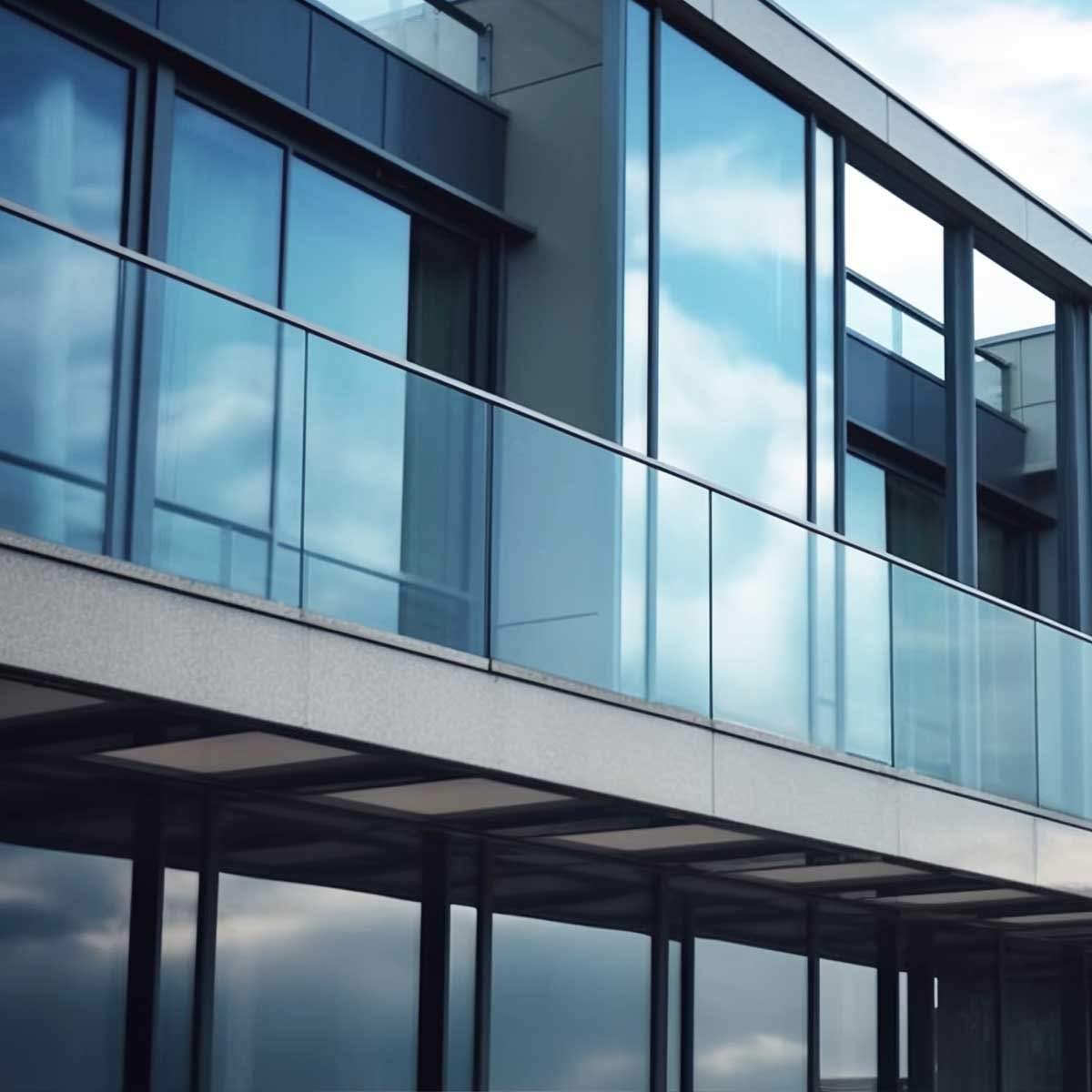
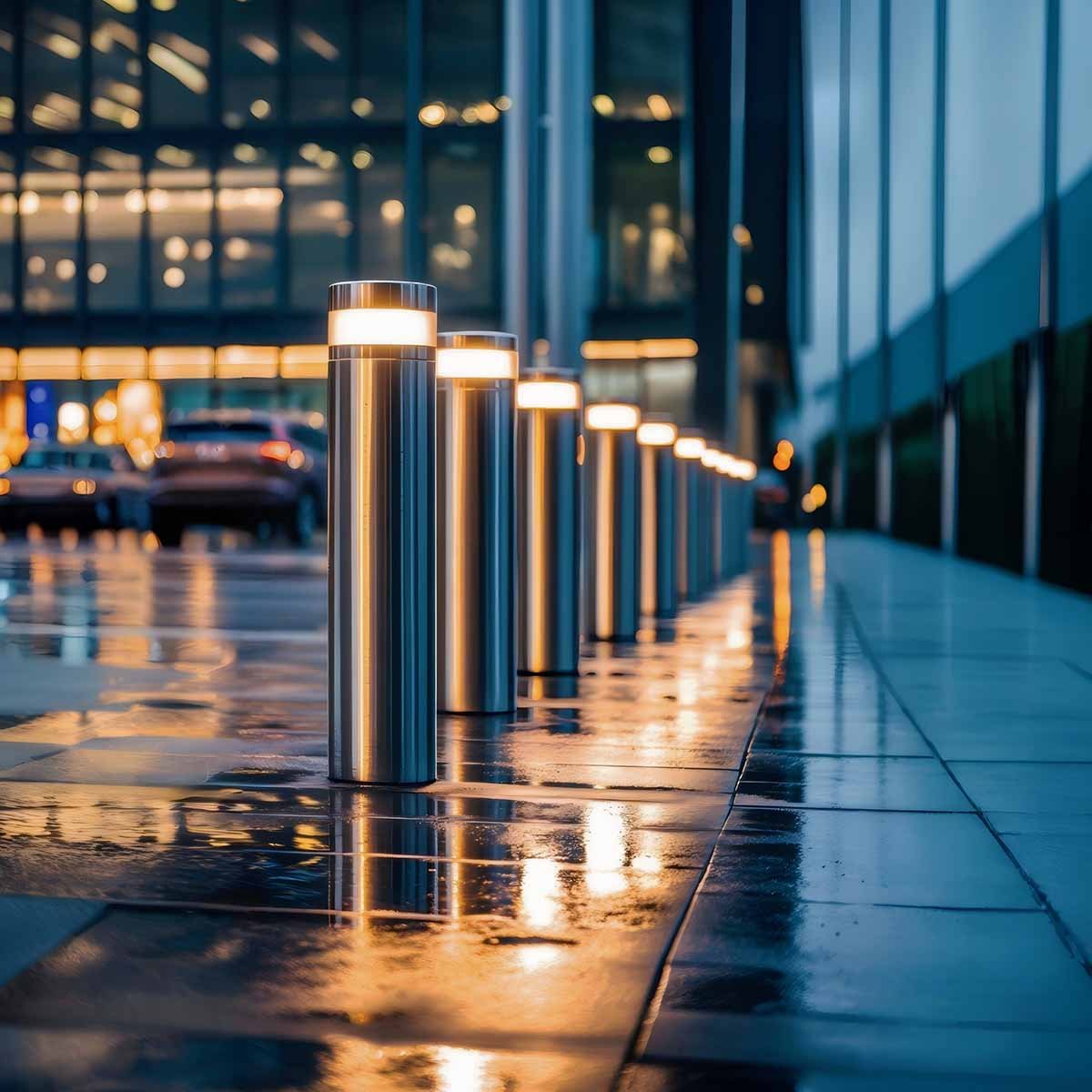
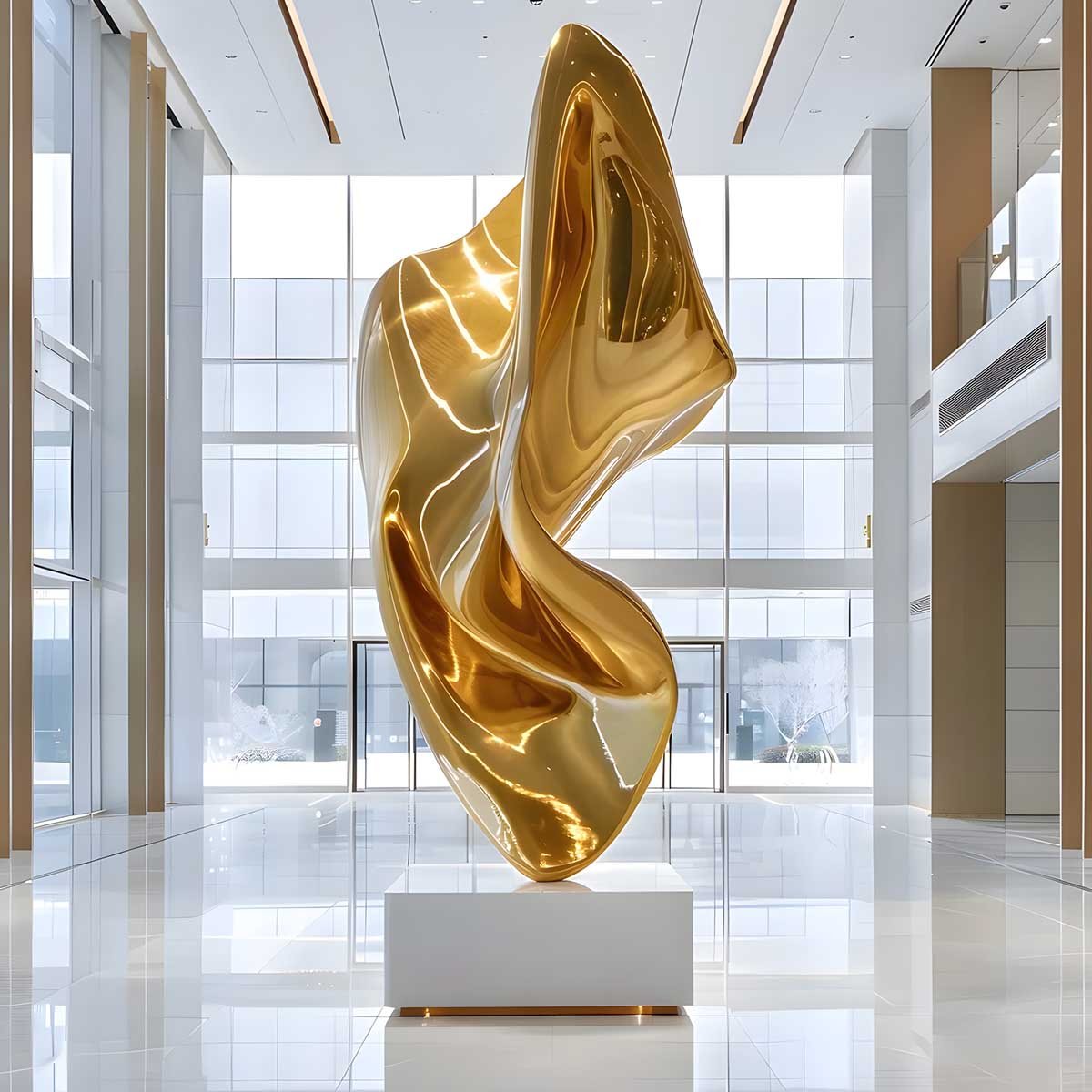
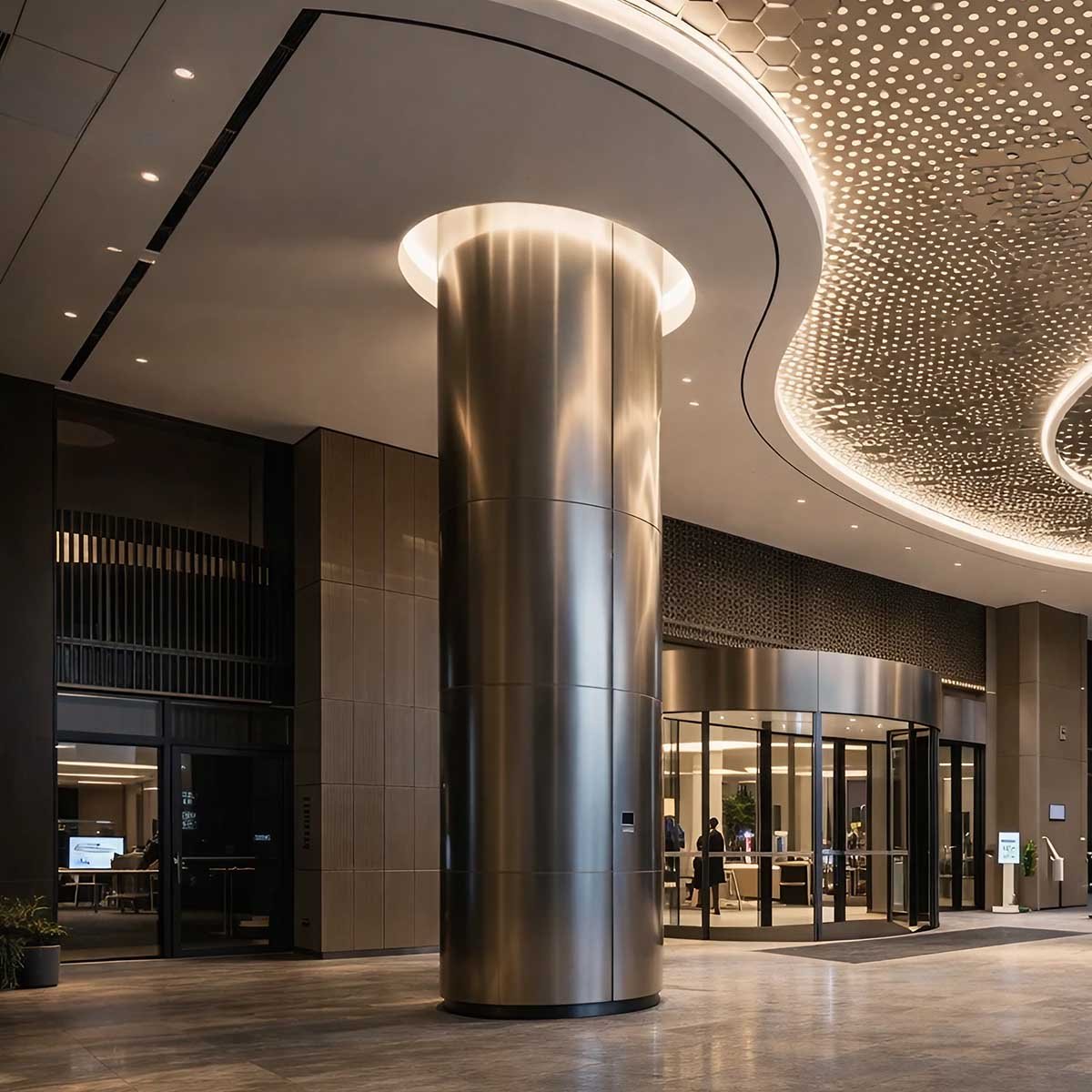

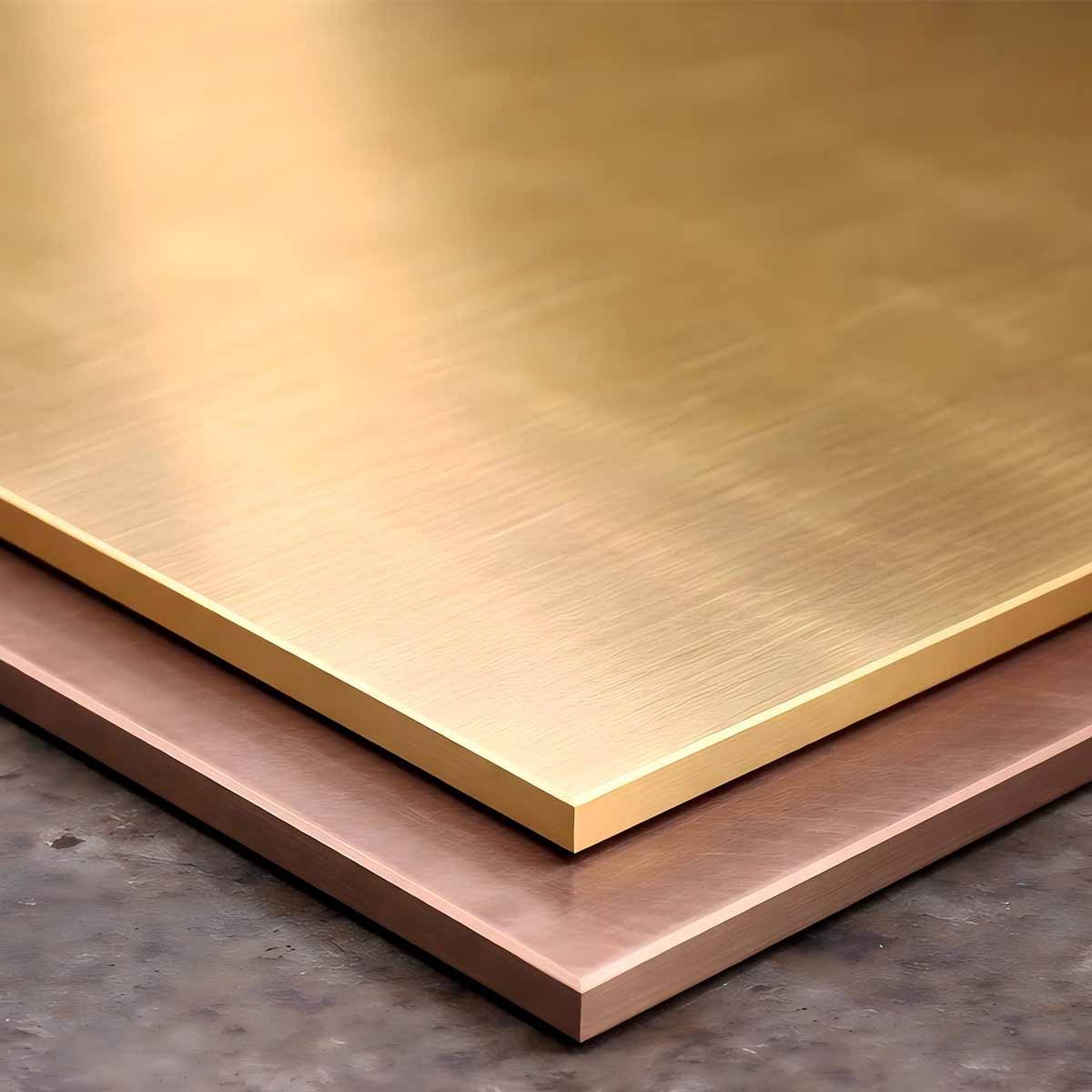
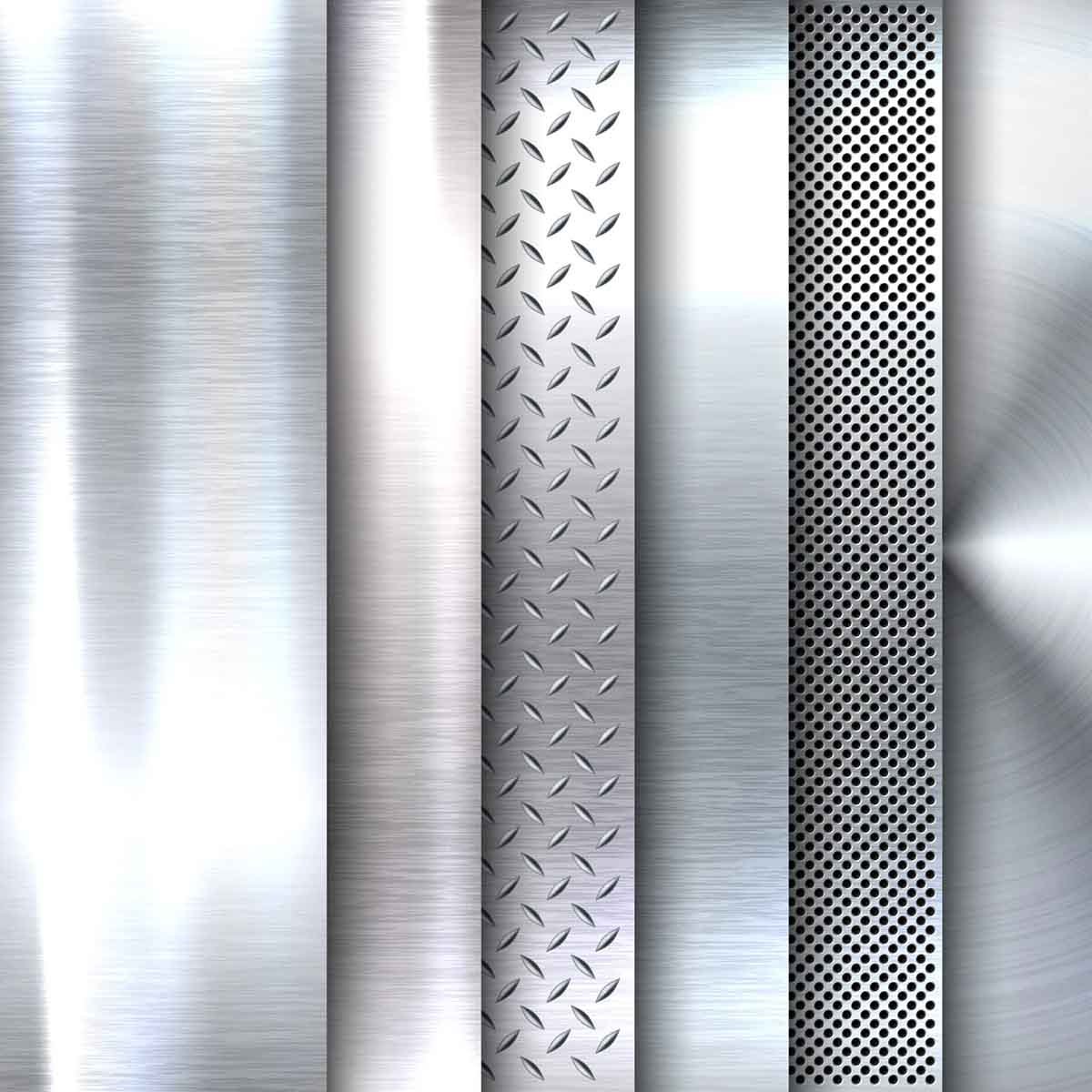
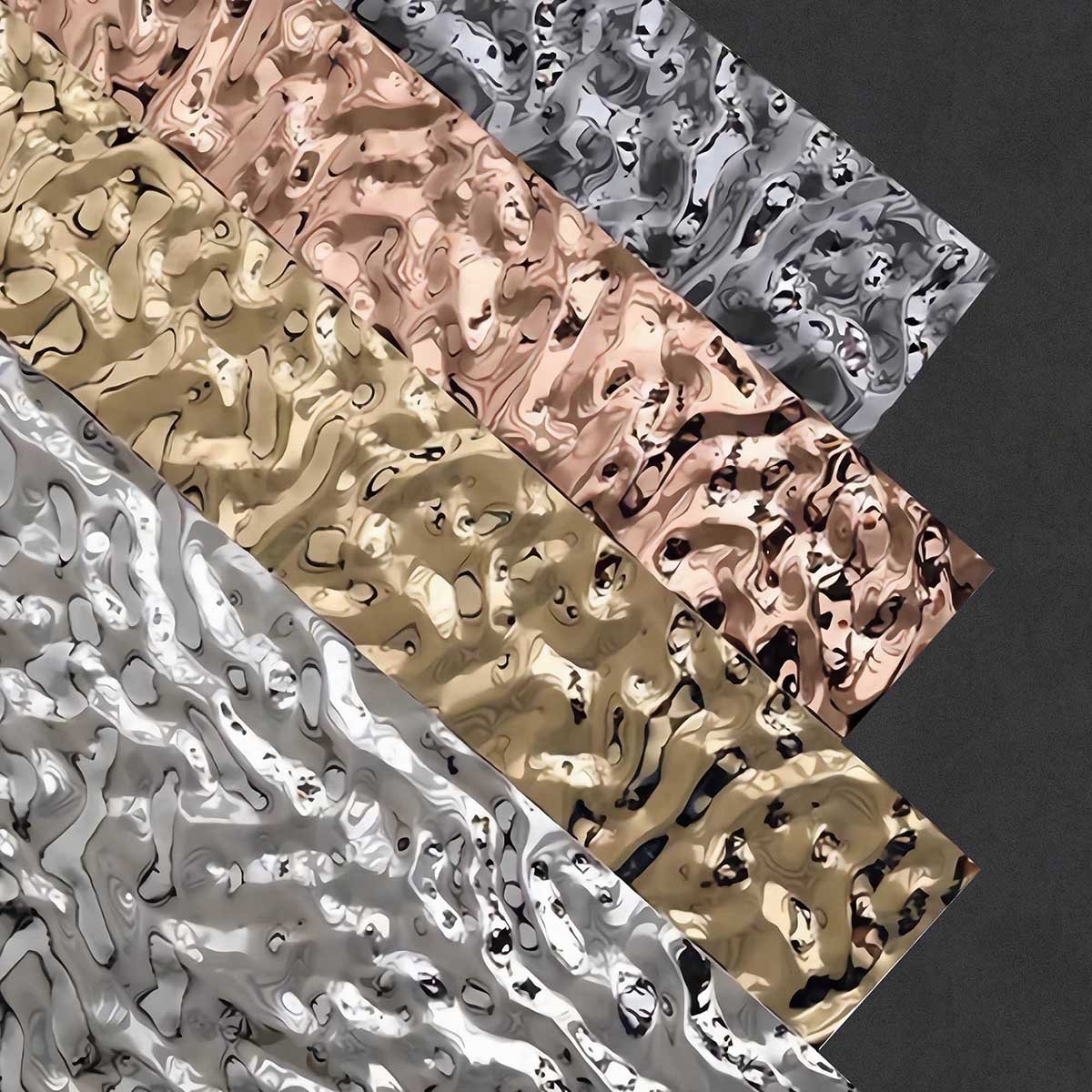
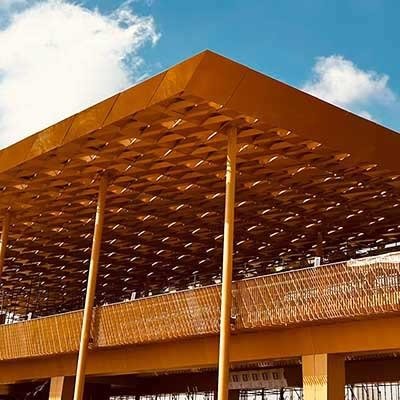
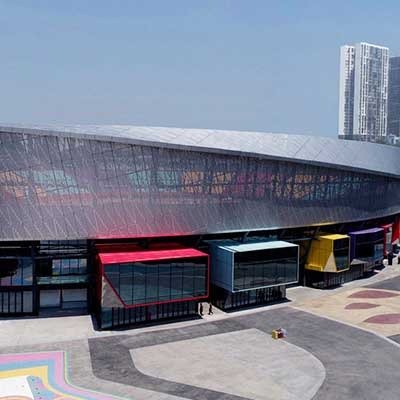
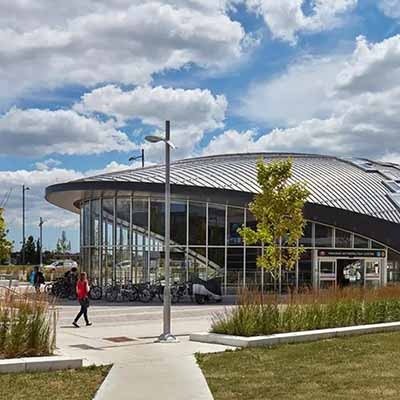
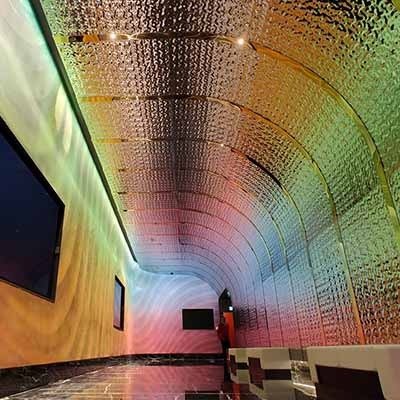
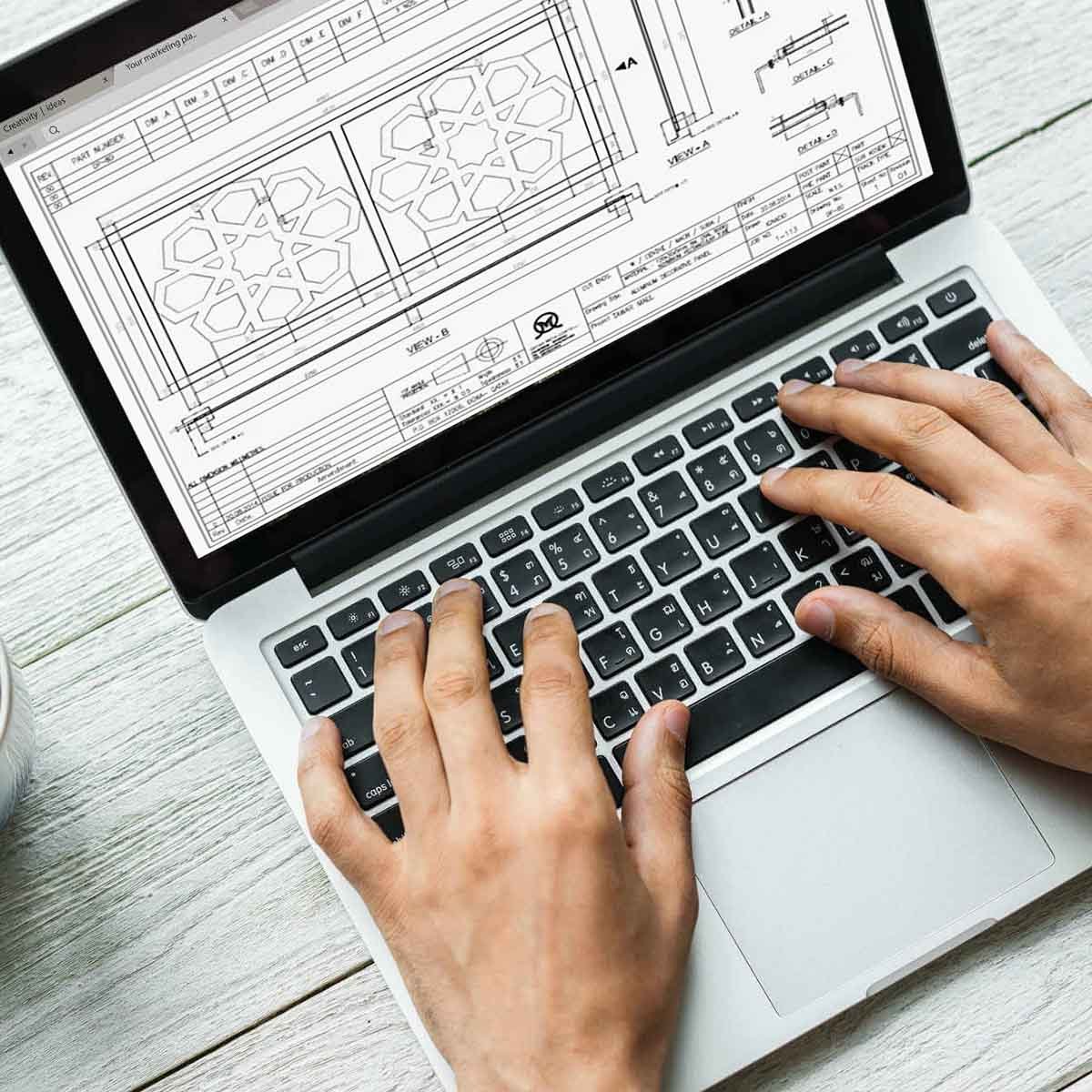
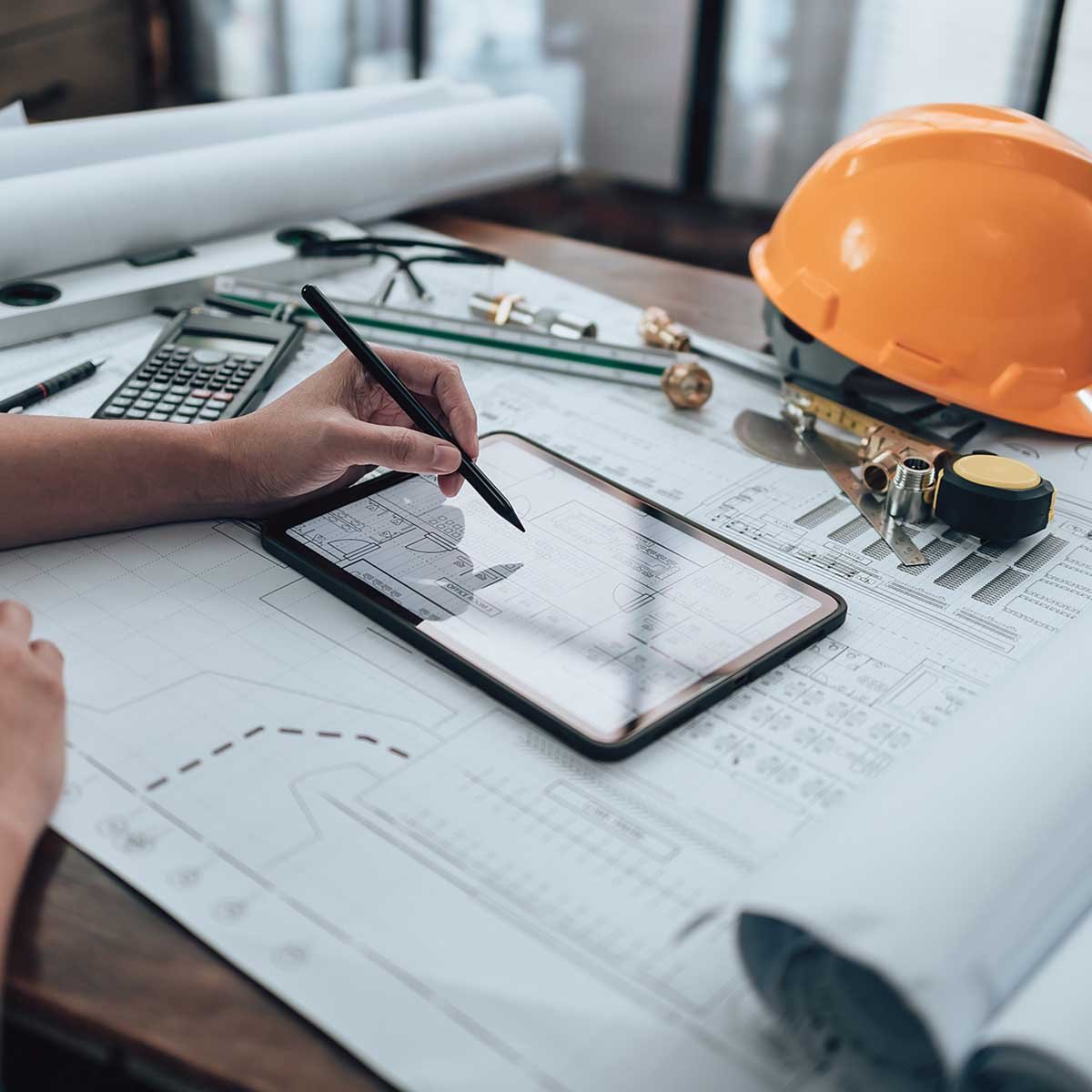
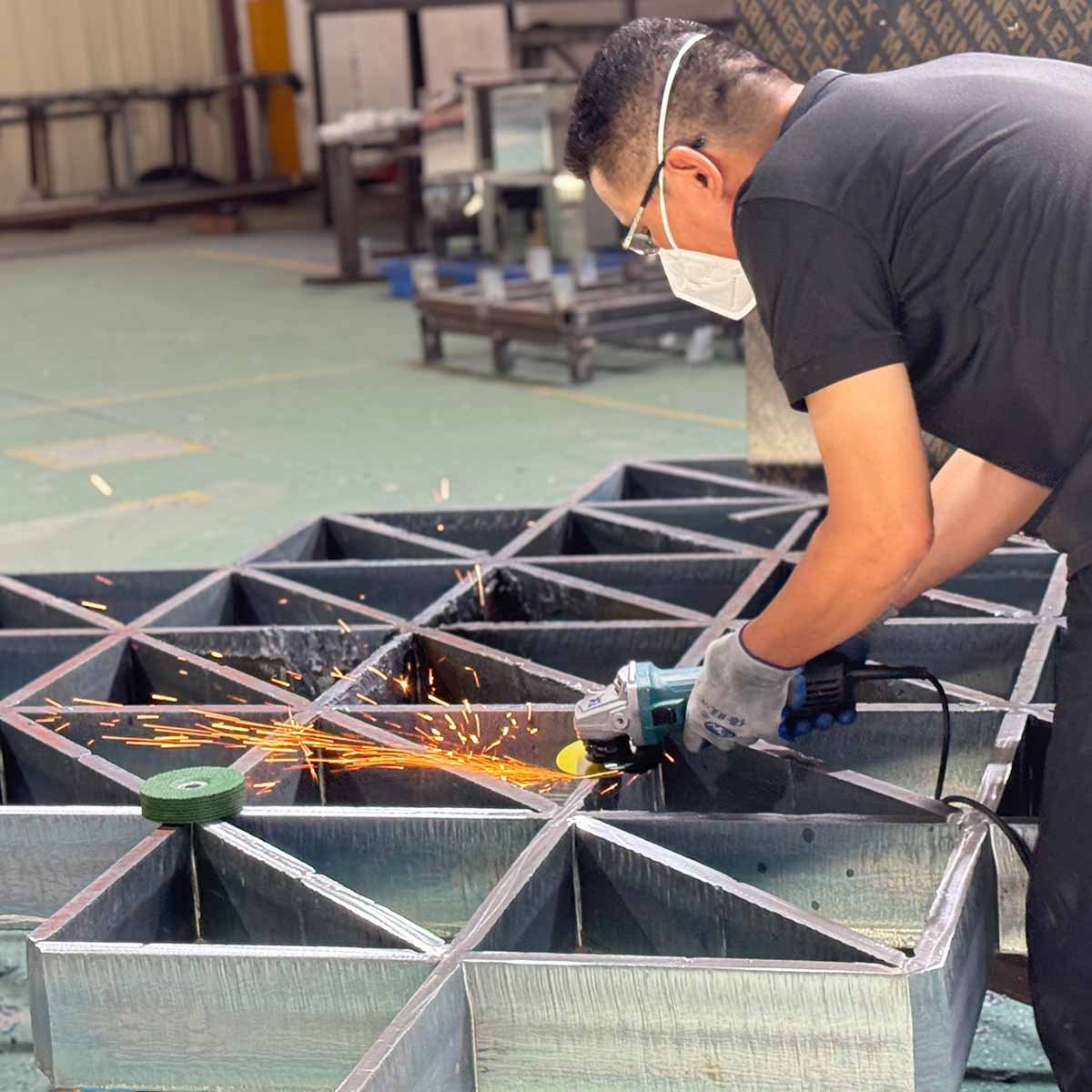
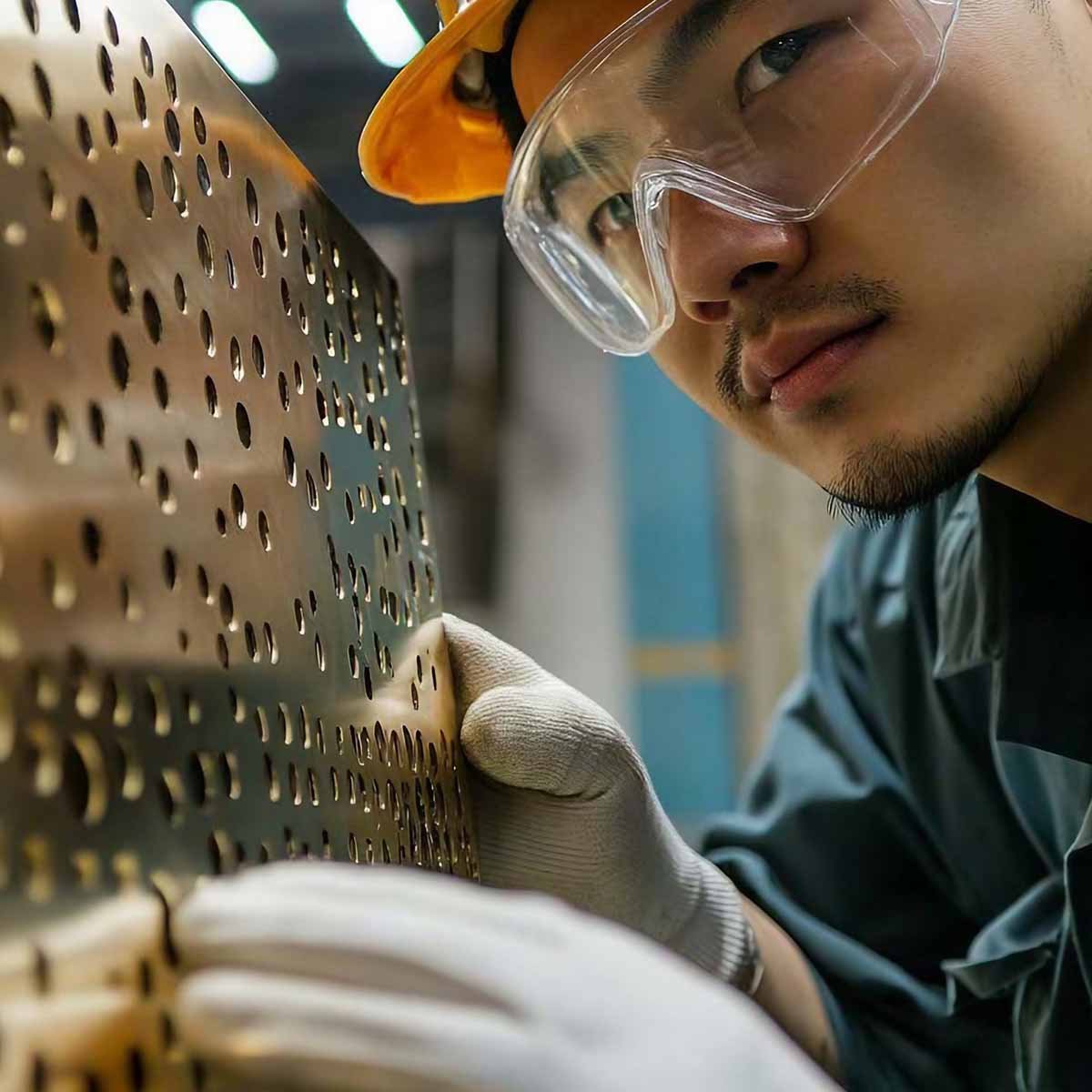
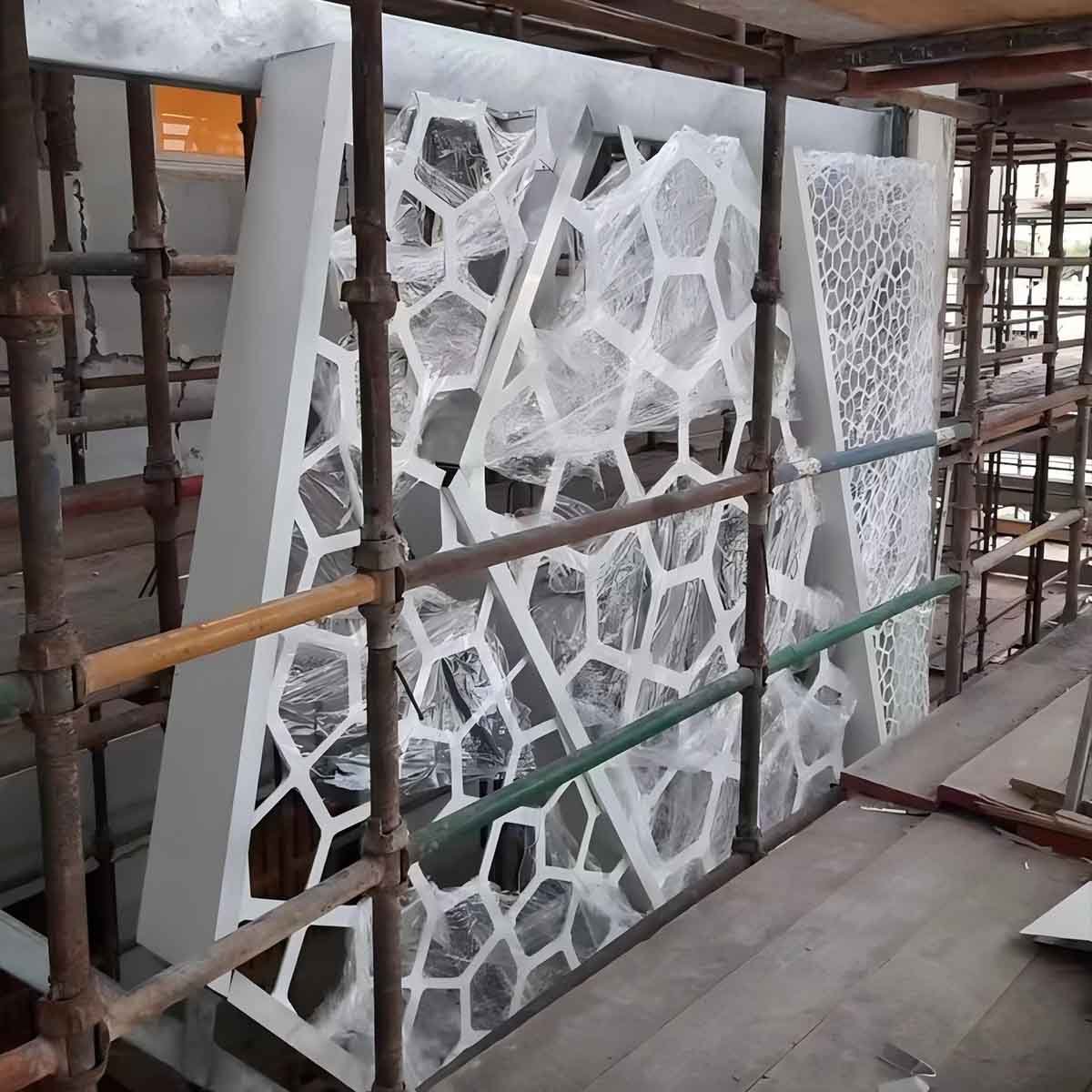


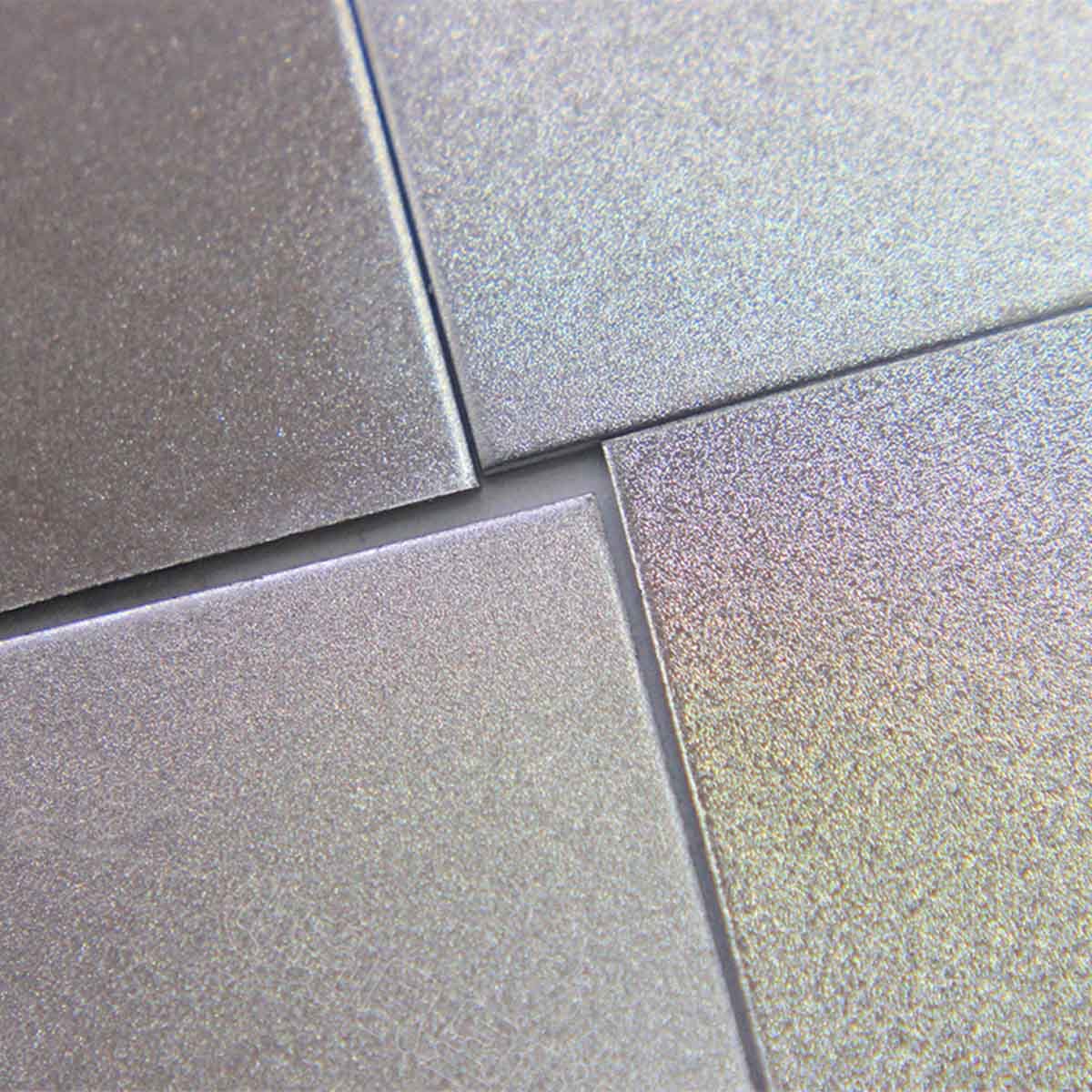
The surface of sandblasted finish stainless steel is matte and has a fine texture, making it suitable for use in contemporary architecture, commercial interiors, decorative applications, and custom metal fabrication projects in all types of applications.
By understanding its properties, benefits, limitations, and applications, architects, designers, and contractors can make informed choices regarding its use in their projects, ensuring a balance between form, function, maintenance, and long-term value.
Table of Contents
ToggleWhat Is Sandblasted Finish Stainless Steel?
Sandblasted stainless steel is a uniform matte finish produced by the abrasive blasting process. It can be used in various architectural fields due to its final appearance, which is affected by media selection, blasting pressure, and processing time.
Definition and Surface Characteristics
Sandblasting gives an anti-reflective surface that scatters light and decreases the gloss. The processing can be manipulated to create a fine matte surface with a noticeable texture.
How the Sandblasting Process Works
Surface texture is shaped by controlled abrasive blasting, and media type, pressure, distance, and media prep are used to control surface consistency on fabricated components and panels.
Common Abrasive Media and Their Effects
The abrasive media can affect the color of stainless steel after sandblasting. The use of glass beads will give a smoother matte finish, and mineral abrasives will generate more texture.
Suitable Stainless Steel Grades
Grades 304 and 316 are recommended for sandblasting applications depending on the level of corrosion exposure, fabrication needs, cleaning procedures, and project specifications.
Key Properties of Sandblasted Stainless Steel
For architectural and decorative applications, it provides a sophisticated matte surface and texture. Its surface characteristics affect maintenance and performance, depending on material grade, abrasive selection, and processing conditions.
Uniform Matte Appearance
Surface Texture and Light Diffusion
Corrosion Resistance and Material Integrity
Fingerprint Visibility and Surface Maintenance
Customizable Texture and Finish Consistency
Sandblasted stainless steel can be utilized for a wide range of architectural and decorative uses due to its refined, matte finish, customizable texture, and easy-to-maintain aspects.
Contact TBK Metal about your sandblasted stainless steel project! Our team can assist you in choosing the appropriate materials, surface finishes, sizes, and fabrication options that meet your architectural needs and design objectives.
How Is Sandblasted Stainless Steel Processed?
Controlled abrasive blasting of sandblasted stainless steel gives it a matte finish. Finish consistency is determined by media selection, particle size, pressure, and surface preparation of the architectural panels and custom components.
Surface Preparation and Cleaning
Before blasting, the stainless steel components are inspected and cleaned to remove contaminants, and cutting, forming, and welding are planned to ensure consistency in finishes.
Selection of Abrasive Media
Abrasive media influence stainless steel texture and uniformity. The use of clean glass beads or appropriate mineral abrasives will help create the desired look and reduce contamination risks.
Controlled Abrasive Blasting
The various finishes of stainless steel differ in their aesthetic and functional qualities, making the choice dependent on design taste, environmental conditions, and maintenance needs.
Post-Treatment and Surface Cleaning
Thorough cleaning after blasting removes residue, and appropriate post-treatments such as passivation, if required, help to maintain the surface condition and corrosion resistance.
Quality Inspection and Finish Consistency
Fabricators inspect texture, defects, and contamination against the approved samples with clear specifications and consistent lighting to confirm the finish quality and project compliance.
When prepared, blasted under control, and inspected properly, sandblasted finishes ensure consistent results to meet architectural aesthetic, quality, and performance specifications.
Benefits of Sandblasted Finish Stainless Steel
Sandblasted finish stainless steel is a sophisticated matte finish with design flexibility and usability! It has a delicate texture that works well in modern architecture, and its consistency helps achieve harmony in finishes and material selections.
Refined Appearance for Modern Design
Reduced Visual Distraction from Reflections
Design Flexibility Across Applications
Practical Maintenance Considerations
Compatibility with Custom Fabrication
It is both functional and easy to maintain, combining practicality with versatile fabrication techniques and contemporary designs; it is a great choice for modern architectural projects.
Sandblasted Finish vs. Other Surface Finishes
The stainless steel finishes have an impact on aesthetics, ease of upkeep, and uniformity. Sandblasted finishes and alternatives can provide matte surfaces, a direction to the grain for certain architectural uses or patterns, and mirror effects.
| Surface Finish | Appearance and Texture | Key Characteristics | Common Applications |
| Sandblasted Finish | Matte, fine-grained, non-directional texture | Diffuses light, reduces sharp reflections, offers a uniform appearance | Architectural cladding, decorative panels, sculptures, interior features |
| Hairline Finish | Fine, directional linear grain | Creates a sleek, brushed appearance with consistent grain lines | Wall panels, elevator interiors, column covers, façades |
| Satin Finish | Smooth surface with a soft, low sheen | Provides understated elegance and moderate light reflection | Interior trim, furniture, commercial interiors |
| Vibration Finish | Irregular, multidirectional abrasion patterns | Creates a decorative texture with reduced mirror-like reflections | Decorative panels, feature walls, custom metalwork |
| Mirror Finish | Highly polished, reflective surface | Produces strong reflections and a bright, glossy appearance | Luxury interiors, decorative features, signage, feature cladding |
Abrasion equipment is used to load the abrasive onto the stainless steel pieces, while controlled pressure, distance, angle, and exposure time yield uniform textures in architectural elements.
Common Applications of Sandblasted Finish Stainless Steel
Matte surfaces with regulated light reflection are created from texture by sandblasting, suitable for use in architectural, commercial, and interior applications that include facades, furniture, public areas, and custom decorative and functional applications.
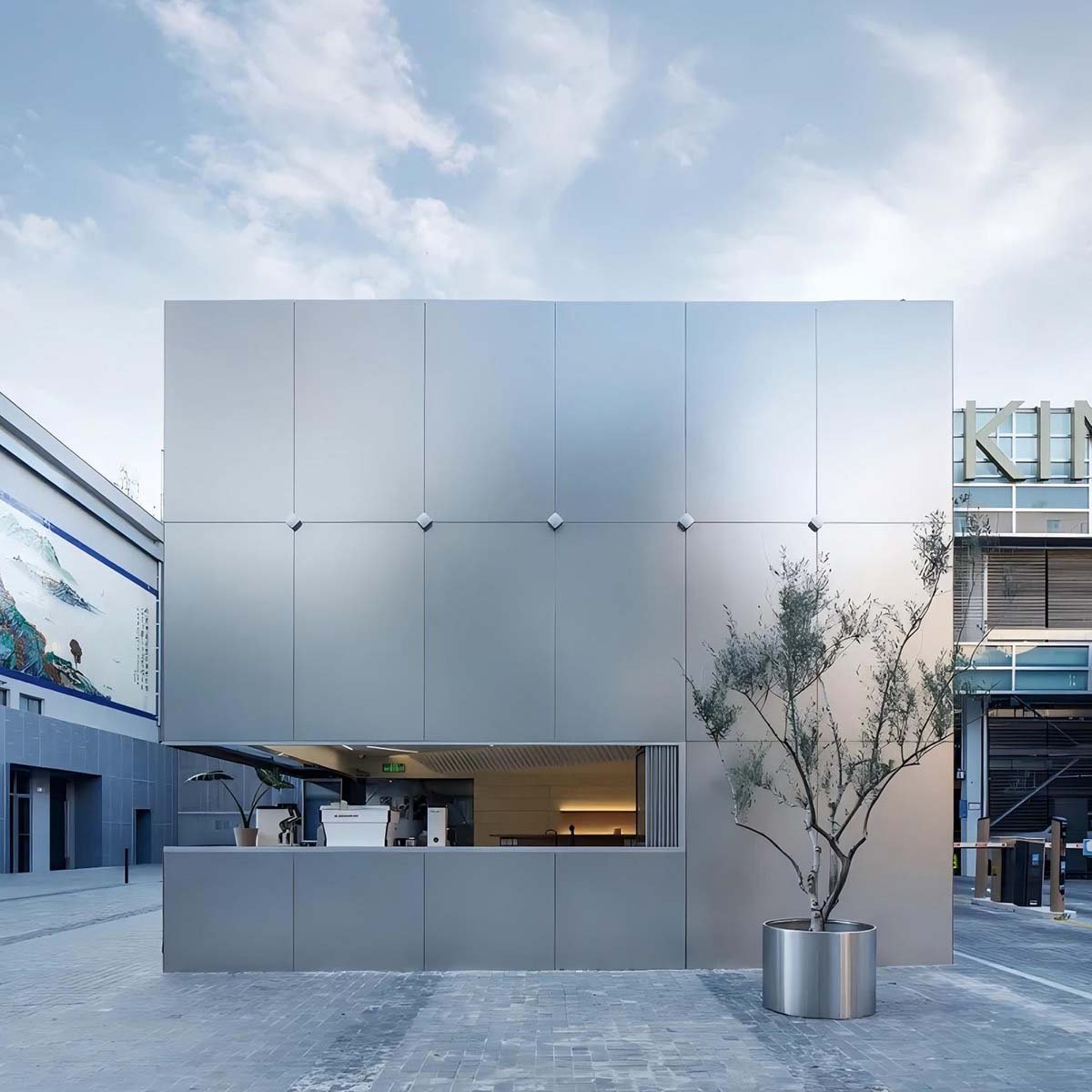
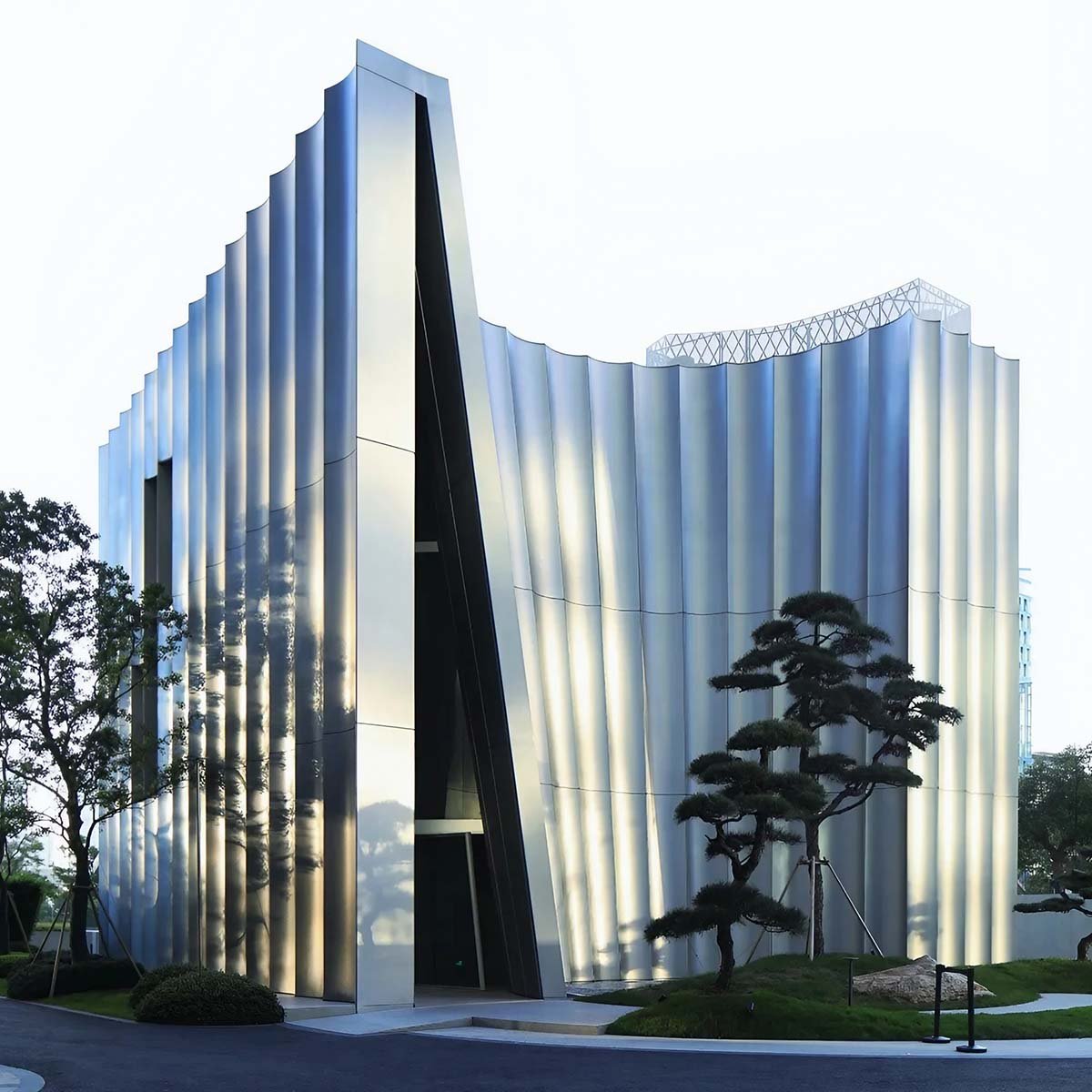
Architectural Facades and Exterior Cladding
Sandblasted stainless steel facades give a modern appearance; their durability depends on the steel grade, environmental exposure, drainage, and maintenance.
Interior Wall Panels and Column Cladding
Sandblasted stainless steel column covers provide sleek finishes and uniform architectural looks when used in commercial interiors alongside glass, stone, and timber elements.
Decorative Screens, Sculptures, and Signage
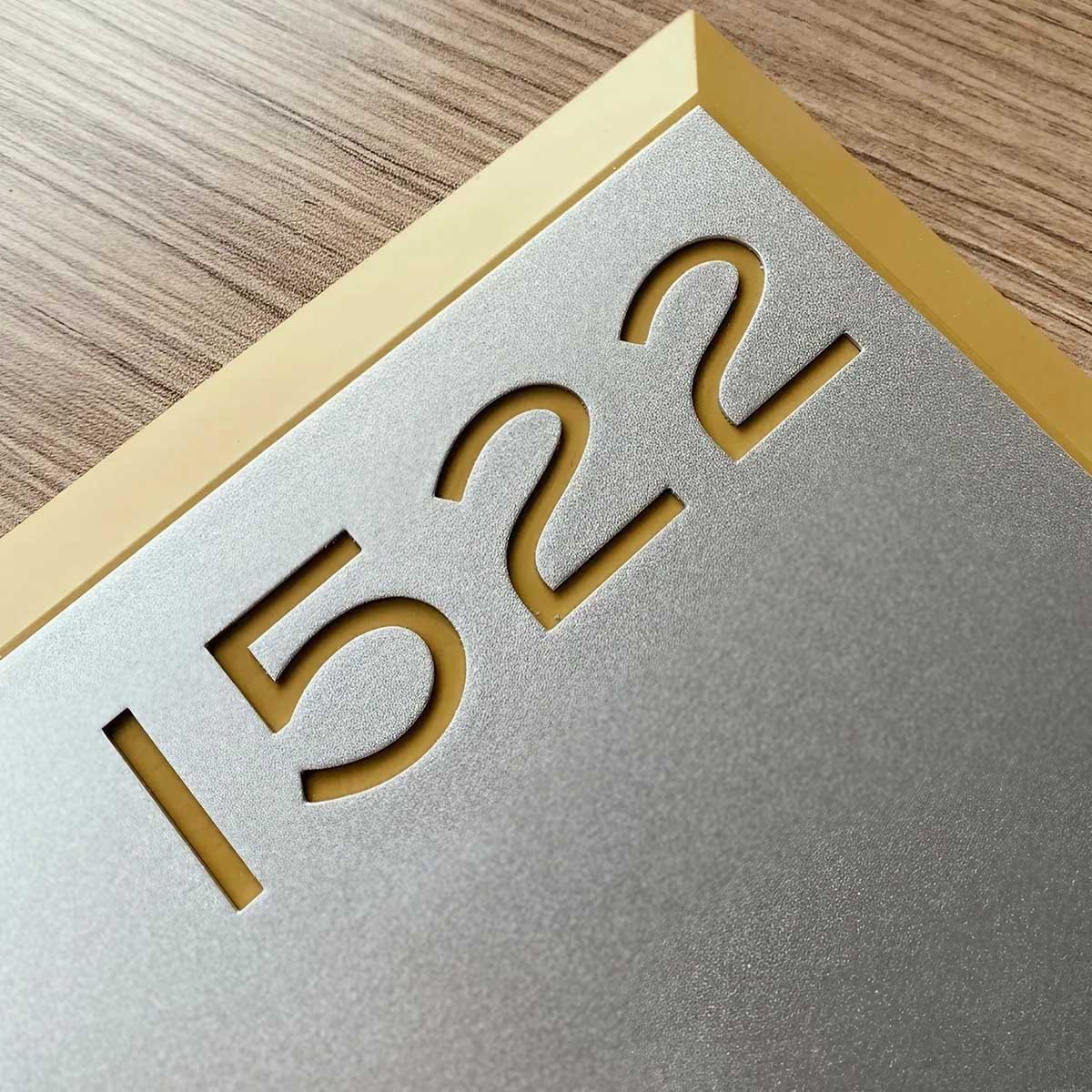
Sandblasted stainless steel sculptures and stainless steel signs deliver refined matte textures that accentuate art, branding, and decorative elements with minimal reflections.
Furniture, Tables, and Interior Fixtures
Marble, glass, wood, and stainless steel come together on dining tables and customized furniture to create a refined look for modern interiors through the use of sandblasting.
Elevators, Lobbies, and Public Spaces
Sandblasted surface brings subtle finishes, balanced lighting, low-maintenance, and dependable performance to high-traffic areas, such as elevators, reception areas, and corridors.
Whether it’s for exterior facades or interior furnishings, a sandblasted surface presents a wide range of design options, aesthetics, and practical uses for various architectural applications.


How to Specify Sandblasted Stainless Steel for Architectural Projects
Sandblasted stainless steel requires selecting the appropriate grades, blasting textures, and fabrication techniques to control the finishes, durability, installation compatibility, and maintenance of any architectural project where it is used.
Choose the Appropriate Stainless Steel Grade
Select grades of stainless steel depending on the exposure: 304 is suitable for general applications, and 316 is more resistant to chlorides in coastal areas and in severe settings.
Define the Required Surface Texture
Specify the desired matte surface, texture, and contrast. Approve physical samples prior to production to guarantee uniformity of production for fabricated components and panels.
Confirm Fabrication and Installation Requirements
Align blasting with fabrication, specify dimensions and installation specifications, and specify the proper finishing sequence to ensure consistent surfaces for architectural components.
Work with an Experienced Metal Fabricator
Select experienced fabricators in the precision finishing process, quality assurance, sample approval, and technical coordination to ensure products are on target with project requirements.
Detailed specifications, approved samples, suitable stainless steel grades, and craftsmanship in fabrication ensure sandblasting finishes that meet quality and performance requirements.
Limitations and Maintenance Considerations
Sandblasted stainless steel creates a unique matte finish, but there are many considerations, such as texture, cleanliness, and finish. It can be properly maintained and controlled, which helps maintain its appearance and long-term performance.
Surface Contamination and Corrosion Risks
Clean and compatible abrasives will not contaminate, and appropriate post-treatment will help maintain corrosion resistance according to the stainless steel grade and environment.
Cleaning Textured Surfaces
Gently clean sandblasted finish stainless steel frequently to remove contaminants; do not use harsh abrasives, chloride cleaners, or carbon steel brushes to maintain surface quality.
Consistency Across Large Panels
Visible finish variations are minimized across large panels and production batches by using consistent blasting parameters, approved blasting samples, and standard inspections.
Specification and Quality Control
Consistent surface texture and fabrication quality, and reliable results in large projects, are maintained through clear specifications, approved samples, and coordinated inspections.
Regular cleaning, proper abrasive use, accurate fabrication, and periodic inspections contribute to the longevity, corrosion resistance, and aesthetic appeal of sandblasted stainless steel.
Expert Insights on Sandblasted Stainless Steel
Caring for the abrasive, preparation, and use of sandblasted stainless steel require the use of grades and quality control. Consistent texture is achieved using approved samples and clear specifications for architectural panels and components.
Choose the Finish Based on the Application
Choose a suitable material for design, light, and application. A finer matte is good for interior panels, and deeper textures work well for decorative screens and architectural elements.
Protect Corrosion Resistance During Processing
Use clean abrasives and implement contamination control with sandblasting; consider suitable grades of stainless steel and passivation for demanding outdoor or coastal applications.
Confirm Surface Consistency Before Production
Texture can be influenced by abrasive selection and blasting parameters; approve samples in a consistent light and develop inspection criteria to ensure consistency in installations.
Coordinate Finishing with Fabrication
Ensure coordination of cutting, welding, bending, and grinding with fabricators to reduce surface marks, ensure consistent finishes, and reduce rework during manufacturing and installation.
Consider Maintenance from the Start
Appropriate materials and regular cleaning help keep contamination to a minimum, maintain the matte finish, and maintain the long-term performance of sandblasted finish stainless steel.
Considering sandblasted stainless steel for your project? Whether you’re looking for decorative panels or a full architectural metal fabrication solution, discuss your design aspirations, technical details, and customization requirements with TBK Metal.
Why Work with TBK Metal for Sandblasted Stainless Steel?
TBK Metal’s custom approach to architectural fabrication ensures that project teams can source sandblasted stainless steel components to meet specific design requirements and application needs with exact dimensions and consistent finishes.
Customized Fabrication Solutions
TBK Metal customizes sandblasted stainless steel dimensions, shapes, and panels according to architectural styles, installation conditions, and functional requirements for various projects.
Material Selection Expertise
TBK Metal assists in the selection of the proper grade for project specifications, environmental exposure, and performance requirements for interior or exterior architectural applications.
Consistent Surface Finishing
To limit the variation between panels and assemblies, a clear specification, approved samples, controlled fabrication, and thorough inspection are essential for consistent matte finishes.
Precision Manufacturing Capabilities
Architectural components are produced by precision cutting, forming, welding, and finishing to achieve dimensional specifications, installation requirements, and the desired appearance.
Project-Based Technical Support
TBK Metal collaborates with customers to determine what materials to choose, what the project requires, what it needs to look like, and what it needs to be available at the right time.
Support for Diverse Architectural Applications
TBK Metal produces sandblasted stainless steel facades, cladding, column covers, screens, signage, and custom parts to fulfill a range of architectural specifications and finish requirements.
TBK Metal is a company that provides custom steel fabrication, material advice, uniform finishes, and technical oversight for sandblasted stainless steel products for architectural projects.
Frequently Asked Questions (FAQs)
Q1. What factors affect the appearance of sandblasted stainless steel?
Q2. Is sandblasted stainless steel suitable for outdoor applications?
Q3. Does sandblasting improve stainless steel corrosion resistance?
Q4. How do you clean sandblasted stainless steel?
Q5. What is the difference between sandblasted and brushed stainless steel?
Q6. Can sandblasted stainless steel be customized for architectural projects?
Q7. How can stainless steel corrosion resistance be maintained after surface finishing?
Conclusion
Sandblasted finish stainless steel features a clean matte look and has a variety of design possibilities and uses for architecture and interior applications. A proper selection and finishing of materials guarantee consistency and durability.
TBK Metal can provide customized architectural metal, meeting the unique needs of the project as it evolves. It can assist customers in choosing the appropriate materials, finishes, and designs based on aesthetic and technical requirements.
Contact Request
Request a sandblasted stainless steel finish from TBK Metal and experience precision fabrication, technical support, and a range of surface finishes for architectural projects of any complexity.