































What Is Stainless Steel? A Comprehensive Guide to Its Composition and Grades

Table of contents

Stainless steel is a mid-range, low-carbon steel that bears corrosion and strength making it popular in many industries. Knowing the composition and the various grades becomes an important feature of making the best use of this material in certain fields.

This guide focuses on general information starting from the composition of stainless steel, the types, as well as the grades. Be it architecture, medical devices, or industries, it is imperative to know which grade of product will render the best performance.

What Is Stainless Steel?

Stainless steel is also an alloy but mostly composed of iron and chromium with a little admixture of nickel and molybdenum. Its defining characteristic of this type is chromium since it develops a layer that prevents it from rusting or becoming contaminated.

Basic Properties of Stainless Steel

Corrosion Resistance

The Chromium embedded in stainless steel creates a thin oxide film that is virtually imperceptible but which can withstand attack even in extreme conditions.

Strength and Durability

Stainless steel is moreover very strong in the sense of tensile strength, and this material can therefore be recommended for use where rigidity is expected.

Non-Magnetic

Nonetheless, certain stainless steel types such as steel 304 are nonmagnetic and therefore can be used in products that need non-magnetic characteristics.

Heat Resistance

Stainless steel can also work well if there is a requirement of endurance in high-temperature prone areas, for example, in the kitchen or general industrial use.

Aesthetic Appeal

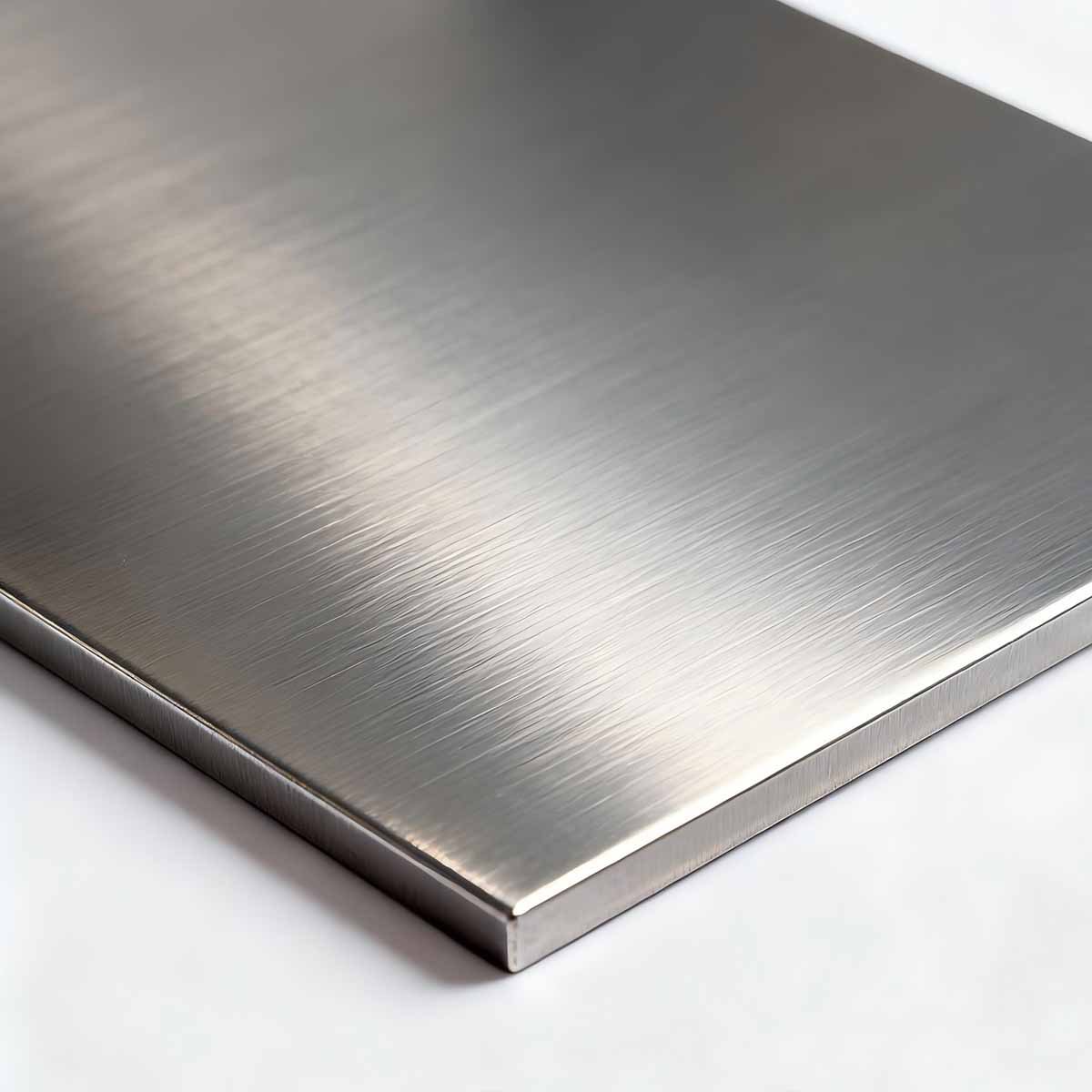
The final product of steel is polished which provides the product with a glamorous look, predominantly regarded in architectural and consumer products.

Recyclability

The raw material for stainless steel, steel, is 100 percent recyclable enabling manufacturing industries to pursue environmentally sustainable practices.

The properties of this material give it versatility, strength, and corrosion immunity which make it popular in many industries. Because of these properties of stainless steel, the material stays among the most preferred for a variety of uses across the globe.

The Composition of Stainless Steel

The major component of stainless steel is iron and chromium to which other ingredients are added for enhancement of the metal. This in return results in the formation of strong and corrosion-free material which is very useful in many applications.

Key Components

Iron (Fe)

The main metal of the alloy from which it derives its name is stainless steel as it majorly contains iron as the base metal.

Chromium (Cr)

The part that makes stainless steel resistant to rusting and corroding because it forms a passive layer of oxide film on the surface. Usually constitutes about 10.5% to 30% of the alloy in the amount of hardener.

Nickel (Ni)

It is also used to enhance formability, toughness, and corrosion resistance factor. Nickel also raises the durability of stainless steel when it comes to heat and imparts a non-magnetic characteristic to some of the types of stainless steel.

Molybdenum (Mo)

Offers better protection under many environments including resistance to chloride solutions such as seawater. Often present in the higher grades of steel such as the 316 stainless steel.

Carbon (C)

To enhance the hardness and strength a small amount of carbon is included in the composition. Even so, if there is too much of this material in the steel, it becomes brittle, so it is regulated.

Other Elements

These components such as manganese (Mn), silicon (Si), and titanium (Ti) are added in proportion to enhance characteristics having to do with strength, ability to weld, and heat resistance.

Several elements are added to the composition of stainless steel to increase its strength; these are manganese (Mn), silicon (Si), and titanium (Ti). It also includes elements that improve its weldability as well as tested to withstand high temperatures.

Types of Stainless Steel

Depending on the crystalline structure, the stainless steel can be classified to various groups. I know that each of them has its characteristics and represents versatile material that can be applied in quite a number of industries and businesses.

Austenitic Stainless Steel

Properties

Not magnetizable, highly resistant to corrosion, and can be easily shaped and bent.

Composition

Admixtures that have high chromium and nickel content (for example 18% chromium and 8% nickel).

Common Uses

Tools, utensils, healthcare instruments, food handling equipment, construction design components.

Example Grade

304, 316 stainless steel

Ferritic Stainless Steel

Properties

Magnetic, less corrosion resistance than austenitic steel, and relatively more brittle than the latter type.

Composition

Specifically, it includes iron and chromium, which is usually in a range of 10.5%-30% chromium.

Common Uses

Exhaust systems of automobiles, machines, mechanical types of equipment, household appliances, etc.

Example Grade

430, 446 stainless steel

Martensitic Stainless Steel

Properties

Strong, dense, and attracted to magnets with resistance to stretching. The aforementioned is lighter but also gains more corrosion.

Composition

It is known that it has a higher percentage of carbon concerning other types with moderate chromium content.

Common Uses

Scalpels, lancets, scissors, knives, surgical cutlery and paring utensils, crucibles, and valves.

Example Grade

410, 420 stainless steel

Duplex Stainless Steel

Properties

Austenitic and ferritic stainless steel material combined with high strength and enhanced strength corrosion cracking.

Composition

An alloy that has almost equal content of the austenitic and the ferritic phases with a mixing of chromium, nickel, and molybdenum.

Common Uses

Used as a raw material in chemical processing plants, seawater transportation electricity generation stations, etc.

Example Grade

2205, 2507

Precipitation-Hardening Stainless Steel

Properties

Has high strength combined with relatively average corrosion resistance, and can be heat-treated to increase hardness.

Composition

Most of the time it depends on the grade but some of the typical components include aluminum, copper, and titanium.

Common Uses

Military and aerospace industry, engines have to operate at high temperatures and pressures in high-performance vehicles.

Example Grade

17-4 PH, 15-5 PH

However, it is crucial to know the properties of stainless steel types to make the correct selection. This makes sure that there is high performance, reliability, and efficiency as well as the costs adjusted to relatively suit the industry needs.

Stainless Steel Grades and Their Differences

Stainless steel is a group of metals in which every single type/mode has some qualities that are ideal for specific functions. Recognition of the differences is useful in identifying which type of material is suitable for use in what particular situation.

Grade 304

Composition

18% chromium, 8% nickel

Properties

It has very good properties concerning resistance to corrosion and oxidation. High strength tension and compression, good formability.

Common Uses

Utensils, Cutleries and Cooking appliances, food processing equipment, architectural cladding panels, sinks.

Grade 316

Composition

It's an alloy that is composed of 16% chromium, 10% nickel, and 2% molybdenum.

Properties

Better corrosive resistance ability especially in marine environments and chemical solutions.

Common Uses

Sea water interface, use in intensive care medical equipment, in chemical manufacturing plants.

Grade 430

Composition

17% chromium

Properties

Less susceptible to corrosion than its commercial counterparts but not as strong as the grades that contain nickel.

Common Uses

Car accessories and spare parts, home appliances and kitchenware.

Grade 2205 (Duplex)

Composition

It can be had in 22 percent chromium, 5 percent nickel, and 3 percent molybdenum.

Properties

High strength, also display very good resistance to stress corrosion cracking in chloride environment.

Common Uses

Marine products, oil/gas industry, chemical processing, food processing, mining.

Grade 17-4 PH

Composition

Overall iron content of the base metal is 15% chromium, 4% nickel, and copper.

Properties

Conditioned steel that gains high strength and reasonable corrosion resistance when the steel is precipitated.

Common Uses

Aviation, defense, and marine industries, and precision equipment.

The comprehension of grades of stainless steel allows choosing the proper material for certain use. This also ensures the best corrosion, durability, and performance for several applications including construction, food industry, and medical industry.

How Stainless Steel Grades Are Determined

Through the chemical content, mechanical characteristics and usage requirements, stainless steel can be divided into various grades. These considerations are extremely important in defining which grade is going to be suitable for which application.

Chemical Composition

These so called addition elements which includes chromium, nickel and molybdenum decide the properties of various grades. For instance, the greater the content of chromium, the greater the degrees of protection it provides against corrosion.

Mechanical Properties

Yield strength, tensile strength and hardness are few of the measures which are used to tell the effectiveness of stainless steel in certain situations. For instance, high-carbon steels will afford higher levels of hardness, but lowers toughness levels.

Industry Standards

Formation of standard for stainless steel compositions and grades is done by organizations such as ASTM and AISI. These guidelines help in providing quality product, high performance and ensuring it’s suitability for use in various industries.

Stainless steel has is classified depending on grade, composition, mechanical properties or standard by industry. Knowledge of these factors ensures selection of right grades as per a particular application so that performance can be most suitable.

Choosing the Right Stainless Steel for Your Project

Therefore, selection of stainless steel grades consider fundamental issues such as needs of the application, environmental conditions and cost. This guarantees the best results, reliability, and economy for the particular tasks within your project.

Considerations for Choosing Stainless Steel

Corrosion Resistance

In such areas as underwater or are frequently exposed to chemicals and moisture, use the higher grades such as 316.

Strength Requirements

In applications where higher stresses are exerted, more use is made of martensitic or precipitation hardening grades.

Formability

Austenitic stainless steels such as 304 are easier to work as well as weld, thus good for structures with complex forms.

Application-Based Choices

Construction and Architecture

The commonly applied stainless steel grades include the 304, and 316 grades for building envelope, railings, and other support structures.

Food Industry

Grade 304 material is applied in kitchen utensils, food industry equipment, and storage tanks hence strong point being its resistance to corrosion and easy cleaning.

Marine and Chemical Industries

Austenitic-ferritic steels, for instance, 2205 have a very high resistance to chlorides and are applied in marine applications and chemical industries.

Picking the correct stainless steel grade is by the level of the corrosion resistance, strength, and functions it is to serve. Familiarizing oneself with these issues guarantees getting the best results, longevity, and cost of construction for your project.

Benefits of Stainless Steel

For a long time, many uses have favored using the merits of a particular material known as stainless steel as outlined in the following discussion below. The tensile strength, anti-corrosive property, and look make its service vital and general in many sectors.

Corrosion Resistance

The essential property of stainless steel is due to Chromium which gives it a passivity factor against rust and corrosion. This durability makes it ideal for use in the construction of outdoor structures and anywhere near water such as boat manufacturing.

Durability and Strength

Stainless steel is now well known for possessing equally immense strength and the ability to sustain huge mechanical loads. It is therefore applied in structures and other structural parts and mechanisms, and anything that is to have a long life cycle.

Low Maintenance

This material is relatively easy to maintain and thus does not require much attention to look as shiny and perform as it was from the beginning. They remain clean with very easy maintenance making them amongst the most economical for long-term uses.

Aesthetic Appeal

The neat polish of stainless steel is an attractive appearance that gives a modern structural appearance. That is why it has been liked by many throughout centuries in architecture and construction, interior decoration, and many other consumer goods.

Heat Resistance

The neat polish of stainless steel is an attractive appearance that gives a modern structural appearance. That is why it has been liked by many throughout centuries in architecture & construction, interior decoration, and many other consumer goods.

Recyclability

Since stainless steel is recyclable in its entirety fabricating it does not pollute the environment by producing waste. It is generally preferred in manufacturing since it can be recycled thus a sustainable product for industries that are sensitive to the environment.

Non-Reactive and Safe

It doesn’t react with other chemicals hence safe to use in handling both food and chemicals. Featuring a reconfigurable design this is well suited to the food industry and the production of medical devices where cleanliness and sterility are paramount.

Versatility

Stainless steel because of its many types and formula can be used in many different fields. Applications of the additive range from construction to automotive, aerospace, medical device manufacturing, and even the consumer goods industries.

The properties of stainless steel are corrosion protection, durability, attractiveness, and last but not least sustainability. It therefore finds widespread application in industries such as construction, food processing industries, and many other sectors.

Common Applications of Stainless Steel

Stainless steel is used in the construction industry among others, the healthcare industry, food industry, and other general industries. Due to its durability and versatility not forgetting it can withstand corrosion, it is ideal for use in different fields.

Architecture and Construction

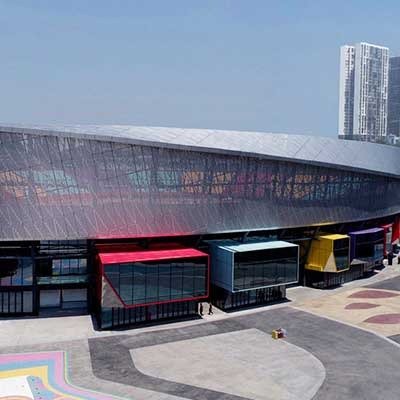
Stainless steel has applications in architectural projects, bridging structures, and public facilities because they have high tensile strength resists corrosion, and is attractive. They are applied in the exterior decoration, barriers, roofs, and beams.

Food and Beverage Industry

Stainless steel is relevant in food services because it is not a means through which foods get contaminated, it is easy to clean and is durable. They are used for purposes such as the production of sinks, countertops, and storage tanks among others.

Medical Field

Stainless steel as a material is suitable for both medical and surgical appearance since it is m-based and non-corrosive as well as biocompatible. It is also used in Dental applications implants and instruments for Mechanical parts where stiffness is required.

Furniture

Stainless steel has found application in contemporary furniture design and has a rather futuristic appearance. It is also hard-wearing, and relatively easy to clean making the material perfect for the production of chairs, tables, and shelves, among other things.

Automotive and Aerospace

Automobiles, exhaust systems, aircraft, structural members, and many more were employed because of their high strength and low weight percentage. This makes it more suitable for such applications as this compound possesses high thermal stability.

Consumer Goods

This is used mainly in the construction of home appliances, jewelry, and watches because of such characteristics as strength, hardness, and beauty. It is therefore cheaper to maintain hence its popularity in these products, being also resistant to corrosion.

Due to the high and stable types of Stainless steel, it is used vastly in architecture, food industries, medical industries, aerospace, and much more. This makes it highly reliable and lasts long thus delivering the highest performance in various industries.

Conclusion

This is because stainless steel possesses a relatively high quantity of Chromium in it, as well as the fact that it has different classes. Such comprehending prevents random selection and use of materials for certain applications thereby guaranteeing performance, durability, and longevity.

Leave A Comment

error: Content is protected !!