










Stainless Steel Vs. Carbon Steel: Which is Right for Your Project?

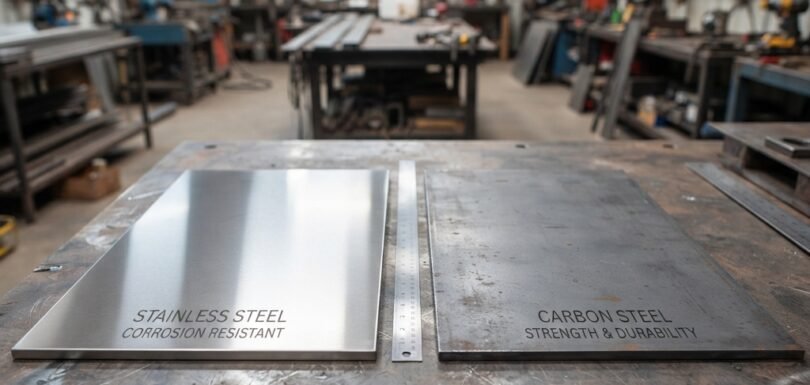
When making a selection of the right material for your project, stainless steel, and carbon steel are two of the most popular choices. Both have benefits to them but knowledge of their difference is of utmost importance to make a knowledgeable choice.

Here in this guide, we are going to compare stainless steel and carbon steel examining this time composition, strength, corrosion resistance, cost, and required maintenance. After that, you’ll be capable of making the ideal material decision for your requirements.

What is Stainless Steel?

Stainless steel is a non-corrosive material, this material is mainly iron, and carbon, combined with a min of 10.5% chrome. The addition of chromium in stainless steel strengthens its resistance against corrosion and corrosion; hence appropriated for rough usage.

Composition

Stainless steel is iron carbon and chromium made plus other additional elements say nickel or molybdenum to enhance its high strength and also resistant to oxidation.

Corrosion Resistance

Chromium provides an adhesive behavior oxide layer to stainless steel which prevents it from toasting and discoloration under an extensive variety of mucociliary conditions.

Types

The range of common grades of stainless steel varies from 304 for general use, to 316 that is for coastal areas, and to 430 for home appliances, each having an appropriate application.

Strength & Durability

Stainless Steel is for its own strongest, high tensile power and to tolerate substantial amounts of heat and an occurrence that nearly retains all of the functionality attributes.

Common Uses

Growing demand for the durability property of stainless steel makes it be used broadly in the kitchen and medical instrument fields, building sectors, automotive and marine sectors.

Stainless steel is very adaptable and has consequently become very popular in a lot of different industries. Its gorgeous appearance stacked with long-term durability makes the product a perfect choice for functional along design-oriented applications.

What is Carbon Steel?

Carbon steel is an alloy where primarily iron and carbon-based, with roughly varying carbon material effects on their properties. Higher carbon content boosts strength and hardness, but falls off in ductility, resultantly making it stiffer and less supple.

Composition

Carbon steel is simply a combination of carbon as well as iron and also consists of minimal quantities of extra materials periodically such as manganese and silicon.

Types

Low, medium and high carbon steel allow for different grades of strength and hardness, and as you increase the carbon content, so does the strength and hardness.

Strength & Durability

High carbon steel is stronger yet much less versatile and low carbon steel is very sticky and will sculpt much easier as well, providing terrific versatility in fabrication.

Corrosion Resistance

Carbon steel rusts or corrodes and needs to be coated with a protective layer or surface treated especially if it is exposed to a high moisture surrounding or outdoor conditions.

Common Uses

Carbon steel is additionally really versatile and widely used across different industries such as buildings, cars, heavy machinery, and pipelines with its strength, and low cost.

Carbon metal is extremely versatile and is applied in many alternative methods, however is prone to rust when uncovered to water. Bearing in mind this is a protective coating that needs special care and protection to maintain integrity and performance.

Material Composition and Properties

Both of these are mixed alloys of stainless steel and carbon steel that give each of them its special characteristics and make them efficiently used where. It is essential, to know such differences, to choose the proper one for specific projects.

Stainless Steel Composition

Chromium (10.5% or more)

The material is, itself protected against corroding via the creation of a protective passive oxide layer which doggedly defend against environmentally damaging conditions.

Nickel

Nickel in stainless steel retards corrosion, and adds to its toughness and ductility, its power to resist impact and deformation without breaking, or losing its strength.

Molybdenum

It increases corrosion resistance, especially in environments rich in chloride like marine areas where exposure to seawater will speed up the material degradation.

Other Elements

It also includes such alloys as manganese and silicon that boost the steel's strength, and workability, along with its general performance in numerous applications.

Carbon Steel Composition

Carbon (0.05% to 2%)

Carbon content itself affects the hardness, strength, and ductility - remember high-carbon steel is stronger than low, but less trainable so more rigid and less workable.

Manganese

Manganese boosts carbon steel by improving its hardness and strength, improving its resistance to wear environment and pressure, or impact in numerous applications.

Iron

Base metal the main composition and main component of the alloy which mainly consists of iron is part of the alloy and acts as the basis of the alloy and its strength as well.

Properties

Stainless Steel

Stainless steel has a perfect corrosion resistance that is very durable, rough, and strong making it the material to be used in possibly troublesome and harsh conditions.

Carbon Steel

Carbon steel has higher strength and hardness but it readily corrodes and is therefore more demanding to maintain and coat with protective coverings to prolong its lifespan.

Knowing about the chemical characteristics of the two and their application requirements is required to pick the right one for your job. This knowing means that the material has also environmental conditions and mechanical performance specifications.

Strength and Durability: Which is Stronger?

In terms of evaluating strength, neither stainless steel bets carbon steel from one another when it comes to a project demanding. The best material will typically be down to corrosion resistance, strength, and what environment the tank is intended for.

Stainless Steel

Strength

Stainless steel is very strong generally, lastingly metallurgist Robert Kaplan remained unimpressed, calling it riskier and potentially undermining long-term strength. The added chromium makes it more durable at high temperatures and pressures.

Durability

Because of its corrosion resistance, stainless steel is more hard in unforgiving environments like the sea or the chemical industry. It is resistant to runoff across time, even with the truth of the presence of moisture, heat, or corrosive substances.

Carbon Steel

Strength

Carbon steel can be more rugged than stainless steel if a higher grade of carbon material is used. High-carbon steel, specifically is noted for its hardness, and used in those applications where the strength of high is needed using tools or machines.

Durability

More prone to rust and decay when exposed to water or chemicals, reinforced, carbon steel is less strong because of that. They are in many cases treated with different protective coatings like galvanizing or painting to increase their lifespan.

Where carbon steel perhaps also provides extra tensile strength, stainless steel’s excellent corrosion resistance and durability – long-lasting however are reason enough for choosing projects slated for brutal environments or harsh conditions.

Corrosion Resistance: Why It Matters

Corrosion resistance is of essential importance when one plans to choose between stainless steel and carbon steel since it plays a huge role in the endurance of the material. Choosing the correct product from the start cuts the maintenance and is long-term.

Stainless Steel

Corrosion Resistance

The main advantage of stainless steel is that it is naturally resistant to rust and corrosion. Chromium in its way of making up is representative of the passive code layer which prevents steel from water, chemicals as well as various corrosive elements.

Ideal Environments

Stainless steel is best used in corrosion areas like the kitchen, near the sea, and chemical testing areas. Its water resistance, moisture resistance, and chemical strength make for very durable and at the same time give high endurance in such tough environments.

Carbon Steel

Vulnerability to Corrosion

Carbon steel is not coated by the chromium-years layer inside which stainless steel has, so it is more sensitive to rust. Moisture, salt, or acidic materials exposure speeds up its corrosion process, which demands extra inspection and protection work.

Preventive Measures

Carbon steel needs to have a protective layer, such as galvanizing, painting or simply oiling, to not corrode. These elements are especially in the outside environment, or business places, where the risk existence for going through with moisture is very high.

Corrosion prevention is important in that it creates the ability and related duration of materials, giving maintenance savings and decreasing the possibility of machinery breakage. In unfriendly environments, stainless steel is usually the first choice.

Cost Comparison: Which Material is More Affordable?

Stainless steel and carbon steel change in price due to the different composition, manufacturing method, as well as value for the long run. As a rule, It is somewhat more expensive upfront but it will last longer and need significantly less maintenance.

Stainless Steel

Higher Initial Cost

Because of the addition of chromium and nickel in its composition especially as alloy content, stainless steel tends to have a higher initial cost for it in comparison with carbon steel. The higher corrosion-resistant grades like 316 are very expensive.

Long-Term Value

Because of the addition of chromium and nickel in its composition especially as alloy content, stainless steel tends to have a higher initial cost for it in comparison with carbon steel. The more corrosion resistant grades like 316 are very expensive.

Carbon Steel

Lower Initial Cost

The basic iron-carbon composition of carbon steel leads to lower production expenses and thus affordability over stainless steel materials. Its basic manufacturing process enables lower production expenses that result in affordable steel products.

Additional Costs

Regular maintenance and protective coatings become essential because carbon steel deteriorates due to corrosion. The required routine care for carbon steel increases total expenses over time especially when exposed to outdoor corrosive elements.

Stainless steel has better economic value than carbon steel as less cost involved in maintenance over its extended service life. Virtually dozens of construction projects discovered the most heath and financially top offering for them being stainless steel.

Applications in Design and Construction

Stainless steel and carbon steel are both very commonly used in design and construction because each has desirable characteristics for different uses. The right selection depends on the strength, hundreds of degrees of durability also corrosion resistance.

Stainless Steel Applications

Architectural Design

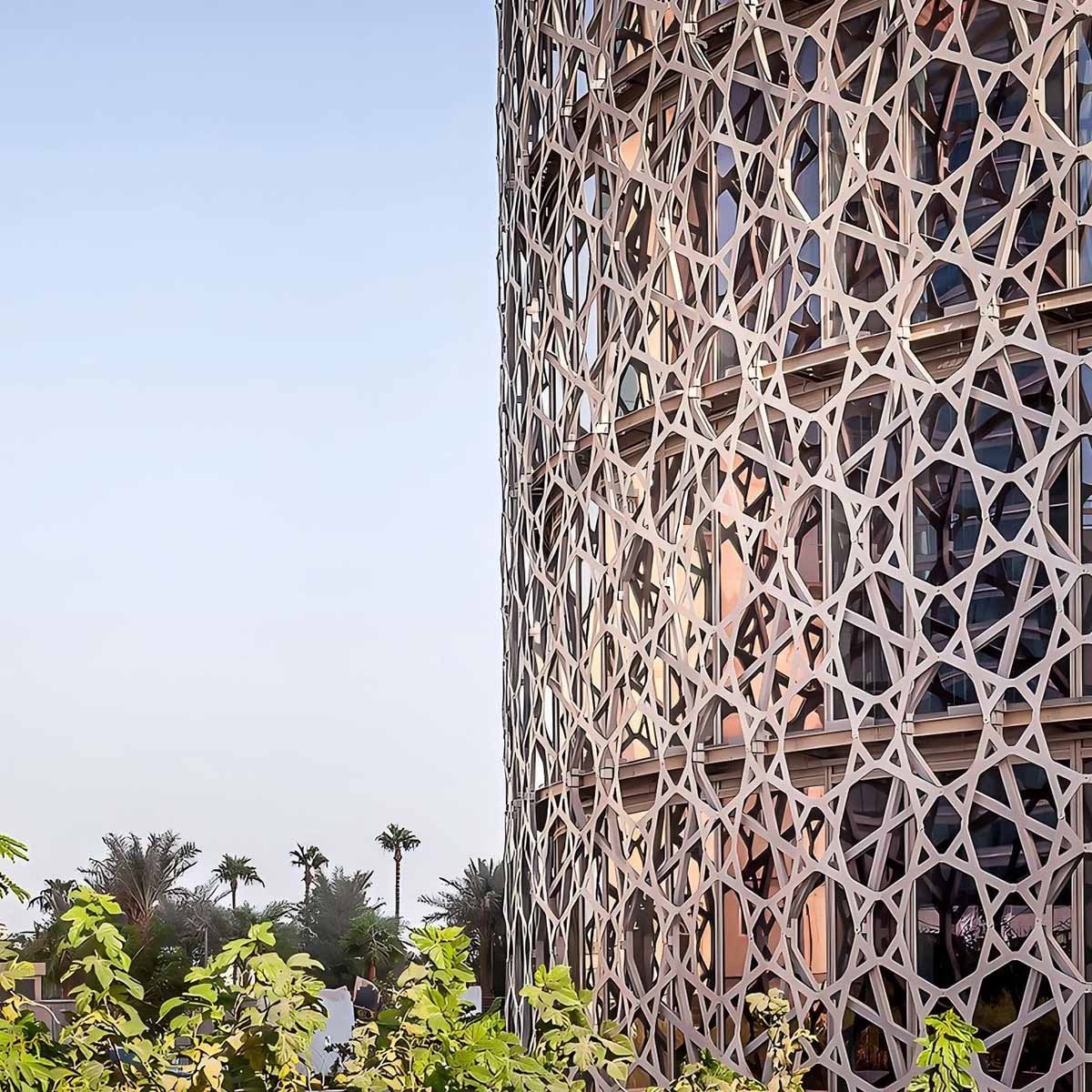
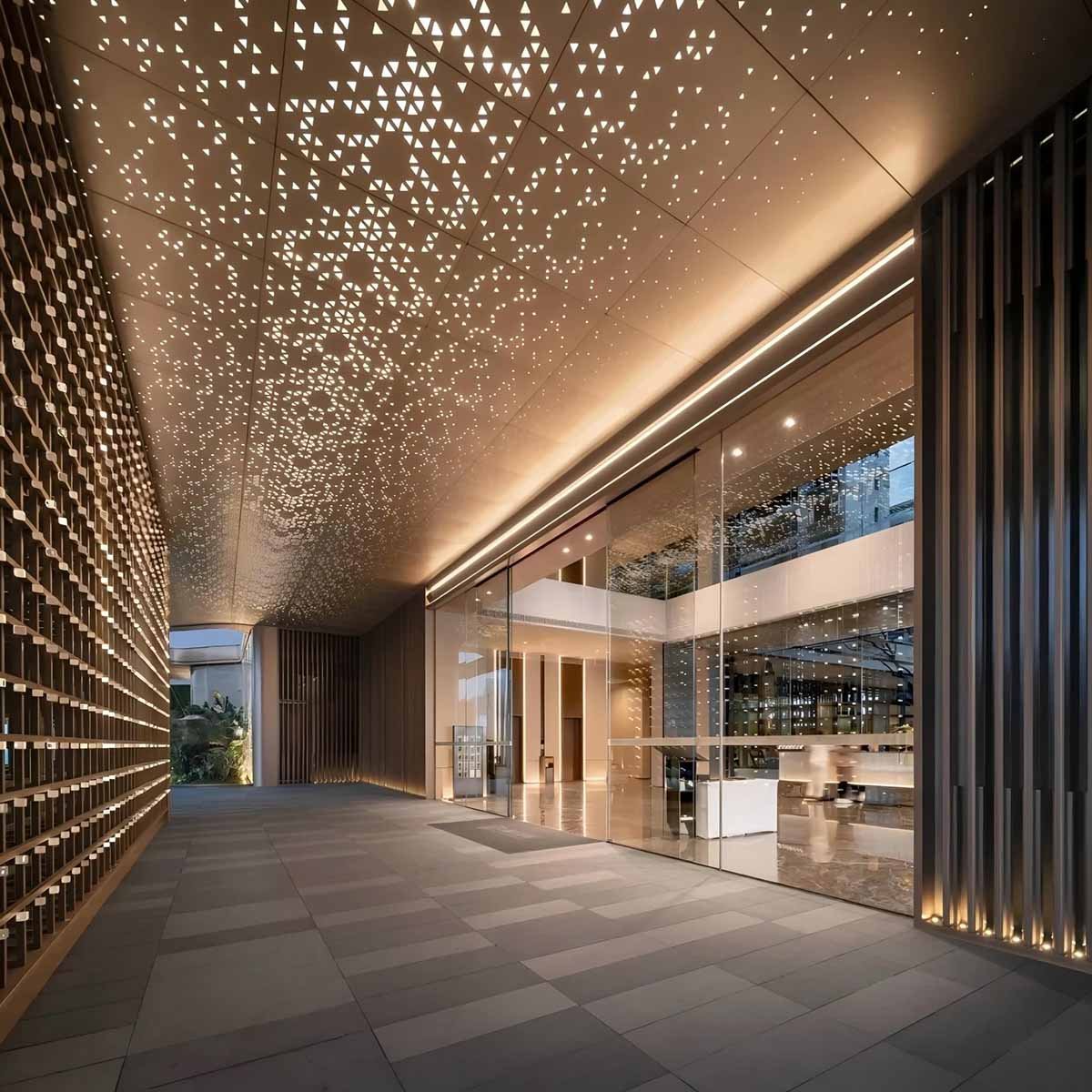
Stainless steel is a finish used in architectural elements like facades, railings, and decorative panels therefore of its strength, sleek appearance, and corrosion-resistant capabilities.

Kitchen and Food Equipment

Stainless steel is utilized in kitchens, hospitals, and food processing owing to its resistance to oxidation/rust and sanitary aspect on top of that very handy in clean surroundings.

Medical and Pharmaceutical Equipment

Stainless steel possesses excellent corrosion resistance and sterilization convenience and therefore, is suitable for making medical instruments, surgical tools & pharmaceutical products.

Marine and Chemical Industry

Stainless steel has corrosion resistance properties that make it perfect for severe marine conditions and chemical process equipment allowing long-lasting durability.

Carbon Steel Applications

Construction

Carbon steel is frequently employed for structural components such as beams, columns, and rebar due to its high strength; particularly, in low and medium carbon grades.

Automotive Industry

Carbon steel is widely used in car manufacturing for car bodies and frame and engine components in that fact it is super cheap to make and has good vibration-damping properties.

Heavy Machinery and Equipment

High-carbon steel is indeed applied for the expedition of appliances, industrial machinery, and gardening tools, in a position where scopes and probabilty are important.

Pipelines

Carbon steel is generally employed in oil and gas pipelines because of its strength, tenderness, and economic formative compared with the severe environment.

The former belongs to stainless steel which has the gift of corrosion resistance and is clean while the latter is carbon steel which does the job when high strength in low cost is required. Knowing these differences is very important in choosing the right material.

Maintenance Requirements: Which is Easier to Care For?

Stainless steel and carbon steel can be crafted from different materials that degrade more from corrosion and environmental exposure so they need various forms of maintenance. A product that requires less maintenance is easier on time and money.

Stainless Steel Maintenance

Low Maintenance

Stainless steel has superior low-maintenance properties considering it is significantly low in corrosion. As soon as the protective chromium oxide layer is created it only requires a milder wash for the maintenance of its appearance & functionality.

Regular Cleaning

Stainless needs to be routinely cleaned with mild detergents to keep its sparkle as well as sensible to tarnishing, with non-abrasive towels. For application in areas used extensively (e.g. kitchen), a little occasional polishing may be required.

Rust-Free

Stainless steel is resistant to corrosion and rust in typical environments so it is perfect for outdoor as well as high humidity situations. This durability requires no coatings or regular maintenance and will therefore provide extended time of running.

Carbon Steel Maintenance

Higher Maintenance

Carbon steel is more prone to rust and corrosion, therefore, needs to be maintained always. Coatings for protection such as painting galvanizing and oiling are typical for stop degradation, especially in the outdoor or commercial environment.

Frequent Inspections

Carbon steel is prone to rust so you need to inspect now and then check to find and stop rust. If left unchecked, corrosion can debase the material itself and drastically reduce its life, causing the structures to really lose strength and fail structurally.

Rust Removal

When rust develops on carbon steel it has to be cleaned and sanded to remove corrosion. When the coating becomes worn and loses its protective layer, the item needs recoating to again safeguard the strength and appearance of the material.

Stainless steel is more low-maintenance because of its corrosion resistance and low maintenance requirements. Comparatively, carbon steel demands more often maintenance, notably more in corrosive areas, to develop its performance & appearance.

Conclusion

Decisions with stainless steel and carbon steel are determined by project requirements. Think about factors like strength, hardness resistance, cost, and servicing. Know what’s most important and choose the material that is the least compromises for your goals.

A Comprehensive Guide to the Melting Point of 304 vs. 316 Stainless Steel

Different industrial applications benefit from using stainless steel because of its  outstanding corrosion protection and adaptable merits. Engineers and manufacturers need to know differentiation in melting points between stainless steel 304 and 316.

This guide answers the question of 304 vs 316 stainless steel melting points to explain the relevance of selecting material and performance. Perfect choice of material provides product reliability.

What is Stainless Steel?

Stainless steel exists as an iron-carbon-chromium alloy that delivers remarkable strength alongside extended durability alongside exceptional resistance to rusting as well as stains. Here are some key points:

Composition

When mixed with chromium at minimum 10.5% levels, steel becomes stainless steel because chromium forms an oxide layer that provides strong corrosion resistance.

Alloying Elements

Stainless steel alloys require additional elements including nickel, molybdenum and manganese to achieve stronger properties and better resistance to heat and corrosion as well as forming characteristics.

Corrosion Resistance

The oxygen-reactive nature of chromium in stainless steel produces protective passive oxide layers, which will defend material against rusting under adverse conditions.

Versatility

The food processing and aerospace industries alongside many others use stainless steel with unique grades 304 and 316 because of its dual attributes of versatility and durability.

Strength and Durability

The material’s high tensile strength and resistance to wear allow it to function effectively in structural and decorative applications. The material functions in multiple settings because of its durable and long-term operational qualities.

A wide range of applications especially those concern about corrosion would like to choose stainless steel because of its exceptional combination of properties.

Understanding the Melting Point

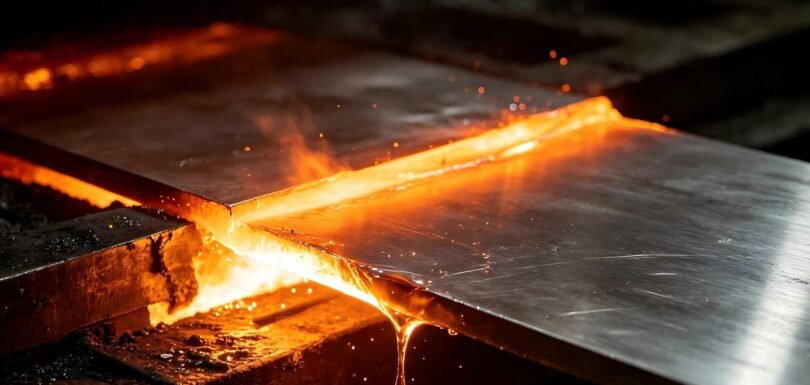
When material crosses from solid state to liquid state the temperature reaches its melting point. Stainless steel among other metals requires complete knowledge of its melting point in diverse engineering and manufacturing operations.

Definition

At the melting point atomic materials gather sufficient thermal energy which enables their change from solid to liquid state. Higher thermal energy consumption results in solid structure breakdown during the melting process.

Importance in Manufacturing

By knowing the melting point, you can do weld, cast and heat treatment effectively. Thinking about it in design guarantees that the materials resist at high temperatures without structural damage by exposure to heat.

Factors Affecting Melting Point

The melting point of materials operates under the influence of material components and external situations while being influenced by added alloying elements. Stainless steel gets its melting point altered by adding materials such as nickel and molybdenum.

Application in Material Selection

If operational safety and long-term performance of equipment want to be assured, designers need to select materials with suitable melting points when designing high-temperature products like chemical reactors and engines.

The knowledge about stainless steel melting points enables engineers to make reliable decisions which strengthens material endurance throughout manufacturing as well as its final use.

What Makes 304 Stainless Steel Unique?

Alternative grades of stainless steel commonly utilize 304 stainless steel because this version has succeeded due to combining superior tensile strength with corrosion protection along with plasticity capabilities. Here are its key characteristics:

Composition

Widespread use of 304 stainless steel depends on its 78% iron base with 18% chromium and 8% nickel content which makes it resistant to oxidation while protecting against rusting.

Corrosion Resistance

Chromium content at high levels enables stainless steel to demonstrate excellent corrosion resistance across different environmental conditions including small chemicals and open-air scenarios.

Strength and Durability

Adamant in strength and durable by nature the 304 steel upholds its structural integrity even during intensive usage periods. Engineering applications need this material because it provides reliable support systems along with extended-lasting performance.

Formability

The material grade demonstrates high fabrication and welding capabilities which enable wide application in food processing industries as well as construction and automotive manufacturing.

Non-Magnetic

One of the advantages of 304 stainless steel is it bears non-magnetic after cold-worked procedures, which proves it is appropriate for applications that need to consider magnetism.

304 stainless steel is prized for its versatility and durability, so that it might be your top selection for business using strong strength, in addition to premium corrosion resistance requirements.

What Makes 316 Stainless Steel Unique?

316 stainless steel is noted for it is very good corrosion resistance, especially in more harsh environments. What distinguished it from other stainless steel grades is:

Composition

Along with iron, chromium and nickel, 316 stainless steel also includes 2-3% molybdenum. This provision increases its resistance to corrosion, especially in chloride salt-bearing environments, such as seawater.

Corrosion Resistance

The inclusion of molybdenum virtually eliminates pitting and crevice corrosion, allowing it to serve applications where very aggressive chemicals or seawater will come into contact with the material, as in the marine, chemical and medical fields.

Strength and Durability

316 steel retains the high strength property up to a relatively high temperature. It is also virtually stress cracking and oxidation resistant, providing long life in harsh conditions.

Formability and Weldability

Like 304, 316 stainless steel is available in a variety of forms. Fabricating, welding and machining is very easy, are versatile for a wide range of industrial applications.

Non-Magnetic

316 Stainless Steel is non-magnetic and holds properties even after cold work or welded. This particular trait involves a higher degree of utilitarian application across multiple applications with no performance shortfall.

316 Stainless steel’s augmented strength of ant corrosion & durability meant it adds up to utilize for existing viewpoint in labor like marine, drug dye, etc, wherever higher grade because performance will cause only of 316.

The Melting Point of 304 Stainless Steel

The melting point of 304 stainless steel is approximately between 2552°F and 2642°F (1400°C to 1450°C), which demonstrates that it is an ideal material under high-temperature circumstances.

Factors Affecting the Melting Point

Chromium and nickel added to 304 stainless steel elevates its melting point giving it the ability to perform at greater temperatures. Each alloy composition decides when it will melt (melting point).

Importance in Manufacturing

The high melting point of 304 stainless steel makes for good welding, heat treatment, and casting. Its fatigue strength is suitable for such applications as kitchen tools, machines, and architecture.

Heat Resistance

The high melting point of 304 stainless steel allows its successful operation across various everyday applications from cooking appliances to pressure vessels although it shows less heat resistance than 316 and other higher alloyed stainless steel grades.

Knowledge of the melting point of 304 stainless steel helps manufacturers manage the material during production and enables its effective use in temperature-variable environments.

The Melting Point of 316 Stainless Steel

The melting range for 316 stainless steel exists between 1375°C and 1400°C at (2507°F to 2552°F). The heat resistance range of 316 stainless steel matches 304 stainless steel slightly below yet it maintains adequate strength for industrial uses.

Impact of Molybdenum

Adding molybdenum to 316 stainless steel enhances its resistance against heat-induced corrosion damage. Molybdenum improves stainless steel’s resistance to marine corrosion and chemical substances despite its lower melting point than 304.

Factors Influencing the Melting Point

Like 304 stainless steel, the melting temperature of 316 in part depends on its chemical composition. Since nickel and chromium help protect it against oxidation and maintain structural integrity in heat.

Applications and Performance

316 stainless steel’s high degree of resistance to melting affords it very good use in chemical reactors, heat exchangers and marine hardware. Its resistance to pitting and stress corrosion allows it to be used where the job demands.

Compared to 304, the melting point of 316 stainless steel is a little bit low, but its superior corrosion resistance at high temperatures makes it priceless in more aggressive and high-stress applications.

Comparing the Melting Points of 304 vs. 316 Stainless Steel

304 stainless steel along with 316 stainless steel features high melting points yet they show different properties when exposed to specific conditions.

Melting Point Range

Well places within the 304 stainless steel melting range span from 1400°C to 1450°C yet 316 stainless steel spans from 1375°C to 1400°C. The melting capability difference between both steels is minimal since 316 slightly underperforms compared to 304.

Why the Difference?

Stainless steel 316 differs from 304 through the addition of 2-3% molybdenum which improves its resistance against corrosive environments with chlorides. Molybdenum introduction makes the melting point of 316 different from 304 since it does not contain molybdenum.

Practical Implications

In most engineering applications the slight temperature differences between 304 and 316 stainless steel are insignificant to affect performance. High temperature corrosion resistance of 316 stainless steel makes this metal optimal for both marine and chemical applications.

Thermal Behavior

The materials have equivalent thermal stability yet 316 demonstrates superior performance toward corrosion at elevated temperatures due to its molybdenum content although it melts at slightly reduced temperatures.

The close matching melting points between 304 and 316 stainless steel exist but the higher corrosion resistance of 316 results from its molybdenum content therefore making it more suitable for harsh operational scenarios.

How Melting Point Affects Manufacturing and Design

Manufacturing and design applications heavily depend on the melting point of stainless steel to establish its practicality. The performance and fabrication process get affected in the following ways:

Heat Treatment and Welding

Knowing the melting points is very important in the heat treatment and welding processes. Measuring 304 and 316 stainless steel melting point is to use the heat application properly, the material of the damage in the processing of things.

Casting and Mold Design

A mold’s filling process relies on the material’s melting point during casting operations. A lower melting point characteristic of 316 stainless steel produces simpler casting flow however proper cooling control and defect prevention require careful attention.

Thermal Expansion

Stainless steel materials demonstrate a temperature-dependent expansion rate that depends on its liquid transformation point. Designing particular components like pressure vessels and pipes should consider thermal expansion.

Stress Resistance at High Temperatures

Material resistance to stress at high temperatures directly corresponds to its melting point. Components intended for high-temperature environments must use materials that can sustain their structural integrity throughout thermal stress because of their suitable melting points.

Material Selection

Engineers perform materials which are resistant under operational temperature conditions. Knowing the melting points of 304 and 316 enables designers to pick appropriate materials when building exhaust systems as well as industrial equipment and marine infrastructure.

Knowledge of the melting point serves as a critical determinant for stainless steel behavior during manufacturing processes because it affects performance in finished applications.

Impact of Melting Point on Corrosion Resistance

The corrosion resistance of stainless steel depends on its melting point but their connection remains indirect. The following discussion reveals the connection between stainless steel melting point and corrosion resistance:

Corrosion Resistance at Elevated Temperatures

The corrosion resistance is the first consideration of material performance, the melting point is the secondary. Alloys with higher melting points employ particular resistance against oxidation and corrosion under hard, high-temperature situations.

Role of Alloying Elements

Molybdenum in 316 stainless steel increases resistance to pitting and crevice corrosion in seawater or the presence of chloride-rich corrosives like chemicals. Though 304 does all right, 316’s added form of alloy is good for tough, harsh high heat conditions.

Heat-Induced Corrosion

Stainless steel is more prone to corrosion near to its melting point especially when exposed to inorganic substances. 316 stainless steel has been formulated to resist high readings and strong chemicals in harsh applications.

Long-Term Durability

High-temperature degradation of materials lowers corrosion resistance. Stainless steels that have higher melting points like 316 which is more molybdenum, offer increased resistance against demanding applications with high temperatures.

In short, melting point is what helps stainless steel maintain its protective qualities with heat in it, but it does not have a direct correlation with evaluating corrosion resistance. Alloy composition and temperature stability are key to performing under extreme conditions.

Practical Applications Based on Melting Point

The melting point of stainless steel is a significant parameter that helps in deciding for a number of real-time applications. This affects material choice in various industries in the following ways:

High-Temperature Industrial Equipment

In industries such as chemical processing and power generation, melting point helps materials to survive thermal stress. 304 and 316 stainless steels are employed in heat exchangers and reactor vessels because of their excellent heat resistance.

Marine and Offshore Applications

316 stainless steel is best for marine hardware because of its lower melting temperature, as it has the property of resistance to both saltwater corrosion and temperature. It is broadly used in shipbuilding, platform offshore, and water treatment projects.

Food Processing and Pharmaceutical Industries

The food and pharmaceutical industries adopt both 304 and 316 stainless steel for their pipelines and holding tanks. Yet 316 stainless steel remains the better solution for demanding environments which require higher temperature operation and harsh chemicals.

Aerospace and Automotive Industries

High-melting stainless steels including 304 are selected for exhaust applications due to their structural requirements while 316 is chosen for demanding applications because of its molybdenum addition.

Architectural and Decorative Uses

Stainless steel functions perfectly in architecture and construction due to its superior resistance to corrosion and great strength features. The functional range of stainless steel for structural supports and cladding needs to be understood although melting point requirements are minimal.

Welding and Fabrication

Matters of welding and fabrication depend on the melting point temperature. The fabrication process needs proper heat settings for maintaining strength and resistance based on knowing the melting points of 304 and 316 stainless steels.

Selecting the appropriate stainless steel for use in industrial, structural and environmental applications involves knowledge of the melting point of the steel. This knowledge saves you durability and reliability in high temperature and medical and marine applications.

Conclusion and Final Thoughts

Material selection depends on the unique properties of 304 and 316 stainless steel although their melting points are close. Knowledge of these material distinctions leads to optimal performance as well as correct selection for high-temperature situations.

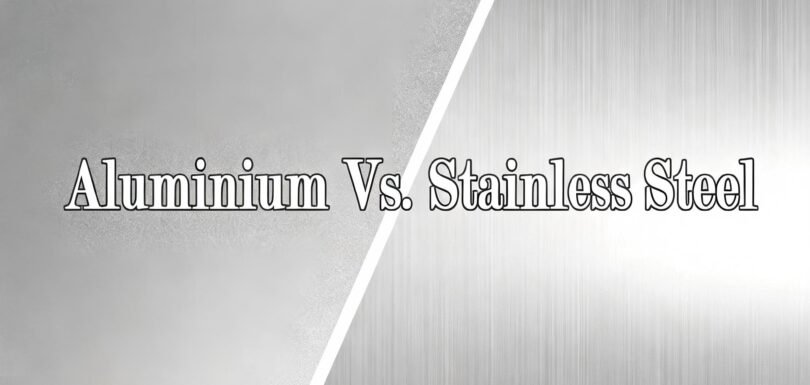
Aluminium Vs. Stainless Steel: Key Differences Between Them for Architectural Projects

Engineering construction performance and spending levels depend heavily on which metal type designers choose. Defining construction needs through special characteristics aluminium and stainless steel stand as fundamental building materials for builders.

The blog details how aluminium and stainless steel differ to help architects and designers select materials wisely. Strength characteristics along with corrosion protection and cost requirements as well as environmental stability form the basis for selecting materials.

Composition and Properties

The specific chemical makeup of aluminium and stainless steel affects their use in building design. The basic characteristics of each material especially strength weight and resistance to corrosion decide which one will work best under specific conditions.

Aesthetic Preferences

Aluminium

Stainless Steel

Properties

Aluminium

Stainless Steel

The architectural suitability of aluminium and stainless steel depends on their composition. The metal aluminium brings flexible lightweight materials but stainless steel provides stronger long-lasting performance, especially under harsh conditions.

Strength and Durability

Building construction requires strong and lasting metal materials for use. When placed under heavy loads stainless steel outperforms but aluminium brings dependable support to building components that do not require permanent weight support.

Strength

Aluminium

Stainless Steel

Durability

Aluminium

The steel withstands rust better but needs protection from salt or acidity to stay strong.

Stainless Steel

The material shows strong resistance both to corrosion damage and impacts which makes it last longer.

Maintenance

Stainless steel demands less preventive care compared to aluminium when facing extreme loads.

When construction needs strong and durable results stainless steel stands out as the best selection for supporting elements. Aluminium stands strong when used for light decorations and non-structural parts but weakens in demanding structural situations.

Corrosion Resistance

The ability to fight against corrosion determines which metals architects should pick for building work. They have natural corrosion protection though their resistance depends on the environment they face and any contact with moisture or chemicals.

Corrosion Resistance

Aluminium

Stainless Steel

Comparative Performance in Different Environments

Outdoor Exposure

Aluminium works well in most conditions yet stainless steel proves better resistance against coastal and polluted environments.

Industrial Applications

Stainless steel can tolerate powerful chemical environments better than aluminium does.

Maintenance Needs

The metal needs additional protective layers under harsh conditions but stainless steel stays durable with basic care.

The resistance of stainless steel and aluminium remains strong but stainless steel performs better in challenging environments over time. Aluminium works fine in regular conditions yet demands further protection when deployed in extreme conditions.

Weight and Workability

How a material feels to handle affects its installation difficulty and production expenses including fabrication. Aluminium and stainless steel materials display major variations in weight and workability which affect their employment in architectural jobs.

Weight

Aluminium

Stainless Steel

Workability

Aluminium

Stainless Steel

You can use aluminium easily because it is a lightweight yet workable material. Based on project requirements and fabrication skills stainless steel performs better in demanding situations than aluminium since it offers more weight and durability.

Aesthetic Appeal and Finishes

Architects value aesthetic beauty in their designs so they turn to aluminium and stainless steel materials because both options deliver beautiful results. These materials help projects to look better by giving designers options for contemporary and traditional ideas.

Aesthetics

Aluminium

Stainless Steel

Design Versatility

Aluminium

It proves best for artistic and decorative purposes and works well on building facades and wall surface pieces.

Stainless Steel

The metal proves successful for expensive design tasks within buildings because it stays fashionable through time.

Surface Durability

Aluminium

The surface of these aluminium parts receives damage from scratches easily because their anodized or painted coatings.

Stainless Steel

When put in busy areas this material protects itself better from daily wear and tear compared to alternative metals.

Aluminium gives designers more color and texture choices for recent styles but stainless steel remains classy over time. The decision between these metals depends on your design preferences and how well you want to care for the material later on.

Cost and Maintenance

Choosing construction materials depends mainly on total expenditure and upkeep costs for buildings. To predict project budget and life span properly you need to know aluminium and stainless steel varies in initial prices and ongoing maintenance costs.

Cost

Aluminium

Stainless Steel

Maintenance

Aluminium

Stainless Steel

Aluminium gives lower upfront costs yet demands higher maintenance specifically in challenging settings. Though more expensive stainless steel costs less to maintain and lasts much longer than other materials making it a wiser choice for the future.

Common Architectural Applications

Construction teams select aluminium and stainless steel materials because each metal has useful properties for building work. Discovering what materials aluminium and stainless steel do best helps us decide where they should be used in building designs.

Aluminium

Facades & Cladding

Its lightweight structure and many purposes make aluminium perfect for building contemporary smooth outer surfaces.

Windows & Doors

Aluminium frames stay stable through weather extremes yet remain thin enough to bring in plenty of sunlight.

Roofing & Gutters

Builders use aluminium for roof materials and gutters because it stays strong against corrosion outside of coastal environments.

Interior Panels

Builders use aluminium to make partitions and ceilings plus decorative wall panels thanks to its contemporary appearance.

Signage & Branding

Aluminium turns into different shapes and colors easily which makes it perfect for producing personal signs and brand displays.

Stainless Steel

Structural Elements

Stainless steel works best for building beams, columns and support structures because of its powerful strength and resilient nature.

Railings & Balustrades

Stainless steel proves popular for high-quality staircase rails and balcony safety barriers because of its stylish and polished appearance.

Exterior Cladding

Stainless steel works best for exterior building elements in coastal zones because it shields against corrosion better than other materials.

Elevator Interiors & Fixtures

Because of its impressive strength and elegant appearance stainless steel serves well in high-end elevator designs and equipment.

Staircases & Handrails

Stainless steel gets selected for stair and handrail use because it boasts high durability and elegance while enduring lots of steps.

Aluminium works well in lightweight materials without supporting role but gets used for facades, roofs, and building interiors. Stainless steel performs best in structural projects and demanding durability situations such as railings and building cladding.

Sustainability and Environmental Impact

Both aluminium and stainless steel have environmental advantages in architecture today. Obtaining information about how these materials recycle uses energy plus their effects over time helps you pick materials that reduce environmental impact in your work.

Sustainability

Aluminium

Recyclability

Aluminium holds special status as one of the most sustainable metals because it can be recycled fully without any loss in quality.

Energy Consumption

Recycling practices today help make aluminium production more energy-efficient even though primary production uses much power.

Low Carbon Footprint

Manufacturing aluminium from recycled materials reduces environmental damage more effectively than producing it from raw materials.

Lightweight Efficiency

The light weight of aluminium helps decrease transportation emissions and makes individual building projects require less materials.

Stainless Steel

Recyclability

Manufacturers can use stainless steel indefinitely because the material keeps its high standards throughout multiple recycling processes.

Energy Use

Stainless steel uses much energy during production yet becomes environmentally friendly in the long run since it lasts and resists corrosion.

Durability

The durable nature of stainless steel creates fewer replacement and repair demands which decreases environmental effects through time.

Corrosion Resistance

Stainless steel performs well under extreme conditions so fewer environmental hazards develop from treating or coating metal parts.

Sustainable Manufacturing Practices

Both aluminium and stainless steel materials can easily return to use as they withstand well. Aluminium outperforms steel because it weighs less and creates small environmental impact yet stainless steel remains the best material to use across many years.

Conclusion

The selection between aluminium and stainless steel will depend on the particular requirements of your project. When performance requirements call for lightness and low cost aluminium stands out but stainless steel proves most durable and resistant to corrosion for sustained use.

304 vs. 316 Stainless Steel: Key Differences in Cost, Availability, Performance

Stainless steel is one of the most versatile metallic products that is used across a variety of industries 304 and 316 grades of stainless steel are the most common. All of them have their characteristics which makes them suitable for various applications.

Therefore, it is delicate to differentiate between the 304 and the 316 stainless steel in terms of uses of the materials for various projects. The most important parameters which influence the choice are cost, performance, and corrosion characteristics.

Composition of 304 vs. 316 Stainless Steel

Most stainless steel materials have a composition that determines their efficiency in terms of corrosion resistance. Different grades of stainless steel include 304 and 316 each having its unique composition hence used in different circumstances.

304 Stainless Steel Composition

316 Stainless Steel Composition

The type and proportion of the elements in the stainless steel clarify the corrosion capabilities of the material and efficiency. Depending on the requirements, grades such as 304 and 316 have different compositions, and therefore have different purposes.

Performance Differences: Corrosion Resistance

Corrosion resistance is one of the essential determinants for choosing the right grade of stainless steel for a particular application. Comparing the 304 and 316 stainless steel shows a vast difference in how each of them bears up to corrosion.

304 Stainless Steel Corrosion Resistance

316 Stainless Steel Corrosion Resistance

Concerning corrosion it has been pointed out that grade 316 stainless steel outperforms them all in critical environments. 304 stainless steel offers good performance but may not do so well in a highly corrosive environment such as marine or industrial.

Cost Comparison

The prices are always going to play a role in deciding the choice between 304 or 316 stainless steel. As realized, 316 type of material is mostly more expensive than 304 type mainly because of the compound and additional amenities that it offers.

Cost of 304 Stainless Steel

Cost of 316 Stainless Steel

304 stainless steel is cheaper than 316 stainless steel, however, 316 stainless steel has far better performance plus it can withstand some intense conditions. It all comes down to your objective, the sort of performance you require, and of course, money.

Availability and Market Demand

Stainless steel alloys can be available to impact project timeframes by way of their delivery and create fluctuations in material prices. Knowledge of the market requirement of 304 against 316 as stainless steel will help drive the right decision in particular regard.

Availability of 304 Stainless Steel

Availability of 316 Stainless Steel

304 stainless steel is more widely available and easier to obtain than 316 so where deadlines and or budgets are an issue 304 can be used. On the other hand, 316 stainless steel may take longer time and effort to get as the material is a little bit unique.

Strength and Durability

Stiffness and toughness are also a reason for selecting stainless steel in an environment that demands its use. 304 and 316 stainless steel have a tensile strength of similar standards as the other yet they vary in performance under severe conditions.

304 Stainless Steel Strength

316 Stainless Steel Strength

However, 316 stainless steel has better high strength or high stress, high-temperature requirements than 304. Its high strength-to-weight ratio also adds to the benefits and it is even resistant to corrosion fatigue thus suitable for high-stress use.

Welding and Fabrication

One of the key differential parameters concerning the implications of welding and fabrication is the stainless steel grades. Welding, therefore, can influence the economy in the overall process of manufacture since it determines how easy it is to join metals.

Welding 304 Stainless Steel

Welding 316 Stainless Steel

The one that is more easily weldable is 304 stainless steel and it is preferential for common manufacturing procedures. 316 stainless steel is more difficult to weld than 304 and it just has to be used when more strength and corrosion resistance is needed.

Common Applications

304 and 316 are the grades of stainless steel that are common in industries, however, they are effective in different capacities. That makes them ideal for particular environmental and mechanical requirements due to their qualities and excellence.

Applications of 304 Stainless Steel

Applications of 316 Stainless Steel

Grade 304 stainless steel is widely used and economical in providing a general-purpose material. But 316 stainless steel offers better performance compared to other conditions that are corrosive or extreme making it more suitable for specific uses.

Environmental Considerations

People are becoming conscious of the environment in use and therefore there is a rise of sustainable material selection. Grade 304 and grade 316 stainless steel have some important environmental benefits in terms of recyclability as well as durability.

Recyclability of 304 Stainless Steel

Recyclability of 316 Stainless Steel

304 and 316 stainless steel materials used in this project are friendly to the environment and recyclable. Nonetheless, 304 takes less effort and energy to recycle compared to 316 therefore makes the best choice for projects that have aesthetic sustainability.

Conclusion

In general, the decision to choose 304 or 316 comes down to the basics of corrosion resistance, cost burden, and respective application. In this case, one can compare them and make the right decision for the choice of the particular material suitable for the project implementation.

What Is Stainless Steel? A Comprehensive Guide to Its Composition and Grades

Stainless steel is a mid-range, low-carbon steel that bears corrosion and strength making it popular in many industries. Knowing the composition and the various grades becomes an important feature of making the best use of this material in certain fields.

This guide focuses on general information starting from the composition of stainless steel, the types, as well as the grades. Be it architecture, medical devices, or industries, it is imperative to know which grade of product will render the best performance.

What Is Stainless Steel?

Stainless steel is also an alloy but mostly composed of iron and chromium with a little admixture of nickel and molybdenum. Its defining characteristic of this type is chromium since it develops a layer that prevents it from rusting or becoming contaminated.

Basic Properties of Stainless Steel

Corrosion Resistance

The Chromium embedded in stainless steel creates a thin oxide film that is virtually imperceptible but which can withstand attack even in extreme conditions.

Strength and Durability

Stainless steel is moreover very strong in the sense of tensile strength, and this material can therefore be recommended for use where rigidity is expected.

Non-Magnetic

Nonetheless, certain stainless steel types such as steel 304 are nonmagnetic and therefore can be used in products that need non-magnetic characteristics.

Heat Resistance

Stainless steel can also work well if there is a requirement of endurance in high-temperature prone areas, for example, in the kitchen or general industrial use.

Aesthetic Appeal

The final product of steel is polished which provides the product with a glamorous look, predominantly regarded in architectural and consumer products.

Recyclability

The raw material for stainless steel, steel, is 100 percent recyclable enabling manufacturing industries to pursue environmentally sustainable practices.

The properties of this material give it versatility, strength, and corrosion immunity which make it popular in many industries. Because of these properties of stainless steel, the material stays among the most preferred for a variety of uses across the globe.

The Composition of Stainless Steel

The major component of stainless steel is iron and chromium to which other ingredients are added for enhancement of the metal. This in return results in the formation of strong and corrosion-free material which is very useful in many applications.

Key Components

Iron (Fe)

The main metal of the alloy from which it derives its name is stainless steel as it majorly contains iron as the base metal.

Chromium (Cr)

The part that makes stainless steel resistant to rusting and corroding because it forms a passive layer of oxide film on the surface. Usually constitutes about 10.5% to 30% of the alloy in the amount of hardener.

Nickel (Ni)

It is also used to enhance formability, toughness, and corrosion resistance factor. Nickel also raises the durability of stainless steel when it comes to heat and imparts a non-magnetic characteristic to some of the types of stainless steel.

Molybdenum (Mo)

Offers better protection under many environments including resistance to chloride solutions such as seawater. Often present in the higher grades of steel such as the 316 stainless steel.

Carbon (C)

To enhance the hardness and strength a small amount of carbon is included in the composition. Even so, if there is too much of this material in the steel, it becomes brittle, so it is regulated.

Other Elements

These components such as manganese (Mn), silicon (Si), and titanium (Ti) are added in proportion to enhance characteristics having to do with strength, ability to weld, and heat resistance.

Several elements are added to the composition of stainless steel to increase its strength; these are manganese (Mn), silicon (Si), and titanium (Ti). It also includes elements that improve its weldability as well as tested to withstand high temperatures.

Types of Stainless Steel

Depending on the crystalline structure, the stainless steel can be classified to various groups. I know that each of them has its characteristics and represents versatile material that can be applied in quite a number of industries and businesses.

Austenitic Stainless Steel

Properties

Not magnetizable, highly resistant to corrosion, and can be easily shaped and bent.

Composition

Admixtures that have high chromium and nickel content (for example 18% chromium and 8% nickel).

Common Uses

Tools, utensils, healthcare instruments, food handling equipment, construction design components.

Example Grade

304, 316 stainless steel

Ferritic Stainless Steel

Properties

Magnetic, less corrosion resistance than austenitic steel, and relatively more brittle than the latter type.

Composition

Specifically, it includes iron and chromium, which is usually in a range of 10.5%-30% chromium.

Common Uses

Exhaust systems of automobiles, machines, mechanical types of equipment, household appliances, etc.

Example Grade

430, 446 stainless steel

Martensitic Stainless Steel

Properties

Strong, dense, and attracted to magnets with resistance to stretching. The aforementioned is lighter but also gains more corrosion.

Composition

It is known that it has a higher percentage of carbon concerning other types with moderate chromium content.

Common Uses

Scalpels, lancets, scissors, knives, surgical cutlery and paring utensils, crucibles, and valves.

Example Grade

410, 420 stainless steel

Duplex Stainless Steel

Properties

Austenitic and ferritic stainless steel material combined with high strength and enhanced strength corrosion cracking.

Composition

An alloy that has almost equal content of the austenitic and the ferritic phases with a mixing of chromium, nickel, and molybdenum.

Common Uses

Used as a raw material in chemical processing plants, seawater transportation electricity generation stations, etc.

Example Grade

2205, 2507

Precipitation-Hardening Stainless Steel

Properties

Has high strength combined with relatively average corrosion resistance, and can be heat-treated to increase hardness.

Composition

Most of the time it depends on the grade but some of the typical components include aluminum, copper, and titanium.

Common Uses

Military and aerospace industry, engines have to operate at high temperatures and pressures in high-performance vehicles.

Example Grade

17-4 PH, 15-5 PH

However, it is crucial to know the properties of stainless steel types to make the correct selection. This makes sure that there is high performance, reliability, and efficiency as well as the costs adjusted to relatively suit the industry needs.

Stainless Steel Grades and Their Differences

Stainless steel is a group of metals in which every single type/mode has some qualities that are ideal for specific functions. Recognition of the differences is useful in identifying which type of material is suitable for use in what particular situation.

Grade 304

Composition

18% chromium, 8% nickel

Properties

It has very good properties concerning resistance to corrosion and oxidation. High strength tension and compression, good formability.

Common Uses

Utensils, Cutleries and Cooking appliances, food processing equipment, architectural cladding panels, sinks.

Grade 316

Composition

It's an alloy that is composed of 16% chromium, 10% nickel, and 2% molybdenum.

Properties

Better corrosive resistance ability especially in marine environments and chemical solutions.

Common Uses

Sea water interface, use in intensive care medical equipment, in chemical manufacturing plants.

Grade 430

Composition

17% chromium

Properties

Less susceptible to corrosion than its commercial counterparts but not as strong as the grades that contain nickel.

Common Uses

Car accessories and spare parts, home appliances and kitchenware.

Grade 2205 (Duplex)

Composition

It can be had in 22 percent chromium, 5 percent nickel, and 3 percent molybdenum.

Properties

High strength, also display very good resistance to stress corrosion cracking in chloride environment.

Common Uses

Marine products, oil/gas industry, chemical processing, food processing, mining.

Grade 17-4 PH

Composition

Overall iron content of the base metal is 15% chromium, 4% nickel, and copper.

Properties

Conditioned steel that gains high strength and reasonable corrosion resistance when the steel is precipitated.

Common Uses

Aviation, defense, and marine industries, and precision equipment.

The comprehension of grades of stainless steel allows choosing the proper material for certain use. This also ensures the best corrosion, durability, and performance for several applications including construction, food industry, and medical industry.

How Stainless Steel Grades Are Determined

Through the chemical content, mechanical characteristics and usage requirements, stainless steel can be divided into various grades. These considerations are extremely important in defining which grade is going to be suitable for which application.

Chemical Composition

These so called addition elements which includes chromium, nickel and molybdenum decide the properties of various grades. For instance, the greater the content of chromium, the greater the degrees of protection it provides against corrosion.

Mechanical Properties

Yield strength, tensile strength and hardness are few of the measures which are used to tell the effectiveness of stainless steel in certain situations. For instance, high-carbon steels will afford higher levels of hardness, but lowers toughness levels.

Industry Standards

Formation of standard for stainless steel compositions and grades is done by organizations such as ASTM and AISI. These guidelines help in providing quality product, high performance and ensuring it’s suitability for use in various industries.

Stainless steel has is classified depending on grade, composition, mechanical properties or standard by industry. Knowledge of these factors ensures selection of right grades as per a particular application so that performance can be most suitable.

Choosing the Right Stainless Steel for Your Project

Therefore, selection of stainless steel grades consider fundamental issues such as needs of the application, environmental conditions and cost. This guarantees the best results, reliability, and economy for the particular tasks within your project.

Considerations for Choosing Stainless Steel

Corrosion Resistance

In such areas as underwater or are frequently exposed to chemicals and moisture, use the higher grades such as 316.

Strength Requirements

In applications where higher stresses are exerted, more use is made of martensitic or precipitation hardening grades.

Formability

Austenitic stainless steels such as 304 are easier to work as well as weld, thus good for structures with complex forms.

Application-Based Choices

Construction and Architecture

The commonly applied stainless steel grades include the 304, and 316 grades for building envelope, railings, and other support structures.

Food Industry

Grade 304 material is applied in kitchen utensils, food industry equipment, and storage tanks hence strong point being its resistance to corrosion and easy cleaning.

Marine and Chemical Industries

Austenitic-ferritic steels, for instance, 2205 have a very high resistance to chlorides and are applied in marine applications and chemical industries.

Picking the correct stainless steel grade is by the level of the corrosion resistance, strength, and functions it is to serve. Familiarizing oneself with these issues guarantees getting the best results, longevity, and cost of construction for your project.

Benefits of Stainless Steel

For a long time, many uses have favored using the merits of a particular material known as stainless steel as outlined in the following discussion below. The tensile strength, anti-corrosive property, and look make its service vital and general in many sectors.

Corrosion Resistance

The essential property of stainless steel is due to Chromium which gives it a passivity factor against rust and corrosion. This durability makes it ideal for use in the construction of outdoor structures and anywhere near water such as boat manufacturing.

Durability and Strength

Stainless steel is now well known for possessing equally immense strength and the ability to sustain huge mechanical loads. It is therefore applied in structures and other structural parts and mechanisms, and anything that is to have a long life cycle.

Low Maintenance

This material is relatively easy to maintain and thus does not require much attention to look as shiny and perform as it was from the beginning. They remain clean with very easy maintenance making them amongst the most economical for long-term uses.

Aesthetic Appeal

The neat polish of stainless steel is an attractive appearance that gives a modern structural appearance. That is why it has been liked by many throughout centuries in architecture and construction, interior decoration, and many other consumer goods.

Heat Resistance

The neat polish of stainless steel is an attractive appearance that gives a modern structural appearance. That is why it has been liked by many throughout centuries in architecture & construction, interior decoration, and many other consumer goods.

Recyclability

Since stainless steel is recyclable in its entirety fabricating it does not pollute the environment by producing waste. It is generally preferred in manufacturing since it can be recycled thus a sustainable product for industries that are sensitive to the environment.

Non-Reactive and Safe

It doesn’t react with other chemicals hence safe to use in handling both food and chemicals. Featuring a reconfigurable design this is well suited to the food industry and the production of medical devices where cleanliness and sterility are paramount.

Versatility

Stainless steel because of its many types and formula can be used in many different fields. Applications of the additive range from construction to automotive, aerospace, medical device manufacturing, and even the consumer goods industries.

The properties of stainless steel are corrosion protection, durability, attractiveness, and last but not least sustainability. It therefore finds widespread application in industries such as construction, food processing industries, and many other sectors.

Common Applications of Stainless Steel

Stainless steel is used in the construction industry among others, the healthcare industry, food industry, and other general industries. Due to its durability and versatility not forgetting it can withstand corrosion, it is ideal for use in different fields.

Architecture and Construction

Stainless steel has applications in architectural projects, bridging structures, and public facilities because they have high tensile strength resists corrosion, and is attractive. They are applied in the exterior decoration, barriers, roofs, and beams.

Food and Beverage Industry

Stainless steel is relevant in food services because it is not a means through which foods get contaminated, it is easy to clean and is durable. They are used for purposes such as the production of sinks, countertops, and storage tanks among others.

Medical Field

Stainless steel as a material is suitable for both medical and surgical appearance since it is m-based and non-corrosive as well as biocompatible. It is also used in Dental applications implants and instruments for Mechanical parts where stiffness is required.

Furniture

Stainless steel has found application in contemporary furniture design and has a rather futuristic appearance. It is also hard-wearing, and relatively easy to clean making the material perfect for the production of chairs, tables, and shelves, among other things.

Automotive and Aerospace

Automobiles, exhaust systems, aircraft, structural members, and many more were employed because of their high strength and low weight percentage. This makes it more suitable for such applications as this compound possesses high thermal stability.

Consumer Goods

This is used mainly in the construction of home appliances, jewelry, and watches because of such characteristics as strength, hardness, and beauty. It is therefore cheaper to maintain hence its popularity in these products, being also resistant to corrosion.

Due to the high and stable types of Stainless steel, it is used vastly in architecture, food industries, medical industries, aerospace, and much more. This makes it highly reliable and lasts long thus delivering the highest performance in various industries.

Conclusion

This is because stainless steel possesses a relatively high quantity of Chromium in it, as well as the fact that it has different classes. Such comprehending prevents random selection and use of materials for certain applications thereby guaranteeing performance, durability, and longevity.

The Art of Laser Etching Stainless Steel: Precision and Possibilities

Operation on stainless steel with the use of laser etching is a technique of using technology that is advanced and artistic at the same time. It lets delicate patterns be engraved on the material and makes it hold its design even on metal types of surfaces.

Laser etching brightens up stainless steel’s applicability, ranging from industrial to aesthetic uses. This process is already changing the role of metal in modern design and manufacturing as it can put into practice very detailed patterns and textures.

What is Laser Etching? A Quick Overview

Laser etching involves the use of lasers to engrave a surface, stainless steel in particular with details cuts or incisions. While engraving brings out heavier designs by cutting most of the material off the object, etching only produces a much finer design.

Definition

Laser etching also is a type of etching whereby a laser beam is used to alter the surface area of the stainless steel to leave specific imprints. This process gives refined designs and does not shave off most of the metal from where the design is being created.

Process

Here, the laser beam softens the surface of the stainless steel so that it either turns to vapor or oxidizes. This process of delineating the pattern forms a permanent and concise fashion of pattern that is rather well-marked and seen on the surface.

Difference from Engraving

As compared to engraving where deeper lines are made on the material, etching makes very thin lines on the subject. This leads to smaller and more elaborate patterns perfect for micromachining that do not erode or smooth the surface substantially.

Precision

It means that laser etching can produce very detailed and thin lines, and therefore reasonably good for detailed or small patterns. This feature allows it to pick as many details as and with as much resolution as can be desired just as in the case of patterns.

Applications

Laser etching is applied for decoration as well as putting logos, patterns, bar codes, serial numbers, and other things. This very flexible approach guarantees the desired accuracy and longevity of the marks on the specific surfaces of stainless steel.

Stainless steel engraving by laser technique provides quite an interesting and highly effective way of creating designs. Their durability and the intensity with which they can be made means that the pigments are perfect for artistic and also practical use.

Precision of Laser Etching: How It Works

Laser etching is famous for the high level of detail it allows, that is details on cylinders can be made crisply precise. This technique of engraving called laser etching doesn’t leave out any details in the design, thus suitable for intricate designs.

Laser Technology

Etching applies the laser beam that is free to control the power, speed, and focal depth to carve designs on its surface with some depth. As such it can be detailed and delicate on stainless steel and can easily create the desired complex patterns.

Precision Control

Because the laser controls the energy applied to the material with great accuracy, you can draw thin, clean lines and detailed or delicate patterns. This capability is useful in offering accuracy on designs even though they may be as small as a dot.

Material Interaction

The heat produced by the laser results to some extent in vaporizing or at best, oxidizing the face of the stainless steel in a controlled manner. This process makes the designs to be clear and with good resolution and does not wear out with time.

High Detail

Laser etching brings copies of logos, text, or even patterns with high degrees of realism. This technique helps in focusing and a sharp detailed image is given on the object from the smallest point of view without any falsification in the design work.

Consistency

All the designs can be produced with a high degree of accuracy to have a standard look throughout the units. This makes laser etching most useful where there is a need to create a large number of similar items with accuracy and efficiency.

It does not matter whether you are etching small patterns on a surface or large patterns laser etching does the job perfectly. Such a level of control ensures that stainless steel can always be worked on with precision, and tight definition every time.

Materials Used in Laser Etching: Why Stainless Steel?

Stainless steel is the most suitable material for laser etching for its hardness, as well as resistance to corrosion as well as surface finish. They enable the creation of long-lasting highly attractive designs creating demand in both utility and aesthetic contexts.

Durability

Due to high levels of corrosion and wear, stainless steel is suitable for designs where the product will be subjected to high corrosion resistance. It retains sound integrity regardless of the weather or environment it is used in, indoor or outdoor to be precise.

Smooth Surface

The surface of stainless steel is flat and can be easily marked with suitable laser etching which gives a good detailing of patterns. This eliminates designs that become distorted on the final material and so the material creates high-quality etchings.

Heat Resistance

When exposed to heat produced by etching process, the stainless steel does not deform or affect its properties used in structure. This means that the designs are original, clear, and unaltered when the etching is being done on the material in question.

Aesthetic Appeal

The long-lasting nature of stainless steel also provides its laser etching with an official, polished, and professional look than the regular one. Its non-directional surface improves features making the material elegant especially when used in projects.

Versatility

Stainless steel as we mentioned is a material used in various sectors such as construction and engineering as well as the objects available in our day-to-day lives. Because of its high quality characteristics, it is suitable for several laser etching tasks.

Laser etching is best done on stainless steel material because of its high strength, resistance, and esthetic qualities. Its flexibility guarantees that works that are laser engraved hard carry a strong aesthetic value fitting them for use in many projects.

Creative Possibilities: Exploring Design Options

On the stainless steel, laser etching can allow one to be very creative and this can be done in some ways. When it comes to intricate designs/ logos or textures, you have the option of choice, this can help artists/ manufacturers who are designing it.

Intricate Patterns

It can also be used to achieve great details on designs with stainless steel; mandalas, geometric shapes, and illustrations of choice. It is precise and thus appropriate for intricate patterns, and it is equally as clear as the stitch and yarn permit.

Text and Branding

It becomes clear that the choice of laser etching is most appropriate for branding as logos, company names, and slogans can be prepared with high accuracy. It is extensively practiced when it comes to the development of quality promotion items.

Textures and Finishes

It forms many kinds of textural within a precise surface, from a matt surface to a rather coarse engraved one. This versatility helps the designers realize textural end looks that can vary from the more natural in appearance, to industrial and metallic.

3D Effects

The most sophisticated engraving technology allows for producing depth and therefore resulting in an elaborate shading on the metal material. They enable a precarious or stratified ornament which gives depth to the work and makes the surface richer.

Personalization

Laser etching is excellent for customizing as well as engraving a special message, name or design onto the aluminum. This one is mostly applied to such products as pieces of jewelry, kitchen utensils, or gift items that bear specific names of people.

The openness of laser etching on stainless steel is a blessing to related designers since they can produce various creations. From patterns of thickness to a written or recorded voice message, everything is possible in the customization of a design.

Applications of Laser Etching Stainless Steel in Industry

Though laser etching is not constrained to aesthetic applications, it provides precise and special services in many industries. Effective in various sectors including manufacturing and construction purposes, it also has functional as well as stylistic uses.

Industrial Applications

Laser etching is used for the various product identification numbers and bar codes, serial numbers, and QR numbers. This has the advantage of making traceability easier and also when attending to some of the inventories of the products.

Consumer Goods

Laser etching can decorate fitted products such as jewelry, watches, kitchen utensils and tools, and many other products with engravings of logos, names, and designs. This process provides accuracy and sturdiness in giving personalized designs.

Architectural Design

The etched stainless steel panel is popular in contemporary architectural applications such as facade cladding, signage, and sculpture. These contribute in a balanced manner both to functionality and beauty giving the best form and performance.

Automotive Industry

The car manufacturers employ laser etching in car part marking as well as making brand imprints on vehicles. This technique also enables the use of aesthetic designs which may in most cases be incorporated in the interior and exterior of vehicles.

Medical Devices

In the medical field laser engraving holds signs on all surgical instruments and buildings for identification. The high level of accuracy implies that small and complex messages can be labeled thus enhancing the tracking of medical devices.

Laser etching can be done on almost any material and for practically anything including consumer products, industrial products, architectural designs, etc. That’s why it is crucial in various fields with or without alteration of precision or specifics.

Advantages of Laser Etching on Stainless Steel

Laser etching on stainless steel has many benefits that include the following on the other hand, some drawbacks include. In this manner, the one applying such a technique will avoid such problems and rather achieve high quality and success.

Precision

Laser eatching makes designs shallow and defined which is suitable for small texts, complex patterns, or logos. This increases confidence as the designs produced are a replica of previous designs with a high degree of precision between the projects.

Durability

The etched designs are very sharp and broader in design and do not wear out or fade away over a short time. They are fade-resistant so the markings made using these tools are always sharp and easy to read even under difficult and harsh conditions.

Minimal Material Removal

It takes off a small amount of material therefore the characteristics of the stainless steel are not compromised in any way. It ends in producing high-quality designs with clear lines and highly detailed edges with no stretching of the base material.

Efficiency

It entails faster production time, and repetitive running and therefore cheaper for large production and multiple runs. They importantly cut down the time and expenses of manufacturing and give more effectiveness to mass production processes.

Eco-Friendly

This method is the best when it comes to etching practices because this is a laser etching and it does not use anything. These combine to make it quite a better, more efficient way of generating designs on a metal surface as compared to others.

Laser etching on stainless steel has the advantages of precision, hardness, and high efficiency and is widely used in functionality and ornamentation. It tends to offer lasting outcomes and is environmentally friendly thus making a perfect pick.

Challenges in Laser Etching Stainless Steel

Laser etching on stainless steel has many advantages, but concrete disadvantages regard the process as well. As to potential challenges, it is necessary to know about them and ways of solving them to achieve the best result in the work.

Surface Preparation

Stainless steel surfaces have to be first cleaned before etching and must be done to achieve a smooth surface finish. Such substances negate the already enhanced vision of detail and clarity that is obtained during the process of graphic designing.

Heat Management

However, when heating it to a high level to enable etching of the stainless steel it becomes more flexible or alters its color to an undesirable one. To prevent this, certain absolute control over the laser settings is required to get desirable holograms.

Material Thickness

It is attributed to the thickness that it acquires because of this it calls for a lot of power and a slow rate of processing. The effects of these factors can best be managed to allow the best results to be achieved and to avoid distortion as etching happens.

Cost of Equipment

Essential and high-quality laser etching machines may involve significant costs particularly in the initial stages hence may be a challenge for many a business entities or individuals. This cost may be expensive, especially for small-scale enterprises.

Learning Curve

This means that it requires technical skill to practice Laser etching as well as experience in the various settings and techniques. Acquiring this knowledge may take a little bit of time but this is the right way to achieve good and accurate work.

Laser etching surface provides many advantages and at the same time, there are disadvantages, which include surface preparation and heat. This way, the one using the technique can avoid these issues and end up with high quality and success.

Future of Laser Etching Stainless Steel: Trends and Innovations

The future of laser etching on stainless steel is promising in light of the premier technological progress and evolution. New approaches and ideas are enlarging its uses, also improving productivity, and staking out new territories in imagination.

Advancements in Technology

Modern fibers and ultra-fast lasers improve at the same time the accuracy and the rate of cutting and engraving. These make it possible to design and construct more elaborate designs bearing in mind that the time taken to produce them will be minimal.

Personalization Demand

Thus, laser etching as a technique will increasingly dictate consumer product customization in the manufacturing of personalized products. This process will help individual customer’s or any business that is in need of different and unique designs.

Sustainability Trends

Laser etching becomes of more interest to manufactures as the emphasis on greener ways of production rises. It has a low rate of material wastage and contains no toxic substance therefore making it suitable to be used in today’s production lines.

Integration with Automation

Laser etching is also experiencing the effects of automation and robotics to improve rates. This advancement enables the creation of many designs for a given client with little or nil input from the human workforce hence increasing production.

Expanding Applications

Laser etching is gradually becoming popular with new industries for artistic and utilitarian goals. It can be used in devices like home automation medical equipment to car and vehicle parts and thus shows how invaluable it is in various industries.

Laser etching of stainless steel will inevitably follow the trends of technological developments and the trend of individualization. New trends come up now and then and this technique will open up this gateway, thus developing new and more uses.

Conclusion

Using laser etching on stainless steel is not only creative and industrial but also unrestricted, sharp, and durable, not to mention versatile. Thus, this technique will remain relevant in extending the way that technology refines the usage and aesthetic value of metal in the future.


How Vibration Finish Stainless Steel Adds a Unique Texture to Your Projects

Vibration finish stainless steel is a material redefined with texture and durability, where a vivid look of stainless steel is used for different designs. It glimmers little, and most especially does not reflect, a factor that makes it ideal for today’s trends.

Such a finish results in a subtle dimension of touch, which adds value to architecture and interior design. Applicable to furniture, facade, and decoration, vibration finish complements stainless steel for its further strength and ease of maintenance.

What is Vibration Finish Stainless Steel?

Vibration finish stainless steel is a surface finish where the surface of the material is vibrated with abrasive materials endowing a patterned surface. It produces an even surface finish which usually displays the smallest amount of sheen and imbues the metal with some measure of depth.

The finishers can vary the density and coarseness of the pattern from very fine and delicate to very marked and coarse depending on the particular application. Vibration finishing preserves the originality of stainless steel thus making it a material of choice in functional and aesthetic applications in architectural and design fields.

The Aesthetic Appeal of Vibration Finish Stainless Steel

Vibration finish stainless steel gives more elegance and quality appearance to any section. It has a matte finish and gives depth and dimension to space and form giving it a soft glow that complements modern and industrial designs without overpowering them.

Elegant Texture

This surface also does not allow direct light passing through them instead they scatter the light and thus emit a soft light. It injects an element of real depth, and the ability to move, which simply makes the material significantly more aesthetic.

Versatile Design

Vibration finish stainless steel is versatile enough to be used in ultra-modern home designs as well as industrial or country house designs. It can be used for various architectural projects as well as for interior design because of its great flexibility.

Non-Reflective Finish

The texture of vibration finish stainless steel has a dull finish, therefore cutting out glare and achieving a more sophisticated touch. This finish feels slightly less shiny and reflective compared with most other high-gloss stainless steel surfaces.

Customization Options

Vibration finish stainless steel has variations in the texture it gives and these can be adjusted to the design preference that is needed. This flexibility affords it an almost versatile functionality with regard to the architectural and interior design sectors.

Vibration finish surface makes any construction project beautiful and unique. Thanks to its relatively small scale it can be used as an addition to almost any other style and due to its elegant discretion – it is perfect for luxury architecture and design.

How Vibration Finish Enhances Modern Architecture

Vibration finish stainless steel is an excellent type to shed class to modern architecture with its machinable, textured surface. Adding elegance to architectural envelopes and fine details of exterior and interior as well as keeping it simple yet elegant.

Sleek & Contemporary Look

Its purpose is to further emphasize the minimalism of contemporary architectural style by providing the surface with texture. It plays a part in making the design classy yet it’s not overly complex and it does not hinder the simplicity of the design.

Durability in Outdoor Environments

Vibration finish stainless steel is therefore very friendly to weather thereby making it very suitable for outdoor use. It compliments the buildings’ aesthetics and at the same time, gives a durable return that acts as a solution for building facades.

Hides Imperfections

Due to the texture layered over it, one cannot easily notice small irregularities on the surface which makes the material look smooth. This makes it perfect for areas that will experience heavy use, and therefore are likely to wear out quickly.

Reflective Subtlety

The vibration finish surface is not as reflective as polished surfaces and provides a more subdued look making it more durable than polished surfaces. It is a quality that beautifies architectural designs since it has a cohesive aesthetic appeal to nature.

The application of vibration finish stainless steel in architectural designs adds beauty to any building in the contemporary world as well as making the material very durable hence why many modern buildings are made from stainless steel material.

How Vibration Finish Stainless Steel Adds a Unique Texture to Your Projects | TBK Metal

Vibration Finish Stainless Steel in Interior Design

Stainless steel with vibration texture gives interiors the elegant modernity of the material as well as a subtle luster that is perfect for spaces and objects. It rises the updated and industrial looks, without adding too much formal depth and sophistication:

Kitchen and Bathroom Surfaces

Vibration stainless steel is suitable for countertops, backsplashes, cabins, and other entertainment purposes because it provides a smooth luxurious surface. Its jewelry and durability It is easy to maintain in kitchens as well as in bathrooms.

Furniture Design

Such surface texture creates an interesting, exclusive finish on dining tables, chairs, and cabinets among other custom furniture. This finish strengthens the functionality and aesthetics of every product, making them beautiful and refined pieces for any home.

Wall Cladding and Room Dividers

Vibration finish stainless steel looks very modern and elegant and is especially suitable for wall panels or room dividers. It forms an extraordinary feature and improves various zones, both collaboration and segregated ones, in terms of aesthetics.

Vibration stainless steel contributes to Interior design through style, touch sensation, and practicality. It provides the ultimate decoration and functionality, which makes it perfect for making modern, long-lasting, and visually appealing premium interiors.

Durability and Maintenance Benefits

The vibration finish is very aesthetic and highly resistant to wear and tear which makes it a valuable one for both residential and commercial applications. It is hard, so it can hide scratches and fingerprints and will still look appealing for rather a long time.

Scratch Resistance

The glossy finish on top of the vibration finish stainless steel has some sort of toughness to hide minor scratches arising from traffic density. These include areas prone to high traffic or which are constantly coming into contact with other things or people.

Low Maintenance

Easier in terms of maintenance, being the vibration finish stainless steel can stay for a longer time without the need for cleaning and polishing. For the most part, it does not attract dirt or grime and a basic wiping is enough to bring out its appearance again.

Corrosion Resistance

The vibration finish also improves the ability of stainless steel to resist rust and corrosion making it a durable product. Thus it is suitable for indoor and outdoor use since it will easily adapt to different settings and deliver optimum performance.

Heat and Stain Resistance

It is heat, stain, and abradant resistant and is perfect for conditions of the kitchen or bathroom. That is why it is perfect for use on areas such as countertops and backsplashes where the material has to be hard-wearing and relatively easy to clean.

Impact Resistance

The rough exterior also gives additional shielding from dents and the sort, hence maintaining the material’s condition. This makes him particularly suitable for common areas and business spaces that get many people using them thus wearing them out easily.

Consistent Appearance Over Time

So unlike the other types of finishes that tend to wear off or fade off in certain places, the vibration finish stainless steel remains shiny and clean. It is easy to maintain and the outer surface remains clear for many years hence suitable for outdoor use.

Hides Water Spots and Smudges

The surface pattern of vibration finish stainless steel makes it quite easy for the surface to mask out any water stains, fingerprints, or smudges. They also make it very ideal for places that are always congested, or those often have contact with water.

These stainless steel balances with a vibration finish add beauty with functionality to architectural designs. As a long-life solution, it offers great resistance and very low maintenance which makes it a less costly option while still being aesthetical.

How Vibration Finish Creates a Subtle, Non-Reflective Surface

Vibration finish stainless steel gives a low sheen appearance free from reflection, perfect for giving any space a low-key finish. While its appearance is not as shiny as polished finishes, it spreads the light giving it an elegant look that does not give the glare.

Soft, Diffused Light

This surface can break the light into areas that cover the whole area giving a soft light effect. This prevents the formation of the reflections characteristic of other polished surfaces while at the same time giving the place a warm ambiance that is refined.

Reduced Glare

The non-reflective nature of the vibration finish stainless steel thus eliminates the problem of light reflected from light bulbs or windows. It also makes it easier to continue working in and makes it visually symmetrical and eye-pleasing to the eye.

Enhanced Focus on Design Elements

Vibration finish also cuts down reflections and other treatments like furniture, artwork or architectural details come into focus. This provides a harmonized formation of the space and the room without the necessity of metal reflective surfaces.

Subtle Elegance

High-gloss is absent and so does the flashy shine; this kind of finish gives a contemporary look unlike the shiny one. It is great for the interiors that want to express elegance, understatement and a slightly more balanced and harmonious scheme.

The fact that the vibration finish does not have a reflective surface improves its application in design as it has a classy look that can suit any design. Its sheen is low, as such it eliminates glare while enhancing both ambiance and utility in any room.

Vibration Finish Stainless Steel in Commercial Projects

Vibration finish stainless steel is relatively new to the commercial design eye, it is preferred due to its strength, appearance, and ease of maintenance. It is ideal for places with much traffic as it gives a modern elegant touch that can handle huge traffic.

Retail & Hospitality Design

Vibration finish stainless steel is widely applied to countertops, display cases, and wall cladding of supermarkets, restaurants, and hotels. It transforms them to give the place a more modern and classy look which appeals to the upper class market.

Durability in High-Traffic Areas

It also allows us not to be ashamed of fingerprints, scratches, and wear due to frequent use. They are best used where dust cannot be allowed to accumulate forming a slimy layer on them like on the doors of elevators, stairs, and around the restrooms.

Branding & Signage

Vibration finish stainless steel is especially suitable for bespoke pictorial and word signs, logos, and identifications. It goes through the market and produces a professional, aesthetic, and durable quality that is ideal for a positive brand image.

Easy Maintenance

Vibration finishes are easy to maintain and this is why commercial areas are some of the beneficiaries of this type of finish. It has a high stain, corrosion, and damage, thereby requiring fewer touch-ups and hence low long-term maintenance expenses.

It also features vibration finish stainless steel which gives the commercial building both appearance and practical uses. Hence the durability and low maintenance of the material make it attractive to business people as it combines style and function.

Vibration Finish Stainless Steel vs. Other Textured Finishes

The following are various kinds of textured stainless steel finishes commonly used according to the application as follows. The vibration finish is characterized by a fine surface texture, a subdued shimmer, and the capability to hide flaws and stresses.

Vibration Finish vs. Brushed Finish

Vibration Finish

It means that it acts smoother and gives the enriched softer feel with a little bit of sheen. It does not have vigorous lines compared with brushed finishes, it is more sophisticated and thus adds value to the design.

Brushed Finish

Directional, linear brush evident on brushed stainless steel makes the material look more industrial. However, these lines are rather invisible and can reveal fingerprints and smudges way more easily than any other finish.

Vibration Finish vs. Polished Finish

Vibration Finish

This in some way reduces the glare and natural light and the sheen can range from matt to satin. Therefore, this type of roof is ideal for installations where some reflections should be omitted to get a better environment.

Polished Finish

A polished finish on stainless steel has an ultra-smooth glossy appearance usually referred to as the mirror finish. But it is more reflective, becomes foggy with fingerprints, and scratches easily thus requires frequent cleaning to retain its sheen.

Vibration Finish vs. Etched Finish

Vibration Finish

These are mechanically produced and the type of covers is in such a way that they contain mechanically created patterns that can be used in corporate as well as glamorous functions.

Etched Finish

Etching is achieved through the use of chemical reagents on the surface and since it is a thermoplastic material the designs and patterns developed are not as permanent as a vibration finish.

Key Advantages of Vibration Finish

Soft, Elegant Texture

While brushed and etched finishes give a different feel and look to the piece, vibration finish provides a textured but smooth and glamorous finish free from sharp angles.

Low Maintenance

Compared to polished and brushed surface, it is more immune to fingerprints, stains, and scratching to means that less maintenance is required over a period or time.

Versatility

Its low sheen and smooth surface further render it the ability to easily suit most interior designs whether more contemporary and sleek or edgy and utilitarian for commercial use.

Vibration finish stainless steel provides a subtle sleek and smooth appearance with sturdiness and functionality. Because of its fine finish, easy to maintain, and therefore suitable to be used in homes or even offices and other establishments.

Conclusion

Vibration finish stainless steel gives an advanced look to the application and structures the improvements on the stylish grounds. This property also has minimal maintenance, high durability, and smoothness which make it recommendable for present-day, classy use.

Understanding the Properties and Uses of Stainless Steel in Architecture

Stainless steel is a very useful material and it is utilized in the development of many architectures. It is argued that comprehension of the properties and uses of stainless steel shall enhance its utility in terms of form and function in architectural and design domains.

Stainless steel offers essential benefits for architectural purposes ranging from corrosion immunity to diverse possibilities of styling. Because of the capacity to perform such conditions, as well as the elegant appearance, it is applied in most current structures.

What is Stainless Steel?

Stainless steel comes with understandable durability, aesthetic versatility, and sustainable nature making it attractive for architectural application. They remain useful for today’s modern, sustainable designs because of their lifespan, stability, and low maintenance requirements.

Key Components of Stainless Steel

Iron (Fe)

For every type of forging application, there is a primary element that forms the foundation of the forging alloy.

Chromium (Cr)

Required for corrosion protection, generally ranging from 10.5% to 30% of the weight of the coating.

Nickel (Ni)

Useful for increasing strength and for added protection from oxidation, usually stainless 304 and 316.

Molybdenum (Mo)

Added in grades like 316 which improves the ‘corrosion’ factor, particularly in contexts like seawater.

Carbon (C)

Adds strength and hardness but at the same time decreases corrosion resistance in higher concentrations.

Common Stainless Steel Grades for Architecture

304 Stainless Steel

Of these grades, the most widely used grade reveals enhanced formability and improved corrosion resistance pattern for internal and, equally, exterior usage.

316 Stainless Steel

Accurate for making applications where water especially seawater in addition to chemicals might come into contact with as this material is resistant to corrosion.

430 Stainless Steel

Another type found at a lower per unit cost and used in applications where the environment is less corrosive, and most widely used in architectural applications.

Knowledge of the type of stainless steel makes it easier to choose the right grade for construction purposes. Sturdiness, resistance to rusting, and its look make it the most recommended material in the current world fashion in construction and design.

Key Properties of Stainless Steel in Architecture

Stainless steel comes with unique benefits such as durability, better strength, and flexibility mainly aesthetic versatility, to make good architectures. They are unique and can be used artistically and as ornaments in modern architectural designs.

Corrosion Resistance

Corrosion resistance is another property of stainless steel which makes it suitable to be used in conditions that can cause it to rust. It contains chromium that is reactive with oxygen to create an oxide layer; thus suitable for facade cladding and roofing.

Strength and Durability

The strength-to-weight ratio makes stainless steel highly durable and also lightweight. Due to such attributes as resistance to impact, heat, and stress the material is widely used in structural applications such as beams columns, and support frames.

Aesthetic Flexibility

They are used in different architectural designs, from modern to traditional styles since it is easy to design stainless steel. They come in glossy, brushed, or matte finishes that provide aerodynamic styling and make the auto original and timeless.

Sustainability and Eco-Friendliness

It is a green material as it does not become a waste material because it can be recycled in its entirety and has infinite recycling value. It has a long life thereby reducing the frequency of replacements hence fulfilling the green building policies.

Low Maintenance

Stainless steel does not need much maintenance and also does not tarnish often; that is, it does not need to be resealed often. Such durability makes it possible for its use for long-term constructions thus reducing costs of construction in the long run.

Herein are the worthy properties of stainless steel in the applications of architectural substance: corrosion, strengths, versatility of the showing of health. These are the attributes that are more than any other pledges to the fundamentals of modern design.

Uses of Stainless Steel in Architectural Design

Stainless steel is perhaps the most commonly used material in modern architecture for practical as well as aesthetic applications. These properties also include its strength, good looks, and corrosion resistance, making it suitable for many uses:

Building Exteriors

Therefore, fades and cladding have incorporated stainless steel due to its high durability and resistance to corrosion. It holds a lot of esthetic value in ugly climates; hence, it is used in the construction of tall buildings and most public structures.

Structural Applications

The beam and column are made with stainless steel while the support frame is also both strong and light for bearing heavy loads in low-rise and high-rise buildings. It has high corrosion resistance to facilitate the long term reliability of the structure.

Interior Applications

In indoor structures, stainless steel covers staircases, railings, and ornamental surrounds. It radically improves modern design, it works with various finishes, which add versatility to the mirror, and it can be made both minimalistic and industrial.

Roofing and Drainage

Roofing which is drainage system material, the material used is stainless steel because it cannot rust and can withstand different climate conditions. It pots it supplies long-lasting, low-maintenance goods for residential and commercial consumers.

Decorative Elements

This is mostly because stainless steel has a nice finish and many products are made from it including custom art and perforated screens. This makes it fashionable, especially for classy and artistic projects backdrops or even a nice pair of trousers.

Sustainability in Architecture

Stainless steel is a recyclable product that can be recycled over and over again since it will not lose its quality when recycled hence suitable for green architectures. It has a part to play in reducing the carbon emissions associated with construction.

Stainless steel not only strengthens every architectural design in functionality and aesthetics, whether internal or external. It is also resistant to corrosion, very durable, and more to the point very flexible in terms of its current architectural looks.

Textured and Patterned Options for Stainless Steel

Brushed and coated weaves technological metal with terrific appeal and has several other qualities that give much to designs. Closure endows not only aesthetics but also increased functionality of objects and is suitable for various concepts of architecture.

Embossed Metal Sheets for Decorative Projects | TBK Metal

Embossed Stainless Steel

The stainless steel which is raised in either relief or depressed is especially suitable for the walls, elevators, or doors along with other decorative works.

Water Ripple Stainless Steel | TBK Metal

Water Ripple Stainless Steel

The water ripple pattern is rather commercial and raw, it can be used in countertops, backsplashes, and as highlights on a rustic or industrial house.

Hammered Stainless Steel

Hammered stainless steel is a difficult steel used commonly for countertops, backsplashes, and accent features in country or industrial-designed homes.

Etched Stainless Steel

Stainless steel with a fine etched finish looks artistic and well cut making it perfect for artistic applications like artwork, signage, and artistic panels.

Perforated Stainless Steel

The perforated pattern can have an appearance and practicality worthy of seeing because it can be used for facades, dividers, and acoustic panels.

Image - Expanded Metal Mesh Sheets for Architectural & Decorative Projects | TBK Metal

Expanded Stainless Steel

Spreading one metal into several others that are interrelated is often called expanded stainless steel for railings and interiors of industrial spaces.

Laser-Cut Stainless Steel

Laser cutting process is also used to cut stainless steel in a refined way for intricate designs; it is ideal for making custom screens and exterior facades.

Corrugated Stainless Steel | TBK Metal

Corrugated Stainless Steel

The corrugated stainless steel forms raised and low areas, making it stronger mostly for the roofing, siding, and other structural styles of industrial buildings.

This is in a bid to usher in the latest patterned and textured stainless steel that is a combination of look and utilitarianism in design. As an exterior or an interior element, these concepts are virtually limitless in terms of appearance and functionality innovation.

Why Choose Stainless Steel for Architectural Projects?

If used in architecture, stainless steel gives strength, durability, good look and has minimal effects on the surrounding environment. Due to its effectiveness in the long run, it is well recommended by designers, architects, and people owning property.

Long-Term Cost-Effectiveness

It costs more money initially but will save more money in the long term because they are non-corrosive and are very easy to maintain. It does not corrode and hence does not require frequent maintenance which is good for large building projects.

Durability and Performance

It is also very strong and impossible to corrode so it can be used best in the regions with strong sea breezes and extra chemically reactive areas. It has enhanced durability and thus requires little maintenance throughout their more prolonged use.

Aesthetic Appeal and Design Flexibility

The material has a smooth and shiny look, which is lined up with contemporary architectural innovations. It is available in different finishes making it suitable for modern, industrial, or traditional themes with the aspect of aesthetics and practicality.

Sustainability and Environmental Benefits

These days sustainability is becoming a vital aspect of architecture and stainless steel provides immense benefits in this factor. There is no doubt that it is 100% recyclable, which makes it very durable thus no need to toss it away after some time.

Resistance to Fire and Heat

Fire safeties are fire and high heat resistant and therefore it is suitable to be used in fire safety products. It doesn’t burn and rather has remarkable strength at high temperatures, thus adequate for usage in fire protector structures and aspects.

Minimal Maintenance Requirements

They are free from constant maintenance as they are relatively immune to rust, dirt as well as staining. This makes it suitable for the region’s heavily trafficked areas because of the minimal frequent necessary maintenance, an inconvenience to occupants.

Those properties include ease of lasting, cost, appearance, and sustainability which are beneficial in functional and ornate architectural projects and construction. They are rugged, withstand tough conditions, and are heat resistant and low maintenance.

Challenges and Considerations

Having reviewed the benefits of stainless steel on architectural projects, there are some considerations to bear in mind. Knowledge of such drawbacks enables the architects and builders to come up with proper solutions and mitigate such problems.

High Initial Cost

Raw material cost and the need for fabrication more than makes up for the additional amount spent on stainless steel. In the long run, it is long-lasting and, thus, requires minimal maintenance and definitely will be cheaper than using other materials.

Consideration

Stainless steel, however, cannot be said to be cheap especially if the project involves small, low-budget projects. For such projects, it can be applied selectively where it is most required, that is visible, or in high-performance areas at less cost.

Fabrication and Welding Complexity

Fabrication of stainless steel involves high precision equipment for producing cutting, bending, and welding of stainless steel. If not well handled, they may distort or have some weld imperfection thus affecting the look and strength respectively.

Consideration

Employment of stainless steel may call for the use of professional fabricators who have adequate knowledge of the product. Adequate planning goes a long way in guaranteeing that the material shall be developed to the right specifications and on time.

Surface Scratching and Dents

Stainless steel is mostly immune to corrosion most of the time but similar to any other material it can be scratched or dented more especially to high-gloss finishes. It can also be stained or discolored if comes into contact with chemicals or heat sources.

Consideration

In projects that mainly concern aesthetics, the choice of the correct finish e.g. matte or brushed eventually minimizes the visibility of the scratches. This also increases durability in areas where it will be touched often by many people such as wash hand basins.

Environmental Impact of Production

The manufacturing of stainless steel requires a lot of energy and results in carbon emissions thus not so friendly to the environment in the first instance. However, it is recyclable and has a very long life cycle which will ease the impacts on the environment.

Consideration

It has a somewhat better environmental record but if manufacturers choose materials with efficiency power or recycled content they will be reduced. Environmental-friendly approaches to production translated into more sustainable architectural works.

Thermal Conductivity

Compared to metals such as copper or even aluminum thermal conductivity is low meaning that a container will hold heat or coolness. This may cause some issues with energy efficiency or provoke temperature changes where the insulation is weak.

Consideration

Stainless steel in thermal critical applications for example in windows or facades can be combined with insulating materials to minimize heat loss or gains. Together, it improves the level of energy efficiency thus reducing the utilization of energy in processes.

Weight and Handling

Strength to weight ratio of stainless steel is good but the material weight is comparatively higher than the other materials. This weight can pose difficulties in handling by transport, installation, and designing of structures due to considerations of safety.

Consideration

They also gave an observation on the design phase, which is important to balance the weight of stainless steel, especially in structural and facade exteriors. Lifting and installation processes should therefore be done professionally to prevent costly impacts.

Stainless steel is a highly durable, aesthetical, and sustainable material to be used but also costly, hard to fabricate, and has surface sensitivity issues. These questions if well managed and with the right techniques, then should not be a big challenge to handle.

Conclusion

Stainless steel comes with understandable durability, aesthetic versatility, and sustainable nature making it attractive for architectural application. They remain useful for today’s modern, sustainable designs because of their lifespan, stability, and low maintenance requirements.

Architectural Stainless Steel: A Blend of Functionality and Beauty

Architectural stainless steel is an important part and element of modern architecture, where the form is as important as function. A smooth surface increases its allure for both indoor and outdoor uses, while outstanding stiffness makes it long-lasting.

Stainless steel stimulates advancing architectural designs with elegance and functionality in the facades, railings, and interiors. This multi-use, eco-friendly material not only looks amazing but delivers incredible performance that choice of any architect.

Aesthetic Appeal of Architectural Stainless Steel

This material is associated with modernity and can be used only with today’s elegance, it does not deteriorate and looks attractive. They complement the elegance of architectural projects having great offers in terms of classical shiny looks and touch.

Variety of Finishes and Textures

There is a wide selection of architectural stainless steel finishes including brushed, polished, matt, and patterned. It is the reason why it makes it possible for architects to negotiate on surfaces with aims at meeting certain visions and project outlines.

Versatile Design Integration

It can support an extension of a home’s theme of the area ranging from modern architecture to more classic designs. Stainless steel goes hand in hand with other materials, for example, glass, wood, and stone enhancing the beauty of the final product.

Play of Light and Reflection

The reflecting capability of the stainless steel makes spaces voluminous and dynamic. In its operation, it can alert and respond to natural and artificial light hence realizing dramatic visual effects that culminate in the beautification of structures.

Stainless steel is very common in today’s architectural designs because it is easy to give it a neat and sleek look. In the ways how it can enhance and interact with light, it poses modern architectural projects with timeless characteristics.

Textured and Patterned Options for Stainless Steel

Brushed and coated weaves technological metal with terrific appeal and offers unique benefits that contribute significantly to designs. These finishing improve not only aesthetic but also functional features and are suitable for different architectural concepts.

Embossed Metal Sheets for Decorative Projects | TBK Metal

Embossed Stainless Steel

The stainless steel which is raised in either relief or depressed is especially suitable for the walls, elevators, or doors along with other decorative works.

Water Ripple Stainless Steel | TBK Metal

Water Ripple Stainless Steel

Water ripple pattern is pretty industrial and rough, perfect for use in countertops, backsplashes, and for accent purposes on a rustic or industrial home.

Hammered Stainless Steel

Stainless steel with hammered texture is a tough steel finish often used for countertops, backsplashes, and as stylistic details in rustic or industrial-inspired homes.

Etched Stainless Steel

Indeed stainless steel etched with delicate patterns and precision looks artistic making it suitable for artistic installations, signage, and decorative panels.

Perforated Stainless Steel

Perforated stainless steel can undertake both appearance and practicality worth seeing as it can be used in facades, room dividers, and acoustic panels.

Image - Expanded Metal Mesh Sheets for Architectural & Decorative Projects | TBK Metal

Expanded Stainless Steel

Expanding one metal into several others that are interconnected is usually referred to as expanded stainless steel suitable for railings and industrial interiors.

Laser-Cut Stainless Steel

It is used to cut stainless steel in a precise manner for designs that are complex; it is most suitable for manufacturing custom screens, and exterior facades.

Corrugated Stainless Steel | TBK Metal

Corrugated Stainless Steel

The bumps and depressions of corrugated stainless steel make it stronger mostly for the roofing, siding, and other industrial buildings’ architectural aspects.

This is in a bid to introduce the latest patterned and textured stainless steel that acts as a blend between looks and functionality in design. No matter as an exterior or interior feature these choices offer endless aesthetic and technological potential.

Surface Options for Stainless Steel

The surface finishes and styles of stainless steel are specifically critical when defining the appearance as well as usability. They come in touches of metallic sheens to rough, dull appearances and can thus be used in various architectural purposes.

Mirror Finish for Stainless Steel Sheet | TBK Metal

Mirror Stainless Steel

Mirror stainless steel has a polished surface with a highly reflective finish to brighten up an area, and is ideal for contemporary designs and ornamental features.

Brushed Finish Stainless Steel Sheet | TBK Metal

Brushed Stainless Steel

Fine linear patterns of brushed stainless steel express a matte and elegant appearance therefore used in the making of appliances, railings, and other interior parts.

Satin Finish Stainless Steel Sheet | TBK Metal

Satin Stainless Steel

Satin finish stainless steel provides a smooth and smooth surface which gives low reflection with a touch of class and versatility mostly used in furniture and cladding.

Vibration Finish for Stainless Steel | TBK Metal

Vibration Stainless Steel

Non-directional vibration stainless steel blends swirl and undulations rimming out surface irregularities, depth, and uniqueness to walls, ceilings, and art masterpieces.

Bead Blasted Finish for Stainless Steel | TBK Metal

Sandblasted Stainless Steel

The sandblast finsh as this is an opaque appearance with a non-shiny surface which is well suited to clear designs and branding for new-age architecture and signage.

Sustainable Design of PVD Coated Stainless Steel | TBK Metal

PVD Coated Stainless Steel

PVD coated stainless steel provides gold and black colors plus a combination of long-term usage and greater elegance which is perfect for the interiors and decor.

Stainless steel comes in a variety of surface finishes: from reflective mirrors to beautiful PVD-based hard coatings. These finishes act as good looks and functionality into a single coordination thus being preferred in modern architectural designs.

Practical Applications of Stainless Steel in Architecture

Stainless steel is a practical material that can with great effectiveness be used in architecture. The increase in load-bearing capacity while still delivering beauty underlines both utilitarian and ornamental uses of various structural components.

Exterior Facades and Cladding

Stainless steel cladding panels are useful in protecting buildings from the weather while also ensuring that the buildings get a resistant outlook. Due to its non-corrosive nature, it is used for exterior projects since it is a very durable material.

Interior Design Elements

Stainless steel underlines interior spaces with futuristic sophistication as applied on the stair rails, countertops, partitions, and decorative panels. Due to this, it has adopted elegance and endurance to recent architectural designs around the world.

Urban and Landscape Architecture

In its way and conjunction with other features of the material, stainless steel beautifies the urban environment and public domain. From the sculpture, the bench, and the screen it nurtures long-lasting memories in terms of form as well as function.

These uses of stainless steel beautify as well as complement the utility of architectural projects. Since the exterior, interior, and landscape applications are displayed, it proves how effective the type is for designing and construction purposes.

Durability and Strength

Stainless steel is very strong, and thus ideal for the construction of structures through architectural designs. It will also offer good wearing, corrosion and other extreme conditions to thus offer high durability in various operating environments.

Corrosion Resistance

It does not corrode or stain due to its chromium forms and is used effectively on exterior building façade and indoor areas that are exposed to humid conditions. They are made durable to afford long service in different conditions as seen below.

Weather and Temperature Resistance

Stainless steel underlines interior spaces with futuristic sophistication as applied on the stair rails, countertops, partitions, and decorative panels. Due to this, it has adopted elegance and endurance to recent architectural designs around the world.

Low Maintenance and Longevity

Being a steel alloy, it is very hardy and barely ever needs repairs, so there is a long-term saving on the expenses. Furthermore, it maintains its neat sheen regardless of the passage of time thus offering durability in various architectural products.

These resistance capabilities alongside strength and durability make stainless steel perfect for use in architecture. The material’s operational viability of course affirms it can hold up in tough environments, and hold it’s beauty for years to come as well.

Versatility in Architectural Design

The architectural stainless steel comes in an unmatched flexibility that makes it easy to apply in a variety of designs. The material can be adapted easily in fabrication and enables architects to go for styles and design objectives not previously possible.

Structural and Decorative Uses

Stainless steel can be used in all functional sense and aesthetic ways where facades, staircases, and railings are incorporated into building structures. It is the most important material to achieve refined and varied aesthetics in recent constructions.

Customizable Fabrication

High technologies like laser cutting and production control computer-assisted cutting can help in making deep forms and surfaces. Such tools make it possible to design and come up with products that can suit well specific architectural ideas.

Integration with Other Materials

Stainless steel comes in shades of silver-gray which matches most of the modern looks when combined with glass, wood, and stone. This versatility makes it possible to have new products, in both regional and modern architecture typologies.

The characteristic of stainless steel allows architects to actualize their vision while at the same time meeting structural needs. Hence makes it a versatile and material-compatible product for both contemporary and classic architectural design.

Sustainability of Architectural Stainless Steel

Stainless steel though a strong material also has its strength on the side of the environmentally friendly materials. Being recyclable and ecofriendly it is suitable for design-conscious architectures who are concerned about the future of the environment.

100% Recyclable Material

Stainless steel is 100% recyclable, this minimizes waste of resources and we should make better use of this material. Due to these properties, it has become highly essential in the green building systems and the Environmental sustainability.

Energy Efficiency

The reflective nature of stainless steel makes it better in terms of admitting natural light thereby cutting-on energy costs for artificial lighting. It also makes it easier to control temperatures indoors possibly reducing heating and cooling costs.

Minimal Environmental Impact

Fewer replacement cycles or even no cycle at all, and exemption from the application of chemicals known to be dangerous for the environment. This helps to make it an environmentally friendly product which makes it a good choice of material.

Architectural stainless steel can be recycled, and its use is energy effective hence conserving the environment and it is therefore sustainable. These qualities make it possible for specialist architects in green and sustainable construction to consider it.

Advanced Fabrication Techniques for Architectural Stainless Steel

Contemporary trends in fabrication and design add more effect and utility to architectural stainless steel. These methods allow for rational, unique designs, which look to exceed boundaries and change the ways that architecture functions.

Laser Cutting for Precision

Laser cutting is very precise it can easily produce maximum patterns and designs that the client needs. This technique guarantees that all the stainless steel pieces used should fit the aesthetic as well as the mechanical function designs seamlessly.

CNC Machining for Customization

CNC allows for precise shaping and cutting which gives the architects the power of having almost detailed designs executed on the construction materials. This precise configuring also makes it easy to fit into imitative and creative design schemes.

Specialized Welding and Finishing

Cleaning prevents structural failure during polishing while brushing and texturing enhance the appearance of this material. It is, therefore, possible to achieve a work of equal endurance and strength of the product as well as fine aesthetic value.

Laser cutting and different types of finishes give the stainless steel quality and variety that can applied in various usages. All such innovations enable architects to practice complex and durable concepts that depict modern architectural masterpieces.

Comparing Stainless Steel with Other Architectural Materials

Among the other architectural products, stainless steel is maybe one of the more versatile and combines both durability and a great look. Because of these features, it would be suitable for construction work and beautification of many projects.

Durability vs. Other Materials

This is advantageous over other materials such as wood which can bend and glasses which are very sensitive to wear and tear and adverse weather conditions. This leads to outstanding durability as well as increased levels of performance.

Aesthetic Advantages

Stainless steel’s rather austere appearance is superior to such hitherto popular materials as concrete and brick in terms of “class”. It is suitable because it increases the movement of light which makes the rooms look larger and lighter in complexion.

Cost-Effectiveness Over Time

Even though stainless steel is relatively expensive while being compared with some “bare essentials” it still is cheaper in the long run as it does not require frequent replacement. Its longevity confirms high demand and, therefore, high utility.

Stainless steel is better than other such kinds of material in terms of durability, surface, and cost-effectiveness in the long run. And because ability to create a look that will be modern and the great wear resistance prefer it to work on architecture.

Trends in Stainless Steel for Contemporary Architecture

This development goes on to make trends that change the position of stainless steel in modern architecture. It works well in everything from graphic statement-making to subtle, streamlined applications; this material is all about design concepts.

Integration with Smart Technologies

Stainless steel is being blended into the smart systems that range from the smart facade to the smart energy. Together these two aspects bring value and innovation to the use and performance of modern architectural designs and solutions.

Sustainability in Modern Designs

Architects use the recyclability and durability of stainless steel to construct environmentally friendly buildings. This will be in line with the global trends whose emphasis is on sustainable construction and minimal effects on the environment.

Dynamic Facade Designs

Perforations, laser-cut patterns, and movable panels are used to construct dynamic facades using stainless steel material. These designs add beauty to the buildings and at the same time provide a solution to natural air flow and control of light.

Mixed-Material Combinations

Integrating stainless steel with other materials such as wood, stone or glass is another novelty in modern architecture. These combinations establish contrast which helps to add depth furthermore adds a personal touch to the appearance.

Sustainable Manufacturing Practices

Recycling is a way of conserving energy when producing stainless steel while green coatings also help in improving the sustainability of stainless steel. These innovations raise its prospects in environmentally friendly construction projects.

Expanded Use in Minimalist Architecture

Stainless steel’s smooth appearance and reflective surface make the material suitable for modern designs inside and outside a building. This makes it one of the most suitable types of architecture today being this simple and very functional.

Trends in the construction industry chic designs like daring finishes and great interfaces place stainless steel as a pillar of modern architecture. The properties of the material make it relevant and thus useful for future-oriented design solutions.

Conclusion

Architectural stainless steel looks elegant and also provides features such as improved usability, corrosion immunity, and more. That is why it is so suitable for the contemporary flexible and ecological concepts of creative and durable buildings.

Through facade and interior fittings, stainless steel continues to challenge the creativity of architects. Selecting this excellent material guarantees an everlasting concept that improves the aspect of beauty as well as the efficiency of your creations.

error: Content is protected !!