


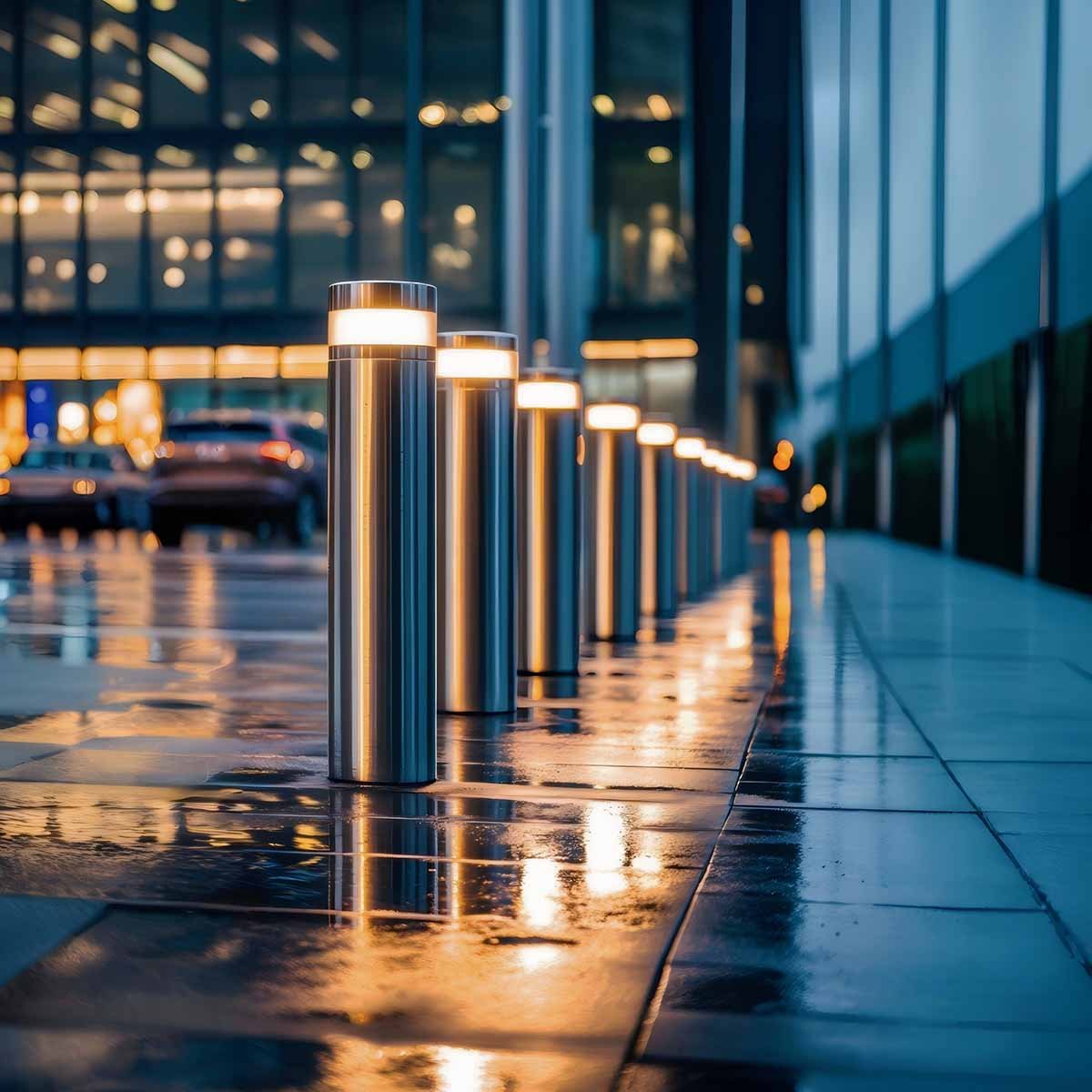
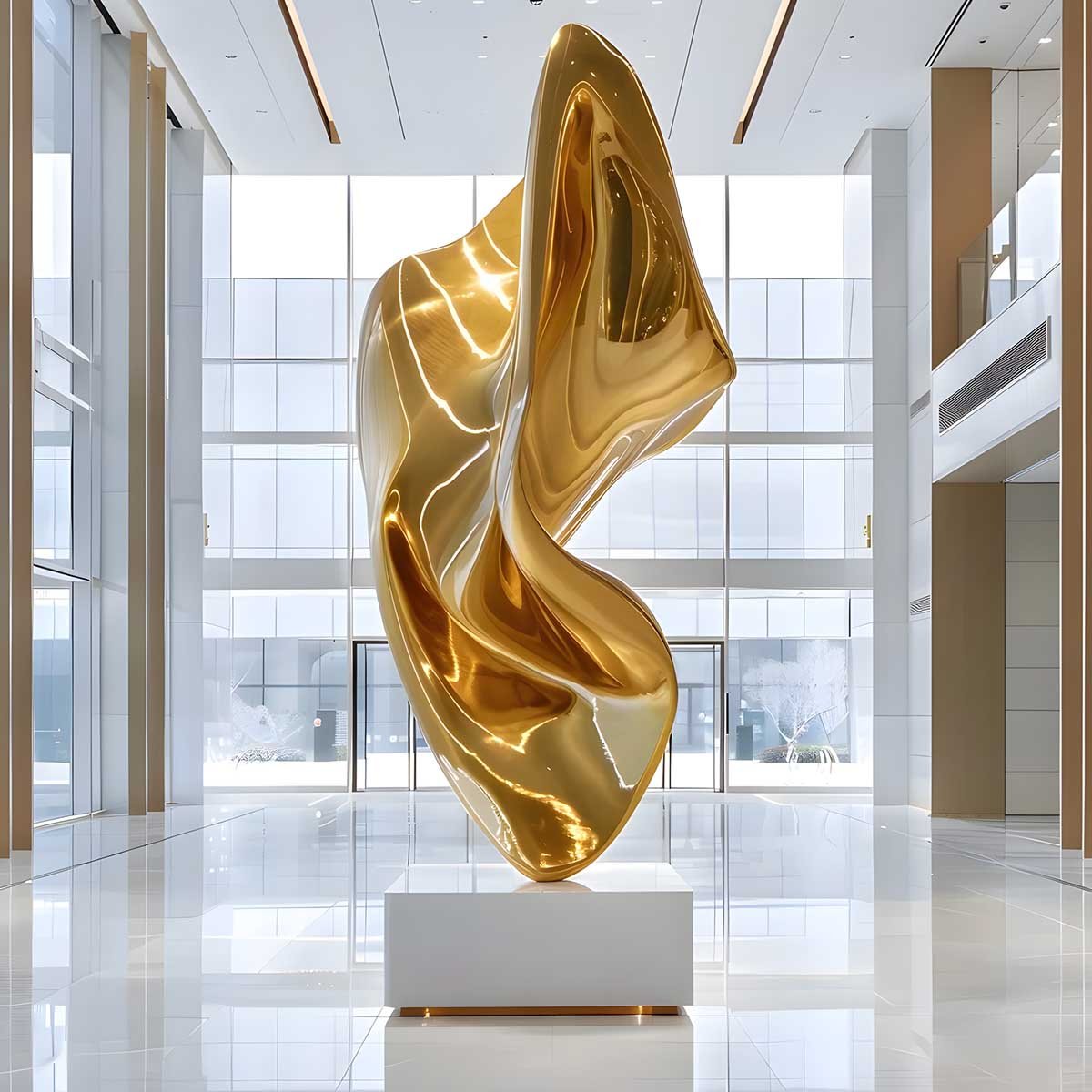
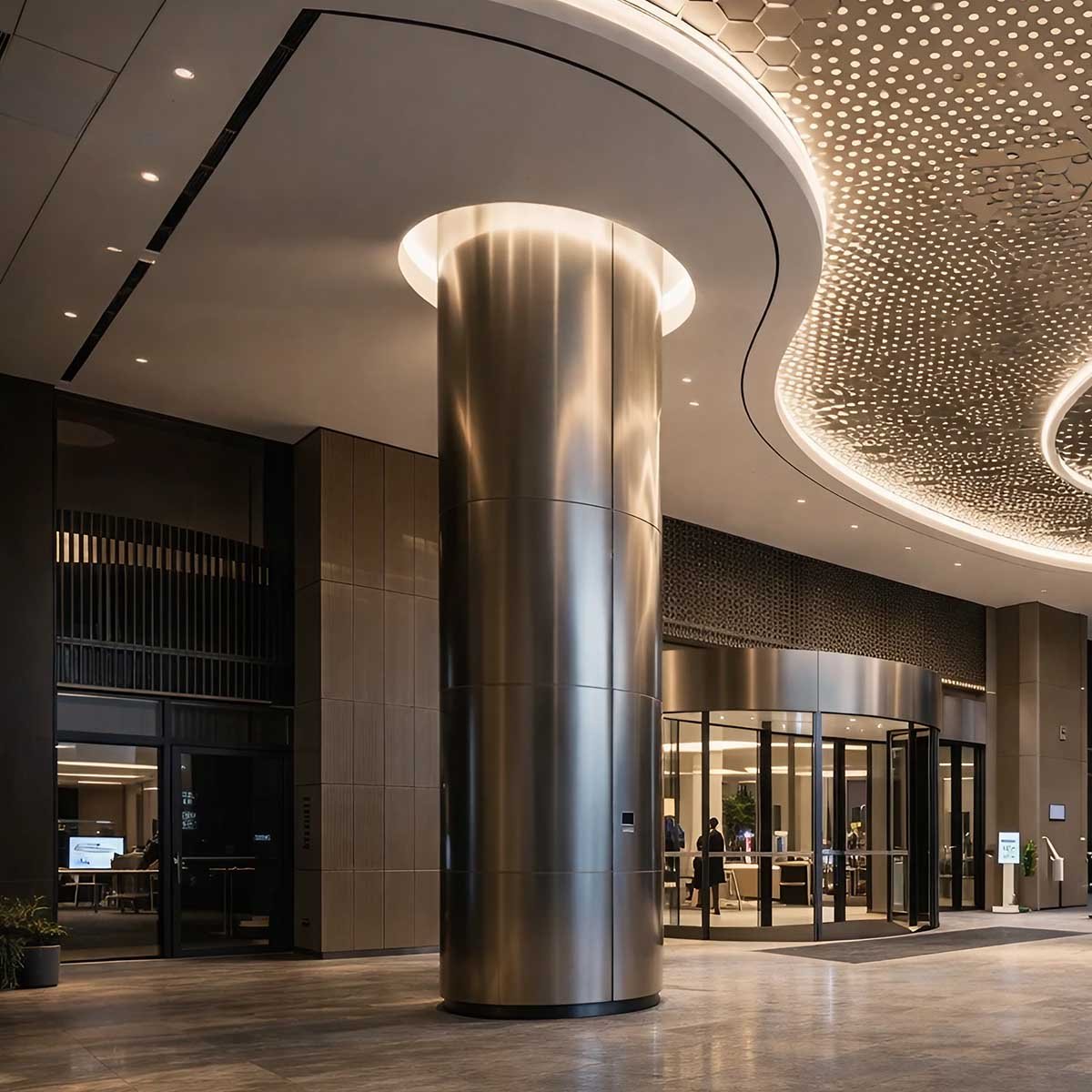
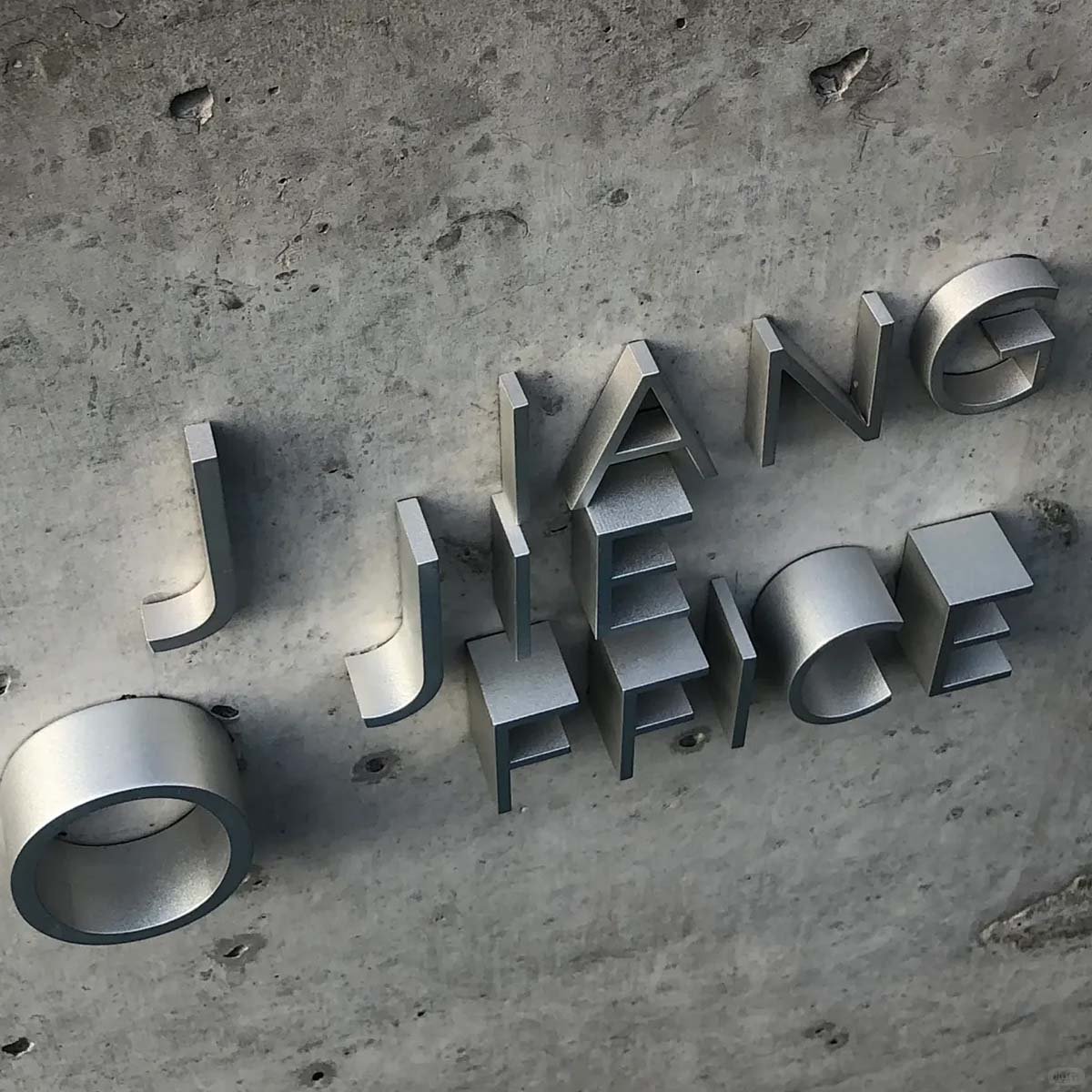
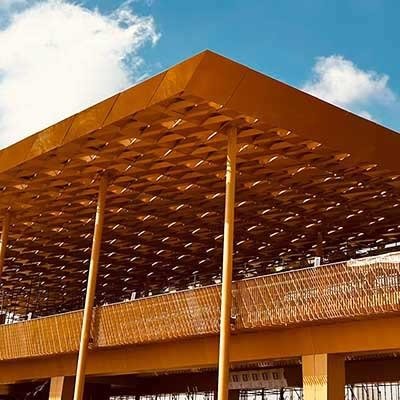
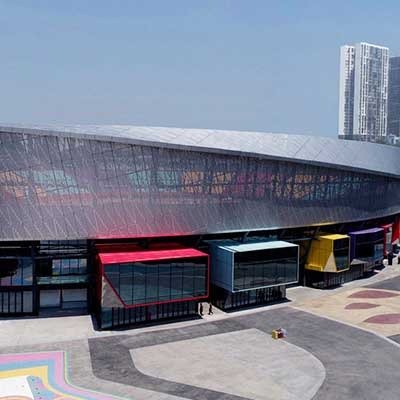
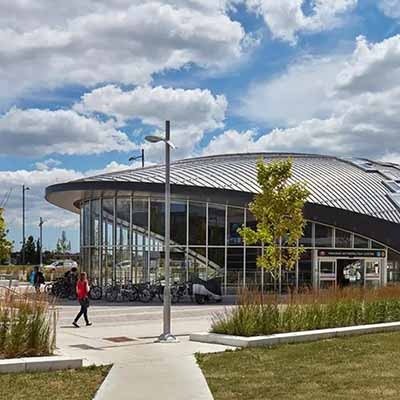
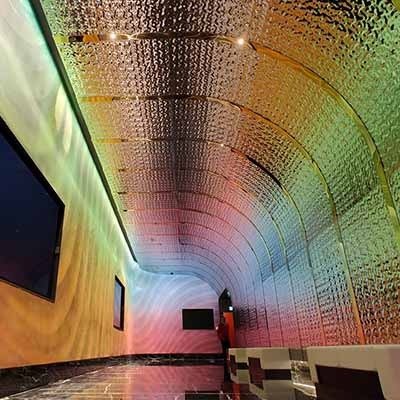


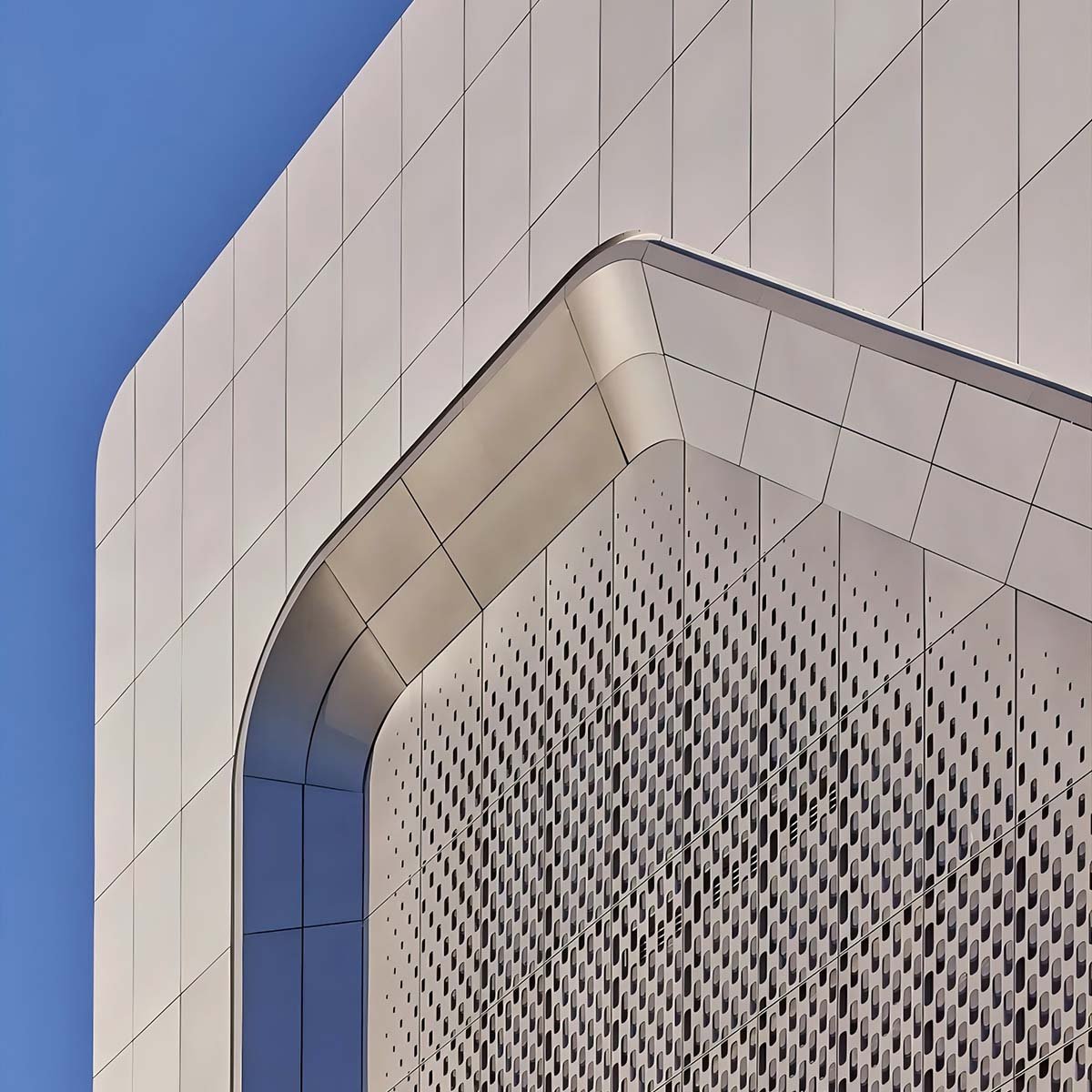
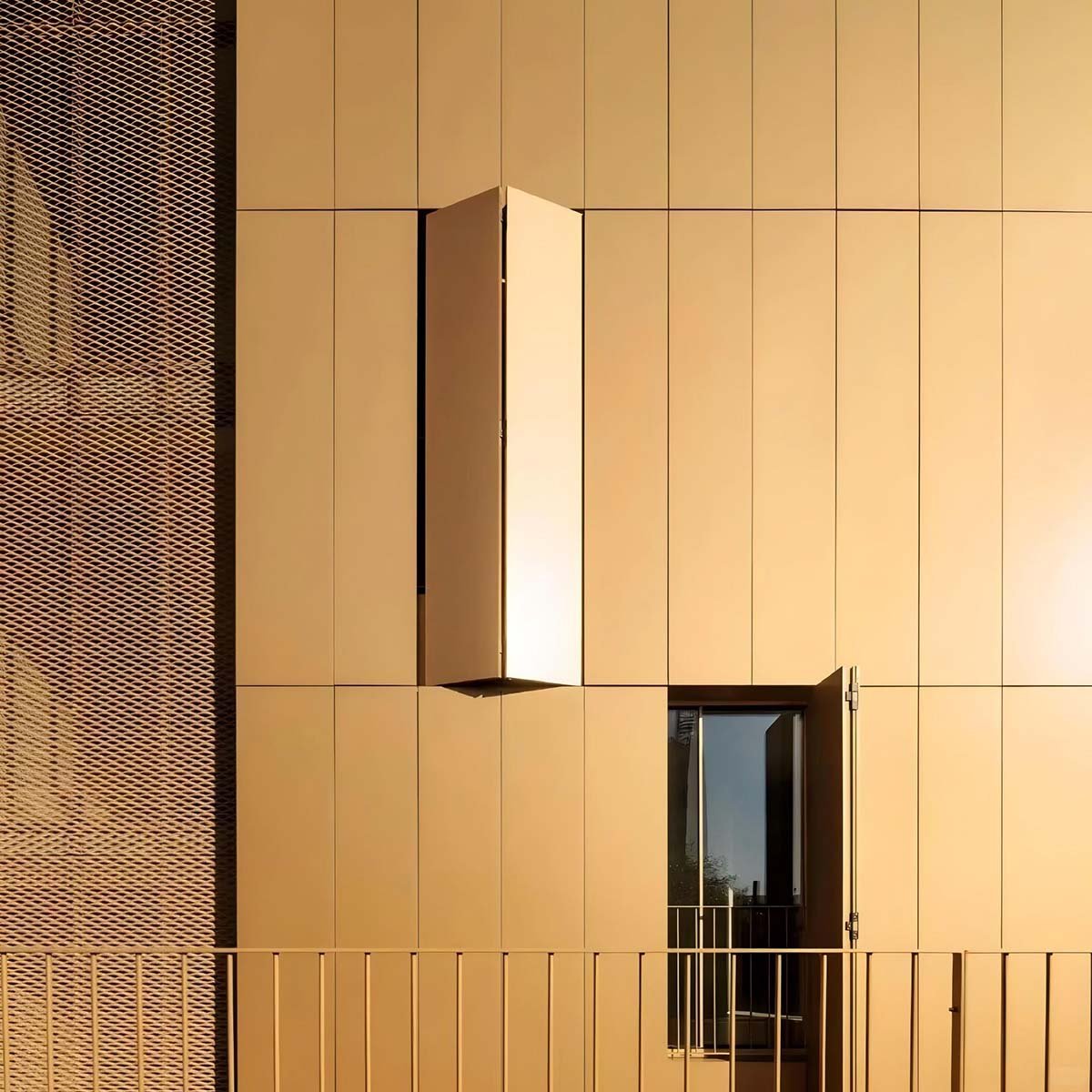
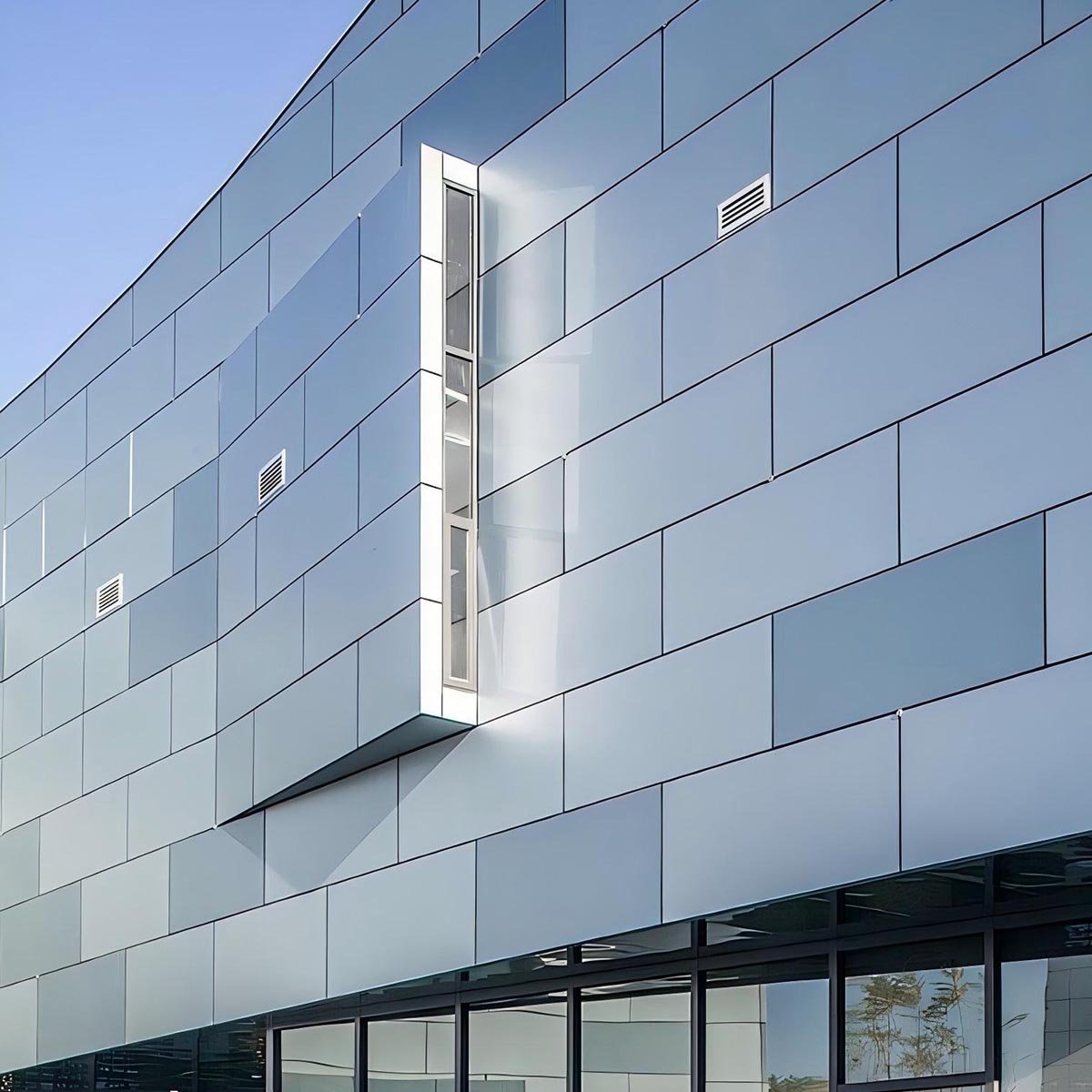

This guide delves into the world of powder coating for architectural aluminium and metalwork, examining its applications, resin varieties, and aesthetic possibilities, along with the advantages it provides.
The guide includes selection criteria, common pitfalls, design ideas, maintenance and FAQs, to help architects, designers and contractors easily identify and compare finishes, and to help them confidently specify powder coatings for building projects.
Table of Contents
ToggleWhat is Powder Coated Finish?
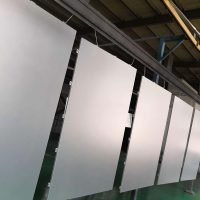
Powder coating is a dry finish that is applied to metal surfaces using electrostatic attraction. The coated parts are then heated to create a stable, protective layer as a whole.
Powder coating is similar to liquid paint, but has a minimal amount of solvent, and is available in a variety of colours, textures, and levels of gloss. Its performance depends on surface preparation, powder formulation, curing conditions and environmental exposure.
How Does Powder Coating Work?
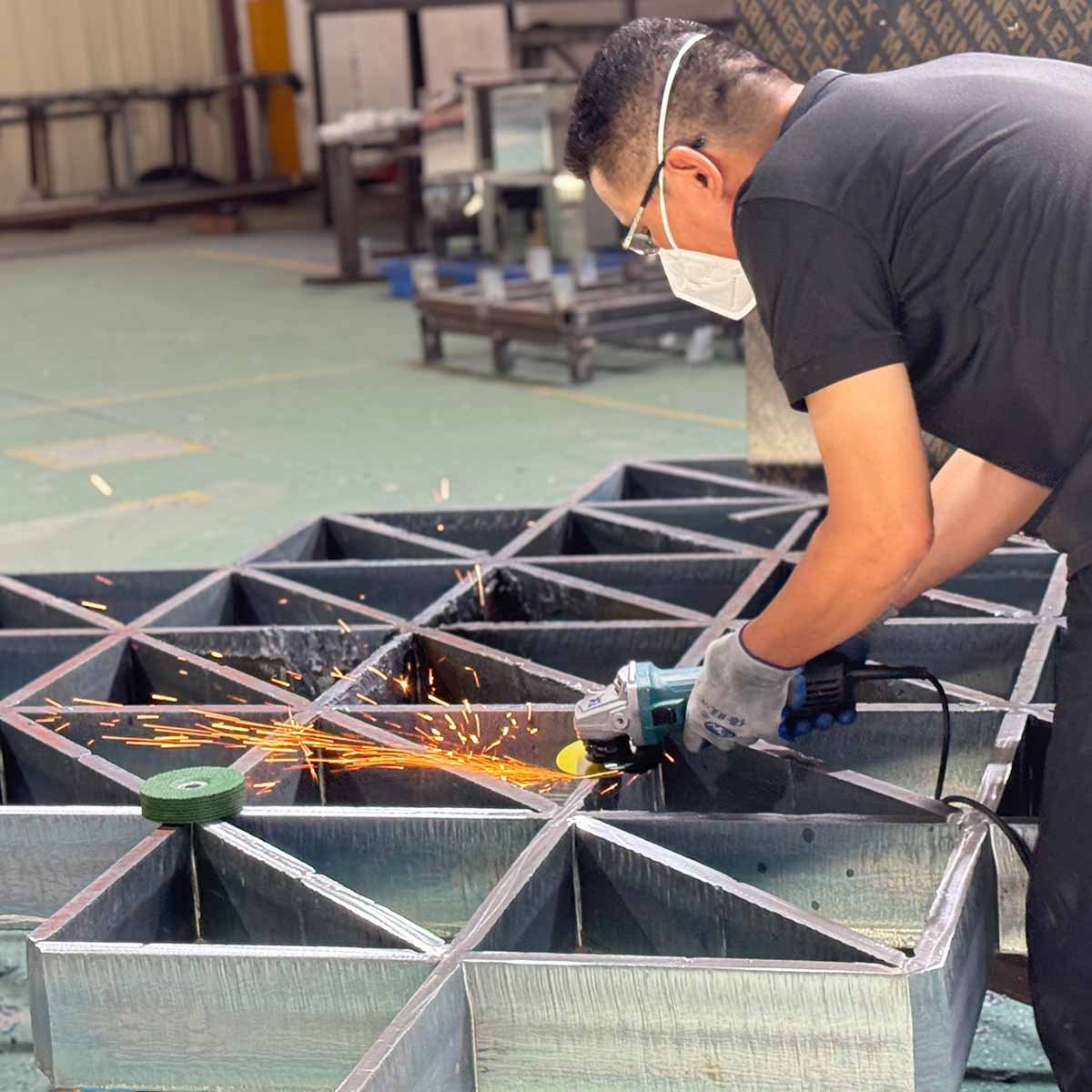
Powder coating is a process with multiple controlled steps that ensures a consistent finish and provides protection against environmental effects. From surface preparation to final inspection, the adhesion, appearance and durability of the coating is influenced by each stage.
Surface Preparation
Surfaces of metals are cleaned to remove oil, dirt, oxidation and other contaminates. Where appropriate, a proper pre-treatment enhances coating adhesion and helps to prevent substrate corrosion.
Powder Application
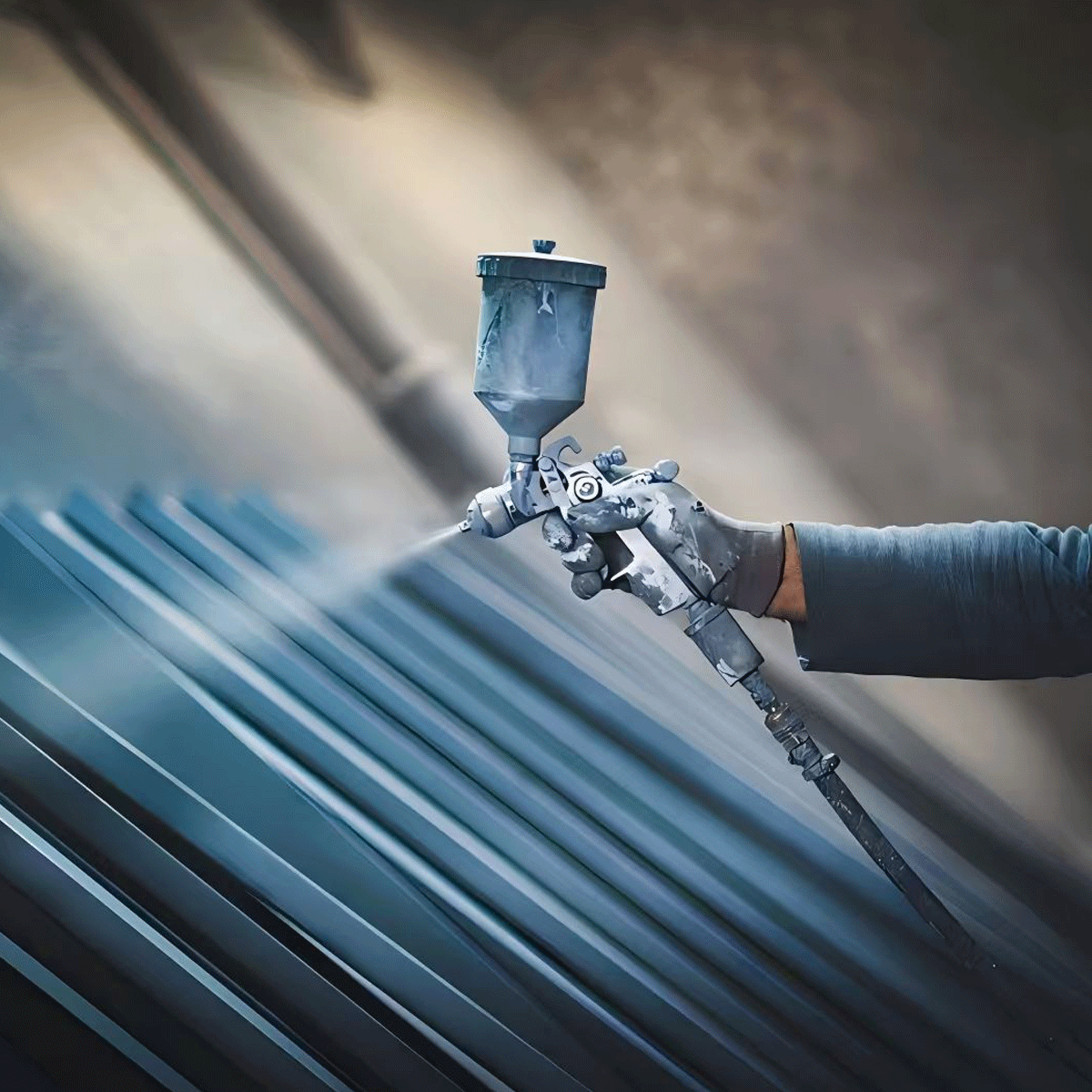
The electrostatic spray equipment charges the powder particles so that they can stick to the grounded metal surface. This process can be used to get uniform coating on a component.
Thermal Curing
The coated part is baked in an oven, as dictated by the manufacturer of the powder. The powder melts and as the powder cures, it will form a continuous coating layer.
Quality Inspection
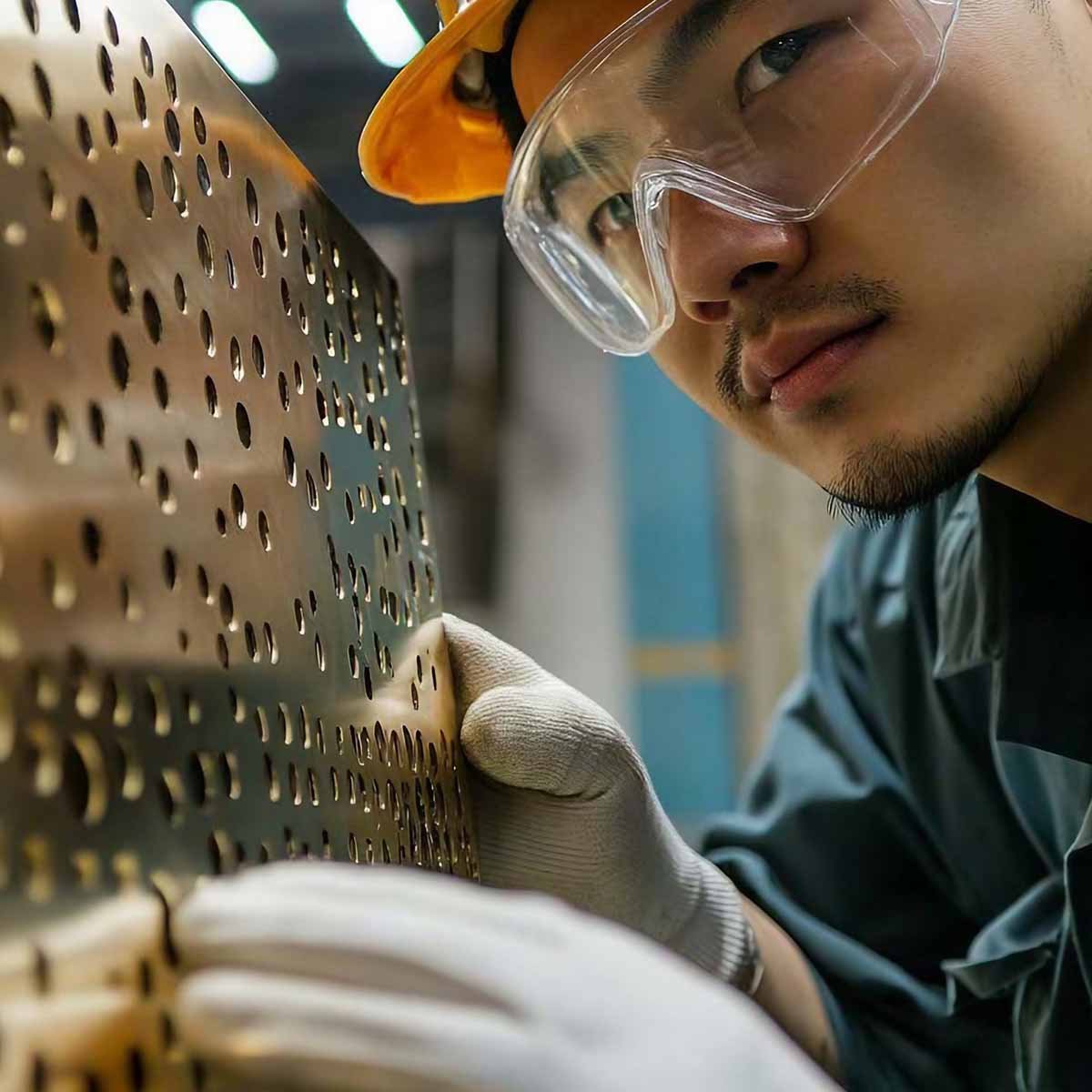
Once cooled, the finish is checked for thickness, colour uniformity, coverage and any defects to ensure that it meets the quality standards outlined in the project.
The resulting coating is durable, looks good and has good corrosion resistance, making powder coating an excellent option for outdoor metal products.
Types of Powder Coating
The various types of powder coatings are distinguished primarily by the resin chemistry that dictates the weather resistance, durability, flexibility and chemical performance of the coating. The correct formulation will vary with the substrate, application site and finish desired.
Polyester Powder Coating
Epoxy Powder Coating
Epoxy-Polyester Hybrid Powder Coating
Polyurethane Powder Coating
Fluoropolymer Powder Coating
There are different types of powders that each has its own set of advantages and disadvantages, depending on the service conditions, performance requirements, and budget.
Powder Coating Finishes, Colours and Textures
Powder coating offers a wide range of colours, gloss and textures, thus enabling designers to coordinate the metal parts with different materials and styles. In the final stages, the finish depends on formulation, and the conditions of application, and curing.
Gloss Levels
Powder coating comes in matte, satin, semi-gloss and high-gloss finishes, with matte offering subtle finishes and higher-gloss options for increased reflectivity and visual contrast.
Surface Textures
The smooth and rough textures produce different visual and tactile effects; the textured coatings can cover up the minor texture of a surface if the substrate has such a texture or is of a certain type.
Colour Selection
Standard RAL colour charts match architectural metal finishes and custom matching is still achievable, but there is the possibility of variations due to formulation, surface geometry and production batches.
Special Effects
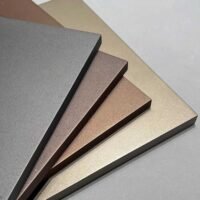
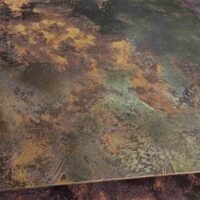
Decorative metalwork is enhanced with metallic, pearlescent and effect coatings, which can change in appearance depending on viewing angle, lighting, application methods and production quality.
Wood-Grain Effects
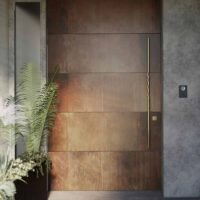
Specialised powder coating produces wood-grain finishes on metal profiles, combining the beauty and character of real wood with the functional durability and usability of metal.
Get physical samples and test them as lighting conditions are anticipated to ensure colour, texture, and level of gloss preferences before production.
Looking for reliable architectural metal finishes for your next project? Contact TBK Metal to discuss customised solutions, material options and coating specifications tailored to your design and performance requirements.
Powder Coating vs Other Aluminium Finishes
The appropriate Aluminium finish should be based on the aesthetics, environmental conditions, durability and budget of the project. Powder coating, PVDF coating and anodising each offer distinct characteristics, making them suitable for different architectural applications.
| Feature | Powder Coating | PVDF Coating | Anodising |
| Surface appearance | Wide range of colours, gloss levels and textures | Broad colour options, depending on the system | Metallic appearance with a range of available colours |
| Weather resistance | Depends on formulation and coating quality | Generally excellent with suitable architectural systems | Good when the alloy and anodising process are appropriate |
| UV resistance | Varies by powder chemistry and grade | Typically strong for architectural-grade systems | Generally good, although colour stability depends on the finish |
| Surface protection | Forms a protective coating layer | Forms a protective fluoropolymer coating system | Creates an oxide layer integrated with the aluminium surface |
| Typical applications | Profiles, screens, frames and decorative panels | Exterior façades and other demanding architectural surfaces | Façade components, profiles and applications requiring a metallic finish |
The selection of the powder coating, pvdf-coated aluminium or anodised aluminium for architectural projects is based on the type of exposure, appearance, maintenance and performance. The best possible finish is determined by manuf. data and physical samples.
Key Benefits of Powder Coating
Depending on operating conditions and formulation, powder coating represents a viable solution for surface protection and decorative versatility of metal products, with safety and versatility in terms of design and application.
Corrosion Protection
Durable Surface
Design Flexibility
Consistent Appearance
Efficient Material Use
Reduced Solvent Use
Aesthetic protection and sustainability are achieved by the use of the right powder and control of the coating process, while these benefits make powder coating a practical metal finish solution.
Common Applications of Powder Coating
Powder coating is a popular method for decoration and protection of surfaces in architectural, commercial and industrial applications. Coatings should be selected according to the conditions and requirements of the components against which they are to be applied.
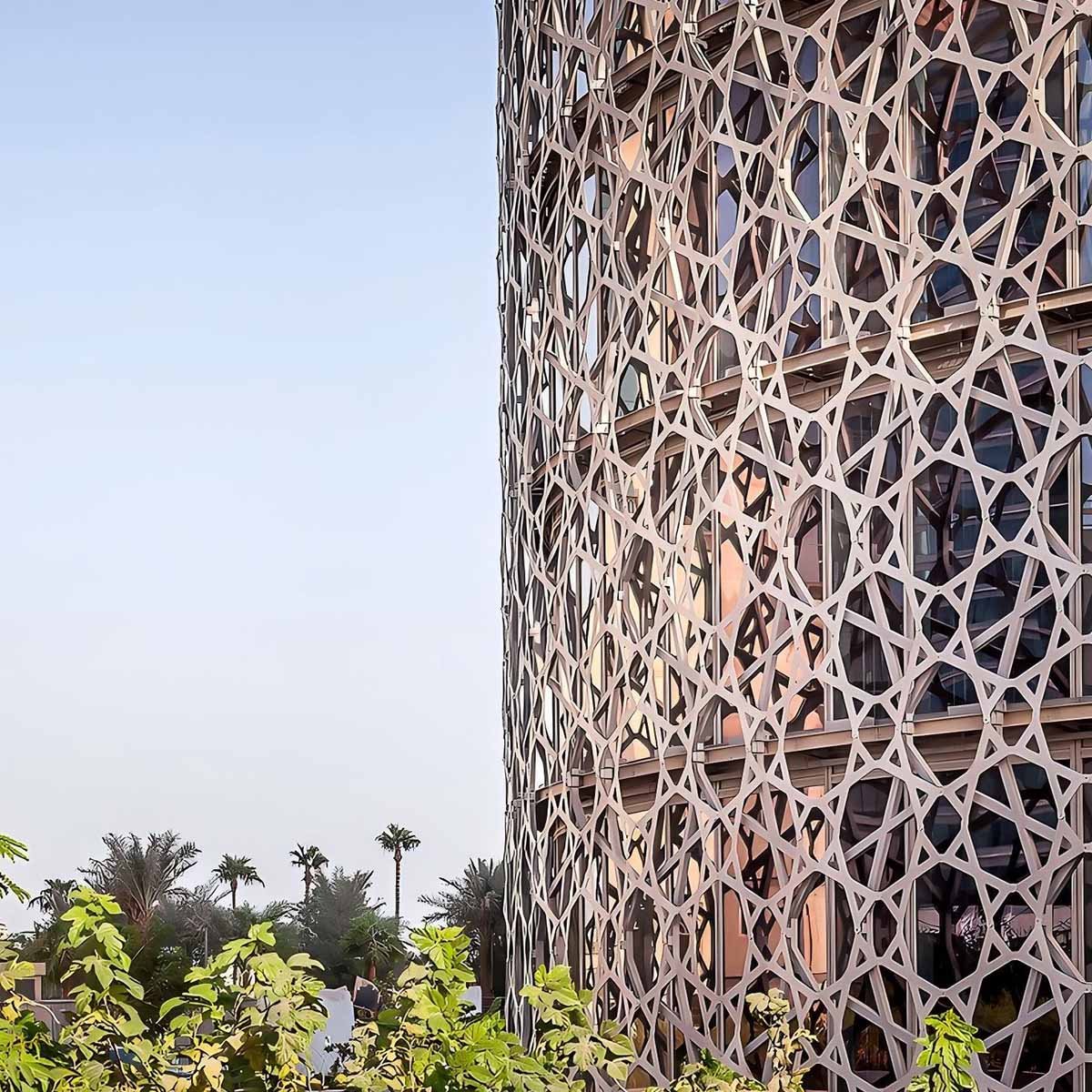
Building Façades
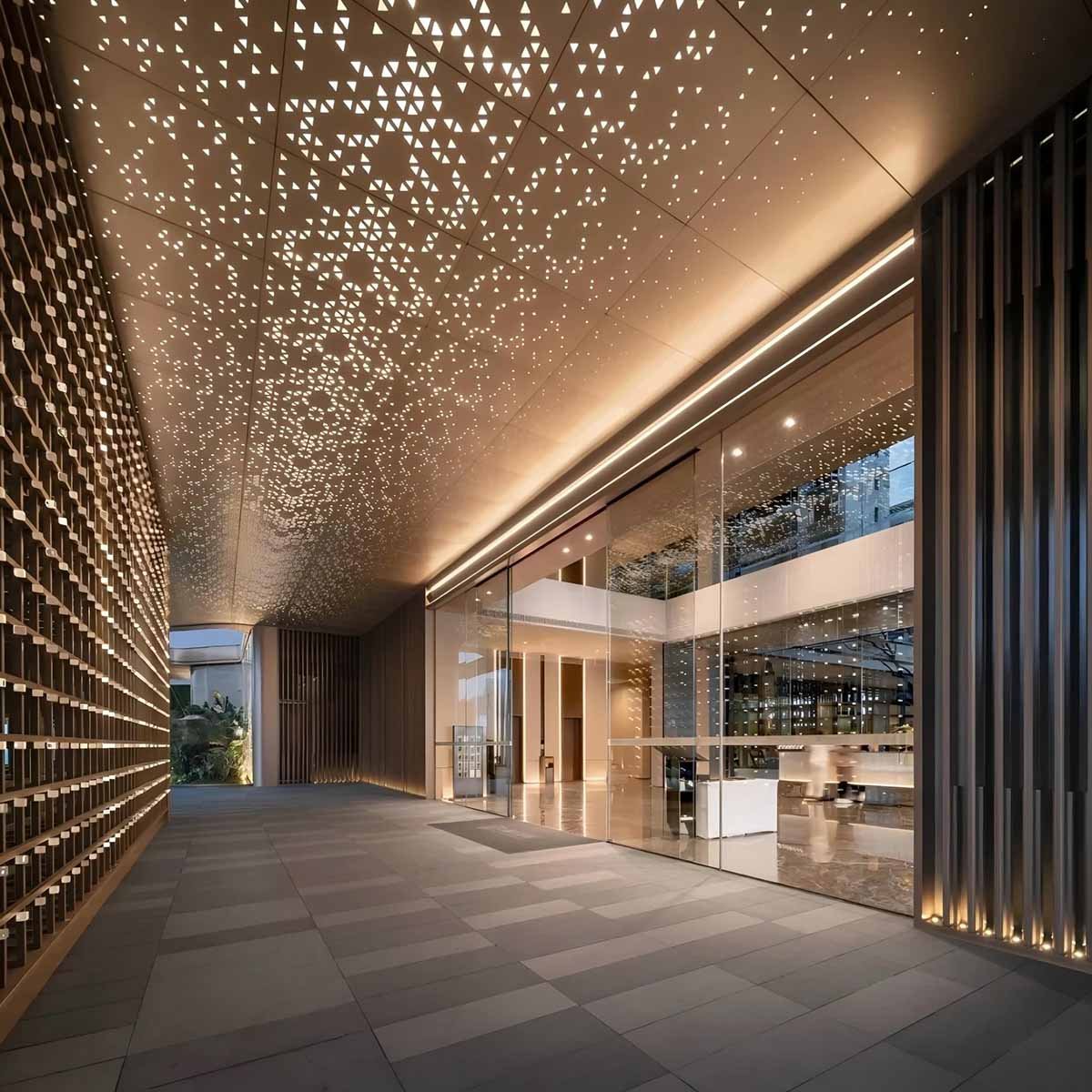
Ceilings and Interior Features
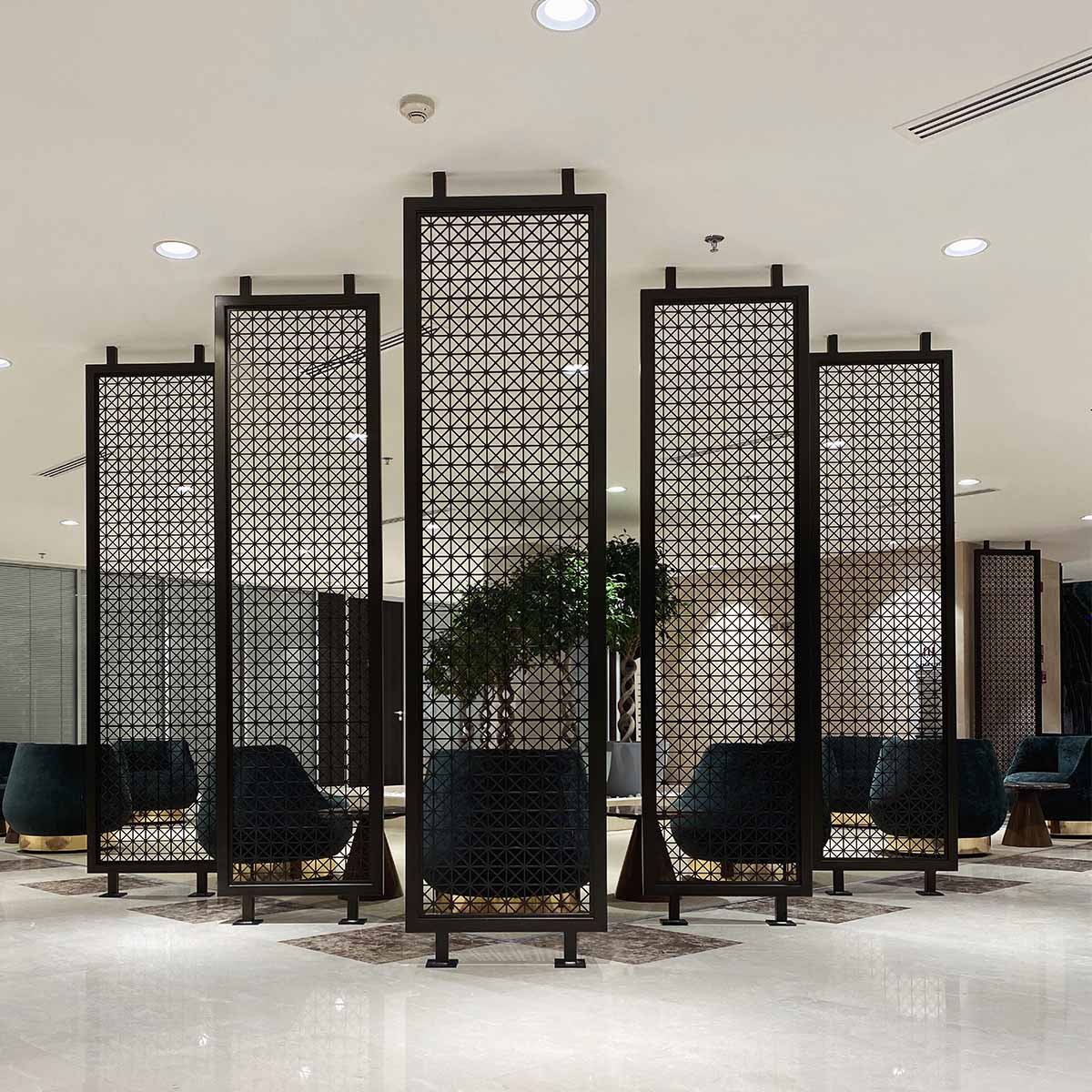
Screens and Shading Systems
Columns and Architectural Details
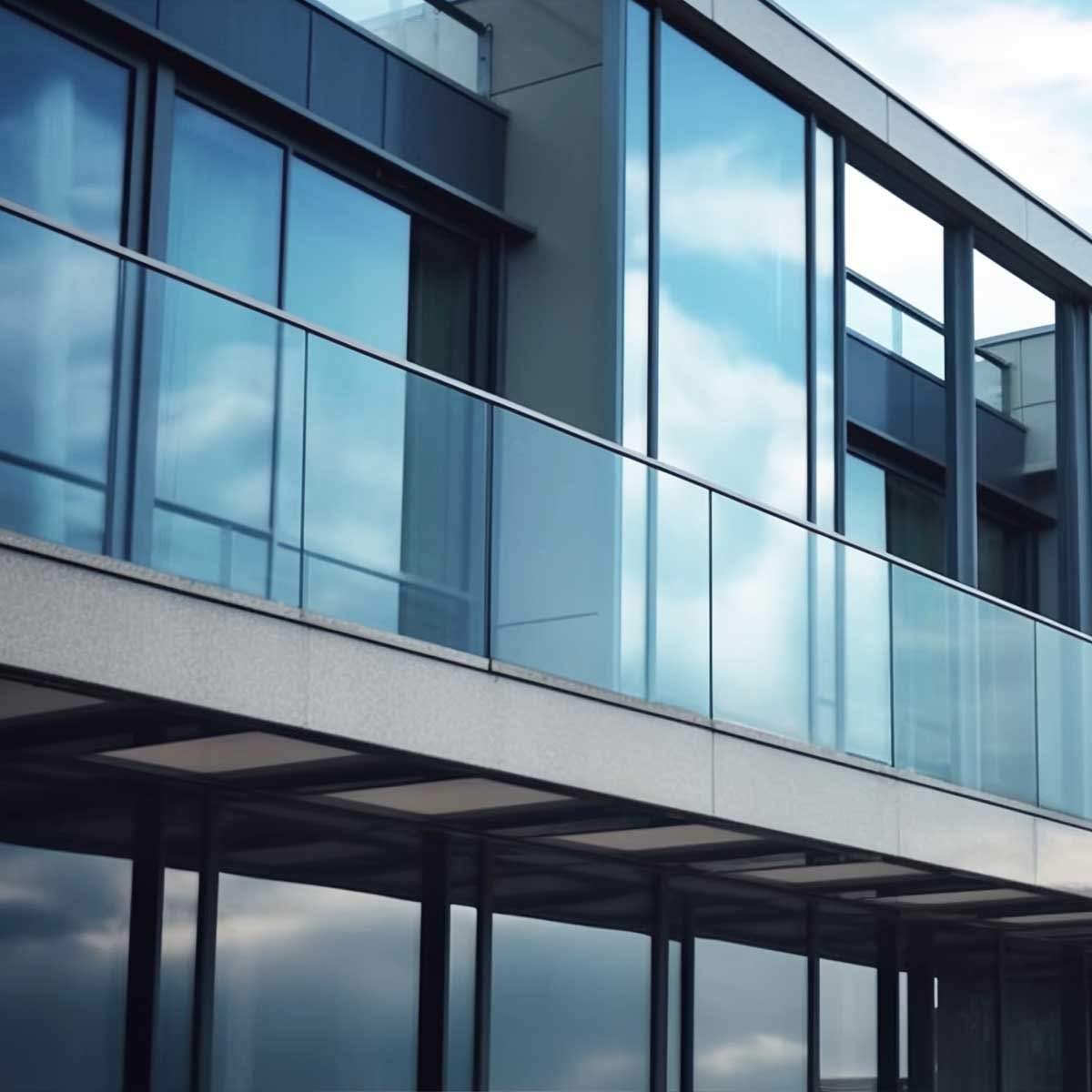
Doors, Windows and Frames
Furniture and Fixtures
This broad range of uses illustrates the versatility of powder coating, providing long-lasting, attractive finishes for exterior architectural features and interior metal finishes.
Important Considerations for Aluminium Powder Coating
Architectural uses are numerous and powder coated aluminium has proved to be an ideal material due to the colour range and surface effects it offers. This final finish is dependent on the alloy, surface preparation, coating specification and quality of the coating application.
Surface Preparation
To clean aluminum and prepare it for the adhesion process, the proper process must be used and depends on the alloy, condition and environment of exposure.
Alloy and Surface Condition
Surface appearance, and coating performance, depend on the aluminium alloy composition and the manufacturing process; hence the need for specific preparation procedures for profiles, panels and fabricated components.
Coating Coverage
Component geometry affects powder distribution: it is important to apply to recesses, edges, corners and intricate profiles to obtain a uniform coating and a defined coating thickness.
Colour Consistency
Finishes need to be consistent in large architectural projects. Prior to production confirmation of colour references, gloss levels, and samples help to minimise visible differences between panels, profiles and batches.
Weather Resistance
Exterior aluminium should be given appropriate powder coating, the UV stability, water resistance and corrosion protection should be judged according to the manufacturer’s data and the project need.
Quality Control
Inspect film thickness, adhesion, curing and appearance against specifications to assure coated aluminium components are compliant with project requirements for appearance and performance.
Pretreatment, alloy characteristics and quality testing are all given attention to ensure a product which performs the aesthetic and long-term protection required of aluminium powder coating is achieved.
Powder Coating Design Ideas for Architectural Projects
Architects coordinate metal finishes with building materials, Facade colours and interior styles with the assistance of powder coating. The right colour, texture and gloss combinations complement the architecture, ensuring uniformity of components.
Minimalist Matte Finishes
Metallic and Bronze Tones
Contrasting Colours and Textures
Timber-Inspired Finishes
Consistent Finishes Across Components
This versatility of powder coating finishes allows designers to create consistent architectural aesthetics for interiors and Facades using strong, weather resistant metal parts.
How to Choose the Right Powder Coating?
The selection of appropriate powder coating involves considering factors such as appearance, durability and environmental aspects. Architects, designers and contractors can use the following to help determine the right coating system for their project.
Application Environment
Think about whether parts should be installed inside or out: coastal conditions, industrial environments, etc. need increased protection against weather, salt, moisture and chemicals.
Colour and Surface Finish
Choose colors, sheen and texture that matches the design of the building. Request physical samples to check colour consistency and compatibility with adjacent materials.
Substrate and Pretreatment
Know the metal base material, alloy and surface condition. Adequate cleaning and pretreatment is critical to ensure good adhesion and corrosion protection.
Performance Specifications
Check technical data on UV resistance, corrosion performance, film thickness and curing needs, and make sure that high-performance applications comply with project requirements and specifications.
Maintenance Requirements
When choosing an appropriate coating for anticipated exposure, take into account how often it will be cleaned and where it will be cleaned, and adhere to the manufacturer’s maintenance instructions.
Budget and Production Requirements
Make comparisons for coating costs, fabrication, preparation and lead time and quantities. Check colour availability, batch consistency and production before finalizing the colour specification for your project.
Combining these factors, project teams can choose a powder coating that aligns with their design goals and delivers the right level of protection and durability.
Need help selecting suitable finishes for your architectural metal products? Get in touch with TBK Metal to explore customised fabrication options and coordinate finish requirements for your project.
Maintenance of Powder-Coated Surfaces
Maintaining powder-coated surfaces regularly helps to keep them looking and protecting as they should. These are dependent upon the environment in which they are installed, the coating used and the exposure to pollutants, moisture or salt deposits.
Routine Cleaning
Use a soft cloth to wipe away dust and dirt, clean water and mild detergent. Rinse thoroughly and dry as necessary to prevent residue build-up.
Avoid Abrasive Materials
Avoid using abrasive pads, harsh chemicals or aggressive cleaning methods that can cause damage to the coating. Be sure to read the cleaning solution’s compatibility with the finish before use.
Inspect for Damage
Regularly inspect for scratches, chips, peeling or deterioration, and promptly repair any damage appropriately to prevent further degradation of the underlying metal surface.
Adjust Cleaning Frequency
Regular cleaning is needed more often on coastal, industrial or high traffic surfaces than in protected interiors. Maintain finish quality and intended service life by following manufacturer’s instructions.
Powder coated surfaces can be maintained in quality and protective function throughout their useful life with regular inspection and careful cleaning.
Why Choose TBK Metal for Architectural Metal Finishes?
With more than 5,000 completed architectural projects, TBK Metal coordinates materials, finishes and fabrication needs effectively in order to deliver architectural metalwork and customised metal fabrications for a variety of building projects.
Customised Finishing Options
Integrated Architectural Products
Manufacturing Experience
Project-Based Support
Architects, contractors and procurement teams can connect with TBK Metal to talk about materials, finishes and tailored solutions that align with the design and performance needs of their project.
FAQs About Powder Coating
Q1. Can powder coating be applied to previously painted metal?
Q2. Can powder coating be repaired if it gets scratched?
Q3. Is powder coating suitable for outdoor furniture and fixtures?
Q4. Does powder coating have an impact on the dimensions of metal components?
Q5. Can powder coating be applied to metal with complex shapes?
Q6. What causes powder coating to peel or blister?
Q7. Can different powder-coated components achieve the same colour?
Q8. Is powder coating suitable for components that require frequent cleaning?
Conclusion
Powder coating is a versatile solution that not only provides a decorative element for metal surfaces but also offers durability. When applied in practice, the correct formulation may be chosen to ensure appropriate performance in architectural applications.
Take into account environmental exposure, substrate preparation, finish requirements and maintenance when specifying a coating system. When ordering for architectural projects, you should reach out to your best supplier to verify materials, coating requirements and quality.
Contact Request
Contact TBK Metal to explore customised architectural metal solutions and find suitable finishes for your next building project.