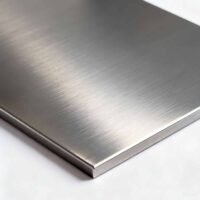



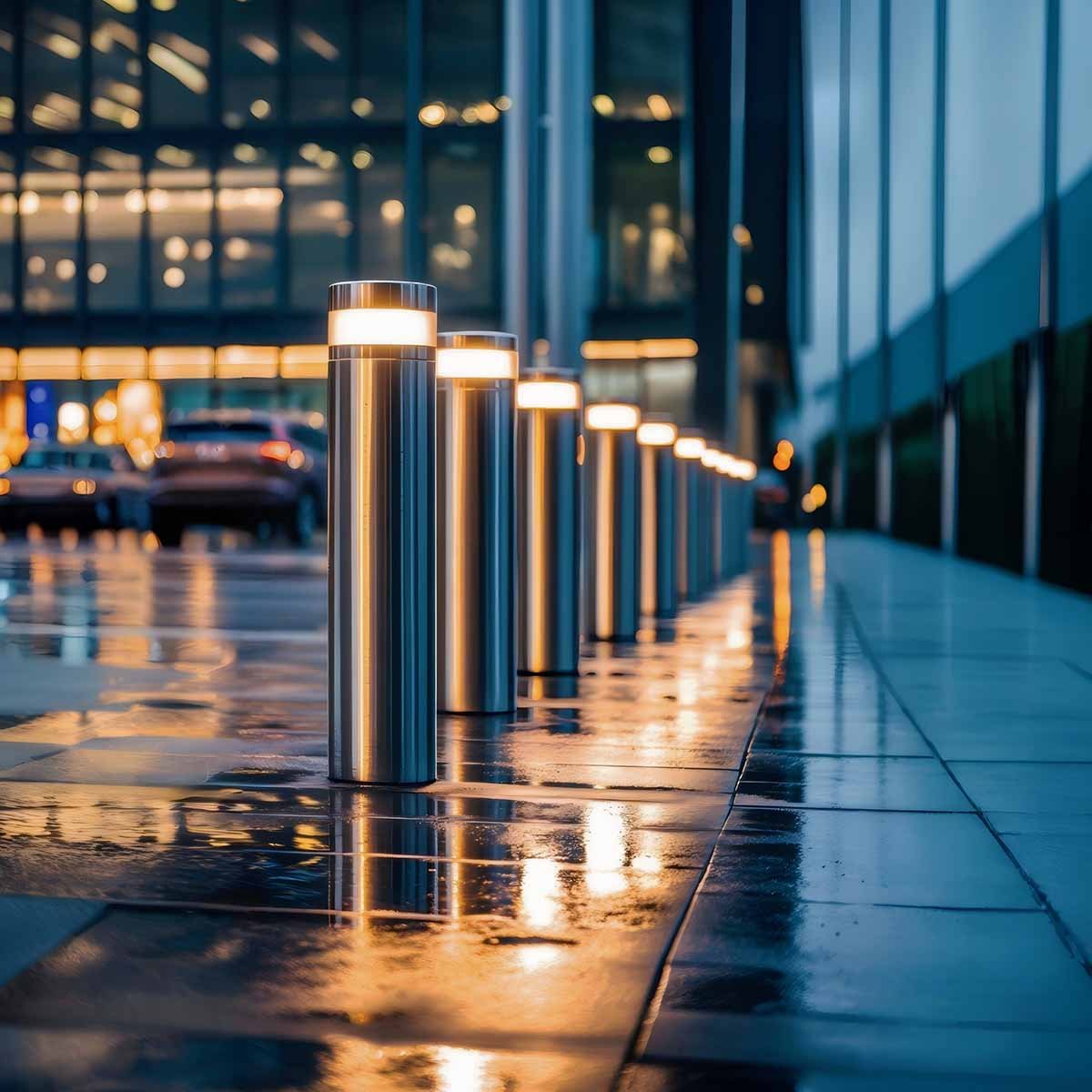
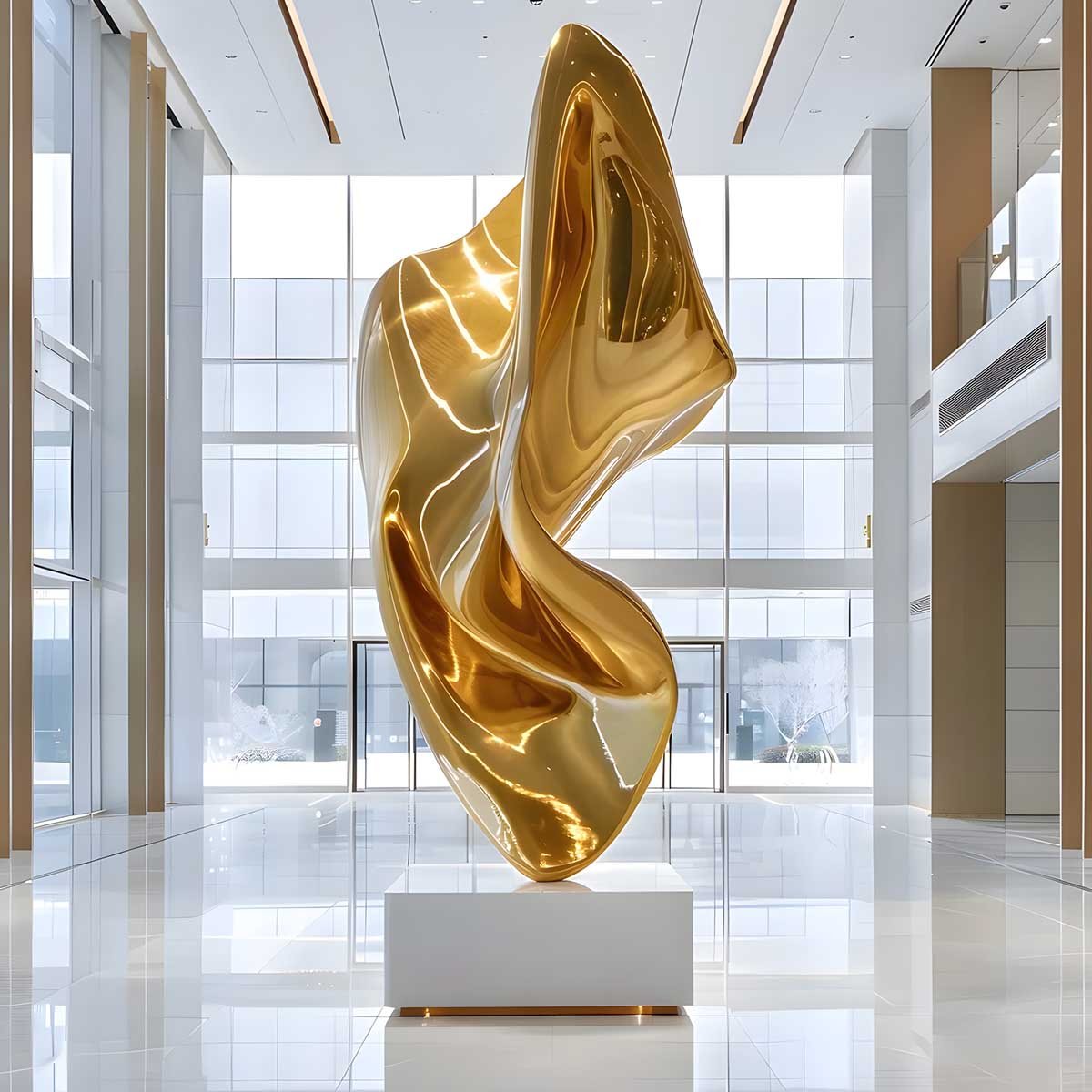
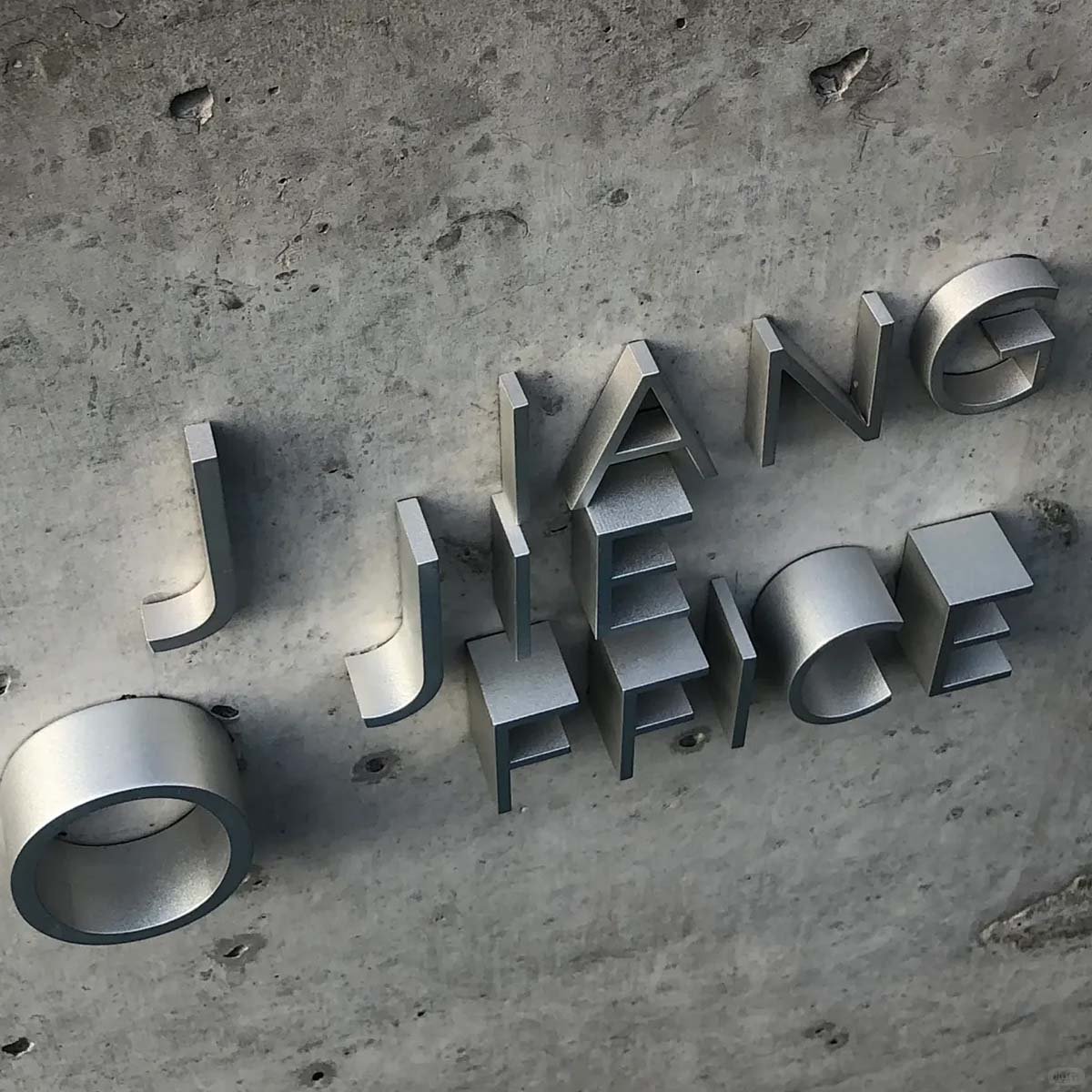
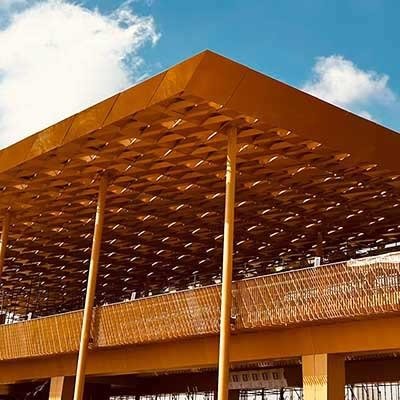
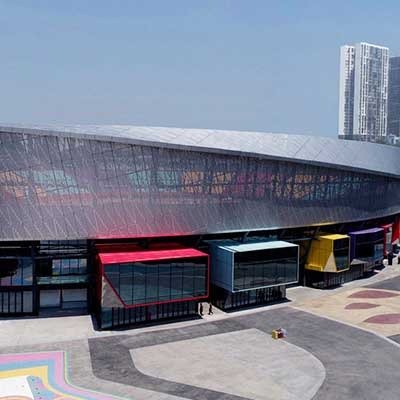
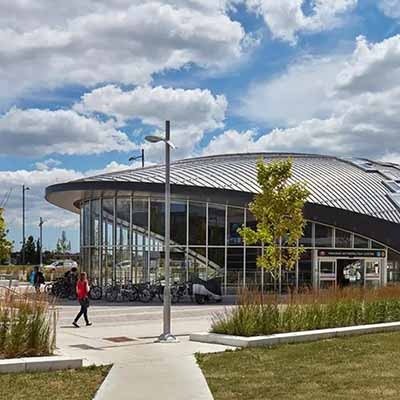
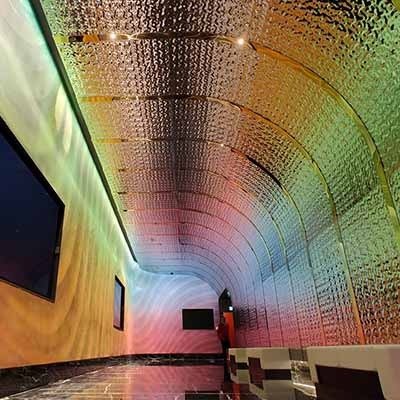



Aluminium is a versatile light-weight metal known for its resistance to corrosion, high strength-to-weight ratio and excellent formability. Due to these properties it is widely used in construction, manufacturing, transport and modern architectural design.

From different alloy types to protective and decorative finishes, aluminium offers solutions for diverse performance and aesthetic requirements. It is important to know its properties, processing method and applications to choose the appropriate material for the project.

Table of Contents

What Is Aluminium?

Aluminium (Al) is a silvery white, light metal that has an atomic number of 13. It occurs in large amounts in the earth’s crust but is seldom found as a natural resource and is primarily manufactured from bauxite by refining and electrolytic smelting.

Characteristics and Limitations

Pure aluminium is strong and conducts electricity, but is not resistant to corrosion. It has improved mechanical and physical properties with the addition of magnesium, silicon, copper or zinc.

Main Application Sectors

The low weight, durability, recyclability and versatility of finish of aluminium make it a popular choice in construction, transport, electrical engineering, manufacturing and architectural products.

Key Material Properties of Aluminium

The use of aluminium in construction, manufacturing and architecture is broad, owing to its light weight, corrosion resistance, workability and versatility of finishes. Its performance is subject to alloy, temper, processing and operating conditions.

Lightweight and High Strength-to-Weight Ratio

The density of aluminium is 1/3 of steel. Its alloys have enhanced strength, which makes it suitable for lightweight structural and architectural applications.

Corrosion Resistance

Aluminium has a natural oxide layer that makes it last longer, but corrosion can occur with salt, extreme chemicals and different metals, so it needs the right alloys and finishes.

Thermal and Electrical Conductivity

Aluminium conducts heat and electricity well and is used to make electrical components and heat exchangers but has to take into account thermal aspects in insulated frames and façade systems.

Formability and Workability

Aluminium can be extruded, rolled, cut, bent and machine to create complex profiles, lightweight panels, bespoke architectural components-ideal for aluminium fabrication.

Surface Finish Versatility

Aluminium can be given a protective and decorative coating such as anodising, powder coating or PVDF to provide a range of colours, textures and protection for architectural cladding, ceilings, screens and panels.

Recyclability and Sustainability

Aluminium can be recycled indefinitely with a lower energy consumption than primary production, depending on recycled content, manufacturing, transport and service life.

The versatility of aluminium material properties makes it a very adaptable material, and careful material selection and finishing further contribute to lightweight design, reliability and sustainability.

Types of Aluminium

There are various types of Aluminium based on composition and shape. Pure aluminium is known for its resistance to corrosion and conductivity, and aluminium alloys provide a higher strength in construction, manufacturing and other applications that demand it.

Pure Aluminium

Pure aluminium is weak, corrosion resistance and it can be easily shaped. It is used widely in conductors, packaging and chemical equipments.

Aluminium Alloys

The alloys are mixtures of aluminium with other elements (magnesium, silicon, copper or zinc) to enhance the strength, hardness and corrosion resistance of the alloy for different uses.

Alloy seriesKey propertiesCommon applications
1xxxHigh purity and excellent conductivityElectrical components
3xxxGood formability and corrosion resistanceRoofing and cladding
5xxxGood strength and corrosion resistanceMarine products and metal panels
6xxxGood strength, corrosion resistance and formabilityArchitectural profiles, frames and supports
7xxxHigh strengthAerospace and specialised engineering

The 5xxx and 6xxx series are prevalent in the construction and architecture industry. The 5xxx series is used with sheet products, and the 6xxx series is widely used with extruded products. Properties may differ according to grade and temper and have to be selected carefully.

Common Aluminium Product Forms

Aluminium comes in various forms to meet different manufacturing requirements as well.

-Sheets and plates: Flat products used for cladding, decorative panels and enclosures.

-Extruded profiles: Shaped sections used for frames, rails, supports and architectural components.

-Coils and strips: Continuous rolled products used for coating, forming and large-scale manufacturing.

-Cast components: Parts formed in moulds for machinery, housings and products with complex shapes.

Selection of the right one depends on strength requirement, product shape, manufacturing process and intended applications. Knowing these differences helps to ensure that aluminium is used to suit its functional and design needs.

Looking for reliable aluminium solutions for your next project? Contact TBK Metal to discuss material options, custom fabrication, surface finishes and architectural requirements tailored to your design.

How Is Aluminium Processed and Manufactured?

The production of aluminium aims at converting the raw material into the final products and requires several processes. The technique used is dependent on the desired shape, strength, size and surface finish.

I. Extraction and Refining

The main ore used for the manufacture of aluminium is bauxite. The ore is converted to alumina, and the alumina is electrolyzed into primary aluminium metal.

II. Casting and Extrusion

Aluminium is cast into ingots, billets or components, and when shaped through dies it’s known as extrusion, forming a profile for window frames, supports and architectural systems.

III. Rolling, Cutting and Forming

Aluminium is rolled into sheets, plates and coils, and subsequently cut, bent or machined to form cladding panels, decorative screens and other building elements.

IV. Joining and Assembly

Aluminium components may be joined by welding, mechanical fastening or other appropriate means. The choice depends on the alloy, component design and project requirements.

V. Surface Treatment and Finishing

The last step is anodising or coating to improve appearance and protection and quality checks to ensure dimensions, appearance and performance.

The appropriate manufacturing process will be selected for each application. The quality and durability of the products are influenced by the selection of materials, manufacturing precision and appropriate surface processing.

Common Aluminium Surface Finishes

Aluminium finishes influence appearance, corrosion resistance, durability and maintenance needs. The finish will be determined by the use, desired colour and texture, and exposure to weather, moisture, and environmental conditions.

Mill Finish

Mill finish is the surface of aluminium that has not been treated, and which has a plain metal look with manufacturing marks or differences in texture.

Mill finish will cover parts that need to be finished and parts that are hidden in industrial applications, whereas exposed architectural applications may need further finishing to produce uniformity and to provide surface protection.

Anodised Finish

Anodising increases the thickness of the natural oxide on aluminium, making it more durable and corrosion resistant with a range of metallic shades and colours that maintain its individuality.

Anodised aluminium is used in window frames, door profiles, window trims and window details. It depends on alloy and anodising process, coating thickness, matched to the environment in which it is used.

Powder-Coated Finish

Powder coating is the application and curing of a dry powder to aluminium, producing a long-lasting finish in a wide range of colours, gloss and texture to suit different design needs.

Powder coated aluminium is ideal for window frames, doors, screens and decorative panels. Strong adhesion and outdoor durability is achieved through proper surface preparation and curing.

PVDF-Coated Finish

Weather resistance and colour retention for architectural aluminium products, with the same look after long exposure to sunlight and weather changes, is achieved by PVDF-coating.

PVDF-coated aluminium is used for façade panels, exterior cladding and building envelopes depending on coating formulation, film thickness, preparation of the substrate and quality of the application.

Brushed and Polished Finishes

Different effects are achieved with brushed and polished finishes, besides using coloured coatings.

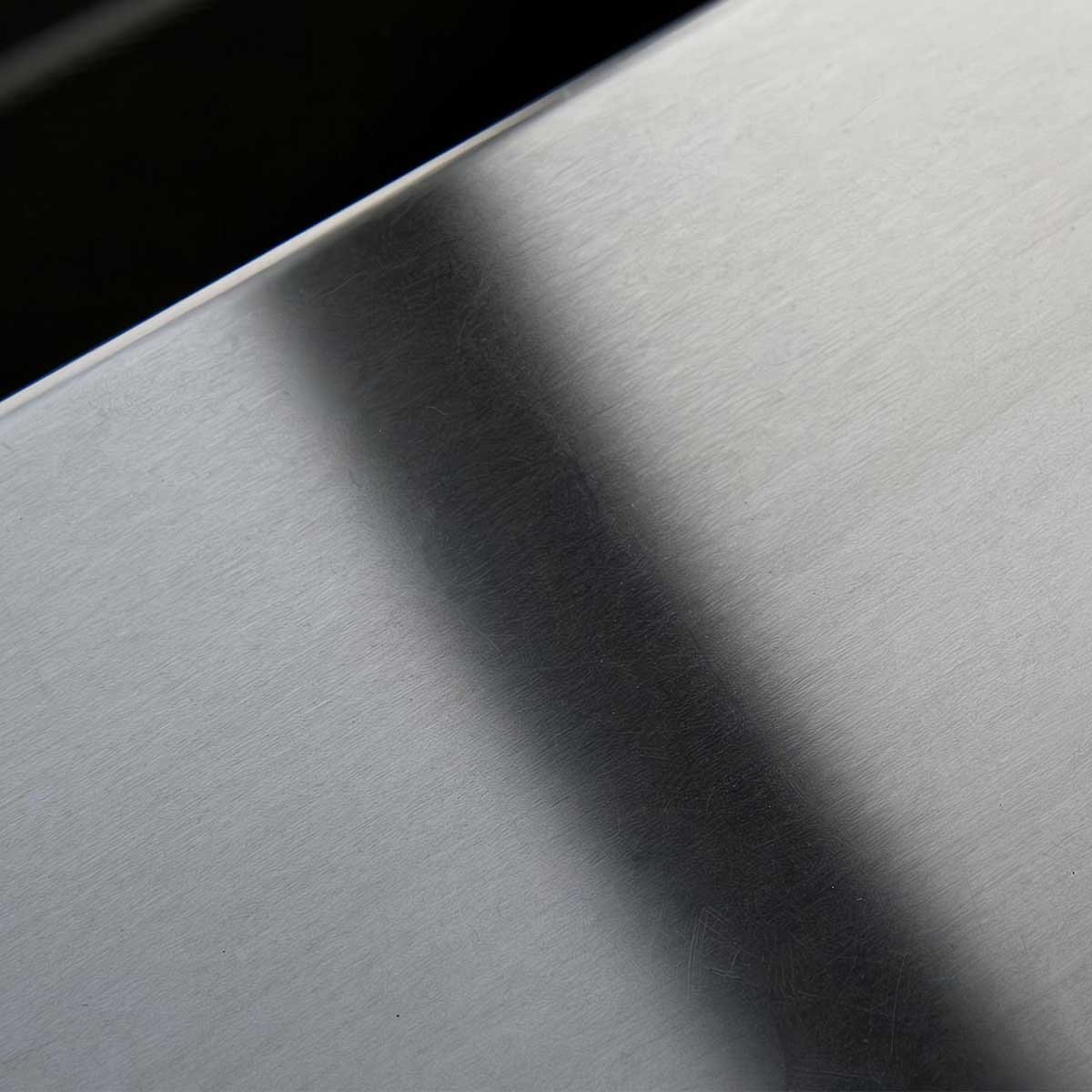
– Brushed finish: Produces fine directional lines for a subtle, textured metallic appearance. It suits interior panels, trims and decorative features.

– Polished finish: Creates a smoother, more reflective surface that can make interiors appear brighter. Depending on the degree of polishing, it may require more frequent cleaning to maintain its appearance.

– Textured finish: Adds patterns or surface variation to create visual interest and help reduce the prominence of minor marks in some applications.

Such finishes are typically used in interior decoration, on furniture, on wall panels and in other parts of the surface where surface appearance is important.

Guidance for Selecting Aluminium Finishes

The variety of aluminium finishes available can be used for a variety of purposes, and the choice should be made based on both the aesthetic and functional requirements.

Finish Main advantage Typical applications
Mill finish Simple, uncoated surface Concealed components and parts awaiting further treatment
Anodised Durable metallic appearance Frames, trims and architectural profiles
Powder-coated Wide colour and texture selection Doors, windows, screens and decorative panels
PVDF-coated Weathering performance and colour retention Exterior facades and cladding
Brushed or polished Distinctive decorative appearance Interior panels, trims and feature surfaces

Select finishes in accordance with environmental exposure, maintenance requirements, appearance and manufacturer specifications, to ensure aluminium will meet the aesthetic and performance requirements of the project.

Typical Applications of Aluminium

Aluminium uses as functional components or for decorative architectural applications are inherent of the material with its low weight, corrosion resistance, good formability and multiple finishes in all construction, transport and industrial applications.

Architecture and Building Construction

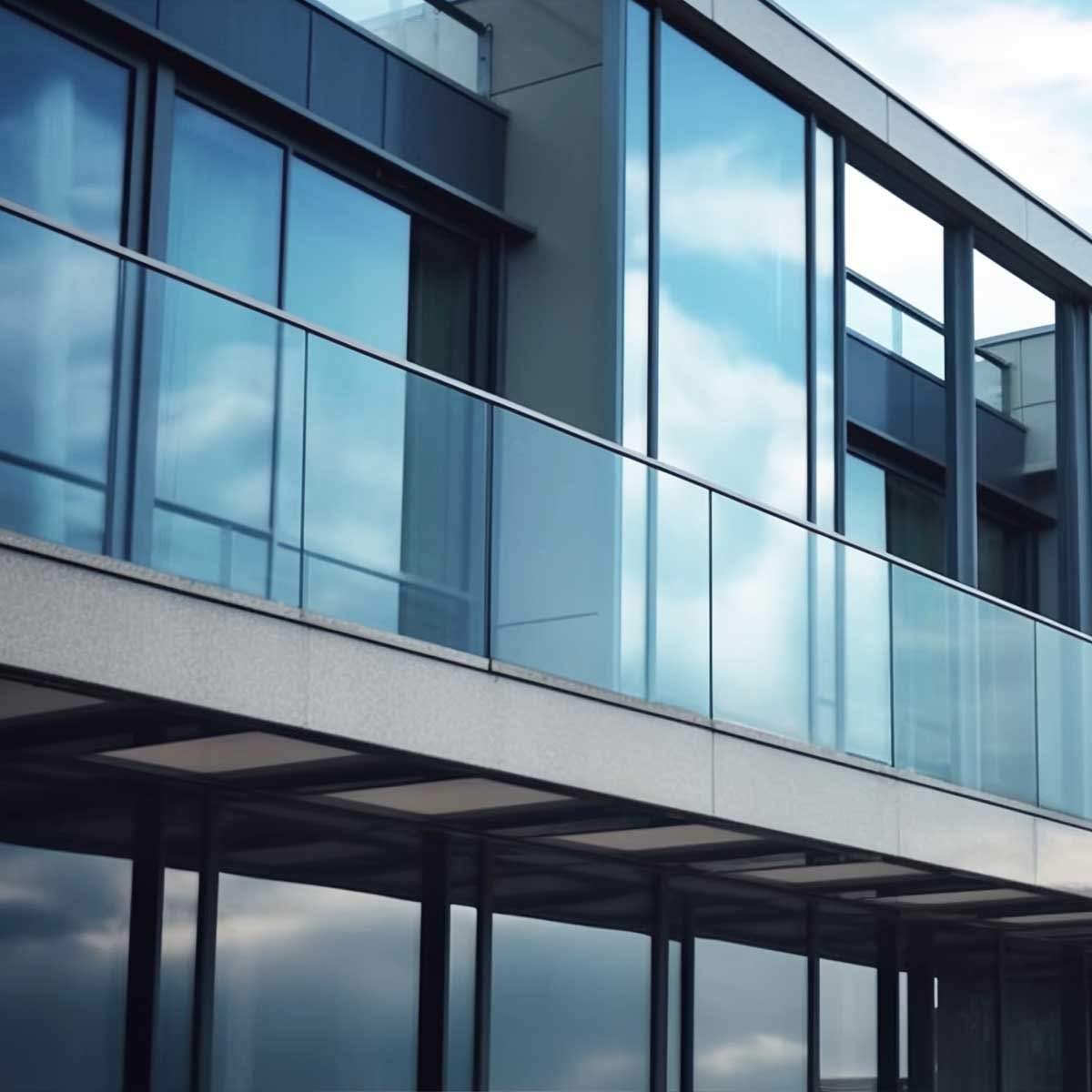
Aluminium suits windows, doors, roofing, cladding and decorative items, providing the flexibility to create bespoke window, door and roof designs, and contemporary architectural metalwork for residential and commercial properties.

Aluminium facade Systems

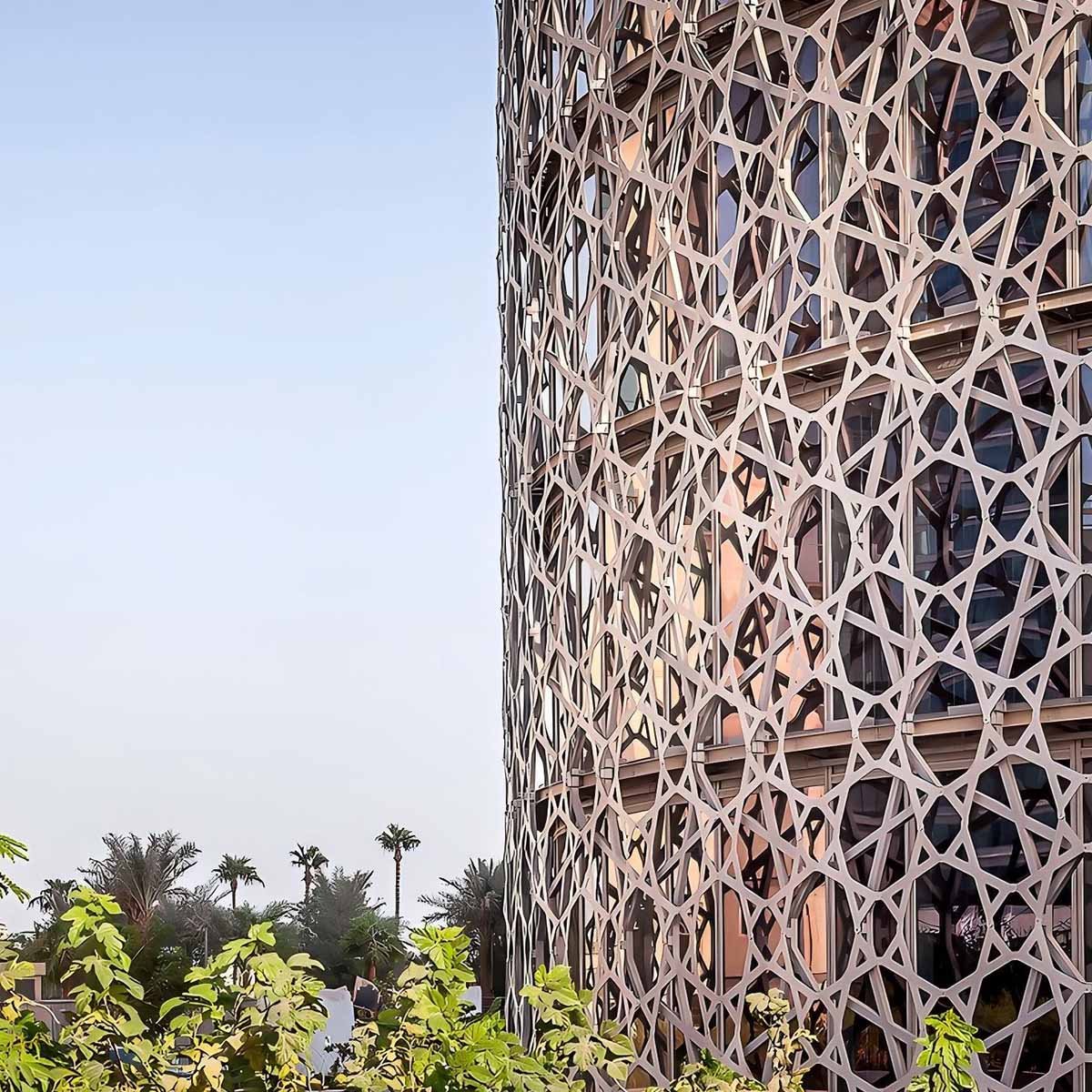
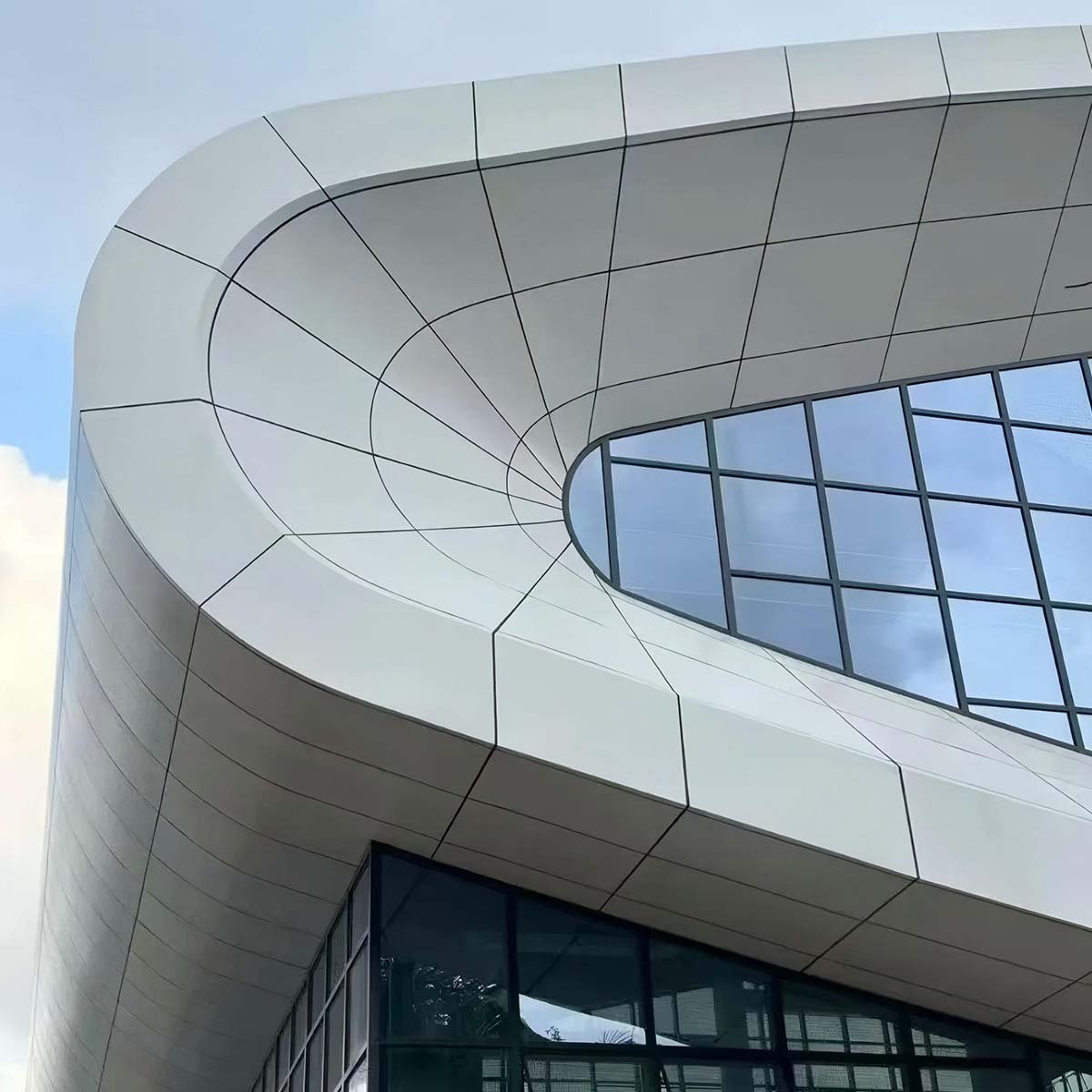
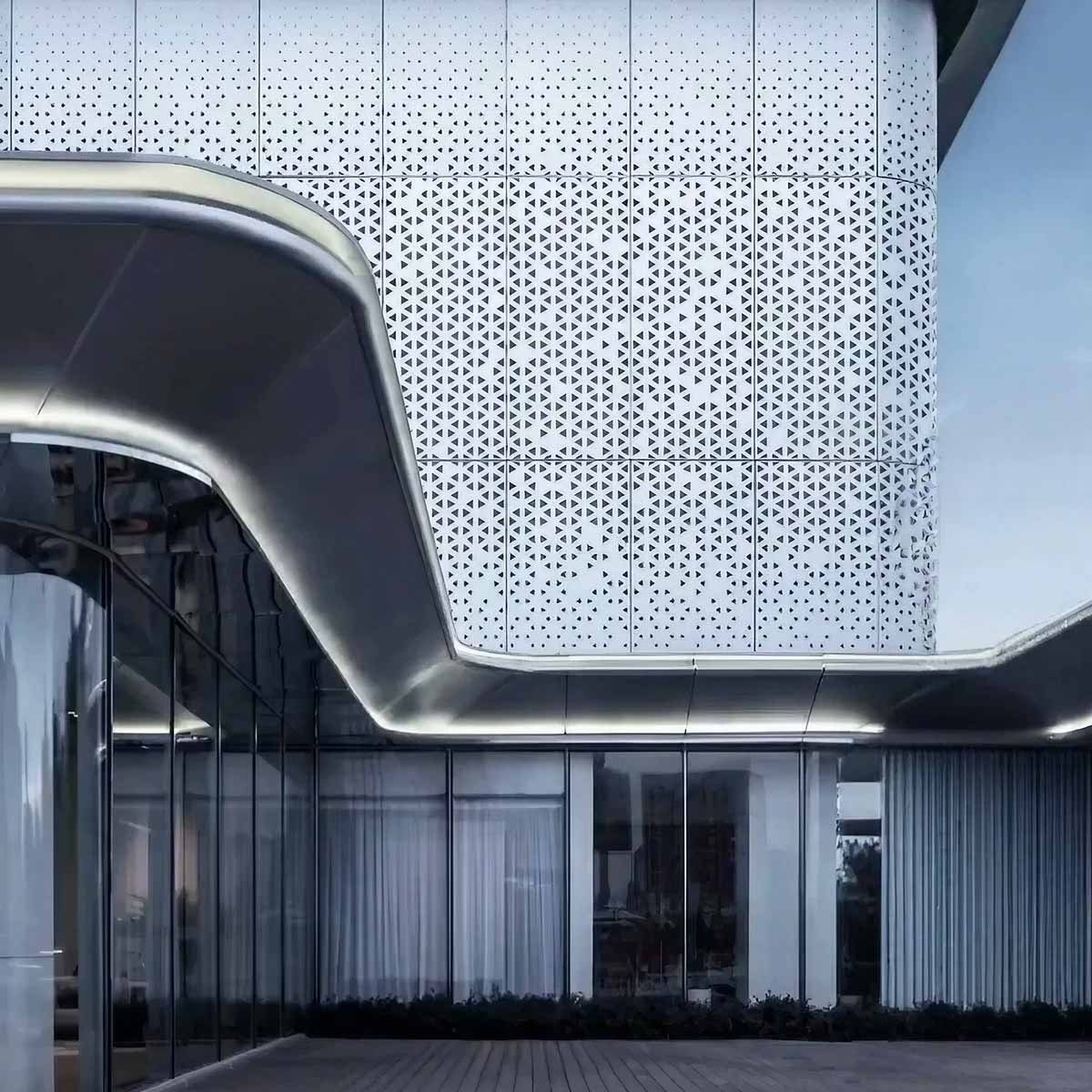
aluminium facade combines cladding panels, sunshades and decorative fins into the facade, which, with different colours, patterns and finishes, results in exteriors with unique design.

Aluminium Ceilings

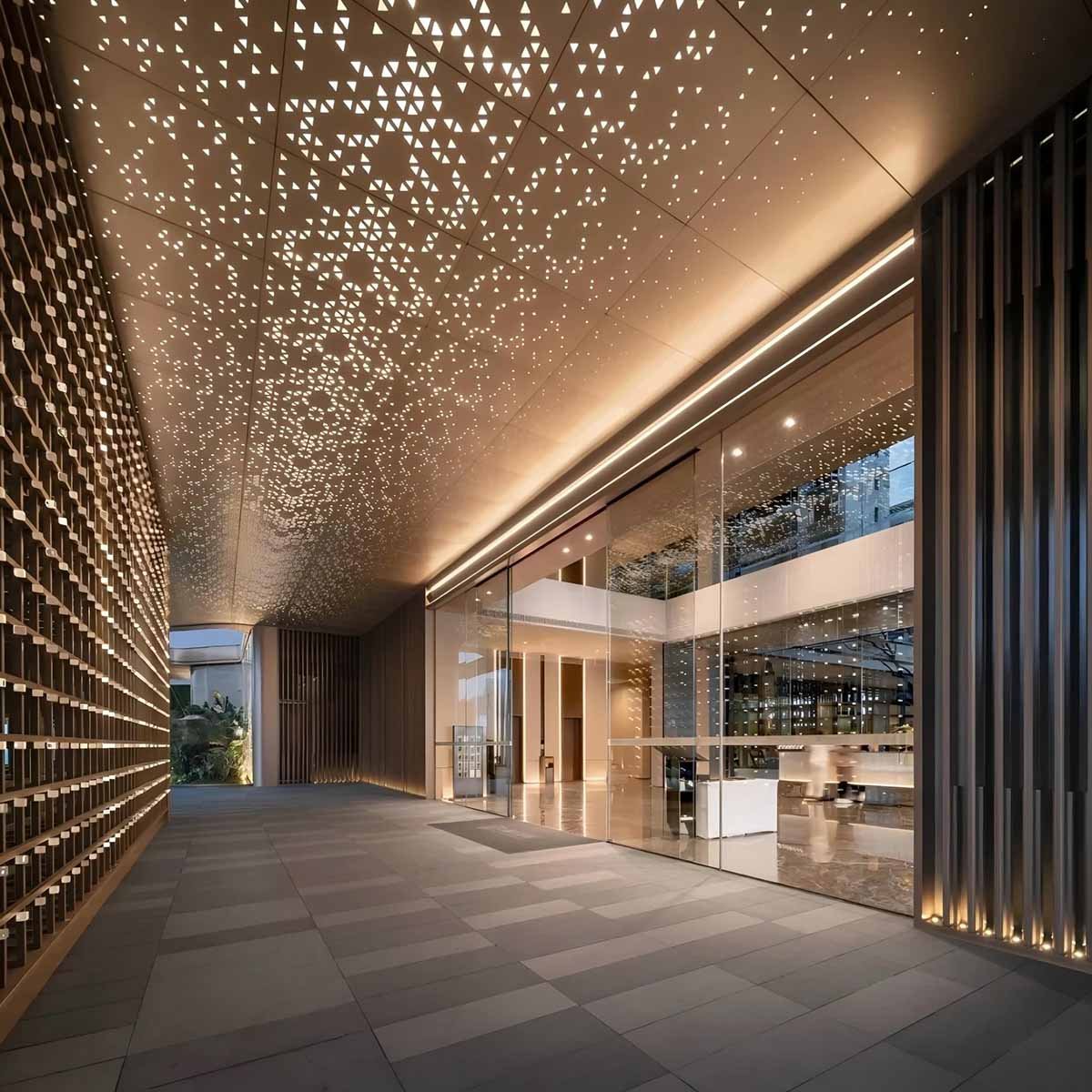
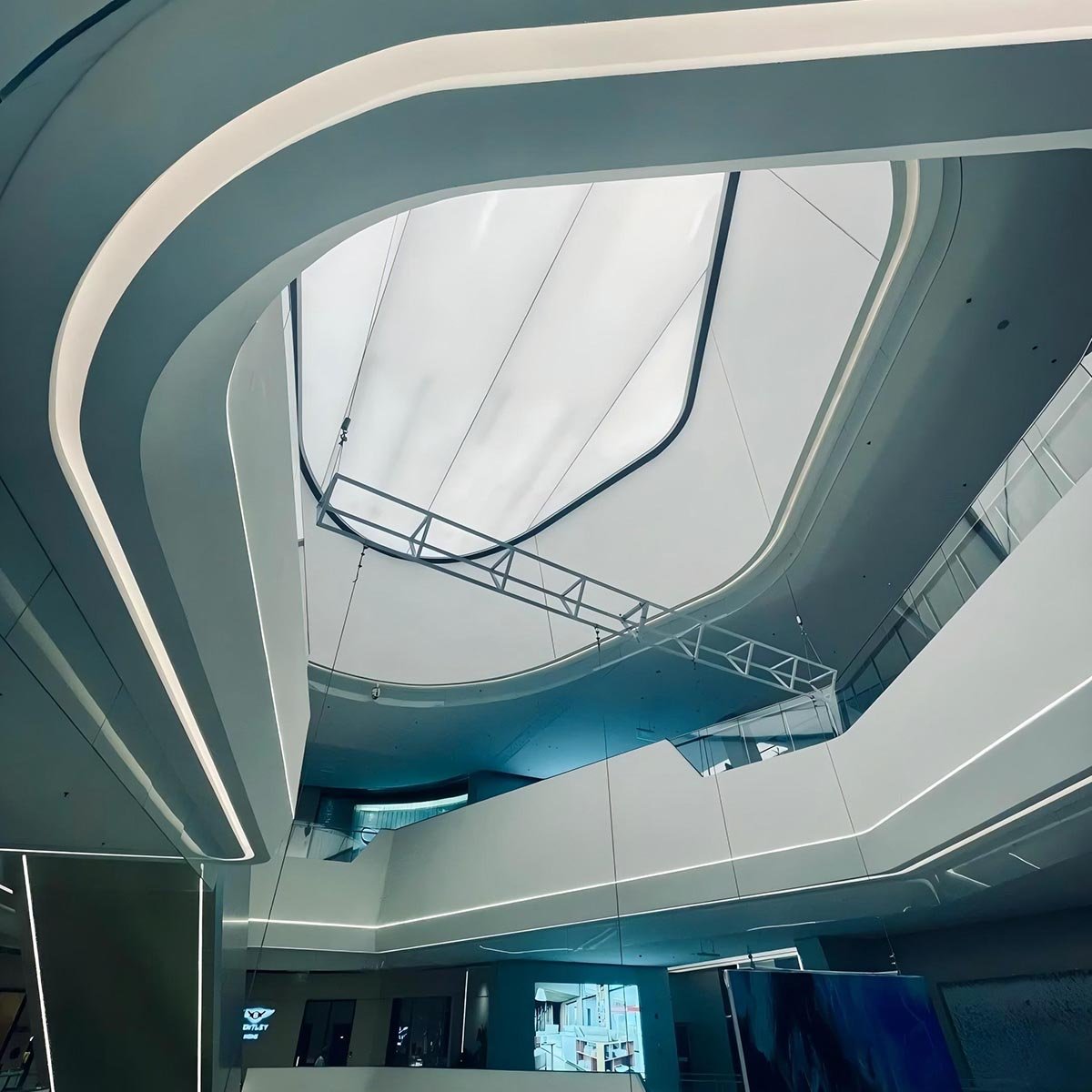
The aluminium ceiling offers a clean and modern look for offices, hotels, shopping centres and public buildings. Lighting, ventilation and maintenance access can be incorporated into panel designs.

Aluminium Screens

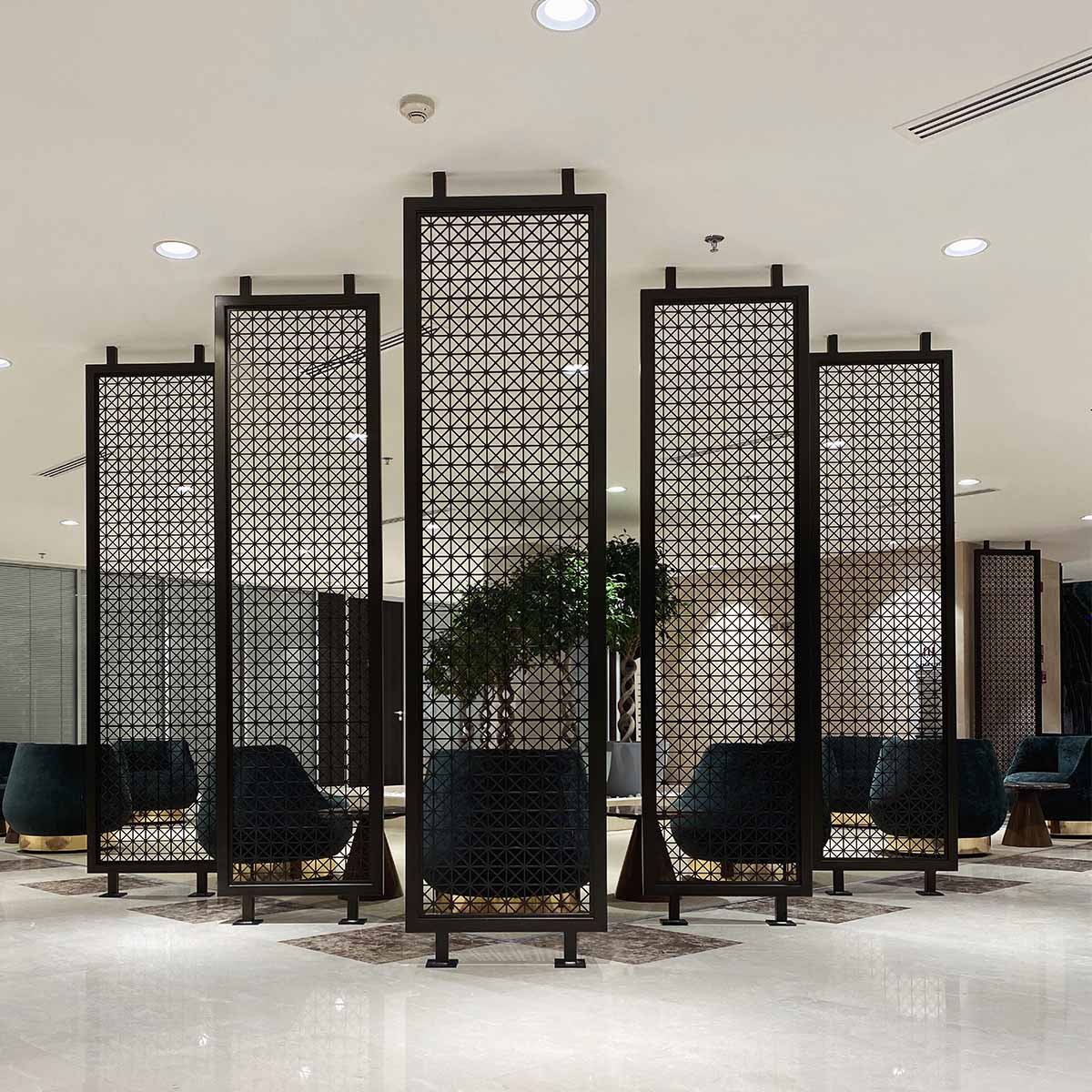
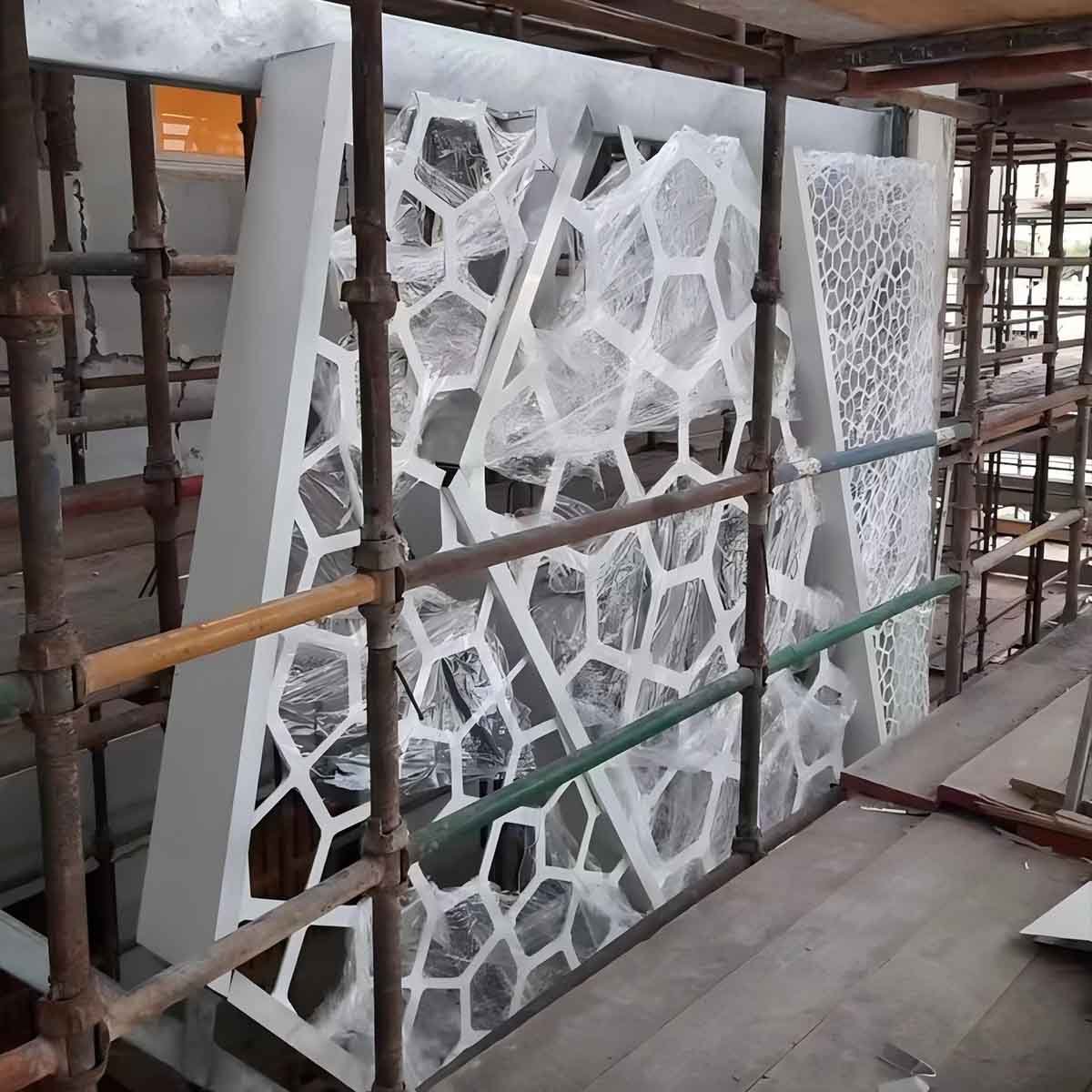
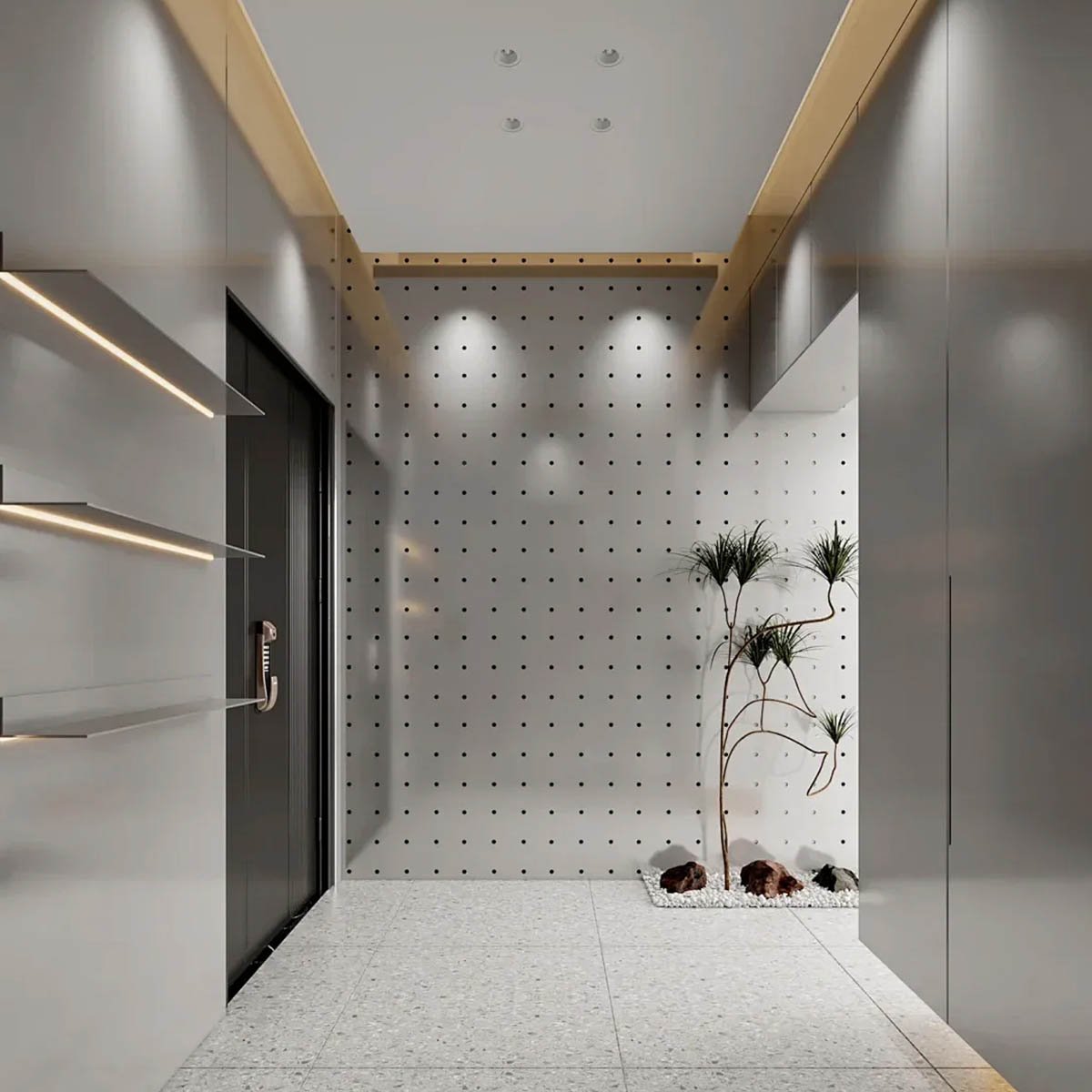
An aluminium screen can provide privacy, shading and ventilation on facades, balconies and outdoor spaces. Perforated and louvred as well as laser-cut designs provide varying degrees of airflow and privacy.

Aluminium Column Wraps

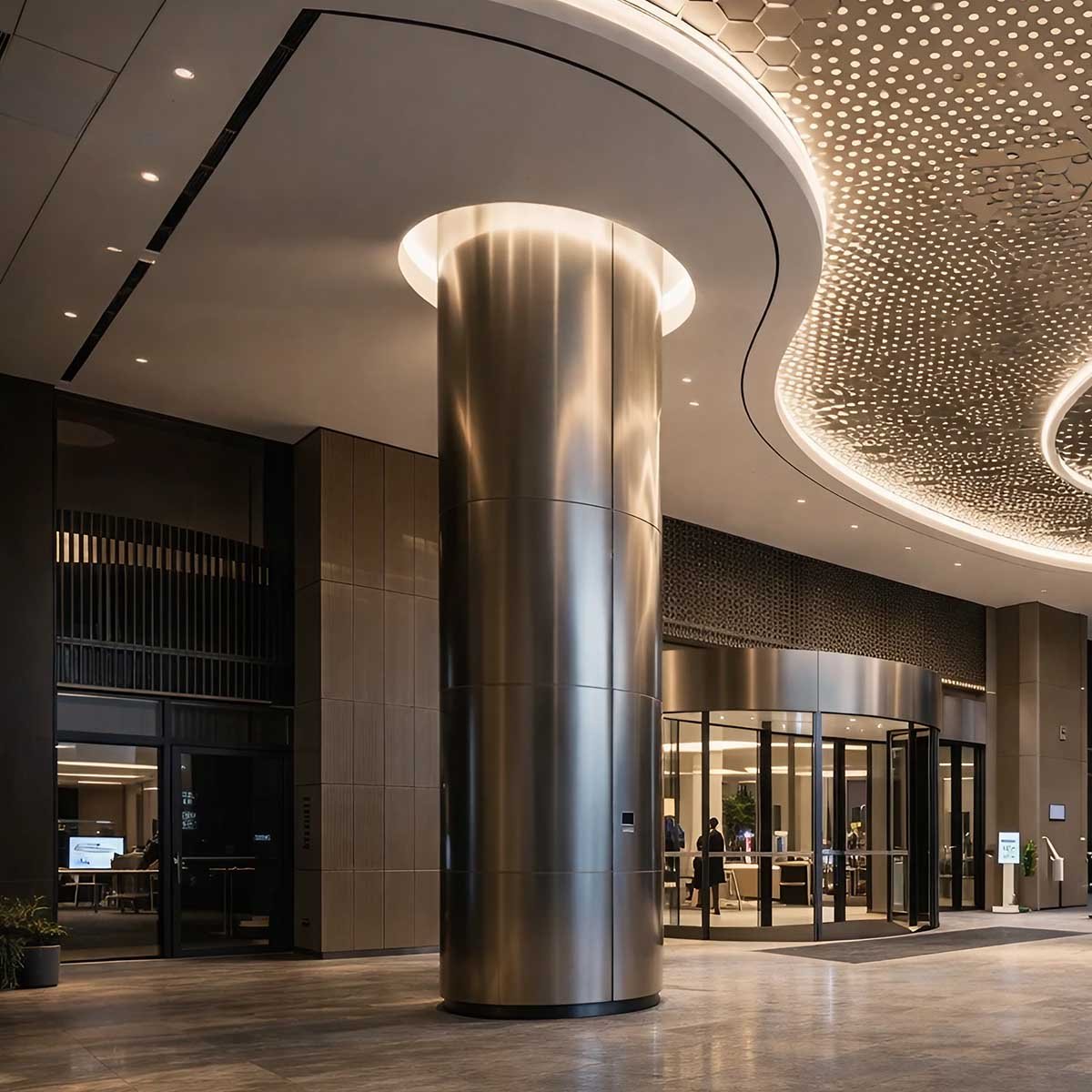
aluminium column wraps are decorative panels that wrap around structural columns to provide a consistent look throughout a commercial interior, hotel or retail interior.

Transportation and Industrial Applications

Aluminium is used in transport, electrical and industrial applications, and is light, conductive and formable to make vehicle panels, frames, cables and machinery housings.

In summary, aluminium is a versatile, robust, and lightweight material that can be used in a variety of applications, such as architecture and industry.

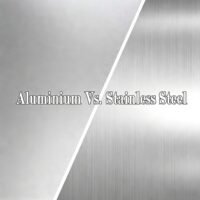
Aluminium vs Steel: What Are the Main Differences?

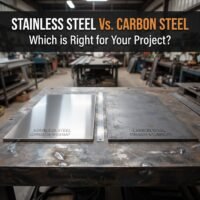
Both aluminium and steel are used widely in building and production and have differing properties in terms of weight, strength, corrosion resistance and workability. The difference between them helps identify the right material for a project’s performance and design needs.

Feature Aluminium Steel
Weight Lightweight, approximately one-third the density of steel Heavier and generally denser
Strength Varies by alloy and temper Varies by grade and treatment; many grades offer high strength
Corrosion resistance Naturally forms a protective oxide layer Carbon steel usually requires protective treatment
Formability Well suited to extrusion and lightweight components Suitable for structural sections and heavy-duty fabrication
Maintenance Often requires less corrosion protection in suitable environments May require regular inspection and corrosion protection
Common applications Façades, ceilings, screens and lightweight frames Structural beams, columns, machinery and heavy-duty structures

Which Material Should You Choose?

Aluminium is well suited to projects where low weight, corrosion resistance, design flexibility and decorative finishes are important, such as architectural panels, façades, ceilings and screens.

The application of steel suits is where it is required to be stiff, sturdier or thicker, and the grade and protective system selection is dependent on the operating environment.

Both materials are not necessarily better, it depends on the structural loads, design, exposure, fabrication, maintenance needs and overall project cost.

How Do You Choose the Right Aluminium for Your Project?

The selection of the most appropriate aluminium is determined by the application, strength, environmental exposure and aesthetics. Before choosing a material for your project, you should take into account the following.

Consider Strength and Structural Requirements

Choose aluminium for its strength, formability, and durability, considering these are essential for the success of any project.

Select a Suitable Surface Finish

Always take into account sunlight, moisture, pollution and exposure to sea breezes. Select anodising, powder coating or PVDF coating depending on the environment and according to the manufacturer’s specifications.

Match the Design and Maintenance Needs

Consider colour, texture, reflectivity and cleaning needs. Architectural applications demand uniformity, and in high-traffic applications, easy-to-maintain surface properties are beneficial.

Evaluate Fabrication and Installation

Verify aluminium capabilities of cutting, bending, extrusion and joining prior to production, as well as dimensions, tolerances, fixing methods and installation conditions.

Compare Cost and Long-Term Performance

Take account of initial cost, fabrication, installation, maintenance and replacement. The optimal solution is a combination of budget, durability and performance over the product’s service life.

Consider Panel Dimensions and Installation

Material selection is affected by panel dimensions, material weight, panel joints, fixings, transportation and site conditions. The panel system should be designed to fit the building, installation techniques and tolerances, and movement.

Review Maintenance Requirements

Take surface accessibility into account for routine inspection and cleaning – if pollution, salt deposits, and contaminants are present, the need for routine maintenance may necessitate easy cleaning access.

Pre-production samples are reviewed to ensure the consistency of samples and technical data, colour specification, and coating performance information, before mass production.

When choosing the appropriate PVDF-coated aluminium for an architectural project, the factors of exposure, material, appearance, processing, installation and maintenance must be considered.

Need customised aluminium products for your architectural project? Contact TBK Metal to explore fabrication options, decorative finishes and tailored solutions that meet your design and performance requirements.

Why Choose TBK Metal for Your Aluminium Project?

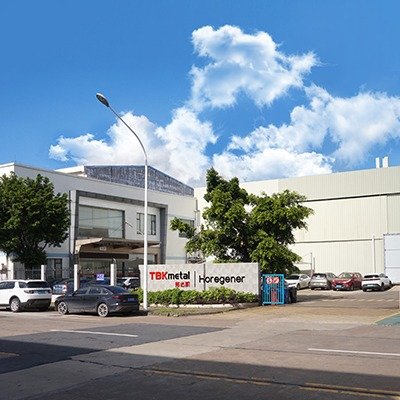
The key to selecting the best aluminium supplier is to find the right partner for your project. TBK Metal’s manufacturing capability, technical expertise and customised solutions meet a wide range of architectural needs.

Extensive Manufacturing Capabilities

TBK Metal has 50,000+ sqm of manufacturing space and 5+ bases, offering customised aluminium products to match various project specifications, designs and production requirements.

Technical Expertise and Customisation

Our 50+ senior engineers and 300+ staff members are engaged with product development and coordination, offering a wide range of materials, finishes and fabrication possibilities for architectural clients.

Proven Architectural Project Experience

TBK Metal is experienced with 5000+ architectural projects, incorporating design intent and quality of product with the practical considerations of manufacture for a variety of building applications.

International Project Support

The international service network helps coordinate customer requirements across various markets, facilitating communication and product solutions specific to the project, for TBK Metal.

TBK Metal provides customised aluminium Façades, Ceilings, Screens and Components for your project needs. Talk to our team about the specifications and possible solutions.

FAQs About PVDF-Coated Aluminium

Q1. Does Aluminium Expand When Heated?

Yes, aluminium does expand when it is heated and contracts when it is cooled. Thermal expansion should be taken into account in the design of long panels, facade systems and exterior parts of the building. The joint spacing and fixing arrangements provide flexibility to accommodate temperature changes and minimise deformation risks.

Q2. Can Aluminium Be Used Near the Coast?

Aluminium can be used in coastal areas, however corrosive risks may be higher due to the salt exposure. Durability is enhanced by suitable alloy selection, suitable protective finishes, appropriate detailing and regular cleaning. Apart from that, care should be taken when aluminium comes into contact with incompatible metals.

Q3. Is Aluminium Magnetic?

No, aluminium is not ferromagnetic (magnetizable) and will not attract to magnets like iron or regular steel. This property is useful for aluminium in applications where separation of materials or magnetic interference is a concern.

Q4. Can Aluminium Be Welded?

Yes, a number of aluminium alloys can be welded, however the choice of the method of welding the alloy varies depending on the alloy, thickness and application. Aluminium must be handled with appropriate equipment and procedures as the oxide film, thermal conductivity and sensitivity to heat may impact the quality of the weld.

Q5. Can Aluminium Come Into Contact With Other Metals?

Galvanic corrosion can occur between aluminium and some dissimilar metals in the presence of moisture. This risk can be reduced by the use of appropriate insulating materials, suitable fasteners and appropriate protection, especially where mounted outdoors or near the coast.

Q6. Is Aluminium Safe for Food Contact?

Aluminium can be used in food packaging, cookware and food processing equipment; suitability depends on the alloy, surface finish and application. Manufacturers' specifications and applicable food-contact regulations should be verified, particularly for acidic or alkaline foods.

Q7. How Long Does Aluminium Last?

The useful life of aluminium products is of the order of decades, depending upon the alloy, environment, design and maintenance. The actual service life may be different from application to application and exposure conditions, protective finishes and drainage and inspection needs should be taken into consideration when inspecting for durability.

Q8. Can Aluminium Be Recycled Into New Products?

Aluminium can be recycled and be transformed into new articles without losing its basic metallic characteristics. Aluminium is recycled in a number of industries, but the final product composition and performance is dependant on the sortability, processability and alloy requirements.

Conclusion

Aluminium is a useful material for its light weight, corrosion resistance and adaptability. Knowing its different alloys, finishes and manufacturing process is useful to make sure that it is the correct solution for different architectural and industrial needs.

In the architectural projects, the reliability of the supplier is also crucial. Taking project-specific design, quality and performance requirements into account, TBK Metal offers customised aluminium solutions, combining manufacturing expertise and various finishes.

Contact Request

Contact TBK Metal for customised aluminium solutions, versatile finishes and expert support tailored to your architectural project’s design and performance requirements.

    Related Posts