




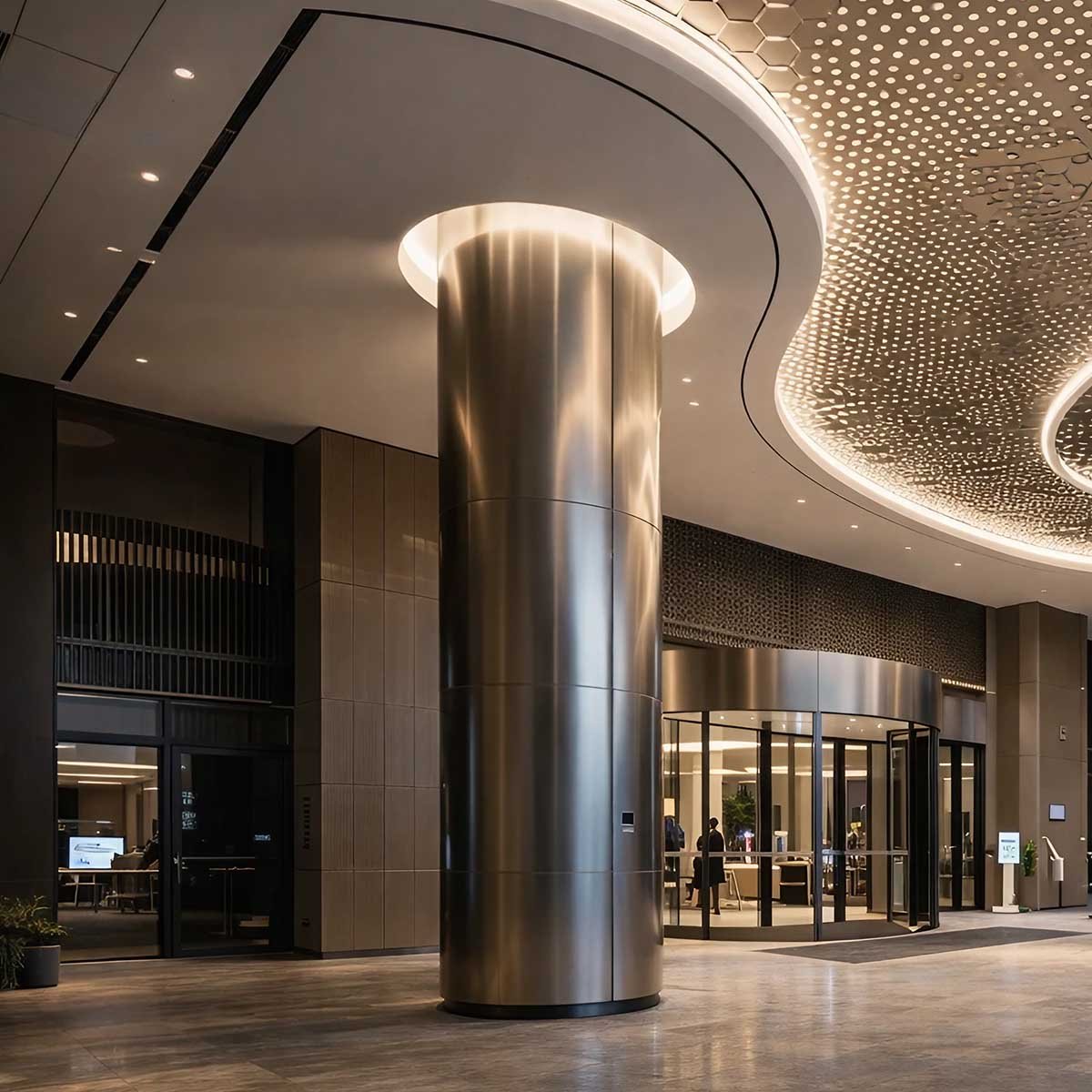

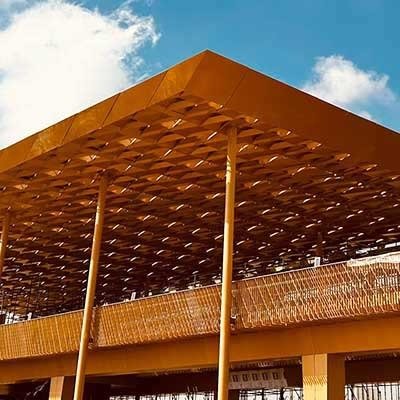
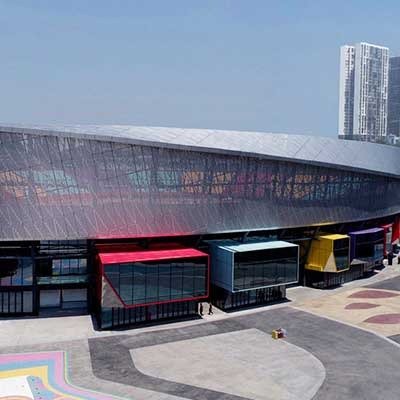
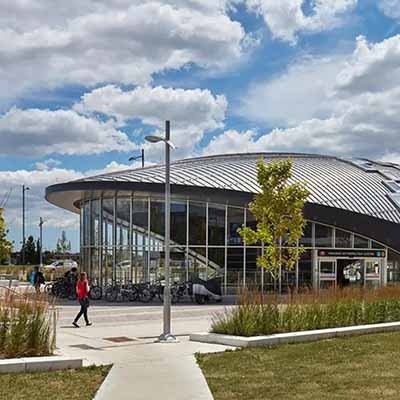
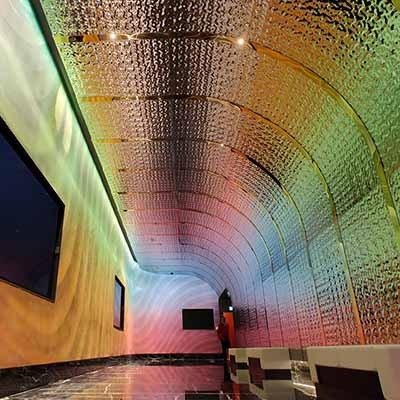


Customization in Stainless Steel Fabrication by TBK Metal KSA

Customization in stainless steel fabrication has become of key importance in modern-day architecture providing solutions to meet the designer’s goals and extending the visual value of a project. It enables unique, tailored creations.

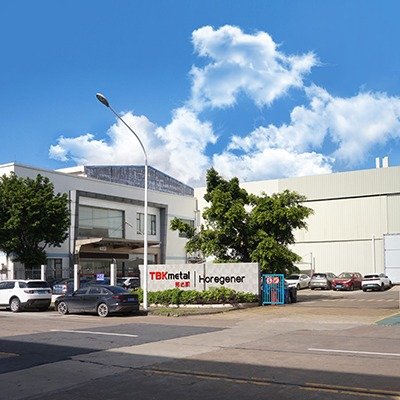
At TBK Metal KSA, which is a China-based architectural metal fabricator in Saudi Arabia, stainless steel fabrication labor is flexible in design, durable and accurate, allowing architects to implement their imagination. This customized method makes each architectural project special and practical.

Why Stainless Steel? Understanding the Material's Benefits

The uses of stainless steel in architecture are immense since it offers the required strength, versatility as well as durability in its appearance. It is an excellent material that has many advantages in different directions for a long time.

Durability

Stainless steel does not corrode or stain easily, and does not rust so such a fence will not require frequent refinishing or repair and can be used both indoors and in various climates.

Strength

High tensile steel is strong and can support heavy loads as well as extreme weather and therefore the material of choice for components such as facade and staircase.

Aesthetic Appeal

Modern acute vision and attractive design make it appropriate to complement almost any type of building, starting from the business center and finishing with mansions.

Versatility

Stainless steel is flexible to work with; it can easily be cut, welded, and bent into various designs as per the design desired by the architect ranging from detailed work to the big architectural works.

Sustainability

Stainless steel is 100% recyclable with additional benefits of sustainable architecture since it causes minimal harm to the environment yet has a long span and comparatively low maintenance frequency.

Low Maintenance

Stainless steel does not rust, stain, or get affected by weather hence only requiring little or no maintenance after a long duration making it economical in the long run for potential large-scale projects.

Stainless steel includes many advantages such as durability, strength, aesthetical appearance, and ready availability and thus should be utilized in architectural designs.

TBK Metal KSA’s Approach to Custom Stainless Steel Fabrication

At TBK Metal KSA, fabricated stainless steel products are an art of creativity, functionality, and teamwork. It is apparent that, their strategic goal is to provide specific and unique relative to client plans and projected objectives.

Collaborative Design Process

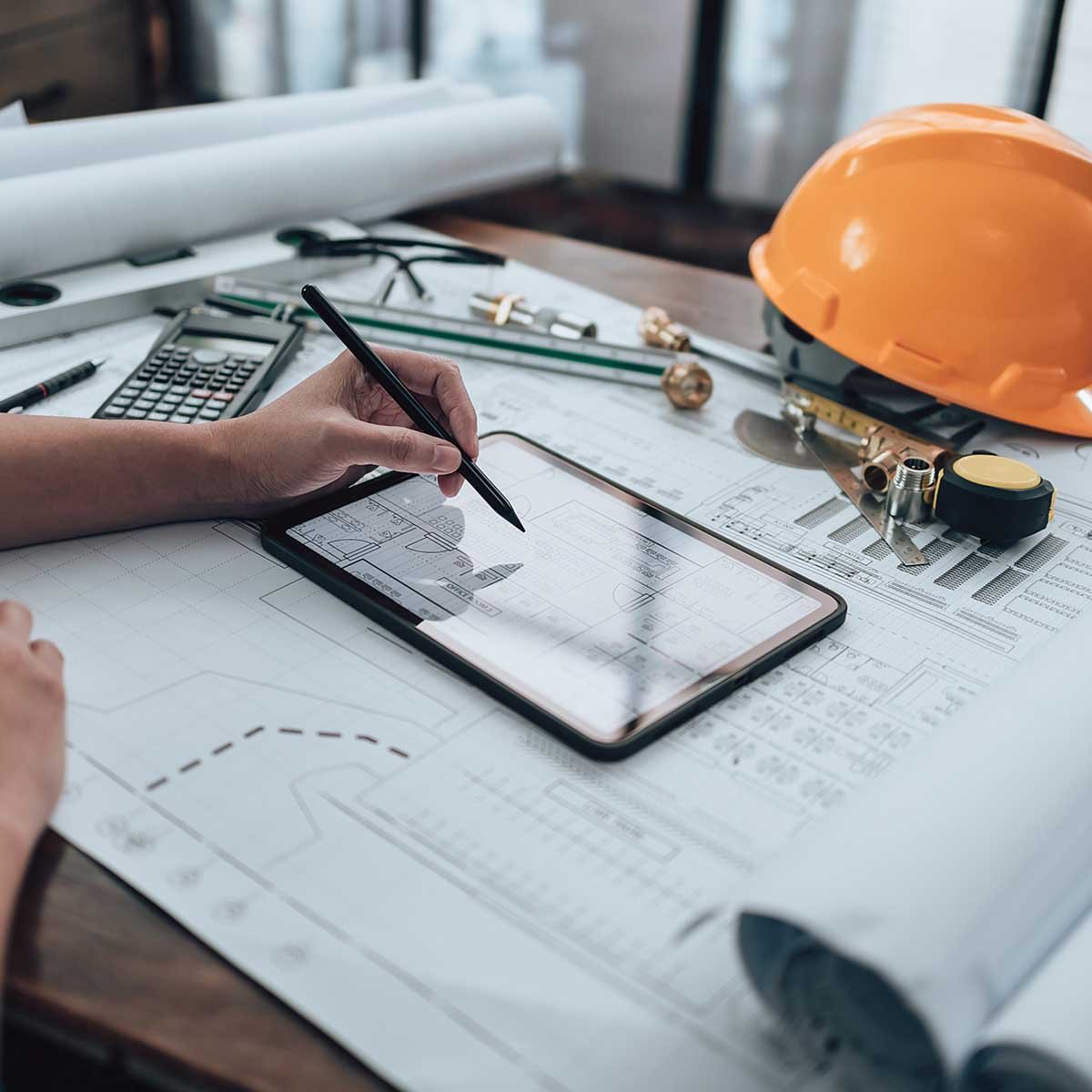
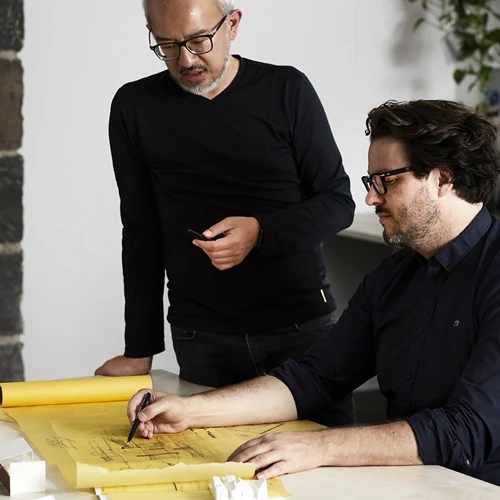
Our Company collaborates with architects, designers, and engineers to find out the specific requirements of the particular project and aims to provide the client with the best possible design.

State-of-the-Art Technology

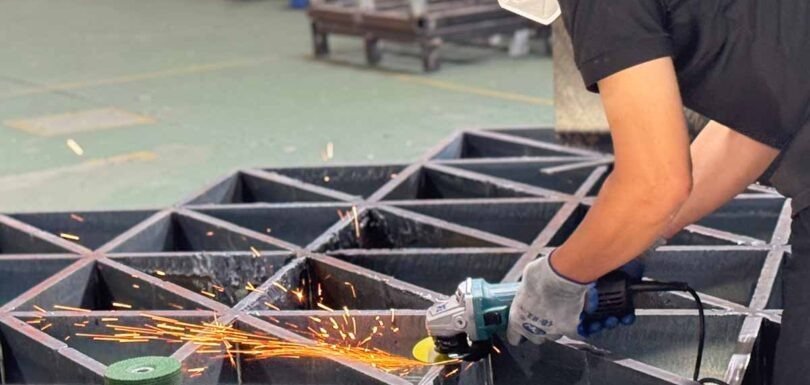
With the help of advanced technology, TBK ensures to provide quality work in fabrication hence achieving complicated designs and special measurements for every fabrication project.

Expert Craftsmanship

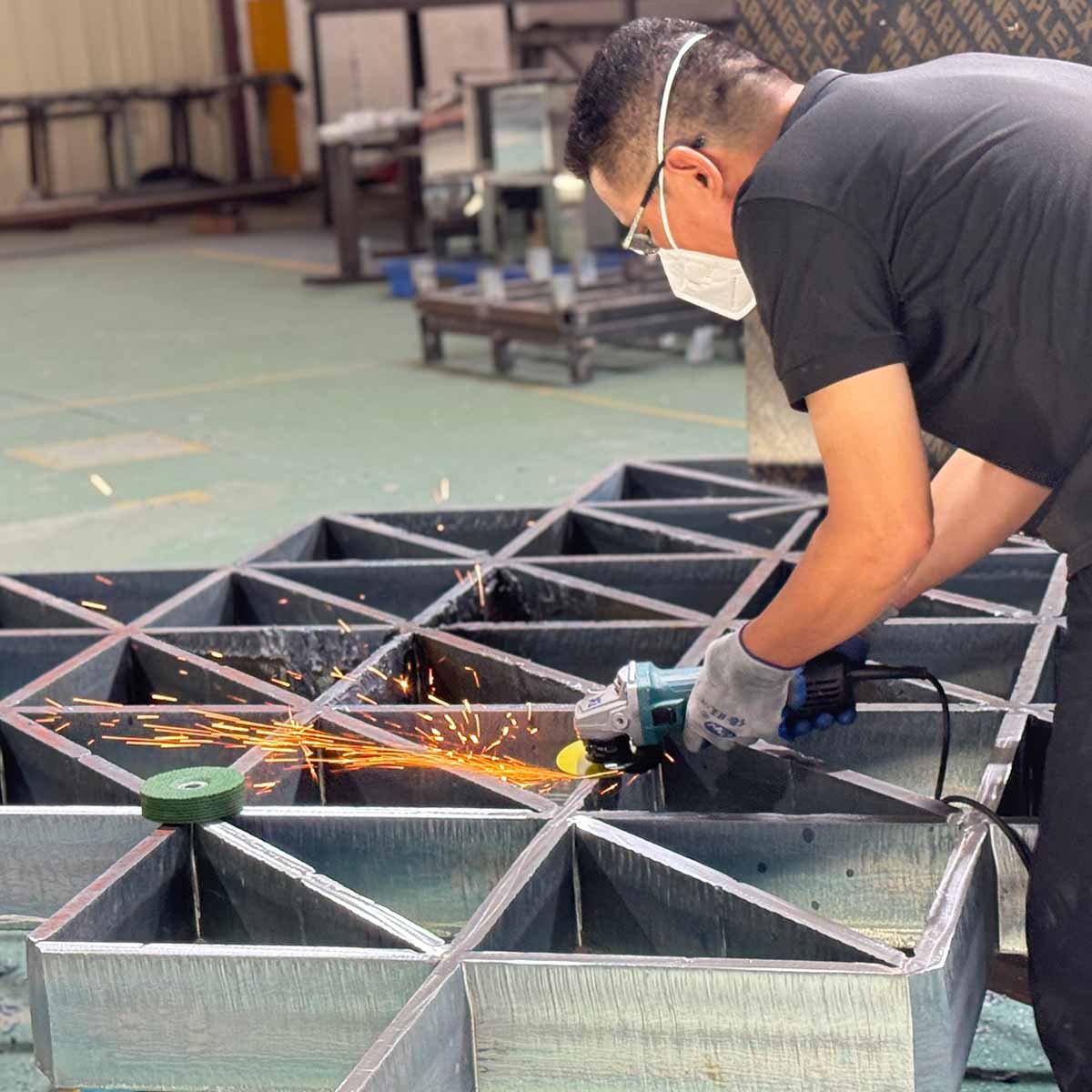
Each of their workers has adequate experience on the job and they pay close attention to detail while working on every steel etching project so as to produce maximum quality work on stainless steel.

Tailored Solutions

TBK continues to provide end products made of stainless steel for structural aspects of projects down to the ornamental accents so that each client can receive optimal service and a project that fits naturally into the locale.

Quality Control

Stringent quality assurance measures are also taken right from the designing stage to the production and packaging of the finished products to ensure that the final products are strong, durable, and good-looking.

End-to-End Service

During the design consultancy and up to the point of installation of the custom stainless steel, TBK Metal KSA makes sure that only excellent services are offered to the clients.

TBK Metal KSA’s process of stainless steel fabrication is focused on teamwork, application of the best technology, and professional workmanship, as a way of offering unique solutions to fit the needs of the project as per the general vision of the client.

Customized Design Solutions: A Focus on Client Needs

At TBK Metal KSA, it is the paramount concern to listen and comprehend the expectations of the clients who go through every individual project. This means that every characteristic of the stainless steel is intentional and for a specific function.

Personalized Consultations

TBK Metal KSA has extensive consultations with the client detailing their requirements, the style, and the functionality of the design which is developed to suit the vision of the client fully.

Collaborative Concept Development

Architects and designers work closely with TBK’s team to identify the concept and turn it into tangible designs – all the furniture and interior items must correspond to the architecture of the project.

Creative Flexibility

For usage in structural and aesthetic purposes, TBK provides programming versatility which may enable the clients to have a full range of concepts and options on materialization.

Adaptability to Project Scope

Specifically, TBK is likewise comfortable working big scaled commercial works as well as complex residential designing projects based on the project needs and demands.

Innovation in Design

TBK is actively evolving the design of its products and coming up with new ideas that help architects implement their creativity and tendencies in the use of stainless steel.

Attention to Detail

Quite a lot of important attention is paid to each element, maximizing the functionality of each stainless steel part and at the same time having an aesthetic and structural value.

TBK Metal KSA’s promise to meet customer expectations guarantees that every stainless steel layout is an innovation of art that is not only functional but also exacting, which can be in each architectural project.

Customized Design Solutions A Focus on Client Needs | TBK Metal KSA

Cutting-Edge Technology and Equipment in Fabrication

At TBK Metal KSA, new technology, and sophisticated equipment have always been used when carrying out the fabrication of stainless steel. These tools also facilitate accurate, high-quality, and fast delivery of individualized solutions to various architectural requirements.

3D Modeling and CAD Software

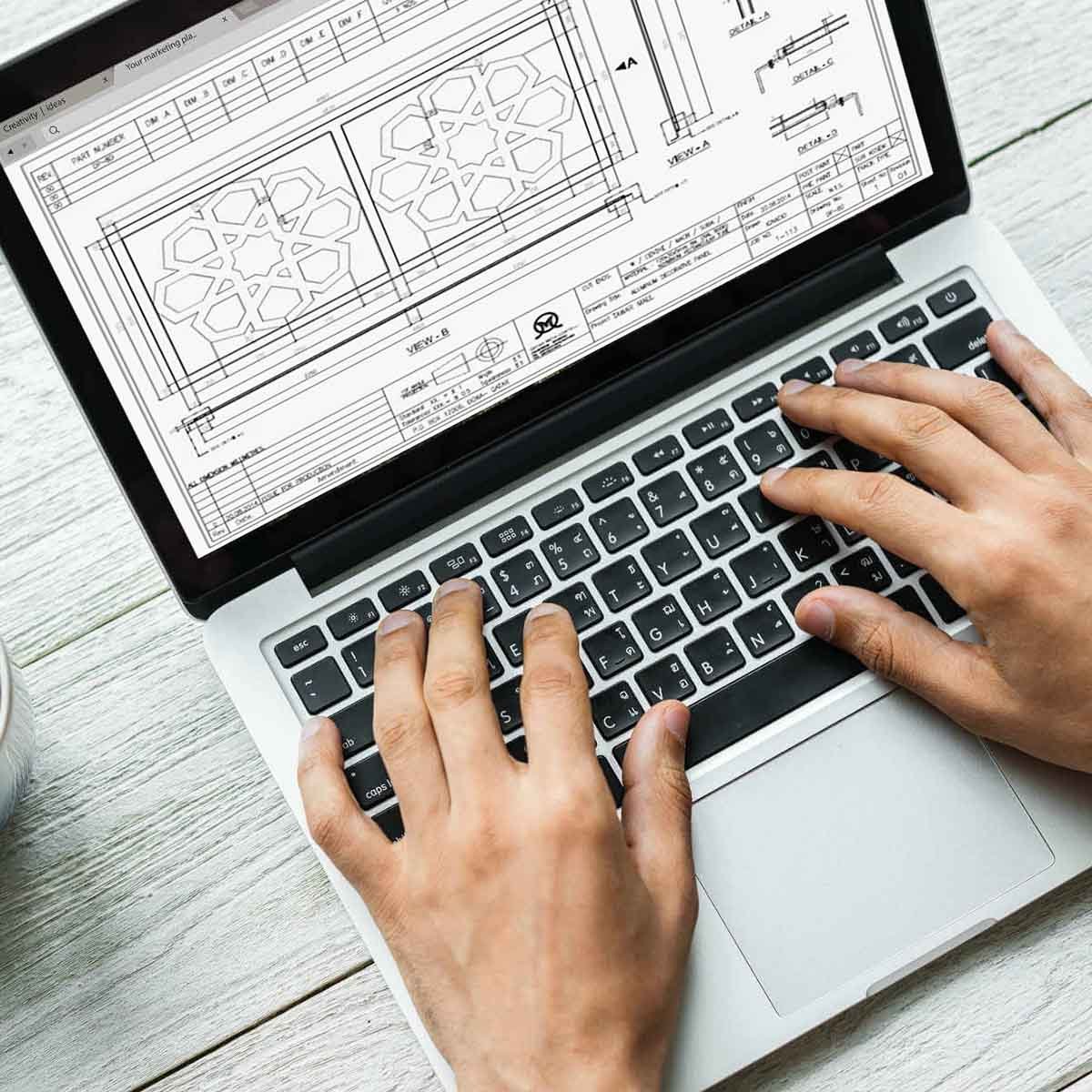
In layman’s terms, to achieve the right dimensions, precise measurements, consistent structural design layout, and outlook prior to actual construction or manufacture, TBK employs the use of 3D modeling and CAD tools.

Laser Cutting Technology

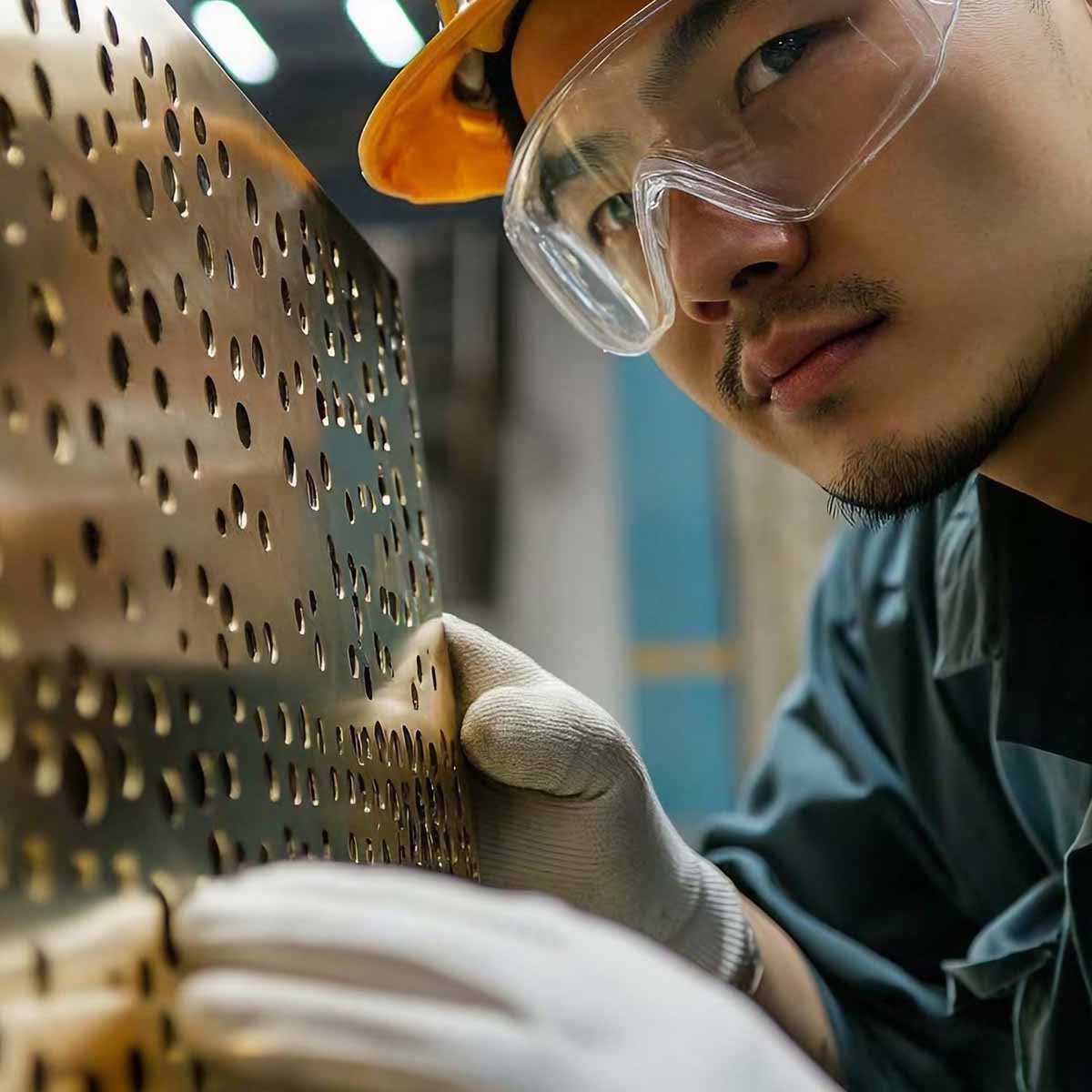
In laser cutting, stainless steel is cut with distinction, and TBK can elaborate various patterns and shapes with no issues with edge quality and fashioning.

CNC Machining

CNC controls and drives various cutting, drilling as well as shaping processes and makes sure that any stainless steel piece no matter how large or detailed is consistent in many ways.

Robotic Welding

Robotized welding increases the efficiency and quality of welding processes, as well as increasing the rate of production for masses or pieces that require high precision and strength when welding stainless steel.

Waterjet Cutting

Water jet cutting is also used in the cutting of materials that require a high level of accuracy without heating up the product to alter its shape or texture hence preserving the delicate touch of the design.

Finishing Techniques

New finishing techniques, such as polishing and coating enable TBK to create several surface textures from mirror finishes to flat depending on design requirements.

TBK Metal KSA’s commitment to the latest technology and machinery assures the very highest standards of precision, efficiency, and creativity in Stainless Steel fabrication, supplying clients with outstanding, bespoke Architectural Solutions.

Architectural Applications: Custom Solutions for Every Project

These properties of stainless steel make it suitable for use in various structures and developments. TBK Metal KSA offers a broad range of products made of stainless steel for various projects that include beautiful facade and stylish interior designs.

Exterior Facades

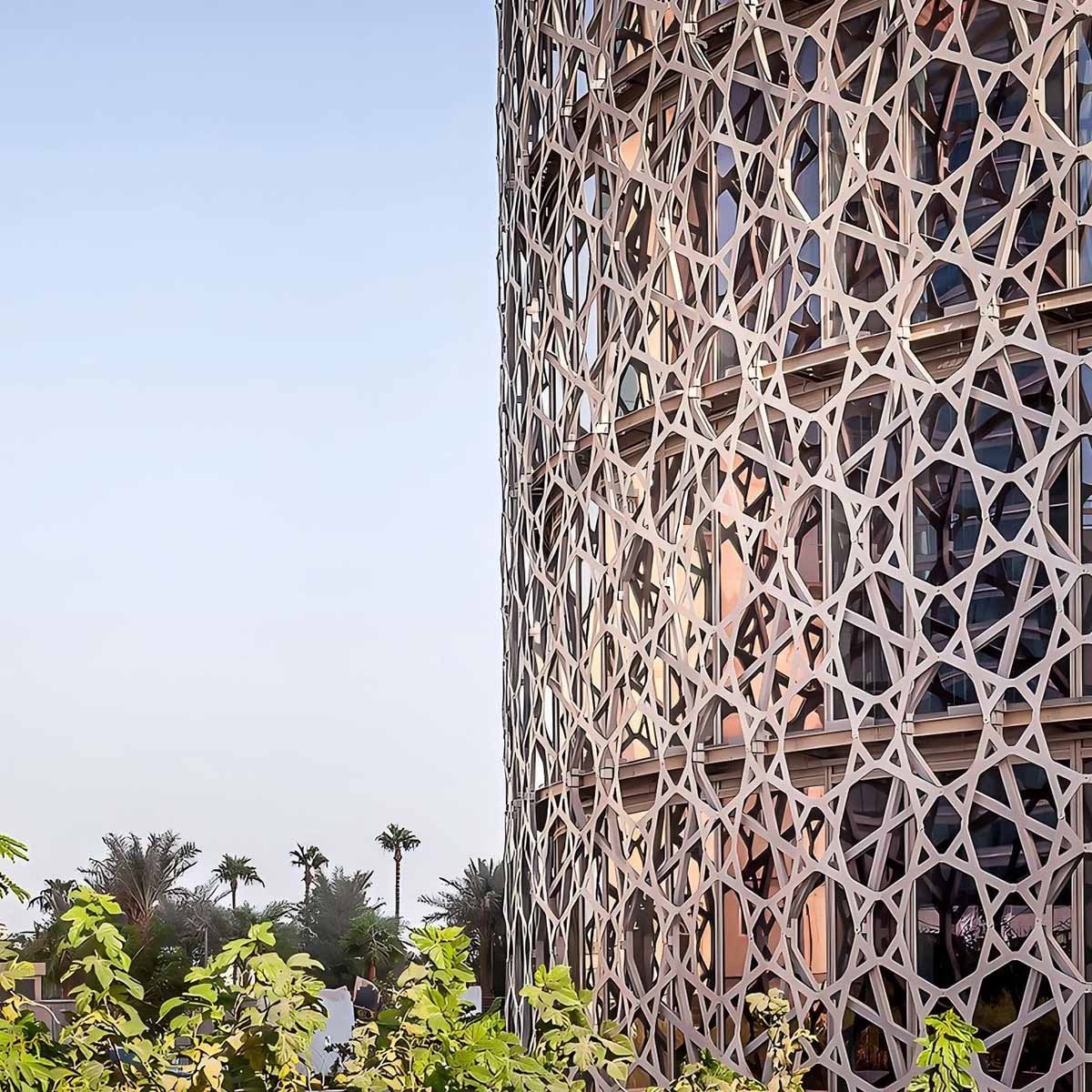
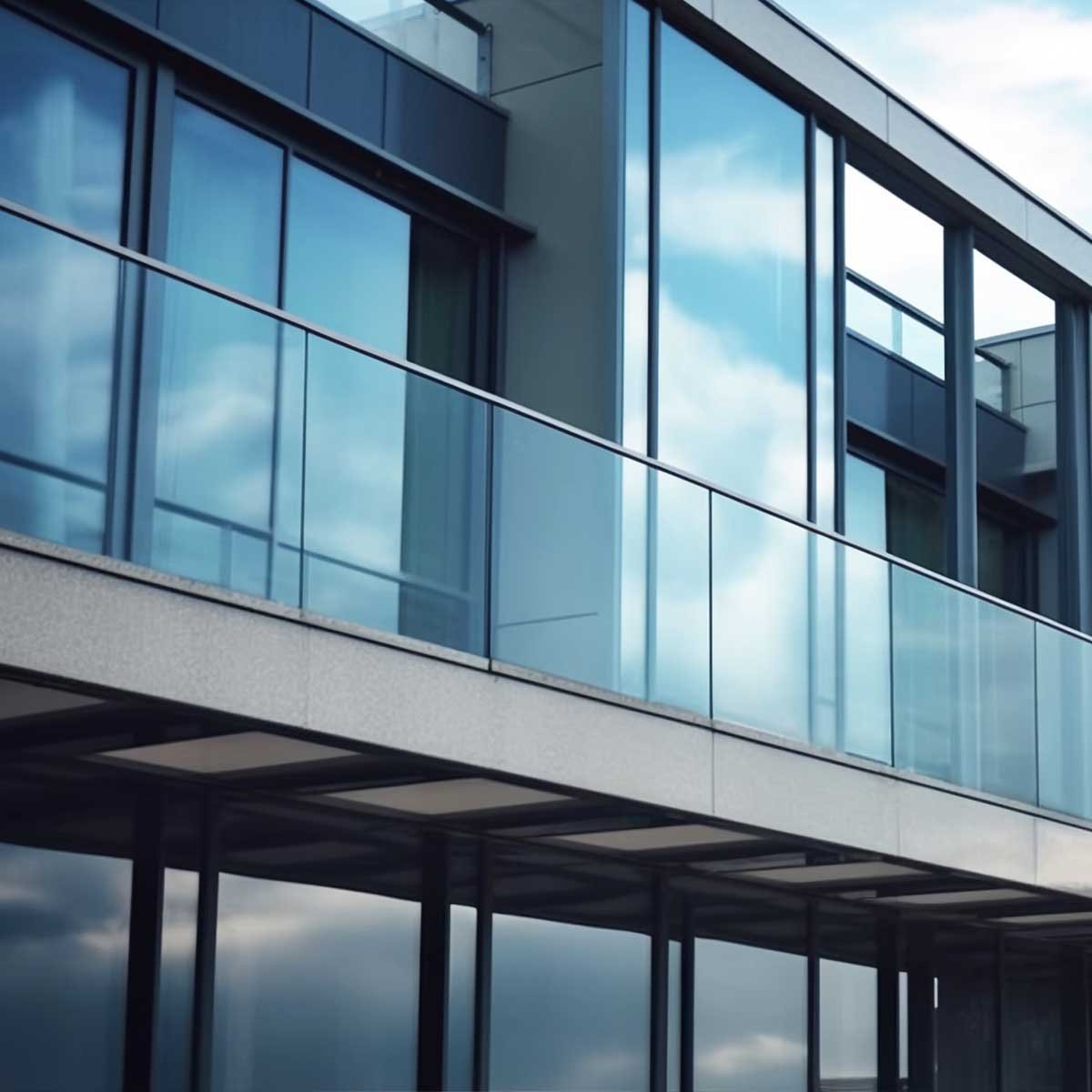
Custom stainless steel facades ensure durability and add elegance to houses and other buildings; they provide weatherproof structures that complement the designs and give a touch of beauty to all the structures.

Staircases and Railings

TBK fabricates and installs ornamental and functional staircases and railings made of stainless steel to complement the building and architectural design while also offering support and beauty to interior designs.

Interior Features

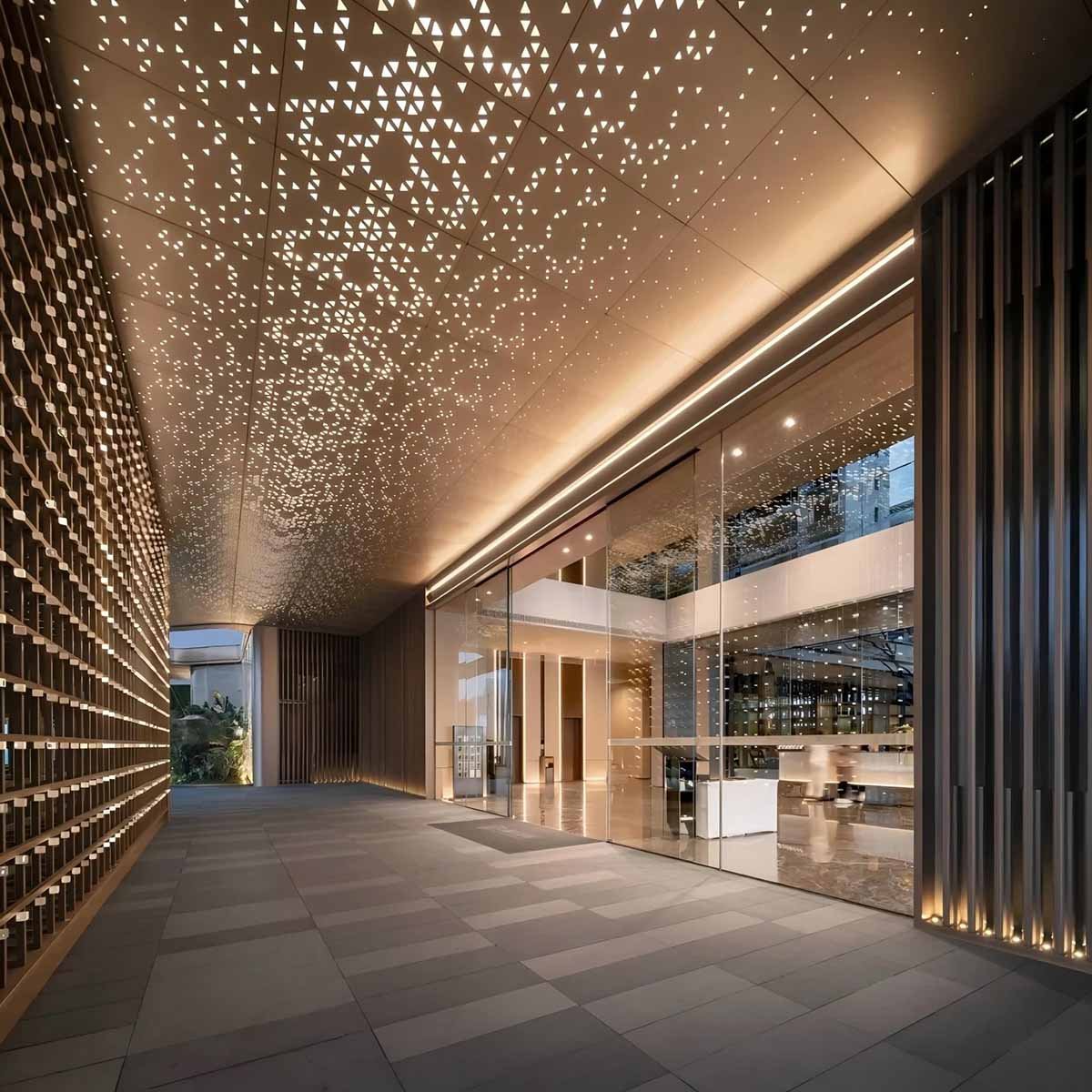
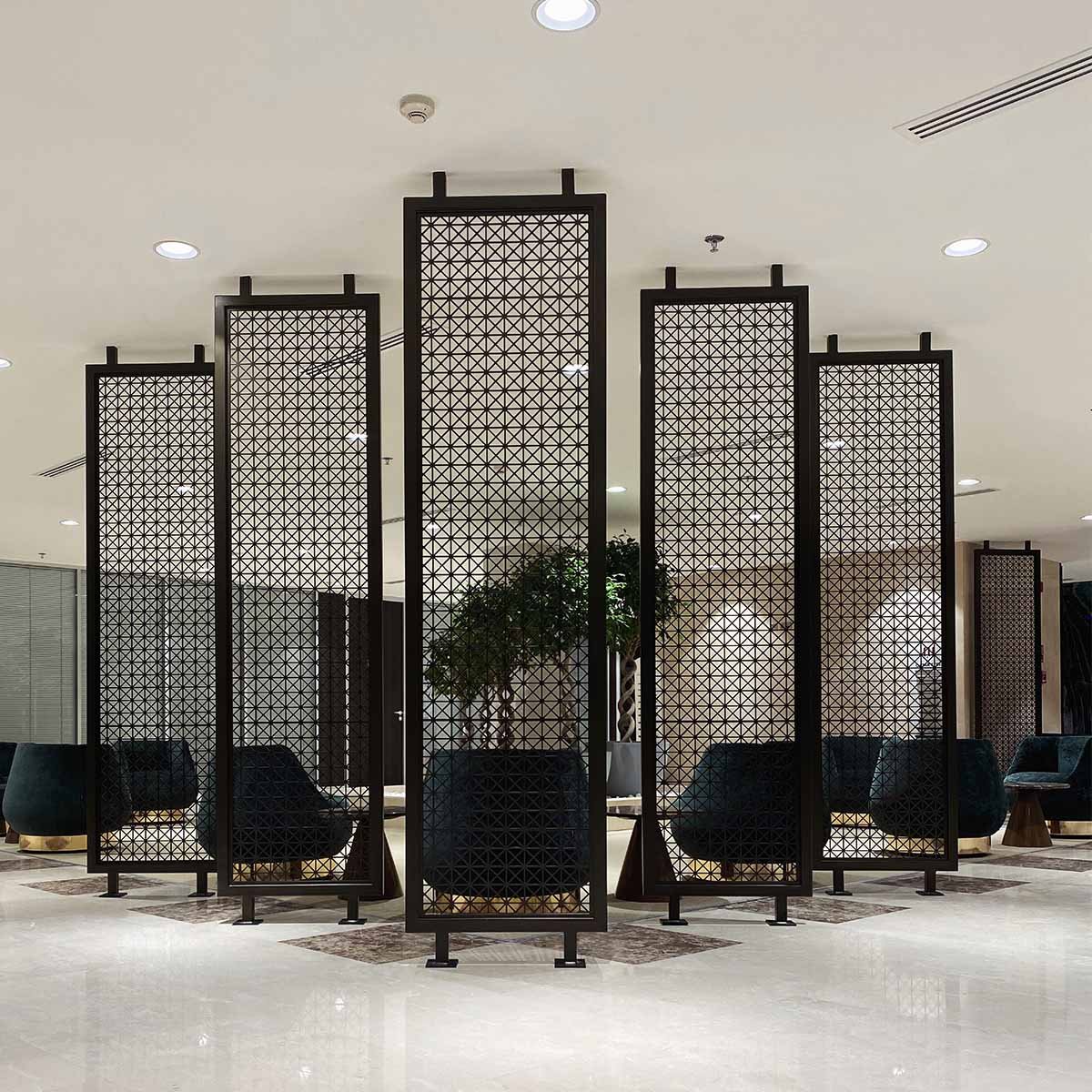
Stainless steel applies to the custom interior including countertops, doors, and partitions among other things and it gives a modern look and feel coupled with its durability for residential and commercial purposes.

Architectural Sculptures

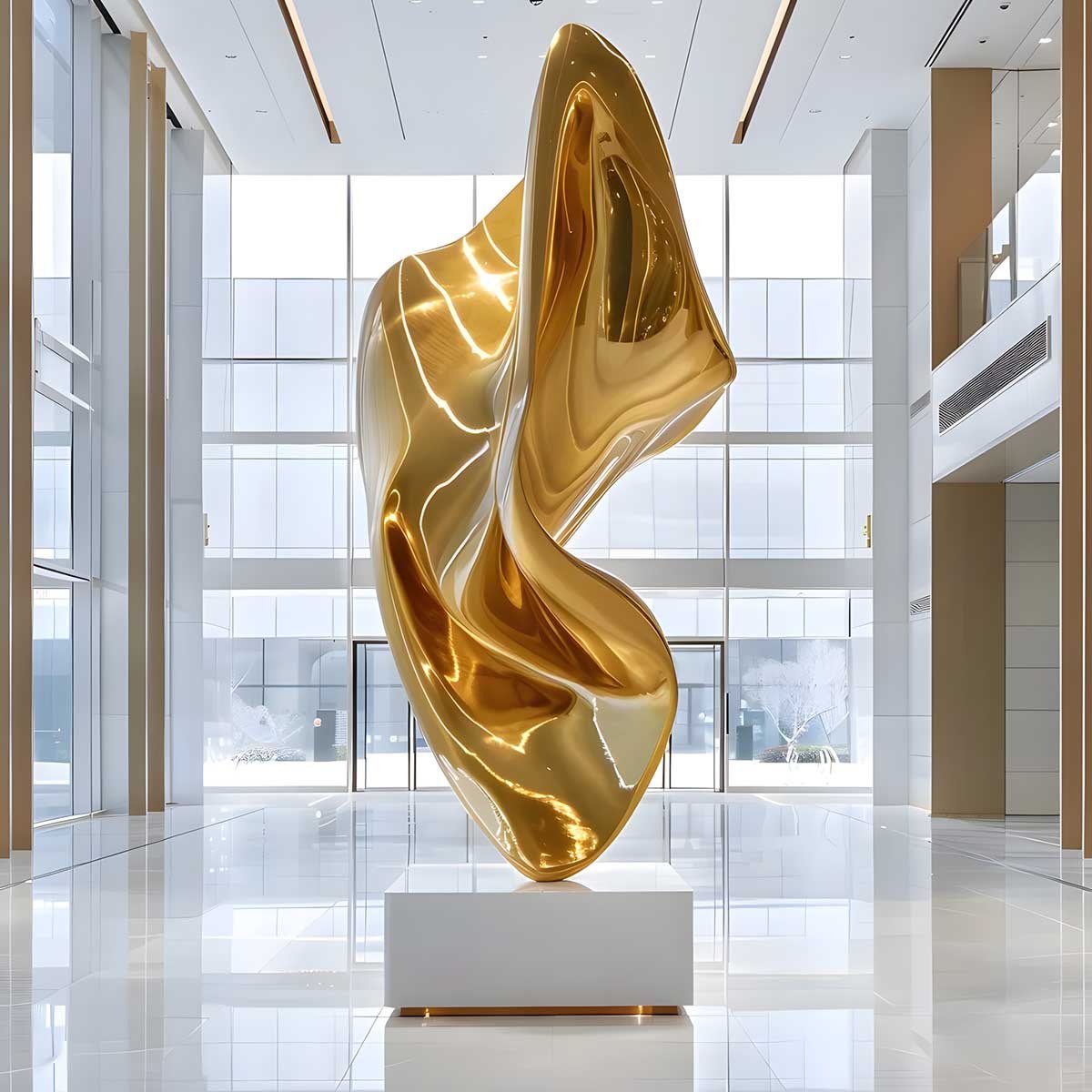
TBK’s website displays artful and purposeful stainless products to enhance the focal images of both public and private property, which could be considered artistic and enhance the worth of the property.

Handrails and Balustrades

Precision-made, Stainless steel hand rails, and balustrades can be produced to fit into the architectural plan and to complement the building while providing safety for people using the facilities indoors or outdoors.

Cladding and Roofing

Stainless steel cladding and roofing consist of a more durable and sturdy weather-resistant outer surface for buildings and also makes the building visually beautiful with the kind of finishing it provides and maintains the texture of the building.

TBK Metal KSA is a stainless steel fabrication company and hence, caters to the architectural industries in a way that enhances both the usability and beauty of a structure.

Architectural Applications Custom Solutions for Every Project | TBK Metal KSA

Design Flexibility: Creating One-of-a-Kind Architectural Features

The most impressive fact is that stainless steel provides architects with unlimited possibilities in their experiments. From it, TBK Metal KSA is able to develop and fabricate creative and distinct architectural designs suited for a particular project.

Custom Shapes and Sizes

TBK can create perfect metal Fabrication of stainless steel in any size and shape with regard to the specific design concept of the particular project in question.

Intricate Detailing

As to geometric patterning and organic curves, TBK is usually tailored to come up with the right detailing to give out the added touch of sophistication to any functional and stylistic aspects.

Seamless Integration

These custom designs of the stainless steel items can provide elegance and aesthetic compatibility with other materials through proper integration hence making it the right compliment to architectural integration.

Unconventional Designs

TBK is noted to be strict in terms of destruction and innovation this allowed creativity to come through for the best creation of some crazy designs that would otherwise be impossible to be achieved architecturally.

Personalized Finishes

As for the variety of surface finishes, TBK offers different shiny degrees from mirror-like to mat or brushed so that the stainless steel reflects the chosen style.

Adaptability to Architectural Styles

This makes stainless steel subtle in different architectural designs, ranging from modern to traditional works of art for architects to try various ways and styles of designing.

TBK Metal KSA reacts to everyone’s need for flexibility, elegance, and art in fabrication as well as engineering giving a chance to design and implement peculiar constructions in any project.

Quality Control and Precision: Ensuring Perfect Results

TBK Metal KSA has ensured that quality control as well as precision is a key value that runs throughout its operation. There are strict procedures taken to ascertain that each of the stainless steel units meets the higher quality and usability levels.

Comprehensive Inspections

Each custom stainless steel also has to pass through various checks in the production line with regard to quality and the specification that is requisite for it before moving to the next step.

Dimensional Accuracy

The highly developed instruments used at TBK guarantee that their components are cut, welded, and polished to the correct dimensions that are needed for a proper installation.

Material Testing

Stainless steel goes through vigorous testing for strength, the capacity to last long, and its ability to withstand corrosion, need for projects even with environmental requirements.

Welding Precision

Professional welders fully exploit the available modern technology to ensure that the joints made and the seams are as they are meant to be in terms of mechanical strength and aesthetic appeal.

Surface Finish Quality

As a result, TBK pays attention to polishing all the surfaces to guarantee clients the finish they intend to achieve is achieved ranging from the gloss, matte, or brushed surface.

Final Testing Before Installation

Each piece is fit for installation with regards to size, strength, and usability to ensure that they are efficient in their purpose of serving the functions set by the client by passing through rigorous quality tests.

TBK Metal KSA pays a significant amount of attention to quality control and accuracy, so there is no doubt about the excellent quality of each item made of stainless steel: the elements will be created to fit design and functionality requirements.

Sustainability and Eco-Friendly Practices in Custom Fabrication | TBK Metal KSA

Sustainability and Eco-Friendly Practices in Custom Fabrication

TBK Metal KSA shall ensure that is involved in fabrication of stainless steel was engaged in practices that would have minimal impacts on the environment. Much attention is paid to environmental friendliness, recycling, and the minimum usage of toxic materials during the fabrication process.

Recyclable Stainless Steel

Stainless steel is fully recyclable and thus considered environmentally friendly once finished products are manufactured from it. Only materials that are reusable and environmentally friendly are used in the TBK chain thus promoting the circular economy.

Minimizing Waste

Partner companies and service providers in the fabrication process of TBK’s products include laser cutting and waterjet cutting technologies which lead to less wastage of materials and increased production capability of fabricated products.

Energy-Efficient Manufacturing

Efficient equipment and proper techniques in production contribute to low energy usage which consequently reduces the emissions during the production of custom stainless steel elements.

Sustainable Sourcing

TBK obtains steel from reliable suppliers that meet supply chain and environmental consciousness and guarantees that raw materials utilized in creating fabrication meet the environmental requirements.

Durability and Longevity

Delivering superior workflow performance, stainless steel does not corrode quickly thus does not need often replacement, and this tends to prevent the adverse environmental effects traced on frequently replaced materials.

Eco-Conscious Finishing Techniques

TBK uses techniques on finishing that have low pollutive effects that produce bad emissions or emit a lot of waste to the environment, thus the finished products are not only decent but are ecofriendly as well.

TBK Metal KSA offers sustainability of materials used in the fabrication of custom stainless steel in every project that they undertake thus enabling them to meet environmentally conservation standards to furnish those durable products in the market.

Conclusion

This commitment to customization has made TBK Metal KSA a leading company in the fabrication of stainless steel for architectural works as they meet customer expectations on the quality of their services.

TBK Metal KSA has remained committed to precision, sustainable work, and the innovative design of all projects in their portfolio to uphold their bright tradition and ensure each work is worthy of its name.

10 Stunning Metal Wall Cladding Design Ideas to Transform Your Space

The flexible nature of metal wall cladding allows it to suit contemporary indoor settings while delivering elegant building aesthetics. The following wall cladding design ideas deliver textured sophistication along with robust durability to transform rooms beautifully.

Metal wall cladding offers unlimited options that let you achieve either eye-catching bold effects or delicate accents in your spaces. The material works well for domestic and professional environments to deliver stunning visual appeal with lasting performance.

Stainless Steel for a Sleek, Clean Look

Modern buildings benefit from stainless steel cladding which offers a clean contemporary facade. Stainless steel cladding remains strong while presenting a finished quality that works in residential buildings as well as commercial spaces with everlasting style.

Reflective, Polished Finish

The reflective nature of stainless steel functions to reflect both natural and artificial light hence creating expanded visual space. Stainless steel’s reflective surface generates room enlargement effects while creating open spaces with superior visual appearance.

Durability and Resistance

High resistance to corrosion and rust and visibility of stains are important characteristics of stainless steel. Stainless steel maintains its durability well resisting wear from busy surfaces which ensures extended resistance in kitchens bathrooms and hallways.

Low Maintenance

The glossy non-absorbent stainless steel surface provides effortless maintenance during the cleaning process. Minimum maintenance prevents the stainless-steel surface from deteriorating so it remains elegant and effortless to preserve its polished look.

Modern, Industrial Aesthetic

Stainless steel delivers a pristine and metallic appearance which creates a modern industrial appearance in interior design. The material works well with different raw materials including glass and wood alongside concrete to create polished overall designs.

Versatile Application

Stainless steel cladding finds use both in ceilings together with backsplash applications and accent wall coverings. The adaptable characteristics allow stainless steel cladding to fit various design approaches from minimalist to contemporary industrial.

These benefits of stainless steel cladding emerge through its elegant timeless looks together with its functional value. Stainless steel cladding performs well over time while requiring less care which ensures your space retention of its pleasing appearance.

Perforated Metal Sheets for an Airy Feel

Perforated metal cladding gains its beautiful look and lighting capabilities from its lightweight structure that permits visibility through its holes. Spaces gain depth through their aesthetic appearance achieved by natural light passing through uniform perforations.

High Quality Perforated Metal Cladding Panels | TBK Metal

Light and Airflow

This perforated design creates ventilation along with light so it serves offices and lobbies that require circulation and illumination perfectly. The design choice allows users to have private areas with complete vision and view-through features.

Subtle Elegance

Perforated patterns produce soft patterns which contribute delicate texture and depth to designs while maintaining a modest visual presence. A versatile component which works successfully with minimalistic designs and decorative arrangements.

Versatile Applications

The versatility of perforated metal enables its applications in wall cladding and room dividers and ceiling applications and partition setups. Perforated metal provides design flexibility which can be applied to decorative and functional design elements.

Modern Industrial Look

Perforated metal presents a clean geometric look which suits interior designs from both industrial and contemporary styles. The perforations produce decorative patterns in a way that improves design appeal without filling the area with visual clutter.

Privacy with Transparency

The holes deliver an ideal blending of privacy protection alongside visibility benefits that work superbly for partitions and feature walls. Perforations provide zoning capabilities which keep areas distinct yet preserve revealed views between them.

Perforated metal creates an open light-filled aesthetic that joins functional benefits with attractive visual design features. Today’s modern spaces benefit from this material which successfully handles privacy aspects together with light transmission.

Mirror Finish Metal for a High-End, Reflective Look

By reflecting light beautifully the polished reflective surface of mirror finish metal creates a luxurious appearance that elevates any space. Modern sophistication combines with elegance through this finish which transforms spaces into luxurious reflections:

Mirror Finish Metal Cladding - Metal Wall Cladding Ideas | TBK Metal

Luxurious, Glossy Surface

The surface of mirror finish stainless steel delivers a flawless high-shine finish to dominate any aesthetic space. A mirror finish metal offers reflective sophistication to transform spaces while producing a feeling of visual openness inside a room.

Light Reflection

When light strikes the reflective surface it bounces back to illuminate dark spaces and features thus improving room environment dynamics. Light reflections in combination with this surface create dynamic visual effects that enhance display space interest.

Contemporary Elegance

High-end contemporary designs are exclusively associated with mirror finish metal material. Up-scale restaurants together with hotels and luxury residences commonly adopt mirror finish metal as their choice for decor to create sophisticated settings.

Perfect for Accent Features

For a standout focal point use mirror finish stainless steel to build statement walls and create custom furniture along with backsplashes for kitchen areas. Mirror finish metal functions best to establish a refined commercial elegance inside workplaces.

Easy Maintenance

As a result of corrosion-resistance mirror finish metal provides long-lasting visual attractiveness even when exposed to weather. The reflective metal finish requires periodic surface maintenance yet it stays elegant despite demanding modest maintenance.

Interior applications benefit from mirror finish metal cladding which delivers a sleek luxurious look that produces beautiful reflected light. Mirror finish metal cladding produces an elegant bold appearance that elevates the visual sophistication of your space.

Geometric Patterns with Laser-Cut Metal Sheets

Laser-cut patterns precisely arranged create a visual union between contemporary artistic elements and refined aesthetic appeal. Room designs benefit from laser-cut metal sheets which produce patterns that can be dramatic or understated.

Featured Image - Laser-Cut Metal Facade Panels | TBK Metal

Intricate Designs

Laser-cutting technology enables the creation of complex precise shapes which standard fabrication techniques cannot achieve. Through laser-cutting technology, designers can produce detailed geometric frames along with unrestricted organic shapes.

Customization

The customizable nature of laser-cut metal sheets allows you to achieve full design specificity. Through customization options, you can engineer both simple minimalist geometric shapes alongside detailed patterns to create distinct architectural features.

Dynamic Texture

Cut-out patterns simultaneously generate visual depth effects while providing surface texture to bring interest to otherwise flat areas. The structure of cut-out patterns generates lighting dynamics through light transmission creating dramatic shadows.

Versatility in Spaces

Designers find laser-cut metal sheets to be a flexible material that works well in a wide range of architectural settings including walls and dividers along with ceilings and doors. The design functions effectively in both residential and commercial installations.

Modern Industrial Appeal

Contemporary industrial settings receive an artistic touch through laser-cut metal patterns that match modern minimalistic patterns. Laser-cut metal geometric patterns function beautifully for both subtle focal additions and creative decorative elements.

Geometric patterns of laser-cut facade panels create stylish functionality when enhancing your design elements. Laser-cut metal sheets with geometric patterns generate bold unique visuals which highlight your space by delivering artistic touches.

Water Ripple Metal Cladding for an Organic, Fluid Look

Water ripple metal cladding presents the natural undulating water effect which generates a peaceful yet movement-filled visual performance. Water ripple stainless steel acts as both a tranquility provider and a depth and motion feature in space design:

Featured Image - Water Ripple Stainless Steel Sheet for Wall Panels | TBK Metal

Organic Texture

The ripple metal cladding design with its fluid water-like patterns creates an organic natural atmosphere that transforms interiors with organic charm. The distinctive surface texture increases both visual depth and textural richness in every environment.

Dynamic Light Play

Light patterns produce dynamic shifting shadows on the metal surface which creates a continuously transforming reflection throughout daily hours. This quality of the metal makes it a superior material for producing visually dramatic lighting effects.

Serene and Calming Aesthetic

When used for cladding applications water ripple patterns create calm ambiances in indoor spaces. Water ripple cladding offers relaxing designs that work especially well within rooms designed for peacefulness including bedrooms and spas and lounges.

Perfect for Modern and Nature-Inspired Designs

Water ripple metal cladding creates a fluid appearance that works harmoniously with contemporary minimalist design and natural interior aesthetics. Water ripple metal works together with wood stone and plants to create a harmonious environment.

Versatile and Customizable

Water ripple cladding exists in multiple materials including stainless steel, aluminum, and copper which allows customization for different design needs. This material transforms walls into panels and ceilings and partitions spaces to create distinctive visual effects.

The water ripple metal cladding system produces an elegant fluid design that introduces organic movement and tranquility to any interior space. The solution provides outstanding value for interior design projects in residential and commercial spaces.

Modern Matte Black Metal Cladding

The matte black metal cladding creates sophisticated layered effects which produce a sleek contemporary look. Combining modern lines with high-contrast elements enables matte black metal cladding to serve as an elegant and simple design solution.

Modern Matte Black Metal Cladding | TBK Metal

Sleek, Contemporary Look

The matte black metal cladding combines with modern interiors to give a sophisticated luxurious feel that doesn’t overpower the space. The material works equally well in residential and commercial areas to deliver a sophisticated design background.

Versatile Pairing

Matte black complements any combination of colors together with materials from white to gray and wooden to stone surfaces. As a design ingredient matte black provides balanced tonal contrasts despite sustaining sophisticated visual aesthetic qualities.

Minimalist Aesthetic

Contemporary minimalist and industrial designs complement matte concrete finish to create sleek straight lines in minimalistic interior spaces. Matte surfaces create depth while softening appearance so as not to distract from environmental attention.

Durability and Low Maintenance

Matte black metal combines impactful design appeal with strong durability together with effortless maintenance capabilities. This material delivers highlighted functionality to areas with excess use such as kitchens and hallways as well as bathrooms.

Perfect for Accent Walls

Matte black metal cladding works perfectly as a feature wall in both living rooms and bedrooms to establish visual contrast that links to the total design aesthetics. This material creates an important center of attention that stands out from its surroundings.

Matte black metal cladding transforms your space into sophisticated elegance through its bold architectural approach. The material possesses classic appeal which combines elegance with stylish looks compatible with multiple architectural aesthetics.

Warmth with Brass or Bronze Cladding

The warm feeling that brass or bronze cladding creates elevates bouquets of any environment. Copper metals produce charming rich golden colors that generate welcoming environments therefore they are suitable for ornamental purposes indoors or outdoors.

Warmth with Brass or Bronze Cladding | TBK Metal

Rich, Warm Tones

The use of brass and bronze in interior design creates warm natural tones that look remarkable against the cool appearance of stainless steel and other light metals. The materials add a warm inviting elegance to spaces which deepens design quality.

Aging & Patina

With time copper develops a protective weathered surface which functions as both protection and aesthetic strength. Brass matures through time by developing a darkened appearance which forms an elegant refined look while remaining attractive.

Sophisticated Appeal

Metals provide luxury attributes and sophisticated appeal therefore they work wonders for high-end design projects. Use these materials to decorate feature walls or backsplashes and accents that will instantly enhance your room’s appearance.

Ideal for Cozy Spaces

Brass and bronze bring elegant warmth which enhances the elegance of living rooms and kitchens as well as dining areas. They introduce depth through their beautiful colors which create inviting tones ideal for improving living room comfort.

Pairing with Other Materials

Modern materials work effortlessly with both wood and stone to produce a dramatic yet balanced distinction in design. Textured materials when combined with smooth materials create balanced compositions which improve design coherence.

Copper or brass cladding succeeds in giving rooms rich warm tones that create an attractive dining experience. Such a cladding type possesses everlasting elegance which adds a subtle luxury feel that invites visitors into sophisticated rooms at all times.

Antique Patina for a Vintage Vibe

Metal cladding with its patina gives surfaces a weathered appearance which brings historical charm together with distinctive personality into spaces of either rustic or industrial design. These main factors require evaluation before implementation.

Antique Patina for a Vintage Vibe | TBK Metal

Unique, Timeless Appeal

Metal ages naturally to produce a spectacular patina that creates singular finishes that narrate distinctive histories of each piece. The ancient transformation of metal into patina creates everlasting beauty which brings character to all types of rooms.

Warm, Earthy Tones

After the natural aging process, metals such as copper and bronze form attractive layers that result in warming earthy colors ranging from green to brown to red. These colors look good alongside contemporary as well as traditional design approaches.

Perfect for Rustic and Industrial Interiors

Antique patina functions optimally as an interior decor element for rustic, industrial, and vintage design themes. When combined with reclaimed wood exposed brick and additional natural elements the vintage appearance creates a wondrous effect.

Durability with Character

A patina treatment increases metal cladding aesthetics by granting corrosion resistance. The patina process produces an insulating layer that enhances material resistance and adds resistant durability with unique aged aesthetic effects over time.

Subtle, Yet Bold Statement

Feature walls and accent areas strengthened with antique patina metal cladding present a powerful yet subtle design touch. This decorative material inserts both texture and depth into the architectural design without dominating the room design.

As a decorative feature, antique patina offers vintage style beside a charming aesthetic appearance to interior spaces. The architectural style turns regular spaces into unique living areas that combine individual styles with eternal classic elements.

Corten Steel for a Weathered, Earthy Appeal

When Corten steel undergoes environmental elements it produces characteristic rust patinas which unify industrial structures while harmonizing with surrounding natural elements. Multiple critical points are covered in the upcoming sections of this discussion.

Corten Steel for a Weathered, Earthy Appeal | TBK Metal

Natural, Weathered Finish

Corten steel reacts to changes in atmospheric conditions by creating a distinctive rusted finish which presents an attractive organic character. A steel design slides into maturity as its surface develops singular depth and distinguishes any project perfectly.

Earthy Tones

The biodata hues of Corten steel introduce rustic earthy charm which enhances every setting. Corten steel produces colors that pair well with natural materials such as wood and stone which can enhance spaces designed in outdoor or industrial themes.

Durability and Resistance

The makers created Corten steel to resist environmental factors which produces high durability alongside corrosion resistance. A distinctive surface protects corten steel against degradation making it suitable for long-term use in interior and exterior spaces.

Ideal for Outdoor Spaces

Corten steel requires outdoor exposure for its best use in building garden walls and facades. When exposed to the elements Corten steel evolves an encompassing patina that dances with nature while producing a balanced and everlasting design style.

Industrial and Modern Appeal

Modern living spaces combine industrial components with artistic handcrafts through the dual characteristics of Corten steel. The material performs well as both a visual accent for feature walls cladding installations and dramatic architectural details.

Corten steel provides spaces with a rugged yet earthy appearance that deepens their natural aesthetic value. This material demonstrates outstanding endurance qualities which makes them stand the test of time as beautiful enduring design features.

Sculptural Metal Panels for Artful Walls

Designed sculptural metal panels serve as three-dimensional wall cladding to transform monotonous surfaces into visually stunning artworks. Textured wall designs create spaces that showcase depth and creative innovation as well as practical beauty.

Artistic Expression

Sculptural metal panels integrate three-dimensional details which create visual interest while drawing viewers to focus on them. Metal panels supply options for customization through shapes textures and finishing styles that work for any design theme.

Dynamic Visual Impact

The structural quality in the panel work generates light and shadow effects, producing three-dimensional qualities from a two-dimensional material. The active illumination and shadow interactions create fluid spatial energy throughout the area.

Versatility in Design

Sculptural metal panels adapt to modern minimalistic as well as eclectic interior styles to fit different design themes. Sculptural metal panels function perfectly as walls and divisions as ceiling details to establish practical point spots in interior spaces.

Durable and Low Maintenance

Simple maintenance requires these durable building materials since they are constructed from stainless steel or aluminum. Metallic surface textures on sculptural panels resist degradation therefore maintaining appearance through long-term exposure.

Perfect for Statement Spaces

Residential spaces and business interiors together with entrance areas are suitable sites for sculptural panels to create unforgettable effects. These decorative items turn standard walls into exquisite pieces of art from their first moment of placement.

The incorporation of wall decals helps transform surfaces into modern works of art that add artistic quality while repairing your design vision. Sculptural panels deliver both visual beauty along durability to create modern interior designs that work functionally.

Factors for Choosing Metal Cladding Designs for Your Project

Metal cladding design selection requires a dynamic equilibrium between visual quality and functional demands. The selection of materials needs to match your functional and design requirements to create a combination of durability with style and functionality.

Design Aesthetic and Style

Your beginning move should establish alignment of the metal cladding scheme to your existing space design. Select your metal cladding style to match your design theme since you can choose between sleek modern matte or rustic Corten steel finishes.

Material Durability

Each metal type shows distinct levels of durability in combination with different environmental resistance properties. Stainless steel and aluminum prove best suited for humid environments yet Corten steel gives projects an attractive weathered look.

Maintenance Requirements

Distinct levels of durability combine with different environmental resistance traits in different metal options. The humid environment requires stainless steel and aluminum whereas Corten steel provides a delightful weathered appearance to structures.

Light and Shadow Play

Light reacts to metal cladding surfaces which results in substantial modifications to space ambiance. Your space will gain depth and dimension through the use of textured metal cladding materials such as sculptural panels or water ripple designs.

Acoustic Performance

Space ambiance increases dramatically when light interacts with metal cladding materials. With textured metal cladding materials having projected or water ripple patterns, your environment will develop dimensional and visual depth at the same time.

Budget and Cost Efficiency

High-quality metal finishes as well as materials require customers to invest extra costs. Compare material costs alongside fabrication expenses against your financial plan to pick designs that bring the best aesthetic outcome while staying affordable.

Environmental Impact

Sustainability functions as a key design criterion for today's creative engineering projects. The use of recycled materials combined with aluminum or stainless steel as robust durable metals reduces environmental impacts from your project design.

Customizability and Flexibility

Some building projects need unique customized designs in addition to custom metal surface finishes. A cladding system that provides customization options through laser-cut patterns and special finishes enables you to create unique interior looks.

The application of selection guidelines serves to point your project toward the most fitting metal cladding option. Your design strategy which unites spaces and functions creates an equilibrium between visual design choices and their practical functions.

Conclusion

The installation of metal wall cladding elevates interior design priorities through aesthetic value while solving practical demands. Stainless steel and textured copper provide homeowners with two cladding design ideas that can make any area look new and attractive.

Understanding the Properties and Uses of Stainless Steel in Architecture

Stainless steel is a very useful material and it is utilized in the development of many architectures. It is argued that comprehension of the properties and uses of stainless steel shall enhance its utility in terms of form and function in architectural and design domains.

Stainless steel offers essential benefits for architectural purposes ranging from corrosion immunity to diverse possibilities of styling. Because of the capacity to perform such conditions, as well as the elegant appearance, it is applied in most current structures.

What is Stainless Steel?

Stainless steel comes with understandable durability, aesthetic versatility, and sustainable nature making it attractive for architectural application. They remain useful for today’s modern, sustainable designs because of their lifespan, stability, and low maintenance requirements.

Key Components of Stainless Steel

Iron (Fe)

For every type of forging application, there is a primary element that forms the foundation of the forging alloy.

Chromium (Cr)

Required for corrosion protection, generally ranging from 10.5% to 30% of the weight of the coating.

Nickel (Ni)

Useful for increasing strength and for added protection from oxidation, usually stainless 304 and 316.

Molybdenum (Mo)

Added in grades like 316 which improves the ‘corrosion’ factor, particularly in contexts like seawater.

Carbon (C)

Adds strength and hardness but at the same time decreases corrosion resistance in higher concentrations.

Common Stainless Steel Grades for Architecture

304 Stainless Steel

Of these grades, the most widely used grade reveals enhanced formability and improved corrosion resistance pattern for internal and, equally, exterior usage.

316 Stainless Steel

Accurate for making applications where water especially seawater in addition to chemicals might come into contact with as this material is resistant to corrosion.

430 Stainless Steel

Another type found at a lower per unit cost and used in applications where the environment is less corrosive, and most widely used in architectural applications.

Knowledge of the type of stainless steel makes it easier to choose the right grade for construction purposes. Sturdiness, resistance to rusting, and its look make it the most recommended material in the current world fashion in construction and design.

Key Properties of Stainless Steel in Architecture

Stainless steel comes with unique benefits such as durability, better strength, and flexibility mainly aesthetic versatility, to make good architectures. They are unique and can be used artistically and as ornaments in modern architectural designs.

Corrosion Resistance

Corrosion resistance is another property of stainless steel which makes it suitable to be used in conditions that can cause it to rust. It contains chromium that is reactive with oxygen to create an oxide layer; thus suitable for facade cladding and roofing.

Strength and Durability

The strength-to-weight ratio makes stainless steel highly durable and also lightweight. Due to such attributes as resistance to impact, heat, and stress the material is widely used in structural applications such as beams columns, and support frames.

Aesthetic Flexibility

They are used in different architectural designs, from modern to traditional styles since it is easy to design stainless steel. They come in glossy, brushed, or matte finishes that provide aerodynamic styling and make the auto original and timeless.

Sustainability and Eco-Friendliness

It is a green material as it does not become a waste material because it can be recycled in its entirety and has infinite recycling value. It has a long life thereby reducing the frequency of replacements hence fulfilling the green building policies.

Low Maintenance

Stainless steel does not need much maintenance and also does not tarnish often; that is, it does not need to be resealed often. Such durability makes it possible for its use for long-term constructions thus reducing costs of construction in the long run.

Herein are the worthy properties of stainless steel in the applications of architectural substance: corrosion, strengths, versatility of the showing of health. These are the attributes that are more than any other pledges to the fundamentals of modern design.

Uses of Stainless Steel in Architectural Design

Stainless steel is perhaps the most commonly used material in modern architecture for practical as well as aesthetic applications. These properties also include its strength, good looks, and corrosion resistance, making it suitable for many uses:

Building Exteriors

Therefore, fades and cladding have incorporated stainless steel due to its high durability and resistance to corrosion. It holds a lot of esthetic value in ugly climates; hence, it is used in the construction of tall buildings and most public structures.

Structural Applications

The beam and column are made with stainless steel while the support frame is also both strong and light for bearing heavy loads in low-rise and high-rise buildings. It has high corrosion resistance to facilitate the long term reliability of the structure.

Interior Applications

In indoor structures, stainless steel covers staircases, railings, and ornamental surrounds. It radically improves modern design, it works with various finishes, which add versatility to the mirror, and it can be made both minimalistic and industrial.

Roofing and Drainage

Roofing which is drainage system material, the material used is stainless steel because it cannot rust and can withstand different climate conditions. It pots it supplies long-lasting, low-maintenance goods for residential and commercial consumers.

Decorative Elements

This is mostly because stainless steel has a nice finish and many products are made from it including custom art and perforated screens. This makes it fashionable, especially for classy and artistic projects backdrops or even a nice pair of trousers.

Sustainability in Architecture

Stainless steel is a recyclable product that can be recycled over and over again since it will not lose its quality when recycled hence suitable for green architectures. It has a part to play in reducing the carbon emissions associated with construction.

Stainless steel not only strengthens every architectural design in functionality and aesthetics, whether internal or external. It is also resistant to corrosion, very durable, and more to the point very flexible in terms of its current architectural looks.

Textured and Patterned Options for Stainless Steel

Brushed and coated weaves technological metal with terrific appeal and has several other qualities that give much to designs. Closure endows not only aesthetics but also increased functionality of objects and is suitable for various concepts of architecture.

Embossed Metal Sheets for Decorative Projects | TBK Metal

Embossed Stainless Steel

The stainless steel which is raised in either relief or depressed is especially suitable for the walls, elevators, or doors along with other decorative works.

Water Ripple Stainless Steel | TBK Metal

Water Ripple Stainless Steel

The water ripple pattern is rather commercial and raw, it can be used in countertops, backsplashes, and as highlights on a rustic or industrial house.

Hammered Stainless Steel

Hammered stainless steel is a difficult steel used commonly for countertops, backsplashes, and accent features in country or industrial-designed homes.

Etched Stainless Steel

Stainless steel with a fine etched finish looks artistic and well cut making it perfect for artistic applications like artwork, signage, and artistic panels.

Perforated Stainless Steel

The perforated pattern can have an appearance and practicality worthy of seeing because it can be used for facades, dividers, and acoustic panels.

Image - Expanded Metal Mesh Sheets for Architectural & Decorative Projects | TBK Metal

Expanded Stainless Steel

Spreading one metal into several others that are interrelated is often called expanded stainless steel for railings and interiors of industrial spaces.

Laser-Cut Stainless Steel

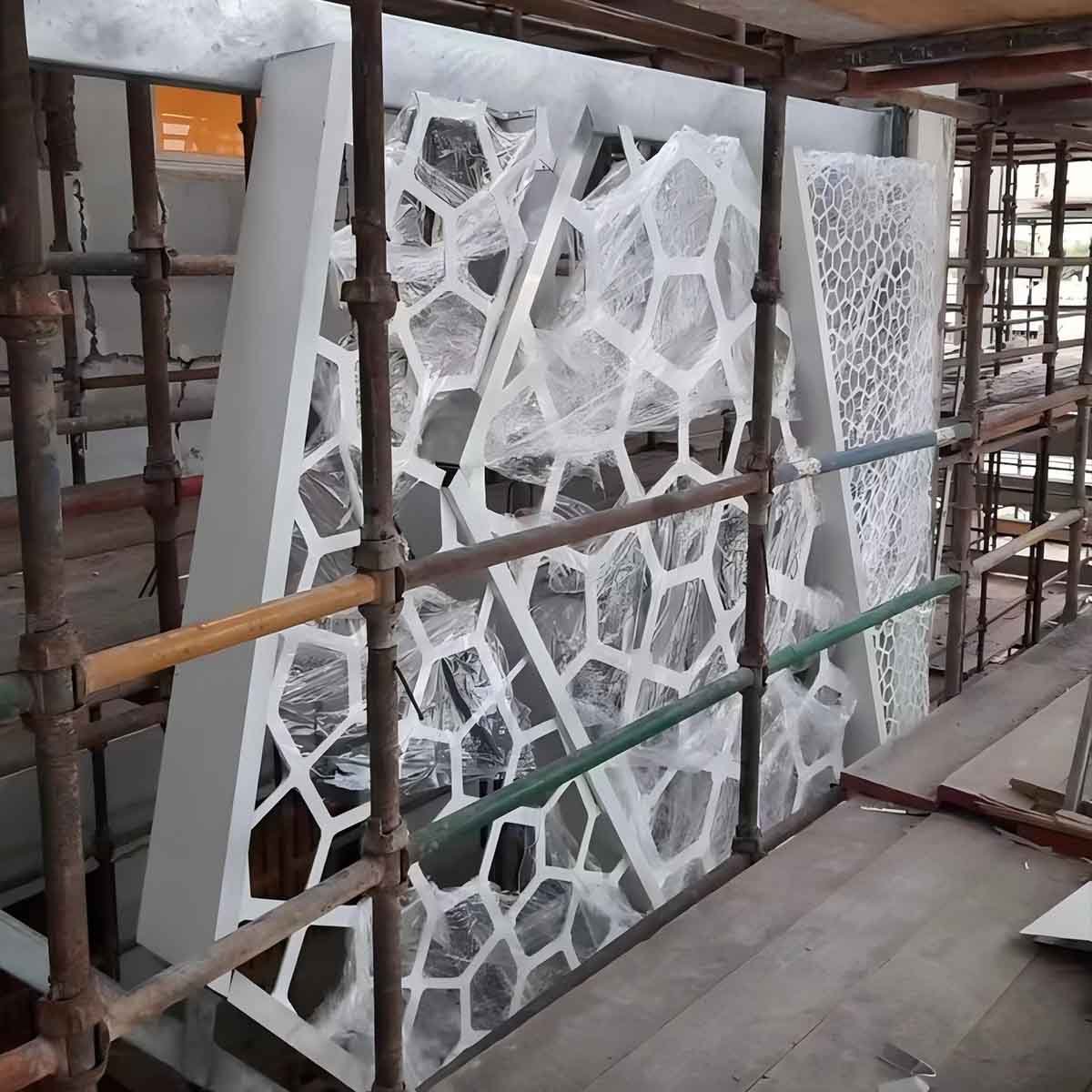
Laser cutting process is also used to cut stainless steel in a refined way for intricate designs; it is ideal for making custom screens and exterior facades.

Corrugated Stainless Steel | TBK Metal

Corrugated Stainless Steel

The corrugated stainless steel forms raised and low areas, making it stronger mostly for the roofing, siding, and other structural styles of industrial buildings.

This is in a bid to usher in the latest patterned and textured stainless steel that is a combination of look and utilitarianism in design. As an exterior or an interior element, these concepts are virtually limitless in terms of appearance and functionality innovation.

Why Choose Stainless Steel for Architectural Projects?

If used in architecture, stainless steel gives strength, durability, good look and has minimal effects on the surrounding environment. Due to its effectiveness in the long run, it is well recommended by designers, architects, and people owning property.

Long-Term Cost-Effectiveness

It costs more money initially but will save more money in the long term because they are non-corrosive and are very easy to maintain. It does not corrode and hence does not require frequent maintenance which is good for large building projects.

Durability and Performance

It is also very strong and impossible to corrode so it can be used best in the regions with strong sea breezes and extra chemically reactive areas. It has enhanced durability and thus requires little maintenance throughout their more prolonged use.

Aesthetic Appeal and Design Flexibility

The material has a smooth and shiny look, which is lined up with contemporary architectural innovations. It is available in different finishes making it suitable for modern, industrial, or traditional themes with the aspect of aesthetics and practicality.

Sustainability and Environmental Benefits

These days sustainability is becoming a vital aspect of architecture and stainless steel provides immense benefits in this factor. There is no doubt that it is 100% recyclable, which makes it very durable thus no need to toss it away after some time.

Resistance to Fire and Heat

Fire safeties are fire and high heat resistant and therefore it is suitable to be used in fire safety products. It doesn’t burn and rather has remarkable strength at high temperatures, thus adequate for usage in fire protector structures and aspects.

Minimal Maintenance Requirements

They are free from constant maintenance as they are relatively immune to rust, dirt as well as staining. This makes it suitable for the region’s heavily trafficked areas because of the minimal frequent necessary maintenance, an inconvenience to occupants.

Those properties include ease of lasting, cost, appearance, and sustainability which are beneficial in functional and ornate architectural projects and construction. They are rugged, withstand tough conditions, and are heat resistant and low maintenance.

Challenges and Considerations

Having reviewed the benefits of stainless steel on architectural projects, there are some considerations to bear in mind. Knowledge of such drawbacks enables the architects and builders to come up with proper solutions and mitigate such problems.

High Initial Cost

Raw material cost and the need for fabrication more than makes up for the additional amount spent on stainless steel. In the long run, it is long-lasting and, thus, requires minimal maintenance and definitely will be cheaper than using other materials.

Consideration

Stainless steel, however, cannot be said to be cheap especially if the project involves small, low-budget projects. For such projects, it can be applied selectively where it is most required, that is visible, or in high-performance areas at less cost.

Fabrication and Welding Complexity

Fabrication of stainless steel involves high precision equipment for producing cutting, bending, and welding of stainless steel. If not well handled, they may distort or have some weld imperfection thus affecting the look and strength respectively.

Consideration

Employment of stainless steel may call for the use of professional fabricators who have adequate knowledge of the product. Adequate planning goes a long way in guaranteeing that the material shall be developed to the right specifications and on time.

Surface Scratching and Dents

Stainless steel is mostly immune to corrosion most of the time but similar to any other material it can be scratched or dented more especially to high-gloss finishes. It can also be stained or discolored if comes into contact with chemicals or heat sources.

Consideration

In projects that mainly concern aesthetics, the choice of the correct finish e.g. matte or brushed eventually minimizes the visibility of the scratches. This also increases durability in areas where it will be touched often by many people such as wash hand basins.

Environmental Impact of Production

The manufacturing of stainless steel requires a lot of energy and results in carbon emissions thus not so friendly to the environment in the first instance. However, it is recyclable and has a very long life cycle which will ease the impacts on the environment.

Consideration

It has a somewhat better environmental record but if manufacturers choose materials with efficiency power or recycled content they will be reduced. Environmental-friendly approaches to production translated into more sustainable architectural works.

Thermal Conductivity

Compared to metals such as copper or even aluminum thermal conductivity is low meaning that a container will hold heat or coolness. This may cause some issues with energy efficiency or provoke temperature changes where the insulation is weak.

Consideration

Stainless steel in thermal critical applications for example in windows or facades can be combined with insulating materials to minimize heat loss or gains. Together, it improves the level of energy efficiency thus reducing the utilization of energy in processes.

Weight and Handling

Strength to weight ratio of stainless steel is good but the material weight is comparatively higher than the other materials. This weight can pose difficulties in handling by transport, installation, and designing of structures due to considerations of safety.

Consideration

They also gave an observation on the design phase, which is important to balance the weight of stainless steel, especially in structural and facade exteriors. Lifting and installation processes should therefore be done professionally to prevent costly impacts.

Stainless steel is a highly durable, aesthetical, and sustainable material to be used but also costly, hard to fabricate, and has surface sensitivity issues. These questions if well managed and with the right techniques, then should not be a big challenge to handle.

Conclusion

Stainless steel comes with understandable durability, aesthetic versatility, and sustainable nature making it attractive for architectural application. They remain useful for today’s modern, sustainable designs because of their lifespan, stability, and low maintenance requirements.

Sandblasted Finish Stainless Steel: A Durable and Stylish Choice for Your Interior

Sandblasted finish stainless steel is another versatile material for modern interiors: it is rather practical, and, at the same time, has a matte finish. This gives the material a dual characteristic of serving both form and function in any environment that it is placed in.

In this blog, we will discuss how sandblasted surface is elegant, easy on maintenance & multifunctional when used in interior spaces. Learn about all the possibilities of using this finish for kitchen and other projects, as well as bathroom accessories.

What Is Sandblasted Finish Stainless Steel?

Sandblasted finish stainless steel is made when stainless steel is blasted with grit materials to give it a rough, smeared look. This operation makes the metal look less harsh but more sleek in look, which fits the contemporary lifestyles need for interior design.

Key Features of Sandblasted Stainless Steel

Matte Texture

Abrasive blasting provides a specific and unique look to the finished product, which is Matt or no shiny surface appearance that makes it look three-dimensional.

Uniform Appearance

Sandblasting results in a uniform grain on the surface and thus is preferred for use on large surfaces.

Subtle, Industrial Appeal

The finish is modern industrial but still very classy and it is something that will very much remain fashionable for a few years.

Enhanced Durability

Courtesy of the texture, it becomes difficult to see any scratches or spots of fingerprints or smudge some of which may occur regularly in areas prone to traffic.

Corrosion Resistance

It is important to note that using sandblasting never adversely affects the nominal corrosion resistance of stainless steel thus extending the life of the steel.

The sandblasted finish stainless steel is not only beautiful to behold but also has several utility values. It has a non-glossy finish, better wear-resistance, and, therefore, better rust or corrosion-relevant for the sundry use of in-house interior decorating.

Durability of Sandblasted Stainless Steel

Sandblasted stainless steel is a beautiful material in addition to being very strong and resistant to wear and tear. This brings out its suitability in residential as well as commercial construction since it will give long service without much maintenance.

Scratch and Wear Resistance

This is because sandblasting of the surface provides some texture that reduces the chance of scratches and wear spots forming. This makes it ideal to use in areas of high traffic such as the kitchens, bathrooms as well as commercial areas.

Enhanced Corrosion Resistance

There is a classification of stainless steel where it either does not rust or corrode itself. The sandblasted finish does this because this product has maintained this trait even after being exposed to moisture or when washed with chemicals.

Easy to Maintain

Over the shiny surfaces, sandblasted stainless steel is free from fingerprints and smudge as compared to other polished surfaces. This leads to less cleaning of these floors hence making it good for this kind of place due to low maintenance.

Impact Resistance

Sandblasting increases the measure of the material’s tolerance to small impacts, and dents among other things, thereby increasing its hardness. This makes the other one a better choice for specific areas and heavy usage through out the day.

The type that is sandblasted is extremely durable, it also does not scuff easily, or corrode or degrade itself quickly. For this reason, it is suitable for the use and application of interior finishes that are not prone to rotting and wearing out easily.

Reflective Features of Sandblasted Surface

The stainless steel when sandblasted will also enable the reflection of light and give a gentle diffused light. Due to this, it is possible to create a welcoming environment in any interior by using this floored solution for numerous design purposes.

Diffuse Light for a Softer Ambience

Sandblasted stainless steel is used in its construction as it has a matte finish thus emitting a less direct light than polished metal. Unlike polished finishes, it minimizes CL reflections making it create a peaceful environment in any given room.

This quality makes it suitable in areas where the light has to be fitted such as halls, living rooms, bedrooms, and offices. The soft light reflection puts no strain on the eyes and, therefore can be used indoors and most commonly, in homes and offices.

Minimizing Glare and Reflections

Blasted stainless steel reduces reflections to a large extent and is most suitable for areas that will be flooded with natural light or any overhead kind of light. Its coarse surface prevents direct lighting which makes it much more comfortable in the room.

Sandblasted stainless steel gives controlled light and is most appropriate for uses such as the working environment, kitchens, eating areas, and other parlor houses. They guarantee that there is no glare and enough light for working as well as for rest.

Perfect for Natural Light Integration

Natural light is very much incorporated in the design as the sandblasted stainless steel panels, help diffuse sunlight and create a warm atmosphere. This sort of feature helps to increase the lighting in rooms with large windows or an open floor plan.

In addition, sandblasted stainless steel improves the quality of natural lighting making rooms appear larger than they are. When used in wall panels, furniture, or fixtures artificial and natural lighting are enhanced thus enhancing design and functionality.

Utilizing sandblasted stainless steel increases aesthetic appeal and improves the ways light is dispersed throughout the assembly. This lends the space a balanced look and feel whilst increasing the utility of the area as well as the overall visual appeal.

A Stylish Choice for Modern Interiors

Sandblasted stainless steel is commonly used in modern interior design because of its special grainy surface with a shiny metallic sheen. Due to its strong industrial vibe teamed with understated elegance, it is suitable for many interior design styles.

Sleek, Contemporary Aesthetic

A matte finish is more modern and its contemporary appearance would fit best in a minimalistic, industrial, and contemporary interior design style. It also has a relatively negligible surface where its application can further the grandeur of spaces.

Sophisticated, Non-Reflective Surface

The sandblasted type of finish does not reflect as much as the shiny polished type of finish so it may be preferred in most cases. Most will integrate well with wood, glass, and stone for contrast since these are some of the most common house materials.

Versatility in Design

The finish looks professional and is best suited to modern and industrial as well as contemporary interior design concepts. Due to this it does not dominate the interior design theme and would look good in nearly every style of interior design.

Harmonizes with Various Color Palettes

The practically invisible sandblasted stainless steel components fit in well with bright as well as dark color schemes. This flexibility has the potential to make it an excellent complement for improving a vast number of designs of interior spaces.

Customizable for Unique Touches

In sandblasted stainless steel, density can also be well managed depending on the need and design that has to be made to meet the roughness or smoothness of the product. This makes it possible to have finishing that blends with the chosen style.

Sandblasted stainless steel is elegant and subtle giving it an ideal application in contemporary homes. Its functionality, glamour, and flexibility of designs make it able to fit into any design layout hence being classy and a timeless design.

Applications of Sandblasted Stainless Steel in Interior Design

Stainless steel with sandblasted finish is ideal for some uses especially where there is potential for wear and the finish of the material. Used as some reinforcement or structural members or as decorative motifs; it lends class and modernity to any space.

Kitchen Countertops & Backsplashes

The sandblast finish keeps the surface non-porous which is important in abrasive areas such as counters and backsplash in a kitchen. This particular material is suitable for areas that are often used hence it does not get scratched or smeared easily.

Bathroom Fixtures & Surfaces

From the vanity tops to the shower panels, sandblasted stainless steel gives a bathroom that contemporary, industrial appeal. It doesn’t allow water to penetrate it besides has poor staining and fading characteristics and remains stylish despite its age.

Furniture Design

Custom furniture with sandblasted stainless steel for table and chairs and rack of shelving also provides a strong construct and classy appeal. Its textured finish does not overwhelm in comparison to the smooth surface as it is easier on the eyes.

Wall Panels & Room Dividers

Stainless steel wall panels which are sandblasted are the best, they offer depth and make a statement. On the other hand, this material is also used in room dividers to create privacy and add aesthetics to the newly incorporated large room designs.

Decorative Accents & Art Pieces

The sandblasted finish adds a touch of class to any mirror, sculpture, or artwork mostly in areas where other people can easily see it. This texture blends with other current interior decoration themes hence offering an overall finish to such interiors.

For kitchens and living rooms, and sandblasted stainless steel has countless uses that not only are practical but also aesthetic. It can be used indoors, it has such good quality and unique appearance it suits for different interiors improvements.

Combining Sandblasted Stainless Steel with Other Materials

Sandblasted stainless steel is very versatile and can sit well with others while giving good contrasts and harmonization with other materials. When looked at in this way, this merely adds a touch of elegance to interior design and space in general.

Pairing with Wood and Stone

Sandblasted stainless steel surface provides a variety of feel and creates contrast with the natural elements of wood and stones. Stainless steel gives that raw and professional feel while wood offers comfort and a natural look to a design.

Sandblasted surface has a strong combination with stone, like granite, marble, or slate which is very nice to the touch. The natural stone looks rather raw which matches the smooth, non-shiny surface of the steel suitable for different interiors.

Mixing with Glass and Concrete

Harmonizing stainless steel in satin brushing with glass and concrete makes the interior look commercial but stylish. Glass affects stainless steel and vice versa – They both blend well together, providing a rather transparent and light atmosphere.

Concretes’ coarse grainy texture works with the subtle tooth of sandblasted stainless to bring class without losing the toughness of the metal. While it is most versatile when applied to open spaces, lofts, or business spaces it is a spectacular option.

Creating a Balanced Aesthetic

The sandblasted stainless steel is very versatile, it can be matched with fabrics and leathers as well as hard materials such as ceramic tiles and marbles. It assists in creating a good theoretical framework where the harmonious design can be synthesized.

Applying more austere sandblasted stainless steel alongside soft fabrics such as velvet or linen makes the room feel indexed more variable. A ceramic finish is famous when it is accompanied by matte ceramics or sleek tiles giving it a modern functional look.

Integrating sandblasted stainless steel with other forms of materiality produces a design that moves toward the modern and the natural. Such combinations of textures, colors, and finishes create a large number of timeless and exclusive looks.

Benefits of Choosing Sandblasted Stainless Steel for Your Interior

Below are some of the benefits boasted of when sandblasted stainless steel is used in interior designing jobs. In addition to the visual angle, the technique is durable, can be washed, and is universally usable in any environment at any time.

Timeless and Elegant Look

Sandblasted surface has a very subtle texture and somewhat a retro and classic appearance are the result of this particular type of finish. Indeed, it fits perfectly well with any type of contemporary, industrial, minimalistic, or modern interior.

Increased Durability

Stainless steel finished with the sandblasting method is very abrasion resistant and does not scratch or dent easily or rust. Due to this strength, it is applied where high traffic is expected like in the kitchen, bathroom, or even commercial floors.

Low Maintenance

The sandblasted type of finish is thus probably more secure against the Prints and Smudge as compared to the polished types. This makes them ideal because such areas are very active and do not have to withstand being cleaned and worn as much.

Eco-Friendly

Stainless steel is stable for the environment as well as reusable ensuring sustainable options in design solutions. That brings an uncommon material - stainless steel with sandblasted finish which you can purchase as a durable and eco-friendly product.

Increases Property Value

Using sandblasted finish stainless steel can go a long way in improving the aesthetic value and thus the value of your property. This makes it easier to secure buyers or renters hence is ideal for investments and gives a strong value for money.

Sandblasted stainless steel offers a contemporary look together with the benefits of longevity, easy to manage, and environmentally friendly. That makes it suitable for use both in residential and commercial premises hence gaining durability value.

Cost Considerations: Is Sandblasted Stainless Steel Worth the Investment?

One of the basic considerations when using any material in interior décor is the expense involved. Even though sandblasted stainless steel may cost more than other materials initially, it is corrosion-resistant, it is attractive, and easy to maintain.

Initial Cost vs. Longevity

Sandblasted finish stainless steel costs more at the initial stage of fabrication than brushed or polished steel. This is because in the sandblasting process, extra efforts have to be exerted and extra equipment which takes the overall price higher.

One can also add that sandblasted stainless steel is relatively long-lasting which means it is a worthy investment. Stain and corrosion-proof, it remains free from scratches which makes products using aluminum have a long-lasting beauty in terms of use.

Value for Money

While sandblasted stainless steel costs more at first, the fact that it is much more durable, and adds to the aesthetics of the product makes it more attractive. Due to this, it can be used in different fields including backsplashes and even furniture.

Stainless steel through sandblasting contributes to the interior design of the space and puts less pressure on frequent changes. It also guarantees the inside area splendidly lovely for several years making it an organic appeal throughout the years.

Customization Options and Budget Flexibility

Sandblasted stainless steel has virtually endless levels of customization available for a proposed budget. For even more limited financials, things like standard finishes or indeed small-scale work can offer not just what is affordable but what is also good.

In the premium class solutions one can work with ornamental textures, remaining at the same time soil and wear-resistant, which is characteristic of sandblasted stainless steel. It is ideal for home and business building designs for different financing.

Although sandblasted stainless steel material is more expensive at the start, its features of durability, flexibility, and sleek looks are worth it. It has a long-term value, affects design, and has low costs of maintenance thus making it cost-efficient.

Conclusion

The sandblasted finish stainless steel combination of strength, simplicity, and elegance as well as the ease with which it can be cleaned all make it a classic for modern designs. It increases other aspects of design since it adds beauty and practicality to a room.

Architectural Stainless Steel: A Blend of Functionality and Beauty

Architectural stainless steel is an important part and element of modern architecture, where the form is as important as function. A smooth surface increases its allure for both indoor and outdoor uses, while outstanding stiffness makes it long-lasting.

Stainless steel stimulates advancing architectural designs with elegance and functionality in the facades, railings, and interiors. This multi-use, eco-friendly material not only looks amazing but delivers incredible performance that choice of any architect.

Aesthetic Appeal of Architectural Stainless Steel

This material is associated with modernity and can be used only with today’s elegance, it does not deteriorate and looks attractive. They complement the elegance of architectural projects having great offers in terms of classical shiny looks and touch.

Variety of Finishes and Textures

There is a wide selection of architectural stainless steel finishes including brushed, polished, matt, and patterned. It is the reason why it makes it possible for architects to negotiate on surfaces with aims at meeting certain visions and project outlines.

Versatile Design Integration

It can support an extension of a home’s theme of the area ranging from modern architecture to more classic designs. Stainless steel goes hand in hand with other materials, for example, glass, wood, and stone enhancing the beauty of the final product.

Play of Light and Reflection

The reflecting capability of the stainless steel makes spaces voluminous and dynamic. In its operation, it can alert and respond to natural and artificial light hence realizing dramatic visual effects that culminate in the beautification of structures.

Stainless steel is very common in today’s architectural designs because it is easy to give it a neat and sleek look. In the ways how it can enhance and interact with light, it poses modern architectural projects with timeless characteristics.

Textured and Patterned Options for Stainless Steel

Brushed and coated weaves technological metal with terrific appeal and offers unique benefits that contribute significantly to designs. These finishing improve not only aesthetic but also functional features and are suitable for different architectural concepts.

Embossed Metal Sheets for Decorative Projects | TBK Metal

Embossed Stainless Steel

The stainless steel which is raised in either relief or depressed is especially suitable for the walls, elevators, or doors along with other decorative works.

Water Ripple Stainless Steel | TBK Metal

Water Ripple Stainless Steel

Water ripple pattern is pretty industrial and rough, perfect for use in countertops, backsplashes, and for accent purposes on a rustic or industrial home.

Hammered Stainless Steel

Stainless steel with hammered texture is a tough steel finish often used for countertops, backsplashes, and as stylistic details in rustic or industrial-inspired homes.

Etched Stainless Steel

Indeed stainless steel etched with delicate patterns and precision looks artistic making it suitable for artistic installations, signage, and decorative panels.

Perforated Stainless Steel

Perforated stainless steel can undertake both appearance and practicality worth seeing as it can be used in facades, room dividers, and acoustic panels.

Image - Expanded Metal Mesh Sheets for Architectural & Decorative Projects | TBK Metal

Expanded Stainless Steel

Expanding one metal into several others that are interconnected is usually referred to as expanded stainless steel suitable for railings and industrial interiors.

Laser-Cut Stainless Steel

It is used to cut stainless steel in a precise manner for designs that are complex; it is most suitable for manufacturing custom screens, and exterior facades.

Corrugated Stainless Steel | TBK Metal

Corrugated Stainless Steel

The bumps and depressions of corrugated stainless steel make it stronger mostly for the roofing, siding, and other industrial buildings’ architectural aspects.

This is in a bid to introduce the latest patterned and textured stainless steel that acts as a blend between looks and functionality in design. No matter as an exterior or interior feature these choices offer endless aesthetic and technological potential.

Surface Options for Stainless Steel

The surface finishes and styles of stainless steel are specifically critical when defining the appearance as well as usability. They come in touches of metallic sheens to rough, dull appearances and can thus be used in various architectural purposes.

Mirror Finish for Stainless Steel Sheet | TBK Metal

Mirror Stainless Steel

Mirror stainless steel has a polished surface with a highly reflective finish to brighten up an area, and is ideal for contemporary designs and ornamental features.

Brushed Finish Stainless Steel Sheet | TBK Metal

Brushed Stainless Steel

Fine linear patterns of brushed stainless steel express a matte and elegant appearance therefore used in the making of appliances, railings, and other interior parts.

Satin Finish Stainless Steel Sheet | TBK Metal

Satin Stainless Steel

Satin finish stainless steel provides a smooth and smooth surface which gives low reflection with a touch of class and versatility mostly used in furniture and cladding.

Vibration Finish for Stainless Steel | TBK Metal

Vibration Stainless Steel

Non-directional vibration stainless steel blends swirl and undulations rimming out surface irregularities, depth, and uniqueness to walls, ceilings, and art masterpieces.

Bead Blasted Finish for Stainless Steel | TBK Metal

Sandblasted Stainless Steel

The sandblast finsh as this is an opaque appearance with a non-shiny surface which is well suited to clear designs and branding for new-age architecture and signage.

Sustainable Design of PVD Coated Stainless Steel | TBK Metal

PVD Coated Stainless Steel

PVD coated stainless steel provides gold and black colors plus a combination of long-term usage and greater elegance which is perfect for the interiors and decor.

Stainless steel comes in a variety of surface finishes: from reflective mirrors to beautiful PVD-based hard coatings. These finishes act as good looks and functionality into a single coordination thus being preferred in modern architectural designs.

Practical Applications of Stainless Steel in Architecture

Stainless steel is a practical material that can with great effectiveness be used in architecture. The increase in load-bearing capacity while still delivering beauty underlines both utilitarian and ornamental uses of various structural components.

Exterior Facades and Cladding

Stainless steel cladding panels are useful in protecting buildings from the weather while also ensuring that the buildings get a resistant outlook. Due to its non-corrosive nature, it is used for exterior projects since it is a very durable material.

Interior Design Elements

Stainless steel underlines interior spaces with futuristic sophistication as applied on the stair rails, countertops, partitions, and decorative panels. Due to this, it has adopted elegance and endurance to recent architectural designs around the world.

Urban and Landscape Architecture

In its way and conjunction with other features of the material, stainless steel beautifies the urban environment and public domain. From the sculpture, the bench, and the screen it nurtures long-lasting memories in terms of form as well as function.

These uses of stainless steel beautify as well as complement the utility of architectural projects. Since the exterior, interior, and landscape applications are displayed, it proves how effective the type is for designing and construction purposes.

Durability and Strength

Stainless steel is very strong, and thus ideal for the construction of structures through architectural designs. It will also offer good wearing, corrosion and other extreme conditions to thus offer high durability in various operating environments.

Corrosion Resistance

It does not corrode or stain due to its chromium forms and is used effectively on exterior building façade and indoor areas that are exposed to humid conditions. They are made durable to afford long service in different conditions as seen below.

Weather and Temperature Resistance

Stainless steel underlines interior spaces with futuristic sophistication as applied on the stair rails, countertops, partitions, and decorative panels. Due to this, it has adopted elegance and endurance to recent architectural designs around the world.

Low Maintenance and Longevity

Being a steel alloy, it is very hardy and barely ever needs repairs, so there is a long-term saving on the expenses. Furthermore, it maintains its neat sheen regardless of the passage of time thus offering durability in various architectural products.

These resistance capabilities alongside strength and durability make stainless steel perfect for use in architecture. The material’s operational viability of course affirms it can hold up in tough environments, and hold it’s beauty for years to come as well.

Versatility in Architectural Design

The architectural stainless steel comes in an unmatched flexibility that makes it easy to apply in a variety of designs. The material can be adapted easily in fabrication and enables architects to go for styles and design objectives not previously possible.

Structural and Decorative Uses

Stainless steel can be used in all functional sense and aesthetic ways where facades, staircases, and railings are incorporated into building structures. It is the most important material to achieve refined and varied aesthetics in recent constructions.

Customizable Fabrication

High technologies like laser cutting and production control computer-assisted cutting can help in making deep forms and surfaces. Such tools make it possible to design and come up with products that can suit well specific architectural ideas.

Integration with Other Materials

Stainless steel comes in shades of silver-gray which matches most of the modern looks when combined with glass, wood, and stone. This versatility makes it possible to have new products, in both regional and modern architecture typologies.

The characteristic of stainless steel allows architects to actualize their vision while at the same time meeting structural needs. Hence makes it a versatile and material-compatible product for both contemporary and classic architectural design.

Sustainability of Architectural Stainless Steel

Stainless steel though a strong material also has its strength on the side of the environmentally friendly materials. Being recyclable and ecofriendly it is suitable for design-conscious architectures who are concerned about the future of the environment.

100% Recyclable Material

Stainless steel is 100% recyclable, this minimizes waste of resources and we should make better use of this material. Due to these properties, it has become highly essential in the green building systems and the Environmental sustainability.

Energy Efficiency

The reflective nature of stainless steel makes it better in terms of admitting natural light thereby cutting-on energy costs for artificial lighting. It also makes it easier to control temperatures indoors possibly reducing heating and cooling costs.

Minimal Environmental Impact

Fewer replacement cycles or even no cycle at all, and exemption from the application of chemicals known to be dangerous for the environment. This helps to make it an environmentally friendly product which makes it a good choice of material.

Architectural stainless steel can be recycled, and its use is energy effective hence conserving the environment and it is therefore sustainable. These qualities make it possible for specialist architects in green and sustainable construction to consider it.

Advanced Fabrication Techniques for Architectural Stainless Steel

Contemporary trends in fabrication and design add more effect and utility to architectural stainless steel. These methods allow for rational, unique designs, which look to exceed boundaries and change the ways that architecture functions.

Laser Cutting for Precision

Laser cutting is very precise it can easily produce maximum patterns and designs that the client needs. This technique guarantees that all the stainless steel pieces used should fit the aesthetic as well as the mechanical function designs seamlessly.

CNC Machining for Customization

CNC allows for precise shaping and cutting which gives the architects the power of having almost detailed designs executed on the construction materials. This precise configuring also makes it easy to fit into imitative and creative design schemes.

Specialized Welding and Finishing

Cleaning prevents structural failure during polishing while brushing and texturing enhance the appearance of this material. It is, therefore, possible to achieve a work of equal endurance and strength of the product as well as fine aesthetic value.

Laser cutting and different types of finishes give the stainless steel quality and variety that can applied in various usages. All such innovations enable architects to practice complex and durable concepts that depict modern architectural masterpieces.

Comparing Stainless Steel with Other Architectural Materials

Among the other architectural products, stainless steel is maybe one of the more versatile and combines both durability and a great look. Because of these features, it would be suitable for construction work and beautification of many projects.

Durability vs. Other Materials

This is advantageous over other materials such as wood which can bend and glasses which are very sensitive to wear and tear and adverse weather conditions. This leads to outstanding durability as well as increased levels of performance.

Aesthetic Advantages

Stainless steel’s rather austere appearance is superior to such hitherto popular materials as concrete and brick in terms of “class”. It is suitable because it increases the movement of light which makes the rooms look larger and lighter in complexion.

Cost-Effectiveness Over Time

Even though stainless steel is relatively expensive while being compared with some “bare essentials” it still is cheaper in the long run as it does not require frequent replacement. Its longevity confirms high demand and, therefore, high utility.

Stainless steel is better than other such kinds of material in terms of durability, surface, and cost-effectiveness in the long run. And because ability to create a look that will be modern and the great wear resistance prefer it to work on architecture.

Trends in Stainless Steel for Contemporary Architecture

This development goes on to make trends that change the position of stainless steel in modern architecture. It works well in everything from graphic statement-making to subtle, streamlined applications; this material is all about design concepts.

Integration with Smart Technologies

Stainless steel is being blended into the smart systems that range from the smart facade to the smart energy. Together these two aspects bring value and innovation to the use and performance of modern architectural designs and solutions.

Sustainability in Modern Designs

Architects use the recyclability and durability of stainless steel to construct environmentally friendly buildings. This will be in line with the global trends whose emphasis is on sustainable construction and minimal effects on the environment.

Dynamic Facade Designs

Perforations, laser-cut patterns, and movable panels are used to construct dynamic facades using stainless steel material. These designs add beauty to the buildings and at the same time provide a solution to natural air flow and control of light.

Mixed-Material Combinations

Integrating stainless steel with other materials such as wood, stone or glass is another novelty in modern architecture. These combinations establish contrast which helps to add depth furthermore adds a personal touch to the appearance.

Sustainable Manufacturing Practices

Recycling is a way of conserving energy when producing stainless steel while green coatings also help in improving the sustainability of stainless steel. These innovations raise its prospects in environmentally friendly construction projects.

Expanded Use in Minimalist Architecture

Stainless steel’s smooth appearance and reflective surface make the material suitable for modern designs inside and outside a building. This makes it one of the most suitable types of architecture today being this simple and very functional.

Trends in the construction industry chic designs like daring finishes and great interfaces place stainless steel as a pillar of modern architecture. The properties of the material make it relevant and thus useful for future-oriented design solutions.

Conclusion

Architectural stainless steel looks elegant and also provides features such as improved usability, corrosion immunity, and more. That is why it is so suitable for the contemporary flexible and ecological concepts of creative and durable buildings.

Through facade and interior fittings, stainless steel continues to challenge the creativity of architects. Selecting this excellent material guarantees an everlasting concept that improves the aspect of beauty as well as the efficiency of your creations.

Why Decorative Expanded Metal is the Perfect Choice for Interior Design

There is no doubt that interior design is a very important input in the construction of comfortable spaces. In this article, you will learn the details of how decorative expanded metal can be used in interior design to improve the look and feel of your interior spaces.

Take a look at the benefits of this material that enables various design solutions and increases the service life of apartments. It is now time to discover the endless opportunities as we submerged in the world of decorative expanded metal in interior designing.

Understanding Decorative Expanded Metal

Thus, in interior design, it is possible to choose materials that define the space and at the same time, balance creativity and function. Due to the uniqueness of decorative expanded metal, it is one of the best solutions for making meaningful designs.

Defining Decorative Expanded Metal

Decorative expanded metal is an aesthetical, efficient product with aesthetic designs created from engineered, slit, stretched metal panels such as steel, aluminum, or copper. It is also portable, and flexible lumber to suit most interior demands.

Versatility in Patterns, Materials, and Finishes

It is understood that the decorative expanded metal is rather diverse, available in a vast array of patterns, and can be made of various materials and in various finishes. Whether it is polished and shiny stainless steel, lightweight aluminum, or any color of your choice, it is available.

A Brief Glimpse into History

Although aperture expansion was initially used in industrial construction as well as in architecture, the material has recently emerged to define modern interior design trends. Therefore based on versatility and knowing its looks it can be recommended for special design work.

Decorative expanded metal can be made with diverse patterns, types of material, and finishes so it can be a perfect material for interior design. This has led to modern features having an artistic appearance that enhances its usability because of efficiency and quality.

Advantages of Decorative Expanded Metal

Material selection is the process that defines the overall homelike atmosphere and utility of the interiors. This particular type of expanded metal is unique in that it is ornamental and highly functional and is therefore ideal to use in contemporary interiors.

Advantages of Decorative Expanded Metal | TBK Metal

Durability and Longevity

Specifically, these are decorative expanded metal, which does not limit the possibility of rust and corrosion. It is well suited for interior designs, especially for places with much humidity hence will not require frequent replacement for a long time.

Design Flexibility

Due to its customization flexibility, expanded metal is almost limitless in architectural designs. For complicated designs, geometrics in modern architecture, or distinctive surfaces, it can be made into architecture to realize individualistic concepts.

Visual Appeal

Decorative expanded metal has the greatest flexibility in interiors since it allows for precisely made patterns, shapes, and textures. This property makes it a perfect ground that allows designers to implement unique and courageous ideas on it.

Light and Air Circulation

Stylish expanded metal contributes to interior design since it increases the amount of natural light and ventilation. It is suitable in cases such as in the dividing rooms, as the ceiling will ensure less use of artificial lighting and aerating of the room.

Stylish expanded metal contributes to interior design since it increases the amount of natural light and ventilation. It is suitable in cases such as in the dividing rooms, as the ceiling will ensure less use of artificial lighting and aerating of the room.

Applications in Interior Design

The design freedoms of decorative expanded metal are almost limitless, giving form functional and aesthetic values to interior design. Now we are ready to turn to the examples of innovative usage of this material in contemporary design solutions.

Decorative Divider Walls:

Expanded metal screen panels are useful in room dividers since it will still be appealing as well as functional. Blind solutions enable increased light and air control even when providing privacy and adding beautiful elegance to open plans and partitions.

Wall and Ceiling Panels:

Interior architectural designs benefit from decorative expanded metal panels to create a unique and interesting texture. Made in different designs and gloss levels, they can be applied to accent areas, whole planes, or distinctive ceilings and facade panels.

Furniture and Fixtures:

The use of decorative expanded metal in furniture makes these articles of everyday use into pieces of art at the same time. Rising and falling highlights bring modernity and great complexity to the pieces like chairs, tables, shelves, and other furniture.

Staircases and Railings

Safety is improved when approaching stairs using expanded metal staircase and railing. They are all designed with an open concept of how they are constructed, complex patterns, and finish options transforming practical architectural features into ornaments.

Lighting Fixtures:

Decorative expanded metals in the illumination designs serve to make the unique light and darkness. A versatile product that is incorporated in pendants, chandeliers, and lampshades, it brightens up a space as well as provides that artistic aspect.

The embellished type of expanded metal easily fits into the interiors of homes as well as business places. Due to its adaptability and its ability to be used for appearance, it is perfect for achieving such styles as sleek industrial or detailed and decorative.

Design Inspirations and Trends

One of the most popular and practical types of expanded metal is used today as design elements for interiors, known as decorative. Learn how this versatile material changes the environment, and ensure that your designs are of the highest quality and fascinating.

Industrial Chic:

The industrial design trend incorporates such coarse and practical materials, and the ornamentation introduced by the application of expanded metal is intense. Install it in beams, light fixtures, or partitions for a unique industrial loveliness look.

Modern Minimalism:

Interior design is one of the key areas where people actively use minimalism and decorative expanded metal fits it to the ground. It is flexible and perfect for use as partitions, backdrops, or wall art pieces that increase simplicity with style statements.

Nature-Inspired Designs:

Contemporary architectural trends addressed as biophilic design are very popular. Decorative expanded metal continues this notion by reproducing natural patterns and creating serenizing moods through light and dark, opacity and translucency.

Geometric Patterns:

Geometry has never faded when it comes to interior design and is often considered timeless with versatility. Laser-cut patterns of decorative expanded metal make for beautiful interior design solutions such as room partitions, light fixtures, or accent walls.

Customization:

The current trend in interior design is the personalization of products, and decorative expanded metal is highly customizable. Design customized furniture and divisions or create unique installations in cooperation with designers and fabricators.

Mixed Materials:

The integration of the combining of material for the purpose of texture and contrast is becoming widespread. Decorative expanded metal in combination with wooden, glass or concrete accents adds depth when used in interiors and helps your design pop.

Artistic Expression:

In comparison with other forms of using the expanded metal, it is even more so and often is put to the aesthetic purpose or can be considered art. It is considered by artists and sculptors as a unique art piece that would give an artistic hue to whatever locality.

Sustainable Design:

It is shown that sustainable design has become more relevant to interior design. Environmental aspects such as reuse and returnability and durability of the product known as decorative expanded metal hence make it sell to the green clients.

Concern yourself with the current trends and keep experimenting so as to get the most out of the expanded metal in interiors. Regardless of the industrial edged, minimalist appearance, or focus on nature people get a sleek and functional solution.

Maintenance and Care

Decorative expanded metal mesh is extremely resistant and practical but to maintain its aesthetic appeal it has to be serviced regularly. The following are useful practices to help you maintain your installations at their best and further the design:

Regular Cleaning:

Protect Against Corrosion:

Repair Any Damage Promptly:

Avoid Harsh Chemicals:

Inspect Fasteners and Connections:

Schedule Routine Maintenance:

Consult Manufacturer Guidelines:

When practiced consistently, the following care guidelines should help to further the longevity of your decorative expanded metal as well as keep it looking as good as new. With very little input, it will go on to further improve your interior design projects.

Sustainability and Eco-Friendliness

This includes decorative expanded metal, which is increasingly finding its way into interior design concepts in acknowledgment of sustainability as well as environmental consciousness. Here is where it is of strategic importance for green design:

Recyclability:

The decorative expanded metal commonly consists of materials that are easy to recycle such as steel or aluminum. It is recyclable at the end of its useful cycle and hence does not contribute to the increasing cases of wastage that end up in landfills.

Minimal Waste:

In the actual production of expanded metal, there is very little usage of metal scrapes. The innovative openings staggered pattern is formed from stretching and slitting the metal to create the end product in the most efficient manner possible.

Low Environmental Impact:

Decorative expanded metal is less “heavy” in terms of its environmental footprint than many of the other interior design elements. This process yields fewer gaseous emissions compared to procuring stone or halving timber while it uses less power.

Durability and Longevity:

The most sensible attribute of the expanded metal is that it is rather sturdy when it comes to ecology. It can remain in service for decades and therefore it does not contribute to the constant changes in the buildings and the resources they entail.

Compatibility with Sustainable Design:

The application area of the decorative expanded metal is within the sustainable design concept that enhances natural light and air. This minimizes the use of artificial light, and air conditioning thereby cutting on energy use in the interior environment.

Certifications and Standards:

Some expanded metal products for decoration are sustainable and environmentally friendly. If you are selecting expanded metal for your project, you should inquire whether it has either a LEED rating or other types of certifications in this field.

Expanded metal underlines the improvement of your territory and the usage of ecologically safe and sustainable design. The decision not only beautifies the environment but also leads to the natural line of the future that is environmentally friendly.

Cost Considerations

Like any other interior design job, budget is always a factor of concern and this is where decorative expanded metal scores high due to its benefits. Now, it is appropriate that I present the issues concerning the expense of the use of this material.

Initial Investment

Expanded metal might seem more expensive for contractors than such traditional materials as plywood or MDF. It may cost more initially, but its endurance and championing cut long-term costs because of fewer periods of repair and replacements.

Lifespan and Durability

Expanded metal is cheaper than other materials used in construction due to its strength. If well maintained, it is long-lasting, often coming with a very low possibility of replacement and maintenance thus becoming a long-term economical option.

Maintenance Costs

Discussion about the importance of maintenance according to the cost of interior design materials. This is an easy-to-clean material with little use of frequent renovation as is mostly used with other materials that require repainting or reformation frequently.

Energy Efficiency

Energy efficiency is the other identified variable that is known to have implications on the cost. These designs enable the visibility of light while at the same time permitting free airflow – in a bid to cut expenses like water, electric, and gas bills.

Customization and Waste Reduction

Customization means that a person can decide on the size and style that the expanded metal will be manufactured. This approach results in a rather distinct interior design while cutting down the expenses, particularly when several rooms are being designed.

Long-Term Savings

While the initial cost of expanded metal may be higher it results in a long-lasting product that needs virtually no maintenance and less energy input. It is a long-term kind of investment that actually extends the lifespan of your interior design.

Though expanded metal costs more compared to traditional kinds of metal, it is more durable, less demanding, and consumes less energy. If evaluated in terms of investment it can be considered rather efficient when it comes to interior design projects.

Conclusion

Decorative expanded metal is stylish and integrates well with purpose and sustainability goals when used for interior design. Given these strengths, flexibility, and sustainability it is the optimal product of choice for contemporary design solutions.

The use of decorative expanded metal enhances your interior environments with class and sophistication making unique, captivating interiors. It is best to eagerly engage it as a resource for the next project you will be doing in interior design.

Perforated Aluminium Panels: A Revolution in Modern Architectural Design

Perforated aluminium panels are discreetly changing the landscape of architectural design, appearance, utility, and environmental friendliness. These are subtle materials that are changing the appearance and functionality of contemporary architecture at large.

This blog focuses on the historical perspective and application of perforated aluminium panels to show the increasing relevance of this product in today’s architecture. Architects now depend on them to give innovation and style to modern architectural designs.

The Evolution of Architectural Materials

Materials have been the driving force of architecture from the early days of stone huts to the design of contemporary such structures as tall buildings. Technology in engineering, aesthetics, and sustainability, has evolved and so has the material that is used in construction.

Historical Materials in Architecture:

Based on the availability of resources there was the use of woods, stones, clays, and straws for constructing their homes. The following materials were selected as they are easily available, and are appropriate to the local climate and available resources.

The Industrial Revolution:

New buildings of the Industrial Revolution: Modern construction of the 18th century exposed the trends of mass production. The likes of iron and steel made it less complicated to construct long big and more complex towers such as the Eiffel Tower.

The Rise of Concrete:

Concrete was utilized in the 20th century because of the strength and the versatility of use. From here, it was possible to proceed to what might be called the Brutalist architecture movement as well as glorious structures such as dams and bridges.

Contemporary Challenges:

Some of the current issues affecting architects are sustainability, environmental quality, and appearance. The emergent materials must replace the existing ones to solve the climate change issue and others and create both functionality and beauty.

Perforated Aluminium Panels as a Game Changer:

The latest creation in the architectural design market is thus perforated aluminium panels which combine aluminium’s strength and the flexibility of perforations. It offers architects and designers sustainability and flexibility in creative task execution.

Perforated aluminium panels represent centuries of material progress, beautiful in their design, they also serve the environment well. In the sections that follow, we will introduce them and explain how they have redefined contemporary architectural design.

Applications in Architecture

Perforated aluminium panels are not only functional but also very easy to regulate, and they may be used in many architectural conceptions. Now let us look at how these panels actively change spaces and structures to look and function in a certain way:

High Quality Perforated Metal Cladding Panels | TBK Metal

The Interior and exterior of buildings including the facade are beautified with perforated metal cladding that also provides protection. These panels enable lighting and ventilation, contributing not just to form and function, but also personality of buildings.

Perforated Metal Ceiling Panels | TBK Metal

Interior ceilings made of perforated metal panels bring good sound absorption and attractive design. The complex patterns of these holes ensure the regulation of both light and sound to visually appealing and ergonomic dining and working spaces.

Featured Image - Perforated Metal Screen Panels | TBK Metal

Perforated metal screens changed the concept of spaces since they provide privacy and protection from the sun, but still can be transparent. Perfect for exteriors, front porches, and walls; intended for residential, communal, and business use.

Perforated Metal Fence Panels | TBK Metal

Upon installation of the perforated metal fences, they are the most ideal barrier solution since they provide for security hence a fence. These light fixtures provide you visibility as well as privacy to match gardens, parks, and urban environments.

Applications - Perforated Metal Railing Panels | TBK Metal

Perforated aluminium panels are used to create railing systems that are functional in safety and aesthetic in design. They arrange both, staircases and balconies, in a complex manner that forms gorgeous elements of interest in any architectural environment.

Perforated aluminium panels have come to play a central role in enhancing many structures and building through their flexibility in usage. They operate on contexts thereby transfiguring them into unique modes of perceiving and engaging with architecture.

Understanding Perforated Aluminium Panels

Perforated aluminium panels are one of today’s biggest improvements in architectural design since they offer numerous options for designs. This section seeks to find out what they are, what they look like, and how the architectural design can be transformed.

Defining Perforated Aluminium Panels

A perforated Aluminium panel is an aluminium sheet with holes or openings made by the perforation technique. They come in different sizes, shapes, and densities and as such, the options for design in terms of aesthetics and functionality are numerous.

Composition and Characteristics

Aluminium employed on perforated metal panels is normally top-notch aluminium alloys that work well under different circumstances including corrosion. There are some of the following characteristics of these panels which include:

Versatility in Design

In as much as aesthetics may differ between each, one of the greatest strengths of perforated aluminium panels is possibly in their flexibility. Please find below some of the ways that architects and designers can use these panels:

Before discovering various possibilities for using perforated aluminium panels, it is crucial to find out what these panels are made of and what they are like. We will look at their use, and appearance and discuss their effects on current architectural designs.

Functionality in Design

From a visual perspective, the perforated panels look very good but it also provides a few important aspects to the architects. In this case, we are going to look at the factors that define the functionality of the described panels making it the best option for architects.

Enhanced Energy Efficiency:

Aluminium sheets with holes can provide sufficient natural light adding a regulation on the amount of heat from sunlight that enters a building. This reduces the reliance on lamps and air conditioning hence making construction cheaper and sustainable.

Natural Ventilation and Climate Control:

The panels allow the control of natural ventilation with a variation of perforation size and distribution. It enhances air movement, increases the quality of air inside buildings and promotes the concepts of passive cooling with little use of mechanical systems.

Privacy and Visual Screening:

One must look at the event space and note the use of perforated aluminium panels for privacy and view regulation. Flexible pore dimension and distribution offer adjustability of light transmission as well as privacy, improving both form and performance.

Acoustic Benefits:

Perforated aluminium panels are used to give acoustic features that enable one to shut out outside noises including those from cars or any constructions. This provides a pleasant indoor climate especially in the urban scenario and with high people density.

Durability and Low Maintenance:

The applications of perforated aluminium panels include their ability to withstand harsh weather conditions because of their corrosion features. They also have a smooth surface that eliminates the need for frequent cleaning thus cutting expenses of building owners.

Perforated aluminium panels give a nice appearance and functional advantages as well. They promote the use of energy, improve ventilation, offer privacy, and better sound control, and are low on maintenance which makes them ideal for sustainable designs.

Aesthetics and Visual Impact

Perforated aluminium sheets are attractive and are used much more often as the gauze for interiors and exteriors of the construction. This section will attempt to explain how these two techniques impact on beauty and appearance of architecture.

Play of Light and Shadow:

The above project entailed the utilization of perforated aluminium paneling in a way that can catch any artificial light in the form of art. This dynamic effect also embellishes and modifies the appearance of the buildings at different time of the day.

Customizable Designs:

Aluminium panels which are perforated make it possible to offer an almost unlimited choice of designs. These patterns can be adjusted to present specific, striking looks that meet the conceptual objectives of the architectural or design project.

Enhanced Facades:

Aluminium panels which are perforated make it possible to offer an almost unlimited choice of designs. These patterns can be adjusted to present specific, striking looks that meet the conceptual objectives of the architectural or design project.

Privacy and Transparency:

Perforated panels give users privacy while at the same time allowing natural light to get into the room with minimal glare. This feature beautifies the place and also increases comfort and makes it more suitable for both business as well as family use.

Artistic Expression:

Perforated aluminium panels to architects and designers are instrumental shapes for telling compelling stories or for creating particular moods or thoughts. These panels are very important in propagating the concept of design intent of the building.

Integration with Surroundings:

They let buildings be part of their environment through replication of natural or architectural features. This brings out the order and cultural sustainability since structures assume the locality and culture of the environment in which they are established.

Iconic Landmarks:

In the present society several stations, bridges, and buildings are known to have perforated aluminium panels. These panels convey the observable aesthetic features of a building which transforms a building into an art piece and symbol of a city.

Perforated aluminium panels work not only as structural and functional additions but also as decorative objects on the buildings. They are versatile, light masters, and packed full of artistry, which alters, modern design’s approach to designed spaces.

Sustainability and Environmental Benefits

Aluminium in particular is an eco-friendly material in architectural design by bringing the following beneficial factors. As such, they are fit for one’s project for instance one is working on a project, which is about sustainability or the environment.

Energy Efficiency:

These ventilated aluminium shells assist in managing heat flows by avoiding the introduction of unnecessary heat at the time of summer forcing the use of air conditioners. This also causes low usage of energy and thus reduction of carbon emissions.

Natural Ventilation and Daylighting:

Lightweight aluminium, for example, can be perforated to allow for natural ventilation and daylighting, interior air quality, and low artificial lighting. Such dual functionality is particularly useful in regions where there are seasonal climate changes.

Recyclability:

Sustainability therefore goes as far as the life of one of these structures to its decommissioning. Perforated aluminium panels are mostly reusable and also at the end of their use, they are reusable or are recycled thus cutting down on construction waste.

Durability and Longevity:

Aluminium used on buildings with perforated panels enables the structure to go for a long time without being revamped. This bias helps longevity in sustainable architecture goals bearing in mind the number of resources that would be incurred.

Reduced Maintenance:

The perforated aluminium panels make them highly resistant to rusting and othering effects of weathering thus they would not need frequent maintenance. This cuts down the time needed for its cleaning and also lowers the utilization of strong scrubs.

Versatility in Green Building Design:

Perforated aluminium panels are effectively utilized in green building design to realize the green goals of the architects and designers. They contribute to such accreditationations as LEED as well as BREEAM, strengthening environmental prospects.

Energy-saving, recyclable, long-lasting, and flexible make perforated aluminium panels the most suitable for use in green buildings. It has been anticipated to be used more as sustainability issues are integrated into civil structures.

Conclusion

This results in an element that has deeply transformed architecture in the modern age: said element is the perforated aluminium paneling. These panels will certainly define creativity, functionality, and the ability of architects in the process of their evolution.

Material Selection for Perforated Wall Panels: A Comprehensive Guide

Choosing the right material is a primary consideration in architectural design and even more critical when considering perforated wall panels. These panels are useful elements that are capable of performing the role both of the tool and the ornamentation.

Here we are going to focus on how one can identify the most suitable material for the perforated wall panels. We focus on the first considerations, many products, and their applications to help you make the right choices concerning architecture projects.

Understanding Perforated Wall Panels

Concerning the appearance of the perforated wall panels it is possible to outline certain opportunities for design due to the accurately placed decor holes. This section will discuss the basic aspects and why they form part of the trend in modern day design.

What Are Perforated Wall Panels?

A perforated wall panel is an architectural construction made of slim metal, timber, or acrylic with a grid of equally spaced apertures. All these holes can come in various sizes, shapes, and arrangements to accommodate a variety of design configurations.

Key Characteristics of Perforated Wall Panels

From the aesthetic point of view, perforated wall panels are functional too. These designs produce kinetic and realistic light and shadow schemes while providing better air movement and sound, visibility, and a harmonious environment of architecture.

Applications of Perforated Wall Panels

These are very versatile products which can be used in many different architectural contexts. It has external beautification in constructions within cities and improves the quality of interior sound, it has left a stamp on modern architectural outlooks.

Perforated wall panels are quite functional and ornamental equipment that would complement any architectural design. Below are tips that this guide will analyze in relation to material selection to ensure that your vision of the design is in line with the project.

Factors to Consider When Choosing Materials

The kind of material used in perforated wall panels plays a significant role in architectural metal cladding. The fit must be properly done taking into consideration the cost, durability, appearance, and other defining factors that are weighed against the cost.

Aesthetics:

To some extent, the materiality of the perforated wall panels is relevant as the material should be suitable for the vision of design and environment. Concern about textures and color and the finish needed to create the correct note of modern or natural.

Durability:

Perforated wall panels’ structural integrity has factors such as area traffic and visibility ranking. Also, depending on factors such as dampness, ultraviolet light exposure, and shock, it will be possible to have materials for the inside and outside.

Maintenance:

Consider future use of the selected material because of such operations as cleaning, sealing, and refinishing. These solutions are especially practical if the premises are opened to traffic more often or if access is a question of time or money in a broad sense only.

Cost:

This means that the availability of funds plays an important role in determining the materials to use. Some of the materials are attractive and long-lasting but at a higher cost of initial investment sometimes it’s better to look at the ultimate cost of maintenance.

Sustainability:

Design issues are one of the most important concerns of the present society. Choose your material based on source and content, production method and recyclability, and lifespan to reflect green building principles and lessen environmental footprint.

Other factors that come into perspective about material options for the perforated wall panels include; fashion, toughness, tidiness, expense, and sustainability. This balance protects the material from drifting off from the goal and requirements of your project.

Common Materials for Perforated Wall Panels

Perforated metal cladding panels are flexible as these can fabricated from a range of materials, with distinct characteristics. This section looks at some of the generally used materials including perforated aluminum, stainless steel, copper, and galvanized sheet.

Perforated Aluminium Panels

Perforated aluminum has been widely used in different types of wall panels mainly because of its lightweight and immense flexibility. This has the following advantages that make it to be fit to be used in any architectural design as will be observed below.

Key Features and Benefits:

Examples of Usage:

In architectural applications, perforated aluminum is used frequently in interior offices, shopping malls, and homes among other places. Its versatility allows architects to come up with unique and aesthetically appealing architecture in general application.

Considerations:

Perforated aluminum panels should hence be chosen for indoor or outdoor use depending on the choices of the user. Also, assess the aesthetic appeal need that one desires to attain as well as the need to achieve the required gorgeousness and durability.

Perforated Stainless Steel Panels

Stainless steel sheets are widely liked for their quality and refined look delivered to any product or house with holes. It in particular is employed where strength and durability are some of the crucial characteristics of any material deployed in multiple tasks.

Key Features and Benefits:

Examples of Usage:

You can find perforated stainless steel panels in residential to high-end buildings and right from industrial applications. It proves to be an ideal material for facades and cladding due to its very high strength and complete immunity to corrosion.

Considerations:

If you are to opt for the perforated stainless steel there must be thought given to the amount of hardness that it will have in that respect. Also, it should harmonize perfectly with the other aesthetic objectives of the given design project.

Perforated Copper Panels

One of the most popular and identifiable coppers has had punctured patterns and varied in color as it is exposed to time. In the long run, it deposits warmth and ageless appeal in the kind of architecture and materials used in their construction.

Key Features and Benefits:

Examples of Usage:

Perforated copper panels are suitable for heritage restoration projects, cultural institutions, and, modern built environment applications. The other advantage used is that it can grow old with the building, and therefore, make it look timeless.

Considerations:

Copper develops a nice patina on perforations after some time, to produce a personalized look. Thus, it is necessary to uphold its aesthetic looks and sustainability in different architectural uses and applications to sustain its original Finishing.

Perforated Galvanized Steel Panels

It is used where wall surfaces and works of art are to be attached, and it is done by means of galvanized sheet panels with holes; it is described as economic and the most known type of construction. This makes it very ideal for use in different kinds of projects.

Key Features and Benefits:

Examples of Usage:

The perforated galvanized panels are effectively used in the construction of agricultural buildings, industrial complexes, and other public infrastructural projects. They are general purpose and inexpensive thus suitable for use with numerous types of loads.

Considerations:

Perforated galvanized steel panels indeed give a variety of possibilities regarding design freedom as needed. When selecting the right design for a certain project, they have to meet the requirements of the project in terms of functionality and aesthetics.

Therefore, the material to be used for the perforated wall panels affects the appearance, serviceability, and design of the panels. All of them are good and make an architect able to choose the most appropriate material for some kinds of tasks in projects.

Material Selection for Specific Applications

Choosing of material for perforated wall panels is not limited to color and endurance; it has to fit the intended use. As you know, any design decision has its restrictions, so we will consider the main guidelines depending on the material’s application.

Interior Design and Decorative Panels:

Exterior Cladding and Facade Systems:

Acoustic Panels:

Privacy Screens:

Material Adaptability Across Applications:

This section revolves around the following aspects which must be considered depending on the function of perforated wall panels. In that manner, the selection of each application is in sync with the design and functional specifications of the particular product.

Sustainability and Eco-Friendly Materials for Perforated Wall Panels

Durability is now at the center of architectural design where green materials for the perforated wall panels are used to enhance the environment and user health. This section looks into the editorial options of sustainable paneling for a variety of purposes.

Sustainable Metal Options

Acoustic Panels

Privacy Screens

Energy Efficiency and Eco-Friendly Materials

It is rather simple to address the green design concept using recyclable material when it comes to perforated wall panels. Many of these choices are beneficial to the world and contribute to making the spaces where people exist happier and more efficient.

Conclusion

Perforated wall panels are an important element in construction, they affect both the look and functionality of a building. Proper selection of the material contributes to the durability, aesthetics, and indispensability of the architectural designs with sustainability.

Mall Ceiling Trends in Modern Shopping Centers: A Closer Look

Mall ceiling trends are more and more influencing the shopping center design as far as they are concerned given the dynamic character of this market. These are aspects that define the whole shopping experience or are regularly left unnoticed.

This blog looks at how design concepts of today are changing the look of mall ceilings. The viability of materials and the architectural design of shopping centers are changing, and spaces are becoming more beautiful and engaging for visitors globally.

The Evolution of Mall Ceilings

That which may go unnoticed is the ceilings that are within malls that give life to shopping experiences. The evolution of their designs is quite informative on current trends and changes in the mall ceiling designs to the functional and aesthetic value.

Early Mall Ceilings: Form Follows Function

Aesthetic Shift: Mall Ceilings as Design Elements

The Rise of Atriums and Grandeur

Technology Integration

Sustainability and Eco-Friendly Materials

Adapting to Changing Needs

And whereas the mall ceilings, over the years, have become much more than mere utilities in a shopping center. The makeover to elegant, efficient, eco-friendly, and computerized not only the looks but also the utilization of the automotive industry.

Current Trends in Mall Ceiling Design

Ceilings used to be utilitarian structures but they have become important architectural and visual components in mall construction. The following subtopics look at the modern trends that have enhanced these ceilings to become art masterpieces:

Current Trends in Mall Ceiling Design | TBK Metal

Minimalist and Clean Lines

Simplicity is the most dominant of all mall ceiling designs, and most of the mall ceilings are almost minimalist. Clerestories and minimalist neutral colors do not take focus away from the space and allow structures such as signs to stand out.

Natural and Biophilic Elements

Mall ceilings are increasingly having the touch of nature where greenery, living walls, and hanging plants are now fashionable. Such a thing as biophilic design helps tone down the rebellious feel and makes people feel welcome to explore the store.

Interactive Lighting

Illumination is one of the most important aspects of the modern mall ceilings improving the shopping environment. Smart LED light systems can display graphics, and change colors, intensity, and patterns to accommodate the time or an occasion.

Sustainability and Eco-Friendly Materials

Retail outlets are thus incorporating green ceilings, employing recyclable products such as recycled timber and metals and energy-saving lamps. They convert natural energy and therefore help minimize carbon impacts hence being sustainable.

Artistic and Unique Ceilings

Another booming concept is the extension of mall ceilings to become a subject of art. Decor, specifically murals, mosaics, and custom installations can utilize local culture, history, and/or brand to increase the uniqueness and character of a space.

The ceilings of the malls have become an advanced level of engineering and their aesthetics form a part of the experience. All these designs improve aesthetics and functionality consequently transforming consumer environments into immersive ones.

Types of Mall Ceilings

Whereas what was envisaged as basic boxes are now at the core of shopping center design, especially the ceilings. This paper seeks to examine the types of ceiling designs that architects are using in order to offer shoppers new and different experiences.

Perforated Ceilings

Perforated metal ceiling can be done to make up an elegant and stylish appearance with added utility. Such little openings contribute perfectly to the design and functionality of the speaker; appealing to the eye and improving sound quality all at once.

Mall Ceiling Trends in Modern Shopping Centers: A Closer Look | TBK Metal

Perforated ceilings are renowned for their:

Linear Ceilings

Linear metal ceiling is preferred for the sleek appearance they give to mall interiors and give an updated look to the contemporary mall feel. These are rather long and straight which choreographs the atmosphere in a sleek, visually appealing manner.

Linear Ceiling | TBK Metal

Linear ceilings offer:

Expanded Mesh Ceilings

Expanded metal ceiling can be also considered a combination of art and function. With mesh or grille patterns, they are centerpieces with aesthetic appeal that is matched by their ventilation capabilities hence a stylish and functional design.

Featured Image - Expanded Metal Mesh Ceiling Panels | TBK M etal

Expanded mesh ceilings provide:

Open Cell Ceilings

Open cell ceiling allows for beautification and give photographers a platform to stage their light masterpieces that give malls character. It also means that their design is easy to maintain and thus makes the shopping experience functional.

Featured Image - Open Cell Ceiling Design | TBK Metal

Open cell ceilings are known for:

These mall ceilings are useful in raising the shopping encounter and designating pleasing and inviting areas. In the next section, allowed versions of these ceiling types will be discussed concerning the present trend in mall construction and design.

The Impact on the Shopping Experience

An important consideration for malls is ceilings since they define the appearance and feel of the interior environment. This section is centered on evaluating the effects of current ceiling design outlooks on the general impression of the mall by the visitors:

Creating Ambiance:

Enhancing Comfort:

Influencing Behavior:

Psychological Impact:

Differentiating the Experience:

Supporting Brand Identity:

Multifunctional Spaces:

Contemporary mall ceiling design is not only about beauty, it alters the shopping environment. It affects the environment, ease of use as well as the mind-set of the shoppers and assists the designers to develop attractive, viable shopping environments.

Challenges and Considerations

Many possibilities bring forward various benefits with contemporary mall ceiling designs but conversely expose certain difficulties for developers and designers. In this section, several issues are discussed when the above innovative trends are put into practice:

Cost Constraints

Maintenance Demands

Technical Considerations

Accessibility and Safety

Alignment with Brand and Theme

Environmental Impact

Local Regulations

The trends for modern mall ceilings form intriguing shopping zones but given the difficulties two things are crucial. Management of time and efforts of professionals as well as financial planning assist designers in creating interesting and attractive mall ceilings.

Future Directions in Mall Ceiling Design

Although we have identified today’s tendencies in mall ceiling designs, it is also relevant to consider what additional potential the main part becomes focused on such facilities in the future. Here, we take a look at some themes to look forward to in design.

Integration of Smart Technologies

Sustainability and Green Initiatives

Virtual Reality and Augmented Reality Experiences

Artistic and Cultural Expressions

Modular and Adaptive Ceilings

Soundscaping and Acoustic Enhancements

Data-Driven Design

Multi-Functional Spaces

This author believes that the future of mall ceiling design has a lot holding promising features that seek to improve the shopping experience. Ceilings will become the main focus as technology, sustainability, and art interlink in creating environments.

Conclusion

Mall ceilings as one of the core elements of the contemporary shopping environment are now much more than simple overhead guards. They include minimalism to biophilic designs which add to the environment and create great impressions to the visitors.

error: Content is protected !!