





Perforated Aluminium Panels: A Revolution in Modern Architectural Design

Perforated aluminium panels are discreetly changing the landscape of architectural design, appearance, utility, and environmental friendliness. These are subtle materials that are changing the appearance and functionality of contemporary architecture at large.

This blog focuses on the historical perspective and application of perforated aluminium panels to show the increasing relevance of this product in today’s architecture. Architects now depend on them to give innovation and style to modern architectural designs.

The Evolution of Architectural Materials

Materials have been the driving force of architecture from the early days of stone huts to the design of contemporary such structures as tall buildings. Technology in engineering, aesthetics, and sustainability, has evolved and so has the material that is used in construction.

Historical Materials in Architecture:

Based on the availability of resources there was the use of woods, stones, clays, and straws for constructing their homes. The following materials were selected as they are easily available, and are appropriate to the local climate and available resources.

The Industrial Revolution:

New buildings of the Industrial Revolution: Modern construction of the 18th century exposed the trends of mass production. The likes of iron and steel made it less complicated to construct long big and more complex towers such as the Eiffel Tower.

The Rise of Concrete:

Concrete was utilized in the 20th century because of the strength and the versatility of use. From here, it was possible to proceed to what might be called the Brutalist architecture movement as well as glorious structures such as dams and bridges.

Contemporary Challenges:

Some of the current issues affecting architects are sustainability, environmental quality, and appearance. The emergent materials must replace the existing ones to solve the climate change issue and others and create both functionality and beauty.

Perforated Aluminium Panels as a Game Changer:

The latest creation in the architectural design market is thus perforated aluminium panels which combine aluminium’s strength and the flexibility of perforations. It offers architects and designers sustainability and flexibility in creative task execution.

Perforated aluminium panels represent centuries of material progress, beautiful in their design, they also serve the environment well. In the sections that follow, we will introduce them and explain how they have redefined contemporary architectural design.

Applications in Architecture

Perforated aluminium panels are not only functional but also very easy to regulate, and they may be used in many architectural conceptions. Now let us look at how these panels actively change spaces and structures to look and function in a certain way:

High Quality Perforated Metal Cladding Panels | TBK Metal

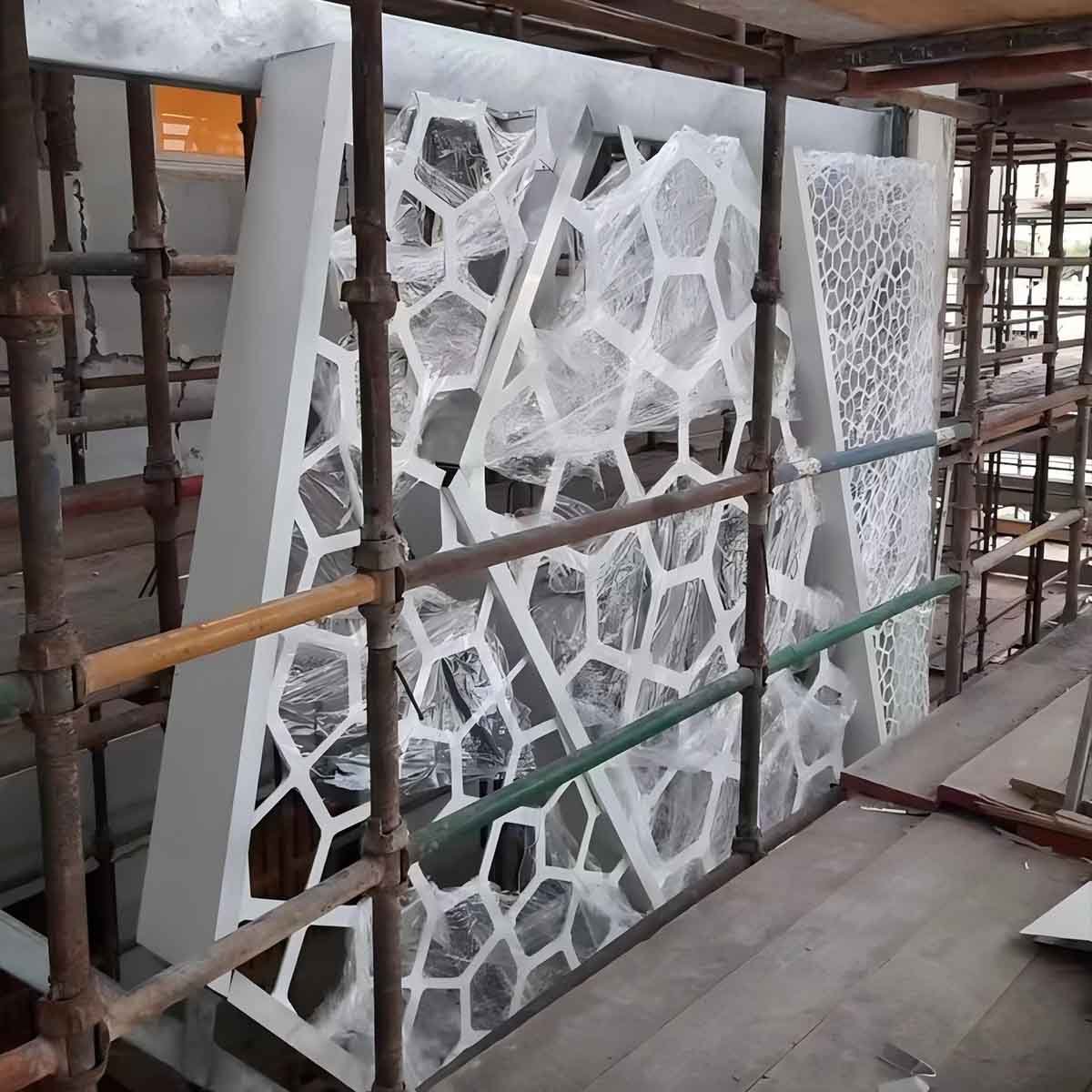
The Interior and exterior of buildings including the facade are beautified with perforated metal cladding that also provides protection. These panels enable lighting and ventilation, contributing not just to form and function, but also personality of buildings.

Perforated Metal Ceiling Panels | TBK Metal

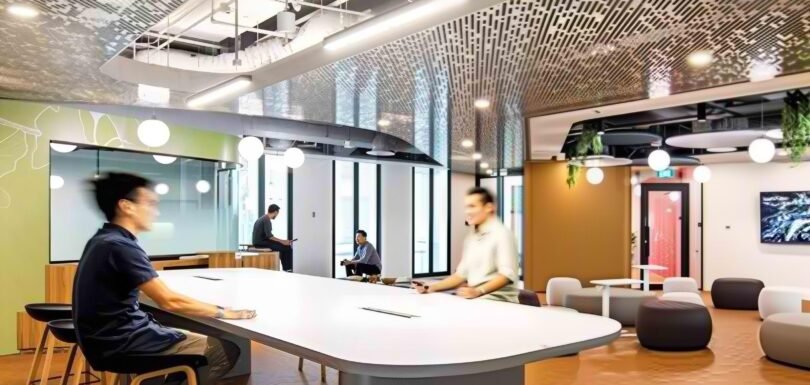
Interior ceilings made of perforated metal panels bring good sound absorption and attractive design. The complex patterns of these holes ensure the regulation of both light and sound to visually appealing and ergonomic dining and working spaces.

Featured Image - Perforated Metal Screen Panels | TBK Metal

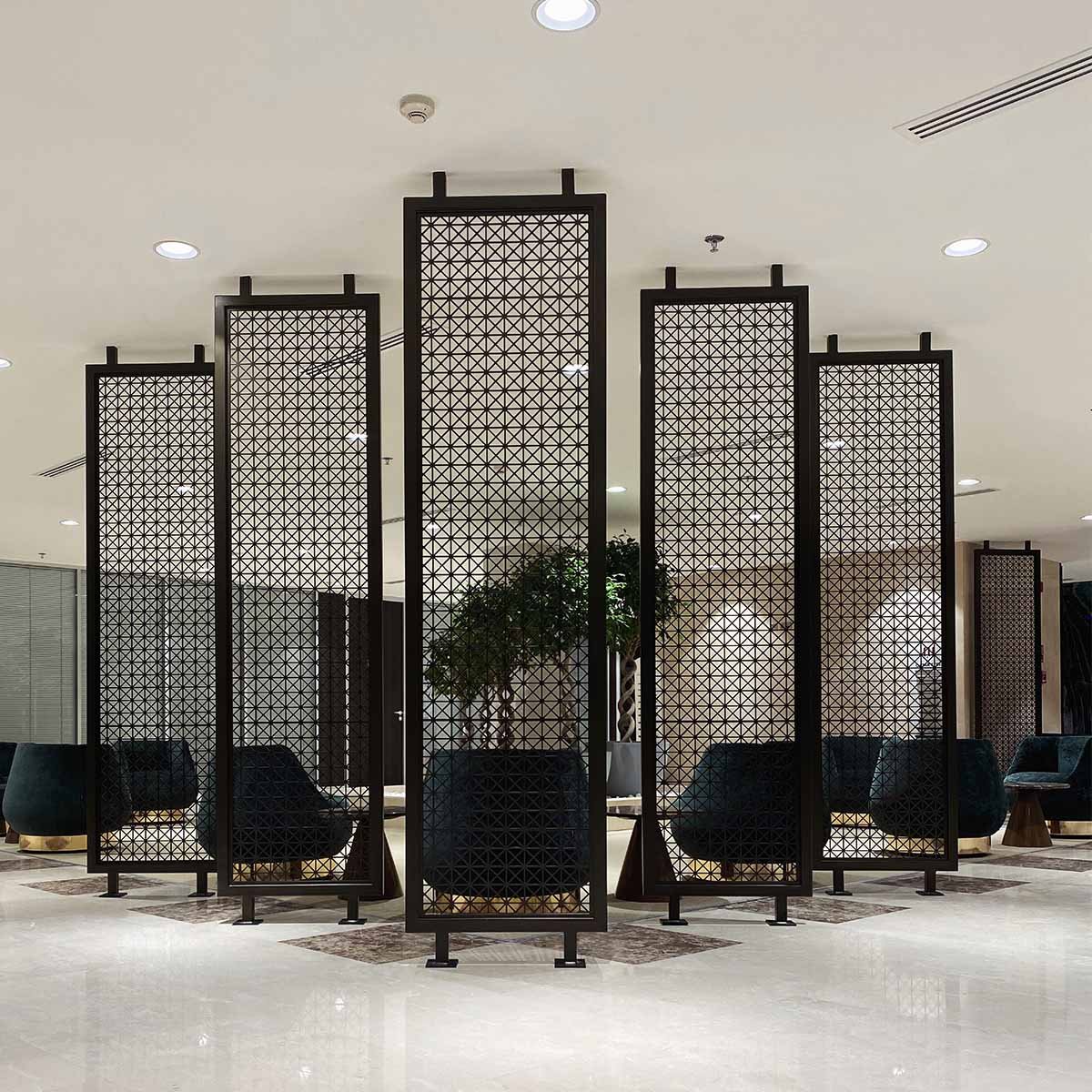
Perforated metal screens changed the concept of spaces since they provide privacy and protection from the sun, but still can be transparent. Perfect for exteriors, front porches, and walls; intended for residential, communal, and business use.

Perforated Metal Fence Panels | TBK Metal

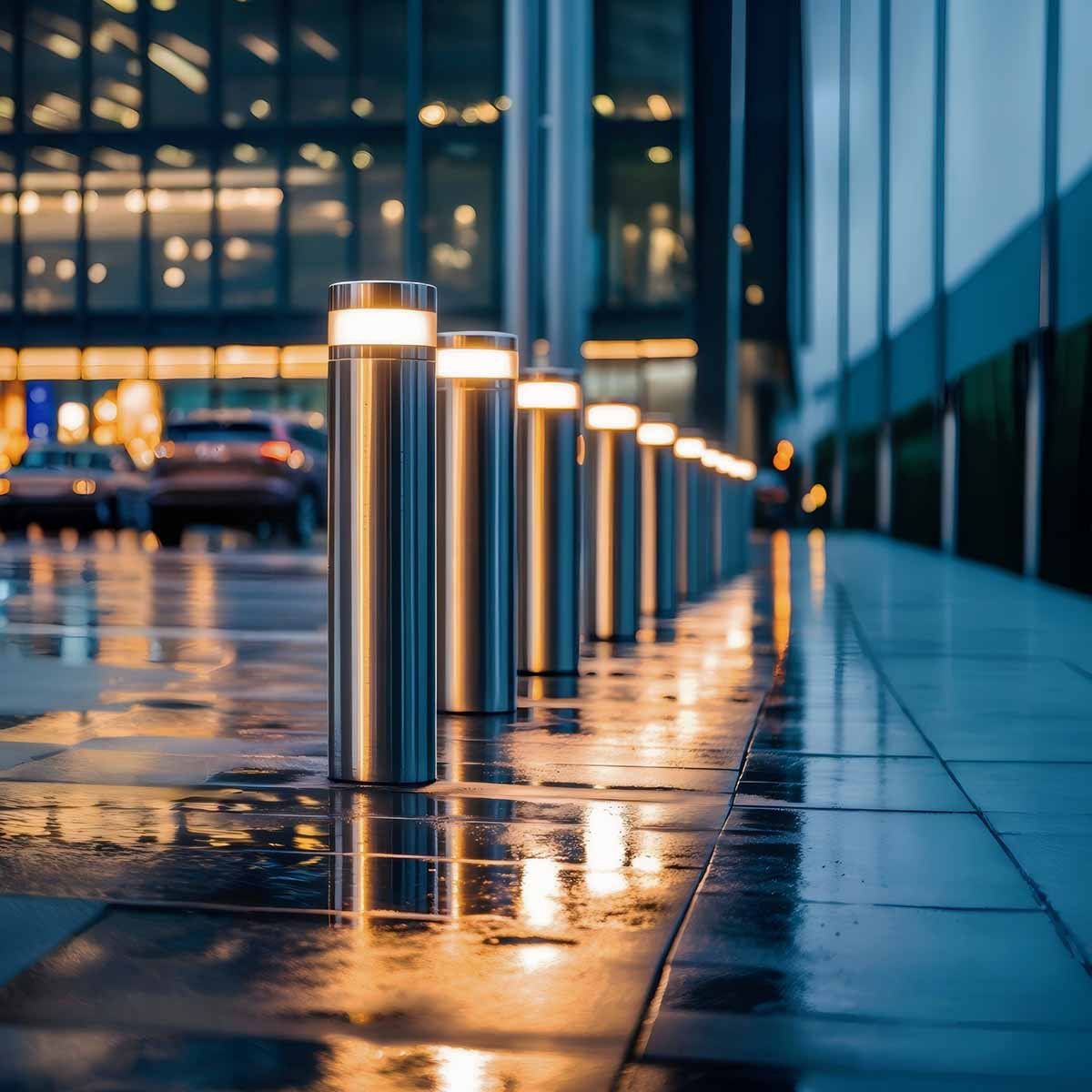
Upon installation of the perforated metal fences, they are the most ideal barrier solution since they provide for security hence a fence. These light fixtures provide you visibility as well as privacy to match gardens, parks, and urban environments.

Applications - Perforated Metal Railing Panels | TBK Metal

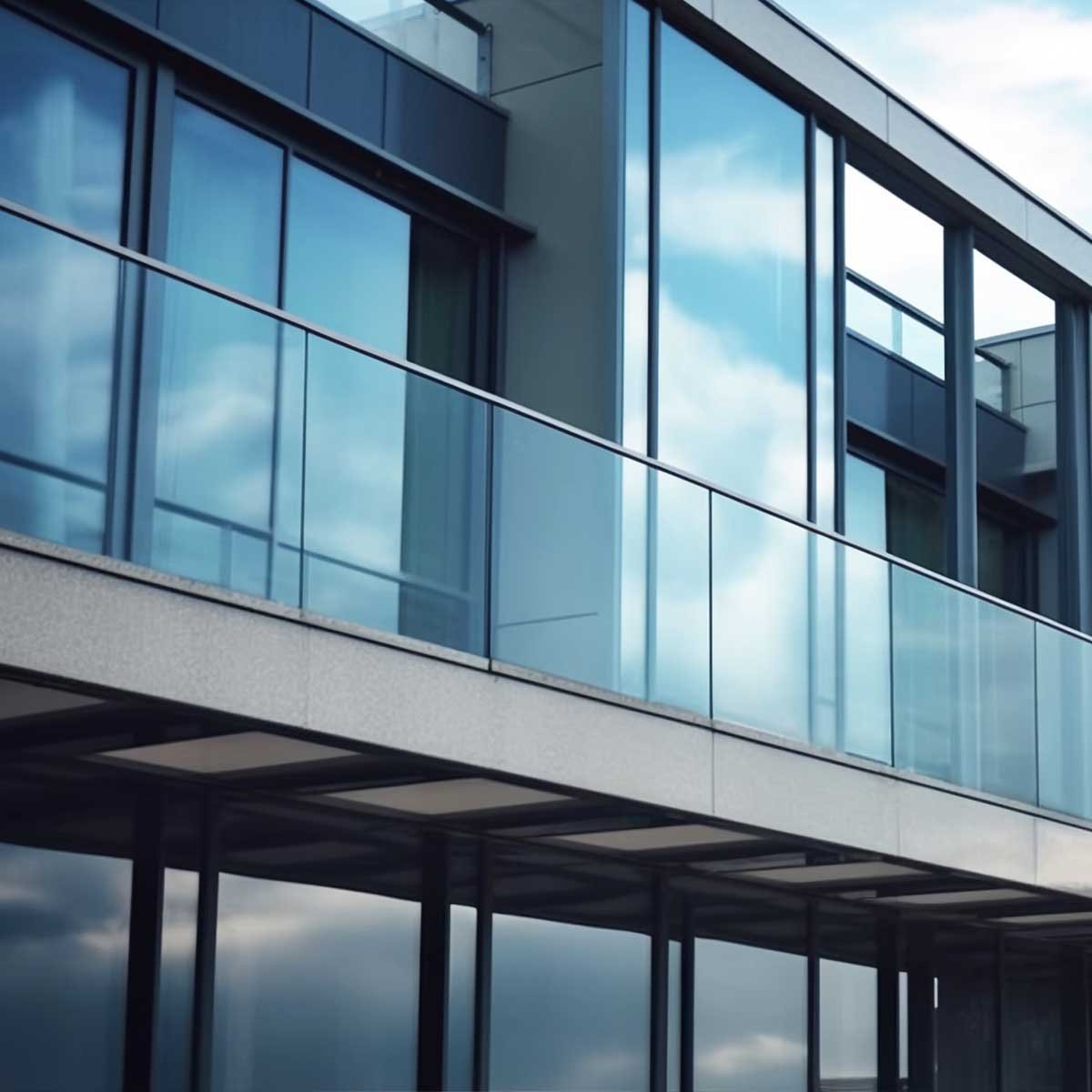
Perforated aluminium panels are used to create railing systems that are functional in safety and aesthetic in design. They arrange both, staircases and balconies, in a complex manner that forms gorgeous elements of interest in any architectural environment.

Perforated aluminium panels have come to play a central role in enhancing many structures and building through their flexibility in usage. They operate on contexts thereby transfiguring them into unique modes of perceiving and engaging with architecture.

Understanding Perforated Aluminium Panels

Perforated aluminium panels are one of today’s biggest improvements in architectural design since they offer numerous options for designs. This section seeks to find out what they are, what they look like, and how the architectural design can be transformed.

Defining Perforated Aluminium Panels

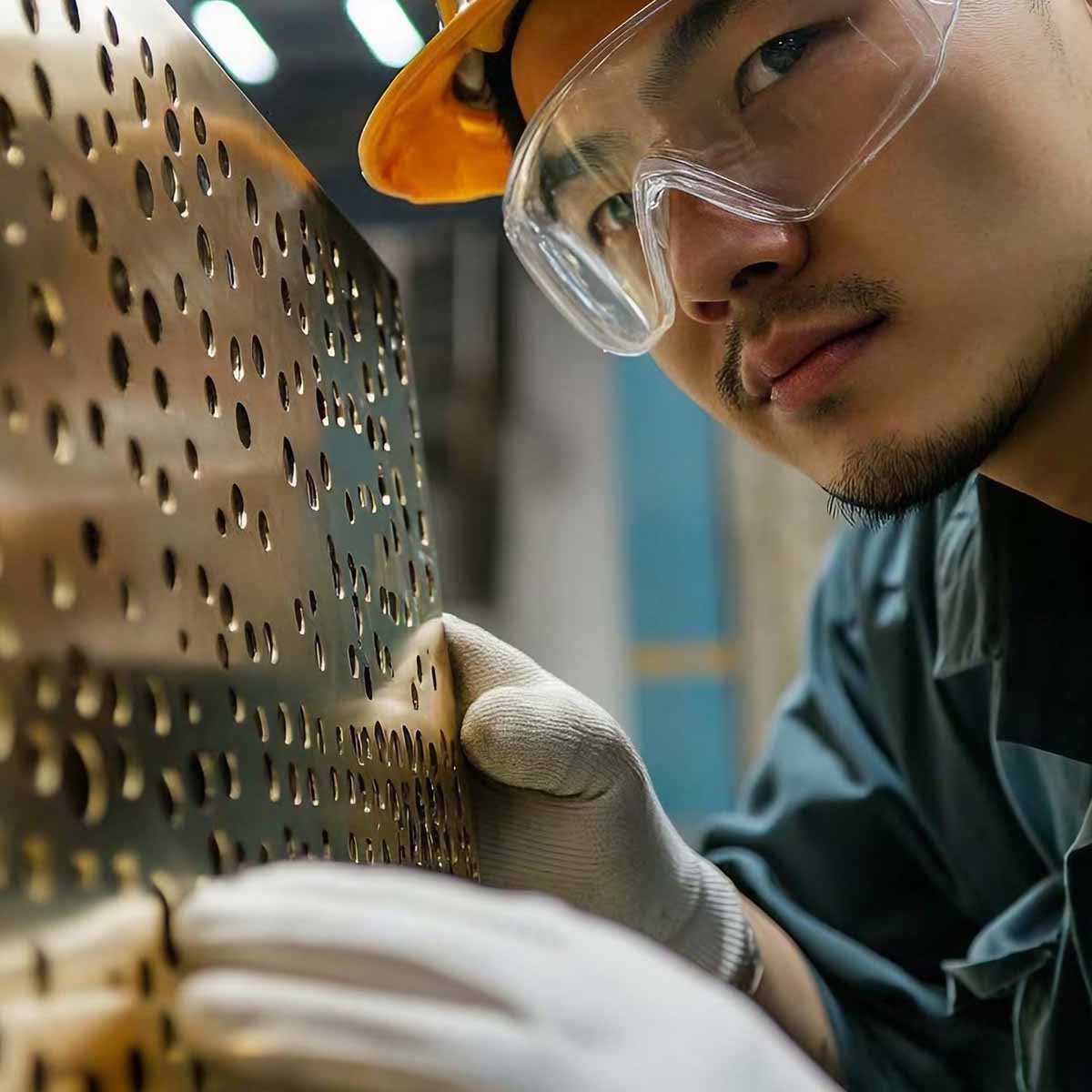
A perforated Aluminium panel is an aluminium sheet with holes or openings made by the perforation technique. They come in different sizes, shapes, and densities and as such, the options for design in terms of aesthetics and functionality are numerous.

Composition and Characteristics

Aluminium employed on perforated metal panels is normally top-notch aluminium alloys that work well under different circumstances including corrosion. There are some of the following characteristics of these panels which include:

Versatility in Design

In as much as aesthetics may differ between each, one of the greatest strengths of perforated aluminium panels is possibly in their flexibility. Please find below some of the ways that architects and designers can use these panels:

Before discovering various possibilities for using perforated aluminium panels, it is crucial to find out what these panels are made of and what they are like. We will look at their use, and appearance and discuss their effects on current architectural designs.

Functionality in Design

From a visual perspective, the perforated panels look very good but it also provides a few important aspects to the architects. In this case, we are going to look at the factors that define the functionality of the described panels making it the best option for architects.

Enhanced Energy Efficiency:

Aluminium sheets with holes can provide sufficient natural light adding a regulation on the amount of heat from sunlight that enters a building. This reduces the reliance on lamps and air conditioning hence making construction cheaper and sustainable.

Natural Ventilation and Climate Control:

The panels allow the control of natural ventilation with a variation of perforation size and distribution. It enhances air movement, increases the quality of air inside buildings and promotes the concepts of passive cooling with little use of mechanical systems.

Privacy and Visual Screening:

One must look at the event space and note the use of perforated aluminium panels for privacy and view regulation. Flexible pore dimension and distribution offer adjustability of light transmission as well as privacy, improving both form and performance.

Acoustic Benefits:

Perforated aluminium panels are used to give acoustic features that enable one to shut out outside noises including those from cars or any constructions. This provides a pleasant indoor climate especially in the urban scenario and with high people density.

Durability and Low Maintenance:

The applications of perforated aluminium panels include their ability to withstand harsh weather conditions because of their corrosion features. They also have a smooth surface that eliminates the need for frequent cleaning thus cutting expenses of building owners.

Perforated aluminium panels give a nice appearance and functional advantages as well. They promote the use of energy, improve ventilation, offer privacy, and better sound control, and are low on maintenance which makes them ideal for sustainable designs.

Aesthetics and Visual Impact

Perforated aluminium sheets are attractive and are used much more often as the gauze for interiors and exteriors of the construction. This section will attempt to explain how these two techniques impact on beauty and appearance of architecture.

Play of Light and Shadow:

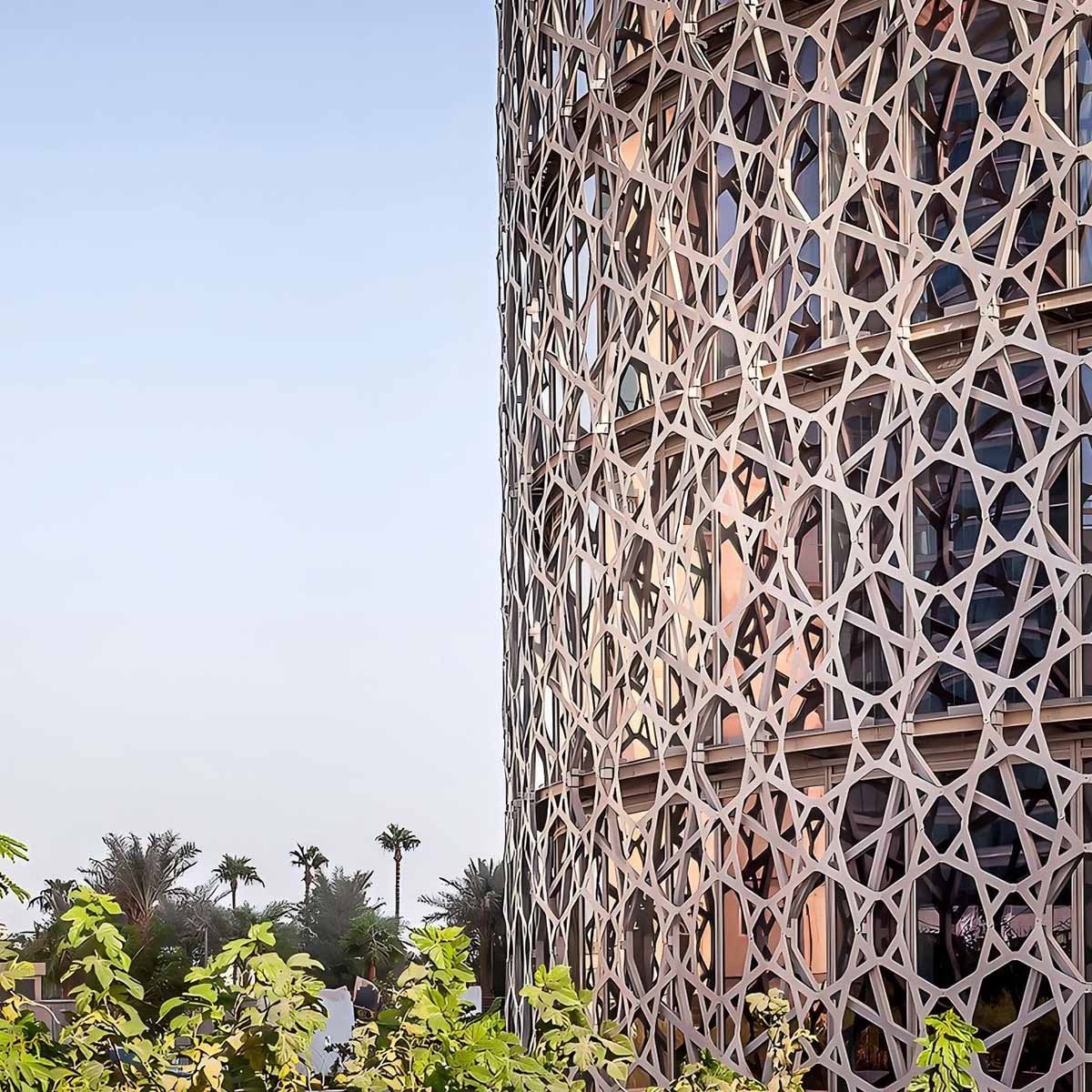
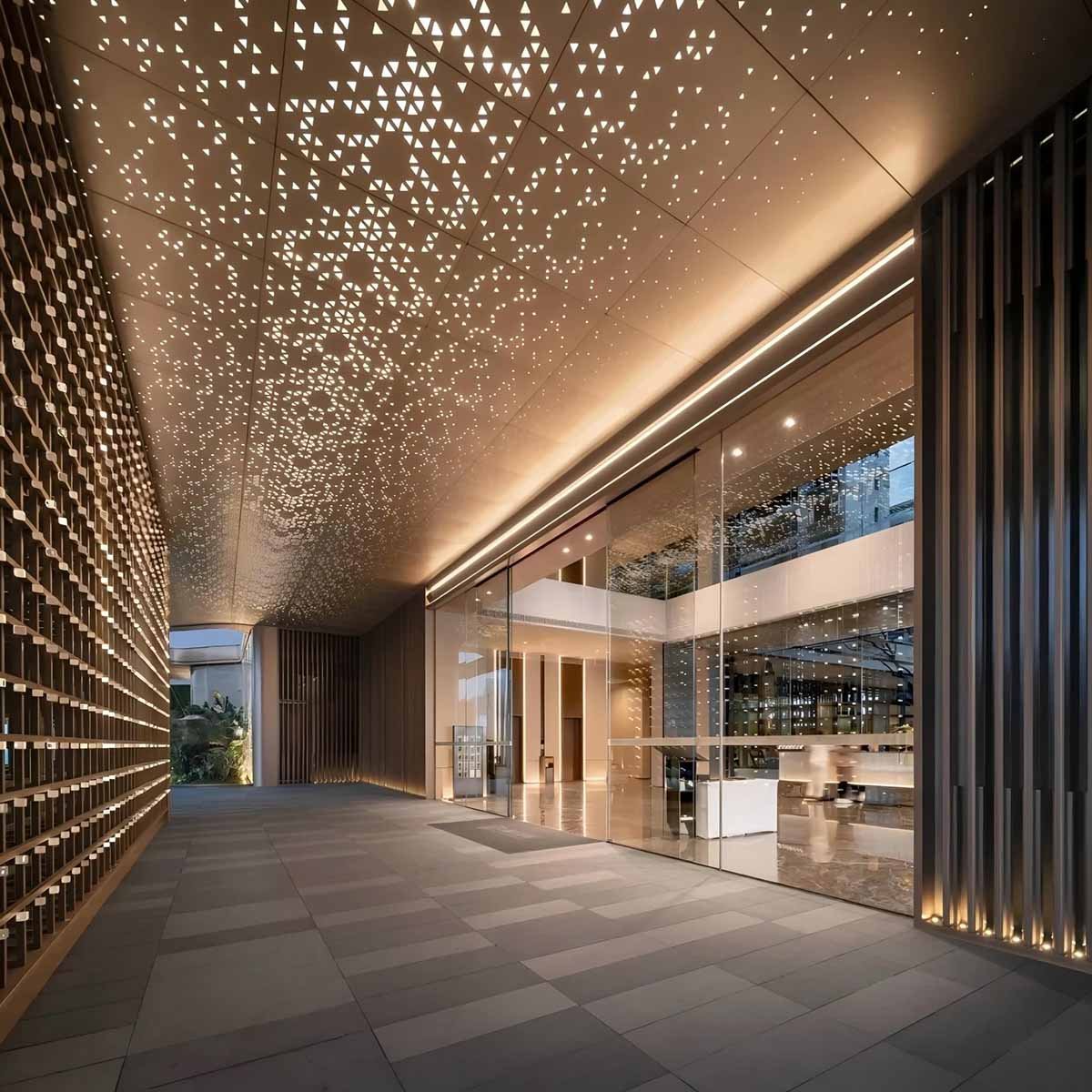
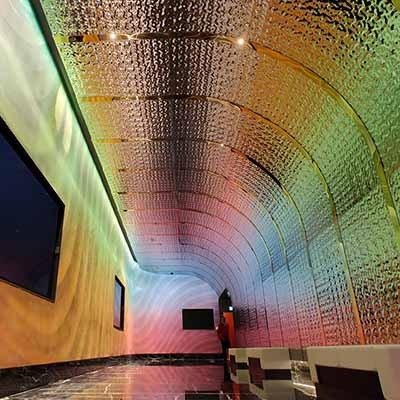
The above project entailed the utilization of perforated aluminium paneling in a way that can catch any artificial light in the form of art. This dynamic effect also embellishes and modifies the appearance of the buildings at different time of the day.

Customizable Designs:

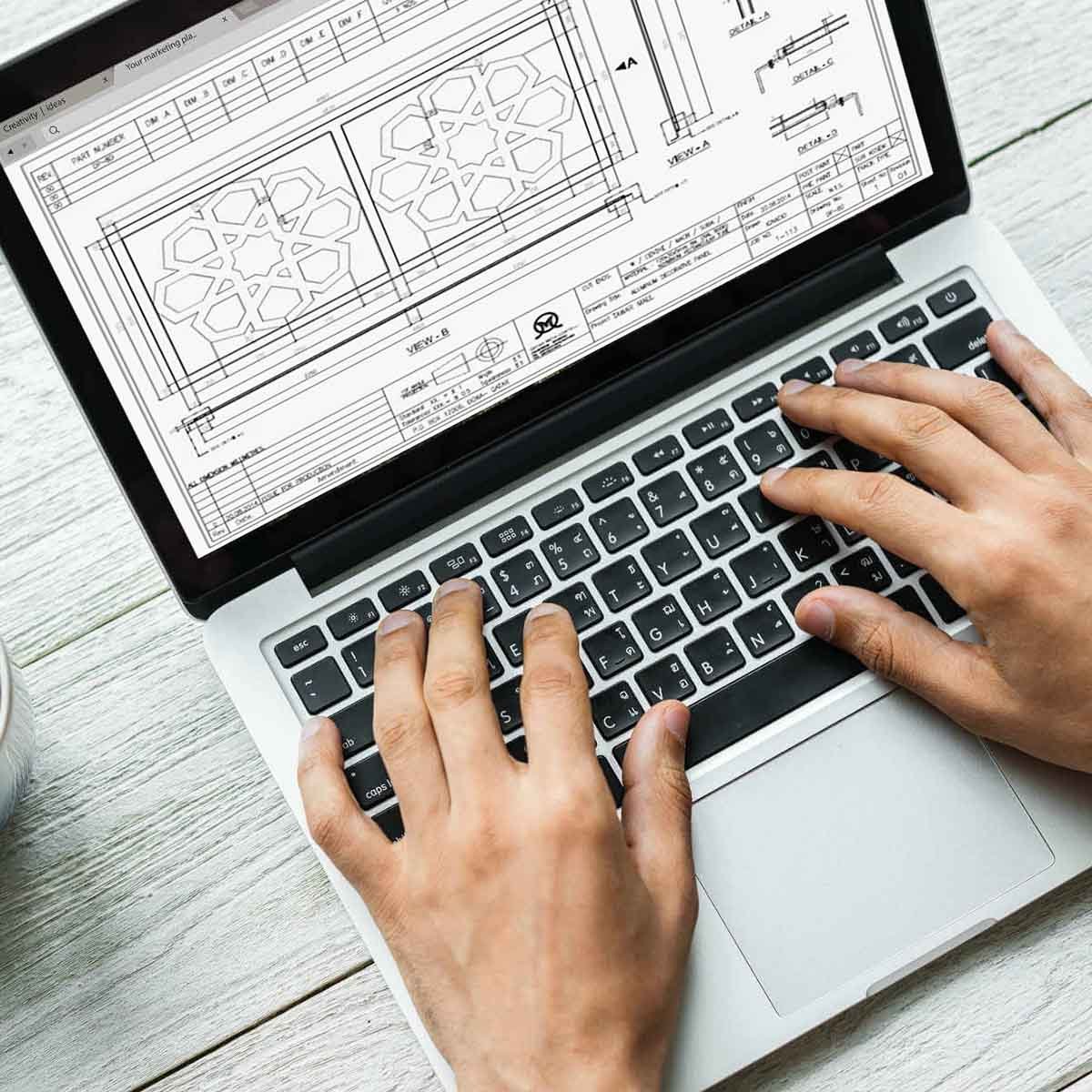
Aluminium panels which are perforated make it possible to offer an almost unlimited choice of designs. These patterns can be adjusted to present specific, striking looks that meet the conceptual objectives of the architectural or design project.

Enhanced Facades:

Aluminium panels which are perforated make it possible to offer an almost unlimited choice of designs. These patterns can be adjusted to present specific, striking looks that meet the conceptual objectives of the architectural or design project.

Privacy and Transparency:

Perforated panels give users privacy while at the same time allowing natural light to get into the room with minimal glare. This feature beautifies the place and also increases comfort and makes it more suitable for both business as well as family use.

Artistic Expression:

Perforated aluminium panels to architects and designers are instrumental shapes for telling compelling stories or for creating particular moods or thoughts. These panels are very important in propagating the concept of design intent of the building.

Integration with Surroundings:

They let buildings be part of their environment through replication of natural or architectural features. This brings out the order and cultural sustainability since structures assume the locality and culture of the environment in which they are established.

Iconic Landmarks:

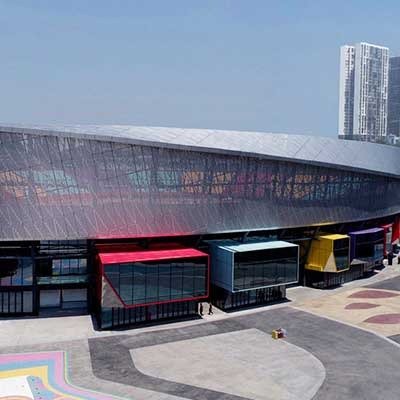
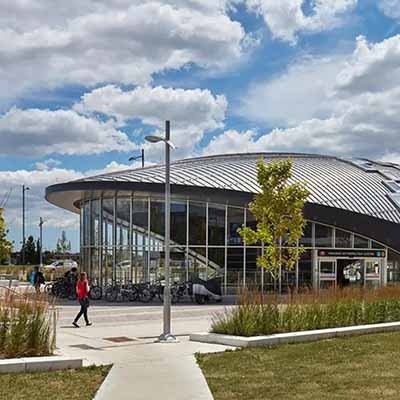
In the present society several stations, bridges, and buildings are known to have perforated aluminium panels. These panels convey the observable aesthetic features of a building which transforms a building into an art piece and symbol of a city.

Perforated aluminium panels work not only as structural and functional additions but also as decorative objects on the buildings. They are versatile, light masters, and packed full of artistry, which alters, modern design’s approach to designed spaces.

Sustainability and Environmental Benefits

Aluminium in particular is an eco-friendly material in architectural design by bringing the following beneficial factors. As such, they are fit for one’s project for instance one is working on a project, which is about sustainability or the environment.

Energy Efficiency:

These ventilated aluminium shells assist in managing heat flows by avoiding the introduction of unnecessary heat at the time of summer forcing the use of air conditioners. This also causes low usage of energy and thus reduction of carbon emissions.

Natural Ventilation and Daylighting:

Lightweight aluminium, for example, can be perforated to allow for natural ventilation and daylighting, interior air quality, and low artificial lighting. Such dual functionality is particularly useful in regions where there are seasonal climate changes.

Recyclability:

Sustainability therefore goes as far as the life of one of these structures to its decommissioning. Perforated aluminium panels are mostly reusable and also at the end of their use, they are reusable or are recycled thus cutting down on construction waste.

Durability and Longevity:

Aluminium used on buildings with perforated panels enables the structure to go for a long time without being revamped. This bias helps longevity in sustainable architecture goals bearing in mind the number of resources that would be incurred.

Reduced Maintenance:

The perforated aluminium panels make them highly resistant to rusting and othering effects of weathering thus they would not need frequent maintenance. This cuts down the time needed for its cleaning and also lowers the utilization of strong scrubs.

Versatility in Green Building Design:

Perforated aluminium panels are effectively utilized in green building design to realize the green goals of the architects and designers. They contribute to such accreditationations as LEED as well as BREEAM, strengthening environmental prospects.

Energy-saving, recyclable, long-lasting, and flexible make perforated aluminium panels the most suitable for use in green buildings. It has been anticipated to be used more as sustainability issues are integrated into civil structures.

Conclusion

This results in an element that has deeply transformed architecture in the modern age: said element is the perforated aluminium paneling. These panels will certainly define creativity, functionality, and the ability of architects in the process of their evolution.

7 Office Ceiling Design Ideas to Create a Productive Workspace

Learn how it is possible to make even your office more enjoyable and productive by reading our guidelines. Check out seven sparkling office ceiling design ideas that have been selected by our team to open opportunities for increased productivity and a delightful workplace.

You can read more about the advantages and disadvantages of designed ceilings and such elements as lighting or noise isolation. Where you work matters and so here are useful ideas about the office environment that can enhance productivity.

Ceiling Lighting Innovations

The nature of the design of the ceilings used in offices is very important in improving the area. Increase efficiency and provide a greenhouse effect together with the comfort of using such features as skylights, LED lights, and adjustable luminaires.

Incorporating Natural Light

Light up your workspace’s beauty with ample natural light by installing skylights or large windows in the office. Minimize usage of artificial lighting as well as enhance tendency improving energy and stamina resulting to a fostering of productivity.

Energy-Efficient LED Lighting

Replace old fixtures with new energy-efficient LED bulbs for your lighting systems. Energy wise LEDs are both efficient and provide better light as compared to the traditional lighting decreasing eye fatigue and improving concentration in the working arena.

Adjustable Lighting Fixtures

Lighting should in the same method be as flexible as possible with lights that can sway either to left or right. There are choices that employees can choose other types of light that are suitable for working and create the right ambiance for it.

It is time to update your office’s ceiling lighting to become cutting-edge, to make the employees more productive and healthy. Consciously bring light into your work environment along with meaning and witness a telling positive change occur.

Acoustic Ceiling Solutions

Promoting a quiet environment in the workplace is what pays when it comes to increasing performance in one’s office workplace. Good acoustic ceilings control distractions and improve speech intelligibility making communication and concentration easier.

Perforated Metal Ceiling - Office Ceiling Design Ideas | TBK Metal

Sound-Absorbing Materials

Use of protective material in the ceiling to reduce sounds that may cause disturbance in the office. As they cut down on echo and damp down on sounds, these materials ensure tranquility and increase focus leading to enhanced production.

Acoustic Panels or Baffles

Improve the office talking and sound definition by the installation of acoustic panels or baffles on perforated metal ceiling. These elements are acoustically friendly controls to tackle noise reverberation enabling clearer speech for focused conferences.

Sound Masking Systems

Acoustic concealment audio makes the informal speaking and noise disruptive thereby improving them. This idea promotes employees’ privacy and concentration in work areas and increases work productivity and organizational efficiency.

Treat your office space with acoustic ceilings and wall solutions including perforated ceiling panels and sound insulation material. They bring about modifications that result in enhanced focus, cohesion, and output; hence achieving success.

Aesthetically Pleasing Office Ceiling Designs

Different creative ceiling designs can also be incorporated into your office to make it more fashionable. Stimulate the visual appeal by using textured surfaces, grids ceilings, and artistic impressions like painting or sculpture if any at the workplace.

Linear Metal Ceiling - Office Ceiling Design Ideas | TBK Metal

Unique Ceiling Textures and Patterns

This optimizes aesthetic value in your workplace since interesting ceiling surface designs and lighting patterns can be used. This makes a good sight concentration in the room and boosts everyone in the room as they are fascinated by the screen.

Suspended Ceilings for a Modern Look

Get the smooth and sleek look of your office through suspended metal ceilings. These structures not only look like an aesthetic upgrade but also help solve the problem of wiring management, which frees up the workspace and makes it look neat.

Artistic Elements

Add artistic directions such as murals or ceilings lays them in combination with a distinctive linear metal ceiling. Such additions make it possible to develop great ideas as well as facilitate conversations and turn the place into a space of innovation.

Elevate your office ceiling and give your office a new and attractive look that will assist in liberating your worker’s creativity. These designs help create a wonderful climate, encouraging workers and steering up job productivity and contentment.

Greenery and Biophilic Office Ceiling Design

Bring creativity into your workplace to bring new ceiling designs with indoor plants, living walls as well as ceiling gardens. They have positive effects on air quality; consistent with the principles of biophilic design; and encourage a cooler and more effective climate.

Indoor Plants and Living Walls

Indoor plants or ceiling-mounted living walls bring freshness as well as an illusion of nature into the work environment. All these features make it a less tiring and more visually stimulating place to work thus promoting productivity and health.

Biophilic Design Principles

Turn your working environment into a relaxing environment by using natural elements, surfaces, and prints on ceilings. It enhances unity and it also leads to the betterment of total health of the office environment due to its connection with nature.

Ceiling Gardens and Hanging Planters

Integrate the characteristics of ceiling gardens or hanging planters so you can have nature inside your home. Such features make it an enriching atmosphere of freshness and relate your workplace with nature and at the same time good health.

Integrate green features with biophilic designs of the ceiling to enhance natural workflow integration. This approach improves the health of staff, increases the creativity of employees, and promotes a healthy stimulating climate to improve output.

Functional Ceiling Features

Transform your boring office ceilings into interesting and useful for the enhancement of the operations in the office. For comfort, organization, and efficiency one should recommend using adjustable fans, overhead storage, and collapsible screens.

Adjustable or Motorized Ceiling Fans

Acquire ceiling fans that have different speeds, or better still the ones with motorized control to ensure the employees are comfortable. It enables multi-directional airflow to create for the users a personalized work environment conducive to work.

Overhead Storage Solutions

This means that overhead storage can also imply part of the ceiling plan of the office area. This enhances the practical application of the vertical plane thereby minimizing crowedness, and disarraying the environment in the working order provided.

Retractable Screens or Projector Systems

Up your office interior design with ceiling-fitted foldable slats and ceiling-mounted projection systems. Would not require changes in the layout and provide a means to switch between presentations and collaborative sessions with less interferences.

Adorn your office with functional ceiling items such as lighted fans, shelves, or screens because they improve comfort, storage, and working space. All these elements make the working environment for all the entities dynamic and multifunctional.

Smart Technology Integration

The office space together with smart technology installed in the ceiling of the space is also transformed. Get smart lighting, voice command and control, and smart climate control to increase output and employee comfort in a modern environment.

Utilizing Smart Lighting Systems

Smart lighting systems help to increase energy management and also help the potential for personalization. Concerns, movements, and settings subconsciously save energy while enhancing production and satisfaction with focused light patterns.

Incorporating Voice-Activated Controls

Many options, such as voice-activated ceiling controls to brighten and cool the area and make adjustments with ease. Optimization of processes and increased productivity, making them comfortable to reduce time wastage to the employees.

Implementing Automated Climate Control Systems

Design the workplace to feature climate control, so the air conditions regulate themselves. These systems control temperature and air flow just as expected to attain maximum comfort for individuals occupying the space as well as the space itself.

Integrating smart technologies into the office ceiling has been proven to boost office productivity and lead to energy efficiency. Transform your workplace into a friendly technical terrain that takes the pressure off employees and improves output.

Conclusion

Above, we’ve presented several ideas for office ceiling designs that can address different requirements of the working environment, such as lighting, acoustic treatment, aesthetics, functionality, and forms of biophilia, as well as smart systems.

All these ideas should be adopted to change your office into a stimulating and efficient workplace. These concepts will help you establish generative structures for innovation in the workflow of the workplace, which will also be useful to participants.

Revolutionizing Architecture: Unleashing the Potential of Metal Sheet with Holes

Metal sheet with holes is the most versatile in architecture by shifting the architecture designs and construction at large. These innovations open up profundity in the sphere of possibilities which challenges the imagination in aesthetic and practical architecture.

Discovered the possibilities that are available to create change through a perforated metal sheet. They created structural designs that are both, artistic and functional, and at the same time set the basis for future developments in architectural concepts.

Understanding Metal Sheet with Holes

Metal sheet with holes is one of the innovative architectural materials that have specific features and advantages. These sheets are made by creating patterns or holes on their surfaces in a planned manner thereby obtaining the required shapes and sizes of holes.

Depending on the material it can be made from many materials like steel, aluminum, or copper. The required perforations are made either by laser cutting or through stamping- both of which are specific to the kind of manufacturing that is needed.

Perforated metal sheets are greatly used in architectural designs where they play multiple functions as facades, cladding systems, screens, or partitions. The two work together to upgrade principally functional concerns and the visual aspect harmoniously.

Interior designers and architects prefer to use these sheets because of their durability and they take into consideration issues to do with their appearance. This combination has strengthened their part in modern architectural works into complete components.

Applications of Metal Sheet with Holes in Architectural

The application of perforated metal sheets in architectural designs is highly preferred due to certain unique characteristics. This essay aims to discuss their specificity, ideas, and use as a result of which numerous architects and designers get inspired.

Application - Perforated Facade Panels | TBK Metal

Exterior Cladding

Perforated metal facade gives building facades beautiful and unique light play and shadow effects. It has become a mix of pleasing to the eye and functional such as providing natural ventilation, a weather shield, and extra dimension and feel.

Perforated Metal Ceiling Panels & Tiles | TBK Metal

Ceiling

Perforated metal ceiling combines beauty and practicality, the holes themselves serve to decrease echoes making the sound better. They also act as colorful screens where lighting is placed to create beautifully set light amusement effects of spaces.

Applications - Perforated Metal Screen Panels | TBK Metal

Partition Screen

Perforated metal screen is best for dividing space, creating some privacy, or as a design and stylistic feature. This makes them capable of allowing for creative designs where privacy, air flows, and gains from natural light sources are well balanced.

Why Choose Architectural Perforated Metal Panels for Your Project | TBK Metal

Fence

The perforated metal fence offers security, privacy and the features include a unique pattern to enhance the outlook of the fences. Not only are they made to last and very easy to clean, but materials such as these are great for commercial or public use.

Perforated balustrades and railing | TBK Metal

Railing

Perforated metal looks ultra-modern and everyone will appreciate this approach if choosing a railing for stairs, balcony, or exterior. Most of their models have unique designs that guarantee safety and are open with good ventilation with unrestricted sight.

Some of the forms of perforated metal sheets include partitions, cladding, and sun shading devices. Both architects and designers appreciate its practicality while at the same time offering a point of differentiation to any architectural scheme.

Breaking Boundaries: Design Possibilities with Metal Sheet with Holes

Perforated metal sheets give the architects an opportunity to go beyond the conventional architectural design. The holes created facilitate the incorporation of difficult interlinkage patterns, shapes and textures enhancing the depth of a project.

The metal sheets take concrete buildings making them look like pieces of artwork – be it artistic or inspired by nature. The aesthetic value of the perforated metal enhances architectural projects and transforms such structures into artistic structures.

Lighting designs are made easier with the perforated metal sheets since they allow the regulation of light within measured perforations. Such manipulation produces interesting play of light and dark, making architectural spaces much more interesting.

Due to the duality of light and metal as the dynamic elements, the interior and exterior surrounding milieu are effectively raised and enriched. The result is a well-designed visually attractive environment because the light plays with the perforated layers.

Illuminating Spaces: Harnessing Light and Shadow with Metal Sheet with Holes

Metal sheet with holes beautifies architectural applications as it control light and create an interesting pattern of shadows. Suited to installation in specific areas, it creates dramatic illumination solutions that make the design much more interesting.

Perforation patterns can allow an architect to influence the amount of daylighting and artificial lighting. This leads to taking in aesthetic impressions which in turn, makes the visual accommodation space look more attractive and appealing.

One of the most vital aspects concerning the architectural aspect of a space relates to the play between light and darkness. This dynamic effect results into achieving a sharp captivating ambiance this is rather noticeable throughout the environment.

Interlocking patterns cut out interesting designs that give your room a new look. This distinguishable feature alters the environment and makes everyone in the city and anyone who comes to it never forget the first view that meets their eyes.

Enhancing Ventilation and Acoustics: Practical Benefits of Metal Sheet with Holes

High-quality metal sheet with holes used in architecture provides design possibilities while at the same time offering practical benefits. Its perforations regulate indoor air circulation and enhance indoor environments that are healthy for the occupants.

Facade or screen designs that incorporate perforated metal allow for natural airflow hence reducing mechanical systems. This helps to increase energy productivity thus assisting in sustainability goals a priority that serves modern architectural design.

Perforated metal is the best for acoustic perspective, as it helps in absorbing and diffusing sound. The perforations minimize the echoes in any given environment enhancing their acoustic properties in places where there is a sensitive noise level required.

It finds its application in theaters, auditoriums, and open offices, particularly those having an open floor plan. In such environments, it is imperative to control the quality of sound and perforated metal offers a good way of regulating clear balanced sound.

Sustainable Solutions: Environmental Benefits of Metal Sheet with Holes

It finds its application in theaters, auditoriums, and open offices, particularly those having an open floor plan. In such environments, it is imperative to control the quality of sound and perforated metal offers a good way of regulating clear balanced sound.

It finds its application in theaters, auditoriums, and open offices, particularly those having an open floor plan. In such environments, it is imperative to control the quality of sound and perforated metal offers a good way of regulating clear balanced sound.

These metal sheets are used in building façade and their function as screens helps reduce energy use in the building. They assist in form tackling solar heat thus lowering the cooling loads and at the same time increasing the thermal performance.

This energy-saving benefit fosters sustainable architecture in relation to green building processes. Perforated metal application can help in the consideration of achieving the LEED and help in the advancement of an environmentally friendly design option.

Overcoming Challenges: Addressing Concerns about Metal Sheet with Holes

This energy-saving benefit fosters sustainable architecture in relation to green building processes. Perforated metal application can help in the consideration of achieving the LEED and help in the advancement of an environmentally friendly design option.

For instance, architects may have concerns with ease of installation. However, having experienced contractors and fabricators in the construction process will reduce the number of complications that can come along with the metal sheets.

Durability is among them, but getting materials that would assist in its endurance is also a major contributing factor. Applying protective coatings will add to wear and environmental degradation resistance and therefore elongate the material usefulness.

Cleaning takes place if there is dirt that may affect the appearance of the sheet or affect the efficiency of the perforated metal sheets. They assist the material to retain its suitability for use and to fulfill all architectural needs for a given time as required.

Conclusion

Cleaning takes place if there is dirt that may affect the appearance of the sheet or affect the efficiency of the perforated metal sheets. They assist the material to retain its suitability for use and to fulfill all architectural needs for a given time as required.

So, accepting the opportunities of this material, architects and designers are free to improve spaces with creative, useful, and ecological ideas. Imagine and brainstorm what these materials can do for the world of architecture and design.

10 Essential Factors Of Architectural Perforated Metal Panels

Perforated metal panels are increasingly a go-to choice in architectural designs because of the following flexibility functionality, and aesthetic value. Many architects like them because they blend functionality with design in the most natural way possible.

Adding the perforated metal panels is now popular in architectural designs for the following reasons: flexibility functionality, and aesthetic value. That is why many architects are fond of them as it is almost impossible to combine function with form better.

Factor 1: Definition and Composition

The ideas of architectural perforated metal panels are weighed both in functionality and aesthetics through accurate perforations. These flexibility materials serve varied strengths and durability to support our architectural designs and needs.

What Are Perforated Metal Panels?

Materials Used for Composition

Aluminum

Those are lightweight materials that do not corrode easily and are good for use in the exterior part of the building.

Stainless Steel

They are strongly built and very immune to both rust index and the effects of other severe weather.

Galvanized Steel

As one would expect they are cheap and durable while they have a zinc-plated finish to extend their life further.

Copper and Brass

Offer a unique look and feel of luxury while outperforming the competition in terms of weather resistance.

Production Techniques

Punching or Stamping

They are named mechanical techniques when such techniques concern the patterns development.

Laser Cutting

The section lays out control for complex and accurate patterns and patterns with little or no scrap production.

Etching

With them, creates special applications for the sheet and adds decorative, or functional perforations.

Perforated metal panels are used in different areas because of the strength and flexibility of the metal that is used combined with high technology. Due to their diverse composition, they are much-needed more in innovative contemporary arch & design.

Factor 2: Versatility of Applications

As has been discovered in the structure, the metal plates may be perforated to make different installations for the interior and exterior. Because of this flexibility in meeting the different functionalities, contractors and designers use them across the globe.

Facades and Building Envelopes

The application of the perforated metal cladding creates rich patterns and further creates lighting impacts. It can also be used for shading, ventilation, for getting energy efficiency, and weather protection and looks rather modern from the outside.
High Quality Perforated Metal Cladding Panels | TBK Metal

Suspended Ceilings

Interior design also improves the interior with texture and stylish appearance with perforated metal ceiling. It enhances practicability by lessening noises and lets in the proper installation of lighting fixtures that bring about an innovative feel.
Perforated Metal Ceiling Panels | TBK Metal

Partitions and Dividers

Perforated metal screen in which people in the space can be separated but the general environment is not made closed to allow air circulation. These panels are most commonly used in offices, hotels, and almost any public building for numerous design opportunities.
Featured Image - Perforated Metal Screen Panels | TBK Metal

Sunshades and Louvers

Control the penetration of natural light and manage gain for a better design in energy requirements. These panels are also used as attractive architectural dives, giving more appeal to the exterior facade of most contemporary buildings.

Staircases and Railings

Increase security and sleek and stylish appeal to stairs, balconies, and walkways. Offer customers longevity and easy maintenance especially for places that receive lots of foot traffic. This comes in a variety of patterns that fit in any given design pattern.

Perforated balustrades and railing | TBK Metal

Decorative Features and Artwork

The metal perforations are used for the display or the detail of specific artwork or branding. They improve environments with customized installations that are works of art as well as utility and are best suited to the urban city and cultural centers.

Perforated Metal Ceiling - Office Ceiling Design Ideas | TBK Metal

This is the potency of the change and means of alteration that is lodged in the very materiality of perforated metal panels. They are critical in architecture and design, including the exterior and interior uses ranging from cladding to decorative artworks.

Factor 3: Functional Benefits

Perforated metal panels for architecture enable the improvement of the performance of buildings on issues of air circulation and power consumption. Due to these qualities, they are usually recommended for today’s architectural developments.

Ventilation and Airflow

Encourage open air circulation which helps cut down the use of artificial methods. Improve the quality of air inside the building as well as the durability of the structure. Perfect for parking lots, industrial use, and external shading or facade integration.

Natural Lighting Optimization

Permit measurement of light admission to enlighten rooms without glare. Related findings include minimizing the use of artificial light as this conserves energy. Design lights that will change with the positioning of the sun and will acclimatize with it.

Energy Efficiency

Function as sunscreens to help in the regulation of heat ingress. Reduce the cooling loads in hot climates by making improvements to the energy performance of the buildings. Products should certify sustainable building, and participate in LEED standards.

Noise Reduction

Function as sound-proof devices provided they are used along with acoustic substances. Enhance sound in places such as workplaces, theaters, and meeting halls. Lower the levels of noise pollution, especially in developed urban and industrialized societies.

Protection and Privacy

Protect exterior surfaces of the shield buildings from exposure to bad weather and falling objects. Provide some sort of enclosures, yet at the same time, keep things transparent. Improve the security in public places, schools, and business premises.

That is why the panels of perforated metals are essential to architectural designs; the functional aspects. As elements of acoustic and thermal control, usability guarantees that they satisfy the requirements of contemporary, energy-efficient architecture.

Factor 4: Aesthetic Appeal

Lighting is also improved by using architectural perforated metal panels since they have unique patterns, textures, and coatings. For this reason, they can be used effectively in increasing the aesthetic feature of one design from the other in architecture.

Unique Patterns and Designs

In geometric, abstract, or organic type, these panels lend character to building facades and decoration as well as interior design. They can also be designed within the context of design themes within the organization or even branding issues.

Dynamic Visual Effects

Design a light and shadow that changes over the day as it does in real life. Give a three dimensional outlook to the otherwise two-dimensional plane and convert places into attractive zones with sophistication, modernity, and artistic inclination.

Vibrant Colors and Finishes

These panels come in a variety of powder-coated or anodized finishes to provide numerous choices. Deluxe of brushed, mirrored, or matte make for a sleek finish while anti-UV coating ensures your graphics do not fade for a long attractive look.

Integration with Surrounding Architecture

These panels come in harder with either powder-coated or anodized surface and this gives options. Glossy, brushed, or mirrored designs lend the surfaces a classy look, while anti-UV finish retains the graphics preventing colors from fading over time.

Statement Installations

Make new building facade designs into distinctive architectural symbols and art pieces of urban aesthetics. Transform environments into exciting statements, challenging and inspiring people with unique ideas, as well as influencing their environments.

Perforated metal panels are unique due to their function of developing art works out of the available spaces. For architects, these accessories offer both creativity and usability which makes it impossible for anyone to do without in their designs.

Factor 5 : Light and Shadow

Aluminum panels with perforations that form patterns create a light show and a shadow. They incorporate light to give real-life character to the inventions with interaction and aim at making interior and exterior spaces both functional and beautiful.

Dynamic Lighting Effects

Spaces are changed into light patterns through these perforations which filter natural light coming in. Used together with natural light during the day and artificial at night, they provide remarkable visual impact for facades and architectural accents.

Shadow Patterns for Depth

Artist shadows and enigmas also use texture and graphics to enrich surfaces and turn walls into living colors and textures. This high-contrast image is perfect for designing the main accents in different interior design concepts and public spaces.

Enhanced Spatial Perception

Introduce movement in architecture by using the play of dark and light to create superficial effects. It optimizes such environments as comfortable homes, attainable small industrial interiors, vast city planning, and every little thing in between.

Energy Efficiency with Aesthetics

There is minimal use of artificial lighting, thus making the best use of natural light and therefore efficiency. Shading solutions provide for controlled internal comfort as well as enhanced external aesthetics, insulating sufficient light with energy conservation.

Versatility Across Applications

It fits well as a sunshade or a facade, as a ceiling, or as partition walls. They come variety of designs in order to meet certain requirements of light and shadow and they are designed to accommodate modern as well as traditional architectures.

Perforated metal panels enable light and shadow to play a dramatic game and enhance architectural designs. Through these panels, functionality is combined with art, making interior spaces more interesting with unique and eternal decoration.

Factor 6: Sustainable Design

Perforated metal panels leave the architectural designs recyclable, energy-conscious, and sustainable. Features such as these make them the number one architecture companies of architects supporting sustainable or green architecture.

Made from Recyclable Materials

All of them are made from aluminum, stainless steel, or galvanized steel which makes them rather recyclable materials. Recycling is part of the circular economy because it ensures minimized waste does not affect quality and performance.

Energy Efficiency

Louvers made out of metal are placed at the exterior as sunscreens thus lessening the heat load and cooling loads. They also exhaust natural lighting to minimize artificial lighting and therefore minimize energy consumption and costs of operations.

Long-Lasting Durability

These panels demand little or no maintenance and occasionally need replacing, thus using up few resources. These industrial building designs remain strong under weather conditions and do not corrode hence adding more years onto their structures.

Contribution to Green Building Standards

These panels need little maintenance and replacement from time to time thus saving on resource use. It reduces the corrosion of structures used in industrial buildings hence increasing their longevity through withstanding weather conditions.

Reduction in Construction Waste

Made to accurate length reducing wastage of material through exact planning and cutting. Modular designs also facilitate installation and subsequent versatility, resulting in even more environmentally friendly methods of building construction.

Aluminum with holes on the surface is usable and environmentally friendly as a material and application for construction. They are recyclable, energy efficient, and long-lasting, not forgetting their environmental conscience attractiveness to architects.

Factor 7: Customization Options

Perforated metal panels in architects construction are very strong and they are very suitable to fight harsh weather. Durable, they offer long service and hold up well whether for interior or exterior use and with little maintenance requirements.

Corrosion Resistance

Stainless steel and aluminum are known to have a natural ability to withstand rust and corrosion. These finishes as powder coating or anodizing increase protection which makes these materials ideal for coastal, industrial, and any abusive conditions.

Withstand Extreme Weather Conditions

It is also for durability in places with strong winds, heavy downpours, snow, and extremely hot sunny weather. Matches well with situations that concern exposure like building skin and outdoor sculptures and will not lose its relevance or look like a failure.

UV Protection

This provides operating capability in adverse environmental conditions such as wind power and rainfall, snow, and heat. Suitable for exposed applications such as in building facade and outdoor sculpture, it wears very well and does not fade.

Impact and Scratch Resistance

Your may also like metals because the material that they are made from is very strong and not susceptive to dents or scratches. They maintain their shape and looks and do not get destroyed easily in traffic zones as they are compared to wooden or plastic.

Low Maintenance Requirements

These metal panels are designed not to break or get damaged easily and they only need occasional washing or checking. This Eliminates further expenditure on maintenance and replacements over several years so that there is real value.

Aluminum sheets have a punched pattern and the surface is treated to be weather resistant and thus gives a long life. It can be used by Architects since it offers long, trouble-free durability while delivering performance capabilities and protection.

Factor 8: Durability and Weather Resistance

Perforated metal panels are great for outdoor application since they are very hardy and steady against weather elements. This guarantees diversity and sustainability in rough climate and conditions hence they are suitable for use both indoors and outdoors.

Exceptional Corrosion Resistance

These panels are made from corrosion materials such as stainless steel and aluminum; therefore they cannot corrode. It is particularly suitable for external applications typical of areas with high levels of humidity, in coastal regions and in industrial climates.

Resistance to Harsh Weather Conditions

These panels are constructed to withstand temperature variation from very cold to very hot and are not easily damaged by heavy rainfall, snow or hail. They guarantee long-term performance of facades, sunshades and other architectural elements.

UV and Sunlight Protection

Special finishes also prevent fading of the colored surface due to exposure to direct and indirect sunrays. They avoid issues such as fading and material wear which would cause the panels on buildings in such areas to be weak or lose their color.

Impact and Scratch Resistance

Heavily use areas therefore require tough surfaces which do not scratch, dent or wear out and retain their appearance and functionality. They are more long-lasting as compared to uses like glasses, woods, or plastics giving a next level performance.

Minimal Maintenance Needs

Perforated metal is relatively low maintenance because the material and applied coats are hard wearing. Cleaning and inspecting of the architectural features eliminate the need for frequent repairs, and therefore reduces on the cost of its service.

Perforated metal panels are also resistant to weather, this makes them to not easily wear away or fade when they are used in areas that the weather is rough. They give a dependable, extremely low care for demanding architectural conditions.

Factor 9: Acoustic Performance

Perforated metal panels in architectural projects offer sound control in the interior and exterior designs. Their design also ensures that sound is effectively absorbed and diffused hence making the lamps suitable for use in low noise environments.

Sound Absorption Properties

Perforated metal panels work for sound control both internally and externally when applied in the design. It has been found that their design makes them very effective in reducing noise thereby being suitable for low noise environments.

Noise Diffusion and Reflection Control

Acoustical perforated metal helps in dispersing sound by reflecting various waves hence eliminating echo and reverb. They are applied to improve sound quality in big rooms like auditoriums, concert halls, and even in open populace offices.

Customizable Acoustic Solutions

The use of perforation size, shape, and distribution needs to be aligned with a sound control strategy. Appealing designs for panels depending on the further acoustics requirements, could be both absorption for the music halls or diffusion for the conferences.

Enhancement of Interior Comfort

Stainless steel perforated panels minimize annoying noises and the constant hum of passing cars and machinery. They also make sound quality better therefore making conversation and relaxation better especially in work places and houses.

Integration with Other Acoustic Materials

It is advisable to use it hand in hand with insulation or foam so that there could be enhanced control of sound. Nevertheless, it can be used in ceiling, wall and partition systems through which it has aesthetic and utility features to all class of premise.

Sound-absorbing and sound diffusing architectural perforated metal panels are available for acoustic applications. Thus, they are perfect for acoustical architectural applications to construct more silent and comfy zones associated with noise sensitive.

Factor 10: Installation and Maintenance

Most of the designs of the buildings which use perforated metal panels are easy to fix and sometimes do not require much care. Both new constructions and renovation projects should be applied because they are durable and economical to use.

Easy Installation Process

Most of the designs of the buildings which use perforated metal panels are easy to fix and sometimes do not require much care. Both new constructions and renovation projects should be applied because they are durable and economical to use.

Versatile Mounting Options

These can also be fastened with screws, rivets, clips, and concealed fastenings among others. These versatile mounting systems also factor in the adaptability of designs and harmonization with other fitting looks and personal designs for buildings.

Low Maintenance Requirements

Perforated metal panels are very low maintenance and all that is required is occasional washing. They are weather and corrosion-resistant, and not easily stained so they are long-lasting, and rarely need repairs, thus lowering replacement costs.

Durability in High-Traffic Areas

Such panels can therefore endure conditions of use in both the commercial and domestic sectors of use. As they are not likely to be scratched, dented or damaged they suit areas that are busy and highly active or require little human interference.

Cleaning and Care

Clean with water or mild soap and water or any non-abrasive chemical cleaner. There are chances that the outdoor panels would need a power wash now and then and with coatings such as powder coat or anodize it is easier to manage maintenance.

Perforated metal panels are also fairly easy to work with and have likewise relatively low lifetime costs. Their durability coupled with their low maintenance nature means that they will serve necessary functions of architecture for a long time.

Conclusion

Architectural perforated metal panels include one of the most versatile and functional design solutions. That is why their value cannot be overstated for contemporary architectural concepts, which seize the chance to improve performance characteristics and look more appealing.

error: Content is protected !!

Leave Your Message