







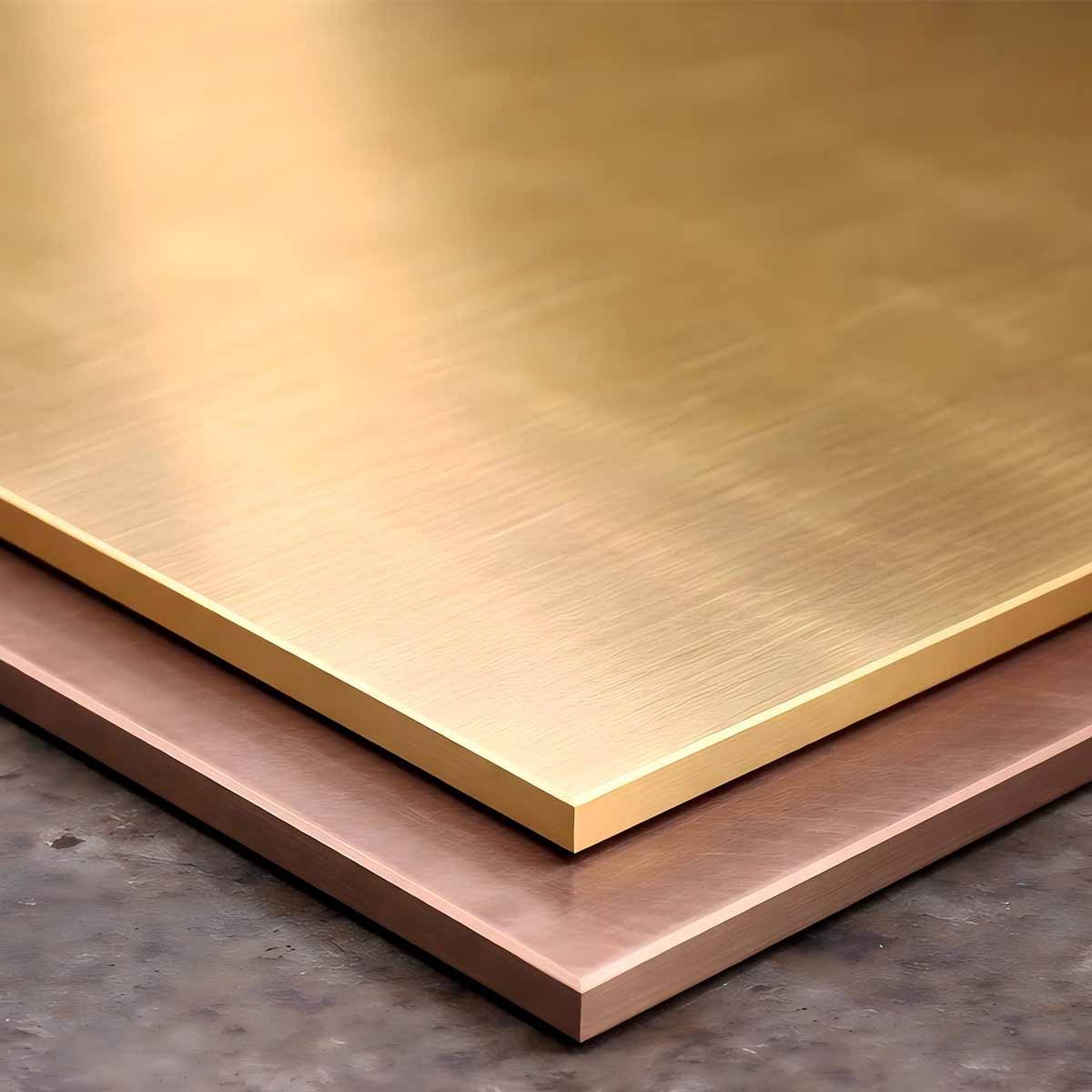
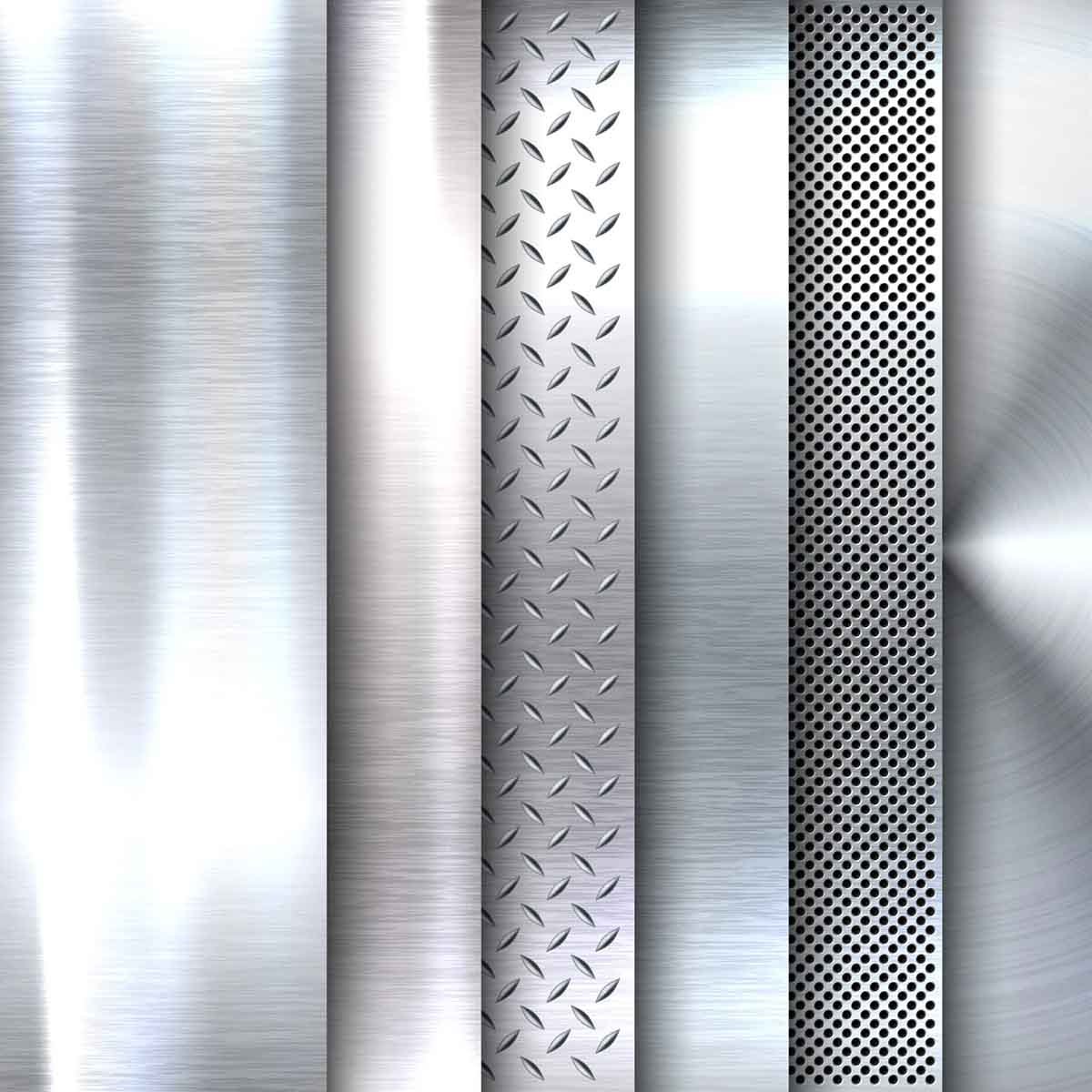
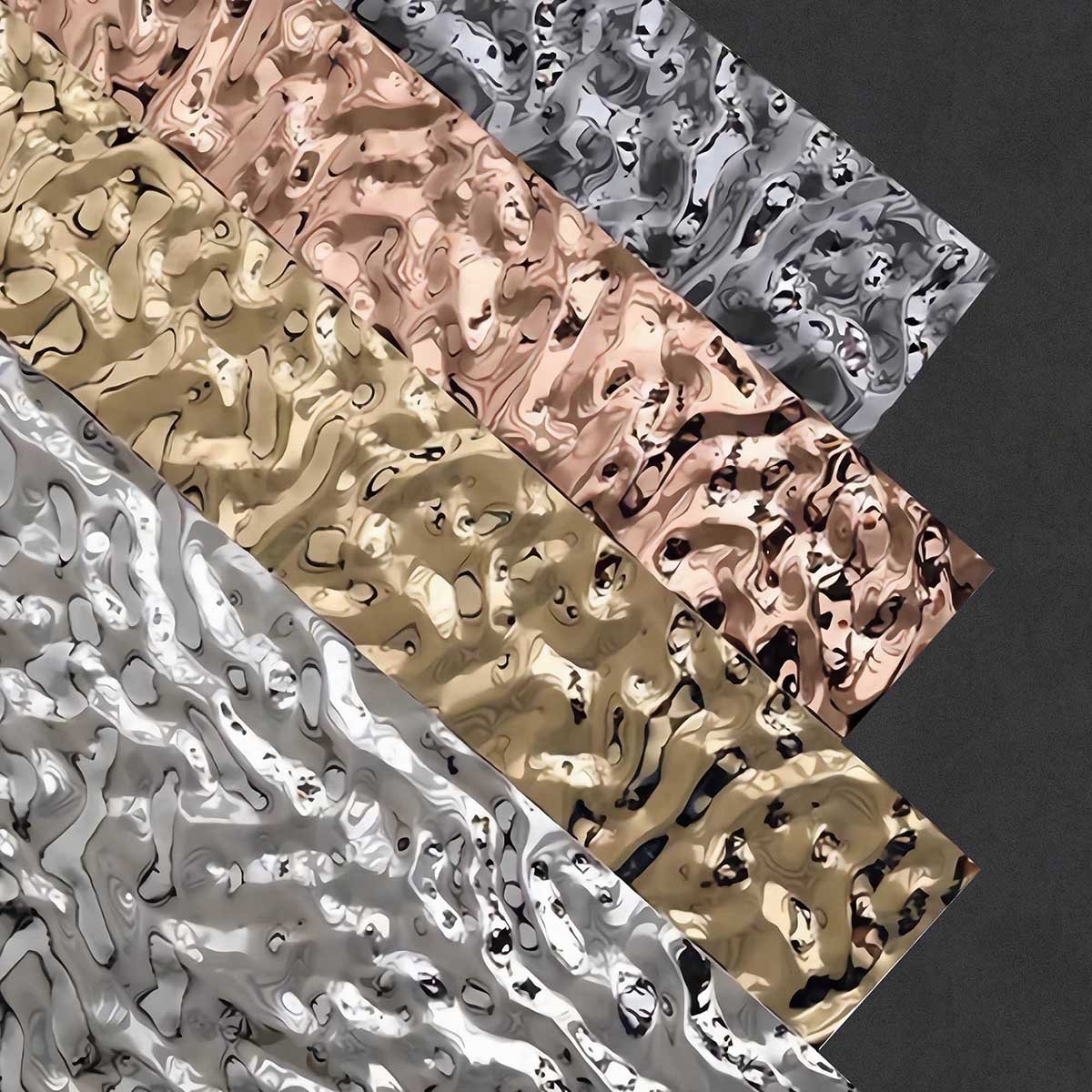
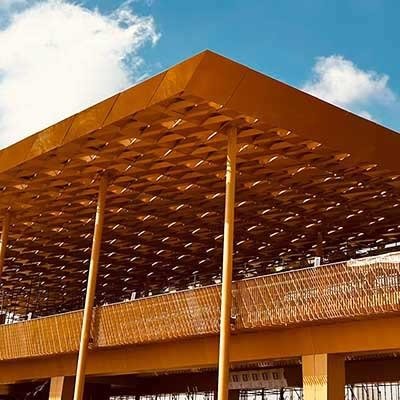
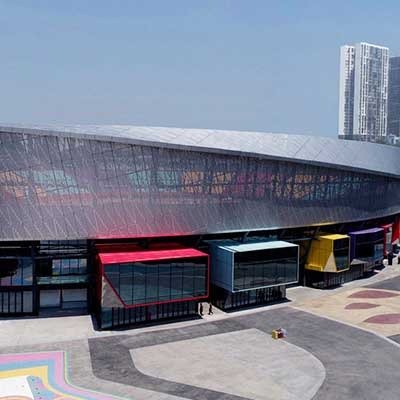
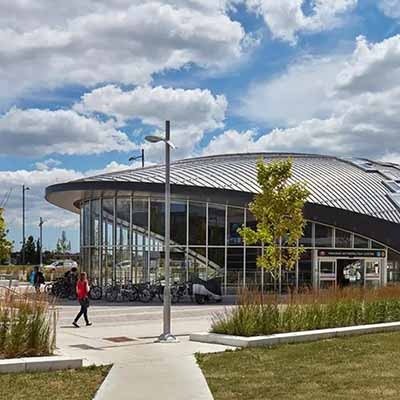

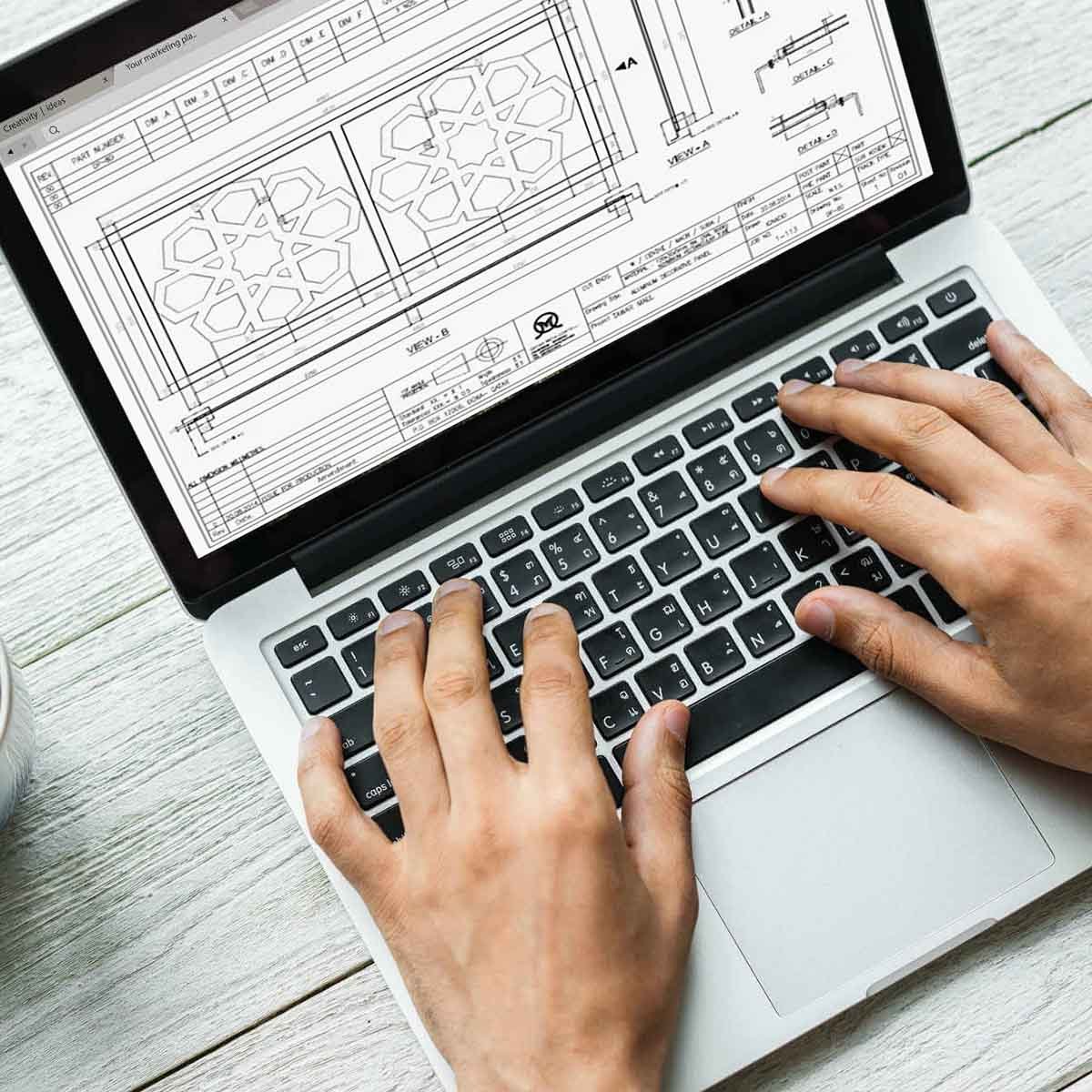

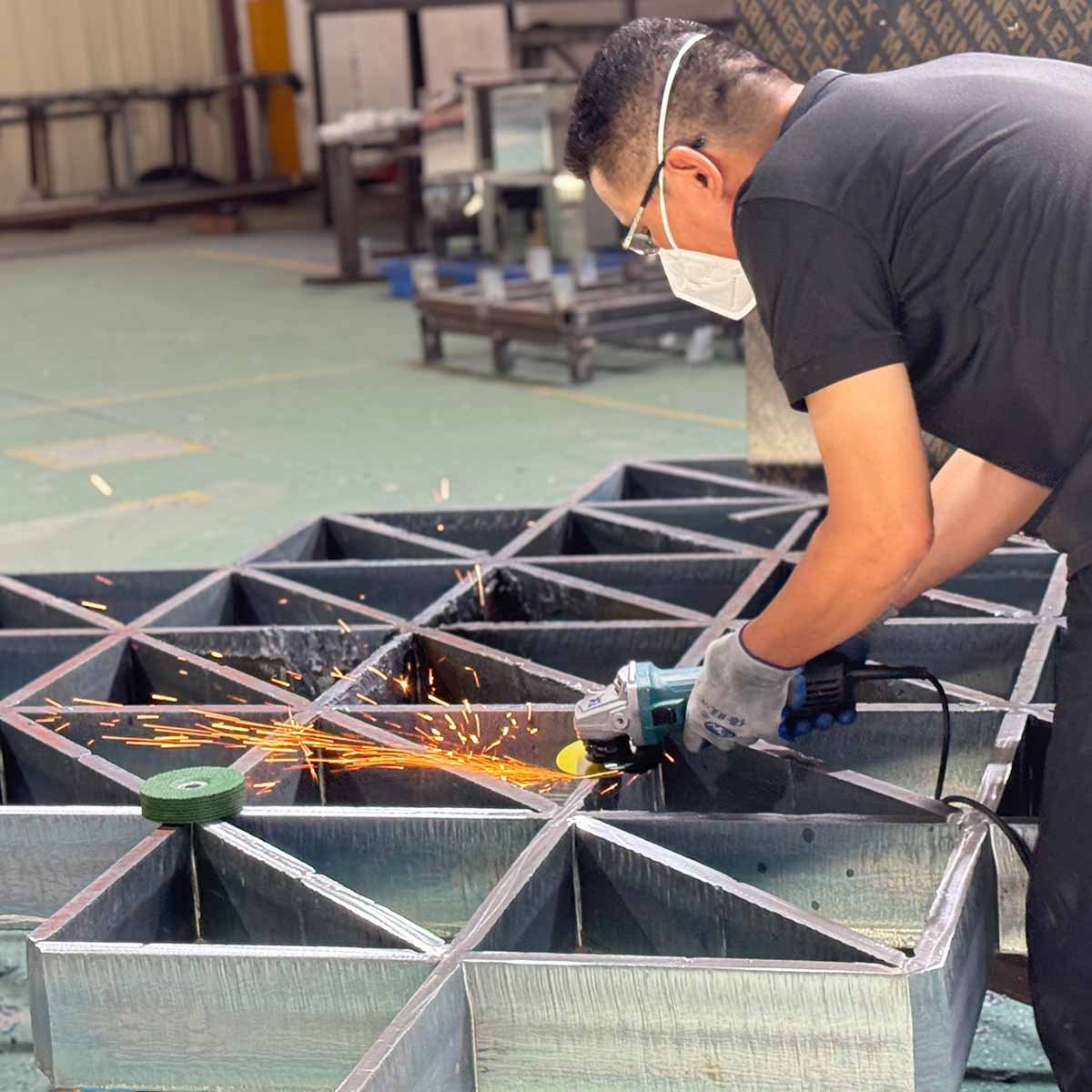

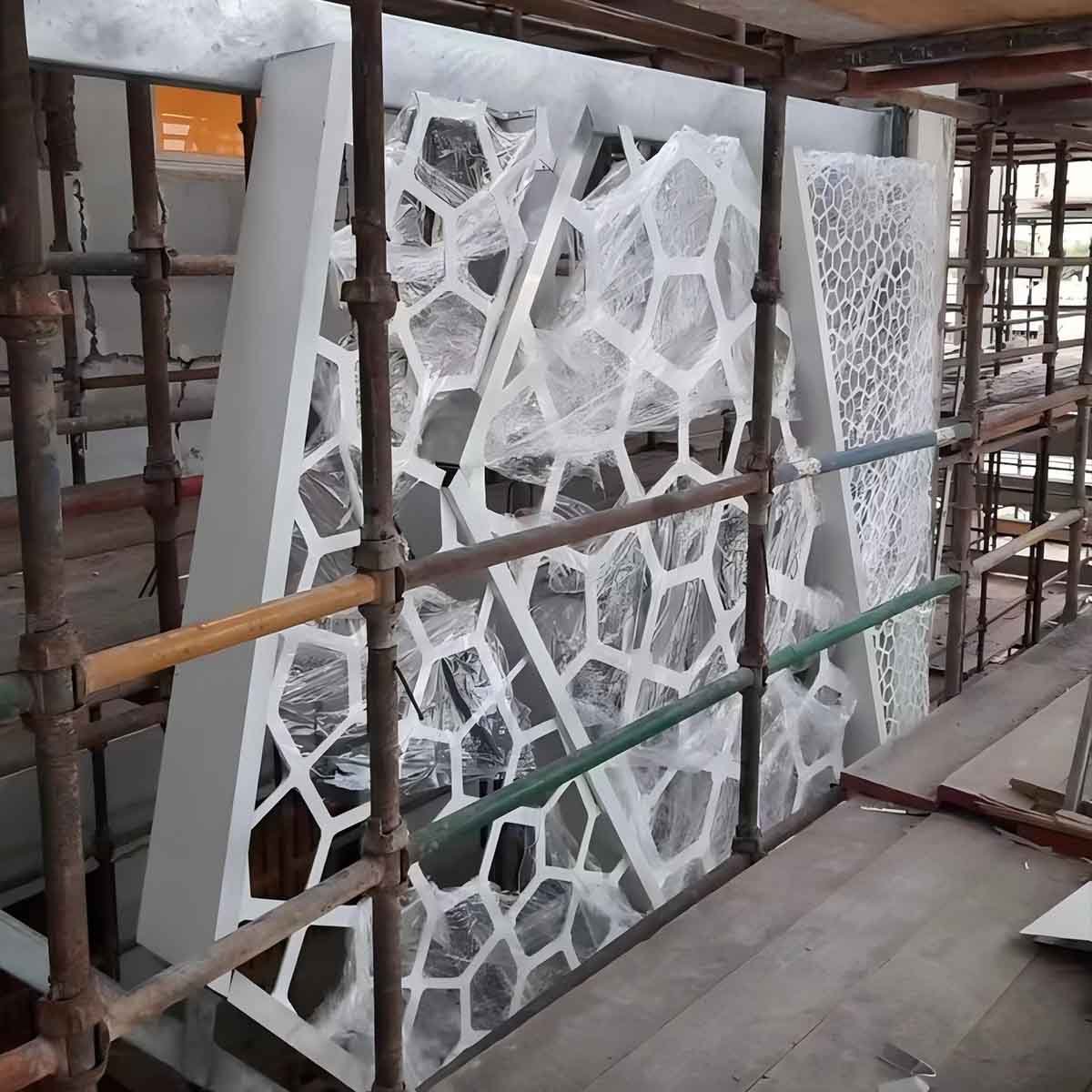



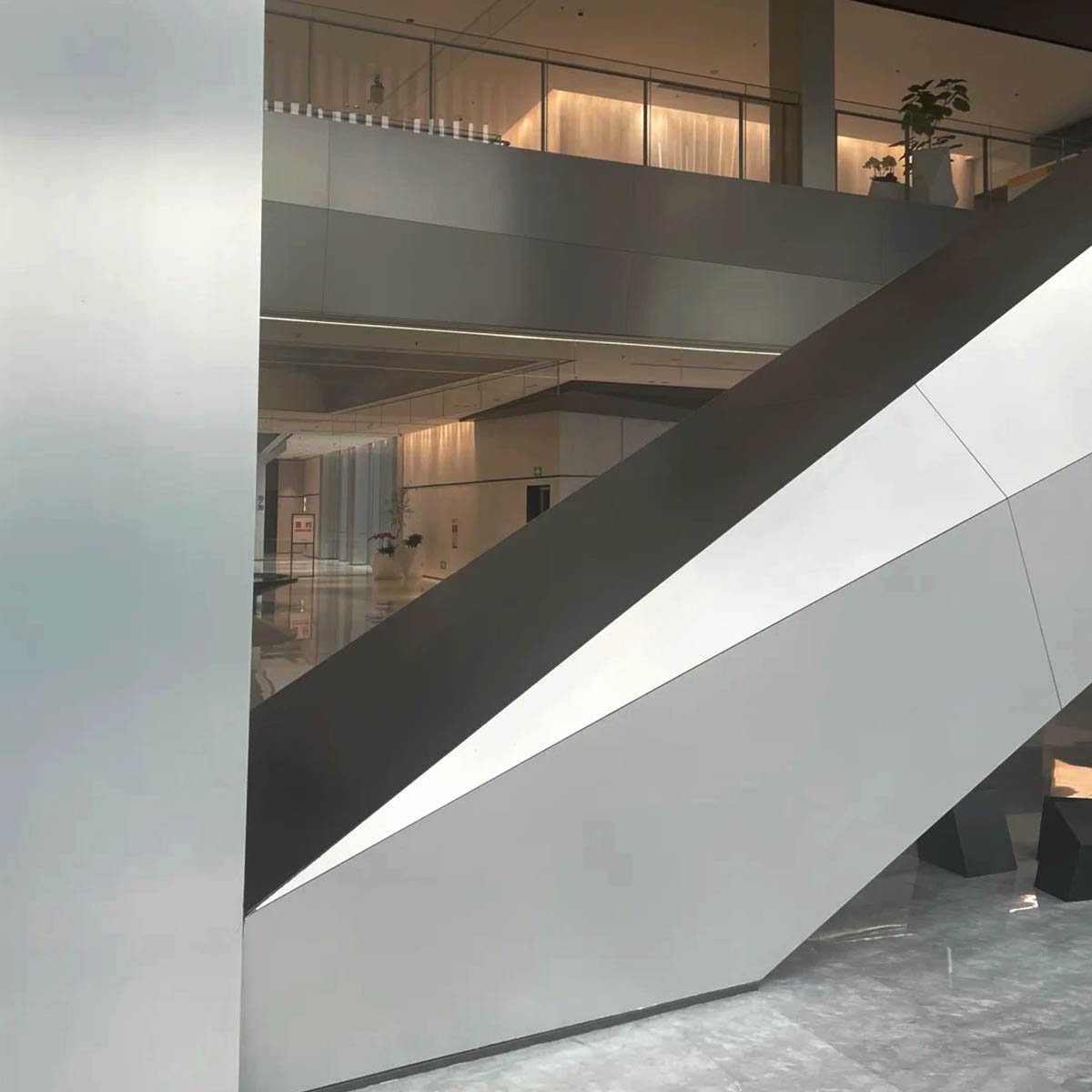
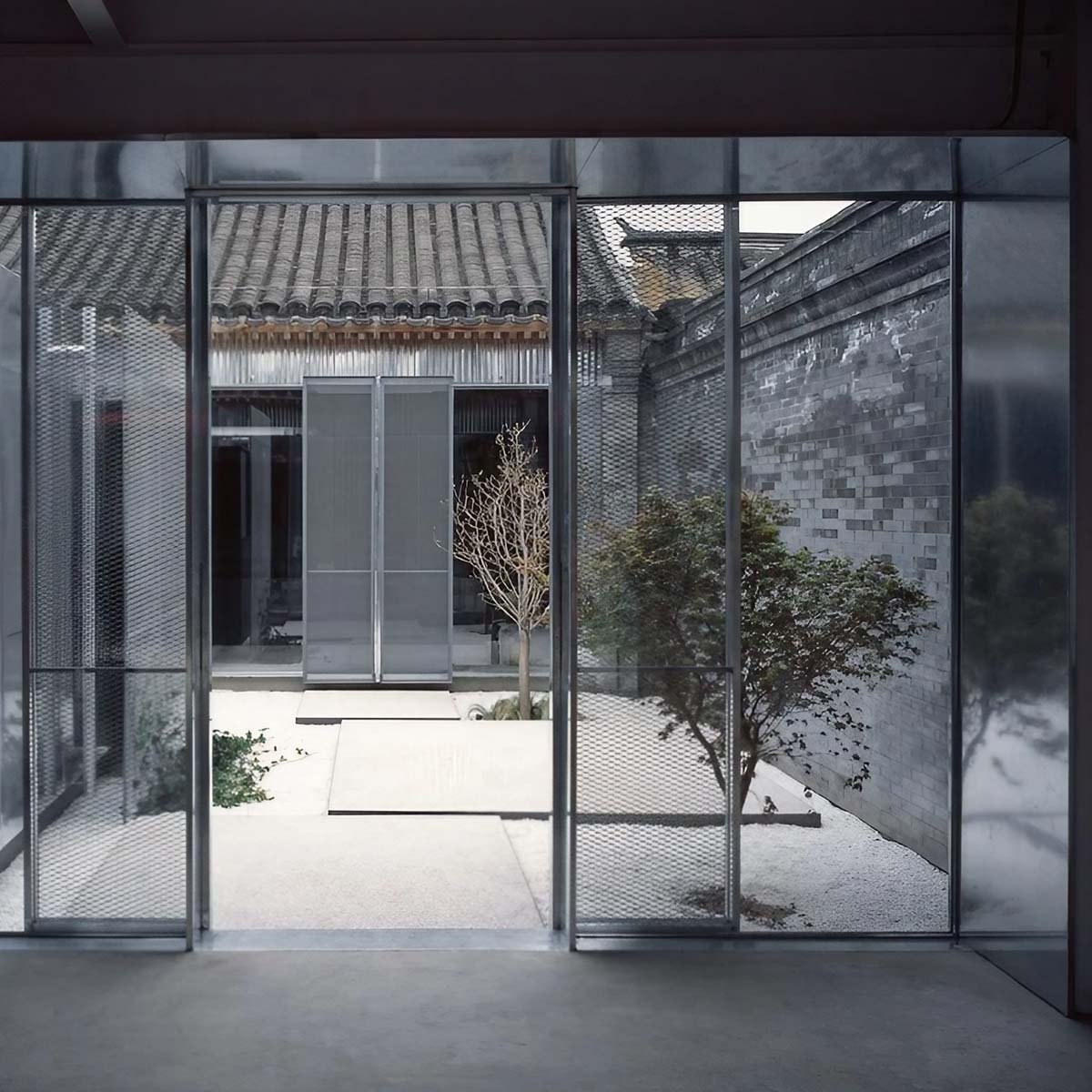

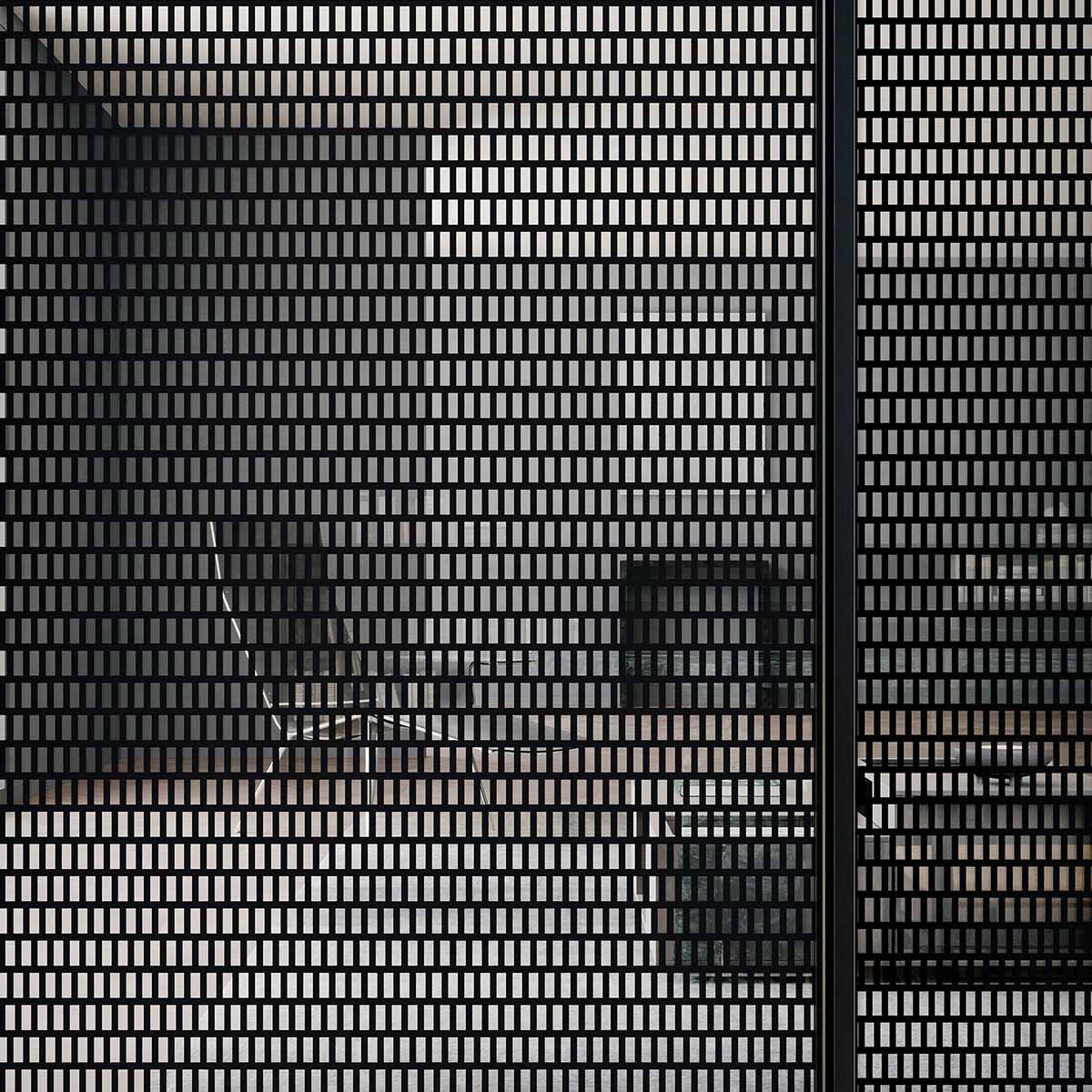
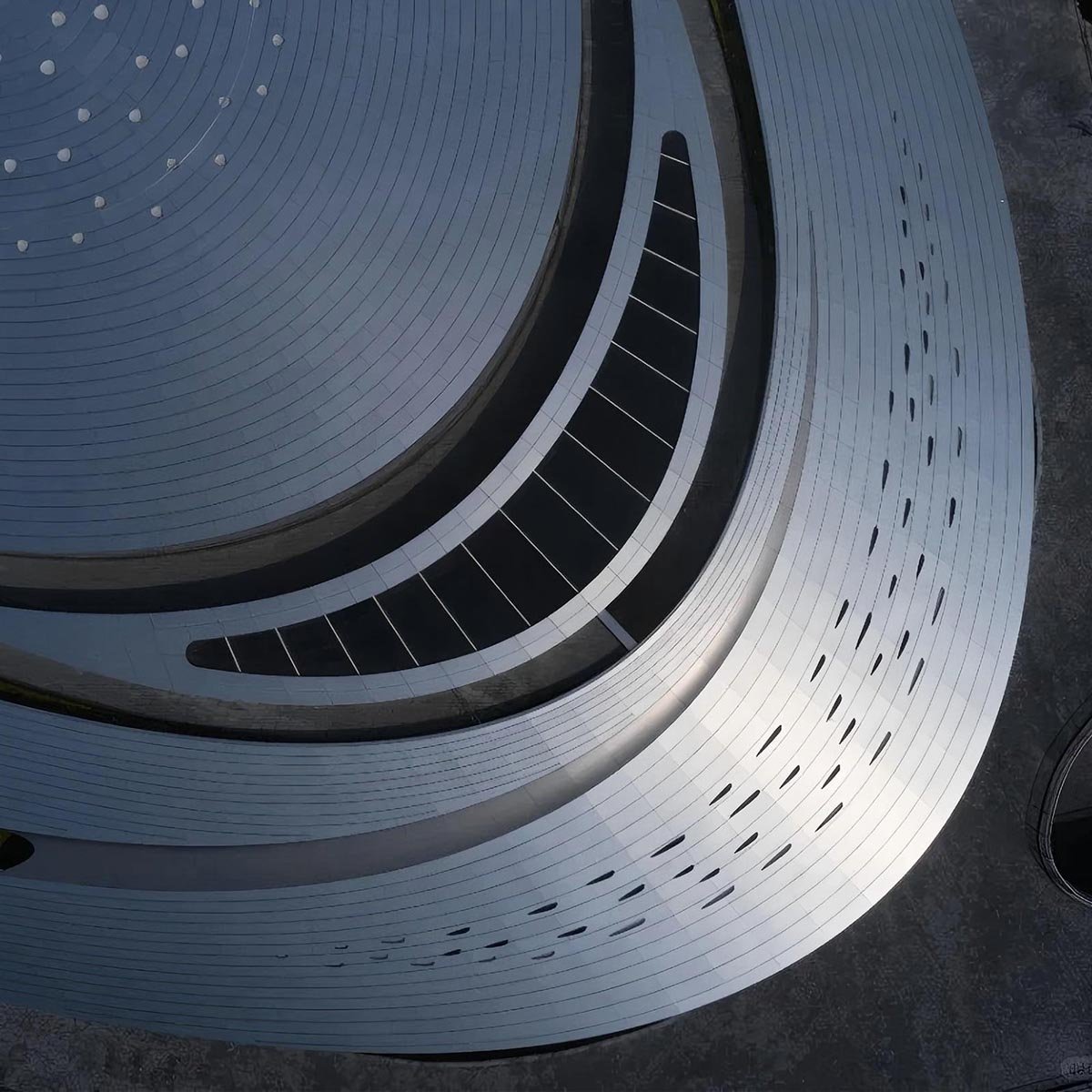


Aluminium alloy is a mixture of aluminium and other elements, including magnesium, silicon and copper, which provide additional strength, durability and workability, making it suitable for a variety of architectural and industrial applications.
The selection of an appropriate aluminium alloy is dependent on its composition, mechanical properties, grade and temper. Knowing these differences will assist architects, fabricators and contractors in selecting materials for the project.
Table of Contents
ToggleWhat Is Aluminium Alloy?
The aluminium alloy is an alloy of aluminium and various other elements like magnesium, silicon, copper, manganese, and zinc whose concentration determines the strength, hardness, ductility, corrosion resistance, and workability of the alloy.
What Are the Main Types of Aluminium Alloys?
Aluminium alloys are divided into two main categories: wrought and cast alloys. There are differences in composition, manufacturing processes and mechanical properties, thus differences in the product forms and application possibilities.
Wrought Aluminium Alloys
Wrought aluminium alloys are processed through rolling, forging, drawing or extrusion to achieve certain mechanical properties in the form of sheets, plates, bars, tubes and profiles.
Since they are common in architectural and industrial forms, their four-digit designation separates alloy series and main alloying elements by various grades, thicknesses and product forms.
The Eight Main Wrought Aluminium Alloy Series
| Series | Main alloying element | Key characteristics |
| 1xxx | Pure aluminium | Excellent corrosion resistance, electrical conductivity and formability |
| 2xxx | Copper | High strength and good machinability |
| 3xxx | Manganese | Good formability, moderate strength and corrosion resistance |
| 4xxx | Silicon | Lower melting temperature and good wear characteristics in selected grades |
| 5xxx | Magnesium | Excellent corrosion resistance, weldability and good strength |
| 6xxx | Magnesium and silicon | Balanced strength, corrosion resistance and excellent extrusion characteristics |
| 7xxx | Zinc | Very high strength and good fatigue resistance |
| 8xxx | Other elements | Specialised properties for specific applications |
The 3xxx, 5xxx and 6xxx series are used in the architectural sector for their good balance of formability, strength, corrosion resistance and surface quality for a variety of architectural elements.
Cast Aluminium Alloys
Cast aluminium alloys are manufactured by pouring molten aluminium into moulds to form near-net-shape parts with no mechanical forming.
Silicon enhances the fluidity of molten aluminium for intricate mould filling. Magnesium, copper and zinc are added to tailor mechanical properties.
Main alloy series:
Al-Si: Excellent castability, wear resistance and dimensional stability. Used for auto parts, engine casings and mechanical components.
Al-Cu: High strength and good machinability for engineering parts.
Al-Mg: Superior corrosion resistance for harsh-environment components.
Al-Zn: High-performance grades for strength-critical custom castings.
Wrought vs Cast Aluminium Alloys: Key Differences
There are differences between the manufacturing methods of wrought and cast aluminium alloys in respect of product form, mechanical properties and suitability for various uses.
| Comparison | Wrought aluminium alloys | Cast aluminium alloys |
| Manufacturing | Rolling, extrusion, forging and drawing | Melting and mould casting |
| Product forms | Sheets, plates, bars, tubes and profiles | Complex-shaped components |
| Mechanical properties | Generally good strength and ductility | Vary according to composition and casting quality |
| Design flexibility | Suitable for forming and profile production | Suitable for intricate geometries |
| Typical applications | Architectural panels, façades, ceilings and extrusions | Automotive parts, machinery housings and industrial components |
Which type is more suitable for architectural applications?
Wrought aluminium alloys have excellent potential for sheet, panel and profile production, and their wide range of mechanical properties and surface treatments are ideal for a variety of interior and exterior applications with architectural products.
When complex shapes are needed for a project, as would be found in sheet metal fabrications or extrusions, cast aluminium alloys are more suitable.
Finally, the decision should be made based on the product geometry, mechanical properties, manufacturing process and the service environment.
Understanding Aluminium Alloy Temper Designations
Aluminium alloy grades refer to the composition and properties of the alloy; typical grades include 1050, 3003, 5052 and 6061, which are known for their strength, corrosion resistance and fabricability, respectively, and 7075, which is a strong alloy.
1050 Aluminium
3003 Aluminium
5052 Aluminium
6061 Aluminium
6063 Aluminium
7075 Aluminium
Which Aluminium Alloy Grade Should You Choose?
– Decorative sheets: Use high formability grades such as 1050 / 3003.
– Exterior panels with corrosion demand: 5052
– Structural load-bearing parts: 6061
– Architectural extrusions: 6063
– Ultra-high strength engineering:707
5052, 6061 and 6063 are suitable for different types of sheets, structures and exudations used in architecture project, and it specifies the temper, dimension, surface treatment and installation environment.
Need aluminium alloy products for your next project? Contact TBK Metal to discuss suitable grades, specifications, finishes and customised manufacturing solutions that meet your architectural requirements, design objectives and specific production needs.
Understanding Aluminium Alloy Temper Designations
Aluminium alloy grades are used to designate the chemical composition and the condition or processing history of an alloy is designated by its temper. The same alloy may have varying strength, hardness and formability in various tempers.
Common Aluminium Alloy Temper Designations
The tempers of aluminium alloys are designated by letters and numbers after the alloy designation. These are the major categories:
| Temper | Description | Key characteristics |
| F | As fabricated | Properties are not controlled by specific thermal or strain-hardening treatments |
| O | Annealed | Soft condition with excellent formability |
| H | Strain-hardened | Strength increased through cold working |
| W | Solution heat-treated | Unstable condition that naturally ages at room temperature |
| T | Heat-treated | Stable condition achieved through specific thermal treatments |
Common T Temper Designations
There are a number of T temper conditions used in aluminium architectural and industrial products:
– T5: A high temperature shaping process and further artificially aged for strength improvement.
– T6: Solution heat treated and artificially aged for increased mechanical properties.
– T4: Solution heat-treated and naturally aged to a substantially stable condition.
The properties of aluminium are influenced by temper selection, such as strength, formability and fabrication performance. Be sure to take into account alloy grade and temper when determining suitability for intended use.
Aluminium Alloy Surface Finishes and Treatments
Aluminium alloy products are given a good look, enhanced durability and corrosion resistance through surface treatment. It is determined by the type of alloy, use, and exposure to the environment and desired appearance.
Mill Finish
Anodising
Powder Coating
PVDF Coating
| Surface finish | Main advantages | Common applications |
| Mill finish | Natural metallic appearance | General fabrication |
| Anodising | Surface hardness and corrosion resistance | Profiles and decorative panels |
| Powder coating | Colour variety and surface protection | Façades and ceilings |
| PVDF coating | Weather resistance and colour retention | Exterior cladding and panels |
The finish should be consistent with the aluminium alloy, environment and project specification to achieve the uniformity of appearance and longevity of performance.
What Are the Key Properties of Aluminium Alloys?
Aluminium alloys combine low weight, mechanical strength, corrosion resistance and manufacturing versatility. Their properties depend on composition, temper and processing, suiting diverse architectural and industrial project requirements.
High Strength-to-Weight Ratio
Corrosion Resistance
Formability and Workability
Thermal and Electrical Conductivity
Weldability and Machinability
Surface Finish and Appearance
Aluminium alloys possess strength, durability, workability and appearance – choosing the correct grade involves matching these characteristics to manufacturing demands and operating conditions.
How Is Aluminium Alloy Used in Architectural Applications?
The properties of aluminium alloy are well suited to modern architecture including low weight, corrosion resistance, formability and a range of finishes. The grade is determined by the different needs and conditions of the structures and their construction in various project scenarios.
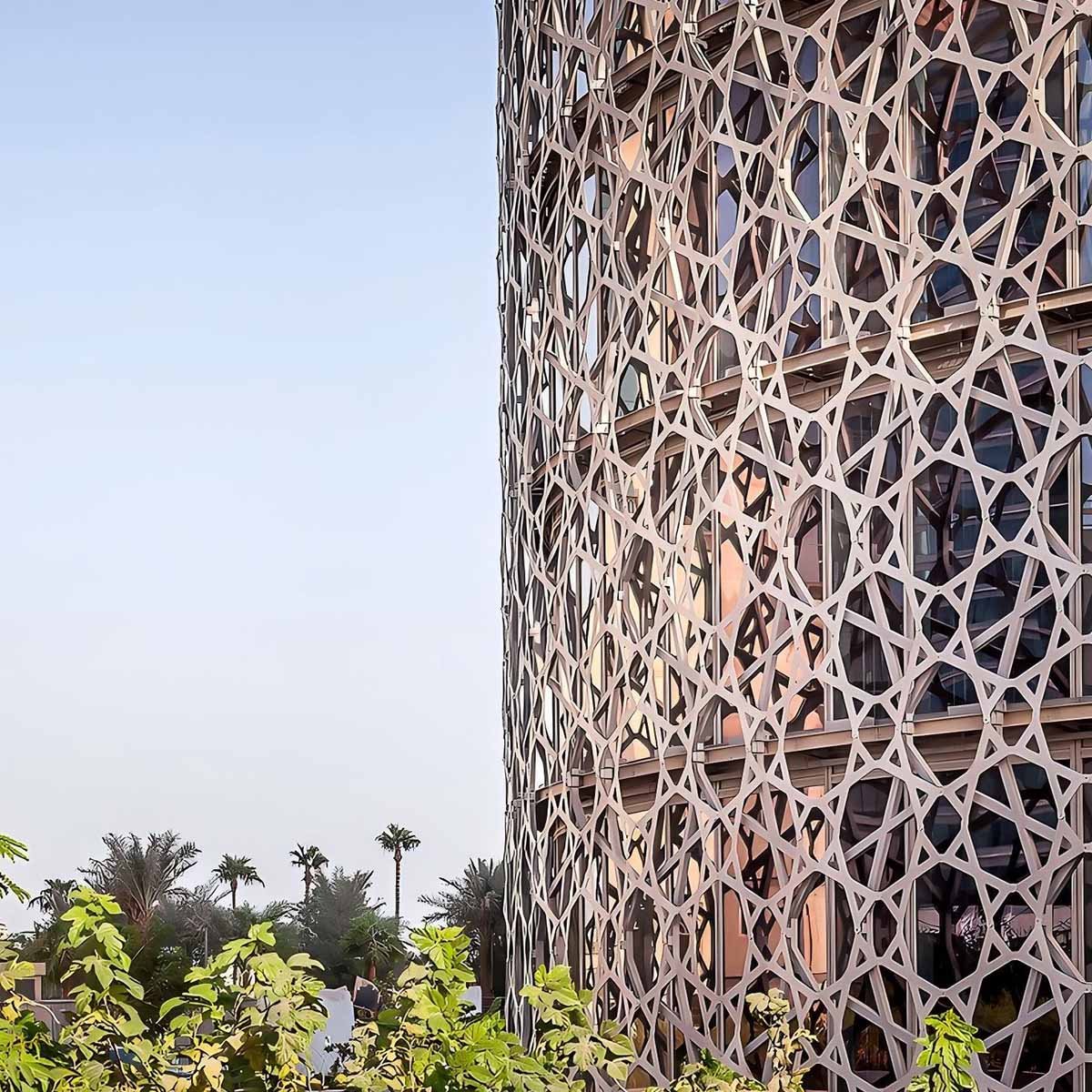
Aluminium facades and Cladding Systems
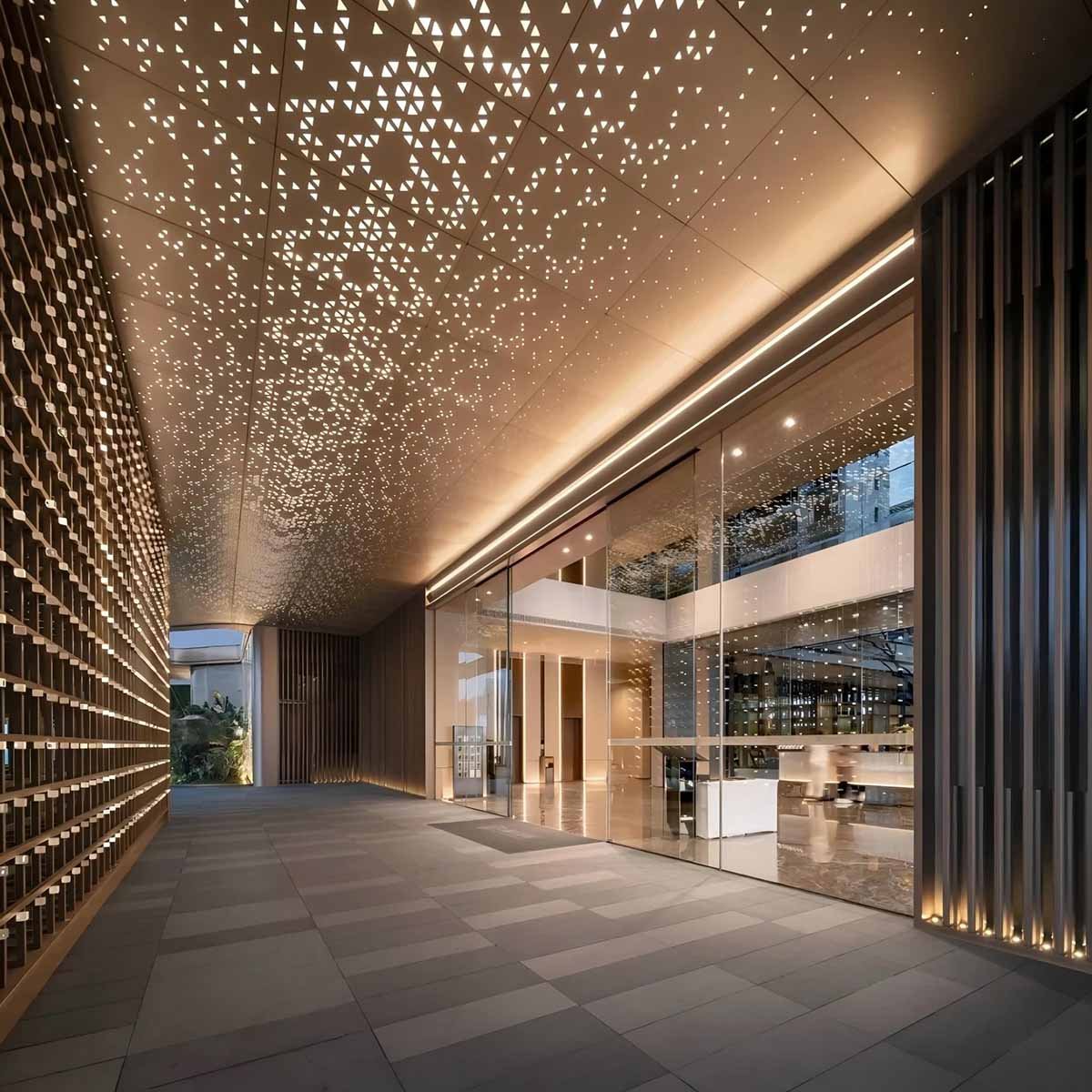
Aluminium Ceiling Systems
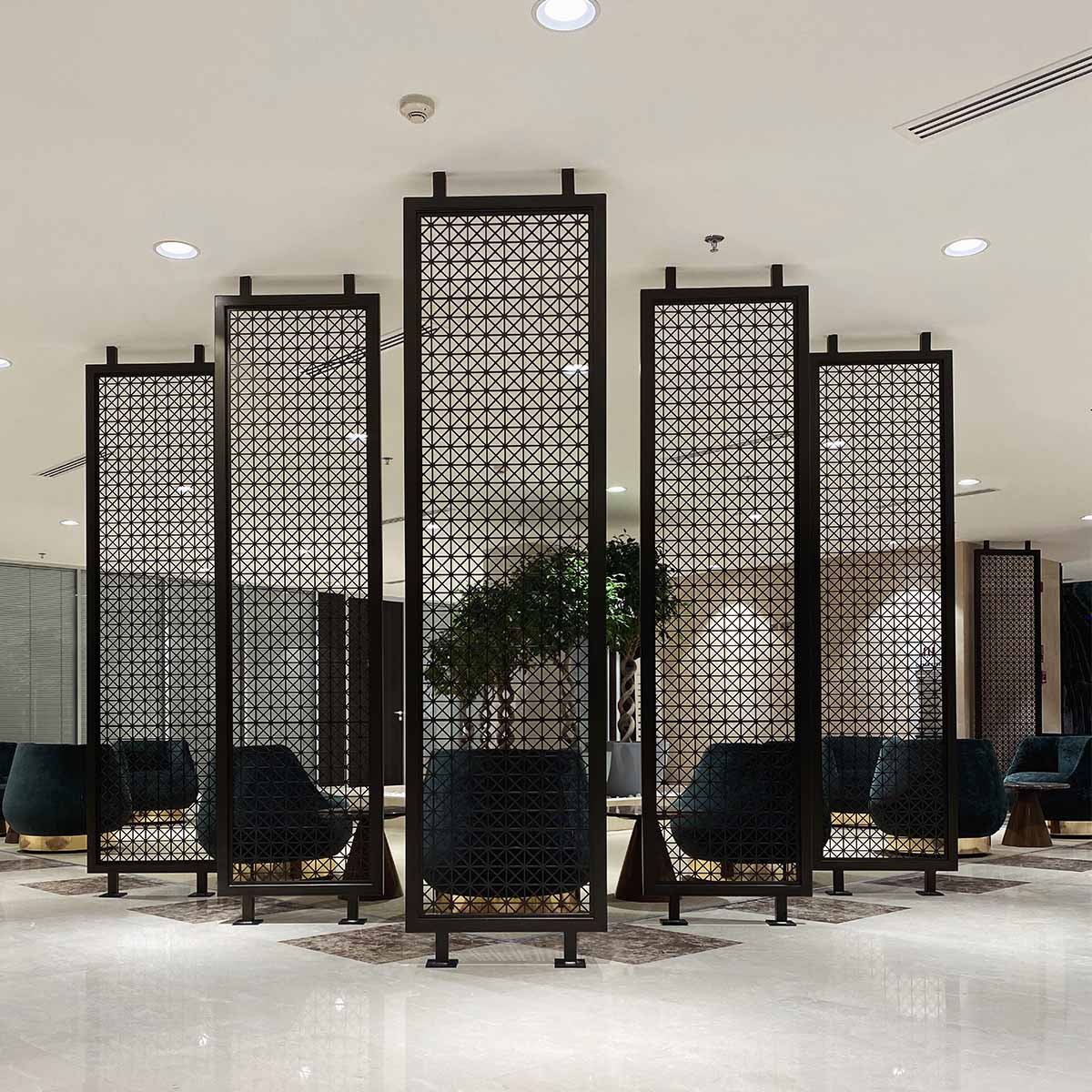
Aluminium Privacy Screens
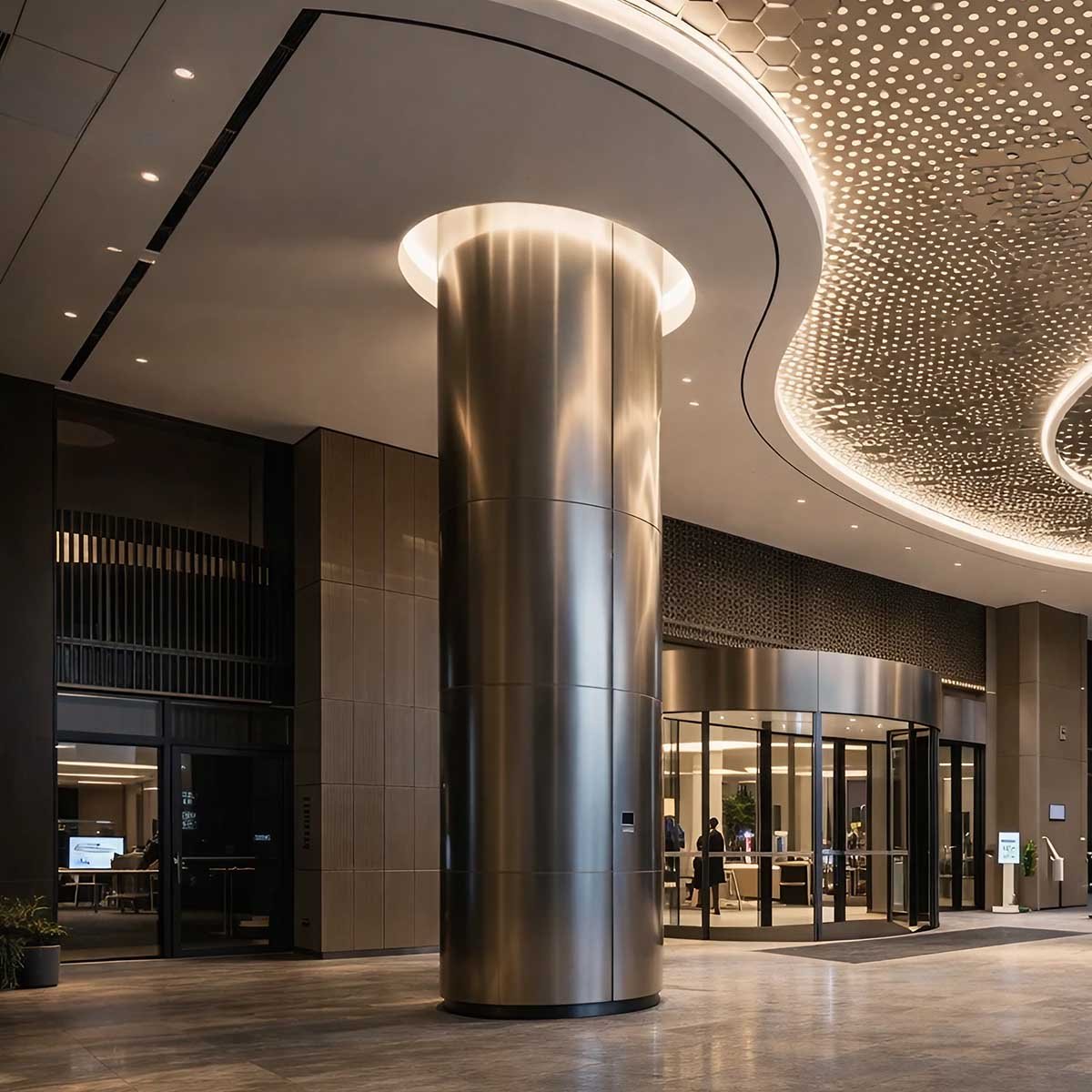
Aluminium Column Covers
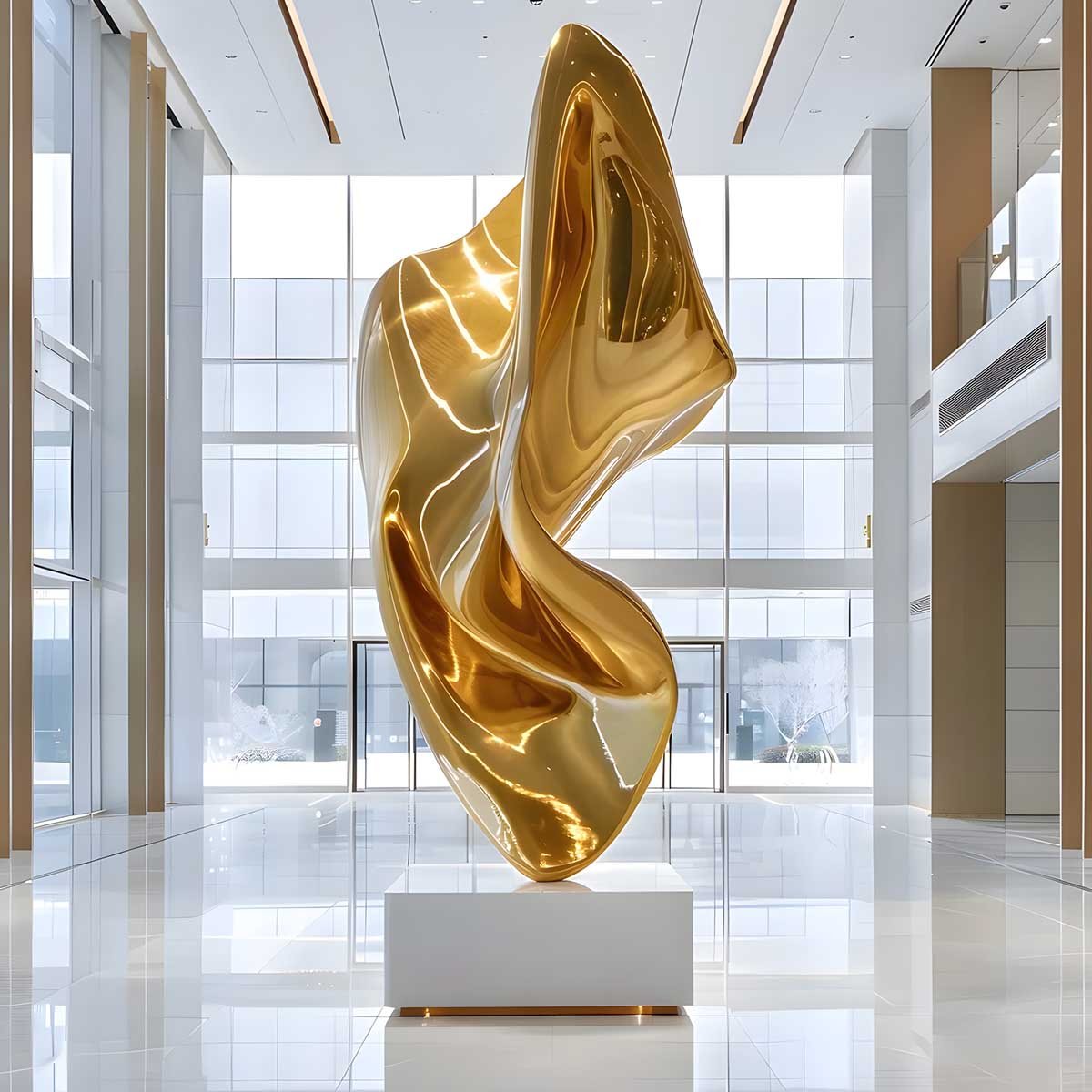
Decorative and Custom Architectural Metalwork
Choosing suitable materials and manufacturing methods ensures the required appearance, dimensional accuracy and performance, making aluminium versatile for modern architectural metal works.
How to Choose the Right Aluminium Alloy for Your Project?
Choosing the appropriate aluminium alloy requires a balance of mechanical properties, corrosion resistance, fabrication needs and cost. These are some of the reasons architects, engineers and manufacturers can use to help make the best material choices.
Identify the Required Mechanical Properties
Select match alloys for strength/hardness and load requirements: 6061–for strength; 3003–for formability (for decorative panels and fabrication).
Consider the Installation Environment
Evaluate moisture, sun, coastal conditions and pollutants; 5052 aluminium alloy has high corrosion resistance, and can be used in harsh environments.
Evaluate Fabrication Requirements
Think about if material needs cutting, bending, welding, stamping and/or extrusion. The various grades of alloys are more or less workable, so make sure they are compatible with manufacturing processes.
Select the Appropriate Surface Finish
Choose treatments depending on the appearance, durability and maintenance requirements (anodising, powder coating and PVDF coating offer different levels of protection and decoration).
Check Material Standards and Specifications
Prior to purchase, examine alloy grade, temper, thickness and applicable standards, ASTM B209 aids in the determination of aluminium sheet and plate technical requirements.
The right aluminium alloy is cost-effective and fulfils project requirements for performance, manufacture and the environment, and an experienced manufacturer can verify suitability before manufacture.
Planning an architectural project involving aluminium alloy components? Contact TBK Metal to review your drawings, confirm material requirements and explore customised products, finishes and manufacturing options for varied architectural project specifications.
Why Choose TBK Metal for Aluminium Architectural Products?
TBK Metal produces bespoke aluminium architectural solutions and products for a wide range of building applications, from product development to the finished product, and with a wide range of material knowledge, manufacturing capabilities and engineering expertise.
Integrated Manufacturing Capabilities
Material and Finishing Options
Engineering and Customisation Support
Proven Architectural Project Experience
TBK Metal produces customised facade panels, decorative ceilings and screens for architecture as per the project requirements. Discuss your aluminium needs with us.
FAQs About Aluminium Alloys
Q1. Does Aluminium Alloy Rust?
Q2. Can Aluminium Alloys Be Recycled?
Q3. Are Aluminium Alloys Suitable for Outdoor Use?
Q4. Can Different Aluminium Alloy Grades Be Used Together?
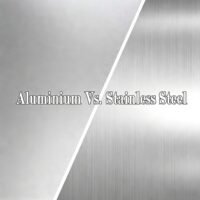
Q5. What Is the Difference Between Aluminium Alloy and Stainless Steel?
Q6. Does Aluminium Alloy Lose Strength Over Time?
Q7. What Factors Affect the Cost of Aluminium Alloy Products?
Q8. How Should Aluminium Alloy Products Be Maintained?
Conclusion
Aluminium alloys offer strength, lightweight construction, corrosion resistance and design flexibility for architectural and industrial applications. The knowledge of their grades, tempers and surface treatments enables them to select the appropriate materials for a variety of applications.
Contact Request
Contact TBK Metal to discuss aluminium alloy grades, finishes and customised architectural products for your project and manufacturing requirements with our team.