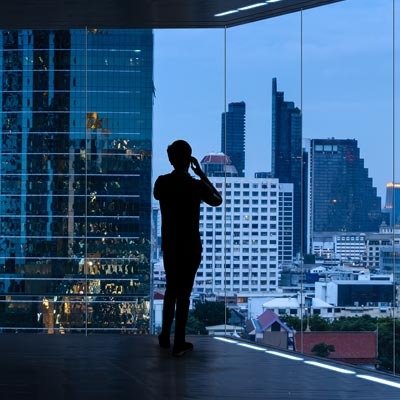




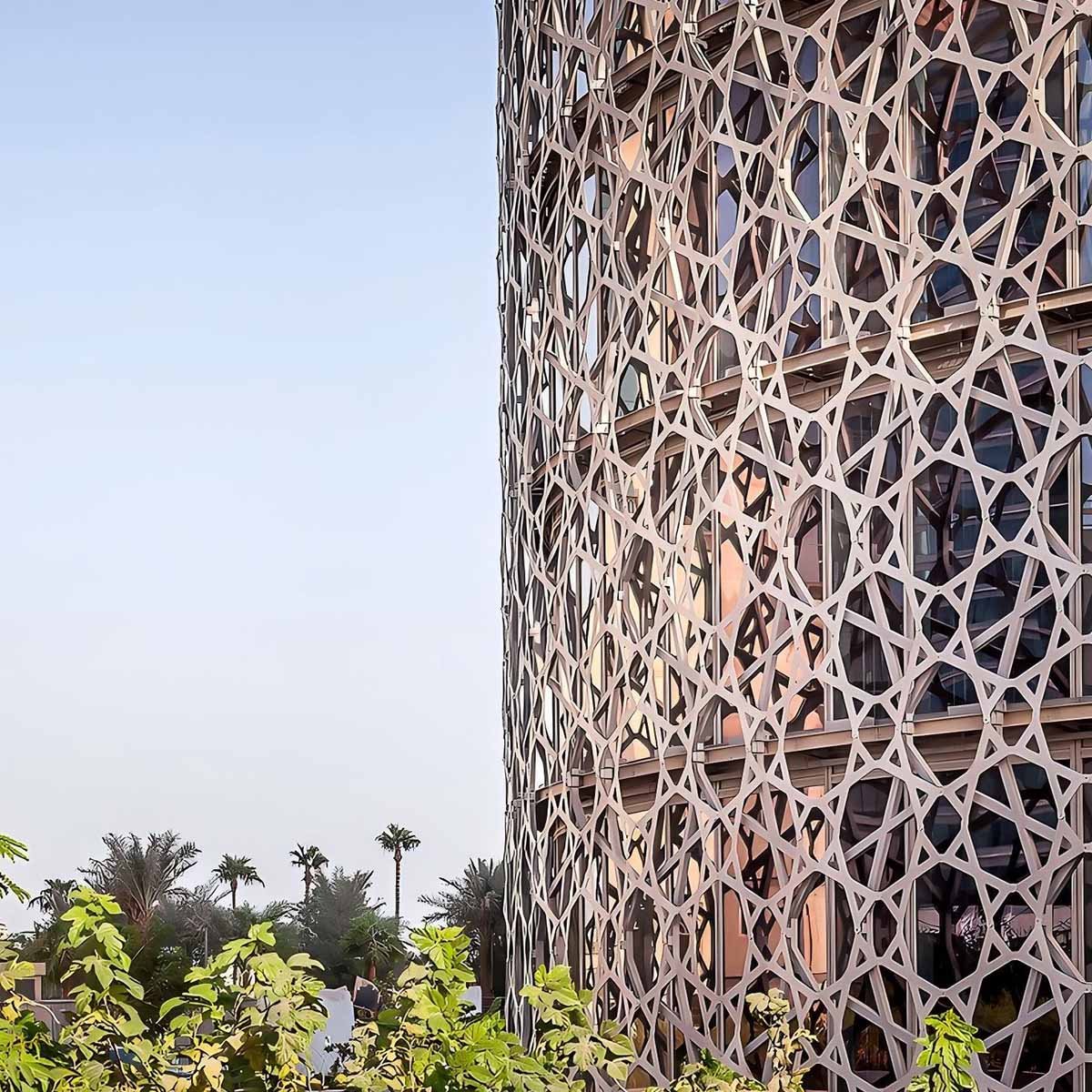
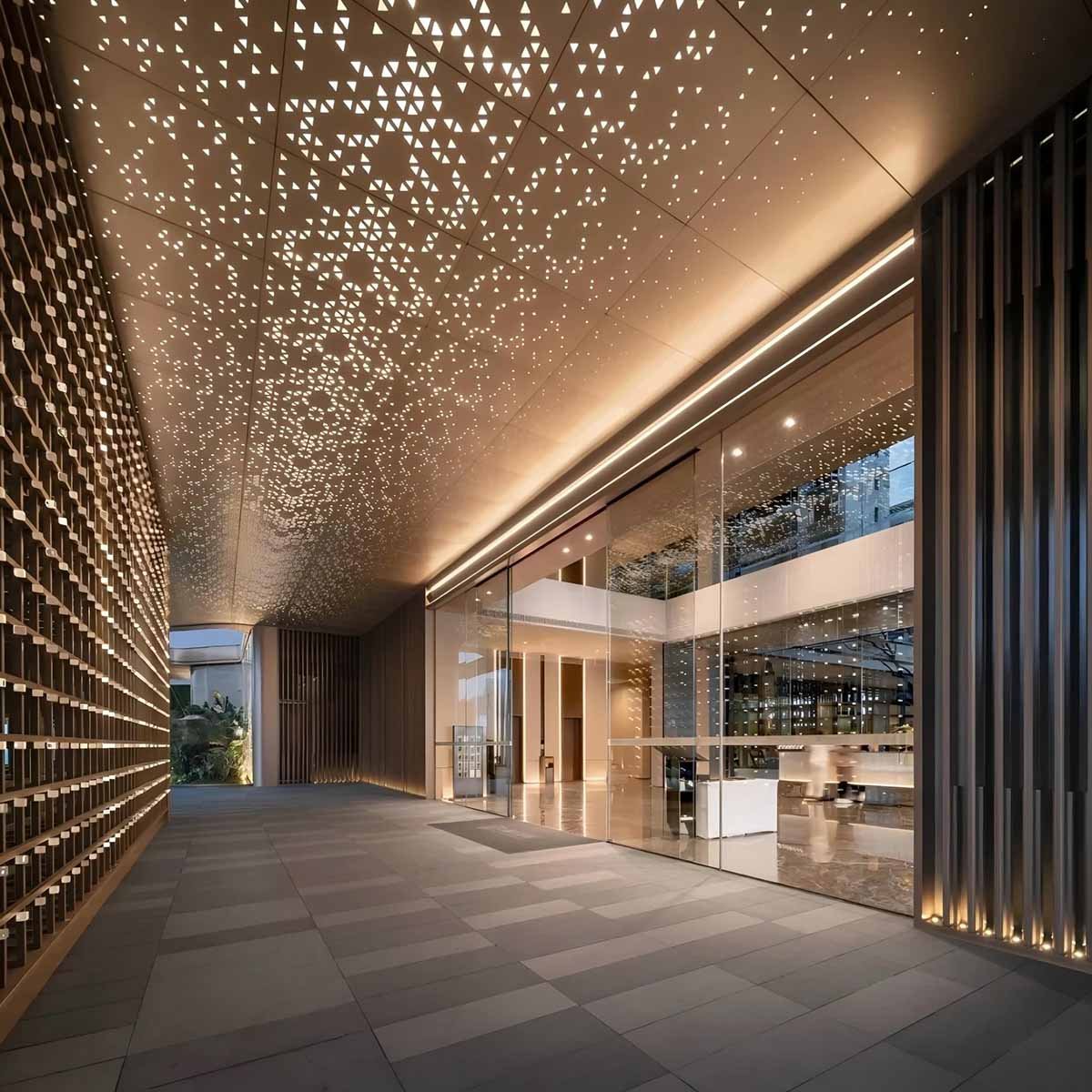
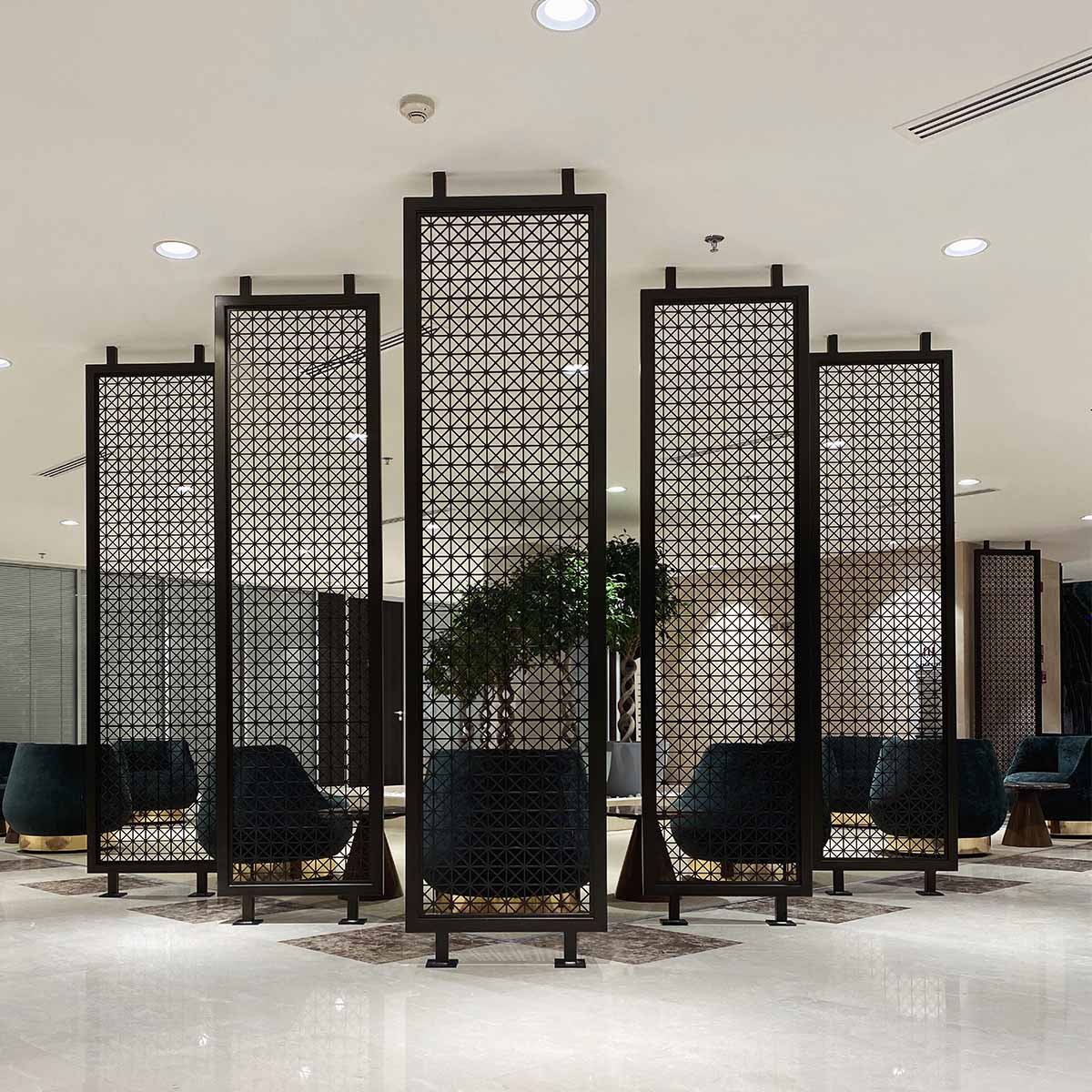
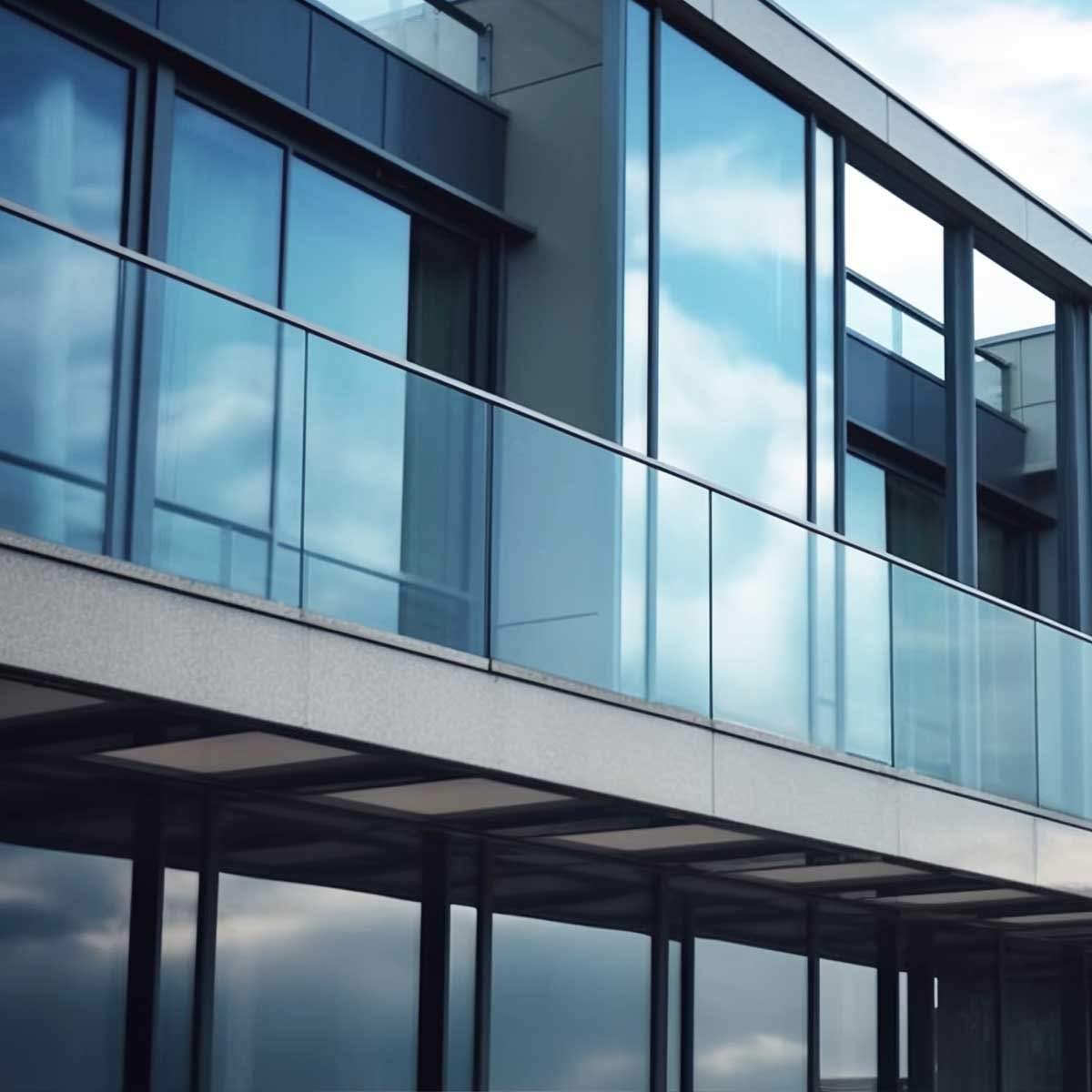
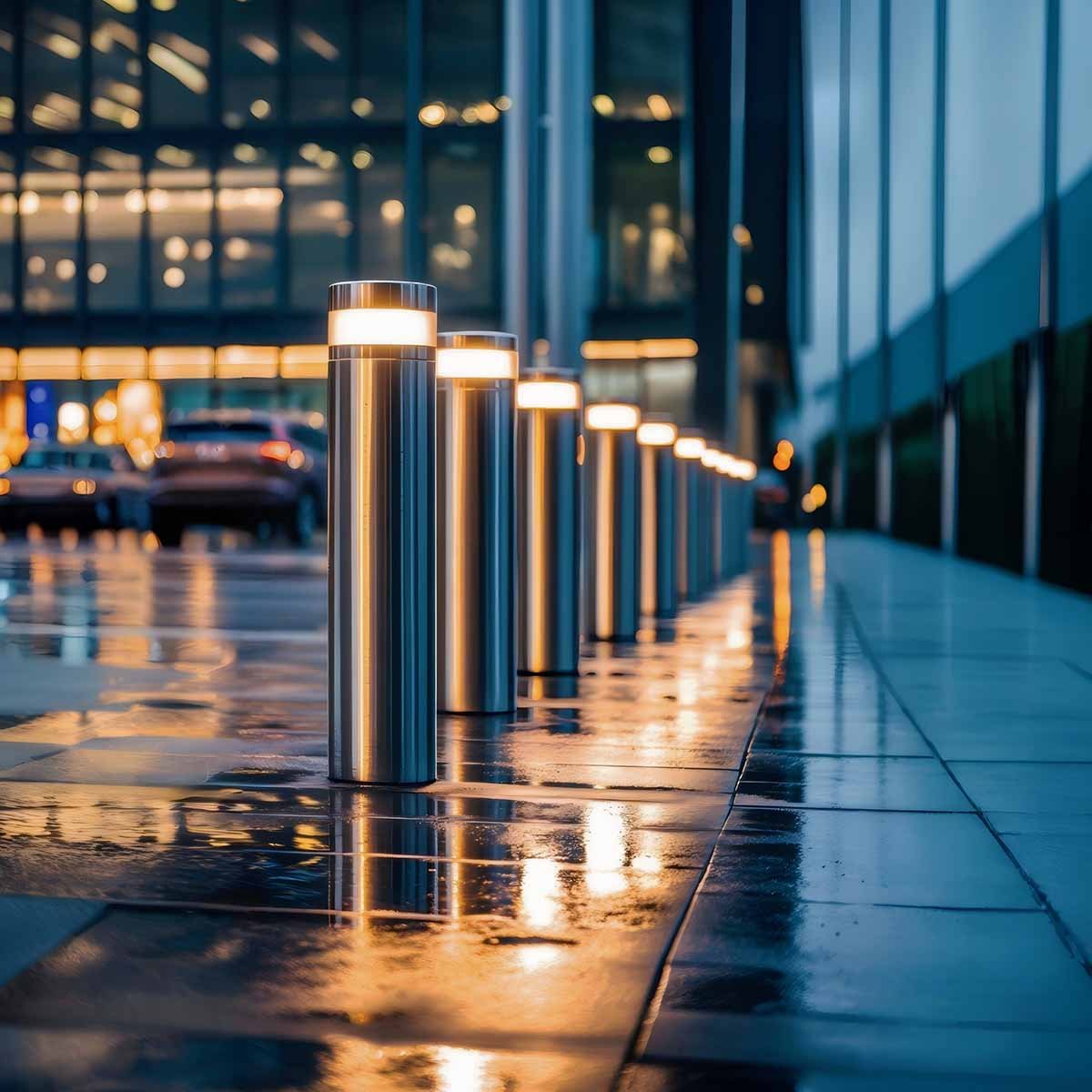
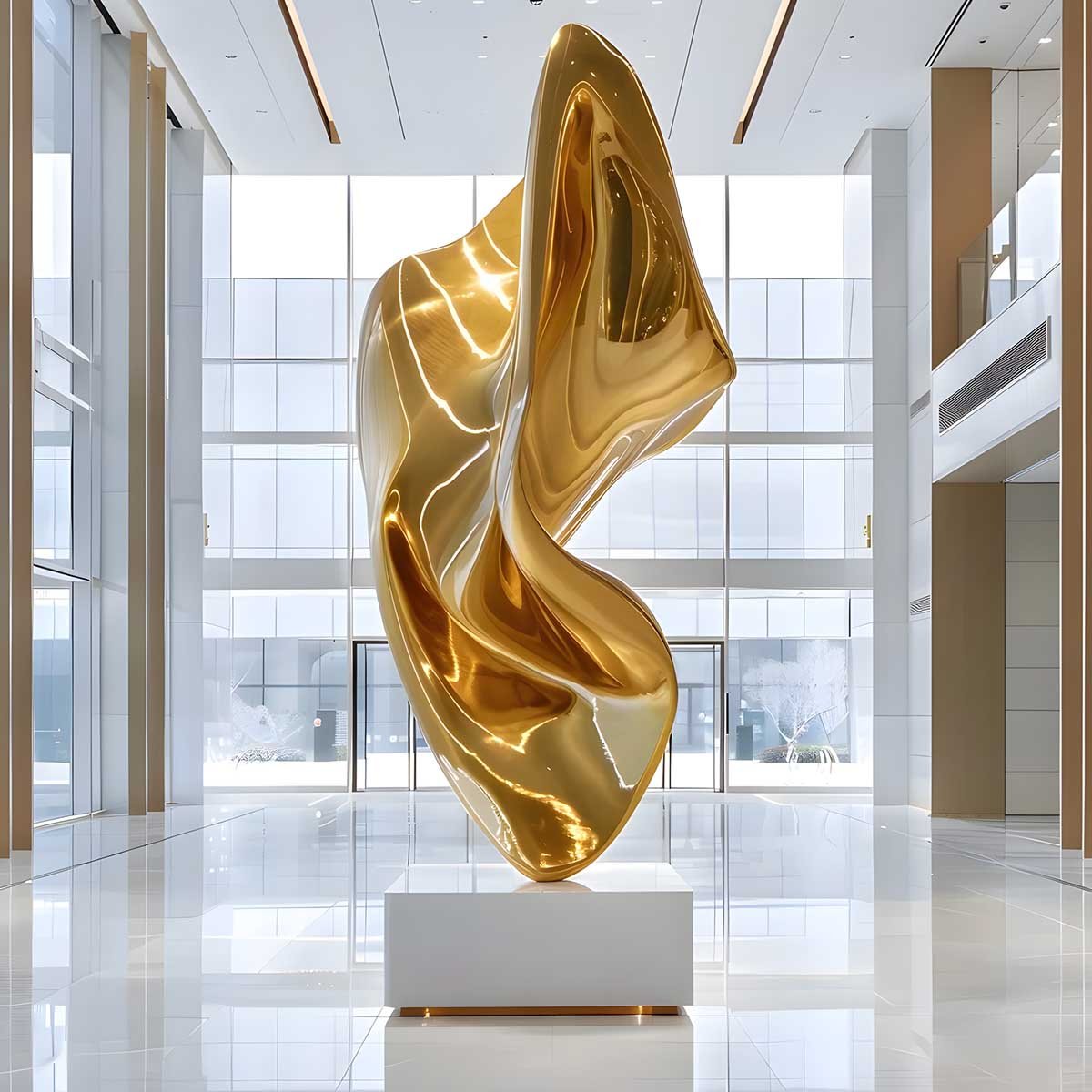
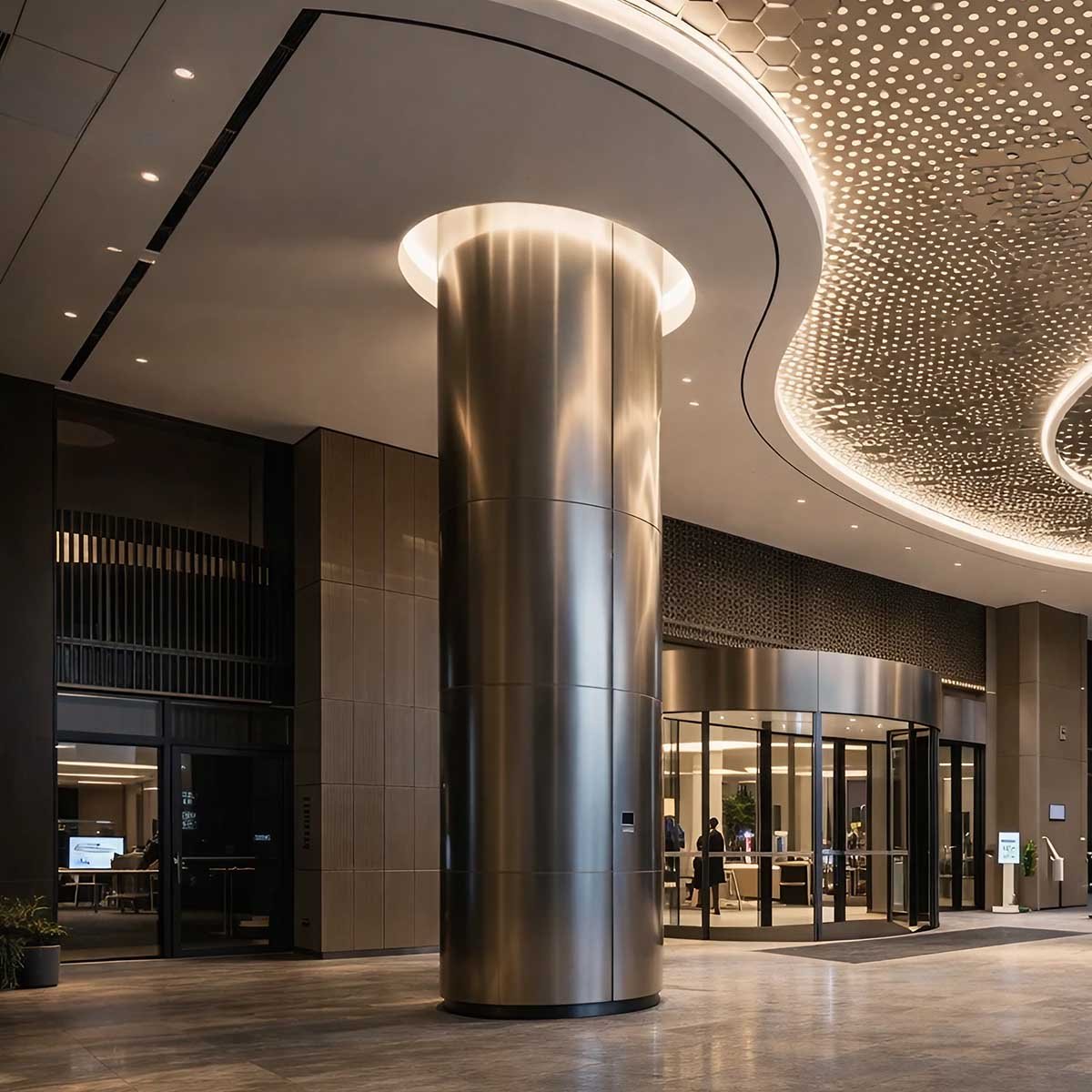

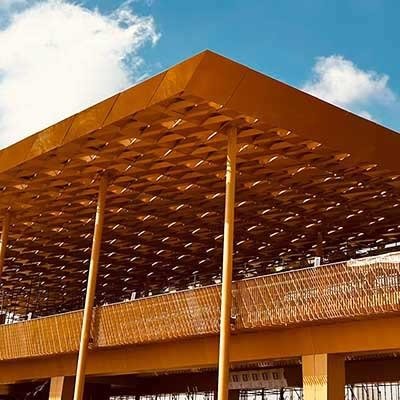
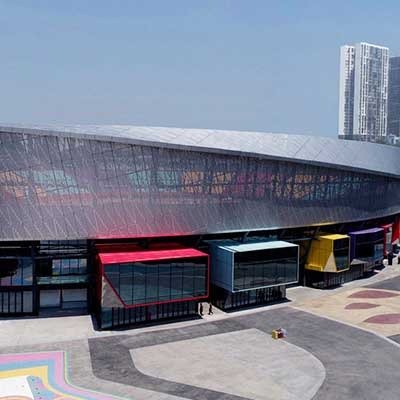

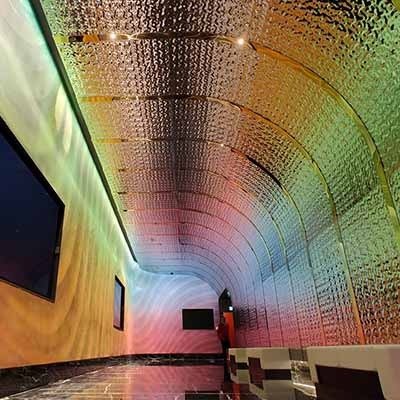
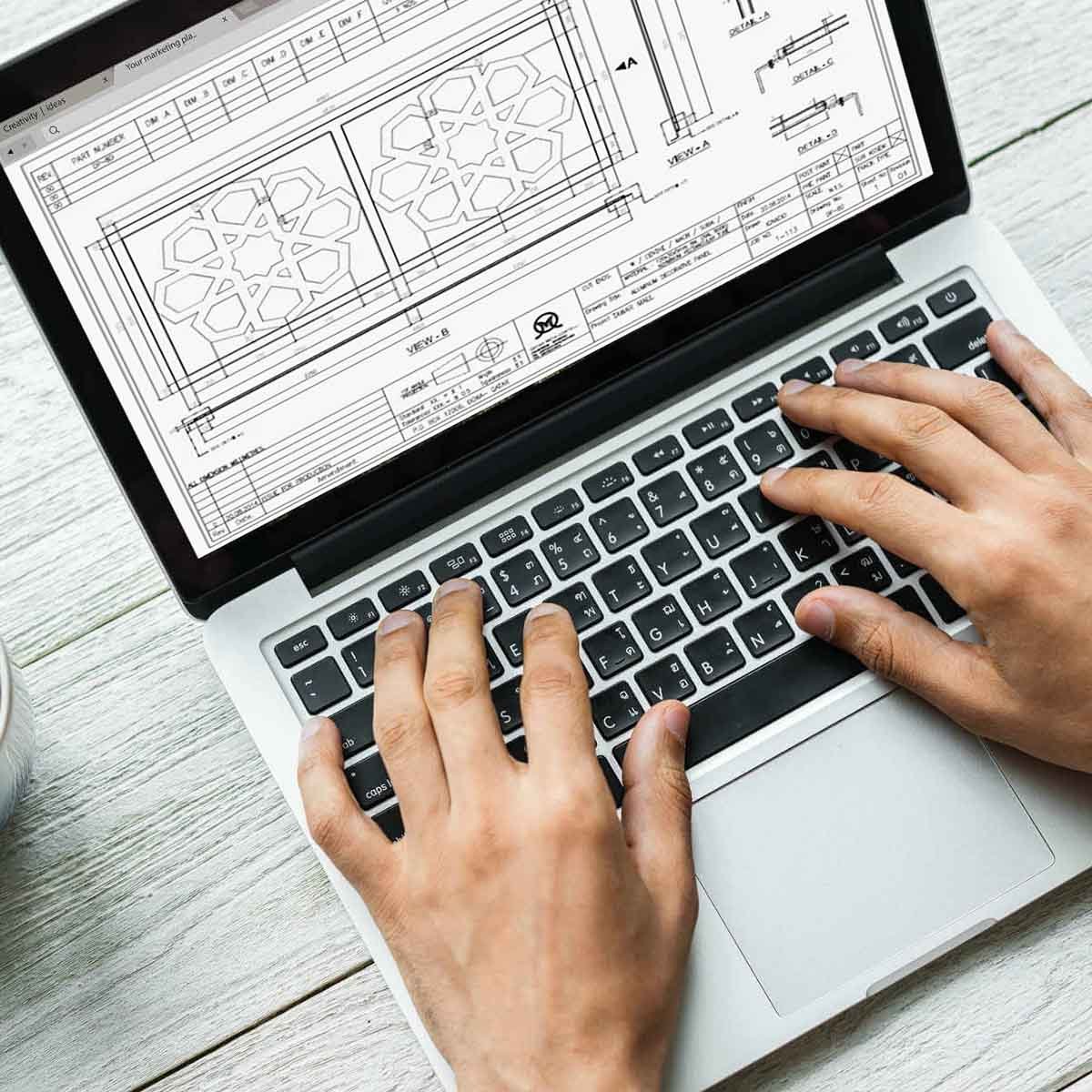




Stainless steel interior design offers a blend of durability, simplicity, and visual flexibility, making it an excellent option for contemporary residential, commercial, and hospitality settings in search of unique architectural expression and long-lasting beauty.

Whether it’s brushed wall panels, reflective ceiling tiles, or custom furniture, stainless steel is an option that can be used in a variety of ways. The right finishes, textures and material combinations help to create interior spaces that are both functional and interesting.

Table of Contents

What Is Stainless Steel Interior Design?

Stainless steel interior design is an effective way to liven up interior areas with functional and decorative metal elements that are durable yet still offer a unique metallic appeal, providing designers with flexibility and options to design modern spaces that are visually appealing.

Stainless steel is used for wall cladding, ceiling panels, furniture, partitions and decorative elements. The ceilings offer a range of finishes, colours, textures and construction styles that work well with a variety of materials in the residential, commercial and hospitality spaces.

Why Is Stainless Steel Popular in Modern Interior Design?

In today’s interior design, stainless steel has become a preferred material due to its durability, adaptability, and utility. It can be used with a wide range of materials and design styles, making it suitable for both functional and decorative elements.

Durability and Corrosion Resistance

Stainless steel is used for the inner part to give strength and resistance to corrosive nature. The right grade guarantees performance in kitchens, bathrooms, and often-used areas.

Modern and Versatile Appearance

Stainless steel's brushed, mirror and coloured finishes allow designers to achieve a variety of minimalist interiors, industrial styles, and sophisticated decorative options.

Easy Cleaning and Maintenance

When finished properly, stainless steel is simple to clean and maintain, making it practical for commercial interiors, kitchens and health-care settings where cleanliness is a priority.

Compatibility with Different Materials

Stainless steel pairs well with wood, stone, glass, and concrete, providing visual contrast and balancing the "shininess" of stainless steel with the natural textures of wood and stone.

Design Flexibility and Customisation

Stainless steel can be cut, formed, embossed and customised into different shapes and patterns to create bespoke wall panels, ceilings, partitions, furniture, and architectural details.

Stainless steel is still very much in use today, both for its looks and its utility. Finishes and grades are selected and structural methods are used to ensure suitability for each environment.

Stainless Steel Interior Design Trends

Today’s stainless steel interior design is more than just about functionality, it is about expressing texture, color and custom features. Expert designers use metal and natural elements and special lighting to achieve unique, stylish and modern interior designs.

Minimalist and Industrial Interiors

Clean lines and subtle metal finishes continue to be in vogue, and brushed stainless steel harmonizes with concrete, glass, and timber for an industrial balance.

Coloured Stainless Steel Finishes

Whether used in hotel lobbies, retail, restaurants, or luxury homes, gold, bronze, champagne and black finishes add warmth and contrast for the creation of unique metallic accents.

Textured and Patterned Surfaces

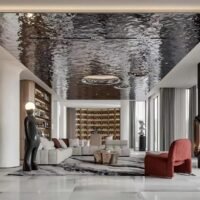
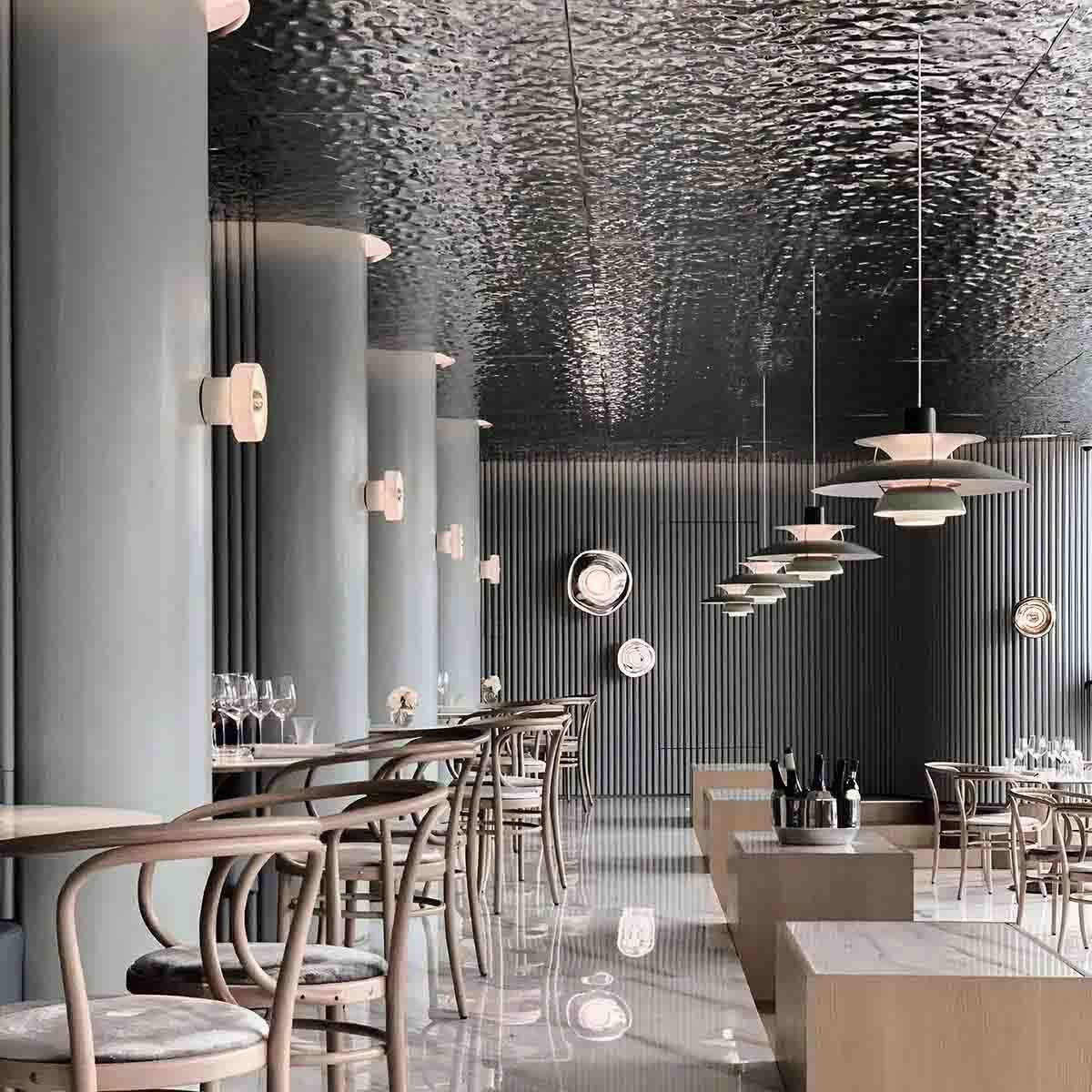
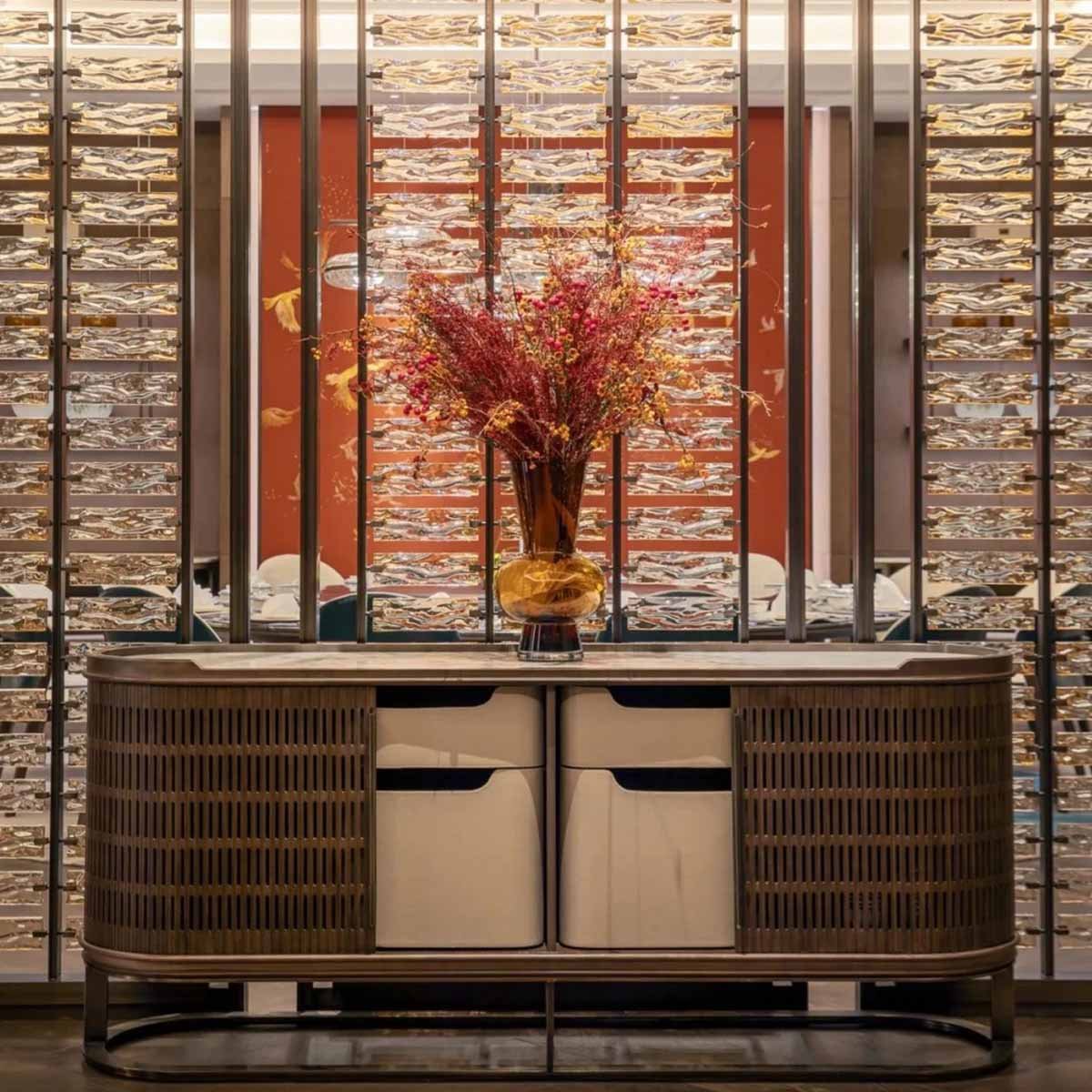
In addition to adding a sense of depth to the walls and ceilings, textured metal surfaces and water ripple finishes, with embossed finishes adding dynamic reflections under different lighting, stainless steel is visually striking.

Mixing Stainless Steel with Natural Materials

This fusion of stainless steel, wood, stone and glass brings balance, softness and texture to interiors, and has the ability to define them without overwhelming decoration.

Customised Architectural Metal Features

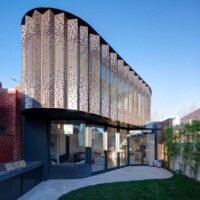
The custom panels, decorative screens and geometric patterns offer unique interiors, and the cutting and forming capabilities will meet the advanced needs of architecture.

The materials, finishes, and textures used for stainless steel can now enhance the design as well as perform the required function, yielding a range of applications that are appropriate for the task.

Planning a stainless steel interior design project? Contact TBK Metal to explore customised panels, decorative finishes, and architectural metal solutions tailored to your design vision, technical specifications, and project requirements.

Applications of Stainless Steel in Interior Design

Stainless steel is used in a variety of ways in the interior, and it has both functional and aesthetic properties. This flexibility allows designers to add metallic accents to feature walls and functional fixtures in residences, commercial and hospitality environments.

Stainless Steel Wall Panels and Feature Walls

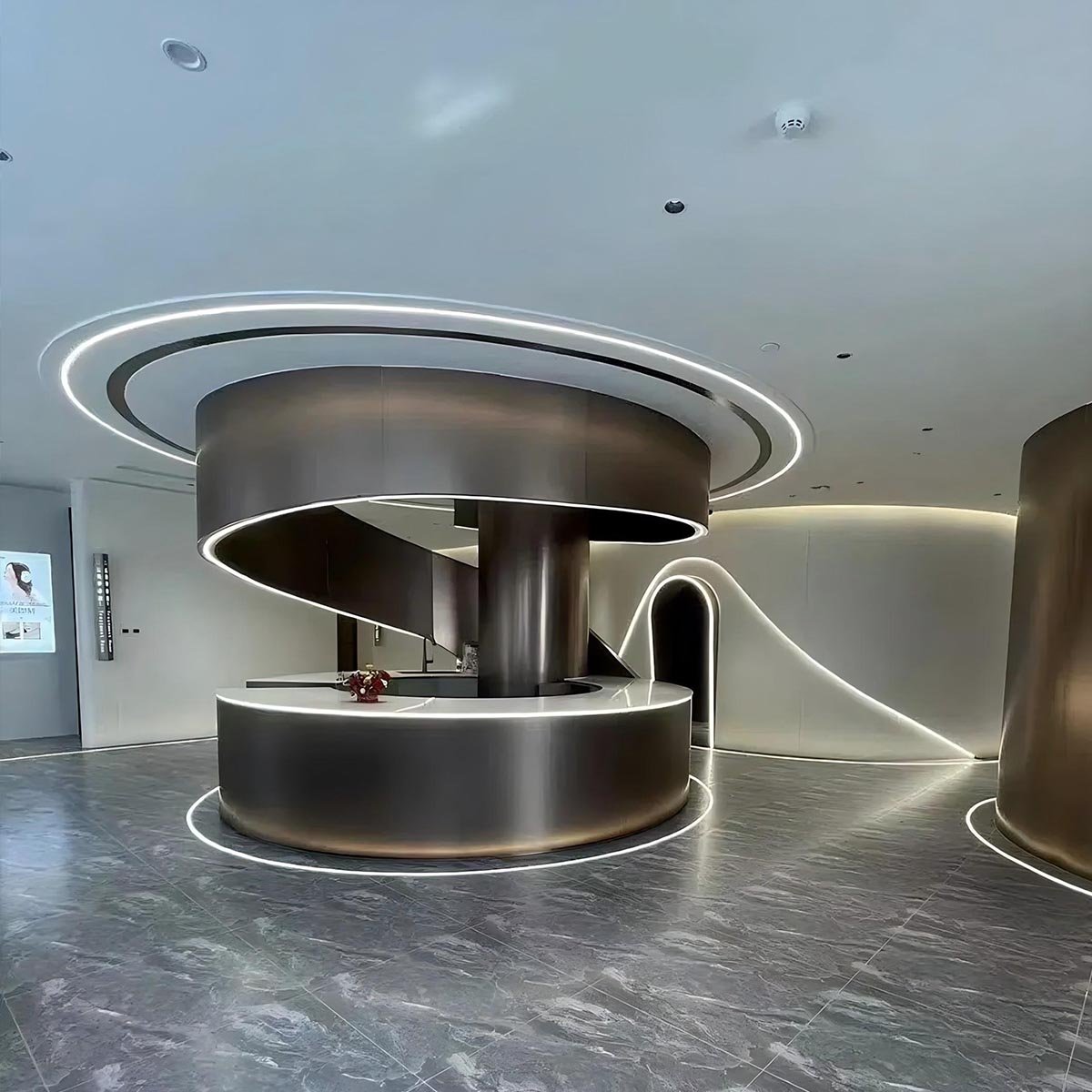
Stainless steel wall panels are available in different finishes and custom patterns, providing unique surfaces and design identities for reception areas, hotels and retail space.

Decorative Ceilings

In hotel lobbies, restaurants and commercial interiors, stainless steel ceilings reflect the light and have textured patterns that add depth and movement.

Furniture and Interior Fixtures

Stainless steel suits desks, shelving, cabinets, countertops and bespoke furniture, providing modern style and bespoke sizes, shapes, and detailing via flexible fabrication.

Partitions, Screens, and Railings

Laser-cut screens provide decorative shadows and privacy and stainless steel partitions delineate spaces. Railings on stairs and internal walkways are supported reliably by durable railings.

Kitchens and Bathrooms

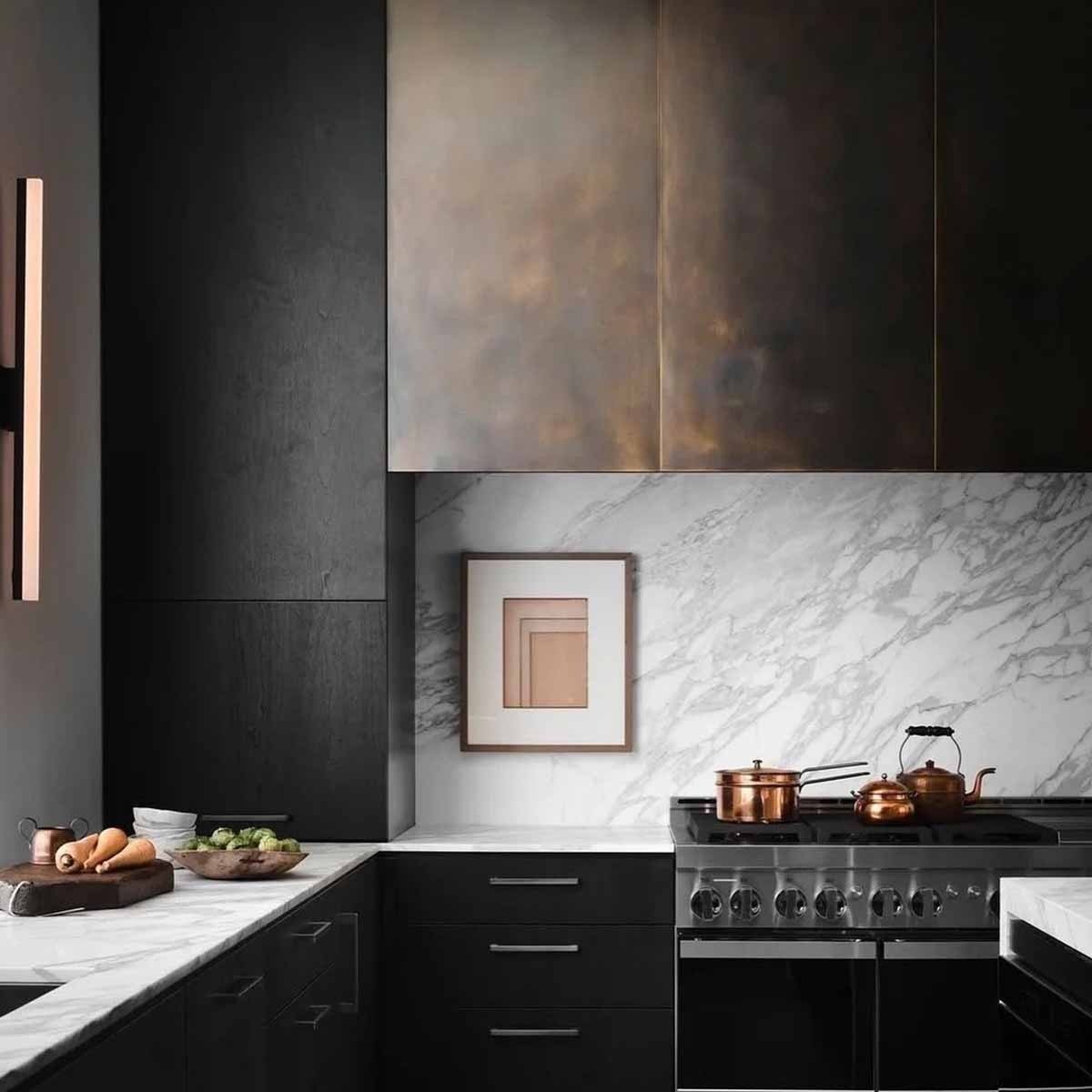
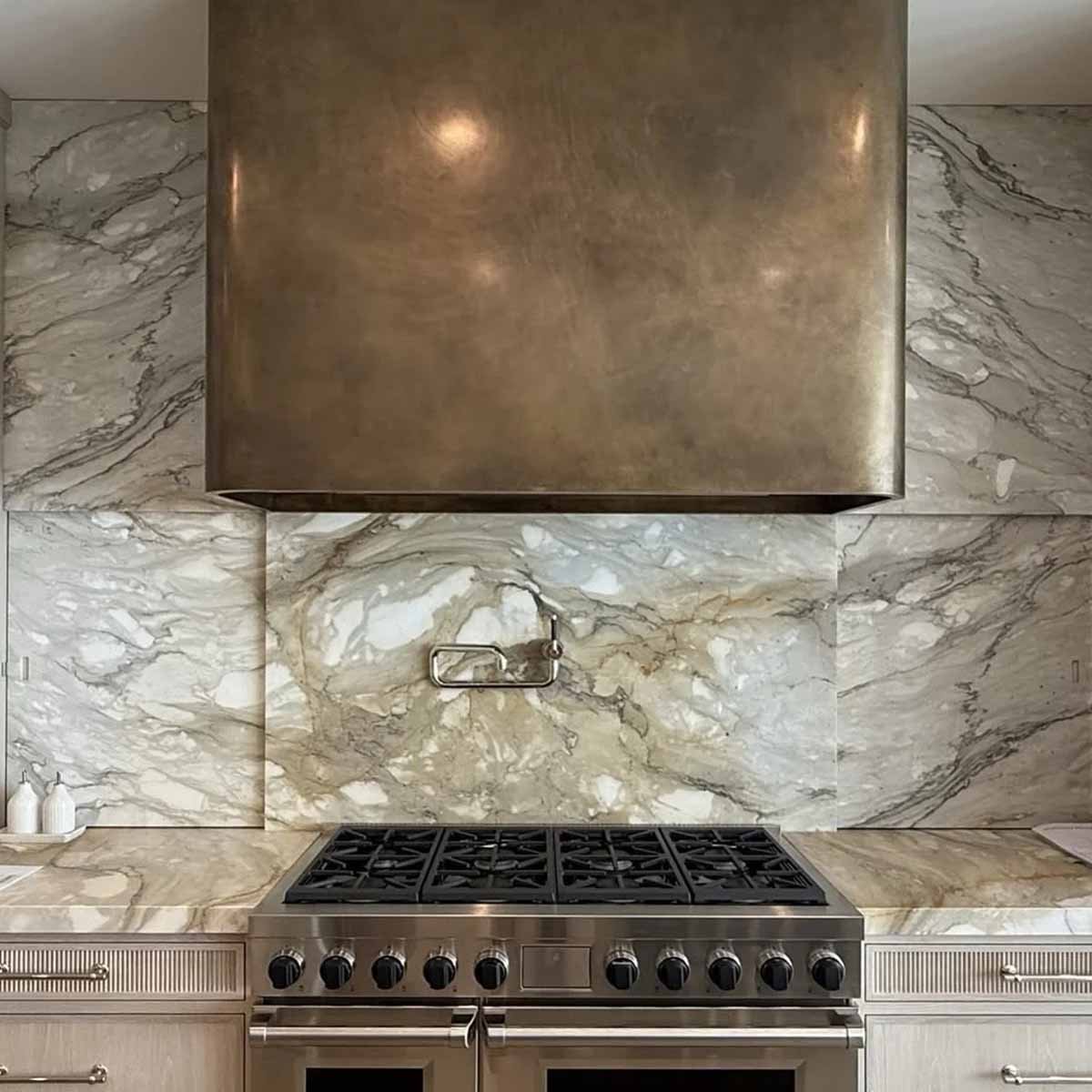
When grades and finishes match moisture exposure and maintenance needs, stainless steel can be used in kitchen splashbacks, worktops, and bathroom fixtures, and is easy to clean and resistant to corrosion.

Commercial and Hospitality Interiors

Durable stainless steel features such as walls, trims, counters and custom installations are used in hotels, offices, restaurants and retail stores to enhance visual branding and functionality.

Stainless steel suits beautifully and purposefully to decorate and function in the interior; each element is finished and fabricated and installed properly to fit the design and to do its job.

Stainless Steel Finishes for Interior Design

The interior appearance of stainless steel is greatly influenced by its surface finishes. Whether subtle brushed textures or reflective finishes and decorative patterns, there are options available that can highlight different desired visual effects and fulfill project requirements.

Brushed and Hairline Finish

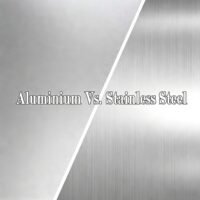
The Brushed and Hairline finishes are fine directional lines, providing a subtle, contemporary appearance to wall panels, lift interiors, furniture and decorative trims.

Mirror Finish

Mirror-finished stainless steel reflects light & surroundings, brightening up interiors & perfect for feature walls, decorative details & selected ceilings.

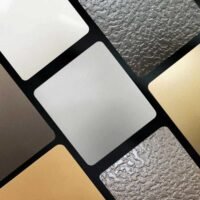
Coloured Stainless Steel

Coloured stainless steel gold, bronze, champagne and black adds to a modern interior, matching lighting, furnishings and decorative materials for hospitality, retail and luxury residential projects.

Textured and Patterned Finish

Textured finishes add depth with embossed designs and water ripple stainless steel provides dynamic reflections, perfect for feature walls, ceilings and reception areas.

These are factors to take into account when choosing stainless steel finishes: light, other materials, maintenance, and appearance. Check physical samples before making before project lighting.

Creative Stainless Steel Interior Design Ideas

Whether it’s a bold statement piece or a decorative detail, stainless steel can be used in a multitude of ways in contemporary interior design. Mixing finishes, patterns and materials offers designers a way to make unique spaces while maintaining function.

Create a Statement Wall

Develop striking focal walls in reception areas, hotel lobbies and living areas using reflective or textured metal panels and integrated lighting.

Add Visual Interest with a Water Ripple Ceiling

The water ripple ceiling produces movement and reflection, adding a sense of mystery to the atmosphere of hospitality spaces, restaurants and high-end commercial interiors.

Combine Metal with Natural Materials

Combine with wood, marble, stone or glass to add warmth, contrast and balance to contemporary interior design and tone down the metallic finish of the stainless steel.

Introduce Decorative Screens and Geometric Patterns

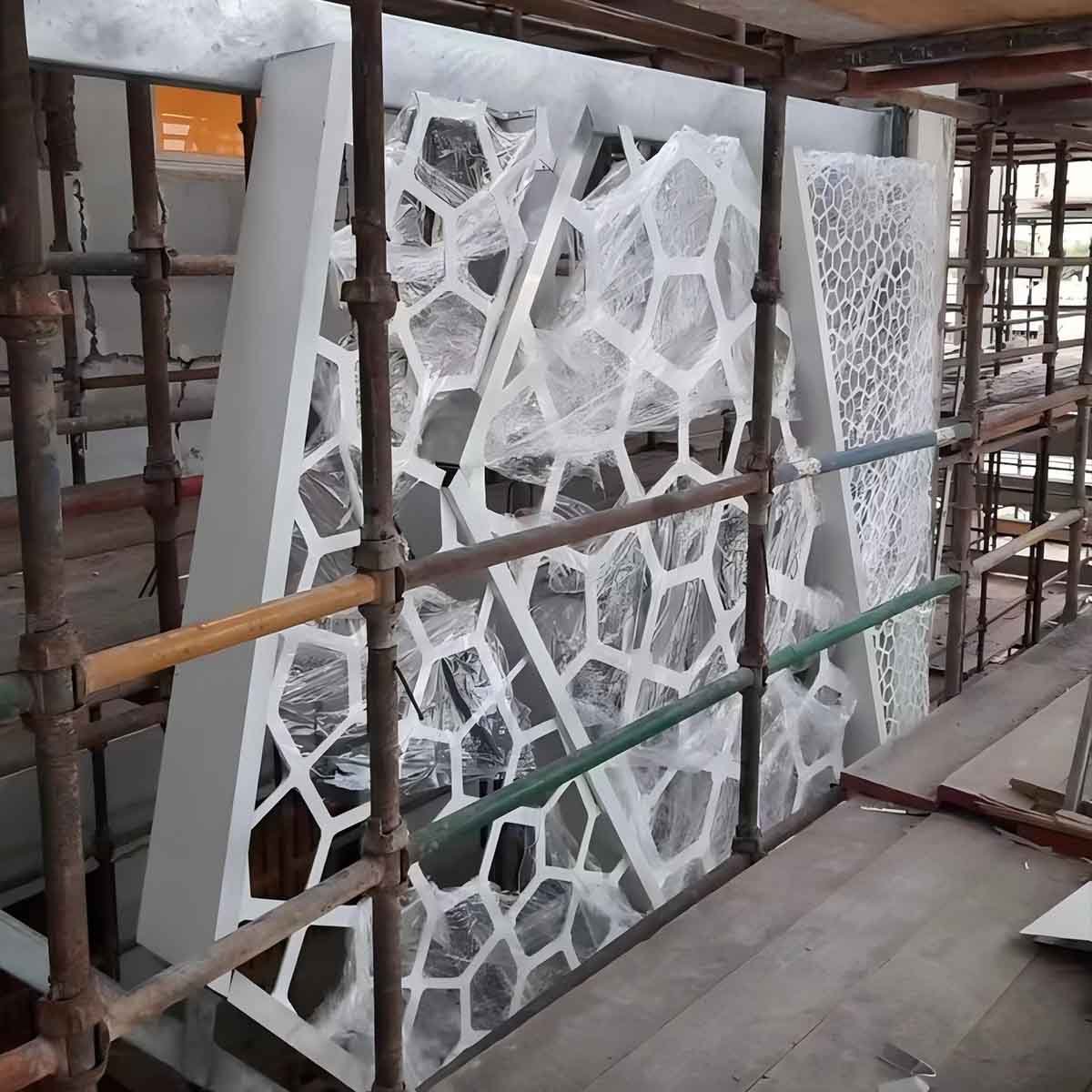
Visually dynamic laser-cut panels, geometric screens establish rhythm, project shadows, delineate reception areas, restaurants, offices and open-plan interiors without sacrificing decorative interest or utility.

Use Metallic Accents for Subtle Elegance

Stainless steel is used in furniture, cabinets, shelves, trims, and lighting to achieve harmonious interiors with a non-industrial feel, but not too shiny.

Good designs integrate the stainless steel finishes, lighting and materials in the surrounding areas from the beginning so that they all work together as a whole and are not just decorative items.

How to Choose Stainless Steel for Interior Design Projects

There are several factors to consider when choosing stainless steel for an interior application: aesthetics, durability, maintenance and fabrication. These are some factors that can guide designers and project teams in selecting appropriate materials for their use.

Select the Appropriate Stainless Steel Grade

Grades 304 and 316 are suitable for architectural applications and 316 offers better corrosion resistance in chloride-rich or aggressive environments, while 304 is suitable for most interior applications.

Choose the Right Surface Finish

Select finishes to match lighting, surrounding material and design ideas. Brushed creates subtle finishes, mirrored, coloured and textured creates stronger decorative effect.

Consider Fabrication and Installation

Check panel size, edges, fixings and joints prior to production. The designs are complex, so special fabrication is necessary, and proper installation ensures alignment and the desired appearance.

Evaluate Maintenance Requirements

Think of how often you need to clean, fingerprints, scratches, chemicals and more. Appropriate grades, finishes, and maintenance treatments keep stainless steel looking good for long periods of time.

Review Samples and Specifications

Take samples to test colour, texture and reflectivity for project lighting, verifying material specifications, finish consistency and fabrications prior to formal design acceptance.

Careful selection of materials addresses aesthetic and functional requirements, and early coordination of grades, finishes, fabrication and installation minimises inconsistencies and production changes.

Stainless Steel Interior Design: Common Mistakes to Avoid

While stainless steel is very versatile in terms of design, some material questions or subtle flaws in the design can impact its look and operation. The following points explain how to avoid interior mistakes to create a more cohesive and functional interior.

Choosing the Wrong Finish

Glare can form on highly reflective surfaces; textured finishes can impact appearance. When choosing the finish for your windows, be mindful of the light levels and materials around the window.

Ignoring Maintenance Requirements

Stainless steel takes on many different forms, such as fingerprints, scratches, and residue. Select appropriate finishes and maintenance techniques to maintain surface quality.

Overlooking Material Compatibility

When using stainless steel in combination with wood, stone or glass, colours, textures and proportions must be carefully managed. The interior can be visually inconsistent and not balanced due to bad coordination.

Neglecting Fabrication and Installation Details

Appearance is impaired by misaligned grains, joints and deficient fixings. Check panel size, wiring, and mounting procedures before making panels.

If you want to have a successful stainless steel interior design, you need to plan, choose the right materials, and ensure coordination between designers, fabricators, and installers to achieve the desired result.

Why Choose TBK Metal for Decorative Stainless Steel Solutions?

Offering 15+ years of experience, 50,000+ sqm manufacturing area, and 5,000+ architectural projects, TBK Metal provides customised architectural metal solutions with versatile finishes and fabrication.

Custom Finishes and Designs

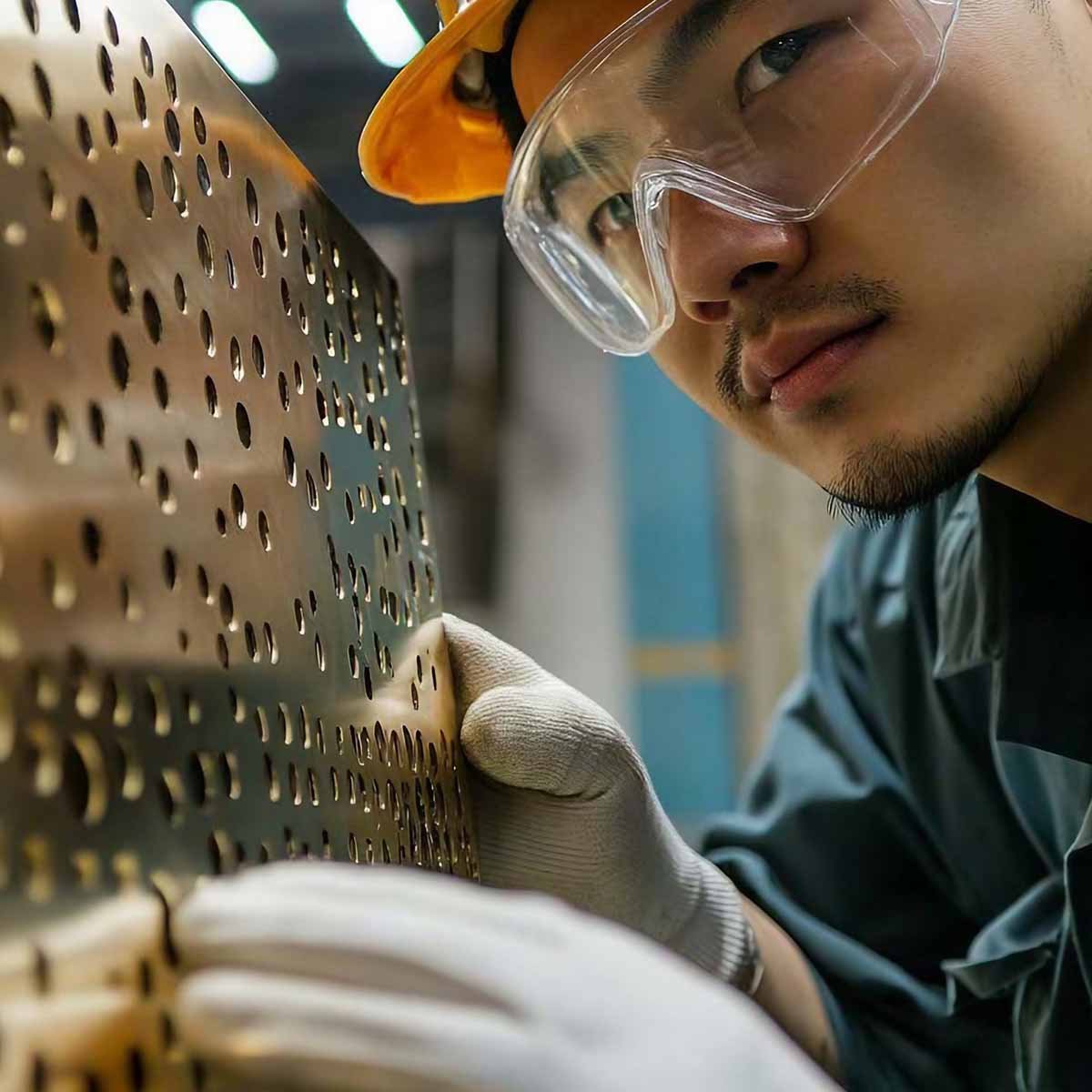
TBK has panels ranging from brushed, mirror, coloured and patterned; customised sizes and finish works coordinated to project drawings and design specifications.

Fabrication for Architectural Applications

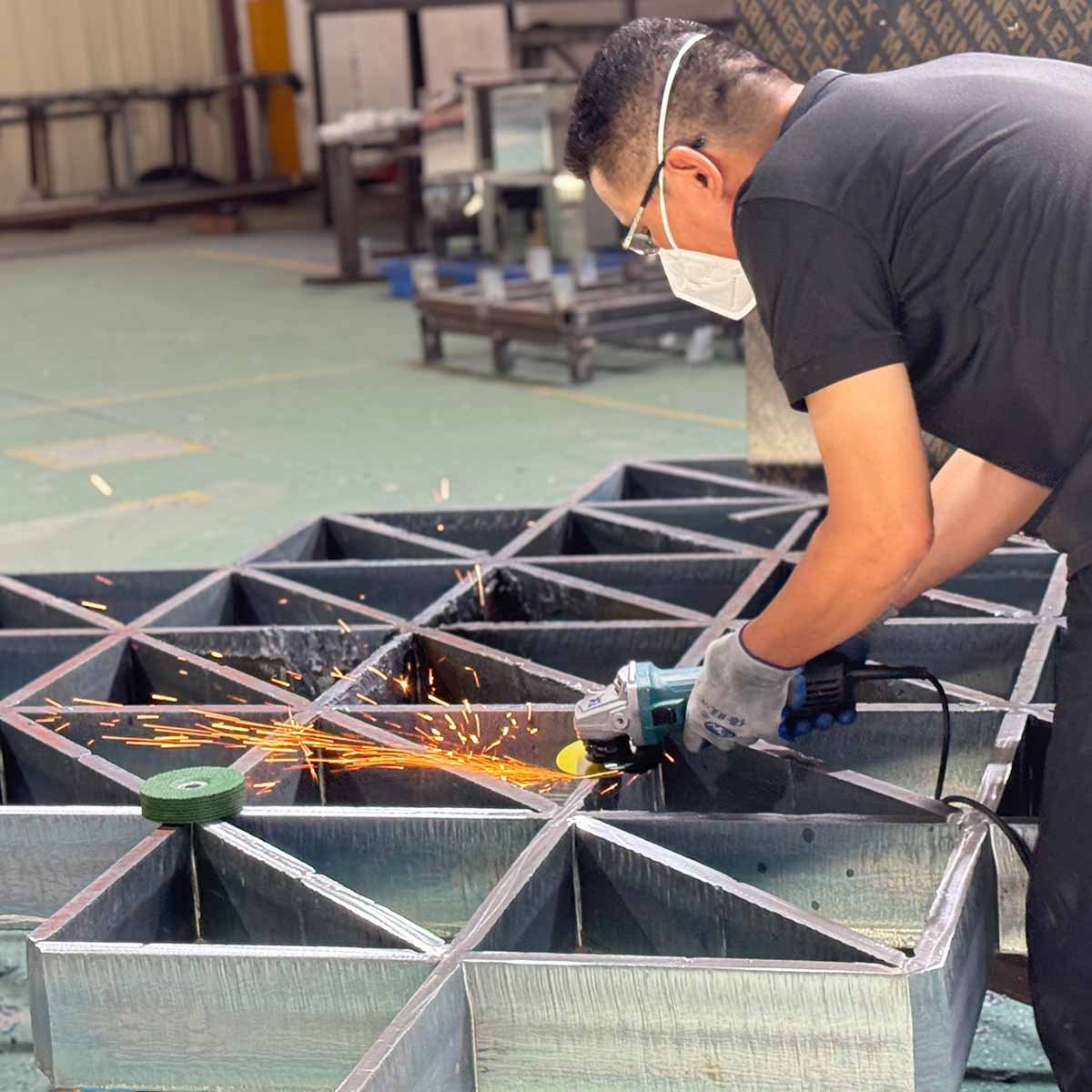
TBK produces decorative metal work for walls, partitions and ceilings, coordinating materials, fabrication and installation needs to meet the project requirements.

Support for Project Requirements

Each interior project is different, with varying aesthetic and technical requirements. TBK arranges material choices, finishes and solutions specifically for each application.

TBK Metal provides custom-made decoration metal for hotels, corporates and architectural installations. Talk to us about your design needs and material choices.

Contact TBK Metal for customised stainless steel interior solutions, decorative finishes, and architectural metal products tailored to your project.

FAQs About Stainless Steel Interior Design

Q1. Is stainless steel interior design suitable for small spaces?

Yes. By using stainless steel selectively on feature surfaces or furniture details, the interior can become brighter with reflected light, which helps the small space look brighter. When paired with lighter shades and symmetrical lighting, it helps to reduce unwanted reflections.

Q2. Does stainless steel interior design suit residential homes?

Yes. Stainless steel can be used in a variety of different ways to enhance modern homes, including kitchen accents, furniture, stair railings, shelving, and decorative accents. When combined with timber, fabrics or stone, it helps to create a comfortable interior while not being too industrial.

Q3. Can stainless steel interior design be customised for specific architectural styles?

Yes. Stainless steel can be manufactured into custom-cut and custom-designed pieces, patterns, panels, and decorative items. It is also versatile, so designers can design features that can fit into minimalist interior, industrial interior, modern interior, and luxury interior, and can also be configured according to the needs of the project.

Q4. How does lighting affect stainless steel interior design?

Lighting affects the reflection of the surrounding environment and the display of the surface texture of stainless steel. Using directional lighting can highlight patterns, and diffused light can minimize any sharp reflections. Real physical samples can be used for lighting testing to ensure the desired effect is achieved.

Q5. Is stainless steel interior design environmentally friendly?

Stainless steel is a material that can be recycled and can be expected to retain a long lifespan when specified and maintained correctly. It is composed of various aspects, including recycled content, manufacturing processes, transport, maintenance, and end-of-life recovery, all of which have an impact on its overall environmental footprint.

Q6. Can stainless steel interior design be used in coastal buildings?

Yes, but, the selection of the material is crucial with regard to the presence of chloride and airborne salt. Grade 316 may have greater corrosion resistance than grade 304 in these environments, but the environment, surface finish, cleaning and maintenance also play a role in determining the appropriate specification.

Q7. What factors affect the cost of stainless steel interior design?

Stainless steel price is also related to the stainless steel grade, sheet thickness, surface finish, fabrication complexity, panel dimension, installation requirement and quantity of the project. If a custom pattern or special finishes are required, they may result in higher production costs and detailed specifications assist in providing more accurate quotations.

Q8. How can designers maintain consistency across large stainless steel interior projects?

Designers are advised to verify the finish samples, colour, direction of grain, panel size and tolerances for fabrication prior to production. Having all these details clearly coordinated among suppliers and installation teams can help eliminate visible differences and create a uniform look throughout the project.

Conclusion

Stainless steel interior design offers a blend of durability, versatility, and contemporary design principles in homes, offices, and hotels. Great materials and finishes yield unique and functional interiors, ranging from interesting walls to personalised architecture.

Designers ensure that the interior is visually and functionally cohesive by integrating the design intent, material specifications, and fabrication needs. TBK Metal offers tailored architectural metal solutions to meet various interior concepts and project requirements.

Contact Request

Need decorative stainless steel solutions? Contact TBK Metal to discuss your project requirements and explore customised designs, finishes, and fabrication options.

    Related Posts