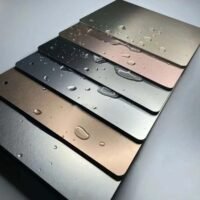




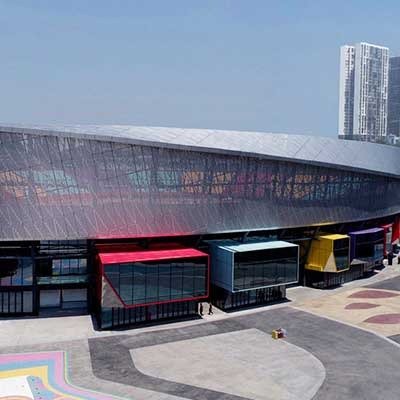
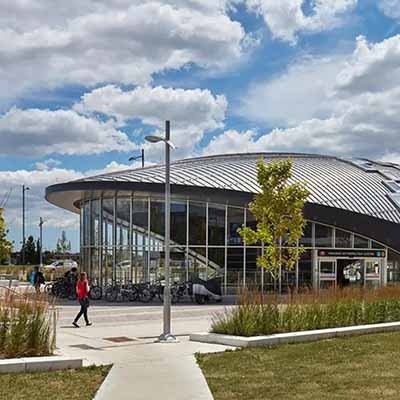
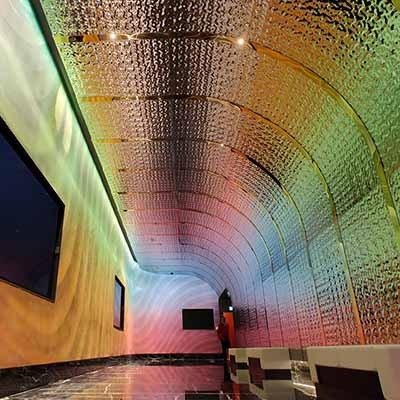
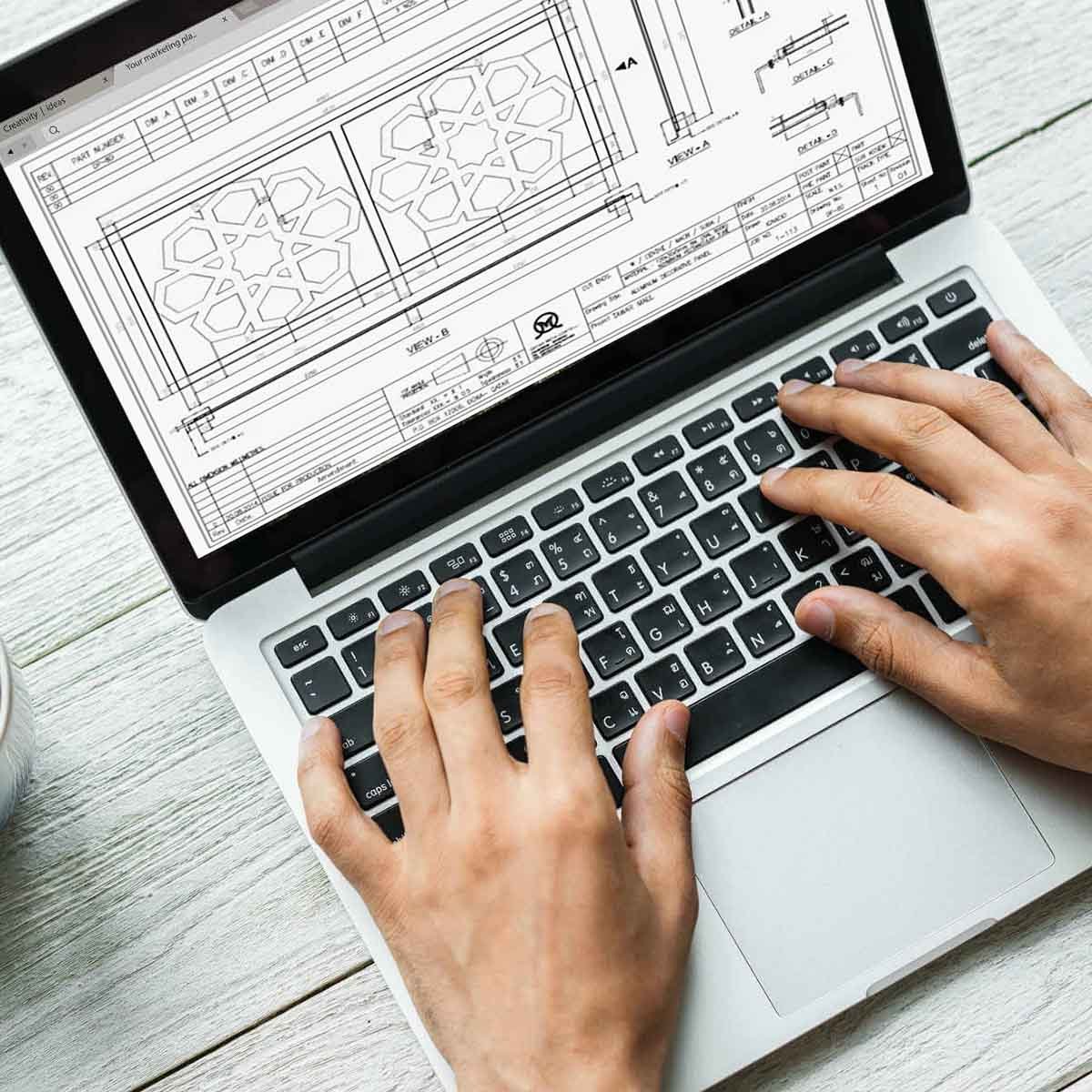


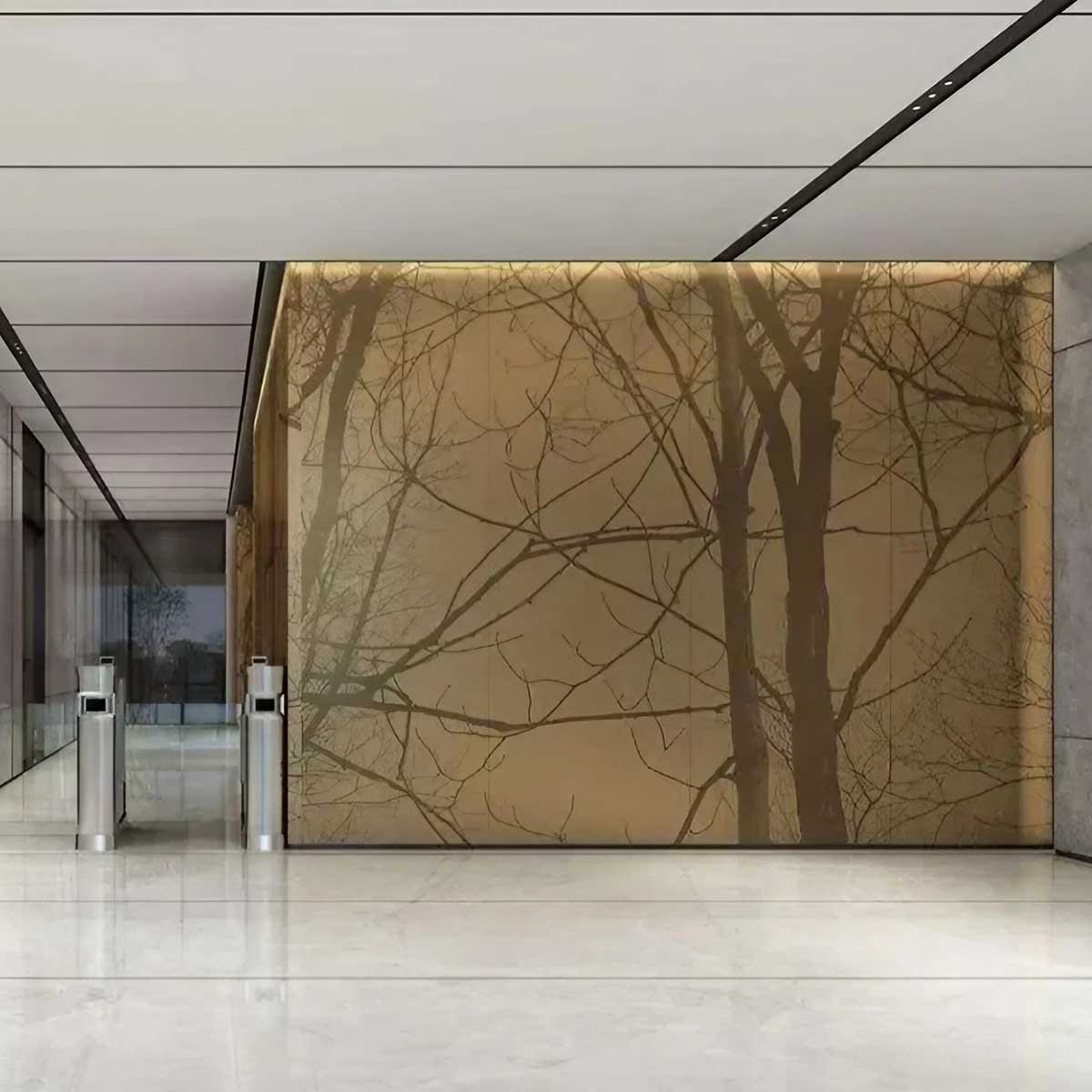
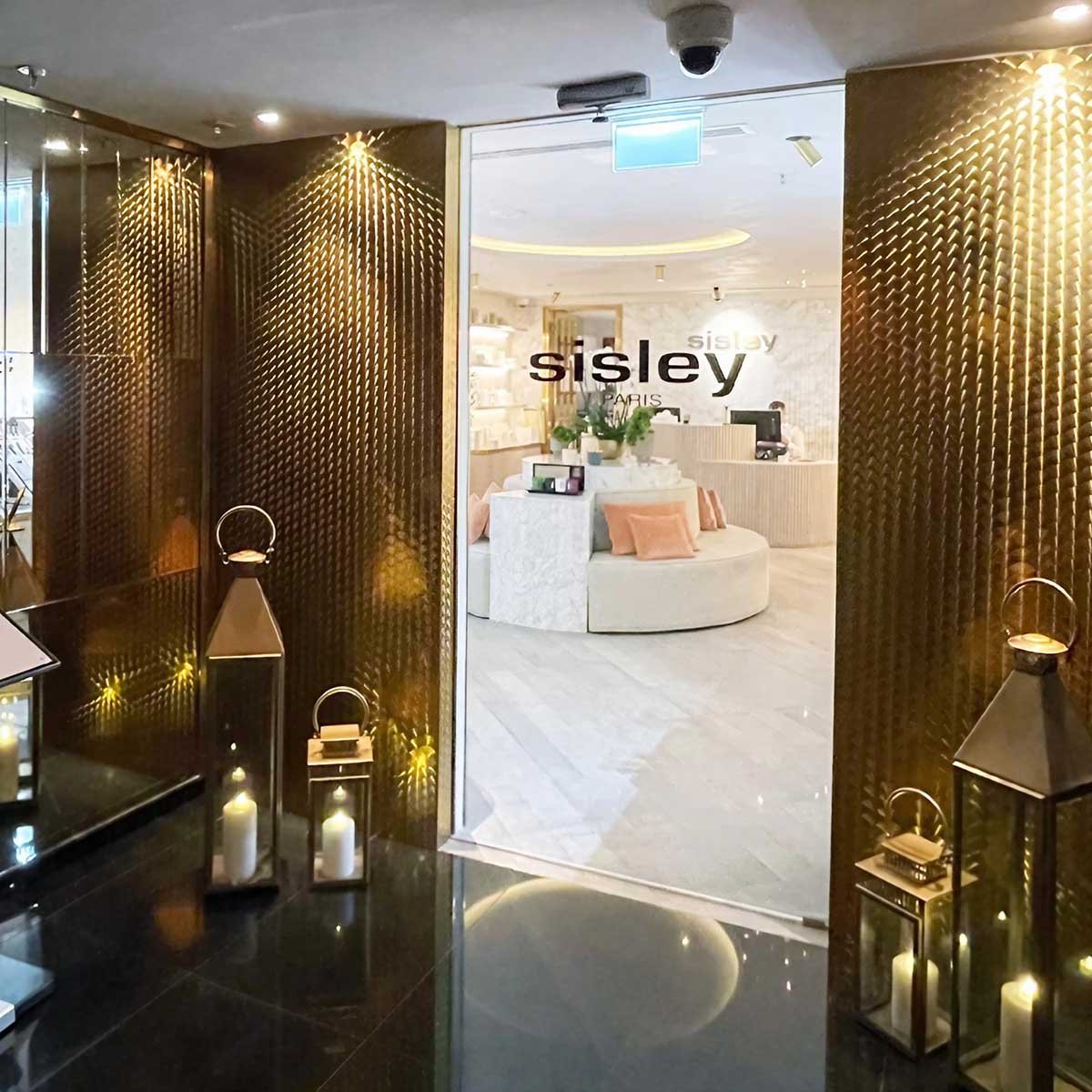
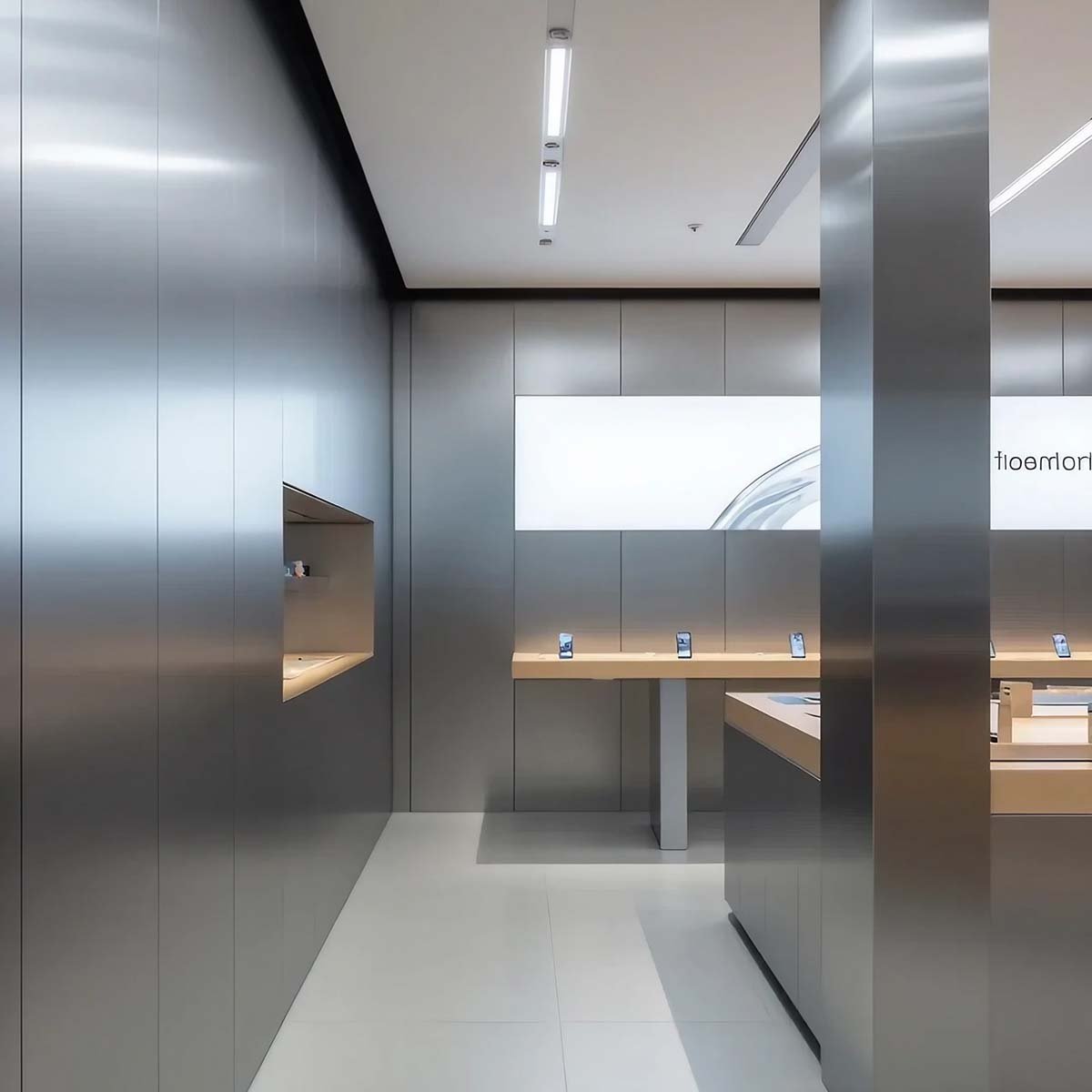
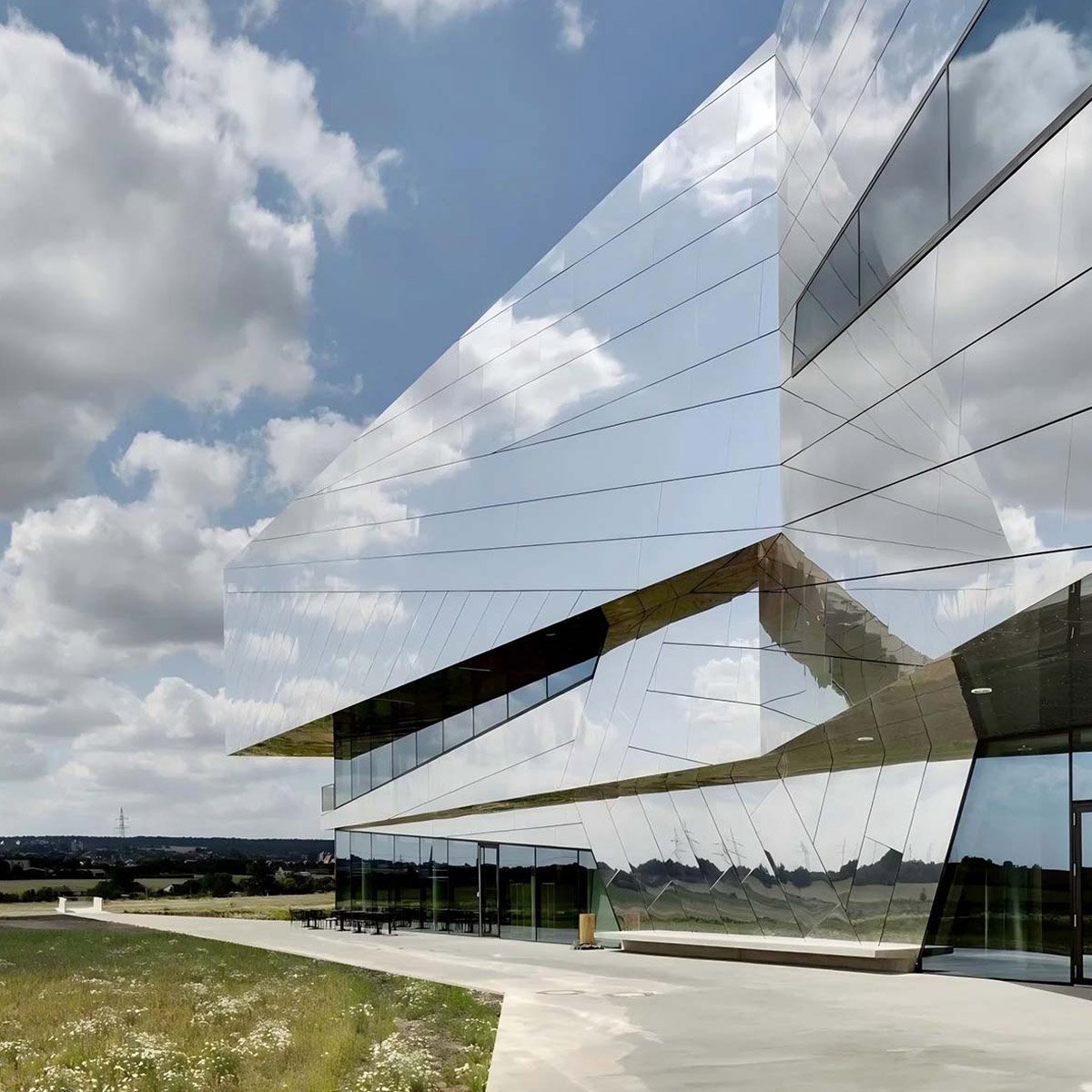

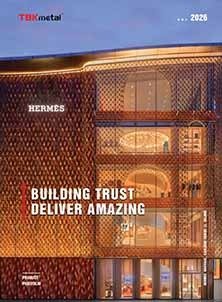
Discover the transformative world of stainless steel finishes with our comprehensive guide. Mirror finishes, for instance, provide an attractive shine to the treated surface while embossed patterns provide the touched surfaces an interesting touch sensation.
Scrutinize the idea of varnished, coated, and figured surfaces and learn all about their mysterious applications in architecture and design and many other things. Join us as we take this journey in a quest to demystify stainless steel into its various forms and products.
Understanding the Stainless Steel Finishes
When it comes to stainless steel, the finish you choose becomes part of what you’re doing ornamentally and structurally. From plumbing fixtures to handles, TBK Metal knows what you need for direction to give that response to your project.
Considering stainless steel finishes there is a lot that you need to understand if you are to achieve the required design or functionality. We will guide you so that you can make good choices for aesthetic and durability concerns related to your project.
Why Stainless Steel Finishes Matter
One should, however, establish that the selection of a finish improves utility importance they describe the outlook of some products and structures. Whichever is between the interior of an elevator, a kitchen counter, or wall panels it will define the final result.
Stainless steel finish also plays a major role in the looks as well as the utility of the appliances it goes into. It is not easily corroded, less maintenance is needed and long long-term durability in highly stressed areas such as laboratories, kitchens, crowded places, etc.
Exploring Different Types of Stainless Steel Finishes
Polished Types
Taste the beauty of the shiny world through the astonishing variety of stainless steel finishings. See the benefits and features of mirror, brushed, and satin types of finishing that are all appealing in application such as in lift interiors and modern furnishing.
Mirror Finish


Definition and Characteristics
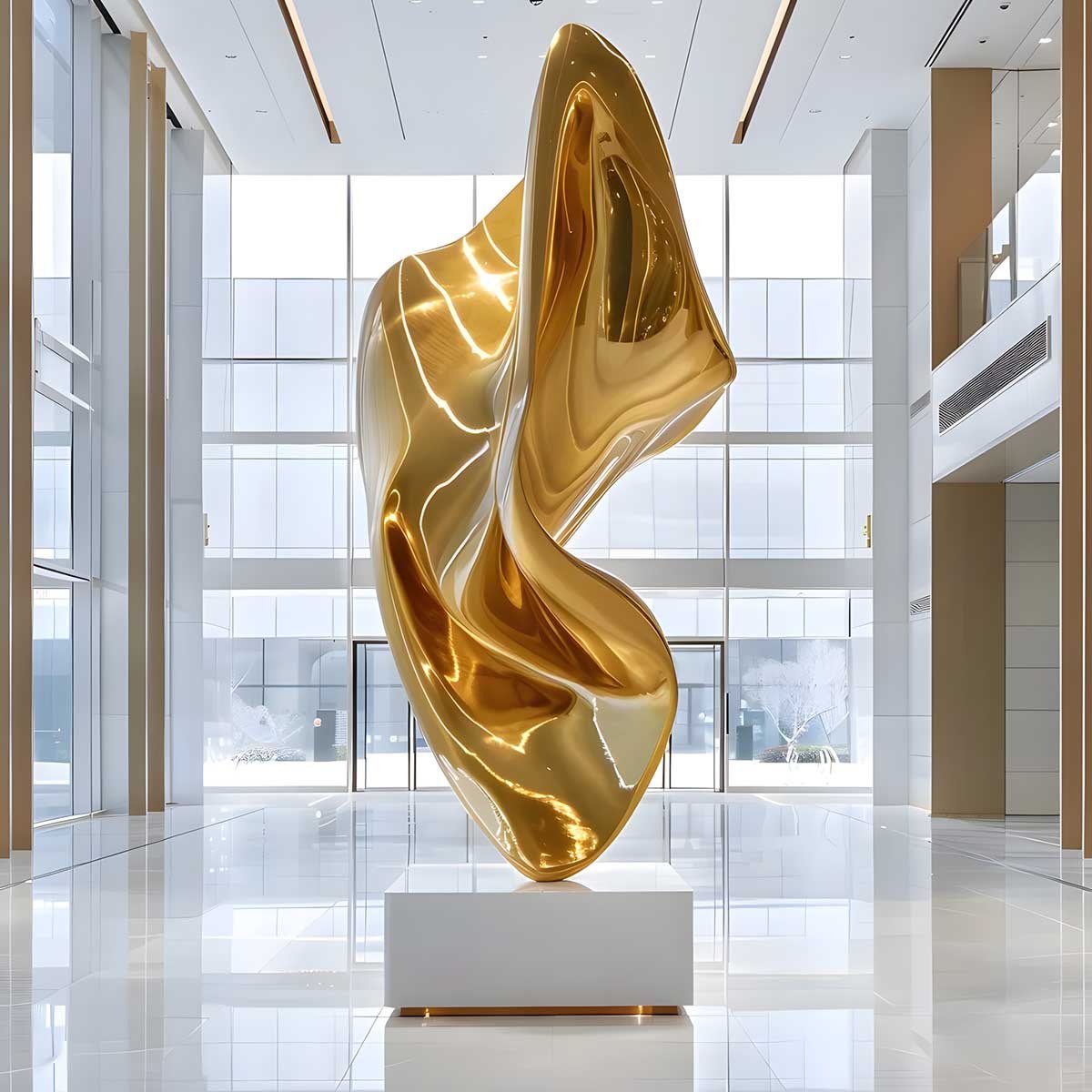
The surface reflection of a mirror finish is very high and may be compared to that of an almost perfect mirror. It gives stainless steel a smooth finish with a certain degree of sheen to it intensifies lighting to make any space glamorous and sophisticated.
Applications
Mirror finishes are most suitable where appearance is paramount in many modest stainless steel signs and display works. Their aesthetic value is rather striking; they are both elegant and contemporary, and the effect produces a lasting first impression.
- High-end signage and displays
- Decorative architectural elements
- Luxury appliances and fixtures


Polishing Process
Mirror finishes can best be said to be created by polishing or rather buffing the surface. Weaving abrasive tolerances and incline polish wheels, craftsmen hone the surfaced to a very high superbness, to brightness and reflectivity most magical and clear.
Brushed Finish


Definition and Characteristics
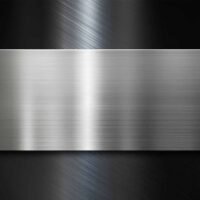
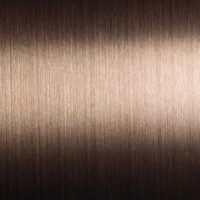
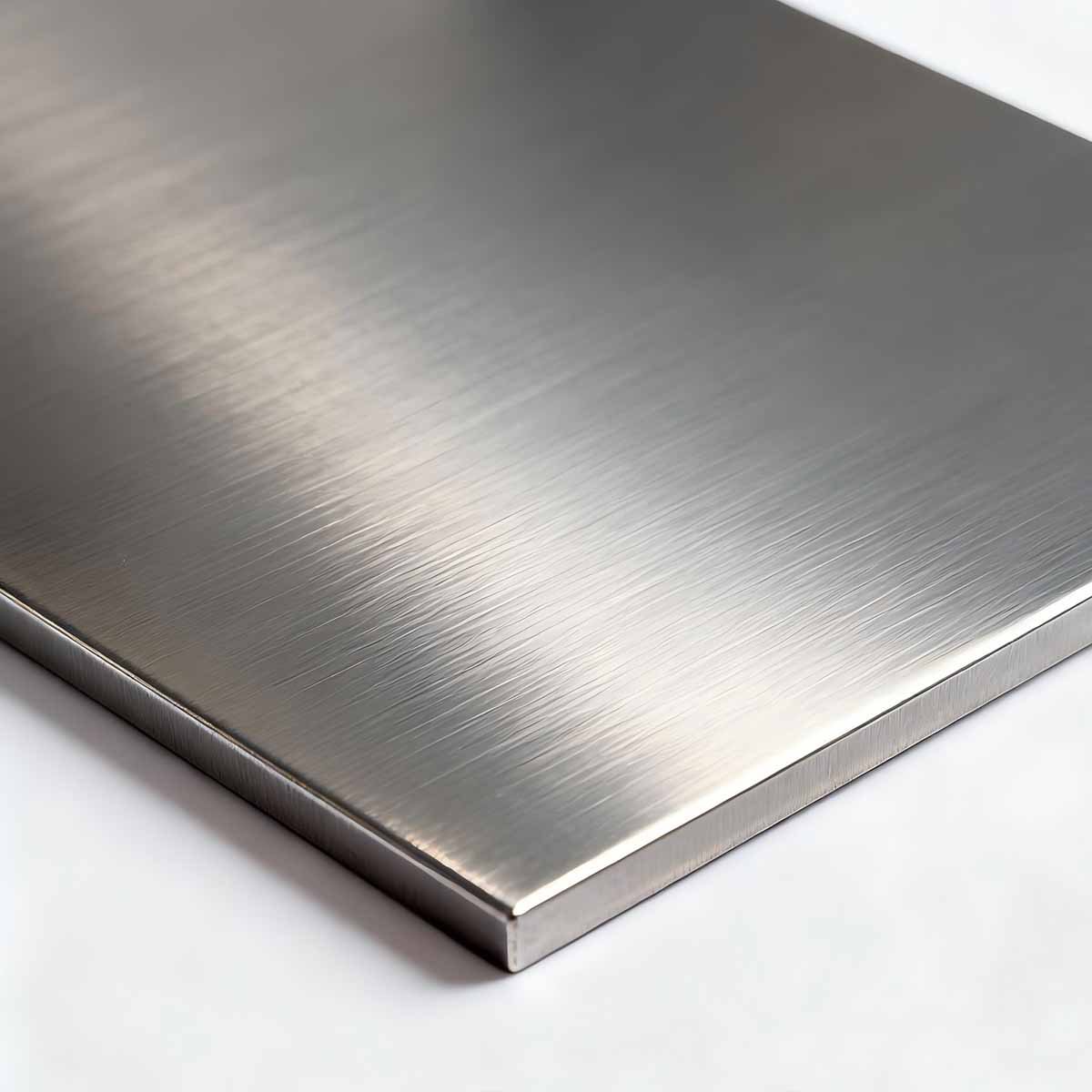
Brushed stainless steel has fine parallel line patterns also known as “strokes” produced by brushing stainless steel textures. This finish is ornate and functional at the same time as undersurface flaws or marks are camouflaged in some measure.
Applications
Brushed finishes are preferred where there are expectations for specimens in both modern and elegant spirits. They excel most if a modern, sophisticated environment is an issue and that is why they are so much in demand in esteemed interiors:
- Elevator interior panels and handrails
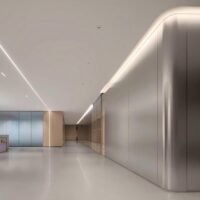
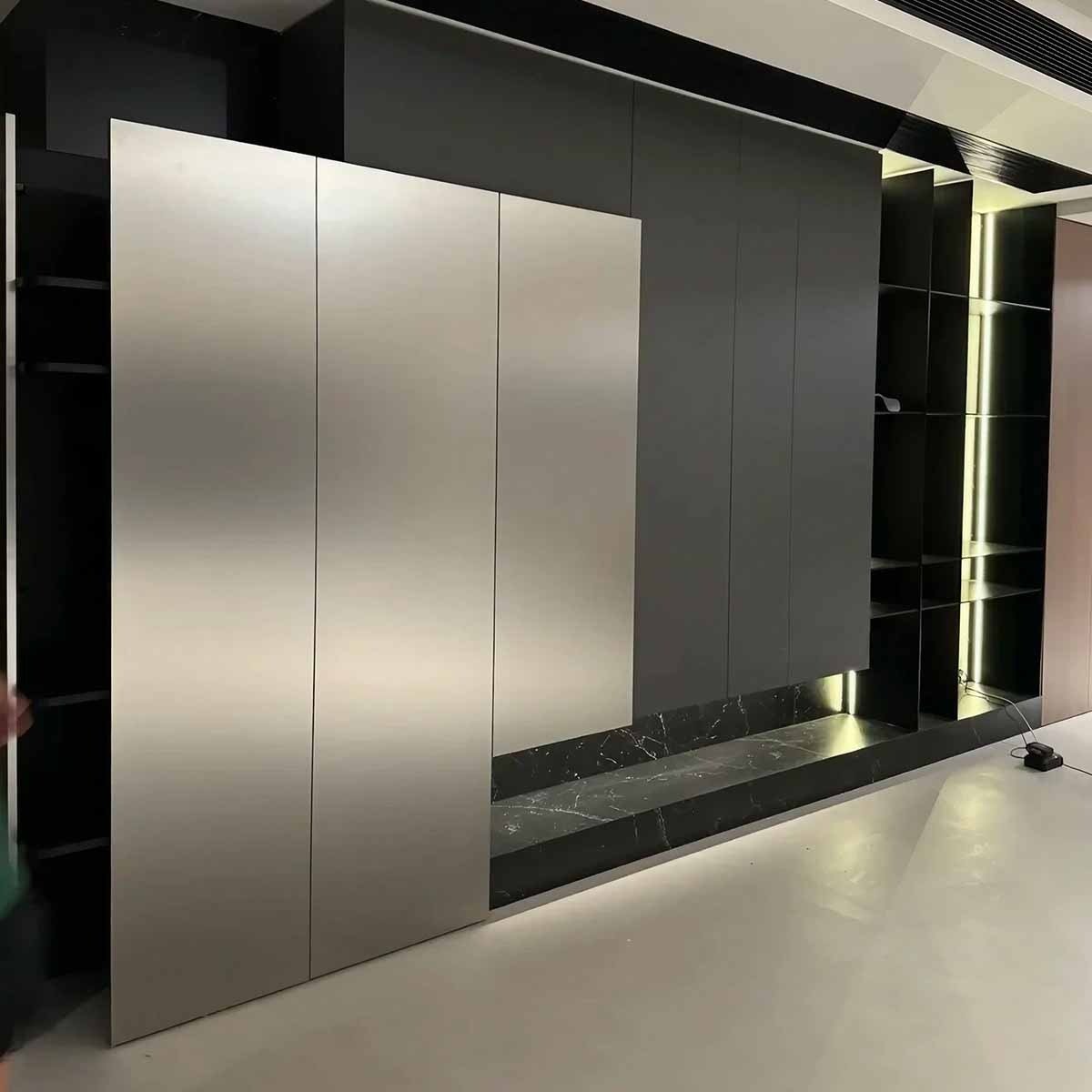
- Stainless steel wall cladding
- Modern furniture design


Techniques for Achieving Brushed Finish
The brushing finish is obtained using abrasive belts or brushes with the designers having control over the degree and direction of brushing. This results in a range of shine that spans from low to high but with elaboration in the matter of the surface.
Satin Finish


Definition and Characteristics
Satin finishes on stainless steel defined are smooth and shiny like the silk hence the name but not as bright as the mirror finish or as dull as the brushed finish. This is a splendid satin sheen, which gives the way a subtle elegance and a modicum of reflective glamour.
Practical Applications
Satin has great applicability and it is applicable in different fields such as architectural applications where satin gives befitting facades to some of the largest architectural masterpieces, interior decoration, and even articulate furniture making.
- Interior design elements
- Architectural features
- Household appliances


Differences Between Satin and Brushed Finishes
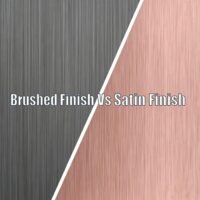
The satin finish is not as grainy as the brushed ones but they still don’t have a surface as matt as those of the brushed ones. While both of them are lustrous, satin is much more able to distinguish and execute the dissimilarities between appearance and touch.
Vibration Finish


Definition and Characteristics
Vibration finishing uses precision-mounted machines to apply specific vibrations over the stainless steel surface. Such vibrations create certain patterns, which give relief and turn the material into an artistic and rather sophisticated plane.
Usage in Modern Art and Interior Design
Vibration finishes are almost universal in today’s applications for home décor, architectural darling, furniture, and even sculptures. They improve both the practical and aesthetic qualities of a project and are therefore used for creative purposes:
- Stainless steel sculptures and installations
- Modern interior design elements
- Decorative panels and screens


Vibration Finishing Process
In vibration finishing the stainless steel is made to vibrate in a more controlled manner with the specialized equipment to produce patterns. This process improves the surface of the material and turns the material into an object with function, and art.
Mirror and brushed, satin, vibration, and matte are polished stainless steel that can be used for various purposes. Both surfaces improve the outlook of architectural, artistic, and functional designs and structures such as elevators and kitchens.
Coated Types
Here the stainless steel is coated, which in a way lets one have different colors and textures and all sorts of other functions of the material. This section looks at those vehicles that try to balance the aspects of beauty and the expected performance.
PVD Coated Finish
PVD (Physical Vapor Deposition) finishing pours thin layers of material onto stainless steel which not only looks better but will resist corrosion better. Doing this process helps to enhance aesthetic relations and enhances the durability features of the product.

Definition and Benefits
PVD coating is an improved technique where the coating materials are evaporated as plasma and deposited in the form of a thin layer of stainless steel. It also increases corrosion resistance, scratch resistant as well as overall hardness of the surface.
Applications
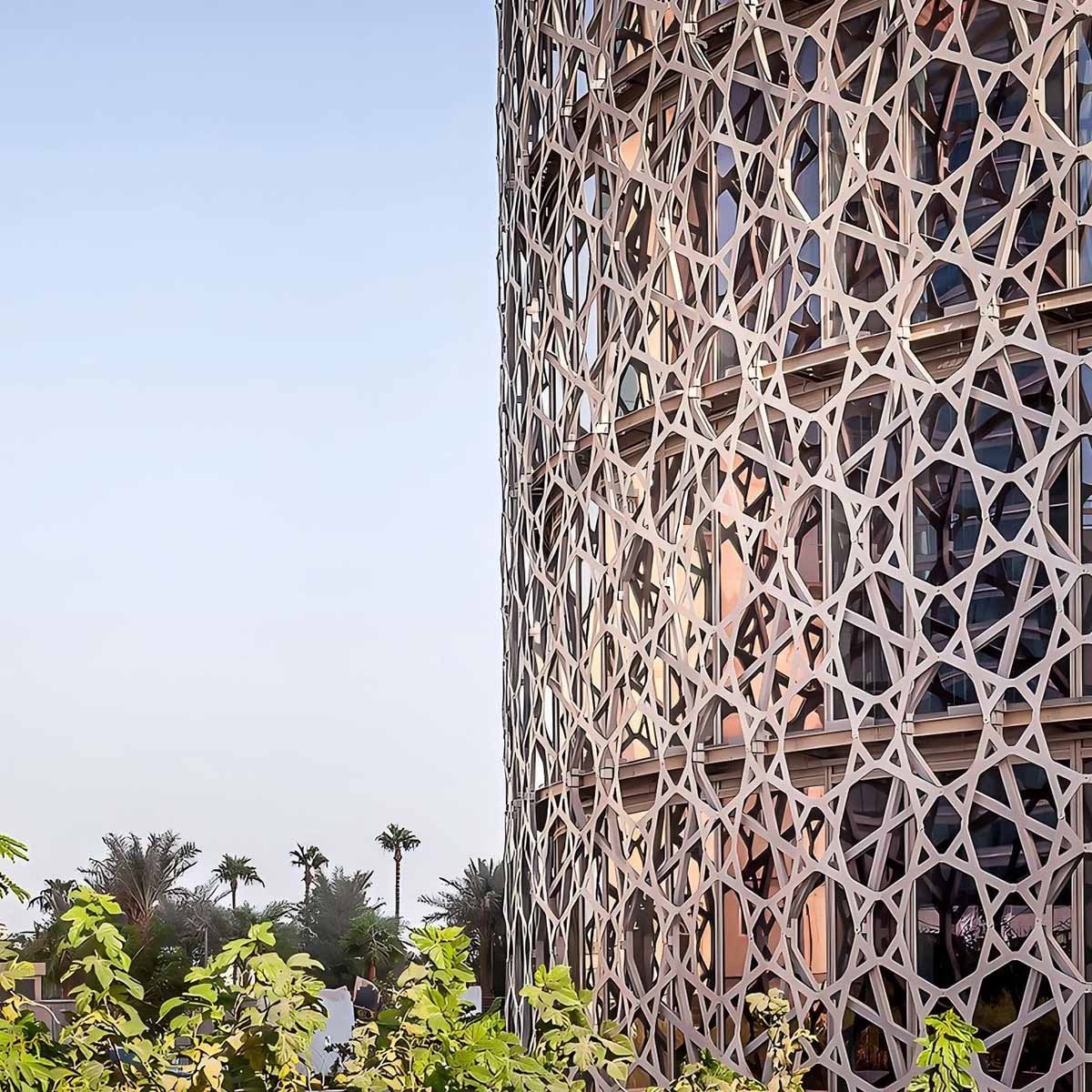
PVD coating stainless steel is most suited for architectural and ornamental applications as front parts and panels of buildings. It enhances its aesthetic appeal, while at the same time increasing the wear-resistance and the easy care nature of stainless steel.


Color Options and Customization
PVD coatings come in a huge choice of colours from simple metallic to bright near flooding Вас they offer in terms of design freedom. This also makes special patterns in addition to grad developments toward the construction to accomplish a stylish look.
Liquid Metal Finish
The liquid metal finish is an artistic way to customize stainless steel like the backs of these iconic musicians. When the liquid metal is applied in a layer over the substrate work, patterns with complex structures and brilliant gradations are formed.


Definition and Process
Some of the liquid metal finishes involve pouring metals such as bronze, copper, or aluminum directly onto the surface of stainless steel hence giving it colors and designs. The range varies from user flush to user glow-up or from sheer to opulent luster.
Applications
Liquid metal finishes are applied commonly in luxurious interior designs as they make the interior stand out. They make impressions on artwork, architectural details such as columns, and elevator interior designs, and one or more custom furniture pieces.


Visual Effects and Durability
Liquid metal finishes add texture and motion, that is to say meaning in the visual and in the tangible sense of fluidity. Though artistic, they have a characteristic of stainless steel, provide new unique light reflection capabilities, and are immune to corrosion.
Powder Coated Finish
Powder coating is a sustained technology that deposits dry powdered materials to the exterior of stainless steel products. The powder sticks by the process of electrostatic application and is then fixed under heat for a strong and good-looking surface coating.


Introduction and Advantages
Powder coating is also very tough, very chip resistant and it is available in an almost infinite array of colors and textures. This material does not corrode, is UV and chemical-resistant, and is suitable for indoor and external uses making it very durable.
Powder Coating Process and Color Variety
Powder coating therefore encompasses application, curing, and cooling. It comes in the form of various colors, surface finishes, and gloss levels making it increase product durability and protect stainless steel products from various conditions in the environment.
Usage and Applications
Powder coated stainless steel is used in architecture cladding, outdoor furniture, amongst consumer durables. They are often applied in areas where requirements for color and resistance to wearing away are high owing to flexibility and solidity.
Anodized Finish
This is because anodizing builds up the oxide layer in the surface of stainless steel will hence be making it more protective. This process also presents a number of color options making it suitable for uses such as in signage and in electronics.

Explanation and Protective Properties
Anodizing deals with dipping the stainless steel in an electrolyte solution and applying electric current. This process builds up the oxide layer resulting in an improvement of the strength, of, corrosion and scratch resistance for a tougher layer.
Applications
Anodizing of stainless steel is most suitable for apps like outdoor lettering, decorations as well as casing of electronic gadgets. It also has an added protective layer and different shades which ensure it is functional and decorative for the design works.


Achieving Different Colors
This process forms a Portfolio surface that has pores that will allow penetration of dyes to give some colors. The choice of the intensity of the color is adjustable, so the process parameters provide for consistent and accurate production of the color.
Coated stainless steel finishes combine ingenuity with practicality to provide designers with a broad spectrum to realize their ideas. Whether in the form of PVD coatings or anodized finishes, these harness durability and protection as well as offer freedom of design.
Patterned Types
Patterned surfaces provide both the surface texture and aesthetics dependent upon patterned stainless steel for purpose of aesthetics and depth. These complex motifs are made employing unique methods but can be used in various forms for a variety of designs.
Embossed Patterns
Surface textures on stainless steel embellished designs make use of depression or protrusions whose intent is to be both seen and felt. Starting with Plain geometrical shapes to complex patterns, they provide a versatile choice to the designers.


Definition and Creation
Caviar engraving is made through original molds or dies which imbed the design into the surface of stainless steel. The metal has a texture and is endowed with an interesting surface that raises different Thesis and Antithesis impressions to the touch.
Practical Uses
Wall Cladding: Interior and exterior walls can use embossed stainless steel to give the walls some character and depth.
Elevator Interiors: Elevators can do with some hallmarks thereby making their surface materials embossed in a little fancy and luxurious.
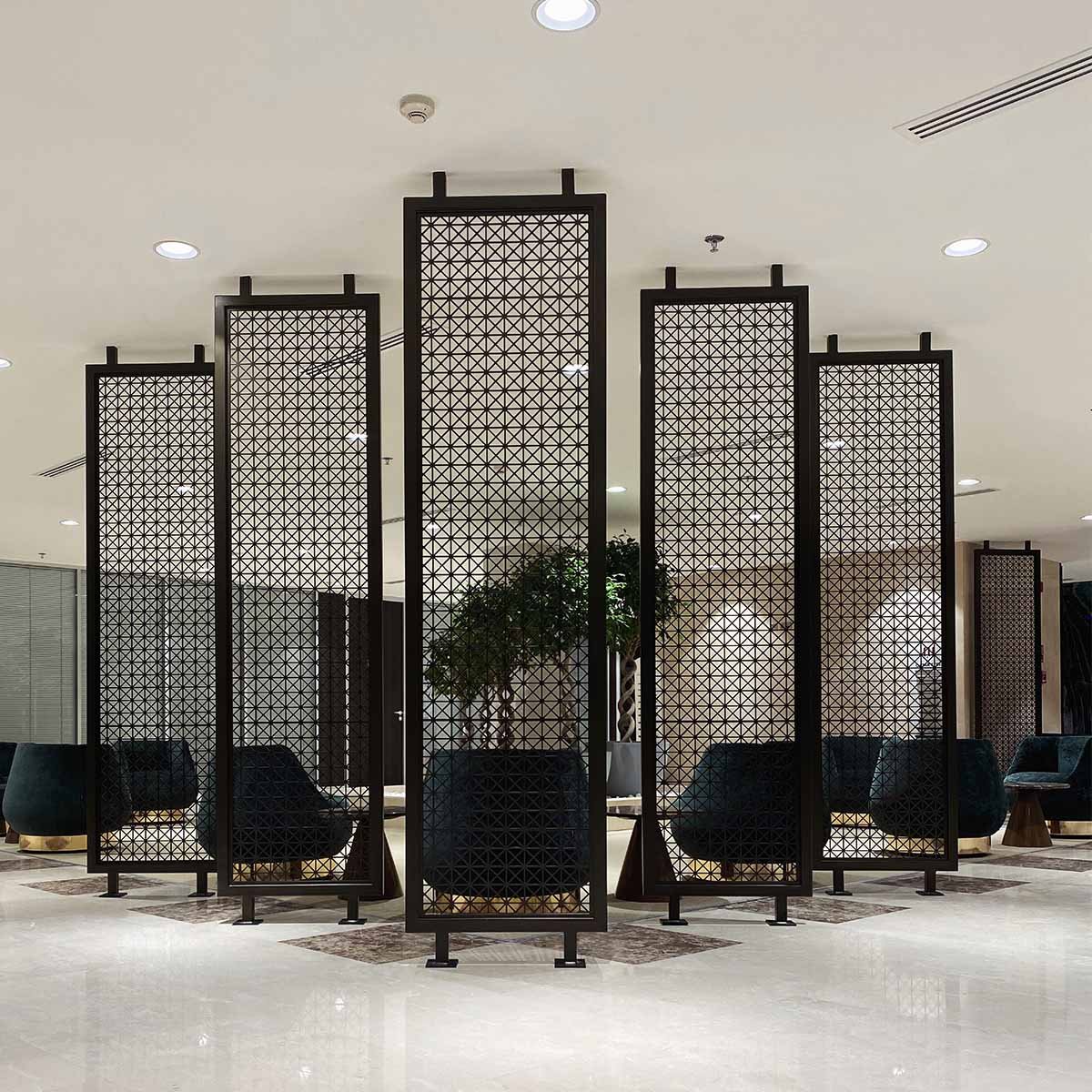
Decorative Panels: They may be employed in artistic designs in the rooms, in the form of screens, partitions, or room dividers - an artistic display.


Various Embossing Techniques and Visual Effects
The broad range of textural differentiation is possible with the help of embossing techniques, including deep and shallow embossing. Choice of pattern and depth develops complex or clear cuts and brings beauty and distinct value to plane surfaces.
Water Ripple Pattern


Exploring the Unique Water Ripple Pattern
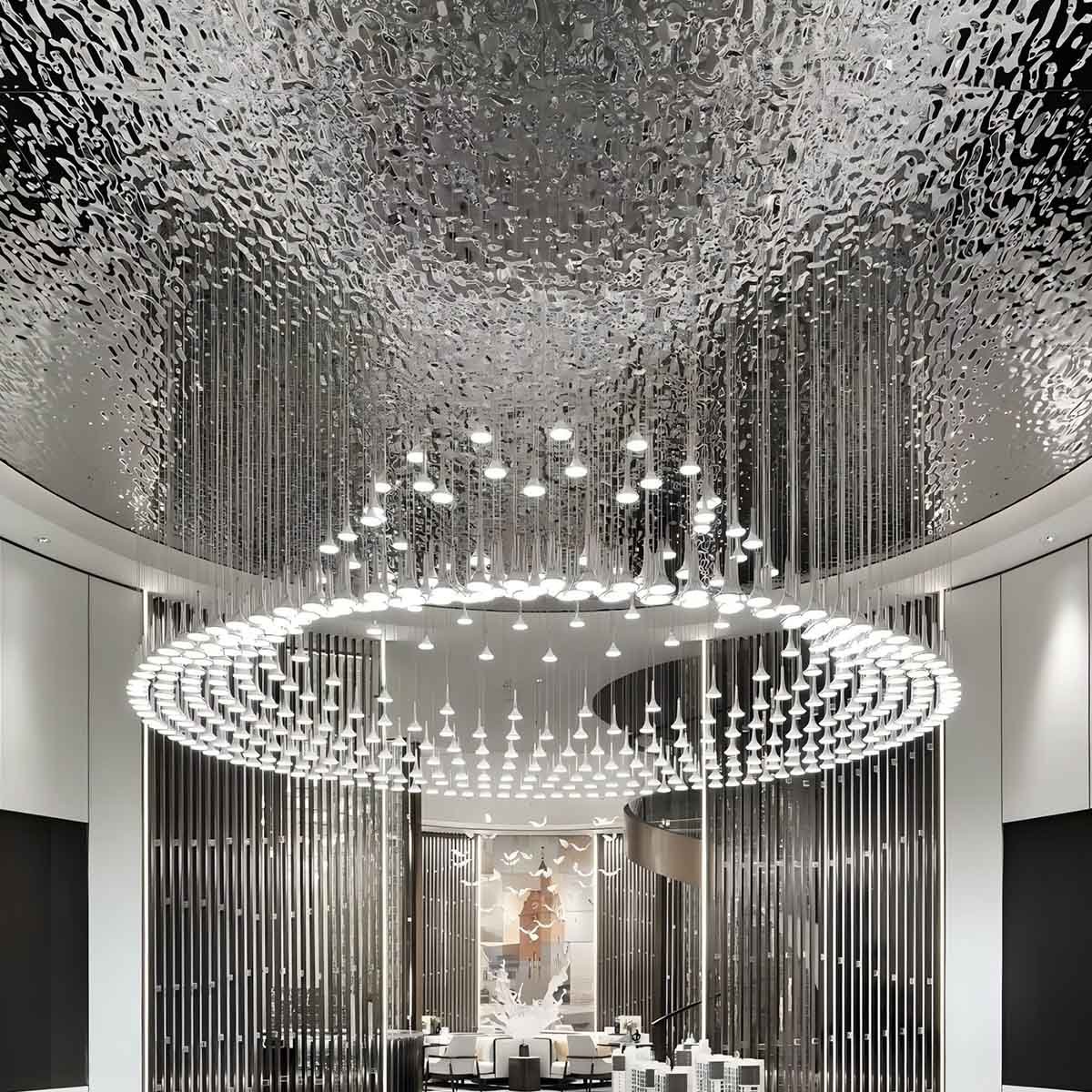
This pattern reminds water ripple effect on the water that has been engraved on stainless steel. This design brings magnificent beauty and vane touch sensation improving the looks of the Object while giving a touch of elegance in the undulation pattern.
Applications
Art Installations: The water ripple patterns have their role in creating interesting artwork that can hold the viewers’ attention.
Interior Design Accents: The pattern also beautifies furniture such as counters and the outside framework of all interior furniture.


How Water Ripple Patterns are Formed and Applied
Water ripple patterns on stainless steel are engraved or embossed on the surface, to get a ripple-like structure. These patterns are then installed on some surfaces to give those surfaces an illusion of depth and achieve a natural look of growth.
Sandblasted Finish
The sandblasted finish provides surface texture in the form of touch on stainless steel surfaces thus improving their aesthetic value. This careful rubbing also puts the final stamp of extra ordinary, thereby giving each piece, a mark of difference.


Introduction to Sandblasting Stainless Steel
In sandblasting the high pressurized abrasive material or sand impacts the surface of the stainless steel to cut or etch the metal. This gives the material a unique surface profile which is perfect for sculpture and ornamentation, especially for exterior use.
Use in Outdoor Sculptures and Architectural Features
Sandblasted stainless steel is very popular for sculptures and architectural products since it can resist all types of weather conditions. Its feel also plays a role in making such a material so closely linked to durability and use in stylish designs in style.


Achieving Different Levels of Texture Through Sandblasting
Sandblasting gives much control over the roughness of the surface right from smooth to rough surface. This versatility facilitates variation of the stainless steel surfaces which gives both beauty and the touch feel that most individuals would require.
Etched Finish
Having smooth stainless steel finishes creates intricate designs and patterns that are professionally done through selective etching chemical or mechanical. The result is the actuality of visually romantic surfaces which hardly leave a viewer indifferent.


Definition and Process of Etching Stainless Steel
Etching is a fantastic process that corrodes stainless steel and eliminates thin layers by chemical actions or by mechanical methods. This process forms complex interconnections, pictures or images which can be artistic or utilitarian for any use.
Applications
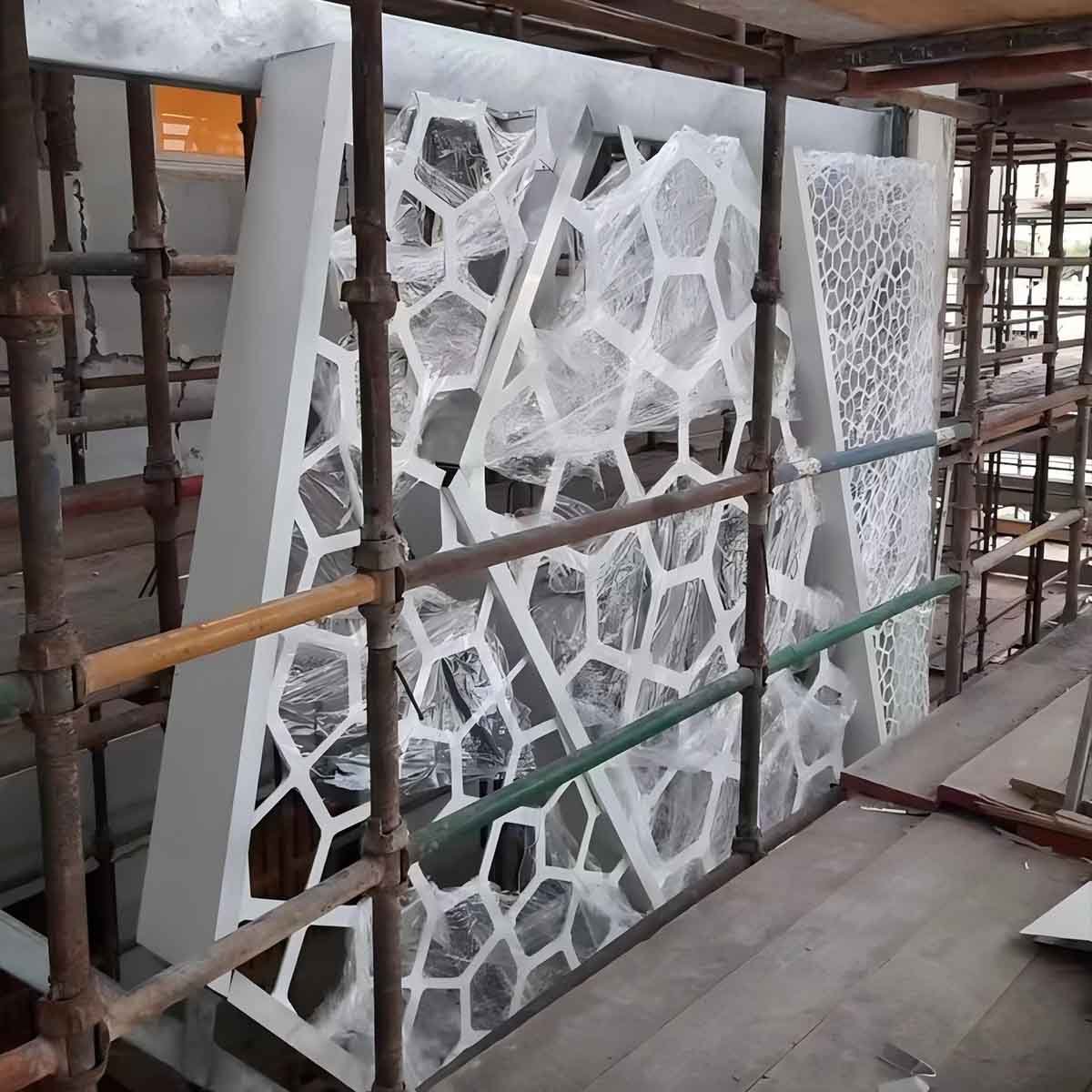
Divider Screens: Stainless steel that has been engraved is popularly used in the fabrication of aesthetic and practical partitioning systems.
Signage: This technique is especially suitable for fabricating visually complex and detailed pictograms to be used for signage and branding.
Artistic Pieces: The etched finishes are one of the preferred by artists as they allow them to give the creation of stainless steel as art products.


Customization Options and Intricate Designs Achievable Through Etching
Procedural etching is a way that leads to selective solutions that corrode individual layers of the stainless steel or mechanical treatment. It creates perfectly formed interlocking logos or patterns - art together with functionality for various purposes.
Patterned finishes give designers and architects the opportunity to bring additional texture and patterns into their projects using stainless steel. Whether the metal has raised patterns or depressed lines, it tells a story and reflects each of the types.
How to Choose the Right Stainless Steel Finish for Your Project
This is why selecting an appropriate surface finish type of stainless steel is so important to the project and the look of the entire project. Reflect on appropriateness as far as the aesthetic of the various finishes and concerning, light and space.
Aesthetic Vision
The look you want can be modern, classic, industrial, or artistic, depending on the setting of your work. One should think about how the finish deals with light and the feelings that there have to be for these two components, which should be integrated.
Functionality Requirements
Besides the budget considerations state the environmental conditions and the use of the building in the selection of the finishes. Choose stainless steel for landscapes or swimming pools, and hard-wearing non-porous materials for food service areas.
Maintenance and Longevity
One has to take into consideration maintenance issues when selecting finishes. Gloss finish home interiors are high on maintenance regarding shine as against flat or textured look that helps hide finger smudges and frequent cleaning for longevity.
Budget Considerations
The finishes also entail different costs and, therefore, require a client to strike a balance between architectural design and costs. It is important thus to note that it’s possible to get a cheap coating yet produce the desired sleek feel such as PVD coating.
Application-Specific Considerations
Select a finish that will be appropriate for the given application. Adorned surface panels consist of embossed or etched finishes for beauty and mirror finishes also offer sleekness to architectural cladding to meet the design and functionality of the project.
Color Options
In addition, such procedures like PVD or powder coating cover several color options, that allow the project to be applied in its environment. These coats provide beautification and protection of your stainless steel design and look after some time.
Compatibility with Materials
Think about how the chosen finish will look in conjunction with the other material of the design in a good way. They can beautify or deform the sport and provide equilibrium in the said structure that supports other facets of the construction.
Environmental Factors
Select materials and their finishes with aesthetic charm, while having the least adverse effect on the environment. This is well thought of to help sustain, in the best possible way, the stainless steel applications without staging with their excellent looks.
Testing Samples
Petition for samples of different finishes to see how they look under a particular type of lighting in your environment. This ensures that the selected stainless steel finish could blend or match with other related components, for a master planned end.
Future Trends
Selecting the finishes should be to coincide with the duration of the project but also embrace the current trends. Durable finishing makes the furniture to last for a long time, and elegant finishing gives the furniture a modern look making it a modern classic.
Taking these factors into consideration guarantees you choose the right stainless steel finish that will work efficiently in design and endurance. The balance of beauty and capacity takes your project to extraordinary spectacular and work-related standards.
Frequently Asked Questions (FAQs)
Review frequently asked questions to understand how to improve and optimize stainless steel appearance and performance. Have a clearer understanding of their meaning and discover more about how to select the most appropriate finish for your project.
Stainless steel finishes are procedures that improve the surface of items in as of their appearance, resilience, and performance. They are crucial for lifting the aesthetic and functionality level which makes them indispensable for architectural and non-architectural projects.
Glossy gives objects a smooth and shiny surface that reproduces the light in an elegant way, and it is done mechanically. Coated finishes create an additional layer to the surface, while patterned finishes apply engravings, which look great and provide haptic features.
Brushed, satin or PVD coated is especially great for areas that are used frequently and, thus does not scratch easily. This way they retain their glossy look and do not fade or deteriorate even under intense usage while showcasing good looks all along.
While many of them are coated and patterned types, the options concerning customization are rather numerous. Techniques in PVD coatings and etching are used to make the wear part in the shade and texture you desire, from basic to complex patterns.
Sandblast and anodized are examples of patterns of the finishes and they are very strong and can withstand harsh weather conditions. These finishes decorate sculptures, architectural details, and signage giving sculptures a lasting personality through the seasons.
For the most part, most of these finishes should be cleaned with warm water mild soap, and a soft cloth that does not leave any lint. Do not use rough cleaning substances and refer to the manufacturer’s guidelines to get the perfect cleaning regimen that will suit your finish.
The choices that should be made include appearance, function, surroundings, cleaning requirements, and costs. These aspects will assist in achieving just the correct balance and thus select a proper finish for the project as per vision and wallet.
The creativity of the masonry is to interleave the different sorts of finishes so that they give extra density and expression. Mates of polished and brushed or coated and patterned finishes create inspiring architectural features that are unforgettable and artistic.
Mirror finishes are more or less contemporary with mostly shiny surfaces and give that refined touch to dishes. These put today’s sophisticated look, giving an image of opulence while making it appear that areas are larger and lighter.
Engaging a competent supplier makes it easy to create interfaces connecting stainless steel finishes. Their professionalism ensures the product or service is produced to the right quality, and proper communication and work precision ensure professional looks and functionality.
Conclusion
Stainless steel finishes are vast in choice and application to help increase functionality as well as beauty. From mirror-like to brushed or embossed the metals upscale everything from elevator doors to sculptures and represent the contemporary aesthetic.

Leave A Comment