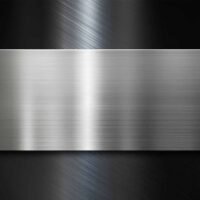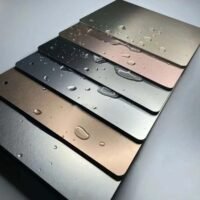









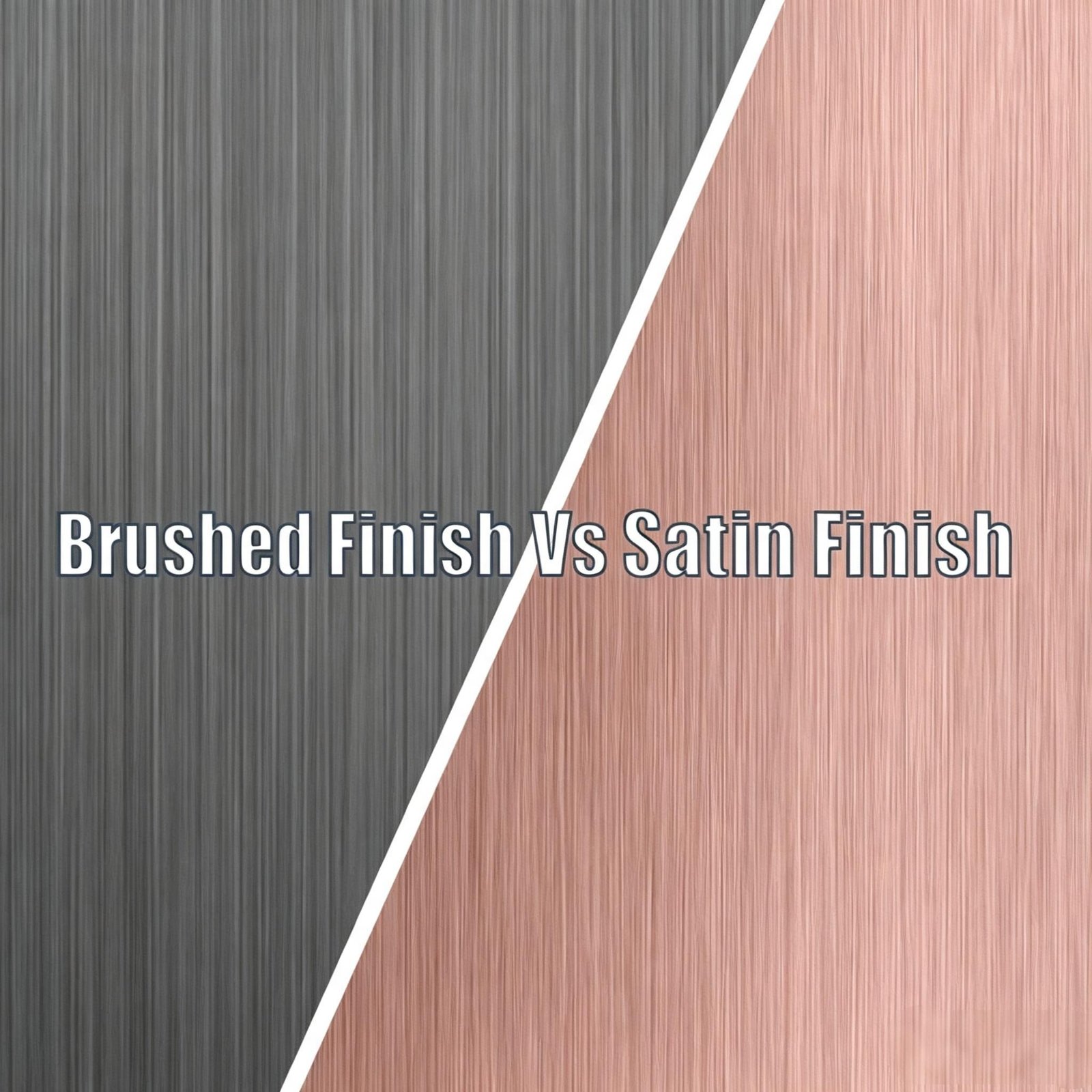
The selection of brushed and satin stainless steel finishes is no longer limited to aesthetic options, instead, the priorities are based on the application of form and function elements. These different polishes give aesthetic value to stainless steel in modern design.
In this article, the author presents the battle between brushed and satin finish and its outlook from the point of view of aesthetics, practicality, price, and eco-friendliness. Get direction and assurance with the choice of the right stainless steel texture.
Table of Contents
ToggleUnderstanding Stainless Steel Finishes
Stainless steel finishes contribute to the appearance of material and performance of products. Brushed and satin finish for stainless steel must be placed in a fundamental knowledge of stainless steel finishes to comprehend what makes them different.
What Are Stainless Steel Finishes?
Stainless steel is an alloy primarily consisting of iron, chromium, nickel, and other ingredients that in terms of rust is very good. Its look and feel depend on the last process of the manufacturing cycle, which covers the application of a layer on the slab.
Why Do Stainless Steel Finishes Matter?
Stainless steel finishes serve multiple purposes:
Aesthetic Enhancement:
Functional Attributes:
How Finishes are Achieved
Apart from aesthetic appearance, finishes play a part in the performance of stainless steel products. For example, it relates to the roughness and the level of hardness to decide whether is scratched, fingerprint smudged or easily damaged.
Chemical Processes:
Mechanical Processes:
Both brushed and satin are categorized under the above-mentioned general types but curve a different process and material to bring out the kind of touch feel that goes with it. Knowledge of these processes is critical when deciding between the two finishes.
Brushed vs satin finish stainless steel? From top to bottom, consult our specialists for guidance, personalized finishes, and precision fabrication to ensure a perfect look and performance.
Brushed Finish Stainless Steel
Brushed finish adds elegance and character to different applications and is the most preferred finish. Here, we will move forward to explore more on their textural features as well as the reason why this Hedonic merchandise is rather timeless.
Characteristics of Brushed Finish Stainless Steel
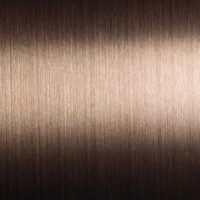
Its general appearance is matte but with parallel lines made by abrasive brushing, making it a brushed finish stainless steel. Some of the key features of this finish include some non-uniformity of the texture besides having a fine and hard surface.
Appearance:
Texture:
Scratch Resistance:
Manufacturing Process
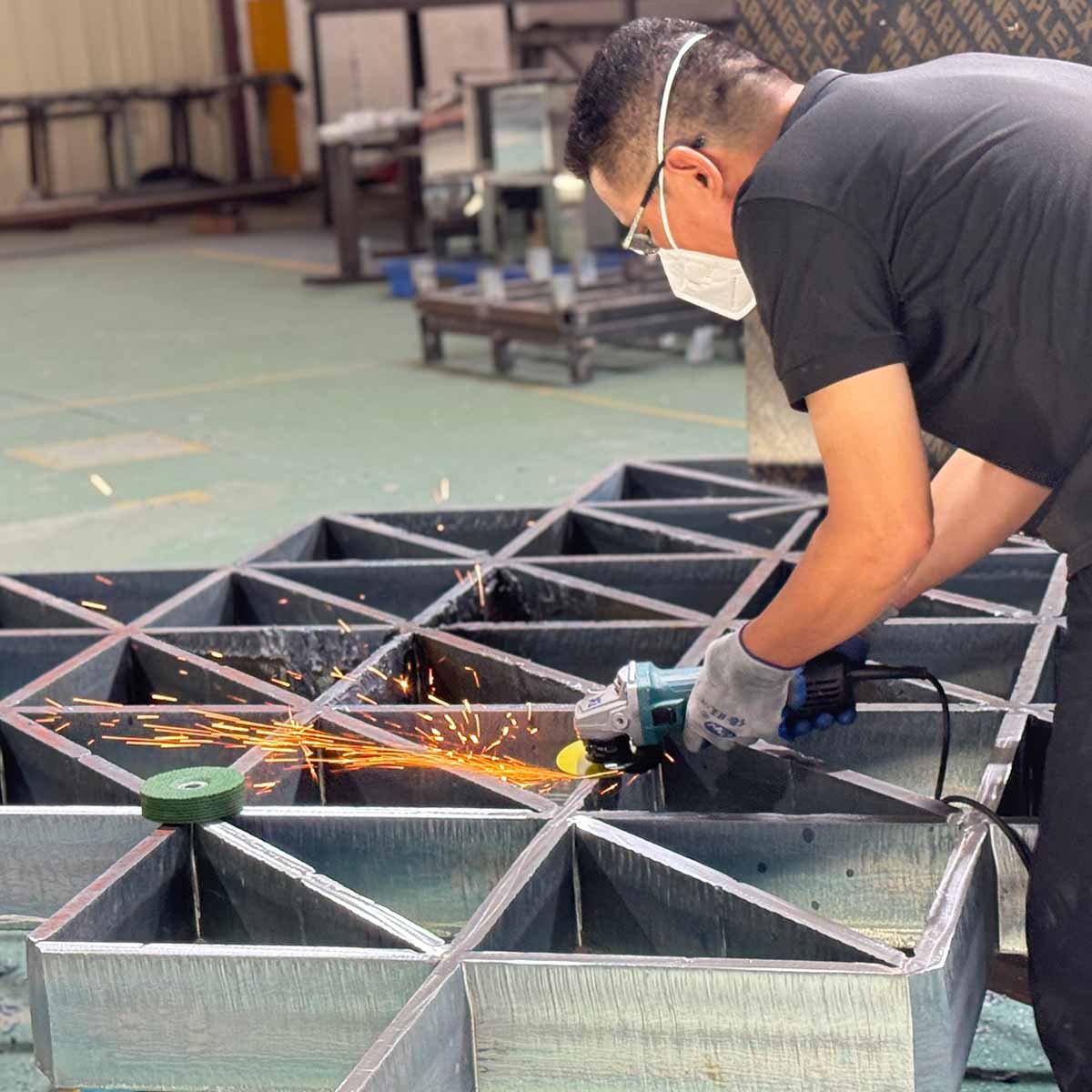
The process that goes with the production of the metal with a brushed finish therefore involves the use of abrasive materials on the surface of the stainless steel. This process is generally said to comprise the following important steps:
Preparation:
Brushing:
Final Finish:
Common Applications
The brushed finish stainless steel is very popular in practical as well as aesthetic uses. It is applied in structures, home utensils, furniture, and in the car industry used in construction, offering durability and enhancing beauty:
Kitchen Appliances:
Furniture and Decor:
Automotive Trim:
Commercial and Industrial Settings:
Brushed finish stainless steel is sophisticated with clean lines and functionality and gives an appropriate surface for today’s designs. In the next part, what is satin finish stainless steel, its features, and its uses will be discussed to make the comparison.
Satin Finish Stainless Steel
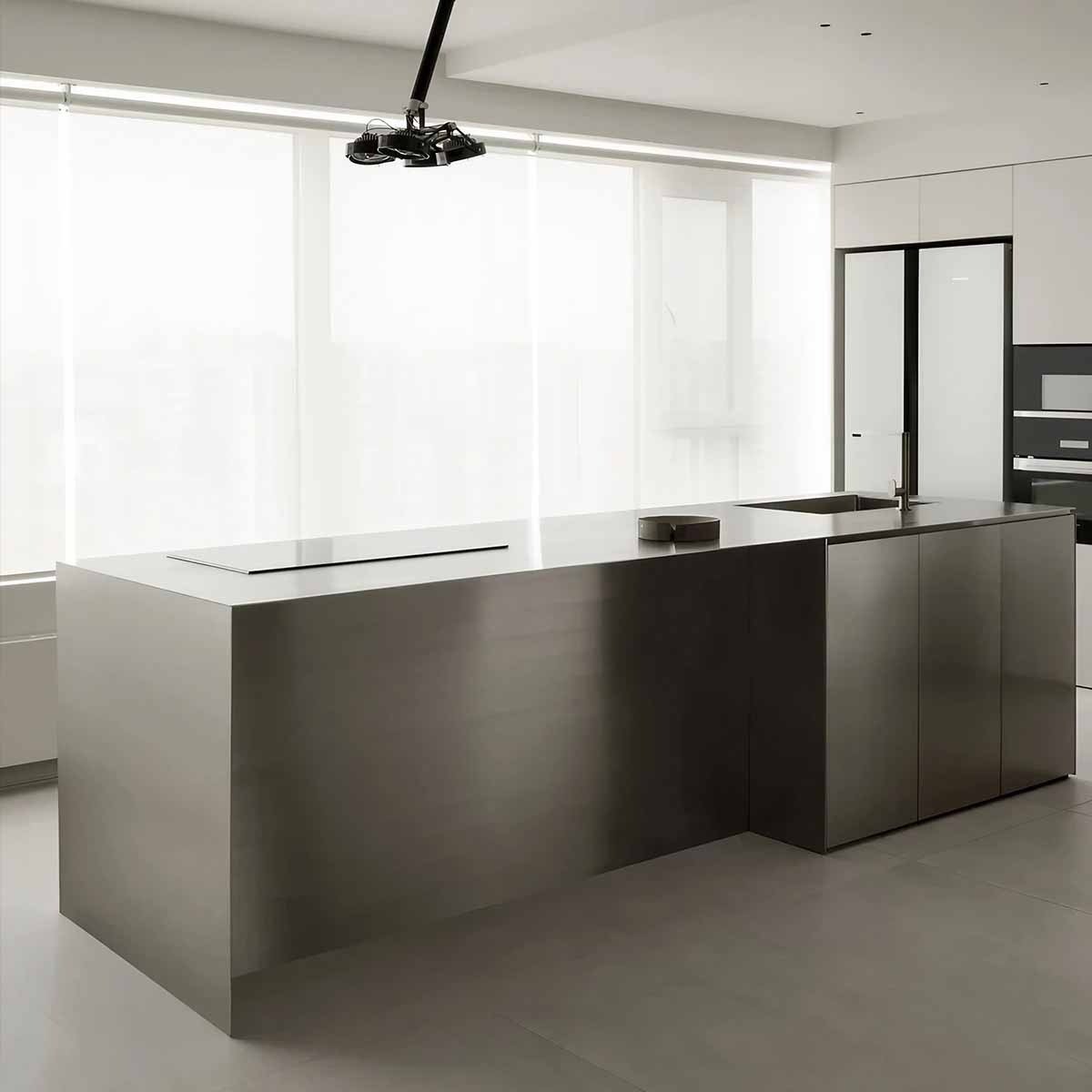
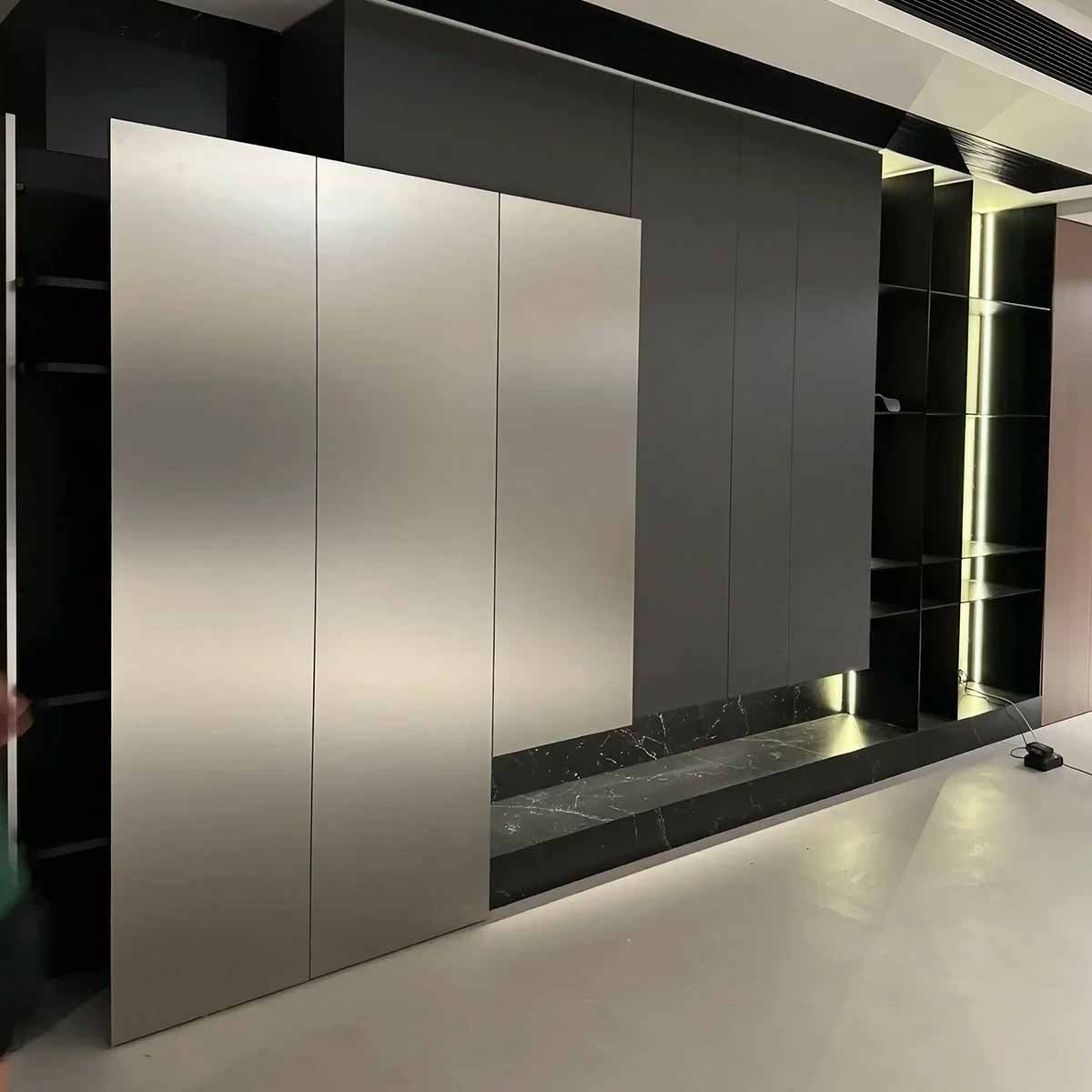
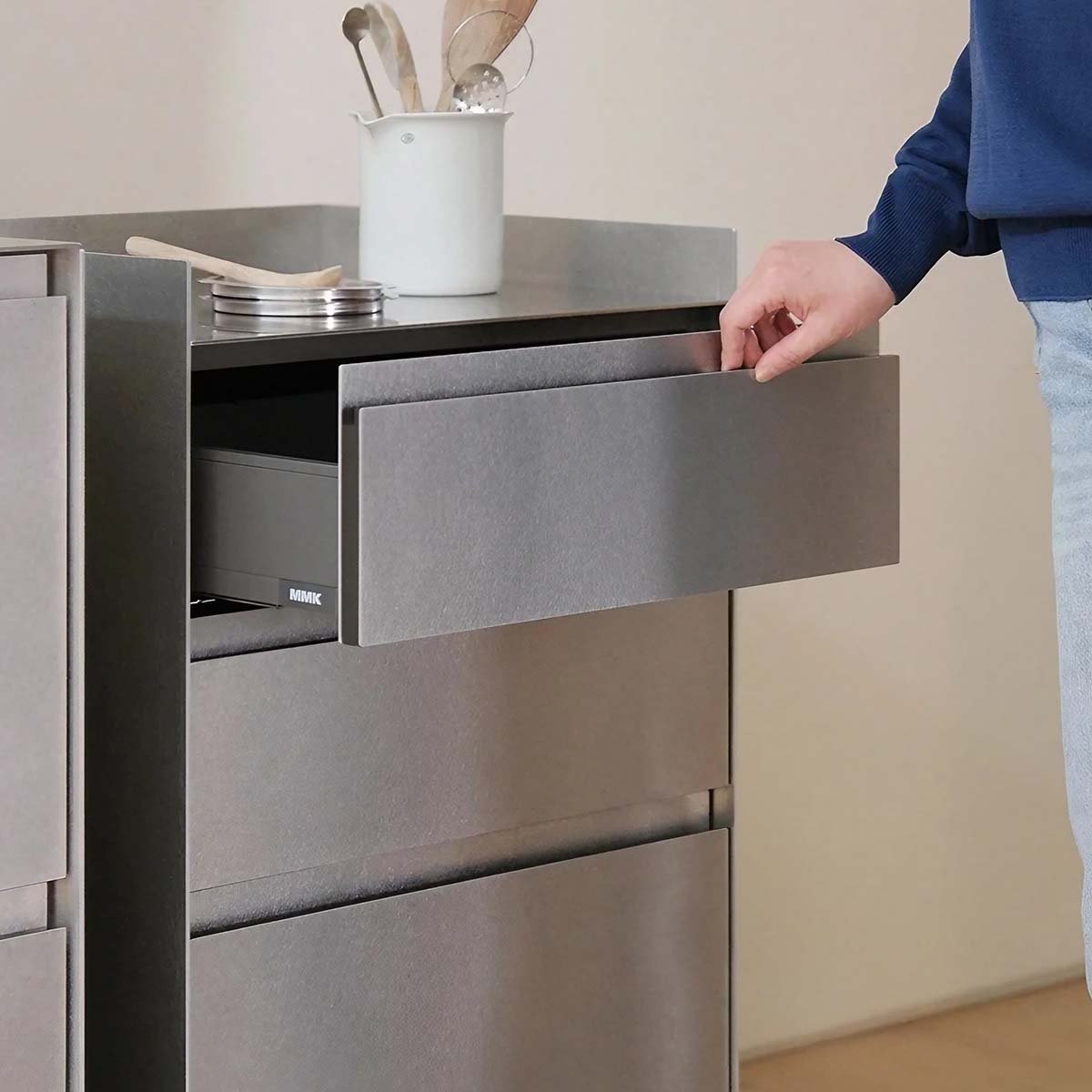
The satin finish can be described as the most general and appreciated when it comes to stainless steel finishes. A versatile product, this has a sleek, soft-touch surface which makes it very pleasing to the eye while at the same time being very functional.
Characteristics of Satin Finish Stainless Steel
Another type of material that has been popularized by architect’s circles is satin finish stainless steel which can be described as classic. This is the background information about it and here are some features that qualify it as such:
Smooth and Lustrous Texture:
Even Grain Patterns:
Low Light Reflection:
Manufacturing Process and Techniques
To get a satin finish on stainless steel, a lot of work has to be done on the piece of work in question. It also improves the nature of its surface: very smooth to the touch and with a matte sheen:
Initial Grinding:
Sanding and Buffing:
Final Cleaning:
Applications of Satin Finish Stainless Steel
Satin finish stainless steel is versatile since it is suitable for any industry and can be used in different ways. The materialize has a smooth feel at the same time as serving to improve its functionality as well as the design:
Architectural Elements:
Automotive Industry:
Home Appliances:
Furniture and Fixtures:
Satin stainless steel is a smart matt finish that is aesthetic and non-reflective. Thanks to its high density and resistance to corrosion such metal is ideal for architectural, automotive, and household applications to reveal the aesthetic value of minimalism.
The Aesthetics Comparison
Brushed and satin finish stainless steel is used based on its looks or the presentation that is desired. These finishes are characterized by specific physical characteristics that are responsible for about 70% of the general impression of the room or the product.
Brushed Finish Stainless Steel
Brushed stainless steel’s allure lies in its distinctive texture and suavbtle luster. Picture the steel’s surface delicately brushed with fine abrasives, yielding a uniform pattern of delicate lines or “grain.” This textural quality not only enhances visual intrigue but also offers a tactile appeal appreciated by many.
It is also frequently used to create an industrial look and aesthetic to the designs as well. Thanks to its thin lines it does not create reflections and covers imperfections, which makes it perfect for actively used household devices, sinks, and hardware.
Satin Finish Stainless Steel
Satin finish surface sets itself apart from brushed surface because of a certain homogenous surface fall. With this finish, it gets an optimal balance between stylish shine and fine texture which gives only a delicate, but sophisticated shimmer.
Satin is revealed as a smoother type of finish than the brushed type of steel and is available in stainless steel type finish. It provides procuring an intensive, but not too flashy, shimmer with even a bright sheen that gives the texture an obvious, exquisite look.
Comparing the Aesthetics
It is now necessary to superpose two aesthetics. In the proceeding sections, the features of the two will be described and a comparison will be made between the two:
Texture:
Shine:
Style:
Visibility of Imperfections:
Usage of brushed and satin finishes therefore comes down to the demeanour and the desired look the user wants to achieve. Think about your space’s decor, lighting, and atmosphere because both types of finishes are beautiful for modern or elegant designs.
Durability and Maintenance
The most important aspects when it comes to the selection of stainless steel finishes are durability and washability. Now it is time to understand what differences between them if brushed and satin are such regarding longevity and daily usage.
Durability
Brushed Finish Stainless Steel
Satin Finish Stainless Steel
Maintenance
Brushed Finish Stainless Steel
Satin Finish Stainless Steel
Comparing Maintenance
Brushed and satin finish finishes have some benefits in reliability and servicing. Select according to the style, required and the degree of care to be given to the surfaces and when cared for properly you are likely to keep beautiful for quite some time.
Application-specific Considerations
For the most part, brushed and satin stainless steel are very close when it comes to sustainability, yet they are full of it. Promoting sustainability by selecting appropriate products, using them wisely, and making sure that they end up in the right places.
Kitchen and Home Appliances
Brushed Finish:
Satin Finish Stainless Steel
Architectural Elements and Interior Design
Brushed Finish:
Satin Finish:
Commercial and Industrial Settings
Brushed Finish:
Satin Finish:
Outdoor Installations
Brushed Finish:
Satin Finish:
Brushed or satin finish on stainless steel equally depends on the project necessity and the overall stylistic solution. You should pay attention to functionality, durability, and maintenance for an outstanding and effective choice regarding the looks.
Cost Considerations
The cost factor however comes to the forefront while designing a project or modifying a structure that may involve stainless steel. Understanding which type of finish is more expensive than the other will help you determine which type you need.
Brushed Finish Stainless Steel
Brushed stainless steel may be easier on the wallet than satin because of its more basic procedure of production. Mechanical brushing, however, least as far as the labor input is concerned and thus is cheaper in terms of production costs.
Brushed stainless steel is normally utilized in appliances and other fixtures and is normally produced in large quantities. This has resulted in low cost as a mass product but not at the expense of quality and requirement of aesthetic outlooks.
Satin Finish Stainless Steel
Brushed and satin stainless steel usually cost higher than brushed finish due to production process. The steps of grinding and polishing are necessary to obtain a satin finish although time consuming hence will cost more than less complex designs.
Satin finish stainless steel is ideal for the areas that honor shine, fancy surfaces like new generation kitchen and architecture. Costs slightly more than other types of fences, mainly due to its attractiveness, which is a feature worth a little more investment.
Balancing Cost and Aesthetics
Take equal consideration of the quality and price of products while taking into consideration your project requirements and tastes. Brushed finish is comparatively cheaper but satin finish may too so justify the extra bucks for the looks and applicability.
It is not the choice between cash but about getting a home that has the appearance and interior that fits your dreams perfectly. Weigh the benefits before deciding if you want to spend more or use less on the finish for instance a painting project.
Sustainability and Environmental Impact
Brushed and satin finish comparison should include characteristics such as looks, performance, and the environment. It is, therefore, about time we looked at their impact in the context of the current emphasis on green design and management.
Brushed Finish Stainless Steel
Hypoallergenic satin brushed stainless steel is rugged with the grain pattern on its surface and a plus on the sustainability scale to ordinary stainless steel grades. There is more that needs to be said on the factors that contribute to the above advantage.
Longevity:
Recyclability:
Energy-efficient production:
Satin Finish Stainless Steel
Durability and Recyclability:
Maintenance:
Choosing Sustainability
Satin and brushed finish stainless steel are also renewable because the basic material of stainless steel is renewable. The decision should also be based on the purpose of the product and the concerned manufacturer’s environmentally friendly measures.
- Go for good quality the stainless steel products that have the best qualities in the market.
- Also bear in mind the reputation of the manufacturer and his, her or its environmental standards.
- Use them as recommended below so as to reduce the frequency of replacing the stainless steel items hence reducing harm to our environment.
For the most part, brushed and satin stainless steel are very close when it comes to sustainability, yet they are full of it. Promoting sustainability by selecting appropriate products, using them wisely, and making sure that they end up in the right places.
Choose the right surface finish with our brushed vs satin finish stainless steel solutions. Contact us for custom designs, high quality materials and quality fabrication services for architectural projects.
Making the Right Choice
Learning about brushed and satin finishes of stainless steel is important as it is necessary to consider the need that you will be using it for. There is a need to think about design, functionality, location, costs, and secondary items for the best finish.
Aesthetic Preferences
Take a break and think about your style and the way your space looks like. Do you love the brushed hairline texture, or does the satin look attract you? You feel strictly in charge of your choices and your sense of style is crucial to this matter.
Functionality
Take into account what is useful in your everyday life. Satin finish conceals fingerprints and smudge for a sleek appearance while brushed stainless steel gives a texture, which is suitable for those who want to give their appliance an accent.
Location and Use
We have to take into account the position of stainless steel when selecting a finish. Kitchen and bathroom areas are best done with brushed finishes since they don’t show fingerprints and smudge easily and satin finishes are best for handrails and signs.
Budget Constraints
However, the reader should make his/her choice bearing in mind that brushed stainless steel may be slightly costly due to the passivation process involved in creating the finish. Search for cheaper kinds of designs that can give the necessary looks.
Long-Term Maintenance
Think of the level of maintenance you want to agree on or go for. While both finishes are easy to maintain, matte finishes might require a slightly lesser amount of care making it even easier to maintain for those clients who want it even easier.
Project Specifics
Each of the subsequent projects is individual and always has its special demands. Some people may be confused about what type of finish to apply, contractors or designers are a good source of getting the right kind of finish for your projects.
Complementary Elements
Each of the subsequent projects is individual and always has its special demands. Some people may be confused about what type of finish to apply, contractors or designers are a good source of getting the right kind of finish for your projects.
Environmental Considerations
However, if you are an advocate of sustainability then it should be helpful to know the effects of these finishes. There may be certain production techniques that are more environmentally friendly and hence reflect your green consciousness.
It is once again up to taste and specific details of the projects that you choose to implement. Think about what you find visually pleasing and what have more time to think about things that lead to the right decision for the beauty and utility of a space.
Conclusion
Deciding between brushed and satin finish stainless steel is all about aesthetics vs functionality. Metallic brush provides the traditional pattern, while satin gives the modern appearance, both with the qualities of enduring. Think of your project requirements and project capacity.
Contact Request
Looking for help with choosing between brushed and satin stainless steel? Reach out to us today to get unique choices and expert solutions.