

TBK Metal is a China-based, innovative, and high-quality fabricator of metal solutions in the world, with high-quality fabrication and customer service.
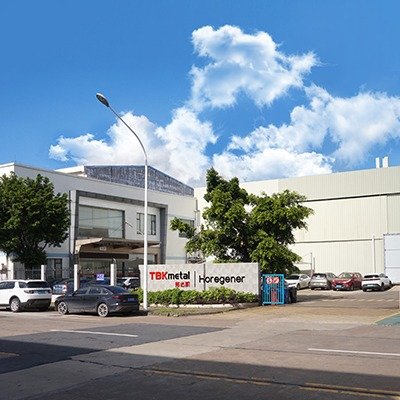
15+ years of global metal fabrication experience, providing innovative architectural solutions.
Our vision is to be innovative, of quality, and excellent in the world with advanced technology.

We provide innovative, quality metal solutions with excellence, reliability, and sustainability.

Since 2009, we have grown our business by developing facilities and creating an expert team.
We have core values of teamwork, customer relations, success, growth, quality, and ethics.

Contact us for any questions, assistance, estimates, and expert project consultations anytime.
TBK Metal provides architectural metal solutions to projects around the world with a focus on custom fabrication, premium materials, and finishes.
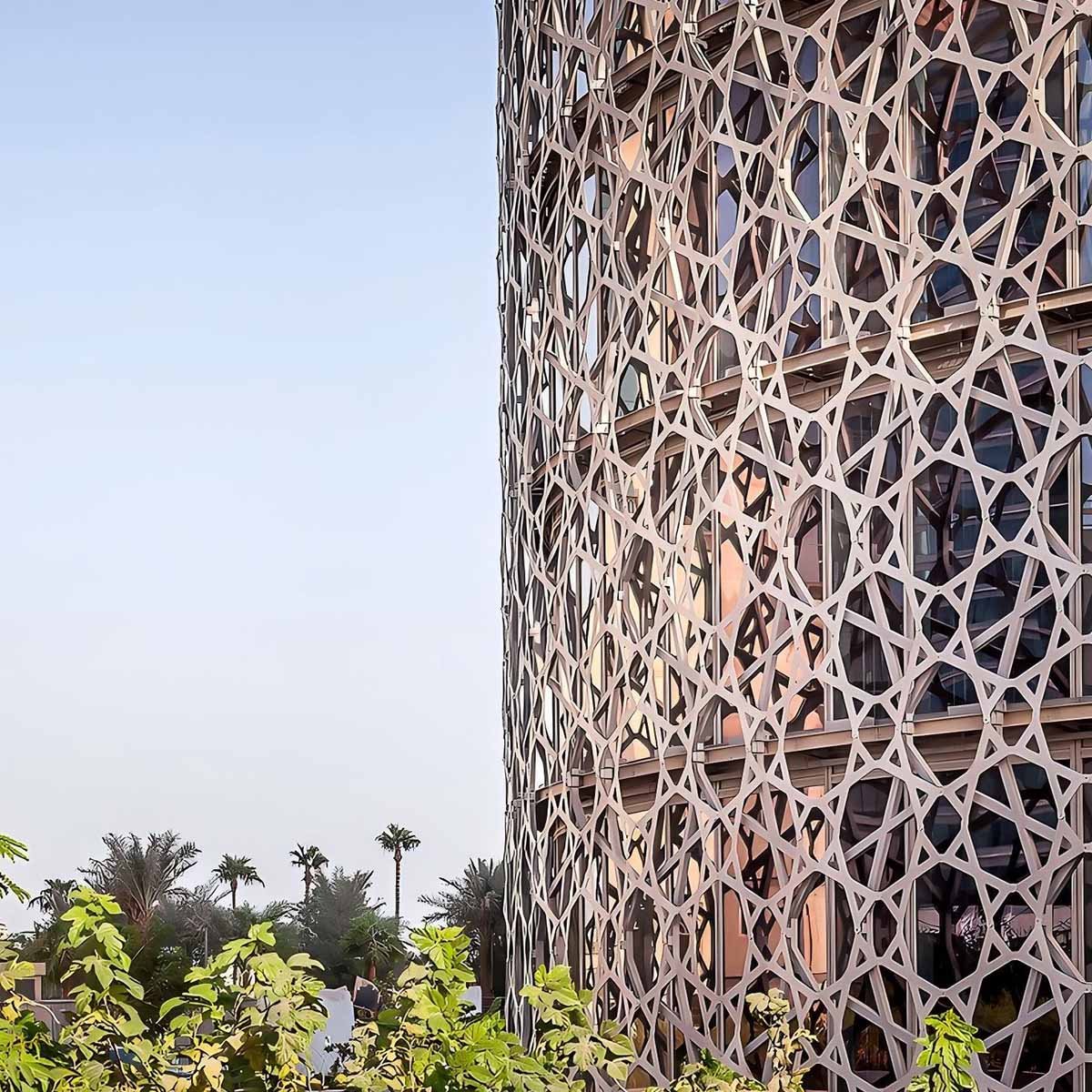
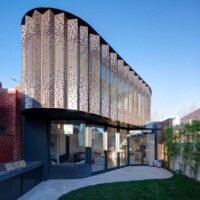
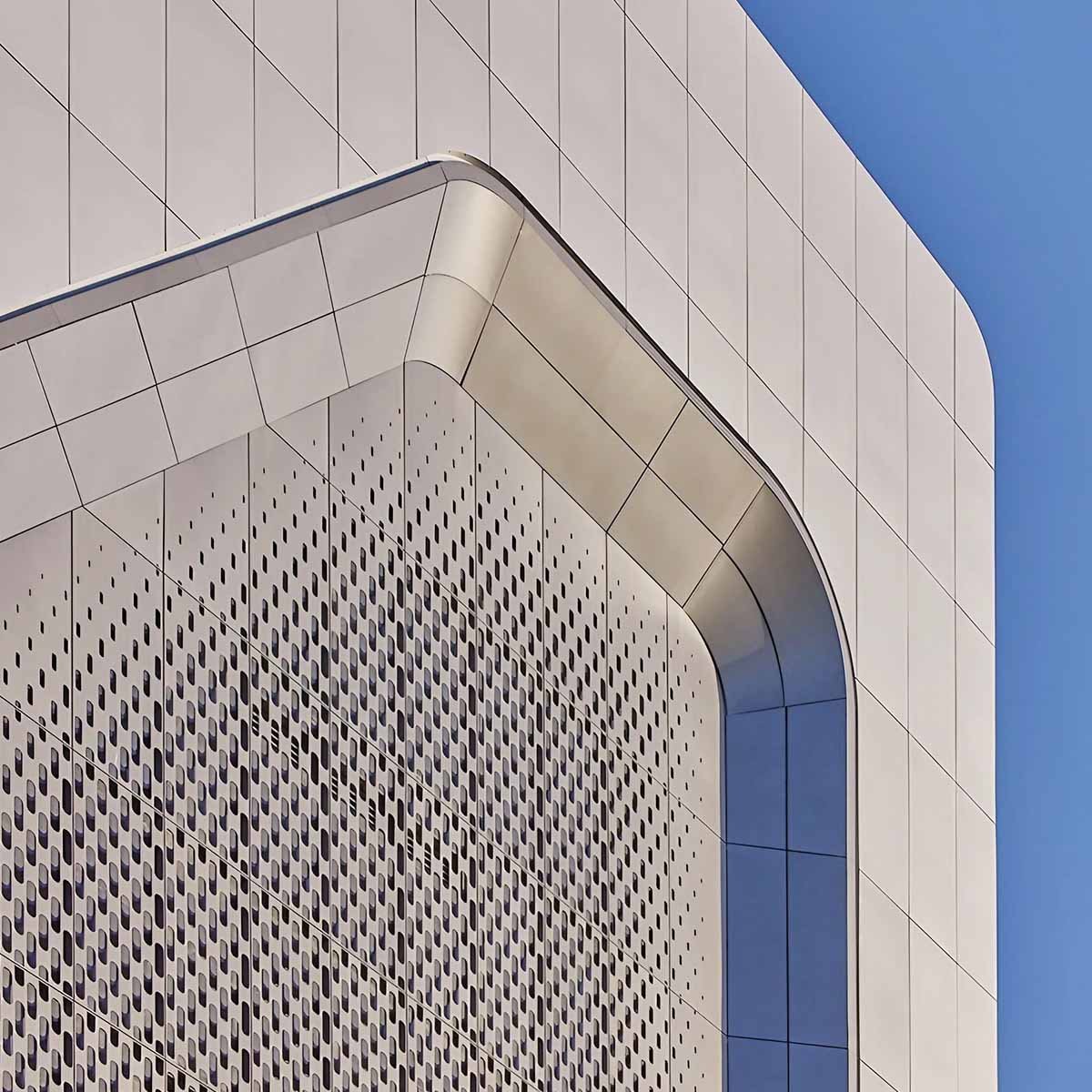
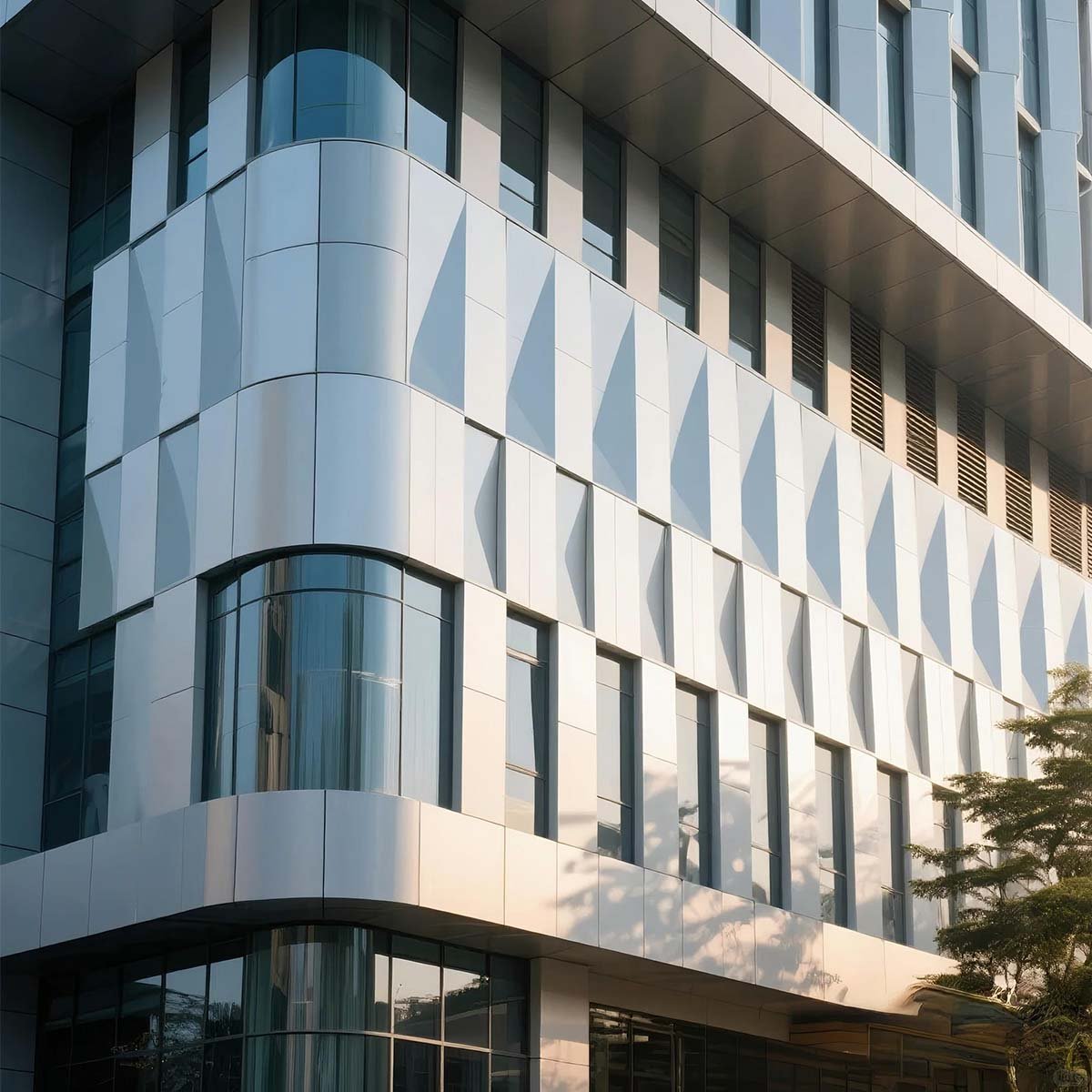
Metal facades offer a modern aesthetic, stability, weather resistance, and structural integrity.
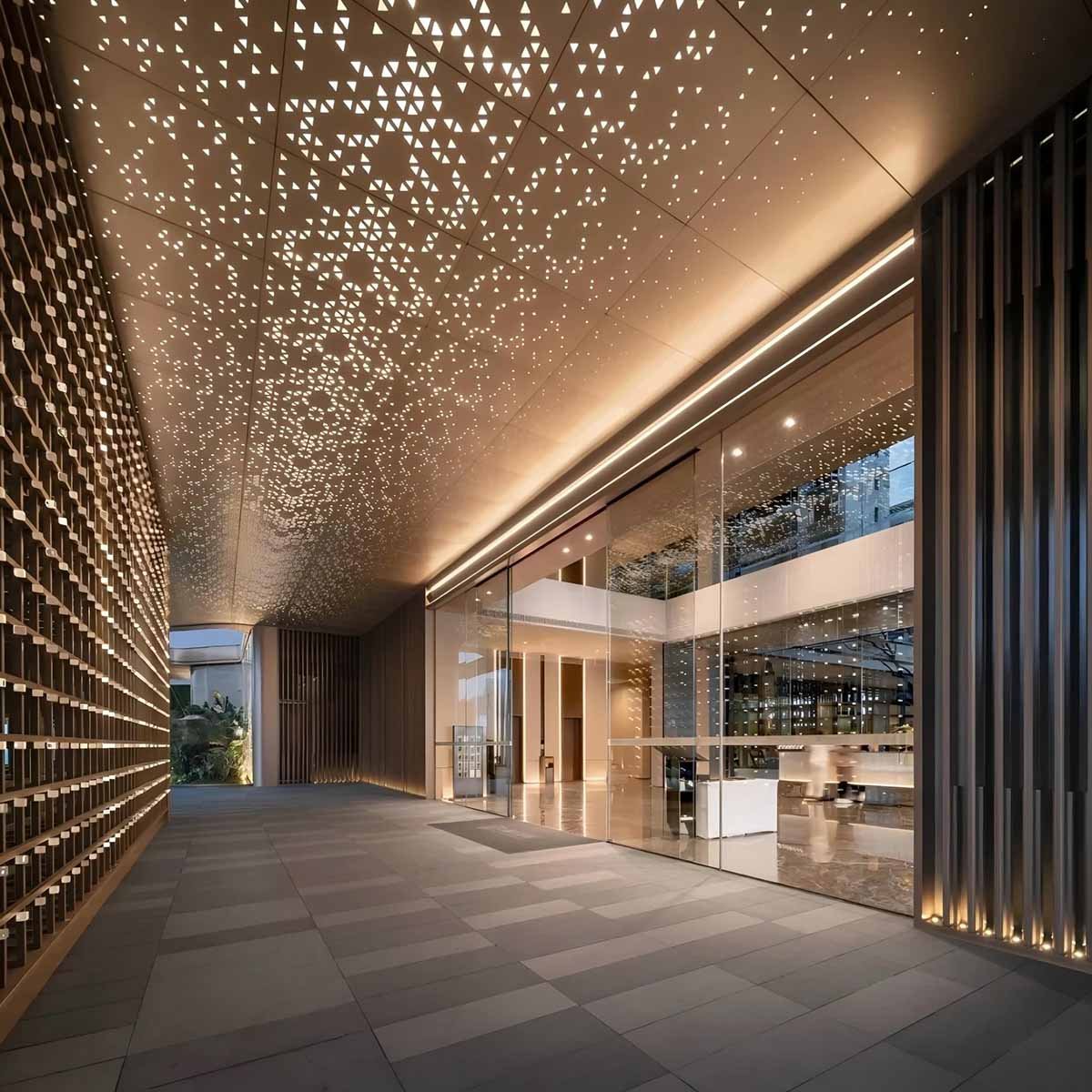
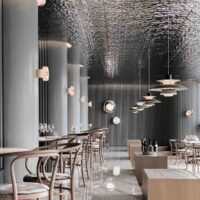
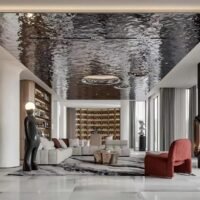
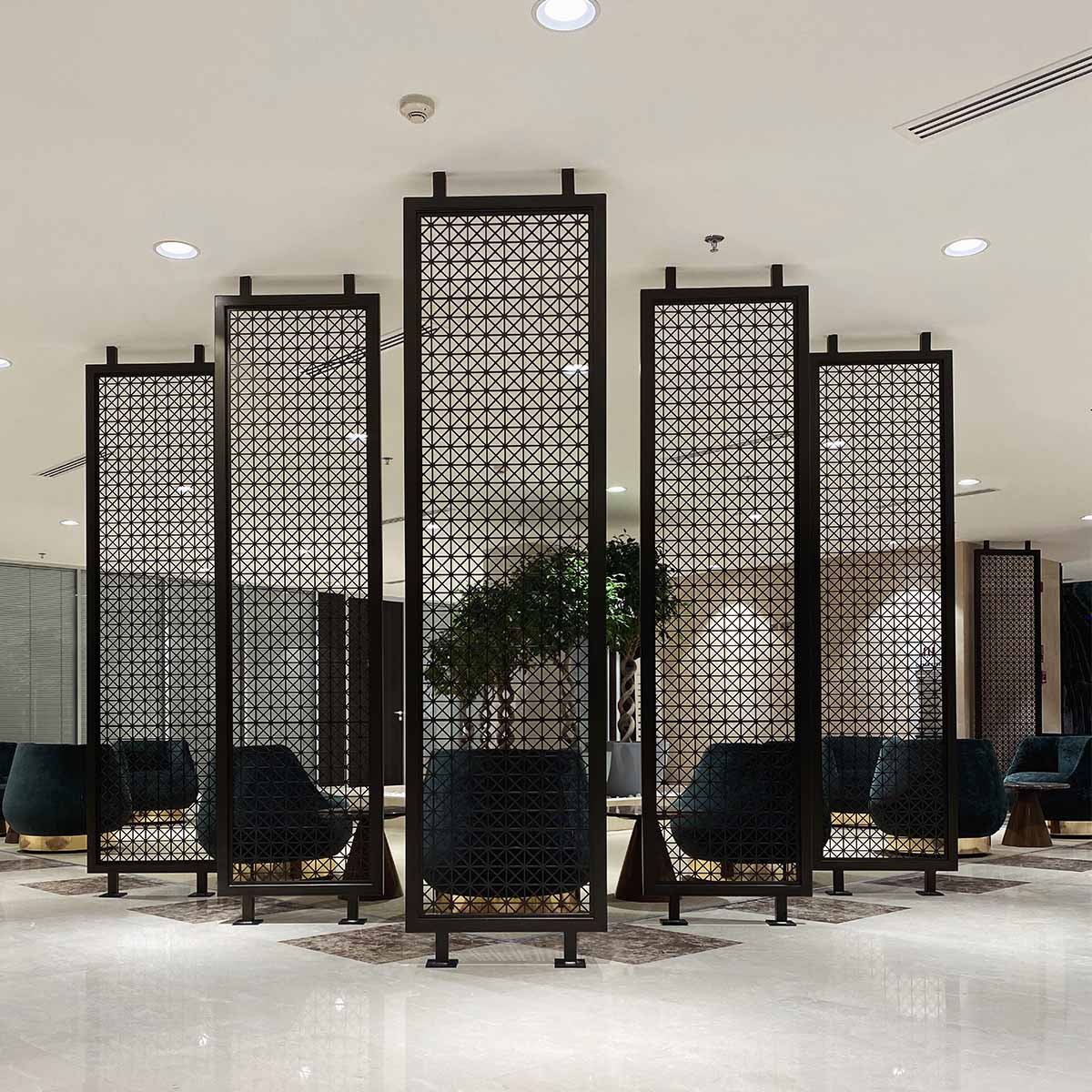
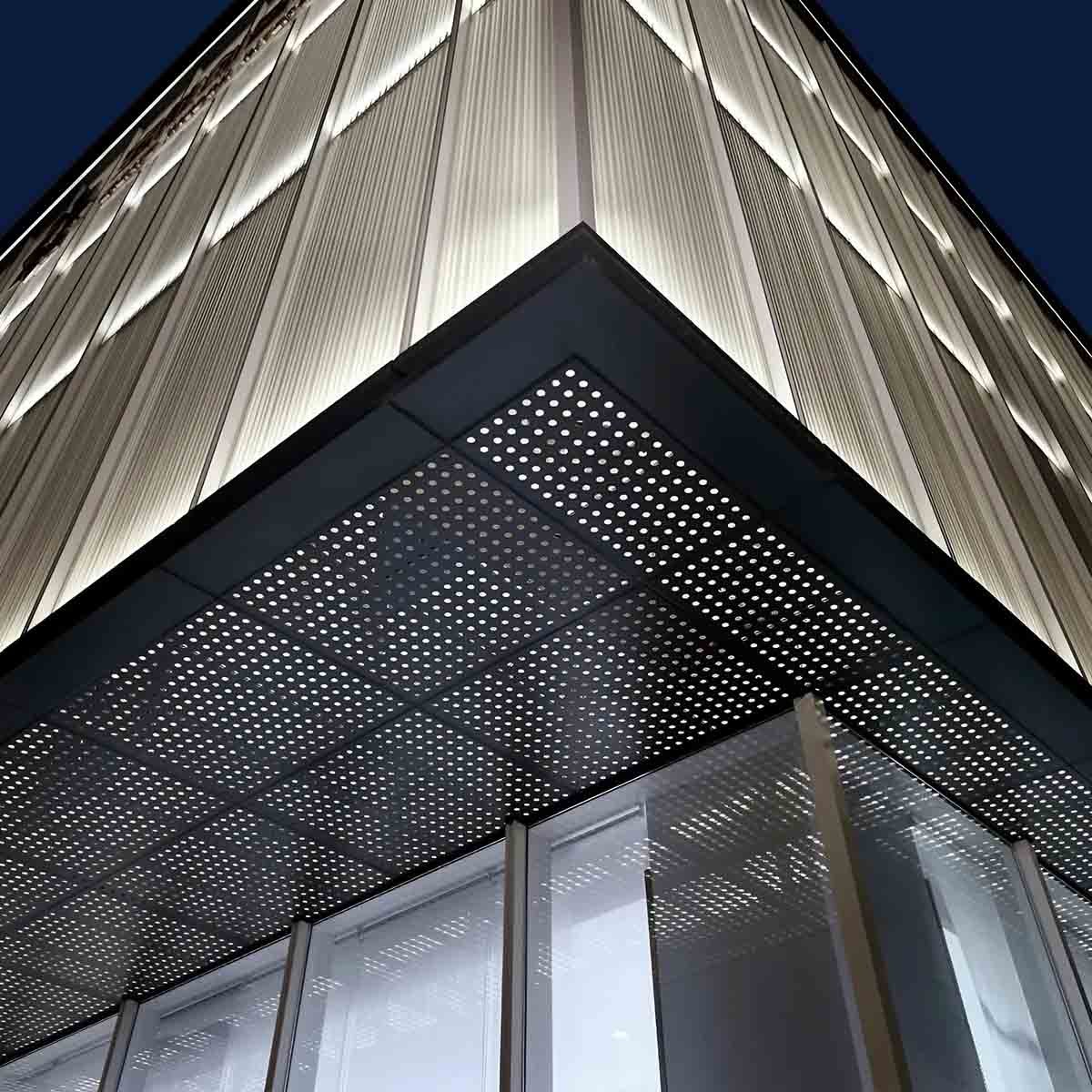
Suspended metal ceilings provide clean surfaces, acoustics, flexibility, durability, and style.
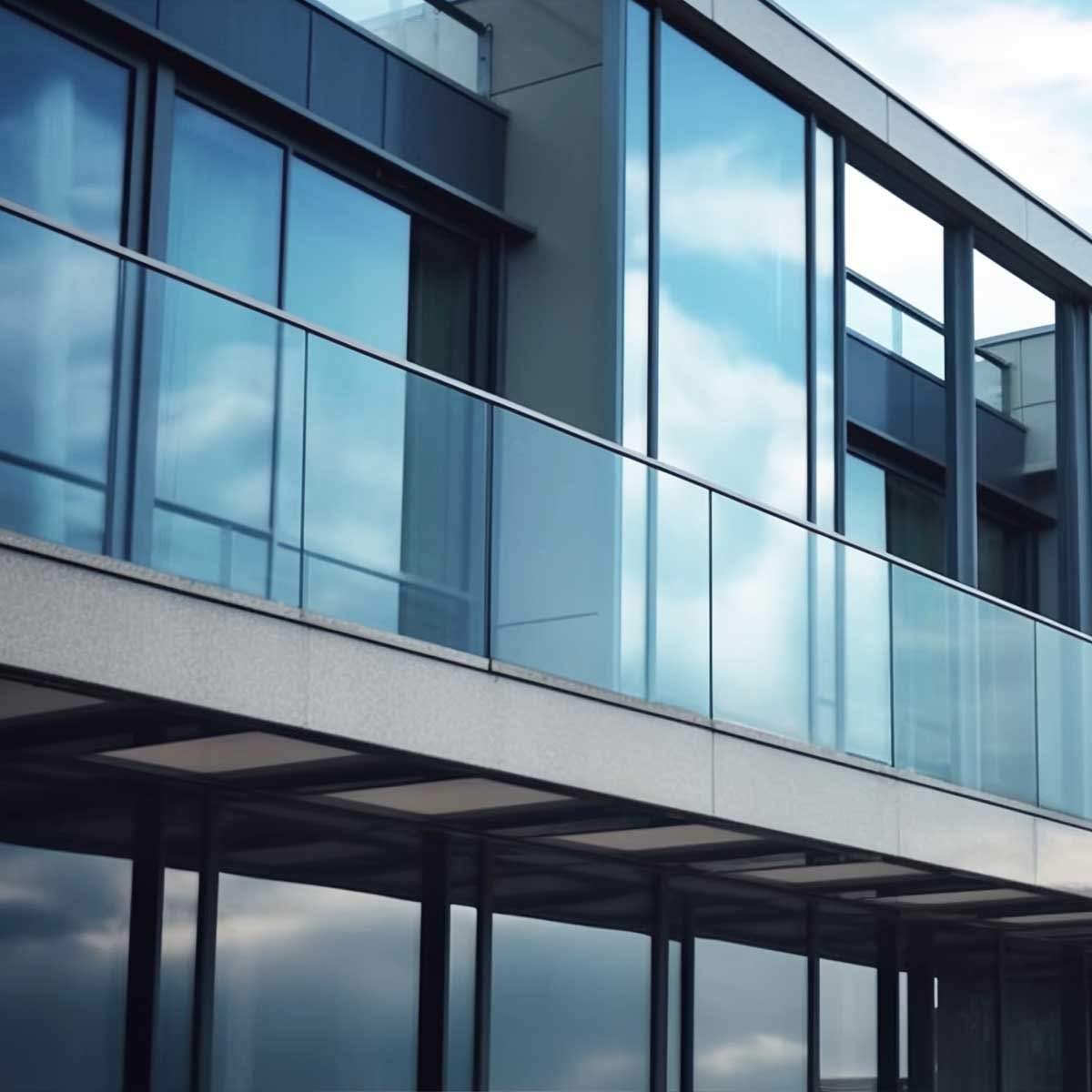
Our balustrades have a stunning appearance and are well-blended, secure, and long-lasting.
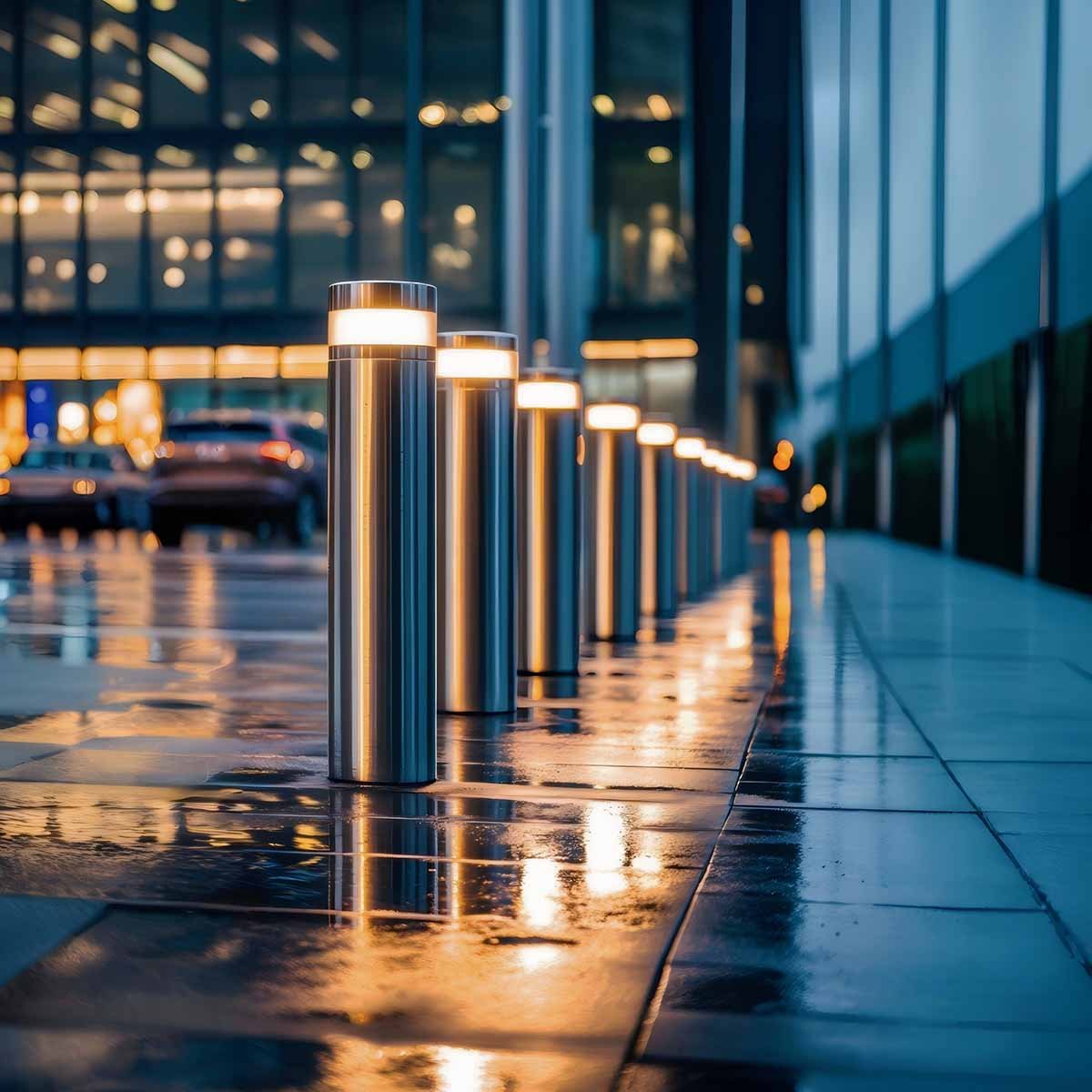
The durable bollards offer impact protection, traffic control, security, and design integration.
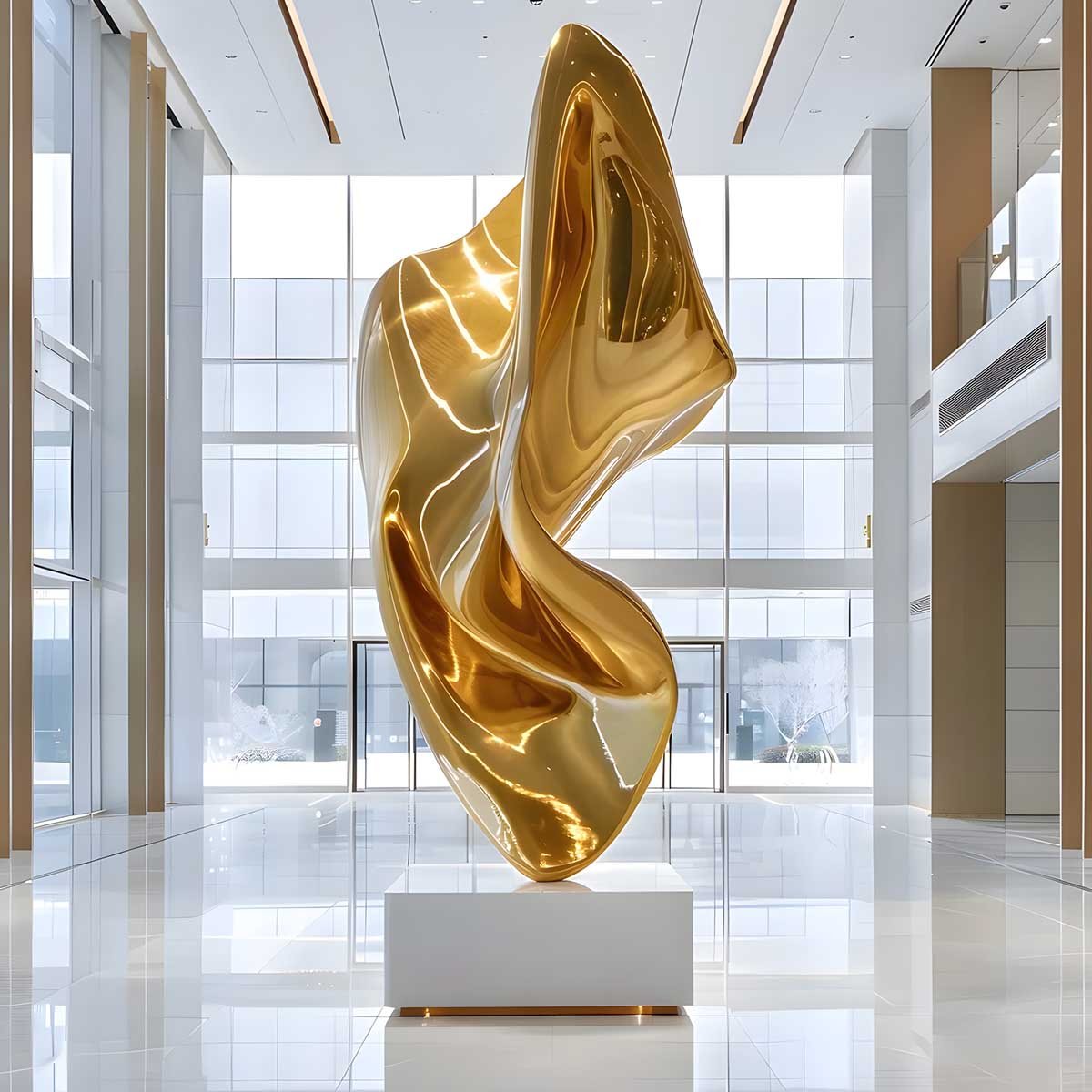
Metal sculptures manifest architectural ideas through craft, fabrication, and meticulous detail.
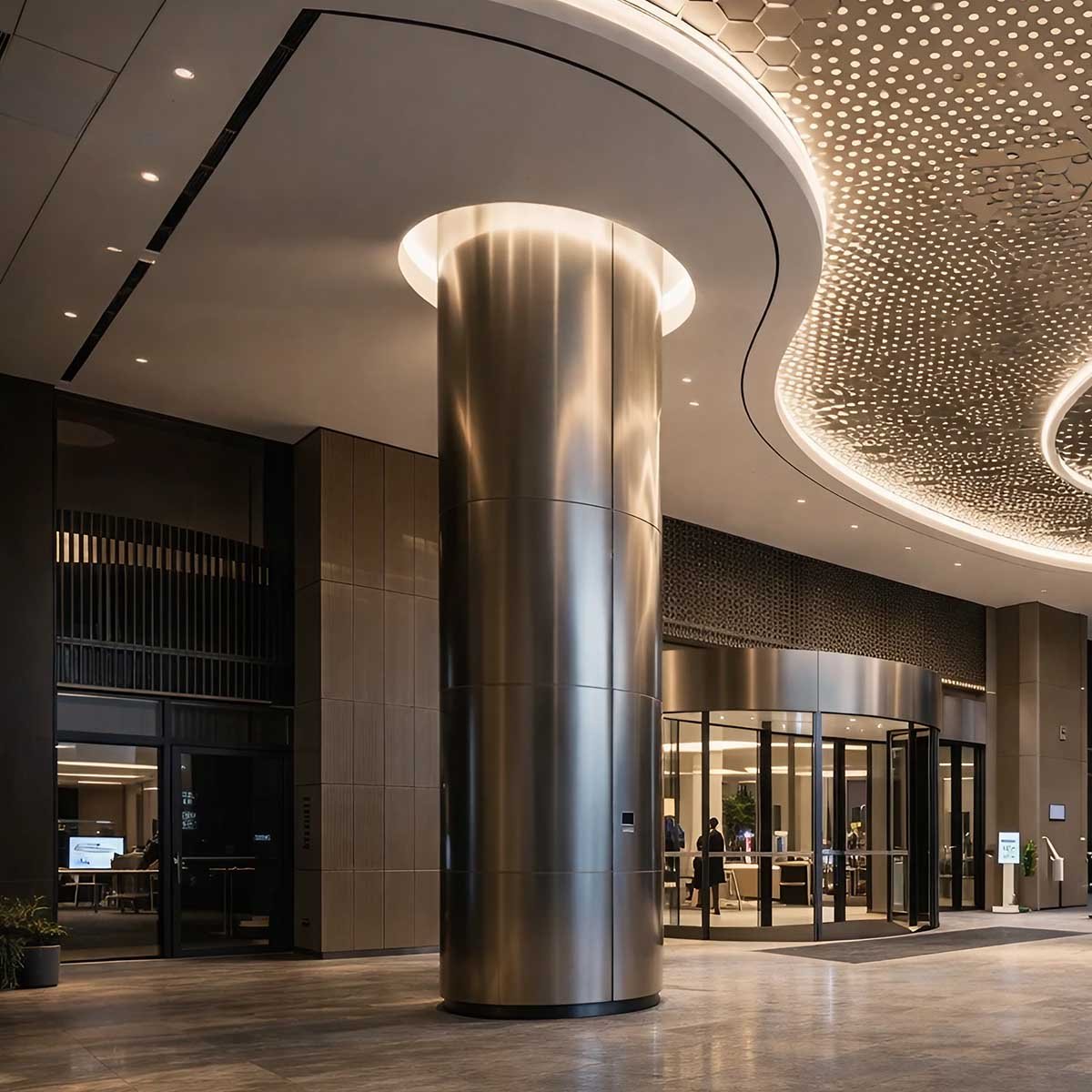
Structures benefit from strong and beautiful architectural details such as metal column wraps.
Explore our projects where we have used bespoke fabrications in facades, interiors, and structures, using durable materials and new design solutions.
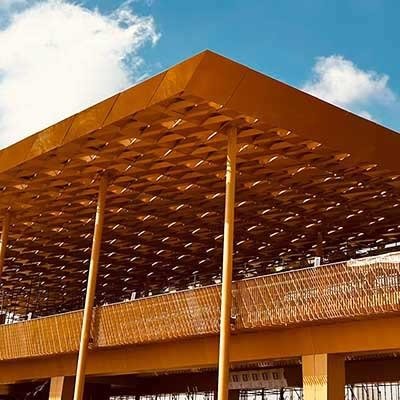
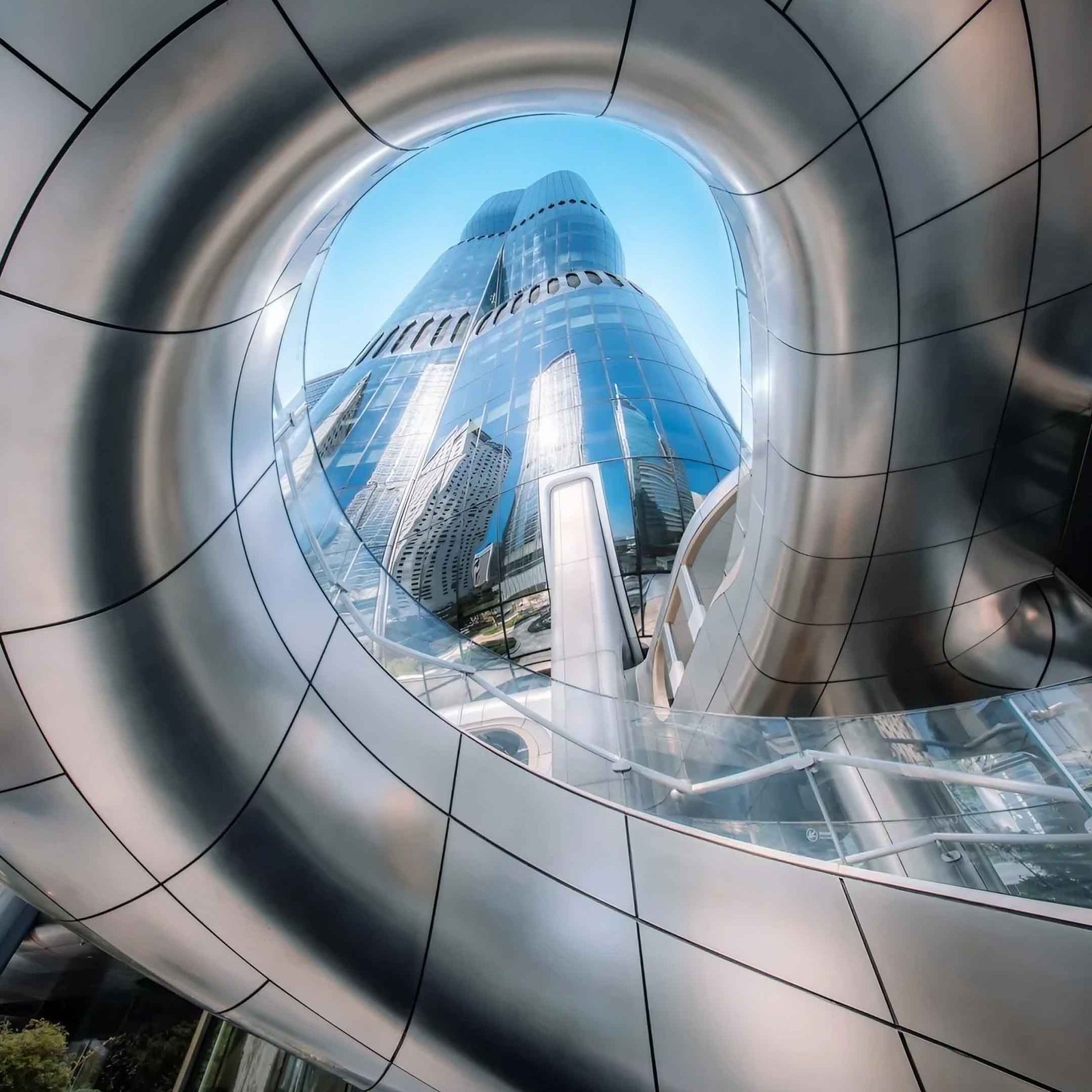
The Sports Boulevard Riyadh project involves the architectural pedestrian bridge spine …
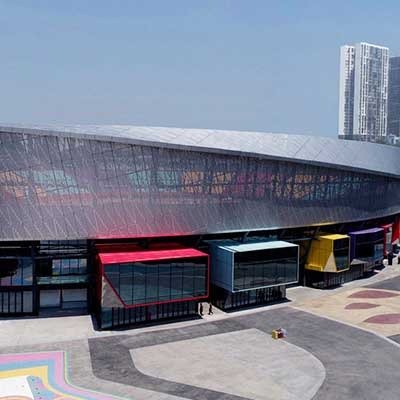
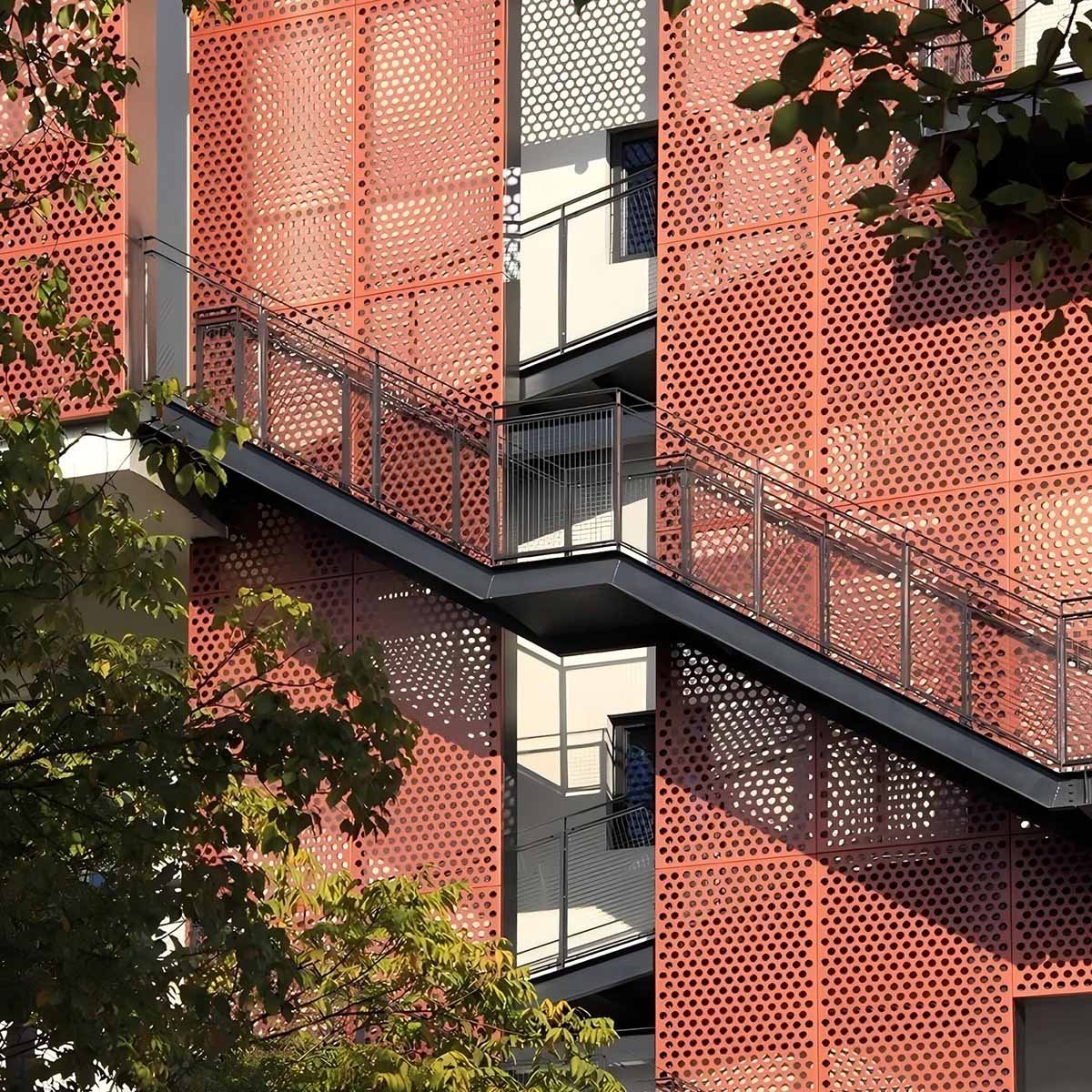
Chongqing Sports Venue renovation adopts 3mm-thick perforated metal facade panels …
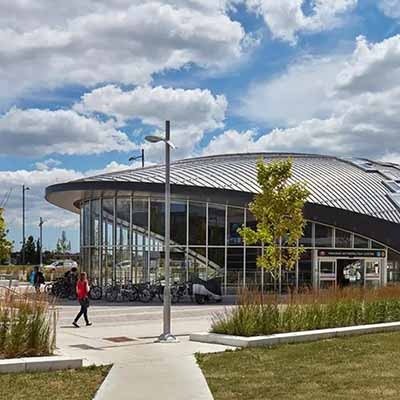
The VMC Station in Vaughan, Ontario, serves people within the Greater Toronto Area by connecting …
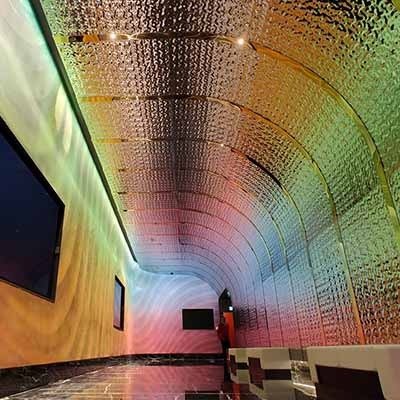
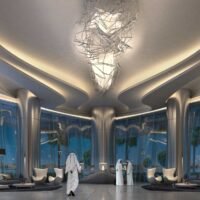
For the interior ceilings and wall cladding in this luxurious hospitality environment, Wynn Resorts …
We offer custom-made metal solutions, where we can progress the design to the final stages and installation, ensuring precision, stability, and aesthetics.
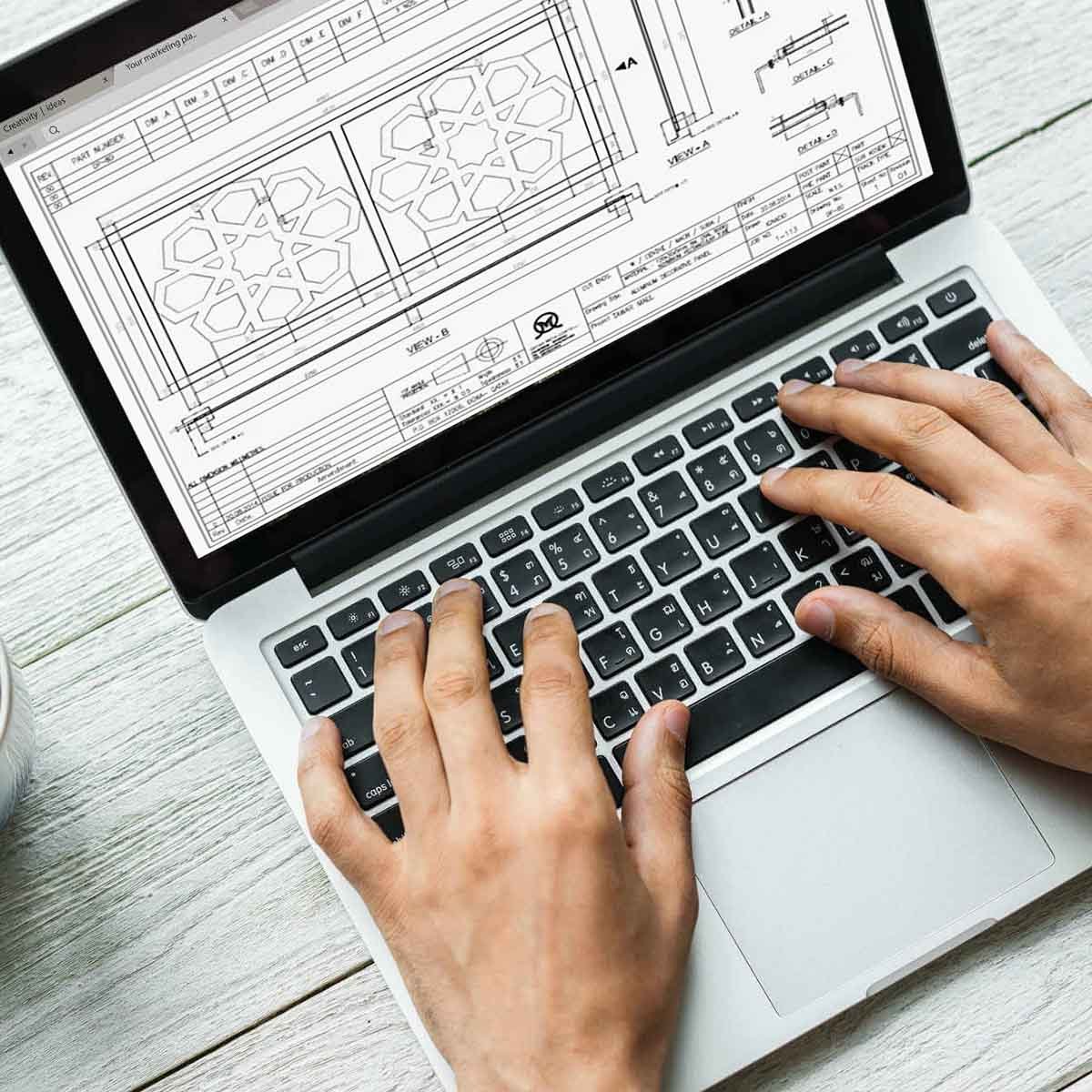
We collaborate with CAD and 3D models, ensuring the designs are perfect, functional, and aesthetic.
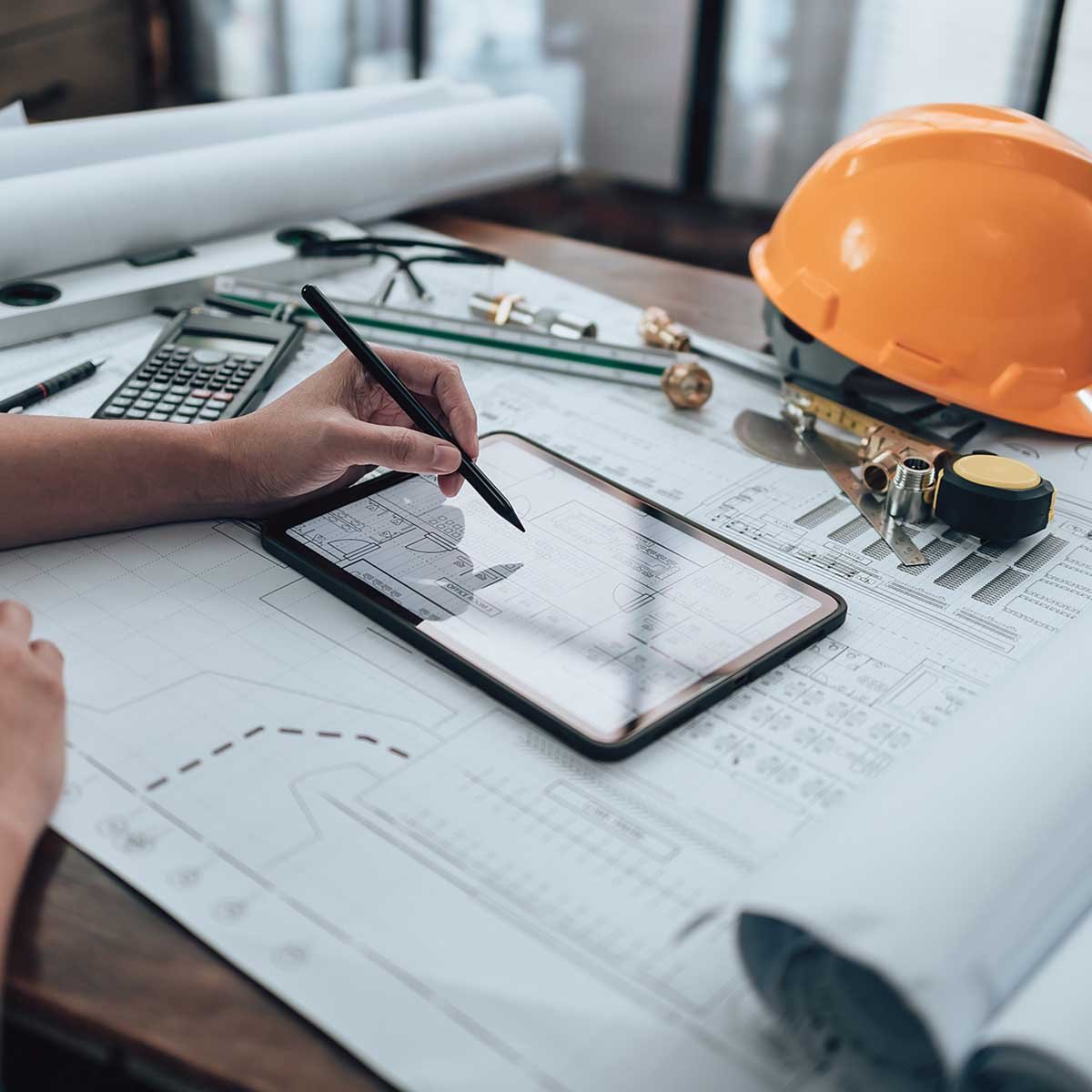
It has been made safe, standard, and durable by engineers through analysis of structure and feasibility.
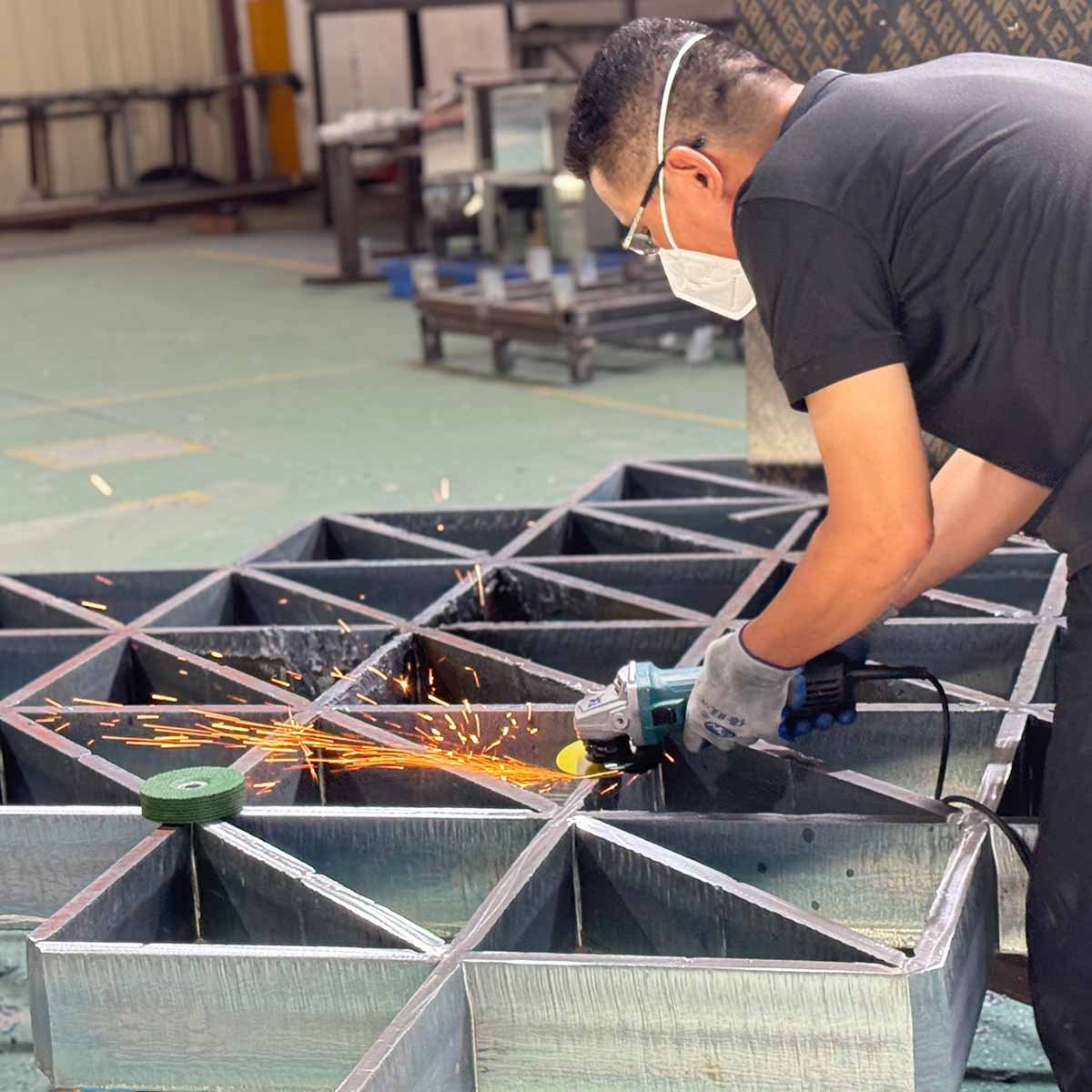
We take great care with the quality of our equipment and craftsmanship to ensure high-quality results.
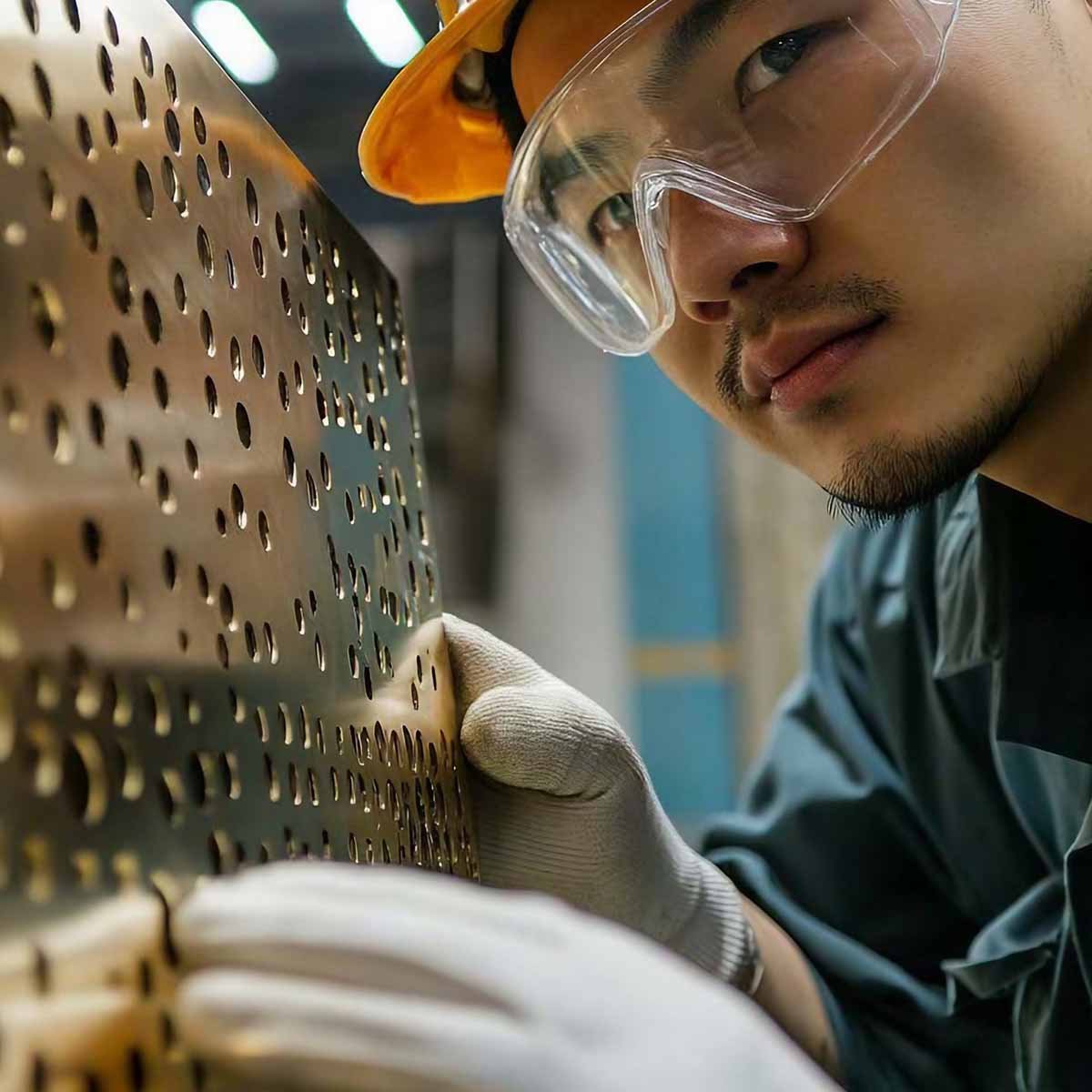
All metal parts are measured for dimensions, weld strength, and finish to ensure quality control.
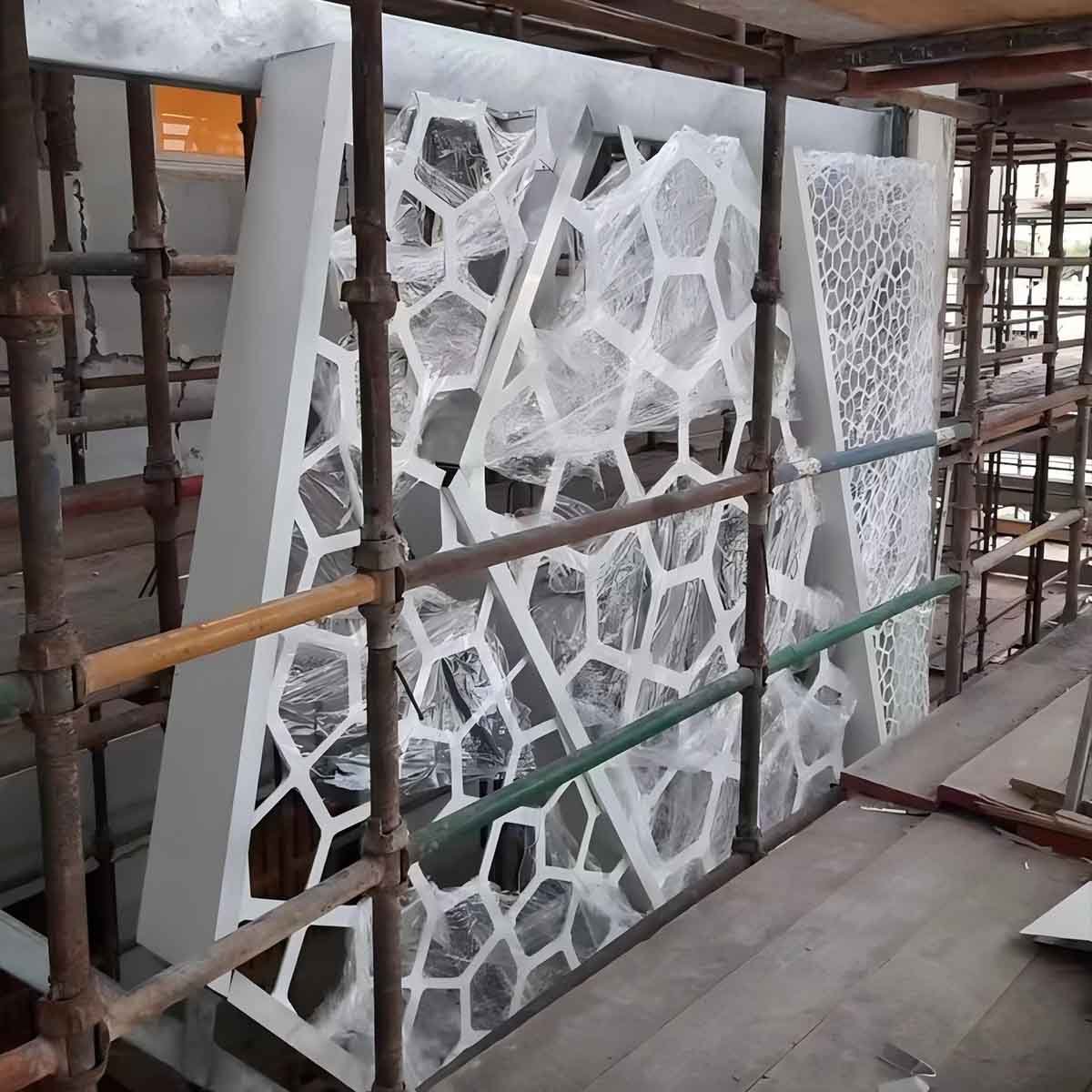
Our experienced team works with the contractors to ensure the installation is accurate and seamless.
Access to useful information, technical documentation, guidelines, and support resources on architectural metalwork and innovative fabrication solutions.
Are you Planning to Build or Renovate your Home? Let’s Talk! Talk Now!
Get Architecture Consulting206 Mail Parking Nuages, 14529 Levallois-Perret, France.
Mail: Maikoarchitecture@gmail.com
Phone number: +8120-360-4027
Monday - Friday: 8.00am - 6.00pm
Saturday:9.00am - 5.30pm
Holiday: Closed
TBK Metal is a China-based, innovative, and high-quality fabricator of metal solutions in the world, with high-quality fabrication and customer service.
15+ years of global metal fabrication experience, providing innovative architectural solutions.
Our vision is to be innovative, of quality, and excellent in the world with advanced technology.
We provide innovative, quality metal solutions with excellence, reliability, and sustainability.
Since 2009, we have grown our business by developing facilities and creating an expert team.
We have core values of teamwork, customer relations, success, growth, quality, and ethics.
Contact us for any questions, assistance, estimates, and expert project consultations anytime.
TBK Metal provides architectural metal solutions to projects around the world with a focus on custom fabrication, premium materials, and finishes.
Metal facades offer a modern aesthetic, stability, weather resistance, and structural integrity.
Suspended metal ceilings provide clean surfaces, acoustics, flexibility, durability, and style.
Our balustrades have a stunning appearance and are well-blended, secure, and long-lasting.
The durable bollards offer impact protection, traffic control, security, and design integration.
Metal sculptures manifest architectural ideas through craft, fabrication, and meticulous detail.
Structures benefit from strong and beautiful architectural details such as metal column wraps.
Explore our projects where we have used bespoke fabrications in facades, interiors, and structures, using durable materials and new design solutions.
The Sports Boulevard Riyadh project involves the architectural pedestrian bridge spine …
Chongqing Sports Venue renovation adopts 3mm-thick perforated metal facade panels …
The VMC Station in Vaughan, Ontario, serves people within the Greater Toronto Area by connecting …
For the interior ceilings and wall cladding in this luxurious hospitality environment, Wynn Resorts …
We offer custom-made metal solutions, where we can progress the design to the final stages and installation, ensuring precision, stability, and aesthetics.
We collaborate with CAD and 3D models, ensuring the designs are perfect, functional, and aesthetic.
It has been made safe, standard, and durable by engineers through analysis of structure and feasibility.
We take great care with the quality of our equipment and craftsmanship to ensure high-quality results.
All metal parts are measured for dimensions, weld strength, and finish to ensure quality control.
Our experienced team works with the contractors to ensure the installation is accurate and seamless.
Access to useful information, technical documentation, guidelines, and support resources on architectural metalwork and innovative fabrication solutions.
Are you Planning to Build or Renovate your Home? Let’s Talk! Talk Now!
Get Architecture Consulting206 Mail Parking Nuages, 14529 Levallois-Perret, France.
Mail: Maikoarchitecture@gmail.com
Phone number: +8120-360-4027
Monday - Friday: 8.00am - 6.00pm
Saturday:9.00am - 5.30pm
Holiday: Closed
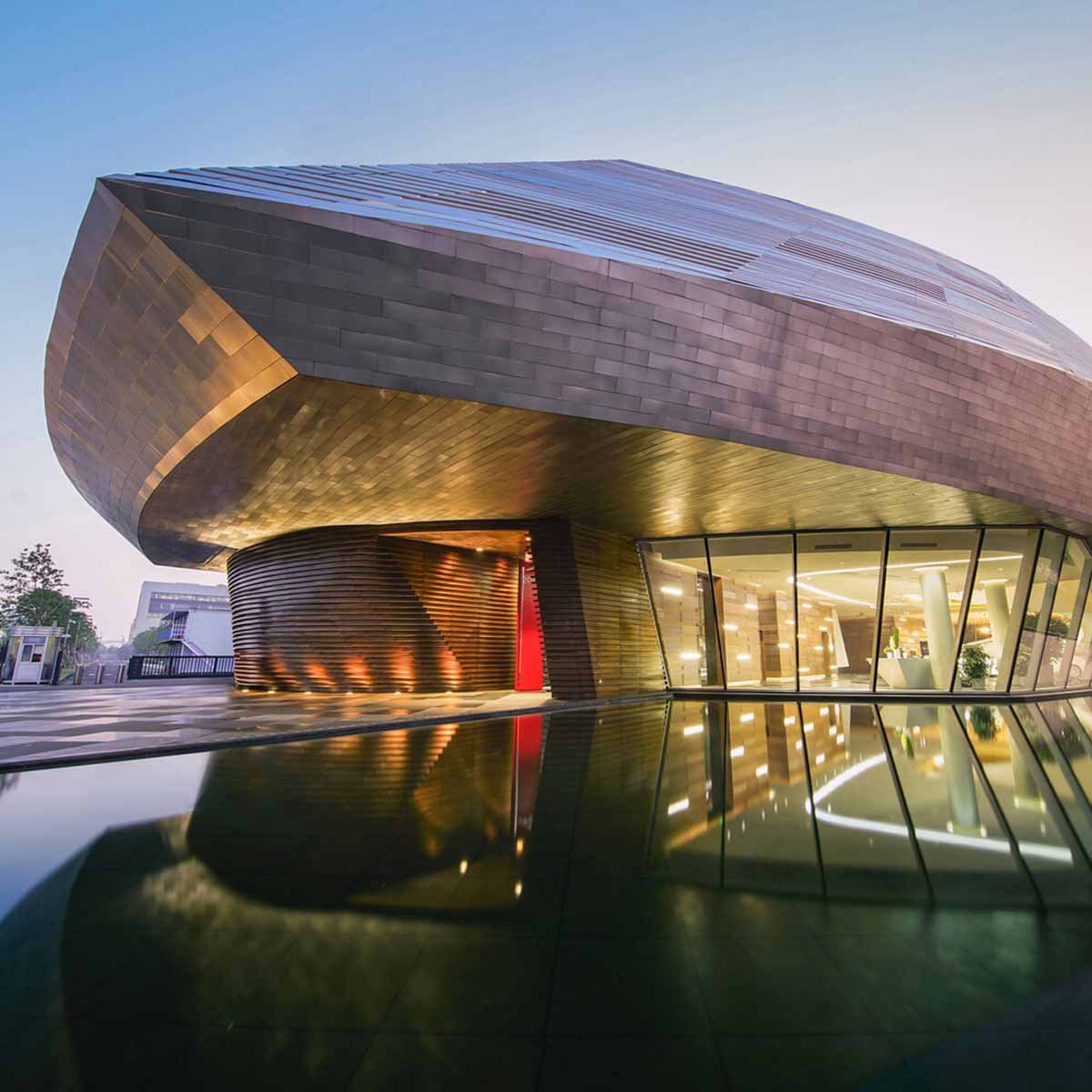
Design is on the precipice of a new revolution due to the infinite nature of architectural metal. From the elegant contemporaries to the baroque details it speaks to architects, designers, and admirers of art and Architectural creativity and, it redefines the imagination.
Discover how this versatile material enriches architecture and reshapes imagination when combined with architectural metal. Learn with us how the use of this material introduces flexibility and has opened up infinite design prospects in contemporary structures.
Table of Contents
ToggleSince the ages architectural metal has involved in shaping various forms as well as expressions right from medieval ironworks to ancient bronze decorative. It is an inexorable component of architectural development because of its continuous relevance and versatility.
From the historical architectural metals, high precision of those artworks of architectural metal are still seen today. In this project by combining heritage and contemporaries, architects get motivated by the past while at the same time employing modern technologies and materials.
Metal in Architecture redesigns and reinterprets architectural tradition by combining classical and contemporary motifs. Everything from small prettiest home decorations to towering business buildings produces phenomenal, impressive, beautiful, and iconic buildings.
Are you in search of quality architectural metal products for your project? Call our skilled staff to explore bespoke designs, materials, fabrication potential, and specific applications for facades that make your architectural vision a reality.
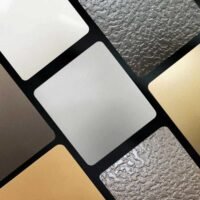
Special features of the materials used for architectural metal can be singled out which makes this type relatively diverse. Aluminum retains low weight and resistance to corrosion, steel – high strength and dense, the metal such as copper gains a beautiful oxide layer.
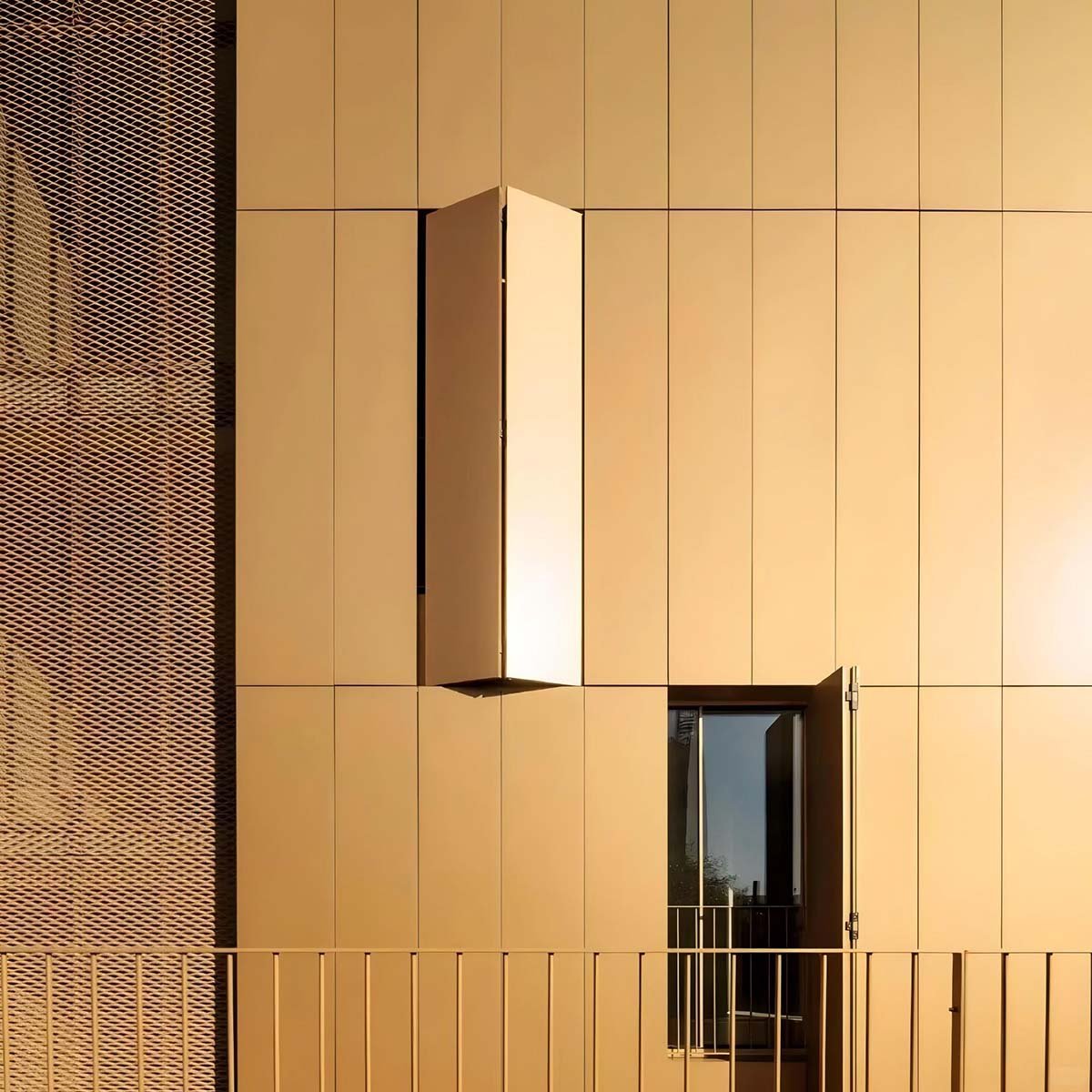
Metal cladding systems are flexible with numerous options for architects and designers, who select metals based on available options, performance requirements or aesthetic preferences. Copper and bronze are warm but they also give a feeling of glamorous and rich.
Architects and designers opt for the correct metal and thus get functionality and aesthetics in their designs. There is more to using architectural metals than aesthetics, as each of the metals brings its properties to improve the functionality and lifespan of constructions.
Metal in architectural applications provides both strength and beauty to structures. Its strength allows for risk-taking in designs, leading to architectural masterpieces which include scary high rises and bridges which are actually astonishingly an engineering marvel.
It is due to the flexibility that architects are in a position to fashion out beautiful and at the same time robust structures using metal in various forms. New forms, intricate detailing, and more building envelope can be achieved through Architectural metal.
Architectural metal is an art of design and functionality integrated into architectural structures converting aesthetics into practicality and durability. In particular, it became a vital instrument for architects attempting to develop beautiful and long-lasting buildings.
The architectural metalwork therefore captures the artistic and innovation that went into the work. Members of metal streamlined work with architects to convert plans to products, perfecting geometrical patterns, surfaces, and designs from the flexibility of metal.
In architectural metalwork, there is nearly unlimited personalization including hand-forged iron to highly meticulous stencils of metal. This craftsmanship helps upgrade projects into distinct, artworks, and take various projects to amazing architectural wonders.
From the smallest detail that went into the production of each minute fixture, it is apparent that a lot of work went in. Organic architectural designs which are not the norm are achieved by designing each curve, pattern, and texture in a work on purpose and in detail.
There are no limits to the amount of freedom presented by metalwork, therefore the designs produced here are truly eclectic and demonstrate the architects’ passion. It combines technology and art in each project delivering every task as the masterpiece it indeed is.
Looking for some innovative architectural metal ideas? Contact us for expert advice, personalized options and top-tier metal solutions tailored to the needs of contemporary architectural endeavors.
Modern technology has offered new opportunities as to which architectural metal design can be applied. CAD tools and the improved methods of manufacturing enable architects and designers to develop unique designs of metal parts using complex details in their sketches.
Advancements in manufacturing tech include laser cutting, 3D rapid tooling or the 3D printer, and robotics with applications in welding processes. All these advancements in technology have placed the possibilities of architectural metalwork at this newer and higher level.
Modern metalwork in architectural designs has gained a lot from the introduction of lighting and other smart technologies. The prospects of enhancing utility and aesthetics have therefore offered metal surfaces a new added value with the use of interactive display and lighting aspects.
From the smallest detail that went into the production of each minute fixture, it is apparent that a lot of work went in. Organic architectural designs which are not the norm are achieved by designing each curve, pattern, and texture in a work on purpose and in detail.
Architectural metal makes use of LED lighting, sensors, and control systems and turns them into engaging smart experiences. Lighting and smart technology define the features of its innovation and aesthetics in interactive metal artworks and also in lighted metal façade.
Every designer can fall in love with architectural metal because the opportunities it opens are nearly limitless and boil down the concepts to traditional and innovative ones. It fits different styles, purposes, and uses thereby being suitable for contemporary and traditional interiors.
As for architectural metal, nobody can imagine how many opportunities are opened in front of an architect, using traditional and sometimes even scary ideas. It is also suitable for all styles, purposes as well as applications and conforms to modern or classic interior design.
Contact TBK Metal today to discuss powder-coated aluminum for facades, ceilings, screens, and balustrades. Professional guidance for ensuring the best possible finishes and durability.
Please fill out the form below with your correct information. We will contact you via email within 24 hours. Thank you for contacting us.