








Perforated aluminium panels are discreetly changing the landscape of architectural design, appearance, utility, and environmental friendliness. These are subtle materials that are changing the appearance and functionality of contemporary architecture at large.
This blog focuses on the historical perspective and application of perforated aluminium panels to show the increasing relevance of this product in today’s architecture. Architects now depend on them to give innovation and style to modern architectural designs.
The Evolution of Architectural Materials
Materials have been the driving force of architecture from the early days of stone huts to the design of contemporary such structures as tall buildings. Technology in engineering, aesthetics, and sustainability, has evolved and so has the material that is used in construction.
Historical Materials in Architecture:
Based on the availability of resources there was the use of woods, stones, clays, and straws for constructing their homes. The following materials were selected as they are easily available, and are appropriate to the local climate and available resources.
The Industrial Revolution:
New buildings of the Industrial Revolution: Modern construction of the 18th century exposed the trends of mass production. The likes of iron and steel made it less complicated to construct long big and more complex towers such as the Eiffel Tower.
The Rise of Concrete:
Concrete was utilized in the 20th century because of the strength and the versatility of use. From here, it was possible to proceed to what might be called the Brutalist architecture movement as well as glorious structures such as dams and bridges.
Contemporary Challenges:
Some of the current issues affecting architects are sustainability, environmental quality, and appearance. The emergent materials must replace the existing ones to solve the climate change issue and others and create both functionality and beauty.
Perforated Aluminium Panels as a Game Changer:
The latest creation in the architectural design market is thus perforated aluminium panels which combine aluminium’s strength and the flexibility of perforations. It offers architects and designers sustainability and flexibility in creative task execution.
Perforated aluminium panels represent centuries of material progress, beautiful in their design, they also serve the environment well. In the sections that follow, we will introduce them and explain how they have redefined contemporary architectural design.
Applications in Architecture
Perforated aluminium panels are not only functional but also very easy to regulate, and they may be used in many architectural conceptions. Now let us look at how these panels actively change spaces and structures to look and function in a certain way:
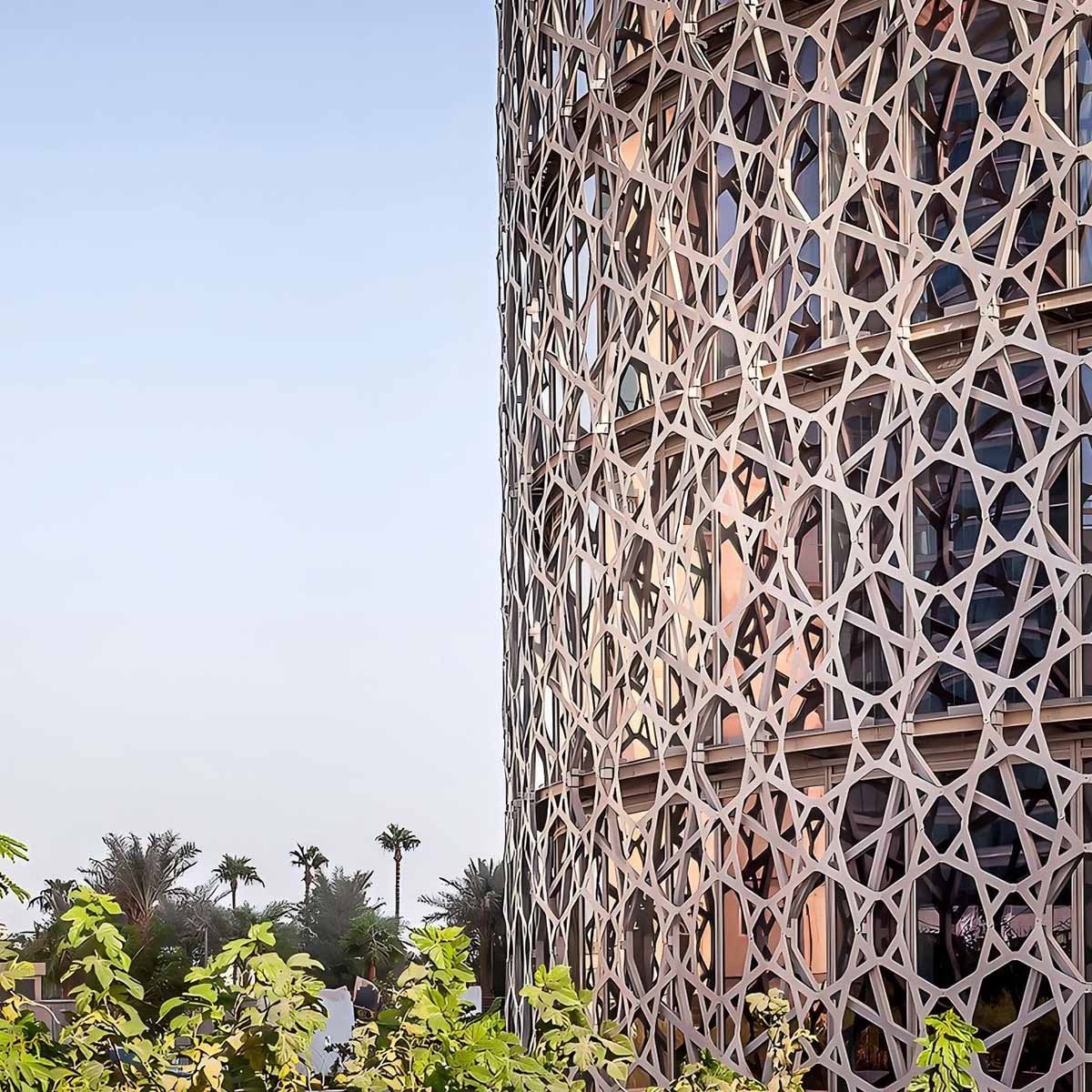
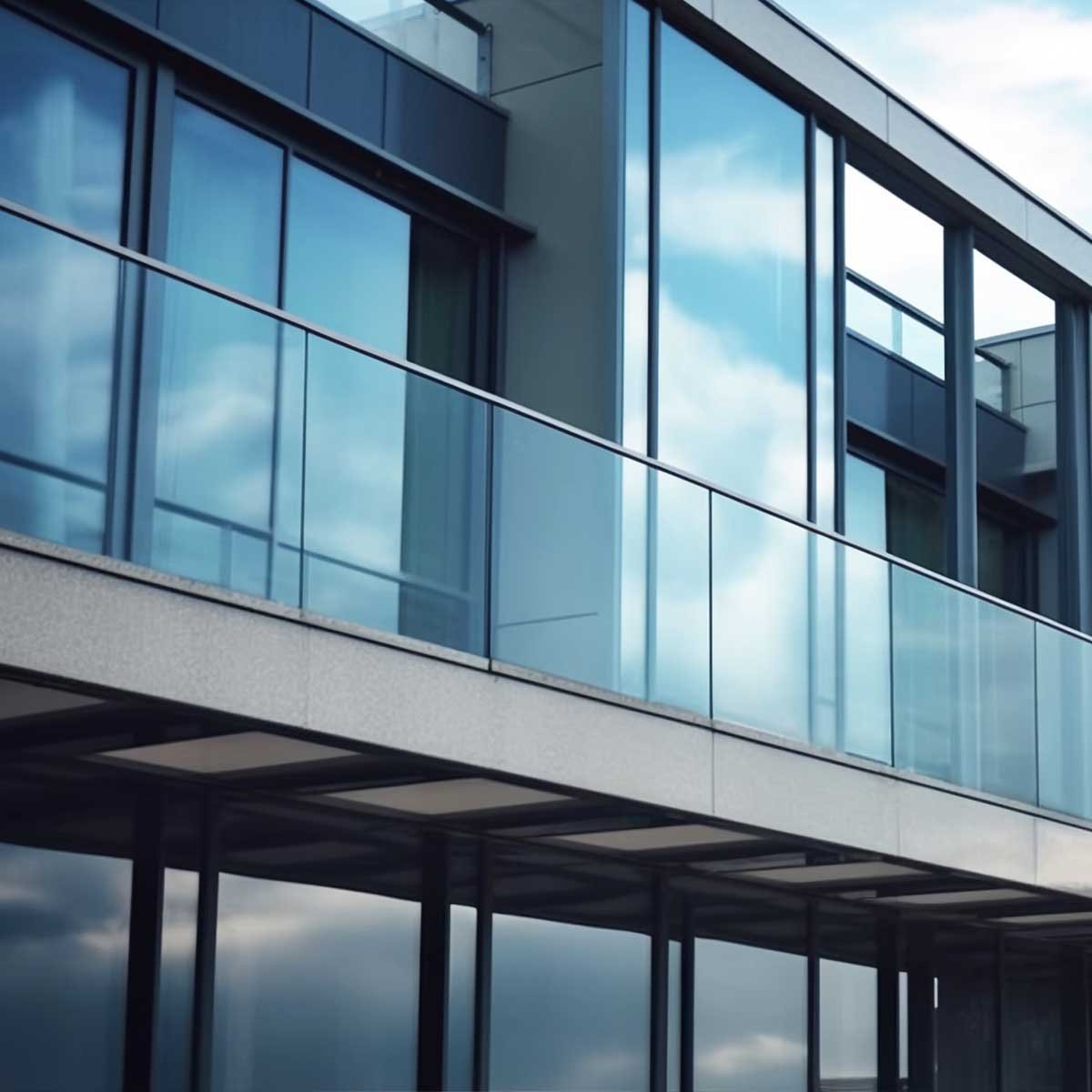
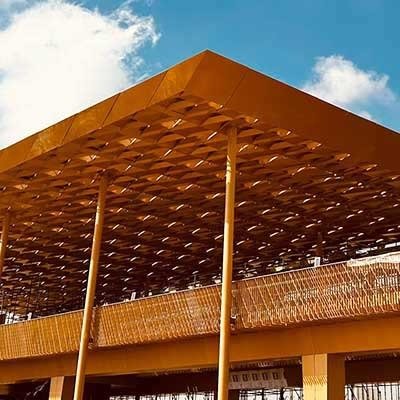
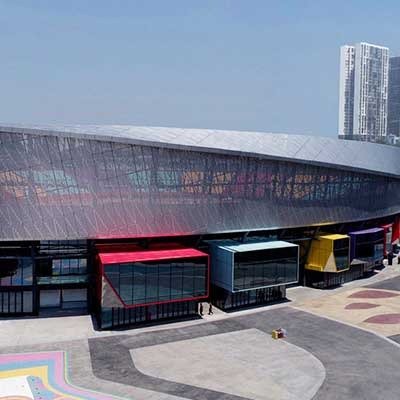
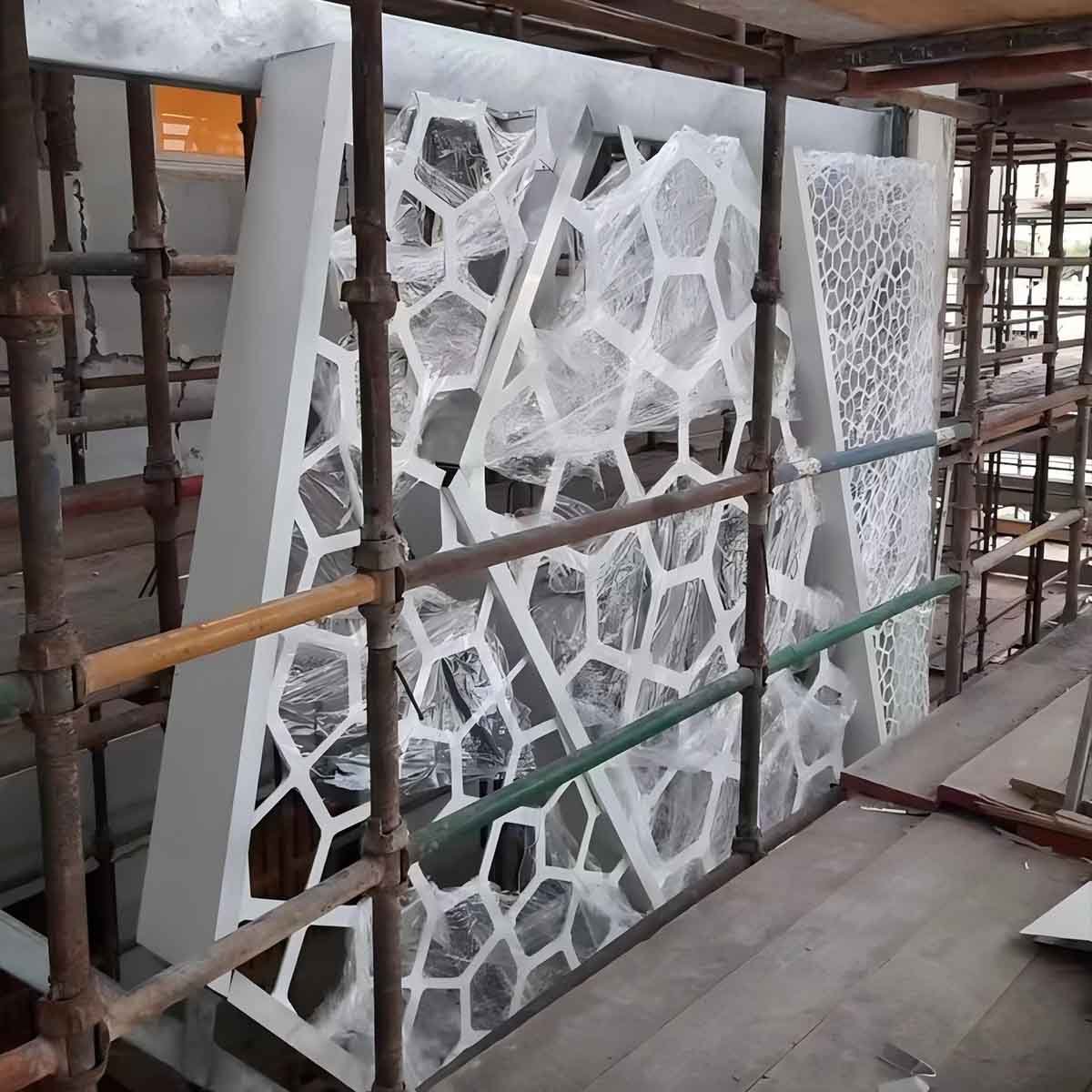
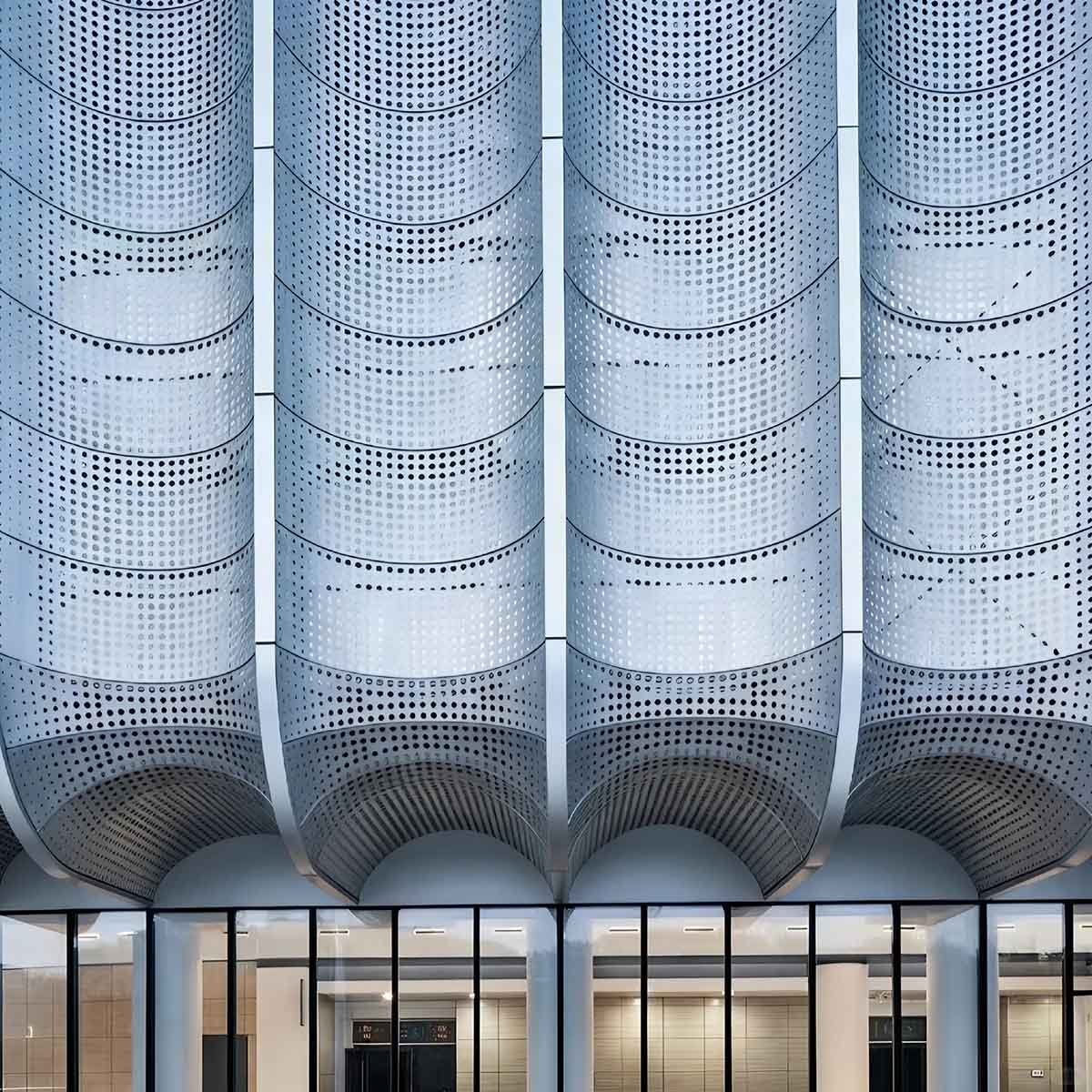
The Interior and exterior of buildings including the facade are beautified with perforated metal cladding that also provides protection. These panels enable lighting and ventilation, contributing not just to form and function, but also personality of buildings.
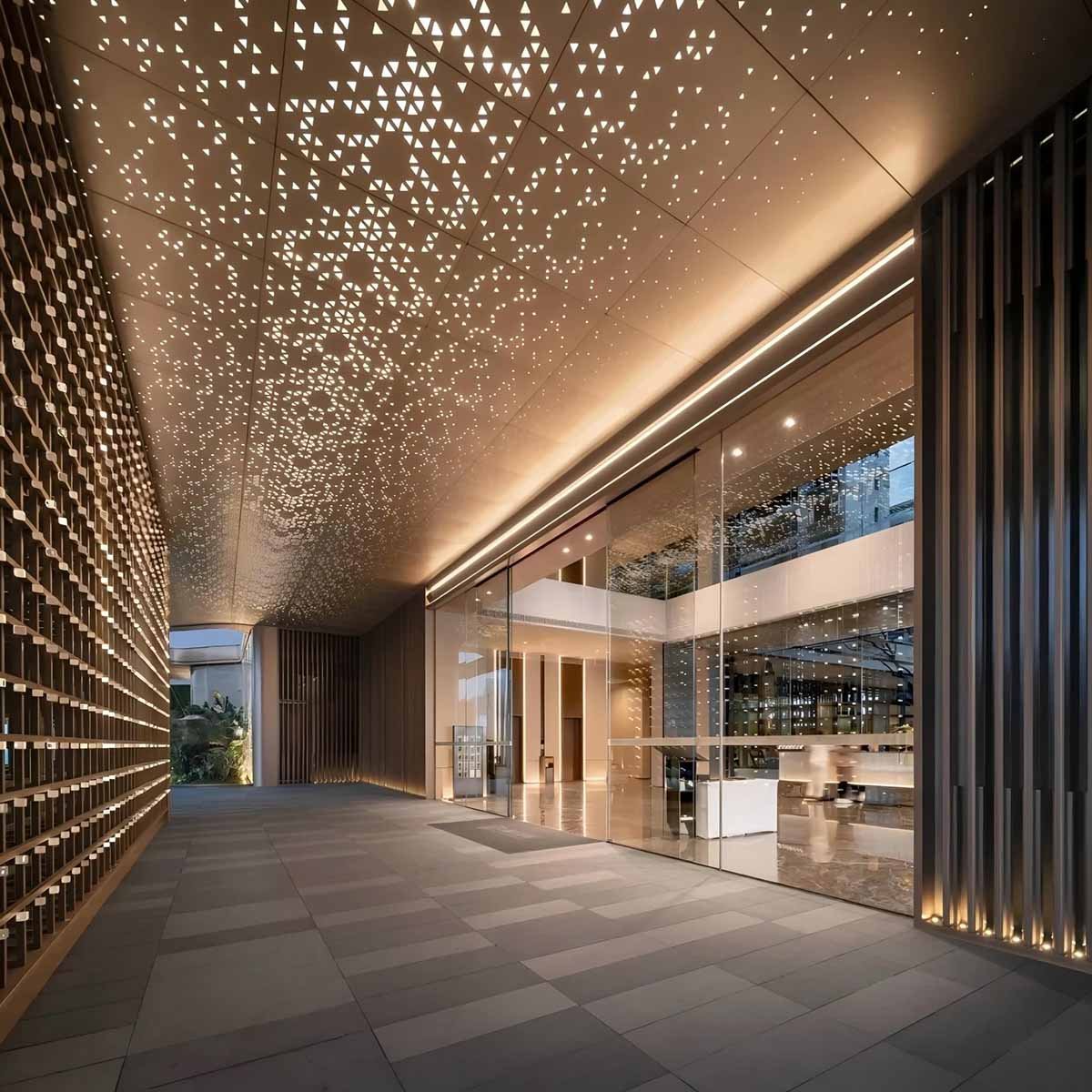
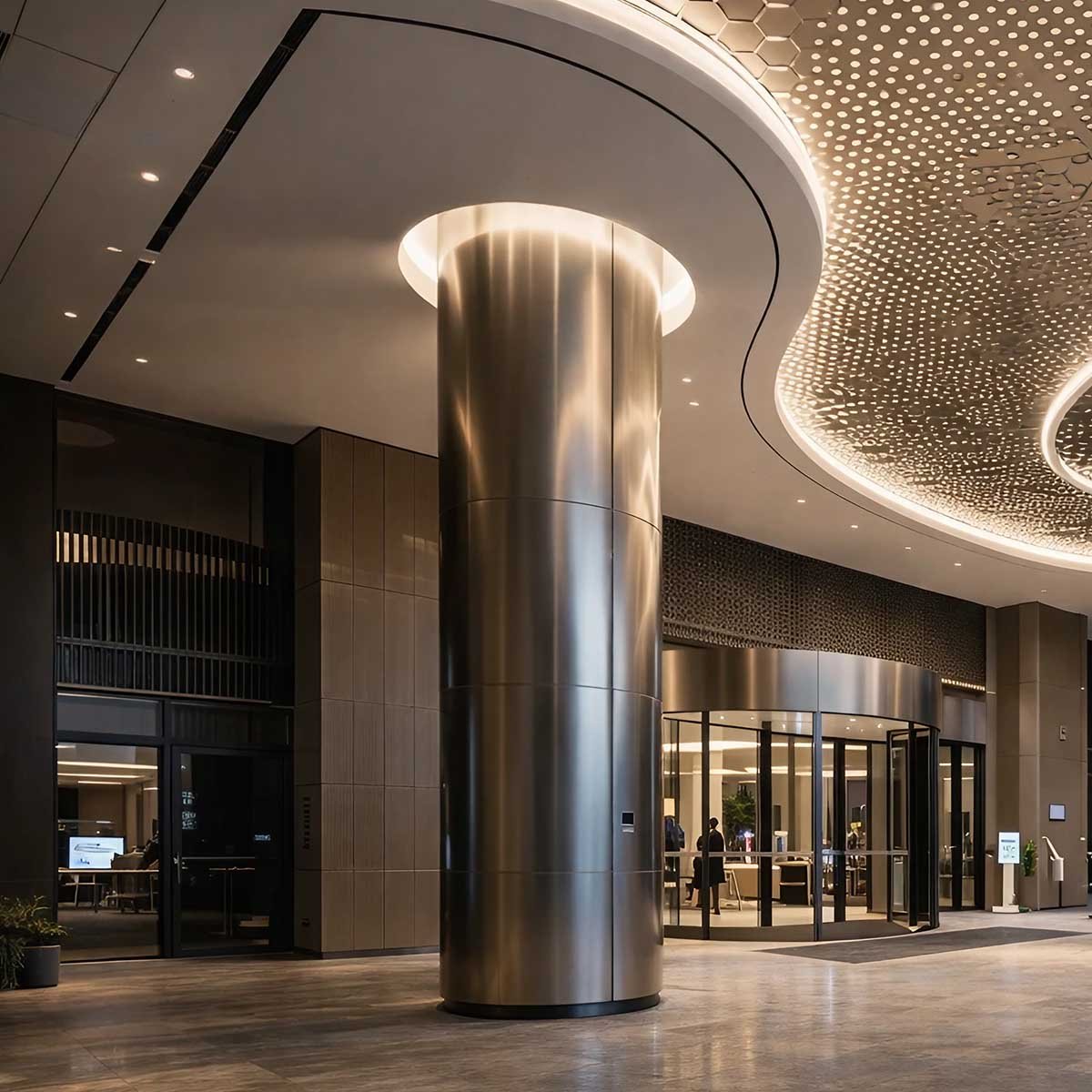
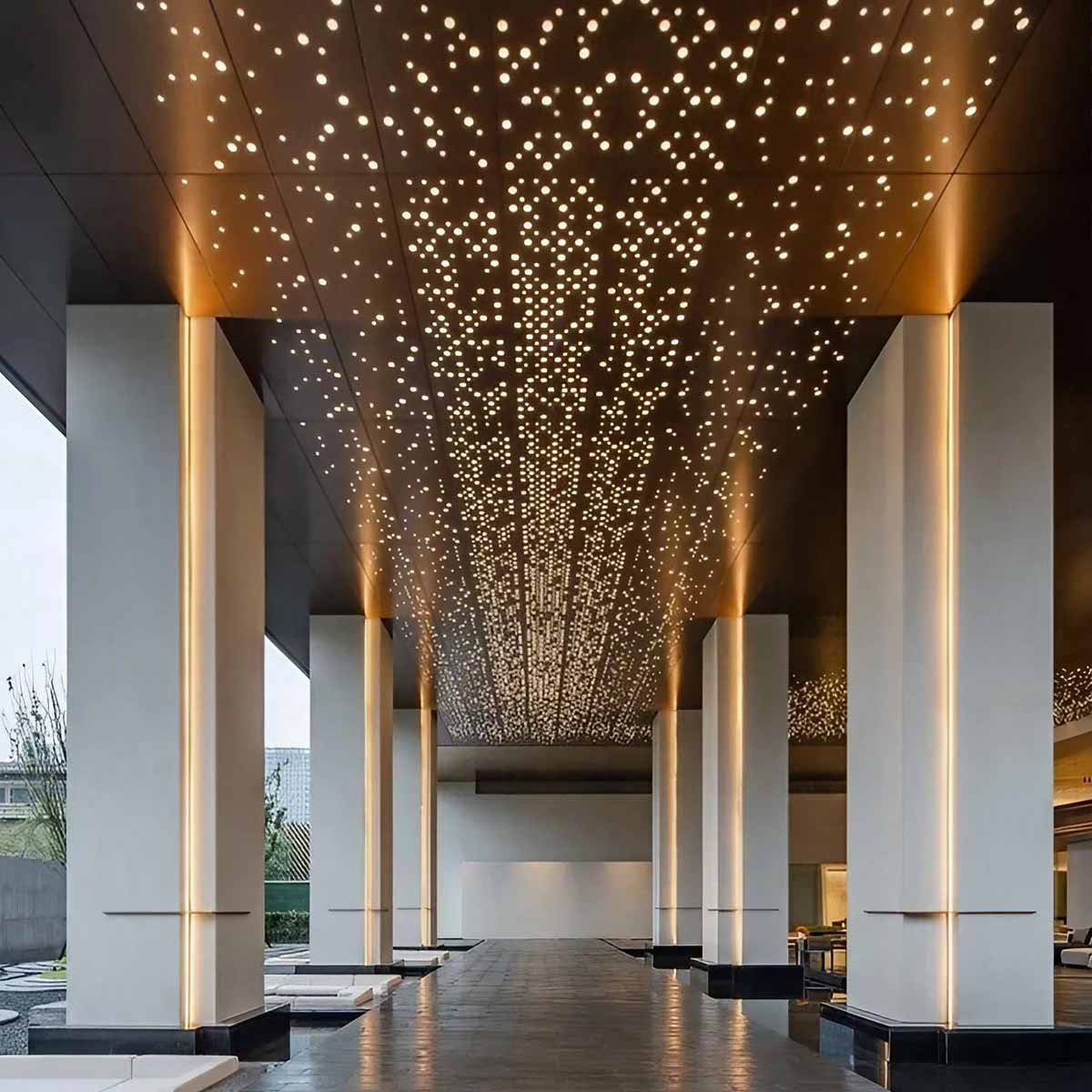
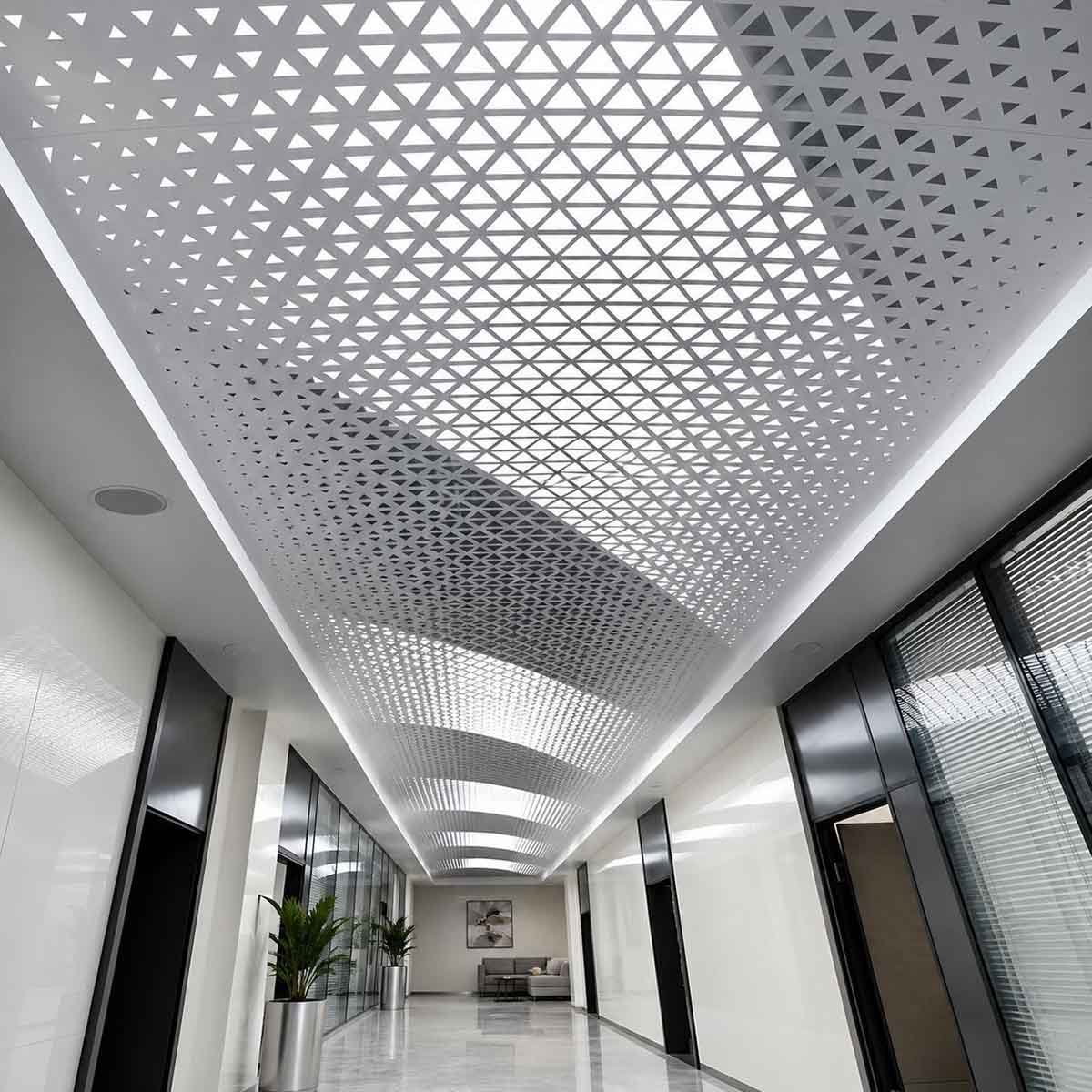
Interior ceilings made of perforated metal panels bring good sound absorption and attractive design. The complex patterns of these holes ensure the regulation of both light and sound to visually appealing and ergonomic dining and working spaces.
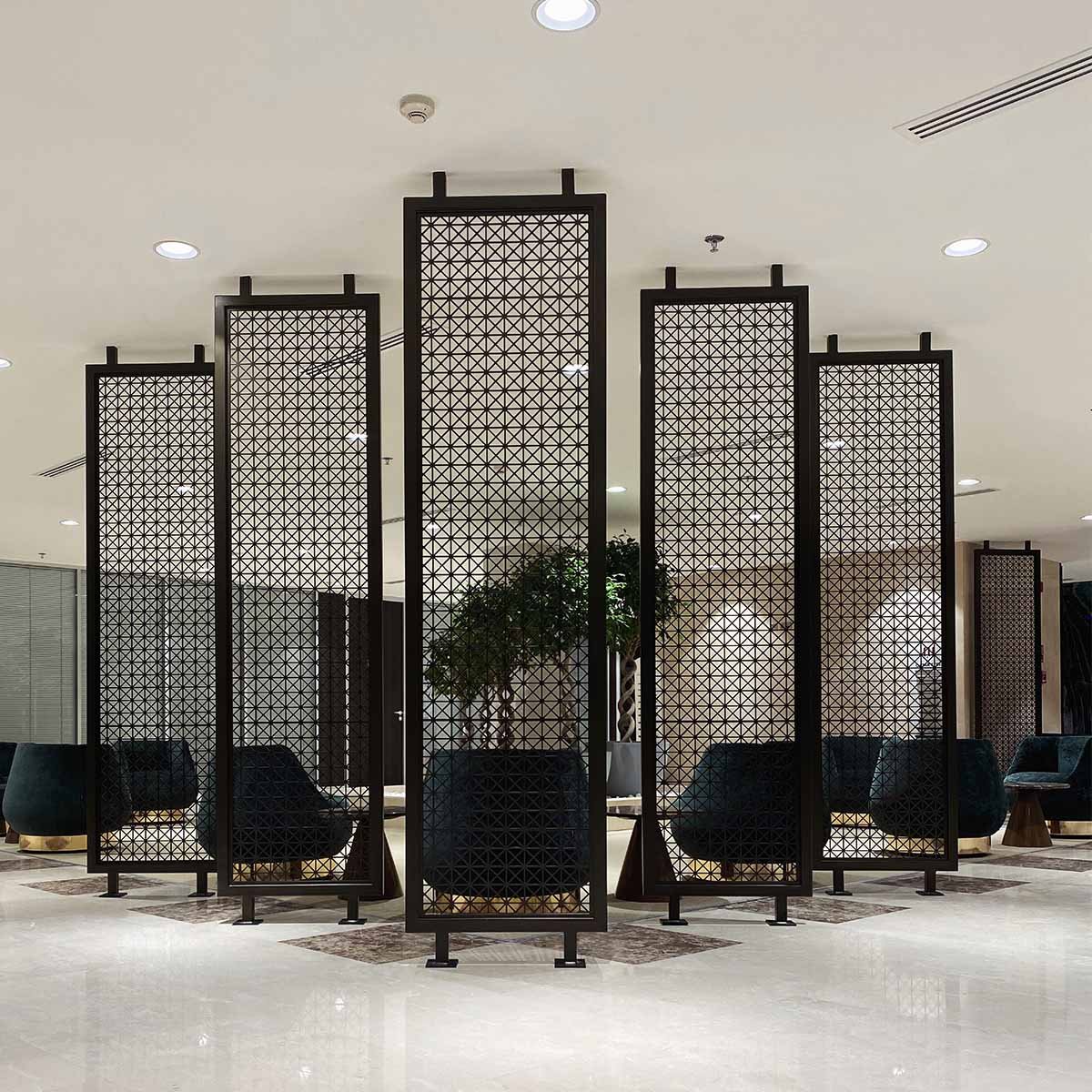
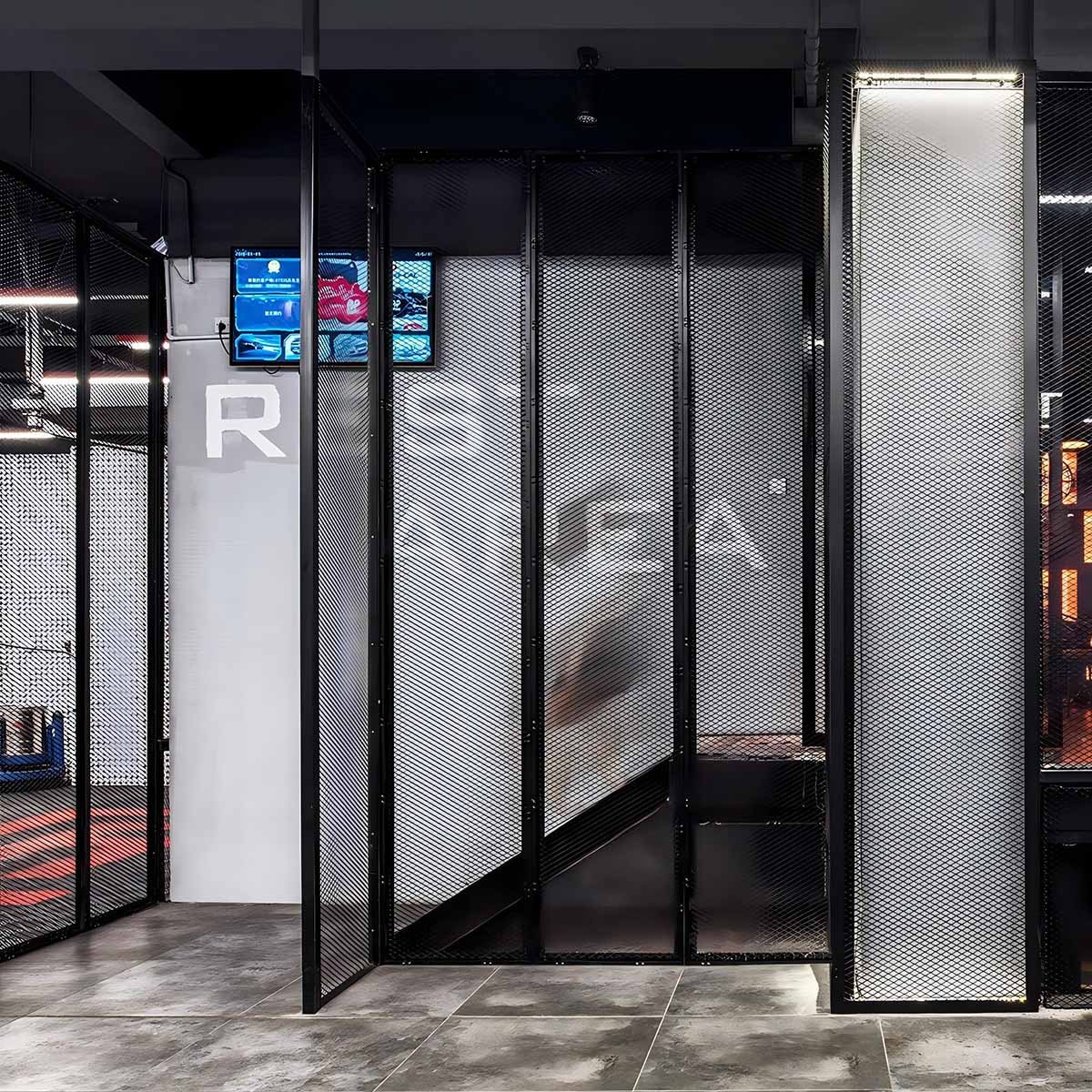
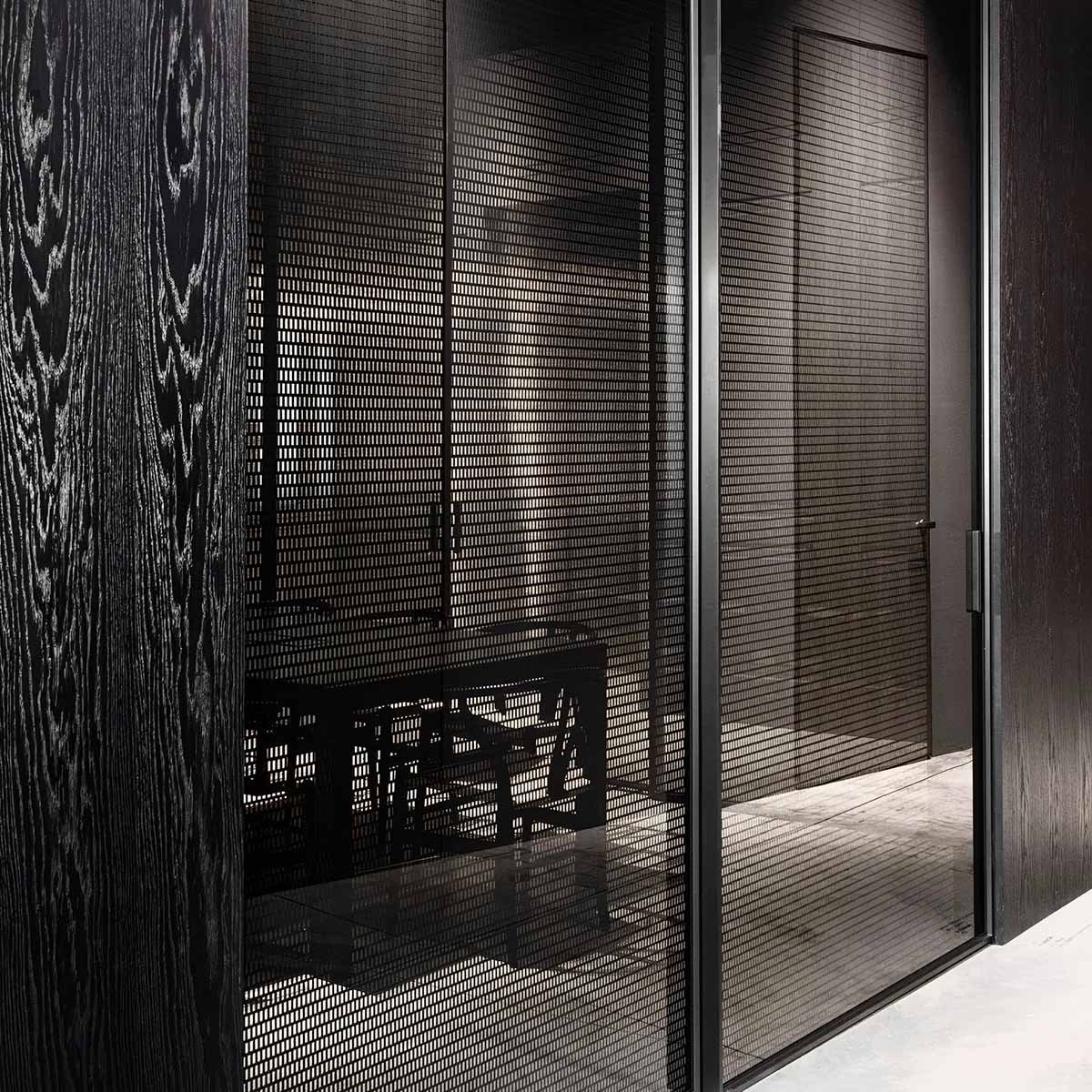
Perforated metal screens changed the concept of spaces since they provide privacy and protection from the sun, but still can be transparent. Perfect for exteriors, front porches, and walls; intended for residential, communal, and business use.
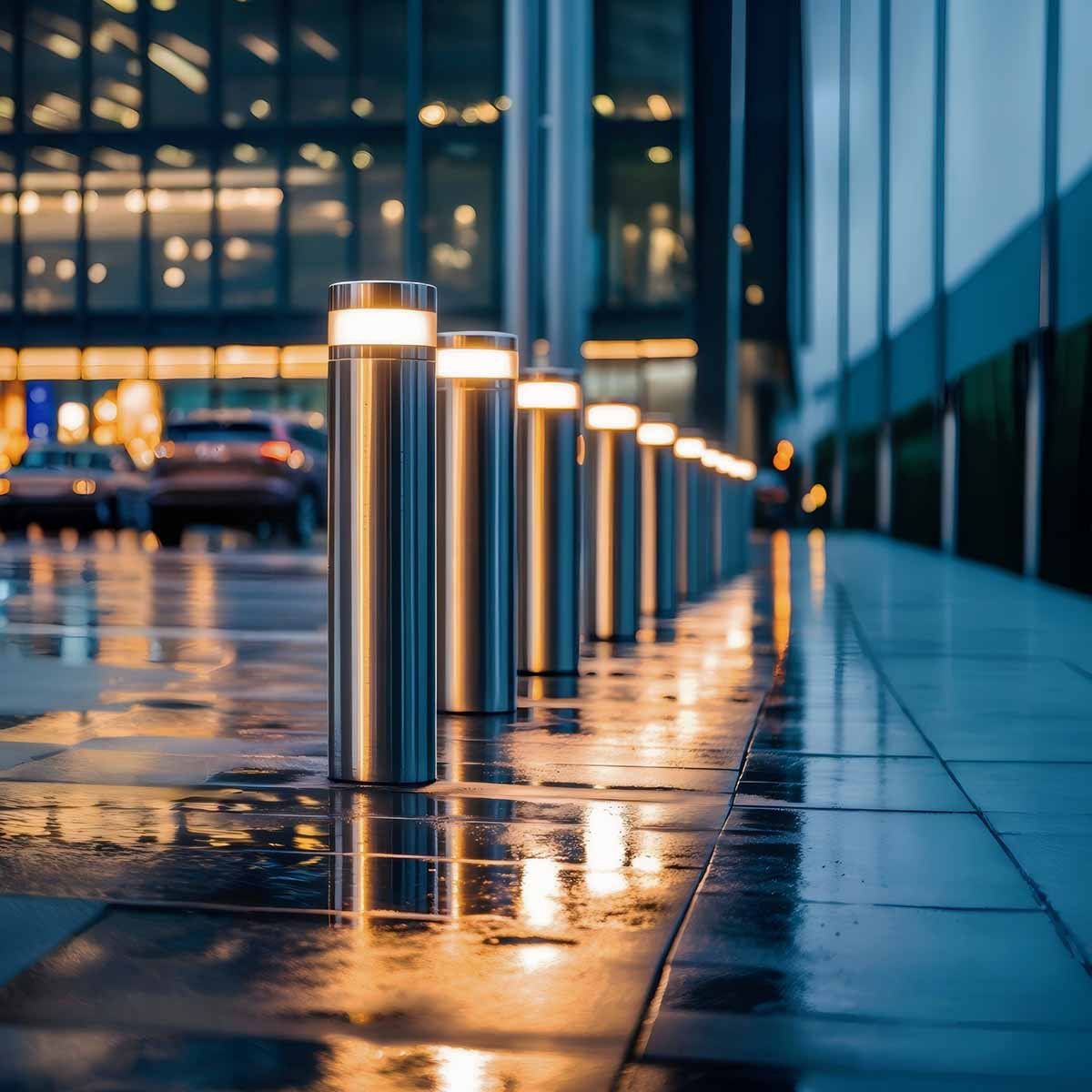
Upon installation of the perforated metal fences, they are the most ideal barrier solution since they provide for security hence a fence. These light fixtures provide you visibility as well as privacy to match gardens, parks, and urban environments.
Perforated aluminium panels are used to create railing systems that are functional in safety and aesthetic in design. They arrange both, staircases and balconies, in a complex manner that forms gorgeous elements of interest in any architectural environment.
Perforated aluminium panels have come to play a central role in enhancing many structures and building through their flexibility in usage. They operate on contexts thereby transfiguring them into unique modes of perceiving and engaging with architecture.
Understanding Perforated Aluminium Panels
Perforated aluminium panels are one of today’s biggest improvements in architectural design since they offer numerous options for designs. This section seeks to find out what they are, what they look like, and how the architectural design can be transformed.
Defining Perforated Aluminium Panels
A perforated Aluminium panel is an aluminium sheet with holes or openings made by the perforation technique. They come in different sizes, shapes, and densities and as such, the options for design in terms of aesthetics and functionality are numerous.
Composition and Characteristics
Aluminium employed on perforated metal panels is normally top-notch aluminium alloys that work well under different circumstances including corrosion. There are some of the following characteristics of these panels which include:
-
Lightweight:
Thus, curtain walls and facade systems where reducing the weight of structures is an important factor are the best suited to aluminium. -
Strength:
Aluminium has low density but high strength, it can maintain large, stable structures of civil constructions in architecture. -
Durability:
The material, aluminium, does not corrode, and therefore, despite exposure to water, perforated panels do not break down or flake away. -
Customizability:
Aluminium sheets with holes for ventilation are versatile in size, geometry, and pattern allowing them to fulfill the architects’ requirements. -
Finishing Options:
These panels can be coated in several different manners, for instance, powder-coated, anodized, or painted thereby providing a variety of color and texture.
Versatility in Design
In as much as aesthetics may differ between each, one of the greatest strengths of perforated aluminium panels is possibly in their flexibility. Please find below some of the ways that architects and designers can use these panels:
-
Visual Impact:
The function of perforated panels is in the enhancement of both facade and interior designs which provide a geometrically sleek futuristic aesthetic and novelty all at once. -
Privacy and Sun Control:
The holes can be arranged such that they allow privacy while at the same time providing light and airflow where desired depending on the circumstances. -
Environmental Responsiveness:
Perforated panels when employed make it possible for a particular building to minimize solar heat gain while at the same time reducing artificial lighting. -
Artistic Expression:
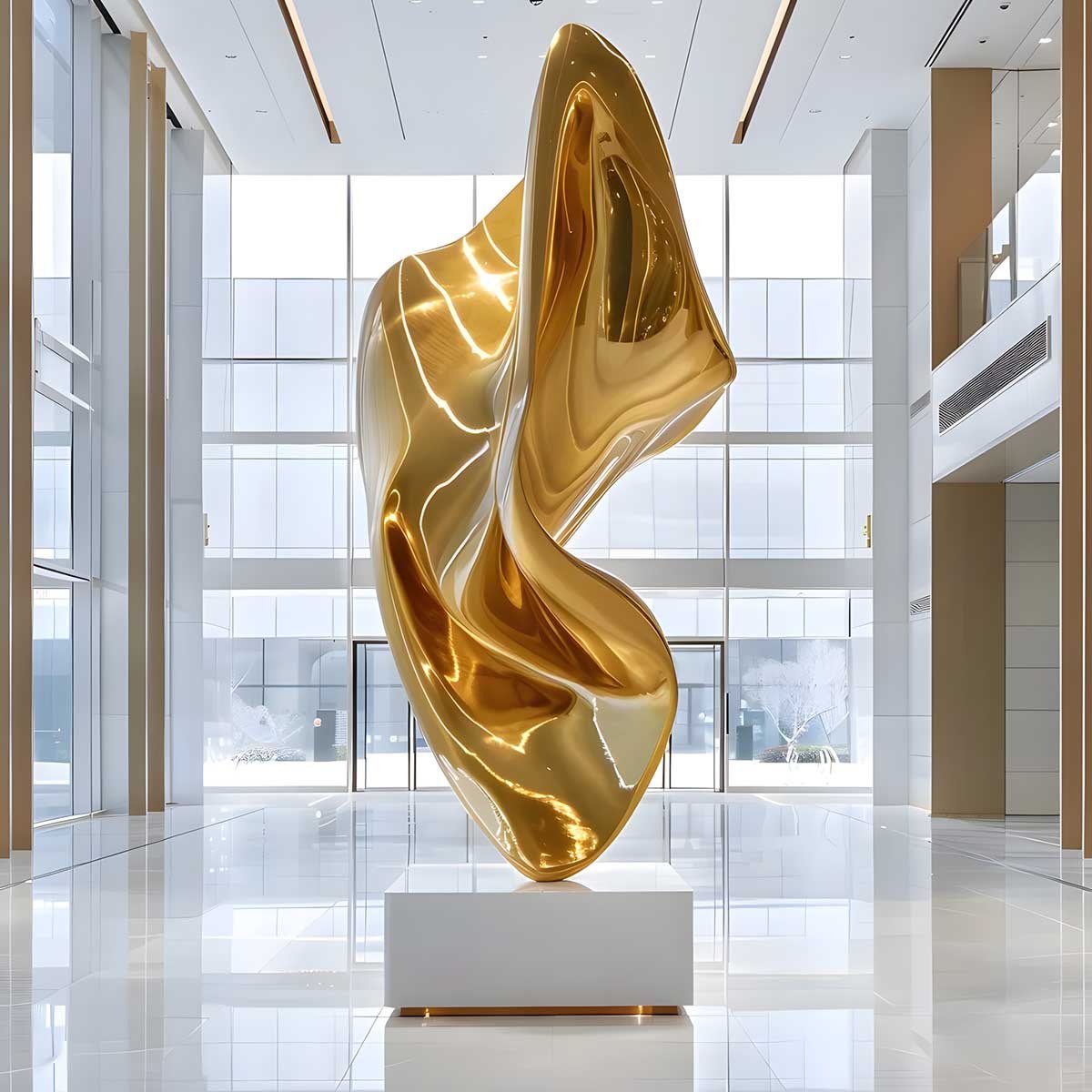
These panels can be used by architects to create complex geometric motifs, paintings, or depictions of ethnic motifs, making the buildings themselves artwork. -
Sound Control:
Besides visual function as an added aesthetic element, perforated panels have more utility based on their ability to control sound and noise which are acoustic functions.
Before discovering various possibilities for using perforated aluminium panels, it is crucial to find out what these panels are made of and what they are like. We will look at their use, and appearance and discuss their effects on current architectural designs.
Functionality in Design
From a visual perspective, the perforated panels look very good but it also provides a few important aspects to the architects. In this case, we are going to look at the factors that define the functionality of the described panels making it the best option for architects.
Enhanced Energy Efficiency:
Aluminium sheets with holes can provide sufficient natural light adding a regulation on the amount of heat from sunlight that enters a building. This reduces the reliance on lamps and air conditioning hence making construction cheaper and sustainable.
Natural Ventilation and Climate Control:
The panels allow the control of natural ventilation with a variation of perforation size and distribution. It enhances air movement, increases the quality of air inside buildings and promotes the concepts of passive cooling with little use of mechanical systems.
Privacy and Visual Screening:
One must look at the event space and note the use of perforated aluminium panels for privacy and view regulation. Flexible pore dimension and distribution offer adjustability of light transmission as well as privacy, improving both form and performance.
Acoustic Benefits:
Perforated aluminium panels are used to give acoustic features that enable one to shut out outside noises including those from cars or any constructions. This provides a pleasant indoor climate especially in the urban scenario and with high people density.
Durability and Low Maintenance:
The applications of perforated aluminium panels include their ability to withstand harsh weather conditions because of their corrosion features. They also have a smooth surface that eliminates the need for frequent cleaning thus cutting expenses of building owners.
Perforated aluminium panels give a nice appearance and functional advantages as well. They promote the use of energy, improve ventilation, offer privacy, and better sound control, and are low on maintenance which makes them ideal for sustainable designs.
Aesthetics and Visual Impact
Perforated aluminium sheets are attractive and are used much more often as the gauze for interiors and exteriors of the construction. This section will attempt to explain how these two techniques impact on beauty and appearance of architecture.
Play of Light and Shadow:
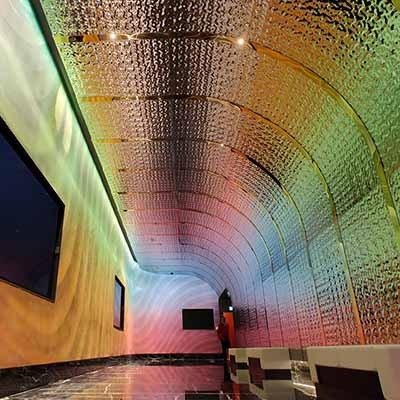
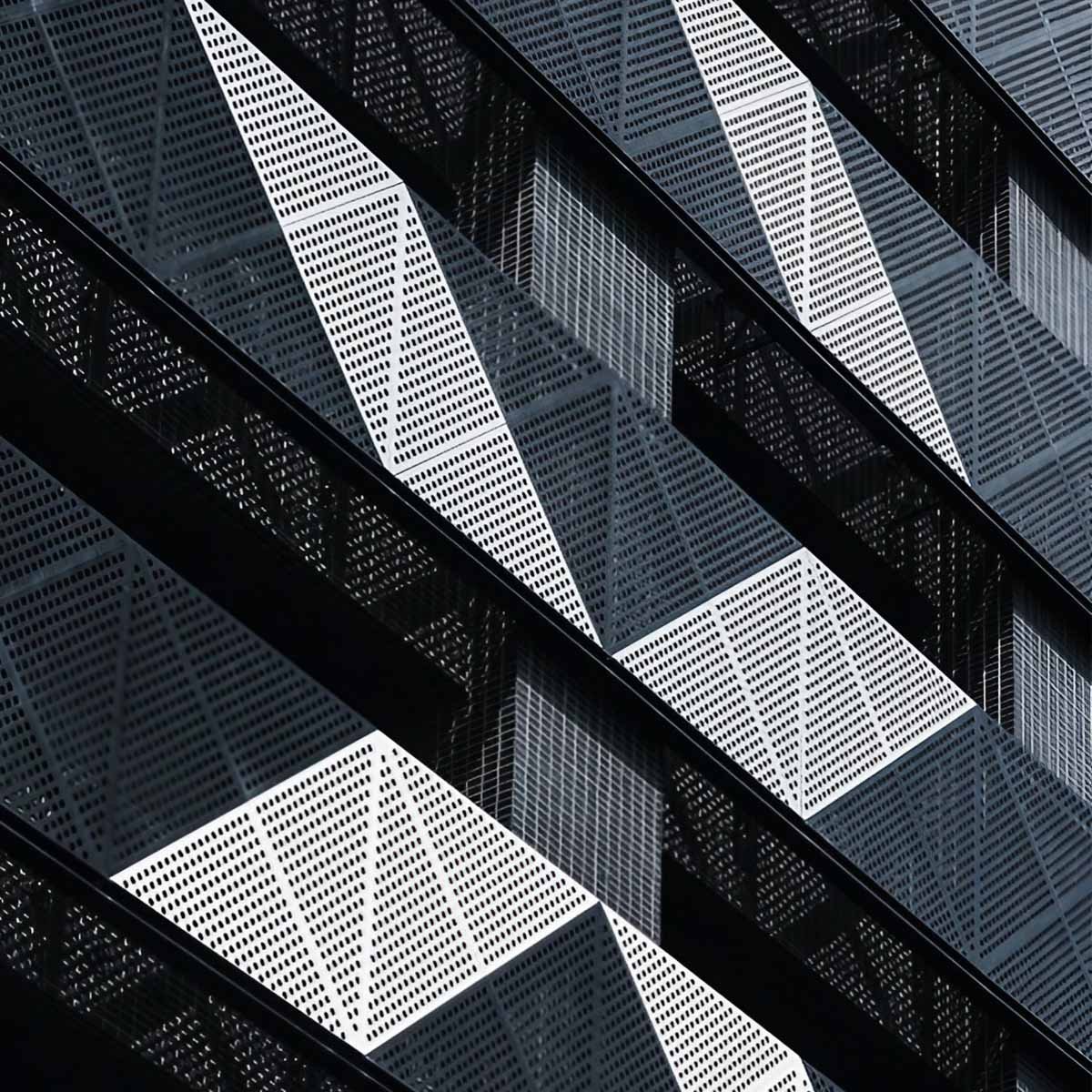
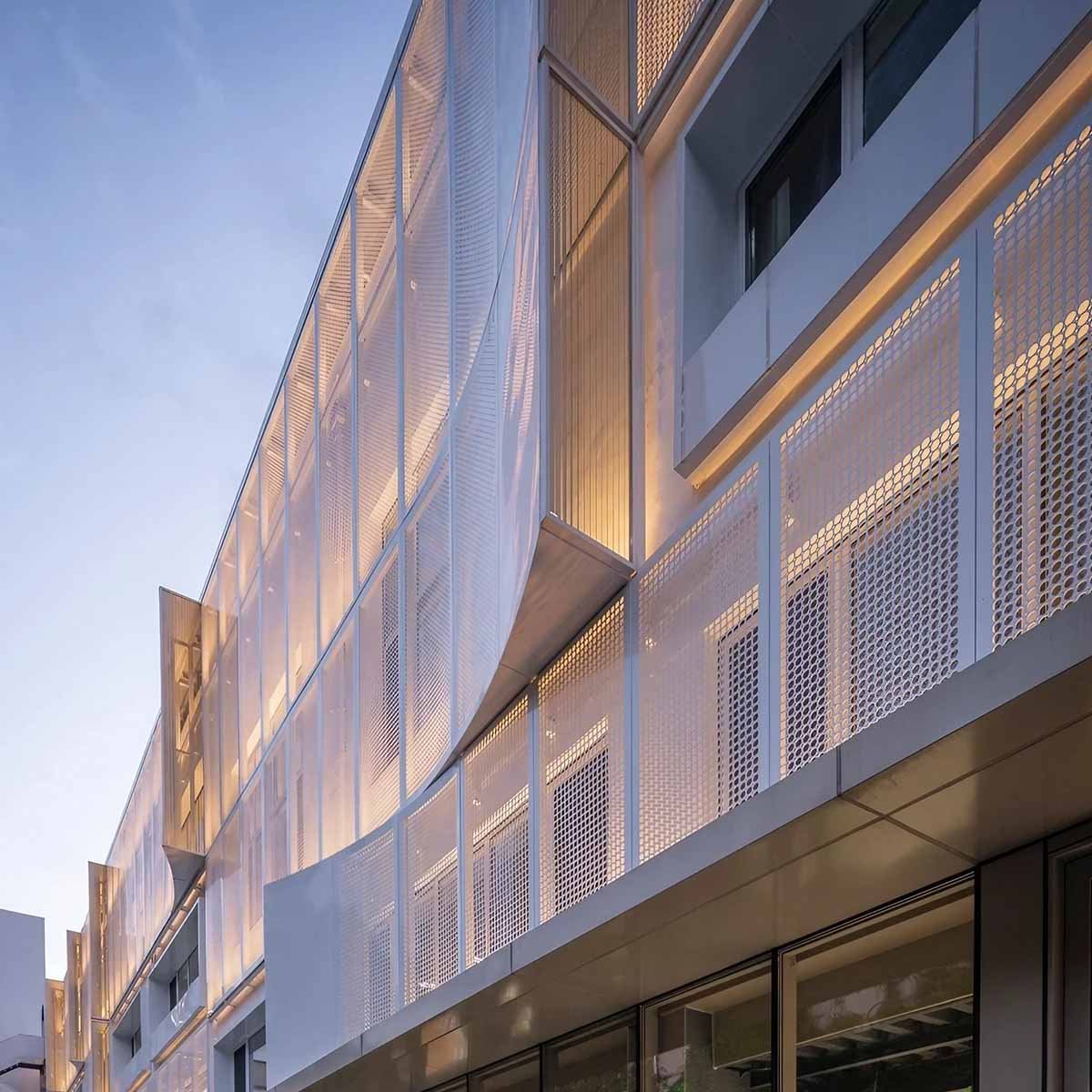
The above project entailed the utilization of perforated aluminium paneling in a way that can catch any artificial light in the form of art. This dynamic effect also embellishes and modifies the appearance of the buildings at different time of the day.
Customizable Designs:
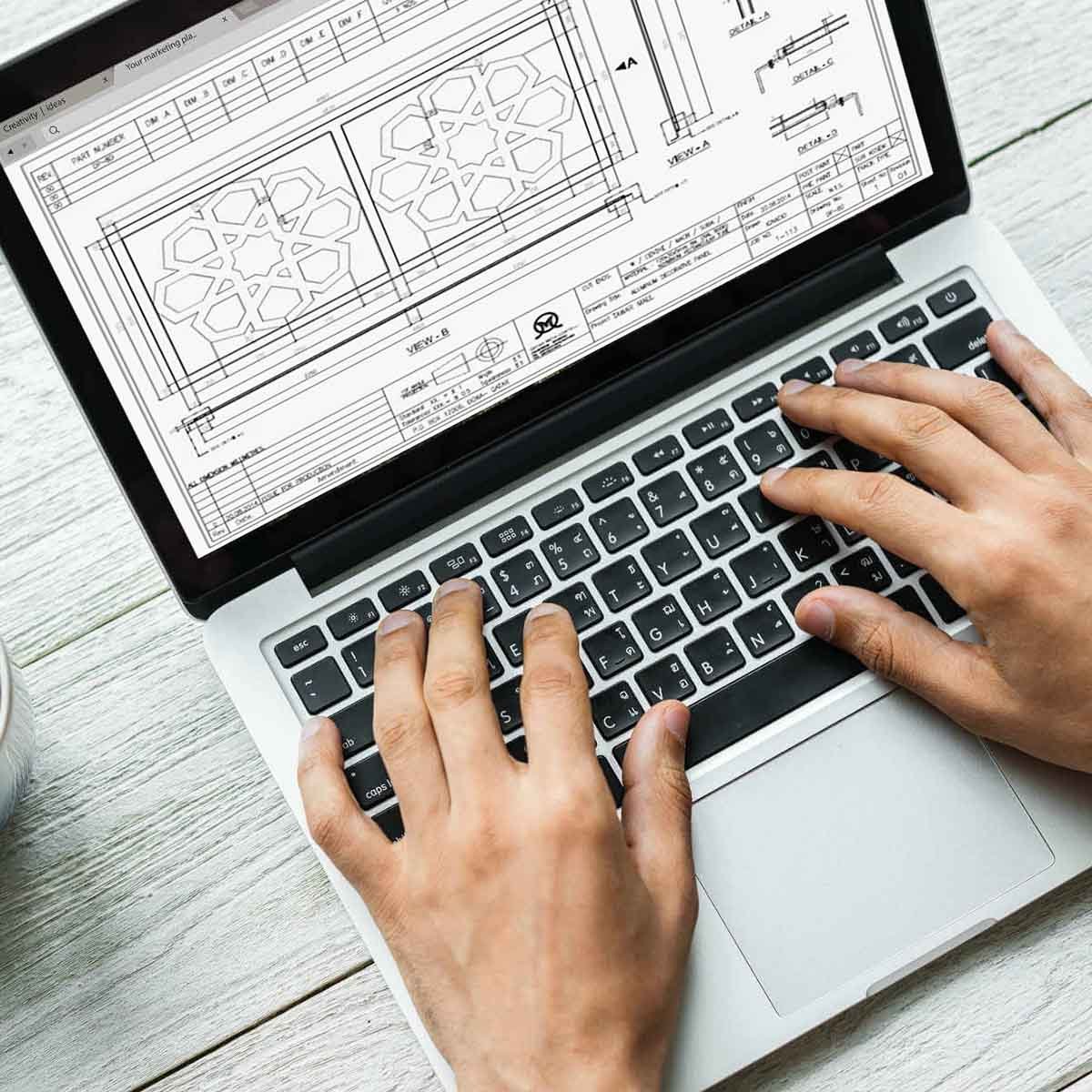
Aluminium panels which are perforated make it possible to offer an almost unlimited choice of designs. These patterns can be adjusted to present specific, striking looks that meet the conceptual objectives of the architectural or design project.
Enhanced Facades:
Aluminium panels which are perforated make it possible to offer an almost unlimited choice of designs. These patterns can be adjusted to present specific, striking looks that meet the conceptual objectives of the architectural or design project.
Privacy and Transparency:
Perforated panels give users privacy while at the same time allowing natural light to get into the room with minimal glare. This feature beautifies the place and also increases comfort and makes it more suitable for both business as well as family use.
Artistic Expression:
Perforated aluminium panels to architects and designers are instrumental shapes for telling compelling stories or for creating particular moods or thoughts. These panels are very important in propagating the concept of design intent of the building.
Integration with Surroundings:
They let buildings be part of their environment through replication of natural or architectural features. This brings out the order and cultural sustainability since structures assume the locality and culture of the environment in which they are established.
Iconic Landmarks:
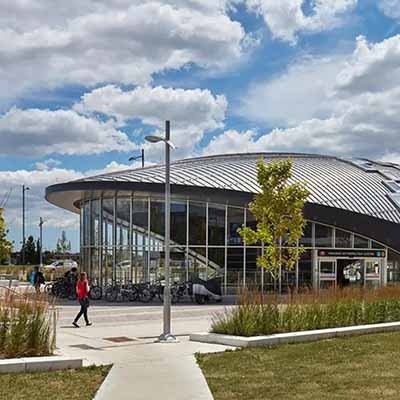
In the present society several stations, bridges, and buildings are known to have perforated aluminium panels. These panels convey the observable aesthetic features of a building which transforms a building into an art piece and symbol of a city.
Perforated aluminium panels work not only as structural and functional additions but also as decorative objects on the buildings. They are versatile, light masters, and packed full of artistry, which alters, modern design’s approach to designed spaces.
Sustainability and Environmental Benefits
Aluminium in particular is an eco-friendly material in architectural design by bringing the following beneficial factors. As such, they are fit for one’s project for instance one is working on a project, which is about sustainability or the environment.
Energy Efficiency:
These ventilated aluminium shells assist in managing heat flows by avoiding the introduction of unnecessary heat at the time of summer forcing the use of air conditioners. This also causes low usage of energy and thus reduction of carbon emissions.
Natural Ventilation and Daylighting:
Lightweight aluminium, for example, can be perforated to allow for natural ventilation and daylighting, interior air quality, and low artificial lighting. Such dual functionality is particularly useful in regions where there are seasonal climate changes.
Recyclability:
Sustainability therefore goes as far as the life of one of these structures to its decommissioning. Perforated aluminium panels are mostly reusable and also at the end of their use, they are reusable or are recycled thus cutting down on construction waste.
Durability and Longevity:
Aluminium used on buildings with perforated panels enables the structure to go for a long time without being revamped. This bias helps longevity in sustainable architecture goals bearing in mind the number of resources that would be incurred.
Reduced Maintenance:
The perforated aluminium panels make them highly resistant to rusting and othering effects of weathering thus they would not need frequent maintenance. This cuts down the time needed for its cleaning and also lowers the utilization of strong scrubs.
Versatility in Green Building Design:
Perforated aluminium panels are effectively utilized in green building design to realize the green goals of the architects and designers. They contribute to such accreditationations as LEED as well as BREEAM, strengthening environmental prospects.
Energy-saving, recyclable, long-lasting, and flexible make perforated aluminium panels the most suitable for use in green buildings. It has been anticipated to be used more as sustainability issues are integrated into civil structures.
Conclusion
This results in an element that has deeply transformed architecture in the modern age: said element is the perforated aluminium paneling. These panels will certainly define creativity, functionality, and the ability of architects in the process of their evolution.

Leave A Comment