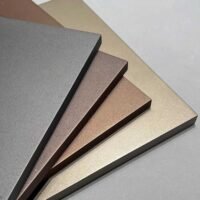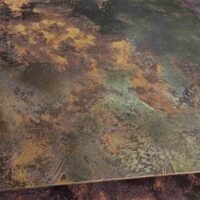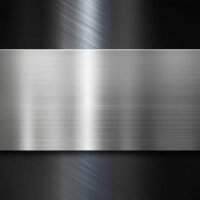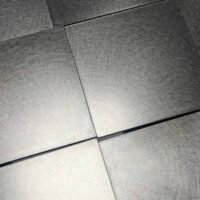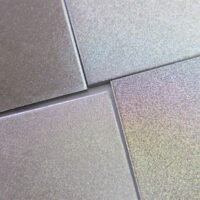




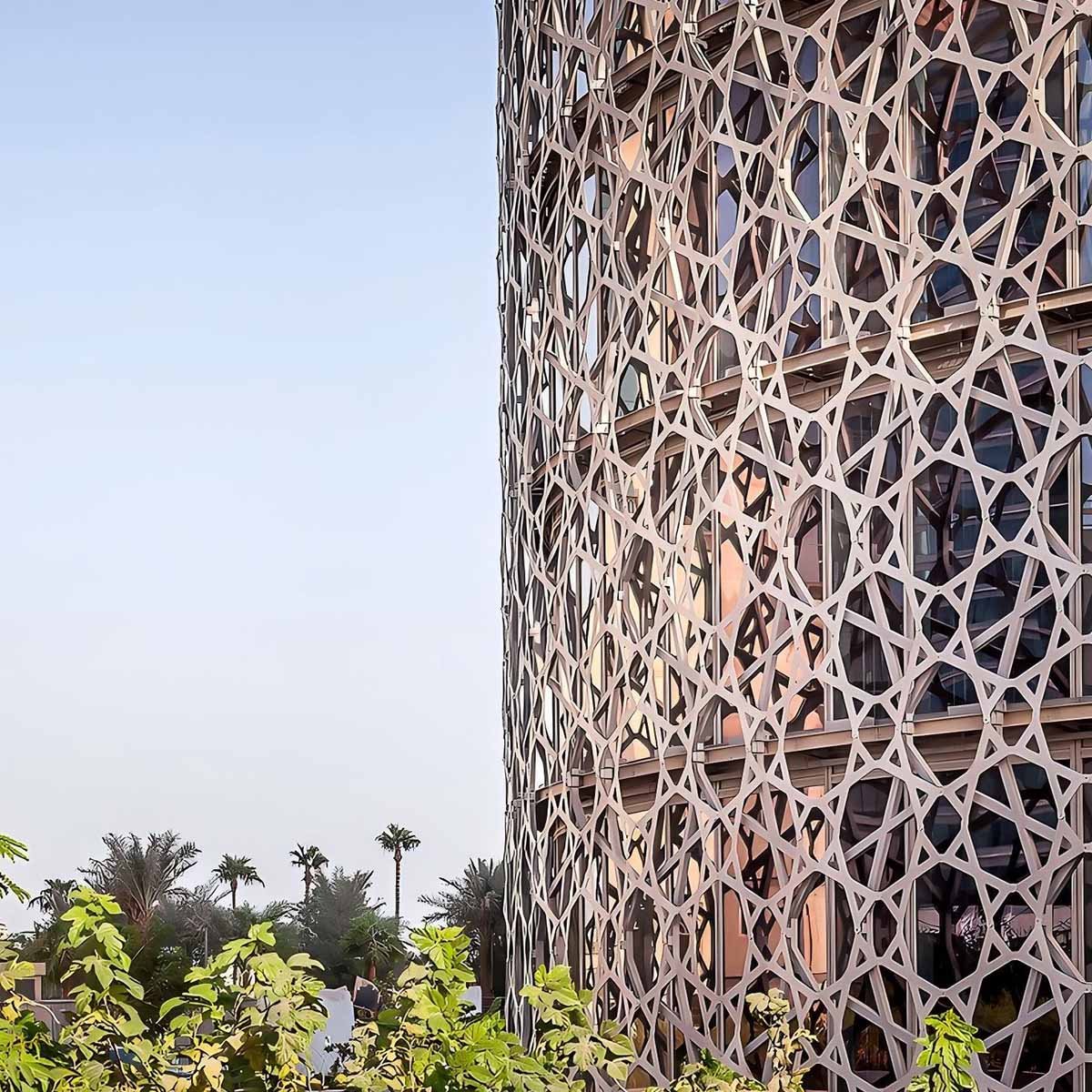
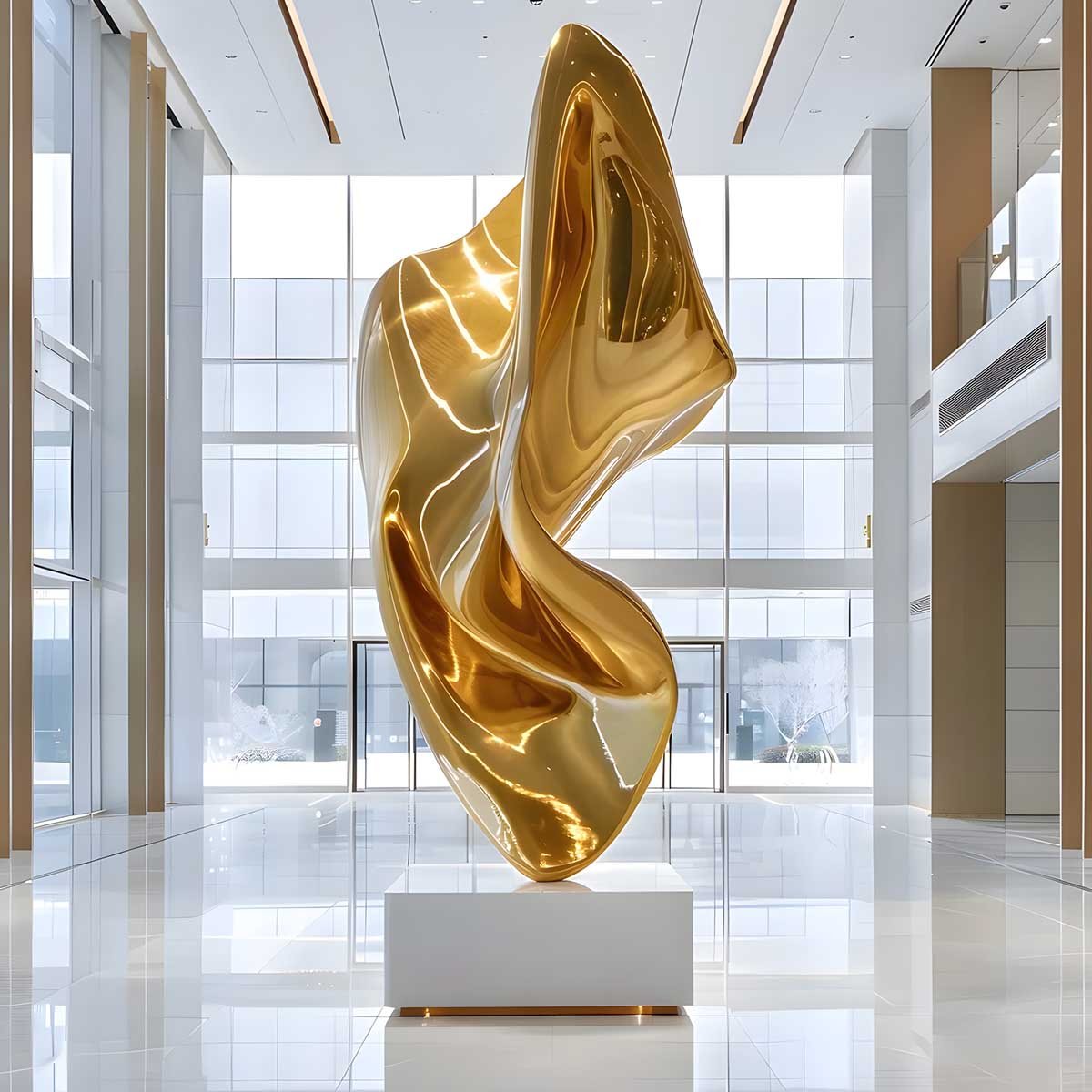
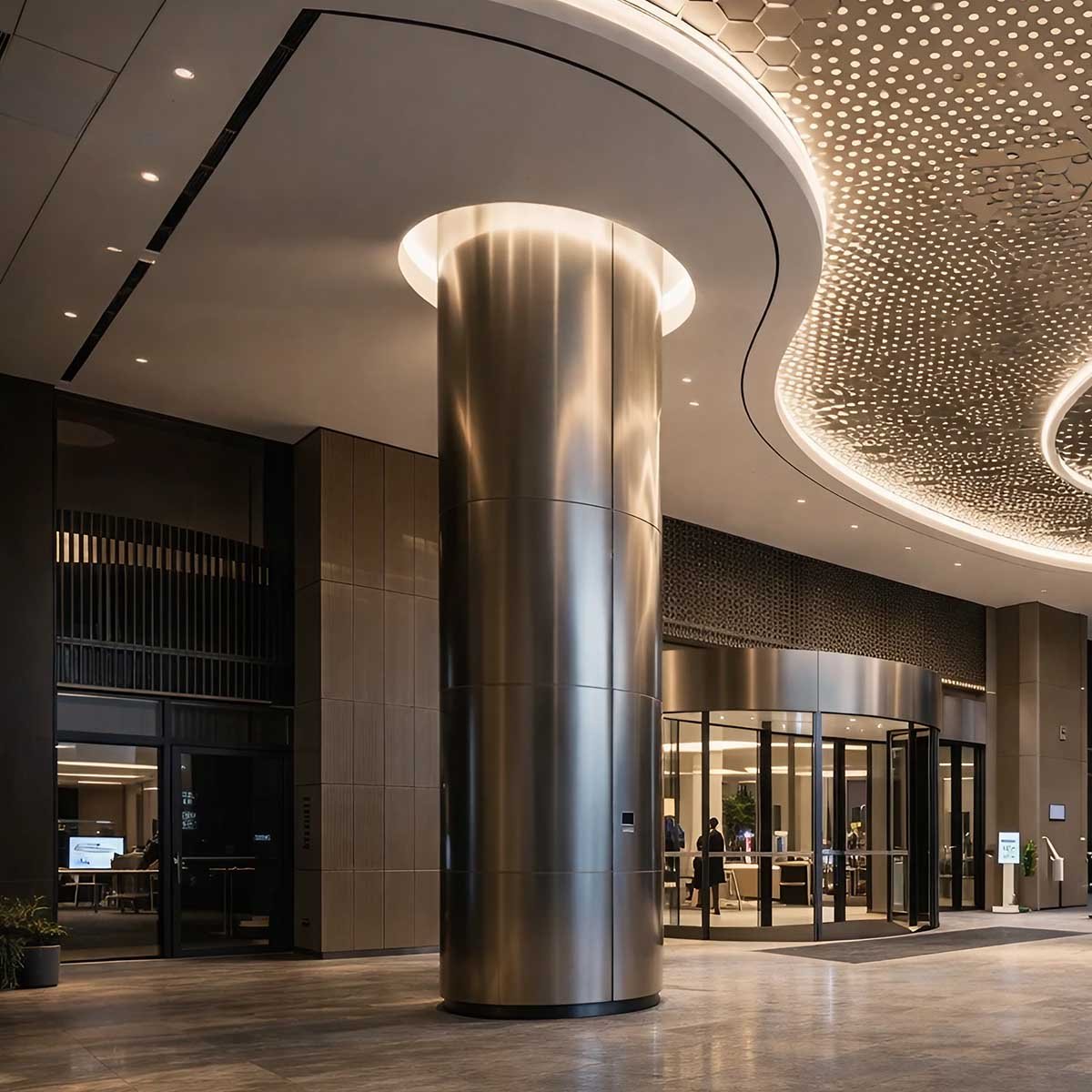

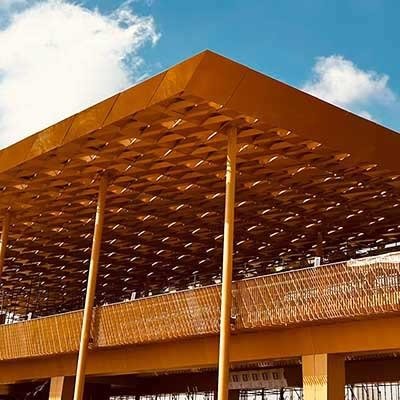
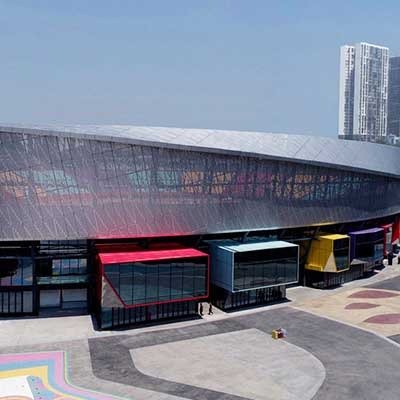


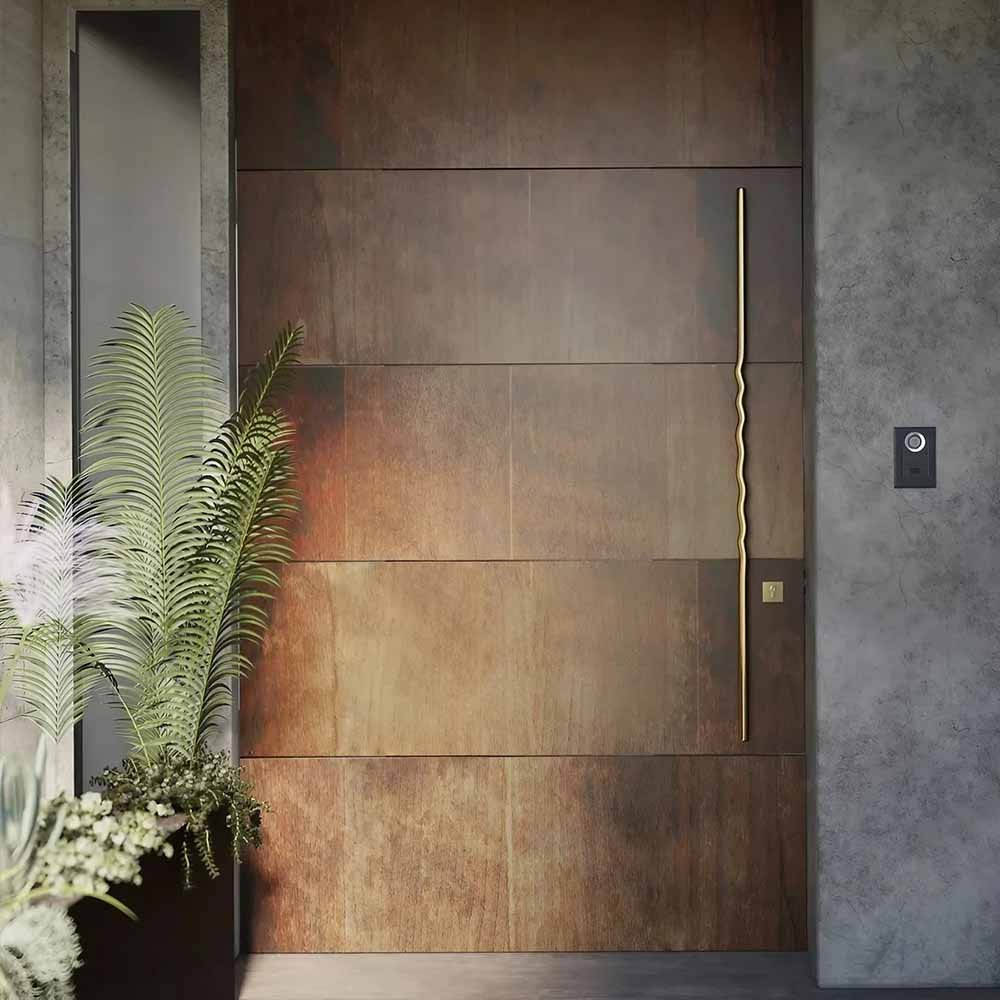
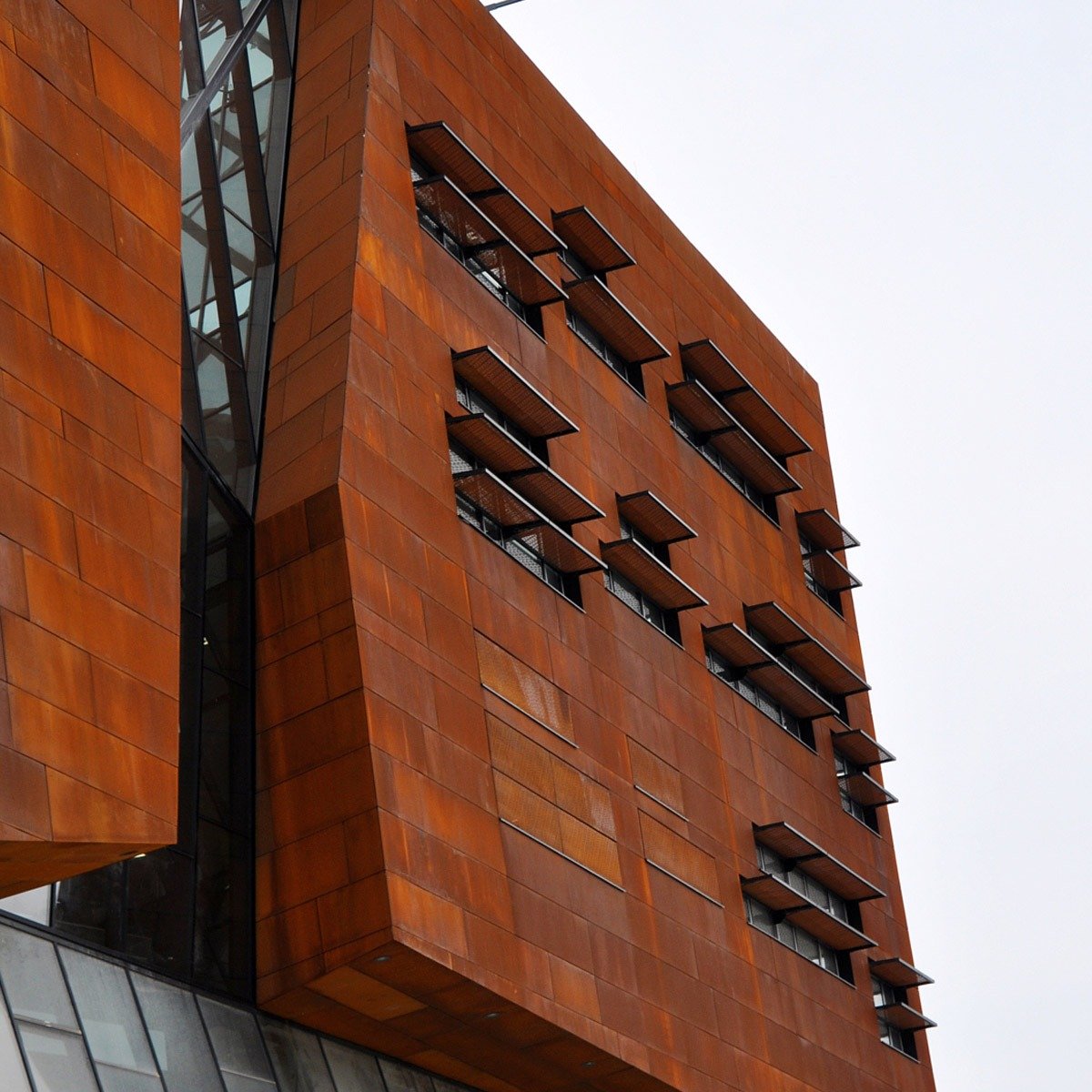
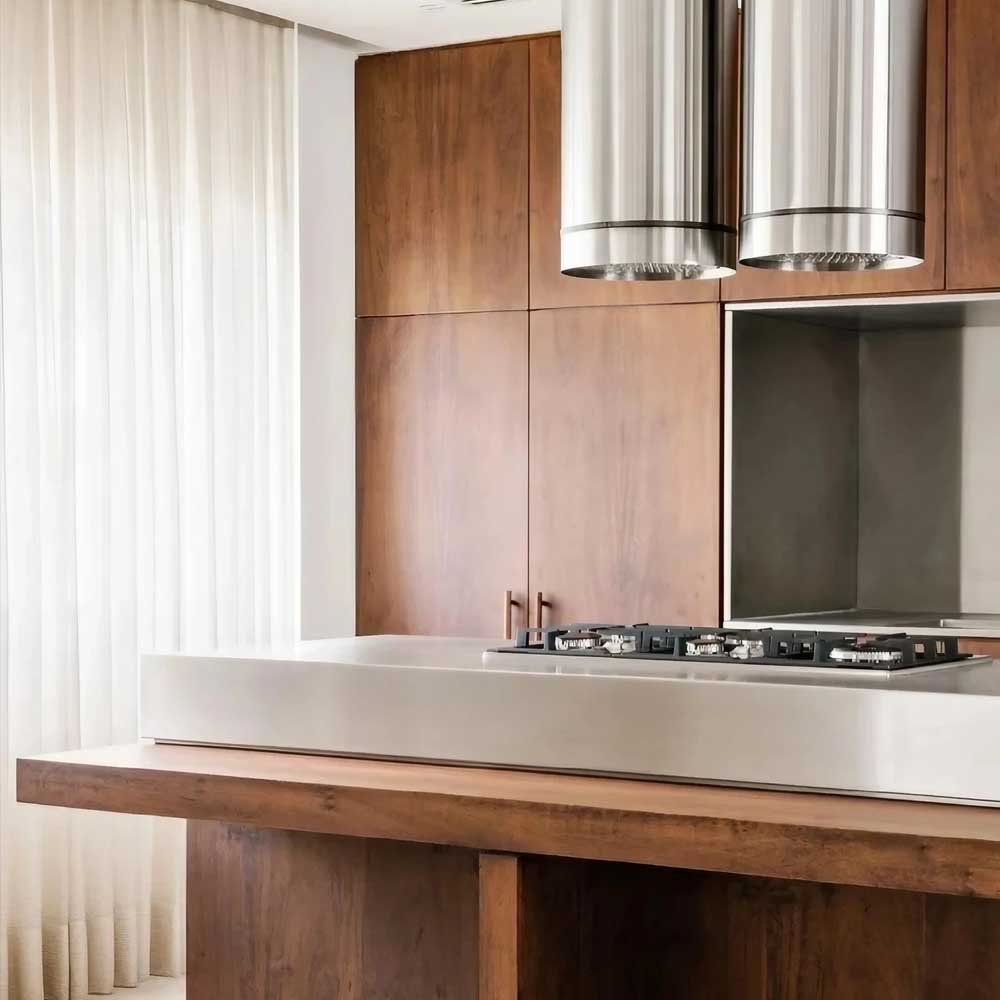
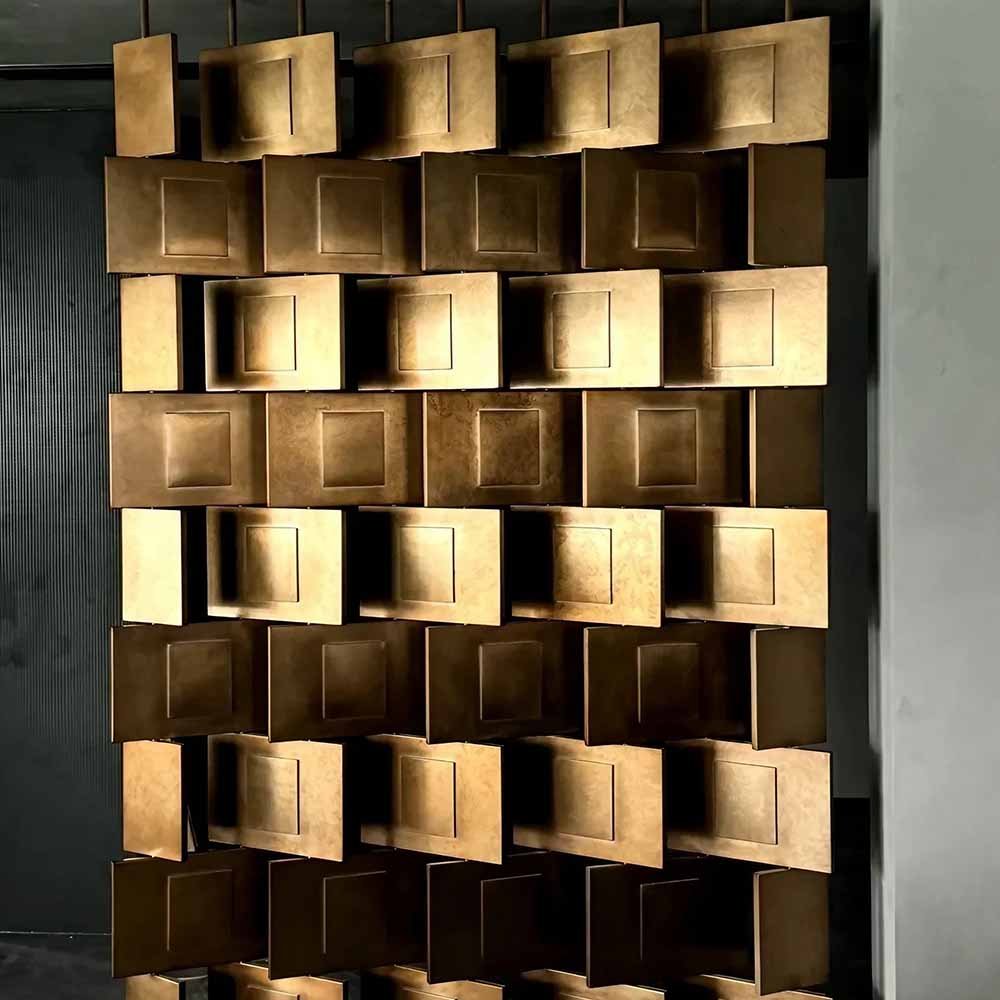
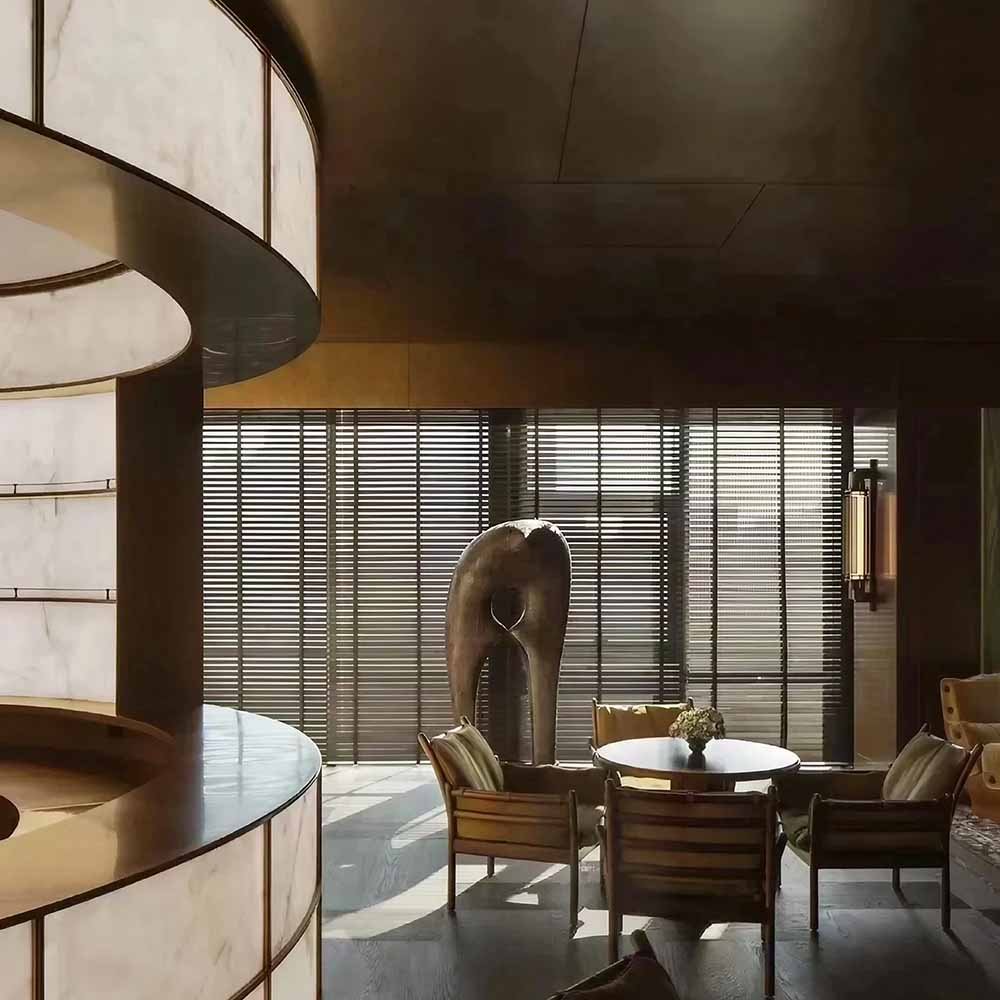

A patina finish transforms metal surfaces with distinctive colours, textures, and character, developing naturally over time or through controlled treatments. It brings depth and visual interest to architectural and interior designs.

Patinated Metals can be used in a variety of design styles, from copper facades to decorative stainless steel panels. Knowing its types, benefits, applications and requirement of maintenance makes it easy for the architects and designers to select the finishes suitable for a project.

Table of Contents

What Is a Patina Finish?

The patina finish is achieved by natural ageing, oxidation or chemical treatment, resulting in unique colored surfaces of the metal in brown, bronze, green, blue, grey and dark colors.

How Does a Patina Finish Form?

Patina may develop over time due to environmental factors or it may be intentionally formed to create a desired decorative appearance, depending on the metal and the technique used for creating the finish.

Patina Finish vs Other Metal Finishes

Patina finish is not uniform like traditional finishes, but is created by natural oxidation or by intentional treatment that causes a variation in colour, texture and age of the finish.

Metal FinishFormation MethodAppearanceKey Characteristic
Patina finishNatural oxidation or chemical treatmentAged tones and varied texturesDistinctive, sometimes evolving appearance
Brushed finishMechanical abrasionFine directional linesSubtle texture with low reflectivity
Mirror finishMechanical polishingSmooth, highly reflective surfaceBright, polished appearance
PVD finishPhysical vapour depositionConsistent metallic coloursControlled decorative finish
Powder coatingApplication and curing of coating powderUniform colour with varied gloss levelsWide colour selection
Anodised finishElectrochemical treatment, commonly for aluminiumControlled colour and surface appearanceIntegral oxide layer

Other finishes may focus on uniformity or reflectivity, but Patina adds depth, colour variation and aged character. Select according to metal, environment, maintenance and appearance.

Types of Patina Finishes

Patina finishes can be varied in colour, texture and aging characteristics depending on the metal and type of treatment applied to provide authentic weathered and even intentional decorative patina surfaces for architectural and interior design uses.

Natural Patina

Natural patina is the result of the metal's reaction with oxygen and moisture. The copper tints naturally from a reddish-brown to green or blue-green colour to match features such as facades, roofing and other architectural elements.

Artificial Patina

Artificial patina is a controlled chemical treatment that creates a specific colour and texture for decorative panels, feature walls, and bespoke metalwork in which the initial appearance is more predictable.

Green Patina

Green patina, frequently occurring on copper, forms a unique green or blue-green color that can be used on stone, glass and concrete, for roofs, facades and architectural elements.

Brown and Bronze Patina

Brown and Bronzed Patina results in warm earthy tones, which can be used to enhance wall panels, column covers, screens and furniture, particularly with timber or natural stone.

Blue, Grey, and Black Patina

Darker or cooler finishes are ideal for creating a modern appearance on feature walls, entrances and decorative panels and samples are available before production.

Textured Patina

Textured patina combines a range of colours with hammered or embossed finishes to add depth and visual interest to ceiling, feature wall, reception counters, and bespoke architectural elements.

Before deciding on the patina finish the colour, base metal, environment, maintenance, weather exposure and corrosion resistance should all be taken into consideration to decide on the right finishing process.

Which Metals Can Have a Patina Finish?

Patina finishes can be applied to or given to several metals, and the colour, texture and durability will vary according to metal and treatment. However, the copper will naturally form a patina, and other metals will need special treatment to achieve a decorative effect.

Copper

The copper cladding finish imparts an interesting aged finish and texture to the panel, and a patina finish copper can be used in modern architectural facades with glass, stone and concrete.

Stainless Steel

Depending on grade and preparation, stainless steel can be given a patinated appearance to produce decorative colours and textures on wall panels and architectural features.

Brass and Bronze

Brass and Bronzes have an aged surface due to natural oxidation or artificial patination, and can be warm brown, golden and dark colors for screens, furniture, panels and interior decorations.

Weathering Steel

Weathering steel is capable of forming a unique rusty appearance, which can help to slow down the corrosion process under certain conditions and is therefore used in sculpture, facades and landscape design.

Aluminium and Other Metals

Copper can be treated to create aged or textured finishes but aluminium will need specialist treatments to create such effects, and other metals can be patinated with compatible finishing techniques.

Choosing the appropriate metal requires a consideration of appearance, exposure, corrosion resistance and maintenance to ensure that the substrate and finish are appropriate to the project.

Looking for the right patina finish for your project? Contact TBK Metal to discuss customised metal finishes, fabrication requirements, and architectural solutions tailored to your design and performance needs.

Benefits of a Patina Finish

A patina finish is more than just an aged look. It adds colour, texture, and visual depth to metal surfaces, making it a popular choice for architectural facades, decorative panels, and contemporary interiors.

Distinctive Appearance

Patina offers rich hues and natural variations, making the surface of the metal more unique than many uniform finishes.

Design Versatility

Patina comes in a variety of colors, including green, blue, brown, bronze and black, and can be used in a range of traditional and modern styles or designs.

Unique Surface Character

Variations in patination can be achieved through natural processes, depending on the metal and environment, or through controlled processes for specific design needs.

Long-Term Visual Appeal

While some patinated metals remain the same over time, others age in a way that produces a surface that reflects the environment surrounding it.

Suitable for Various Applications

Patina finishes can be applied to facades, wall cladding, ceiling, decorative screens, column covers and custom interior applications, among others, depending on the metal and treatment.

Potential Corrosion Protection

Copper and weathering steel may provide protection from natural patina and weathering, but corrosion protection is dependent on the metal, environment and finishing process.

In general, a patina finish can provide a wide range of design choices and a unique look. Selecting appropriate metals and treatments will ensure appropriate appearance, durability, and maintenance performance.

Patina Finish Applications in Architecture

The patina finish presents a metal with colour, texture and depth, which can be applied to the interior and exterior of contemporary buildings depending on the metal and treatment, as well as for heritage and other bespoke commercial projects.

Building facades and Cladding

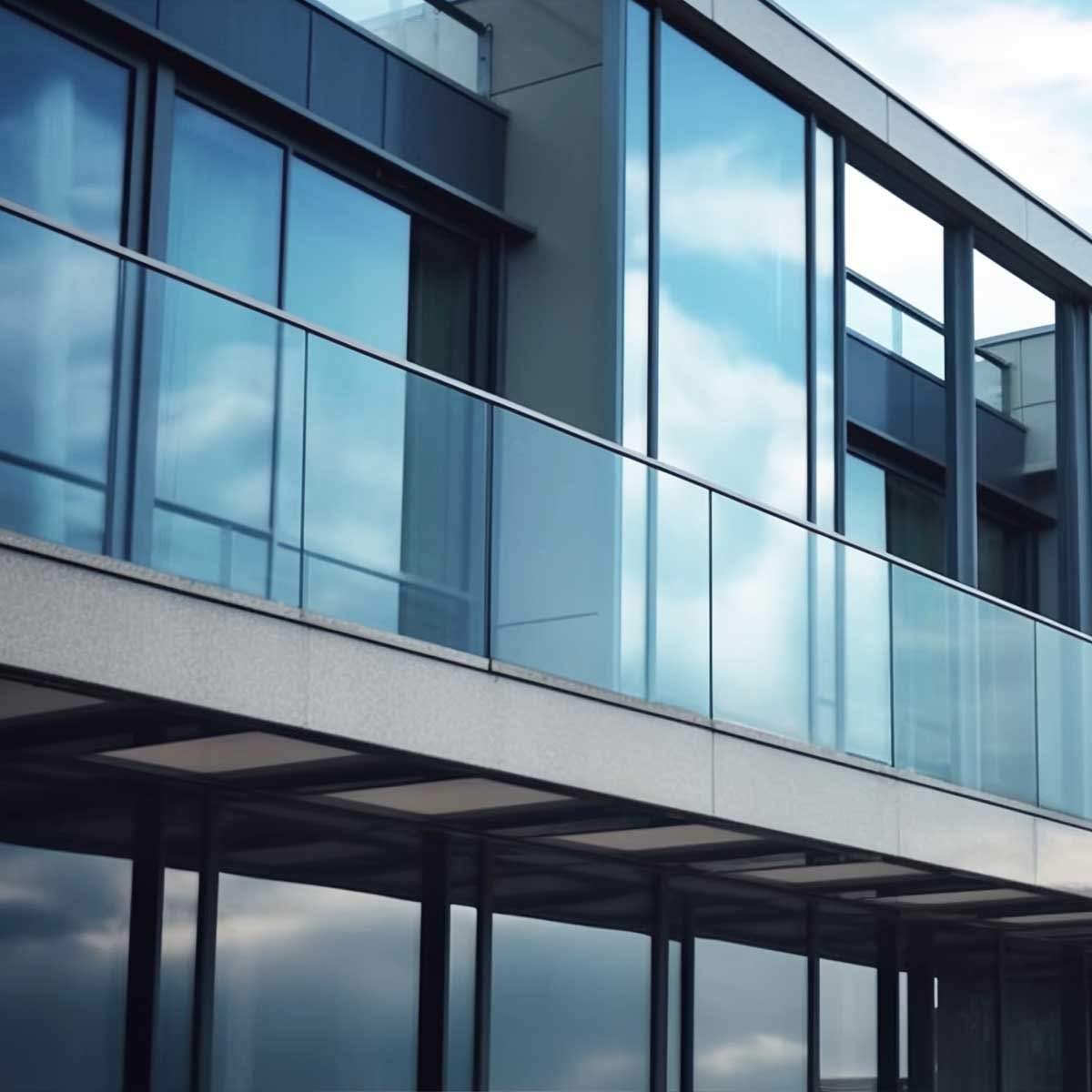
The patinated metal facade is rich in colors and various texture, creating unique facades. Copper and weathering steel are used for entrances, facades and architectural accents.

Interior Wall Panels

The warmth and depth of the patina finish stainless steel make it a perfect match for timber, stone and neutral colors in commercial interiors, with unique brown, bronze and dark finishes.

Ceilings and Decorative Features

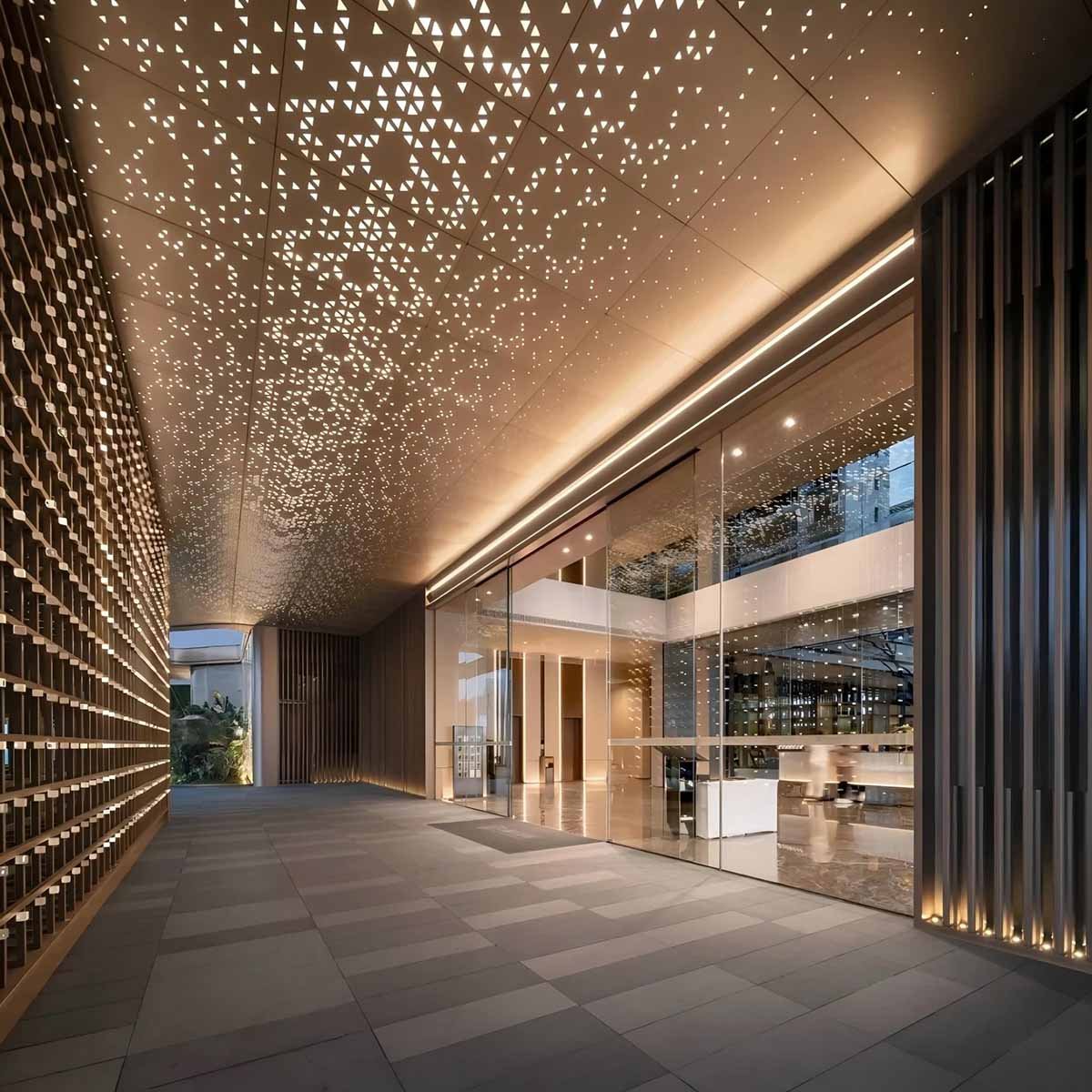
When color and reflective effects are not desired in feature soffits and entrance canopies, patina-finished ceiling panels can be used to provide interest.

Columns and Architectural Details

Commercial interiors, public buildings, and feature entrances are brought together with consistent colours and textures in patinated metal column covers and patinated metal trims.

Decorative Screens and Partitions

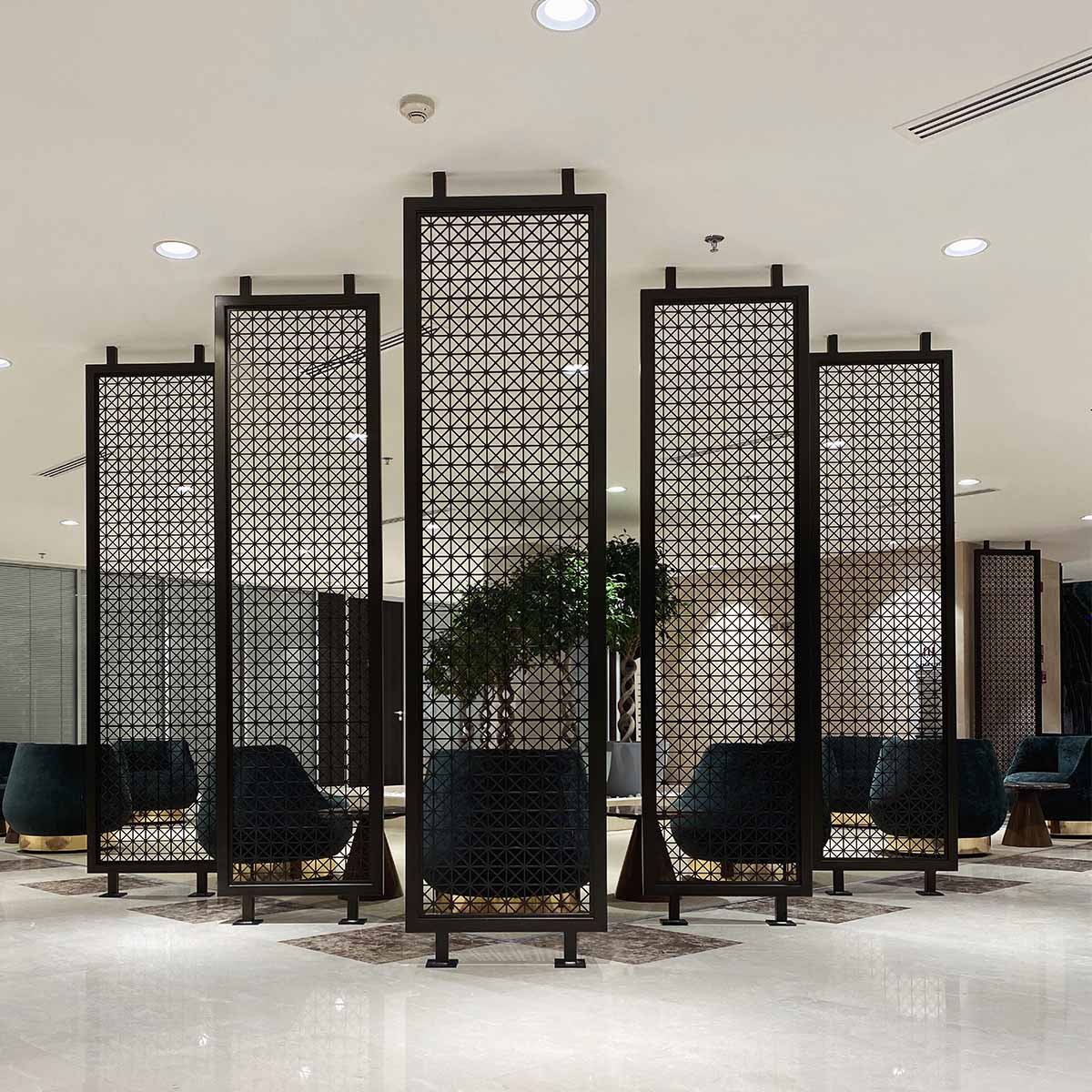
For hotels, restaurants, offices and semi-open areas, patinated metal screens offer decorative beauty, visual separation and filtered light, applying patterns specific to each design concept.

Bespoke Architectural Metalwork

Patina finishes are applied to counters, doors, furniture and architectural metal works to add texture and pattern for unique attributes based on project size and design.

Beware of patina finishes: do a careful evaluation of the metal, the amount of exposure, colour consistency, maintenance and protective treatment. Test physical samples before going into large scale fabrication.

Patina Finish Design Ideas for Modern Architecture

Patina is a popular choice for modern architecture, adding colour, texture and depth. When paired with other materials like glass, wood, stone, or concrete, it forms unique textures that blend modern and natural elements to produce a distinctive and inviting surface.

Create a Statement Feature Wall

Apply patinated metal panels to hotel facades and lobby interiors, and use green, bronze or dark toned panels for commercial interiors for depth and texture.

Combine Patina with Contrasting Materials

Use a mix of patinated metal and glass, wood or concrete to create a textural contrast. Use Bronze with wood or darker colors for small architectural details.

Use Patina for Exterior Accents

Create a unique identity and balance by using patinated metal on entrance façades, canopies, column covers or selected cladding panels.

Incorporate Textured Metal Surfaces

In combination with embossed, hammered or patterned metal, patina is a useful technique for providing depth to decorative screens, feature ceilings and reception counters, particularly when lit well.

Coordinate Patina with Architectural Lighting

Patinated metal will look best in the light that highlights the colour variations and textures, warm light will suit brown and bronze tones, and neutral lighting will show off cooler finishes.

Blend Aged Finishes with Contemporary Design

Use patinated metal with simple lines and subtlety to bring a sense of history and a modern look in residential and commercial settings.

Colour variation, surface texture and ageing all impact the final architectural look: Design tip: Evaluate patina samples with project materials and lighting.

Factors to Consider When Choosing a Patina Finish

The challenge in choosing the right patina finish is balancing appearance, material performance and maintenance. The following factors assist architects, designers and contractors in selecting a finish appropriate to the design intent and environmental conditions.

Base Metal

Metals get patinated in various ways. The colour of copper changes naturally, whereas for stainless steel only special treatments are used for decorative effects, depending on the application.

Colour and Texture

Use uniform shades or variations, as brown, bronze, green, blue and dark shades give different effects, and different textures add depth to the architecture.

Environmental Conditions

When using on the outside, consider the effects of rain, humidity, coastal salt, pollution and temperature change on the patina, corrosion resistance, and stability of the finish.

Natural vs Artificial Patination

Natural patina develops naturally with environmental exposure; artificial patination allows for more control over the initial colour and appearance if design consistency is important.

Durability and Protection

Do not assume that Patina is sufficient protection, evaluate the metal substrate, finishing process, protective sealants, and environment to determine if they require additional protection.

Maintenance Requirements

There are surfaces that have become patinated naturally, and those that require protection. Follow manufacturer’s instructions regarding proper cleaning and maintenance.

Panel Consistency and Fabrication

Coordinated colours, textures, panel dimensions and fabrication methods are needed for large projects. Sample reviews and confirmed production tolerances help minimise inconsistencies across installed panels.

Indicate metal, colour, treatment, exposure, maintenance requirements prior to production. Accept samples in a realistic light and environment to ensure the finish.

How to Maintain Patina-Finished Metal

With proper care, patina finished metal will retain its appearance and function. Caring for this product depends on the substrate, patination process, protective coating and the environment to which it is exposed; always follow the instructions of the manufacturer.

Clean the Surface Gently

Clean with a soft cloth, clean water and a suitable mild cleaner to remove surface dust and dirt. Don’t use abrasive pads as they can scorch or change the appearance of the finish.

Avoid Harsh Chemicals

Patinated surfaces can be harmed by strong acids, alkalis and inappropriate cleaning agents. Test any chemical cleaner on an inconspicuous area prior to using on the rest of the surface.

Inspect for Surface Changes

Monitor for discolouration, staining, corrosion, or damage to protective coatings, especially on exterior facades and exposed architectural features or structures.

Manage Moisture and Runoff

Keep water from building up where possible and review drainage information. Cu and other patinated metals can cause adjacent stone, concrete or other surfaces to stain.

Maintain Protective Treatments

There are some patina finishes that have protective coatings applied to limit colour change and stabilise colour. Check frequently and follow manufacturer’s instructions for reapplication.

Not everything aged will need to be polished or coloured; some will naturally age while others will need special treatment to ensure they look the same.

Patina Finish vs Painted or Coated Metal

A patina will give the aged colours and the different textures, painted or coated metal will give the more consistent colour and texture. Selection is based on design objectives, environmental factors and maintenance considerations.

Feature Patina Finish Painted or Powder-Coated Metal PVD-Coated Metal
Appearance Aged tones and varied textures Uniform colour Consistent metallic colours
Surface formation Natural oxidation or controlled treatment Applied paint or powder coating Thin coating deposited through a vacuum process
Colour consistency May vary with treatment and exposure Generally consistent Generally consistent
Ageing behaviour May continue to change over time May fade, chip, or deteriorate Depends on coating quality and exposure
Design style Organic, aged, or artistic Versatile, from simple to bold Contemporary and decorative
Maintenance Depends on substrate and treatment Depends on coating and environment Depends on coating and environment
When should you choose it? The design aims for distinctive colour shifts, vintage character, or a surface whose appearance changes over time. Where consistent colour, an extensive colour palette, and a specified finish are the primary priorities. When decorative metallic aesthetics and colour control are needed, subject to product performance requirements.

Take in account the base metal, corrosion protection, environment, maintenance, budget, and patina durability and corrosion resistance rely on the entire finishing system.

Planning an architectural project with patinated metal? Get in touch with TBK Metal to explore suitable materials, surface treatments, and customised fabrication options for your facade or interior design.

Why Choose TBK Metal for Patina Finish Solutions?

With 15+ years of experience, 50,000+ sqm manufacturing space and 5,000+ architectural projects, TBK Metal can deliver customised metal solutions for architecture, using bespoke patina finishes and precision fabrication.

Customizing Patina Finishes and Designs

TBK can provide metal panels in aged colours, natural colour variation and patinated texture as appropriate to drawings, dimensions and colour specification of the surface.

Fabrication for Architectural Applications

TBK manufactures patinated metal components for facades, decorative panels and interior finishes, integrates materials, works out the fabrication and installation procedures and matches the requirements of the project.

Support for Project Requirements

Every architectural project is unique, and has unique aesthetic and technical requirements. TBK selects material options, patina application and solutions for every application.

TBK Metal offers patina metal in variety of styles for hotels, corporates and architectural installations. Discuss your design requirements and selections for materials.

FAQs About Patina Finish

Q1. Can a patina finish be customised to match a specific design?

Yes. Artificial patination can be manipulated to create specific colors, textures and degrees of surface variation. The final result depends, however, on the kind of metal substrate, the treatment method and the production conditions. Prior to extensive production, it is advised to have the sample approved.

Q2. Does a patina finish increase the value of a building?

A good patina treatment can help to support the overall image of the building and also have a positive impact on the material qualities of the structure. It is not the finishing that determines its overall contribution to “value”, but rather its architectural quality, its performance in materials, its workmanship, and what the market thinks of it.

Q3. Can a patina finish be applied to existing metal surfaces?

In some cases, yes. Surface may need to be cleaned, stripped of previous coatings, prepared, and tested for compatibility before patination. The feasibility depends on the type of metal, the current surface state and the finishing process.

Q4. Is every patina finish unique?

Not necessarily. Changing environmental exposures can create different colours in natural patina, whereas controlled treatments will yield more consistent colours. Although the patination may be artificial, some variations between batches may still happen and an agreement shall be reached prior to production on the acceptable colour variation.

Q5. Can patina finishes be used in high-traffic commercial interiors?

Yes, if the choice of metal and finishing process is appropriate to the anticipated amount of contact and wear. Frequently touched surfaces (counters, door panels, etc.) may require protective treatments. Mock-ups and durability testing can be useful to confirm suitability.

Q6. Does a patina finish affect the recyclability of metal?

Patinated metals are generally recyclable but the process is dependent upon the base metal and any overlying coatings, sealants or other attached materials. Sorting of different materials wherever possible can facilitate recycling and material recovery.

Q7. Can patina finishes be combined with perforated or embossed metal designs?

Yes. Perforated, embossed, hammered and patterned surfaces can be complemented by patination. Fabrication sequence and treatment method may influence the colour development on raised areas, recesses and cut edges, however. Sample panels help to verify the desired outcome.

Q8. What should architects specify when ordering patinated metal panels?

Provide details of the base metal, grade, panel size, colour and texture, patination process, tolerances for colour change, protective finish, and environment of installation. Use approved samples and inspection criteria for larger projects to ensure consistency in fabrication and installation.

Conclusion

As a patina finish, the colours, texture and character of architectural metal can be enhanced across facades, interior panels, screens and bespoke features. Selecting suitable materials and treatments ensures the desired appearance and performance.

The selection of the most appropriate finish is dependent on the project requirements, exposure and maintenance. TBK Metal is a provider of customised architectural fabrication, giving you the chance to bring your vision to life. Speak to us to determine the options that are right for you.

Contact Request

Contact TBK Metal to explore customised patina finishes and architectural metal solutions tailored to your project’s design and fabrication requirements.

    Related Posts