





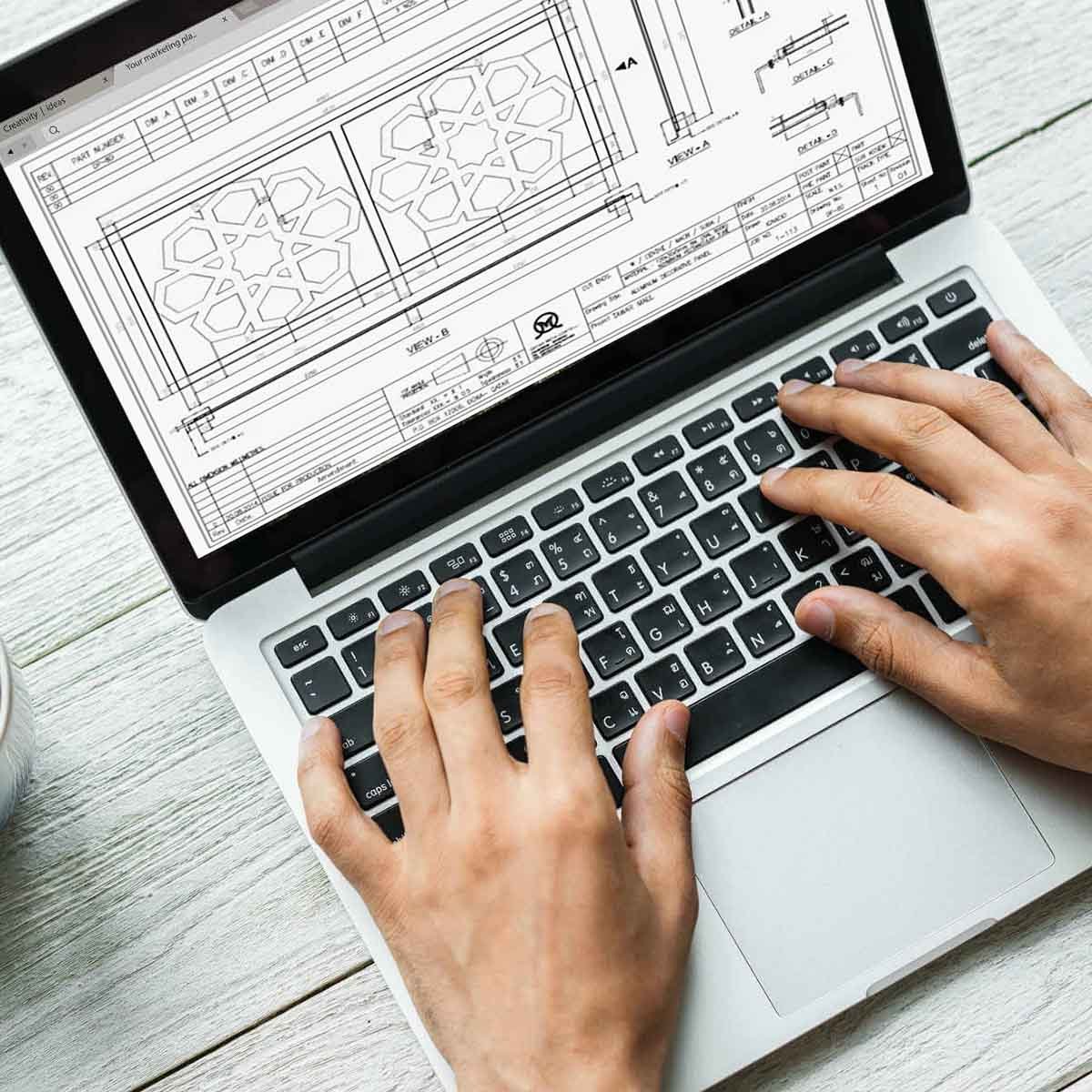
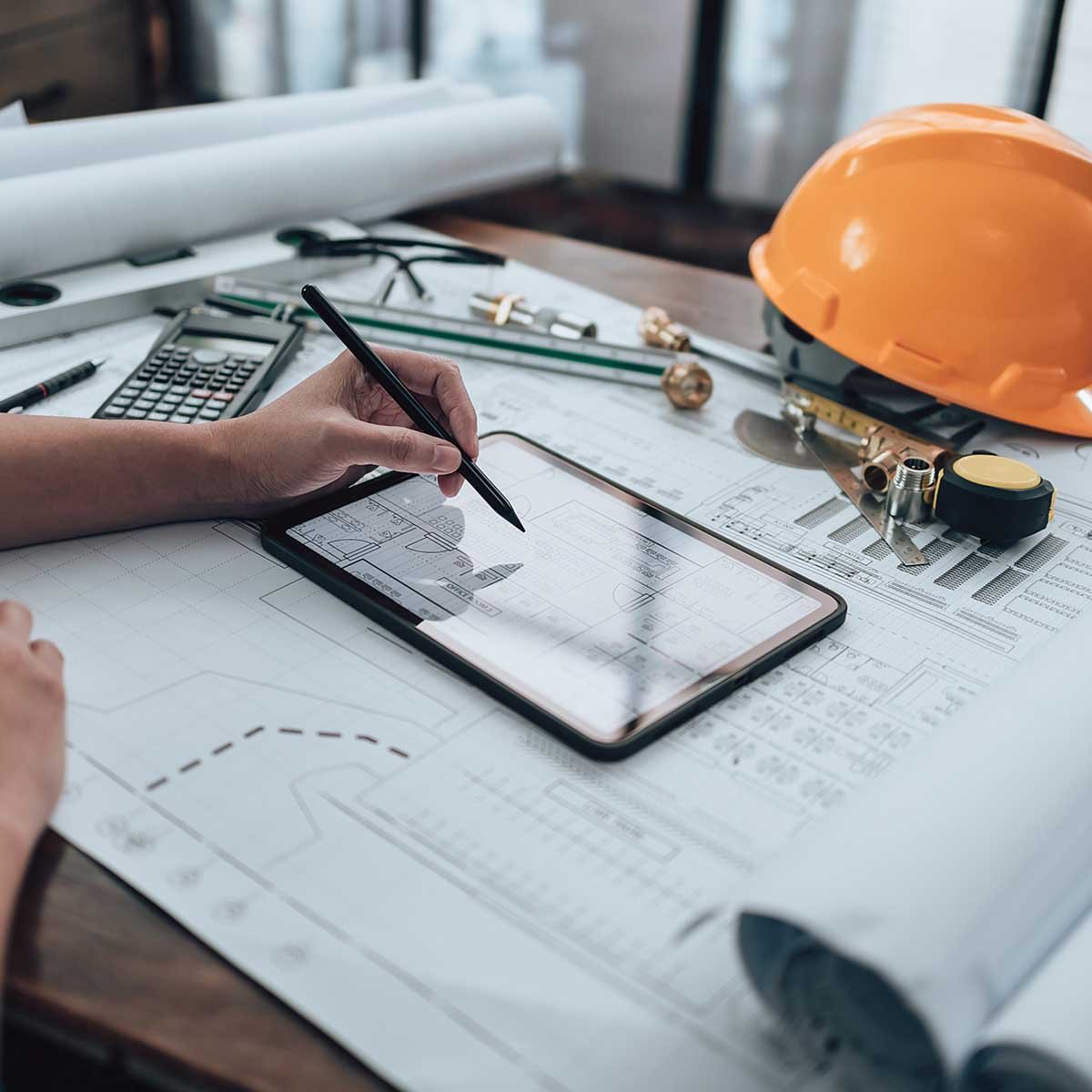
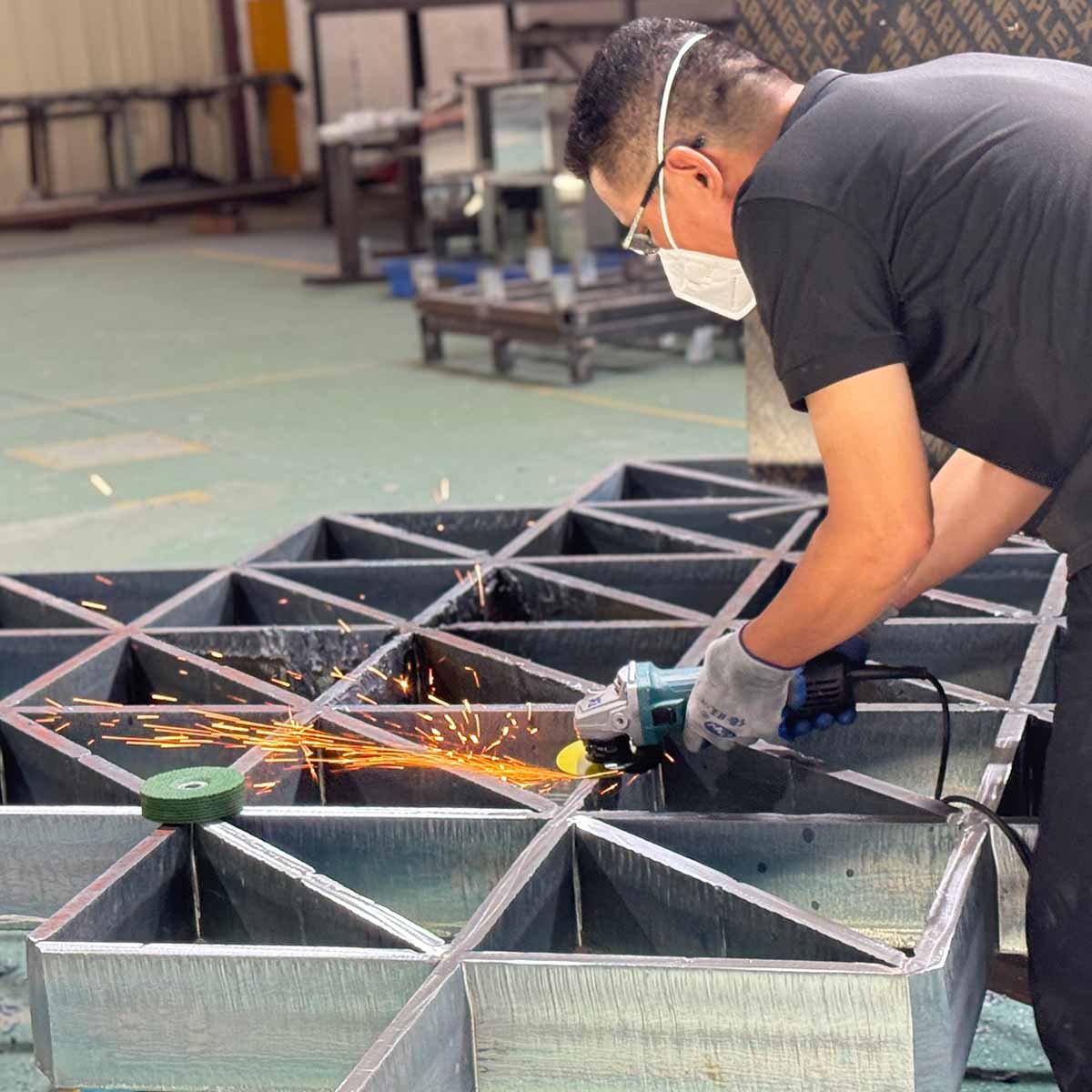




Custom-Made Solution
High-Quality
Perforated Metal Facade Panels
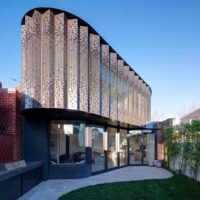
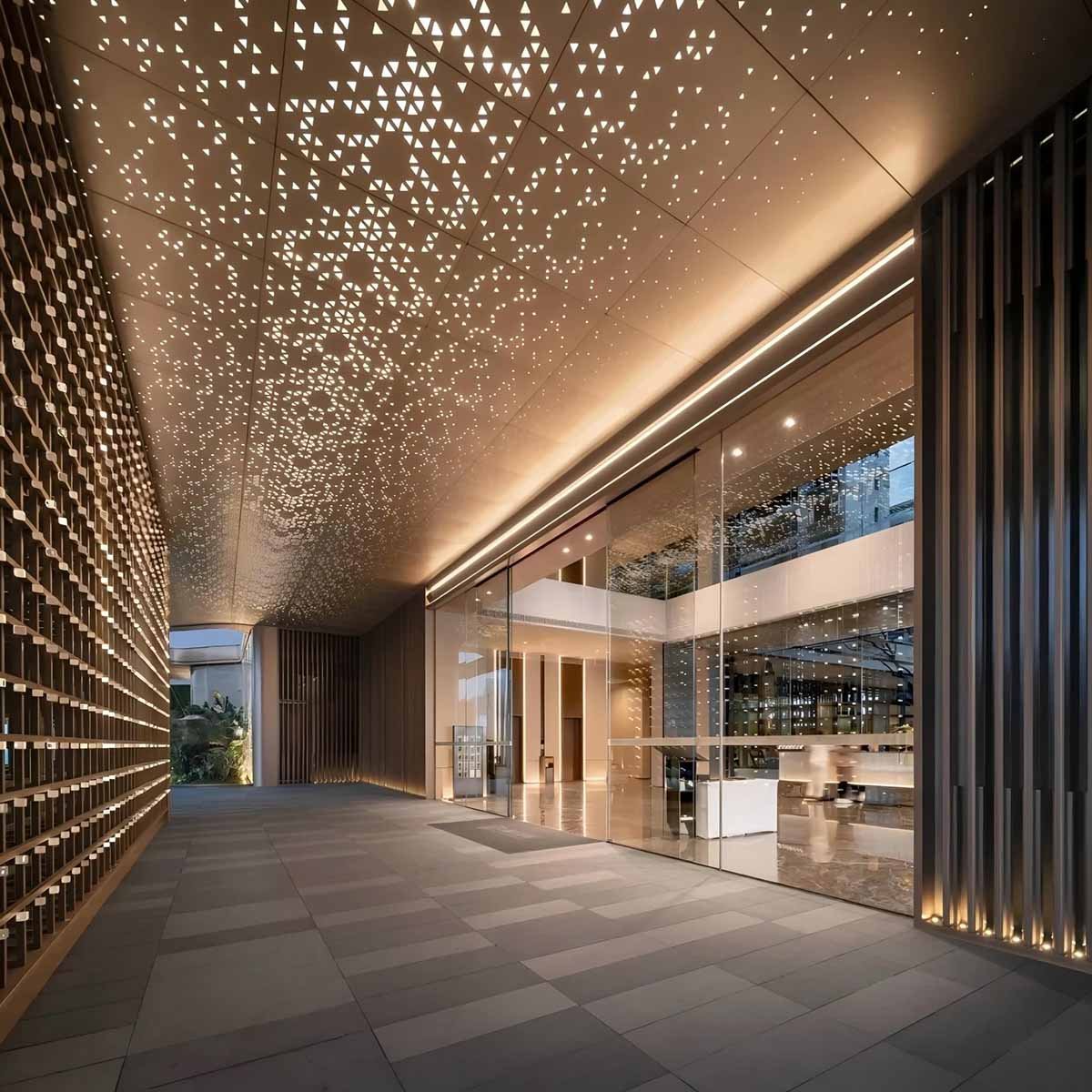
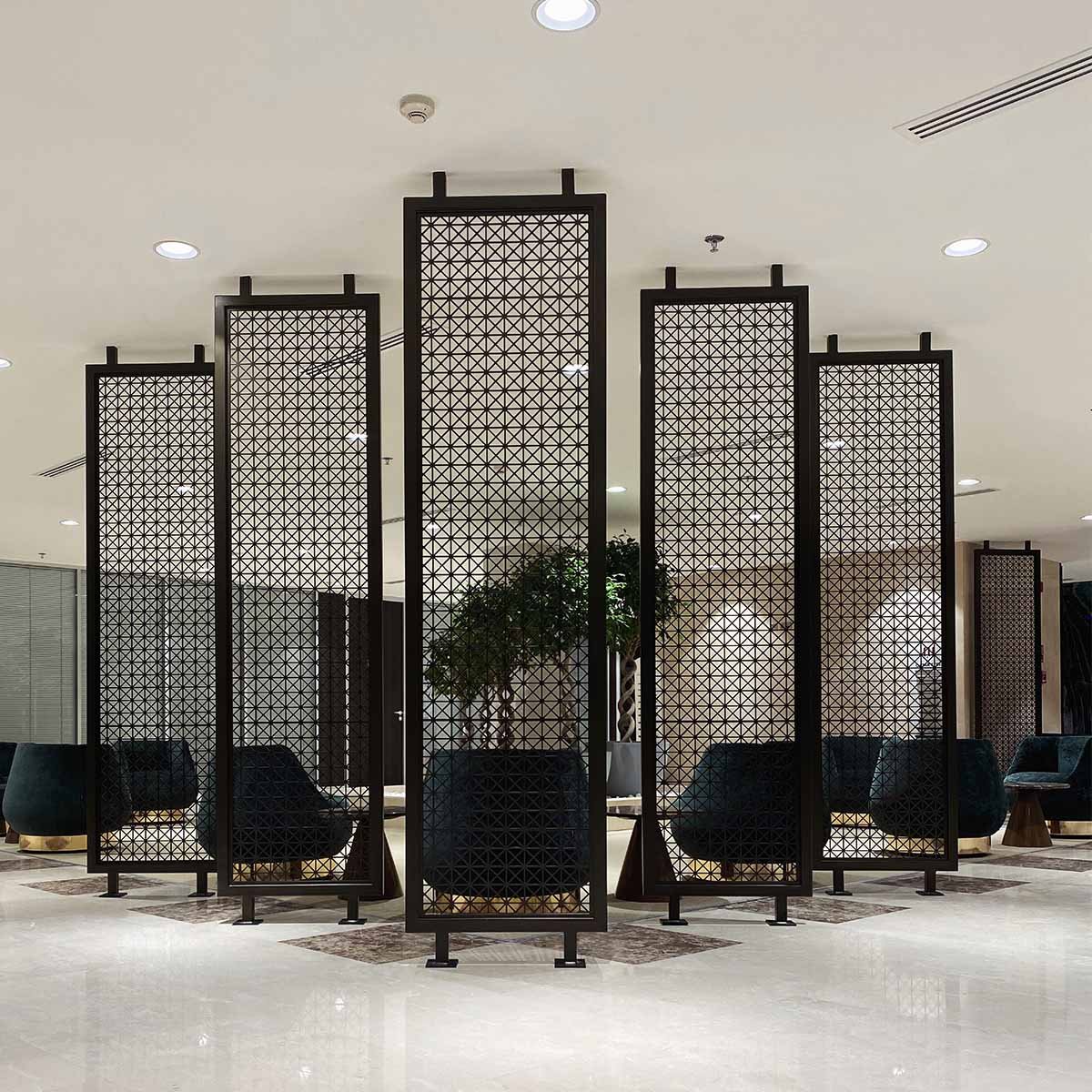
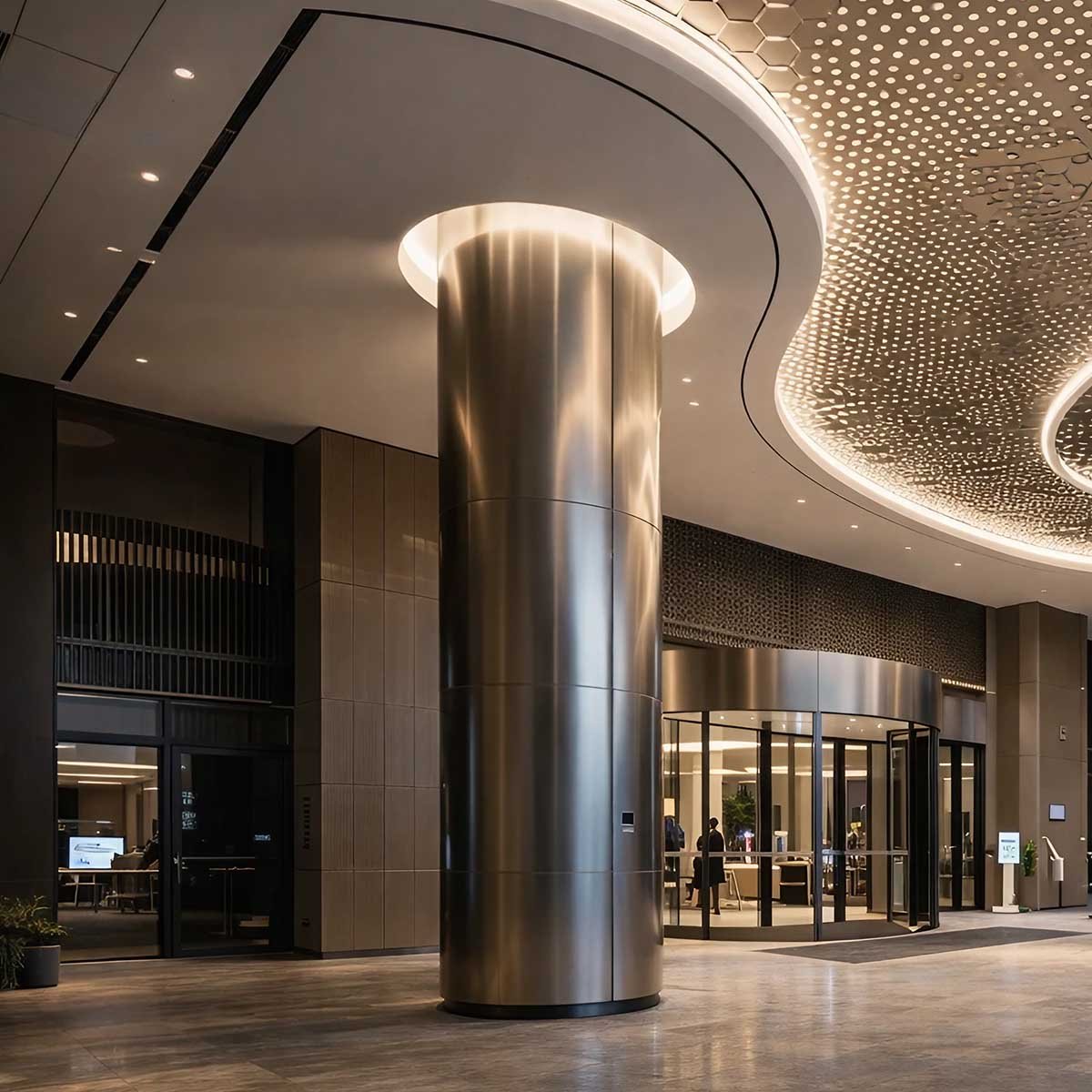
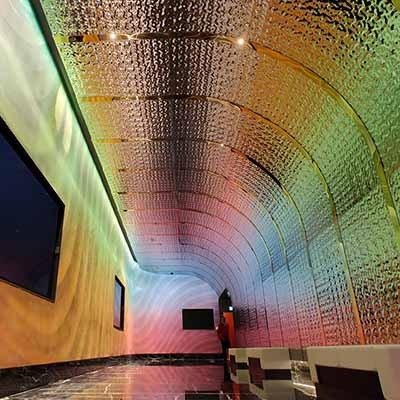
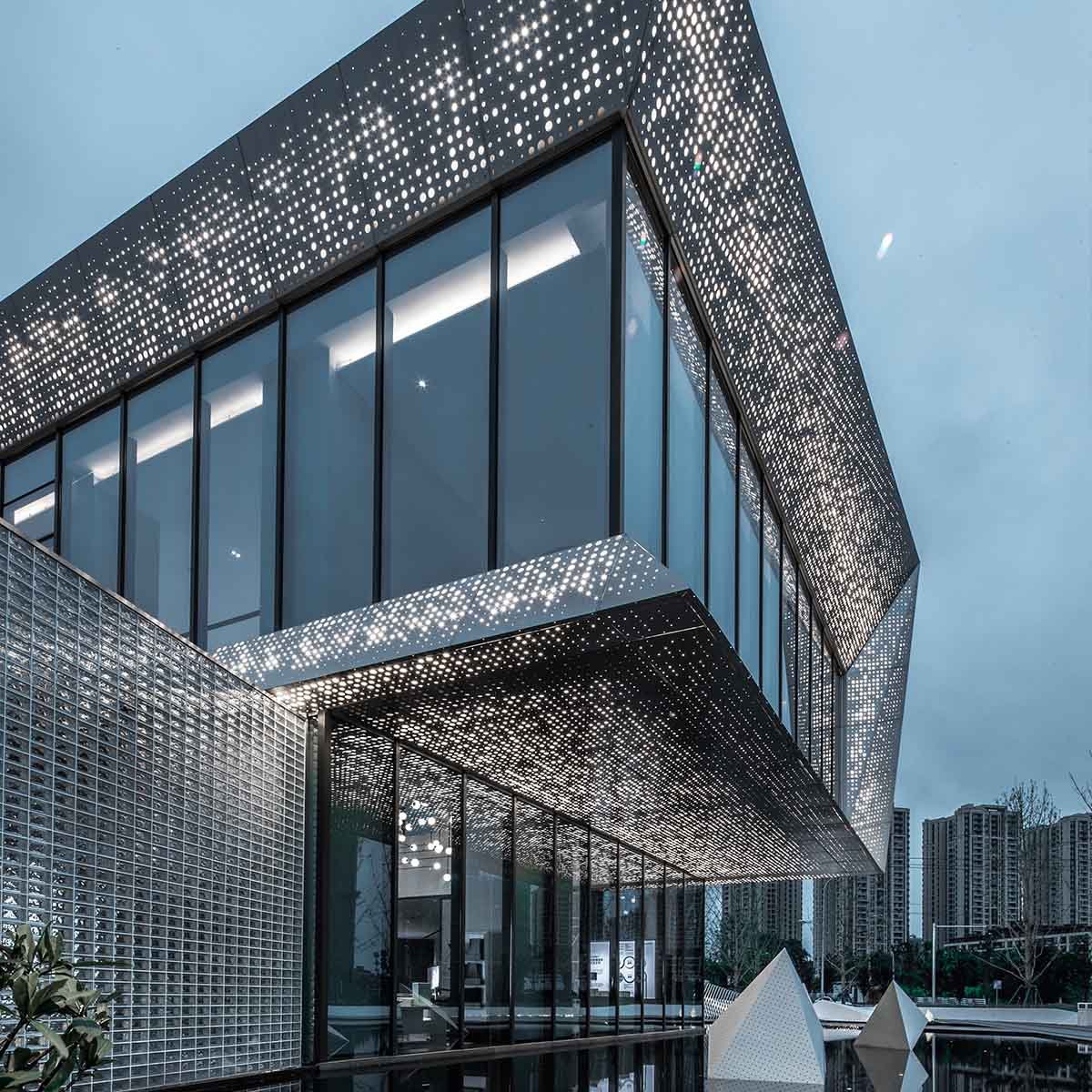
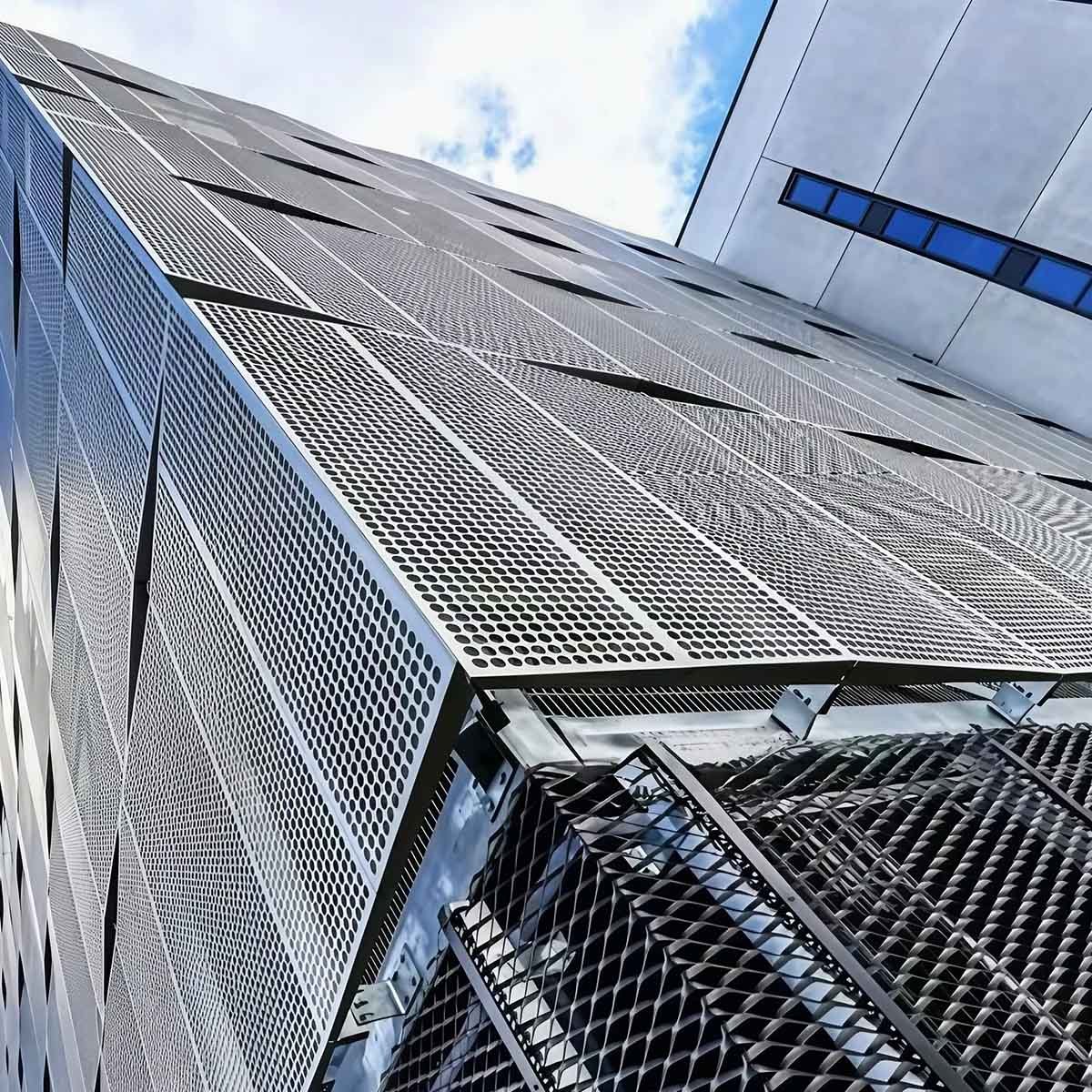
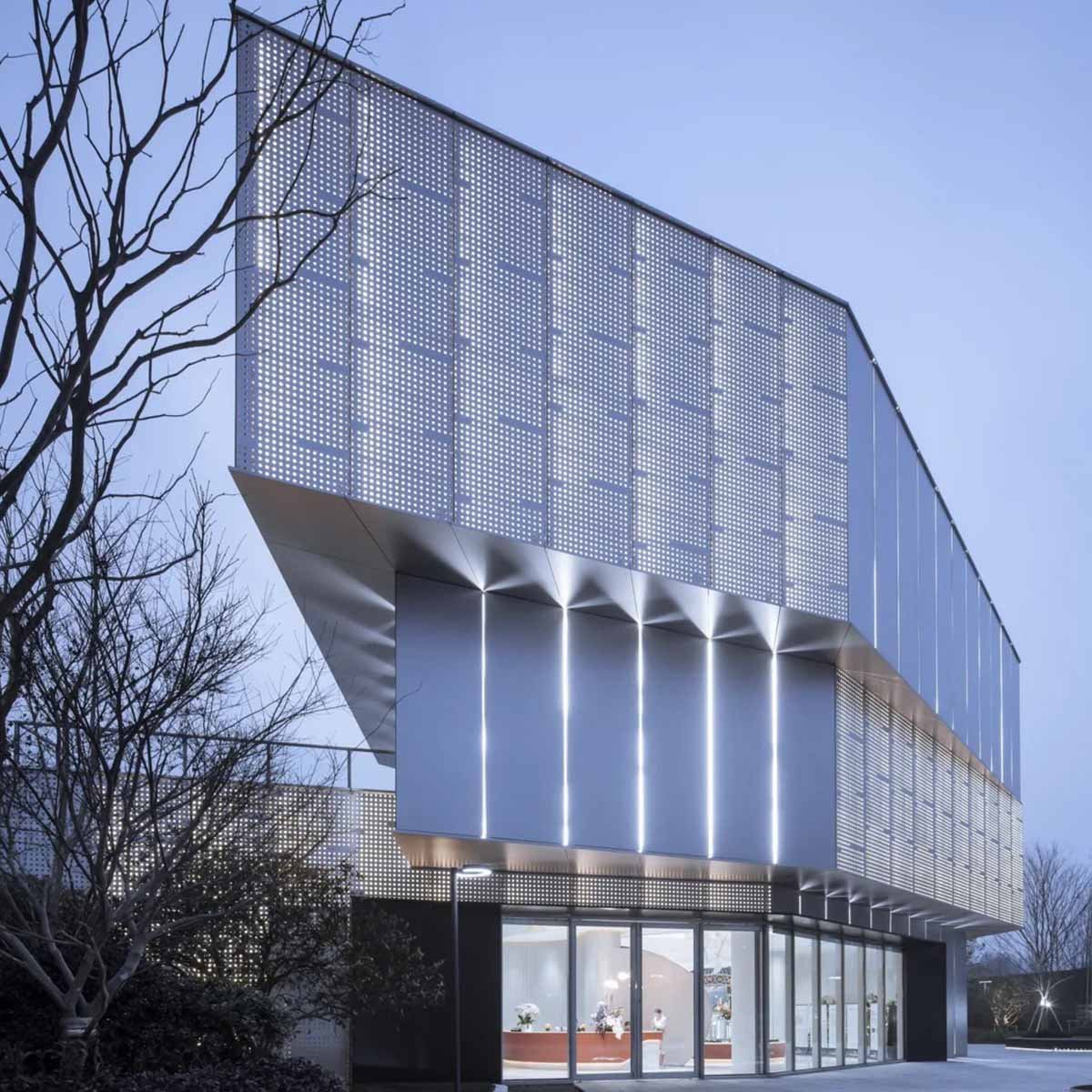
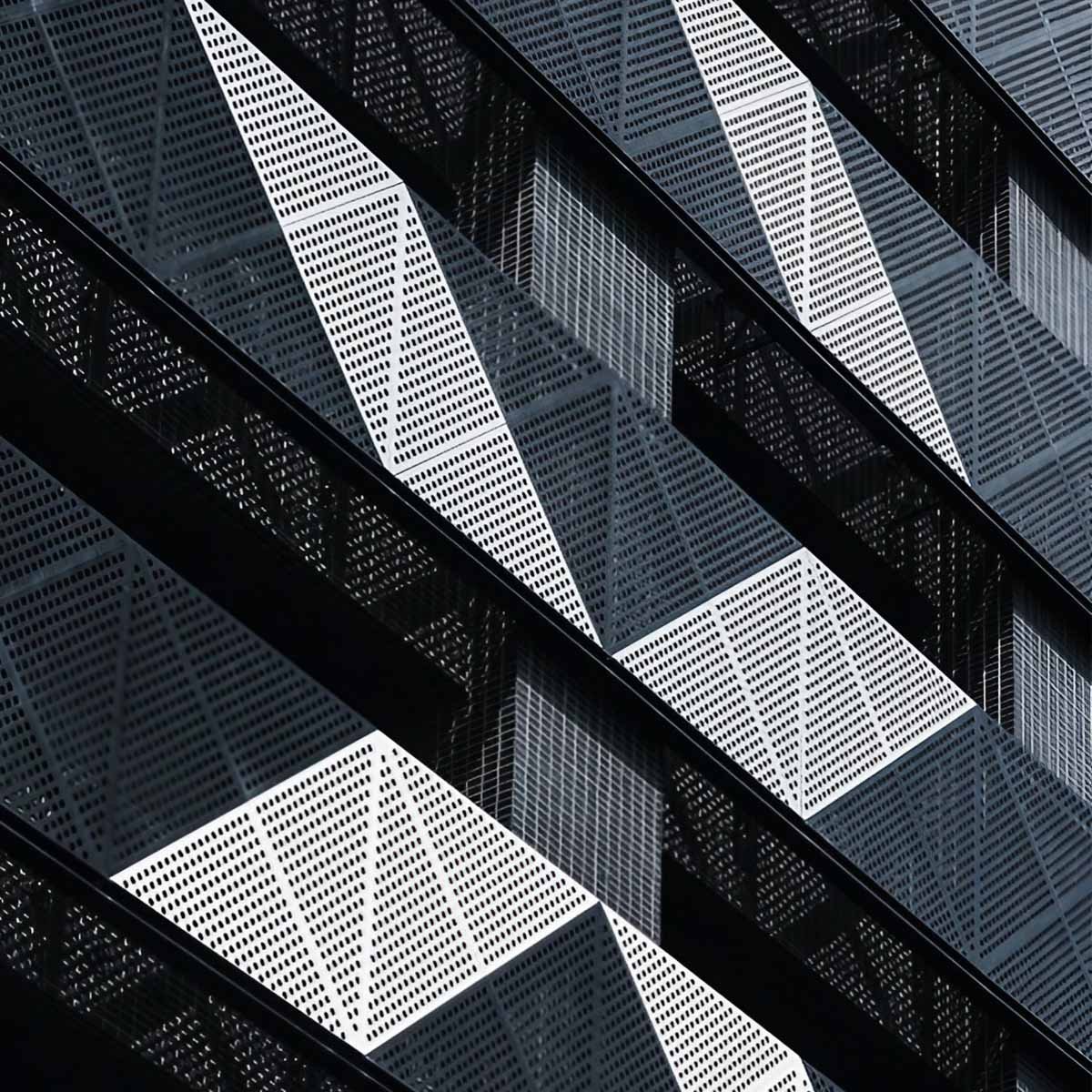
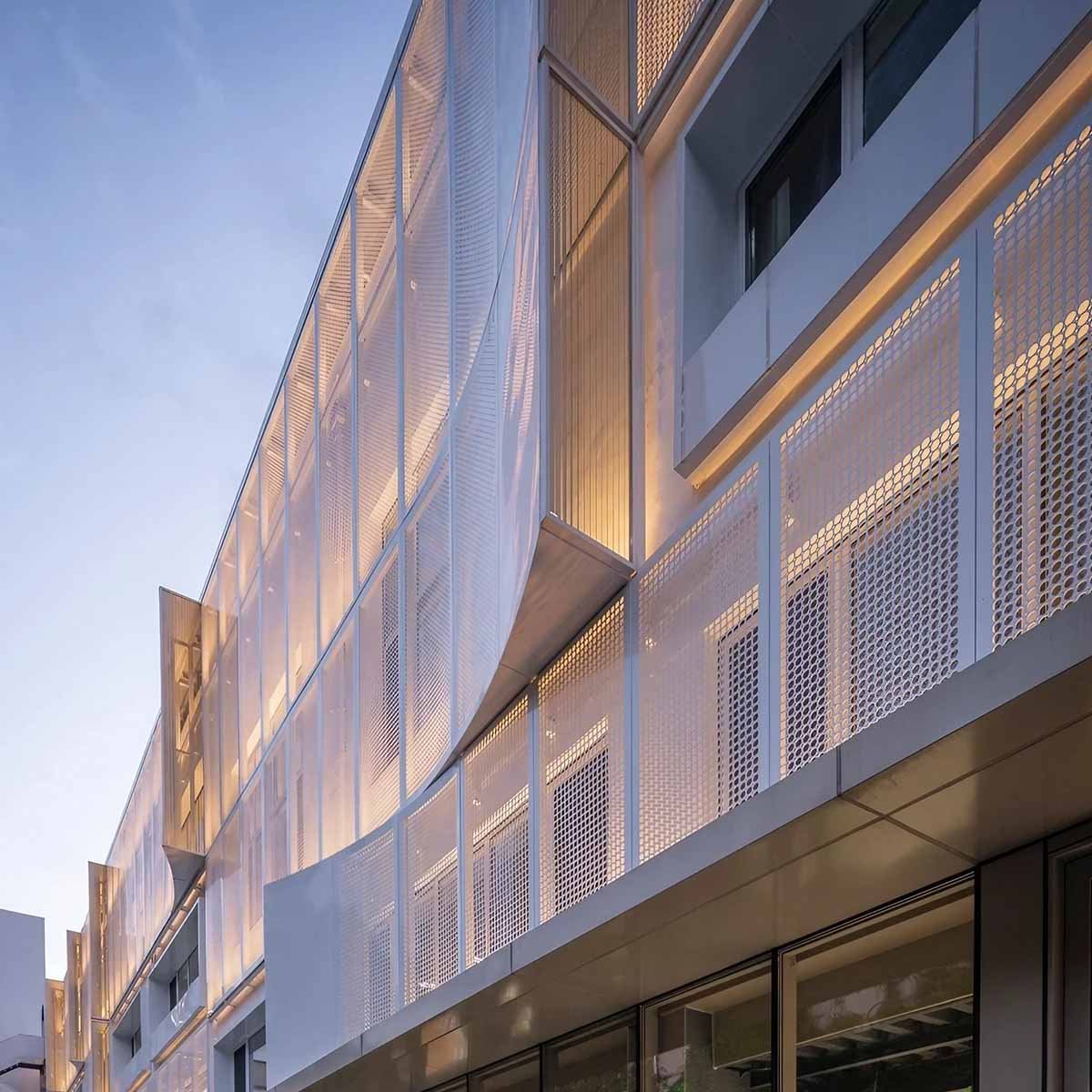
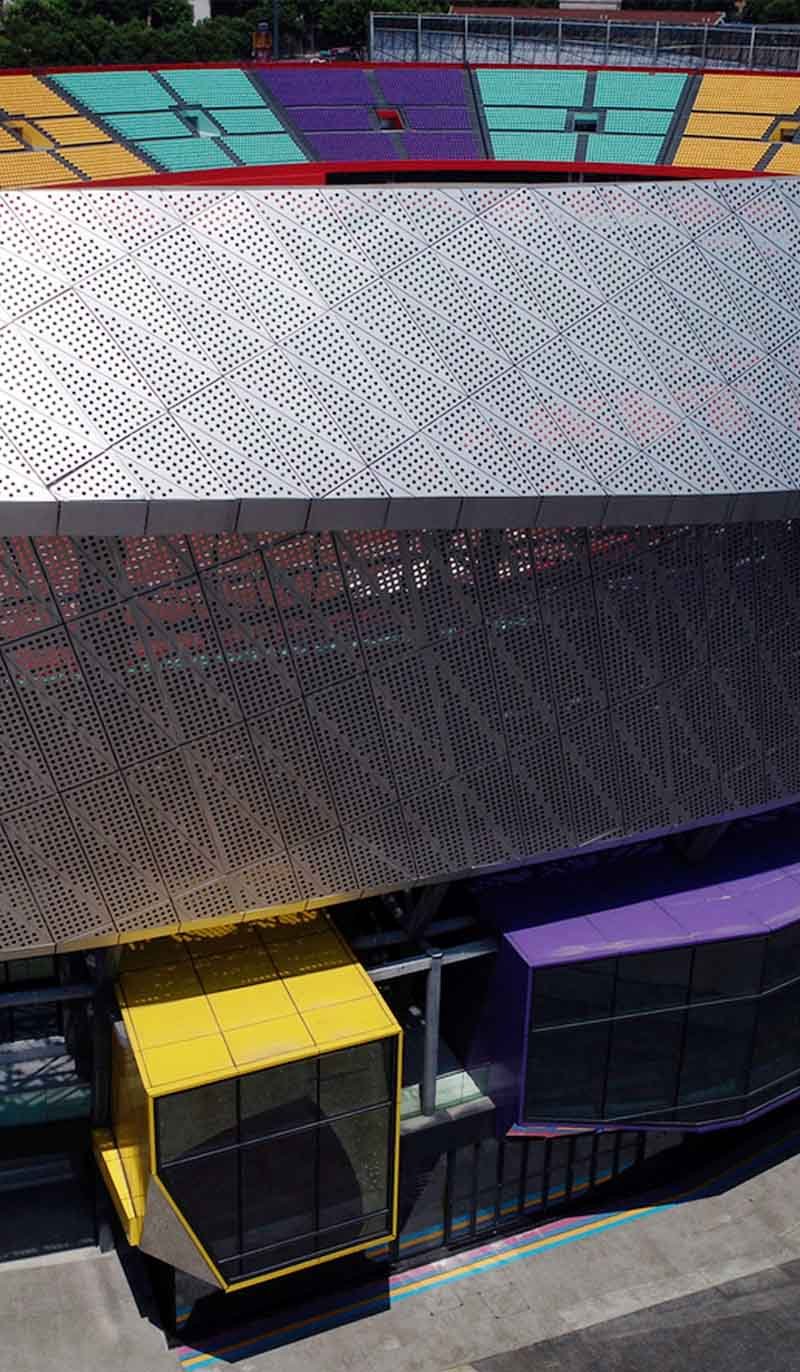
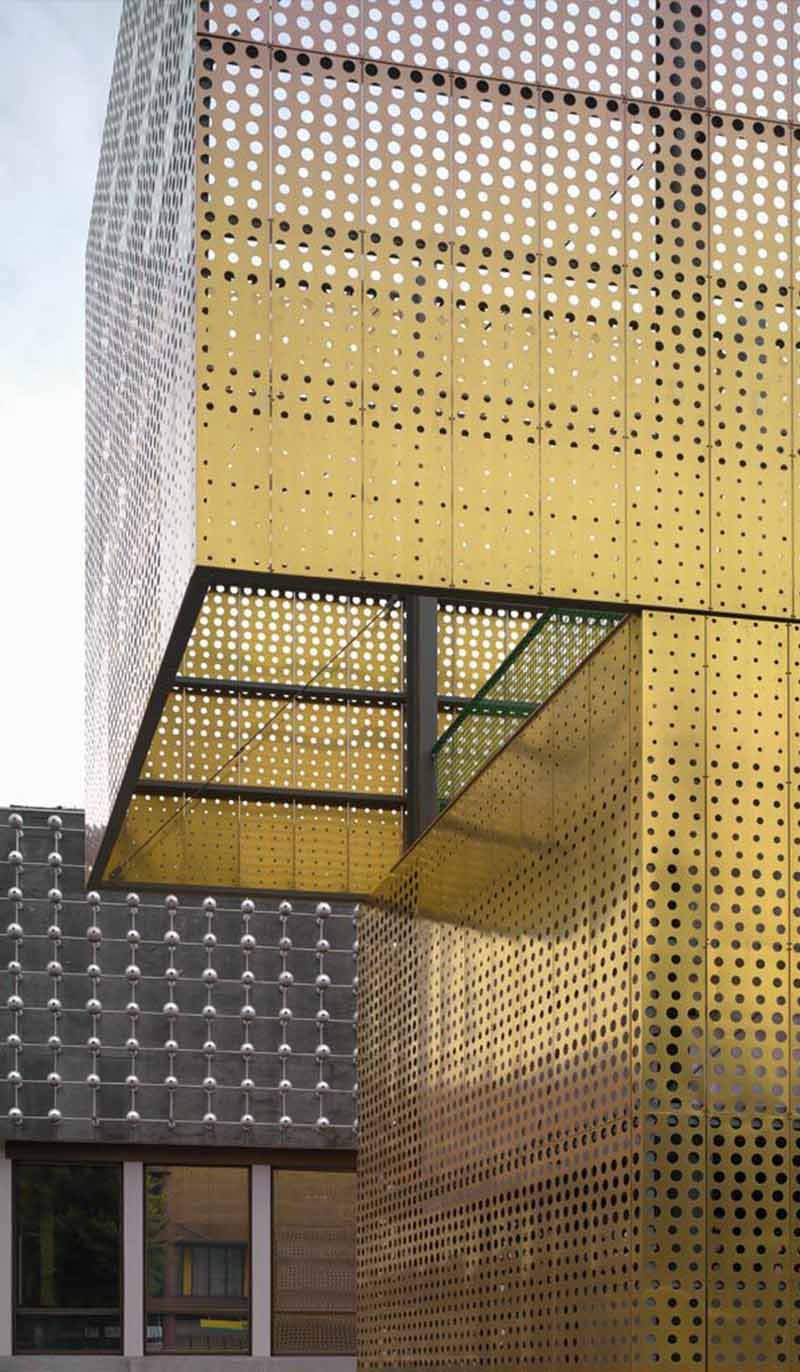
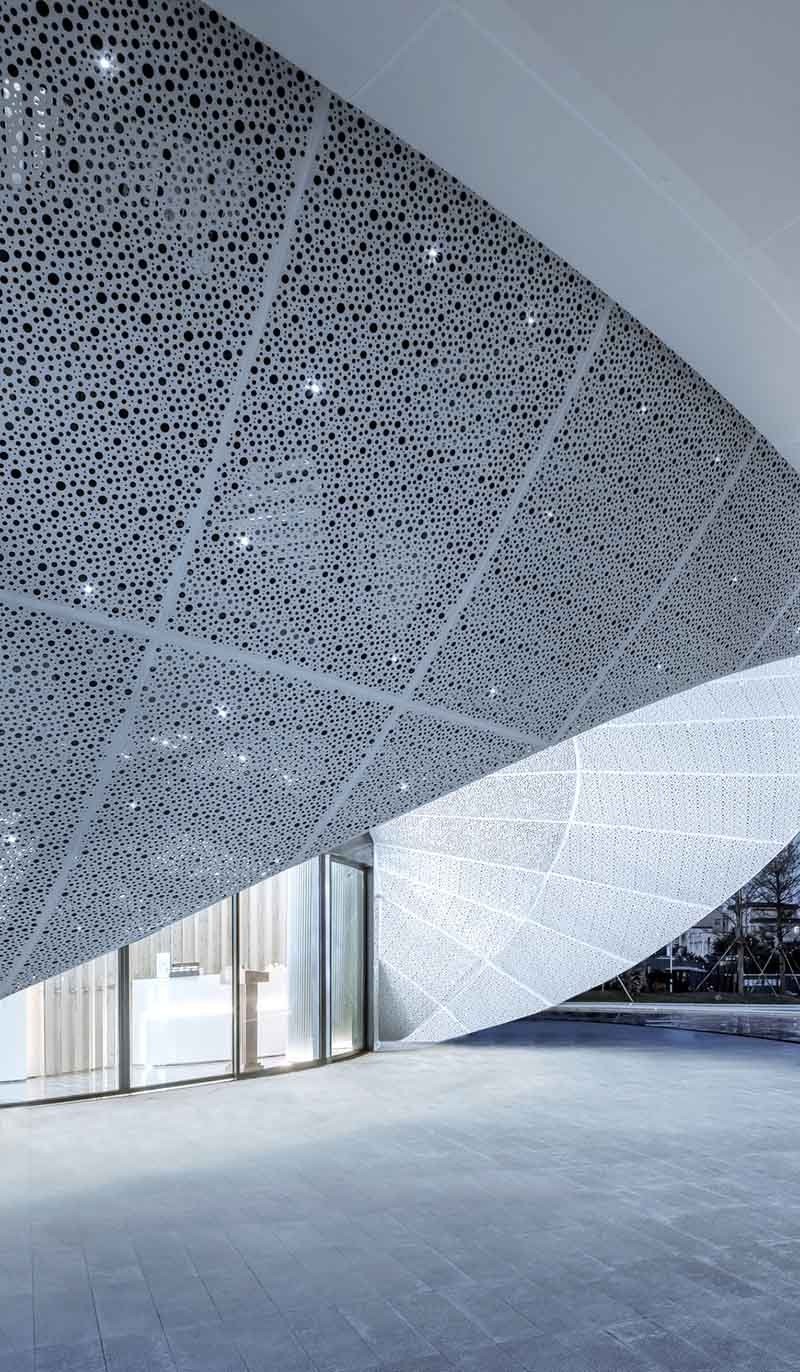
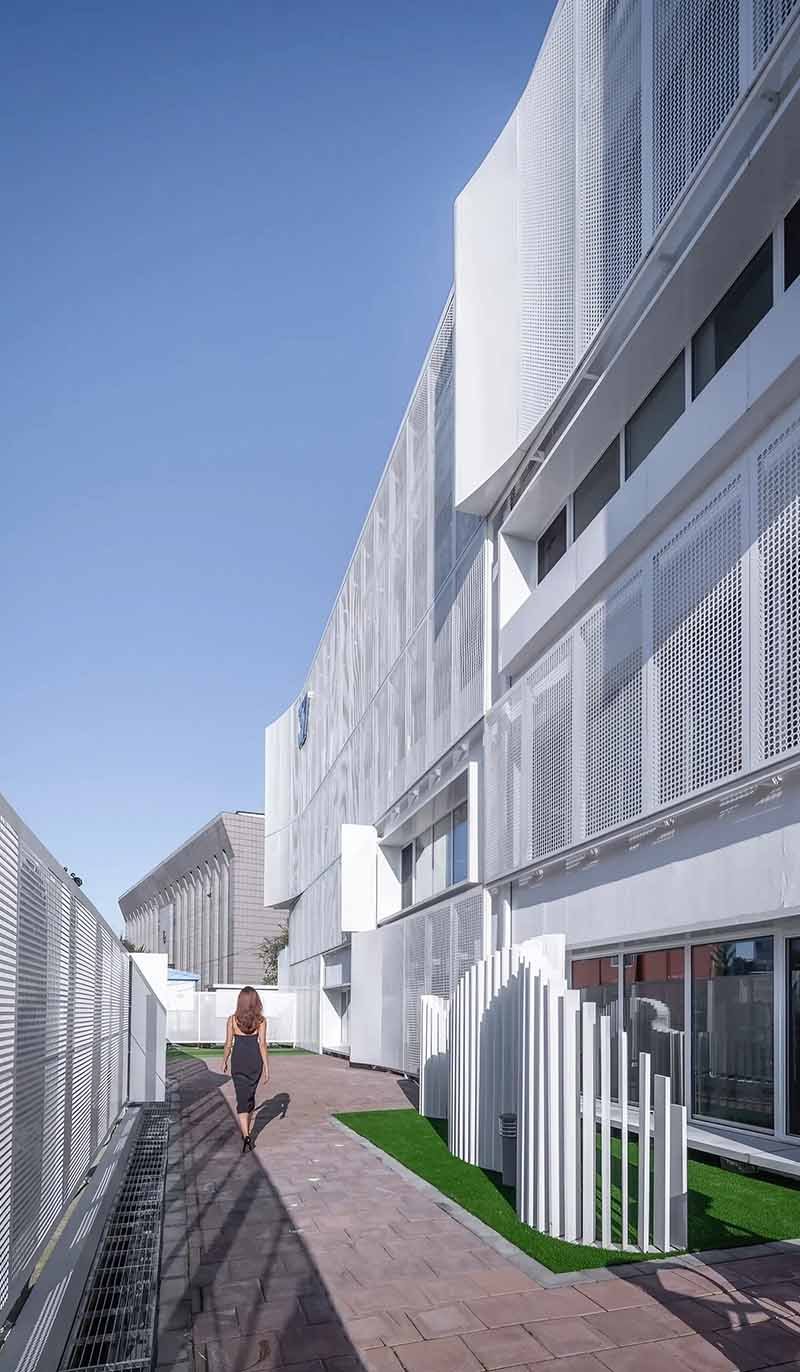
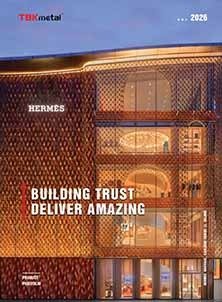
The use of metal cladding option of perforated metal facade panels with backlighting stresses functionality and artistry of the patterns making stunning visuals that shape captivating lights thereby adding a brilliant outlook to the environment and can hardly go unnoticed.
There is, therefore, a balancing of the form and function if the structure is backlit, and with the application of perforated facade panels, impressive visions are realized to create great light and enhance the appearance of the place with a beautiful and conspicuous one.
Customizable
Specification
| Standard: | GB/T 24001-2016, GB/T 19001-2016, ASTM, JIS, EN |
| Thickness: | 0.8 mm – 3.0 mm. |
| Width: | 30mm-1850mm, Customized |
| Length: | 1220mm-3000mm, Customized. |
| Tolerance: | ±1%. |
| Material: | Stainless Steel, Aluminium, Copper, etc |
| Technique: | Cold Rolled. |
| Finish: | Powder Coating, Anodizing, PVDF Coating. |
| Colors: | Champagne, Black, Blue, Silver, Gold, Rose Gold, etc. |
| Edge: | Mill, Slit. |
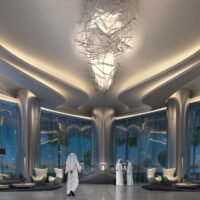
| Applications: | Ceiling, Wall Panel, Facade, Interior Decorations. |
| Packing: | PVC + Waterproof Paper + Wooden Package. |
Where to Be Used
Applications
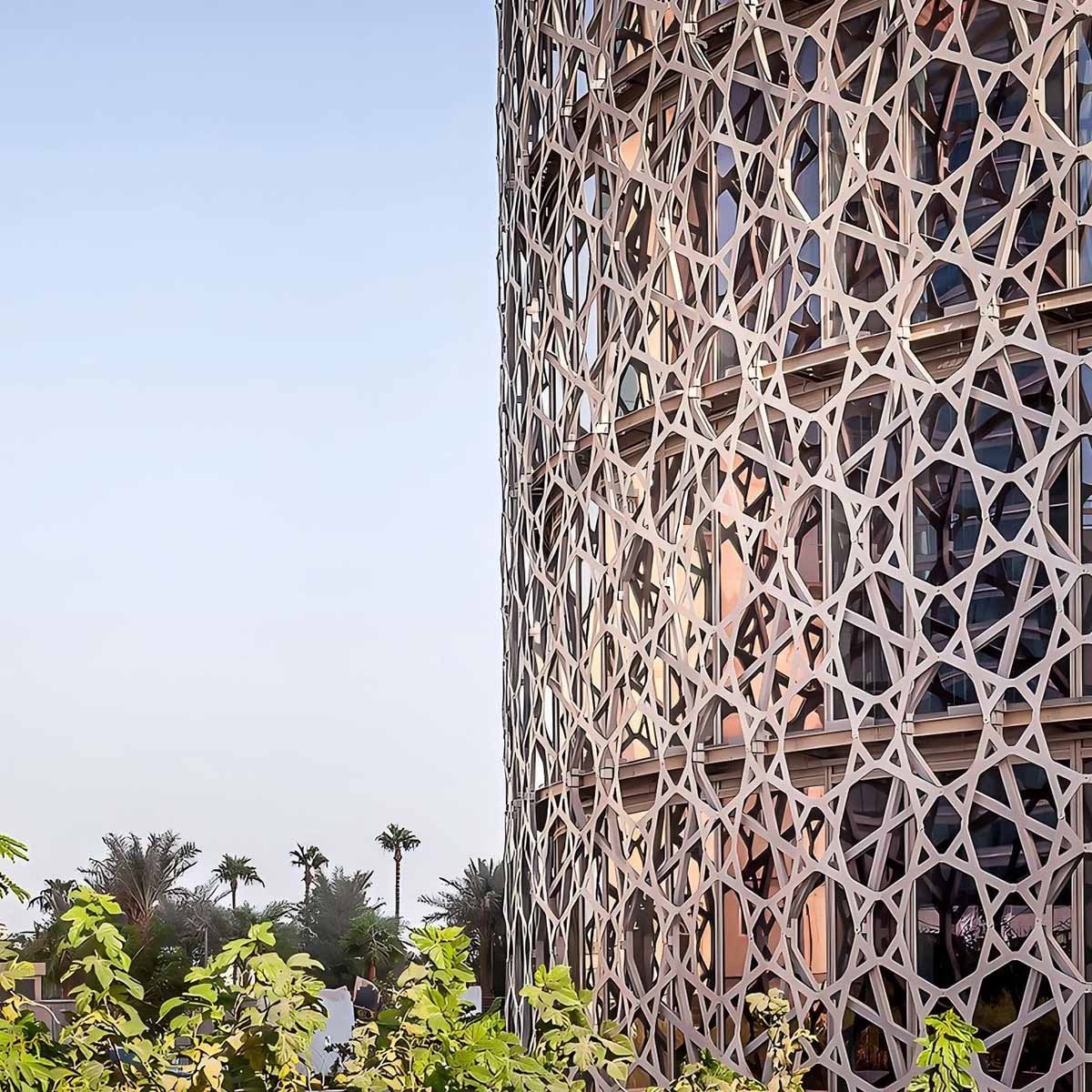
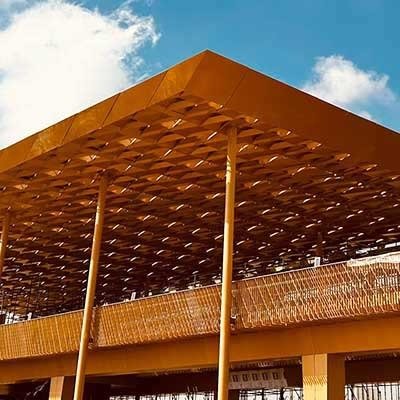
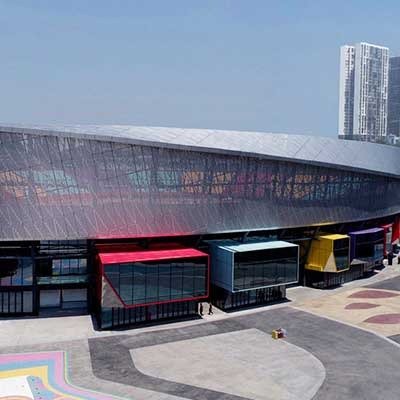
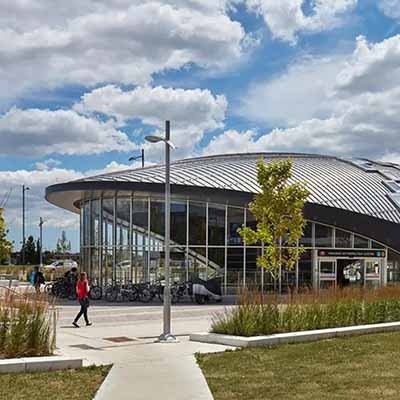
All the hole patterns whether small or complicated, specific or general should be made based on the environment of the project, architectural design, and use of the project. Architects incorporate these panels into a design to be serviceable and beautiful, and they think of factors such as the position of the building, heating or cooling, or the occupants of the structure.


Ventilation and airflow control
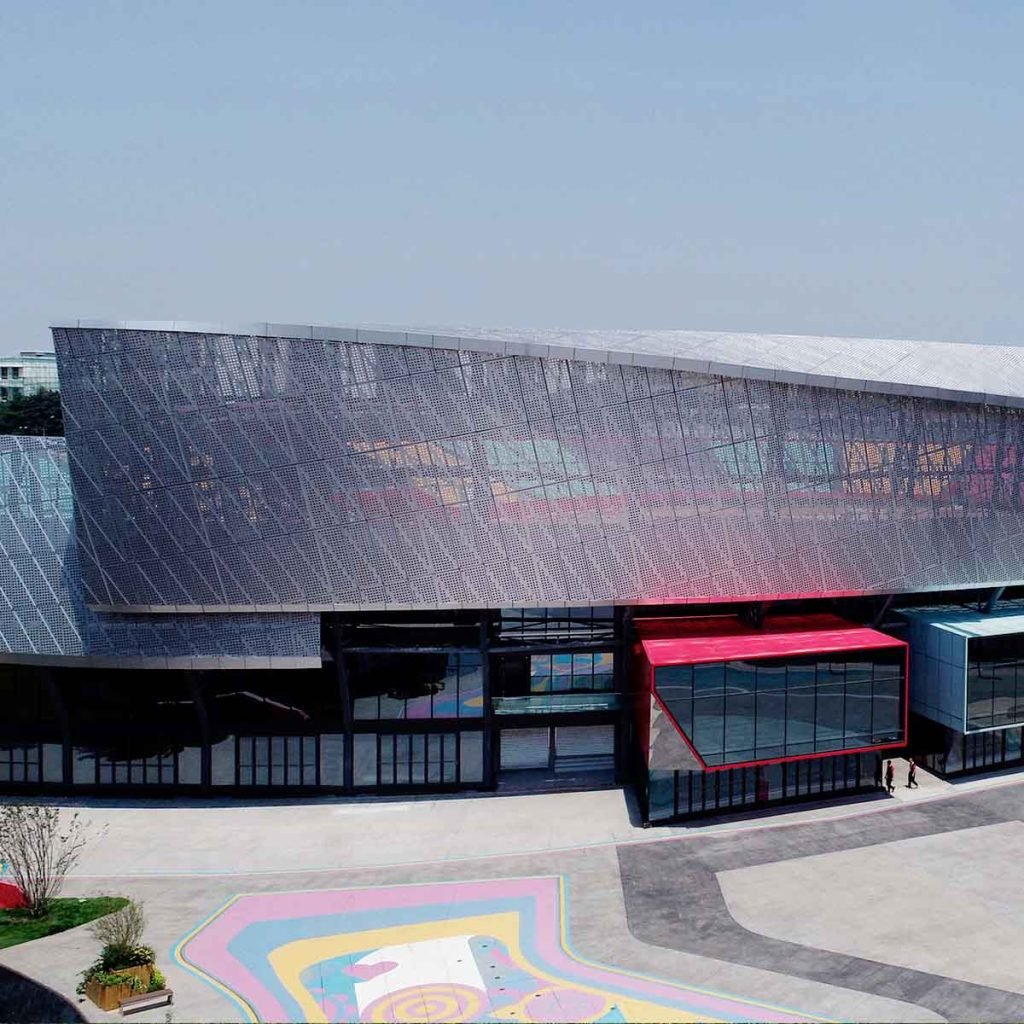
Perforated panels facilitate air-brushing in building façades limiting the use of mechanical systems as well as improving energy use. This is advantageous for warehouses, factories, and sports facilities where airflow has to be regulated.
Sunlight and glare control
Glare and heat can be controlled by architects through perforated panels where the size and density of the panels can be increased to achieve shading while at the same time allowing scattering of natural light within structures.
Privacy and security
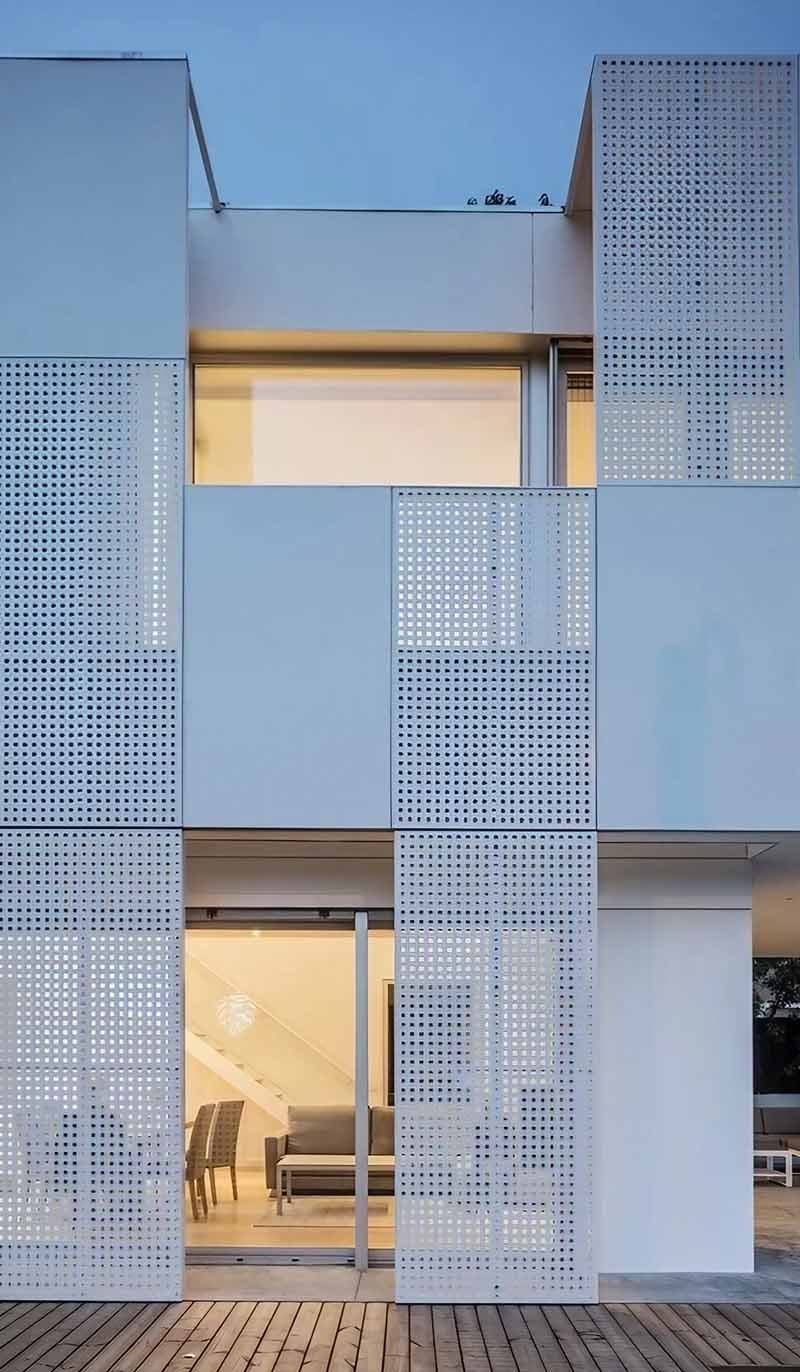
Perforated panels also enable light and air albeit with privacy hence providing visibility and interaction with the exterior. They can be used as exterior shading devices for balconies, windows, or other outdoor living environments conveniently.
Aesthetics and visual appeal
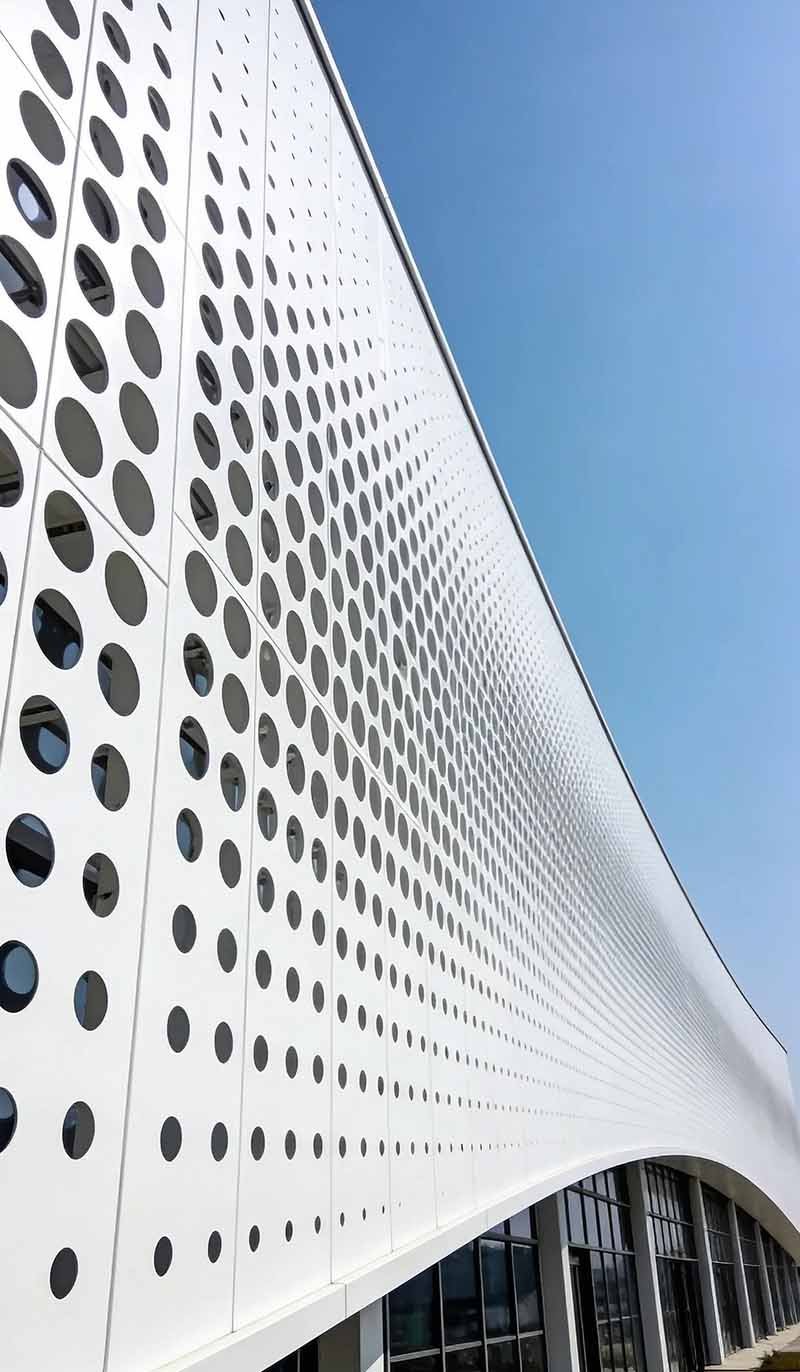
Perforated facade panels give building envelopes fascinating patterns, surfaces, or graphics to raise the aesthetic stakes. Regarding the size, shape, and location of the holes, the builders can be very precise to get the desired appearance.
Acoustic control
Used where there is a lot of noise, or where a specific type of acoustics is needed in the structure. They restrict sound transmission, improve the acoustics inside structures, and permit the installation of sound-absorbing materials.
Sustainability and energy efficiency
These holes in the perforated facade panels contribute to allowing natural light and air into the building hence reducing the energy used for artificial lighting and mechanical systems hence encouraging sustainable building structures.
Branding and signage
Brand identification, logos, and signs are displayed on the perforated panels of the facade which can be considered an important visual means for companies that outline their identities and provide necessary information using systematic patterns.
Patterns
Various Options
for Perforation
Patterns
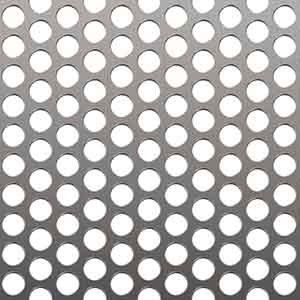
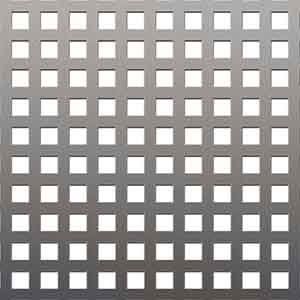
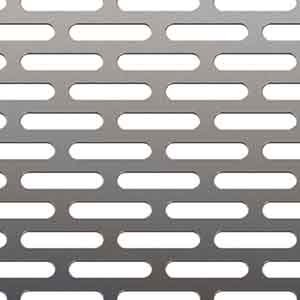
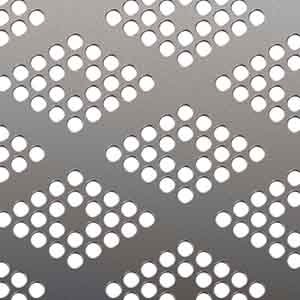
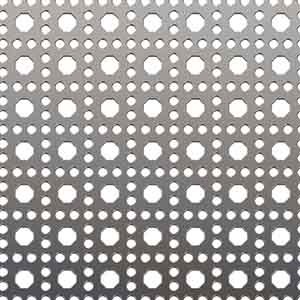
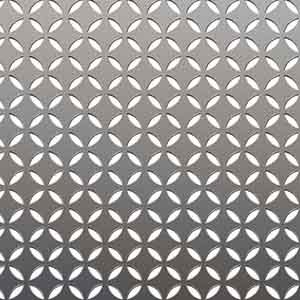
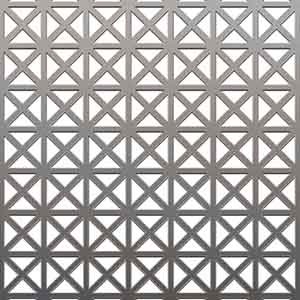
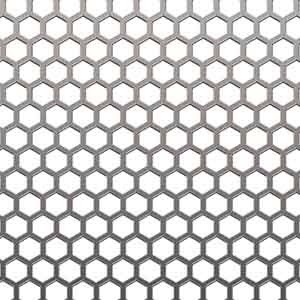
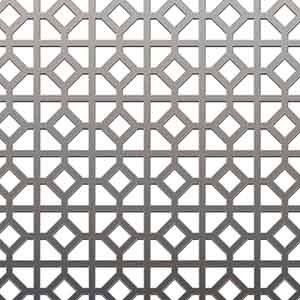
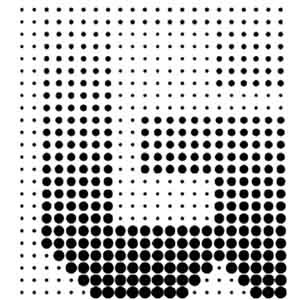
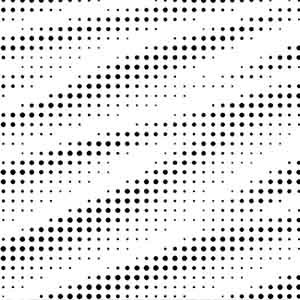
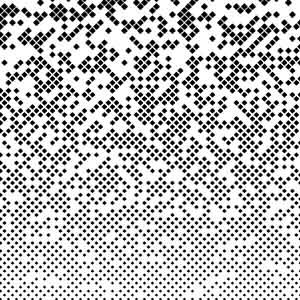
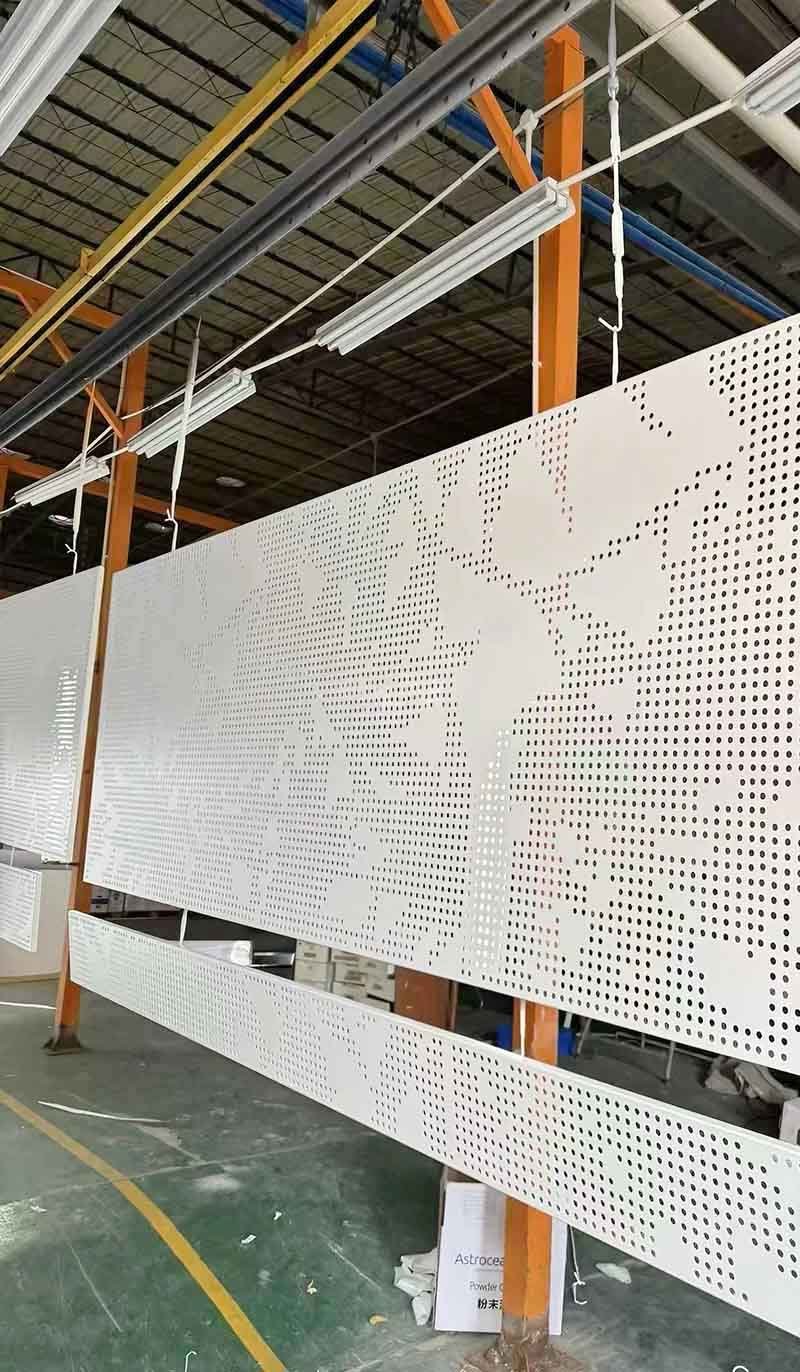
This means that when coming up with the kind of patterns to be applied on the facade it could be either geometric shapes, than organic shapes or even abstract shapes. Most of these patterns may perhaps be orchestrated, to produce the right tile shade and in the longer process boost the looks of the building.
Furthermore, it is possible to design the openings on the façade depending on the functional demands, for instance, admitting natural light, air, or increasing energy performance. These patterns can also be instrumental in managing the solar heat gains as well as the comfort of the occupants.
Surface
Color Options for Furface Finishes
Regarding the customizability of the characteristics of the perforated metal facade, there is a wide choice of colors of surface finishes to make it possible for designers to imagine easily how they can incorporate the facade into their architectural designs effortlessly. Besides, put forward the subsequent possibilities which cover some favored alternatives.


Natural Metal Finishes
These coatings replicate the pure form of metals such as copper, aluminum, and stainless steel with a richer intensity and understand the feel of these metals all the while giving them a richer color scheme without compromising the textures.
Powder Coating
Perforated metal panels are improved with powder coating for strengthened and brilliantly colored finishes. It gives a wide range of colors for various work needs and guarantees ultimate safety against color fading from bright to pastel.
Anodizing
Aluminum panels can be anodized that offers various colors, and anodizing also forms a layer of protection to the panels. The subsequent types of finishes are glossy, contemporary, and combine numerous metallic and vivid color ranges.
Custom Paint
The metal cladding in the form of perforated metal facades can be painted in one’s specific colour to match with the company color or architectural needs to match the color Hence homogeneity and the required colour match could be attained.
Perforated metal facade finishes are versatile when it comes to color since architects and designers can select between a wide range of colors for this exterior embellishment. Options are natural metal, powder coat, anodize, or have the actual part painted…allowing the part to blend seamlessly and in terms of appearance with the environment that it can be placed in.
Material
Metal Options for
Perforated Facade Panels
While selecting the metal for perforated facade panels it is better to go sequential through ease of aesthetics, durability, cost, and climatic condition requirements. Each of the metals has its distinct feature and can be made fine-tunable to the objectives and goals of a project thereby creating a facade that is aesthetically appealing and functional.
Aluminum
Aluminum is carved out for its lightweight, corrosion immunity, and malleability. Its available grades and surface finishes provide a huge design potential. Sturdy and durable, aluminum panels are quite easy to install and also to maintain.
Stainless Steel
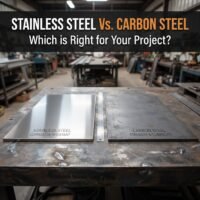
Being stiff and having great resistance to force and corrosion, stainless steel is appropriate for use in interiors and exteriors. Treatments and polishing techniques provide a variety of options in terms of appearance and many kinds of looks exist.
Copper
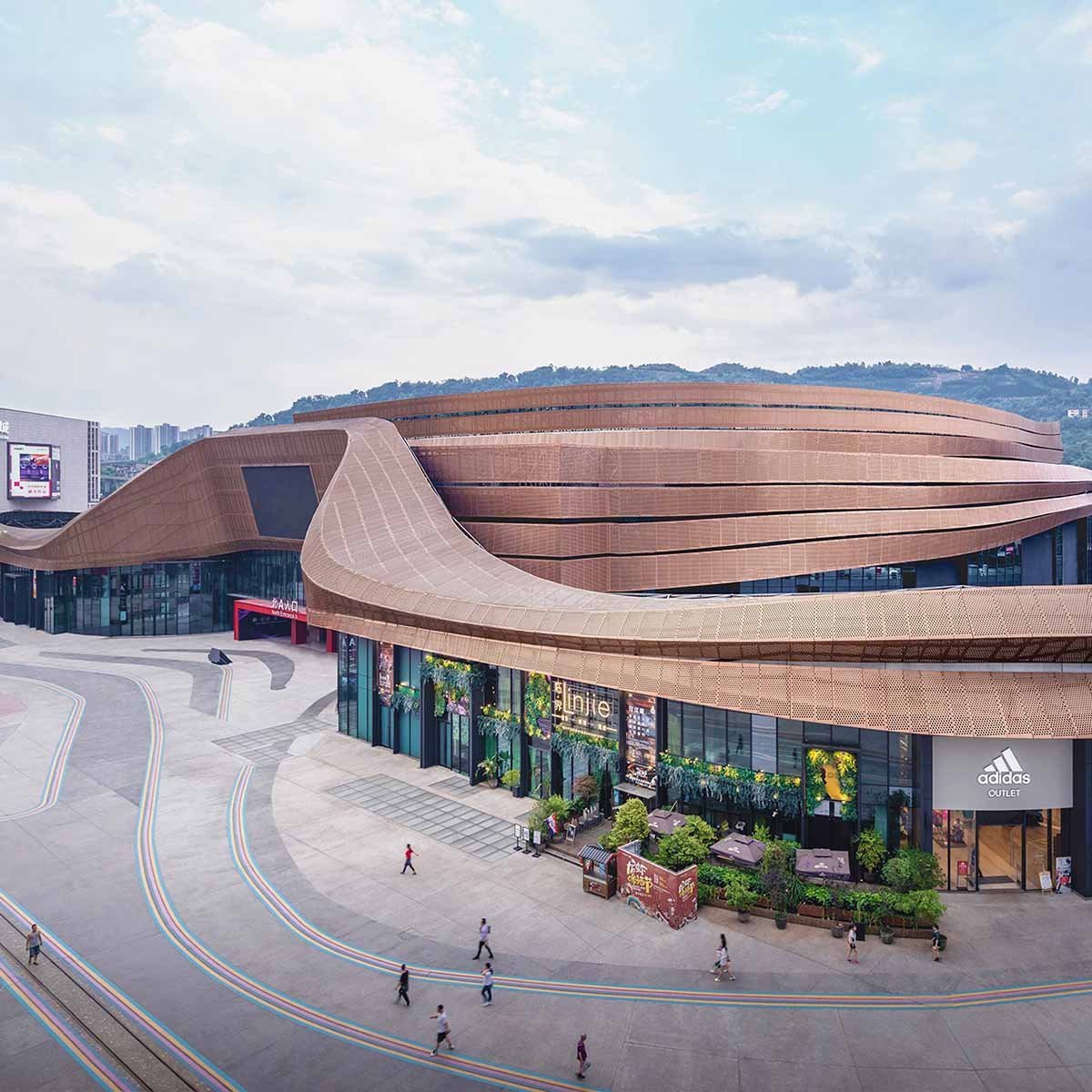
Copper is mentioned to have a warm undertone and the ability to provide a given look to a glamorous finish. It is robust in construction and only improves with time; it is therefore well suited for any project that needs a hint of the elite.
Zinc
Zinc panels have a beautiful bluish-gray patina that develops over the years, it is a versatile material, strong and virtually immune to corrosion. It gives them a sleek contemporary look when included in facades enhancing general aesthetics.
Steel
It is a sturdy material and the use of glass can lead to multiple design and protection options including natural finish, painting, or powder coating. It can work well in extreme weather conditions which is desirable for many architectural styles.
Highlights
Why Choose Perforated Facade Panels
for Your Project
perforated metal sheets in the design of facades are an artistic feature with functionality and interactive design flexibility. This is because they serve to enslave the eye, allow for a better influx of natural light and air in modern-day architectural practices, and increase energy efficiency with potential for branding as well as being very strong and durable.
Visual Appeal
Metal cladding as planed perforated metal opens up the facade for contemporary architecture enhanced by patterns and textures, which can be incorporated into an architectural layout and make the profile of the building more intriguing.
Daylighting and Ventilation
The patterns and designs of the metal panels can be seen to allow the influx of natural light while maintaining privacy at the same time. They also facilitate air… circulation and proper ventilation to provide a good indoor climate.
Thermal Efficiency
It is feasible to optimize the thermal properties of perforated metal facades. Heat can be both added and lost by regulating the size and distribution of the holes thereby increasing energy economy and reducing heating and cooling costs.
Branding and Identity
Another potential is in branding and identity since many buildings come with perforated metal facades. Specific perforation designs allow business people to have their brand image on the outside of the buildings through logos, fonts, or art designs.
Durability and Weather Resistance
Perforated aluminum and stainless steel used in facades are very resistant to conditions like UV radiation, moisture, and varying temperatures hence making it able to continue performing its functions for longer periods.
Versatility in Design
Specialization of hole sizes, shapes, and densities provides the versatility necessary to add exclusive designs of perforated metal facades whereby designers can achieve the much-needed objectives in terms of freedom of expression and creativity.
Privacy and Security
The use of perforated metal facades allows the inhabitants to have internal privacy while being connected with the external environment in terms of light and air while at the same controlling visibility where necessary for security reasons.
Low Maintenance
Different metals that are used in the facades are easily maintained and can easily be washed as time continues to elapse. Among all the described types of panels, it can be mentioned that perforated panels do not require frequent redecoration.
Perforated Metal Facade
Frequently
Asked Questions
Have you ever wondered about the use of perforated facades? Including their advantages, types of materials that can be used, and ways of designing and installing them. Learn why these panels beautify architecture, control light, and ventilation, admit customization, and foster green building. Find out how perforated metal facades can benefit your project right now.
-
Q. What are perforated metal facade panels?
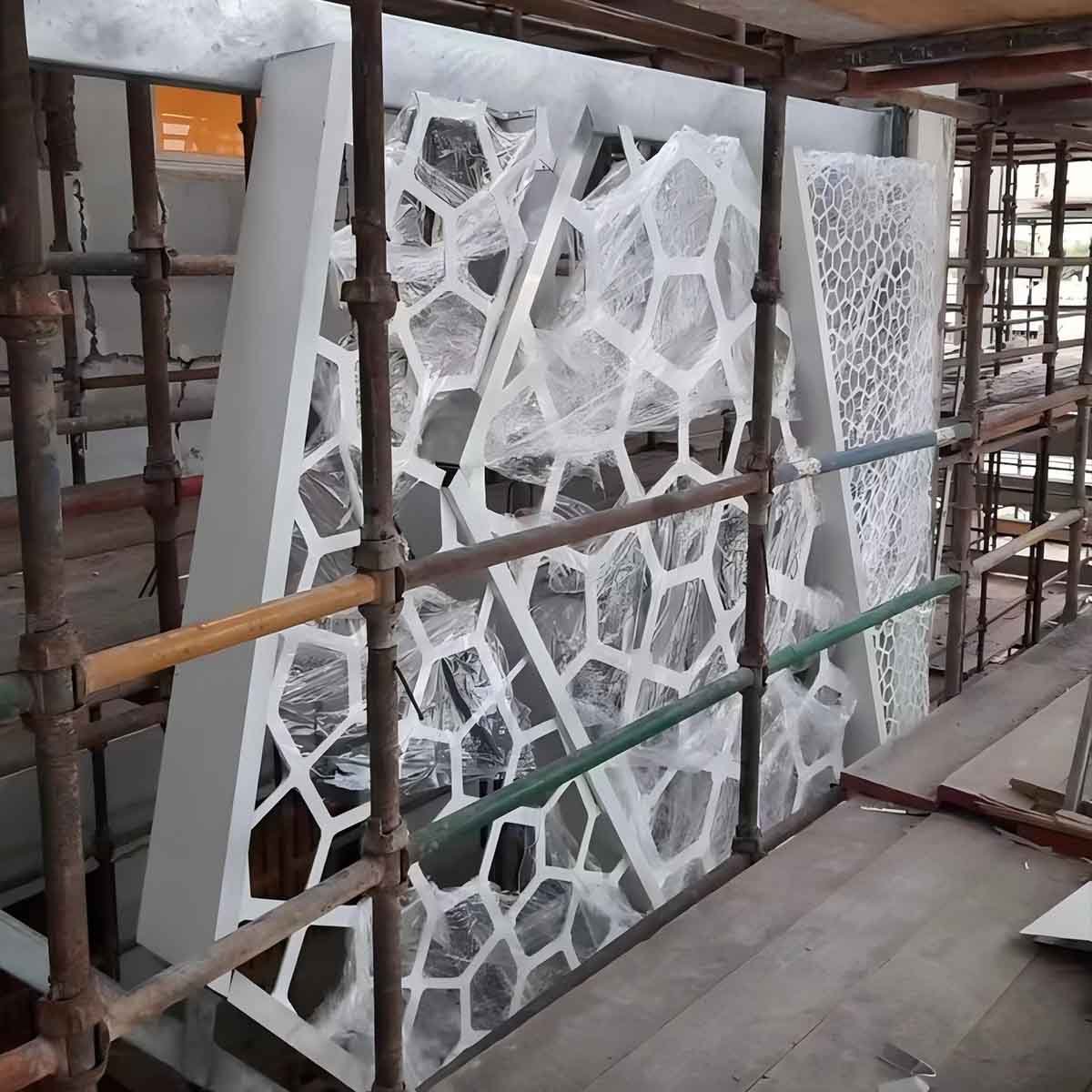
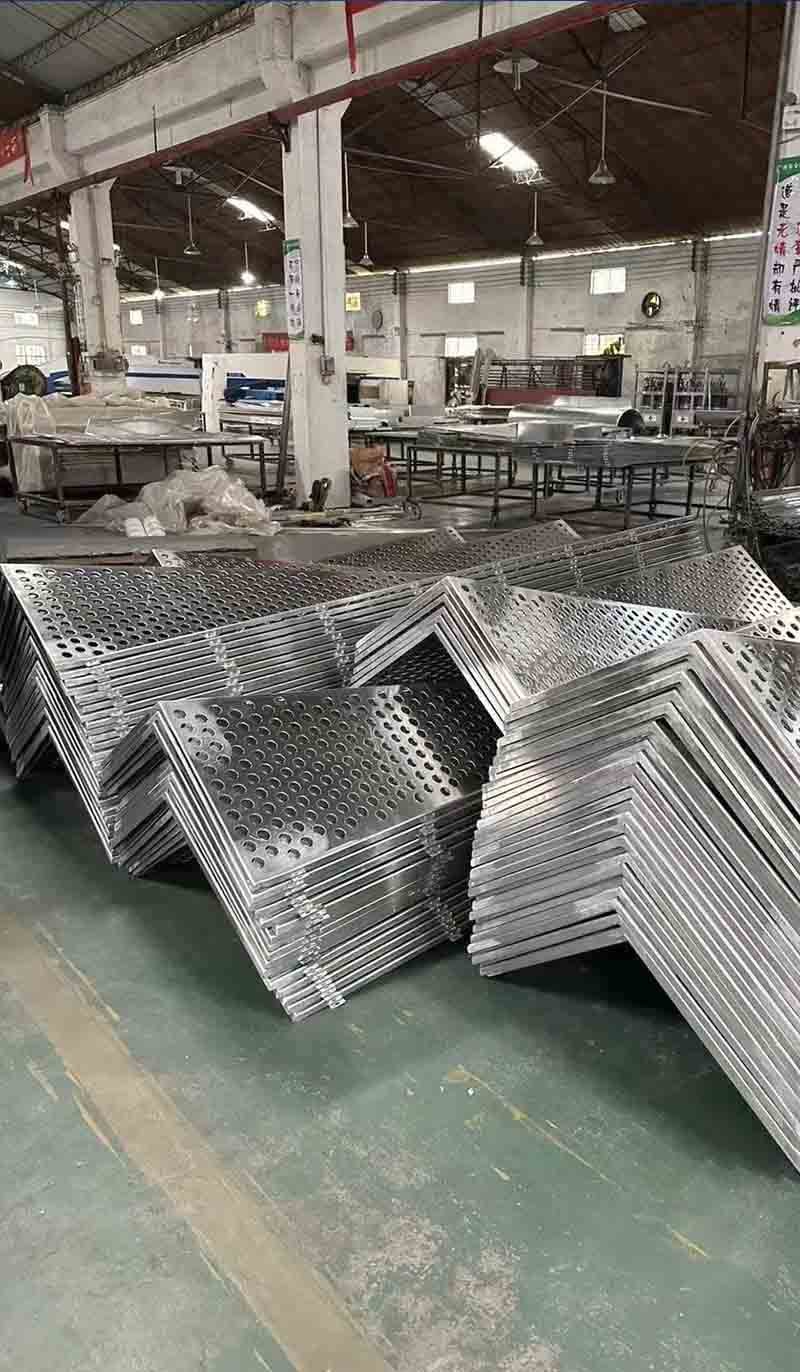
Perforated metal facade panels are made of metal sheets with carefully cut apertures for ventilation and other purposes. Mounted on the structures, they are transforming designs and surfaces that enhance the aesthetics and workmanship of their outer facades.
-
Q. What are the benefits of using perforated facade panels?
Building cladding panels have aesthetic appeal, allow crosение, regulate light, and improve energy efficiency. They provide discretization, brand flexibility, minimum servicing, and protection from environmental factors, in that they are highly useful.
-
Q. What materials are used for perforated metal facade?
The metal facade panels with perforation are normally composed of aluminum, stainless steel, copper, and zinc because of their high corrosion rate as well as their aspect of high design flexibility which makes it more preferable to architects.
-
Q. What are the design options for perforated facade panels?
Perforated facade panels are versatile when it comes to design. Adjustable sizes, shapes, and densities give a special pattern and rough surface for a specific design, logo, and an interesting image or inscription on the facade.
-
Q. How are perforated metal facade panels installed?
Hanger systems of the perforated metal facade involve mechanical fasteners, adhesive systems, and concealed fixing methods. Such criteria as panel sizes, weights, and construction architecture are among the factors that define the particular installation technique.
-
Q. Can perforated facade be used in both exterior and interior applications?
The application of perforated panels can be both internal and external. They are used mostly on external surfaces of a building but they can also be used within the structures either as partitions, as acoustic, ventilating, or merely as a cladding material.
-
Q. Are perforated facade panels customizable?
Yes, there are many possibilities of how to design perforated facade panels. There are different patterns, sizes of holes, and metal patterns and finishes, which allow architects to design fantastic and individual facades with logos and trademarks.
-
Q. Can perforated metal facade contribute to sustainable design?
Yes, the use of perforated metal facades helps promote environmentally friendly architecture since natural light and even ventilation are encouraged hence minimizing the use of artificial light and air conditioning. It also enhances sustainable construction practices since they are strong and recyclable.
What News at TBK Metal
Relative Blog
14
Sep
Perforated Aluminium Panels: A Revolution in Modern Architectural Design
Perforated aluminium panels are discreetly changing the landscape of architectural design, appearance, utility, and environmental ...
09
Sep
Material Selection for Perforated Wall Panels: A Comprehensive Guide
Choosing the right material is a primary consideration in architectural design and even more critical ...
27
Jul
The Green Revolution: Sustainable Exterior Wall Design with Perforation
Stable construction is now the norm rather than the exception given climate change and the ...
Requesting questions about our products or need help with your requirements? Feel feel to contact us, we normally respond within 24 business hours.