





Custom-Made Solution

Stylish
Perforated Metal Screen
Panels

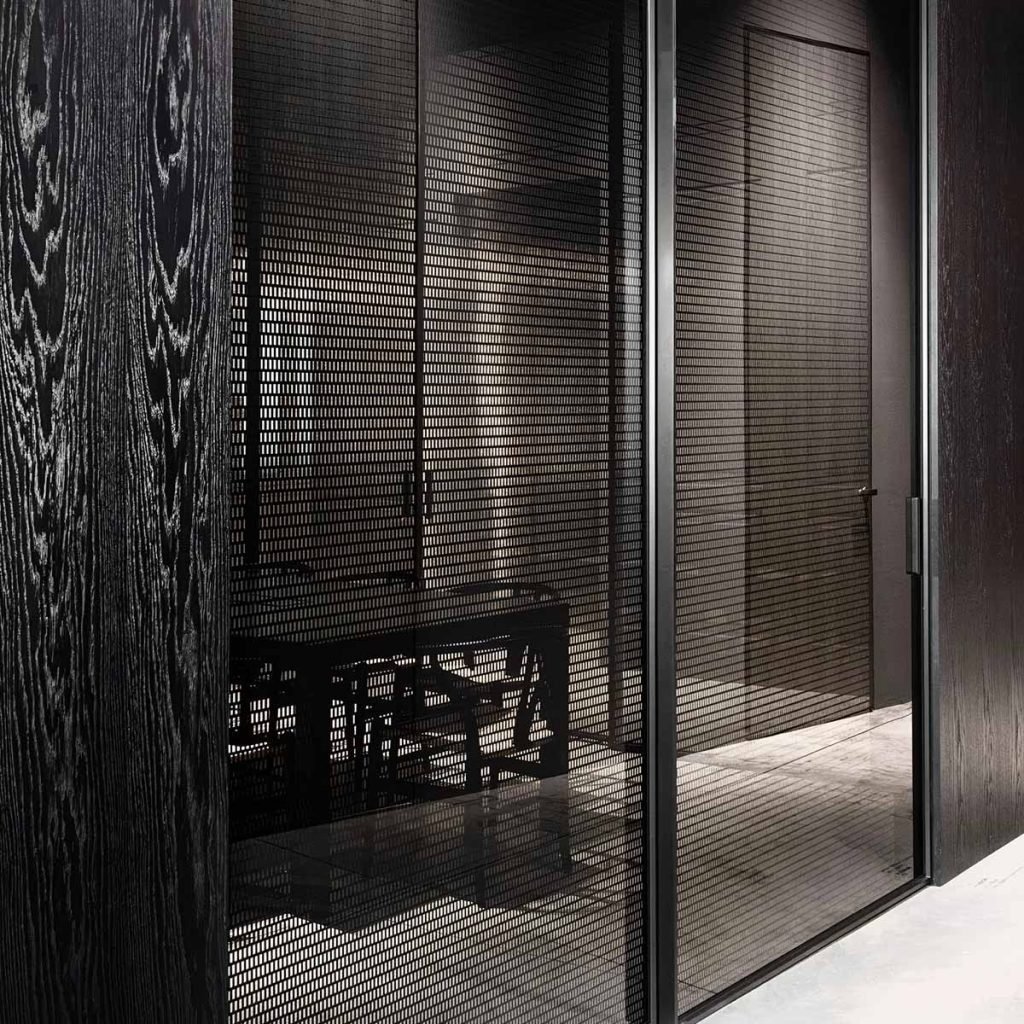
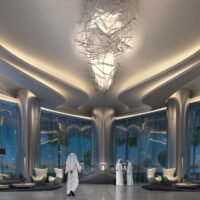
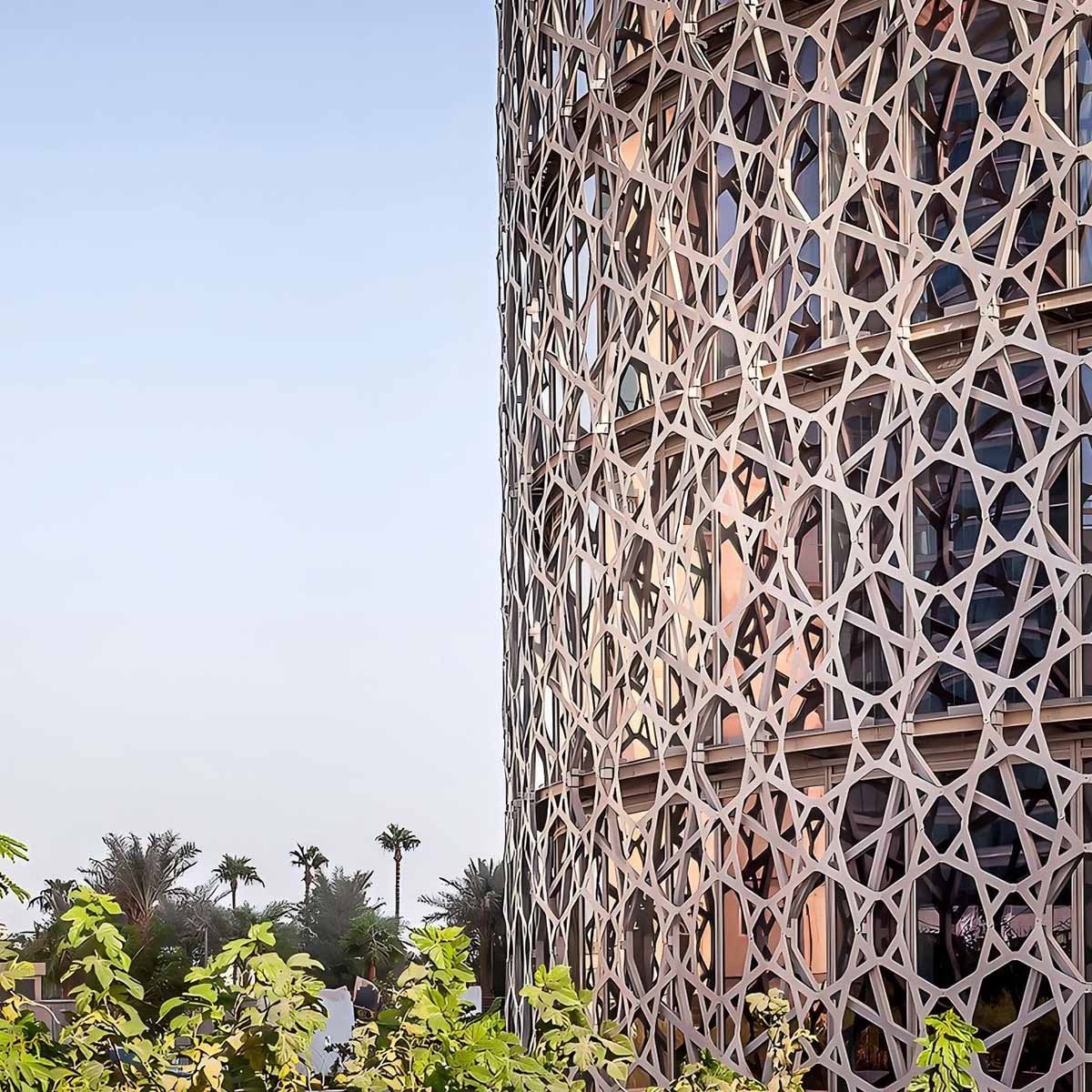
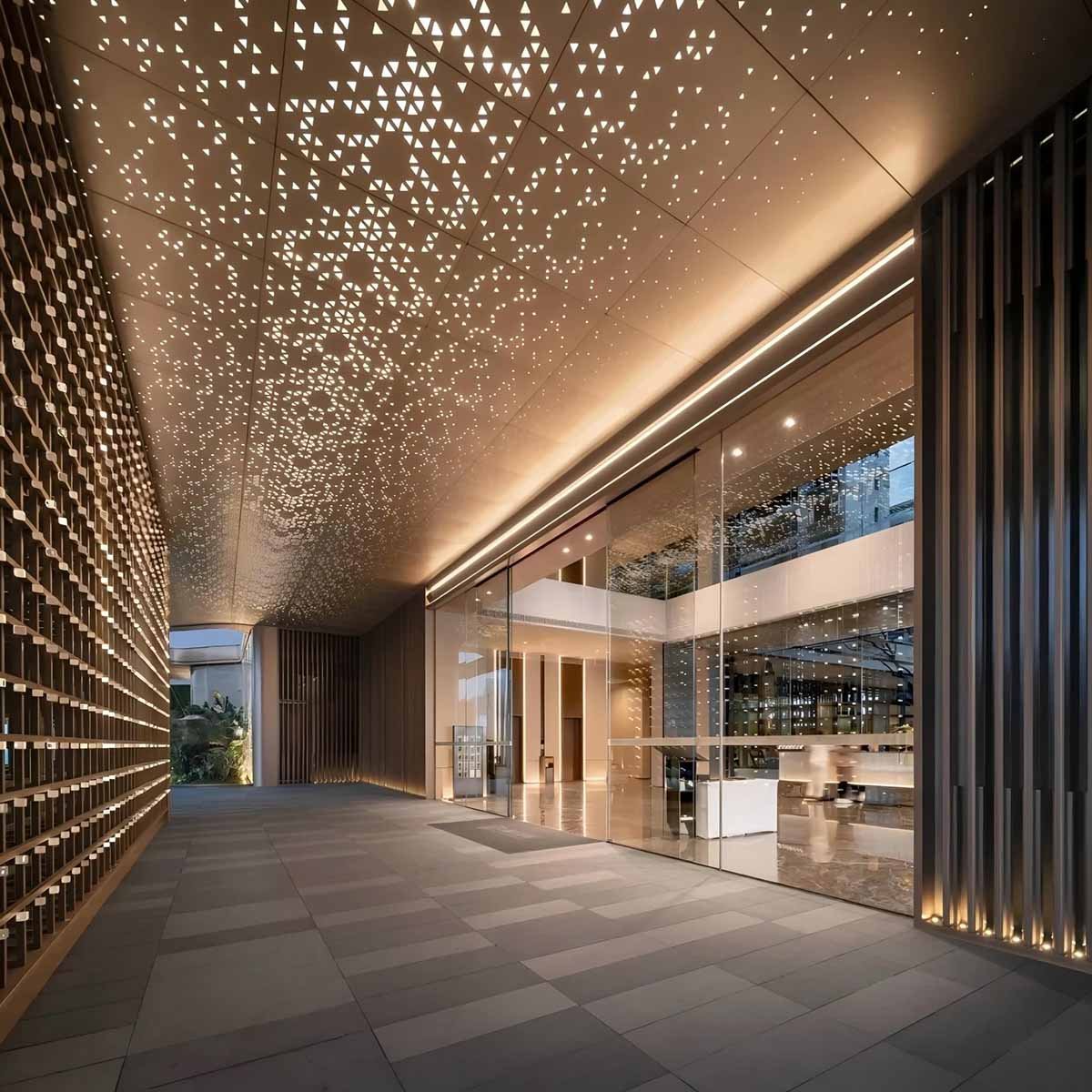
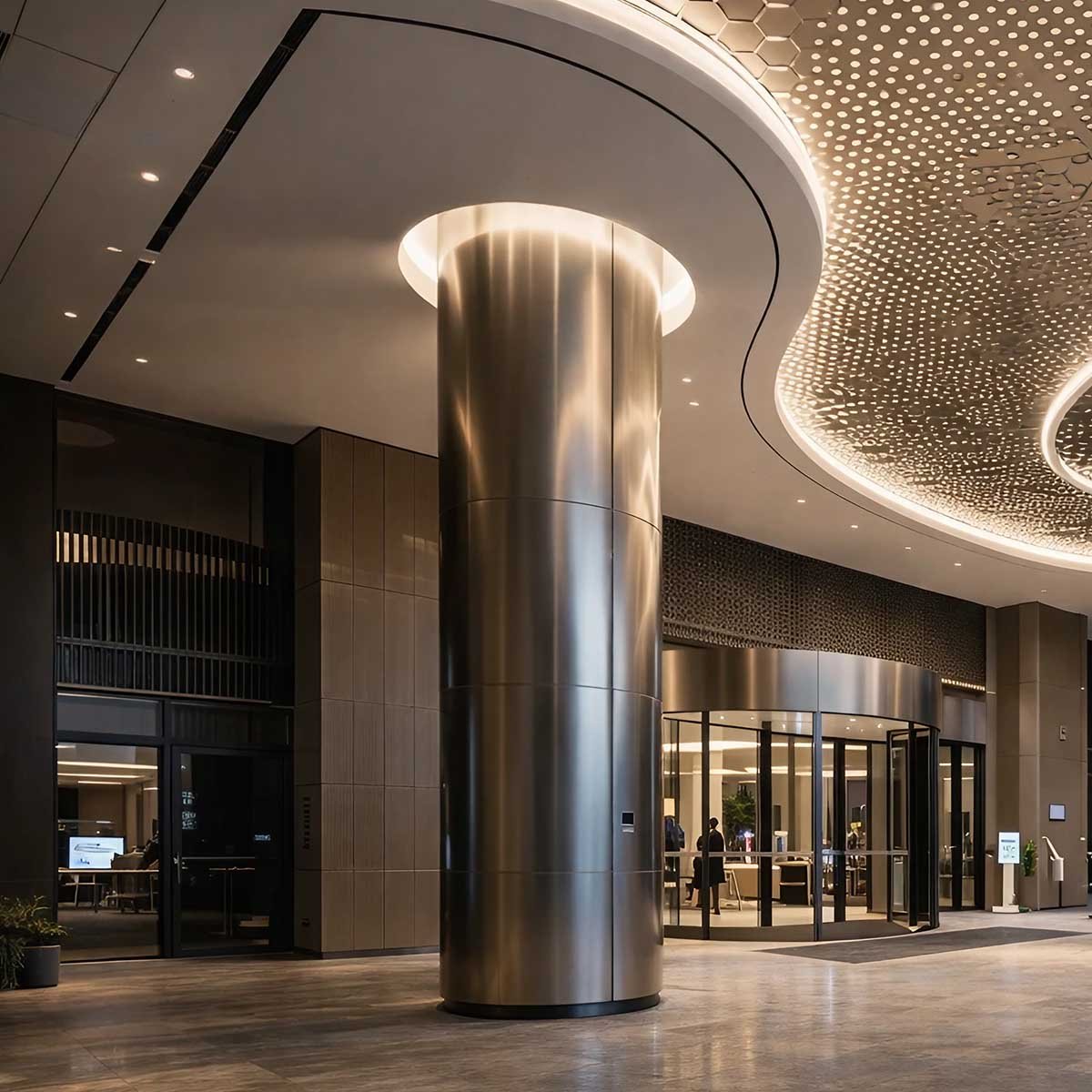
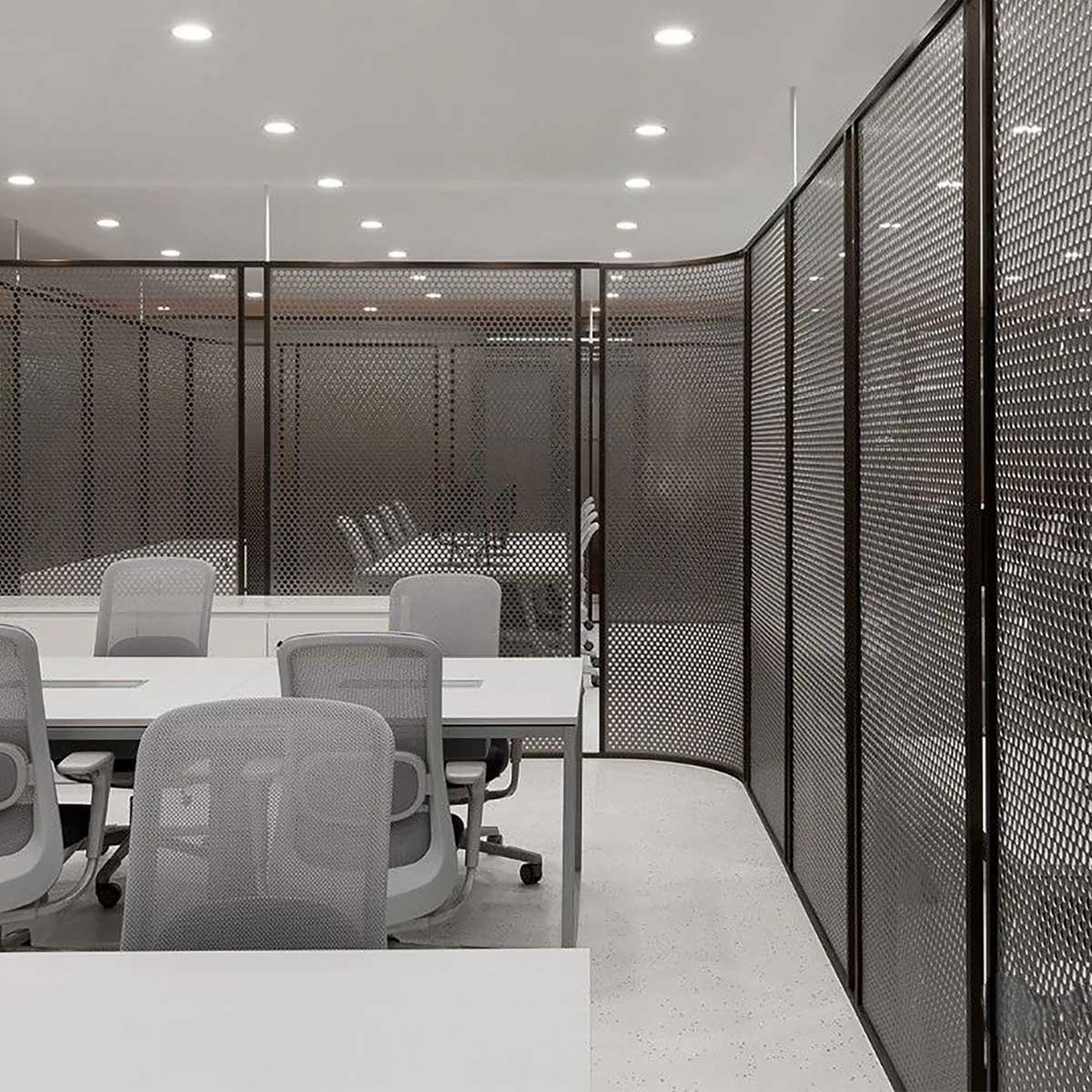
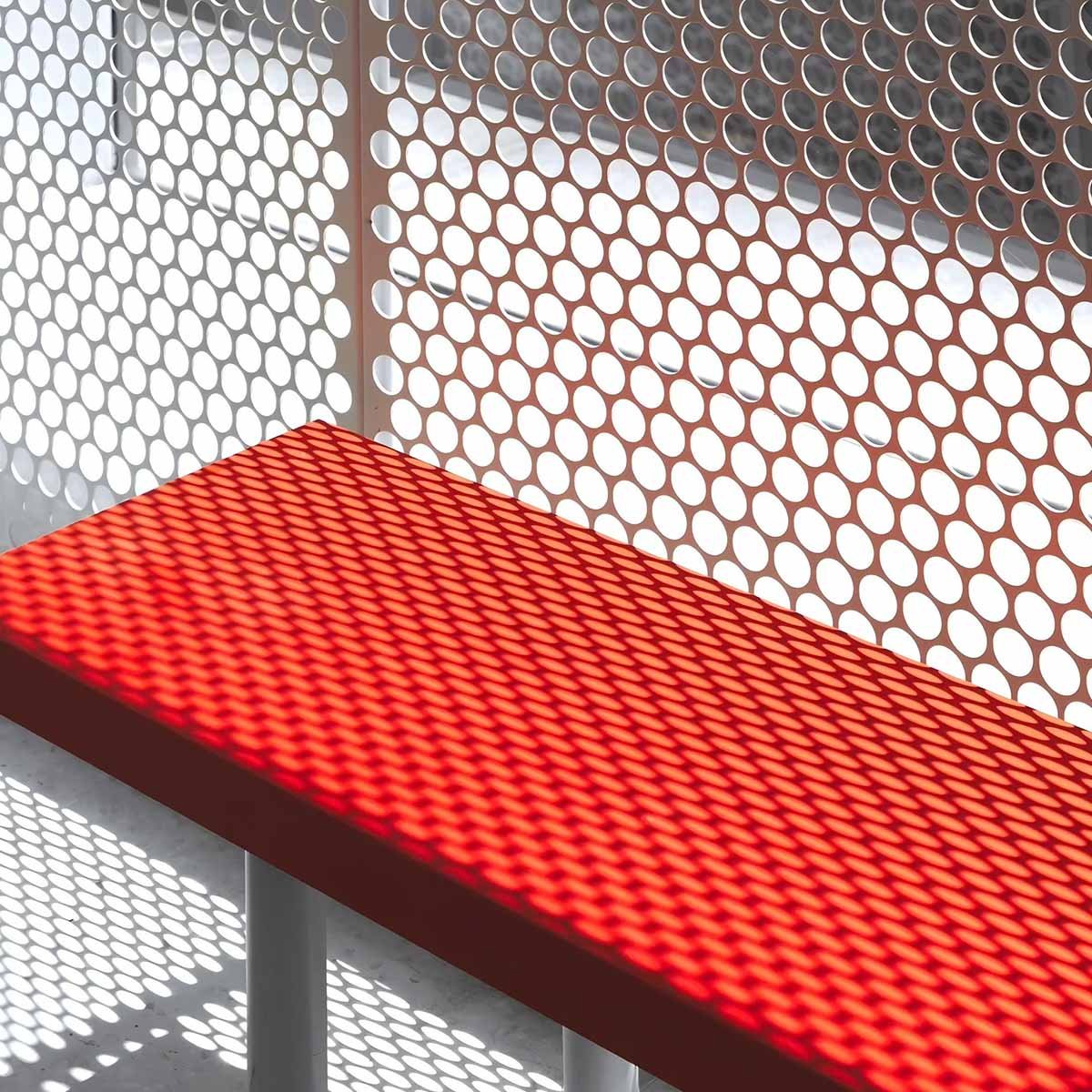
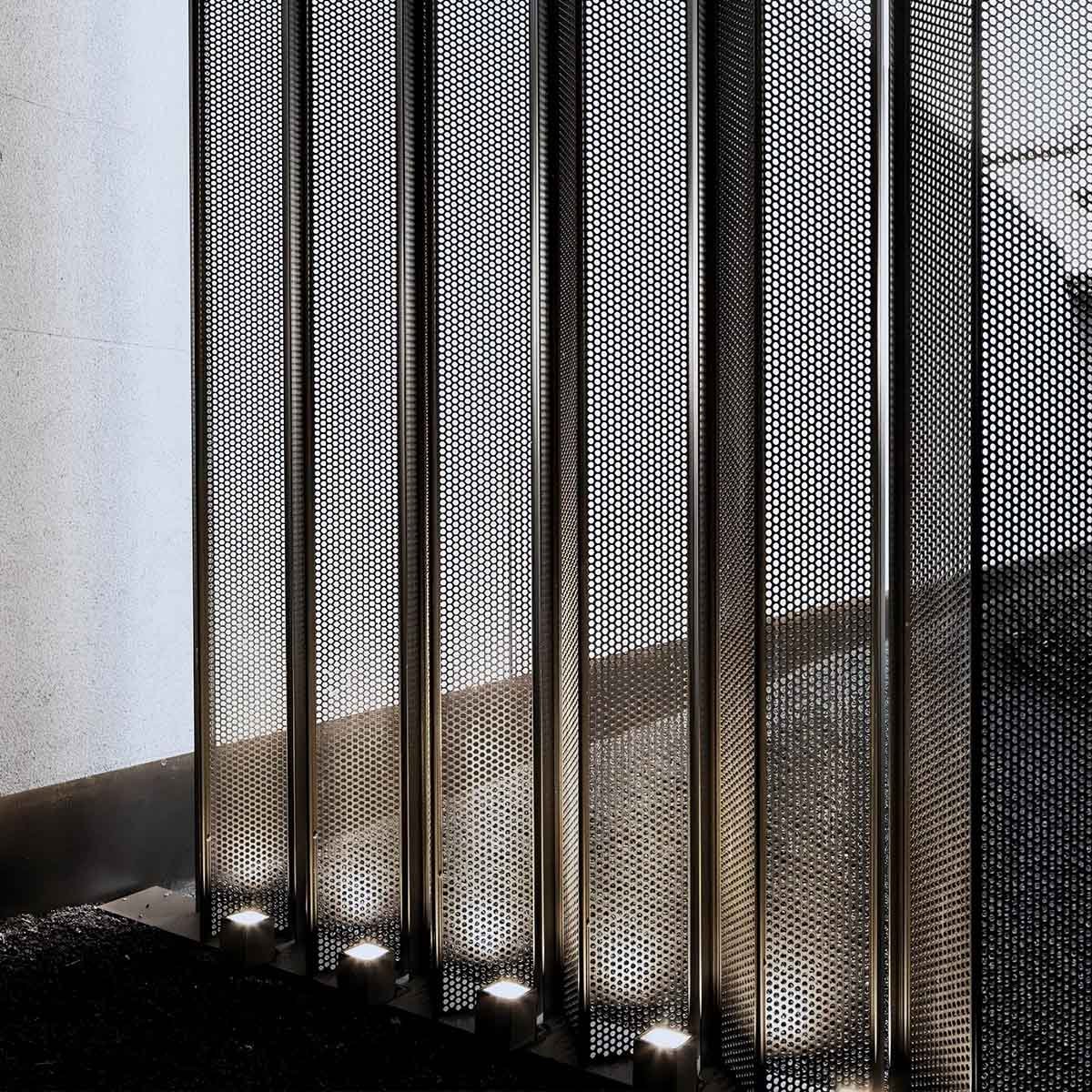
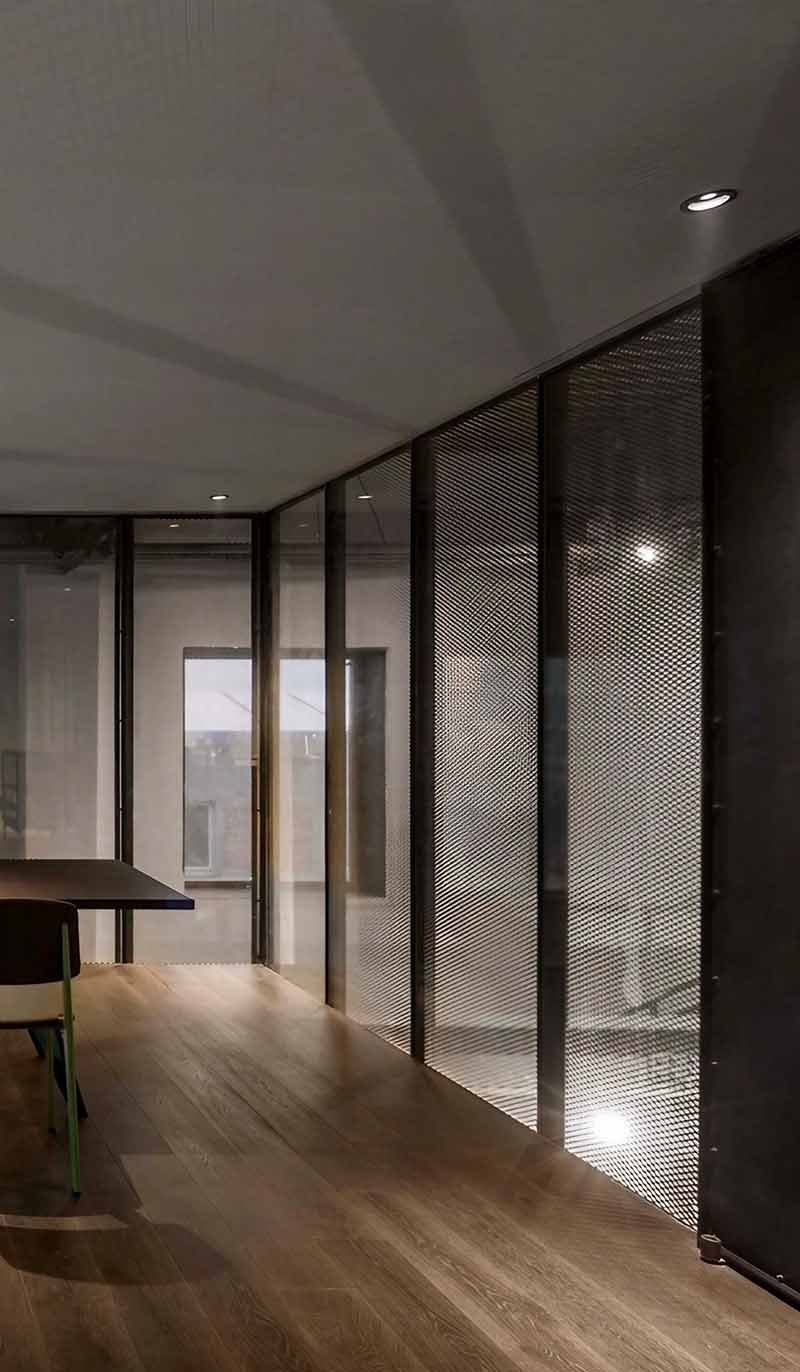
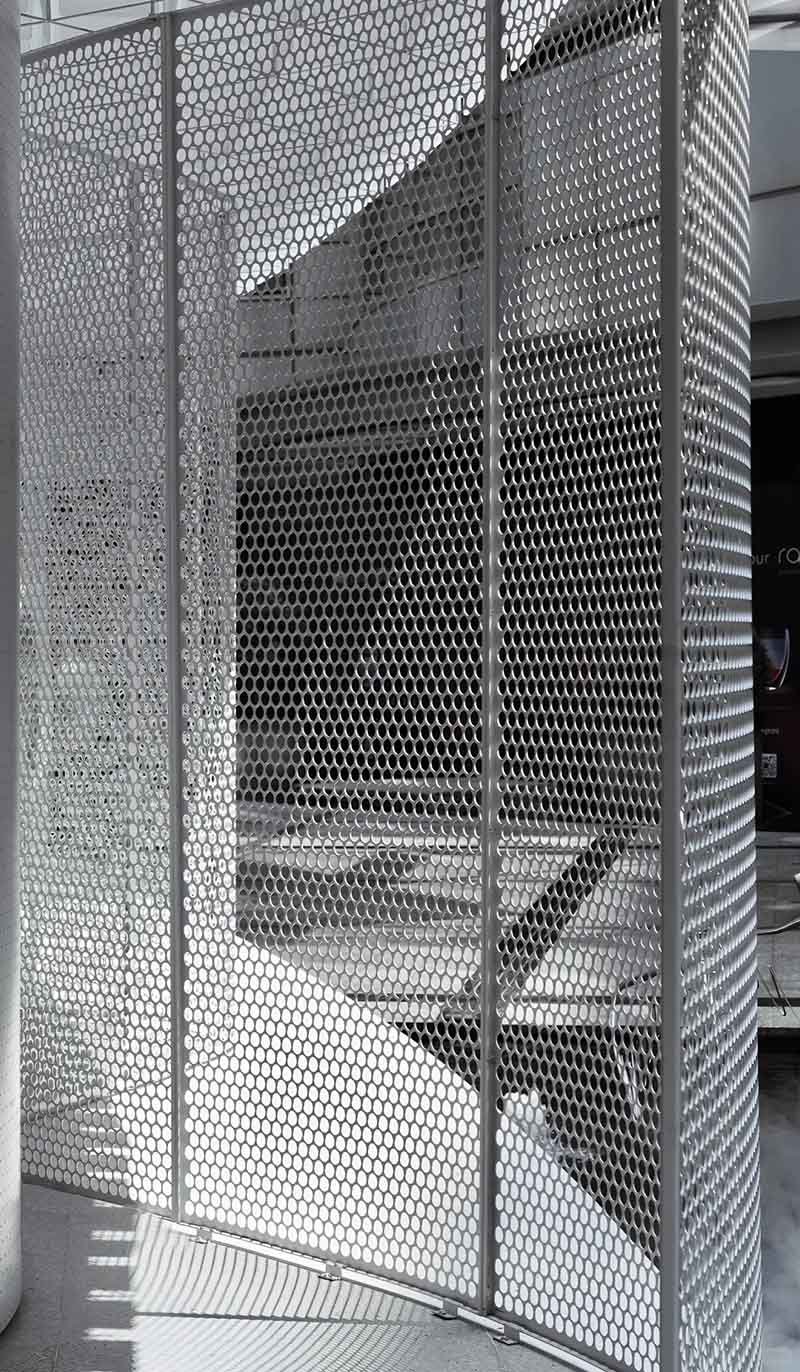
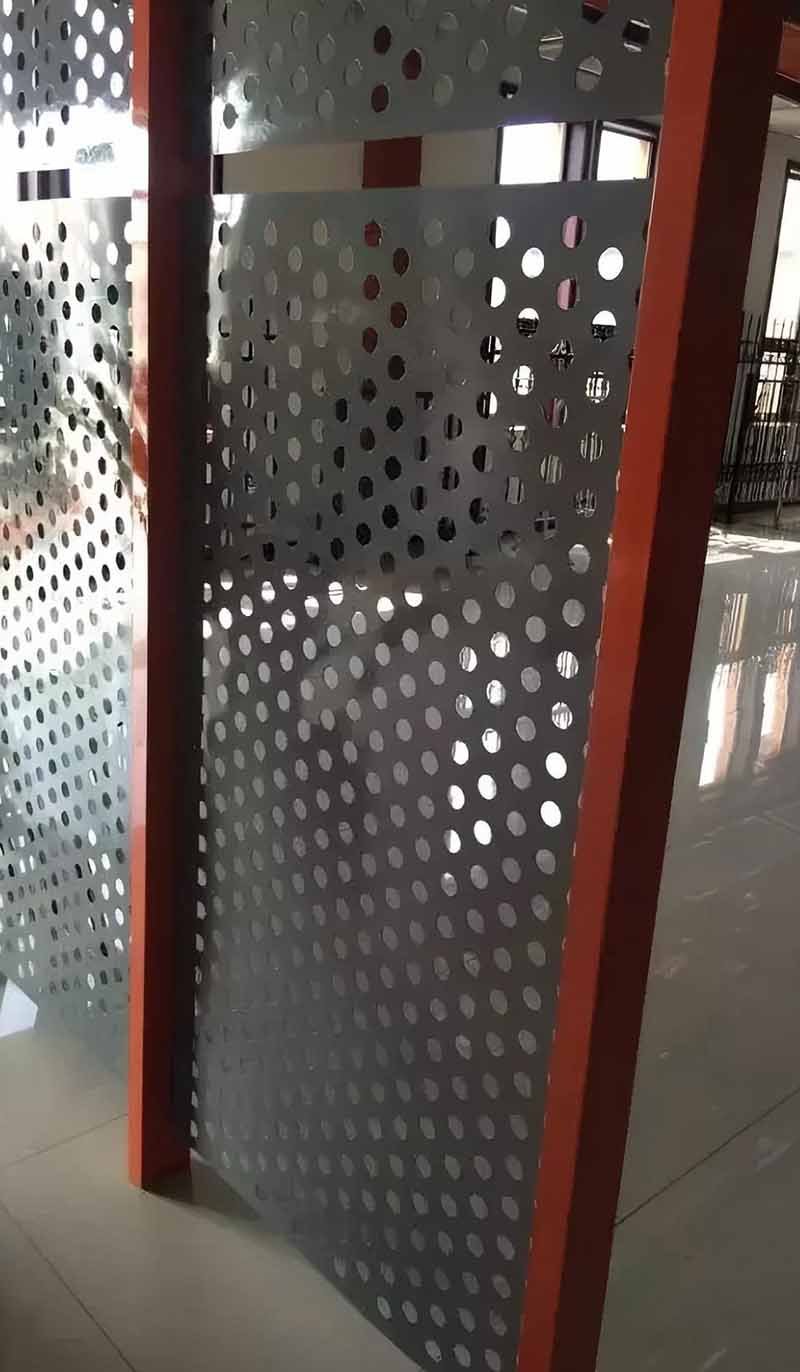
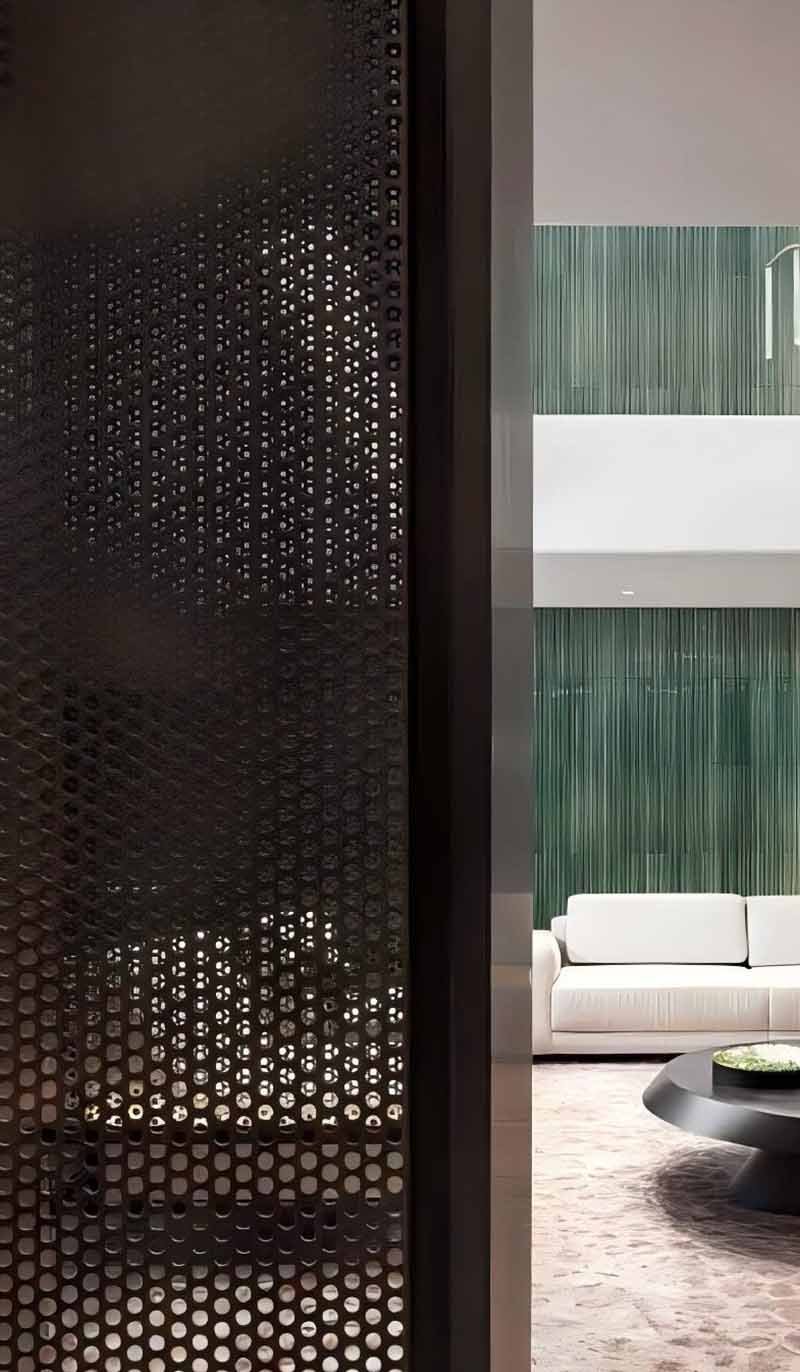
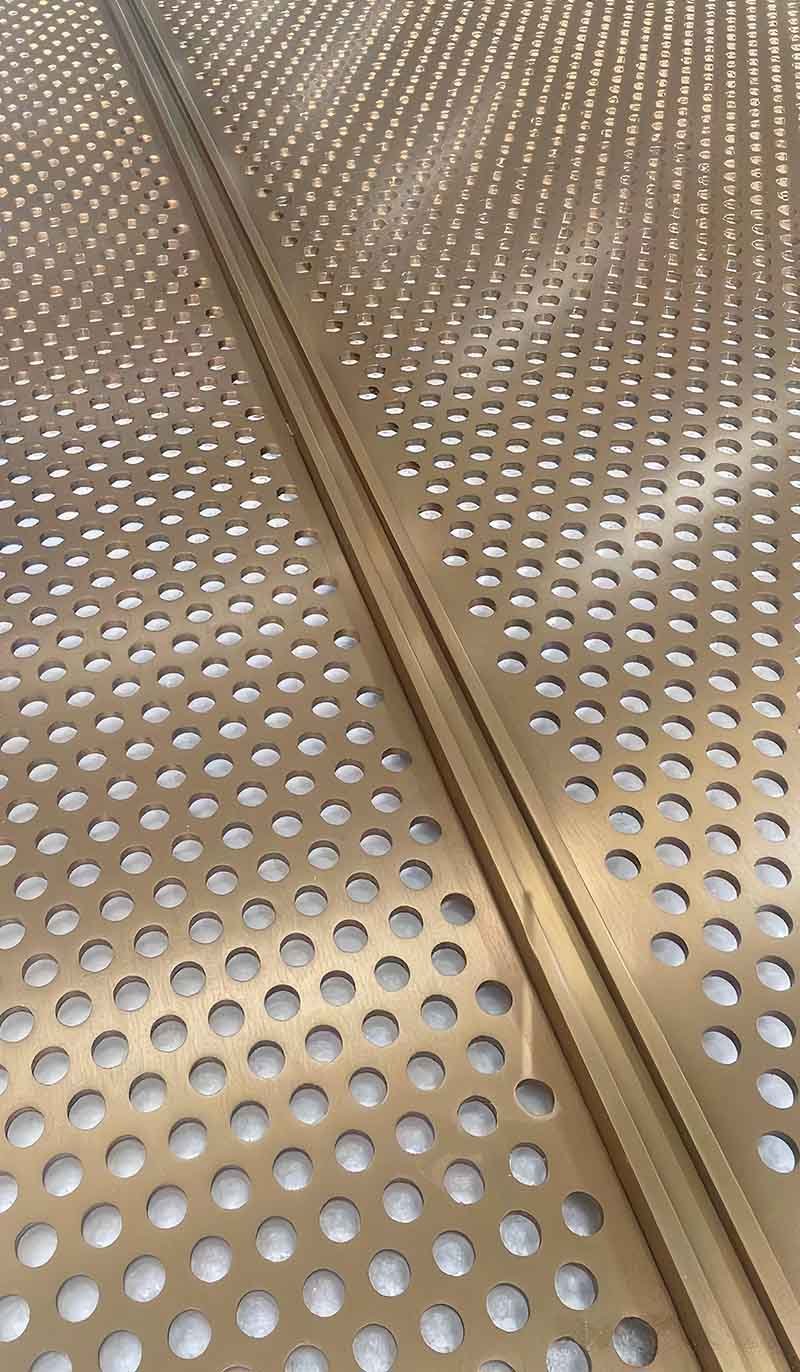
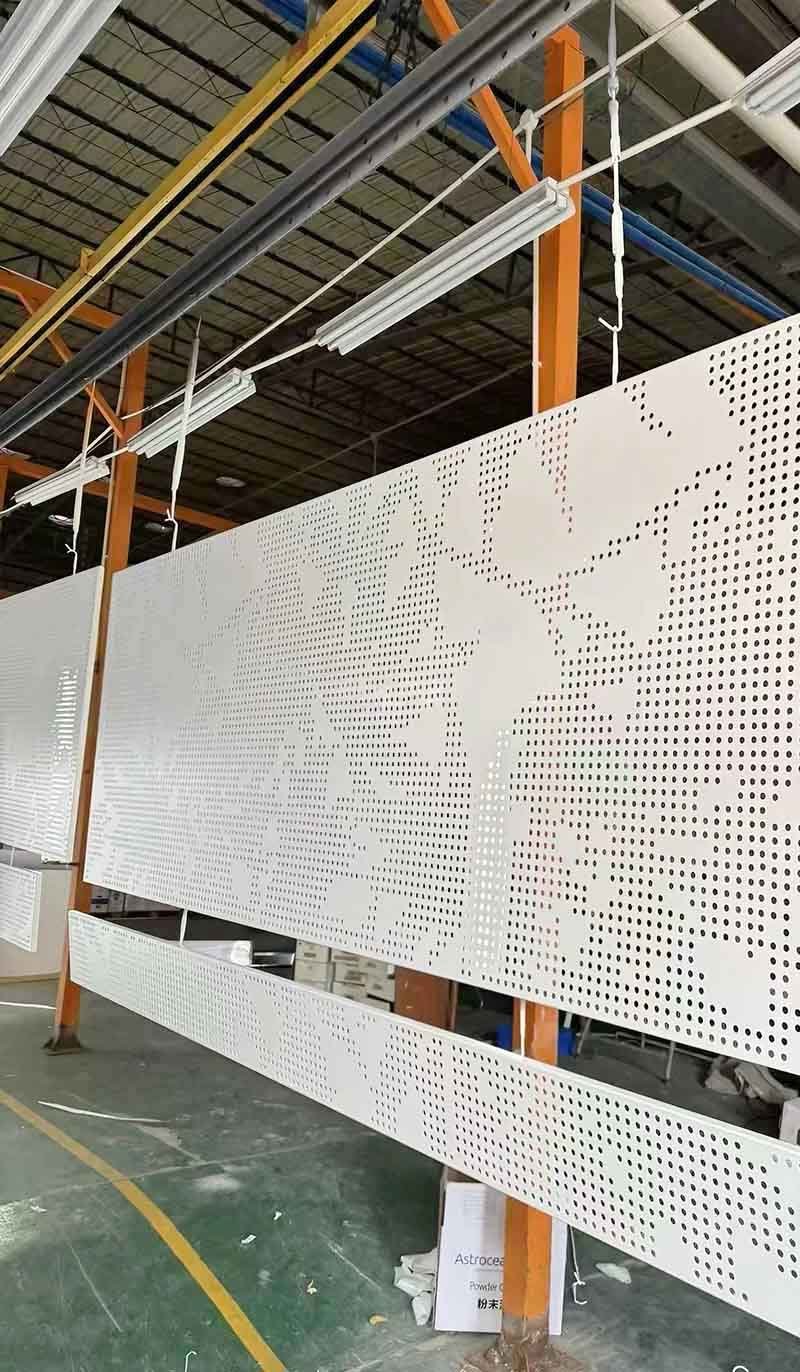
An overview of the architectural application of perforated metal screen panels with stunning patterns. In addition to privacy, they provide shade, air circulation, and dimensional elegance to any environment through variation of style and design.

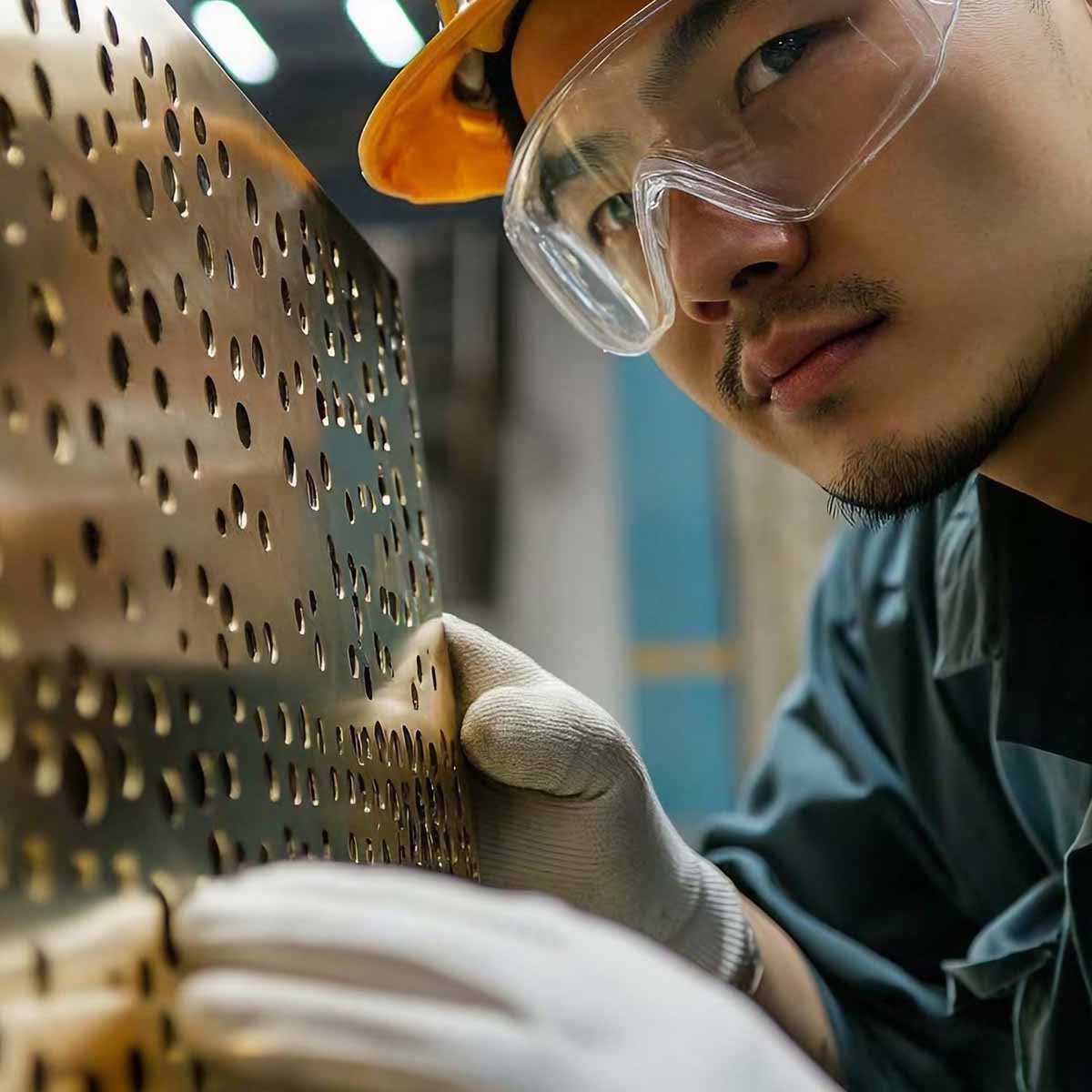
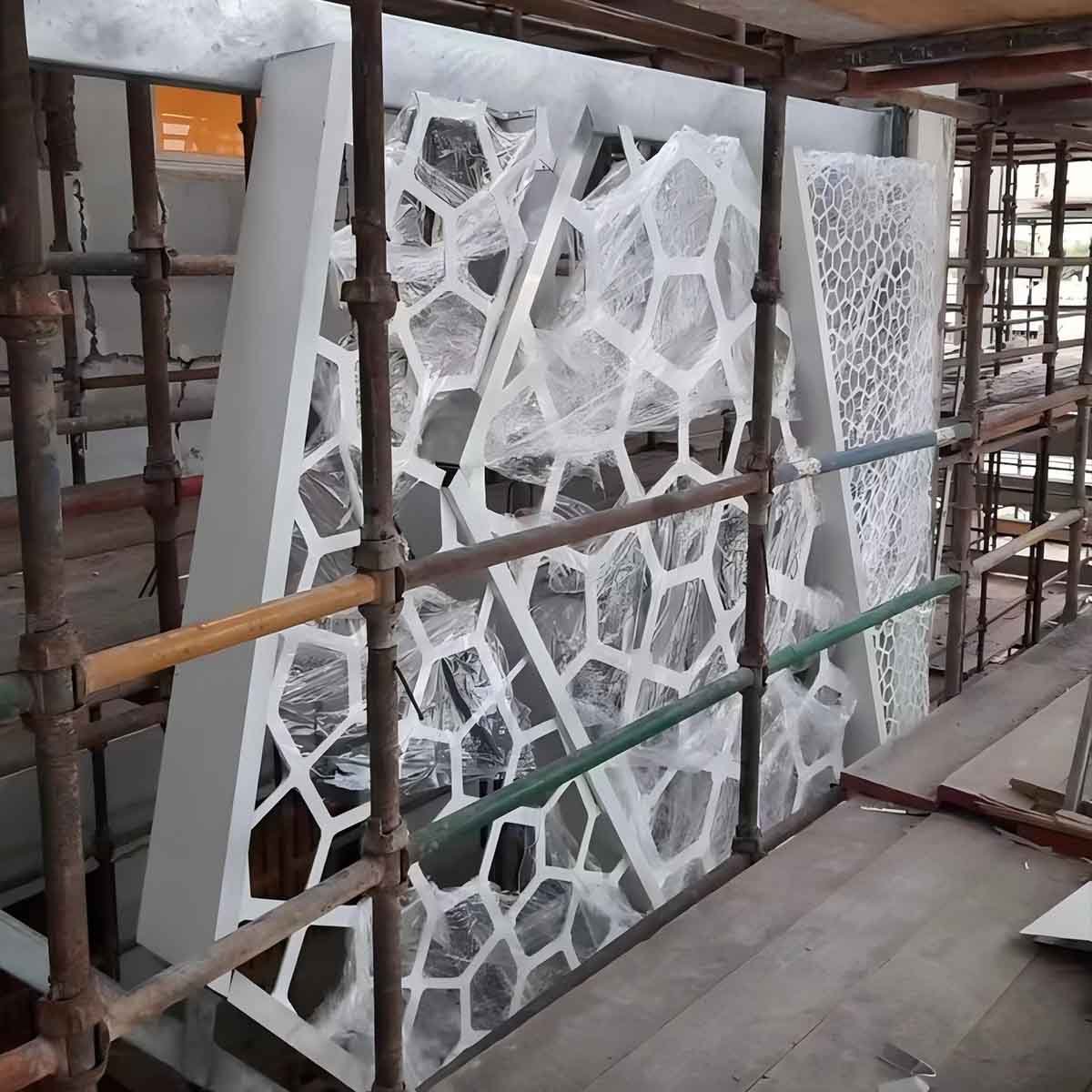
Perforated screen panels are perfect for form and function for facades and walls, railings, and landscaping. The available patterns and the finishing ensure light penetration while at the same time offering the much-desired privacy and fitting many designs.

Customizable

Specification

Standard: GB/T 24001-2016, GB/T 19001-2016, ASTM, JIS, EN
Thickness: 0.8 mm – 3.0 mm.
Width: 30mm-1850mm, Customized
Length: 1220mm-3000mm, Customized.
Tolerance: ±1%.
Material: Stainless Steel, Aluminium, Copper, etc
Technique: Cold Rolled.
Finish: Powder Coating, Anodizing, PVDF Coating.
Colors: Champagne, Black, Blue, Silver, Gold, Rose Gold, etc.
Edge: Mill, Slit.
Applications: Ceiling, Wall Panel, Facade, Interior Decorations.
Packing: PVC + Waterproof  Paper + Wooden Package.

Where to Be Used

Applications

One specific portable building material that is well known for its functionality is the perforated metal screens, going from sunshades to ceiling panels. These screens are normally used by architects and designers since they blend form and function improve environments and offer flexible design options for appearance and performance.

Privacy Screens

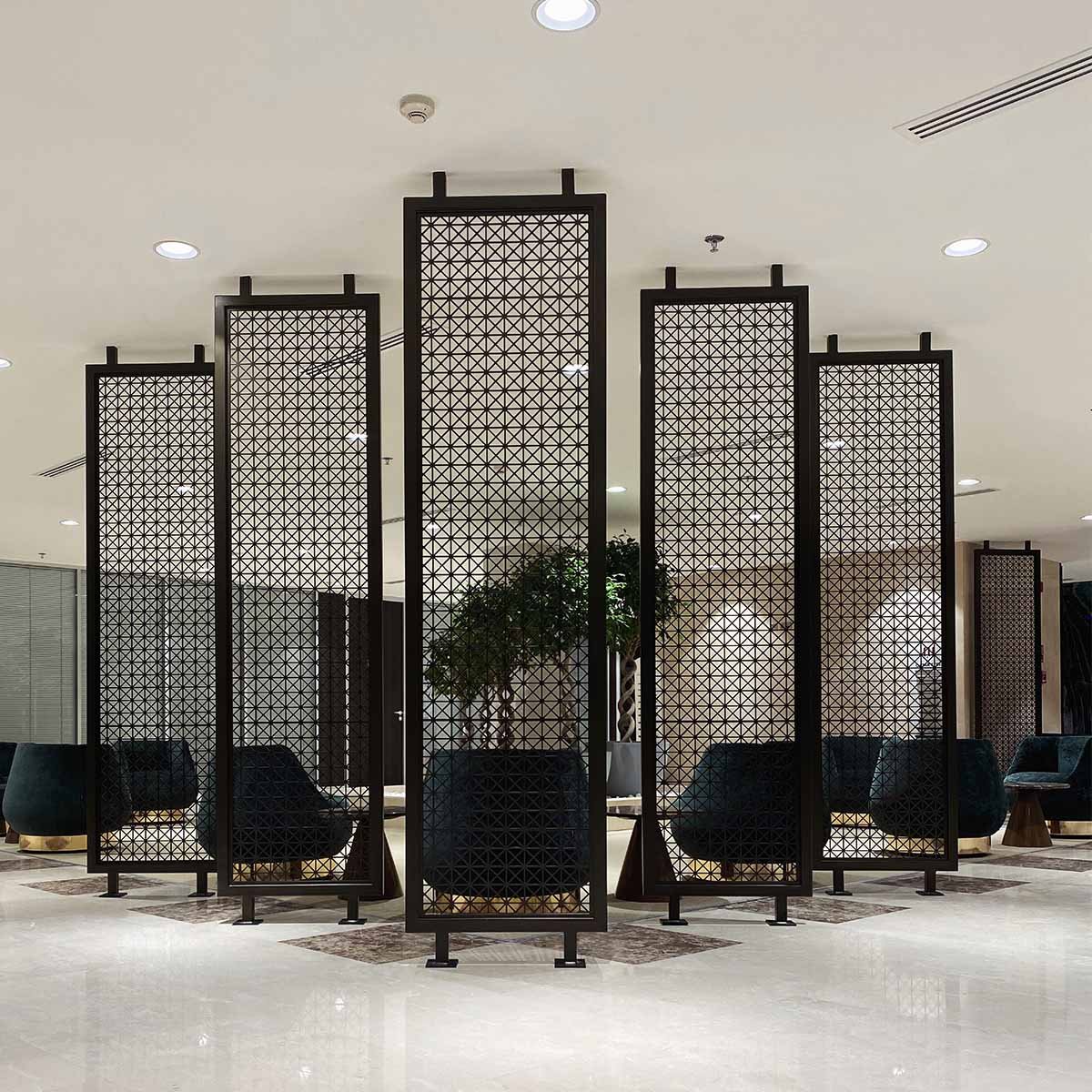
These metal sheet screens make the coffee area private while making the area look and feel open to the public. In-home real estate forms comfortable public areas within homes where people entertain their guests or relax in the outdoors.

Partitions and Room Dividers

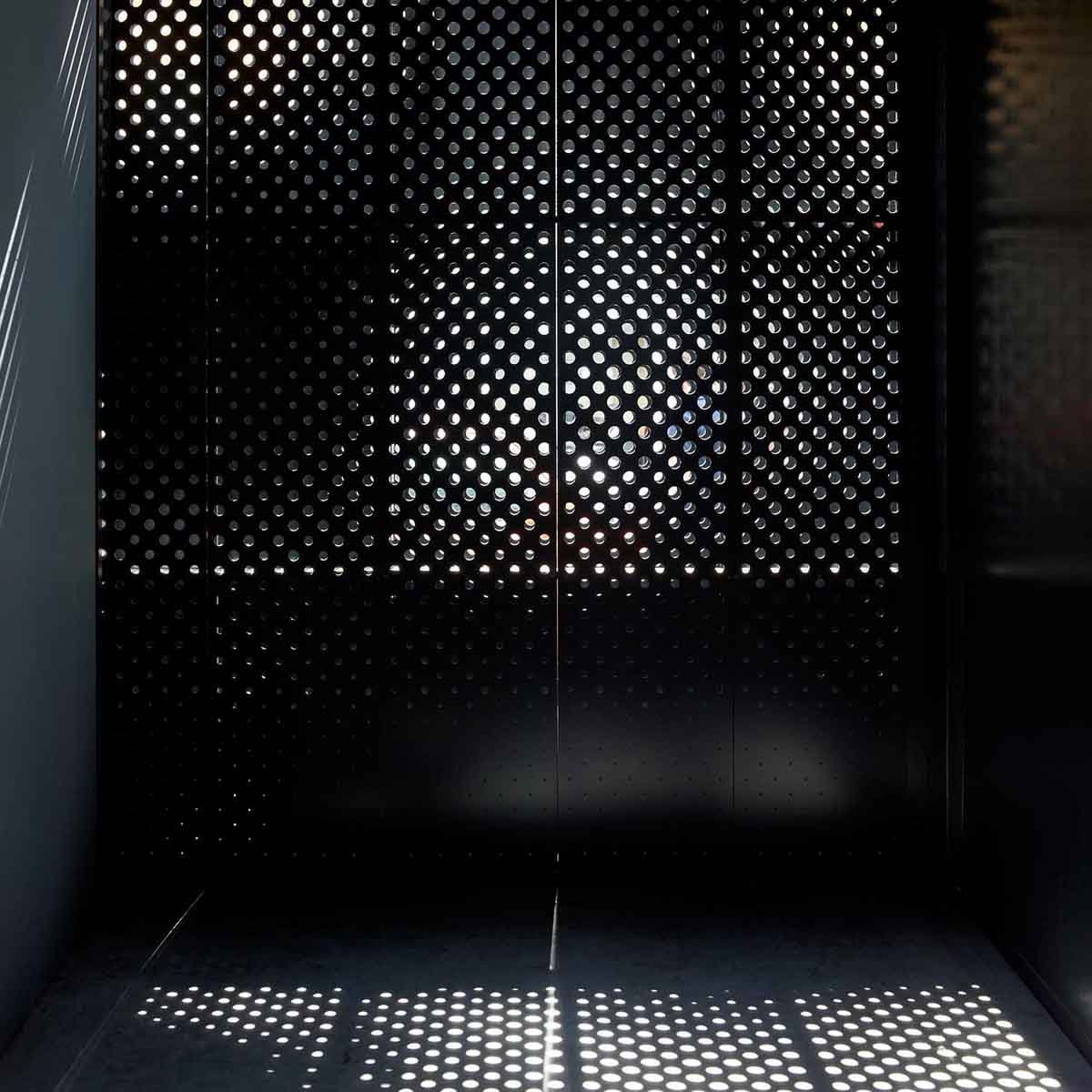
These panels create an exciting lighting design effect using the image formed by the shadow of the panel on the wall. It provides privacy and let in natural light making them suitable for aesthetic as well as practical partitions throughout various areas.

Balustrades and Railings

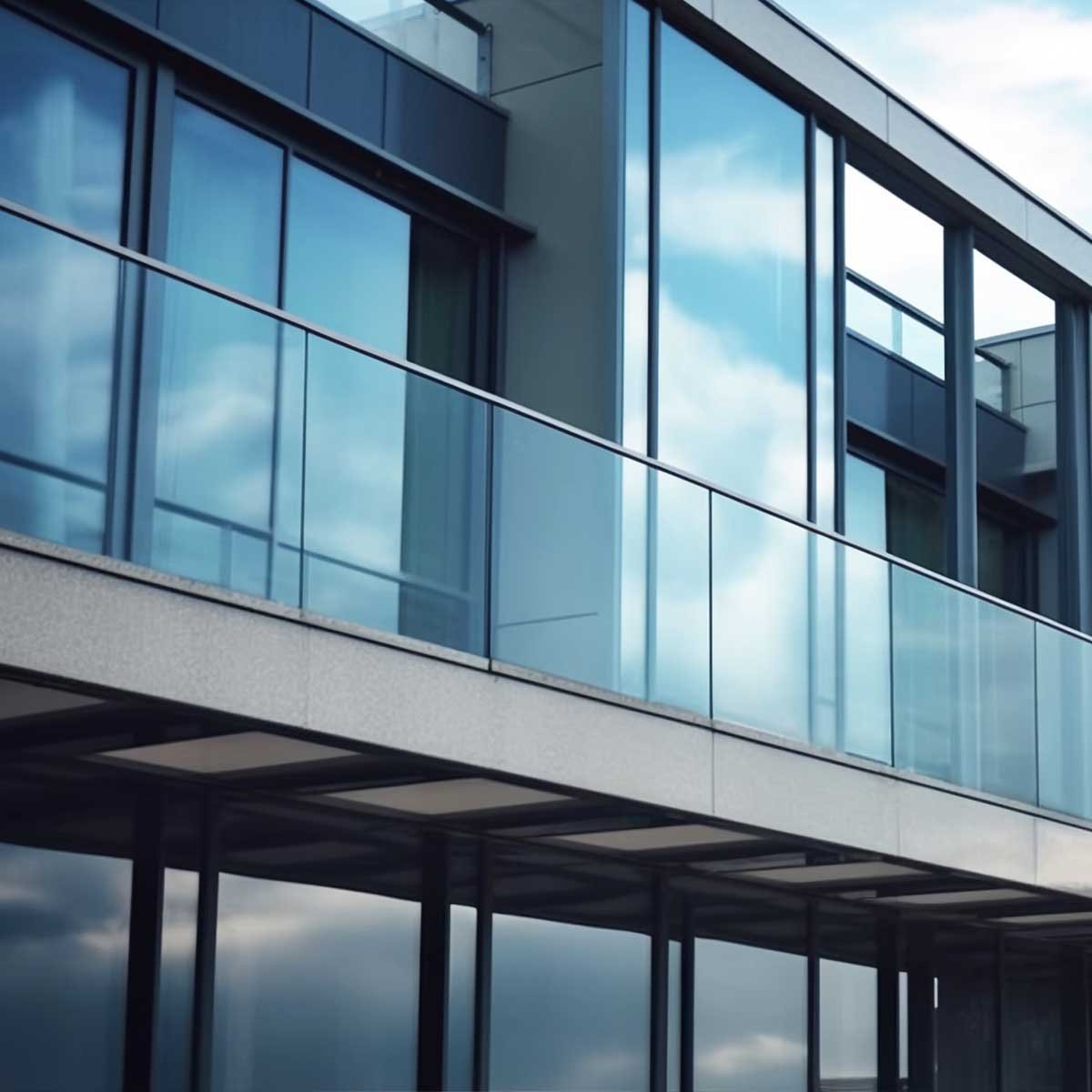
Perforated metal screens also serve as a security railing in contemporary staircases, balconies, and terraces besides enhancing the appearance of those structures. That makes them popular in modern constructions due to their aesthetic value.

Acoustic Panels

Lecture halls, studios, and performance areas use perforated metal screens which serve to effectively reduce, via absorption-containment, sound. Their design enhances the auditory conditions aiming at improving sound quality for maximum listening pleasure.

Architectural Facades

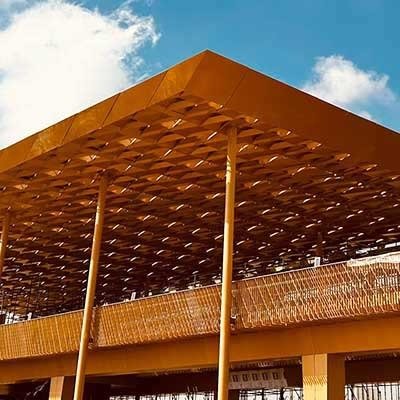
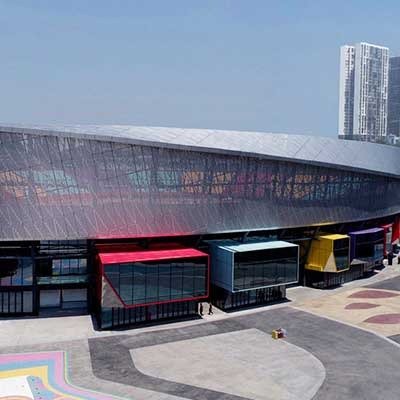
The great work helps improve the sustainability of the building since it enhances airflow and thus minimizes the usage of energy. Being easy to maintain, for forming excellent and lasting dwelling and non-dwelling surfaces, they are used for cladding.

Signage and Branding

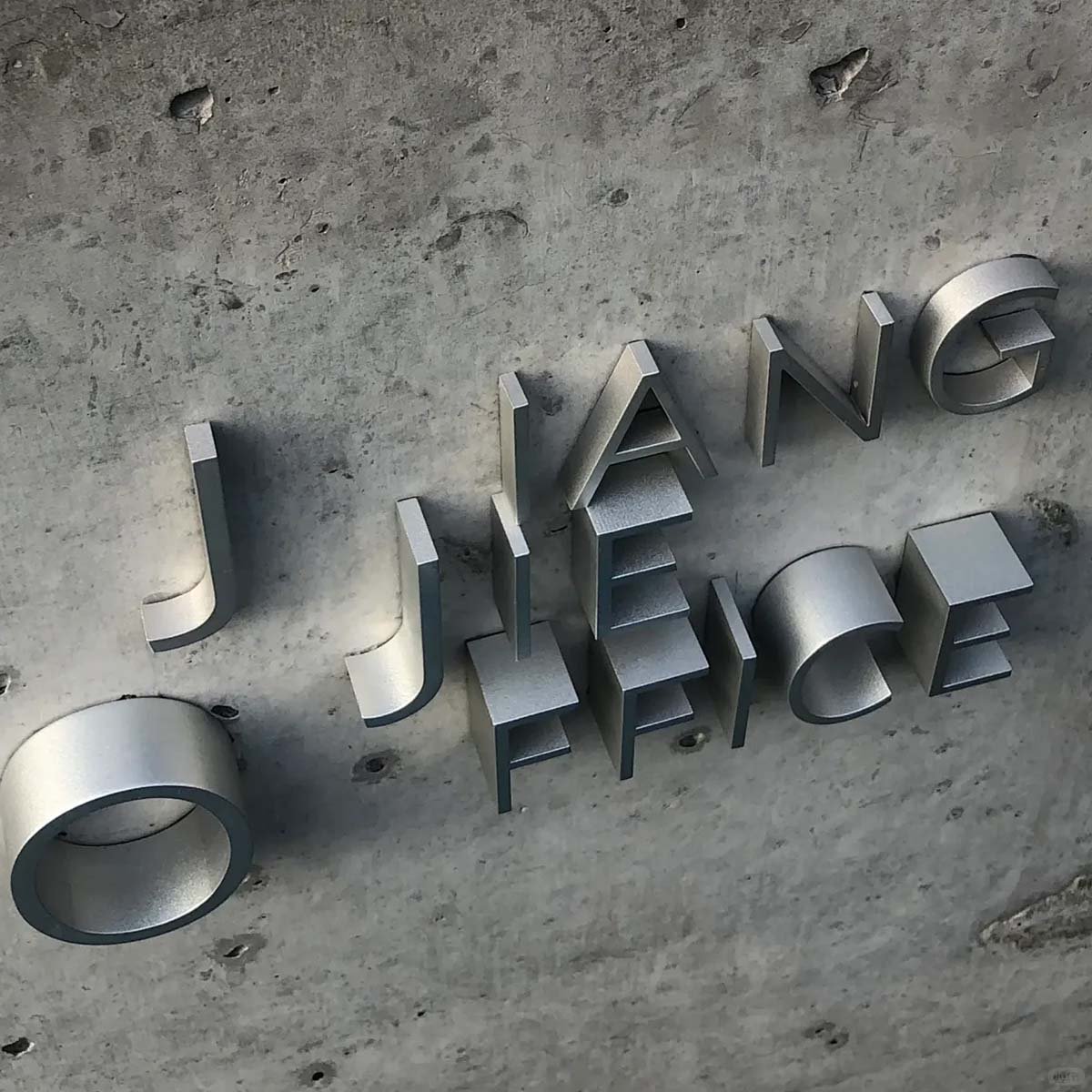
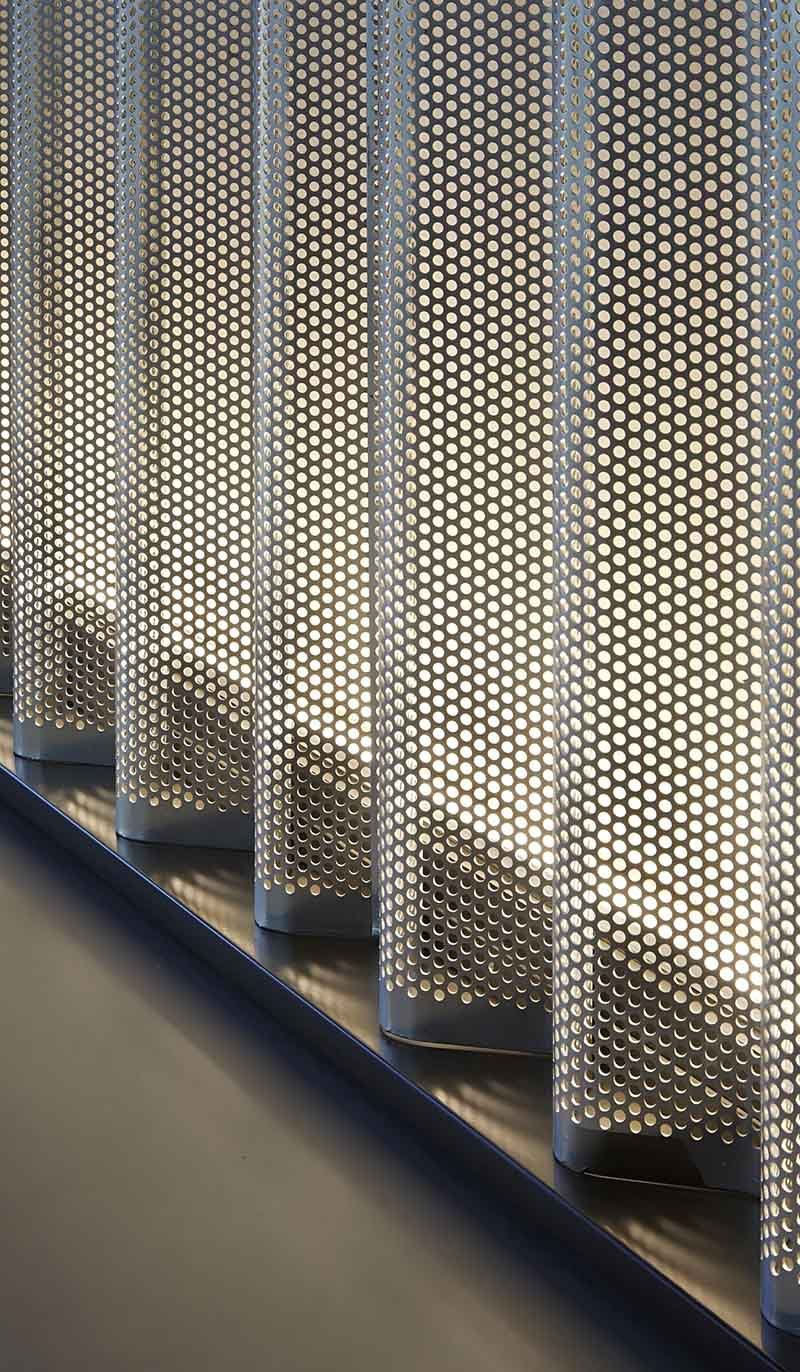
Translate structure is good for logos and messages visible on billboards signs, and shop frontages through perforated metal screens. These holes provide kinetic patterns of lighting which enhances the look and feel of anything to be showcased.

Equipment Enclosures

They also use perforated metal to house machines and controls for protection from dust and vandalism in industrial processes. They also assist in making an inlet and exhaust air passage which are important in the case of functioning and overhauling.

Perforated metal has many possibilities and potential for beautiful and functional design solutions for building facades, equipment housings, partitions or dividers, and loudspeaker or noise control panels. They are also flexible and can be customized to fit special project needs thus providing effective solutions to special problems.

Patterns

Various Options
for Perforated Patterns

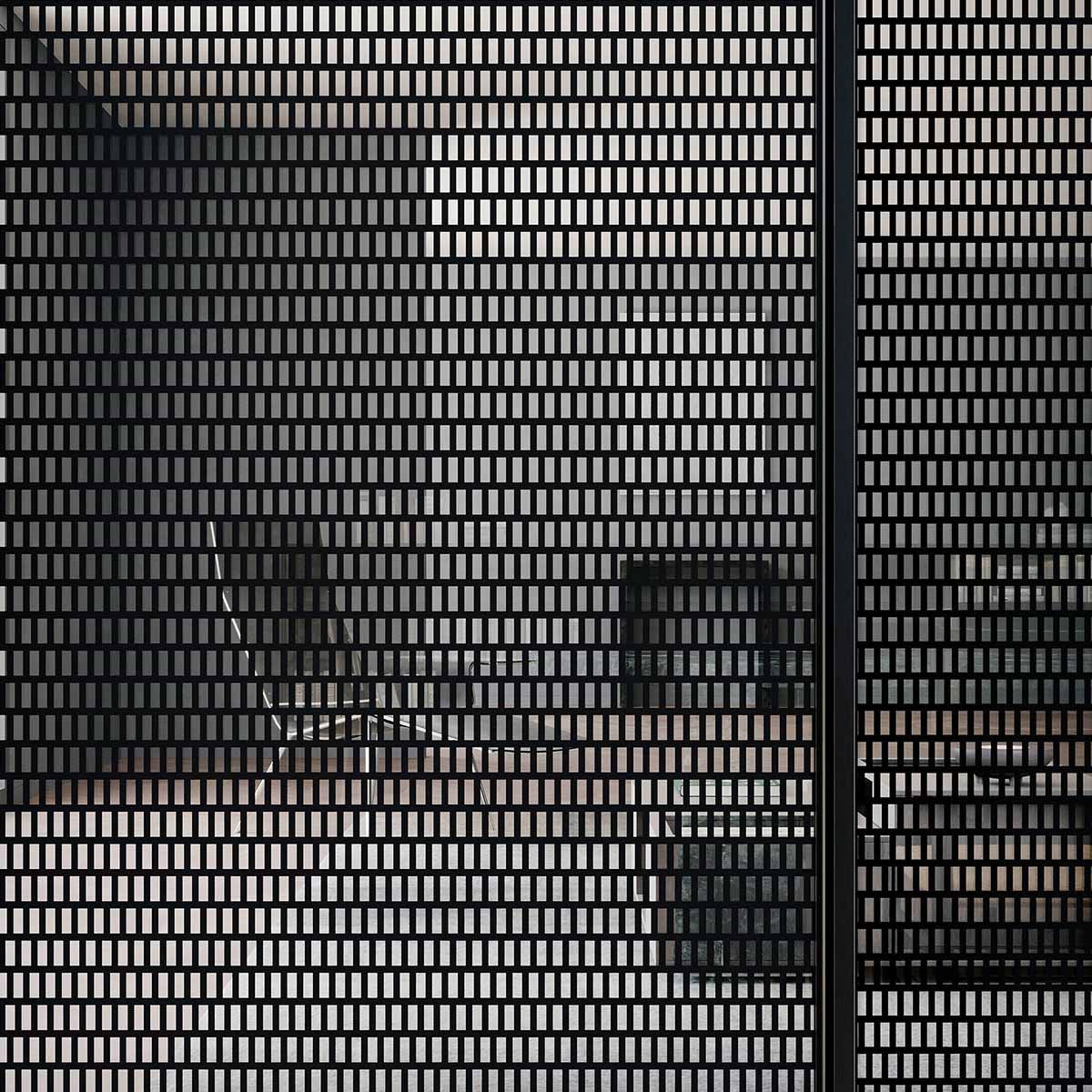
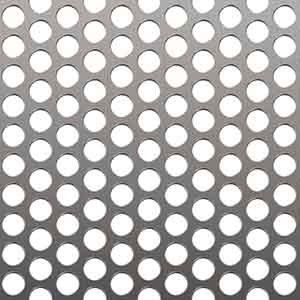
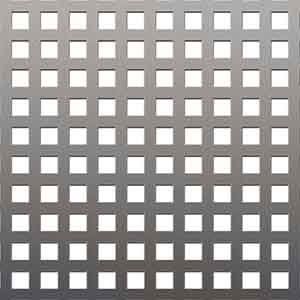
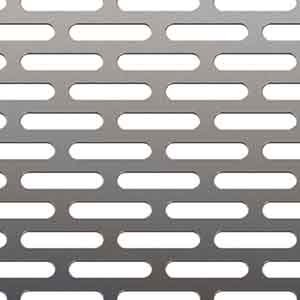
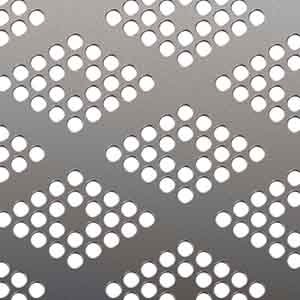
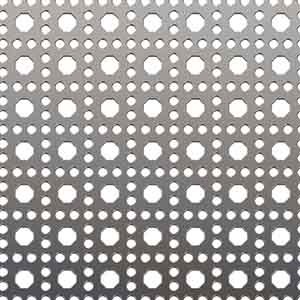
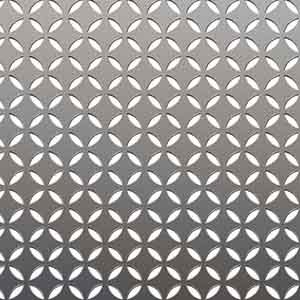
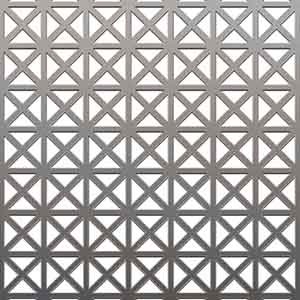
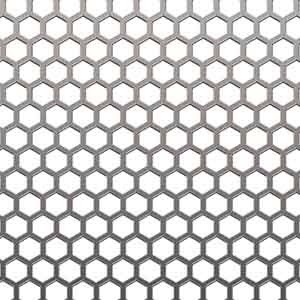
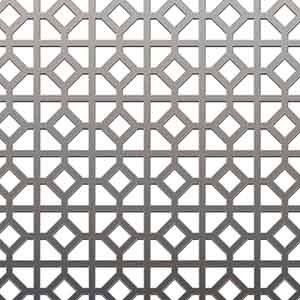
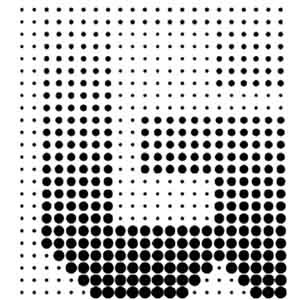
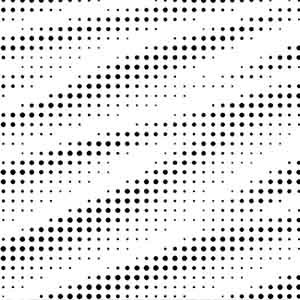
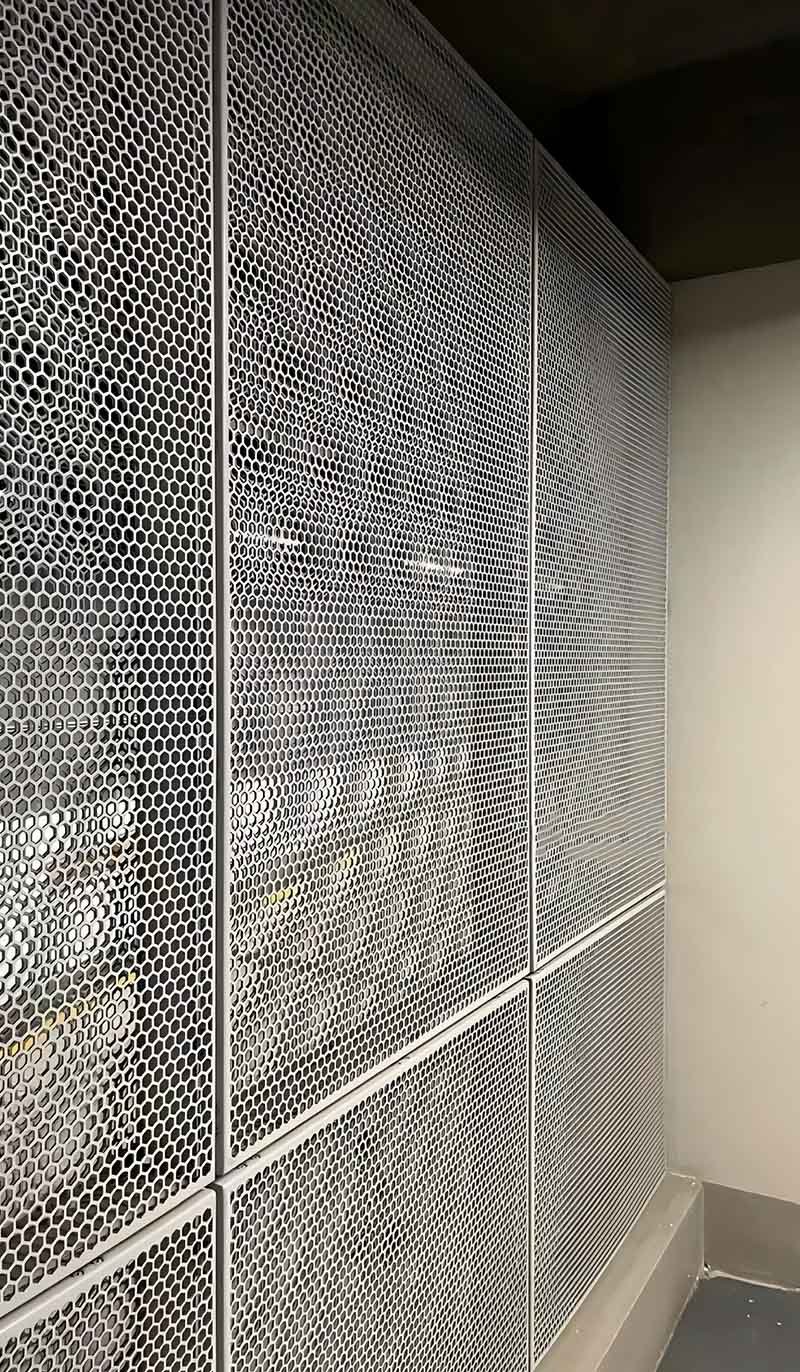
Perforation patterns are almost inexhaustible and can be utilized in the areas of aesthetics as well as construction designs. It can be created to fit particular developments; basic geometric patterns to more detailed patterns like circles, squares, hexagons, diamonds, and line types. Many manufacturers permit the option of modifying patterns on the perforated metal screens in order to give architects the possibility of self-visualization. Variable hole diameters and pitches facilitate better light penetration, air circulation, privacy, and interiors.

Surface

Color Options for Furface Finishes

Perforated metal is widely used for design applications where aesthetics, flexibility, and functionality are of primary importance; such as building veneers, equipment casing, dividers, and noise abatement panels. This makes them suitable for localization to fit some project specifics, especially in solving certain issues in architectural uses.

Powder Coating

This desirable look therefore requires the use of a dry powder that is applied to the surface of the panels and then cured by heating. This process provides a number of finishing options and high resistance to such effects as rusting and color degradation.

Anodizing

The anodizing process develops skin of oxide that enhances metal strength in terms of corrosion and wearing away. This finish maintains the appearance of metal and still comes in numerous other colors for those customers who prefer a certain look.

Painted Finishes

All sorts of paint such as enamel and acrylic paints can be used on the perforated screen panels to create different color combinations and designs. They assist provide composite aesthetics that are characteristic of specific tastes and demands for the design.

Brushed or Polished Finishes

These finishes involve mechanical or chemical application of the metal’s exterior providing it with a brushed or polished appearance. That makes the metal look far more elegant and sophisticated and more visually appealing because of this process.

Galvanized Finish

The layer of zinc acquired from galvanizing makes the metal look more beautiful on top of the fact that it is resistant to corrosion. This makes it ideal for outdoor and high moisture areas where long-lasting is important for the stuff and things to be used.

Natural/Unfinished

Some designs expose the metal's freshness leaving it with an unfinished appearance giving a touch of industrial feeling. This is a deliberate act of making perforated metal screens rough as no other material could result in such a texture and roughness.

Other finishing processes including powder coating, anodizing, galvanizing, or special control coatings make it possible to add more durability, corrosion protection, and color flexibility. These options let architects and designers choose the right finishes and thus, meet their objectives concerning the perforated metal screens to be functional and beautiful.

Material

Metal Options
for Perforated Screen Panels

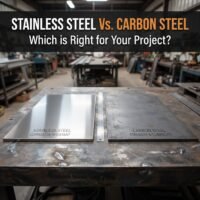
Stainless steel, aluminum, carbon steel, copper, and brass are some of the screen panel materials perforated with new-age materials such as titanium being used as well. It was in this way that the variety was a plus since it made it possible to satisfy functional needs, as well as to improve the appearance of the panels here in the space.

Stainless Steel

Stainless steel is the most popular since this material is very durable, does not corrode easily, and also looks quite modern. It is offered in a number of grades depending on the desired amount of corrosion protection for instance 304 or 316 grade.

Aluminum

Aluminum is used reversible for the manufacture of the perforated scenes since the material is light as well as flexible. It does not corrode easily and it may be easily coated with various kinds of finishes to improve both its durability and outlook.

Carbon Steel

This is an inexpensive technique that is applied on perforated panels in different sectors. Items like galvanizing or powder coating are a little more resistant to corrosion while at the same time offering high outcomes in general performance and look.

Copper

Copper brings warmth top’s perforated panels’ mesmerizing reddish-brown appearance and provides antibacterial properties. When subjected to time copper forms that appealing patina which makes the piece timeless, regardless of the design used.

Brass

This metal has a beautiful warm luster that makes it suitable to be used in construction work. The aesthetic beauty of this product improves the appearance of a building besides providing the strength needed when focusing on a particular project.

Choosing which metal to utilize for a perforated screen panel includes design and getting the correct balance of beauty in concern with cost, sturdiness, and climate resistance. The manufacturers of these metals as well as suppliers assist the architects and designers in choosing the right metal, that will be suitable for a given project.

Highlights

Why Choose Perforated Metal Screen
for Your Project

Aluminum and other metals have been built into featuring screens that are fantastic and durable for both indoor and outside use. They also fit into the sustainability profile by encouraging fresh air circulation and discouraging artificial lighting. They are used widely because of their flexibility in construction projects by the architect and designers.

Versatility

They are most suitable for various uses due to their extreme versatility and architectural solutions. They are best suited in architectural and aesthetic type of tasks considering their ability to fairly address the aesthetic and function needed.

Functionality

Lighting features such as screen smart placement cost less energy to power by utilizing natural light during the day. Those holes establish great designs that provide both privacy and ventilation to make the space visually and functionally pleasant.

Customization

The metal screen panels are of flexible choice in terms of hole size, shape, pattern, spacing as well as finish. These features enable the architects to draw distinct looks by designing a nearly perfect match with the specifications of the project.

Durability

We employ interior and exterior, perforated screen panels because these are extremely robust, they can take a lot of beating. It can withstand any form of weather, it can at any given time ensure it has a good performance for the agreed period.

Aesthetics

The metal screens fabricated make virtually any room seem more classy and sophisticated with their fine patterns and appeal to modernity. They can be placed as design solutions to change the mood and look of interiors or even entire construction.

Sustainability

Daylight and control of entry of natural air are achieved by perforated metal which does not require artificial lighting and air conditioning. Its recyclability also encourages energy conservation thus, it is an environment-friendly architecture.

Perforated Metal Screen Panels

Frequently
Asked Questions

The following FAQs are provided for the perforated metal screen panels. Learn about their parts, changes possible, durability, application, pros of sustainability, how to fix them, maintain them, and where to get one. If you would like to read more about these versatile elements of structures’ architectural and decorative design.

  • Q. What are perforated metal screen panels?

    Perforated panels for divider screens consist of accurately cut holes in the panels to provide not only an interesting look but also more effective. They are familiar with architecture; they offer the buildings ventilation, sun protection, privacy, and other features and uses.

  • Q. What materials are used for perforated metal screen panels?

    It is possible to create perforated metal screen panels from stainless steel, aluminum, and copper among others. Availability of material depends on climatic conditions, requirements related to appearance, and lifetime expectancy for the best results.

  • Q. Can the perforated patterns be customized?

    Perforated patterns are flexible to enhance the design requirements, which may be modified in terms of size, shape of holes, spacing, as well as pattern. This flexibility allows architects and designers to accomplish required aesthetics as well as performance.

  • Q. What applications are suitable for perforated metal screen panels?

    Perforated metal panels are employed in various architectural causes and guises–as an exterior skin or facade, as a privacy or partition screen, and as a wall or room divider. They are flexible for use in residential, commercial as well as industrial areas and regions.

  • Q. How durable are perforated metal screen panels?

    They are installed on building structures with perforated metal sheets for the facade, privacy, and partition walling. Because of this, they can be installed in the various sections of residential, commercial as well as industrial buildings.

  • Q. Can perforated metal screen panels contribute to sustainable design?

    The perforated metal screen panels make a genuinely sustainable design more manageable, as the building integrates natural ventilation and light thus reducing artificial lighting systems and air conditioning. They also have more sustainable and environment-friendly recyclable metal choices.

  • Q. How are perforated metal screen panels installed?

    The metal screen panels are generally fixed onto the substrate and the panels are through screws, brackets, or framing methods suited to the requirement of the work. Original equipment manufacturers or professionals should be consulted when it comes to matters of how to install to enhance safety.

  • Q. Can perforated metal screen panels be painted or finished?

    Application of painting or polishing might indeed improve the outlook of perforated metal screen panels and the associated performance. Powder or liquid coating, anodizing, and galvanizing enhance the product’s strength, and its ability to resist corrosion, and comes in any color.

  • Q. How do I maintain perforated metal screen panels?

    Cleaning of the perforated metal screen panels should however be done regularly to get rid of dust and other kinds of pollutants. Expect that there is a proper way of cleaning each material and each given finish depending on the manufacturer’s instructions.

  • Q. Where can I purchase perforated metal screen panels?

    Different varieties of perforated metal screen panels are available in architectural suppliers and hardware stores. This should be done in a bid to meet your specific needs since every client’s requirements vary and engage suitable suppliers for quality products.

What News at TBK Metal

Relative Blog

14
Sep

Perforated Aluminium Panels: A Revolution in Modern Architectural Design

Perforated aluminium panels are discreetly changing the landscape of architectural design, appearance, utility, and environmental ...

09
Sep

Material Selection for Perforated Wall Panels: A Comprehensive Guide

Choosing the right material is a primary consideration in architectural design and even more critical ...

27
Jul

The Green Revolution: Sustainable Exterior Wall Design with Perforation

Stable construction is now the norm rather than the exception given climate change and the ...

error: Content is protected !!