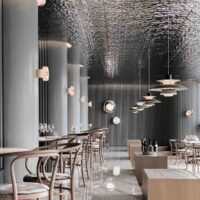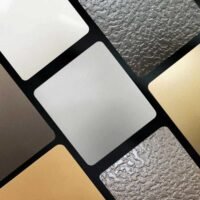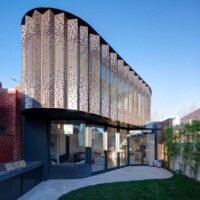





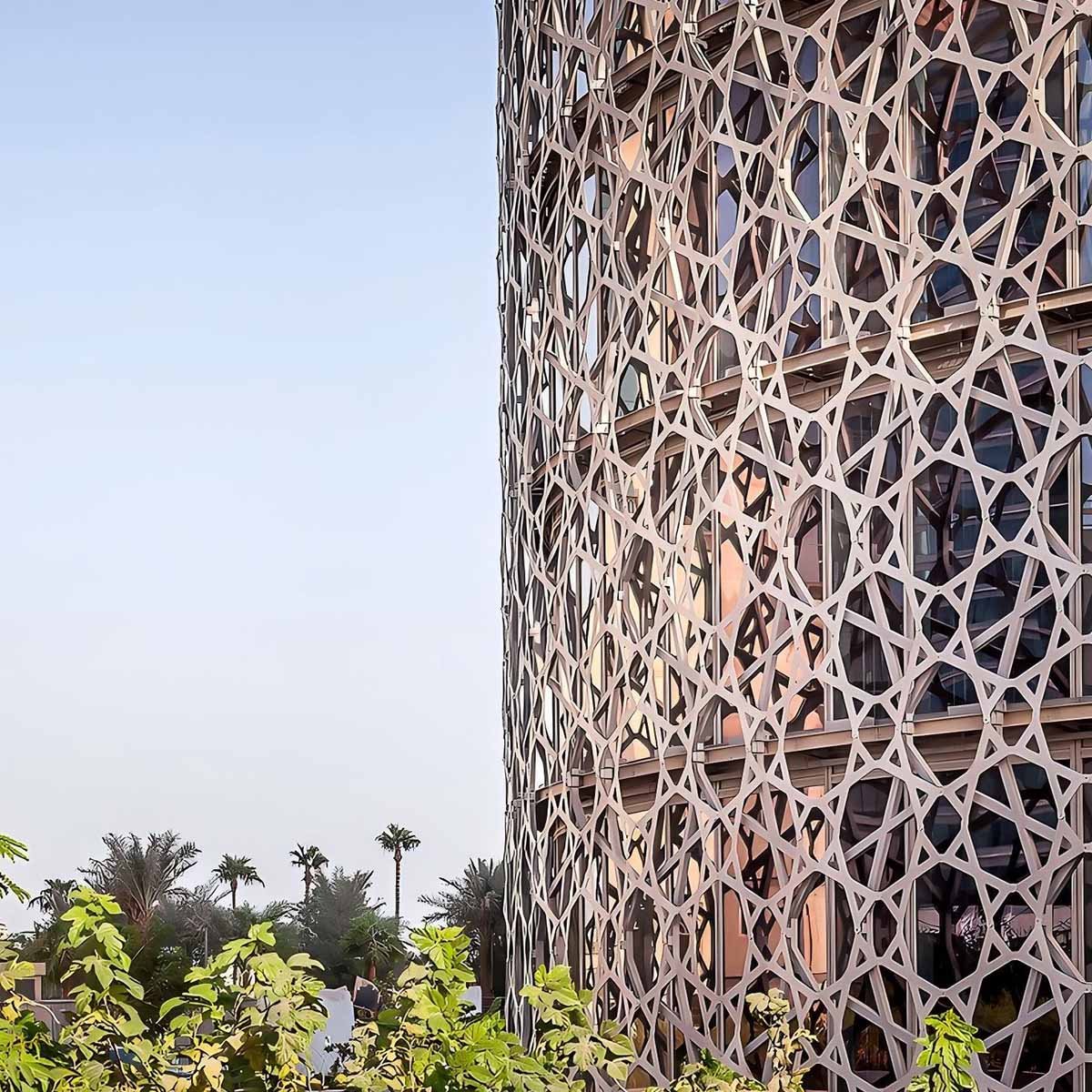
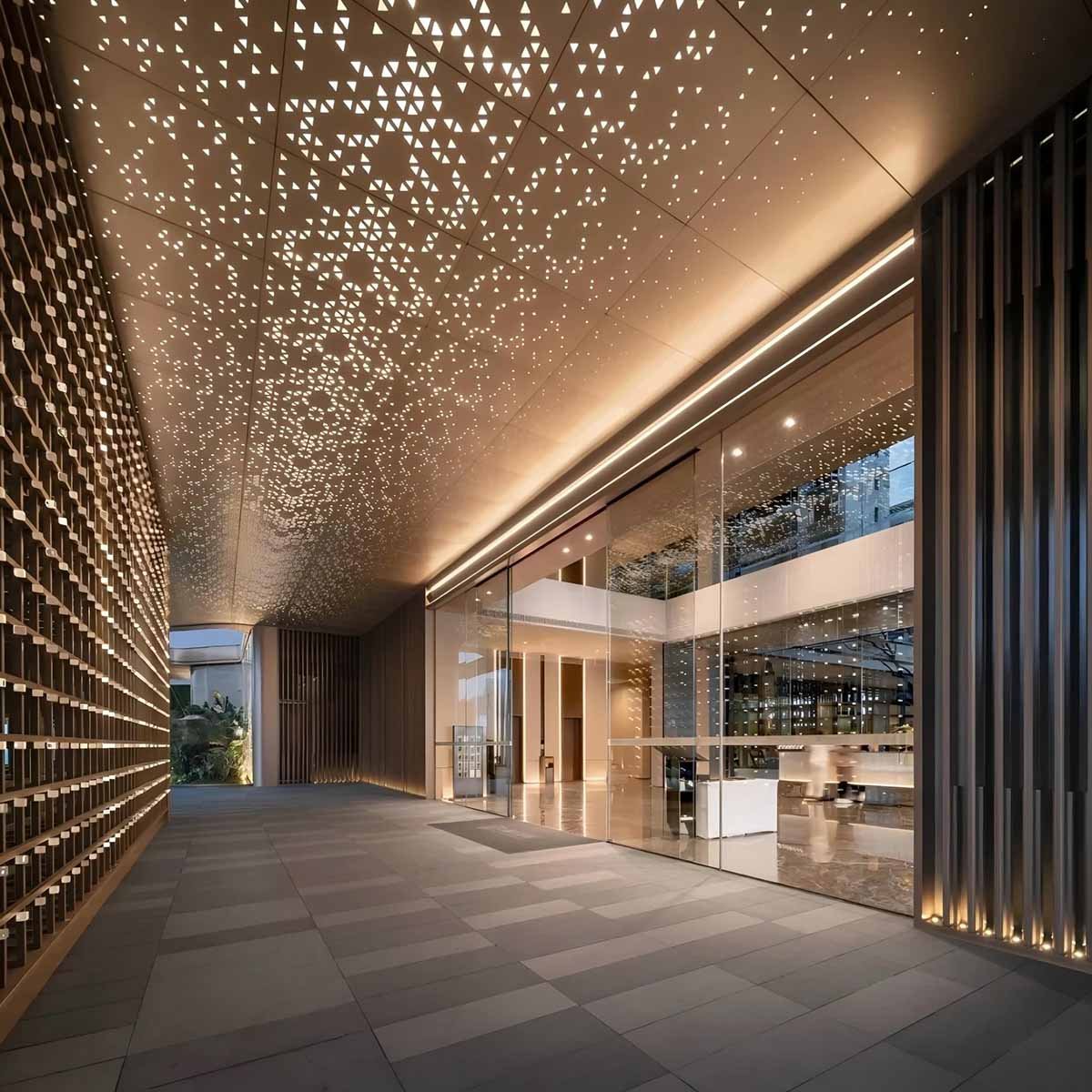
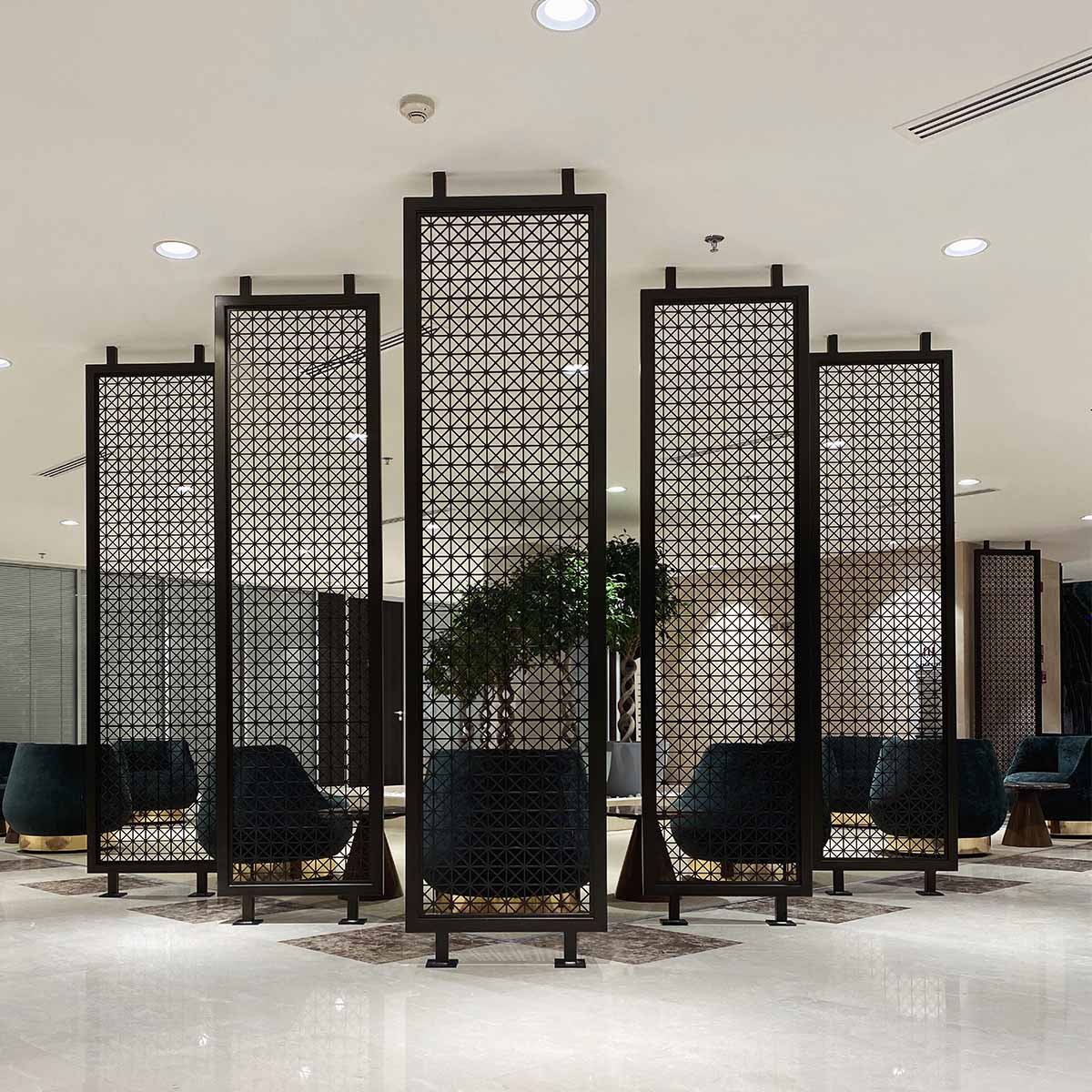
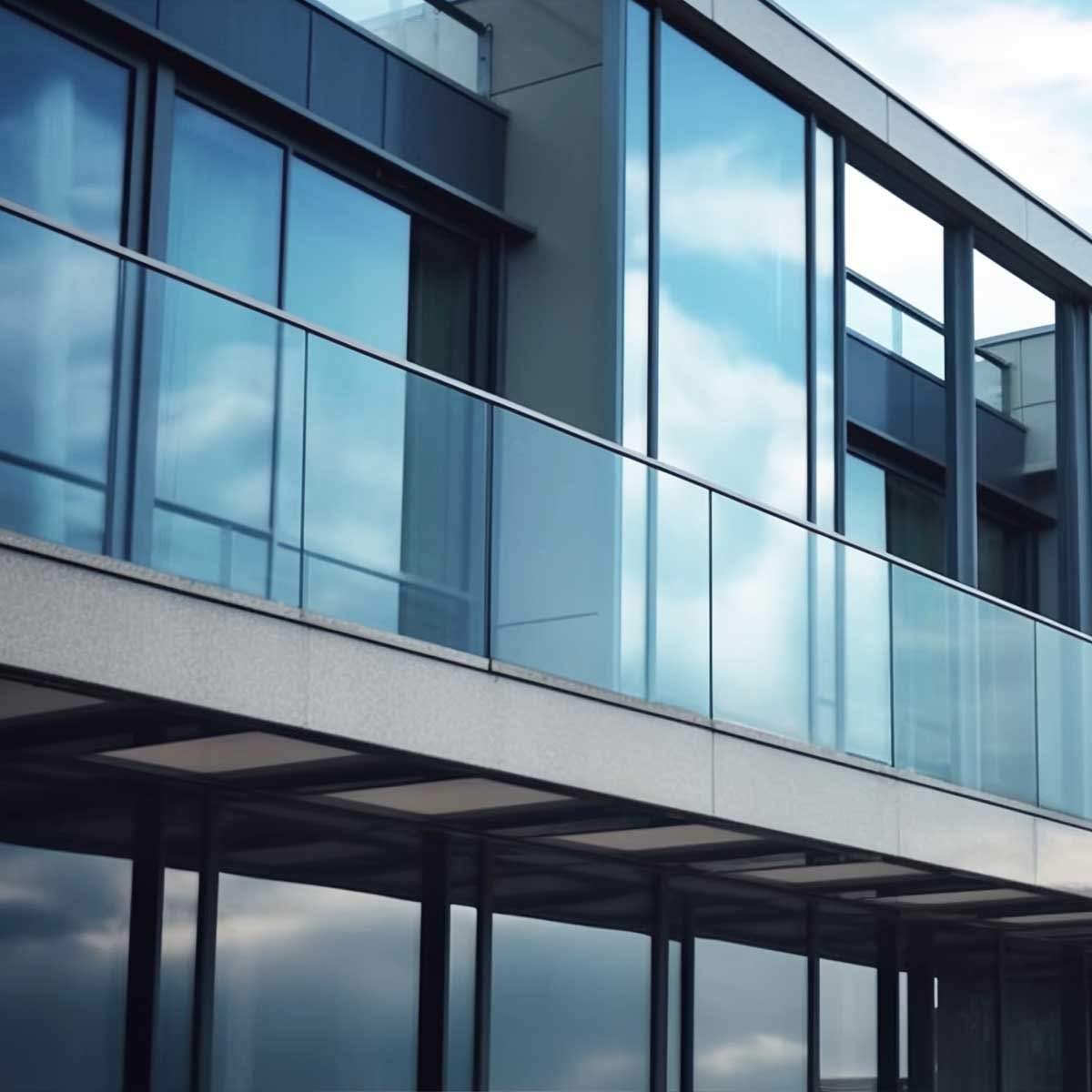
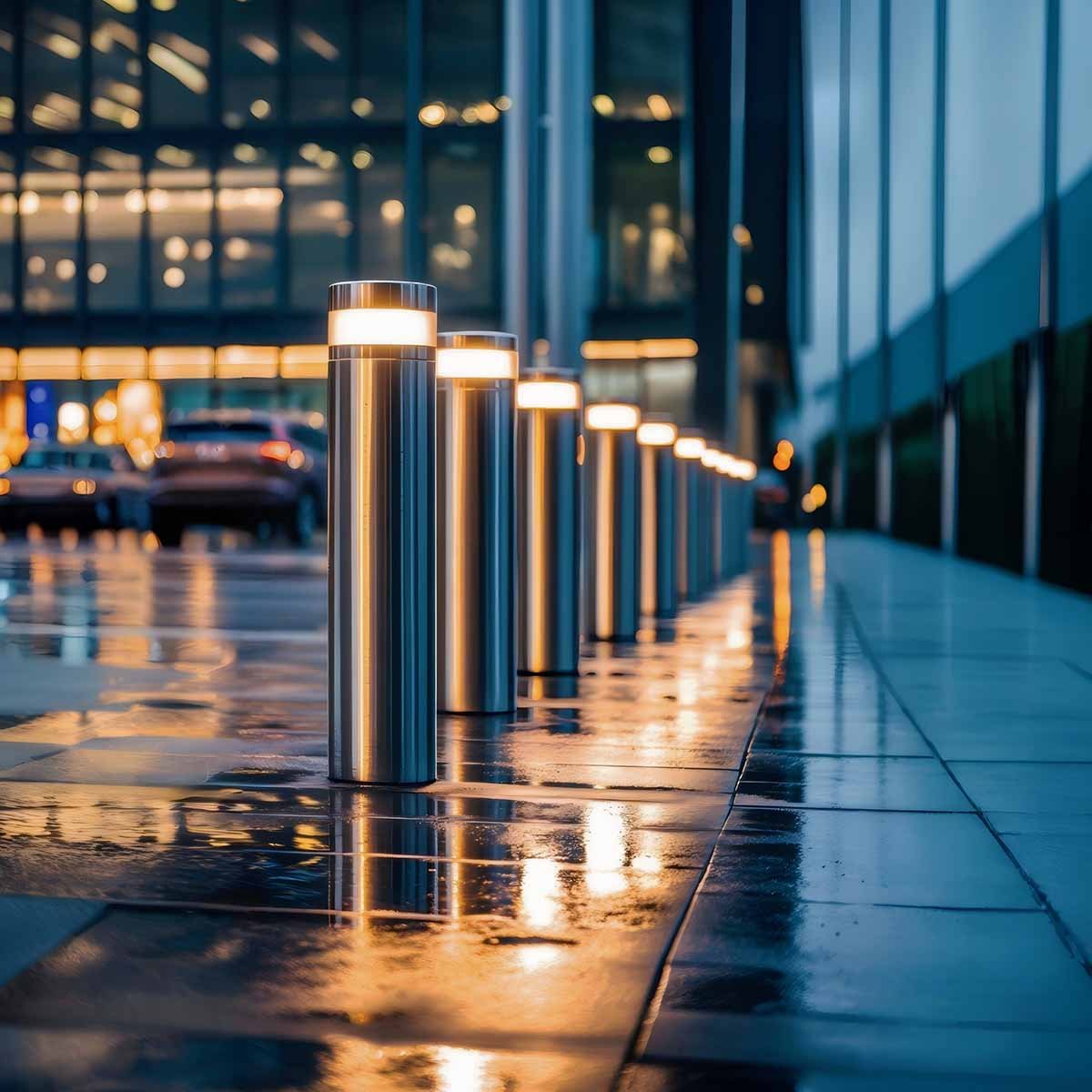
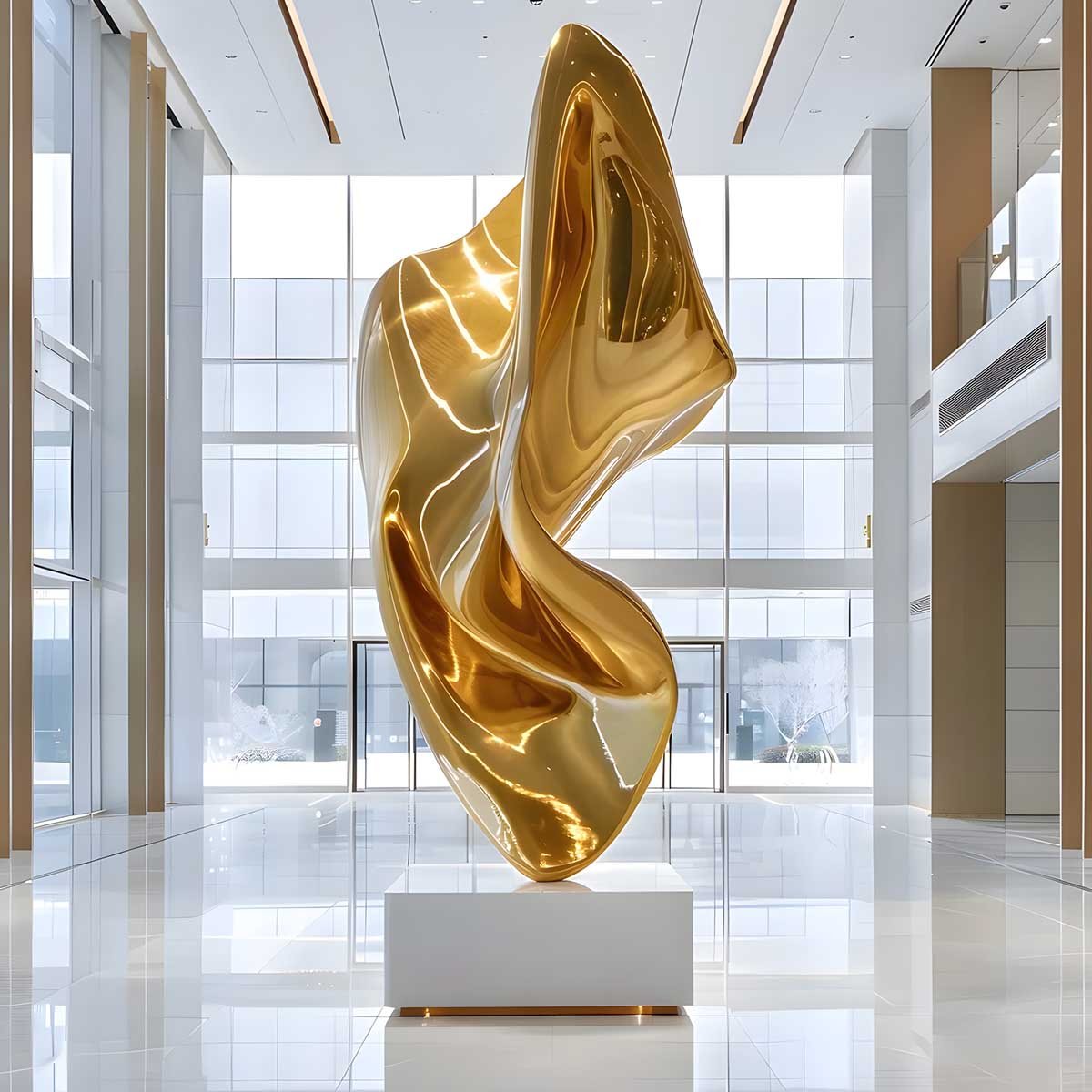
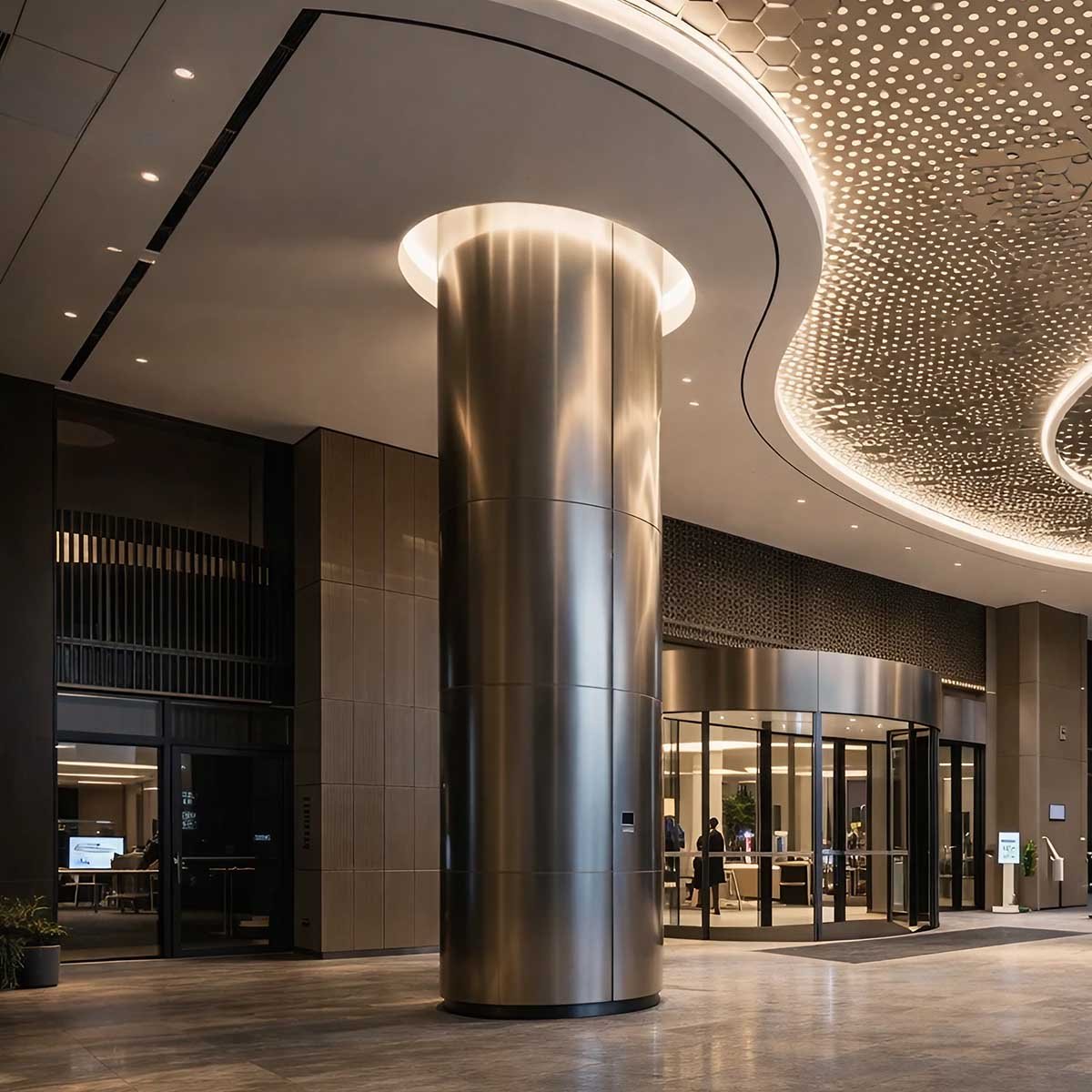

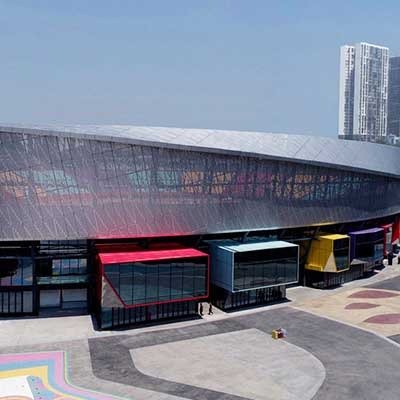

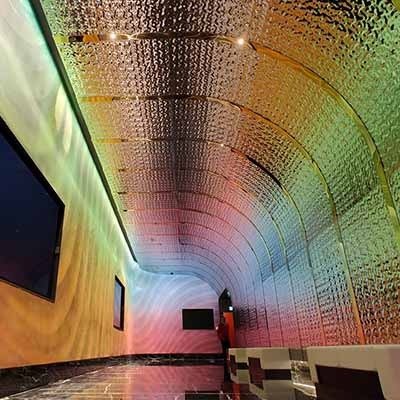

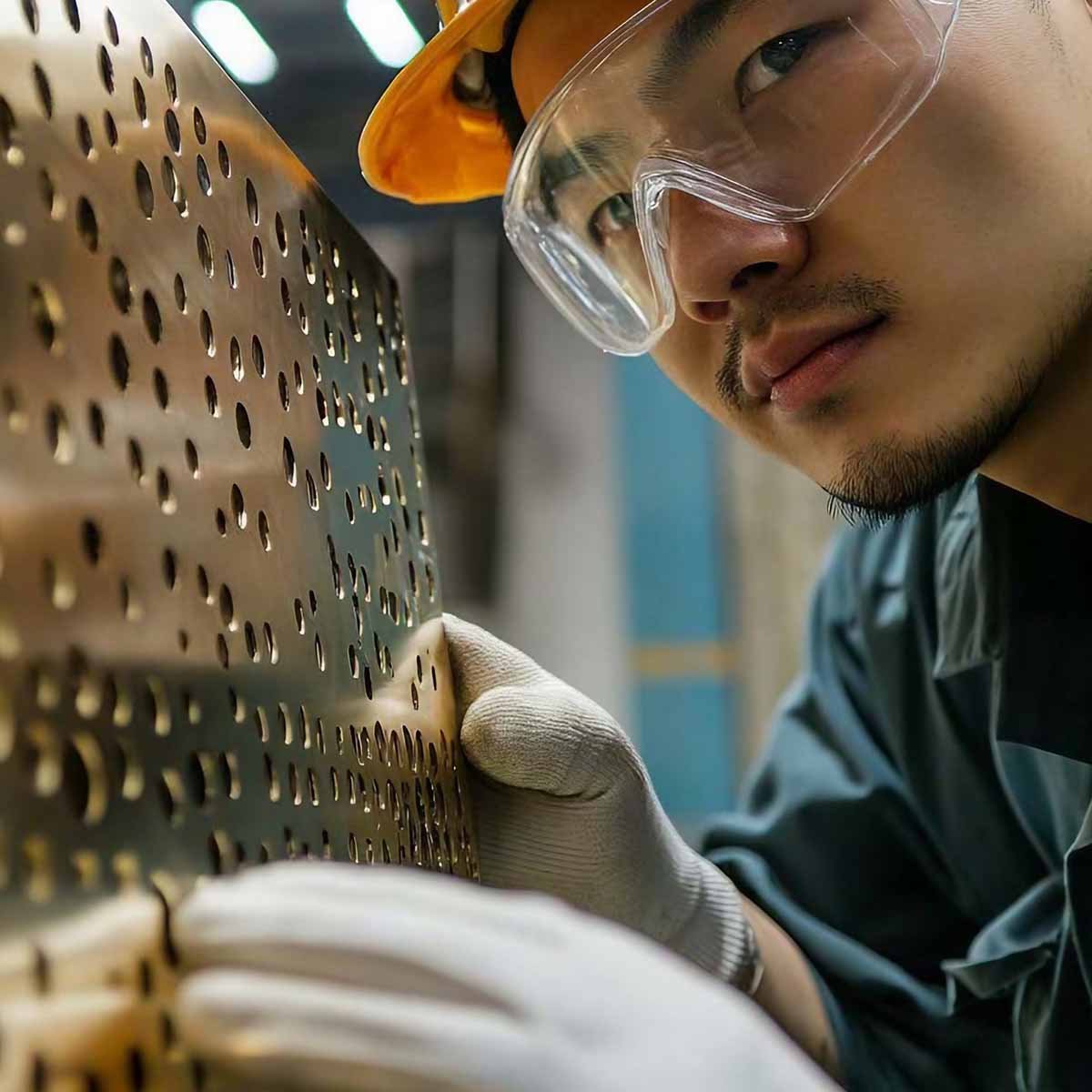
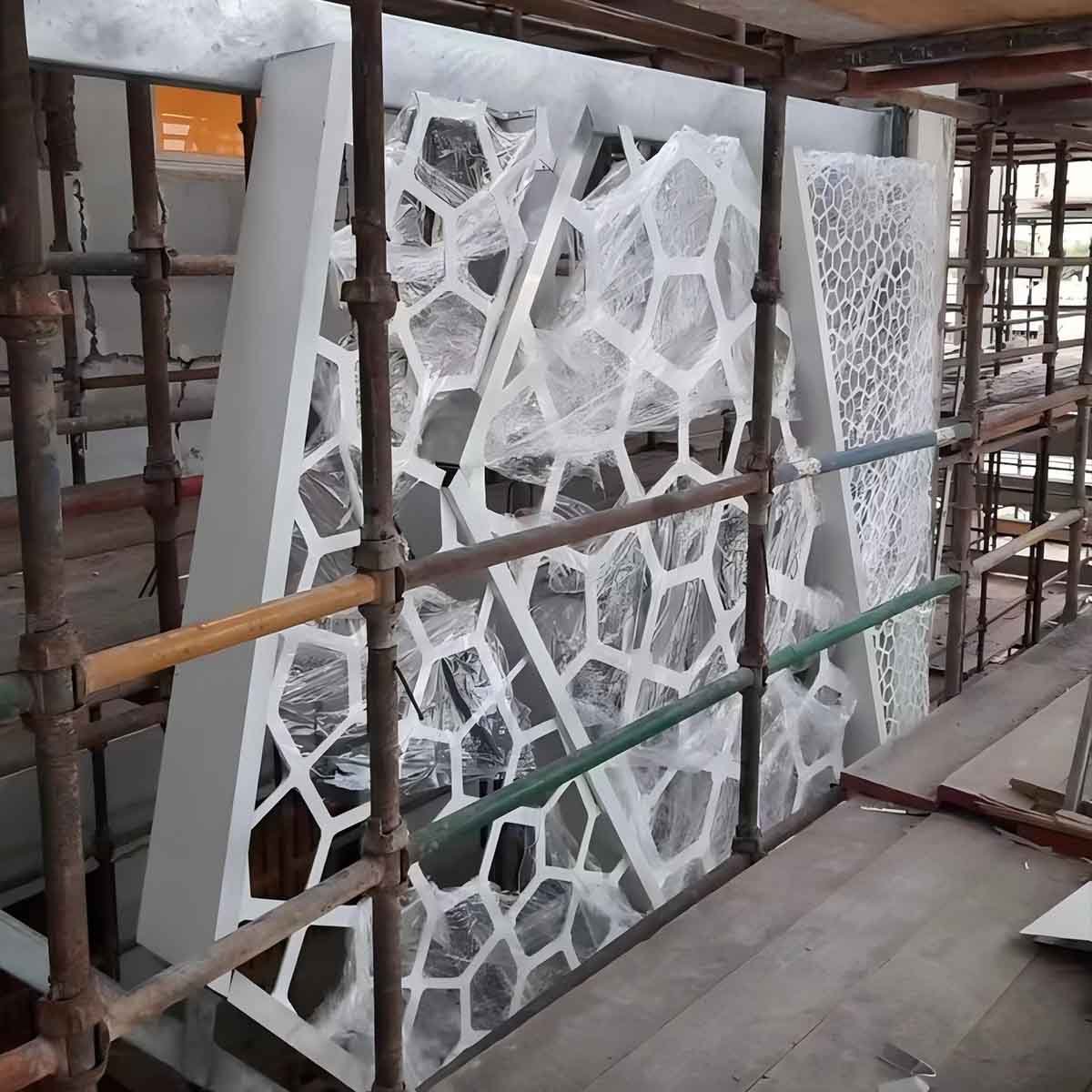


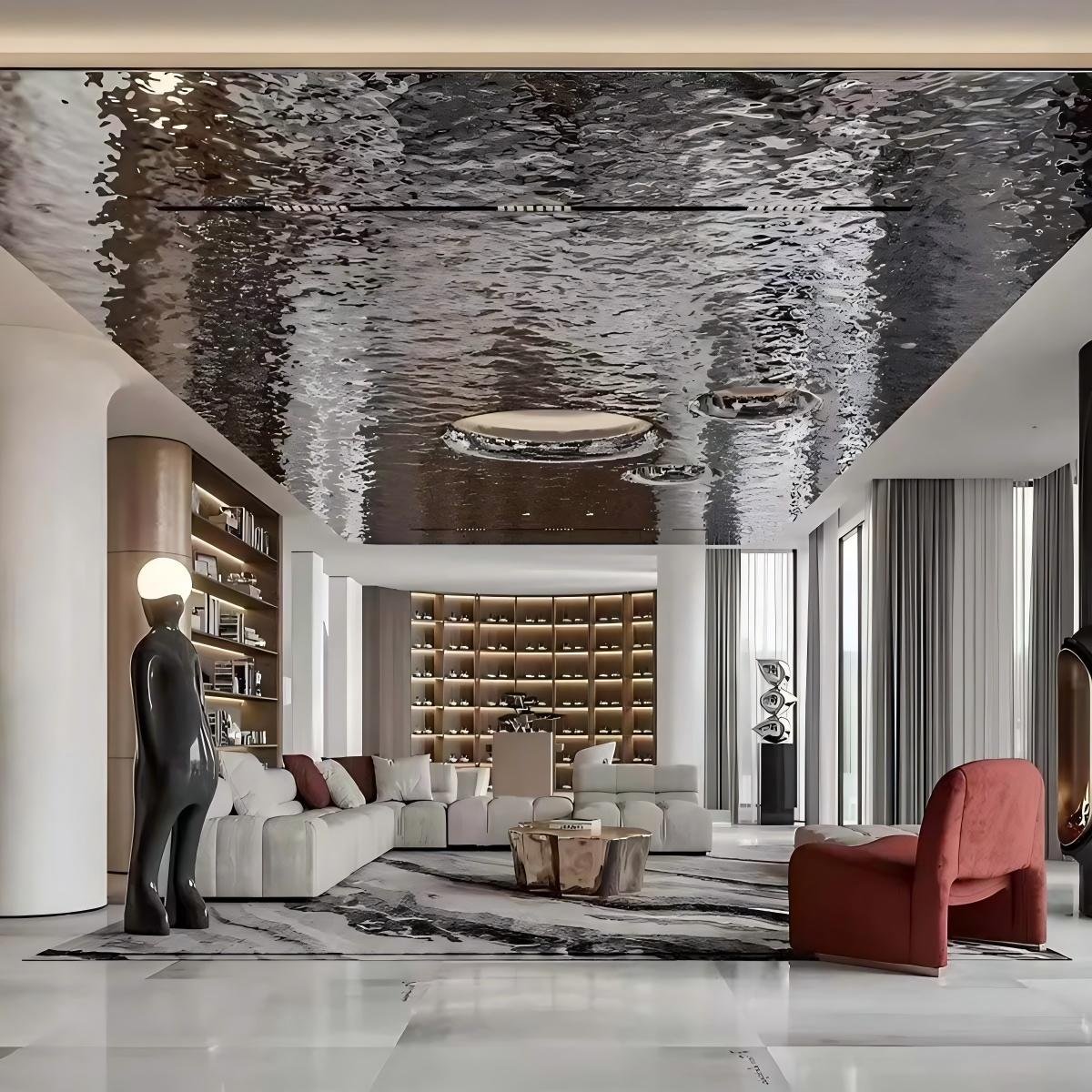
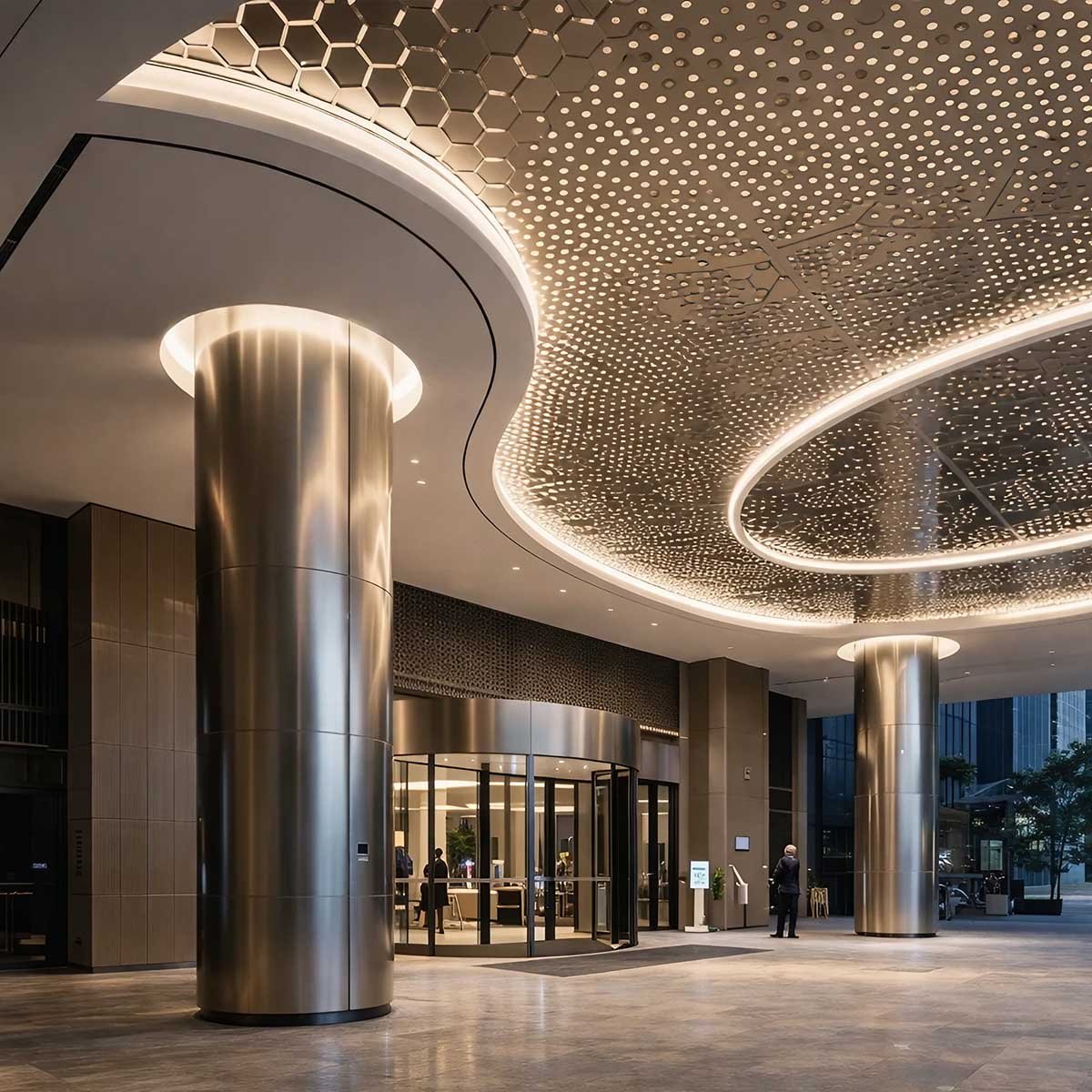
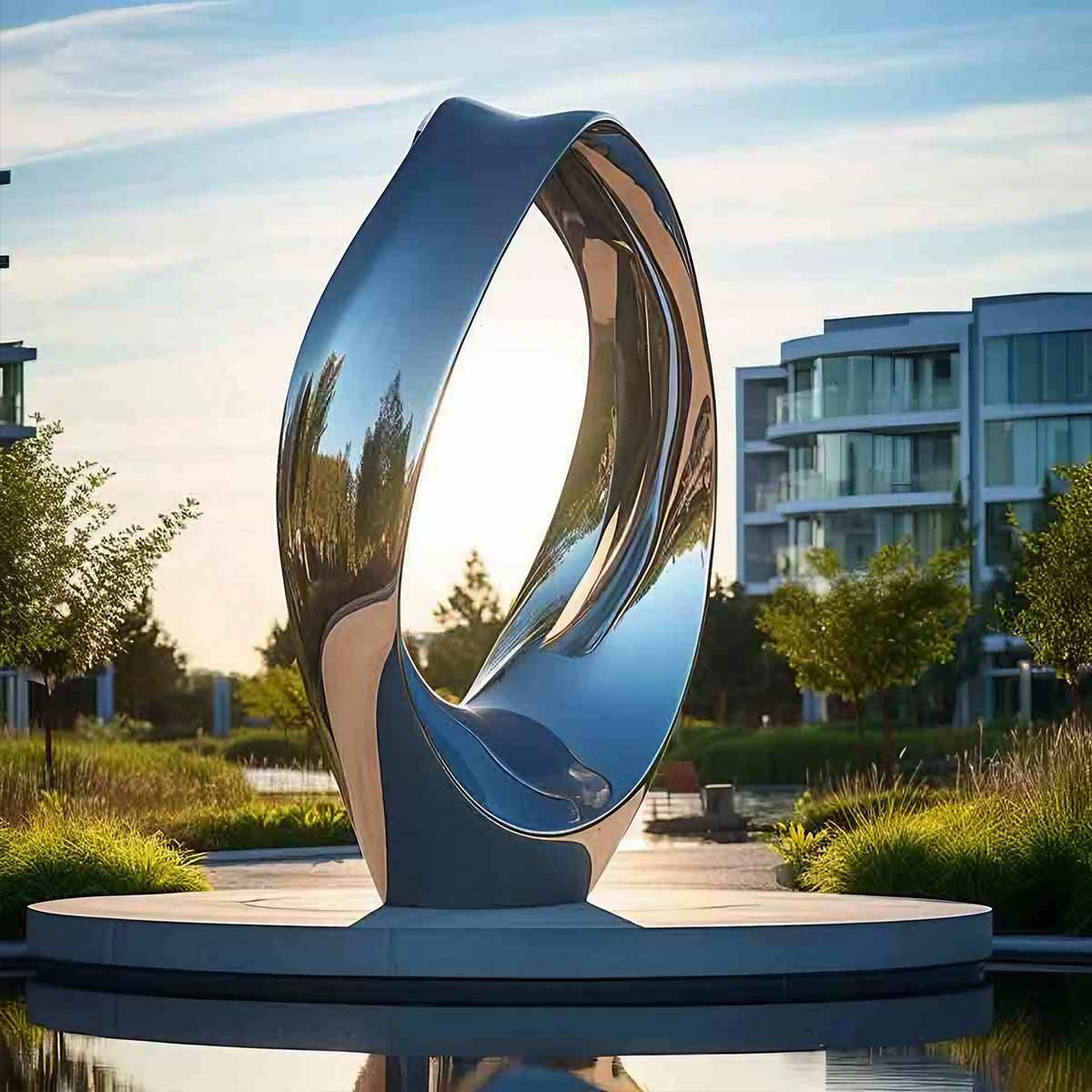
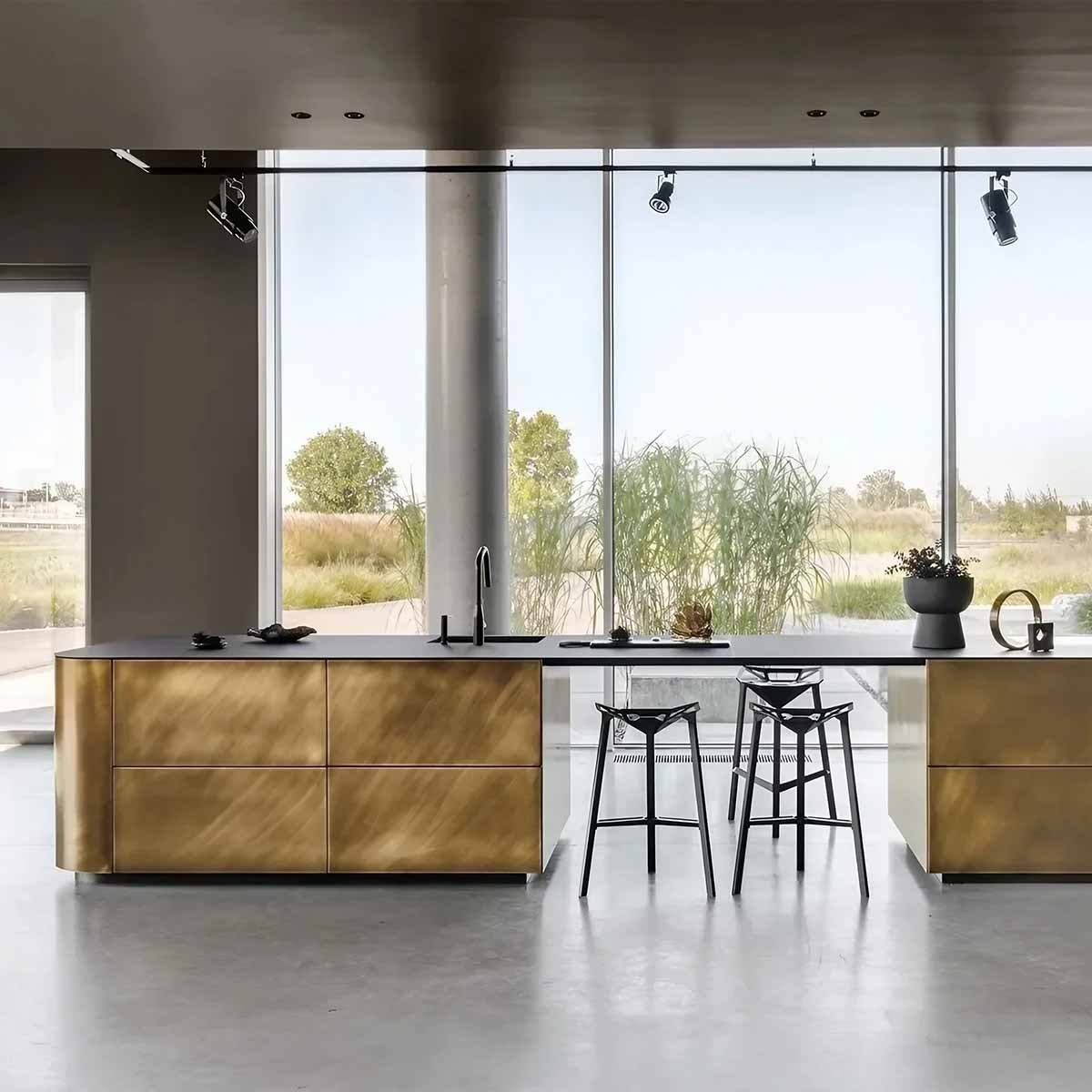
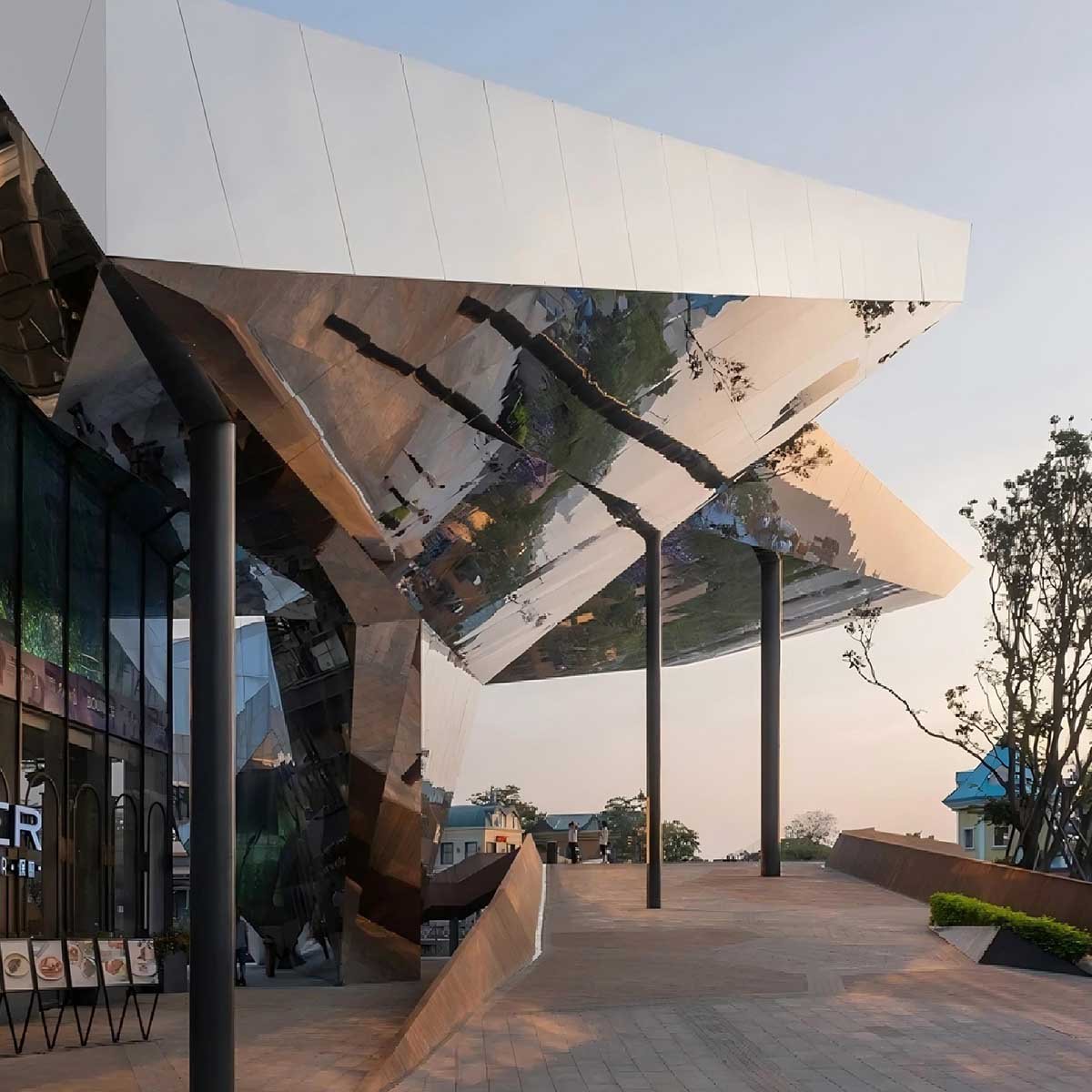

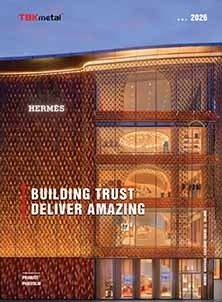
Stainless steel decor is both functional and aesthetically pleasing, frequently used in modern building and home design. The reflective surfaces, different textures and sleek lines create unique spaces.
From decorative wall panels to textured ceilings and bespoke metal features, stainless steel offers versatile design possibilities. The knowledge of types, finishes, applications and benefits helps to make informed decisions about projects.
Table of Contents
ToggleWhat Is Stainless Steel Decoration?
Stainless steel decoration involves the use of sheets, panels and fabricated parts to improve the beauty of the architectural and interior environment. It provides visual appeal, durability, corrosion resistance and design flexibility.
Common Applications
Used for wall cladding, ceiling panels, column covers, partitions, furniture and sculptures, and in a wide range of finishes, colours, textures and patterns, offering a variety of visual effects.
Key Design Considerations
By selecting appropriate grades, finishes, thicknesses, and fabrication techniques, designers can ensure that their spaces are both functional and beautiful, providing a lasting impression of quality and performance.
Types of Stainless Steel Decoration
There are different stainless steel decoration solutions available to meet various architectural and interior decoration demands. Each type of metal sheet metal creates very different visual effects, fabrication possibilities and uses.
Decorative Stainless Steel Sheets
Decorative Stainless Steel Panels
Laser-Cut Stainless Steel Screens
Decorative Stainless Steel Trims and Profiles
Stainless Steel Sculptures and Bespoke Features
The right type is dependent on the application, the look, the fabrication complexity, and the installation requirements. Appropriate forms and finishes contribute to developing architectural design.
How Is Decorative Stainless Steel Manufactured?
Decorative stainless steel is produced by a sequence of processes which dictate the appearance, dimensions and performance of the end product. These steps are dependent on the finish, design, and application in question.
Material Selection
The appropriate grade of stainless steel and thickness of sheet are determined based on the application, environment conditions and the design specifications.
Surface Preparation
The material is washed to get rid of oil, dirt and other impurities. The consistent result obtained in subsequent finishing or coating processes depends on the proper preparation.
Surface Finishing
Mechanical or chemical treatments produce mirror, brushed, etched or textured surface finishes, and PVD coating offers coloured metallic finishes where necessary.
Cutting and Fabrication
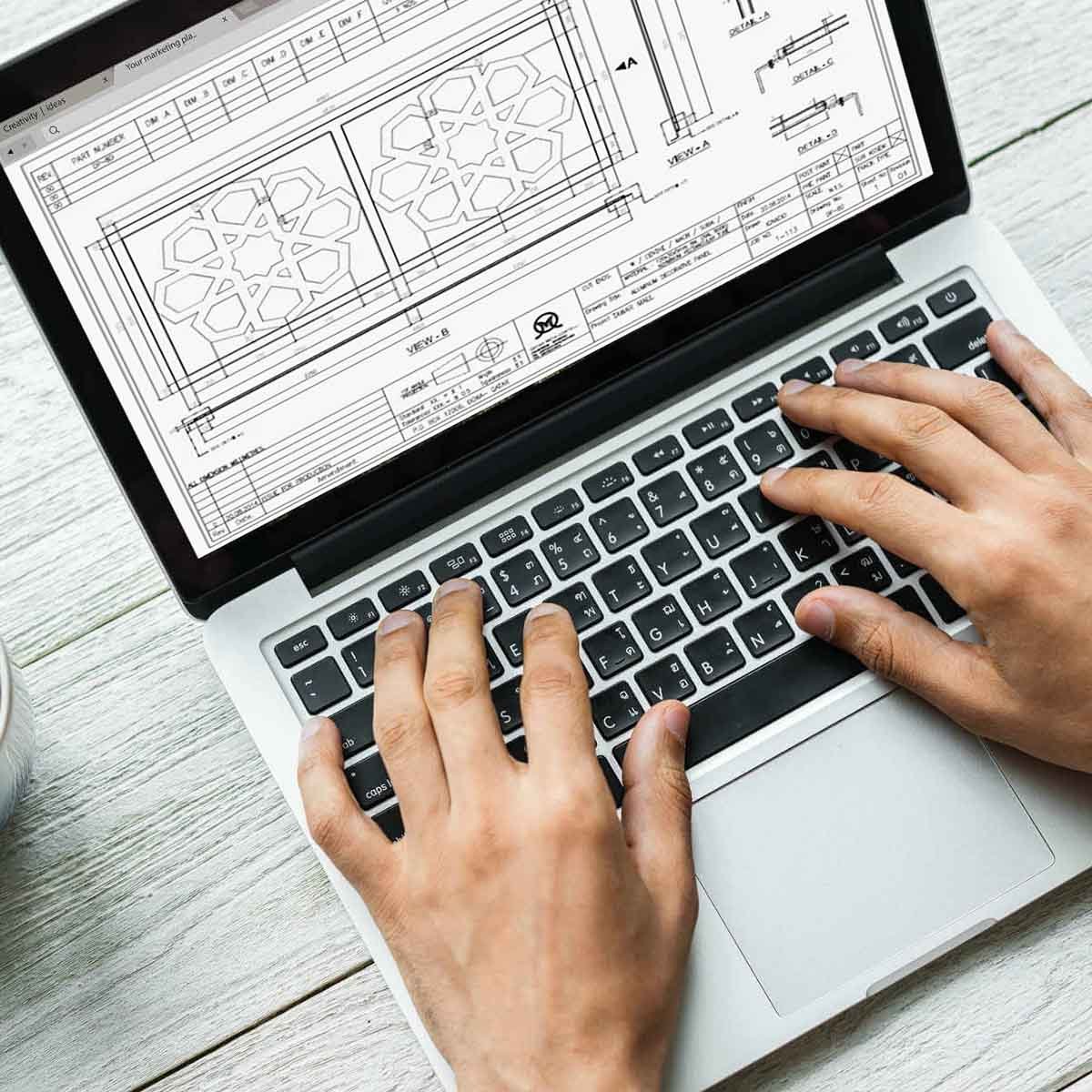
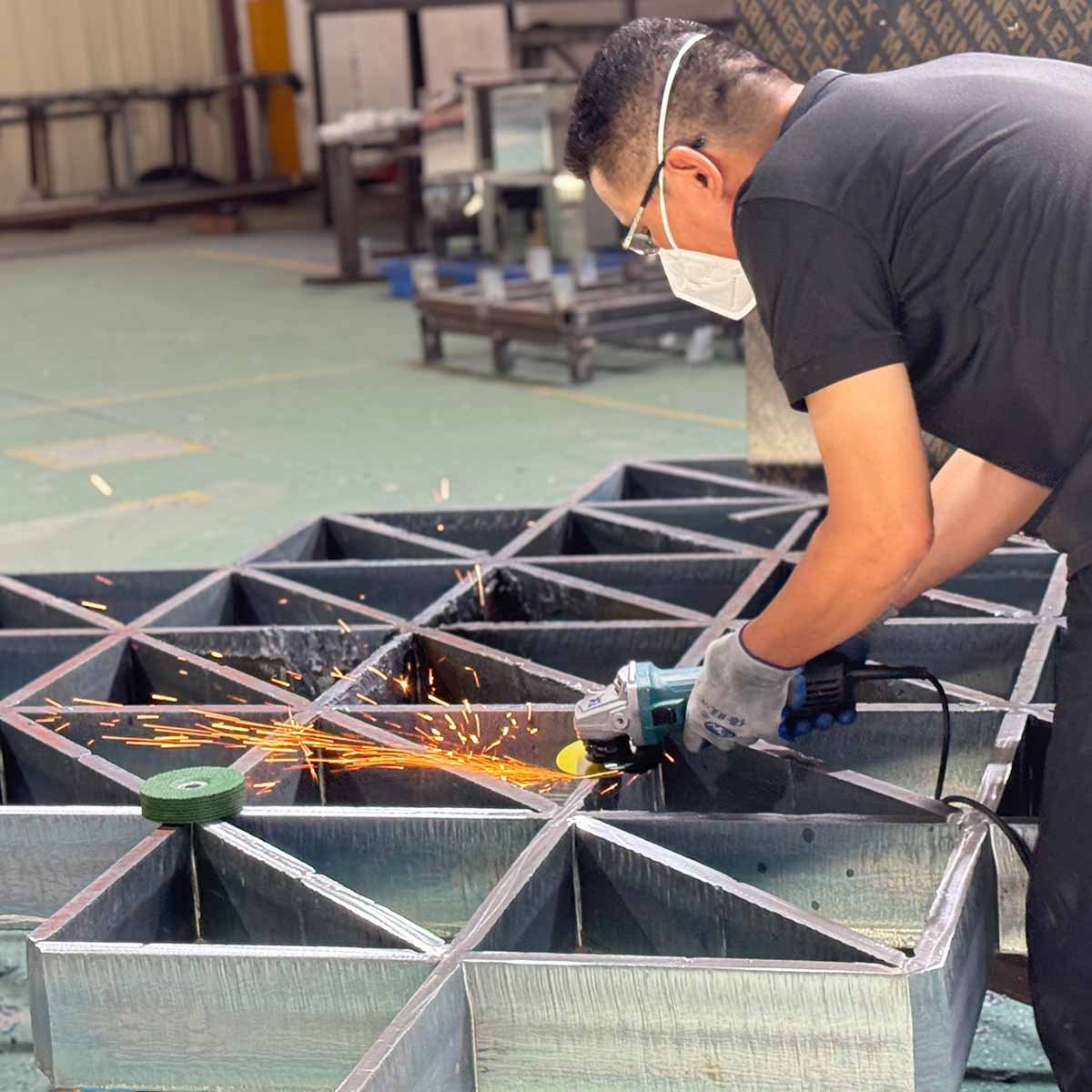
Sheets get cut, bent, laser processed or welded to the correct dimensions and to the design specifications to form panels or trims, screens and decorative elements.
Quality Inspection and Packaging
Final products are inspected for size, smoothness, colour uniformity and blemishes and protective packaging prevents damage and scratching during storage and handling.
Looking for customised stainless steel decoration for your next project? Contact TBK Metal to discuss your design requirements, explore suitable finishes, and receive tailored architectural metal solutions.
Applications of Stainless Steel Decoration
The versatility, durability, and range of finishes make stainless steel an ideal choice for architectural and interior decoration. It can be used to make feature walls, unique installations, and more in residential, commercial, and hospitality applications.
Wall Cladding and Feature Walls
Ceiling Decoration
Partitions and Decorative Screens
Column Covers and Lift Interiors
Furniture and Interior Details
Sculptures and Architectural Features
The best application will be based on design, environment, installation and maintenance requirements. Selecting appropriate grades and finishes and fabricating to them will give a consistent appearance and performance.
Popular Stainless Steel Finishes for Decoration
The stainless steel finishes affect the appearance, reflectivity and maintenance of decorative products. The selection of the proper finish permits the designer to create the desired visual effect and will ensure that the finish is suitable for the application.
Mirror Finish
Mirror-finished stainless steel reflects light, makes a room look bigger and works with lift interiors, feature walls, decorative trims and luxury interior features.
Brushed or Hairline Finish
Brushed and hairline finishes have fine linear grains that create subtle metallic effects on wall cladding, column covers, furniture and elegant commercial interiors.
Satin or Matte Finish
Both satin and matte finishes have a very subtle characteristic of low light reflectivity, which is ideal for modern interiors where the emphasis is on understated design and low glare.
PVD Colour Finish
Physical vapour deposition (PVD) is used to make gold, bronze, black and champagne finishes on decorative panels, feature walls, lift interiors and bespoke architectural details.
Etched and Patterned Finish
Etched and patterned finishes can be used to produce a decorative pattern, geometric design or contrasting texture, and are ideal for feature panels, partitions, screens and customised interior applications.
Water-Ripple Finish
In decorative ceilings, feature walls, reception areas and luxurious hospitality interiors, water-ripple stainless steel will produce a constantly shifting light reflection due to its irregular, wave-like surface.
Consider appearance, lighting, exposure, cleaning and budget when choosing stainless steel finishes. Accept samples prior to production for colour, texture and reflectivity.
Stainless Steel Decoration Design Ideas
Stainless steel can provide designers with creative ways to add texture, reflection, and metallic accents to architectural spaces. Different finishes, patterns, and materials can be mixed to form unique interior spaces that are both impactful and functional.
Create Feature Walls with Contrasting Textures
In today’s modern interior designs for hotels and commercial spaces, use brushed panel and mirror polished accents or patterned surfaces to add depth and visual interest.
Use Reflective Surfaces to Enhance Lighting
Reflecting surfaces like mirrors brighten up interiors, making them appear more spacious. Lighting placement and viewing angles can be used to reduce the amount of glare and visual imbalance.
Add Water-Ripple Effects to Ceilings
The water ripple stainless steel produces varying light reflections and is perfect for unique ceiling design elements in hotel lobbies, restaurants, and reception areas.
Combine Stainless Steel with Other Materials
Use stainless steel in combination with wood, stone, glass or concrete. Brushed finishes look great in a minimalist interior while coloured finishes infuse warmth and elegance.
Introduce Decorative Screens and Patterns
Laser cut panels and geometric screens provide lighting and privacy control, architectural style, and customised lighting patterns that strengthen the identity of a commercial space.
Use Coloured Stainless Steel for Visual Accents
The gold, bronze, black and champagne finish walls, columns, furniture and trims create a harmonious interior design without dominating the whole scene.
In stainless steel decoration, the coordinated design of decoration, lighting, materials, and installation details is key. Samples are tested for the intended light to provide the desired look.
Benefits of Stainless Steel Decoration
Stainless steel decoration is flexible in design and durable in performance, and can be used in various architectural and interior decoration. The primary benefits of using it are its durability, corrosion resistance, low maintenance and versatile finishes.
Durability and Corrosion Resistance
Versatile Design Options
Easy Maintenance
Long Service Life
Hygienic Surface Properties
Recyclability
A combination of aesthetics, durability, and design flexibility is achieved with stainless steel decorations, and ensuring that the appropriate grades and finishes are used to maximize performance and meet project needs.
Stainless Steel Decoration vs Other Decorative Materials
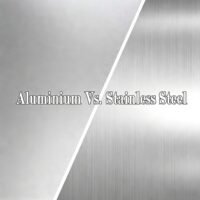
Apart from stainless steel, architectural decoration can also be done with aluminium, brass, glass, and natural stone, each having its own merit. The selection of the material is based on the aesthetic objectives, environment, maintenance demands, and budget of the project.
| Material | Key Advantages | Considerations | Common Applications |
| Stainless steel | Durable, corrosion-resistant, versatile finishes | Fingerprints and scratches may be visible | Wall panels, ceilings, lift interiors |
| Aluminium | Lightweight, easy to fabricate, varied coatings | Surface durability depends on the finish and environment | Cladding, ceiling panels, decorative screens |
| Brass | Warm metallic colour, distinctive appearance | May tarnish and require additional maintenance | Feature walls, trims, decorative details |
| Glass | Transparency, light transmission, modern appearance | Requires careful handling and appropriate support | Partitions, feature walls, decorative panels |
| Natural stone | Unique patterns, textures, premium appearance | Can be heavy and may require sealing | Wall cladding, reception areas, feature surfaces |
By comparing material performance and lifecycle costs, the most appropriate solution for each application can be selected, and stainless steel decoration offers durability, design flexibility, and modern aesthetics.
How to Choose the Right Stainless Steel Decoration
The choice of stainless steel decoration combines appearance, material performance, fabrication demands and budget. Here are some of the things that help architects, designers, and project buyers make informed decisions.
Select the Appropriate Stainless Steel Grade
Grade 304 is suitable for interior decoration and grade 316 is more chloride resistant. Discuss moisture, chemical exposure and installation conditions when determining specific grade.
Choose the Right Surface Finish
There are different finishes such as mirrored, brushed, matte, coloured and textured. Select based on surrounding materials, lighting, maintenance requirements, and fingerprint/scratch visibility.
Confirm Thickness and Fabrication Requirements
Thickness of the panel needs to be matched to the dimensions, need for support, forming needs and loadings, and care needs to be taken when designing to consider cutting, bending, welding, or protection of the surface.
Consider Installation and Maintenance
Check fixing methods, joint details, cleaning access, and material compatibility. Proper installation helps prevent surface damage, staining, and unnecessary maintenance issues.
Compare Samples and Project Costs
Ask to see samples to evaluate colour, texture and reflectivity. Compare quotations using grades and finish, fabrication and installation, and delivery, not just by unit price.
The best balance of appearance, material performance and installation requirements. Previously confirming specs and samples helps to eliminate inconsistencies and expensive changes in production.
Planning an architectural or interior decoration project? Contact TBK Metal with your drawings, dimensions, and preferred finishes to explore customised stainless steel solutions tailored to your specifications.
Why Choose TBK Metal for Decorative Stainless Steel Solutions?
With over 50,000m² of manufacturing and 15 years of experience, TBK Metal offers 5 manufacturing bases to meet various manufacturing needs to provide customised architectural metal solutions.
Customisation and Fabrication Capabilities
Diverse Finishes and Design Options
International Project Support
Bring your drawings, dimensions, material requirements and finish options to TBK Metal to discuss your project and discover custom decorative stainless steel options.
FAQs About Stainless Steel Decoration
Q1. Is Stainless Steel Decoration Suitable for Outdoor Use?
Q2. Does Decorative Stainless Steel Show Fingerprints Easily?
Q3. Can Stainless Steel Decoration Be Customised with Logos or Patterns?
Q4. Is Decorative Stainless Steel Fire-Resistant?
Q5. Can Decorative Stainless Steel Be Used in Wet Areas?
Q6. How Can Scratches on Decorative Stainless Steel Be Prevented?
Q7. Is Decorative Stainless Steel Environmentally Sustainable?
Q8. What Information Should Be Included in a Decorative Stainless Steel Enquiry?
Conclusion
Stainless steel can be used in versatile finishes, textures, colours and designs to create an accent for architectural and interior spaces. The right materials and production techniques will give them a long lifespan and keep them looking good.
Environmental conditions, maintenance and installation should be taken into account when choosing architects, designers and project buyers. TBK Metal offers tailored metal architecture solutions to make your ideas into unique and functional design elements.
Contact Request
Need decorative stainless steel solutions? Contact TBK Metal to discuss your project requirements and explore customised designs, finishes, and fabrication options.