



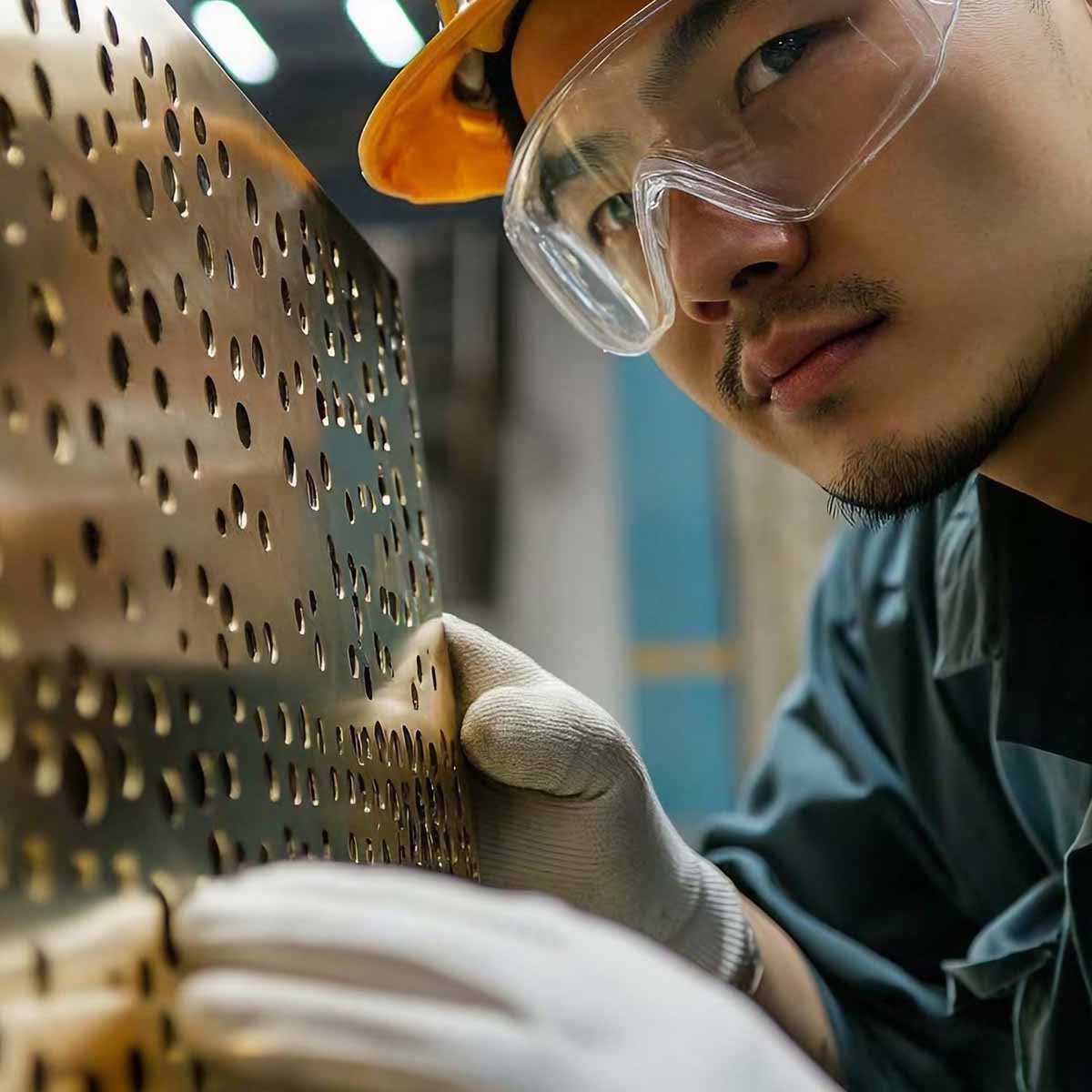
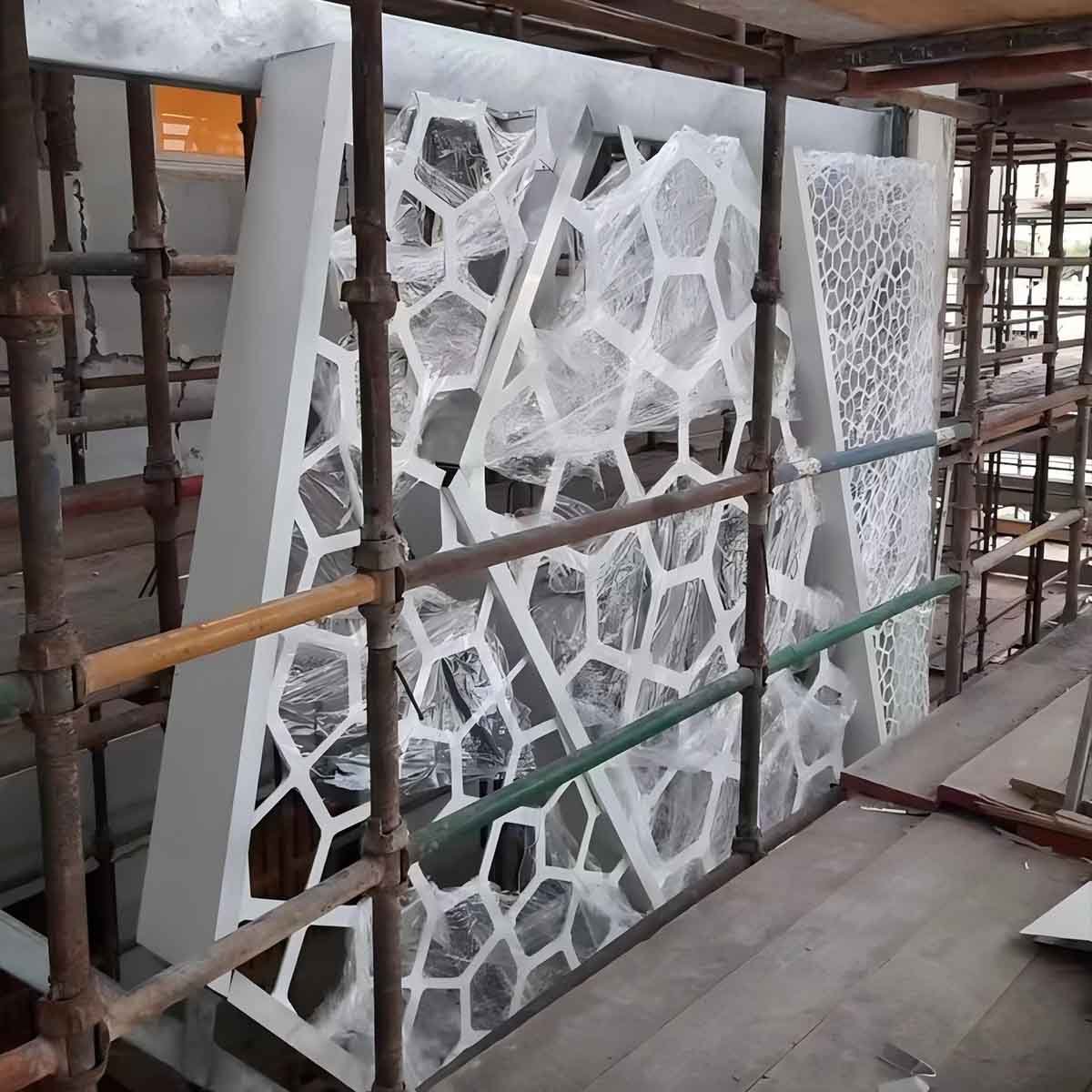

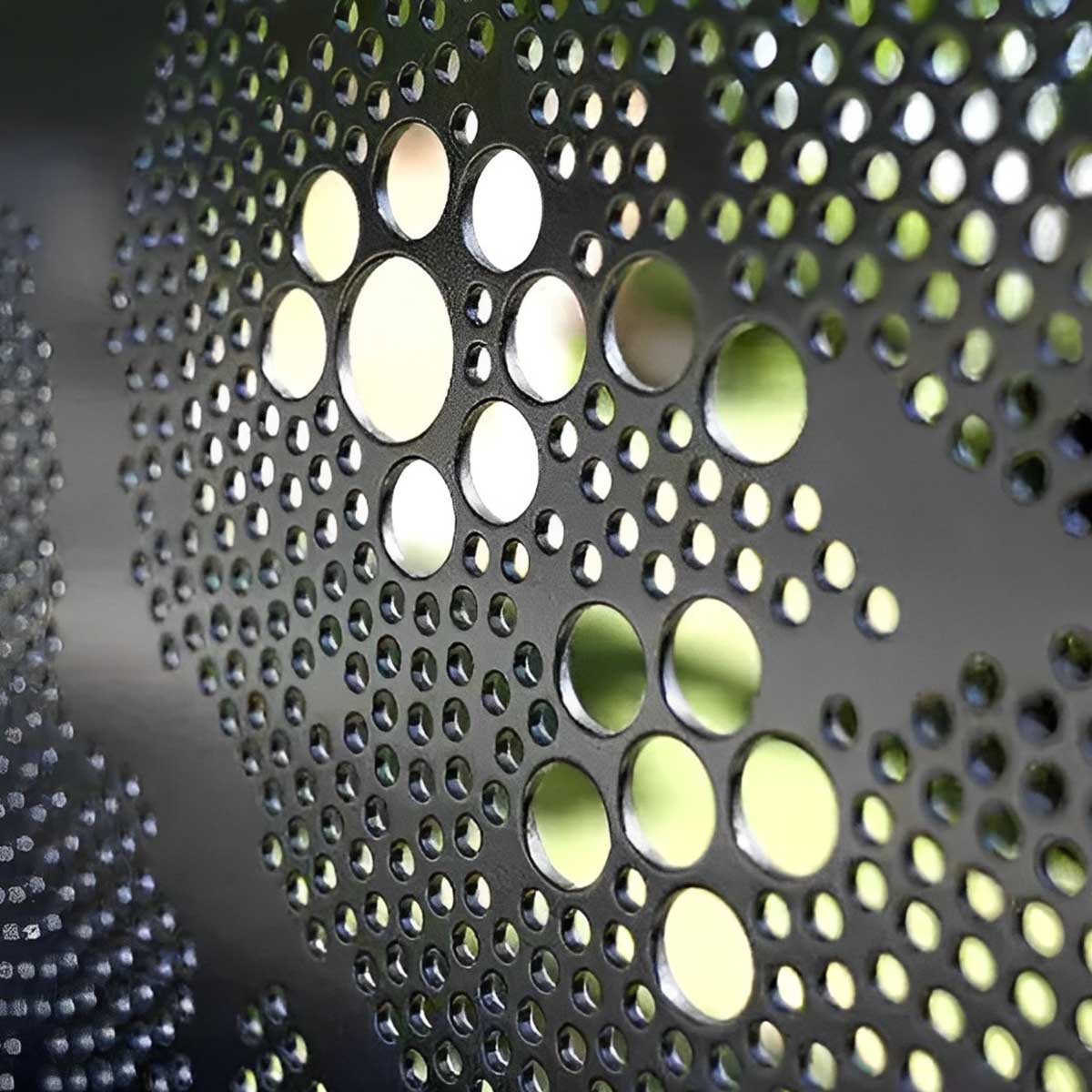

Perforated metal panels are increasingly a go-to choice in architectural designs because of the following flexibility functionality, and aesthetic value. Many architects like them because they blend functionality with design in the most natural way possible.
Adding the perforated metal panels is now popular in architectural designs for the following reasons: flexibility functionality, and aesthetic value. That is why many architects are fond of them as it is almost impossible to combine function with form better.
Table of Contents
ToggleFactor 1: Definition and Composition
The ideas of architectural perforated metal panels are weighed both in functionality and aesthetics through accurate perforations. These flexibility materials serve varied strengths and durability to support our architectural designs and needs.
What Are Perforated Metal Panels?
- Buildings with the thinnest metal sheet have the same holes or patterns formed on the surface.
- These are designed for a particular appearance and performance standards to be met.
- Applied commonly in construction and interior decor, in addition to industrial applications.
Materials Used for Composition
Aluminum
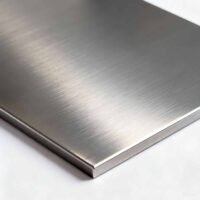
Stainless Steel
Galvanized Steel
Copper and Brass
Production Techniques
Punching or Stamping
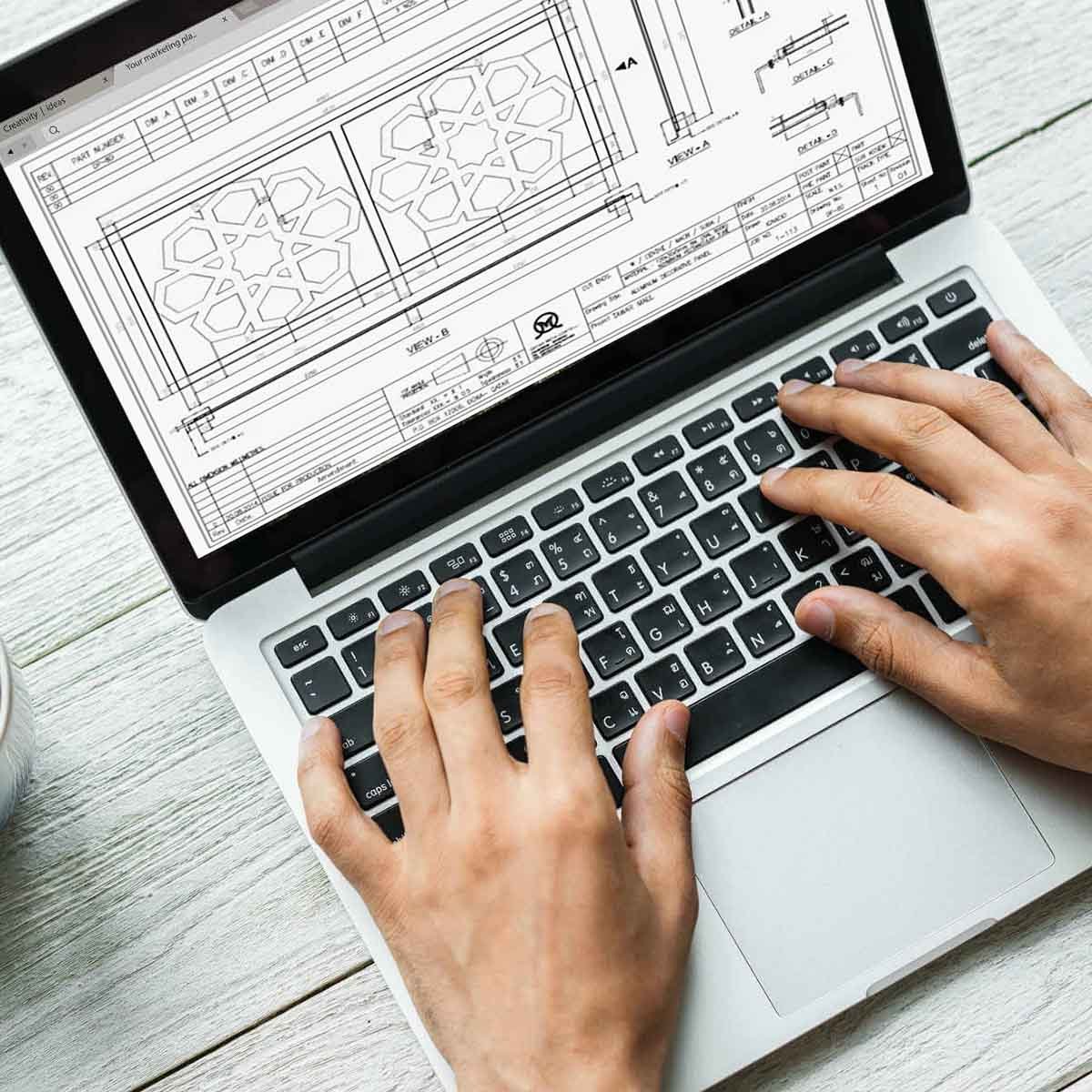
Laser Cutting
Etching
Perforated metal panels are used in different areas because of the strength and flexibility of the metal that is used combined with high technology. Due to their diverse composition, they are much-needed more in innovative contemporary arch & design.
Factor 2: Versatility of Applications
As has been discovered in the structure, the metal plates may be perforated to make different installations for the interior and exterior. Because of this flexibility in meeting the different functionalities, contractors and designers use them across the globe.
Facades and Building Envelopes
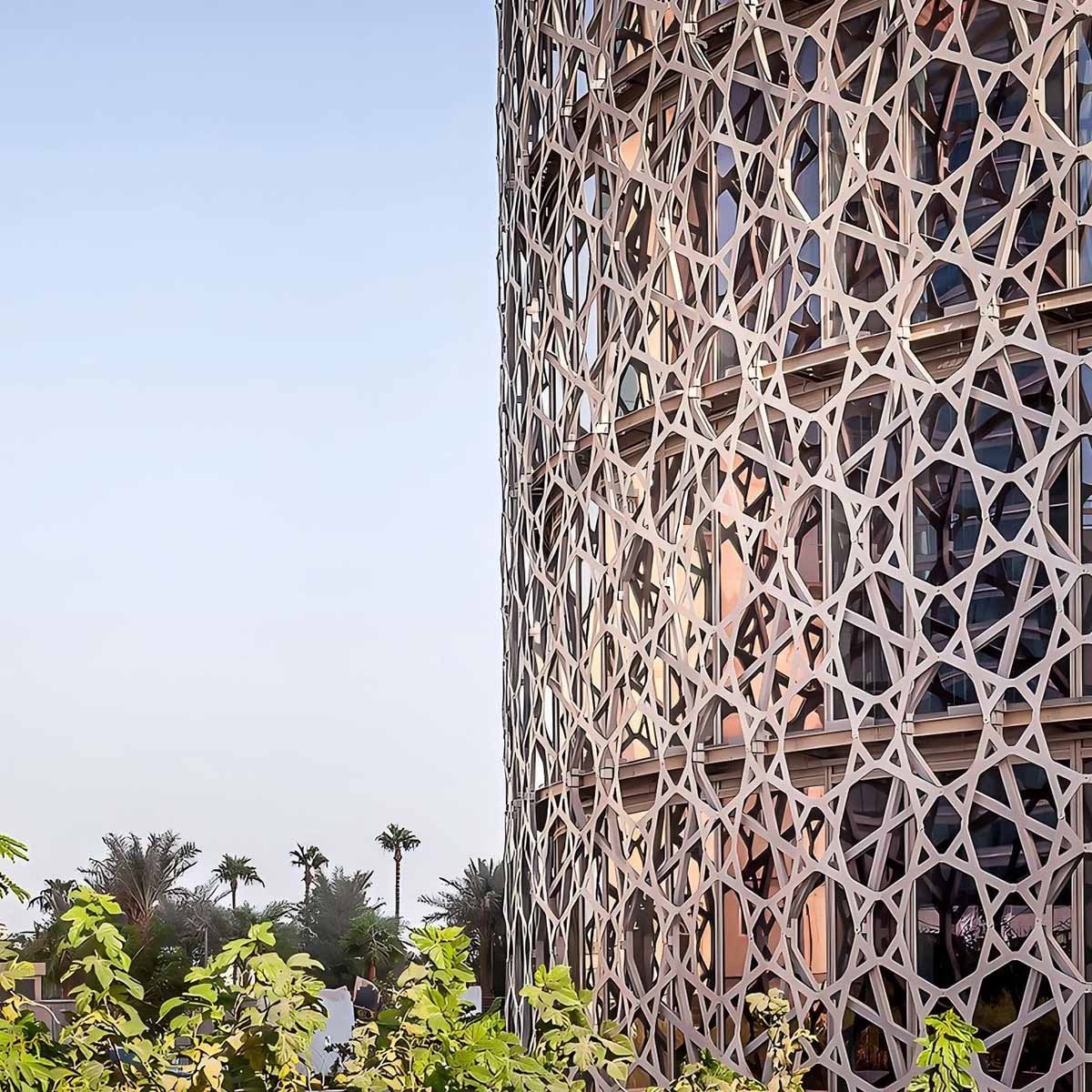
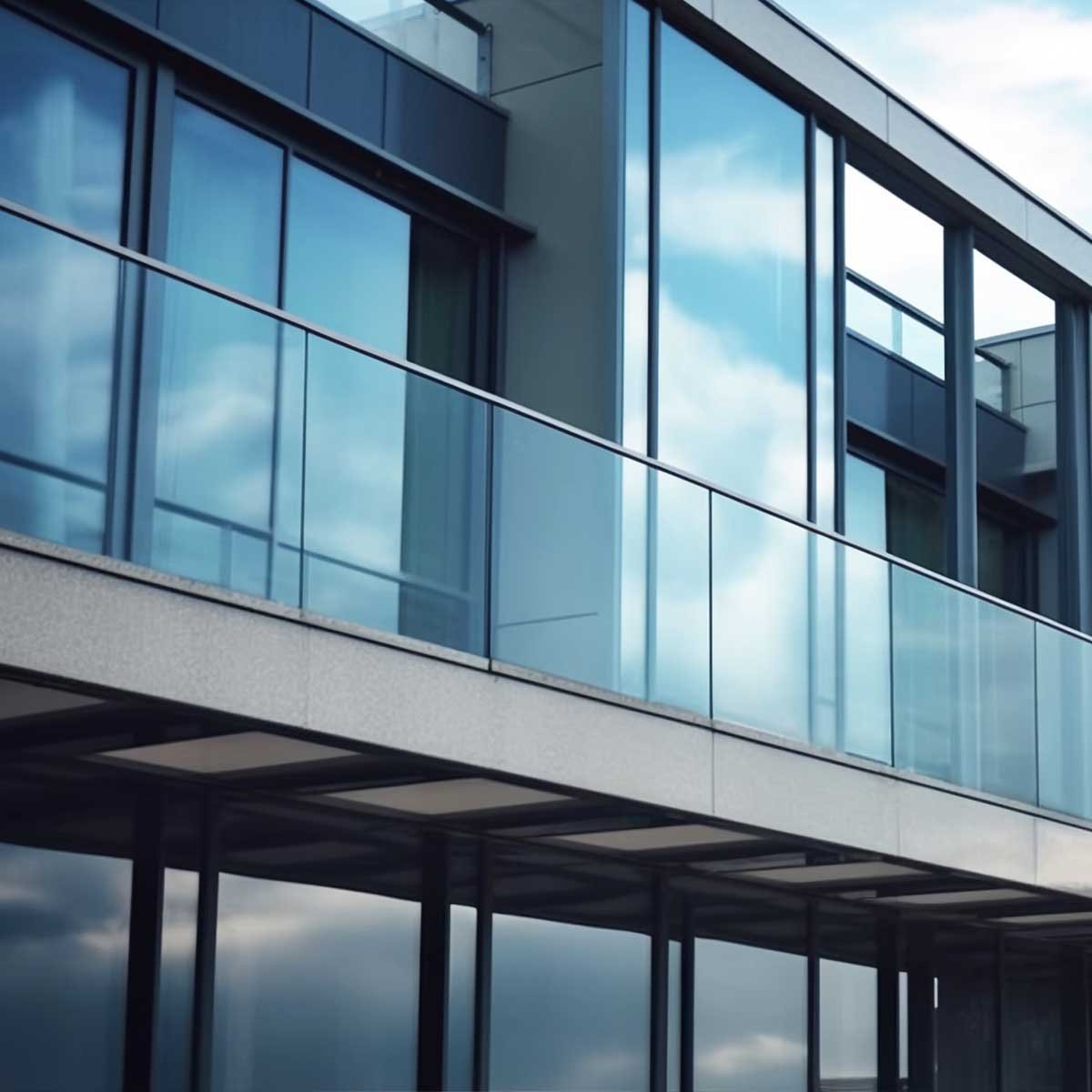
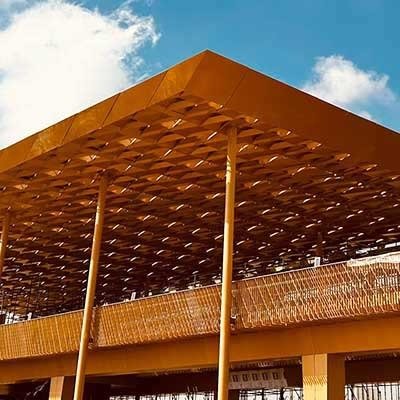
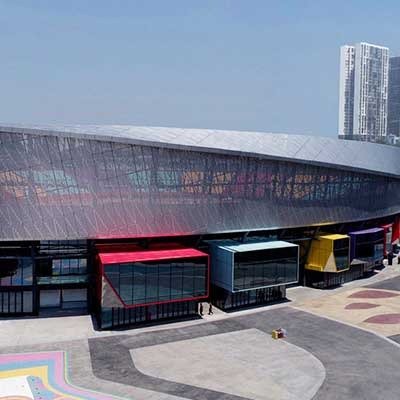
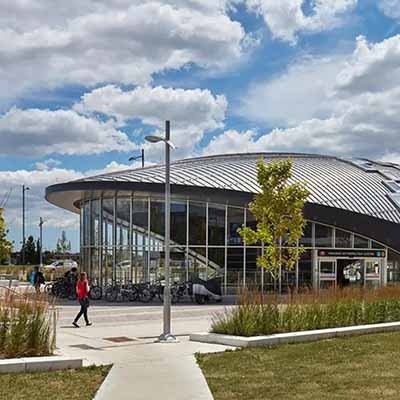
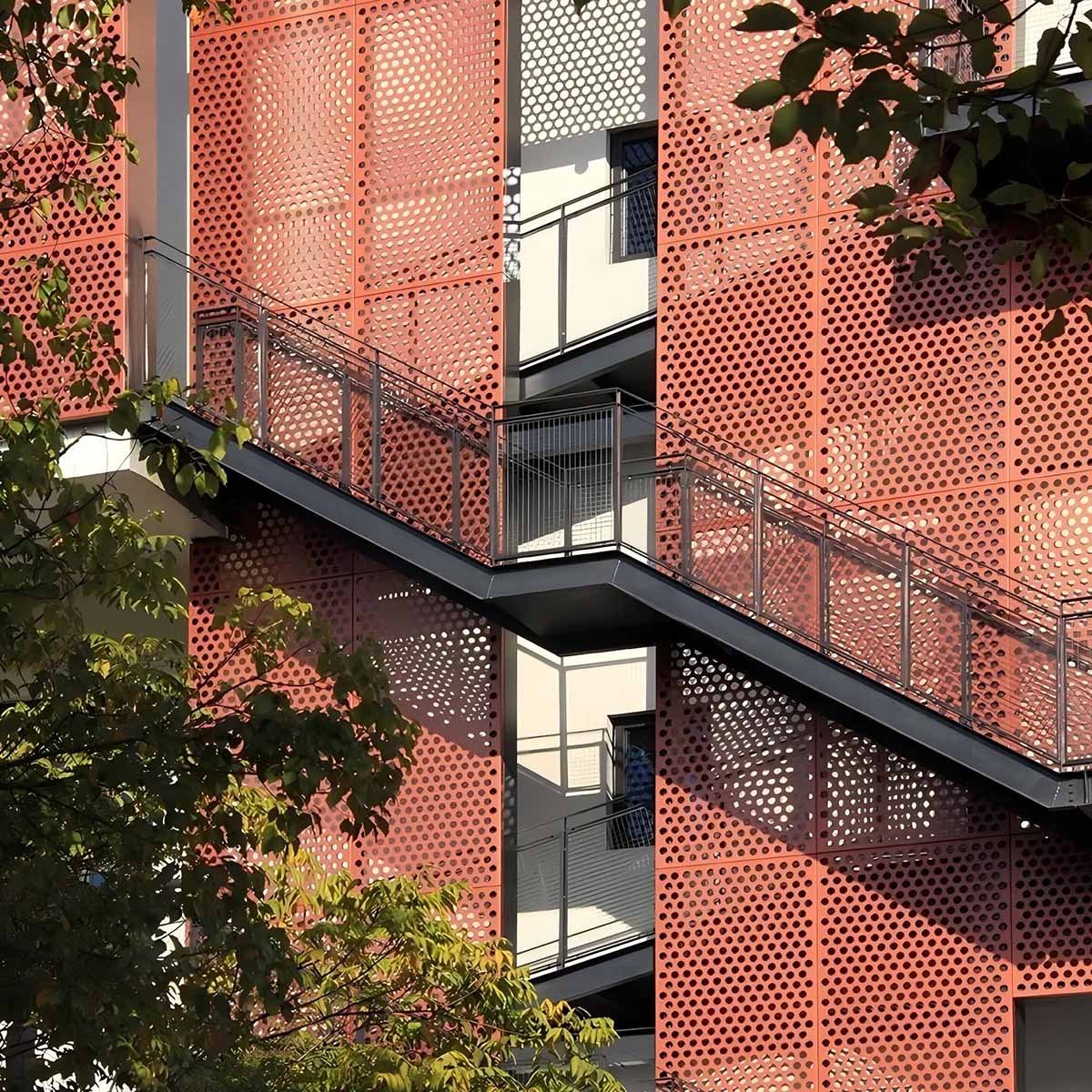
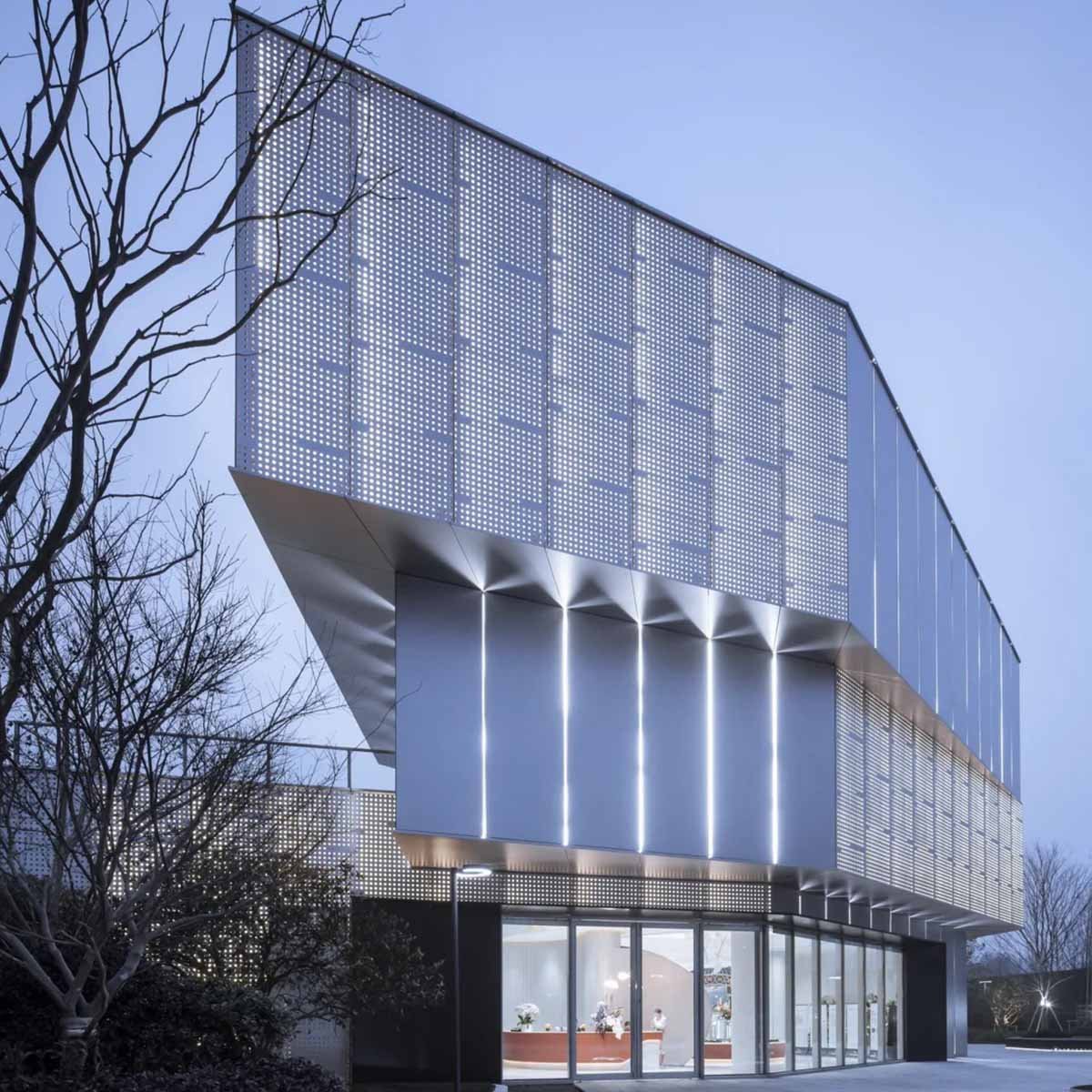
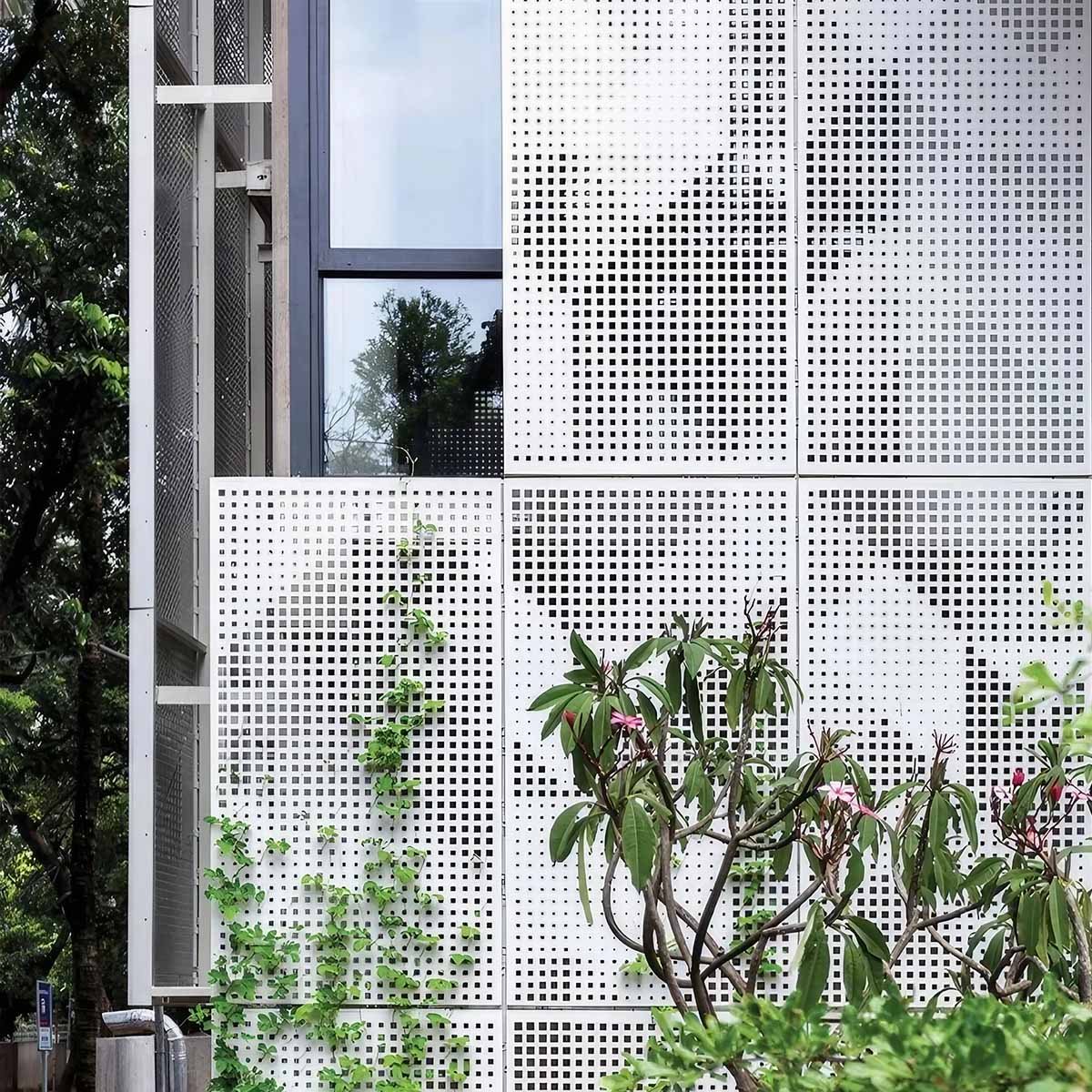
The application of the perforated metal cladding creates rich patterns and further creates lighting impacts. It can also be used for shading, ventilation, for getting energy efficiency, and weather protection and looks rather modern from the outside.
Suspended Ceilings
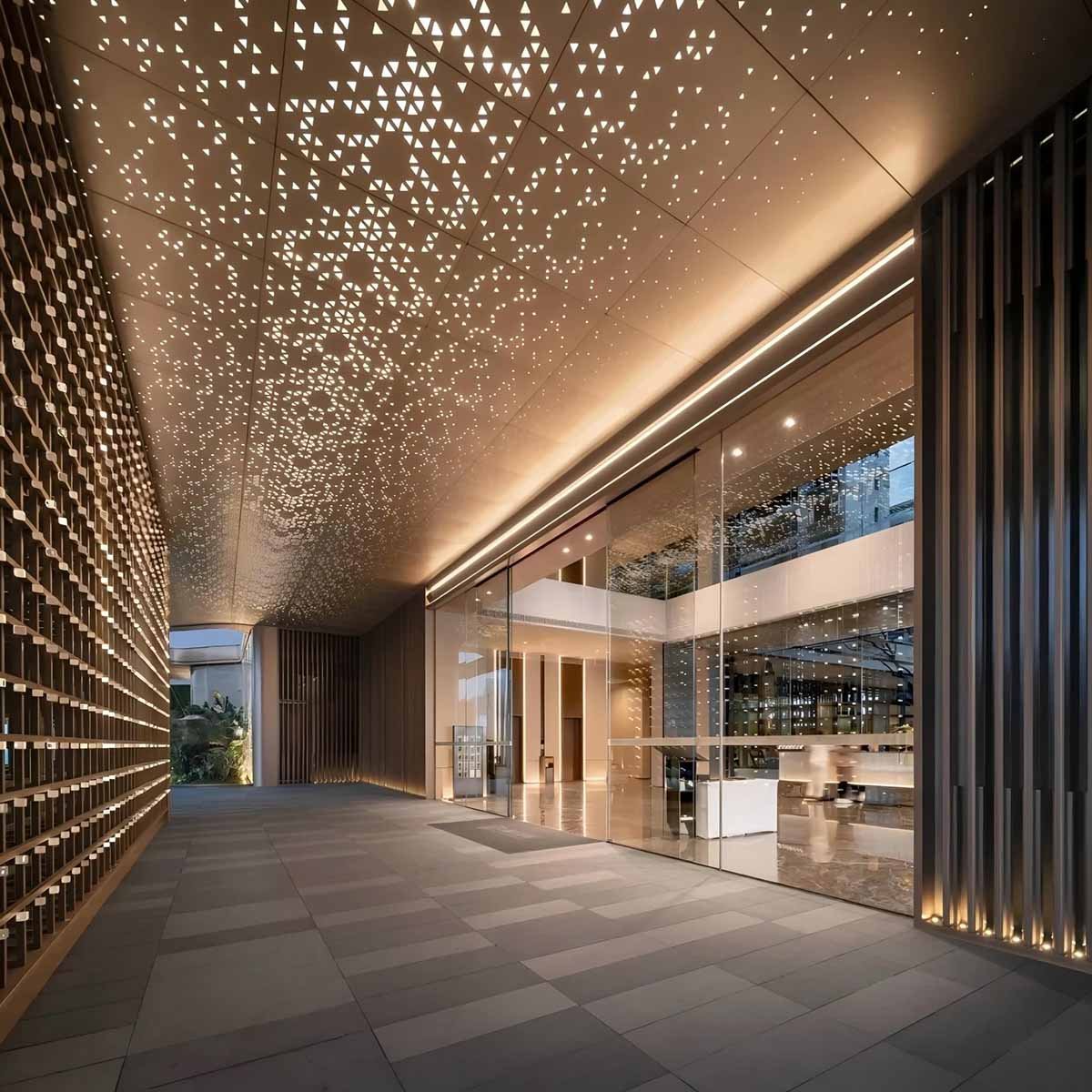
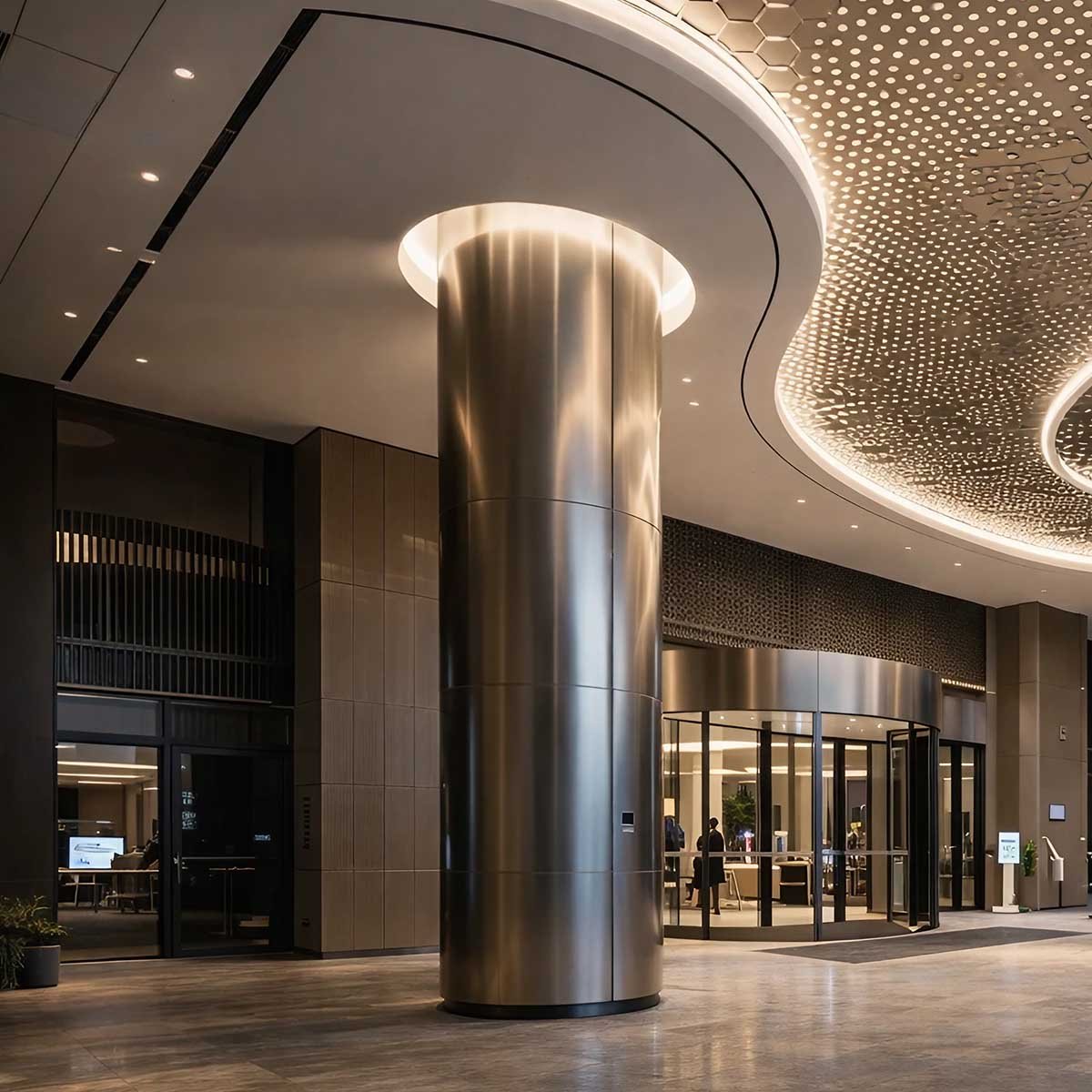
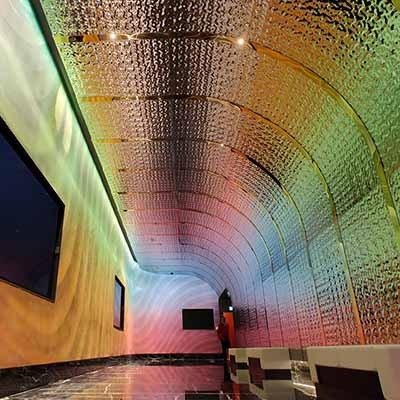
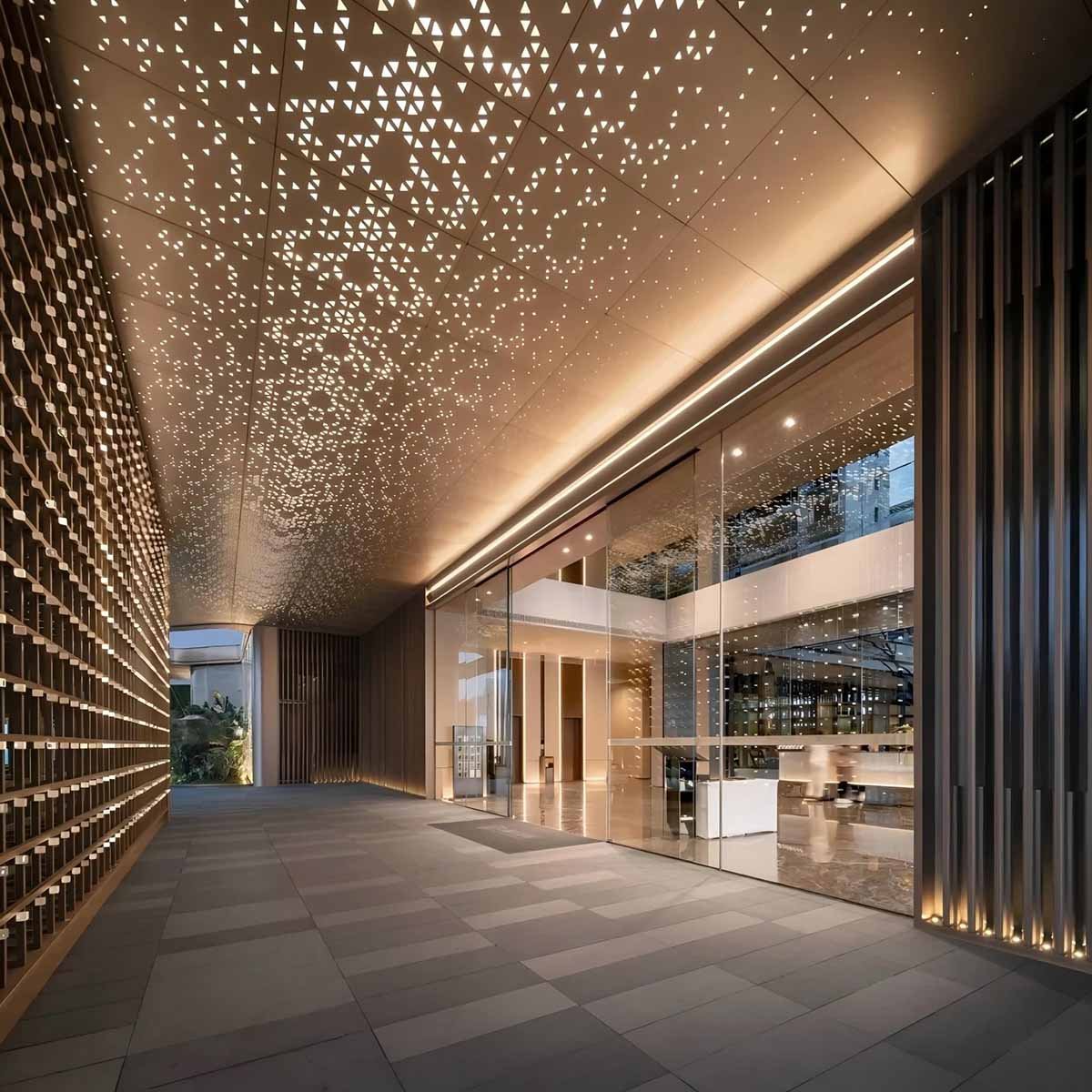
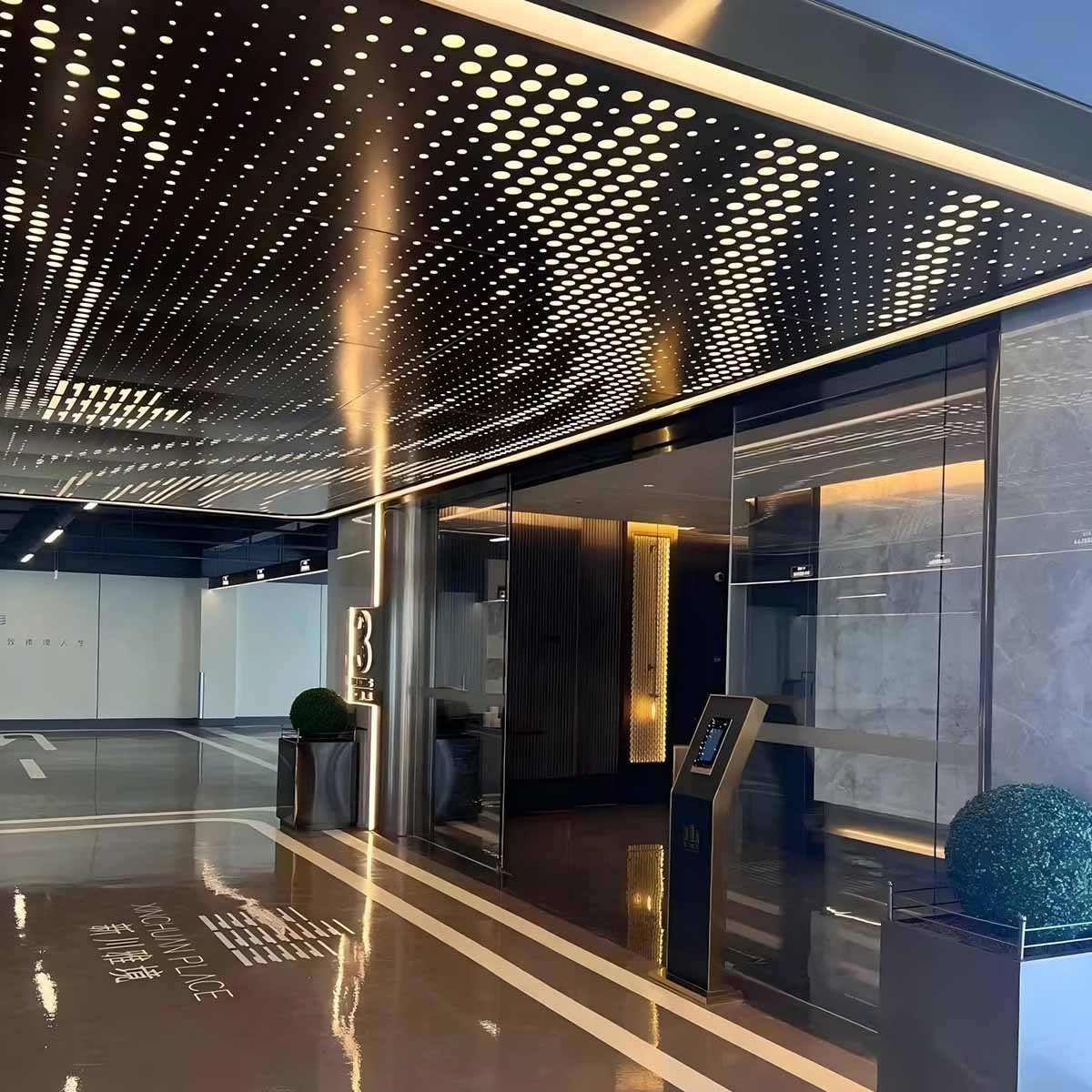
Interior design also improves the interior with texture and stylish appearance with perforated metal ceiling. It enhances practicability by lessening noises and lets in the proper installation of lighting fixtures that bring about an innovative feel.
Partitions and Dividers
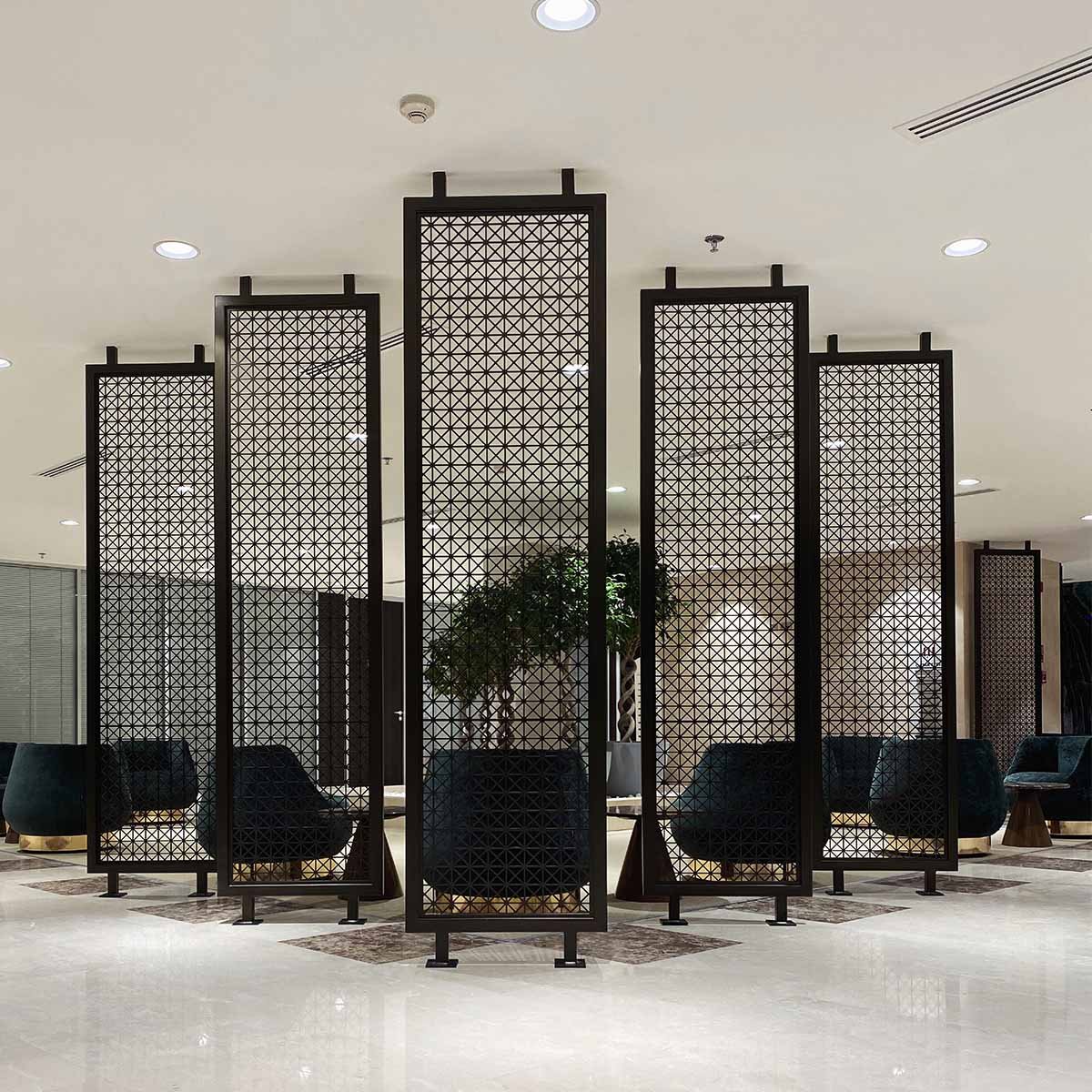
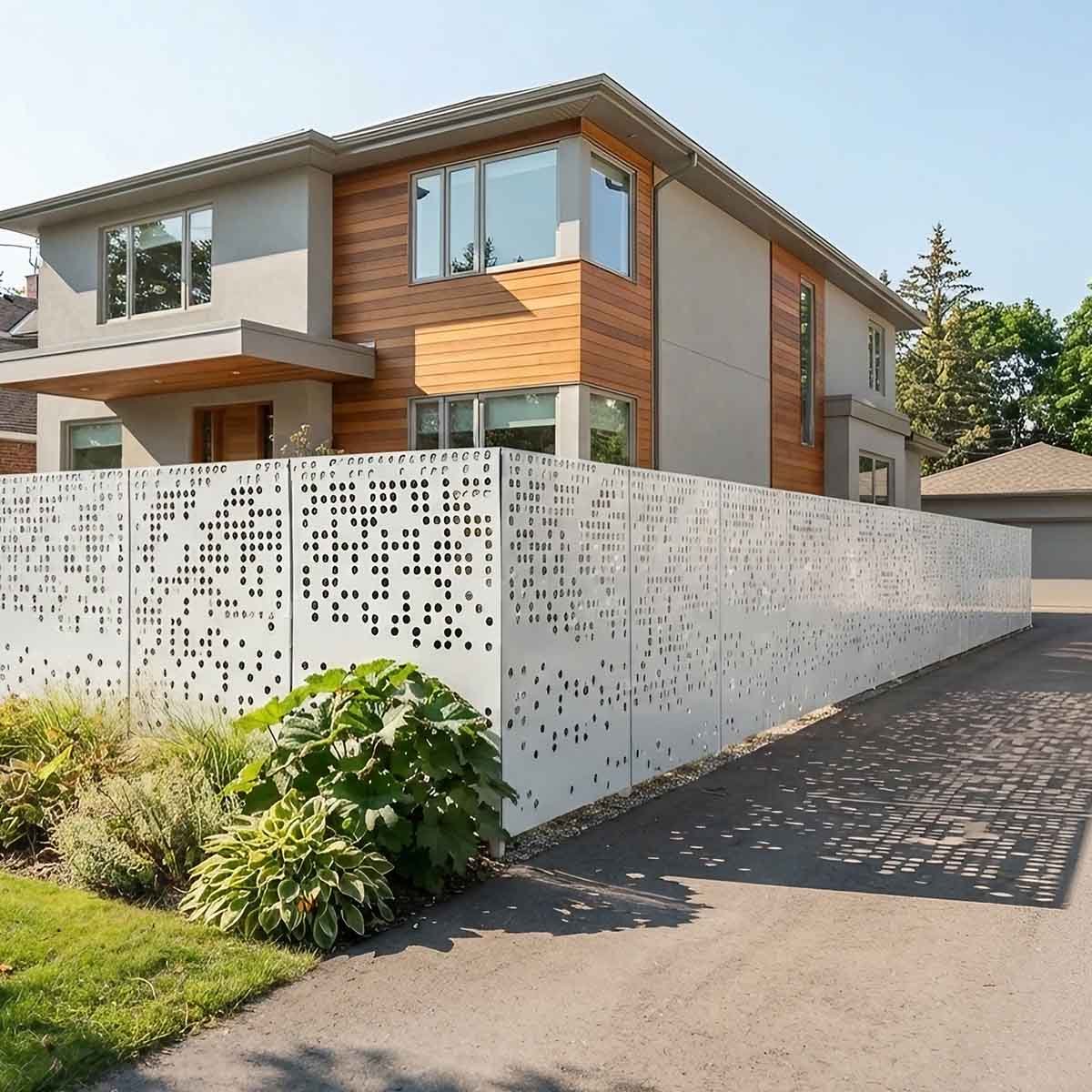
Perforated metal screen in which people in the space can be separated but the general environment is not made closed to allow air circulation. These panels are most commonly used in offices, hotels, and almost any public building for numerous design opportunities.
Sunshades and Louvers
Control the penetration of natural light and manage gain for a better design in energy requirements. These panels are also used as attractive architectural dives, giving more appeal to the exterior facade of most contemporary buildings.
Staircases and Railings
Increase security and sleek and stylish appeal to stairs, balconies, and walkways. Offer customers longevity and easy maintenance especially for places that receive lots of foot traffic. This comes in a variety of patterns that fit in any given design pattern.
Decorative Features and Artwork
The metal perforations are used for the display or the detail of specific artwork or branding. They improve environments with customized installations that are works of art as well as utility and are best suited to the urban city and cultural centers.
This is the potency of the change and means of alteration that is lodged in the very materiality of perforated metal panels. They are critical in architecture and design, including the exterior and interior uses ranging from cladding to decorative artworks.
In search of top-notch perforated metal panels for your architectural project? Discuss individual patterns, materials options, manufacturing processes, and creative facade solutions with our experts, to see how they can help you reach your aesthetic and functional goals.
Factor 3: Functional Benefits
Perforated metal panels for architecture enable the improvement of the performance of buildings on issues of air circulation and power consumption. Due to these qualities, they are usually recommended for today’s architectural developments.
Ventilation and Airflow
Encourage open air circulation which helps cut down the use of artificial methods. Improve the quality of air inside the building as well as the durability of the structure. Perfect for parking lots, industrial use, and external shading or facade integration.
Natural Lighting Optimization
Permit measurement of light admission to enlighten rooms without glare. Related findings include minimizing the use of artificial light as this conserves energy. Design lights that will change with the positioning of the sun and will acclimatize with it.
Energy Efficiency
Function as sunscreens to help in the regulation of heat ingress. Reduce the cooling loads in hot climates by making improvements to the energy performance of the buildings. Products should certify sustainable building, and participate in LEED standards.
Noise Reduction
Function as sound-proof devices provided they are used along with acoustic substances. Enhance sound in places such as workplaces, theaters, and meeting halls. Lower the levels of noise pollution, especially in developed urban and industrialized societies.
Decorative Features and Artwork
Protect exterior surfaces of the shield buildings from exposure to bad weather and falling objects. Provide some sort of enclosures, yet at the same time, keep things transparent. Improve the security in public places, schools, and business premises.
That is why the panels of perforated metals are essential to architectural designs; the functional aspects. As elements of acoustic and thermal control, usability guarantees that they satisfy the requirements of contemporary, energy-efficient architecture.
Factor 4: Aesthetic Appeal
Lighting is also improved by using architectural perforated metal panels since they have unique patterns, textures, and coatings. For this reason, they can be used effectively in increasing the aesthetic feature of one design from the other in architecture.
Unique Patterns and Designs
Dynamic Visual Effects
Design a light and shadow that changes over the day as it does in real life. Give a three dimensional outlook to the otherwise two-dimensional plane and convert places into attractive zones with sophistication, modernity, and artistic inclination.
Vibrant Colors and Finishes
These panels come in a variety of powder-coated or anodized finishes to provide numerous choices. Deluxe of brushed, mirrored, or matte make for a sleek finish while anti-UV coating ensures your graphics do not fade for a long attractive look.
Integration with Surrounding Architecture
These panels come in harder with either powder-coated or anodized surface and this gives options. Glossy, brushed, or mirrored designs lend the surfaces a classy look, while anti-UV finish retains the graphics preventing colors from fading over time.
Statement Installations
Make new building facade designs into distinctive architectural symbols and art pieces of urban aesthetics. Transform environments into exciting statements, challenging and inspiring people with unique ideas, as well as influencing their environments.
Perforated metal panels are unique due to their function of developing art works out of the available spaces. For architects, these accessories offer both creativity and usability which makes it impossible for anyone to do without in their designs.
Factor 5 : Light and Shadow
Aluminum panels with perforations that form patterns create a light show and a shadow. They incorporate light to give real-life character to the inventions with interaction and aim at making interior and exterior spaces both functional and beautiful.
Dynamic Lighting Effects
Spaces are changed into light patterns through these perforations which filter natural light coming in. Used together with natural light during the day and artificial at night, they provide remarkable visual impact for facades and architectural accents.
Shadow Patterns for Depth
Artist shadows and enigmas also use texture and graphics to enrich surfaces and turn walls into living colors and textures. This high-contrast image is perfect for designing the main accents in different interior design concepts and public spaces.
Energy Efficiency with Aesthetics
There is minimal use of artificial lighting, thus making the best use of natural light and therefore efficiency. Shading solutions provide for controlled internal comfort as well as enhanced external aesthetics, insulating sufficient light with energy conservation.
Versatility Across Applications
It fits well as a sunshade or a facade, as a ceiling, or as partition walls. They come variety of designs in order to meet certain requirements of light and shadow and they are designed to accommodate modern as well as traditional architectures.
Perforated metal panels enable light and shadow to play a dramatic game and enhance architectural designs. Through these panels, functionality is combined with art, making interior spaces more interesting with unique and eternal decoration.
Factor 6: Sustainable Design
Perforated metal panels leave the architectural designs recyclable, energy-conscious, and sustainable. Features such as these make them the number one architecture companies of architects supporting sustainable or green architecture.
Made from Recyclable Materials
All of them are made from aluminum, stainless steel, or galvanized steel which makes them rather recyclable materials. Recycling is part of the circular economy because it ensures minimized waste does not affect quality and performance.
Energy Efficiency
Louvers made out of metal are placed at the exterior as sunscreens thus lessening the heat load and cooling loads. They also exhaust natural lighting to minimize artificial lighting and therefore minimize energy consumption and costs of operations.
Long-Lasting Durability
These panels demand little or no maintenance and occasionally need replacing, thus using up few resources. These industrial building designs remain strong under weather conditions and do not corrode hence adding more years onto their structures.
Contribution to Green Building Standards
These panels need little maintenance and replacement from time to time thus saving on resource use. It reduces the corrosion of structures used in industrial buildings hence increasing their longevity through withstanding weather conditions.
Versatility Across Applications
Made to accurate length reducing wastage of material through exact planning and cutting. Modular designs also facilitate installation and subsequent versatility, resulting in even more environmentally friendly methods of building construction.
Aluminum with holes on the surface is usable and environmentally friendly as a material and application for construction. They are recyclable, energy efficient, and long-lasting, not forgetting their environmental conscience attractiveness to architects.
Factor 7: Customization Options
Perforated metal panels in architects construction are very strong and they are very suitable to fight harsh weather. Durable, they offer long service and hold up well whether for interior or exterior use and with little maintenance requirements.
Corrosion Resistance
Withstand Extreme Weather Conditions
UV Protection
Impact and Scratch Resistance
Low Maintenance Requirements
Aluminum sheets have a punched pattern and the surface is treated to be weather resistant and thus gives a long life. It can be used by Architects since it offers long, trouble-free durability while delivering performance capabilities and protection.
Factor 8: Durability and Weather Resistance
Perforated metal panels are great for outdoor application since they are very hardy and steady against weather elements. This guarantees diversity and sustainability in rough climate and conditions hence they are suitable for use both indoors and outdoors.
Exceptional Corrosion Resistance
These panels are made from corrosion materials such as stainless steel and aluminum; therefore they cannot corrode. It is particularly suitable for external applications typical of areas with high levels of humidity, in coastal regions and in industrial climates.
Resistance to Harsh Weather Conditions
These panels are constructed to withstand temperature variation from very cold to very hot and are not easily damaged by heavy rainfall, snow or hail. They guarantee long-term performance of facades, sunshades and other architectural elements.
UV and Sunlight Protection
Special finishes also prevent fading of the colored surface due to exposure to direct and indirect sunrays. They avoid issues such as fading and material wear which would cause the panels on buildings in such areas to be weak or lose their color.
Minimal Maintenance Needs
Perforated metal is relatively low maintenance because the material and applied coats are hard wearing. Cleaning and inspecting of the architectural features eliminate the need for frequent repairs, and therefore reduces on the cost of its service.
Perforated metal panels are also resistant to weather, this makes them to not easily wear away or fade when they are used in areas that the weather is rough. They give a dependable, extremely low care for demanding architectural conditions.
Looking to add a touch of sophistication to your building design? Contact our seasoned professionals to receive expert advice, custom solutions, and innovative, performance-driven products for enduring, creative, and exceptional architectural solutions.
Factor 9: Acoustic Performance
Perforated metal panels in architectural projects offer sound control in the interior and exterior designs. Their design also ensures that sound is effectively absorbed and diffused hence making the lamps suitable for use in low noise environments.
Sound Absorption Properties
Perforated metal panels work for sound control both internally and externally when applied in the design. It has been found that their design makes them very effective in reducing noise thereby being suitable for low noise environments.
Noise Diffusion and Reflection Control
Acoustical perforated metal helps in dispersing sound by reflecting various waves hence eliminating echo and reverb. They are applied to improve sound quality in big rooms like auditoriums, concert halls, and even in open populace offices.
Customizable Acoustic Solutions
The use of perforation size, shape, and distribution needs to be aligned with a sound control strategy. Appealing designs for panels depending on the further acoustics requirements, could be both absorption for the music halls or diffusion for the conferences.
Enhancement of Interior Comfort
Stainless steel perforated panels minimize annoying noises and the constant hum of passing cars and machinery. They also make sound quality better therefore making conversation and relaxation better especially in work places and houses.
Integration with Other Acoustic Materials
It is advisable to use it hand in hand with insulation or foam so that there could be enhanced control of sound. Nevertheless, it can be used in ceiling, wall and partition systems through which it has aesthetic and utility features to all class of premise.
Sound-absorbing and sound diffusing architectural perforated metal panels are available for acoustic applications. Thus, they are perfect for acoustical architectural applications to construct more silent and comfy zones associated with noise sensitive.
Factor 10: Installation and Maintenance
Most of the designs of the buildings which use perforated metal panels are easy to fix and sometimes do not require much care. Both new constructions and renovation projects should be applied because they are durable and economical to use.
Versatile Mounting Options
These can also be fastened with screws, rivets, clips, and concealed fastenings among others. These versatile mounting systems also factor in the adaptability of designs and harmonization with other fitting looks and personal designs for buildings.
Low Maintenance Requirements
Perforated metal panels are very low maintenance and all that is required is occasional washing. They are weather and corrosion-resistant, and not easily stained so they are long-lasting, and rarely need repairs, thus lowering replacement costs.
Durability in High-Traffic Areas
Such panels can therefore endure conditions of use in both the commercial and domestic sectors of use. As they are not likely to be scratched, dented or damaged they suit areas that are busy and highly active or require little human interference.
Cleaning and Care
Clean with water or mild soap and water or any non-abrasive chemical cleaner. There are chances that the outdoor panels would need a power wash now and then and with coatings such as powder coat or anodize it is easier to manage maintenance.
Perforated metal panels are also fairly easy to work with and have likewise relatively low lifetime costs. Their durability coupled with their low maintenance nature means that they will serve necessary functions of architecture for a long time.
Conclusion
Architectural perforated metal panels include one of the most versatile and functional design solutions. That is why their value cannot be overstated for contemporary architectural concepts, which seize the chance to improve performance characteristics and look more appealing.
Contact Request
Need high quality perforated metal panels? Talk to our experts for custom design, quality materials and advanced fabrication solutions to make architectural visions come true.