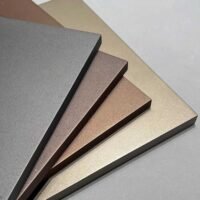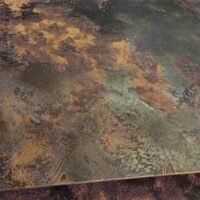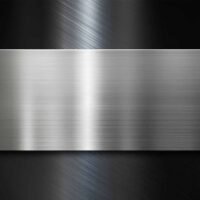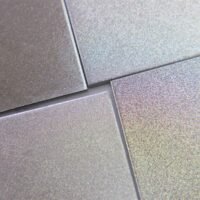








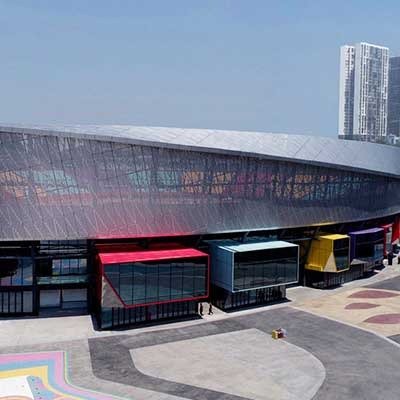
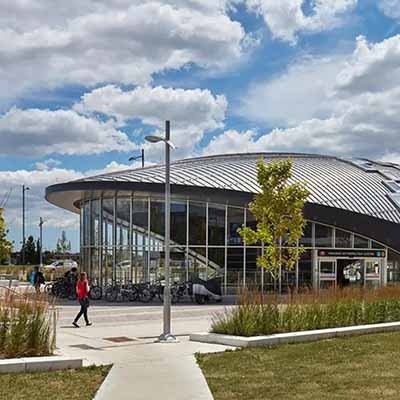
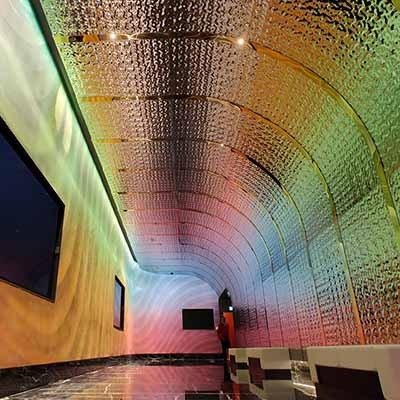





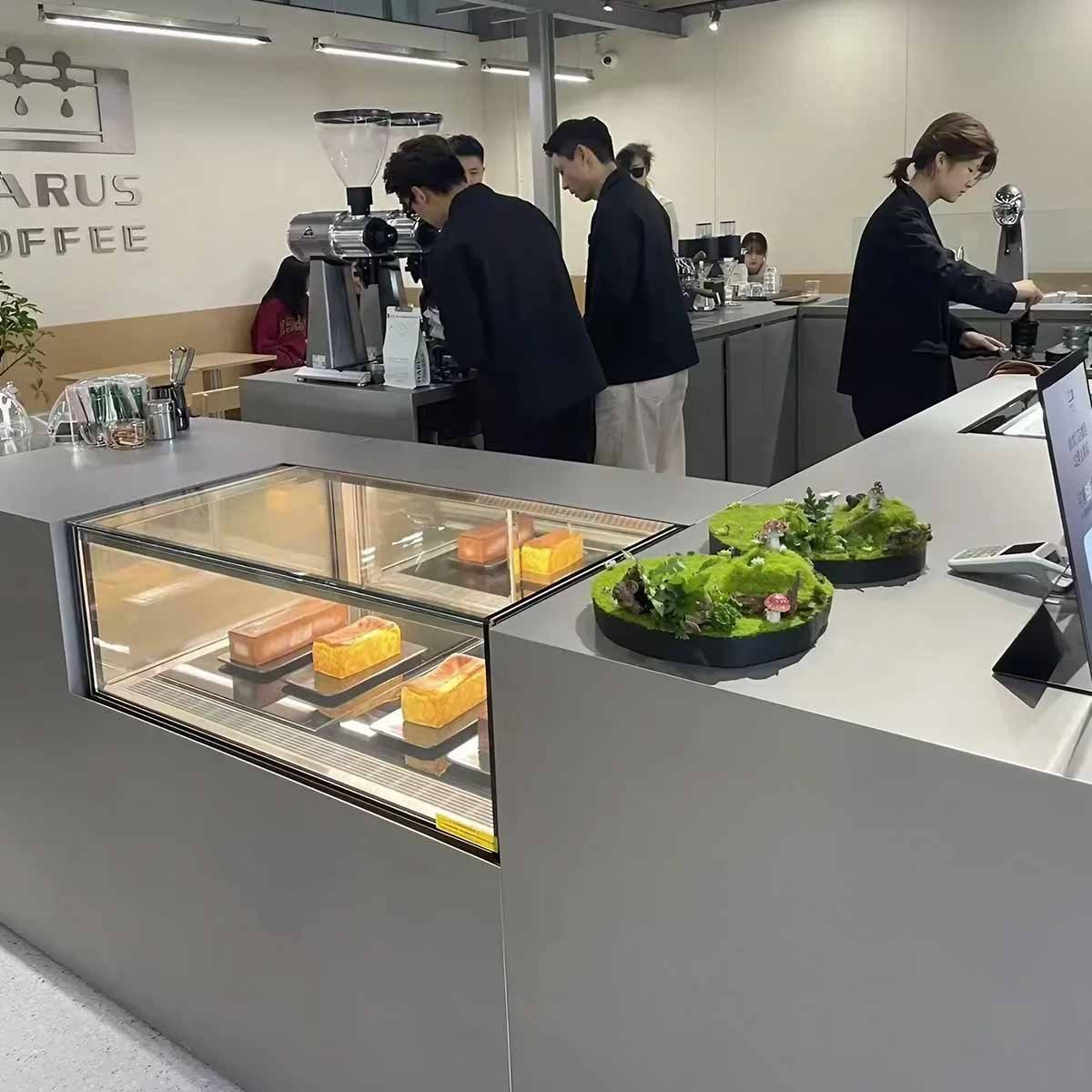



Vibration finish stainless steel is a combination of durability and a unique multidirectional finish that produces a refined, low-reflective surface for architectural interior spaces, commercial interiors, furniture, decorative elements, and design projects.
The unique design of its product offers both depth and utility, making vibration stainless steel suitable for a range of projects that demand durable surface finishes, aesthetic appeal, performance integrity, and uniformity in fabrication.
Table of Contents
ToggleWhat Is Vibration Finish Stainless Steel?
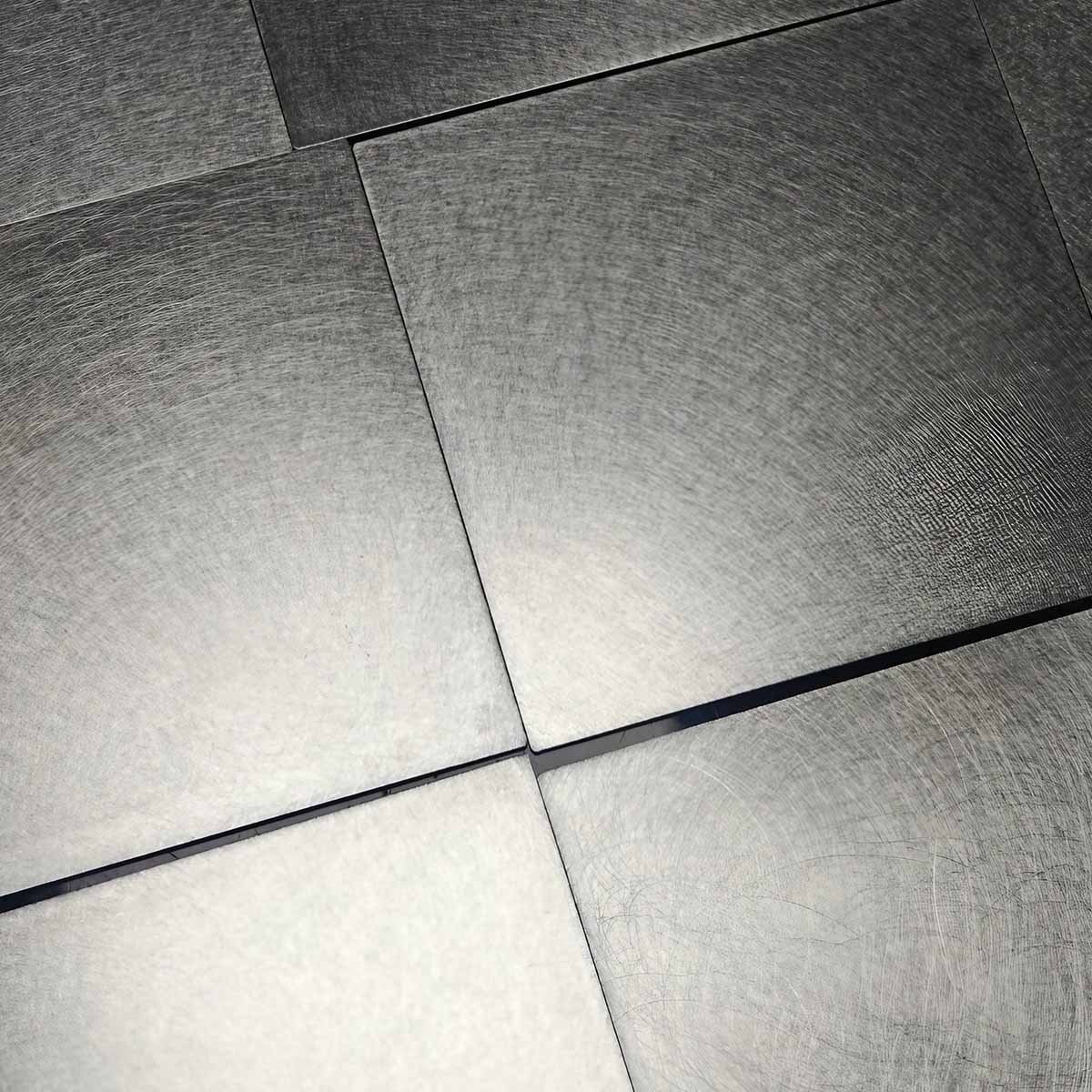
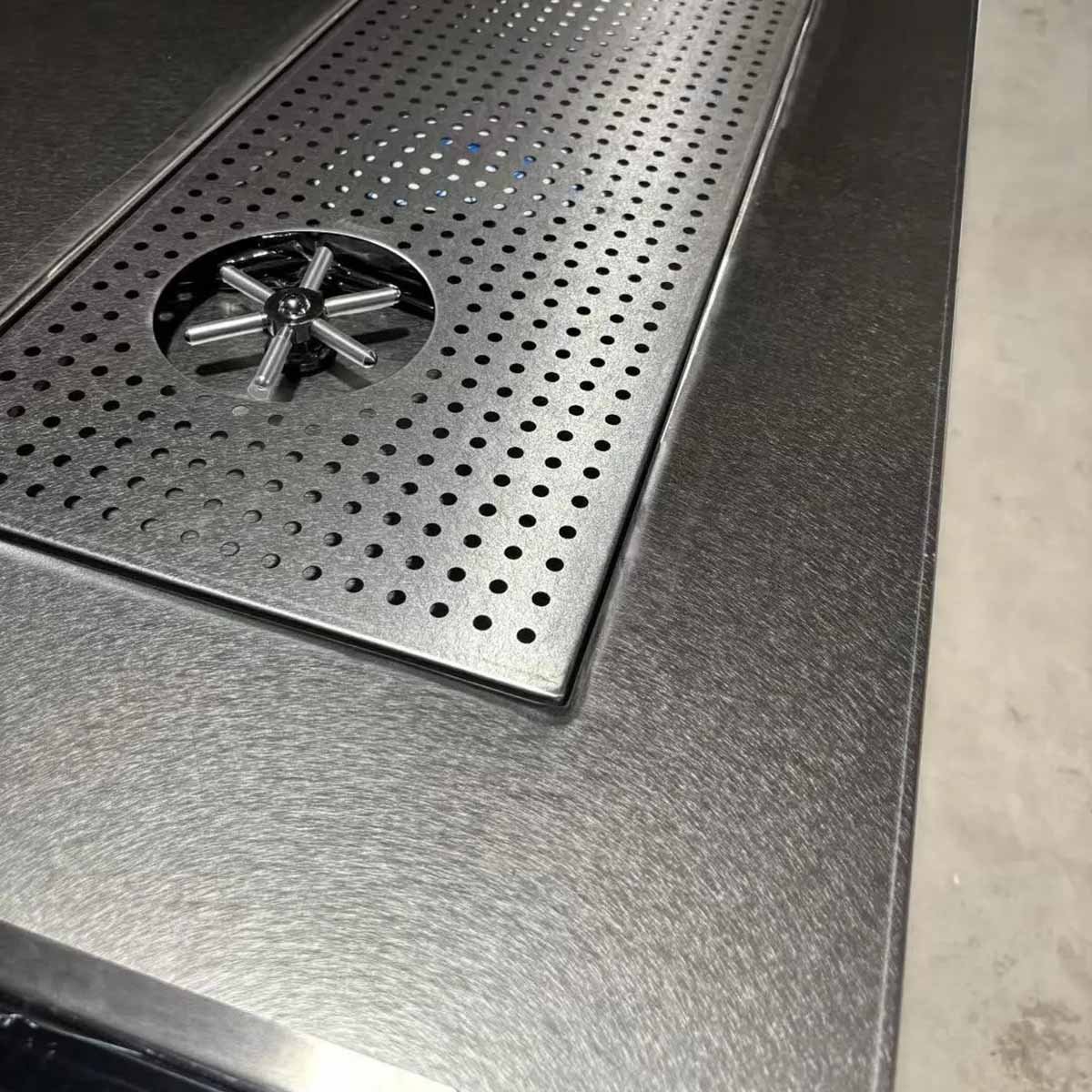
Vibration stainless steel surfaces are featured with controlled multidirectional abrasion and offer a unique, textured, low-reflective surface with a design that is both durable and corrosion-resistant for use in architectural and interior installations.
Definition and Surface Characteristics
Irregular multidirectional marks add a sense of depth, minimize strong reflections, and give a modern surface feel, while allowing for the camouflage of minor scratches and handling marks.
How Is a Vibration Finish Created?
The finish is obtained by controlled abrasive treatment in several directions, and the texture, consistency, and reflectivity are governed by the abrasive grade, pressure, speed, and technique.
Is Vibration Finish Stainless Steel Brushed or Polished?
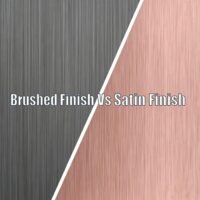
Vibration finishing results in textures in different directions from linear brushing, with lower reflectivity than polished materials for contemporary, balanced architecture applications.
Key Properties of Vibration Finish Stainless Steel
Vibration stainless steel features a unique non-directional surface finish that blends the corrosion resistance and durability of stainless steel with a practical yet elegant texture for use in architectural, commercial, hospitality, and interior settings.
Distinctive Multidirectional Texture
Low-Reflective Appearance
Durability and Corrosion Resistance
Reduced Visibility of Minor Marks
Consistent Decorative Performance
Vibration finish offers unique texture, low reflectivity, durability, corrosion resistance, and reliable performance in a wide range of architectural, commercial, and interior applications.
For stainless steel surface finishing solutions, material selection, surface finishes, custom fabrication, surface finishes, and material technical requirements for architectural and interior applications, contact TBK Metal for expert guidance.
How Is Vibration Surface Processed?
The surface appearance is produced by controlled mechanical abrasion known as vibration finishing, and stainless steel grade, abrasive media, pressure, movement, and processing technologies will determine the final surface appearance.
Surface Preparation
The stainless steel sheets are cleaned and prepared to remove the contaminants and imperfections, so that there is a uniform surface appearance and consistent abrasive contact.
Abrasive Treatment
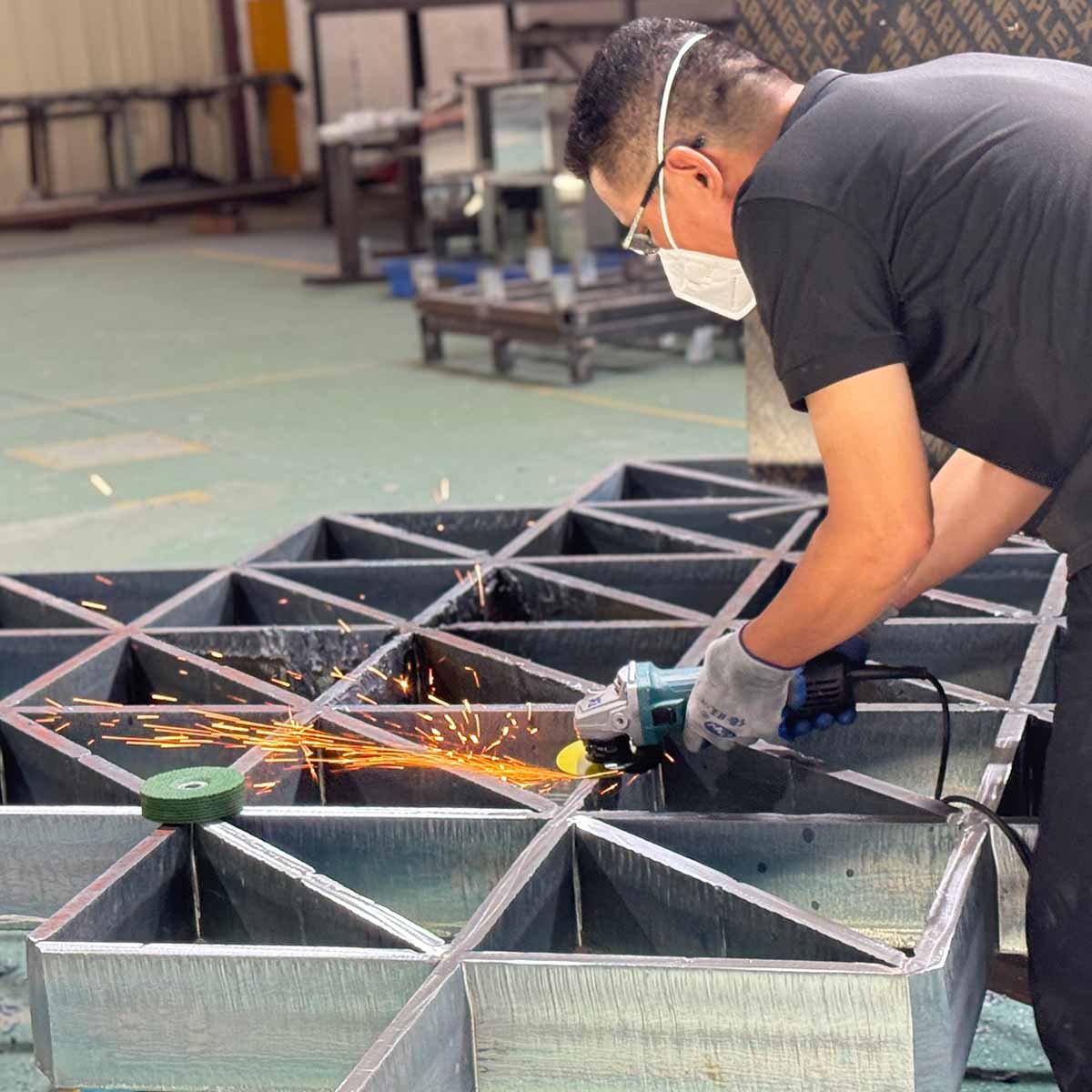
Vibration finishing is distinguished from linear brushing by the use of controlled abrasive equipment that operates in overlapping motions over the surface of stainless steel.
Texture and Appearance Control
The pressure, abrasive type, speed, and duration of treatment are varied to produce the desired texture and reflectivity; approved samples are used to ensure that the surface is uniform.
Finishing and Inspection
Clean and inspect for scratches, uneven surfaces, and imperfections after abrasive treatment to ensure finished panels comply with specified visual and fabrication requirements.
What Factors Affect the Final Finish?
Consistency of process is crucial to matching panels – grade, sheet condition, abrasives, machine settings, operator technique, and production sequence all have an effect on the results.
The multidirectional texture is achieved with controlled abrasion; through inspection, the finished component will remain uniform in appearance, surface quality, and performance.
Benefits of Vibration Finish Stainless Steel
Refined aesthetics and a practical performance that is both attractive and functional, stainless steel surface with vibration finish is an ideal surface for challenging architectural, commercial, hospitality, and contemporary interior design applications.
Modern and Sophisticated Appearance
Helps Conceal Minor Surface Marks
Flexible Design Integration
Suitable for Large Surface Areas
Combines Aesthetics with Long-Term Performance
Supports Customized Architectural Designs
Vibration finish stainless steel is durable, with a signature texture, controllable reflectivity, design flexibility, and low maintenance for a wide range of architectural and interior uses.
Vibration Finish vs Other Stainless Steel Finishes
Various surface finishes produce varying degrees of texture, reflectivity, and uniformity. Designers can choose a finish that aligns with appearance, maintenance, and project needs by comparing vibration finishing to other stainless steel finishes.
| Finish | Surface Appearance | Reflectivity | Texture | Typical Advantage |
| Vibration Finish | Irregular, multidirectional texture | Low to moderate | Random, non-directional | Adds visual depth while reducing strong reflections |
| Hairline Finish | Consistent linear pattern | Low to moderate | Directional | Provides a clean, uniform architectural appearance |
| Satin Finish | Smooth and even | Low | Fine, uniform texture | Offers a subtle and understated surface |
| Sandblasted Finish | Uniform matte appearance | Very low | Fine, evenly distributed texture | Creates a soft, non-reflective surface |
| Mirror Finish | Smooth, highly polished appearance | Very high | Minimal visible texture | Provides maximum reflectivity and visual impact |
Choosing the correct finish involves taking into account appearance, lighting, maintenance, environmental exposures, and architectural style. Physical samples are reviewed prior to production to help ensure the correct texture, consistency and reflectivity.
Applications of Vibration Finish Stainless Steel
Vibration finish stainless steel is used in a variety of architectural metal works, commercial interiors, hotel and hotel market, decorative metal works, furniture, and personalized metal products, and its unique texture and durability are significant.
Architectural Wall and Ceiling Features
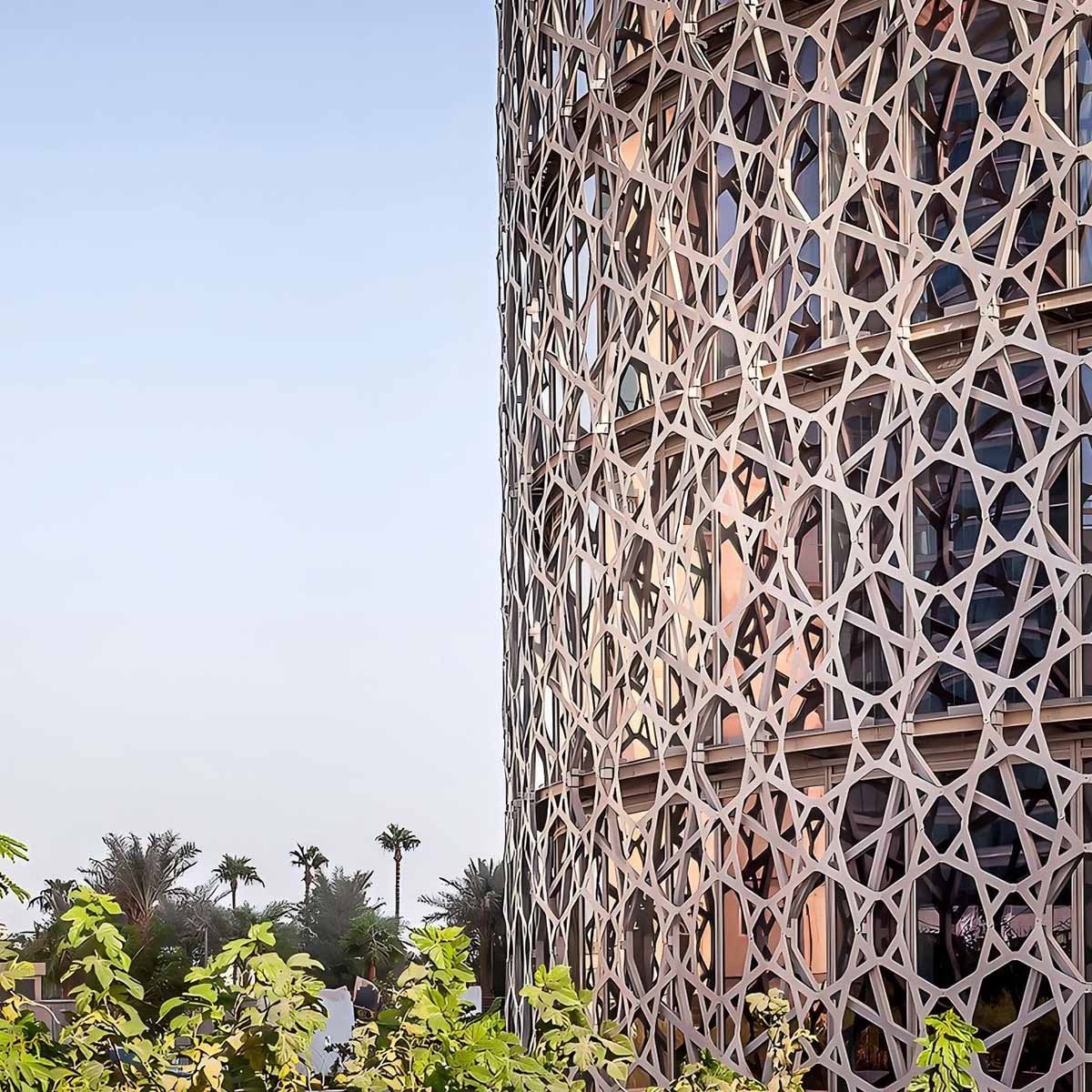
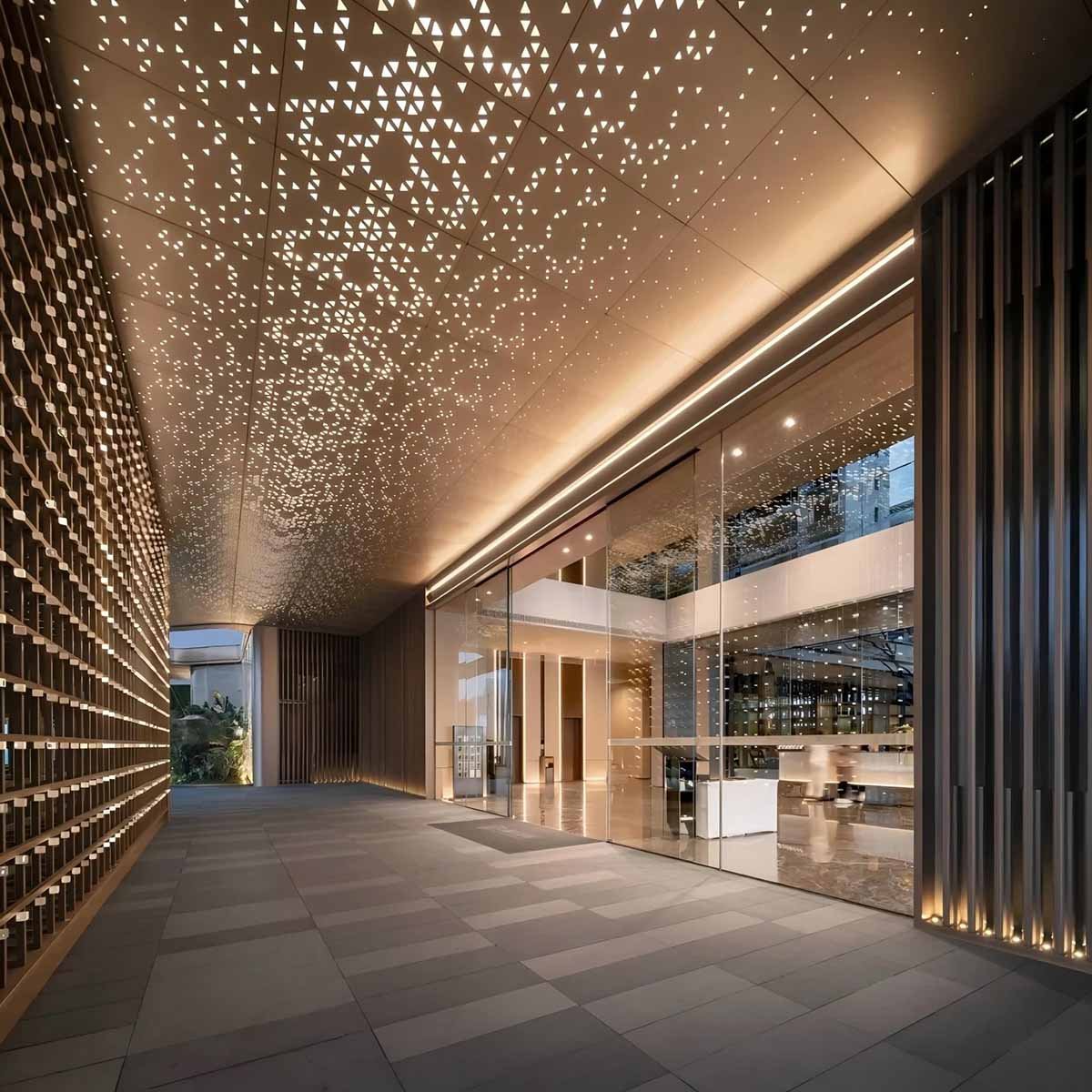
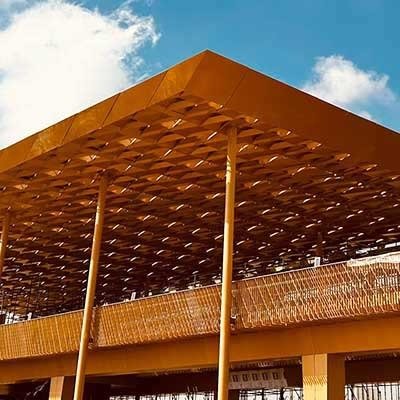
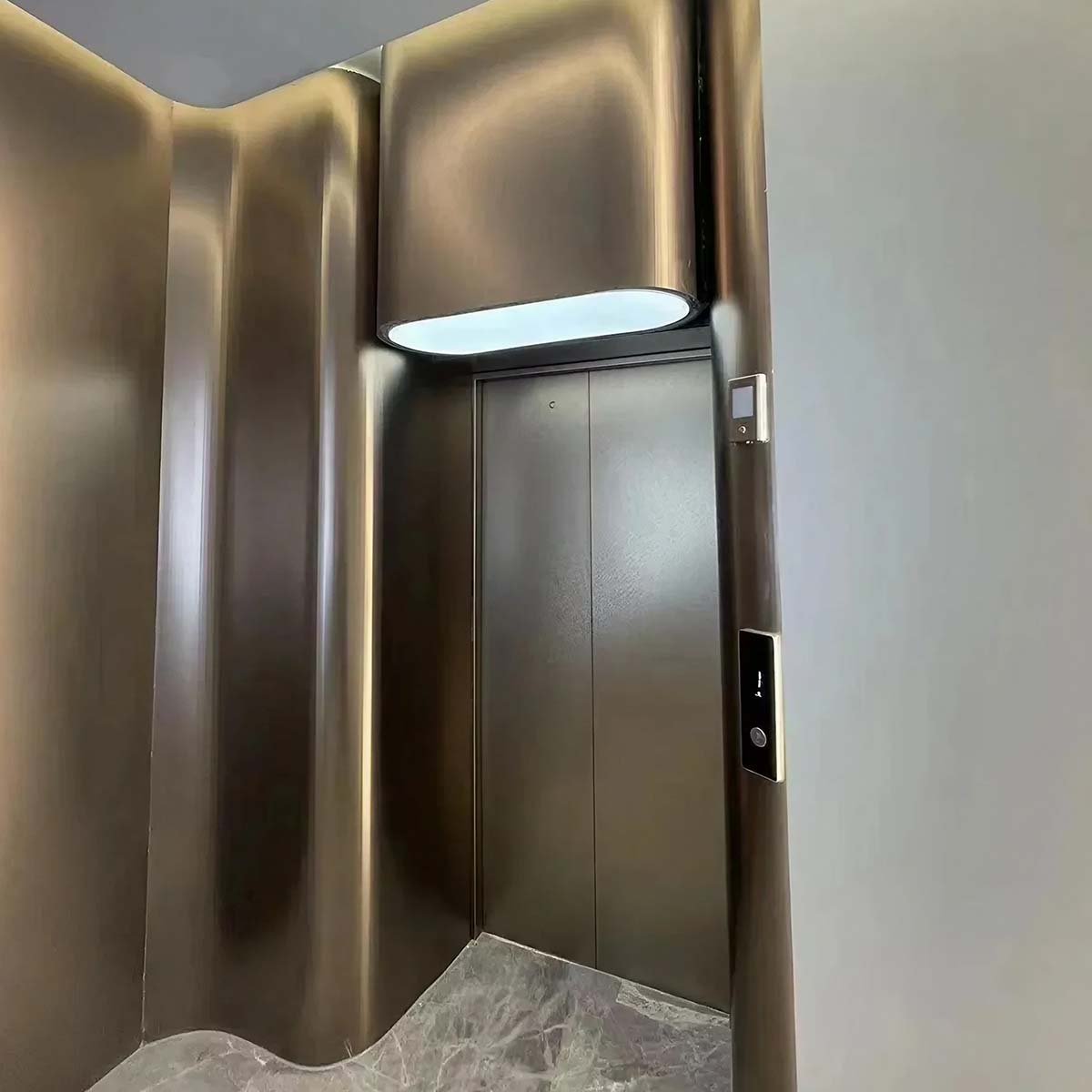
Vibration-finished metal panels create beautiful feature walls, ceilings, entrance details, and stainless steel cladding, with the distinctive low-reflective texture giving visual depth.
Column Covers and Interior Structures
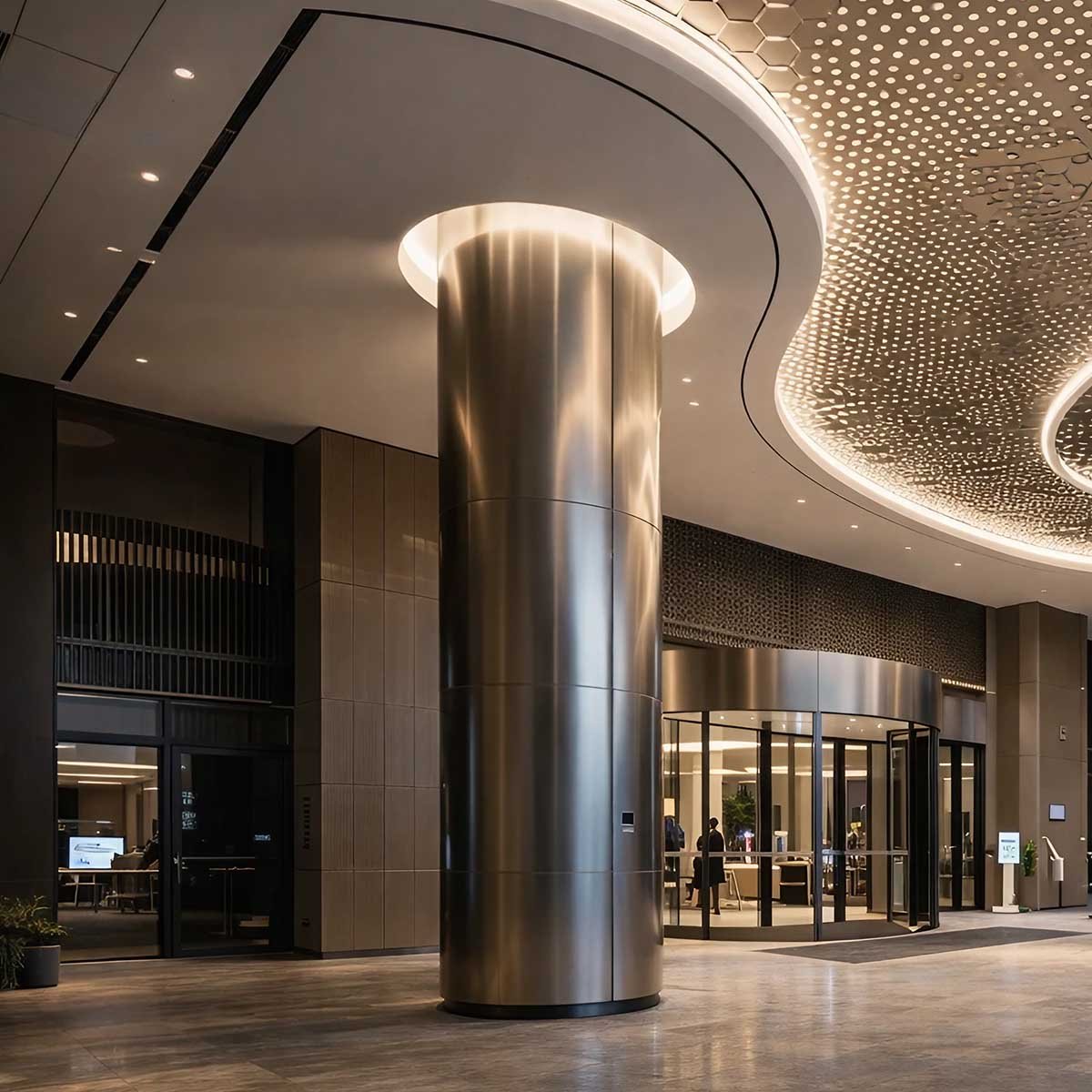
Use textured stainless steel for columns and structural details, or custom stainless steel column wraps for long-lasting, attractive details in prominent commercial interiors.
Decorative Art and Sculptural Elements
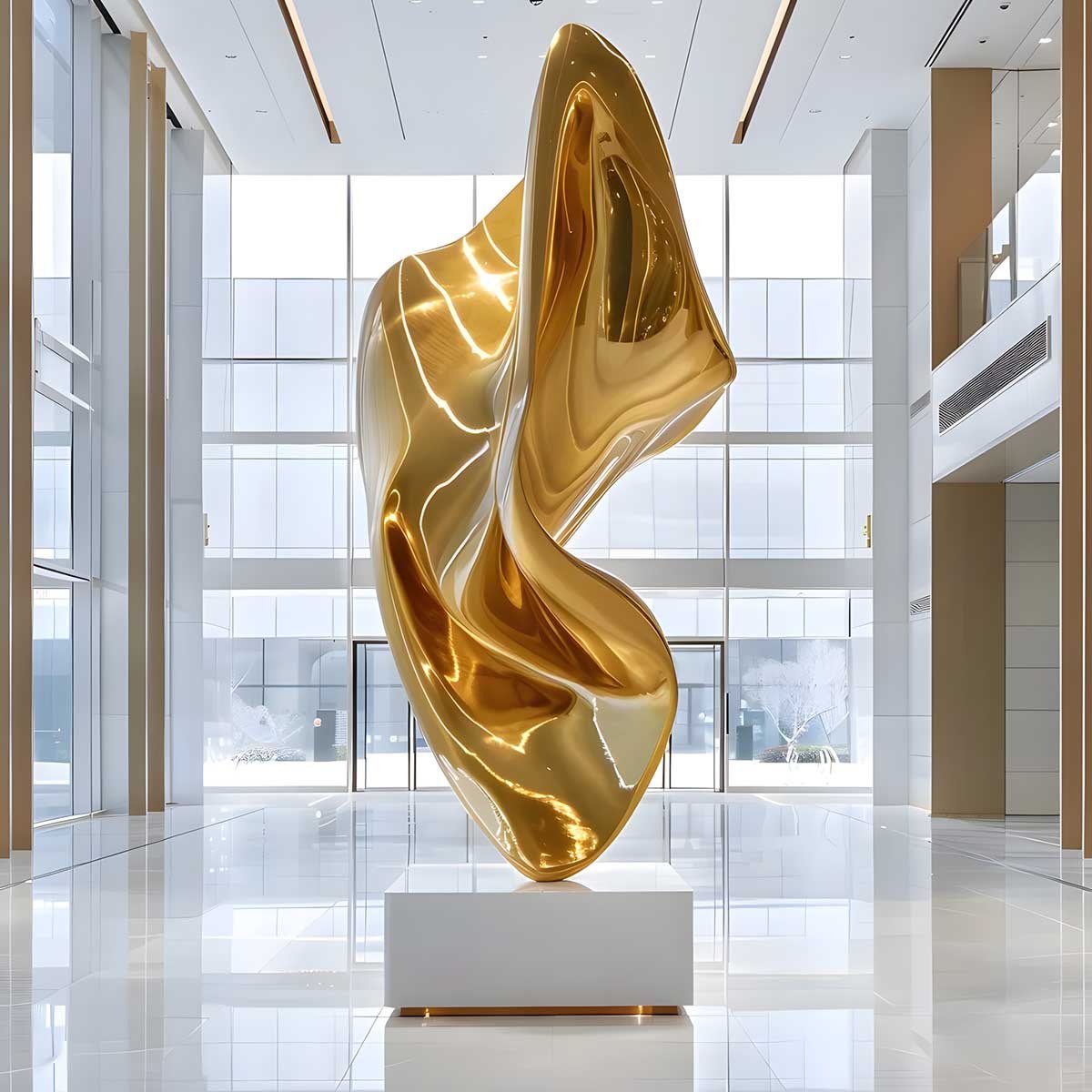
Its multi-directional texture adds to the appeal of curved and 3D forms, making it ideal for stainless steel sculptures, artistic installations, and unique architectural elements.
Signage and Branding Features
For commercial and institutional applications, dimensional letters, logos, plaques, and stainless steel signs are given a sophisticated metallic look with vibration finishing.
Furniture and Interior Elements
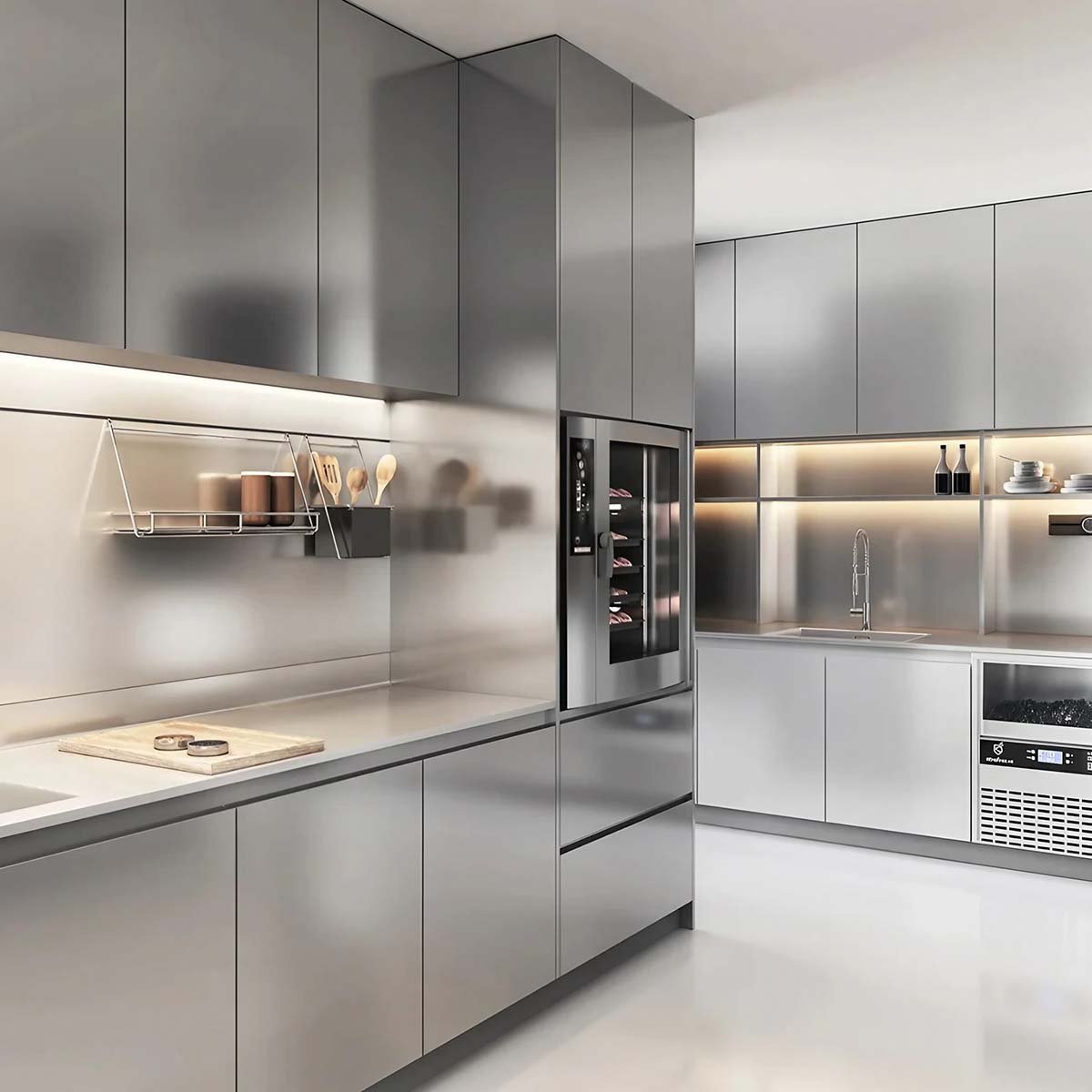
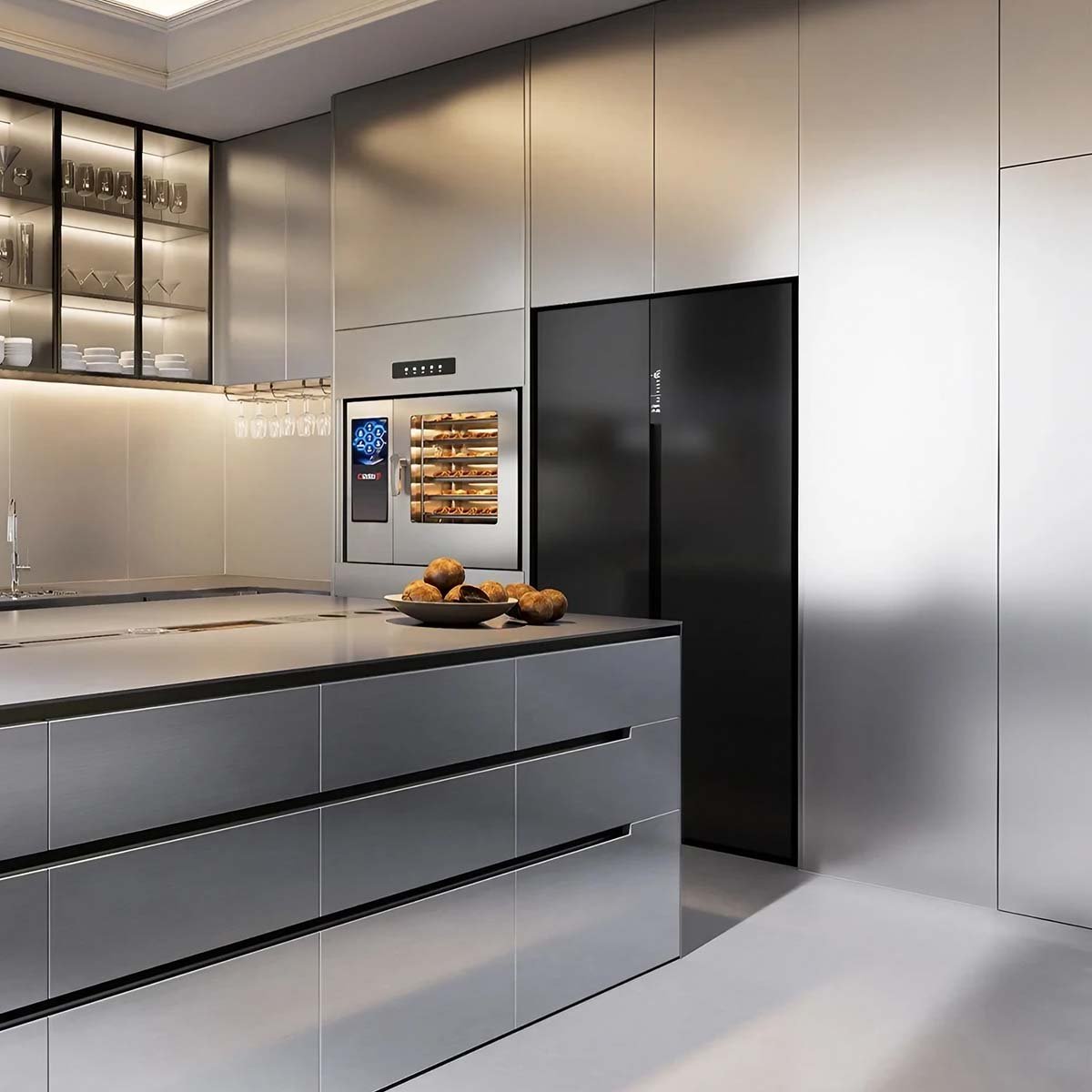
In interior design, the finish is appropriate for use as countertops, reception desks, cabinets, dining tables, and custom furniture, offering both performance and modern style.
Commercial and Hospitality Spaces
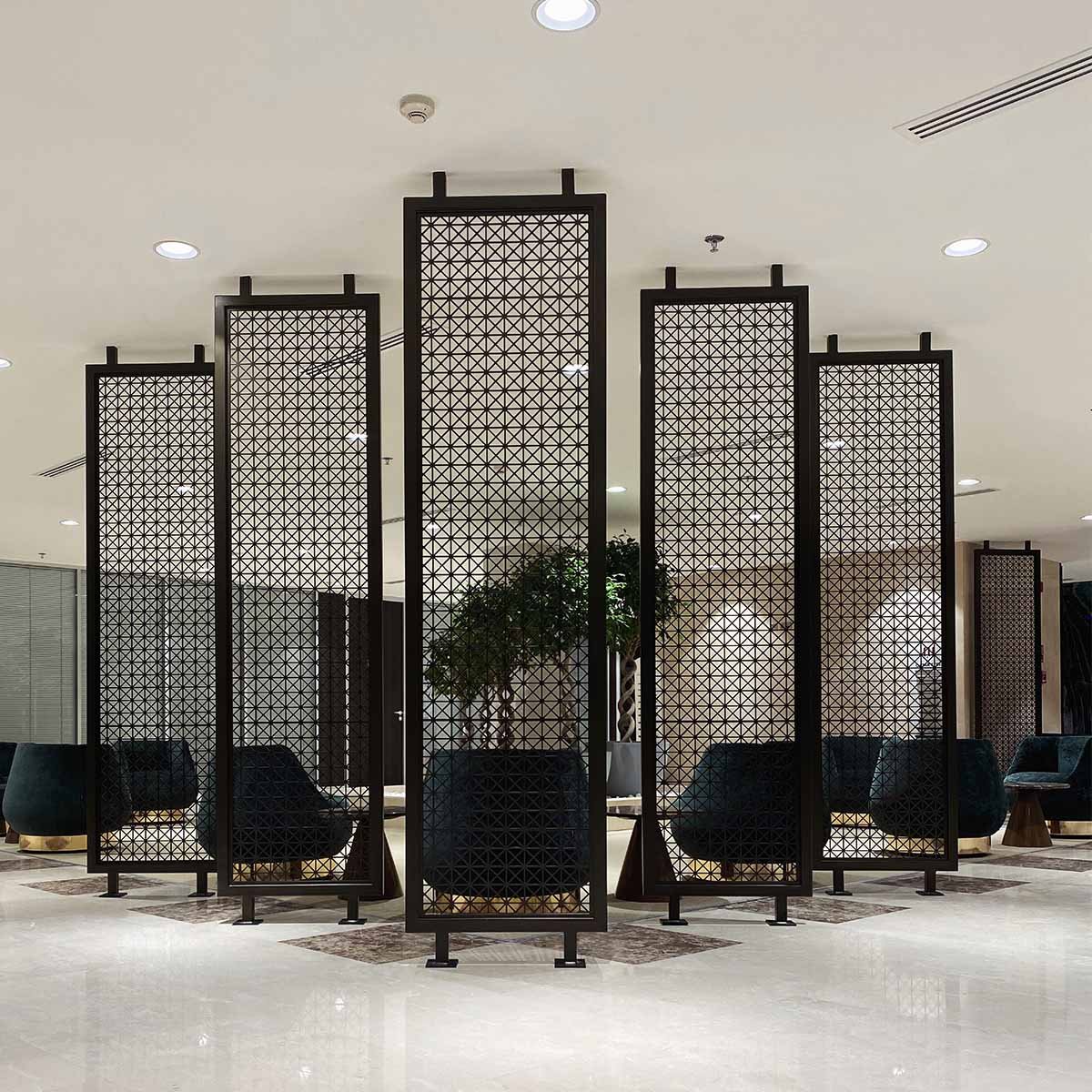
Vibration finish stainless steel can be utilized in a hotel, restaurant, shopping center, office, or public place for wall panels, reception areas, partitions, and decorative elements.
Vibration stainless steel suitable for architecture and interior use are robust, captivating, and refined for architectural and interior use in various commercial and domestic contexts.
How to Choose Vibration Finish Stainless Steel for a Project
There are many factors to consider when choosing the vibration finish for stainless steel: appearance, material performance, fabrication, environmental exposure, and maintenance. When making final specifications, think about the following:
Select the Appropriate Stainless Steel Grade
Choose the correct type of stainless steel to ensure long-lasting performance depending on the installation environment, corrosion exposure, potential risks, and the anticipated life.
Define the Desired Surface Texture
Vibration finishes can be different in texture, depth, uniformity, and reflectivity. Check samples with the fabricator before production to ensure appearance and consistency between panels.
Consider Panel Size and Fabrication
Think about size, depth, flexibility, slicing, welding, sides, and mounting too early. Care must be taken when fabricating a complex component to ensure that the surface is treated uniformly.
Evaluate Lighting and Surrounding Materials
The appearance can change depending on the direction and intensity of the light, so be sure to take the finish into account when specifying glass, stone, wood, lighting, and adjacent materials.
Review Maintenance Requirements
Think about frequency, accessibility, traffic, and pollutants. Correct finish selection and proper care during its lifetime ensure that the surface appearance and performance are maintained.
Request Samples and Fabrication Specifications
Request approved finish samples prior to production, which will verify the grade of material, dimensions, fabrication, tolerances, and quality expectations to ensure consistent manufacturing.
Appropriate materials, textures, fabrication planning, lighting coordination, and maintenance considerations ensure that the finish meets the project’s needs and expectations.
Maintenance and Cleaning of Vibration Finish Stainless Steel
To keep stainless steel full of its distinctive texture, appearance, and performance, proper maintenance is important. Surface contamination can be reduced and the original finish preserved with regular cleaning and appropriate care procedures.
Routine Cleaning
Regularly clean surfaces with a soft cloth, clean water, and mild detergent to remove dust, fingerprints, grease, and other common contaminants without harming the textured finish.
Removing Stubborn Contaminants
Cleaners for grease, stains, or dirt buildup should be used for decorative metal finishes and should be tested first on an inconspicuous area to check for compatibility with the surface.
What Should Be Avoided?
Steel wool, abrasive pads, strong chemicals, and uncontrolled grinding can cause surface texture loss, visible surface marks, and additional chloride exposure that may lead to corrosion.
Maintaining the Original Finish
Cleaning methods and maintenance instructions can ensure a consistent texture and appearance over time, and regular inspection can detect contamination and surface damage early.
Consider Environmental Conditions
Regular cleaning schedules are necessary for outdoor, coastal, high-traffic, and humid installations, depending on the exposure, contamination, and maintenance needs of the site.
The texture, appearance, corrosion resistance, and long-term performance of vibration finish stainless steel can be maintained by regular cleaning, proper products, and maintenance.
Expert Insights on Vibration Finish Stainless Steel
Vibration finish stainless steel provides texture, depth, and controlled reflectivity without sacrificing durability; final appearance depends on how the material is prepared, the abrasive used, the consistency of the process, and the quality control.
Surface Consistency Matters
For multi-panel projects, provide consistency early and approve physical samples to evaluate texture, reflectivity, tonal variation, and overall appearance prior to production.
Material Selection Affects Performance
Different grades should be selected for indoor and outdoor applications, depending on environmental exposure and service conditions, and also on maintenance requirements.
Fabrication Sequence Should Be Planned Early
Minimizing inconsistencies and helping to maintain uniformity of appearance in completed installations through coordinated cutting, bending, welding, edge treatment, and finishing.
Lighting Influences Surface Appearance
Multidirectional texture will have different responses to light sources and viewing angles, so samples should be examined in the project environment to ensure the desired look.
Maintenance Supports Long-Term Appearance
Textured surfaces may show some marks, but regular cleaning is necessary given environmental exposure, contamination, accessibility, and manufacturer instructions.
Expert Recommendation
Set clear material grades, finishes, sizes, manufacturing specifications, and quality standards; plan and coordinate teams early to improve consistency and performance.
Contact TBK Metal for a consultation and learn about their vibration stainless steel solutions, custom dimensions, fabrication needs, finishing options, and reliable production support for commercial, hospitality, architectural, and interior projects.
Why Work with TBK Metal for Vibration Stainless Steel?
TBK Metal offers personalized stainless steel fabrication, controlled surface finishes, accurate production, project support, and custom solutions to meet the needs of architecture, commercial, hospitality, and interior projects around the world.
Experienced Metal Fabrication
Our fabrication team is well experienced in performing cutting, forming, welding, finishing, and assembly of the pieces as per the project specification and approved technical drawings.
Consistent Surface Finishing
By controlling the processing, consistent vibration textures are achieved from each component to the larger production batches, providing an even look and feel for each installation.
Customized Solutions
We offer configurations of material types, thickness, size, shape, and fabrication features and finishes that correspond to a variety of architectural needs and design expectations.
Quality Control
Material verification, dimension inspection, surface inspection, and production checks ensure quality during production and reduce inconsistencies before delivery to the client.
Project-Based Support
TBK Metal can assist architects, designers, contractors, and project teams from concept to production with specifications, solution recommendations, and coordinated fabrication.
Architectural Applications
We have the ability to fabricate stainless steel for feature walls, column covers, decorative panels, signage, furniture parts, sculptures, and other custom architectural metal components.
TBK Metal offers a reliable solution for vibration stainless steel solutions by integrating fabrication expertise, controlled finishing, customization, quality assurance, and project support.
Frequently Asked Questions (FAQs)
Q1: What makes vibration stainless steel different from other decorative finishes?
Q2: Can vibration finish stainless steel be used outdoors?
Q3: Does vibration finishing affect stainless steel corrosion resistance?
Q4: Can vibration finish stainless steel be fabricated into curved components?
Q5: Is vibration finish stainless steel suitable for high-traffic interiors?
Q6: How can the environmental performance of stainless steel be evaluated?
Q7: Can different vibration finish stainless steel panels have matching appearances?
Conclusion
Vibration finish stainless steel is ideal for architectural surfaces, commercial interiors, furniture, signage, decorative features, and customized metal finishes because it is durable, corrosion-resistant, has a unique texture, and controlled reflectivity.
Choosing the right grade, texture, fabrication technique, and maintenance strategy helps to maintain a uniform quality and service life, and the finish will match the needs of the project, the lighting environment, and the surrounding materials.
Contact Request
Discuss vibration finish stainless steel, customized fabrication, material specifications, finishing options, and project-specific solutions for architectural applications with TBK Metal.