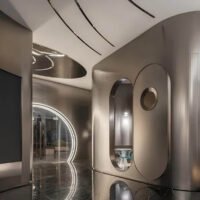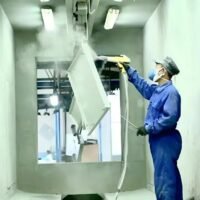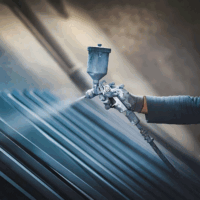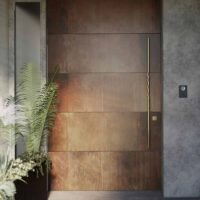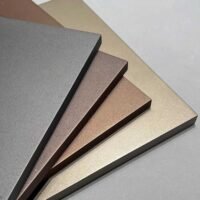





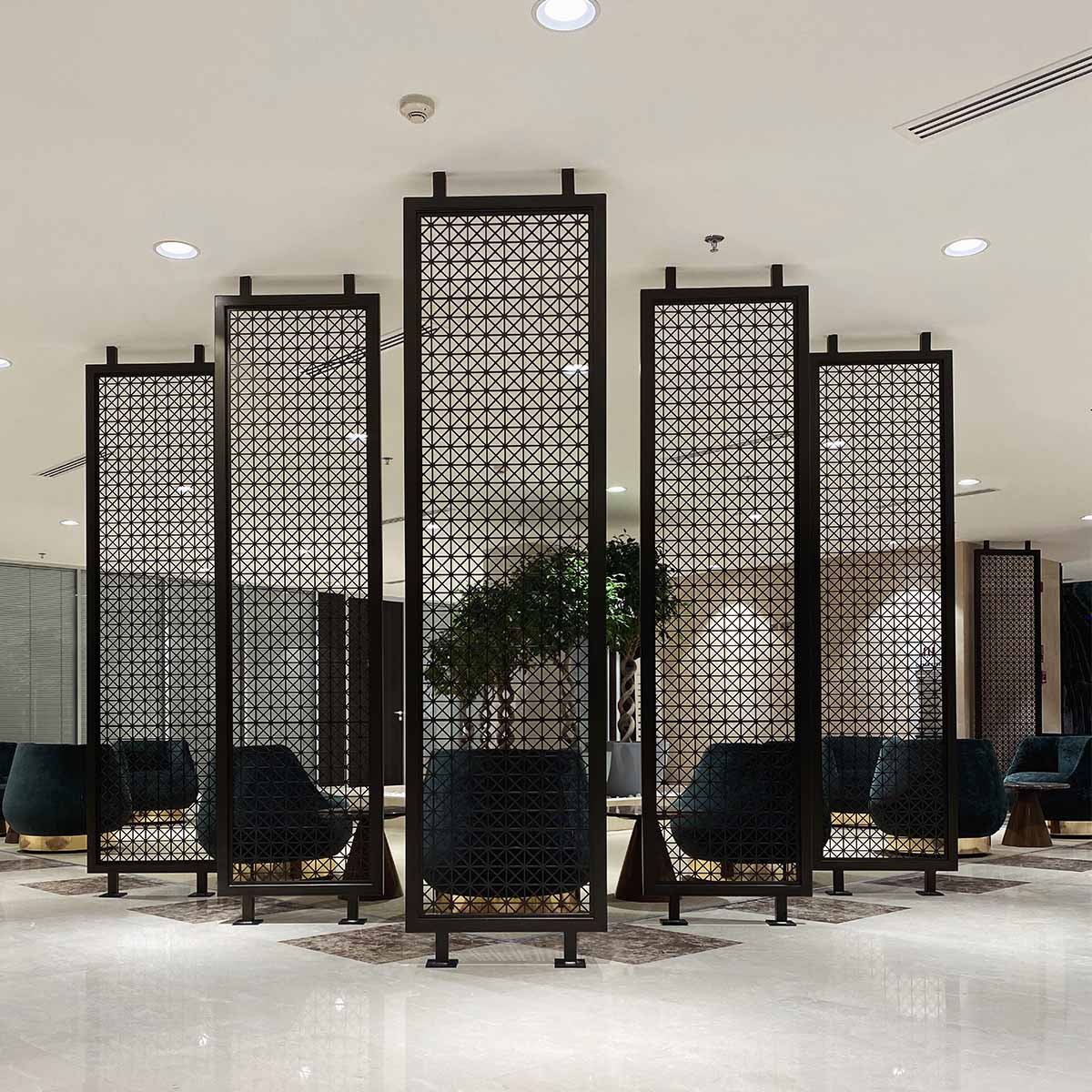
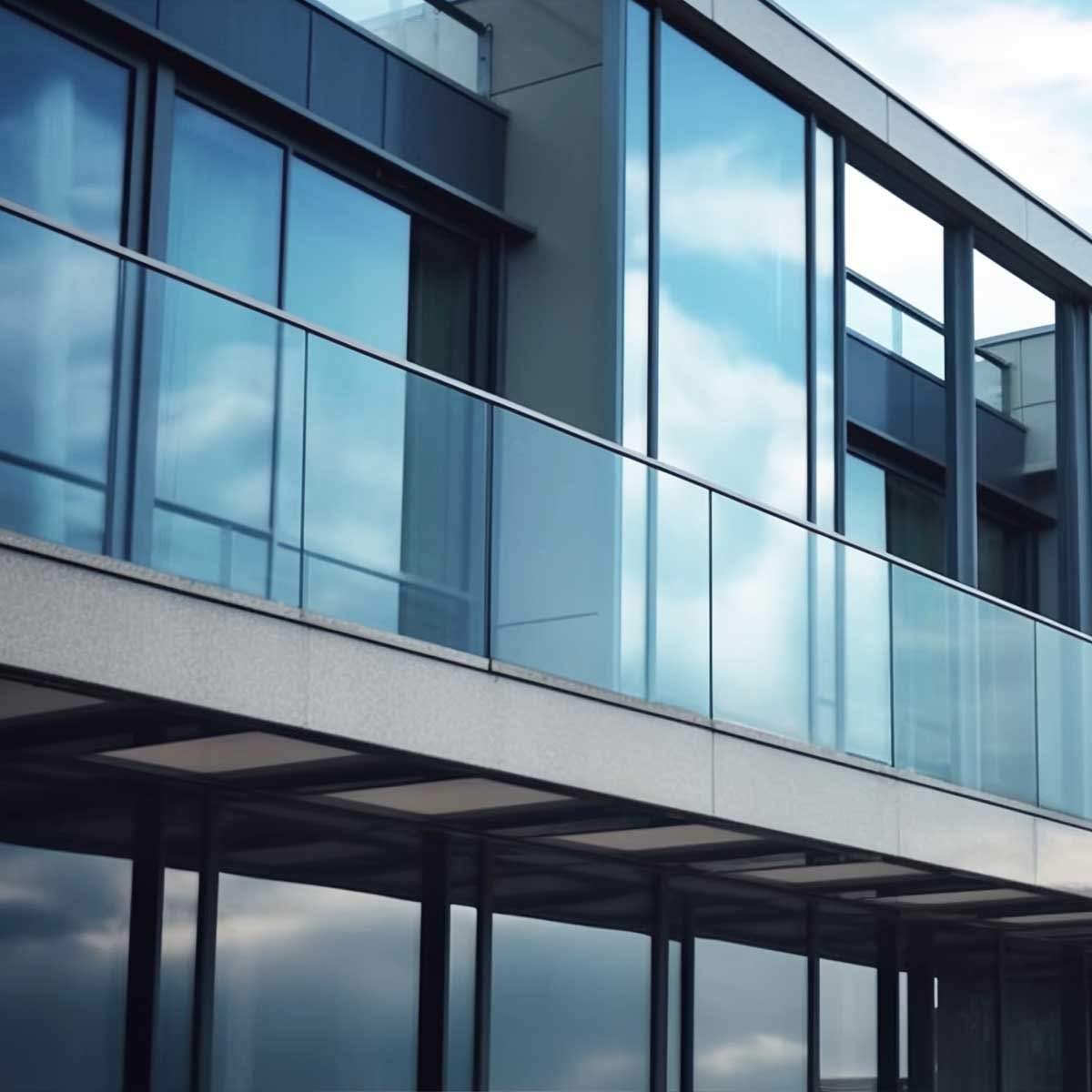
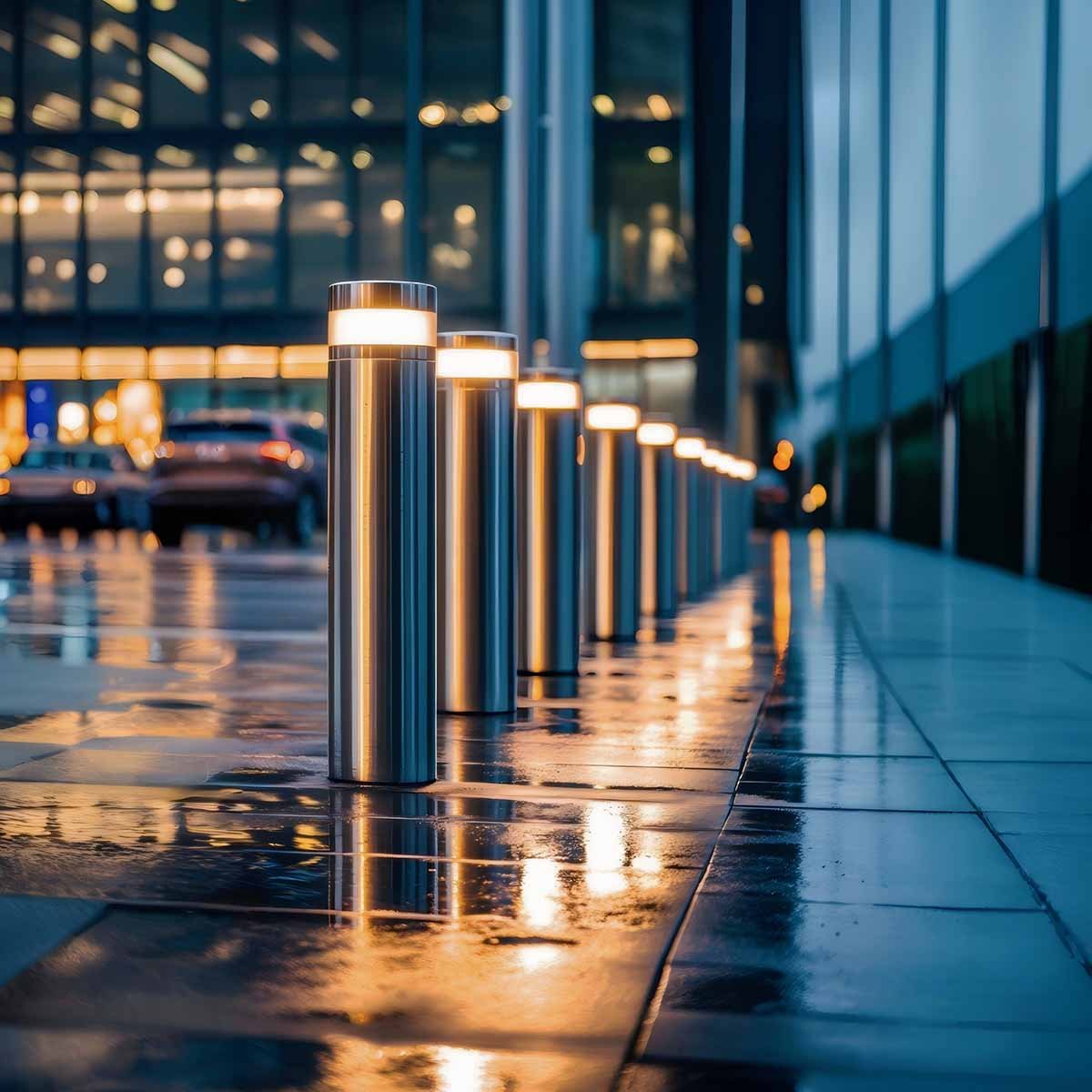
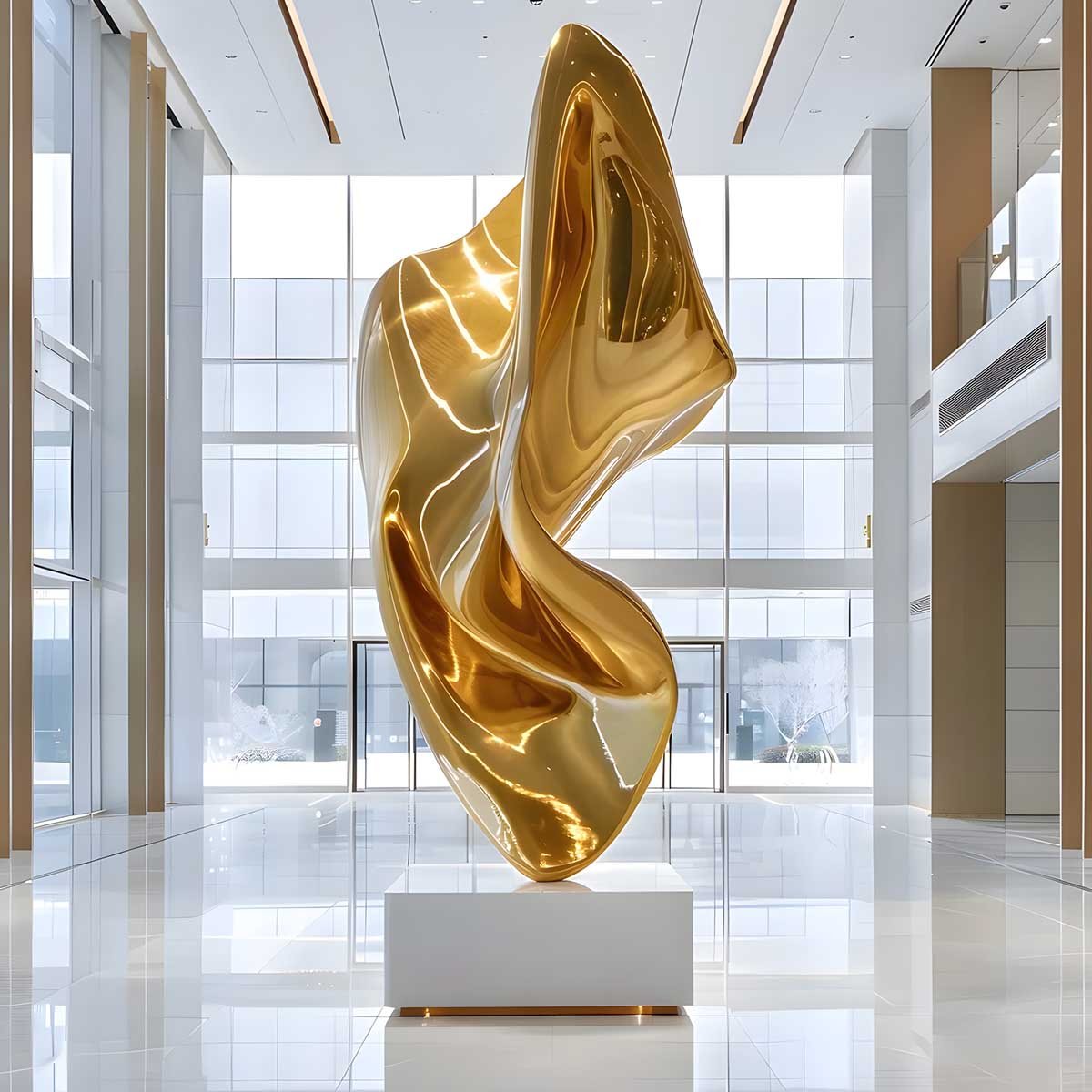
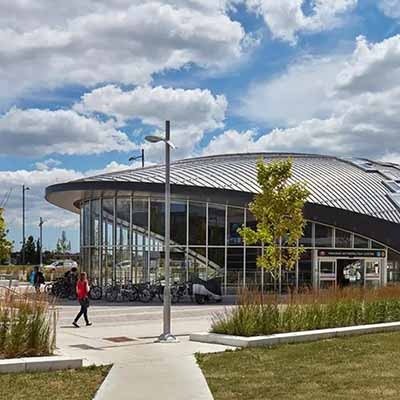
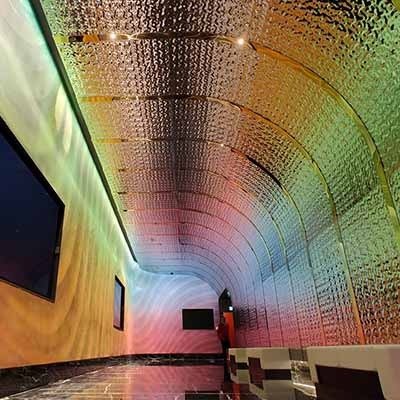
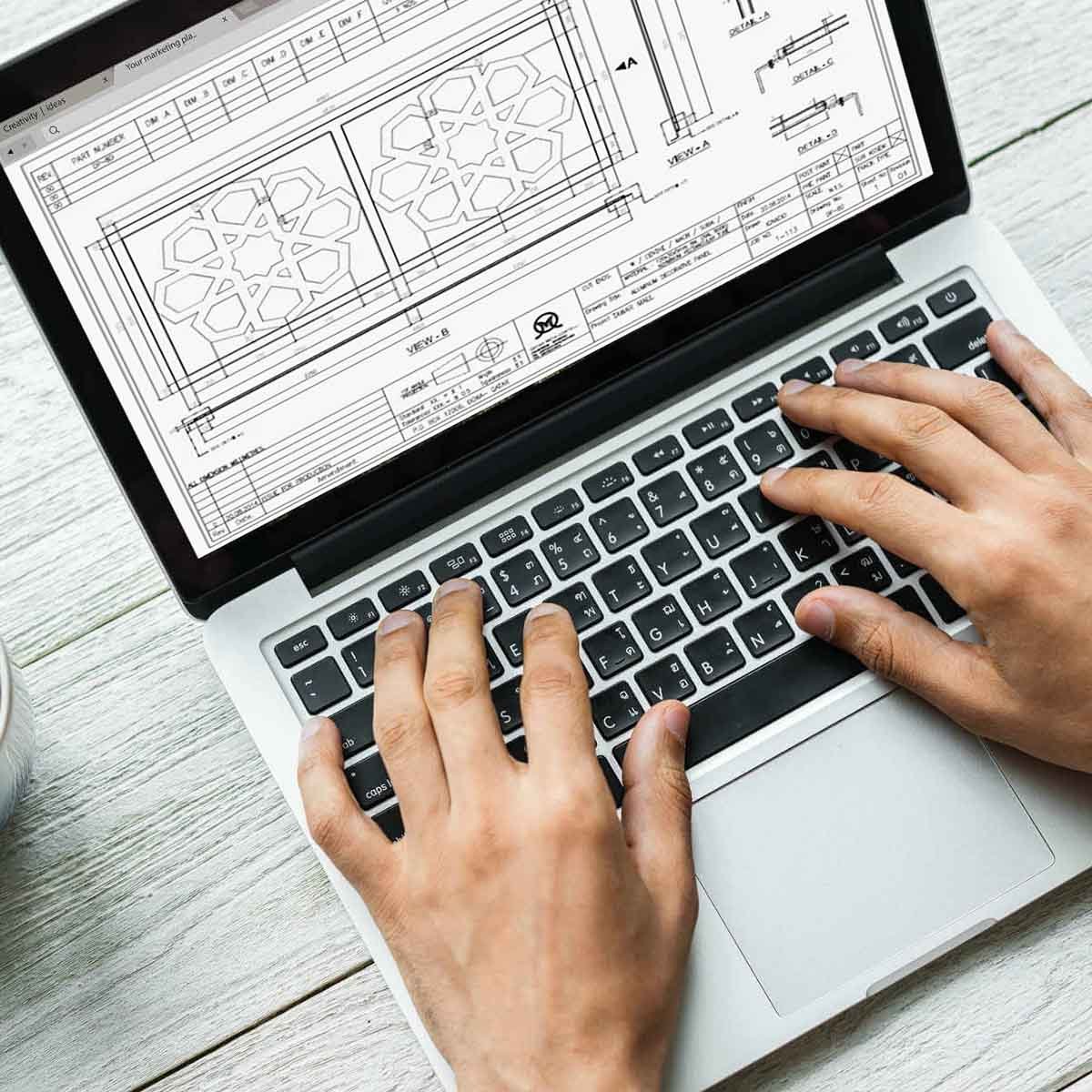

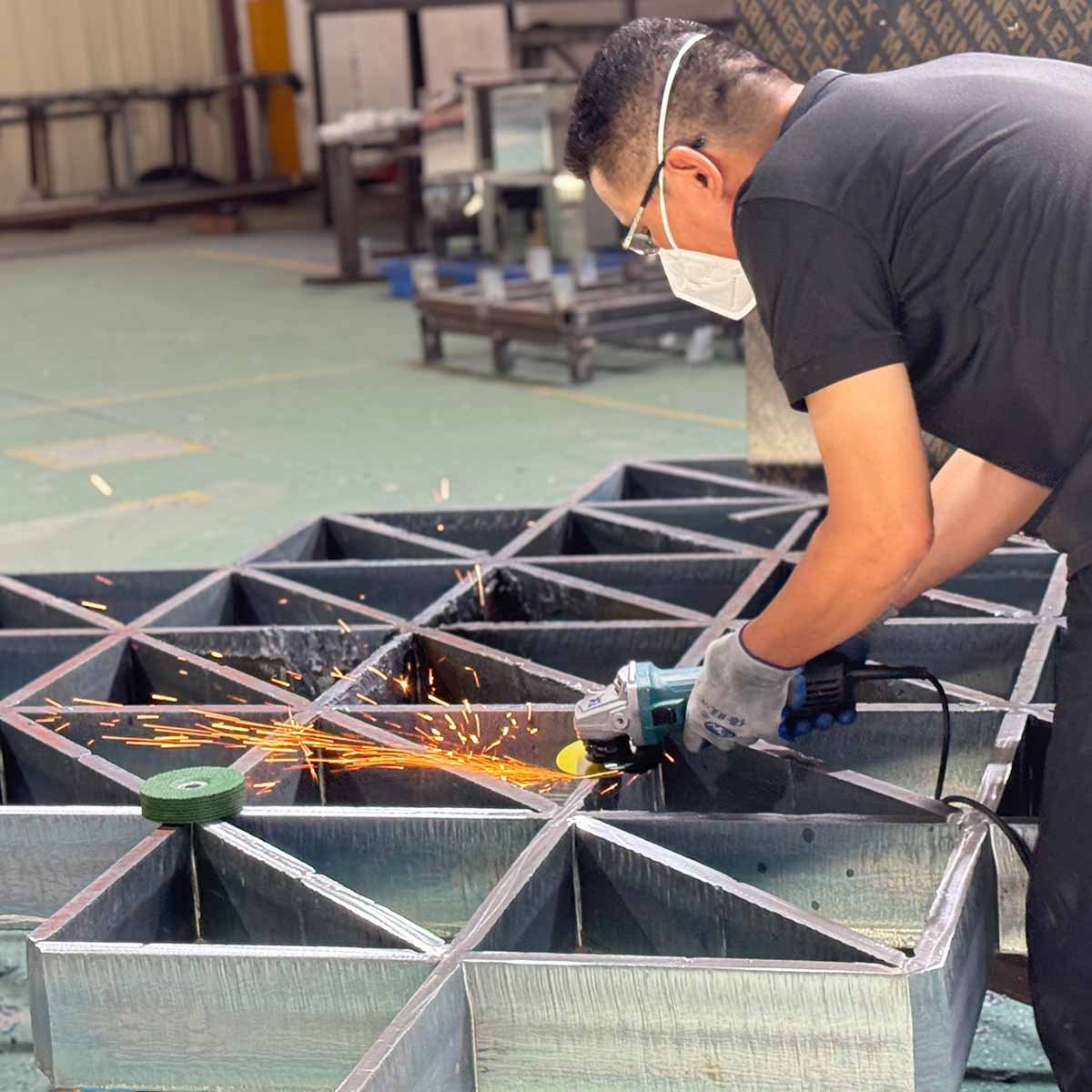


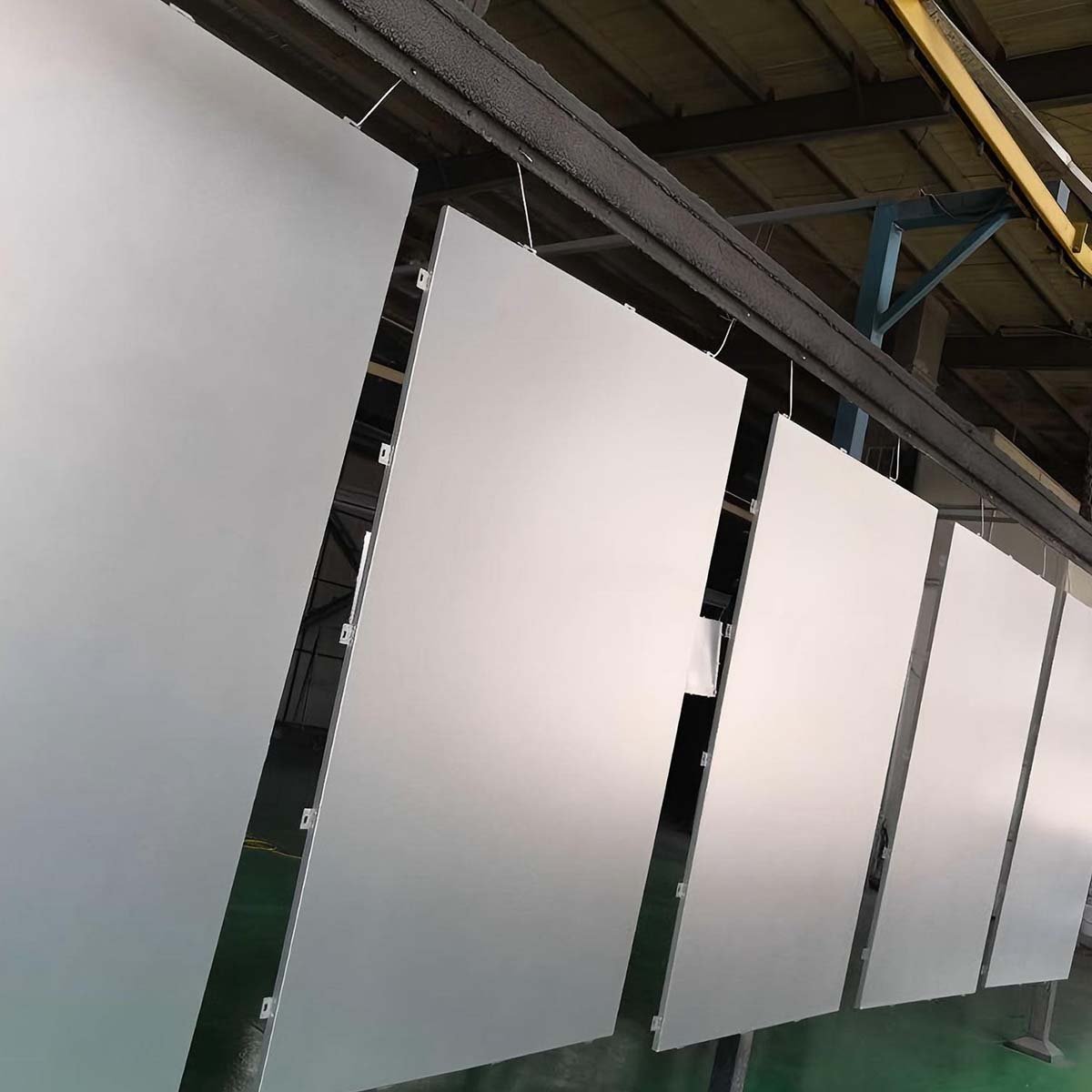
The aluminium powder coated surface finish can be applied in different colours, textures and gloss levels and is recommended for architectural parts, commercial buildings and modern interior design projects.
It is influenced by the quality of the coating, surface preparation and environmental exposure. Knowing its characteristics, advantages, and uses can assist architects, designers, and contractors in making their choices for their projects.
Table of Contents
ToggleWhat Is Powder Coated Aluminium?
Powder coated aluminium is aluminium that has an electrostatically applied dry powder coat, which is heat cured to provide a decorative, abrasion and weather resistant protection and has a variety of colours, gloss levels and textures.
Advantages Compared with Liquid Paint
Powder coating is solvent-free paint as compared to conventional liquid paint. Powder formulation, surface pretreatment, application parameters, and curing all influence the finish quality, while a good selection of coating enables a consistent appearance, stable performance and a designed service life.
Typical Applications & Usage Notes
The aluminium is powder coated for façade, ceiling, privacy screens, column claddings, profile etc. The selection of aluminium alloys is determined by their strength, formability, application, coating grade and environmental exposure.
Key Properties of Powder Coated Aluminium
The surface of powder coated aluminium is formed to give some protection as well as versatility in design and the performance of the finished product will depend on the formulation of the powder, the quality of the coating and the environment in which it is used.
Corrosion Resistance
Colour and Finish Consistency
Weather and UV Resistance
Surface Hardness and Wear Resistance
Maintenance Requirements
For architectural metalwork applications, powder coated aluminium can provide good protection and design options, provided that the coating grade of the material corresponds to the environment and requirements of the project.
Benefits of Powder Coated Aluminium
The versatility of powder coated aluminium allows it to be used in a wide variety of architectural and commercial applications where design and visual appeal is a priority as well as the need for a durable surface.
Wide Design Flexibility
Low Maintenance
Consistent Appearance
Cost and Lifecycle Value
Suitable for Custom Fabrication
Powder coated aluminium is an ideal material for modern building projects due to its versatility, durability and ability to provide long-lasting functional performance that can satisfy a variety of architectural needs.
Looking for powder coated aluminium solutions for your next project? Contact TBK Metal to discuss your design requirements, custom specifications, and suitable finishes for your architectural applications.
Common Powder Coated Aluminium Finishes
Powder coated aluminium is available in a variety of colours, textures, and gloss levels to meet different architectural and decorative requirements. Choosing the right finish helps achieve the desired appearance while supporting the component’s intended use.
Matte and Satin Finishes
Matte and satin finishes provide a subtle, low-reflectivity appearance for contemporary facades, interior panels, and commercial spaces, creating a refined look without excessive glare.
Gloss and High-Gloss Finishes
Gloss finishes enhance colour depth through a reflective surface, while high-gloss options suit decorative features but reveal fingerprints and imperfections more readily.
Textured and Fine-Texture Finishes
Textured finishes add depth and tactile appeal to aluminium surfaces, making them suitable for architectural panels, screens, and components requiring distinctive aesthetics.
Metallic and Special-Effect Finishes
Metallic and special-effect finishes add subtle shimmer and colour variation to modern designs, requiring consistent application and batch control for uniform results.
When comparing aluminium finishes, consider colour consistency, exposure conditions, maintenance requirements, and the overall design scheme to ensure the selected finish meets project expectations.
Powder Coating vs Other Aluminium Finishes
Powder coating, PVDF coating and anodising have various properties: appearance, weather resistance, durability etc. The choice of the best method is influenced by the environmental conditions of the project, the design requirements, the maintenance needs, and the required performance.
| Comparison factor | Powder Coating | PVDF Coating | Anodising |
| Surface formation | Cured powder film | Fluoropolymer coating film | Electrochemically formed oxide layer |
| Appearance | Wide colour and texture choices | Wide range of architectural colours | Metallic appearance with selected colour options |
| Weather resistance | Depends on powder formulation | Often preferred for demanding exterior applications | Depends on anodic layer and exposure |
| Surface protection | Protective coating layer | Protective fluoropolymer coating | Integral oxide layer |
| Typical applications | Profiles, screens, panels, and decorative components | Exterior façades and cladding | Profiles, façades, and metallic finishes |
Powder Coating vs PVDF Coating
Powder coating offers versatile colours and textures, while PVDF provides weathering resistance and colour retention. Depending on the specification, it may be more suitable for more demanding exterior applications using PVDF-coated aluminium.
Powder Coating vs Anodising
Powder coating can be used in a range of colours and textures and anodising is an integral oxide layer. Anodised aluminium will have a metallic look and the colour choice will be based on the appearance, performance and maintenance expectations.
Take into account the installation, service life, required colour, fabrication method and maintenance program. Compare test results and warranties on products, not just the finish name, for exterior use where performance is critical.
Applications of Powder Coated Aluminium in Architecture
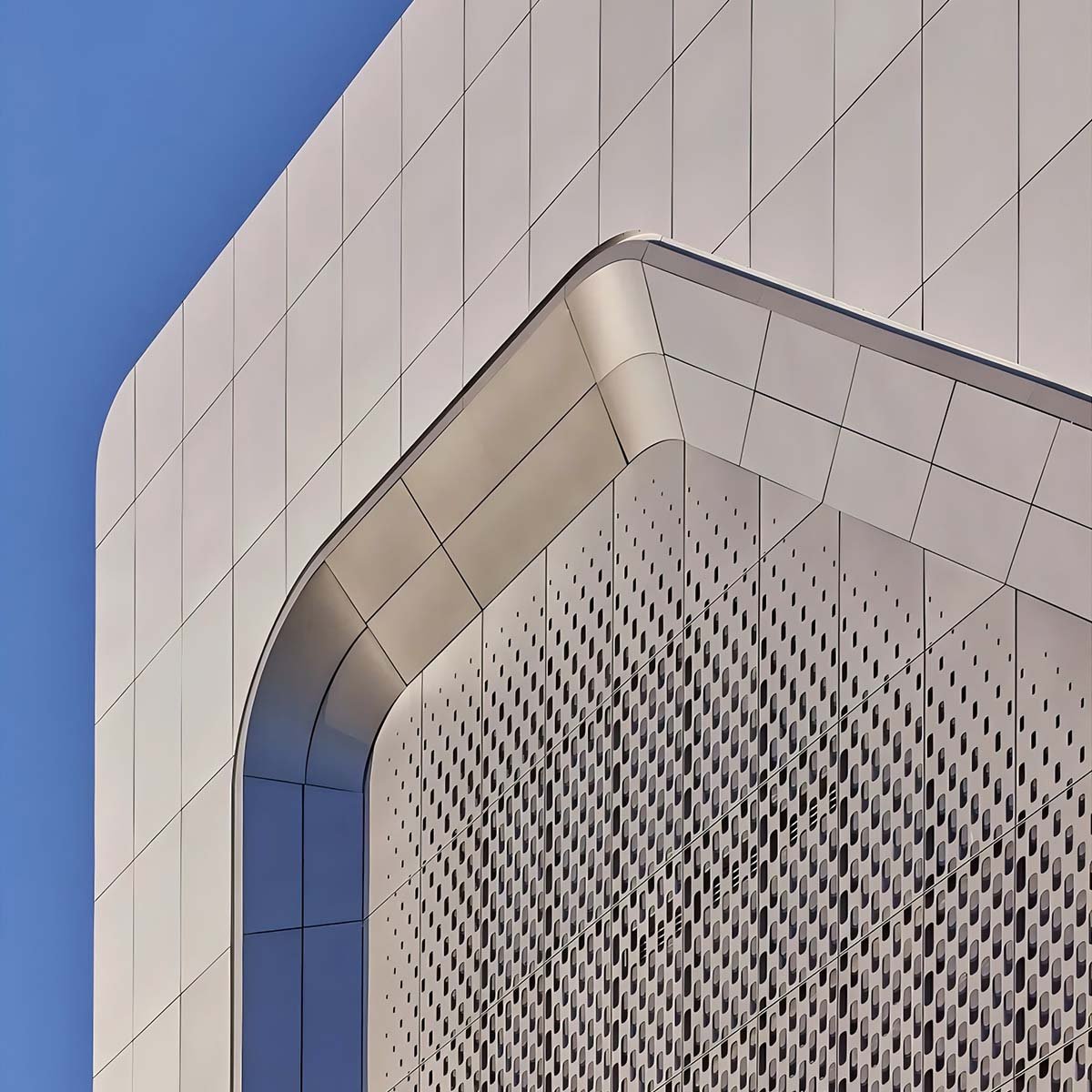
Aluminium powder coated is popular material for architecture project due to design flexibility and surface protection. It comes in a wide variety of colours, textures and finishes, making it suitable for exterior building elements and interior decorative features.
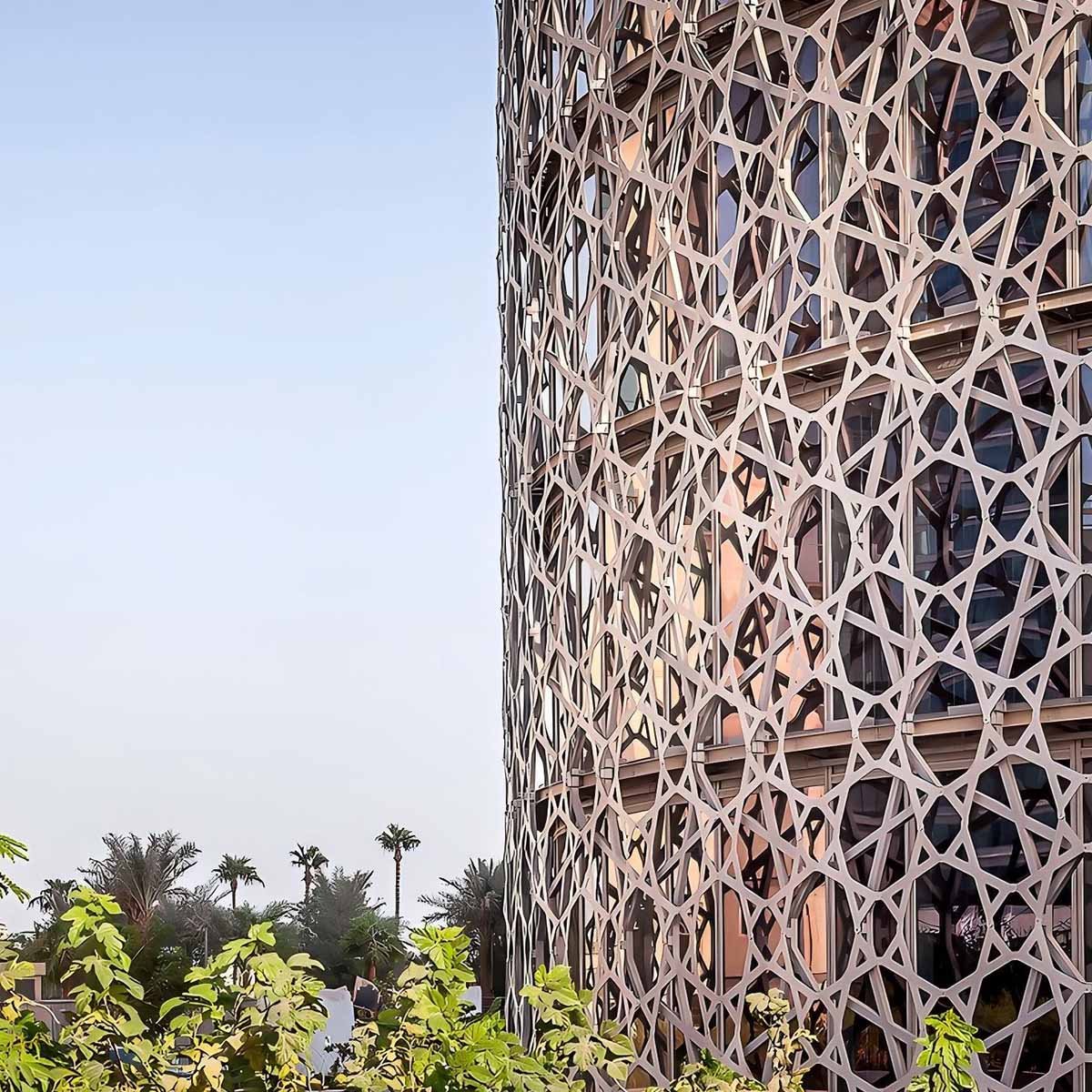
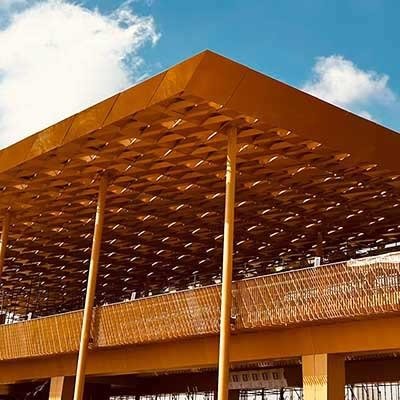
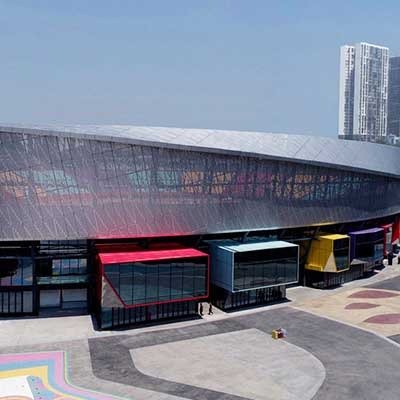
Building facades and Exterior Cladding
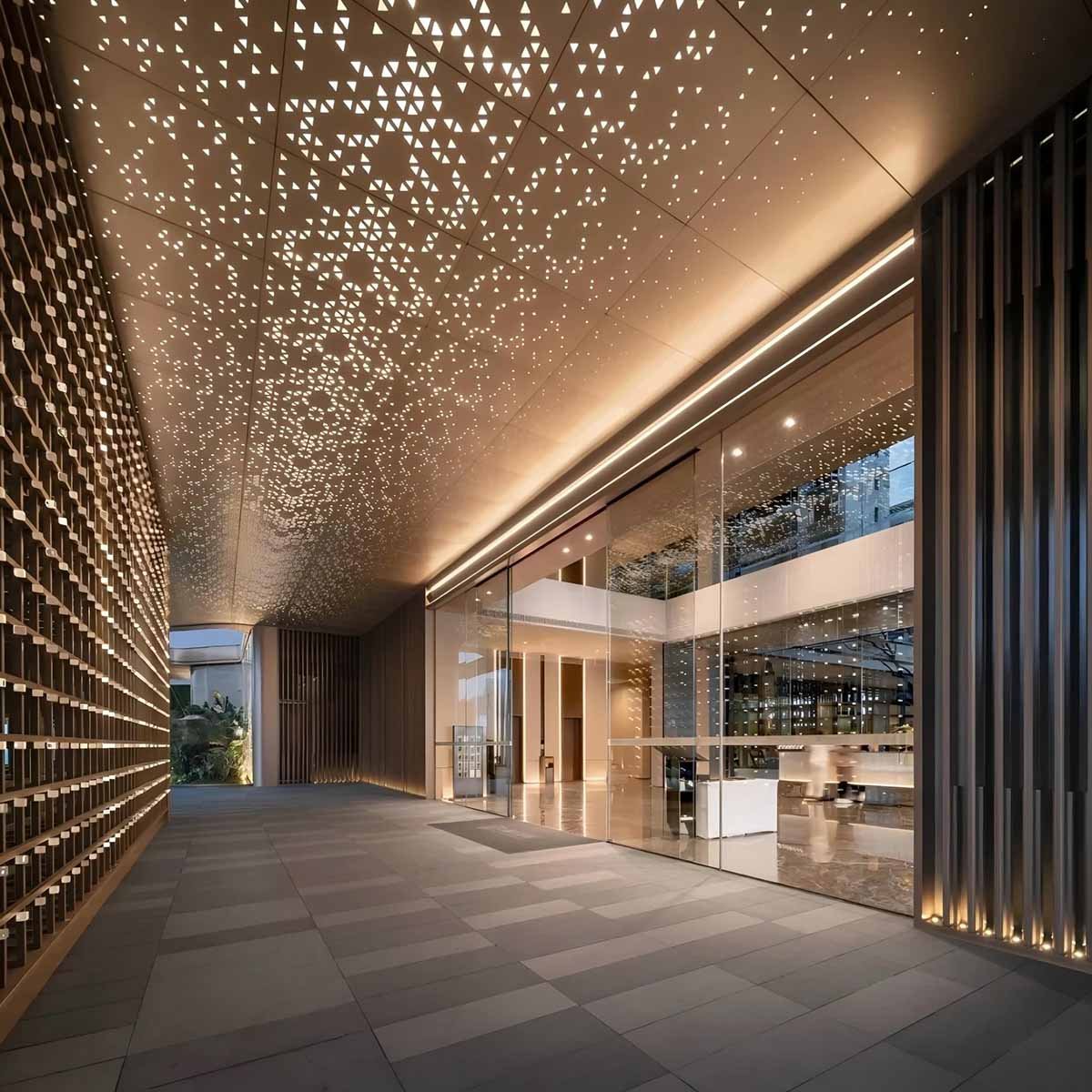
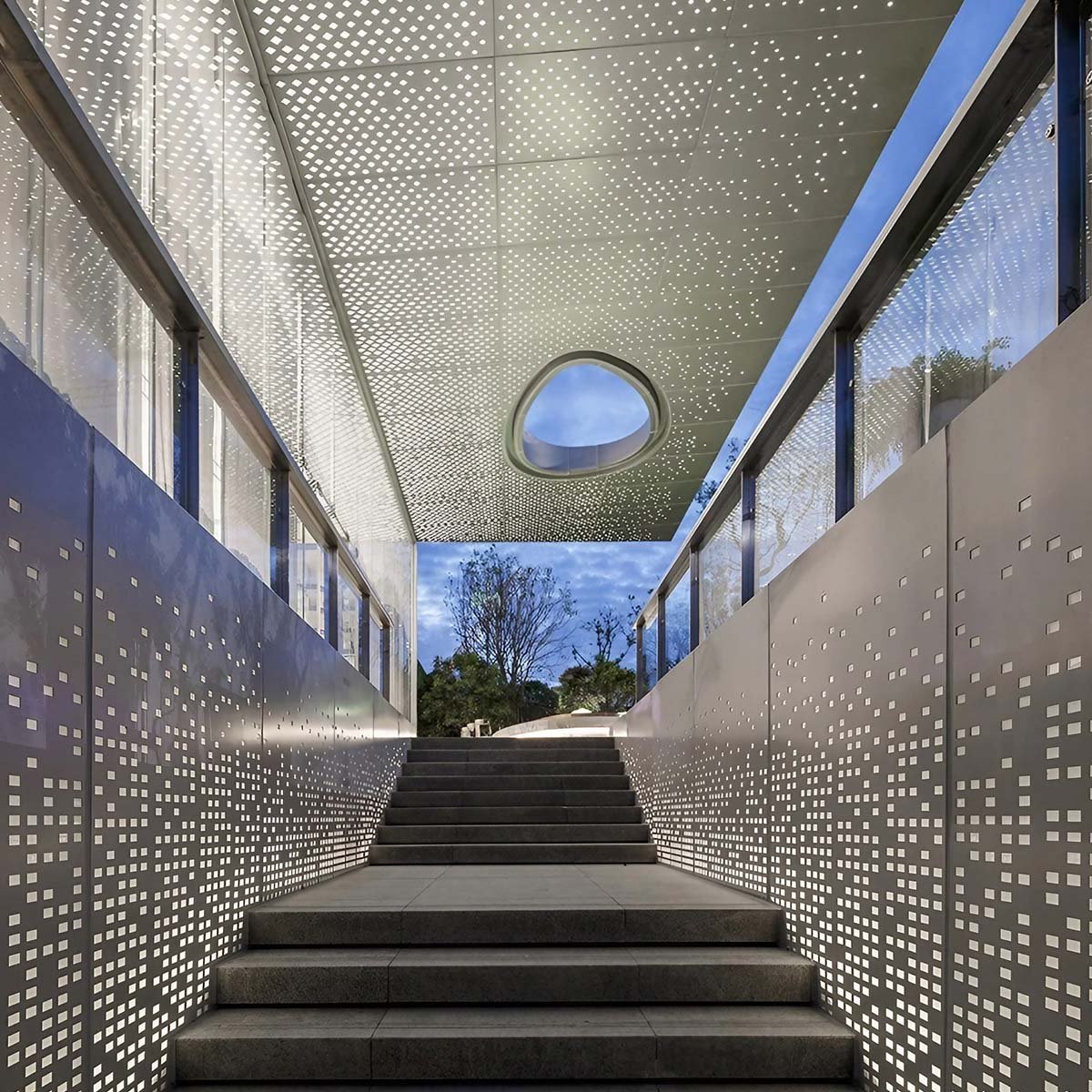
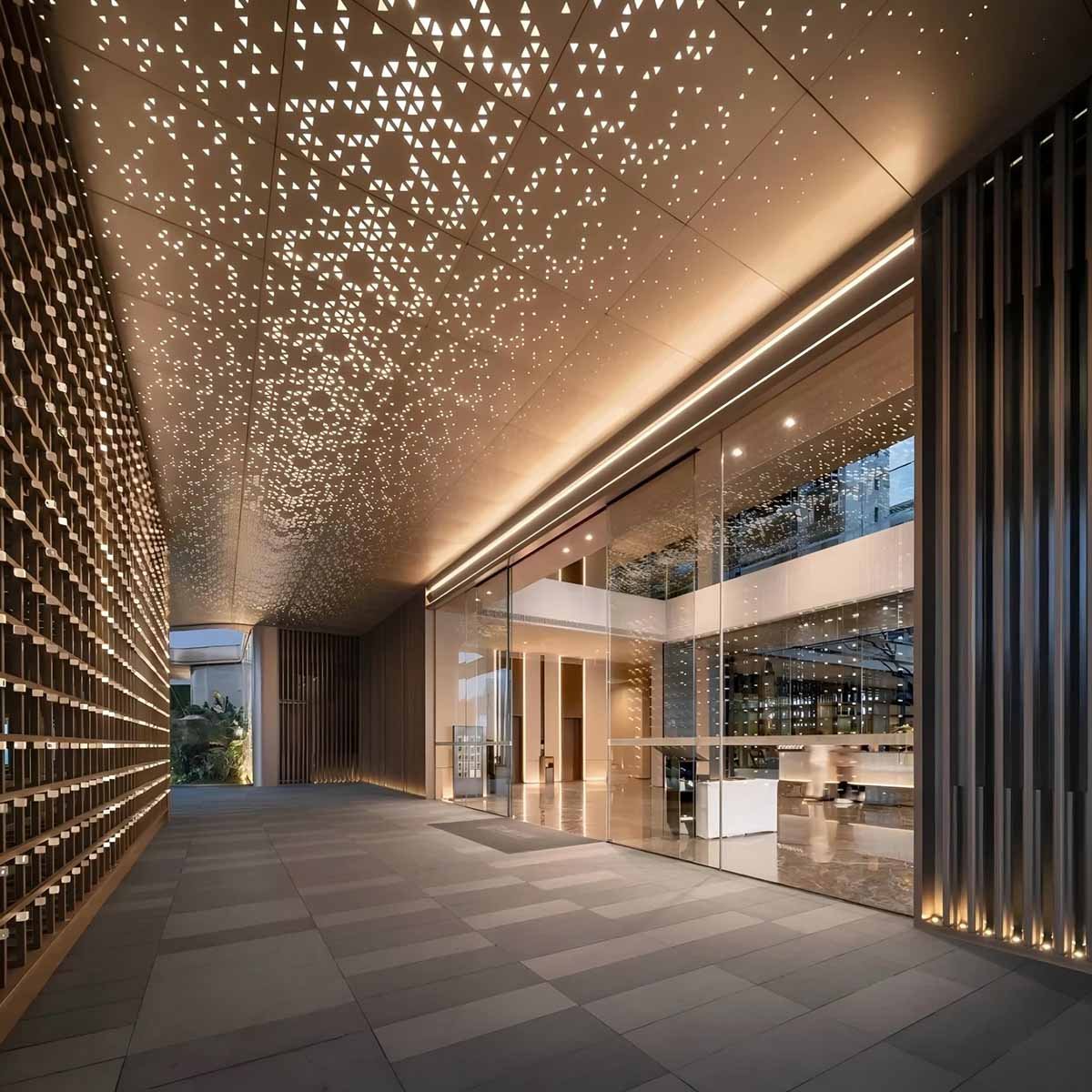
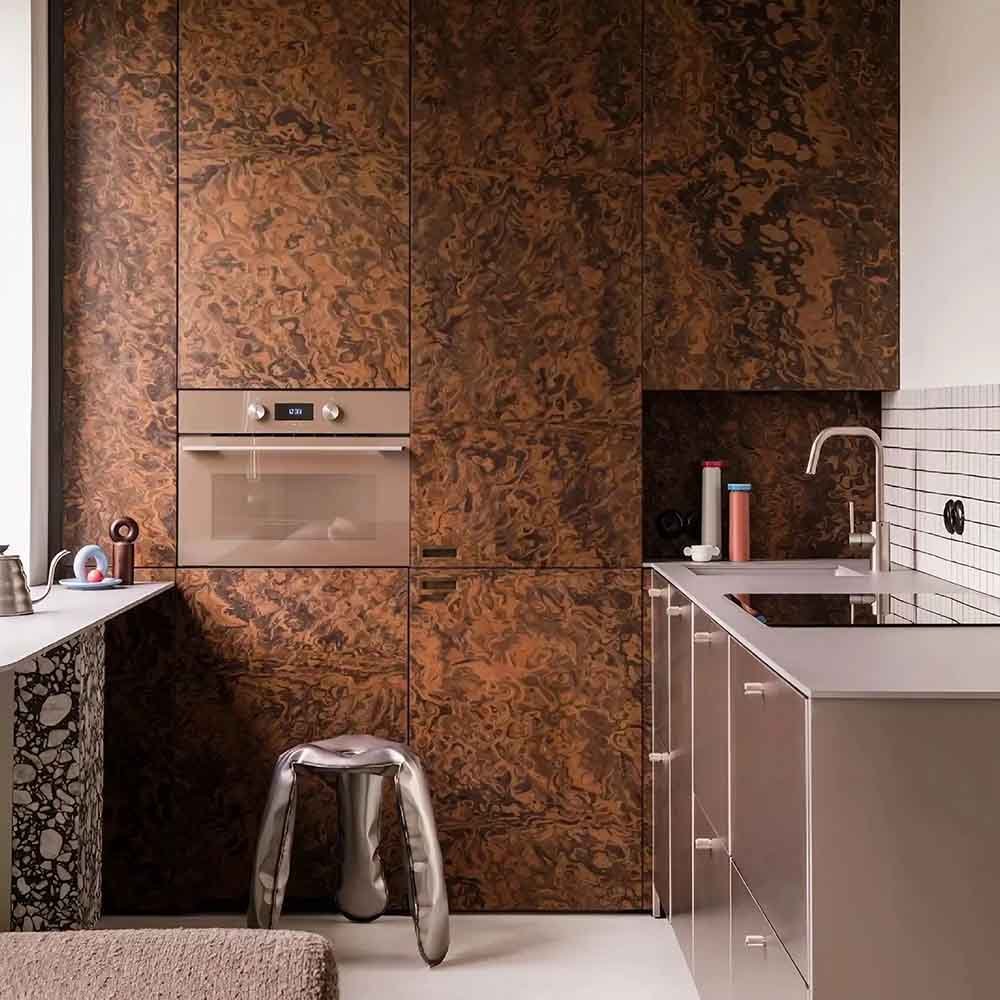
Interior Ceilings and Decorative Panels
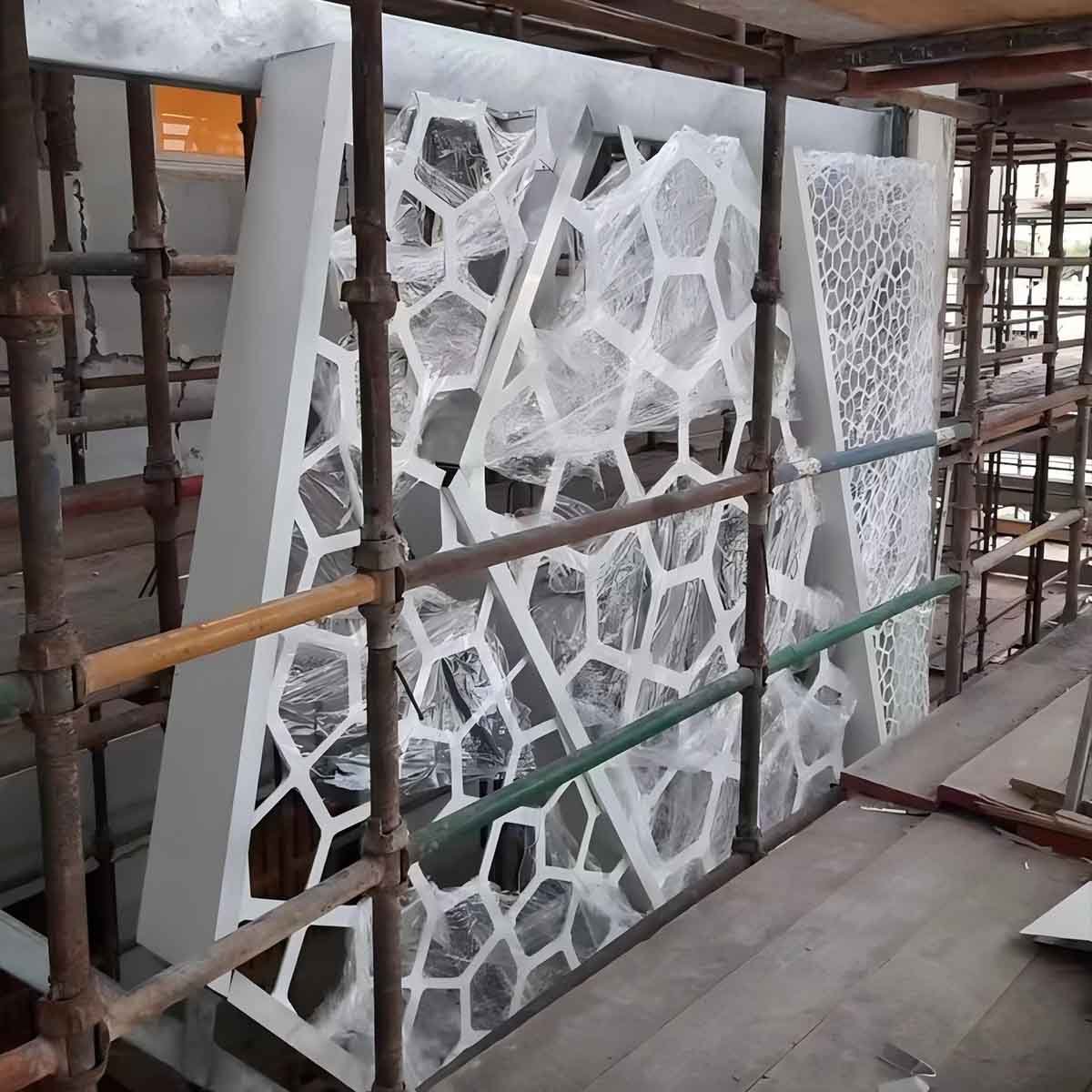
Privacy Screens and Architectural Screens
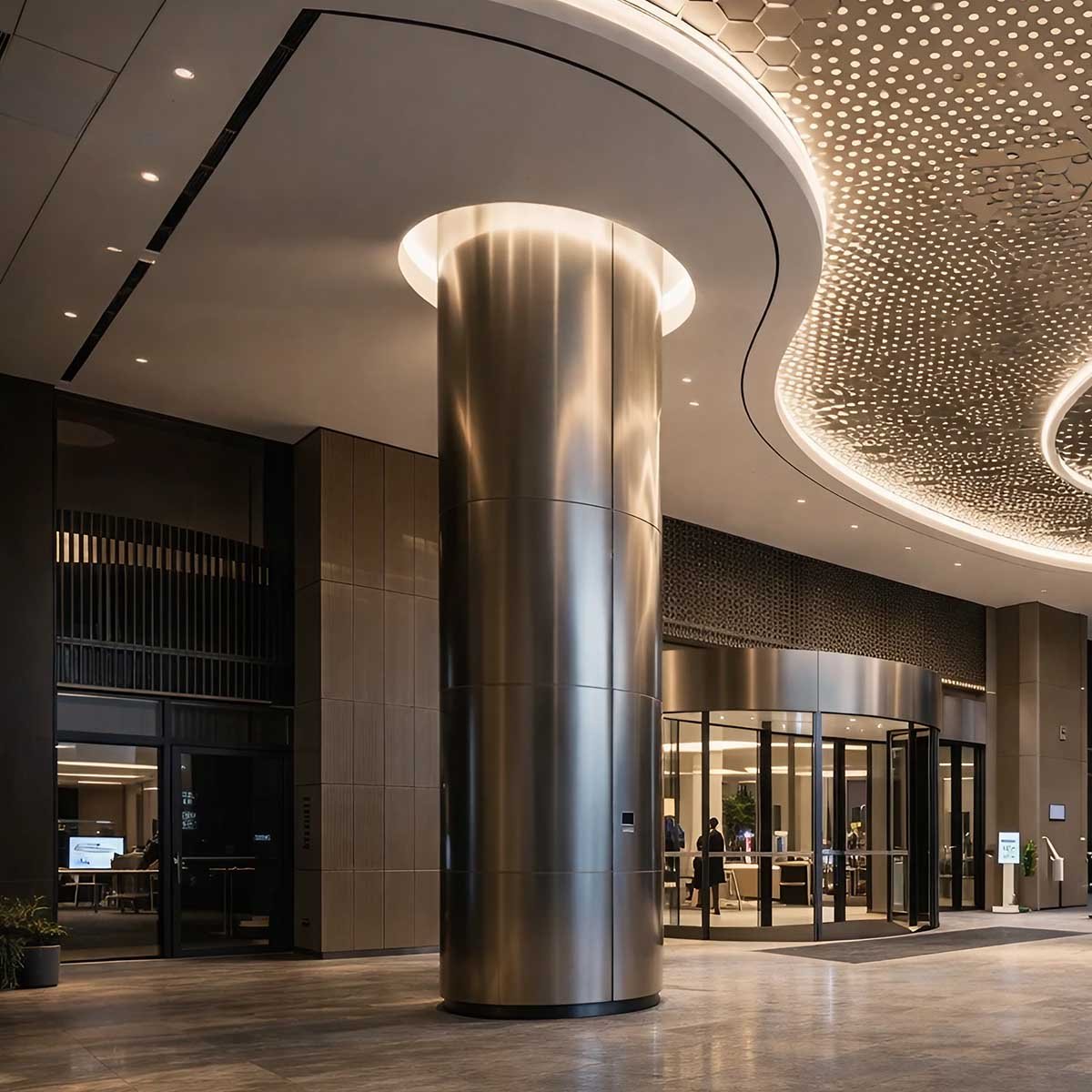
Column Covers and Interior Feature Elements
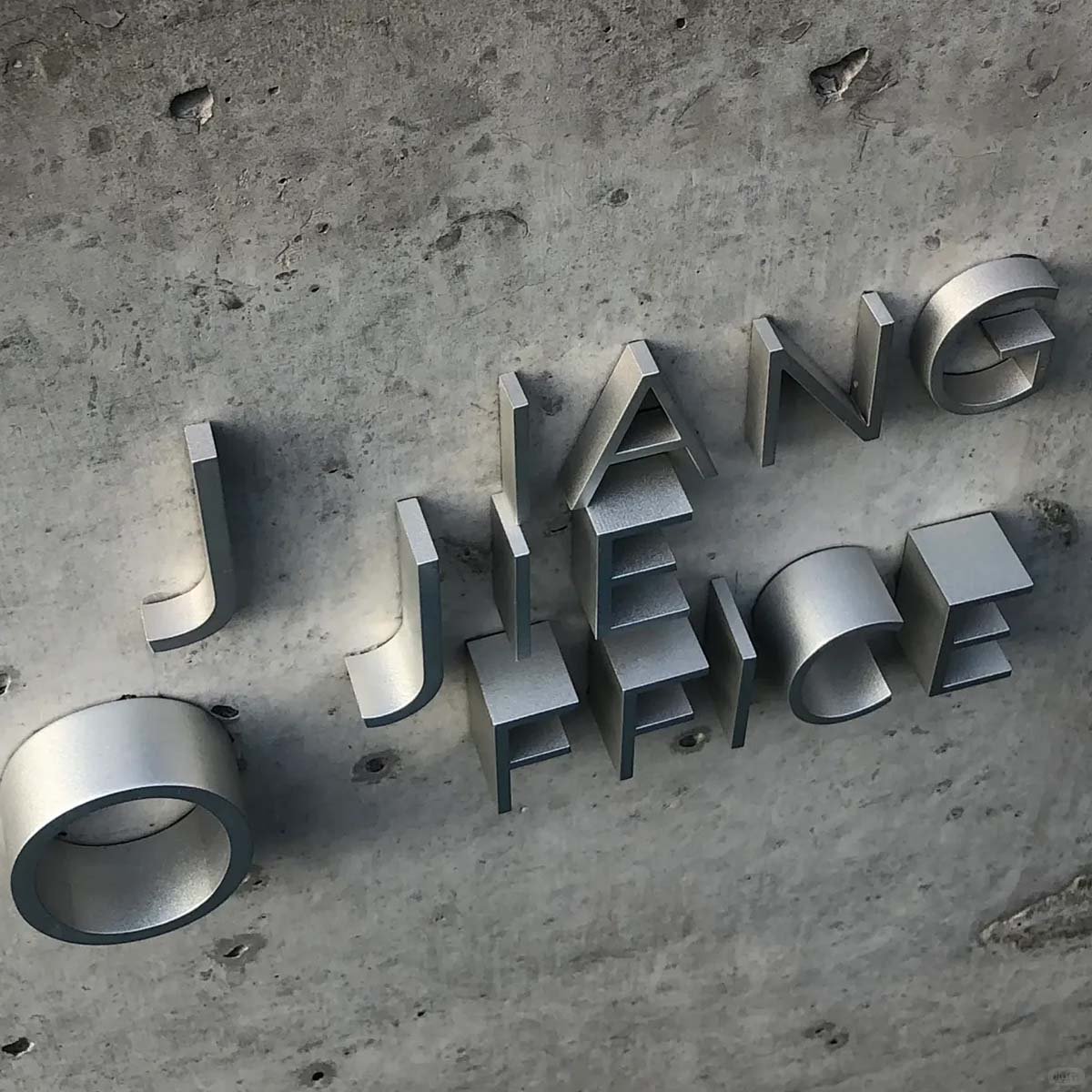
Other Architectural and Commercial Applications
Whether exterior envelopes or interior decorative features, powder coated aluminium provides integrated aesthetic and functional solutions, contributing to cohesive and enduring design over a range of architectural projects.
How to Choose Powder Coated Aluminium for a Project
When choosing powder coated aluminium, environmental exposure, coating performance, appearance and fabrication requirements must be taken into consideration. The following factors help ensure the finish meets the project’s functional and aesthetic needs.
Confirm the Application and Exposure
If they are placed outside or near the coast, consider that their environment may be more demanding than typical, and may need more protection from coating than an indoor environment.
Specify the Coating System
Check the powder type, thickness, colour, gloss and texture with suppliers. Satisfactory adhesion and surface finish is achieved through appropriate pretreatment and curing.
Check Quality Control and Testing
Examine coating thickness, adhesion, corrosion resistance and weathering test results and set standards and criteria for location, exposure, and performance.
Consider Fabrication and Installation
Ensure that fabrication timing and joint preparation are carefully planned to minimise coating damage and to reduce corrosion risks, as well as drainage and fasteners considerations.
Work With an Experienced Supplier
Select a supplier who is coordinating the selection of the materials, their fabrication, coating specifications and inspections, with clear documentation, approved samples and consistent production controls, for reliable architectural results.
Avoids premature failure and appearance degradation during the service life of the coating by coordinating factors such as site conditions, coating requirements, fabrication logistics and supplier capabilities early in the project.
Maintenance of Powder Coated Aluminium
The correct maintenance ensures good appearance and protection for powder coated aluminium. By undergoing regular cleaning and timely inspection, dirt can be avoided and surface damage can be detected early and prevented.
Routine Cleaning
Wipe down with warm water, soft cloth and mild detergent. Thoroughly rinse, dry to avoid watermark, and do not use abrasive pads or chemicals.
Inspect for Surface Damage
Check edges, joints, fixing points regularly for scratches, chips or peeling and repair them when necessary, using the manufacturer’s recommended repair techniques.
Remove Contaminants Promptly
Untreated finishes can be damaged by salt, industrial pollutants and construction residue; finishes in coastal or industrial environments may need more frequent cleaning.
Avoid Harsh Cleaning Methods
Do not use steel wool, cleaners containing harsh solvents or strong acids or alkaline materials unless approved; test cleaning products on a small inconspicuous area first.
Follow Manufacturer Recommendations
Frequency of cleaning depends on the environment, coating and exposure. Follow the manufacturer’s instructions to keep the finish and ensure it will last as long as specified.
These simple maintenance practices will help powder coated aluminium maintain its appealing appearance and effective corrosion protection for a longer time.
Expert Insights on Powder Coated Aluminium
“If you’re choosing powder coated aluminium for an architectural application, consider more than the colour and look. The substrate preparation, coating specifications, fabrication methods, and environmental exposure will affect the performance of the final product.”
– Emphasize surface preparation: Adequate cleaning and pretreatment is critical for coating adhesion and corrosion protection.
– Coating selection should be based on the environment: Exterior-grade powders should be used according to UV, humidity, coastal and industrial conditions.
– Ensure finish consistency: Approved colour samples and batch tolerances prior to production, especially when working with larger facades and projects that involve multiple components.
– Coordinate fabrication in advance: Cutting, drilling and other work could have a negative effect on the coating if they are done post application. Check the manufacturing process before production.
– Analyze technical data: such as coating thickness, adhesion, corrosion resistance, and weathering test results, to ensure they meet project standards, and not just general durability claims.
By working closely with an experienced aluminium supplier, architects, contractors and developers can ensure that materials, finishes, fabrication and installation are all in sync, leading to a more streamlined and efficient project delivery.
Need reliable powder coated aluminium for your architectural project? Get in touch with TBK Metal to explore customised components, colour options, and finishing solutions tailored to your requirements.
Why Choose TBK Metal for Powder Coated Aluminium Solutions?
The architectural metal fabrication expertise of TBK Metal coupled with the customised manufacturing guarantees uniformity of finishes, adherence to dimensional accuracy and coordinated aluminium product to meet the client’s design intent and project requirement.
Custom Manufacturing Capabilities
Finish and Design Flexibility
Experience Across Architectural Projects
Project-Focused Support
If you have architectural aluminium needs and wish to discuss them with TBK Metal, please consider the customised solutions that might be available for your next project.
FAQus About Powder Coated Aluminium
Q1. How Long Does Powder Coated Aluminium Last?
Q2. Can Powder Coated Aluminium Be Recycled?
Q3. Can Powder Coated Aluminium Be Repaired if Scratched?
Q4. Is Powder Coated Aluminium Suitable for Coastal Areas?
Q5. Can Powder Coated Aluminium Be Used for Food-Related Applications?
Q6. Does Powder Coated Aluminium Fade in Sunlight?
Q7. Can Powder Coated Aluminium Be Painted Again?
Q8. What Information Should I Provide When Requesting a Powder Coated Aluminium Quote?
Conclusion
For architectural use, powder coated aluminium provides flexibility of surface protection, colour and design. Choosing the correct coating system and applying it correctly is critical to ensure the consistent appearance and long-term reliability.
TBK Metal offers bespoke aluminium solutions for your project requirements for facades, ceilings, screens and decorative elements. Please reach out to us and talk about your project and what finishing you may be looking for.
Contact Request
Contact TBK Metal to explore powder coated aluminium solutions tailored to your architectural requirements, preferred finishes, and project specifications.