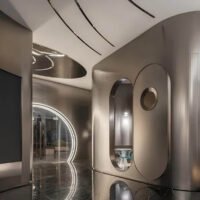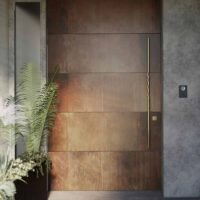




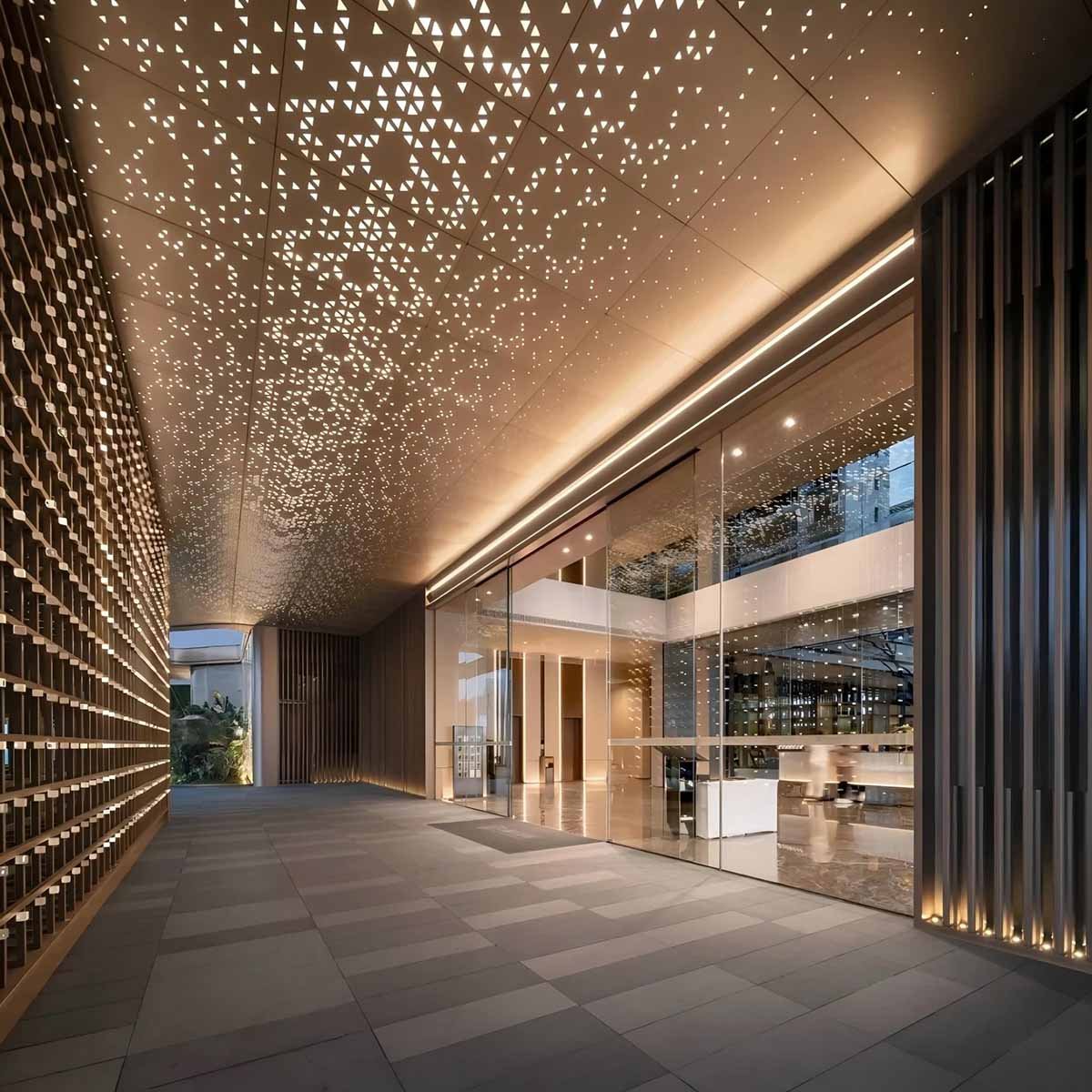
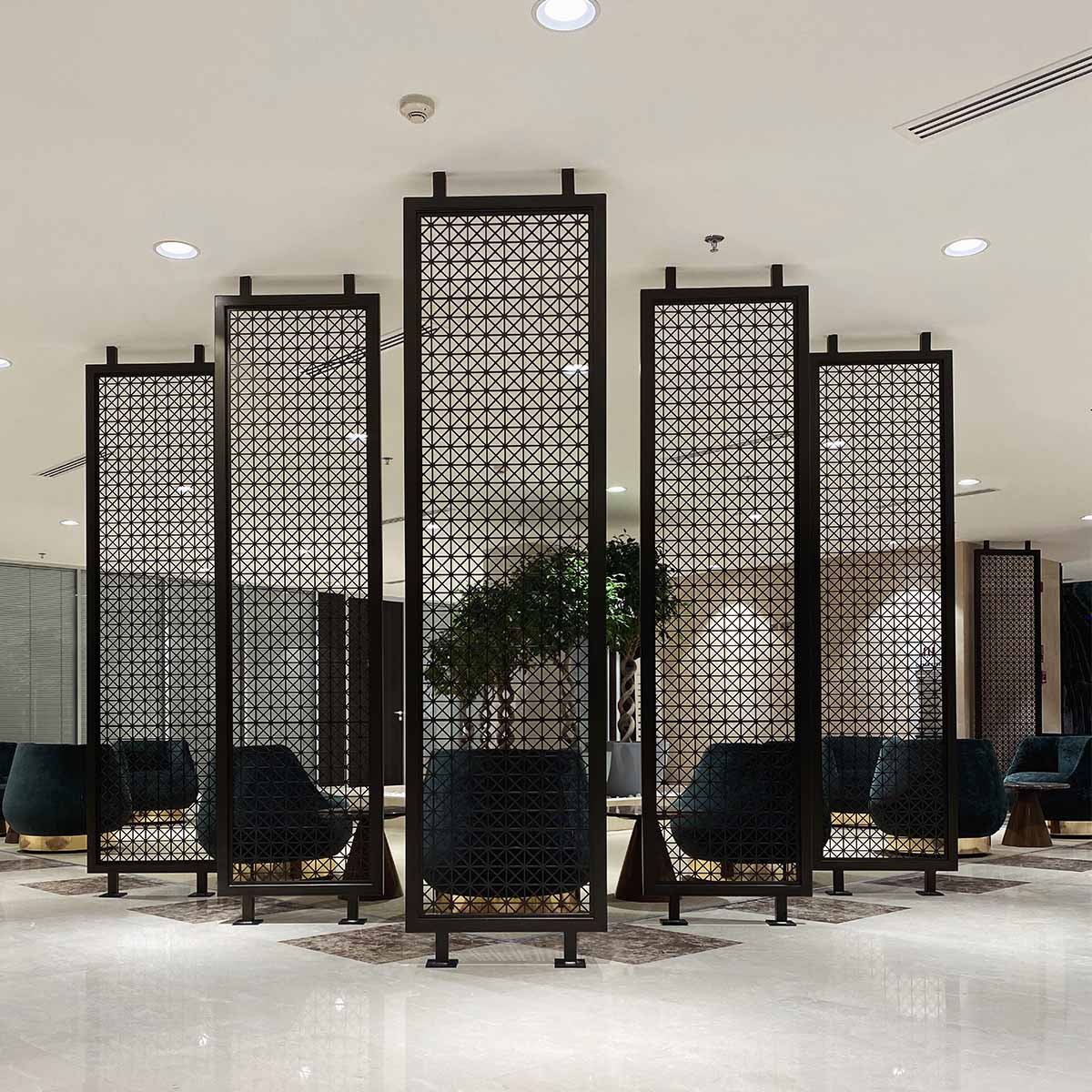
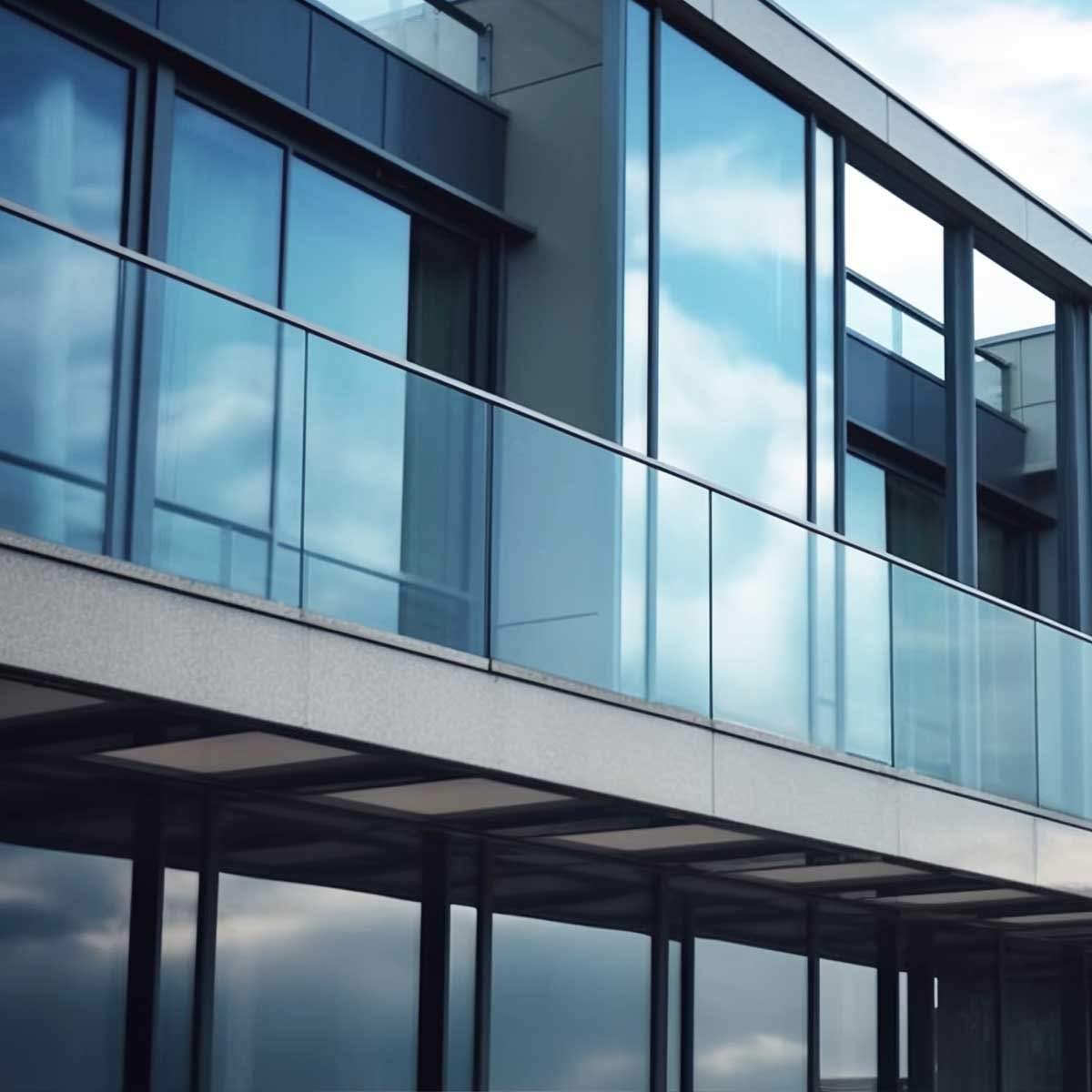
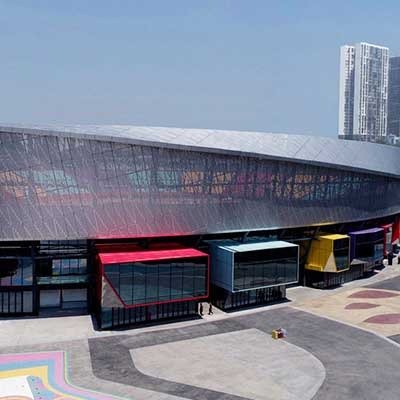
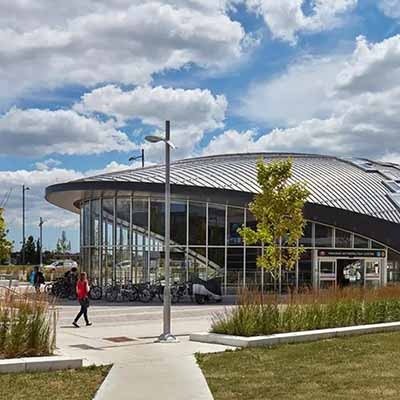
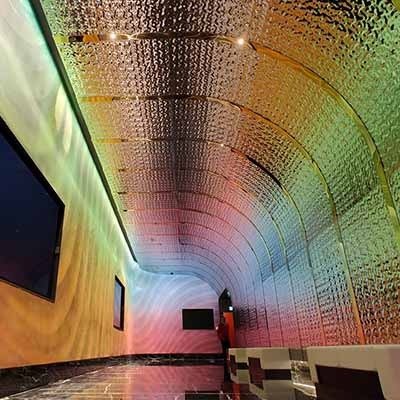


PVDF coating is frequently applied to buildings where long-term colour stability, weather resistance and surface integrity are important considerations. It provides an effective exterior surface finish for use in demanding environments.
Selecting the right PVDF coating requires an understanding of the finish options, performance characteristics, application methods, and maintenance requirements. The following factors contribute to the sustainability of the results.
Table of Contents
ToggleWhat Is a Patina Finish?
PVDF coating is a high performance fluoropolymer coating that uses the resin polyvinylidene fluoride. It guards architectural metal surfaces from UV rays, weathering and environmental exposure and helps to maintain colour and gloss.
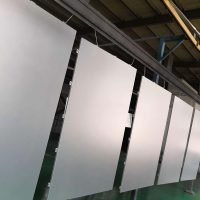
PVDF coating can be applied on aluminium panels as well as aluminium alloy substrates and is offered in different colours and sheens. The durability of it is dependent on the coating specifications, surface preparation, coating quality and environmental conditions.
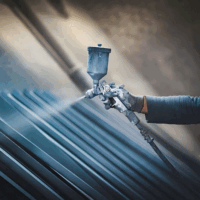
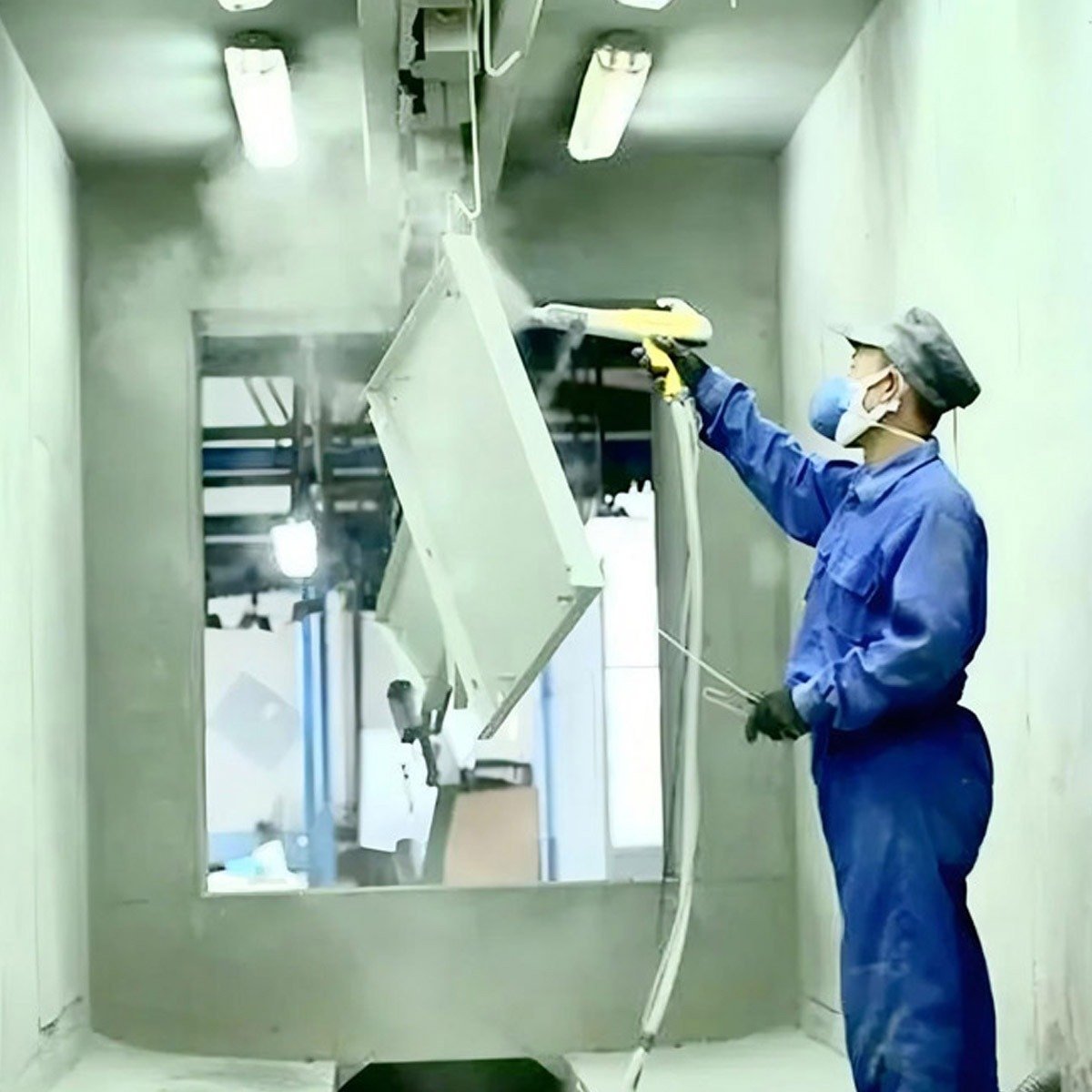
How Is PVDF Coating Applied to Aluminium?
In general, the coating of PVDF is carried out by controlling each stage of the process in a multi-stage process to ensure that the coating is properly adhered to the surface of the aluminium and provides protection and uniformity of the finish.
I. Surface Preparation
Aluminium surfaces are cleaned and pretreated in order to remove contaminants and enhance coating adhesion.
II. Primer and Topcoat Application
A primer and PVDF finish coating are applied as per the coating system specified, which provides protection and the desired colour/appearance.
III. Curing
The process of coated panels passing through a controlled curing process to create the desired properties of the coating.
IV. Quality Inspection
Surfaced is inspected for film thickness, adhesion, shade and surface defects in accordance with project requirements.
For reliable performance and long term durability, it is essential that preparations and application are done correctly in architectural applications.
Types of PVDF Coating Finishes
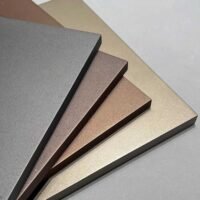
PVDF coating finishes are available in different colours, sheen levels and visual effects, allowing architects to coordinate metal surfaces with various building styles.
Solid Colour PVDF Coating
Metallic PVDF Coating
Matte, Satin and Gloss PVDF Finishes
Custom Colours and Special Effects
PVDF is a coating that ensures outdoor durability, regardless of finish. Consistent results over a lifetime; early samples approved and strict quality control.
Looking for reliable PVDF-coated aluminium products for your next project? Contact TBK Metal to discuss your design requirements, explore available finishes, and find suitable solutions for your architectural applications.
Key Benefits of PVDF Coating
The PVDF coating offers several advantages for architectural metal products, particularly those intended for outdoor use, where optimal performance and appearance over time require long-lasting durability, stable colour retention and low maintenance.
Excellent Weather and UV Resistance
Long-Term Colour and Gloss Retention
Corrosion and Chemical Resistance
Low Maintenance Requirements
Design Flexibility
The aesthetics and functionality offered by PVDF coating make it a high-end coating option for the exterior of aluminium and architectural metals and a global choice for long-lasting façade performance.
PVDF Coating vs Other Aluminium Finishes
Choices of aluminium finishes are determined by environmental exposure, appearance, maintenance and budget. There are PVDF coatings that work well on exteriors that need to retain their colour; however, there are other coatings that perform and look different.
| Finish | Key Characteristics | Common Applications |
| PVDF coating | Excellent weather resistance and colour retention | Exterior façades and cladding panels |
| powder coating | Wide colour selection and varied surface textures | Interior and exterior architectural components |
| anodising | Electrochemically formed oxide layer with a metallic appearance | Façade panels, trims and decorative components |
PVDF Coating vs Powder Coating
Both finishes come in different colours, and it depends on the formulation and application for performance. Powder coated aluminium is used for architectural components, and PVDF systems are used for large exterior surfaces that are subject to harsh environments.
PVDF Coating vs Anodising
For PVDF coating, an organic protective layer and flexible colour options are provided, and for anodised aluminium, an integrated oxide layer and metallic appearance are provided. Selection is based on finish preferences, exposure, project specifications.
There are pros and cons to each of the finishing methods. A successful, long lasting façade solution over time is achieved by matching finish performance to exterior exposure and design goals.
Common Applications of PVDF Coating in Architecture
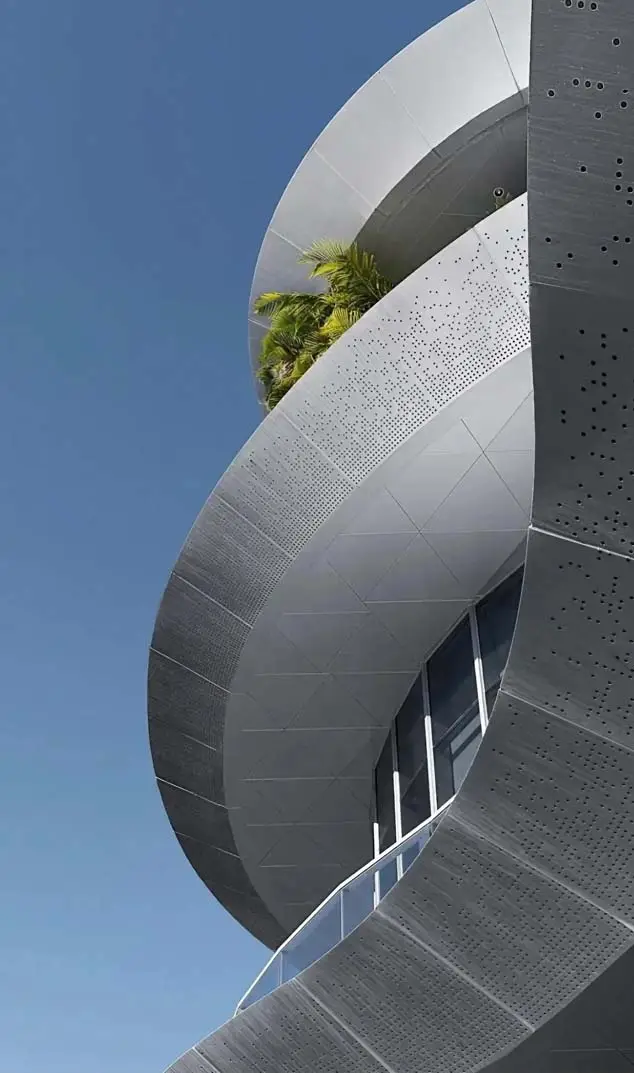
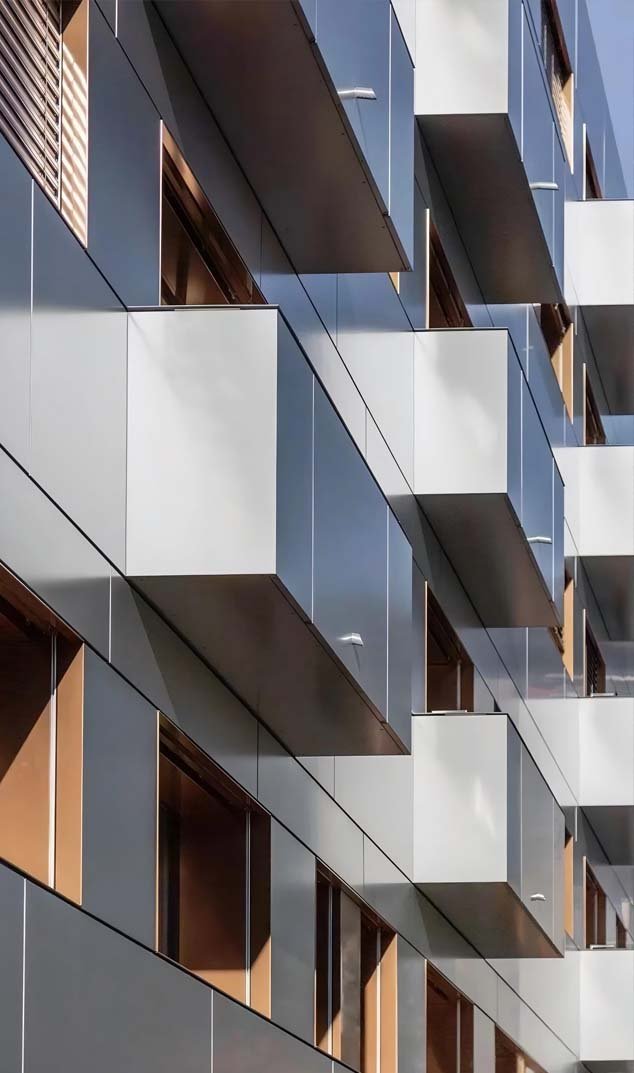
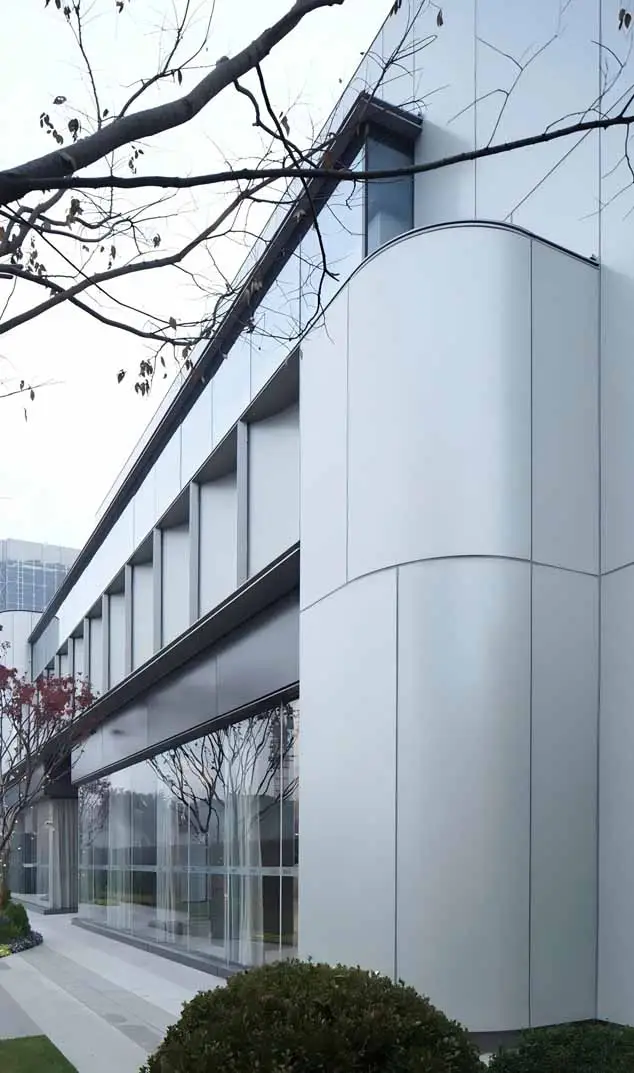
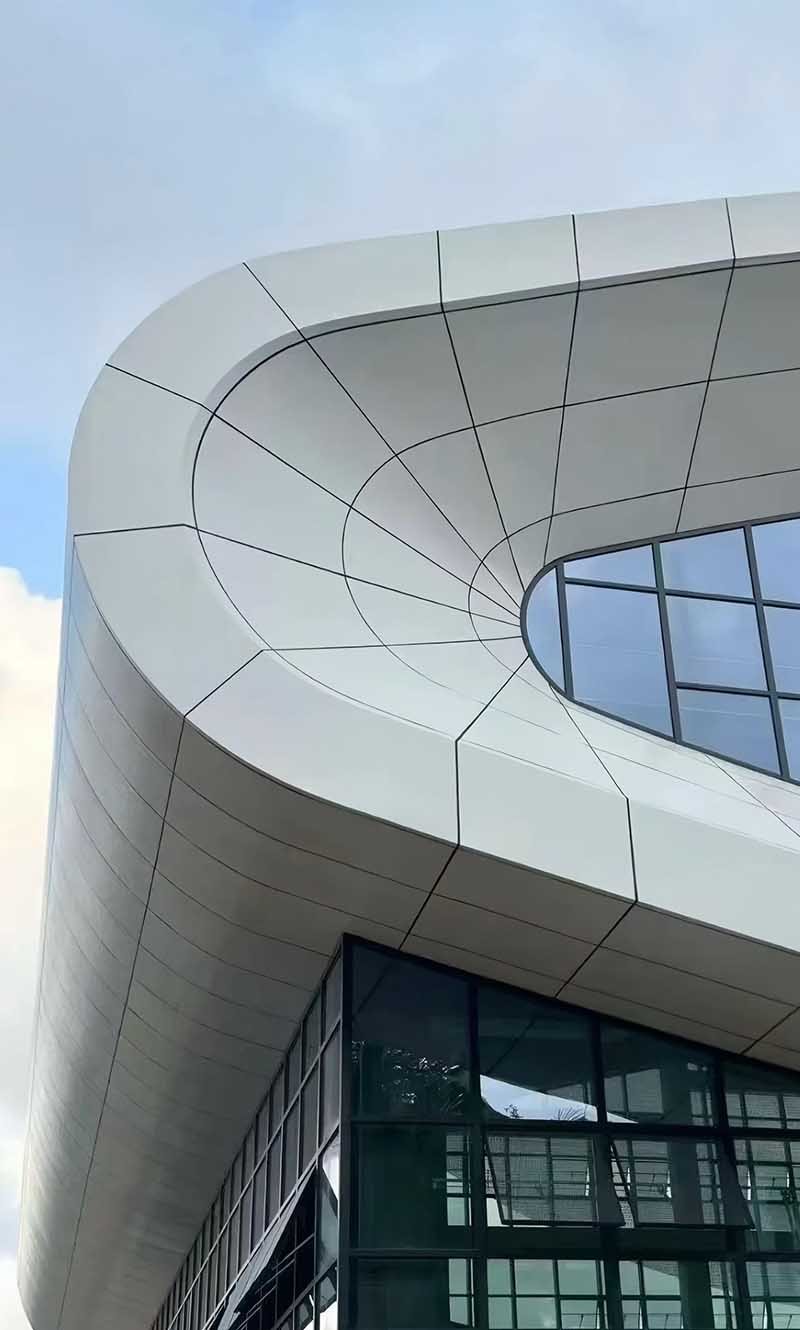
PVDF coating is extensively used in building applications where weather resistance and color stability and durability of the surface is desired. Its versatility makes it suitable for various building components.
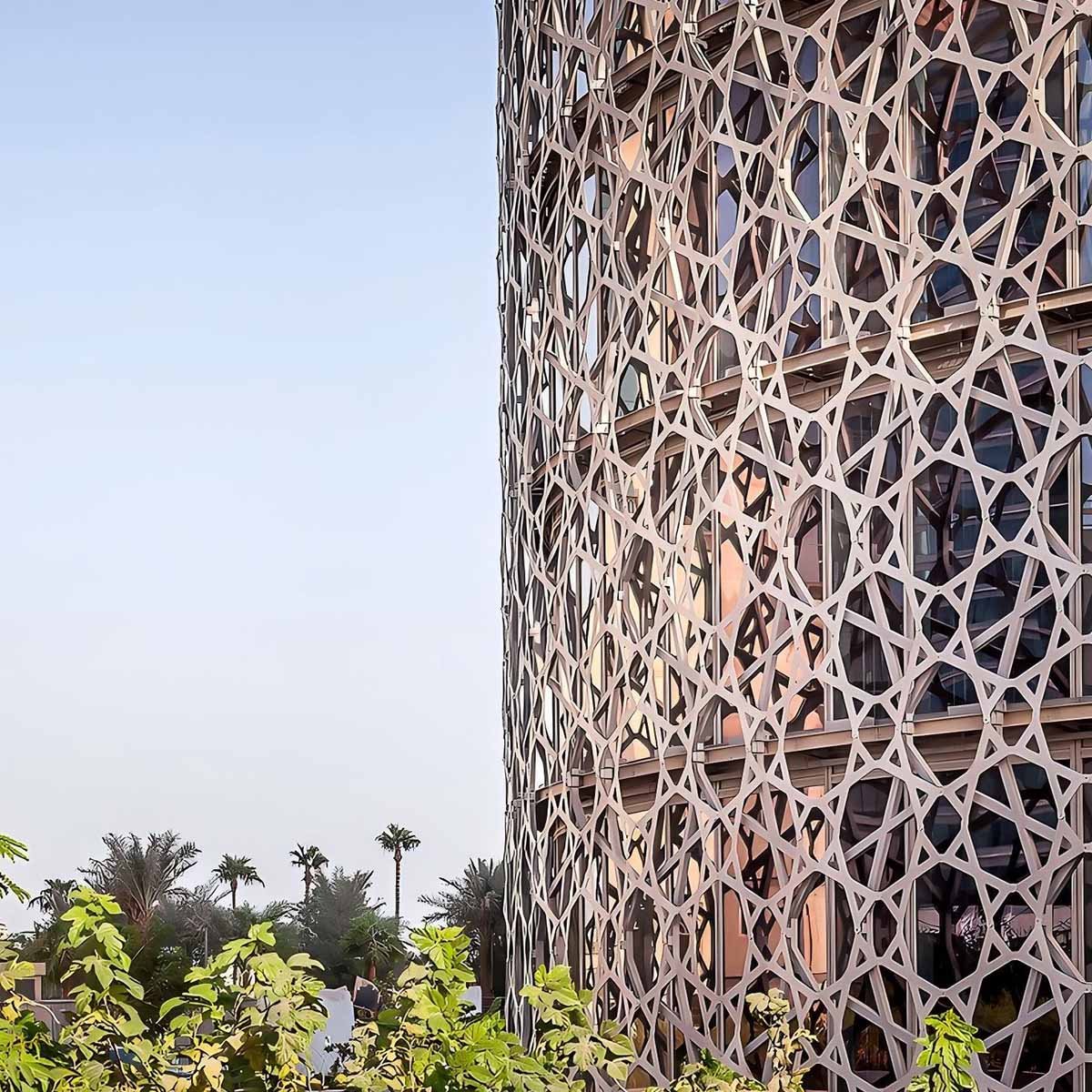
Exterior Facades and Wall Cladding
Aluminium Ceiling Systems
Privacy Screens and Architectural Sunshades
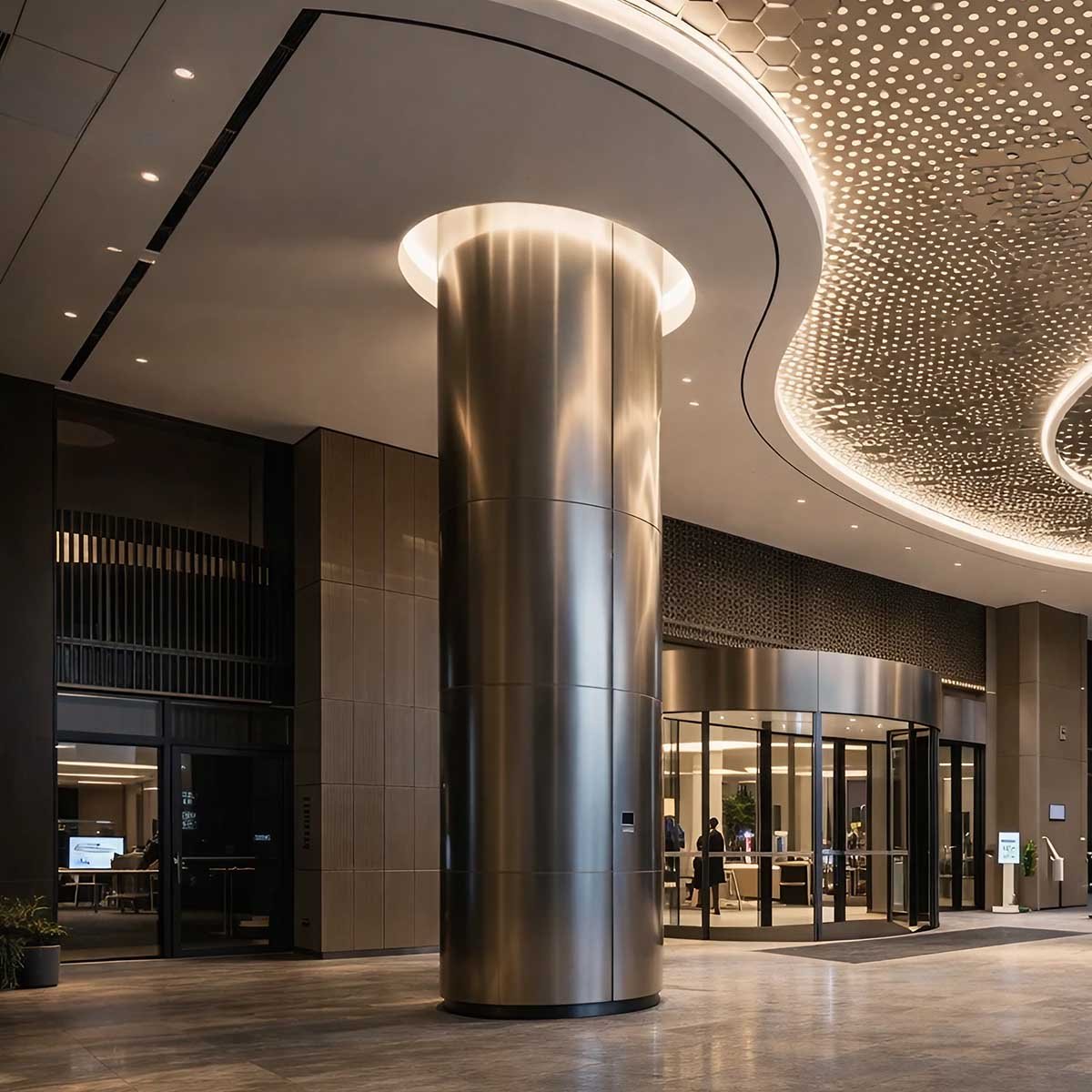
Column Covers and Decorative Metal Features
Commercial, Residential and Public Buildings
Whether applied to a large facade system or small decorative metal elements, PVDF coating provides consistent exterior durability, providing a versatile finish that is an excellent choice for the modern building facade.
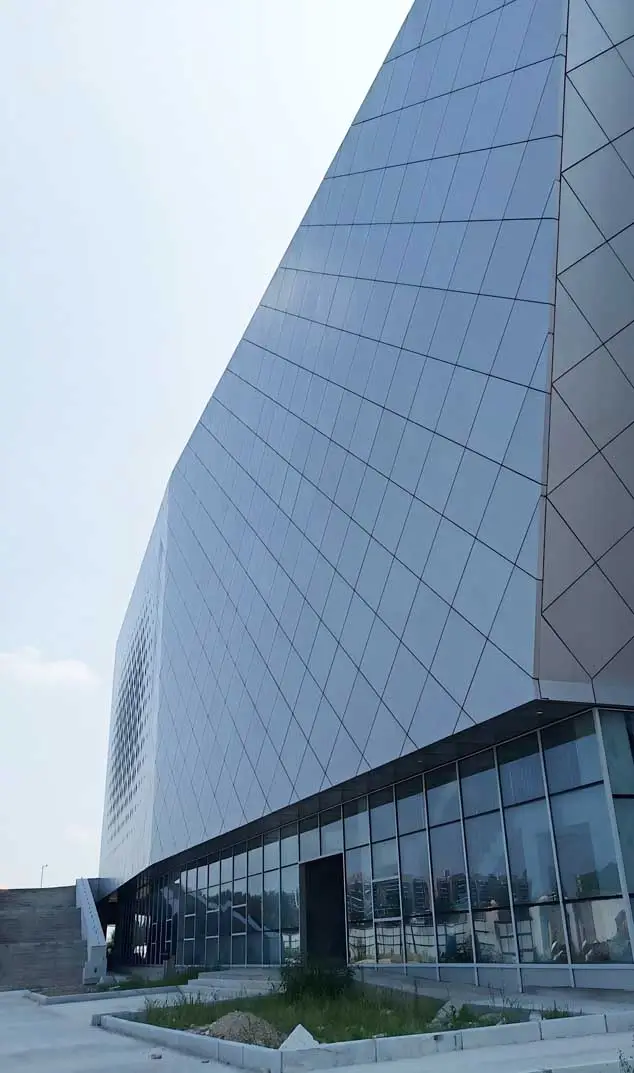
PVDF Coating Maintenance and Service Life
The advantages of PVDF coating are its durability and its low maintenance. The service life, however, will be dependent on the quality of the coating, exposure to the environment, installation conditions/situations and periodic maintenance during the service life.
Factors That Affect PVDF Coating Durability
Over time, coating performance is impacted by UV exposure, coastal salt, pollution and moisture. Good preparation, specifications and application quality will help to keep protection and appearance.
How to Clean PVDF-Coated Surfaces
Use water, mild detergent and soft cloth regularly to clean surfaces. Do not use abrasives or harsh chemicals, use manufacturer’s maintenance guidelines.
Common PVDF Coating Problems and Prevention
Exposure, improper application, damage or lack of proper maintenance can cause fading, chalking, peeling and staining. Problems may be spotted early with suitable coatings and regular inspections.
How to Extend the Service Life of PVDF Finishes
Establish a cleaning program according to local conditions, monitor surfaces regularly, make repairs immediately, and refer to manufacturer’s recommendations to maintain finishes and service life.
In conclusion, the lifetime of the PVDF coating is not always ensured by the material. A maintenance plan is essential to retain the look and function of the Facade for the long term for the specific site.
PVDF Coating Design Ideas for Modern Buildings
PVDF coating offers a wide range of colour and surface finishes to achieve unique exterior designs for a building, and provides uniform finishes for different architectural metal components.
Neutral Colours for Contemporary Facades
Metallic Finishes for a Premium Appearance
Contrasting Colours and Two-Tone Facades
Coordinating Cladding, Ceilings and Screens
PVDF coatings can be used in a range of architectural applications, offering a compromise between design flexibility and outdoor durability from subtle neutral colours to bold two tone designs.
How to Choose the Right PVDF Coating for Your Project
The selection of the appropriate PVDF coating depends on environmental conditions, appearance, durability, and cost. These are all significant considerations before finalizing your architectural metal specifications for suitability to the project need.
Assess Environmental Exposure
Evaluate UV, rainfall, humidity, coastal salt and pollution. Coatings systems that have been specifically tested and approved for challenging environments may be required.
Check Coating Specifications and Performance
Review the resin formulation, coating system, thickness, adhesion and weathering tests to verify that coating specification are in compliance with the project requirements and not just the PVDF specification.
Confirm Substrate and Surface Preparation
Implement the following steps to ensure compatibility of substrates and applying appropriate cleaning and pretreatment measures to achieve better coating adhesion and lower chance of early coating failures.
Review Colour Samples and Project Consistency
Ask for samples to evaluate colour, gloss and metallic qualities under various light sources. Verify colour references & batch consistency for phased manufacturing or installation.
Compare Cost, Maintenance and Expected Service Life
Evaluate initial setting up costs, cleaning requirements, and environmental exposure and service life to control maintenance costs and meet project appearance and performance requirements.
The very best PVDF coating is not just the highest quality available, it is the one that is custom tailored to fit your site, design goals and full life-cycle budget.
Planning an architectural project that requires durable metal finishes? Get in touch with TBK Metal to explore PVDF coating options, discuss product specifications, and request a tailored quotation today.
Why Choose TBK Metal for PVDF-Coated Aluminium Products?
The range of metal products, finishes and customised solutions provided to support a variety of architectural building projects has enabled TBK Metal to build up a wealth of experience in architectural metal works.
Extensive Architectural Project Experience
Manufacturing Capabilities and Material Options
Finish Selection and Project Coordination
Solutions for Diverse Architectural Applications
From commercial, residential or public building projects, the TBK Metal PVDF aluminium product is provided in a mixture of design intent, performance and project schedule.
FAQs About PVDF Coating
Q1. Is PVDF coating suitable for coastal environments?
Q2. Can PVDF coating be repaired if the surface is scratched?
Q3. Is PVDF coating environmentally friendly?
Q4. Can PVDF-coated aluminium be recycled?
Q5. Is PVDF coating suitable for interior applications?
Q6. Does PVDF coating require a special warranty?
Q7. Can PVDF coating be applied to existing aluminium surfaces?
Q8. What information should be included in a PVDF coating specification?
Conclusion
The PVDF coating provides a long-lasting finish for architectural metal products that are weather resistant, colour stable and flexible in design. The optimum coating system will be evaluated to ensure appearance and performance requirements for the project.
Whether you are working on architectural projects, TBK Metal has a wide variety of metal products and finishes that can help you achieve the desired results. Speak with our team about your particular requirements and the solutions that can be used for your next project.
Contact Request
Contact TBK Metal to explore PVDF-coated aluminium products, discuss your project requirements, and request a tailored quotation for your next architectural project.