











Architecturally, the sustainability of stainless steel makes it a favored material as the building cultures toward a greener future. This blog focuses on the significance of the said concept in contemporary architectural design, as well as on its use and importance.
Learn about the sensational appeal of water ripple stainless steel and ways in which it is considered environmentally friendly. Discover the creative use of stainless steel wall panels as a part of revolutionized design for progress and environmental responsibility.
Table of Contents
ToggleThe Sustainable Side of Stainless Steel in Architecture
Stainless steel for example is one of the best options when it comes to sustainability in architecture and it has many pros to those who are conscious of our environment. It is now that we can find out the features that would support its sustainable position in construction.
Recyclability and Long Lifespan
Recycling is another attribute of stainless steel where the metal emerges as a far superior green product. Closed-loop recycling retains its attributes, and reduces the requirement for virgin materials, thus being an environmentally friendly product.
Among the identified attributes, one can single out the environmental advantage of stainless steel: recyclability. Being fully recyclable not only several times but retaining its characteristics, saves a huge amount of raw materials needed to produce it.
Corrosion Resistance for Extended Building Lifetimes
It makes stainless steel unique because of its combination of elements which when combined afford it high levels of corrosion resistance; it will not rust or degrade under conditions such as near the coastline or areas with highly contaminated air.
Fragile architectural features, such as water ripple stainless steel, stainless steel wall cladding, and wall panels do not wear out or break for years, if not for decades because of stainless steel resilience, meaning they rarely require a replacement or repair.
Positive Environmental Impact of Sustainable Design Choices
Architects and designers opt for this material as it is environmentally friendly, thus decreasing the environmental impact of a building. The product’s long-time usability and reusability also ensure that wastage in construction projects is kept to a minimum.
Stainless steel has become very essential in the construction of energy-efficacy structures. Applied to building envelopes such as wall cladding, it increases thermal efficiency, energy usage, and occupant comfort in environmentally sustainable structures.
Consequently, stainless steel used in architecture is made of recyclability, durability, and anti-corrosive features. Here this creates the chance for architects and designers to seize on the ethic of green as the meaning of sustainability in development.
In search of sustainable architectural solutions? Connect with experts to see the possibilities of sustainable stainless steel design, material and precision manufacturing for today’s projects.
Water Ripple Stainless Steel: An Artistic and Eco-Conscious Solution
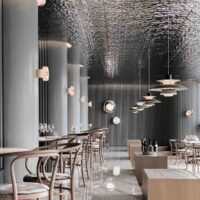
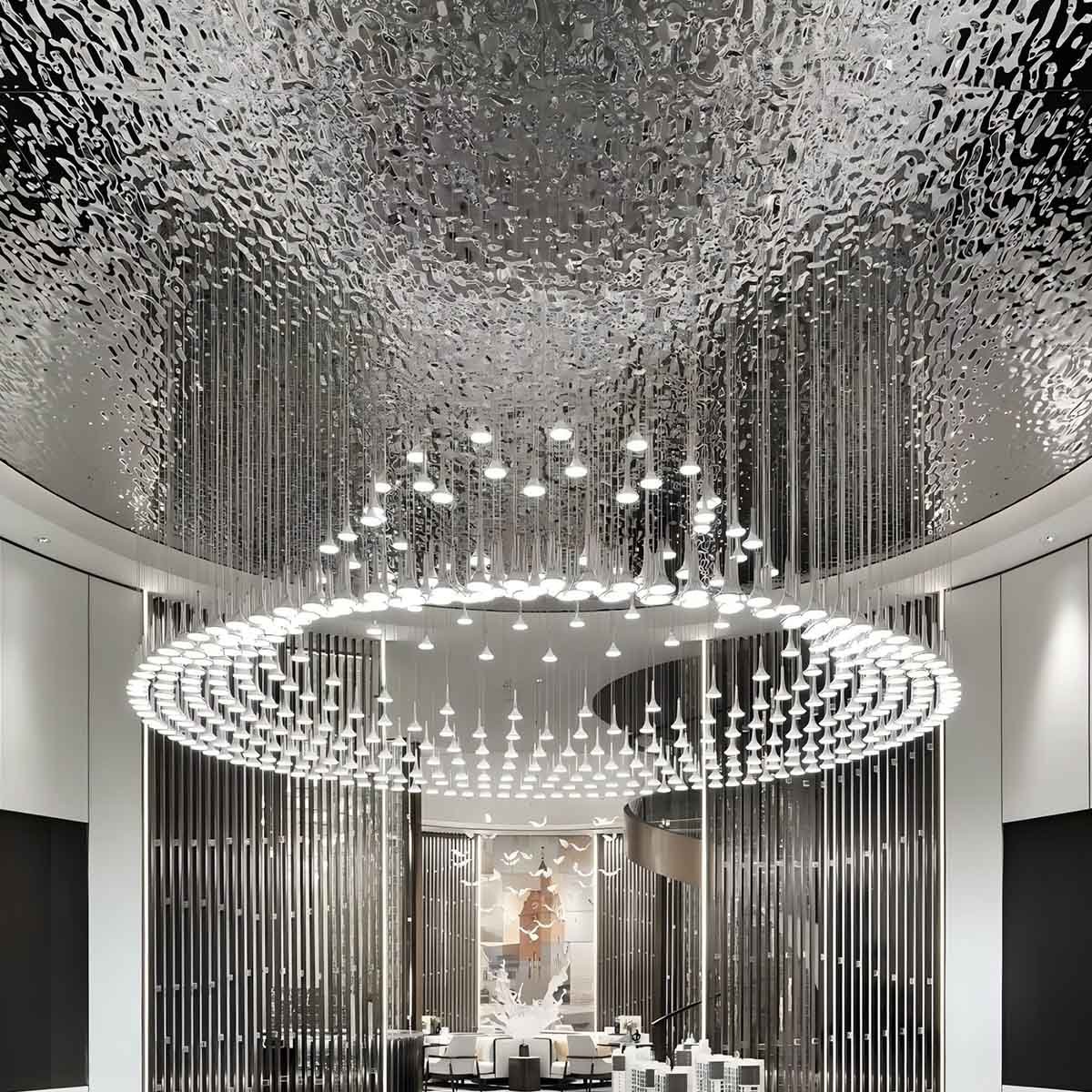
As a material, the architectural use of water ripple stainless steel sheets is still quite stunning both in looks and with regard to sustainability. This section will look into the aesthetic, making process, and durability of the product from a sustainable design standpoint.
Aesthetic Appeal of Water Ripple Stainless Steel
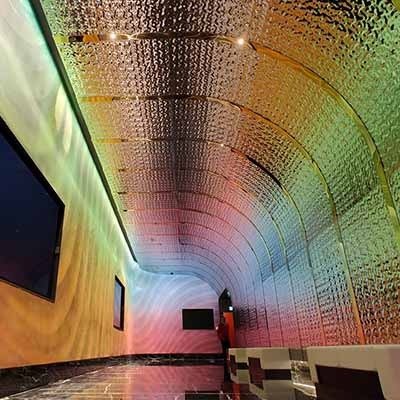
Water ripple stainless steel metallic patterns are interesting as the design ideas are derived from ripples in water. Compared to other products, it has a flowing, highly artistic form that is popular among architects and designers who want to add motion and class.
Environmentally Friendly Manufacturing Processes
Water ripple stainless steel sheet is advantageous in the manufacturing process since it reduces energy consumption, wastage as well as emissions. Hence, they offer a better physical phenomenon to the stimulating products it has greater effects on the environment.
Sustainable Architectural Applications
Water ripple stainless steel offers the beauty of designs in uniting with the principle of sustainable architecture. Such dynamic patterns add depth and give any artist’s work an added beauty when used on walls as well as for outdoor and indoor sculptures.
Water ripple stainless steel is an appearance and suitable material for modern architectural design. The charge can bring better functional, aesthetic, and sustainable spaces while promoting sustainable manufacturing and graphics patterns.
Sustainable Stainless Steel Wall Cladding
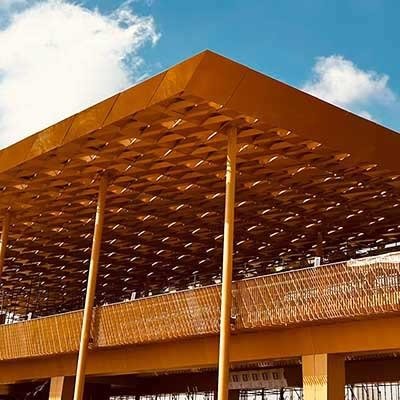
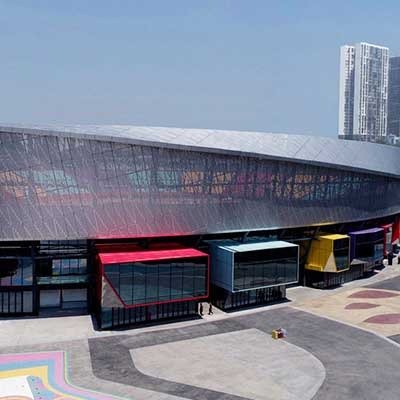
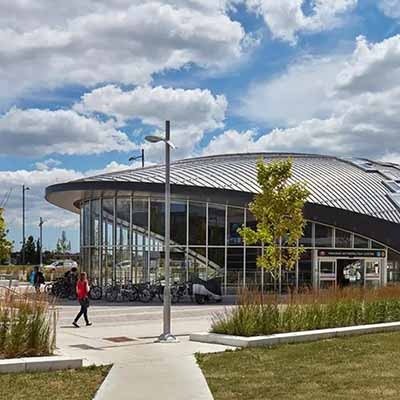
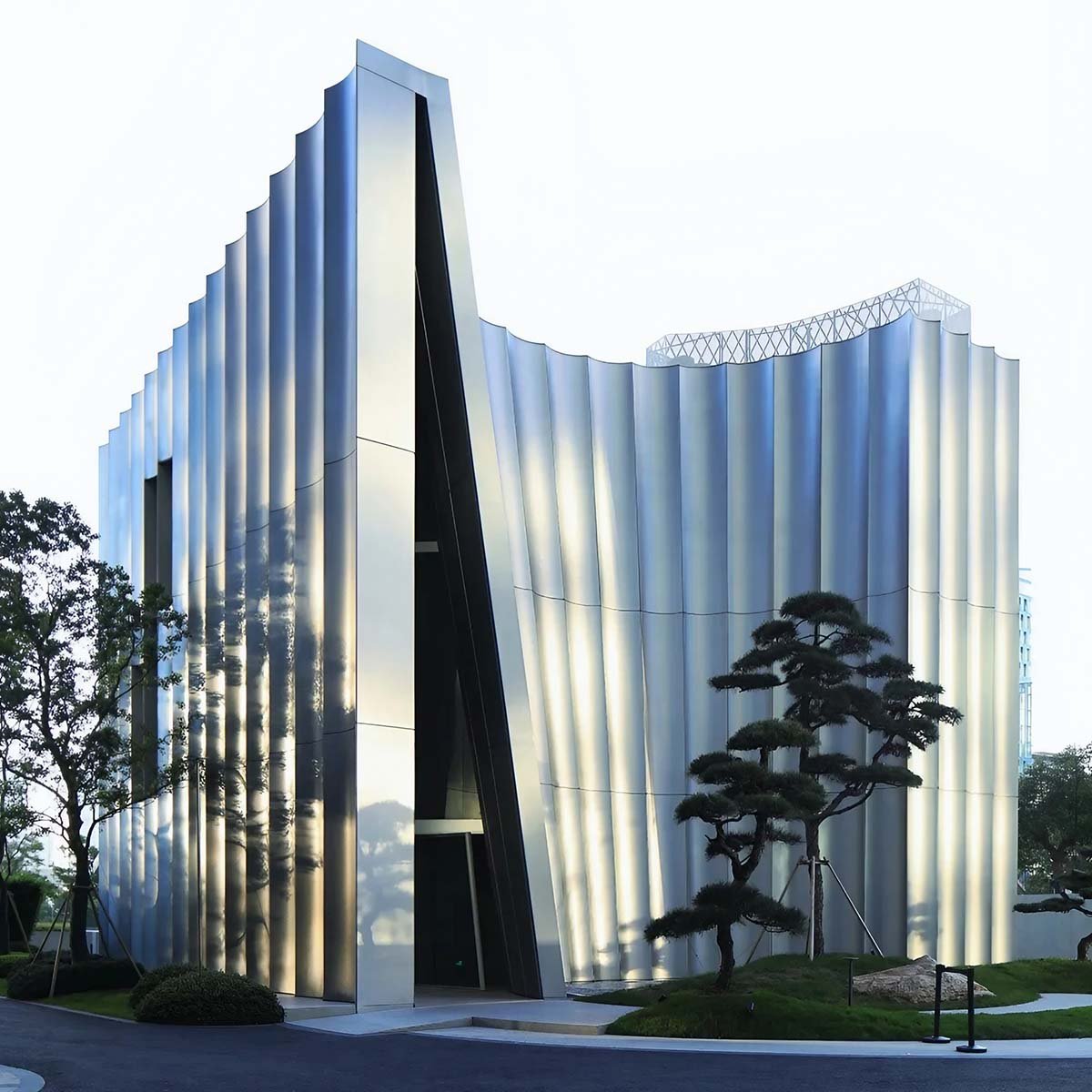
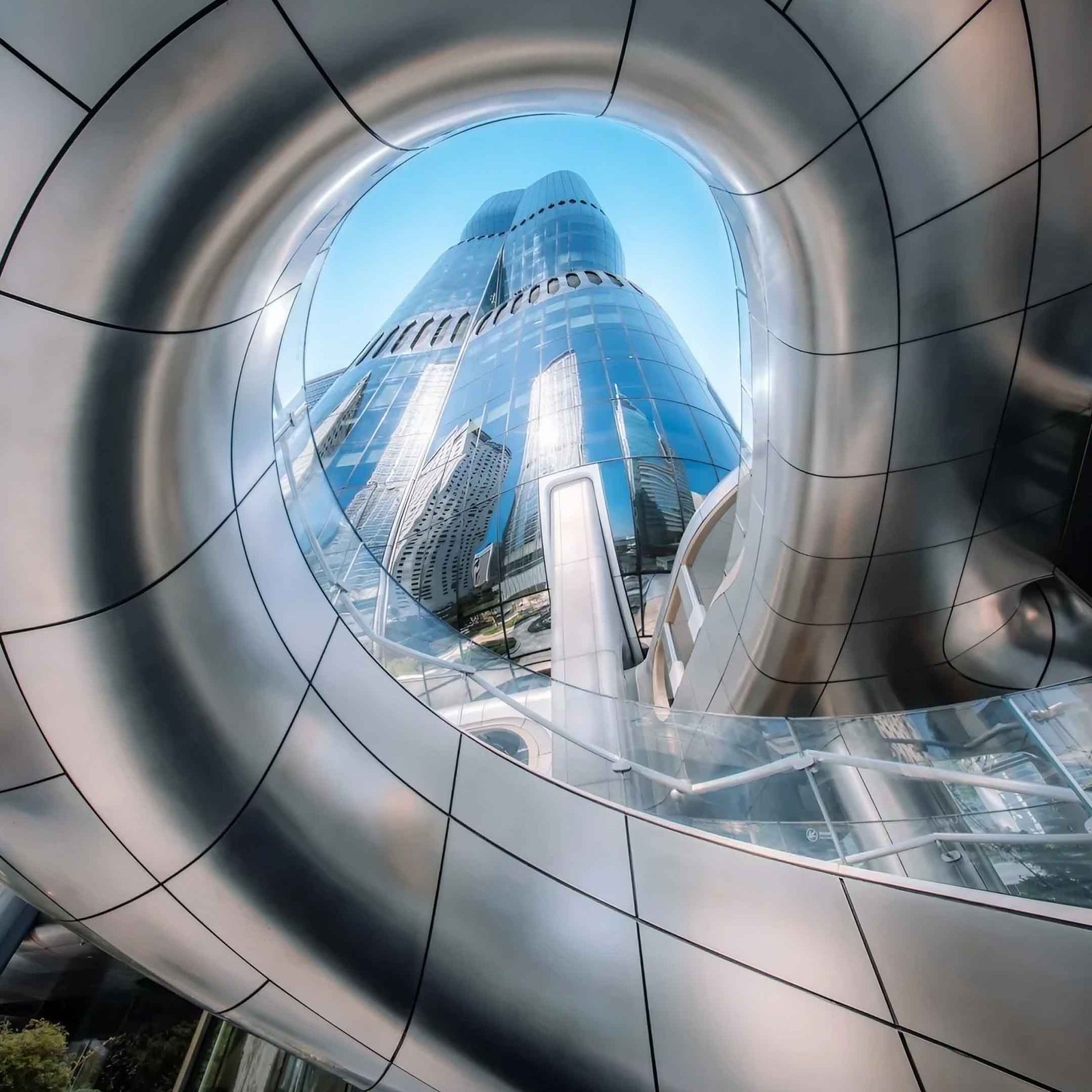
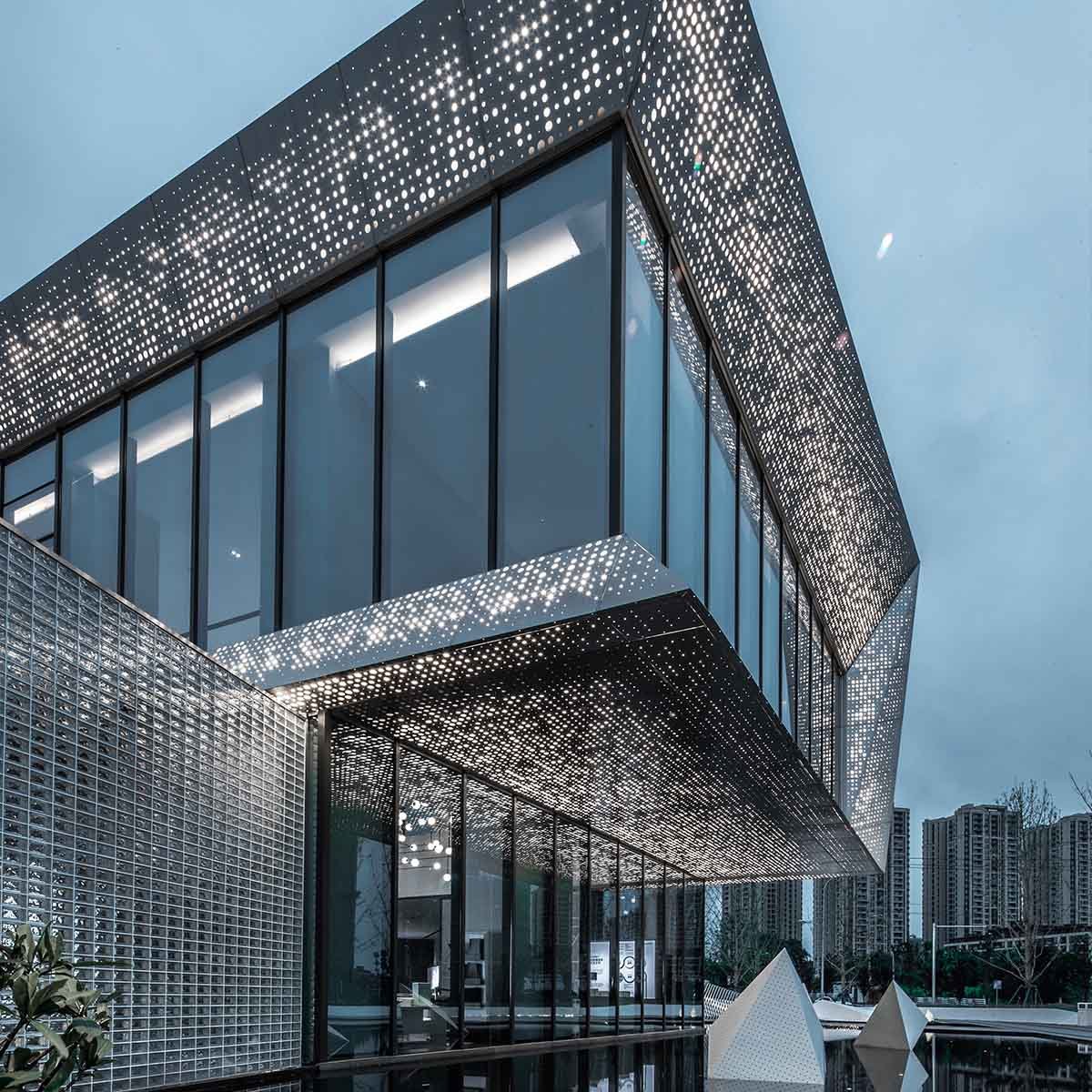
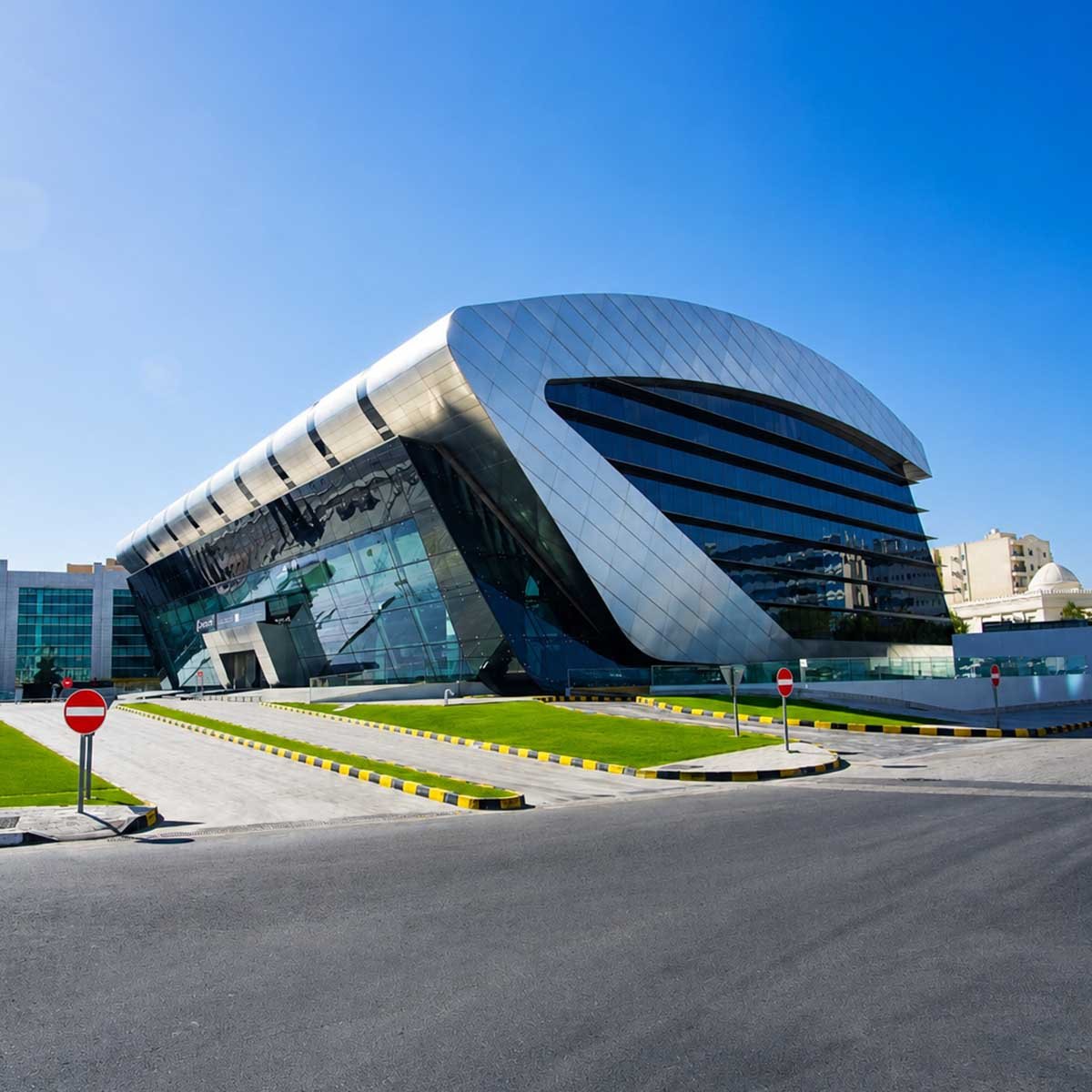
Stainless steel wall cladding is a good example of green building, it has design as well as functionality. It has environmental advantages including increased durability when exposed to environmental conditions, evidenced in actual applications.
Benefits of Stainless Steel Wall Cladding for Sustainability
In regards to the sustainable values, it must be mentioned that stainless steel wall cladding is very high. What is more, it does not agree with subsequent purchases and it is reusable, so it’s environmentally friendly when it comes to construction.
Resistance to Weathering, Moisture, and UV Exposure
In sustainable cladding, stainless steel proves to be useful as the result of weathering, moisture, and UV light properties of the material. It preserves the building’s main and substructure so as to minimize maintenance and still add to building longevity.
Showcasing Examples of Sustainable Stainless Steel Wall Cladding
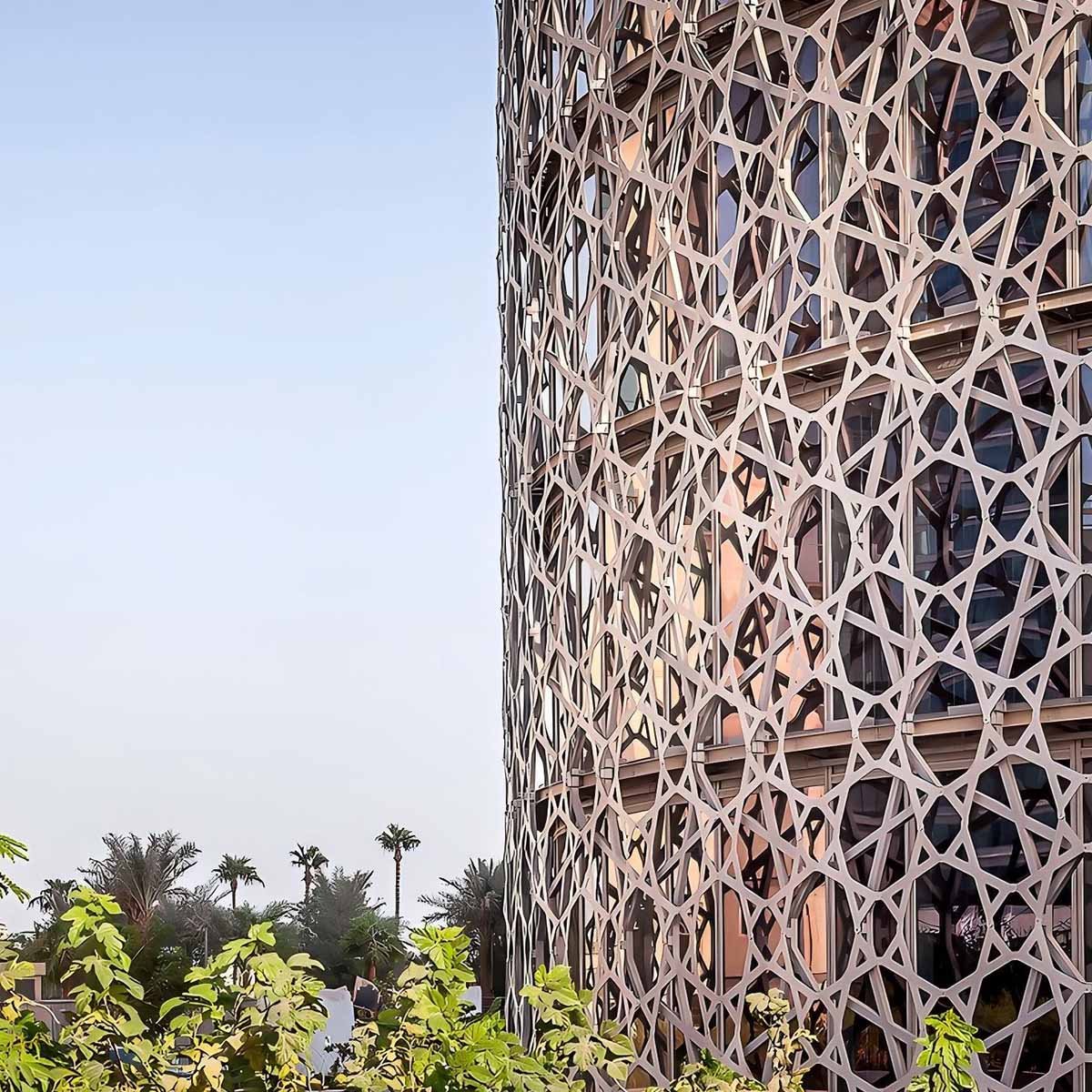
Stainless steel cladding is necessarily applied in constructions or architectural projects for it has practical and decorative applications. A common pick for amazing and skilled exterior and interior looks because of its versatility, durability, and look differences.
Another green decision on the side of architects and designers is that they opt to use sustainable stainless steel wall cladding. For green architecture and a sustainable future, being sustainable, recyclable, and having aesthetic value this material is appropriate.
Stainless Steel Wall Panels: Balancing Form and Function Sustainably
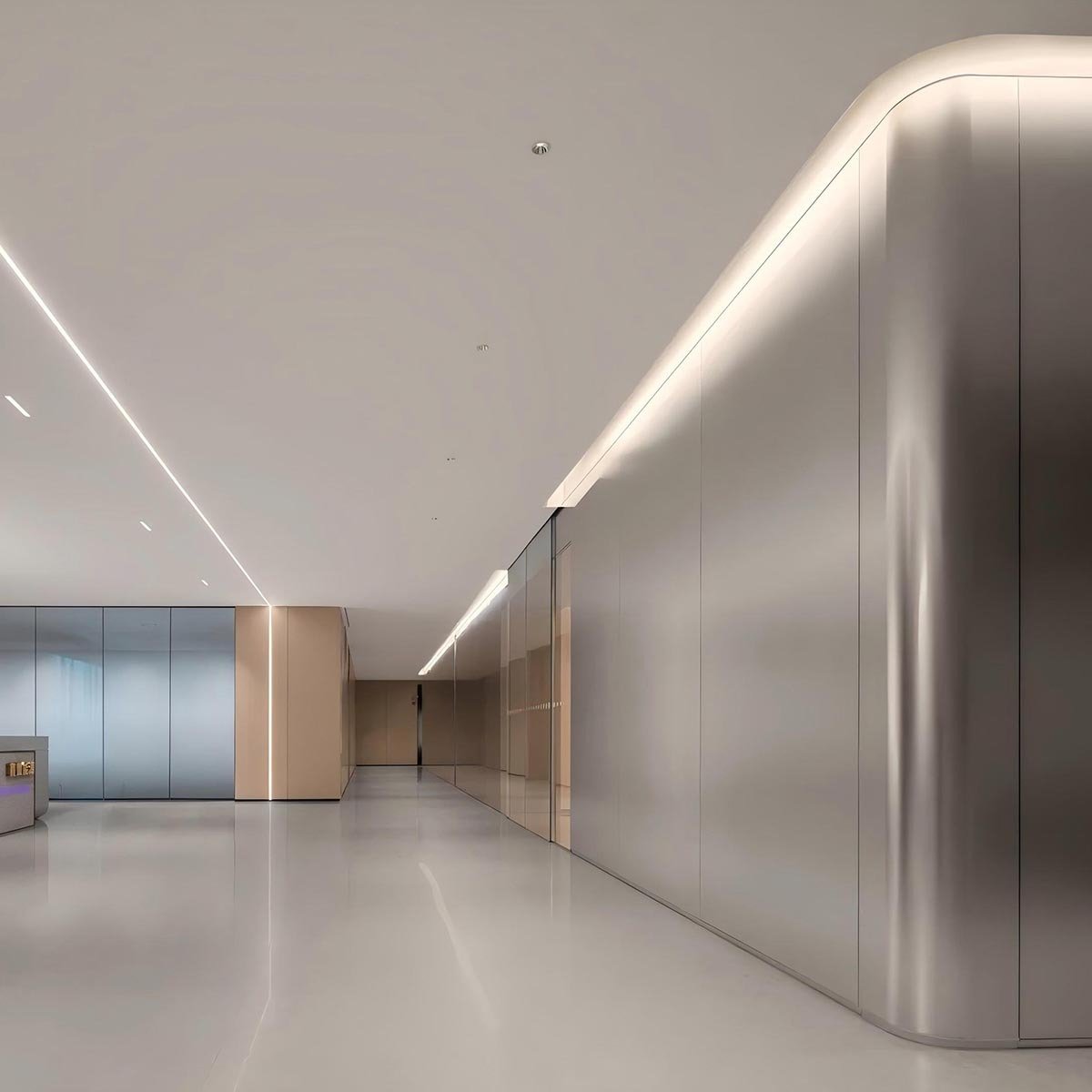
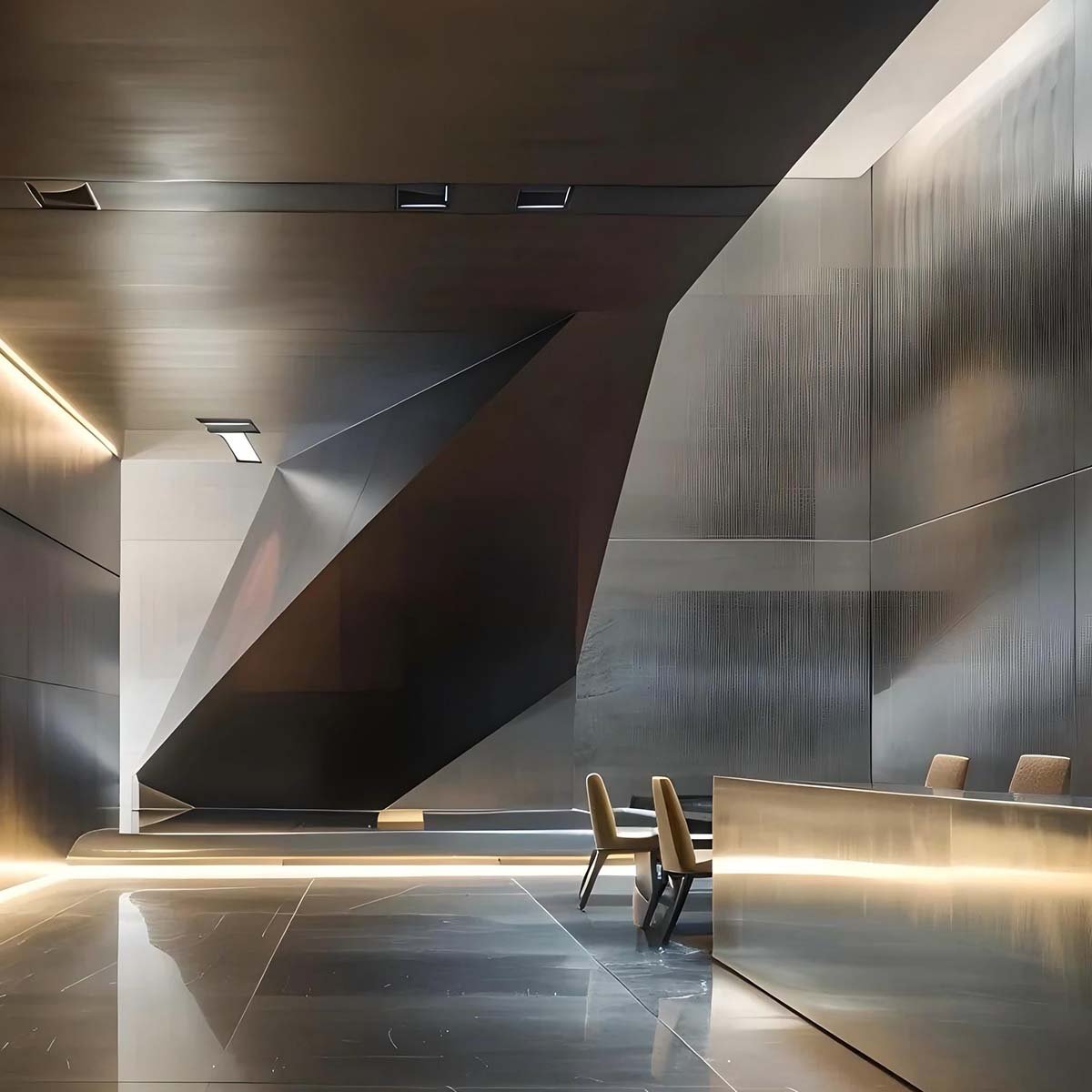
Stainless steel wall panels are versatile green building materials in sustainable architecture, esthetic and utilitarian. They improve energy performance, and thermal performance as well as participate in the formation of sustainable innovative structures.
Versatility and Sustainability in Sustainable Architecture
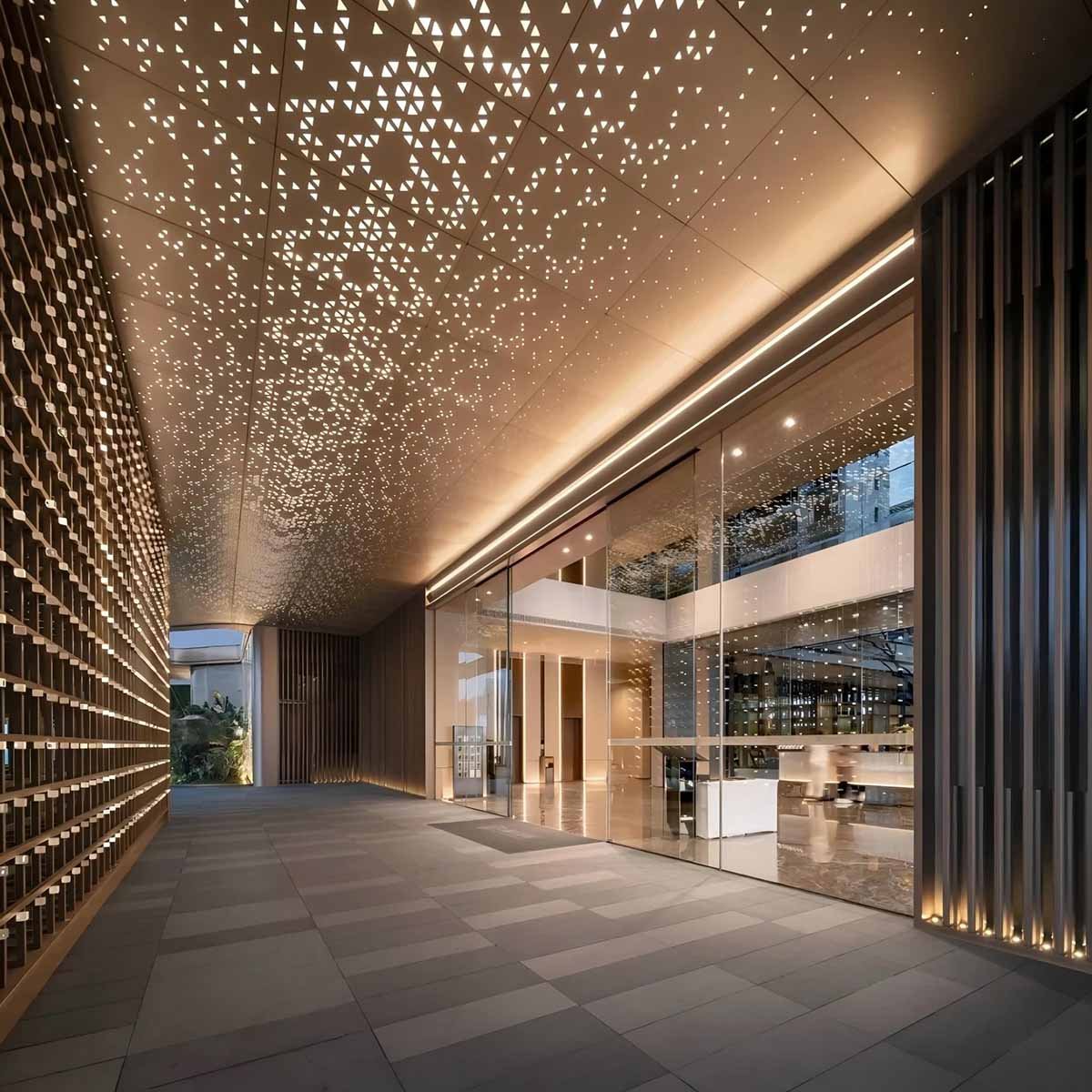
Since stainless steel wall panels are used in architectural designs, they are preferred from the view of the environment. They easily blend with modern as well as traditional architecture and designing them and making them sustainable is also not a complex task.
Enhancing Energy Efficiency and Thermal Insulation
Stainless steel wall panels promote energy conservation hence directly acting as insulators that help control indoor temperatures. They also reflect this same quality to the viewer, as well as decreasing energy usage and thus reducing the carbon footprint.
Innovative Applications in Environmentally Conscious Structures
Stainless steel wall panels offer idea solutions to designers with concepts that agree with sustainability. Because of these characteristics they ‘occupy’ the green building movement plus they provide a ‘dish’ architects require, in terms of distinctive styles.
Sustainable buildings integrated also Stainless steel wall panels since they are one of the most aesthetic applied in building construction as well. Because of flexibility, energy conservation, and thermal management, these are appropriate in energy-saving buildings.
Embracing Recycled Stainless Steel in Architectural Design
Using stainless steel is an important aspect of the attainment of sustainability in today’s architectural designs. Now let us discuss the importance of the same concerning the minimization of carbon impact and preservation of resources in construction.
The Significance of Recycled Stainless Steel
Used here, recycled stainless steel in architecture is proof of the care society has for the environment. It cuts the use of resources, lessens its impact on the environment, and promotes the principles of circular economy for effective construction.
Reducing Carbon Footprint and Resource Conservation
Stainless steel recycling has plenty of environmental advantages. Due to its production process, remanufactured steel has far fewer total carbon emissions and greenhouse gases than newly manufactured steel, especially for architectural projects.
Applying stainless steel recycling in architecture is the symbol of an environmentally friendly world. Such a decision matches with principles of reduce, reuse, and recycle, which makes it possible to predict the sustainable development of architecture.
Make your building designs more sustainable with stainless steel. Contact our professionals for innovative solutions, superior finishes and dependable fabrications for eco-friendly architectural solutions.
Sustainability in Building Construction: Leveraging Stainless Steel’s Strength
It is relatively light in weight and strong to reduce the amount of material that can be used in making green structures. It also assists in constructing lighter structures, is energy efficient, and confers substantial benefits with respect to the environment.
High Strength-to-Weight Ratio: Efficiency and Sustainability
The properties of stainless steel lack density thus it provides a strength-to-weight ratio conducive to sustainable architecture. Through materials-saving, has a positive effect on saving resources and decreasing the emission of carbon in construction and transport.
Minimized Material Usage and Structural Integrity
The fact stated is that in sections and slightly lighter than stainless steel provides the same strength. This eliminates the building weight, foundation load, and support requirements in addition to cutting a lot of resources regarding the sustainability goals.
Environmental Benefits of Lighter, Sustainable Buildings
Stainless steel is also used to construct light frameworks which can be environment-friendly structures. Material reduction reduces the requirement for raw resources and energy, and lightweight impacts transport energy, fuel demand, and emissions.
Stainless steel particularly stainless can be relatively used for construction since it is light yet strong. The exploitation of material and light structures might just be a plus to our environment by the development of potential structures of the future.
Conclusion
Stepping into a society that is perhaps not going towards extinction of species, the materials used acquire the ecological advantage. The use of stainless steel such as the water ripple finishes cladding and wall panels makes sustainable architecture.
These designs also apply stainless steel which brings sustainable and durable architecture of buildings to apply. This truly sustainable material contributes to creating a sustainability vision for a building, and for construction as a whole, section by section.
Contact Request
Learn about the sustainability of stainless steel for your project. Call our team for long-lasting materials and solutions tailored to your needs.