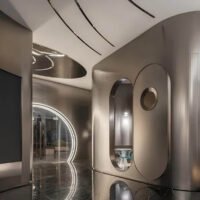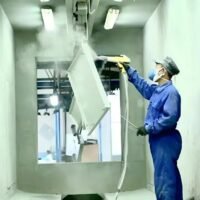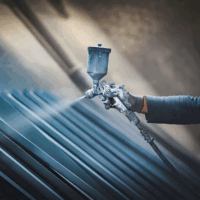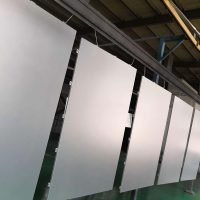



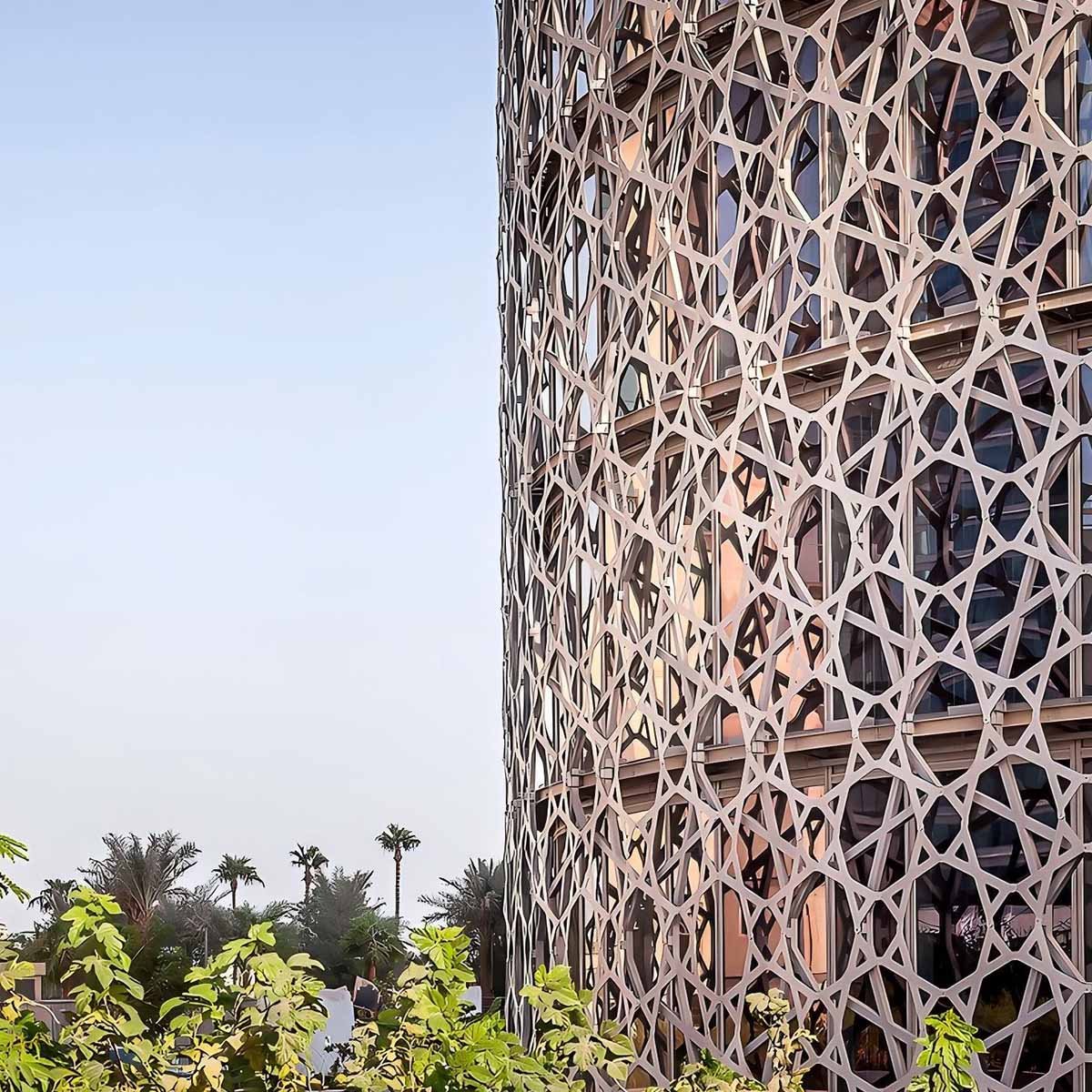
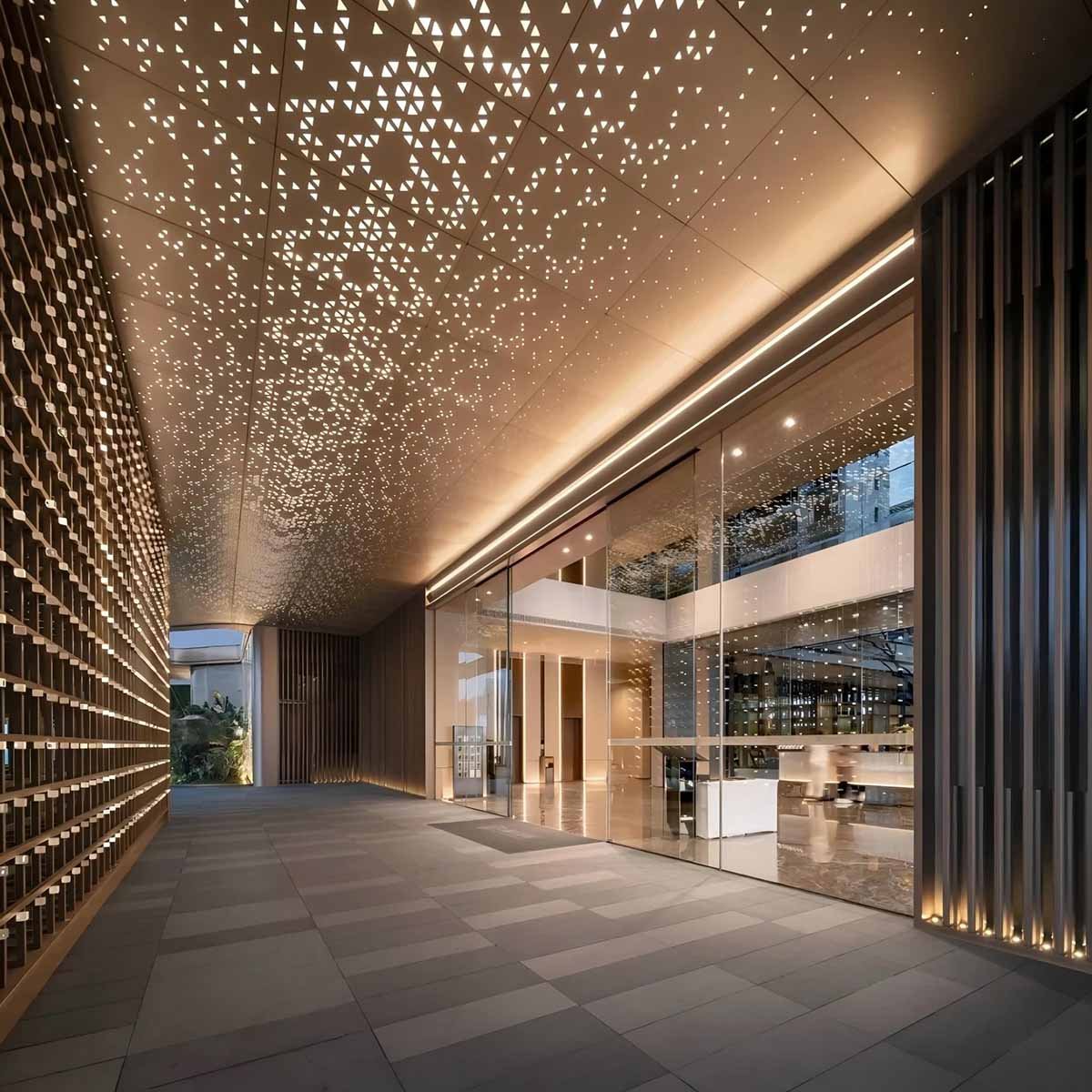
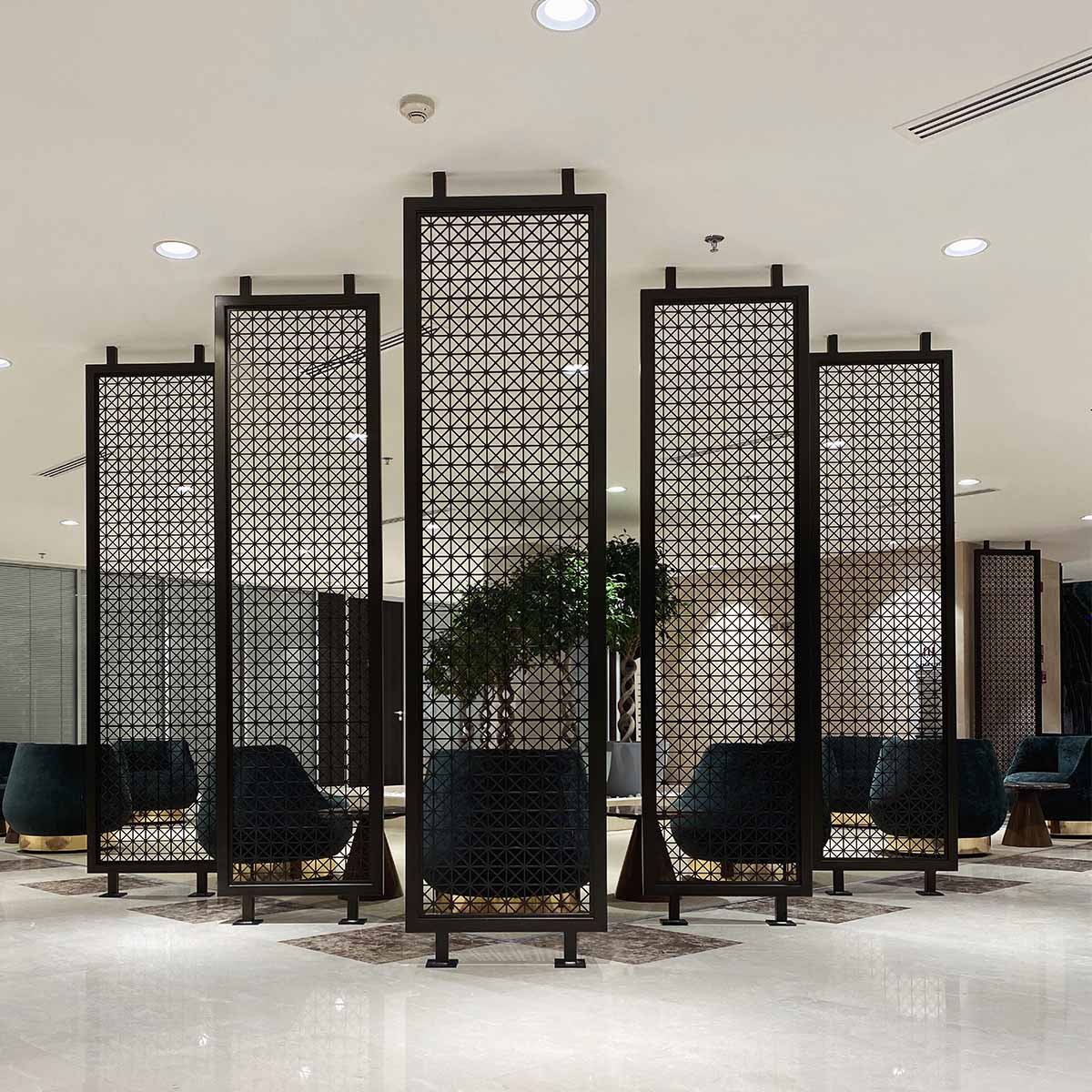
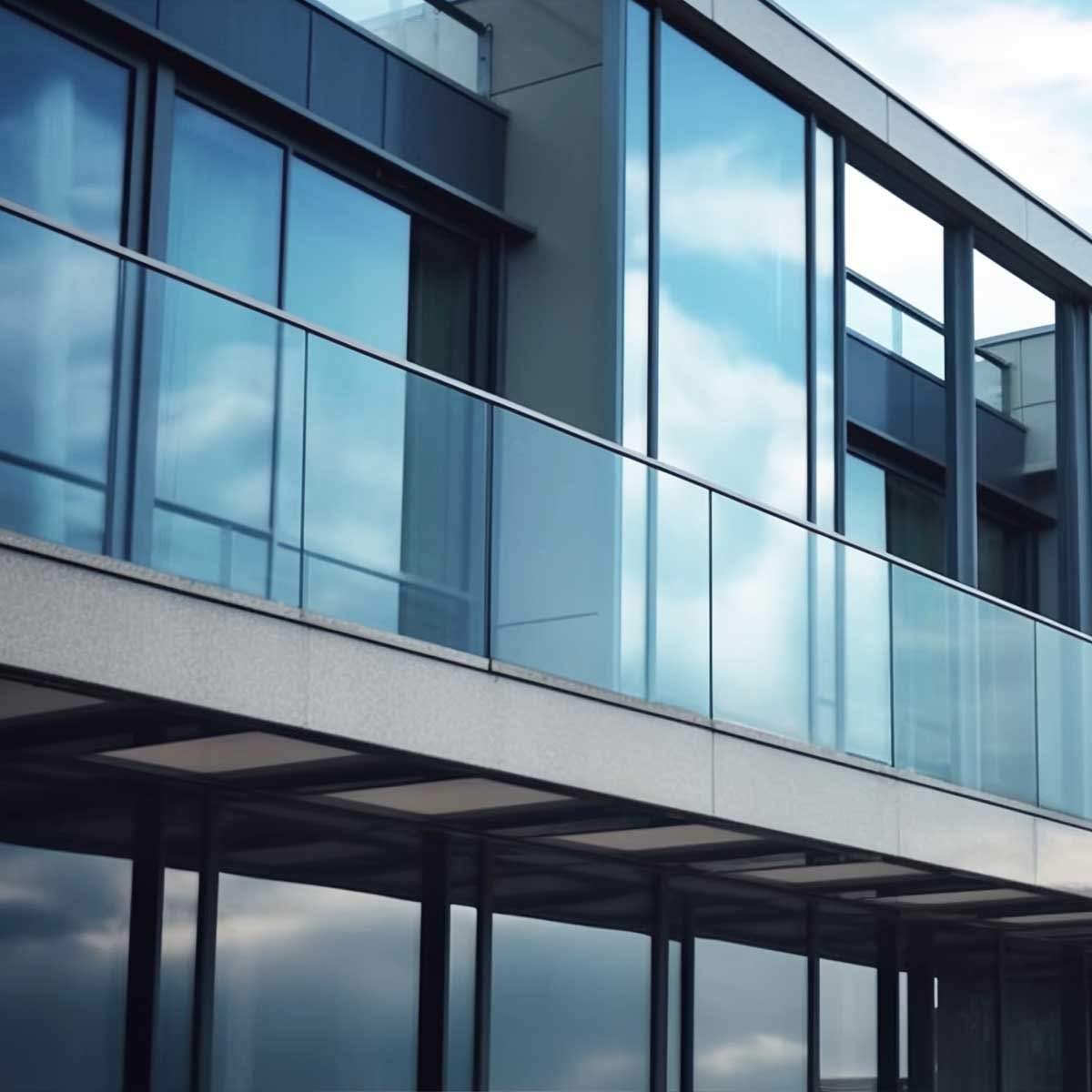
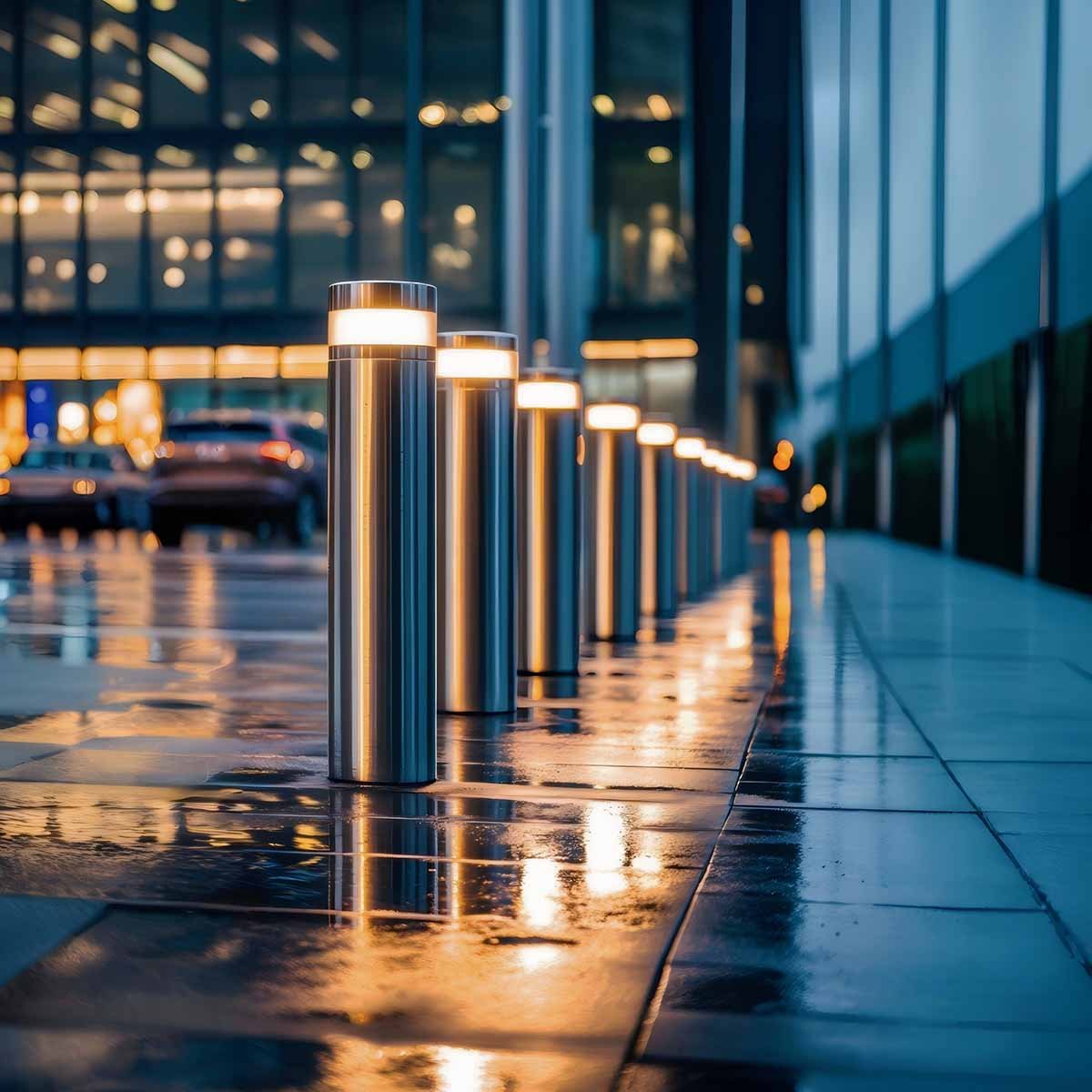
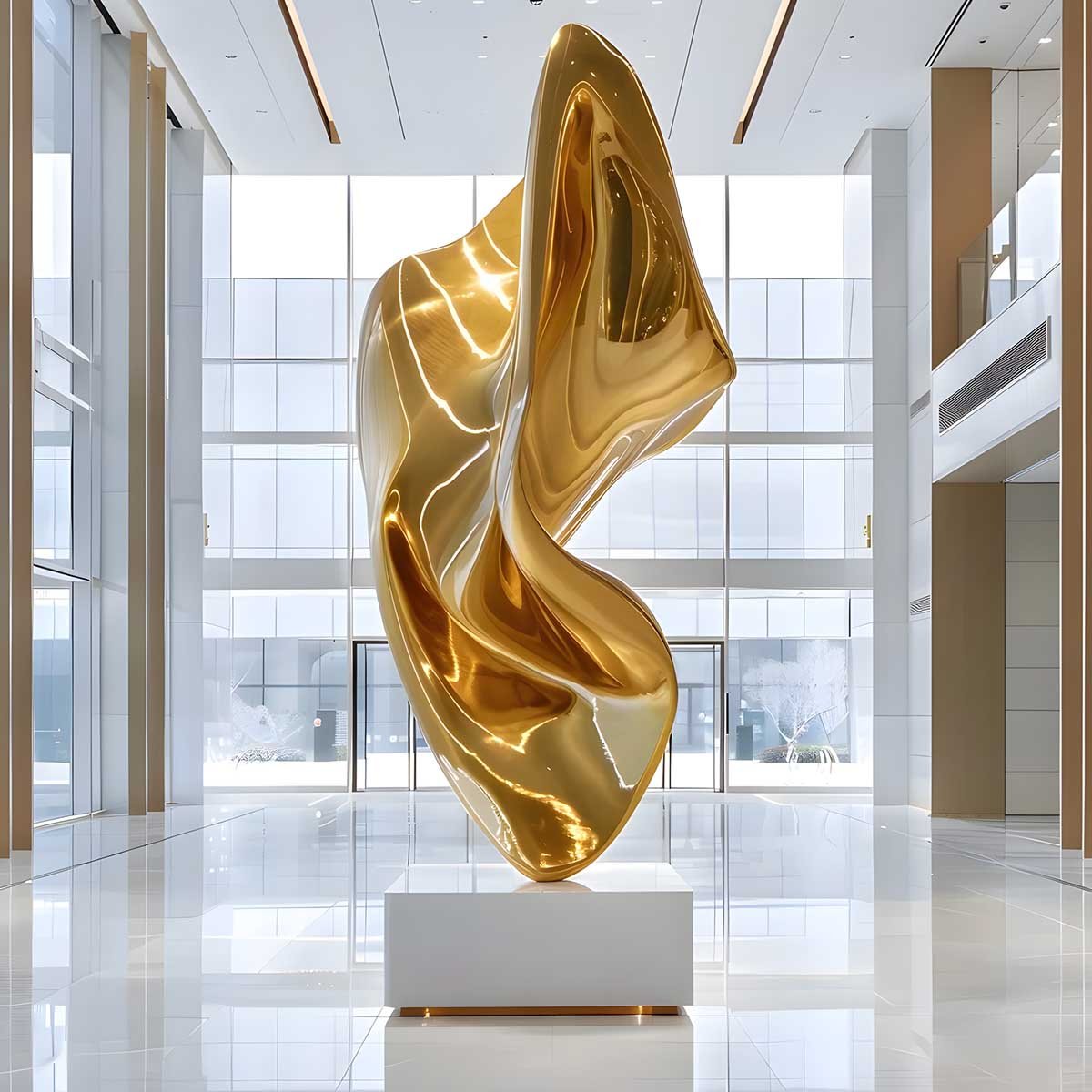
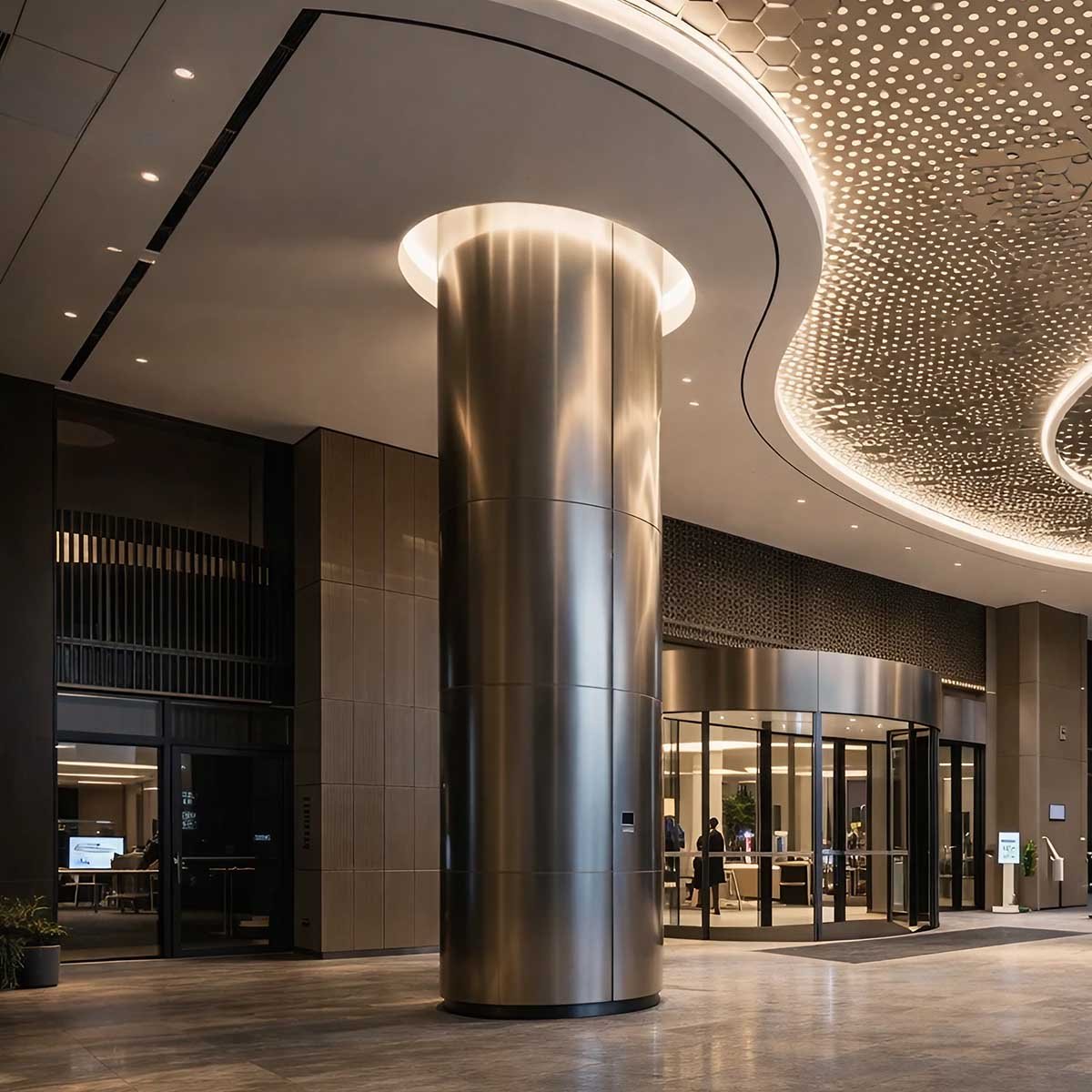
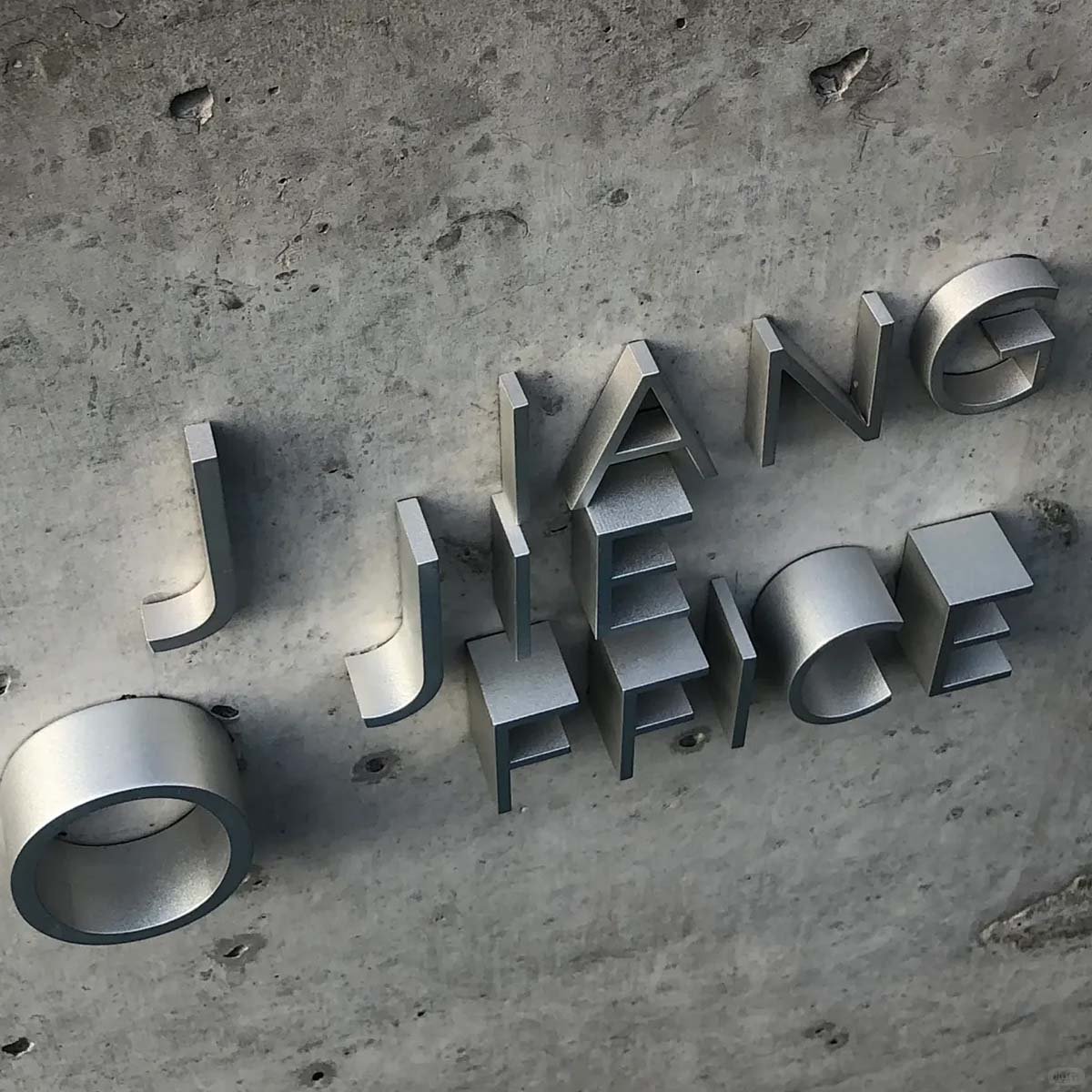
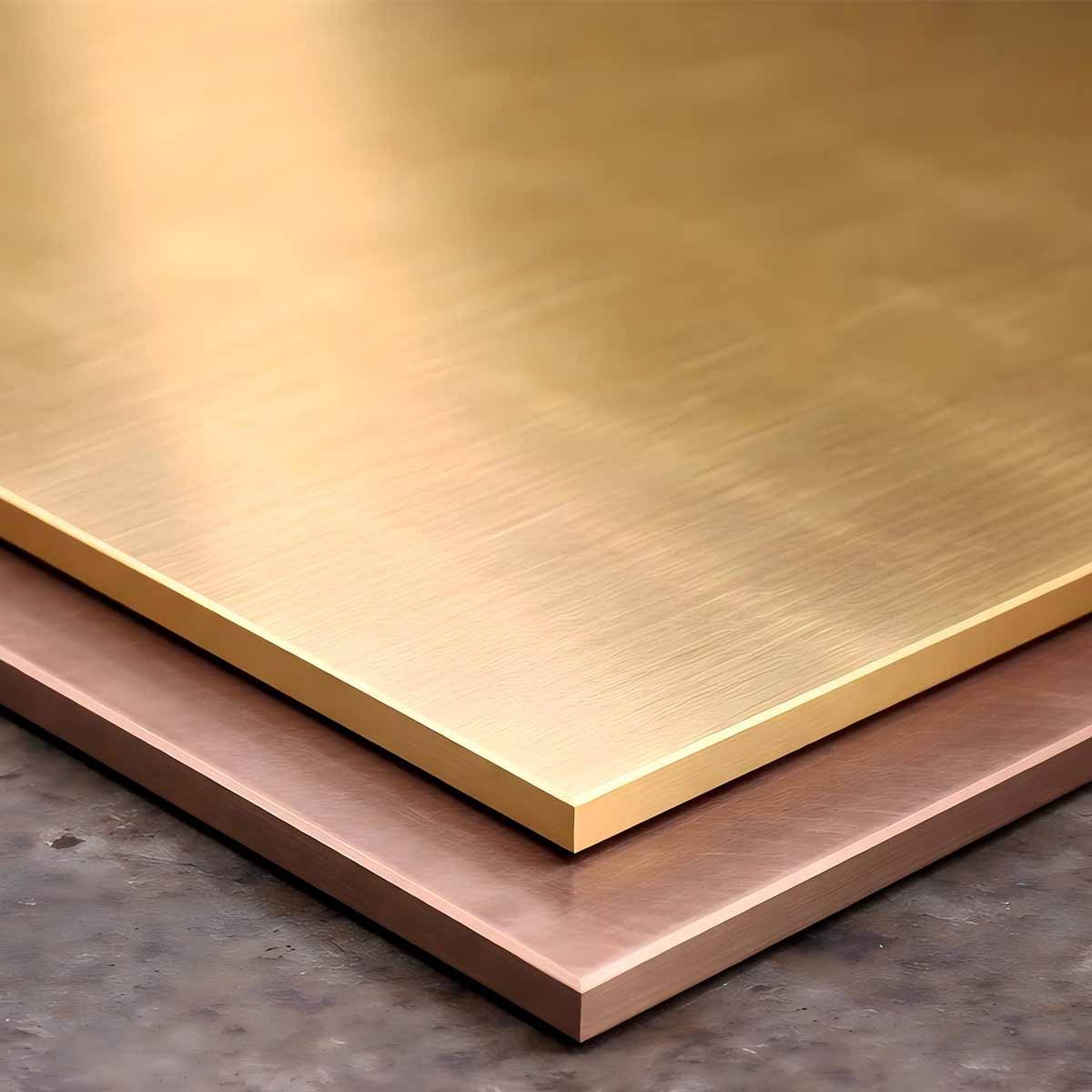
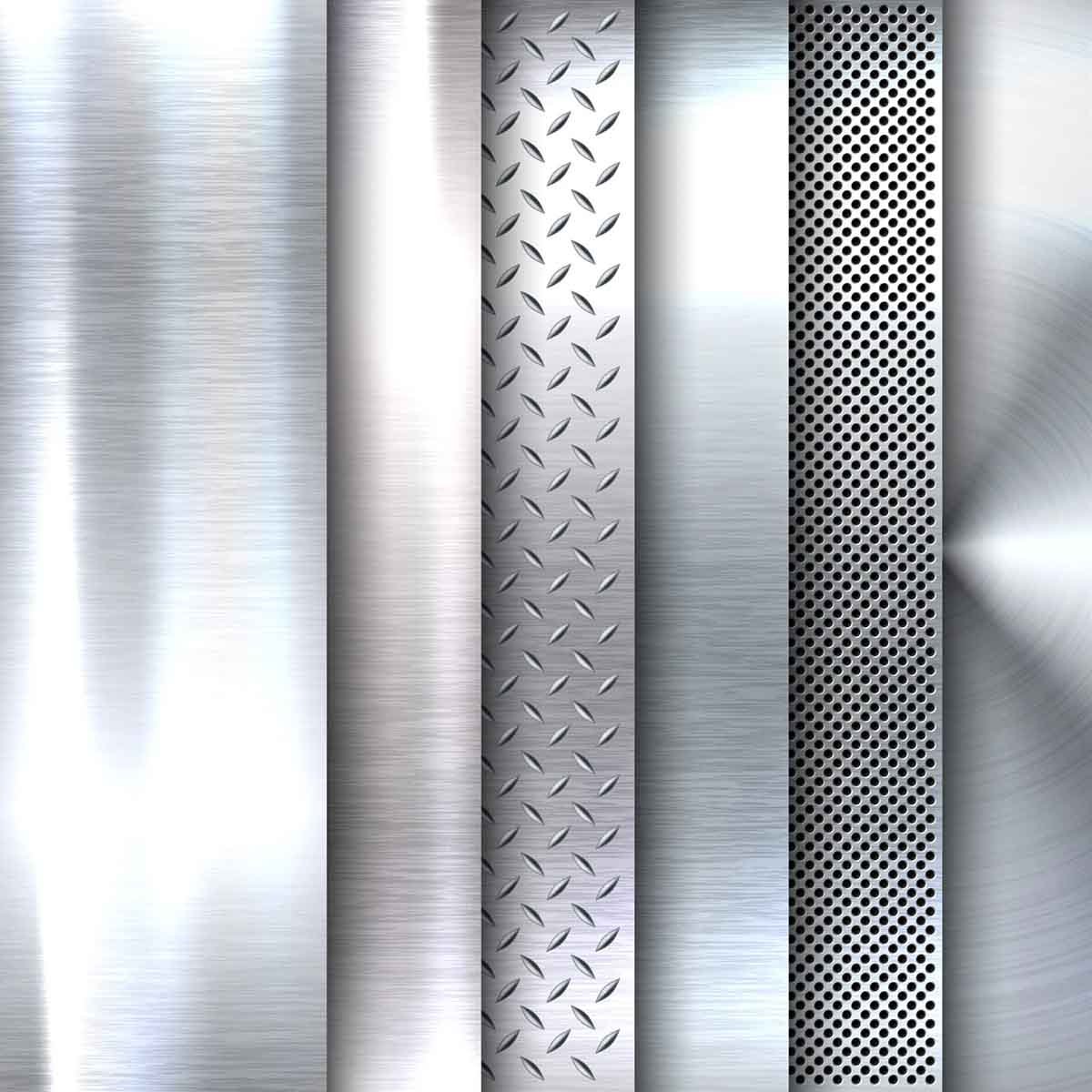
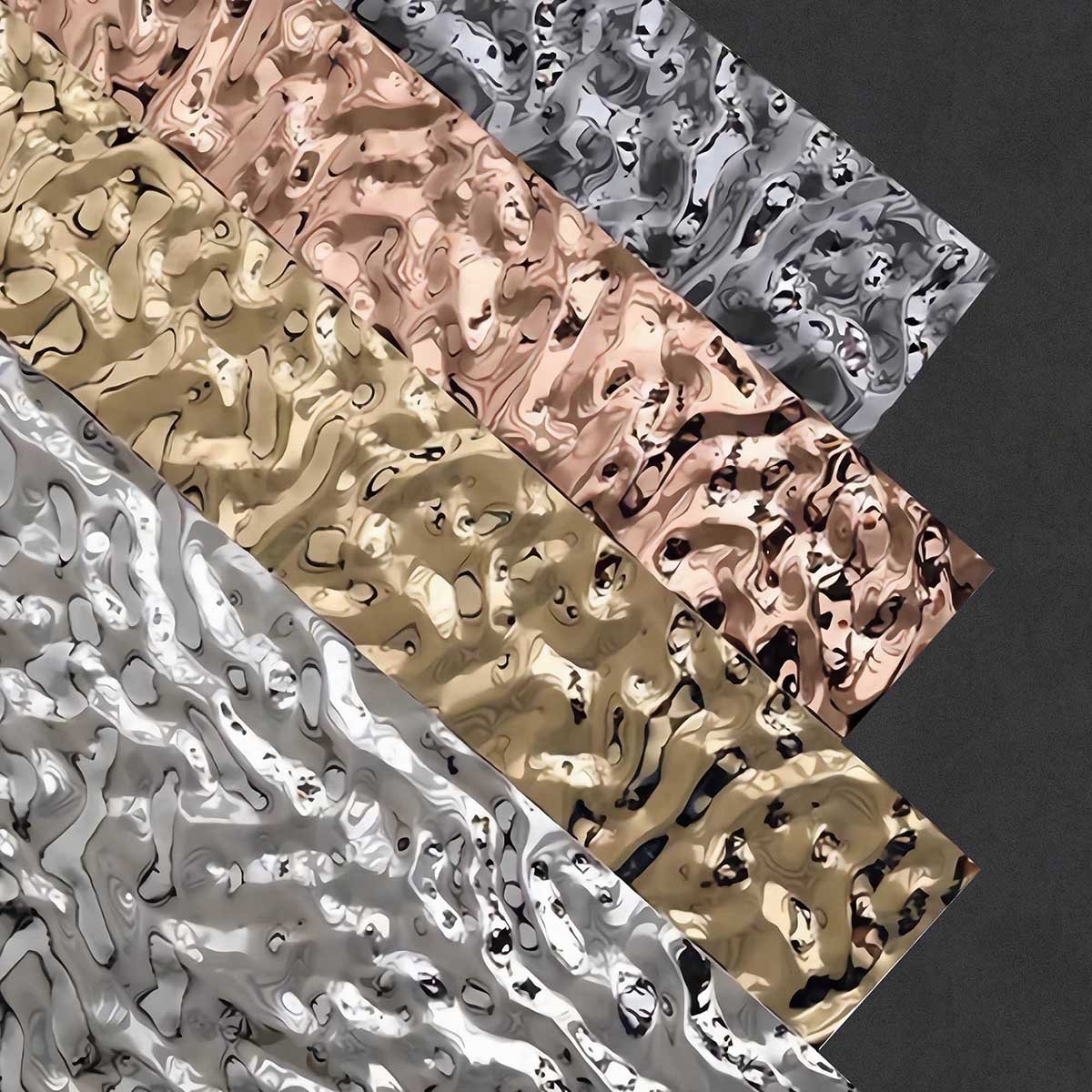
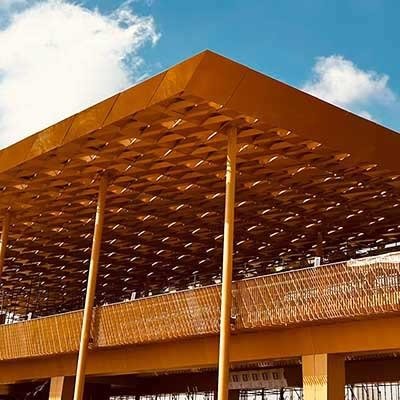
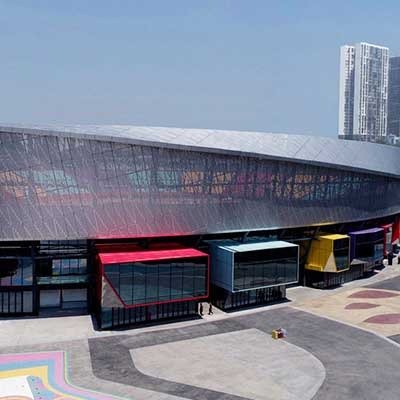
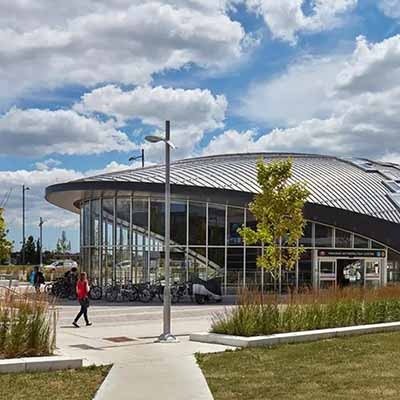
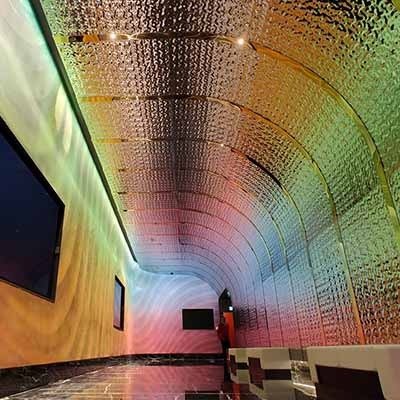
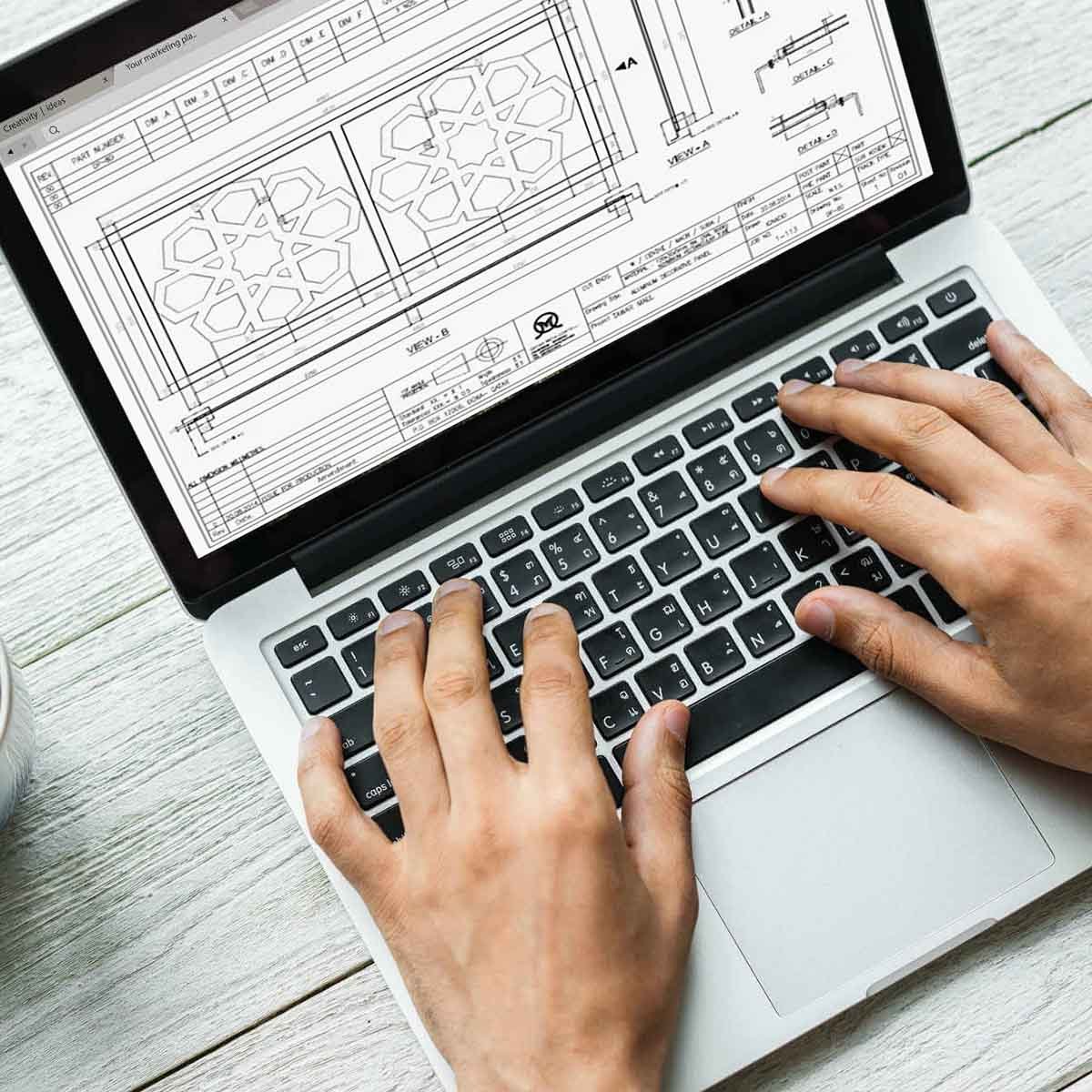


Aluminium finishes have an impact on appearance, durability and performance of the architectural products. From protective coatings to decorative textures, different finishing methods help meet specific design requirements and environmental conditions.

There are factors to take into account when selecting the right finish, such as corrosion resistance, colour retention, maintenance and intended applications. These differences can aid architects, designers and contractors in making effective material choices.

Table of Contents

What Are Aluminium Finishes?

The term, aluminium finish, applies to the surface treatment or surface coating which has been applied to an aluminium product to enhance the look, durability and environmental protection. They affect the surface properties of the material, such as colour, texture, gloss and surface performance.

Proper finishing can provide advantages such as corrosion resistance, weather proofing and diminished wear and tear. The chosen finish must also fit the aluminium alloy selected and provide the necessary appearance, durability and performance for various architectural applications.

Why Is Surface Finishing Important for Aluminium?

The aluminium surface is naturally coated with a thin layer of oxide, which gives a certain resistance to corrosion, but the protection of the surface, its appearance and resistance to corrosive elements, can be further enhanced by surface finishing.

Improved Corrosion Resistance

Surface finishing also helps to prevent moisture, pollutants and other environmental factors that can cause deterioration of the surface of the aluminium, especially in outdoor and coastal applications.

Enhanced Durability

The right surface treatment enhances resistance to daily usage, surface wear, abrasion and damage, enabling aluminium products to retain their surface appearance over the years.

Better Aesthetic Appeal

Aluminium comes in a variety of finishes, with different colours, levels of gloss and texture options to suit various architectural styles and design needs.

Easier Maintenance

The application of an appropriate finish can facilitate cleaning and maintenance of aluminium surfaces by minimizing dirt build-up and by preventing exposure of the surface to the environment.

Extended Service Life

By improving surface protection and reducing deterioration, quality finishes help maintain aluminium’s performance and appearance, potentially reducing maintenance and replacement costs over time.

To sum up, surface finishing is a vital requirement of aluminium. Increases corrosion resistance, durability and appearance, reduces maintenance expenses and increases service life for architectural applications.

Main Types of Aluminium Finishes

The surface properties and appearance of aluminium are different as a result of the different finishing processes. The most popular coating processes used in architecture are anodising, powder coating and PVDF coating.

Anodised Aluminium Finishes

The anodised aluminium is treated by electrochemically increasing the natural oxide layer, increasing the corrosion resistance and durability of the aluminium without losing its metallic appearance, and is available in various colours such as bronze, black and champagne.

Powder-Coated Aluminium Finishes

Powder-coated aluminium is prepared surface coated with dry powder and heat cured into a variety of colours, gloss and texture for architectural panels, frames and decorative elements.

PVDF-Coated Aluminium Finishes

PVDF-coated aluminium offers high UV, weathering and colour retention properties, which makes it ideal for exterior surfaces such as facades and cladding.

Each of these three finishes has its own merits. Choosing one depends upon the requirement of the project in terms of weather resistance, colour effect and budget.

Need aluminium alloy products for your next project? Contact TBK Metal to discuss suitable grades, specifications, finishes and customised manufacturing solutions that meet your architectural requirements, design objectives and specific production needs.

Decorative Aluminium Surface Treatments and Textures

In addition to the traditional coatings, aluminium can be subjected to different decorative processes, which result in patterns, textures and visual effects. These techniques provide more design flexibility for architectural panels, façades, ceilings and decorative screens.

Perforated Aluminium

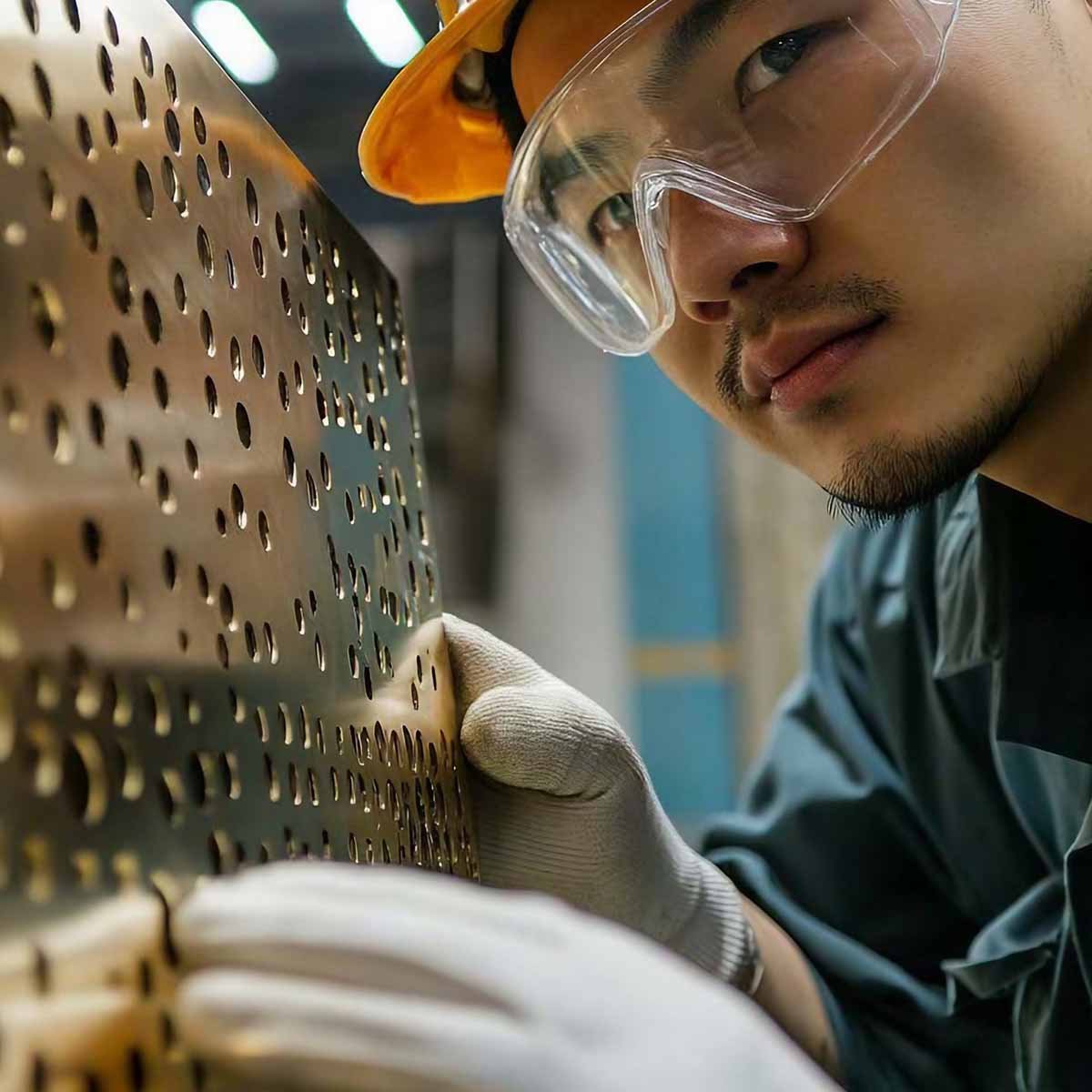
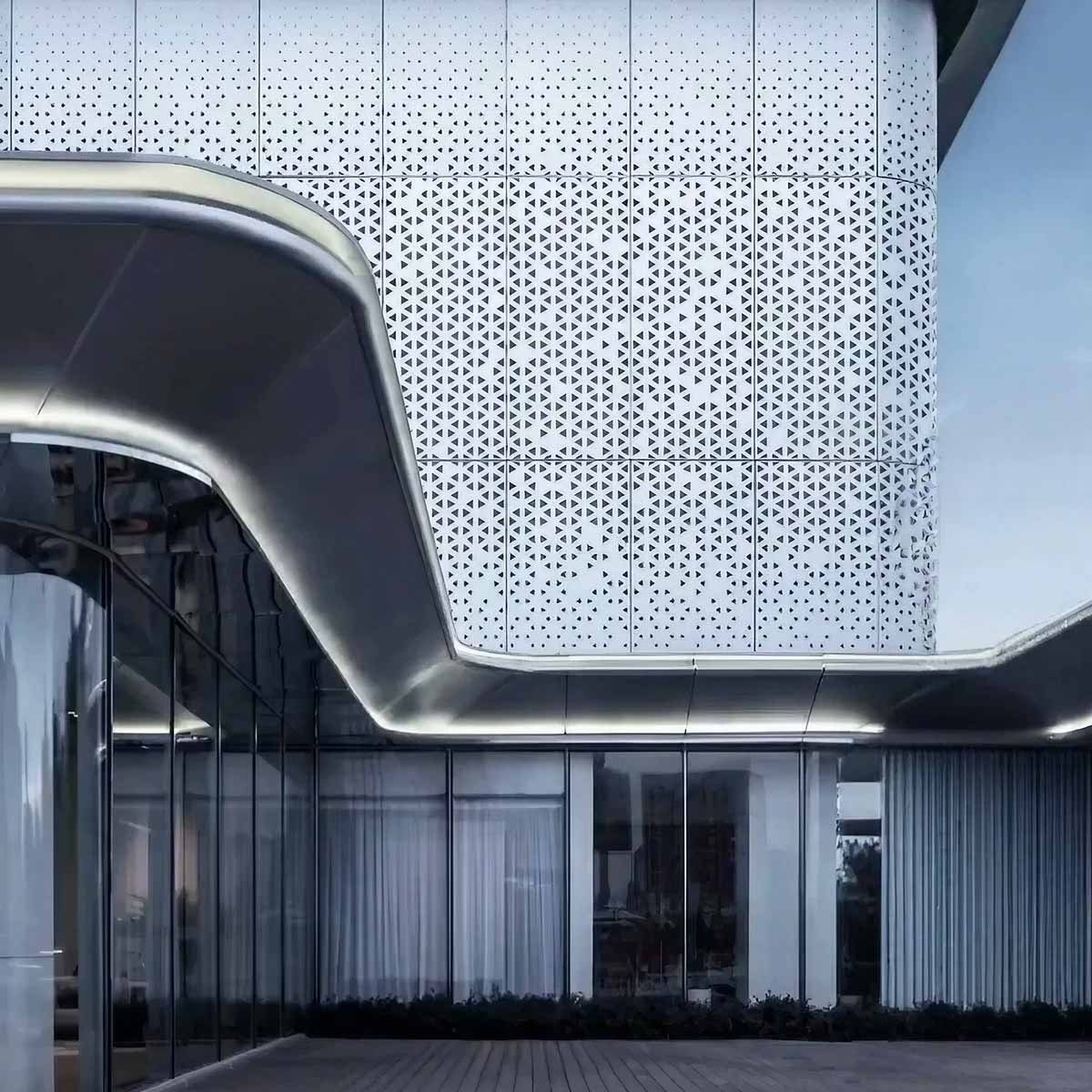
Perforated aluminium is a material that has openings or holes punched or cut into it in patterns, to allow ventilation and light to pass through but still provide decorative detail for architectural uses.

Expanded Aluminium

Expanded aluminium is a material that is created by cutting and stretching metal sheets into a mesh pattern, without removing any material, to form a lightweight material with ventilation and unique texture.

Laser-Cut Aluminium

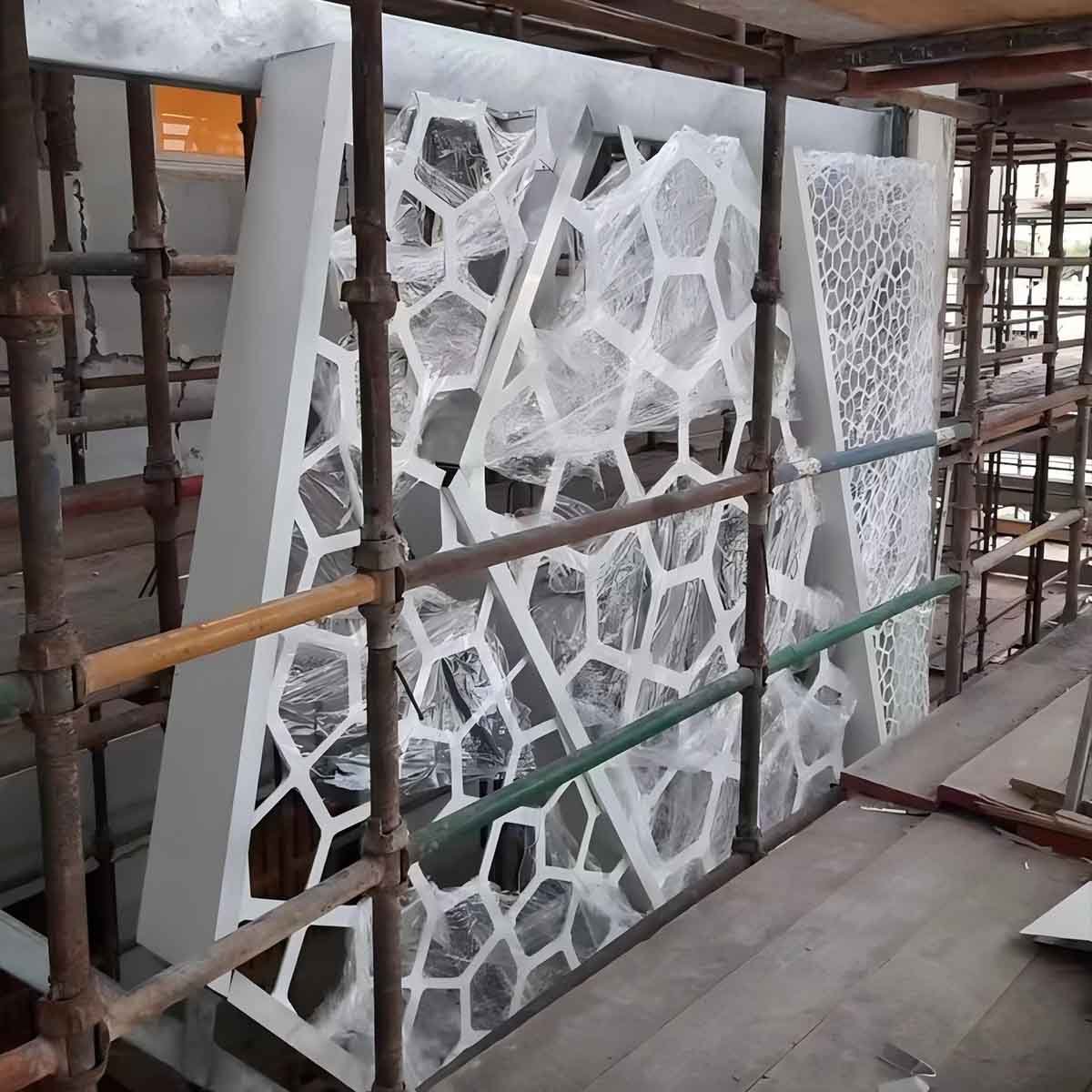
Laser-cut aluminium is the process of using a laser beam to make precise patterns, shapes and openings from aluminium. It is useful in complex geometric designs and custom decorative panels for architectural applications.

Laser-Etched Aluminium

Laser-etched aluminium is the result of the controlled laser processing of patterns, graphics or markings in aluminium. It can be used for high precision surface decoration, branding and customised architectural designs.

Embossed Aluminium

Embossed aluminium is a type of metal surface that is embossed with a pattern to create a raised and recessed surface, which can be used for decorative panels and architectural elements to create depth and texture.

These decorative treatments can also be used in conjunction with appropriate surface finishes to produce certain colors, texture and protective properties.

Different Aluminium Finishes: A Detailed Comparison

The various finishes for aluminium have different degrees of corrosion resistance, durability, appearance and maintenance. These differences are important for architects and contractors to consider when choosing finishes for a project.

Finish typeKey characteristicsCommon applications
AnodisingMetallic appearance, corrosion resistance and surface durabilityFacades, trims and decorative panels
Powder coatingWide colour selection, uniform coverage and varied texturesWindow frames, ceilings and screens
PVDF coatingExcellent weather resistance and colour retentionExterior facades and cladding
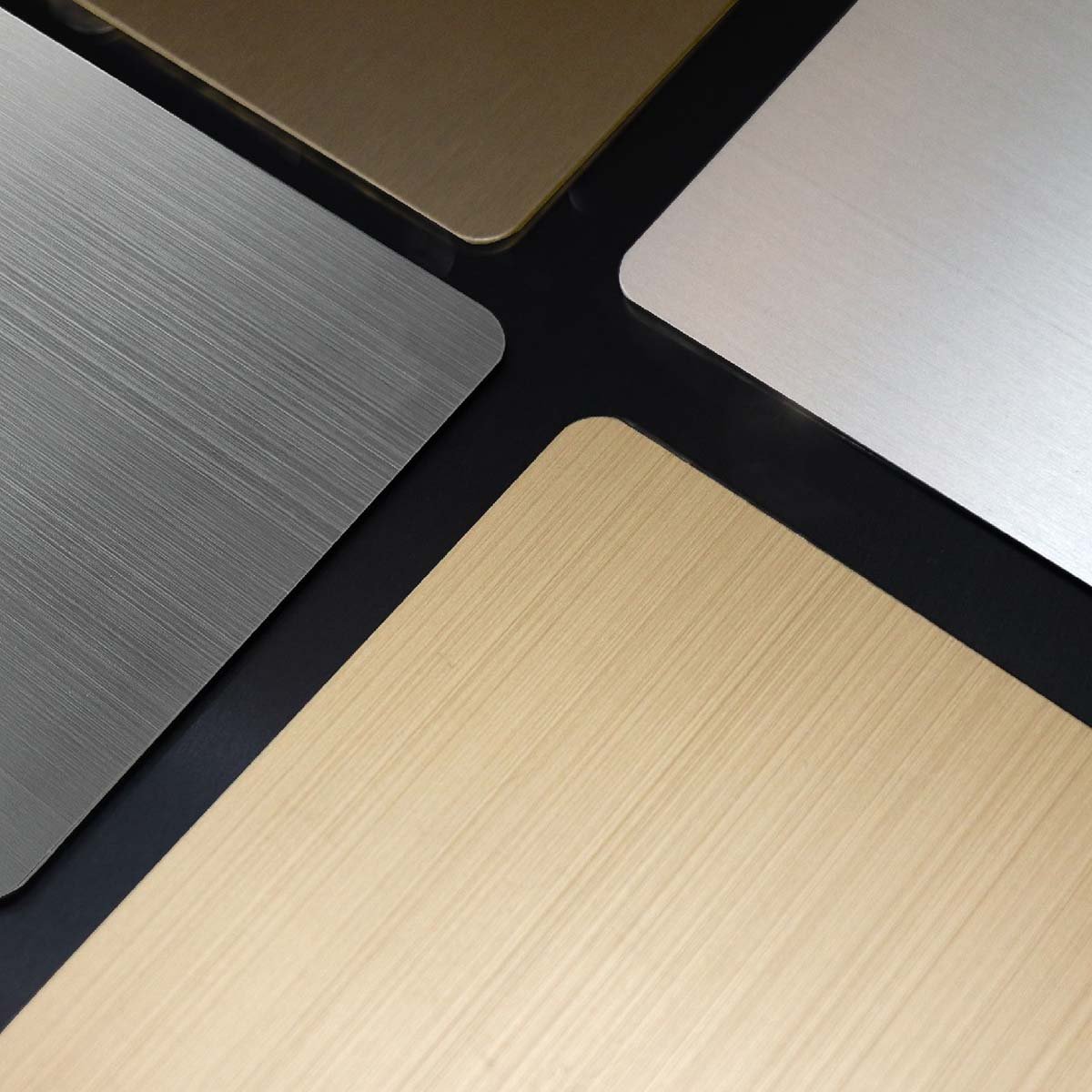
Brushed / HairlineDirectional texture and understated metallic appearanceInterior panels and decorative features
Polished / MirrorSmooth, reflective and high-gloss surfaceDecorative panels and interior features
Sandblasted / MatteUniform texture with reduced surface reflectivityArchitectural panels and interior finishes

Anodising offers a long-lasting metallic look, powder coating is better for colours and PVDF coating is suitable for exterior use under extreme weather conditions.

Mechanical finishes such as brushing, polishing and sand blasting are used to improve the appearance and are selected according to installation requirements, design requirements, maintenance requirements, and project specifications.

Benefits of Different Aluminium Finishes

There are many benefits of using suitable aluminium finishes apart from the visual appearance. The proper application can improve material protection, durability and design flexibility, and decrease long-term maintenance needs.

Improved Corrosion Resistance

Protective finishes provide both protection and resistance to moisture, pollutants and environmental exposure, minimizing the surface damage and ensuring long-lasting performance, particularly in outdoor use.

Enhanced Weather and UV Resistance

Appropriate coatings prevent aluminium surfaces from the effects of weather conditions, temperature fluctuations and the sun. This is especially true in the case of exterior architectural elements.

Greater Colour and Design Flexibility

The wide range of colour, gloss and texture finishes that are available make it possible to pair aluminium products with a range of architectural styles and project requirements.

Improved Surface Durability

Quality finishes provide protection from abrasion, scratches and normal wear and tear, keeping the surface looking the way it intended to for the life of the product.

Easier Maintenance

Aluminium surfaces are typically easier to clean and maintain when they're properly finished. Regular maintenance ensures that their appearance is maintained and deterioration is avoided.

Extended Service Life

Appropriate finishes contribute to better surface protection and environmental damage minimisation, ensuring that aluminium products remain in use over time and can help to reduce maintenance and replacement expenses.

To sum up, each benefit is complementary to a greater performance of the aluminium. When you are able to get a finish that matches your project specifications, you can be assured of a successful result and value.

Applications of Aluminium Finishes in Architecture

Aluminium finishes are used to provide surface protection and versatility in modern architecture. They are appropriate for interior and exterior building elements in various applications, depending on the environmental exposure, design, and functional performance.

Aluminium Facade Systems

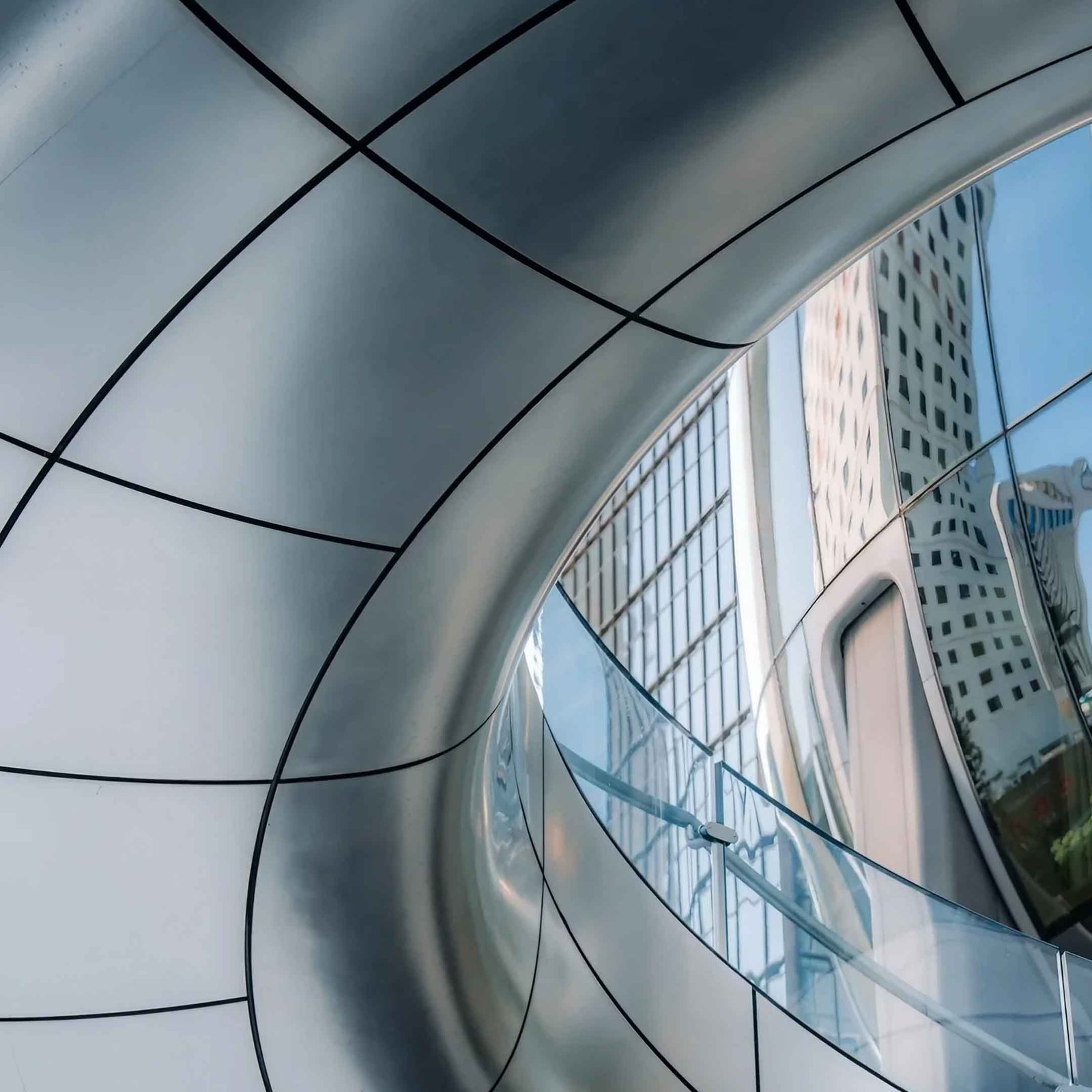
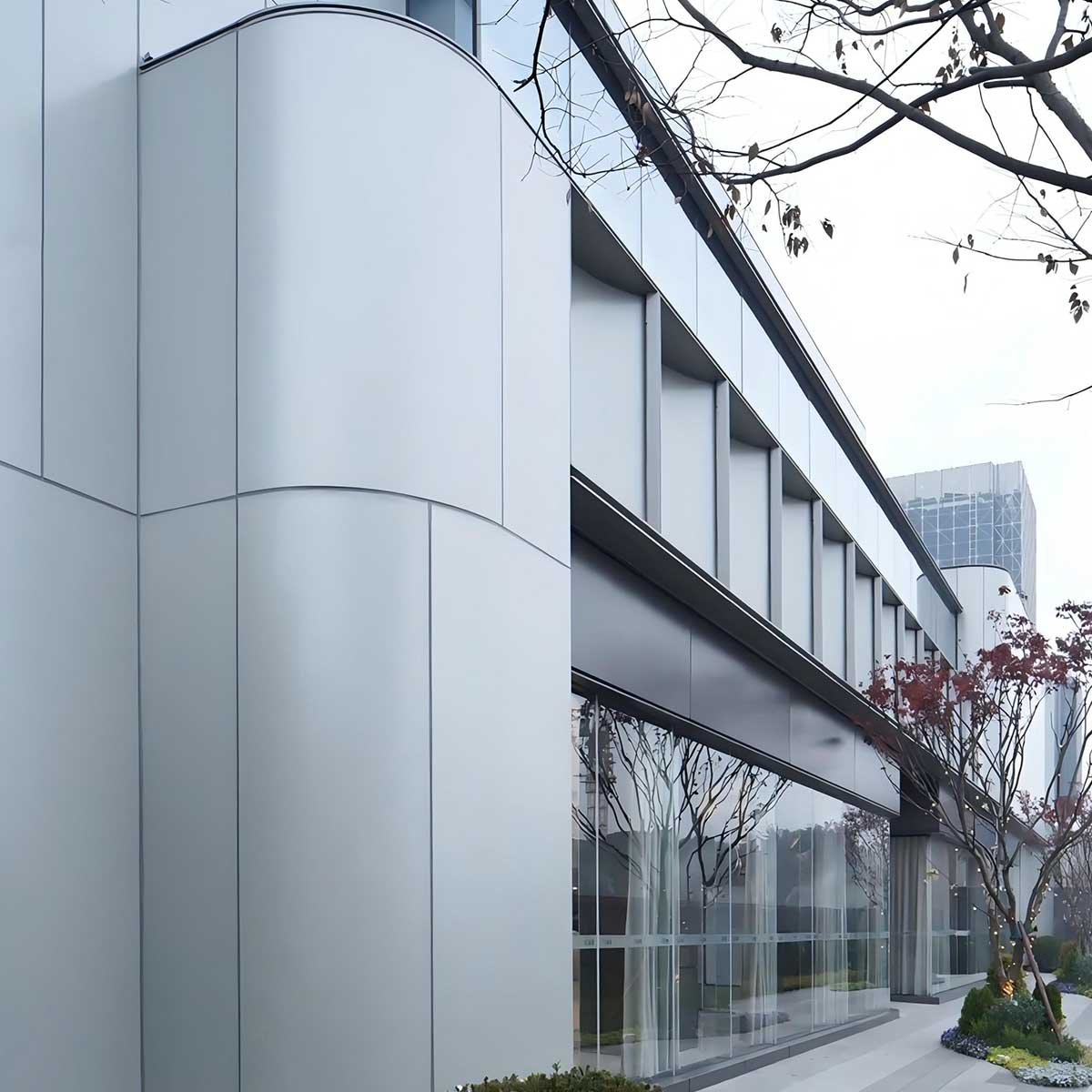
Aluminium facade finishes such as PVDF, powder coating and anodising provide resistance to weathering, UV radiation and moisture and colours and textures match architectural styles.

Aluminium Ceiling Systems

Brushed, powder-coated, perforated and other finishes are available for an aluminium ceiling, which is lightweight and easy to maintain for a range of interior finishes.

Decorative Aluminium Screens

Customised, perforated, expanded and laser-cut designs assist in controlling light, while customised patterns and protective finishes offer privacy, shading and decoration in one aluminium screen.

Aluminium Column Wraps

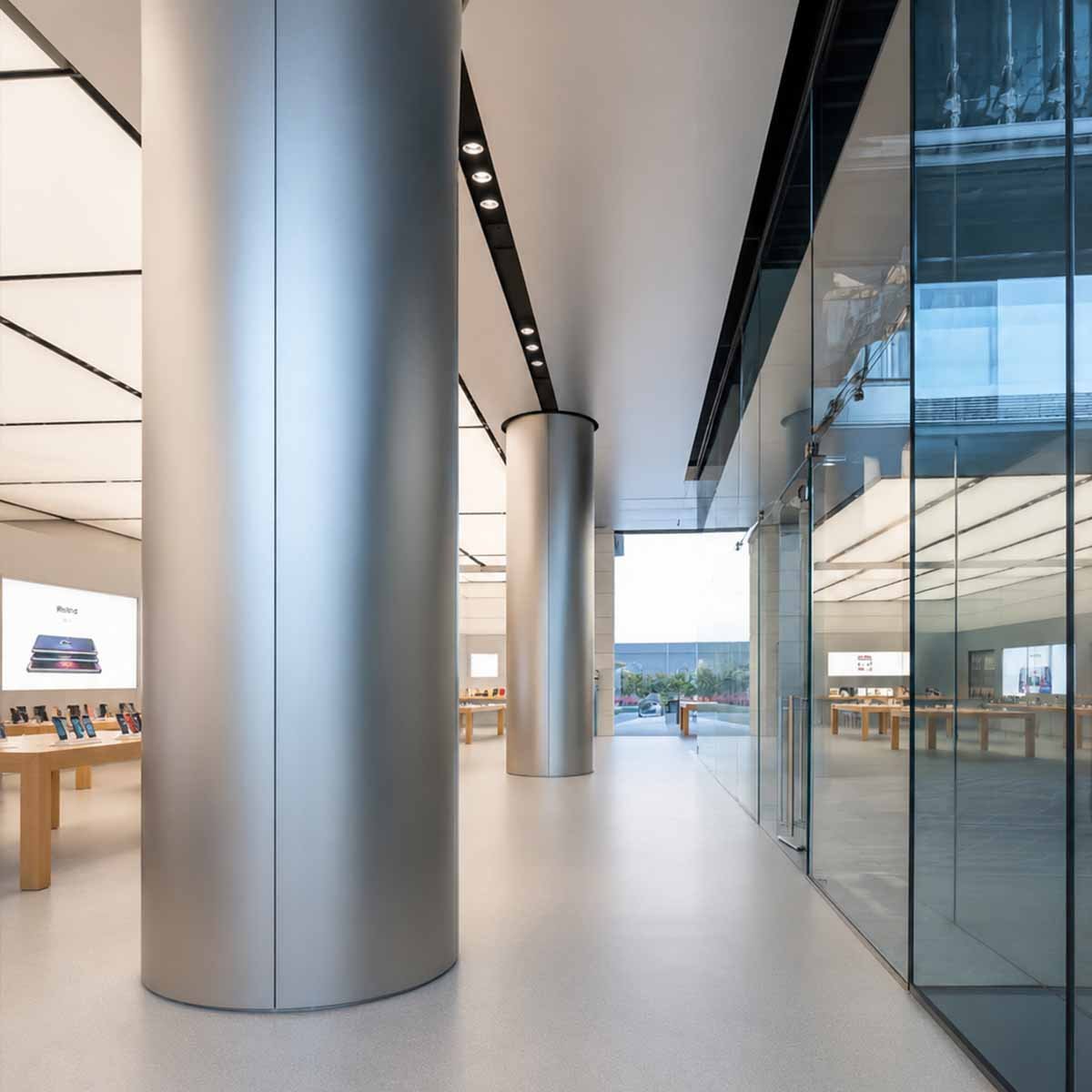
Aluminium column wraps surround structural columns in commercial, residential and public buildings, and can be brushed, mirror or powder-coated to blend in with the rest of the building design.

Interior Wall Cladding and Decorative Panels

Completing aluminium panels to form interior walls, receptions, lifts surrounds, aluminium panels with durable decorative surfaces, textures and colours add visual interest.

Commercial and Residential Architectural Features

Aluminium finishes are used throughout the building to create pleasing entry elements, canopies, balcony details, partitions and more, giving a consistent look and function throughout the building.

To sum up, aluminium finishes can enhance a wide range of architectural features, complementing seamless design and reliable performance in both interior and exterior constructions.

How to Choose the Right Aluminium Finish for Your Project

Choosing the right aluminium finish requires the consideration of appearance, durability, environmental exposure and maintenance. These are some of the factors that can be used to help decide on the most appropriate choice for your project.

Consider the Installation Environment

Assess whether aluminium products will be installed indoors or outdoors, considering UV, moisture, weathering and additional corrosion protection for coastal or industrial environments.

Match the Finish to Your Design Requirements

Use a palette of colours, gloss and texture. Anodised and powder coated finishes retain a metallic look, and can be in different colours, with a brushed, polished or textured decorative finish.

Evaluate Durability and Maintenance

Think about wear, how often it needs to be cleaned and what will be required for long-term maintenance. Choose a finish that will resist uses and need of special maintenance.

Consider Manufacturing Compatibility

The finish chosen should be appropriate to the product material, size and production methods. Discussing specifications during aluminium fabrication helps ensure proper surface preparation, consistent finishing quality and the desired appearance.

Compare Initial Cost and Long-Term Value

Compares the initial cost of finishes with processing and maintenance costs; evaluates performance, service life and maintenance of finishes before awarding a project based on just the initial price.

Finally, the optimum aluminium finish is one that is able to achieve a balance of these attributes. Careful planning enables you to accomplish design objectives and ensure long-term reliable, cost effective operation.

Maintenance and Cleaning of Finished Aluminium

Finished aluminium products benefit from a clean and maintained look and performance associated with regular cleaning and maintenance. While the durability of finishes varies, proper care will help minimize surface deterioration and maximize the life of a finish.

Routine Cleaning

Regulate cleaning frequency of aluminium based on environmental exposure, dirt, pollutants and moisture and wash it regularly with water, soft cloth or sponge, mild, non-corrosive detergent that is pH neutral.

Removing Dirt and Surface Deposits

If the dirt is hard, apply a mild detergent and a soft brush or non-abrasive sponge. Rinse well with clean water, and wipe dry surface to avoid watermarks and residue.

Follow Finish-Specific Maintenance Requirements

The methods used to clean depend on the finish. Always follow the maintenance recommendations provided by the coating manufacturer closely, so as not to damage the protective layer or alter the appearance of the surface.

Avoid Harsh Cleaning Methods

Do not use abrasive pads, steel wool, strong acids, alkaline cleaners or unapproved chemicals that can scratch surfaces, damage coatings or cause color inconsistencies.

Inspect Surfaces Regularly

Examine aluminium products for any signs of scratching, damage to coatings, discolouration, corrosion, and fix any minor problems as soon as possible to prevent the overall product from deteriorating.

Care, carried out in keeping with these guidelines, can help maintain the appearance and protective properties of the finished aluminium surface for many years.

Looking for suitable aluminium finishes for your project? Contact TBK Metal to discuss your requirements, compare finishing options, and find solutions that meet your architectural and performance needs.

Why Choose TBK Metal for Aluminium Architectural Products?

Opting for the right manufacturer is crucial in ensuring the product’s quality, durable finishes, and tailored architectural solutions. TBK Metal has the manufacturing capability, technical skills and project experience to meet a wide range of aluminium product demands.

Extensive Manufacturing Experience

TBK Metal has more than 15 years of industry experience, making them experts in producing customised aluminium products for commercial, residential and large-scale, architectural projects.

Strong Manufacturing Capabilities

TBK Metal has a manufacturing capacity of over 50,000 m2 in 5+ manufacturing bases, and has more than 300 employees, which can be used to complete various projects of varying scales and specifications.

Professional Engineering Support

A group of 50+ senior engineers provides technical support for product development, material selection, technical specifications and customised manufacturing requirements.

Proven Architectural Project Experience

TBK Metal has worked on over 5,000 architectural projects, and is well-equipped with the experience needed to know the practical needs of various building uses and design environments.

Extensive Material and Finish Options

TBK Metal can also be customised with over 100 material and finish choices, which allows for flexibility in colour, texture, pattern and surface treatments to suit various architectural design needs.

Customised Manufacturing Solutions

TBK Metal will work with the client from the initial design stage through production to create products that are specific to the client's needs, but also provide a pleasing look, usability and manufacturability.

TBK Metal has a wide range of manufacturing skills and experience in customised architectural metalwork, helping architects, designers, contractors and developers to realise their architectural vision.

FAQs About Aluminium Finishes

Q1. Can Different Aluminium Finishes Be Combined in One Architectural Project?

Yes. Various aluminium finishes can be used together to produce contrast and to satisfy certain functional needs. In some cases, brushed surfaces can be used with powder coated parts, as long as the two surface materials and finishes are compatible for the installation location.

Q2. Can Aluminium Be Refinished After Installation?

In some instances, the aluminium can be refinished following installation. The options available, however, are dependent on the existing coating condition, surface damage and accessibility. Surface must be properly assessed and prepared before applying a new finish.

Q3. Do Aluminium Finishes Affect the Material's Weight?

The vast majority of the aluminium finishes will not introduce significant additional weight to the underlying material. The true difference, however, will vary according to the finishing process and the thickness of the coating. This normally helps to keep the finished aluminium product with its light weight properties.

Q4. Can Aluminium Finishes Be Matched Across Different Production Batches?

Yes but all of this needs to be carefully controlled to ensure consistent colour matching. If a large architectural project is being considered, then it is advisable to approve the physical finish sample before mass production, to minimize visible differences.

Q5. Are All Aluminium Finishes Environmentally Friendly?

Not necessarily. The finishing materials, chemicals, methods and manufacturing processes used affect the environmental performance. Responsible waste management and production controls and solvent reduction achieved through powder coating can enhance environmental performance over conventional liquid coatings.

Q6. Can Finished Aluminium Be Recycled?

Yes. The majority of typical finishing processes leave the aluminium highly recyclable. Additional processing of coatings and surface treatments may be needed during recycling. Aluminium is also recyclable, making it a valuable material for projects that focus on resource efficiency and sustainable construction.

Q7. How Can You Check the Quality of an Aluminium Finish Before Purchasing?

Ask for physical samples, technical specifications and quality test reports from manufacturer. Thickness, colour consistency, adhesion, and appearance and corrosion resistance are some of the useful checks that can be made depending on the project.

Q8. What Should Be Included in an Aluminium Finishing Specification?

A full specification should include the following: aluminium grade, surface preparation, finishing process, colour reference, gloss, coating thickness and applicable quality standards. It should also establish criteria and acceptance standards for inspections to ensure the consistency of production.

Conclusion

Aluminium fabrication involves converting raw materials into finished components that are tailored to specific design and functional needs, as well as meeting performance standards, by selecting the appropriate materials, processes and surface treatments.

Contact Request

Contact TBK Metal to explore aluminium finishing options and find the right solutions for your architectural project’s appearance and performance requirements.

    Related Posts