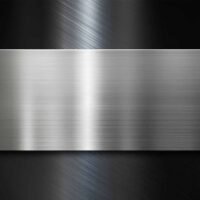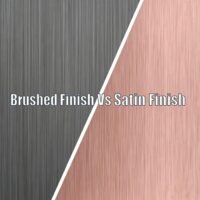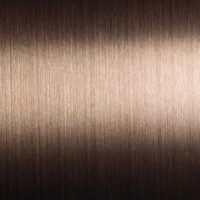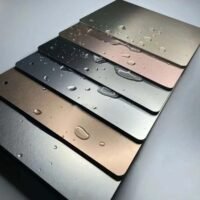





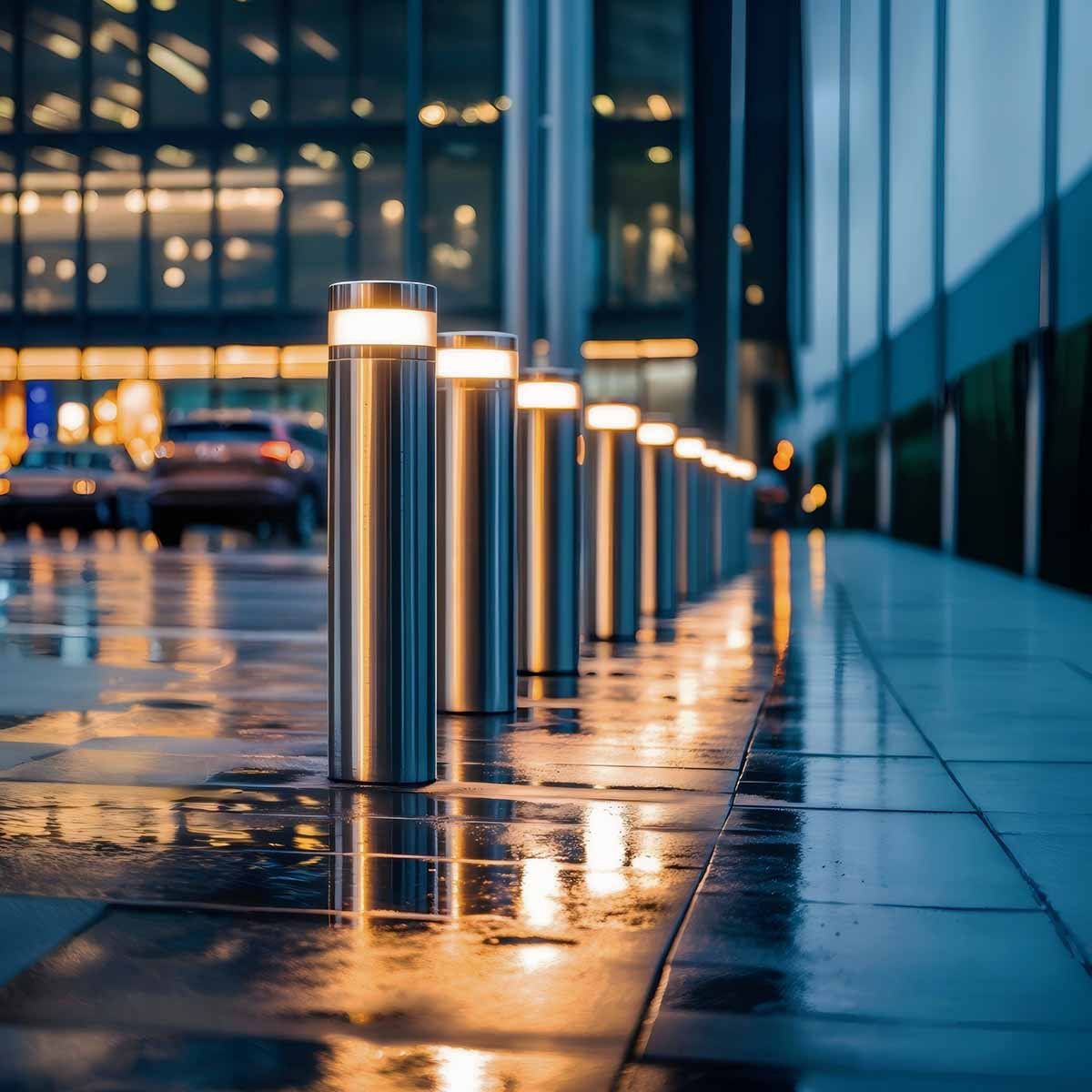

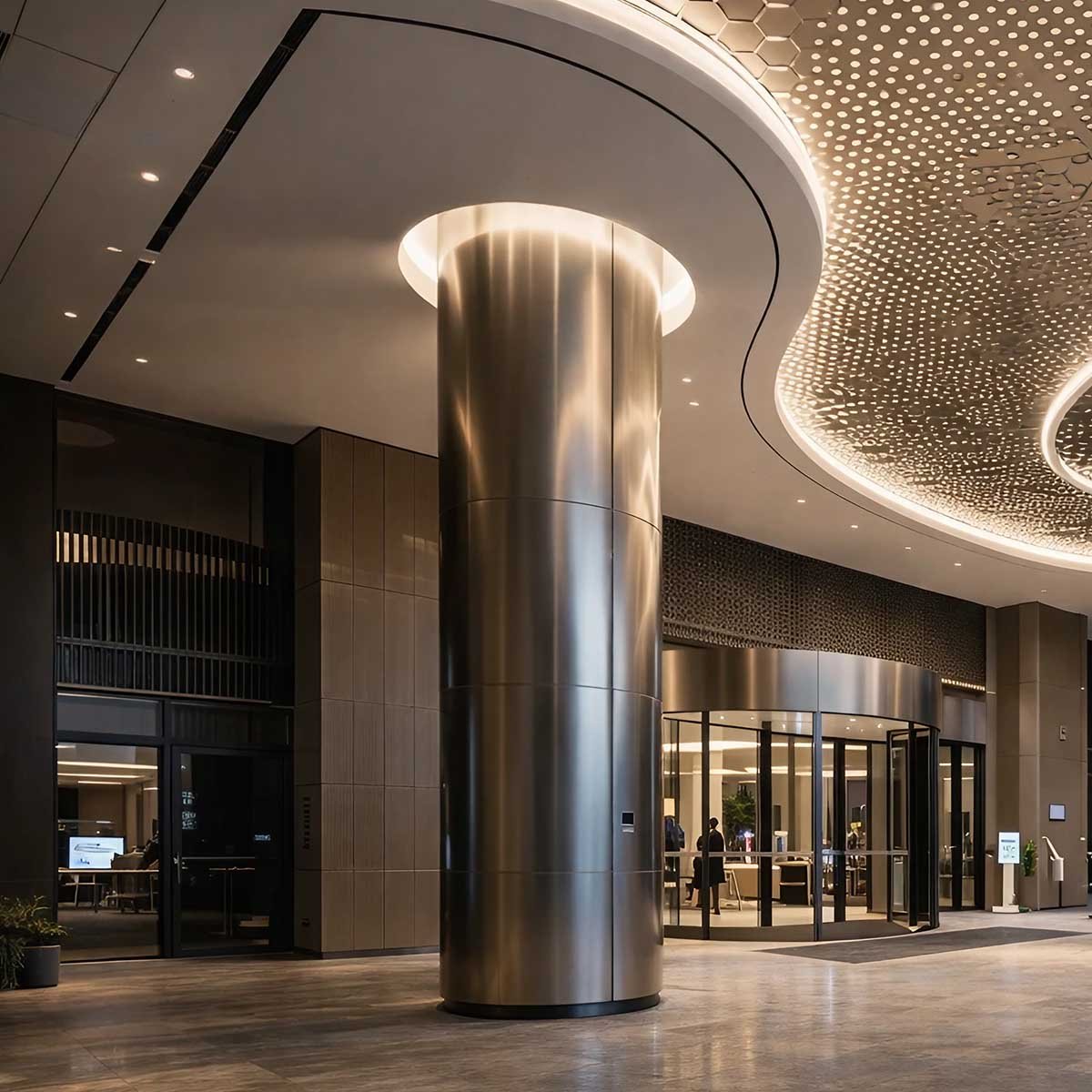

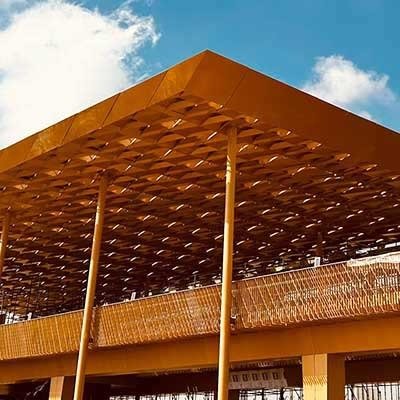
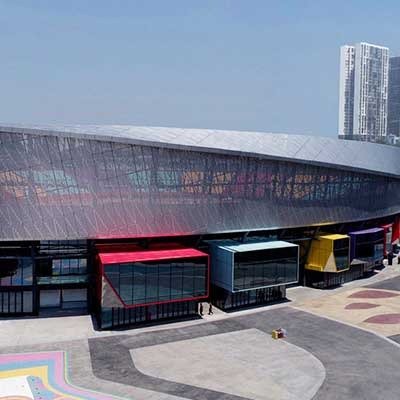

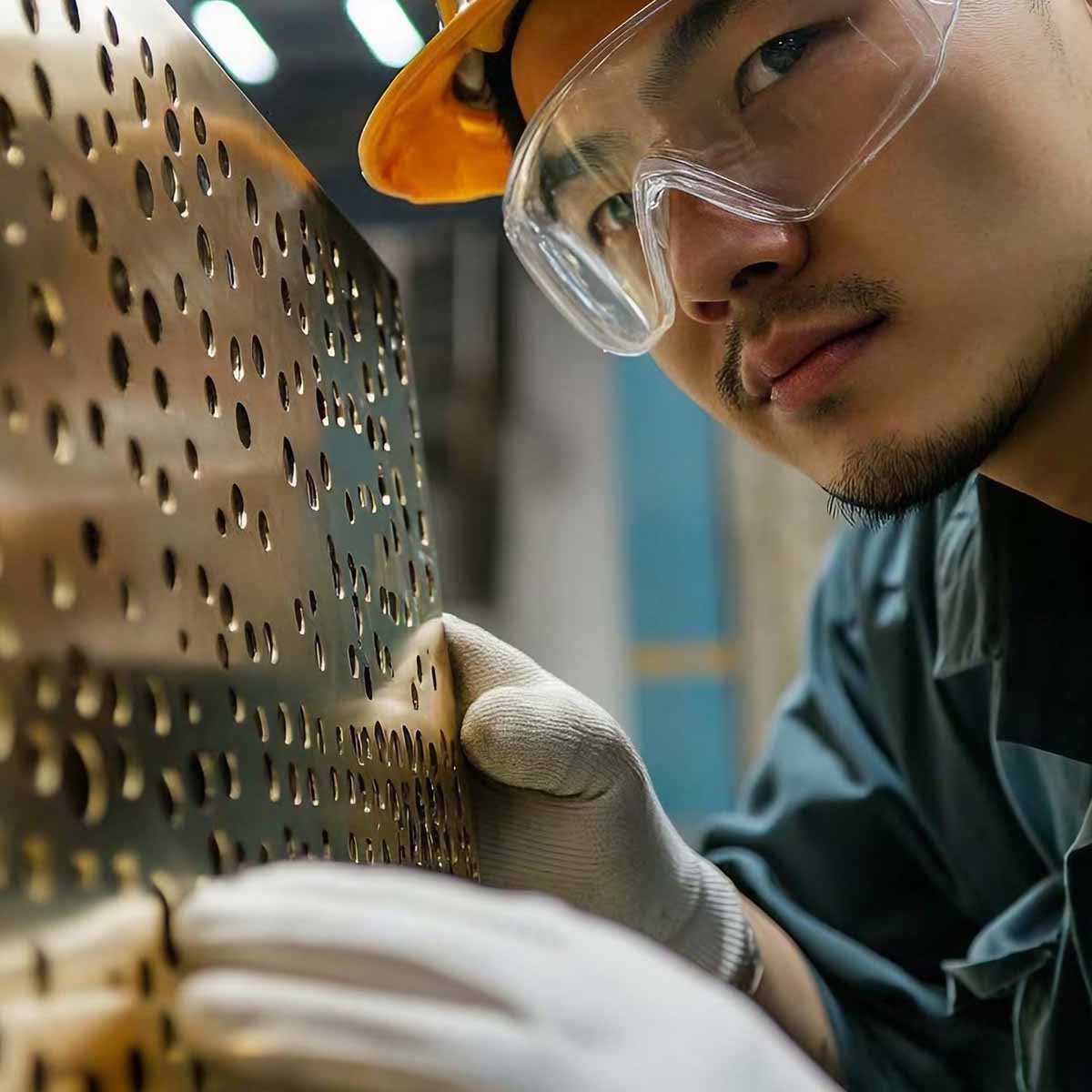
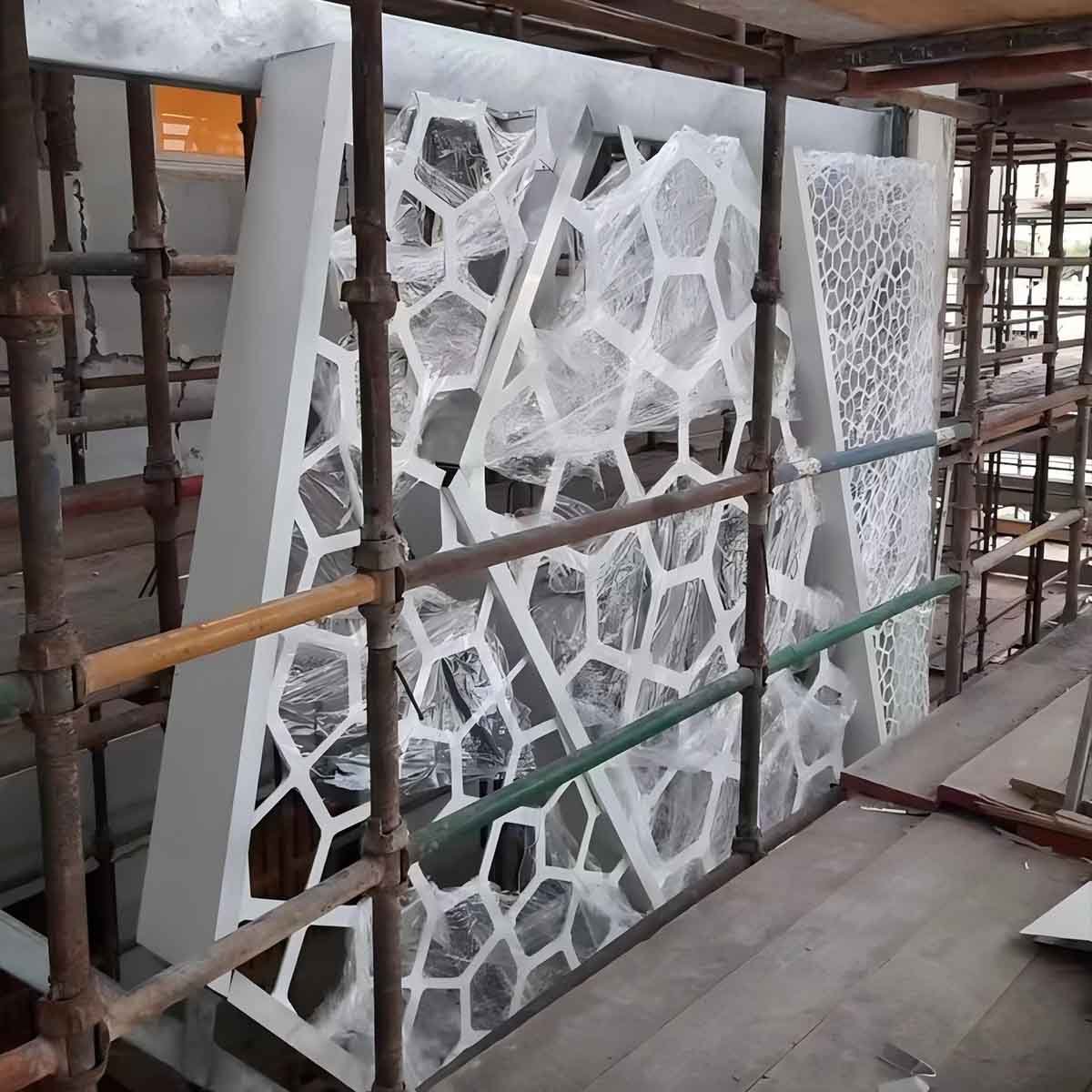



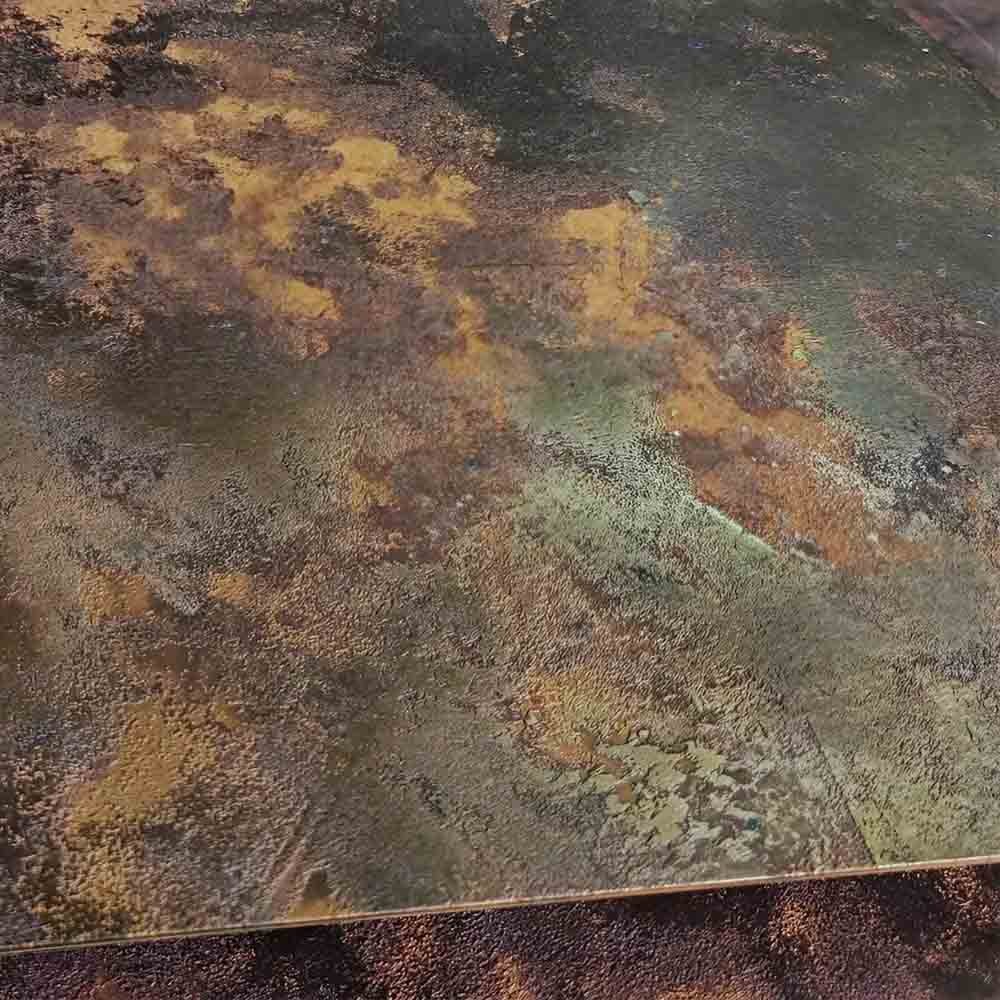
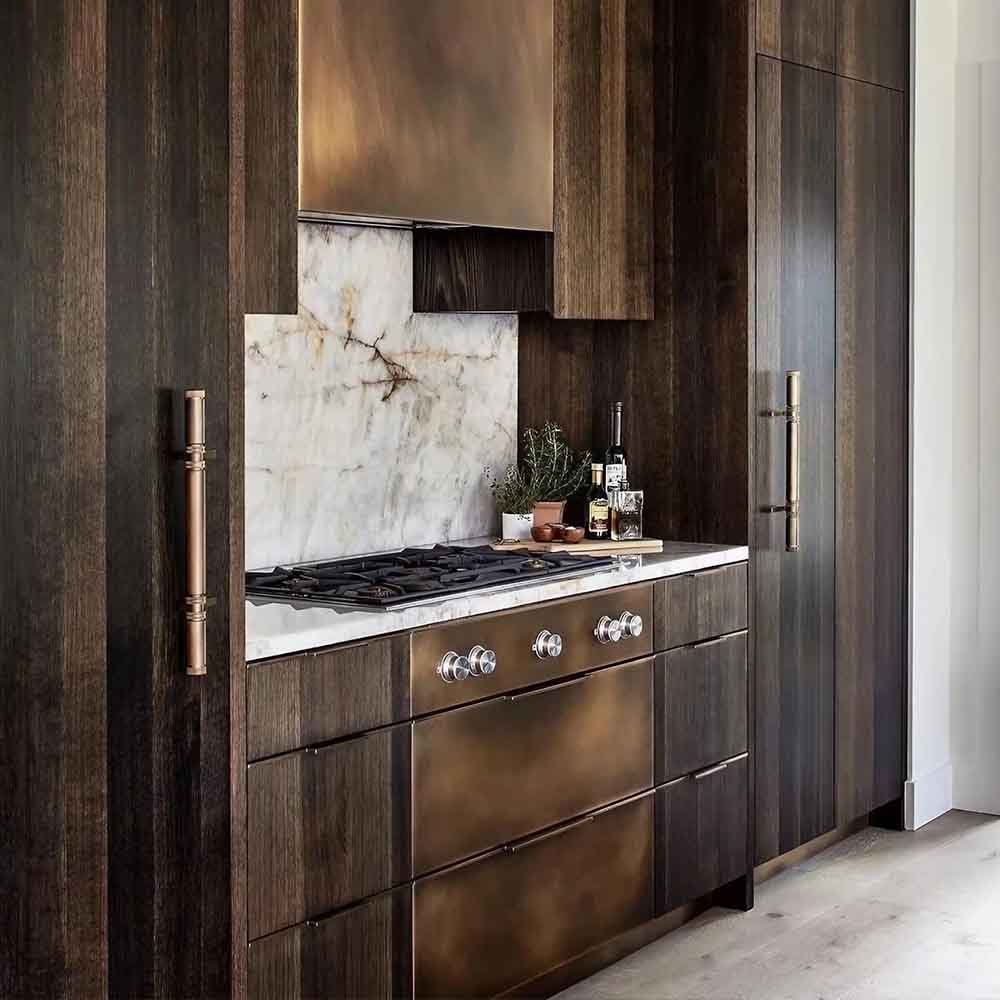
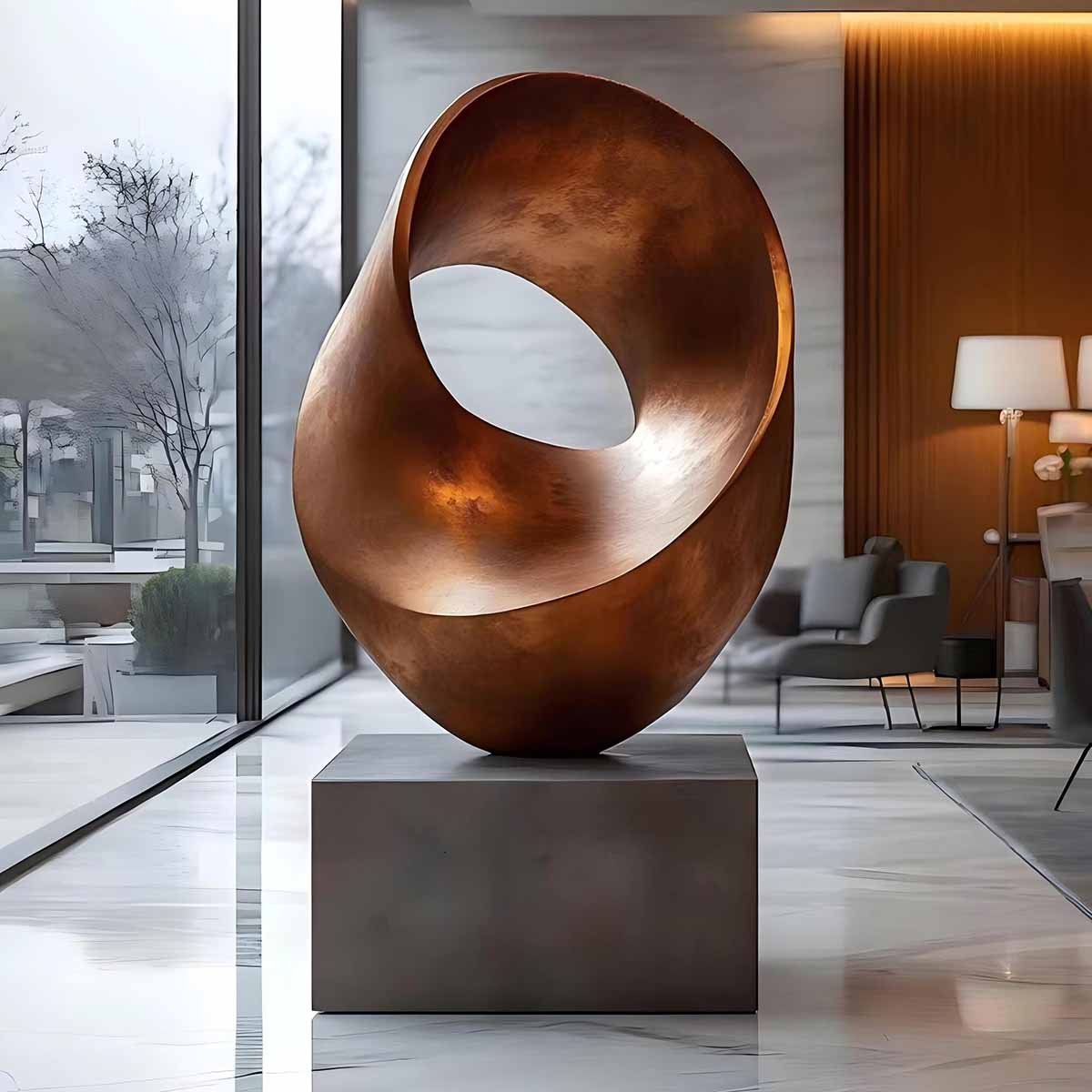
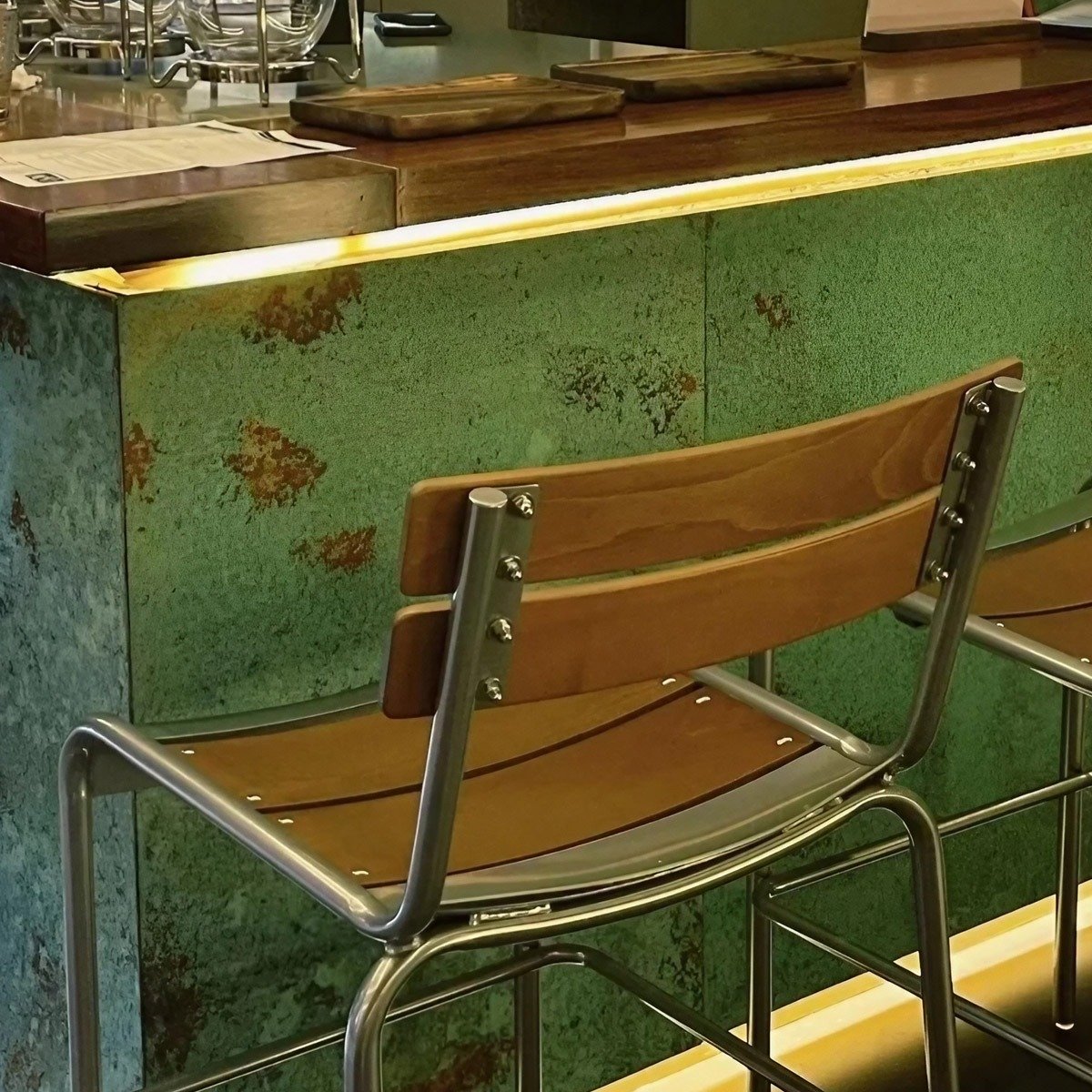
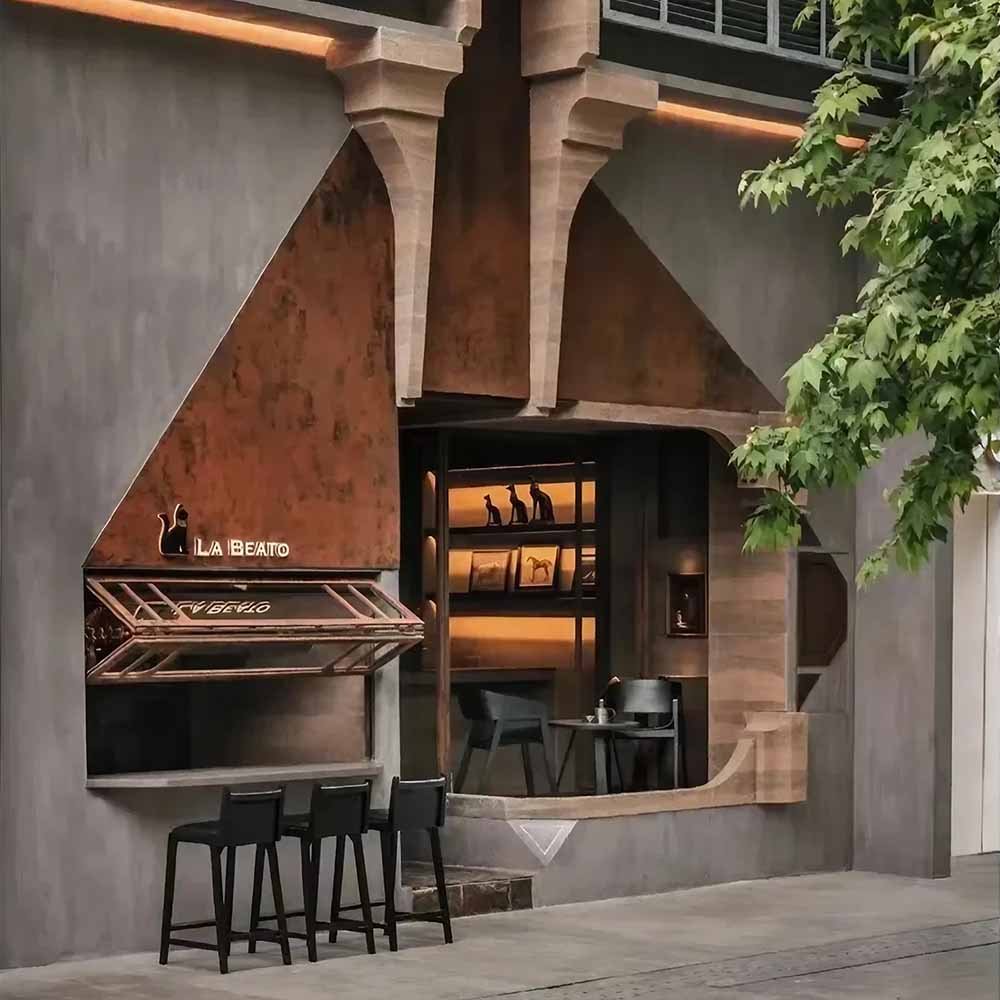


The patina finish stainless steel is a decorative surface treatment that brings the characteristics of stainless steel and can produce different aged, weathered or colour finishes without losing the material properties and resistance of stainless steel.

Whether applied to architectural facades, interior panels, feature elements or bespoke installations, this finish provides designers with increased visual interest, customisation and the ability to define unique contemporary or heritage environments.

Table of Contents

What Is Patina Finish Stainless Steel?

This surface treated to provide a purposeful colour and texture, patina finish stainless steel will give a more aged look without affecting the characteristics of the metal.

Definition of Patina Finish Stainless Steel

Patina finish stainless steel is a special grade stainless steel with a unique patina surface layer that can be used in architectural and decorative applications as well as for strength and durability.

How Is the Patina Created?

Surface appearance is changed by controlled chemical or proprietary treatments, and preparation, treatment, rinsing and finishing procedures give the final appearance.

Surface Characteristics

The finish has a subtle variation in colour, depth and texture, which gives each surface a visual identity. It provides a more natural and handmade look than uniform finishes.

Patina Finish vs Natural Patina

The passive oxide layer on stainless steel is a natural, unintended coating, whereas decorative patina is a treated layer that is meant to obtain a desired appearance.

The distinction between a natural surface protection and a decorative patination is important when understanding the capabilities of the patina finish stainless steel in design applications.

Properties of Patina Finish Stainless Steel

Patina finish stainless steel is made by a special surface treatment process, which uses the qualities of stainless steel. It has properties that are dependent on the grade chosen, the finishing process, the manufacturing technique and the environment for use.

Corrosion Resistance

The stainless steel substrate protects itself against corrosion using a passive layer of chromium, which depends on the grade of stainless steel and on the environment.

Structural Durability

Patina finish stainless steel is strong, tough, and has a long life and can be fabricated for durable architectural components on challenging projects.

Surface Stability

A well-developed patina offers predictable visual performance; appearance is determined by treatment, environment, and proper long-term care.

Durability

The base material offers good resistance to daily use, making all hairline surfaces appropriate for doors, wall panels, lift surrounds and other surfaces used regularly in architecture.

Fabrication Compatibility

S-steel with patina finish is suitable for cutting, forming, welding, and assembling, while careful fabrication planning is vital to guarantee consistent surfaces and desired effects.

Design Flexibility

The finish is compatible with a range of stainless steel substrates and surface treatments, allowing designers to achieve a variety of finishes, textures and expressions.

Patina finish stainless steel is corrosion resistant, durable, adaptable to making and offers much flexibility of appearance, thus is the ideal material for durable architecture and stainless steel decoration.

How Is Patina Finish Stainless Steel Made?

Patina Finish Stainless steel is a controlled process that changes the surface but not the base metal properties, and every stage of the manufacturing process has an impact on the final colour, texture, and consistency of the end product.

Stainless Steel Surface Preparation

The surface of the stainless steel is cleaned and pretreated to remove contamination, and the texture and finish of the steel will affect the appearance of the patina.

Controlled Patination Process

The desired patina effect is achieved by a chemical or special treatment, which is affected by the solution, the duration of the treatment and the temperature.

Rinsing and Surface Stabilisation

The surface is then rinsed and stabilised after patination to eliminate residue and assure uniform development and the desired surface appearance.

Quality Inspection and Optional Protection

Colour consistency, coverage and defects on the finished surface are checked and where necessary, protective treatments are applied to ensure long term service.

Factors Affecting the Final Appearance

Careful control of grade, surface preparation, method of treatment, processing conditions, and fabrication will give consistent final patina, depending on the type of treatment.

Patina finish stainless steel can produce a distinct appearance through a controlled manufacturing process and retain the quality, consistency, and performance of materials of architectural stainless steel.

Looking for a distinctive patina finish stainless steel solution for your project? Contact TBK Metal for expert guidance, customised fabrication, and high-quality architectural metal solutions tailored to your design and performance requirements.

Patina Finish Stainless Steel vs Other Stainless Steel Finishes

Elegant and fine-grained, Patina has a different look, feel, reflectivity and processing than other stainless steel finishes. The following is a comparison of the important features of each finish for architectural and decorative use.

FinishAppearanceSurface CharacterReflectivityTypical ApplicationsKey Consideration
Patina FinishAged, weathered, colour-tonedNaturally variedLow to moderateFeature façades, interiors, decorative elementsColour and tonal consistency
Brushed FinishLinear, satinDirectional grainLow to moderateCladding, handrails, panels, interiorsGrain direction and uniformity
Mirror FinishSmooth, highly reflectivePolishedVery highDecorative panels, luxury interiors, feature surfacesFingerprints and surface maintenance
Bead-Blasted FinishUniform, matteFine textured surfaceLowArchitectural panels, interiors, signageSurface consistency
PVD Colour FinishConsistent, colour-tonedSmooth or directionalVariesFaçades, interiors, decorative panelsColour specification and coating performance

Most patina finishes are chosen for situations that demand more visual interest and an aged look, while others might be more appropriate for situations that need uniformity, reflectivity or certain surface texture.

Benefits of Patina Finish Stainless Steel

Patina finish stainless steel offers a combination of style, durability, and innovation to designers and architects. The special property of its surface enables the projects to go the distance in style and performance.

Creates Unique Visual Identity

The varied tones and the aged charactor produce different architectural characteristics, which make each patina surface look different and add to the project identity.

Enhances Design Versatility

Patina finish stainless steel suits come in a variety of colours and textures that can be used to create a wide range of design ideas and materials.

Provides Long-Term Aesthetic Value

patina surfaces can also be used for projects that demand design longevity, as they can age naturally and become more appealing.

Supports Bespoke Architectural Solutions

The finish requires flexibility to suit custom panels, decorative elements, and special components, making it ideal for custom solutions that meet project needs.

Combines Beauty with Practical Performance

Patina finish stainless steel is a stainless steel product that provides architectural projects with not only character and function but also visual impact.

Patina finish stainless steel is a beautiful, design flexible and durable material suitable for customised architectural and decorative projects.

Common Applications of Patina Finish Stainless Steel

The use of patina finish stainless steel in architectural, interior, and decorative applications highlights its versatility and appeal in creating unique metallic finishes that are both visually appealing and durable.

Exterior Building Features

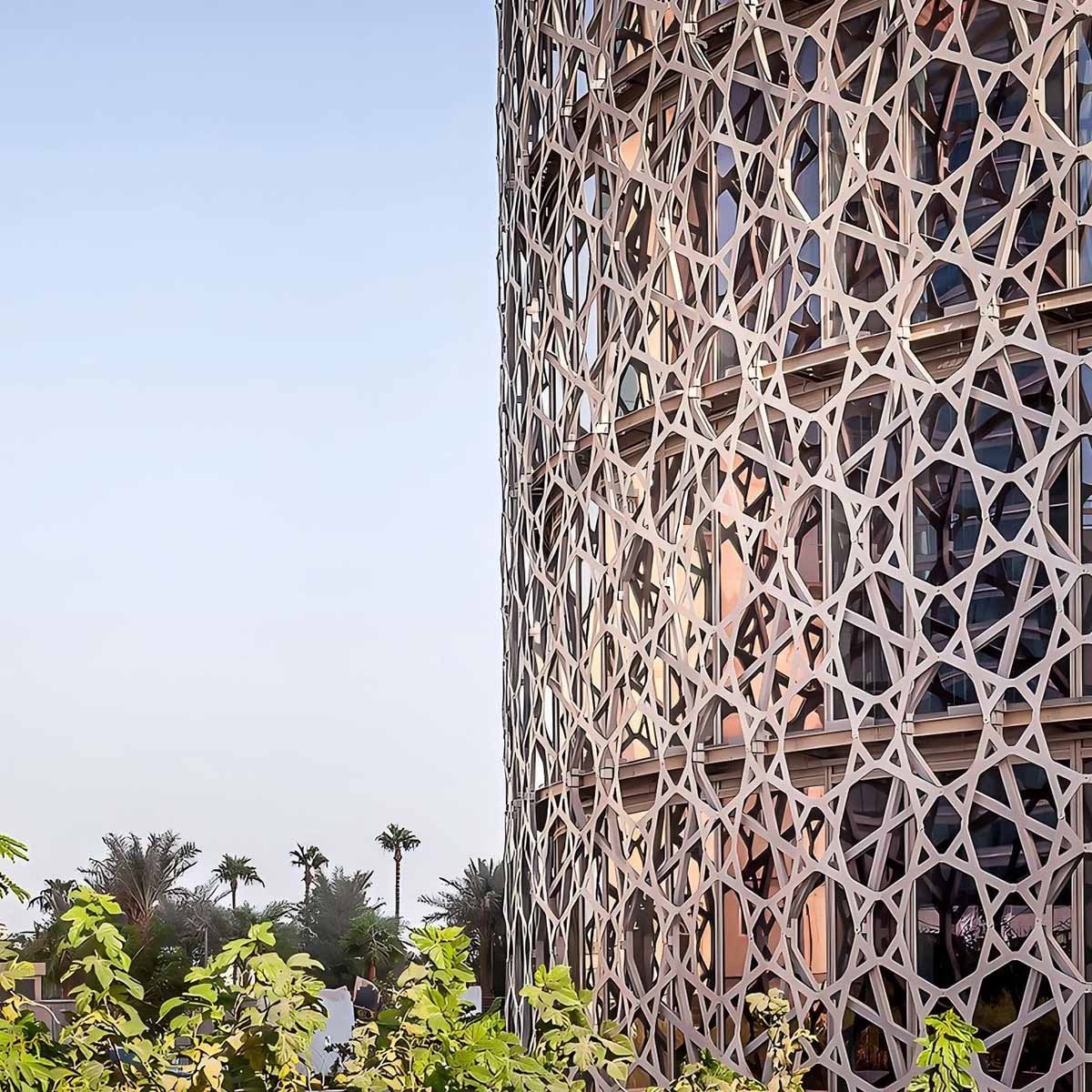
Patina stainless steel is ideal for stainless steel facade, entrances, screens and architectural panels to produce unique, interesting surfaces for the exterior of buildings.

Stainless Steel Interior Design

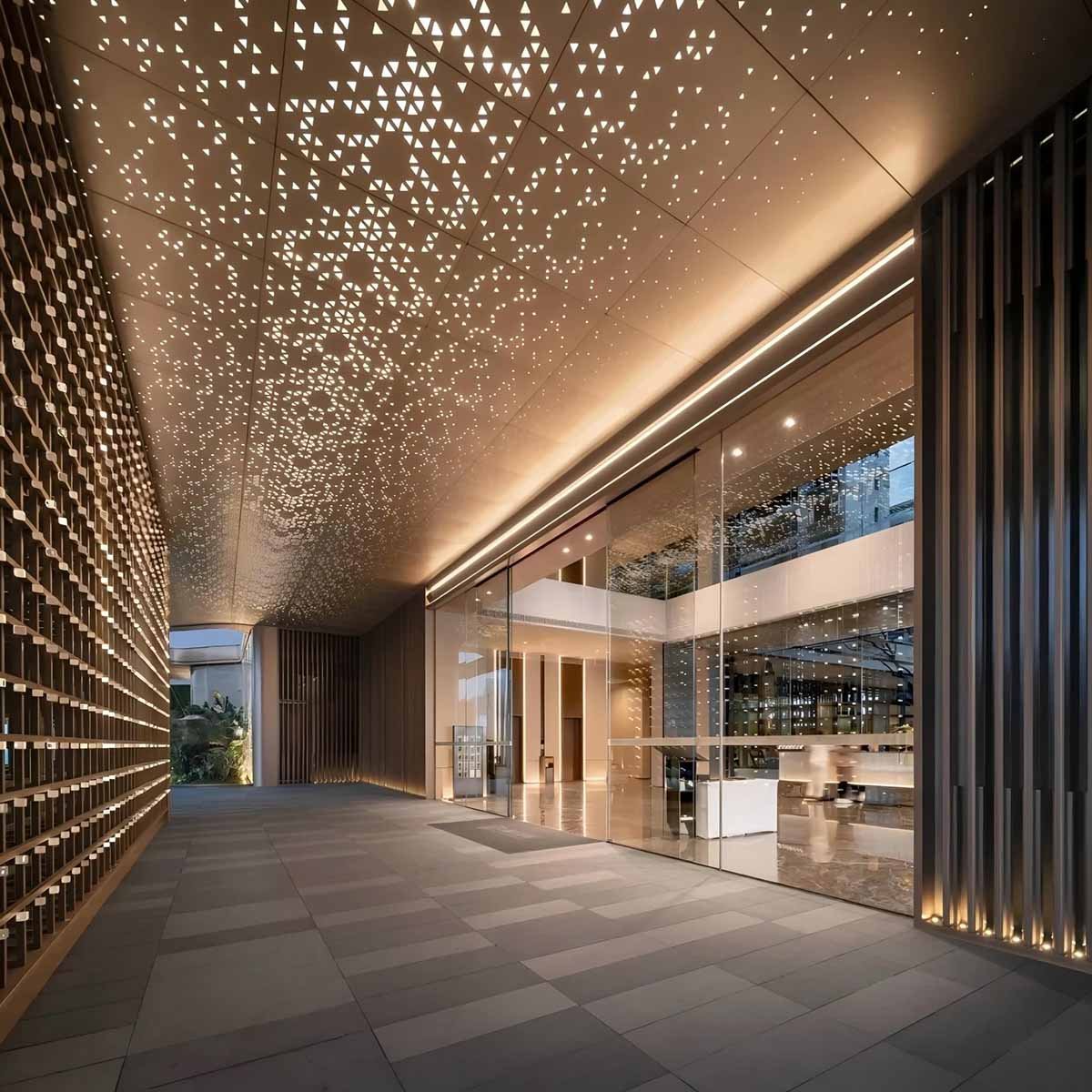
Wall panels, ceilings, interior lift, reception areas and feature surfaces for commercial and public spaces, Patina finish stainless steel suits adds warmth and character.

Decorative Panels and Feature Surfaces

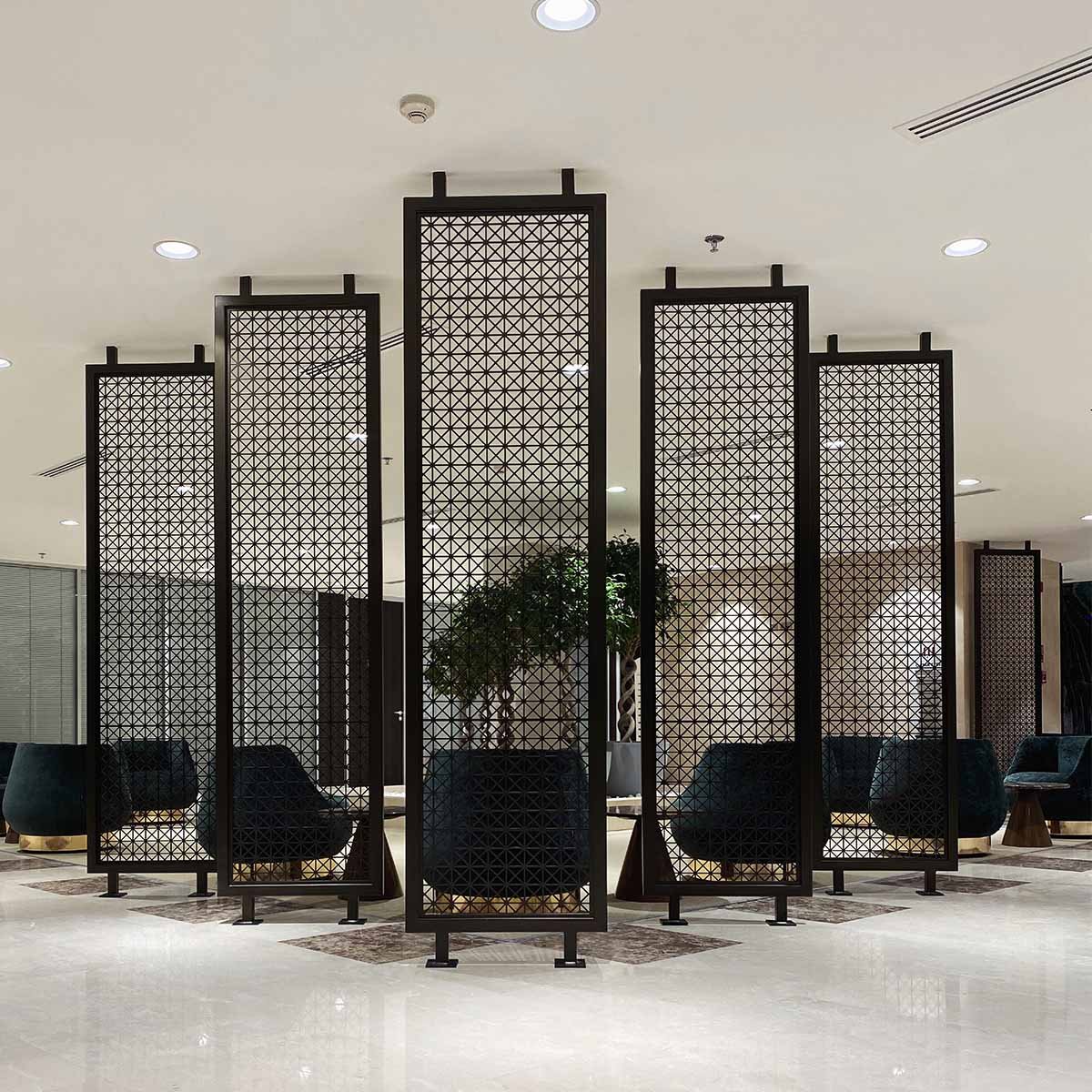
Patina finish stainless steel suits wall panels, ceilings, lift interiors, reception areas and feature surfaces to give comfort and character to commercial and public spaces.

Columns and Structural Details

Patina finish stainless steel suits column covers, trims, reveals and architectural accents with refined metallic accents to complement the surrounding materials.

Custom Furniture and Interior Products

Patina surfaces are ideal for bespoke furniture, counters, tables, cabinets and other interior products that need a unique, high quality finish.

Artworks and Sculptural Installations

Patina stainless steel is used in sculptures and installations because of its range of colours that produce interesting surfaces and impressions.

Patina finish stainless steel suits a wide range of architectural and decorative uses due to its unique designs, customisation and durability.

How to Choose Patina Finish Stainless Steel?

The selection of a patina finish stainless steel must consider the project environment, appearance desired, fabrication requirements, and maintenance expectations. Focusing on a clear specification process helps ensure the finish is both designed and suited to the performance.

Select the Appropriate Stainless Steel Grade

Choose an appropriate grade depending on the level of exposure, the level of corrosion required, and the project conditions; 304 and 316 are the generally used grades for architectural use.

Define the Desired Colour and Surface Character

Establish the desired colour, tone, texture and visual effect before production and evaluate lighting and material interactions with physical samples.

Consider the Installation Environment

Think about its surroundings, which will affect the grade of stainless steel to be used, the need for treatment and the maintenance that it will require over time.

Confirm Fabrication Requirements

Think about cutting, bending, welding, edge finishing, and assembly in advance, when working with patination to preserve the desired surface finish.

Evaluate Maintenance Requirements

Clean in accordance with recommended procedures and times to maintain intended look and surface performance over time.

Request Samples Before Specification

Request physical samples before final approval to assess colour, texture, tonal variation, and compatibility with the overall architectural design.

The selection of grade, appearance, environment, fabrication, maintenance and sampling all help to ensure that patina finish stainless steel will satisfy project requirements.

Maintenance of Patina Finish Stainless Steel

Steeled with a patina finish should be maintained regularly to keep the look that the manufacturer intended. Cleaning should be according to the instructions of the finish manufacturer and take into account the installation site and degree of exposure.

Routine Cleaning

Wash frequently with water and gentle, non-abrasive soap to clean dust, fingerprints and impurities, while retaining the patina finish.

Avoid Aggressive Cleaning Methods

Avoid using abrasive pads, steel wool or strong chemicals, and test the product on an inconspicuous area first.

Remove Contaminants Promptly

Promptly clean away salt deposits, construction debris, oils and other impurities to avoid long-term stains and maintain the desired surface finish.

Inspect Exterior Installations

Clean exterior surfaces regularly for dirt, stains, damage and changes in appearance, more often in polluted, coastal and industrial environments.

Architectural applications can be maintained for the long-term and retain their appearance through regular cleaning, removal of contaminants in a timely fashion, and periodic inspection.

Patina Finish Stainless Steel for Architectural Projects

Coordinated design intent, material selection, fabrication, surface treatment and installation are required for patina finish stainless steel. Visual consistency can be maintained and technical requirements met through early planning.

Design and Material Selection

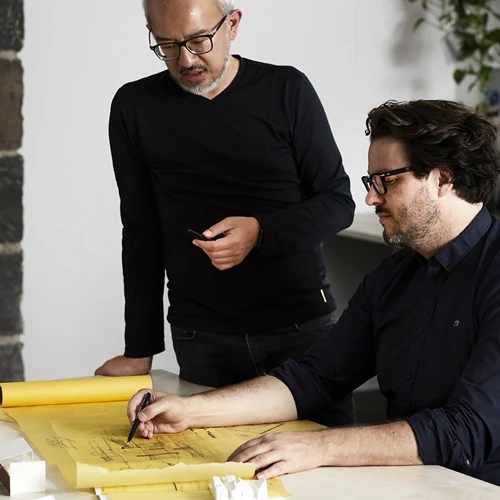
Colour, texture, reflectivity, dimensions and surface character should be defined by the architect before the specification of the material, taking into account the grade of the material and its exposure condition.

Fabrication and Quality Control

Planning involves cutting, forming, welding, edge treatment and assembly, all of which are part of the fabrication process; and samples and inspections ensure accuracy, quality, and finish consistency.

Custom Fabrication Options

Patina stainless steel can be cut into bespoke panels, screens, signs, column covers and feature elements to specific dimensions required for architecture.

Why Professional Fabrication Matters

Skilled fabricators oversee preparation, fabrication, patination, quality control and installation to minimize inconsistencies and adhere to approved project specifications.

Successful projects need to be coordinated from material selection through installation, to ensure the desired appearance, quality and performance of patina finish stainless steel.

Need bespoke patina finish stainless steel for architectural applications? TBK Metal provides professional consultation, customised fabrication, and reliable finishing solutions to help transform your concepts into durable and visually impressive metal features.

Why Choose TBK Metal for Patina Finish Stainless Steel?

The right fabrication partner is crucial for obtaining consistent patina finishes. TBK Metal offers architectural metal expertise, customised fabrication, quality control and project support for bespoke stainless steel solutions.

Extensive Architectural Metal Fabrication Experience

TBK Metal's 15+ years of experience includes both fabrication expertise and manufacturing capabilities, providing support for bespoke elements and large-scale architectural projects.

Advanced Customisation and Fabrication Capabilities

TBK Metal offers custom solutions in stainless steel in the form of unique surface finishes, panel orientation, dimensions and architectural features, depending on the project requirements.

Integrated Project Support

TBK Metal manages material selection, sampling, fabrication and quality control to ensure the completed patina surfaces are acceptable to the project.

Proven Project Experience

TBK Metal has contributed to 5,000+ architectural projects across the globe across a variety of different commercial, hospitality, residential, public and other architectural settings.

Hairline finish stainless steel offers low-glare, durability, easy maintenance, and elegant texture, and is ideal for modern architectural design applications.

FAQs About Patina Finish Stainless Steel

Q1. Does Patina Finish Stainless Steel Change Colour Over Time?

Light, weather, handling, and the environment to which it is exposed can cause subtle tone variations to develop in patina finish stainless steel over time, depending on the treatment, substrate, installation conditions, and maintenance.

Q2. Can Patina Finish Stainless Steel Be Repaired If Damaged?

Minor surface damage may be treated or refinished locally, but it may be difficult to get an exact colour and surface match. A professional evaluation is suggested to help determine the best repair options.

Q3. Can Patina Finish Stainless Steel Be Laser Cut?

Yes, it is possible to use patina finish stainless steel for laser-cut components, but the laser cutting is often finished first, to ensure the edges remain consistent and the final appearance is achieved.

Q4. Can Welded Areas Match the Patina Surface?

Fabrication and finishing should be carefully coordinated with welding and samples prepared to ensure the desired outcome welding can change the surface in the vicinity of the weld and there may be some differences after the patination process.

Q5. Is Patina Finish Stainless Steel Suitable for Custom Patterns?

Yes. As a finish, patina stainless steel can be engineered into custom panels, screens, decorative patterns and customised parts and then treated to a uniform surface throughout the finished parts.

Q6. Does Patina Finish Stainless Steel Show Fingerprints?

The colour, texture and surface treatment determine the visibility of the fingerprint. Some patina surfaces are less visible in terms of fingerprints or minor marks compared to highly reflective finishes.

Q7. How Much Does Patina Finish Stainless Steel Cost?

The costs are dependent on stainless steel grade, thickness, dimensions, substrate finish, patination process, fabrication complexity, quantity and requirements for quality control. The bespoke finish may necessitate further sampling and processing.

Q8. Can Patina Finish Stainless Steel Be Used with Other Materials?

Yes. patina stainless steel can be used with glass, timber, stone, aluminium and concrete to produce contrasting colours, texture and material combinations to enhance architectural compositions.

Conclusion

Patina finish stainless steel is a durable stainless steel that has a unique colour range and an aged and weathered look. It has a strong visual appeal, and can be used in facades, interiors, decorative elements and custom-made architectural parts.

Generating the desired effect takes into account material grade, surface preparation, patination, fabrication, installation and maintenance. Given specific specifications and professional fabrication, patina surfaces can offer unique and enduring architectural answers.

Contact Request

Contact TBK Metal for customised patina finish stainless steel solutions, professional advice, and quality fabrication services for your architectural projects.

    Related Posts