




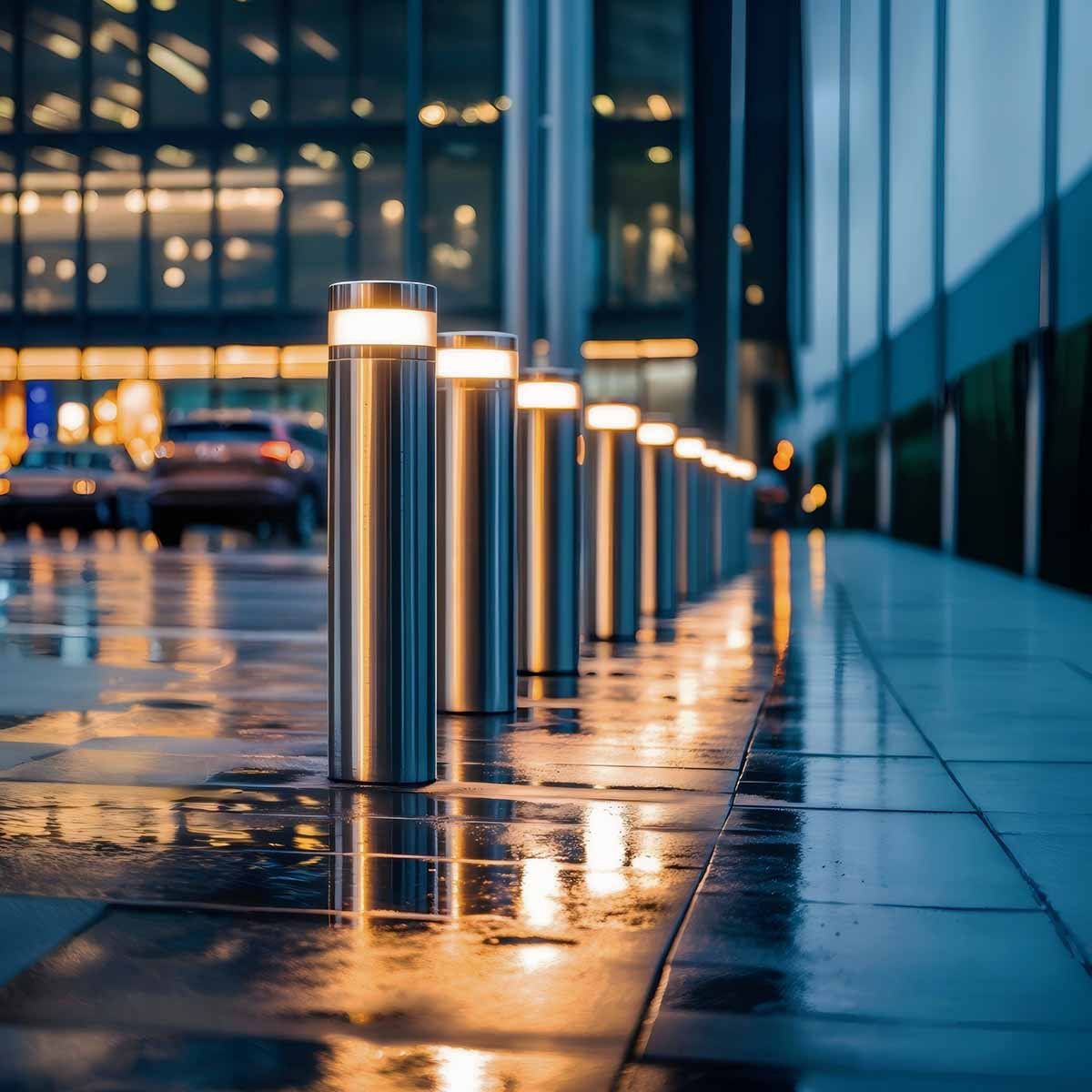

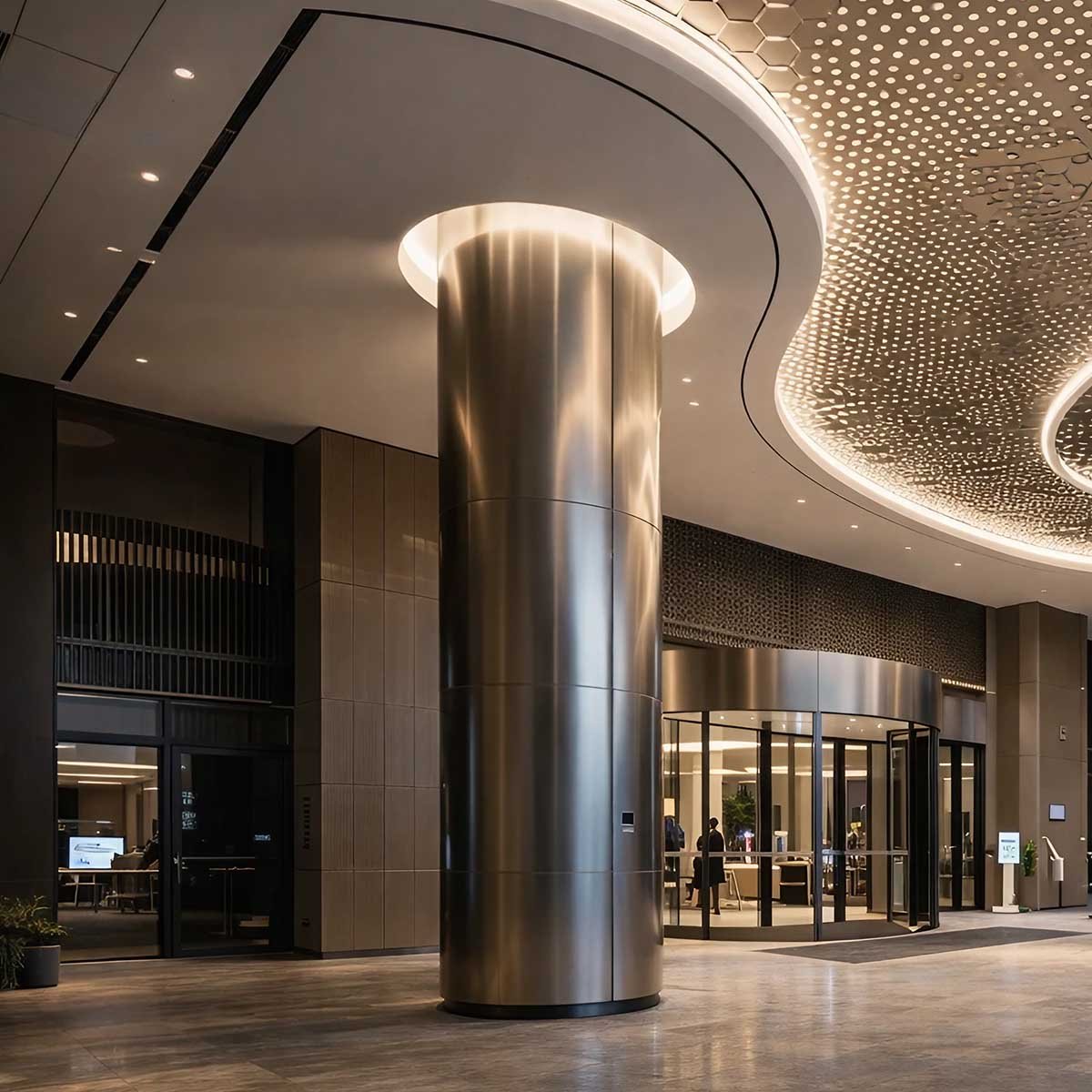





Stainless steel is a very useful material and it is utilized in the development of many architectures. It is argued that comprehension of the properties and uses of stainless steel shall enhance its utility in terms of form and function in architectural and design domains.

Stainless steel offers essential benefits for architectural purposes ranging from corrosion immunity to diverse possibilities of styling. Because of the capacity to perform such conditions, as well as the elegant appearance, it is applied in most current structures.

Table of Contents

What is Stainless Steel?

Stainless steel comes with understandable durability, aesthetic versatility, and sustainable nature, making it attractive for architectural applications. They remain useful for today’s modern, sustainable designs because of their lifespan, stability, and low maintenance requirements.

304 Stainless Steel

Iron (Fe)

Stainless steel comes with understandable durability, aesthetic versatility, and sustainable nature making it attractive for architectural application. They remain useful for today’s modern, sustainable designs because of their lifespan, stability, and low maintenance requirements.

Chromium (Cr)

Required for corrosion protection, generally ranging from 10.5% to 30% of the weight of the coating.

Nickel (Ni)

Useful for increasing strength and for added protection from oxidation, usually stainless 304 and 316.

Molybdenum (Mo)

Added in grades like 316 which improves the ‘corrosion’ factor, particularly in contexts like seawater.

Carbon (C)

Adds strength and hardness but at the same time decreases corrosion resistance in higher concentrations.

Common Stainless Steel Grades for Architecture

304 Stainless Steel

Of these grades, the most widely used grade reveals enhanced formability and improved corrosion resistance pattern for internal and, equally, exterior usage.

316 Stainless Steel

Accurate for making applications where water especially seawater in addition to chemicals might come into contact with as this material is resistant to corrosion.

430 Stainless Steel

Another type found at a lower per unit cost and used in applications where the environment is less corrosive, and most widely used in architectural applications.

Knowledge of the type of stainless steel makes it easier to choose the right grade for construction purposes. Sturdiness, resistance to rusting, and its look make it the most recommended material in the current world fashion in construction and design.

Looking to understand the properties and uses of stainless steel? Speak with our experts for professional guidance, tailored solutions, and top-tier fabrication solutions that align with your architectural and design requirements.

Key Properties of Stainless Steel in Architecture

Stainless steel comes with unique benefits such as durability, better strength, and flexibility mainly aesthetic versatility, to make good architectures. They are unique and can be used artistically and as ornaments in modern architectural designs.

Corrosion Resistance

Corrosion resistance is another property of stainless steel which makes it suitable to be used in conditions that can cause it to rust. It contains chromium that is reactive with oxygen to create an oxide layer; thus suitable for facade cladding and roofing.

Strength and Durability

The strength-to-weight ratio makes stainless steel highly durable and also lightweight. Due to such attributes as resistance to impact, heat, and stress the material is widely used in structural applications such as beams columns, and support frames.

Aesthetic Flexibility

They are used in different architectural designs, from modern to traditional styles since it is easy to design stainless steel. They come in glossy, brushed, or matte finishes that provide aerodynamic styling and make the auto original and timeless.

Sustainability and Eco-Friendliness

It is a green material as it does not become a waste material because it can be recycled in its entirety and has infinite recycling value. It has a long life thereby reducing the frequency of replacements hence fulfilling the green building policies.

Low Maintenance

Stainless steel does not need much maintenance and also does not tarnish often; that is, it does not need to be resealed often. Such durability makes it possible for its use for long-term constructions thus reducing costs of construction in the long run.

Herein are the worthy properties of stainless steel in the applications of architectural substance: corrosion, strengths, versatility of the showing of health. These are the attributes that are more than any other pledges to the fundamentals of modern design.

Uses of Stainless Steel in Architectural Design

Stainless steel is perhaps the most commonly used material in modern architecture for practical as well as aesthetic applications. These properties also include its strength, good looks, and corrosion resistance, making it suitable for many uses:

Building Exteriors

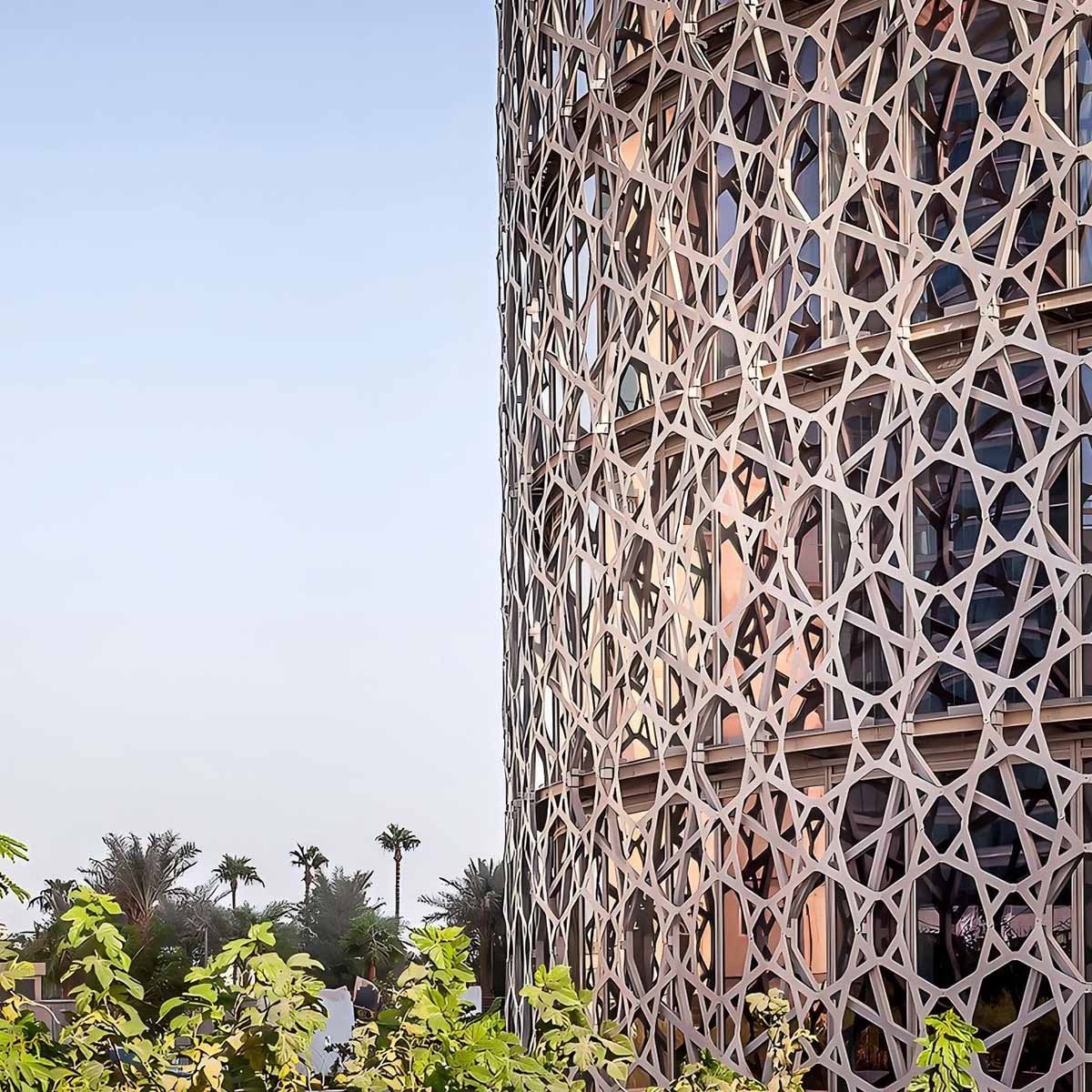
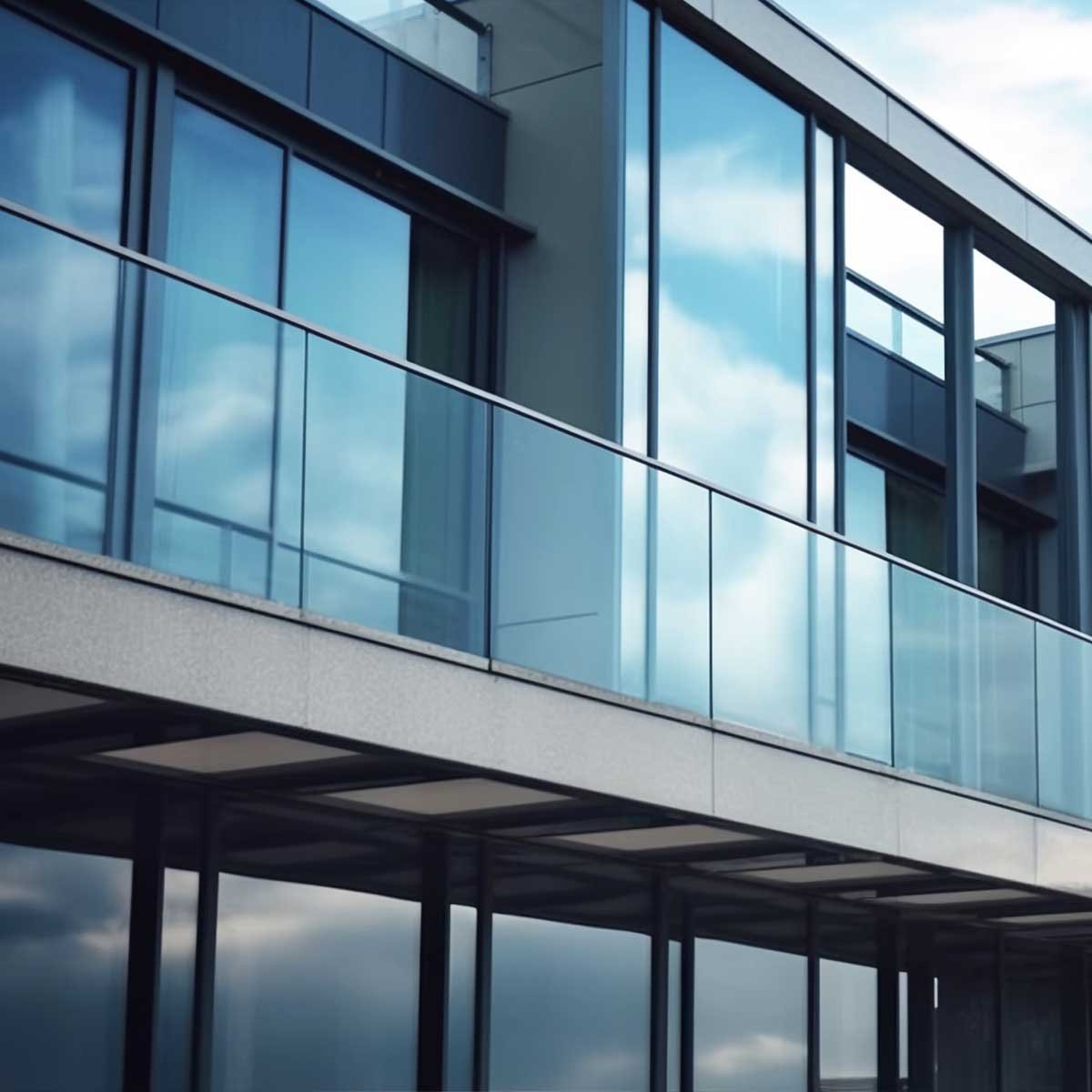
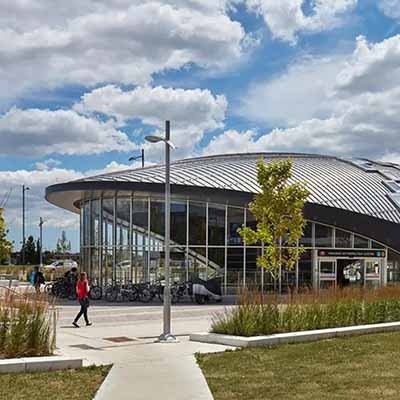
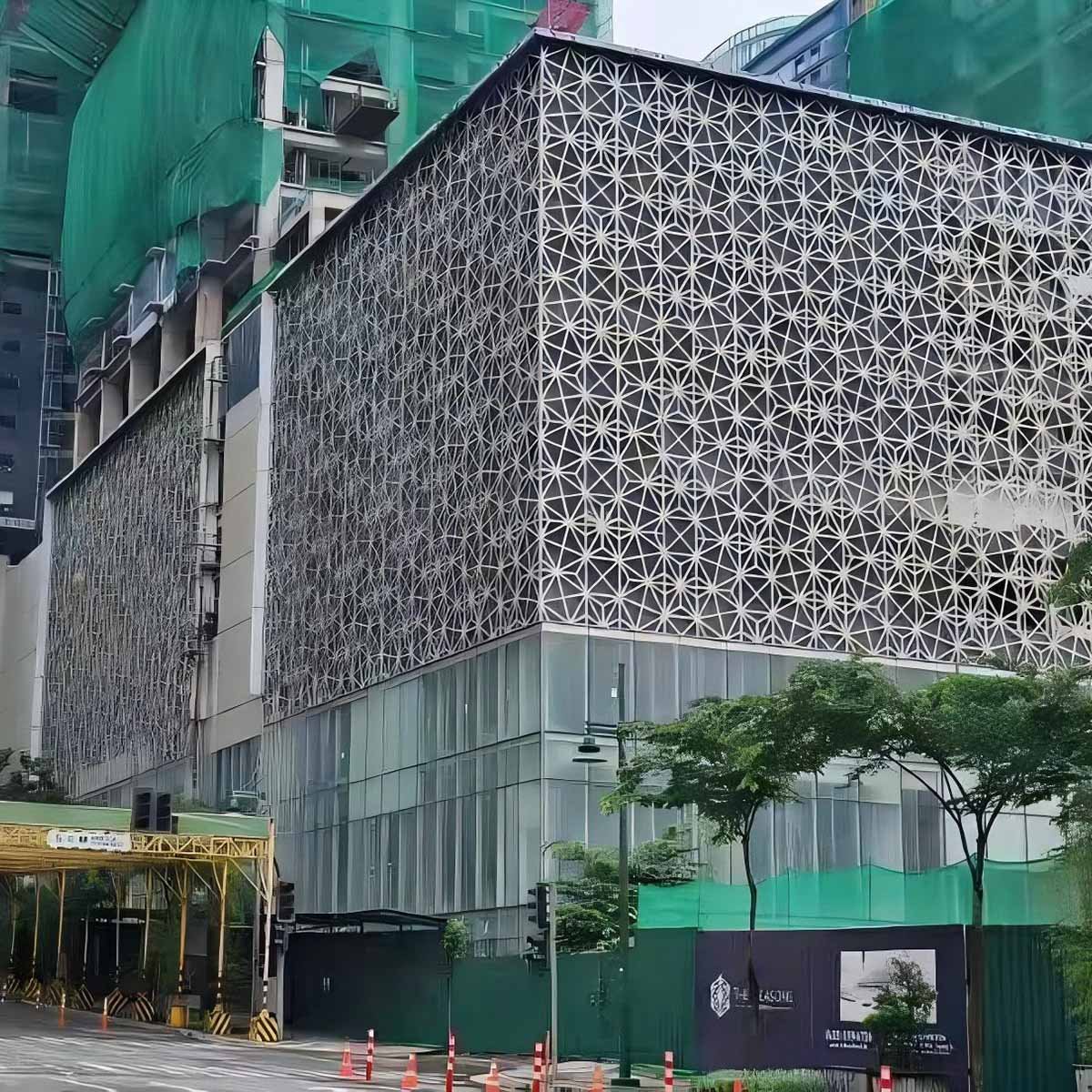
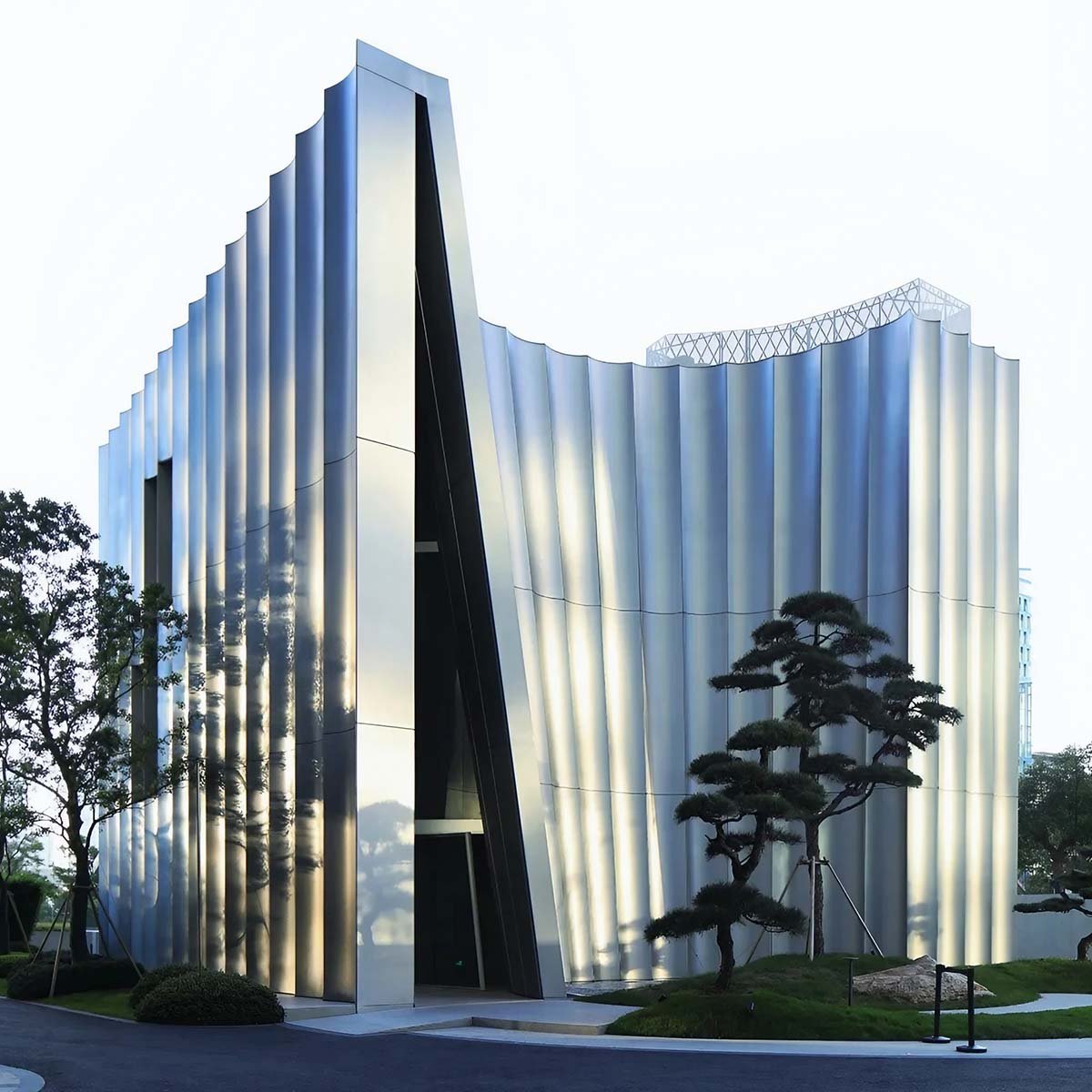
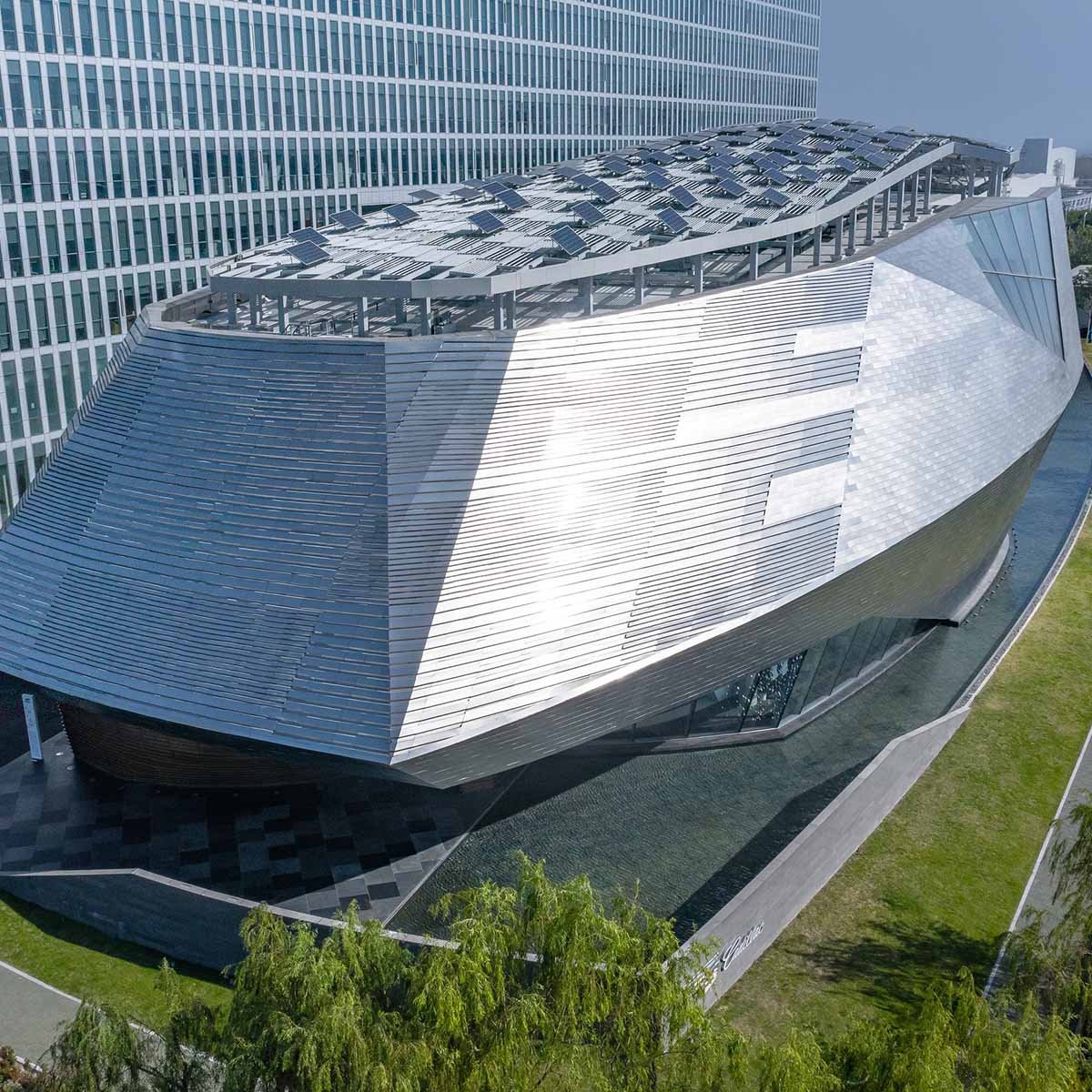
Therefore, fades and cladding have incorporated stainless steel due to its high durability and resistance to corrosion. It holds a lot of esthetic value in ugly climates; hence, it is used in the construction of tall buildings and most public structures.

Structural Applications

The beam and column are made with stainless steel while the support frame is also both strong and light for bearing heavy loads in low-rise and high-rise buildings. It has high corrosion resistance to facilitate the long term reliability of the structure.

Interior Applications

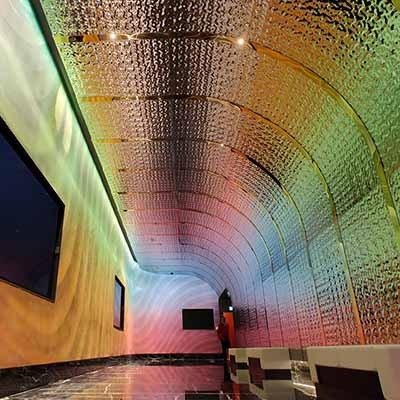
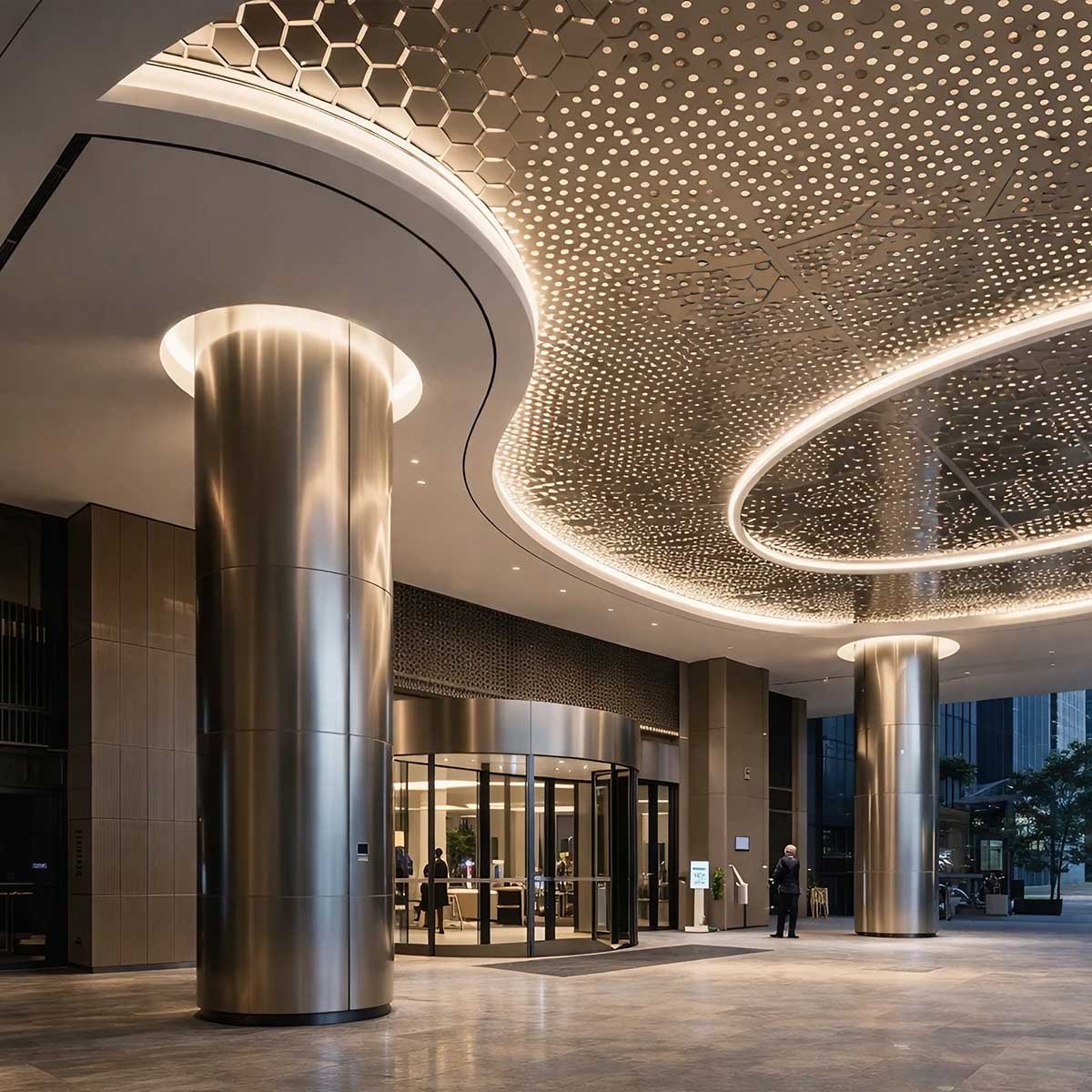
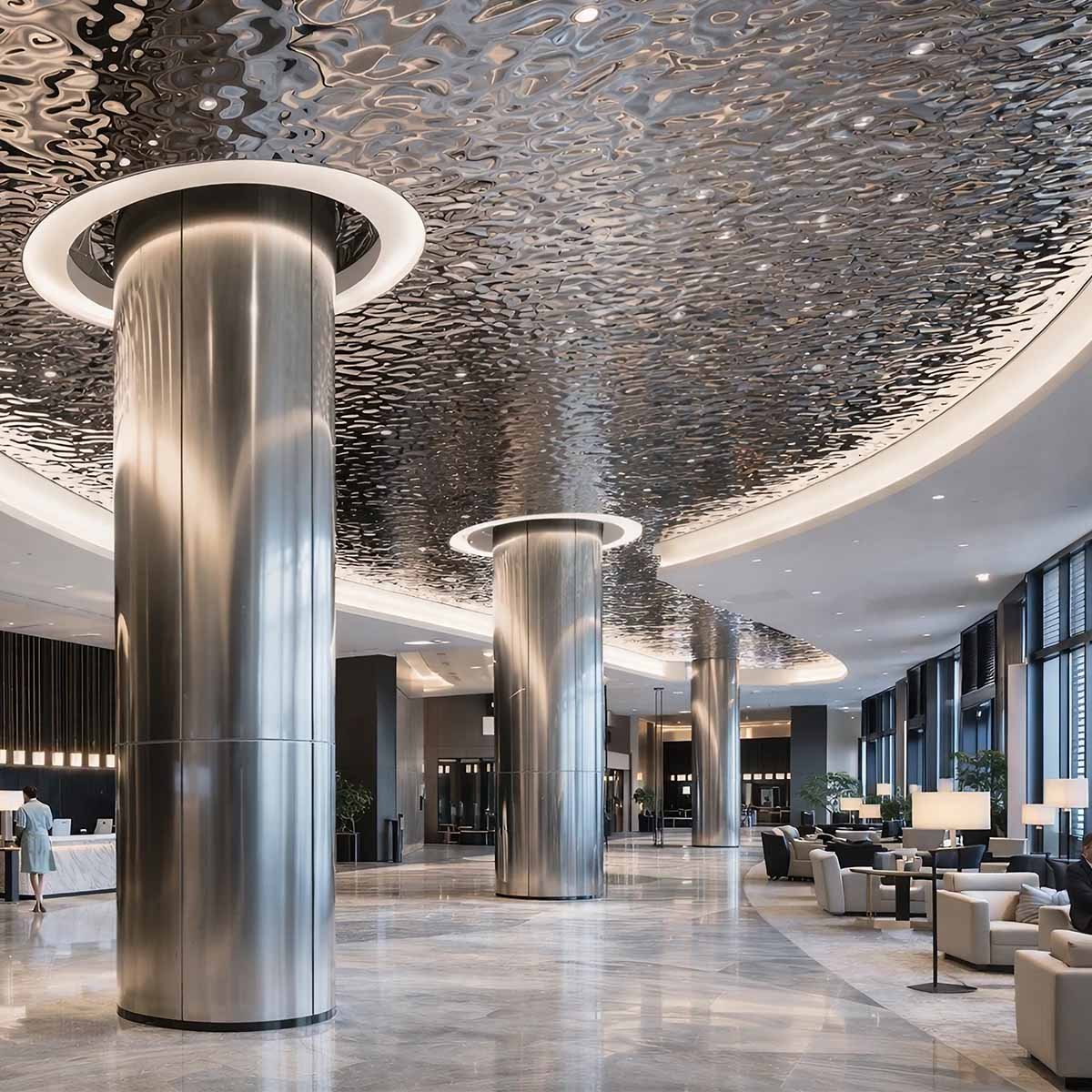
In indoor structures, stainless steel covers staircases, railings, and ornamental surrounds. It radically improves modern design, it works with various finishes, which add versatility to the mirror, and it can be made both minimalistic and industrial.

Roofing and Drainage

Roofing which is drainage system material, the material used is stainless steel because it cannot rust and can withstand different climate conditions. It pots it supplies long-lasting, low-maintenance goods for residential and commercial consumers.

Decorative Elements

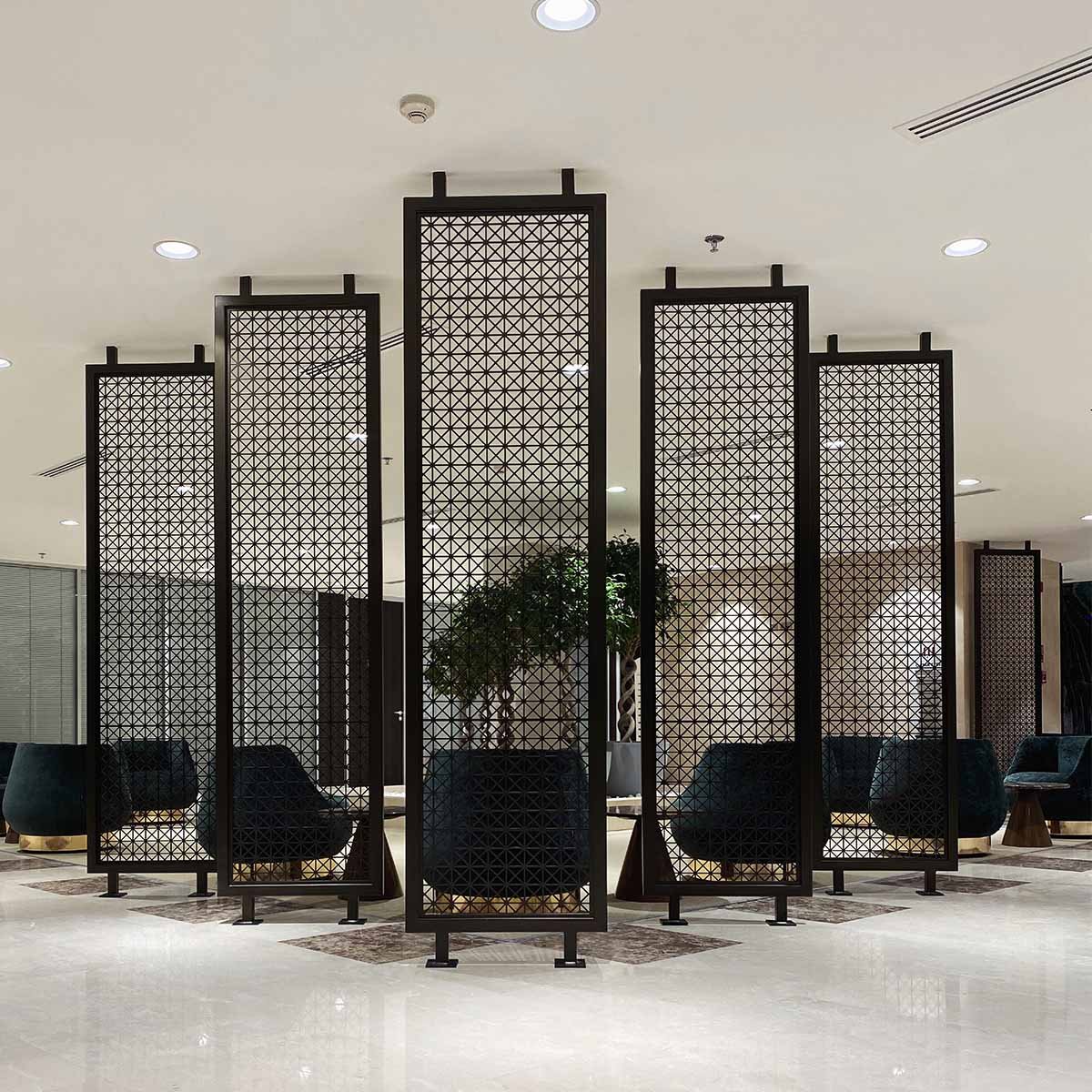
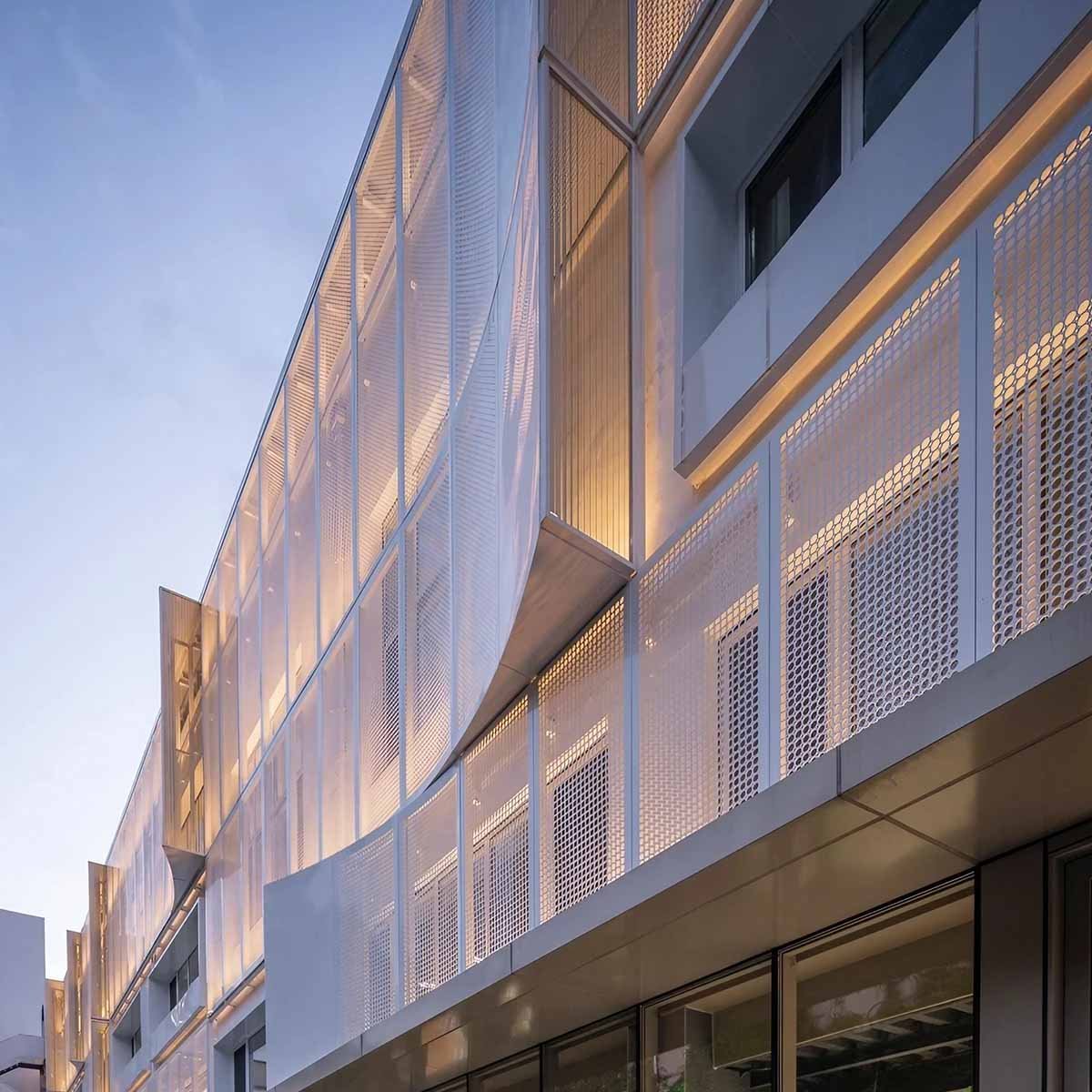
This is mostly because stainless steel has a nice finish and many products are made from it including custom art and perforated screens. This makes it fashionable, especially for classy and artistic projects backdrops or even a nice pair of trousers.

Sustainability in Architecture

Stainless steel is a recyclable product that can be recycled over and over again since it will not lose its quality when recycled hence suitable for green architectures. It has a part to play in reducing the carbon emissions associated with construction.

Stainless steel not only strengthens every architectural design in functionality and aesthetics, whether internal or external. It is also resistant to corrosion, very durable, and more to the point very flexible in terms of its current architectural looks.

Textured and Patterned Options for Stainless Steel

Brushed and coated weaves technological metal with terrific appeal and has several other qualities that give much to designs. Closure endows not only aesthetics but also increased functionality of objects and is suitable for various concepts of architecture.

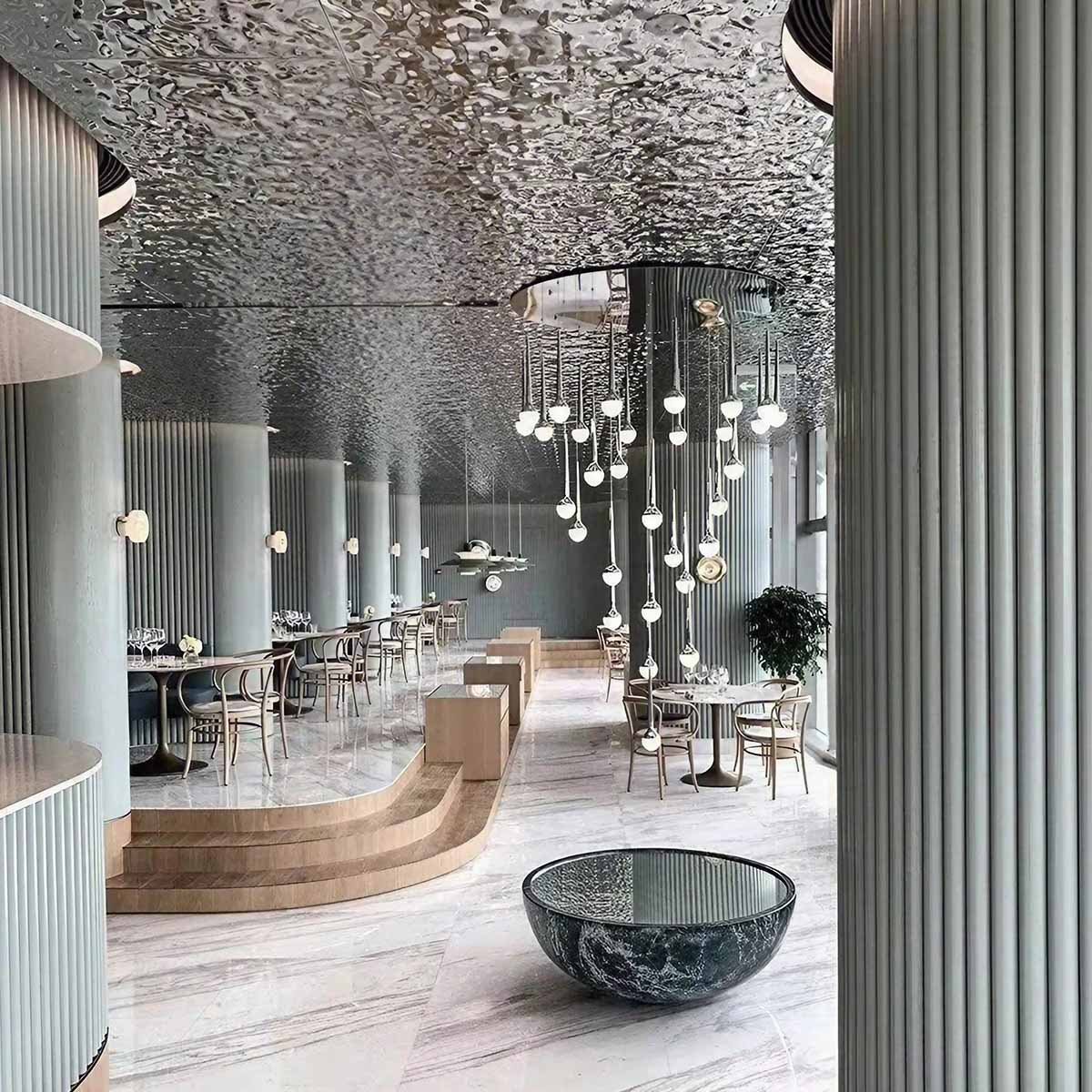
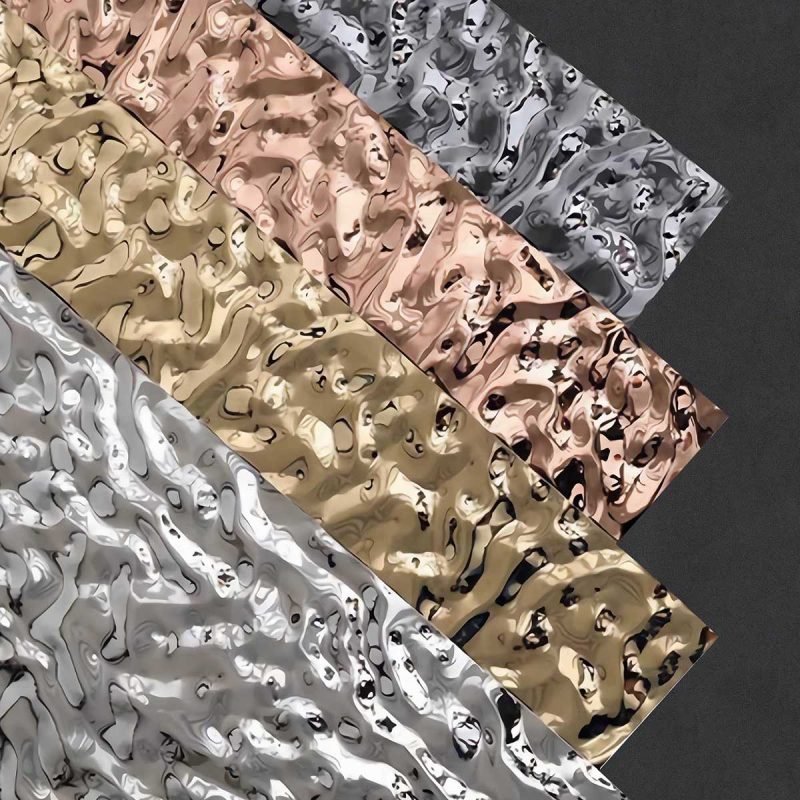
Water Ripple Stainless Steel
Water ripple pattern is pretty industrial and rough, perfect for use in countertops, backsplashes, and for accent purposes on a rustic or industrial home.
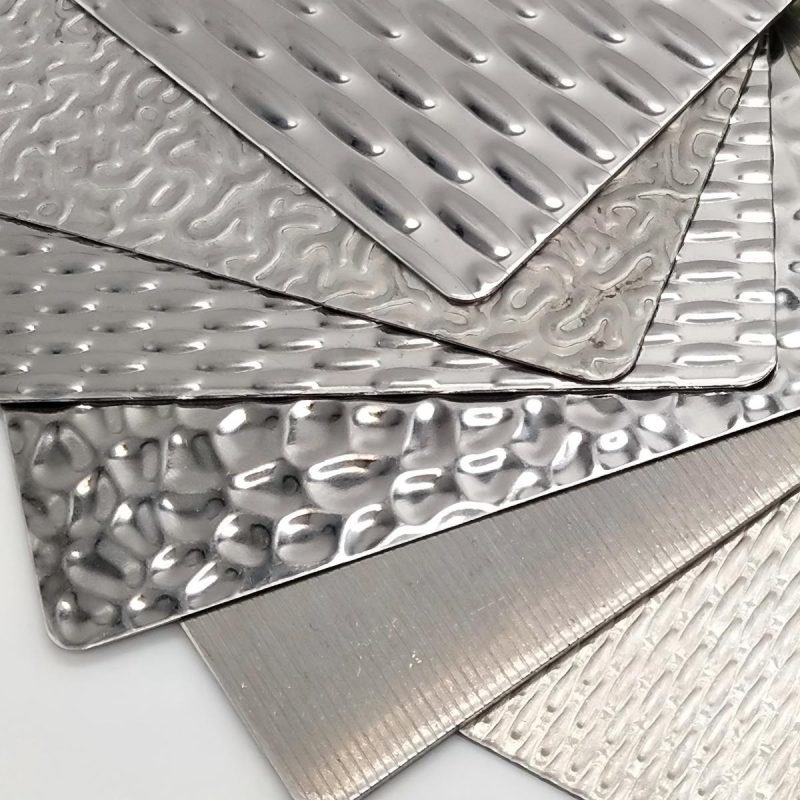
Embossed Stainless Steel
The stainless steel which is raised in either relief or depressed is especially suitable for the walls, elevators, or doors along with other decorative works.
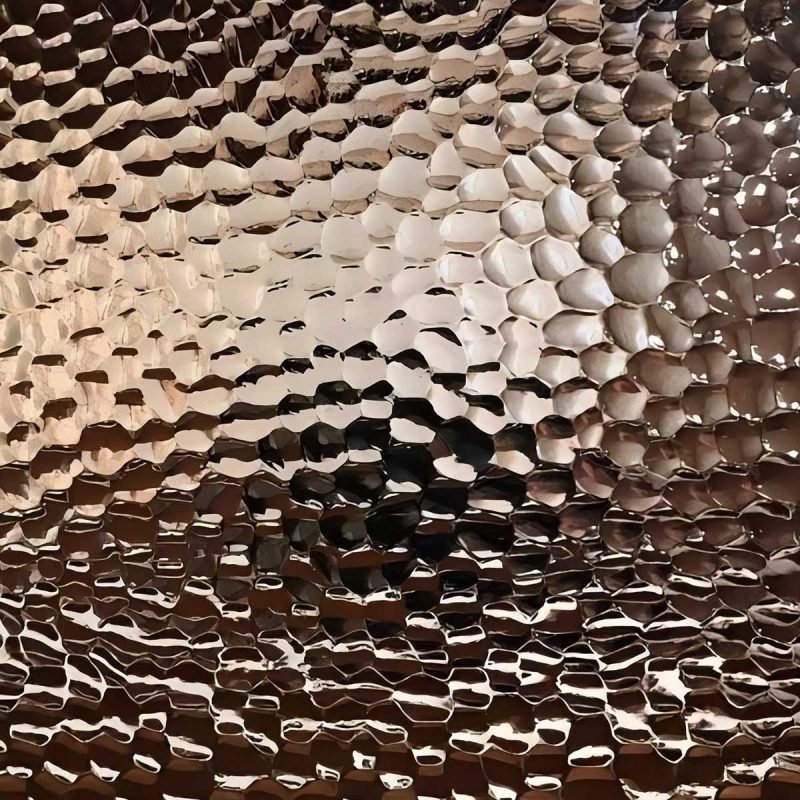
Hammered Stainless Steel
Stainless steel with hammered texture is a tough steel finish often used for countertops, backsplashes, and as stylistic details in rustic or industrial-inspired homes.
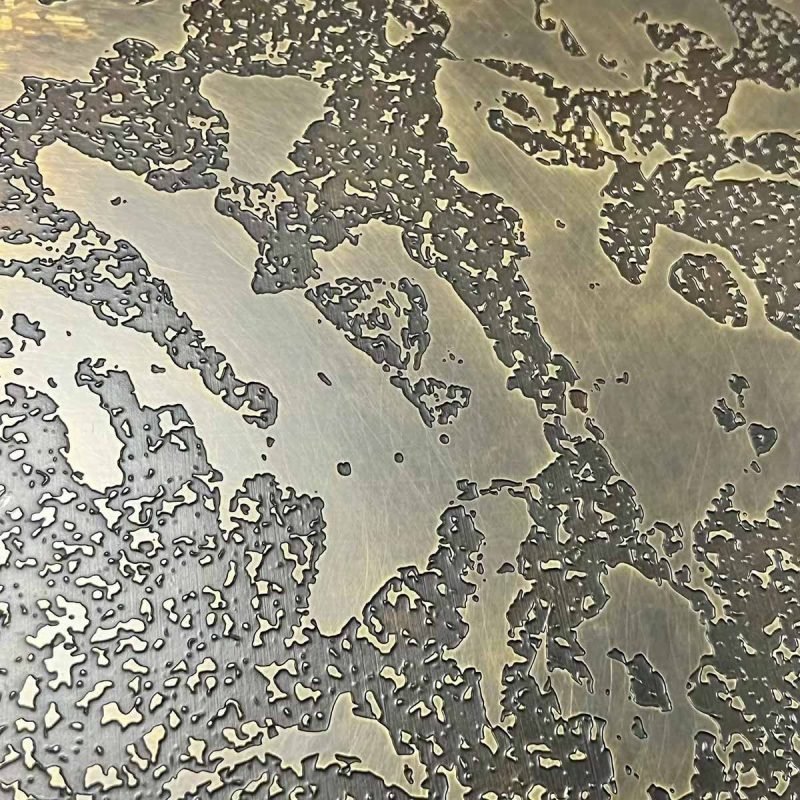
Etched Stainless Steel
Indeed stainless steel etched with delicate patterns and precision looks artistic making it suitable for artistic installations, signage, and decorative panels.
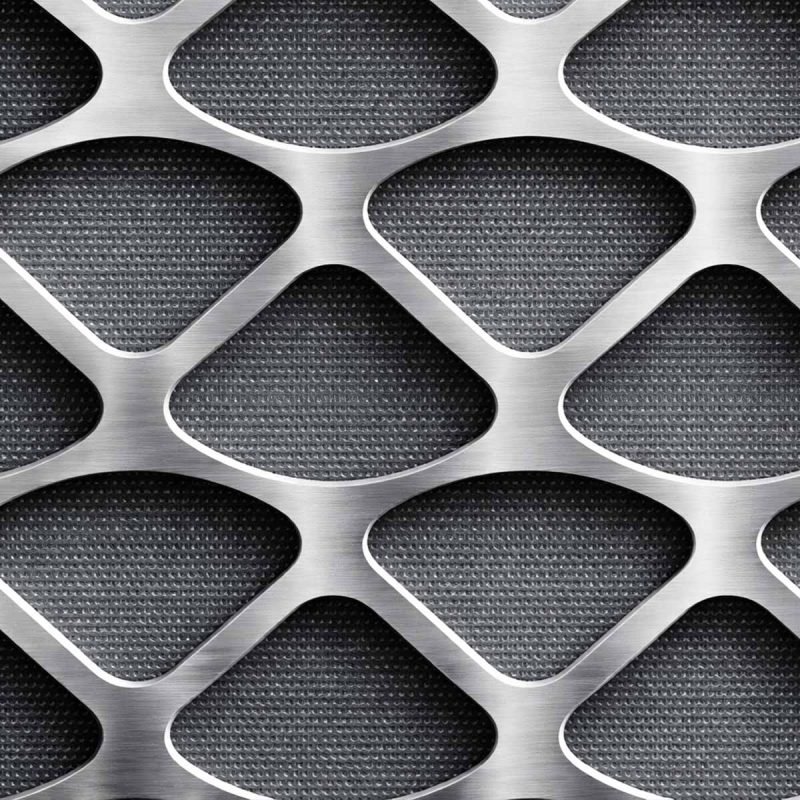
Laser-Cut Stainless Steel
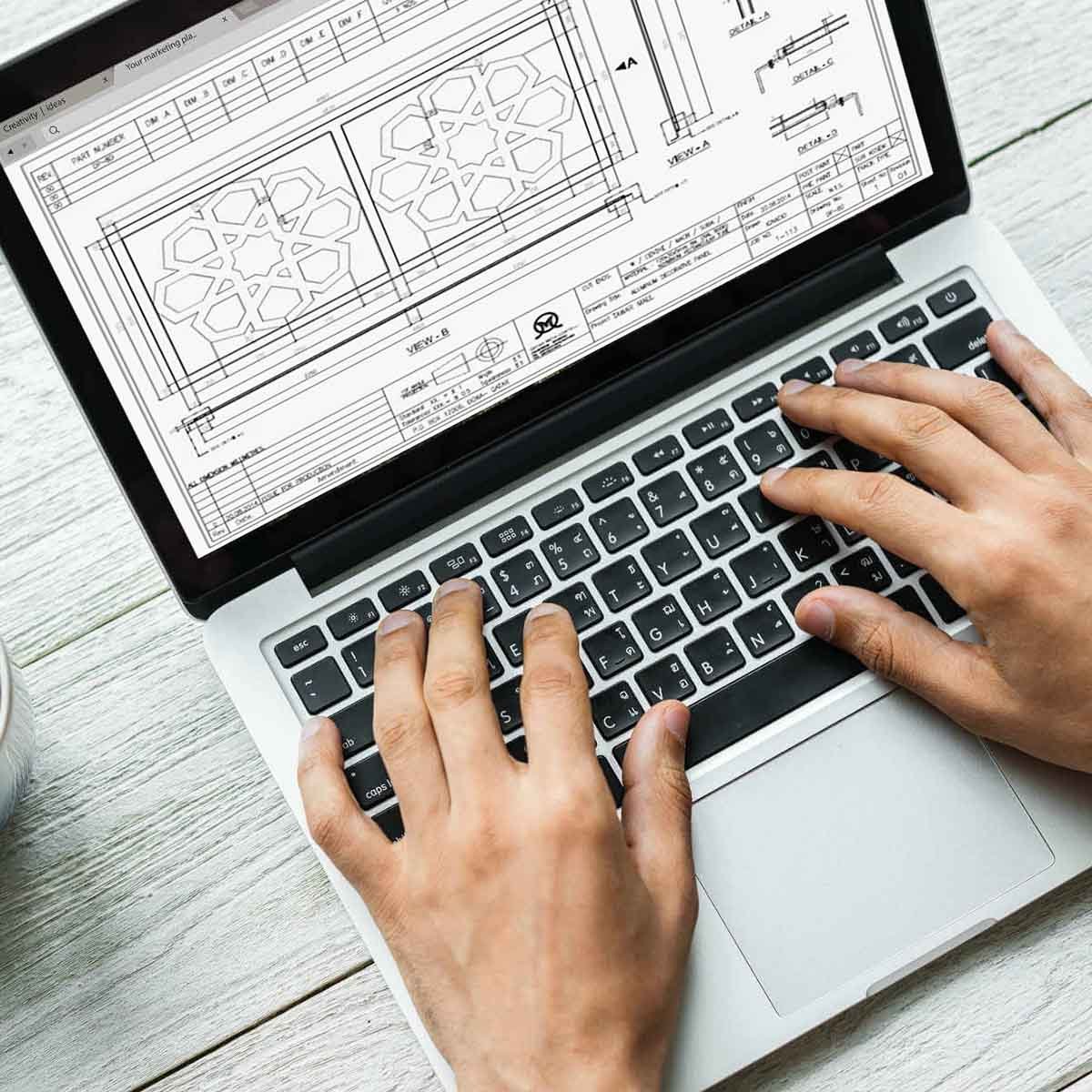
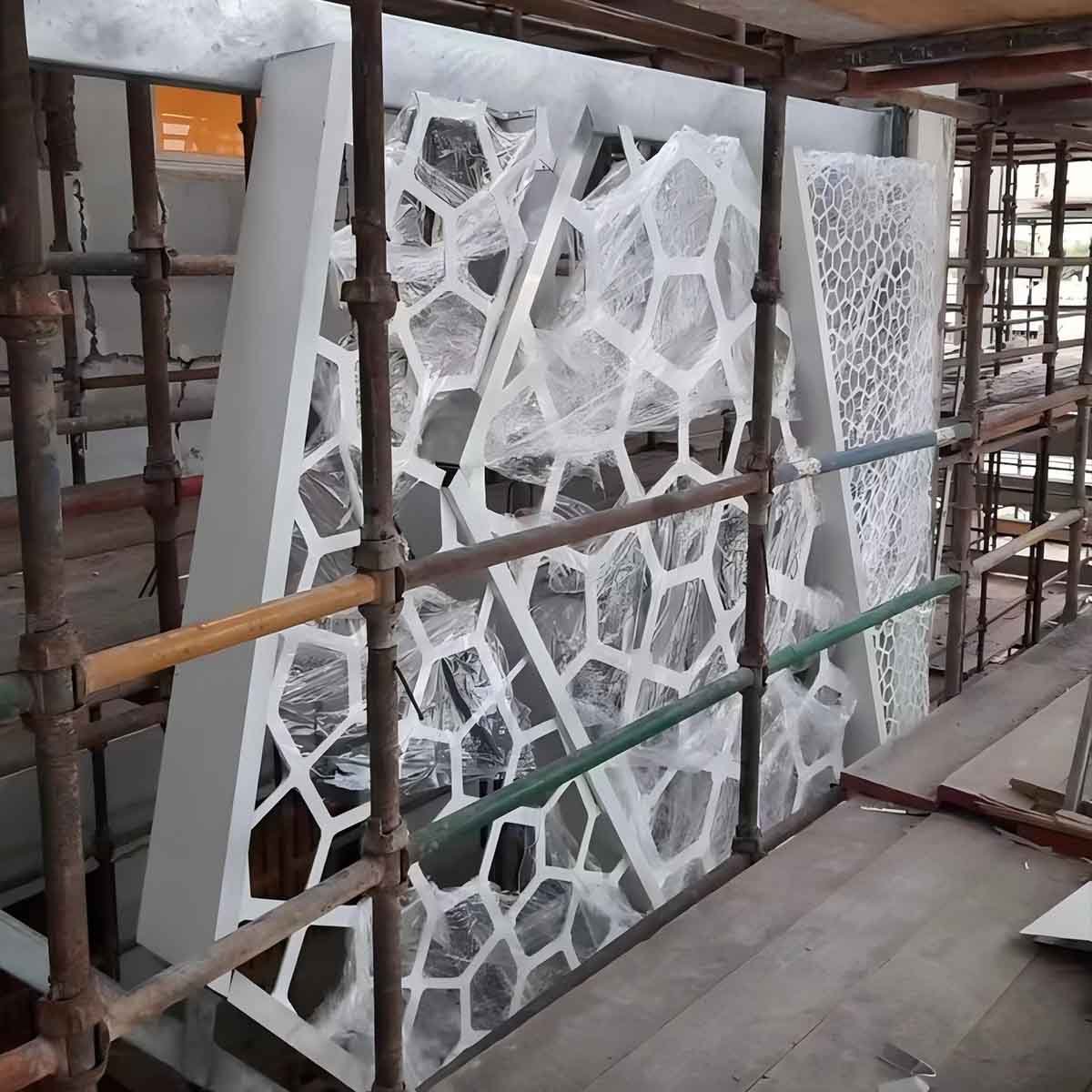
It is used to cut stainless steel in a precise manner for designs that are complex; it is most suitable for manufacturing custom screens, and exterior facades.
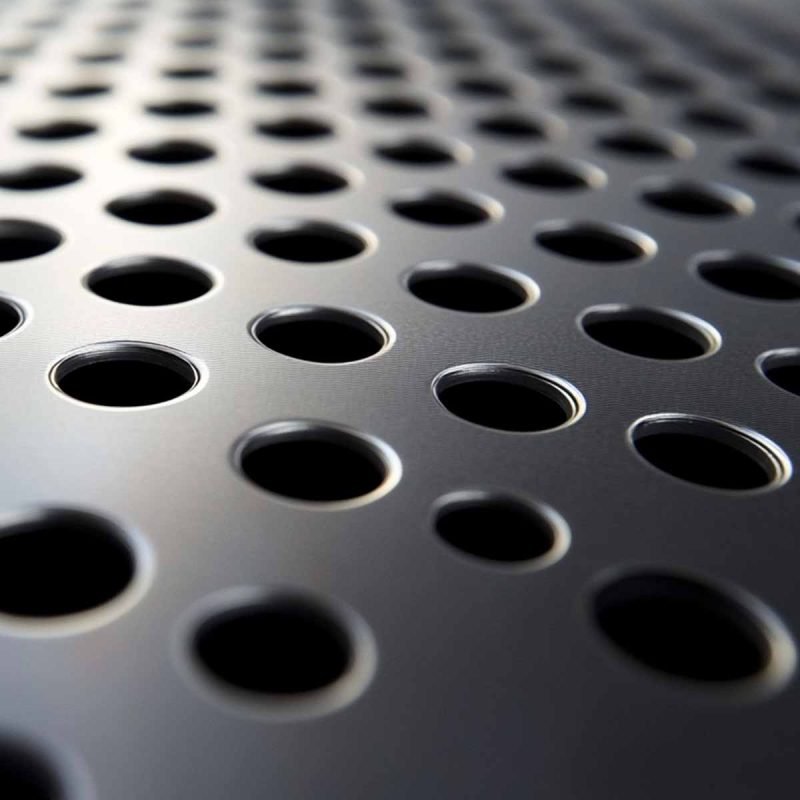
Perforated Stainless Steel
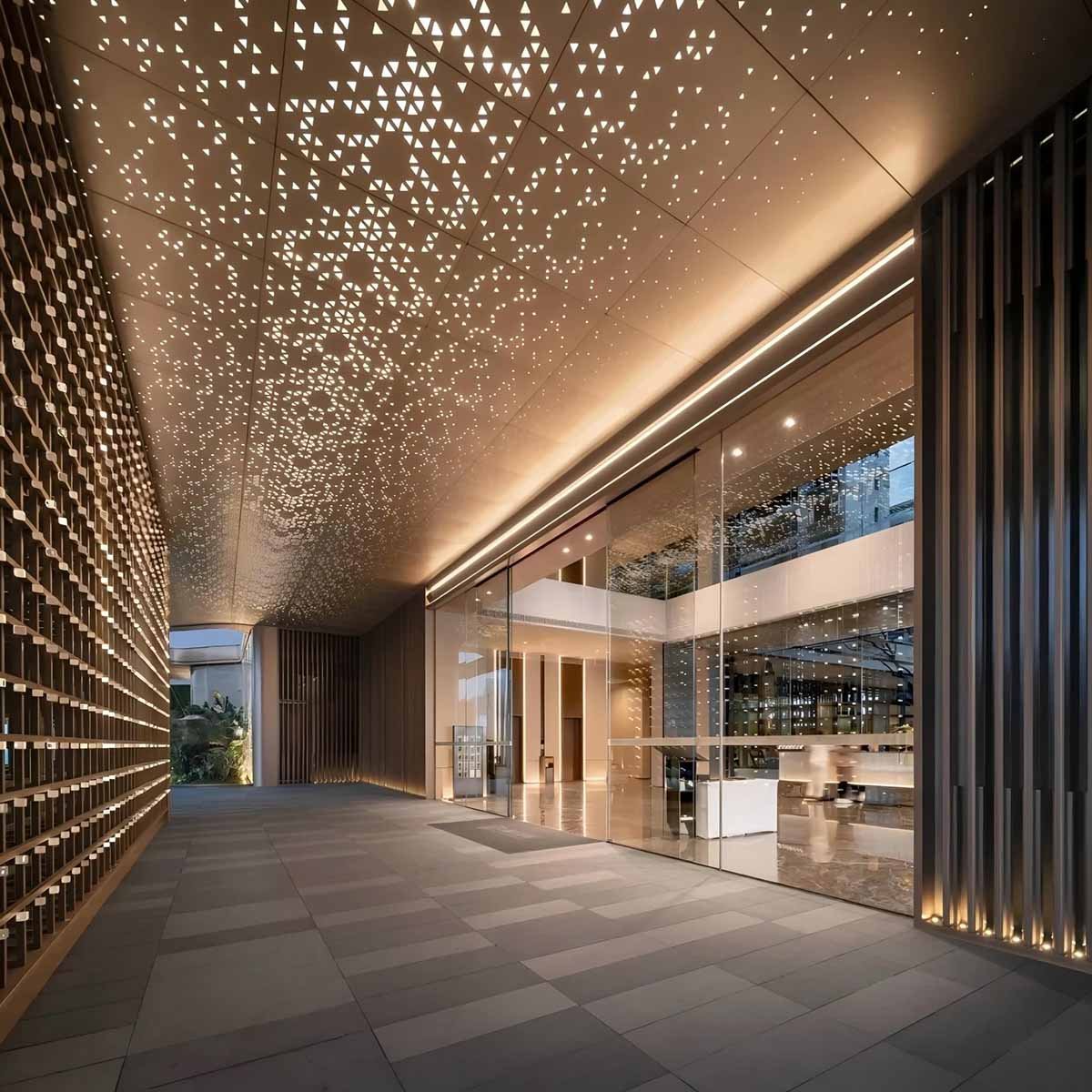
Perforated stainless steel can undertake both appearance and practicality worth seeing as it can be used in facades, room dividers, and acoustic panels.
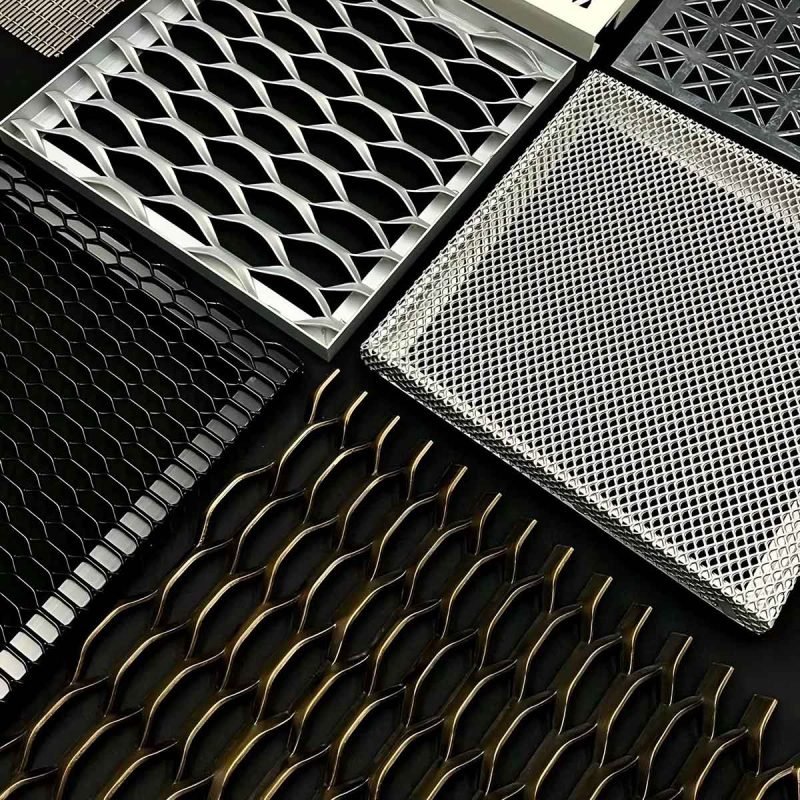
Expanded Stainless Steel
Expanding one metal into several others that are interconnected is usually referred to as expanded stainless steel suitable for railings and industrial interiors.
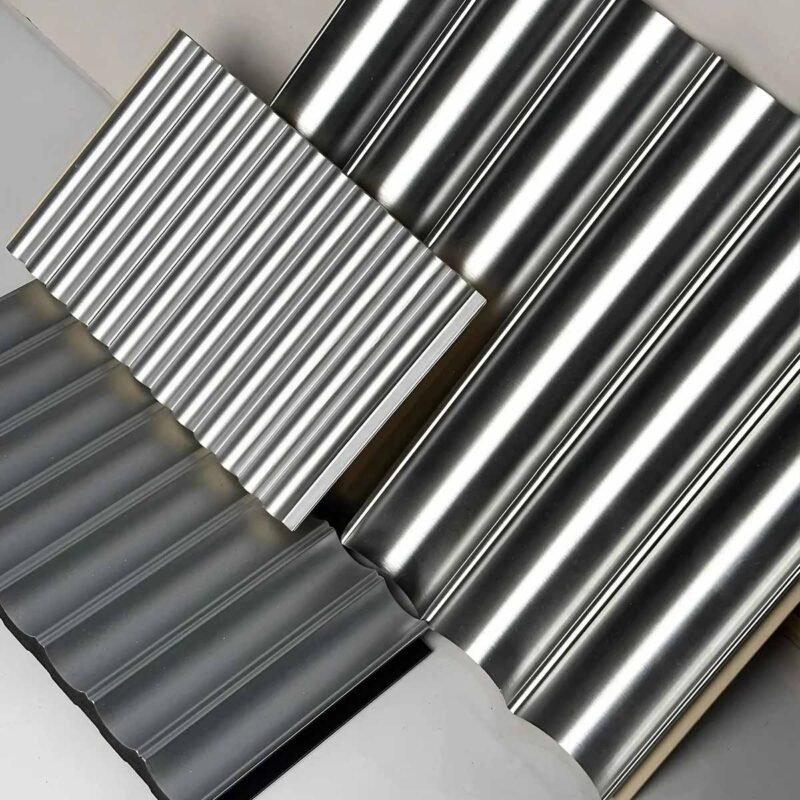
Corrugated Stainless Steel
The bumps and depressions of corrugated stainless steel make it stronger mostly for the roofing, siding, and other industrial buildings’ architectural aspects.

This is in a bid to usher in the latest patterned and textured stainless steel that is a combination of look and utilitarianism in design. As an exterior or an interior element, these concepts are virtually limitless in terms of appearance and functionality innovation.

Why Choose Stainless Steel for Architectural Projects?

If used in architecture, stainless steel gives strength, durability, good look and has minimal effects on the surrounding environment. Due to its effectiveness in the long run, it is well recommended by designers, architects, and people owning property.

Long-Term Cost-Effectiveness

It costs more money initially but will save more money in the long term because they are non-corrosive and are very easy to maintain. It does not corrode and hence does not require frequent maintenance which is good for large building projects.

Durability and Performance

It is also very strong and impossible to corrode so it can be used best in the regions with strong sea breezes and extra chemically reactive areas. It has enhanced durability and thus requires little maintenance throughout their more prolonged use.

Aesthetic Appeal and Design Flexibility

The material has a smooth and shiny look, which is lined up with contemporary architectural innovations. It is available in different finishes making it suitable for modern, industrial, or traditional themes with the aspect of aesthetics and practicality.

Sustainability and Environmental Benefits

These days sustainability is becoming a vital aspect of architecture and stainless steel provides immense benefits in this factor. There is no doubt that it is 100% recyclable, which makes it very durable thus no need to toss it away after some time.

Resistance to Fire and Heat

Fire safeties are fire and high heat resistant and therefore it is suitable to be used in fire safety products. It doesn’t burn and rather has remarkable strength at high temperatures, thus adequate for usage in fire protector structures and aspects.

Minimal Maintenance Requirements

They are free from constant maintenance as they are relatively immune to rust, dirt as well as staining. This makes it suitable for the region’s heavily trafficked areas because of the minimal frequent necessary maintenance, an inconvenience to occupants.

Those properties include ease of lasting, cost, appearance, and sustainability which are beneficial in functional and ornate architectural projects and construction. They are rugged, withstand tough conditions, and are heat resistant and low maintenance.

Learn the properties and applications of stainless steel with our experts. Contact us to learn about the highest quality materials, cutting edge applications, and quality fabrication solutions that can improve today’s architectural solutions.

Challenges and Considerations

Having reviewed the benefits of stainless steel on architectural projects, there are some considerations to bear in mind. Knowledge of such drawbacks enables the architects and builders to come up with proper solutions and mitigate such problems.

High Initial Cost

Raw material cost and the need for fabrication more than makes up for the additional amount spent on stainless steel. In the long run, it is long-lasting and, thus, requires minimal maintenance and definitely will be cheaper than using other materials.

Consideration

Stainless steel, however, cannot be said to be cheap especially if the project involves small, low-budget projects. For such projects, it can be applied selectively where it is most required, that is visible, or in high-performance areas at less cost.

Fabrication and Welding Complexity

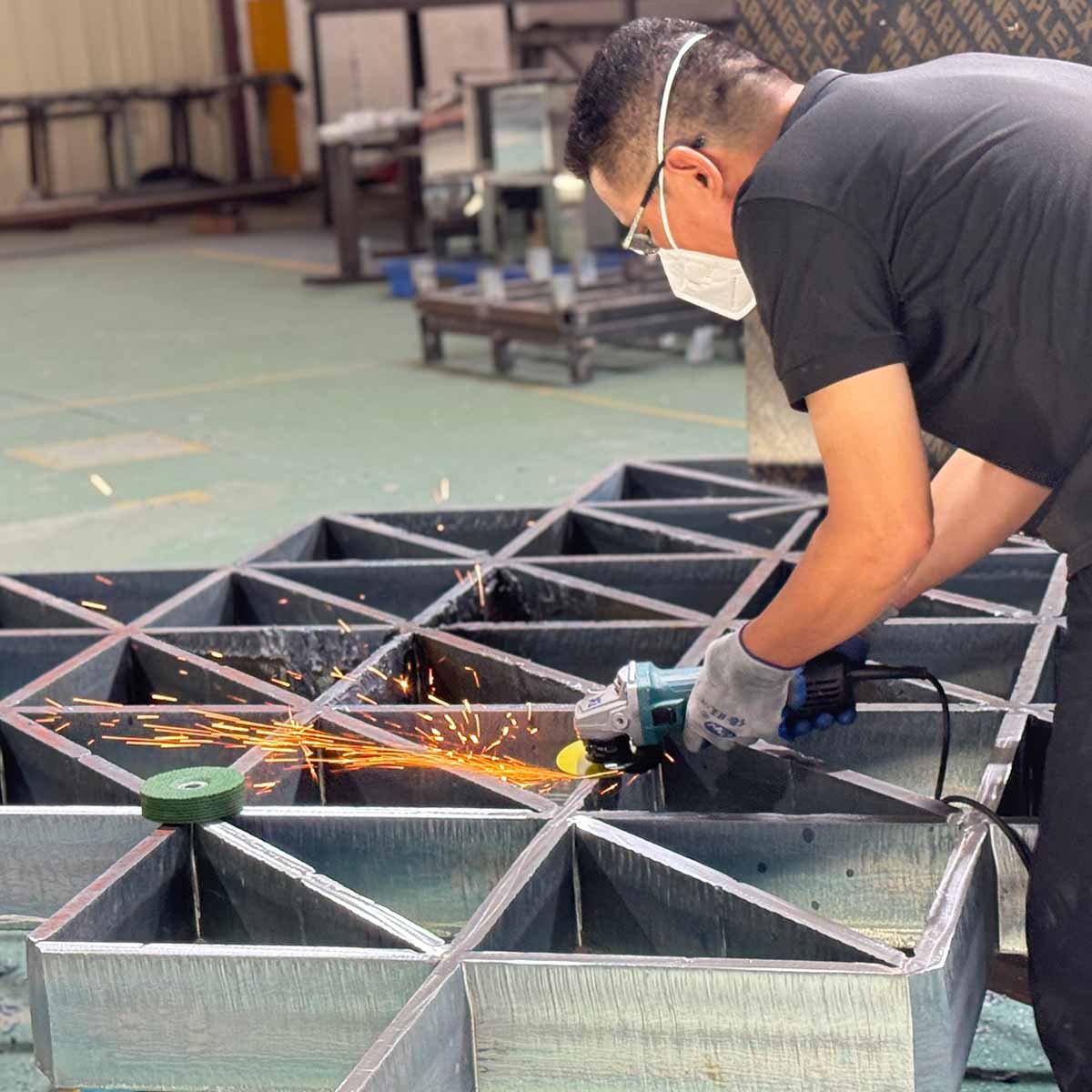
Fabrication of stainless steel involves high precision equipment for producing cutting, bending, and welding of stainless steel. If not well handled, they may distort or have some weld imperfection thus affecting the look and strength respectively.

Consideration

Employment of stainless steel may call for the use of professional fabricators who have adequate knowledge of the product. Adequate planning goes a long way in guaranteeing that the material shall be developed to the right specifications and on time.

Surface Scratching and Dents

Stainless steel is mostly immune to corrosion most of the time but similar to any other material it can be scratched or dented more especially to high-gloss finishes. It can also be stained or discolored if comes into contact with chemicals or heat sources.

Consideration

In projects that mainly concern aesthetics, the choice of the correct finish e.g. matte or brushed eventually minimizes the visibility of the scratches. This also increases durability in areas where it will be touched often by many people such as wash hand basins.

Thermal Conductivity

Compared to metals such as copper or even aluminum thermal conductivity is low meaning that a container will hold heat or coolness. This may cause some issues with energy efficiency or provoke temperature changes where the insulation is weak.

Consideration

Stainless steel in thermal critical applications for example in windows or facades can be combined with insulating materials to minimize heat loss or gains. Together, it improves the level of energy efficiency thus reducing the utilization of energy in processes.

Weight and Handling

Strength to weight ratio of stainless steel is good but the material weight is comparatively higher than the other materials. This weight can pose difficulties in handling by transport, installation, and designing of structures due to considerations of safety.

Consideration

They also gave an observation on the design phase, which is important to balance the weight of stainless steel, especially in structural and facade exteriors. Lifting and installation processes should therefore be done professionally to prevent costly impacts.

Stainless steel is a highly durable, aesthetical, and sustainable material to be used but also costly, hard to fabricate, and has surface sensitivity issues. These questions if well managed and with the right techniques, then should not be a big challenge to handle.

Conclusion

Stainless steel comes with understandable durability, aesthetic versatility, and sustainable nature making it attractive for architectural application. They remain useful for today’s modern, sustainable designs because of their lifespan, stability, and low maintenance requirements.

Contact Request

Wishing to learn about properties and uses of stainless steel? Call our professionals and get tailor-made solutions and support now.

    Related Posts