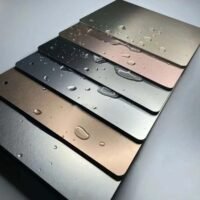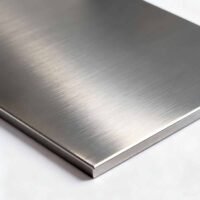






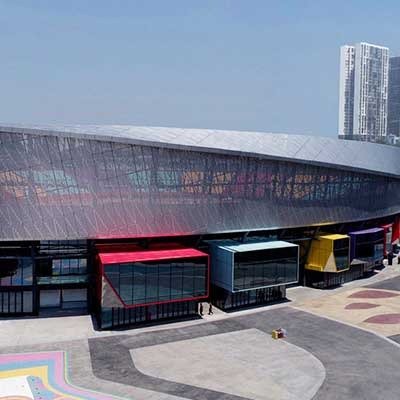
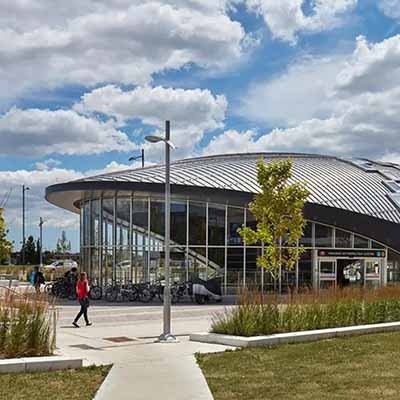
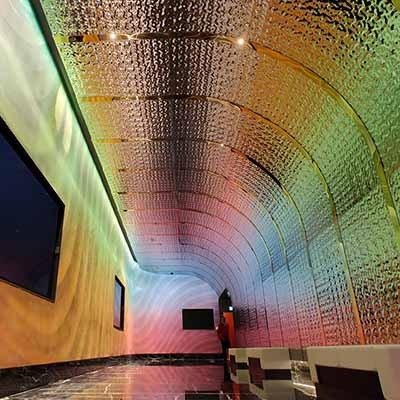




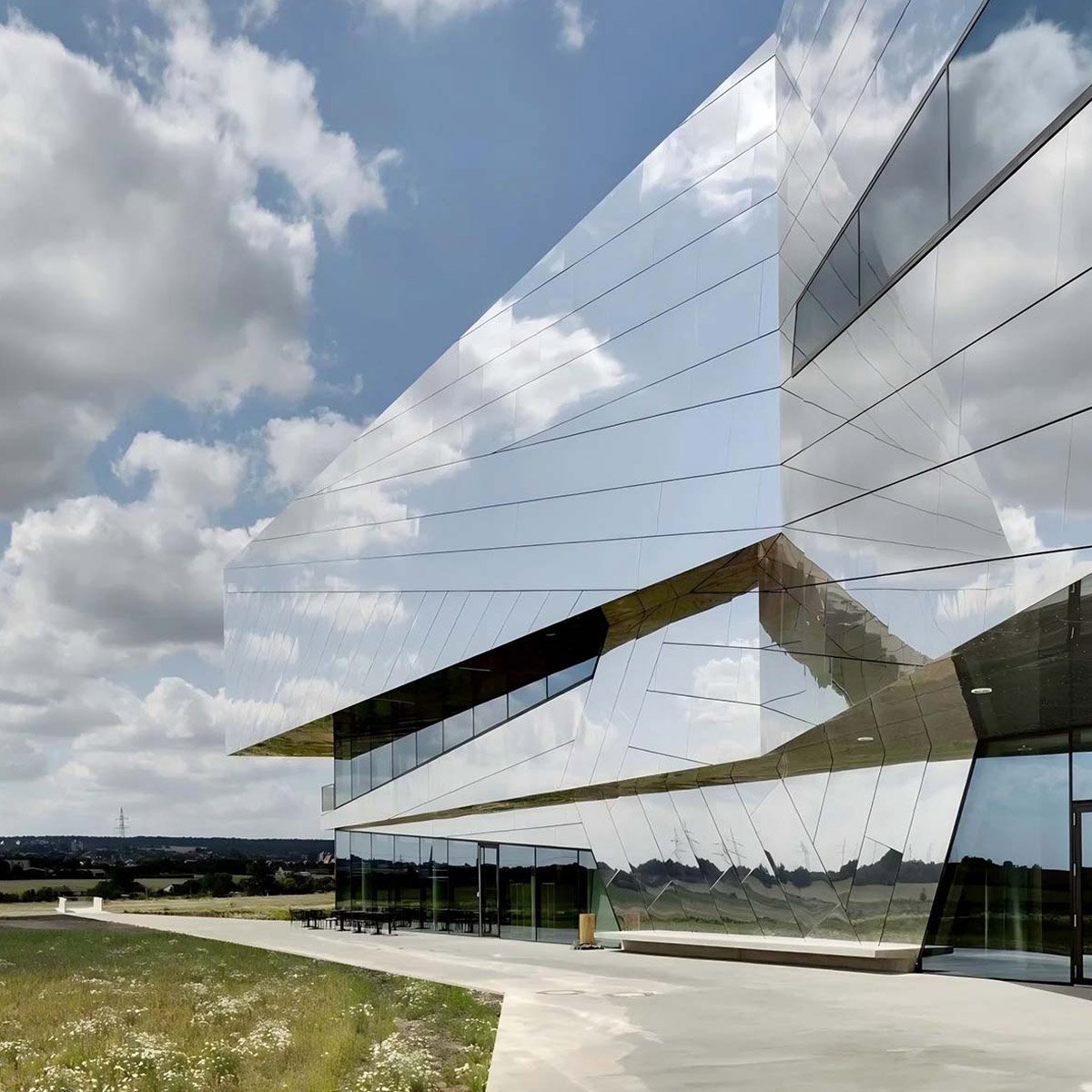

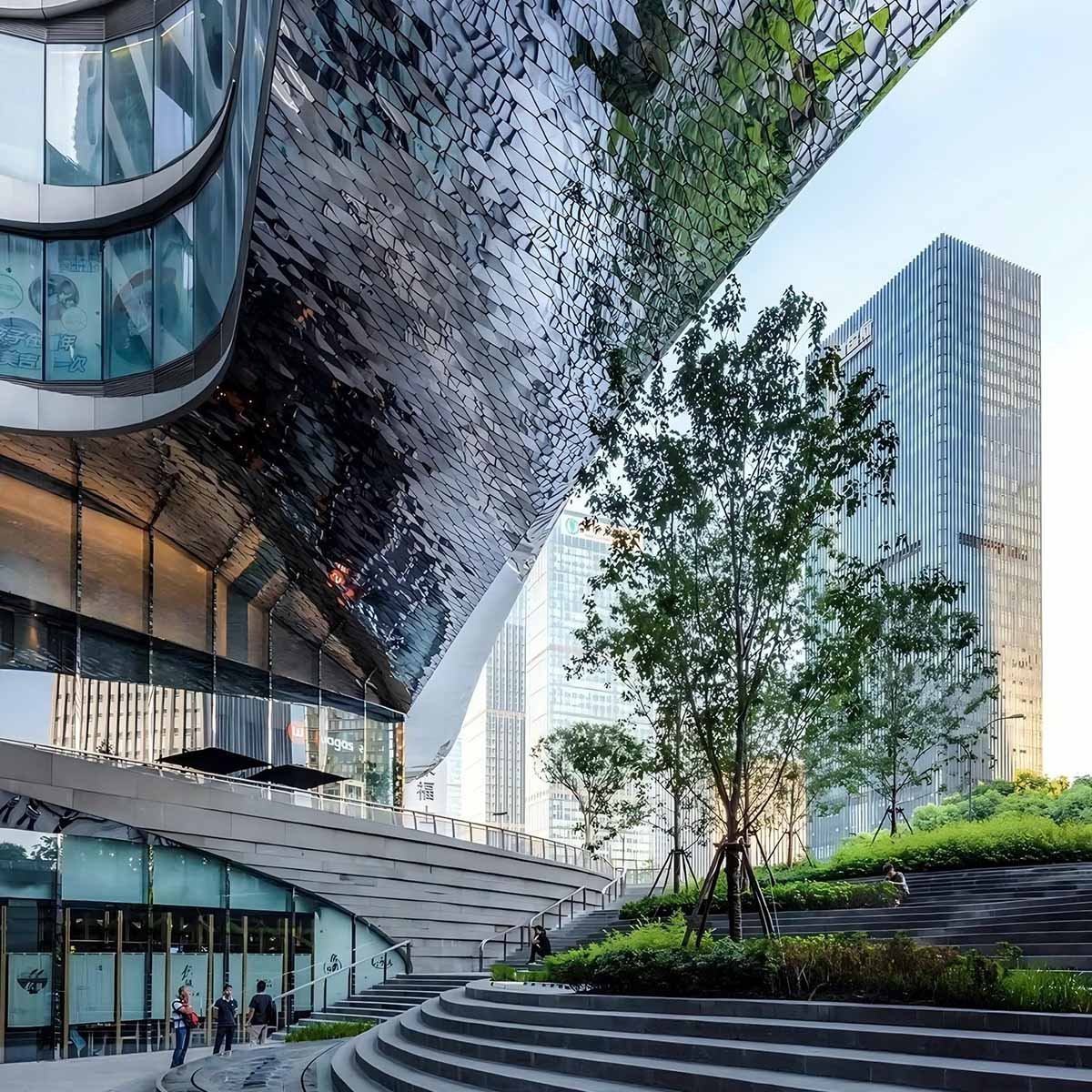
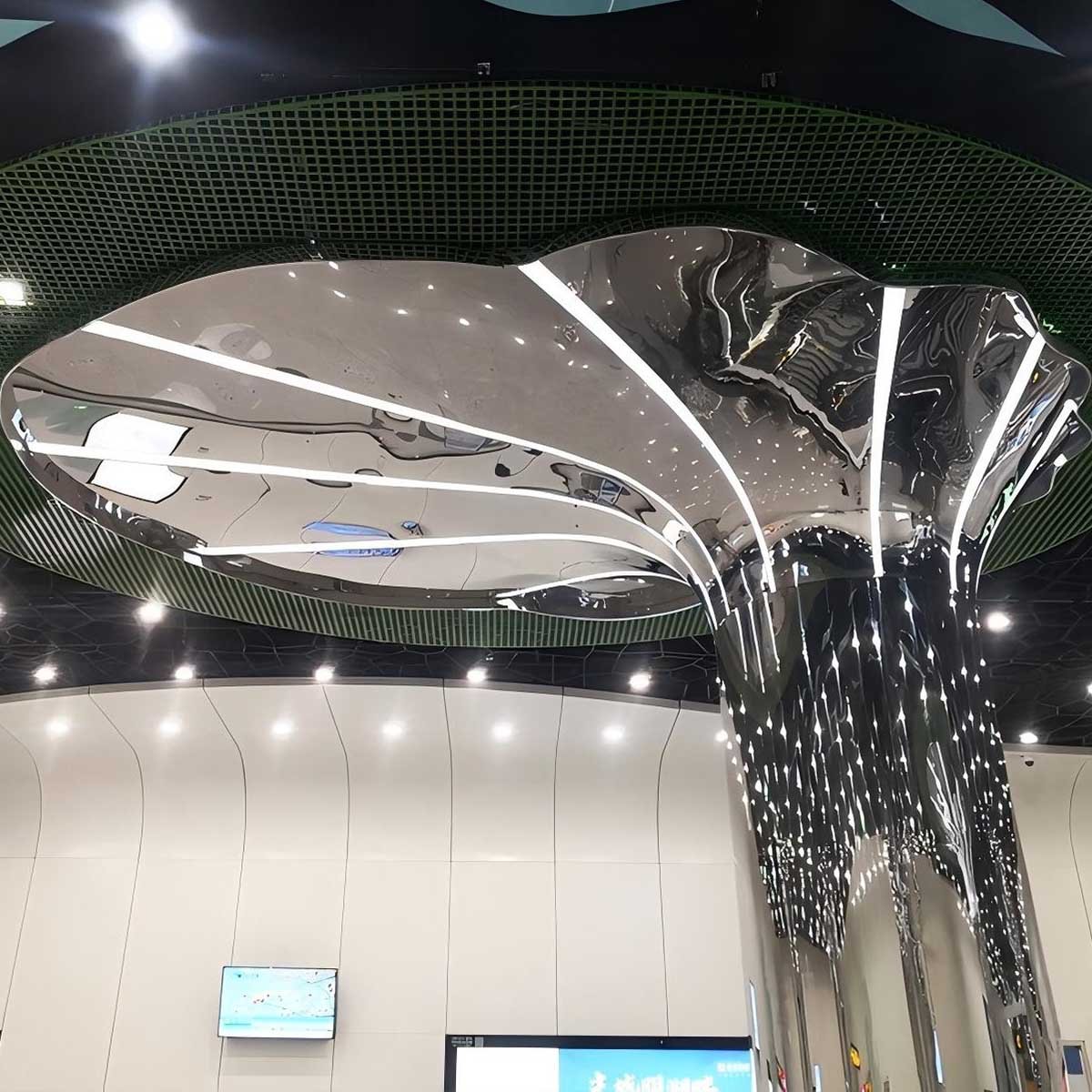
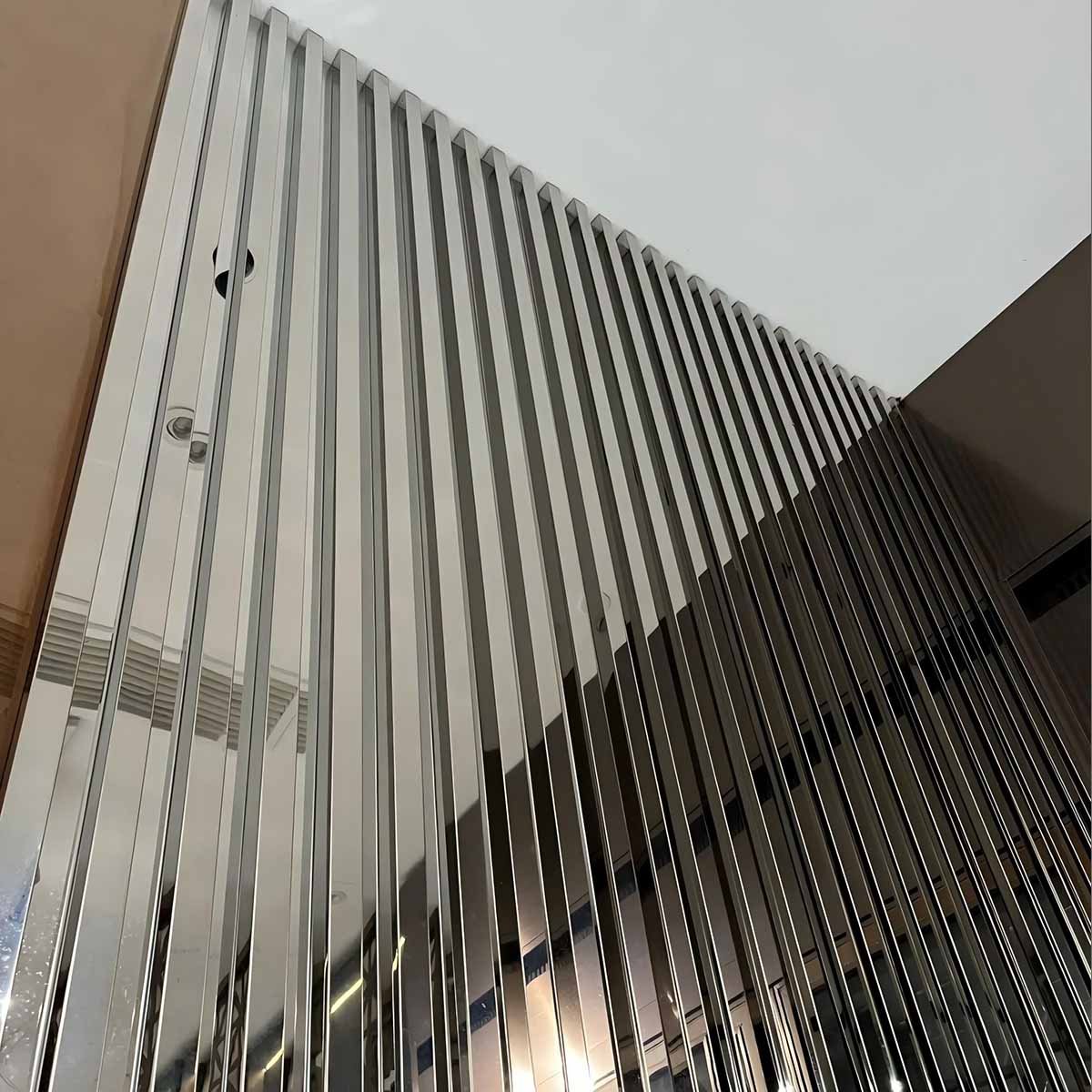
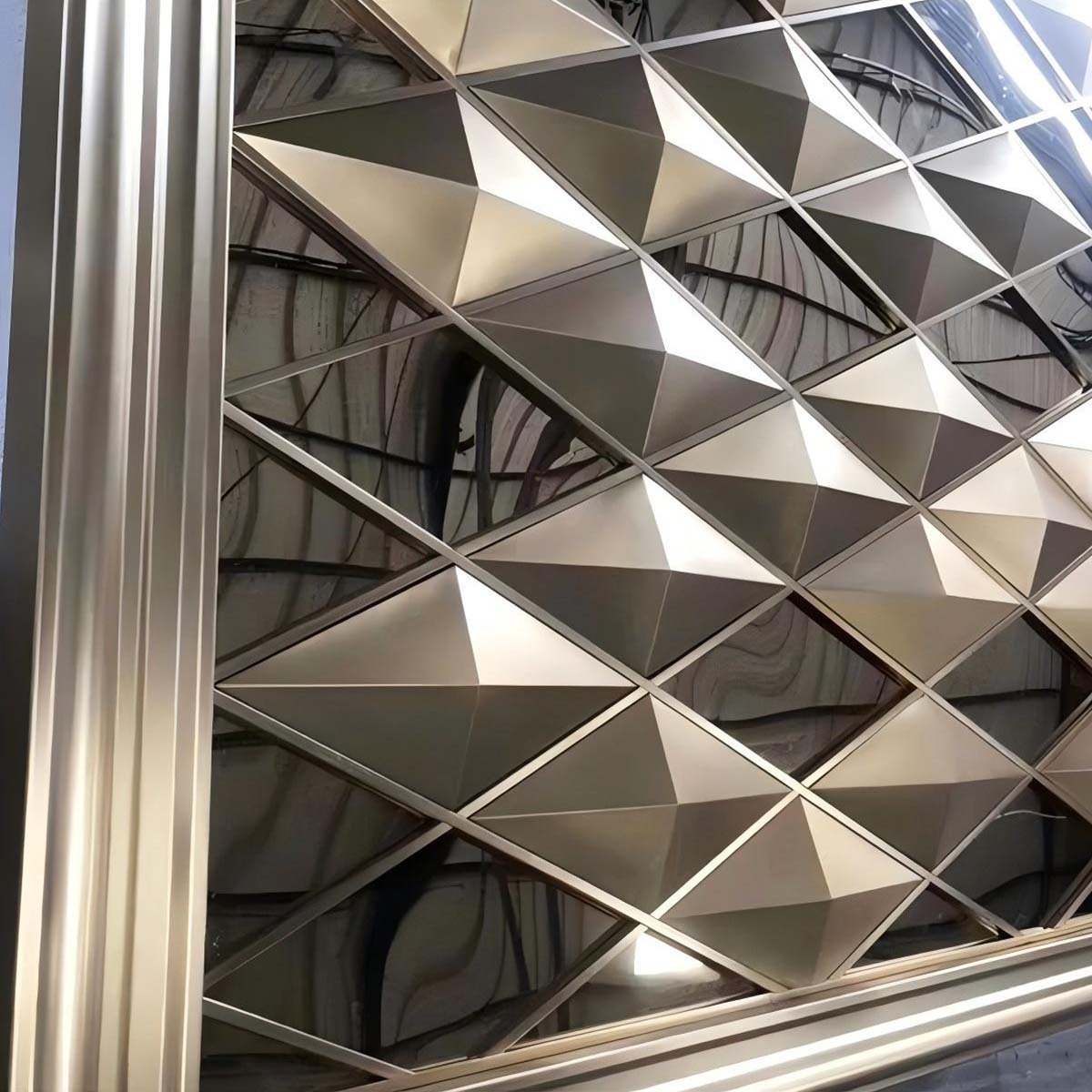

Mirror-polished finish stainless steel is a durable, corrosion-resistant, and design-flexible material with very high reflectivity, which is suitable for using it for materials with unique design in the architecture, commerce, hospitality, and interior space.

Stainless steel with a mirror-like surface is ideal for facades, elevator interior fittings, feature walls, signage, and decorative applications, offering an elegant reflection paired with durability, versatility, functionality, and enduring architectural value.

Table of Contents

What Is Mirror-Polished Finish Stainless Steel?

The stainless steel is initially blasted and then progressively finished with ever finer abrasives and buffing until a smooth and shiny surface is achieved, which has a high reflectivity and closely matches the appearance of a standard glass mirror.

Definition and Surface Characteristics

The finish is very refined and has very little texture and high reflectivity, depending on the grade of stainless steel, the quality of the substrate, polishing methods, and final surface treatment.

How Is a Mirror Finish Produced?

The preparation, grinding, polishing, and buffing processes are the means of production, which gradually reduce imperfections and increase the reflectivity, smoothness, and surface effect.

Mirror Polish vs. Other Stainless Steel Finishes

Mirror polishing focuses on reflection and clarity, whereas the various stainless steel finishes offer different textures, sheen, and architectural design effects in contrast to textured surfaces.

Key Properties of Mirror-Polished Finish Stainless Steel

Mirror finish stainless steel is a type of stainless steel that combines the high-end style with the strength, surface performance, and versatility of stainless steel, which is suitable for various decorative and functional features in modern projects.

High Reflectivity

It’s an exceedingly smooth, reflective surface that reflects light around it, giving a sense of depth and providing a bright, sophisticated, unique look to any room in an architectural system.

Corrosion Resistance

The corrosion resistance is provided by a protective passive layer, and the grade selection should be based on moisture, chemical exposure, outdoor exposure, and environmental conditions.

Smooth Surface

Fine polishing provides a smooth surface with a very low texture, making it easy to maintain while giving a contemporary style and finish to high-profile architectural features.

Durability and Performance

Correctly specified stainless steel will deliver long-lasting performance, and its reflective surface will highlight fingerprints, scuffs, and scratches more clearly than textured finishes.

Design Versatility

Mirror polishing processes on architectural stainless steel products like panels, trims, and custom pieces offer a variety of grades, dimensions, thicknesses, and manufacturing options.

Visual Consistency

The consistent polishing and quality control provide uniform reflectivity; care during handling and surface protection preserve surfaces during fabrication, transportation, and installation.

Mirror-polished stainless steel offers high reflectivity, corrosion resistance, durability, and low maintenance properties, making it an excellent choice for both functional and decorative uses.

Looking for premium polished finish stainless steel? Contact our specialists for customized designs, superior surface treatments, and precision fabrication solutions that enhance architectural projects with elegance and durability.

Benefits of Mirror-Polished Finish Stainless Steel

Mirror-polished finish stainless steel has the benefit of both aesthetic and material performance, and the ease of fabrication, and is a good choice for architectural surfaces that demand both a distinctive appearance and a reliable service life.

Premium Visual Appeal

Its highly reflective surface will produce an elegant and modern finish that can enhance the look of a commercial, hospitality, residential, and public architecture project.

Enhanced Light Reflection

It reflects natural and artificial light, producing a more vivid picture and, at the same time, giving walls, ceilings, entrances, and feature surfaces depth and dimension.

Design Flexibility

Mirror-polished panels will allow for a greater variety of shapes, sizes, profiles, and architectural features, and provide design flexibility and visual continuity in a project.

Easy Routine Maintenance

Its smooth surface ensures that it is easy to clean using appropriate non-abrasive techniques, thus maintaining its polished look and uniform visual quality over time.

Long-Term Durability

When it comes to choosing the right stainless steel grade, the result will be a mirror-polished surface that is durable and will resist corrosion and environmental exposure.

Recyclable Material

It is recyclable and durable, meaning it can be made to use resources efficiently and has a long service life, which means that it can be replaced only rarely, minimizing material consumption.

Mirror-Polished Finish Stainless Steel vs. Other Finishes

Reflectivity, texture and visual character vary with different surface finishes; selection should be based on the design intent, application conditions, maintenance requirements, durability expectations and the surrounding project environment.

FinishAppearanceReflectivitySurface TextureTypical Applications
Mirror-PolishedSmooth, bright, mirror-like surfaceVery highMinimal visible textureFeature walls, elevators, facades, luxury interiors, decorative panels
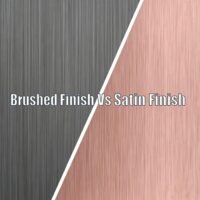
BrushedSoft, directional linear appearanceLow to moderateFine visible linesWall panels, doors, kitchens, commercial interiors
HairlineFine, continuous linear textureModerateDelicate directional linesArchitectural panels, elevator interiors, decorative surfaces
SatinSoft and uniform sheenLow to moderateFine, subtle textureInterior panels, furniture, commercial spaces
VibrationRandom, non-directional textureLow to moderateIrregular patternFeature walls, ceilings, columns, decorative cladding

How to Choose the Right Finish

When choosing a stainless steel finish, consider reflectivity, texture, maintenance, environmental factors, and the desired design effect. Mirror surfaces produce dramatic visual effects, and textured surfaces provide subtle architectural interest.

Mirror-polished stainless steel has a strong reflective quality, and other finishes create different surface textures and visual effects for a range of architectural and interior uses.

Applications of Mirror-Polished Finish Stainless Steel

The mirror-polished finish stainless steel suits applications that need reflective aesthetics, durability, and accurate fabrication, adding to the architectural forms, forming good contemporary visual effects in various interior or exterior spaces.

Building Facades

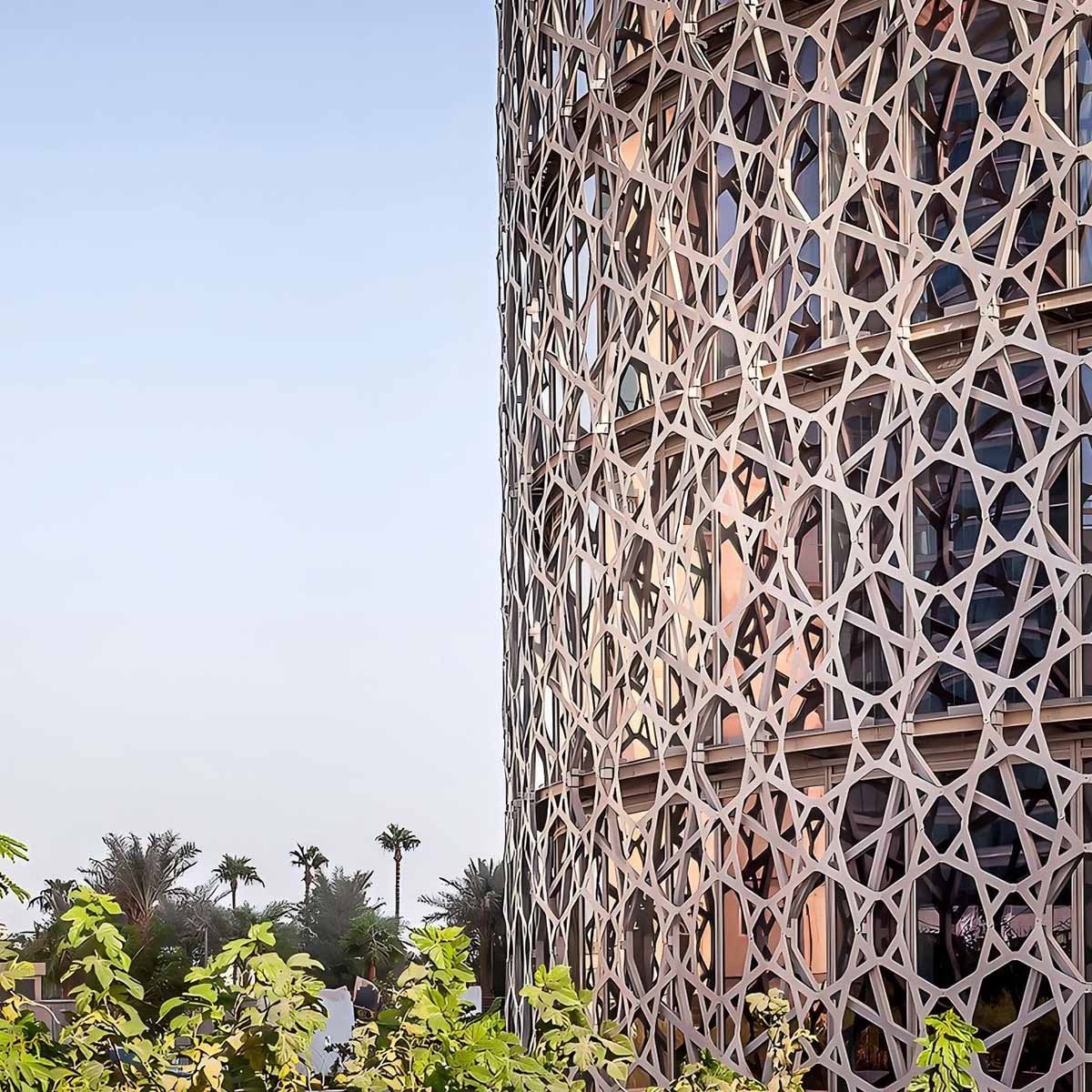
The use of reflective panels, in combination with a careful selection of grades and manufacturing techniques, ensures a long-lasting and elegant performance of the stainless steel facade.

Elevator Interiors

Mirror-like panels are used in elevator doors and walls, elevator trims, and decorative elements to brighten and expand elevator interiors and give passengers a clean, contemporary look.

Interior Walls and Ceilings

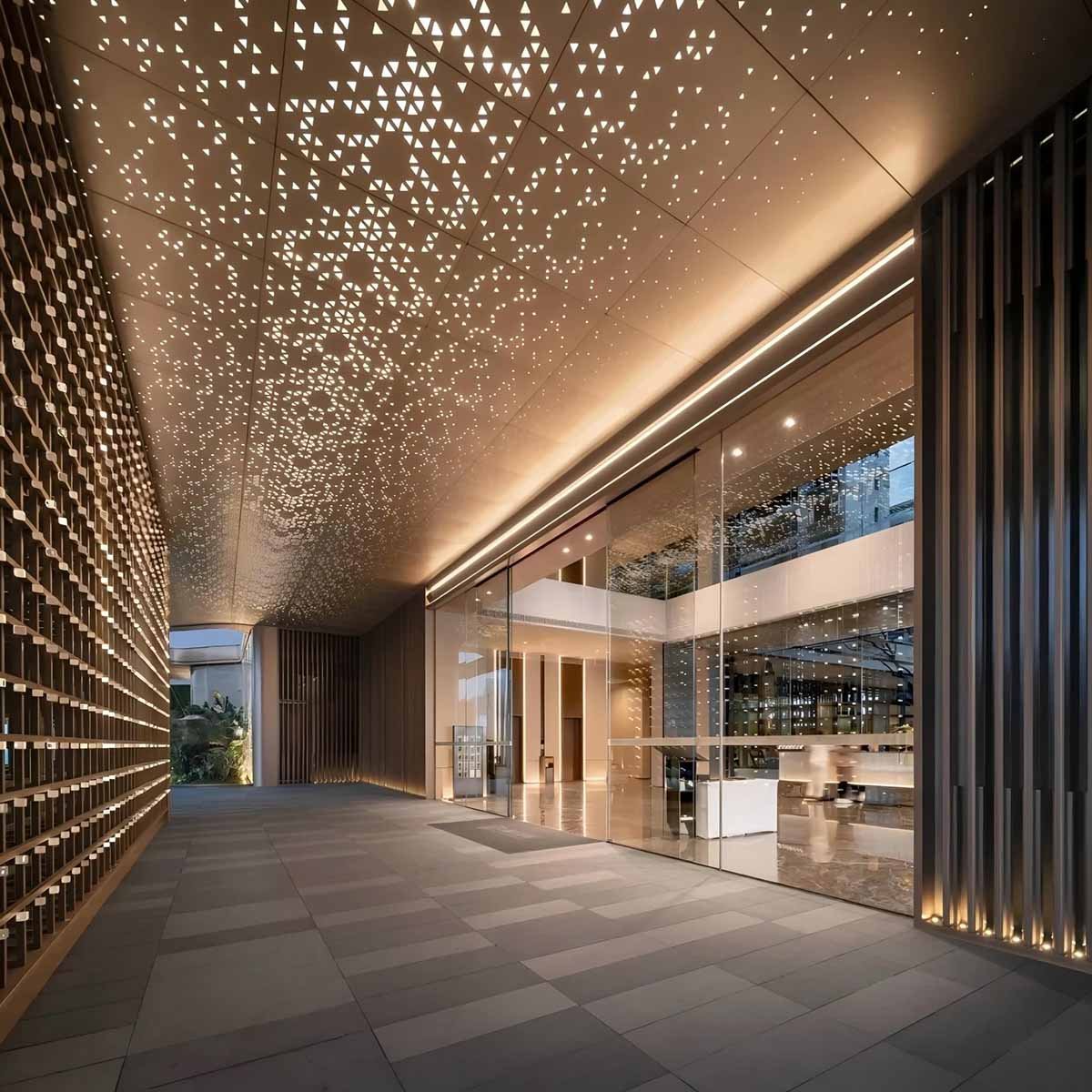
Polished panels can be used to add depth, brightness, and visual interest to walls, ceilings, columns, reception areas, and decorative surfaces, for a variety of commercial interior spaces.

Signage and Branding

The reflective surface bolsters dimensional letters, logos, and branding, and its sturdy construction makes it ideal for high-end stainless steel signs in public and commercial areas.

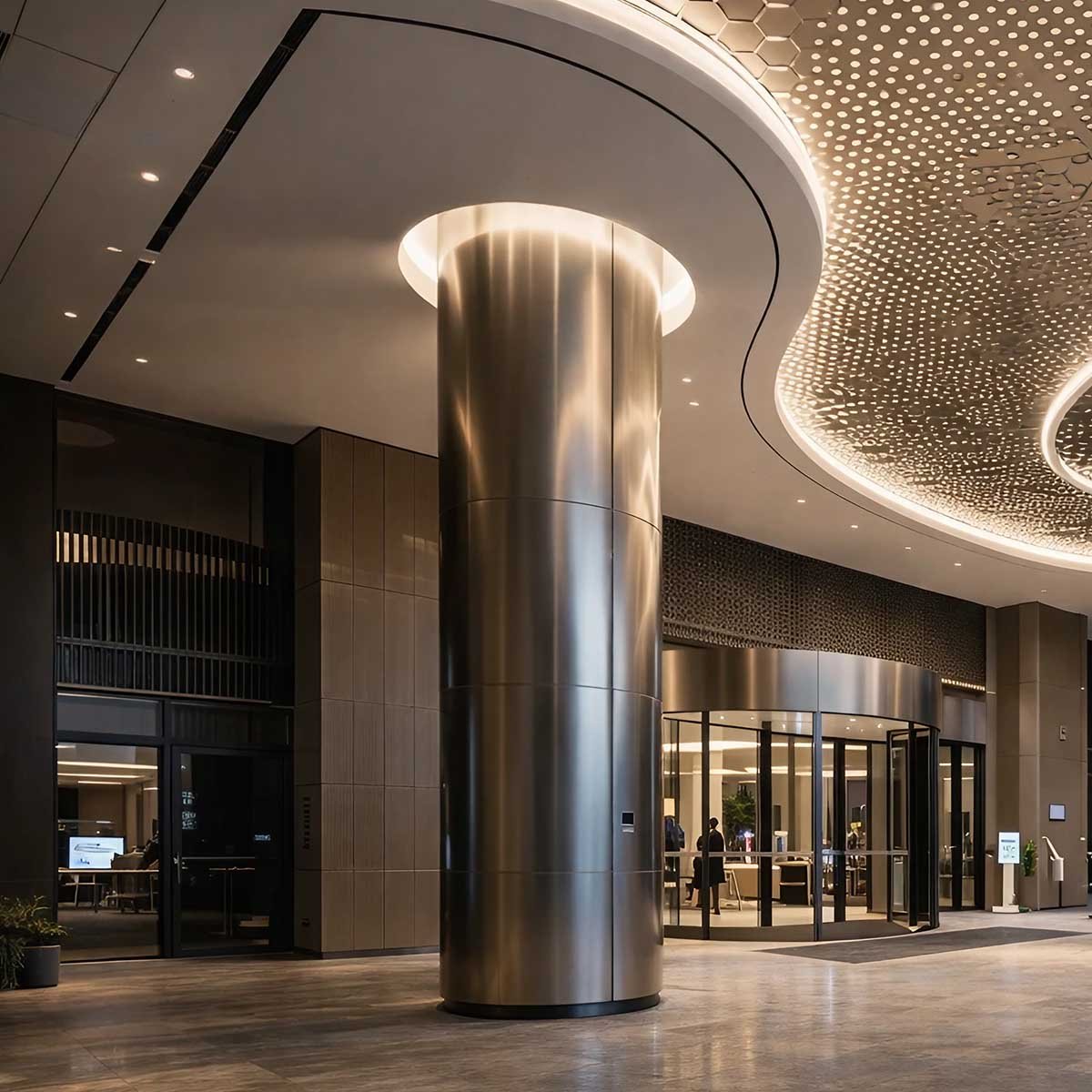
Column Cladding

The seamless stainless steel column wraps are reflective in lobbies, entrances, retail, and hospitality interior spaces, mirror-polished, to match the rest of the wall and ceiling.

Balustrades and Handrails

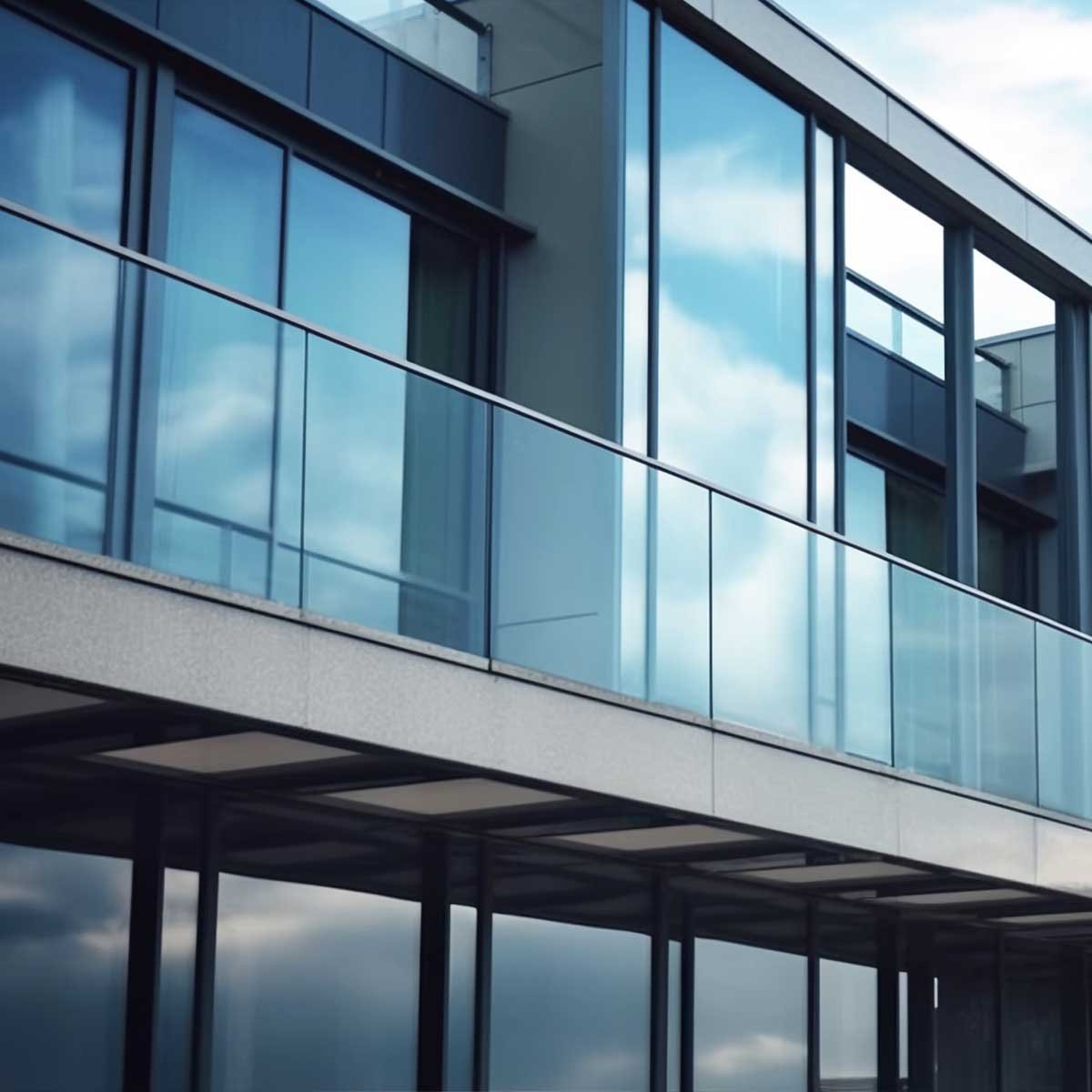
Stainless steel balustrades and handrails look elegant with polished finishes; their surfaces reflect light with style and pair well with glass, stone, and modern architectural materials.

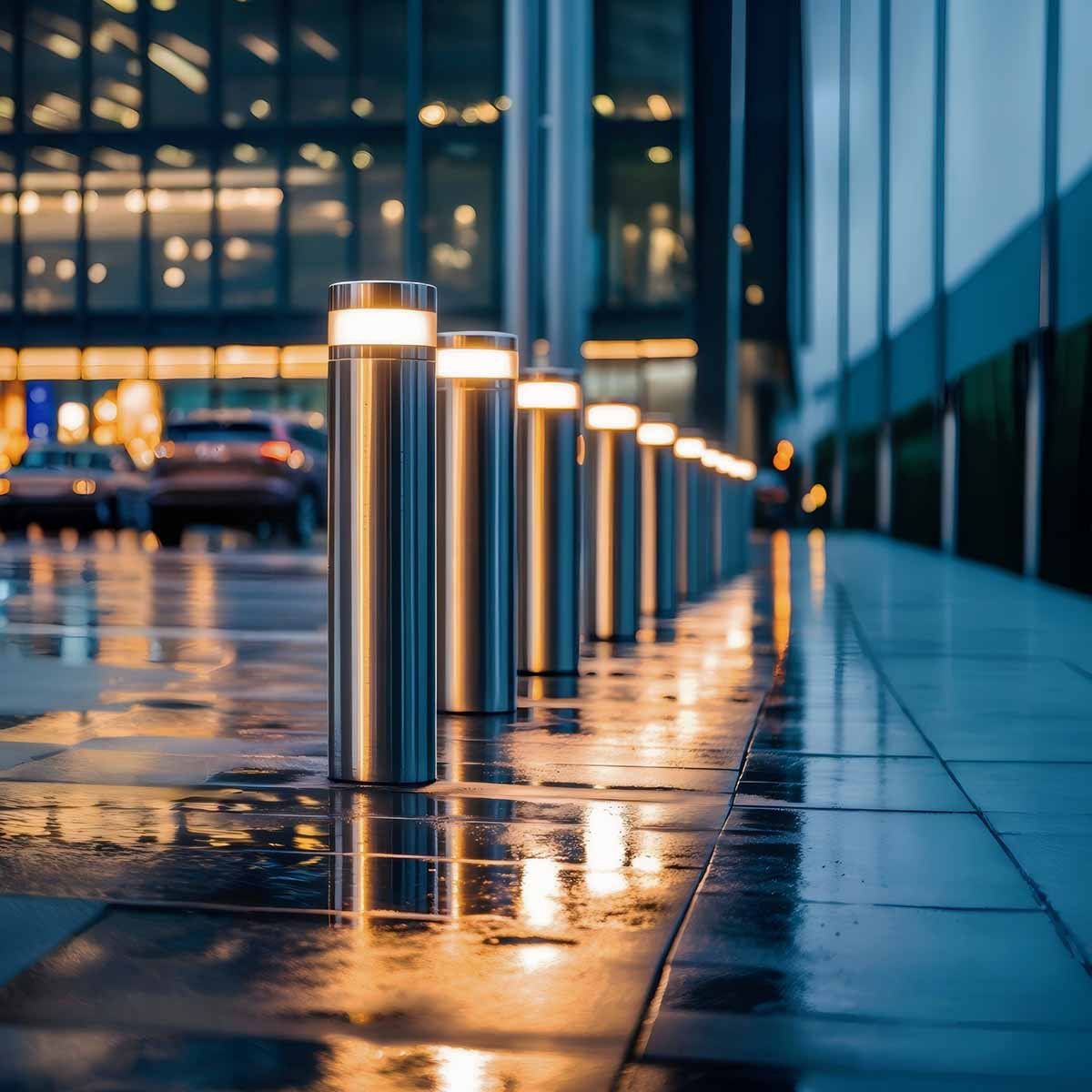
Decorative Bollards

Reflective stainless steel bollards help delineate pedestrian zones, safeguard entrances, and suit plazas, hotels, commercial buildings, and transportation facilities.

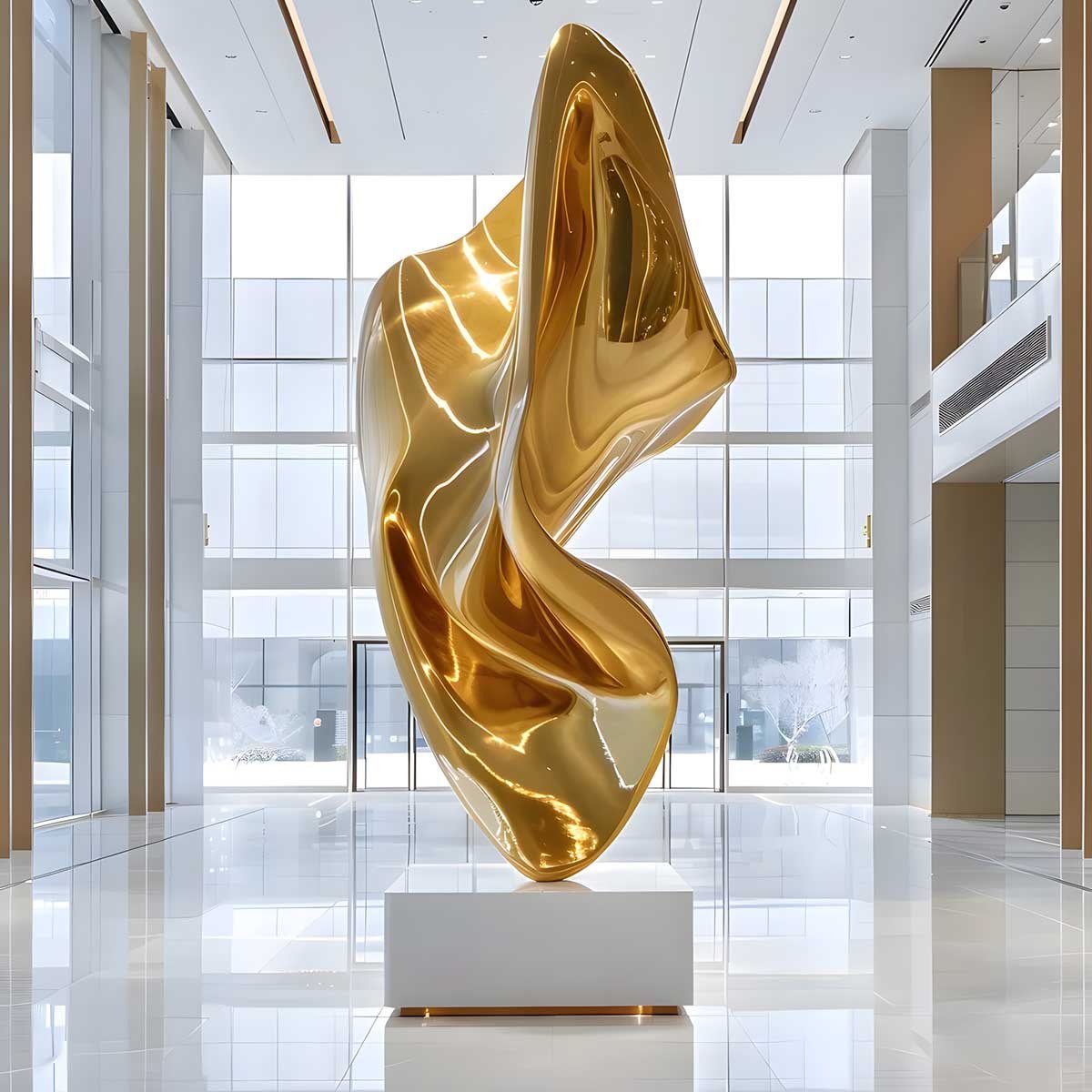
Sculptural Installations

The polished finishes and flexible fabrication allow for reflection in stainless steel sculptures, landmark elements, and installations that respond dynamically to light and environment.

Mirror stainless steel offers reflective design, durability, and the versatility of fabrication in a variety of architectural applications, from facades to elevators to signage and sculptures.

Collaborating with Nature and Environment

That is to say, it is good to see how architecture and landscape interconnect in the space. Polished and mirror-finished stainless steel also strengthens this link since the shiny surfaces provide an energized relationship between human arts and nature.

Interplay of Light and Landscape

Shiny and mirror polish type of steel surfaces have a wonderful complementarity with light and reflect sweet sunlight. These surfaces allow architectural structures to develop the feature of changing appearances as the angle of the sun changes.

Blurring Boundaries

Highly reflective polished mirror finish stainless steel and light play off each other to reflect light and sunlight dramatically. These surfaces make architectural structures lively as the orientation of the sun changes thereby providing a dynamic view.

Harnessing Greenery and Sky

Glass doors and mirror finish stainless steel give the impression of larger spaces with sky and green surprises. When included in canopies or exteriors, it contributes to increasing openness and does away with the division between inside and outside.

Reflective Water Features

Reflective and polished mirror stainless steel adds more depth to water features through the Water Wall by giving the feel of an extended visualization. This interaction creates calm, which gives this variety a great fit for fountains, pools, and ponds.

Sustainability and Adaptability

The mirror finish to the Stainless steel is beneficial to aesthetical value as well as the sustainability of the building. It is usually in big buildings that do not need artificial lighting due to the reflective surfaces, and flexibility in different terrains and climates.

Mirror finish stainless steel and creative and dull are artistry that makes light and landscape through reflective surfaces. This approach to integration makes it easier, thus masking the boundary between the architectural product and the context.

How to Choose Mirror-Polished Finish Stainless Steel

When selecting a mirror-like stainless steel product, project conditions, material grade, dimensions, polishing quality, and fabrication requirements must all be taken into account to guarantee uniformity, reliability, and speed of installation.

Select the Appropriate Stainless Steel Grade

Choose the grade based on environmental exposure; 304 is good for general applications, and 316 is better for humid, coastal, or environments that have high levels of chlorides.

Consider Thickness and Panel Dimensions

The size of the material should be appropriate to the panel sizes, structural requirements, forming techniques, and installation system; larger panels may need reinforcement for stability.

Define the Required Level of Reflectivity

Mirror finishes are different in terms of brightness, clarity, and consistency, and factors such as reflectivity, polishing standards, grain direction, and tolerances are key before production starts.

Consider the Installation Environment

Take into account both indoor and outdoor environments, humidity, pollution, salt exposure, traffic, and contact frequency, which will affect material selection, maintenance, and appearance.

Coordinate Fabrication and Installation

Plan and manage cutting, bending, welding, edge, joint, fixing, and protection work before manufacture to protect surfaces and ensure precise and flawless architectural integration.

There are several factors to take into account when selecting mirror-polished stainless steel, including grade, surface finish, durability, intended use, maintenance, and aesthetics.

Maintenance and Cleaning Guide

With proper care, mirror-polished stainless steel maintains its appearance. Minimizing fingerprints, watermarks, dust, contamination, and surface damage can be achieved by regularly cleaning, handling carefully, and using compatible products.

Routine Cleaning

Use a soft microfiber cloth and clean water or mild detergent to clean polished surfaces. Gently wipe, rinse with plenty of water, and dry to remove residue and water spots.

Removing Fingerprints and Smudges

Reflective surfaces like around elevators, entrances, and other high-contact surfaces show fingerprints more clearly. Damp microfiber cloth, then a dry cloth to remove marks.

Avoiding Scratches

Don’t use steel wool, abrasive pads, rough brushes, or harsh scouring powders on mirror-polished surfaces; any scratches will break up the smooth, highly reflective look.

Protecting the Surface During Installation

Use protective film for polished panels when transporting and installing. Do not use cement, mortar, adhesives, grinding dust, or other substances that may stain or damage surfaces.

What Can Damage a Mirror Finish?

Stainless steel surfaces may be damaged by abrasive cleaners, chlorides, acids, alkaline products, wrong polishing methods, contamination, and marks due to metal contact.

Polished finish stainless steel to transform spaces. Contact us today for custom solutions, reflective finishes, and cutting-edge fabrication to produce exquisite architectural surfaces and features.

Expert Insights on Mirror Finish Stainless Steel

Mirror finish stainless steel needs to be considered in terms of material grade, substrate quality, polishing consistency, fabrication, installation, and protection; and early coordination helps to ensure consistency of the reflective architectural surface.

Surface Quality Matters

Mirror finish reveals imperfections; appropriate quality stainless steel and controlled grinding and polishing are important for uniformity of reflectivity on large architectural panels.

Grade Selection Comes First

The stainless steel grade should be appropriate to the environment; exterior, coastal, humid and chemically exposed applications have different considerations than those used in the interior.

Consistency Requires Production Control

Uniform panel appearance and smaller differences after installation are achieved through consistent polishing, inspection, handling and protection during all stages of production.

Fabrication Should Be Planned Early

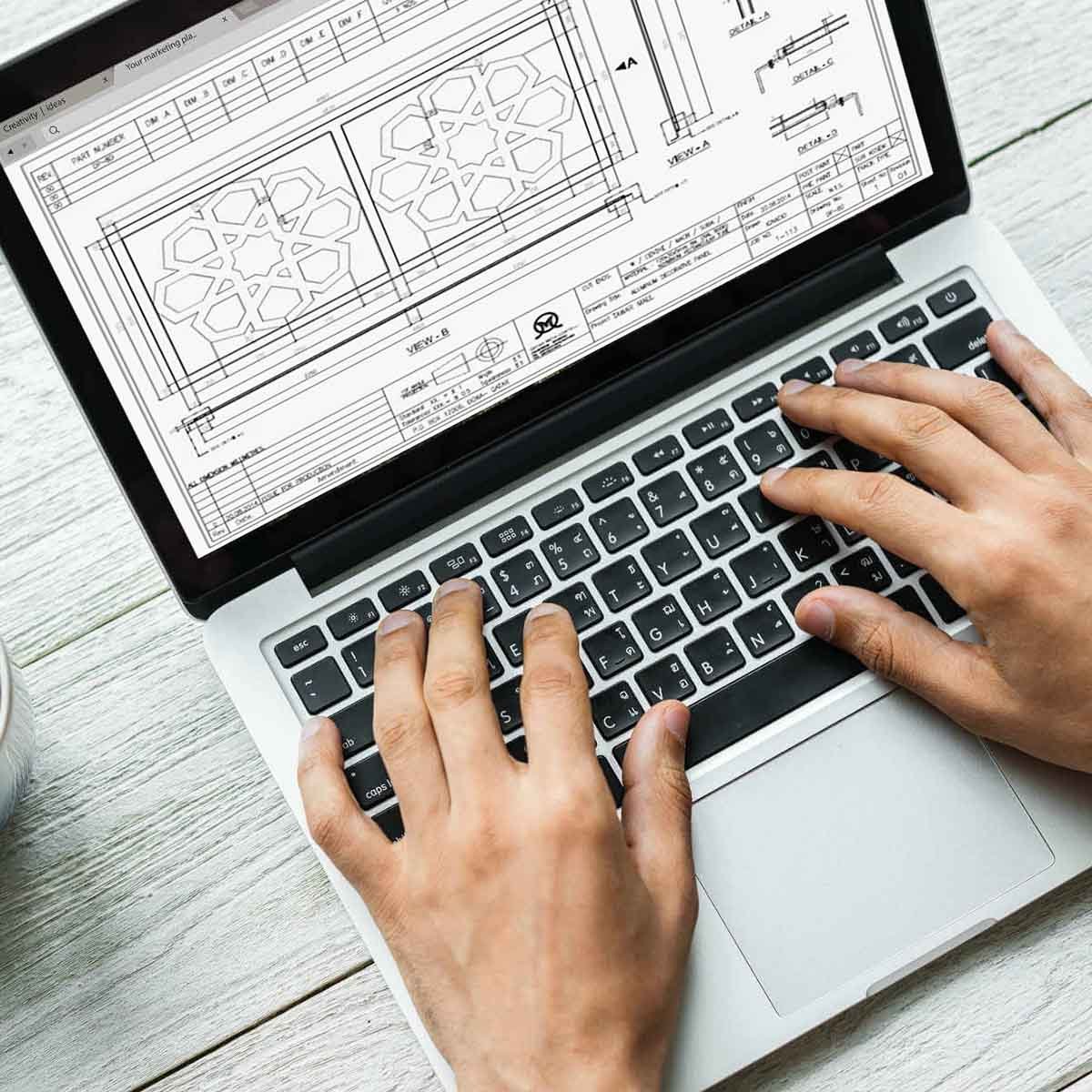
During design and shop drawings, cutting, bending, welding, edge treatment, forming and installation should be coordinated so as to maintain the polished stainless steel finish.

Protection Continues Through Installation

Fingerprints, scratches, and contamination from construction work can be minimized on mirror surfaces by using protective film and careful transport, controlled handling, and proper cleaning.

TBK Metal Perspective

From material selection to polishing, precise fabrication, and project coordination, TBK Metal has you covered for accurate dimensions, smooth surfaces, and hassle-free installation.

Experts emphasize that mirror finish stainless steel provides durability, versatility, aesthetic appeal, and low maintenance in a variety of architectural and industrial settings.

Why TBK Metal Specializes in Mirror-Polished Stainless Steel

From the planning stage, TBK Metal brings its stainless steel knowledge, precision fabrication, and finishing skills to customize projects for architecture, taking into account the nature of the material, panel size, fabrication, and installation.

Customized Fabrication

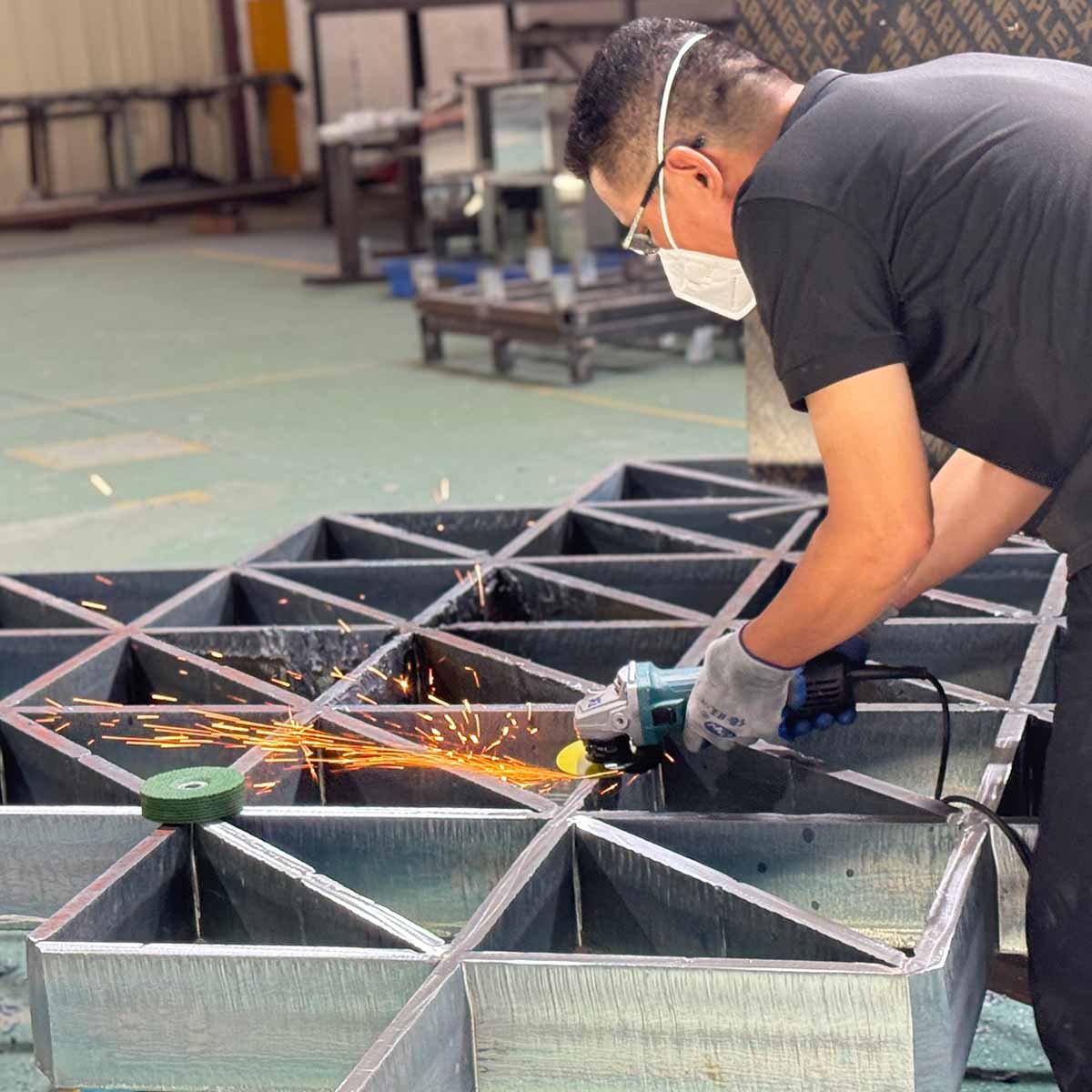
TBK Metal offers mirror polishing services for custom metal cutting, bending, forming, welding, and panel fabrication to meet architectural designs and installation requirements.

Controlled Surface Finishing

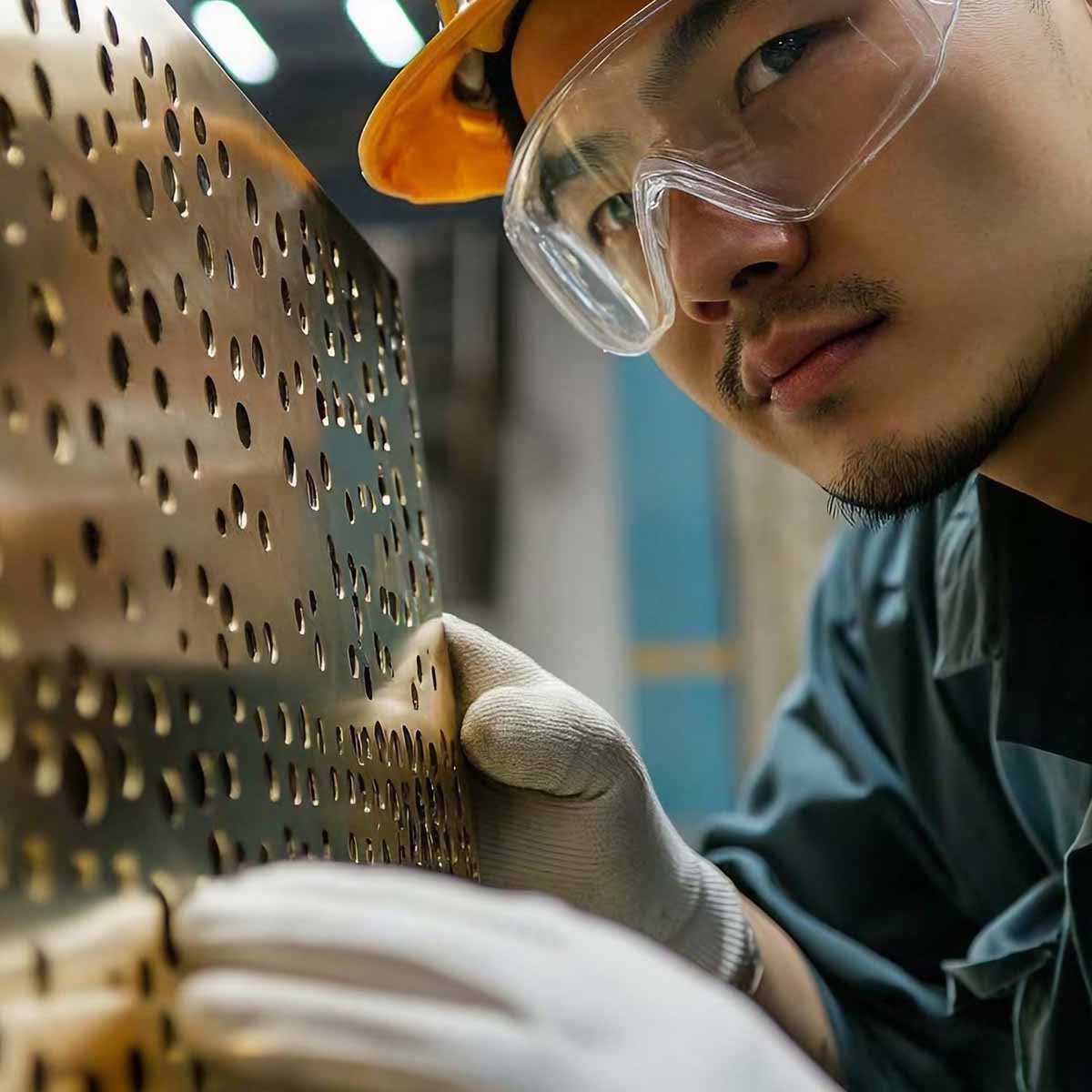
Proper preparation, consistent processing, and careful inspection are essential to ensure reflective quality and visual consistency when mirror polishing custom architectural elements.

Project-Based Solutions

TBK Metal works closely with project teams to coordinate material grades, dimensions, forms, finishes, and installation requirements to create practical architectural fabrication solutions.

Architectural Applications

Mirror-polished finish stainless steel is used for ceilings, walls, elevators, columns, signage, facades, balustrades and decorative applications, for both functional and visual purposes.

Quality and Delivery Coordination

Project quality can be customized based on dimensional accuracy, consistent project manufacture, surface protection, packaging and coordinated delivery for architectural installation success.

Frequently Asked Questions (FAQs)

Q1. Does mirror-polished stainless steel show fingerprints easily?

Yes. Mirror-polished stainless steel can show fingerprints, smudges, and watermarks more easily than textured finishes, particularly on high-traffic areas like elevator panels, doors, entrance features, and other architectural surfaces that are touched regularly.

Q2. Can mirror-polished stainless steel be used with curved architectural forms?

Yes. Polished stainless steel can also be precision-cut, bent, formed, or shaped into a curved part to specified dimensions and surface requirements for customized architectural use, depending on alloy, thickness, and fabrication techniques.

Q3. Does mirror polishing change the corrosion resistance of stainless steel?

Polishing does not necessarily have an impact on the corrosion resistance of stainless steel, but contamination, manufacturing processes, and improper cleaners can affect the corrosion resistance and durability of stainless steel used in architecture.

Q4. How can architects specify a consistent mirror finish across large projects?

Before fabrication, specifications should include: Stainless Steel Grade, Sheet Thickness, Polishing, Surface variance, Sample approval process, Protective measures, Inspection standards, and quality expectations for finished panels.

Q5. Can mirror-polished stainless steel be combined with other materials?

Yes. Mirror-polished stainless steel may be paired with glass, stone, wood, aluminium, light fixtures, and other metals to produce contrasting textures, reflective accents, feature walls, entrance details, and unique interior focal points.

Q6. What standards can help verify stainless steel material requirements?

Specifications may refer to industry standards for composition, mechanical properties, testing, and fabrication of materials. The ASTM International stainless steel standards include numerous standards for stainless steel products and requirements.

Q7. Is mirror-polished stainless steel suitable for high-traffic commercial interiors?

The use of stainless steel in architecture can be appropriate if the grade, fabrication quality, installation methods, and maintenance requirements are matched to environmental conditions, and the visibility of scratches, fingerprints, and surface marks is taken into account.

Conclusion

Mirror-polished finish stainless steel offers high reflectivity, corrosion resistance, durability, and design flexibility for architectural interiors, facades, elevators, signage, feature walls, and decorative installations in commercial projects.

The required grades, thickness, polishing quality, fabrication technique and installation systems must be aligned to succeed. Proper specification and maintenance ensure a reflective appearance, performance, and consistent architectural results.

Contact Request

Looking for a polished finish stainless steel? Call us now for any custom designs, quality materials, and expert fabrication support that we can offer.

    Related Posts