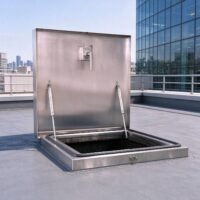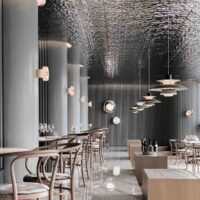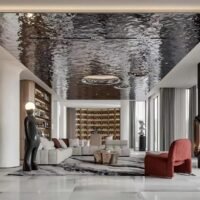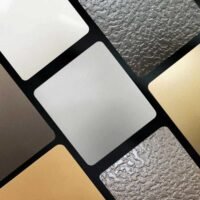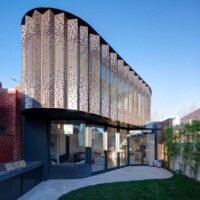



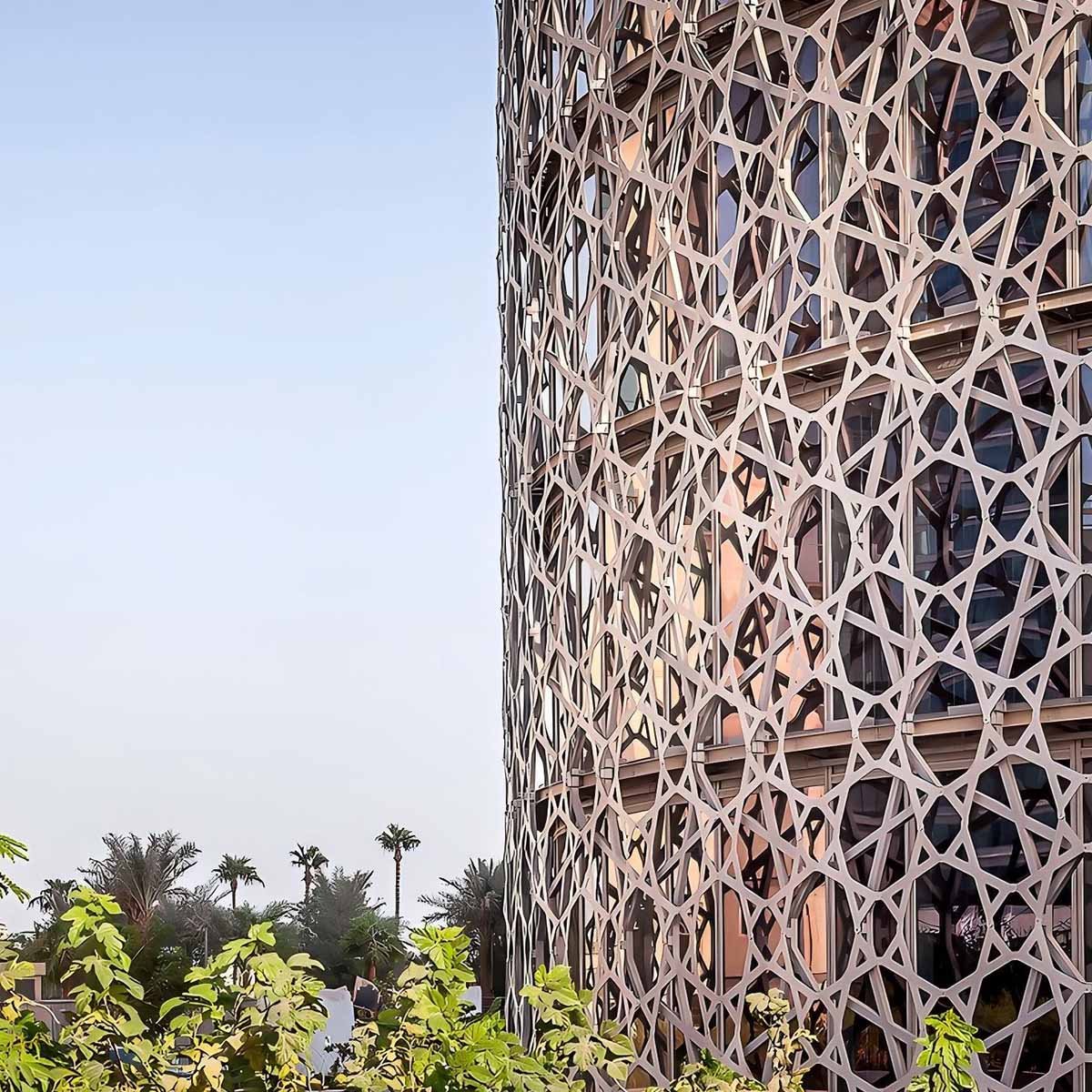
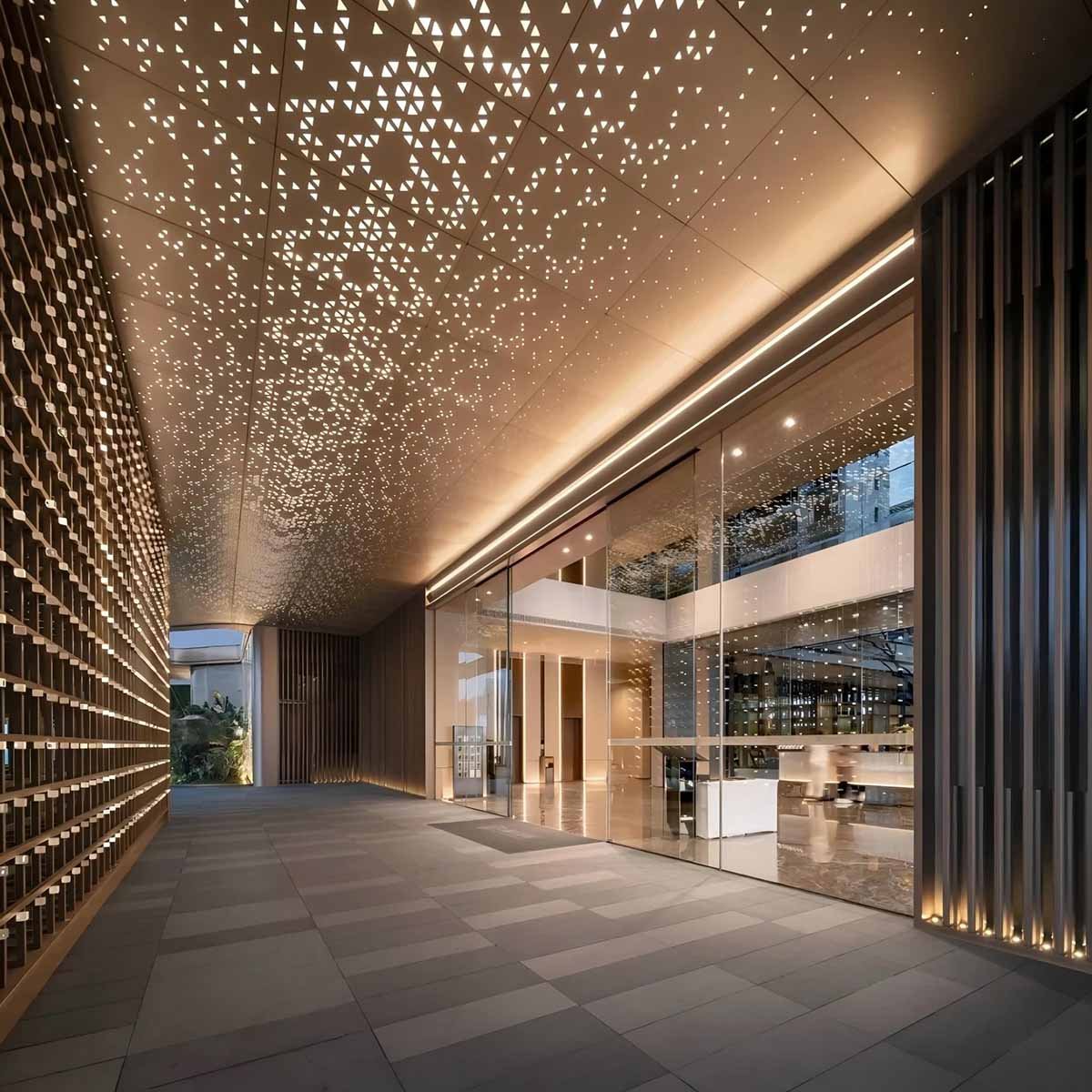
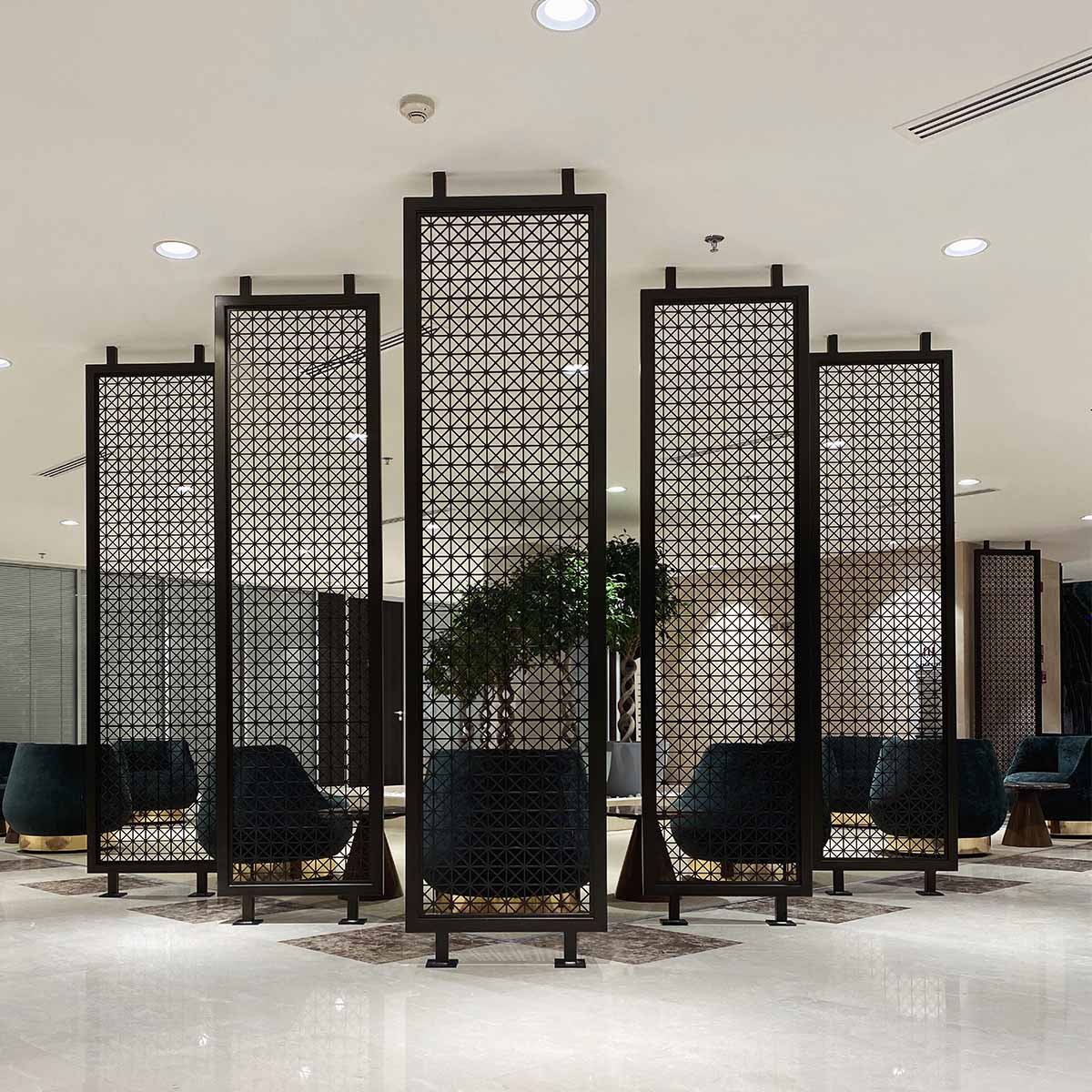
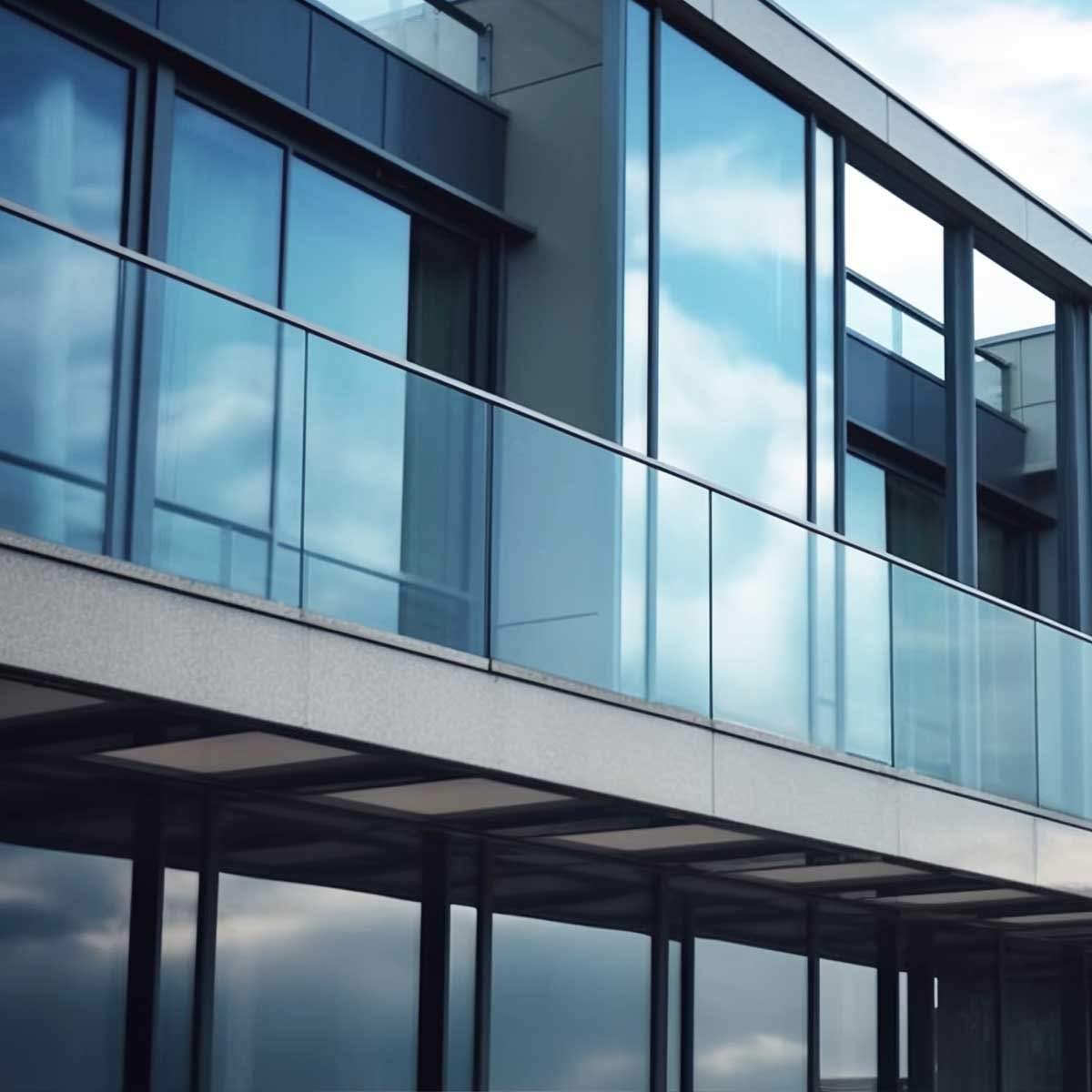
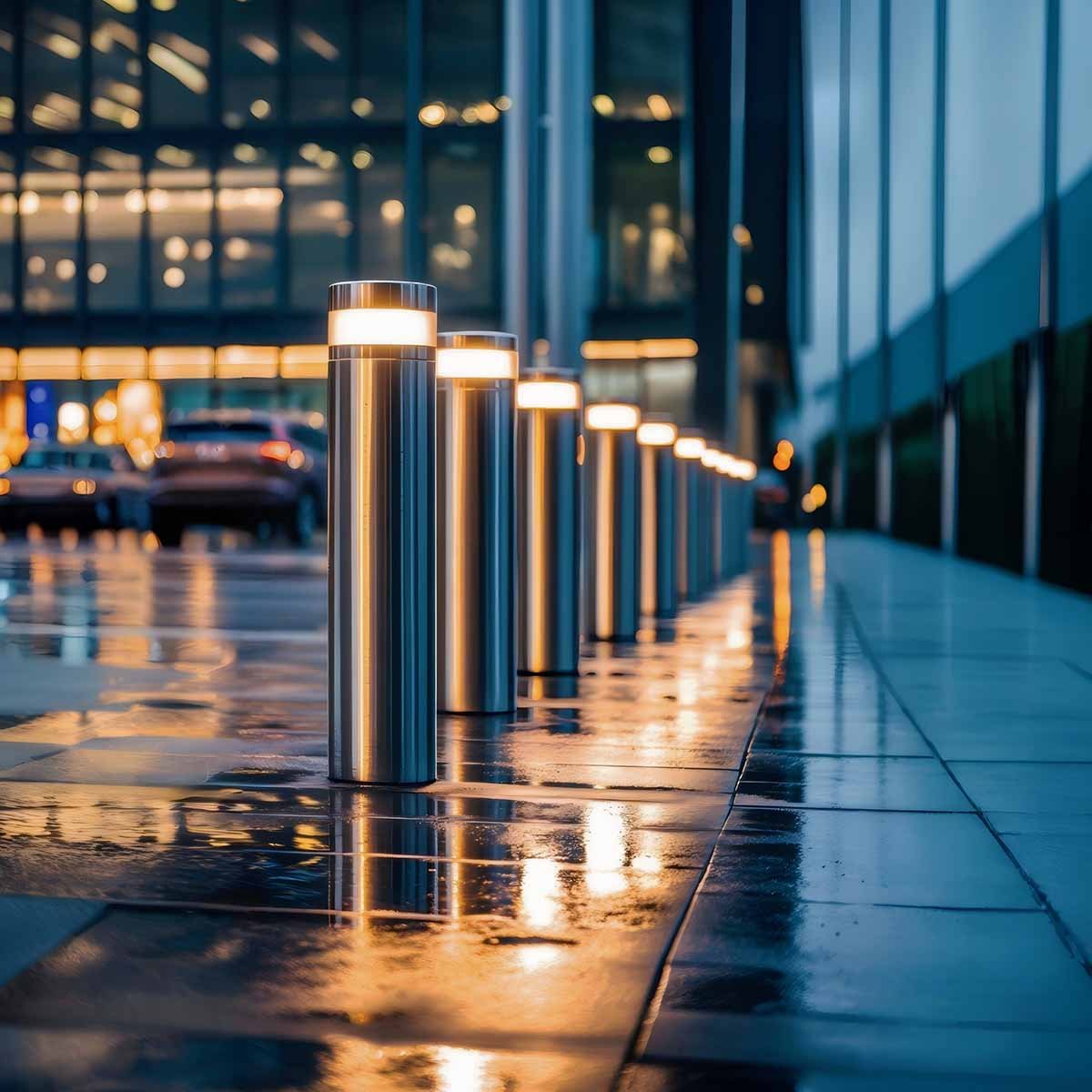
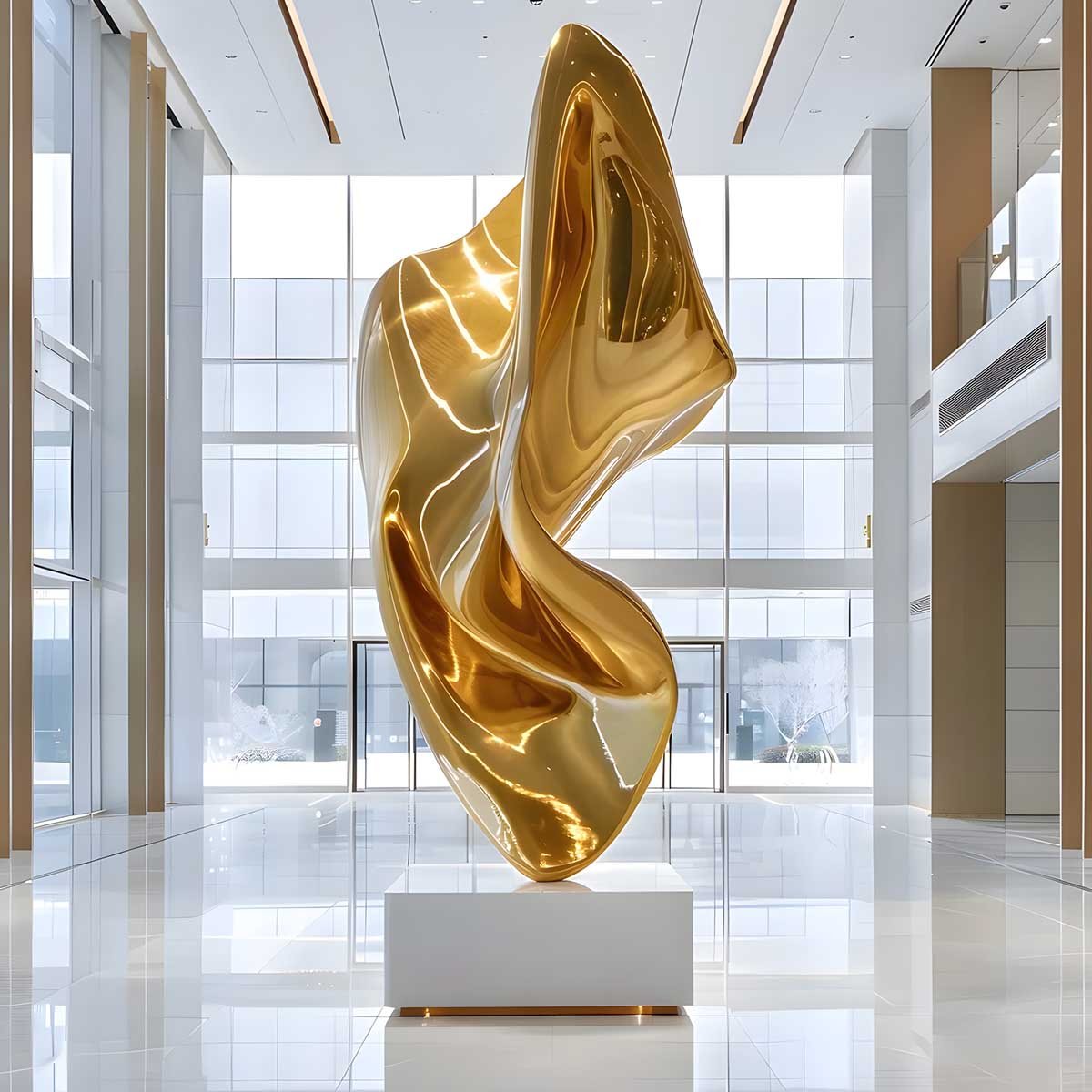
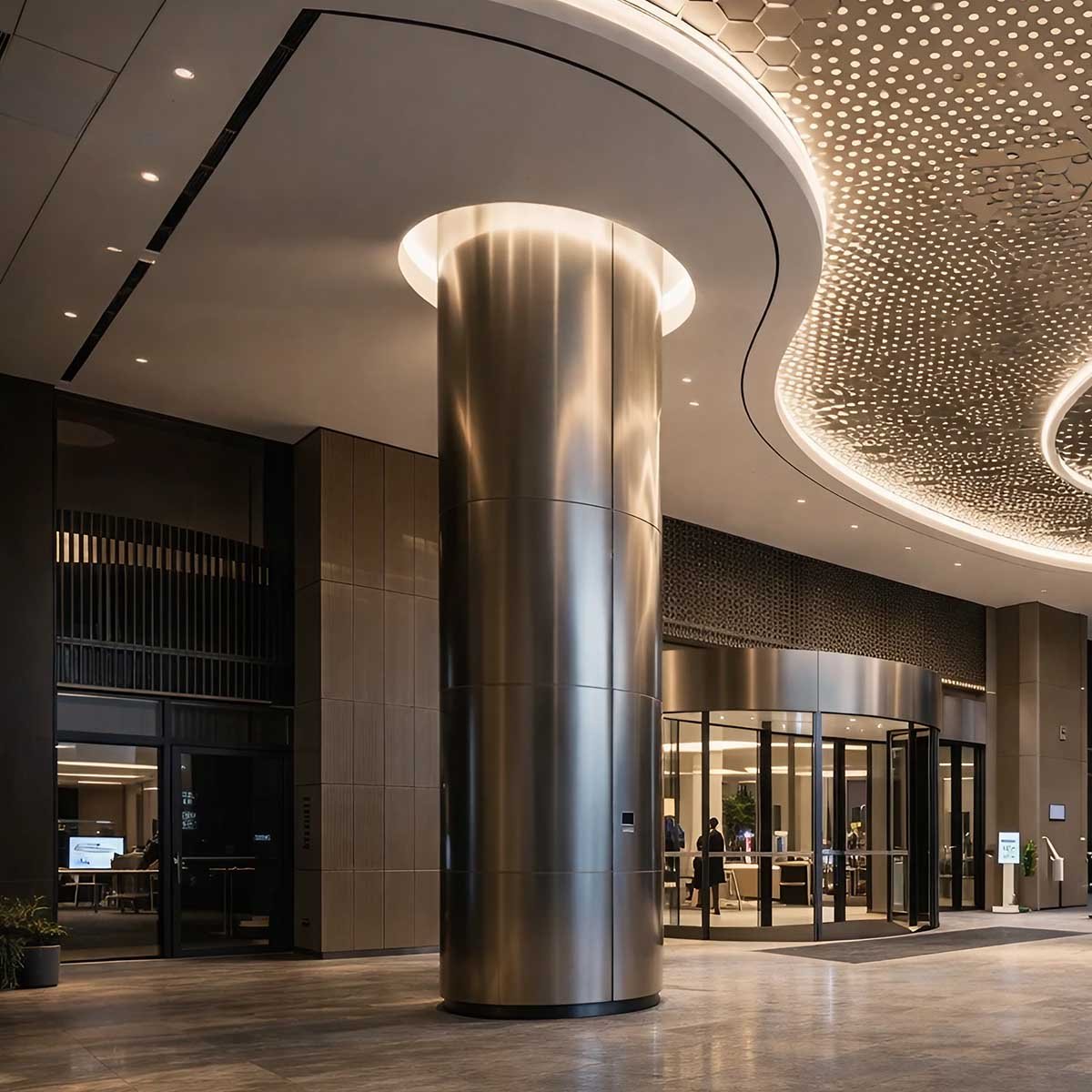
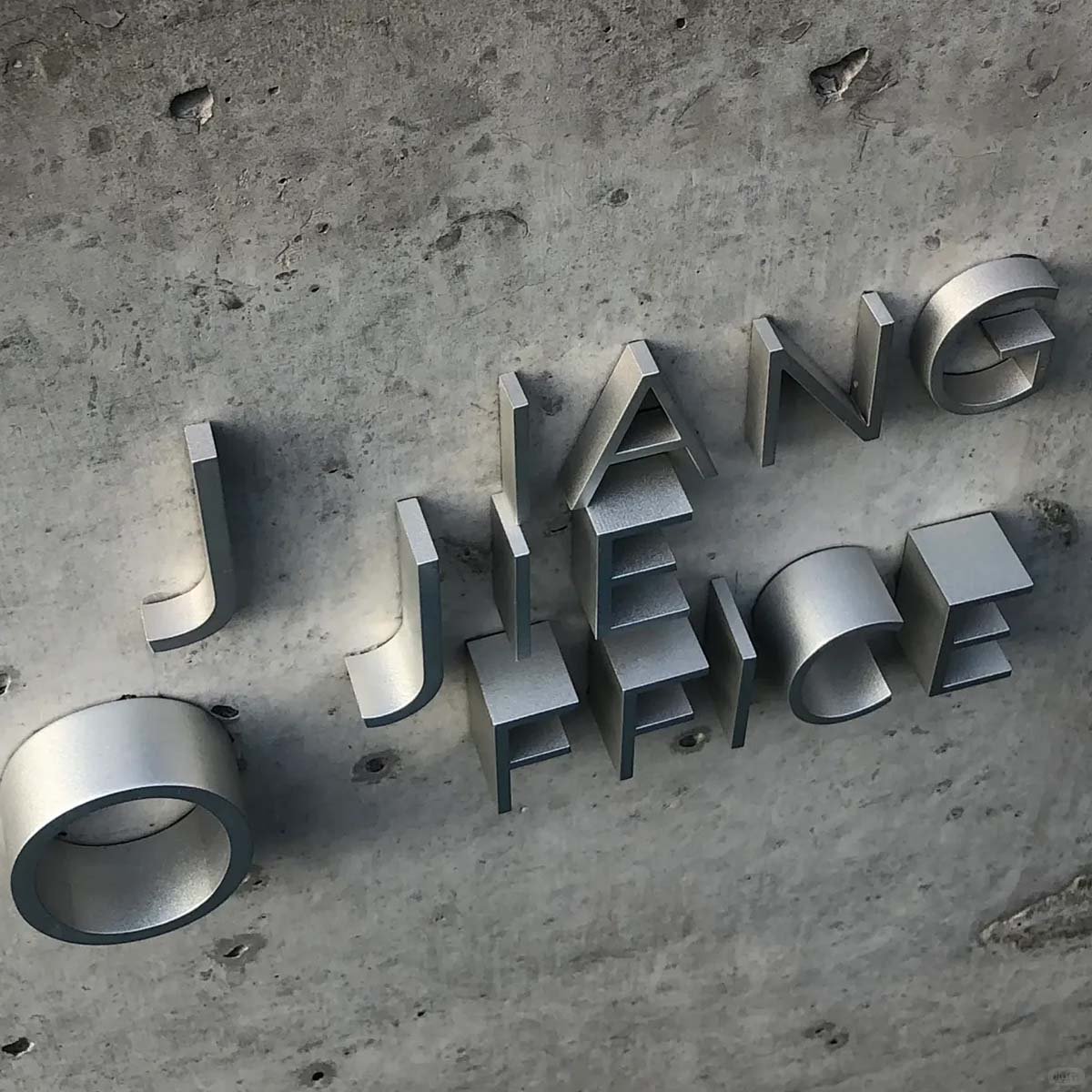
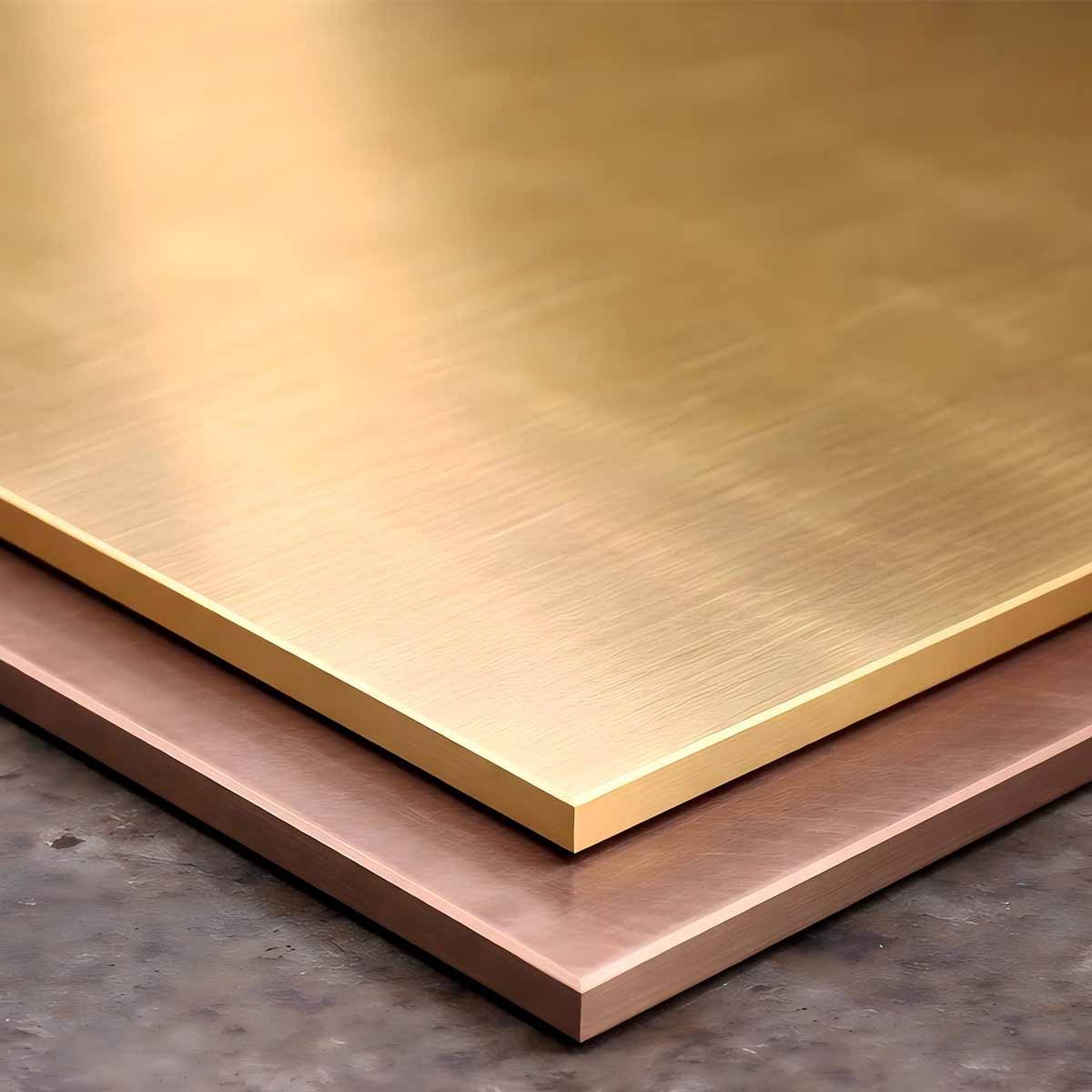
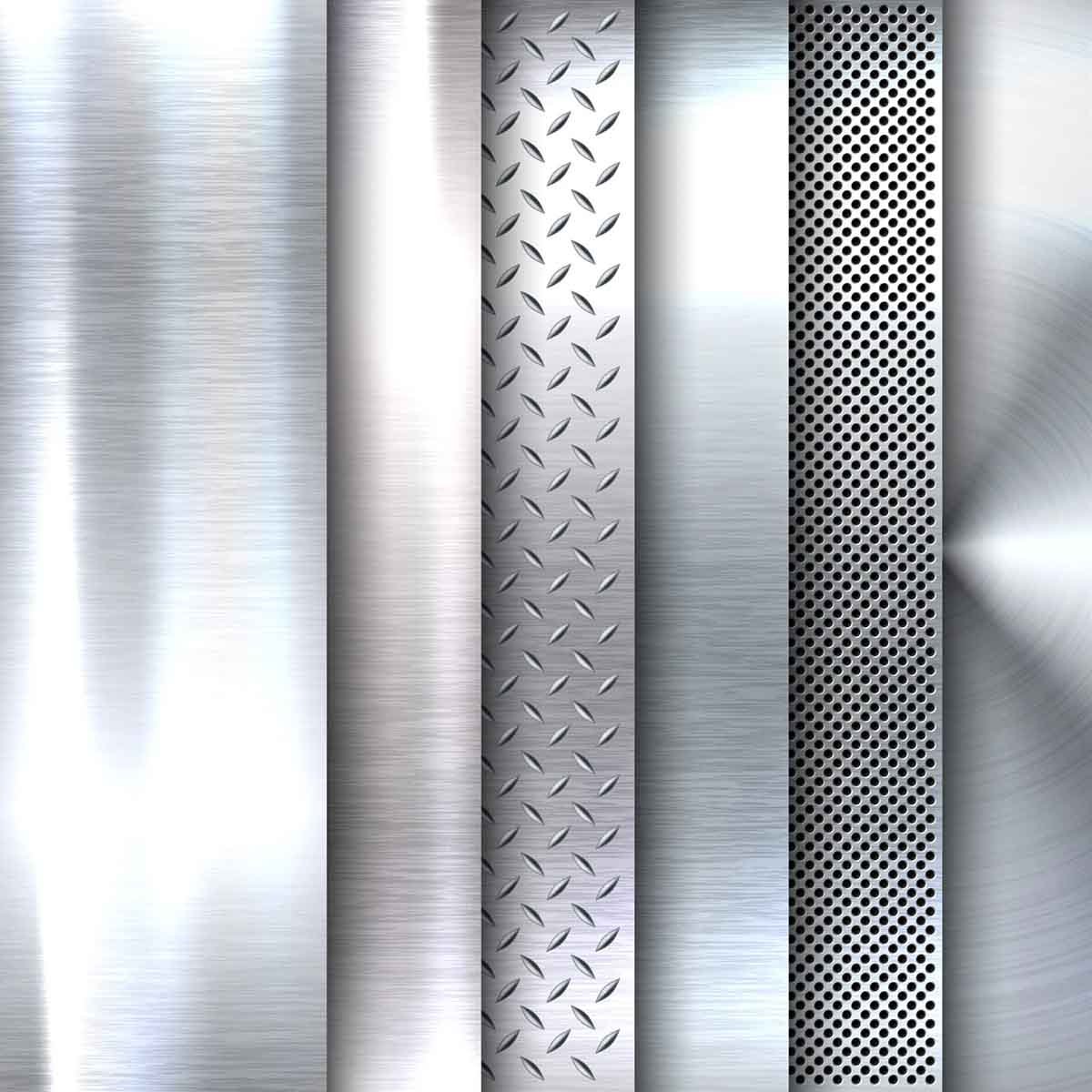
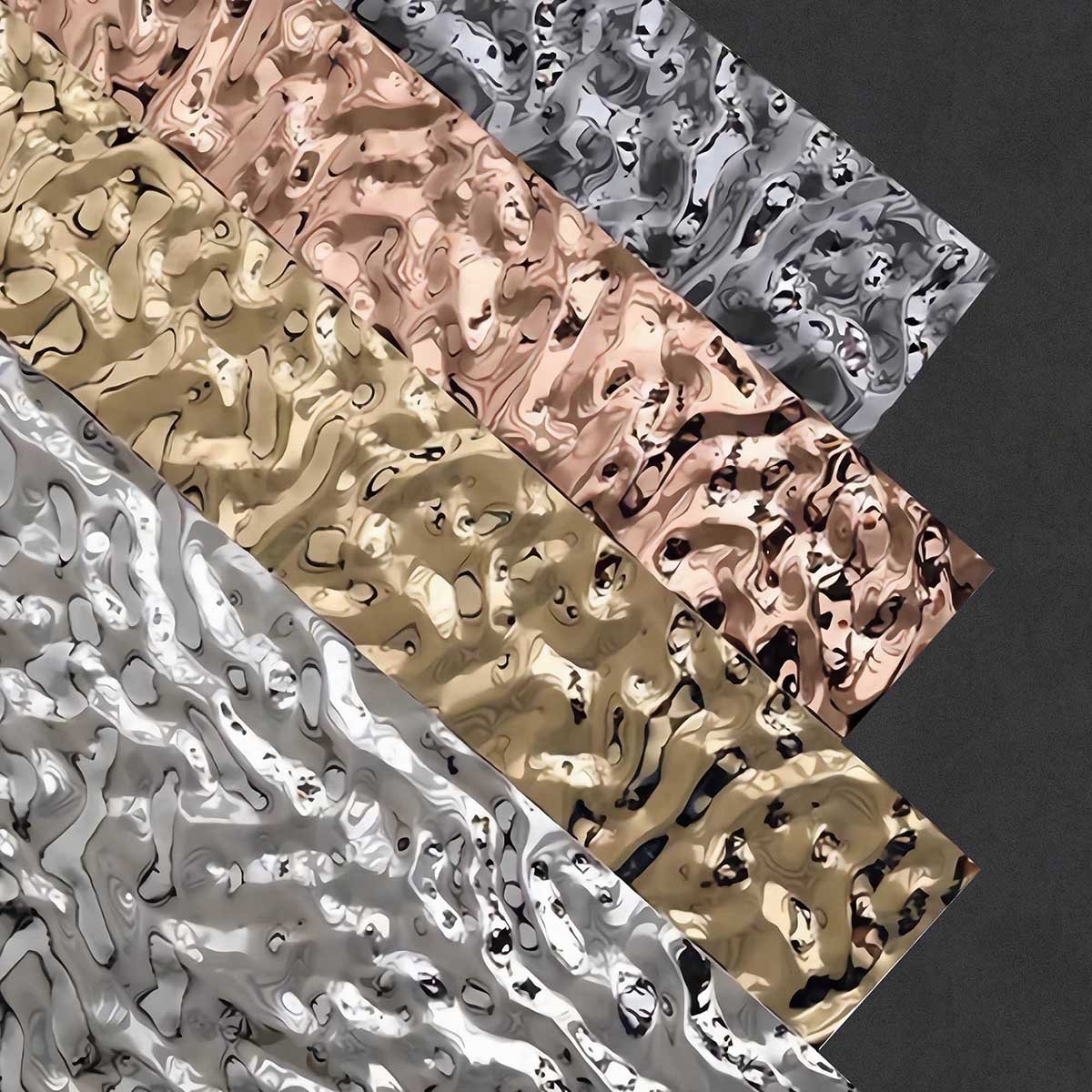
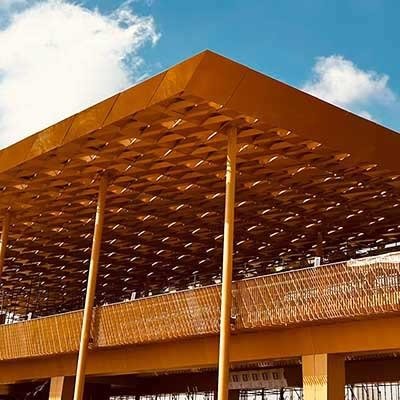
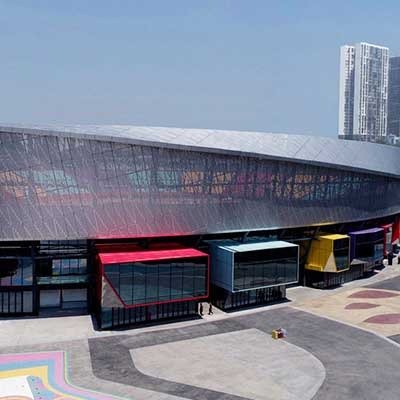
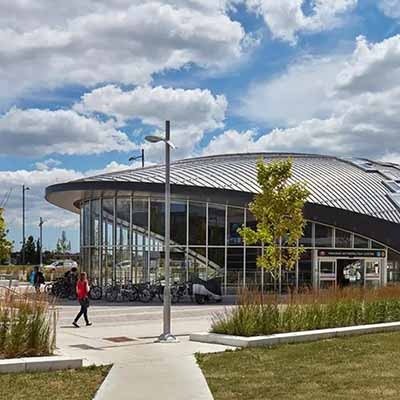
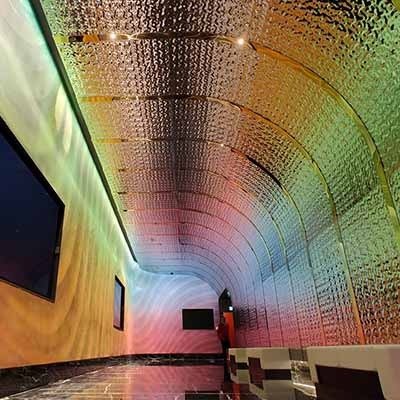
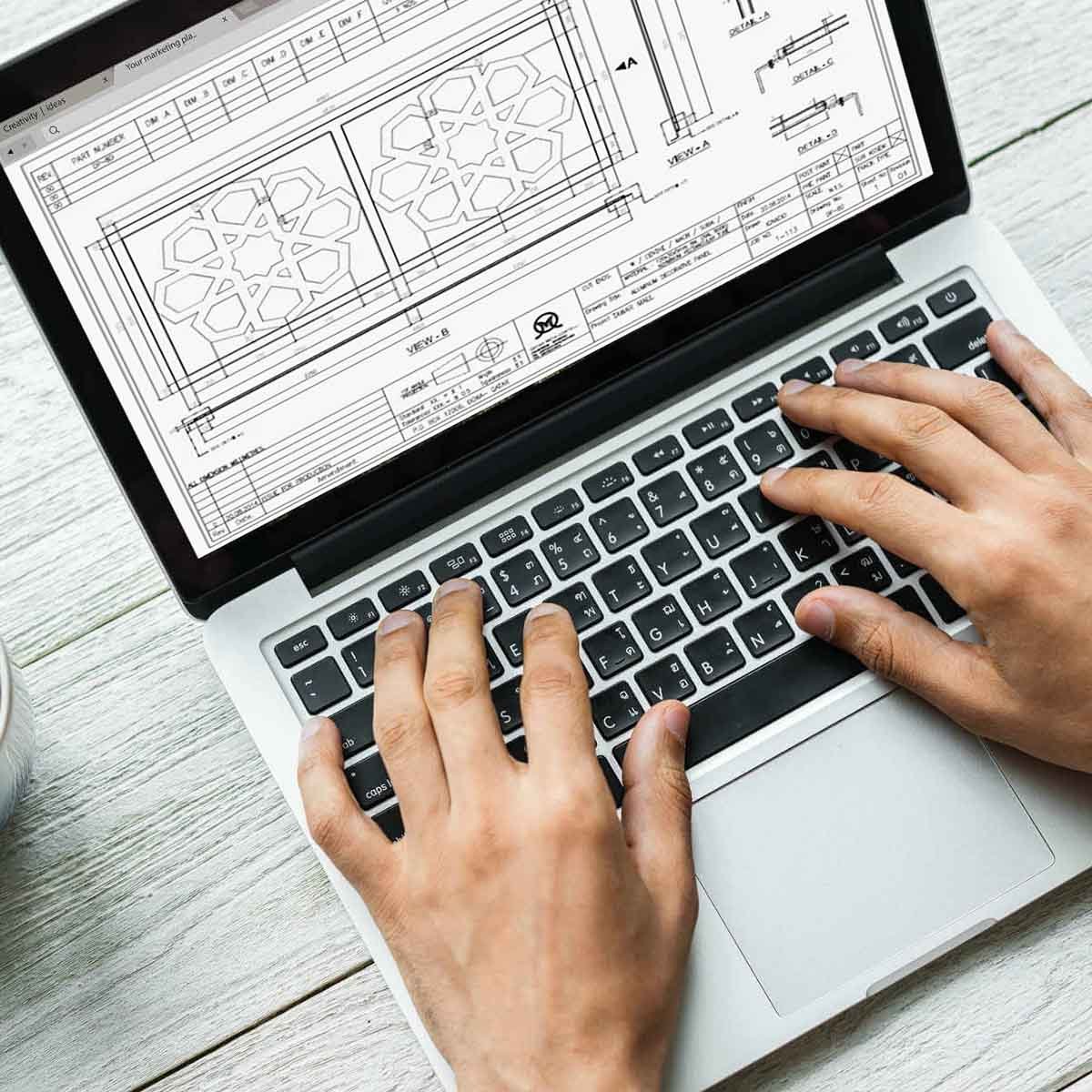
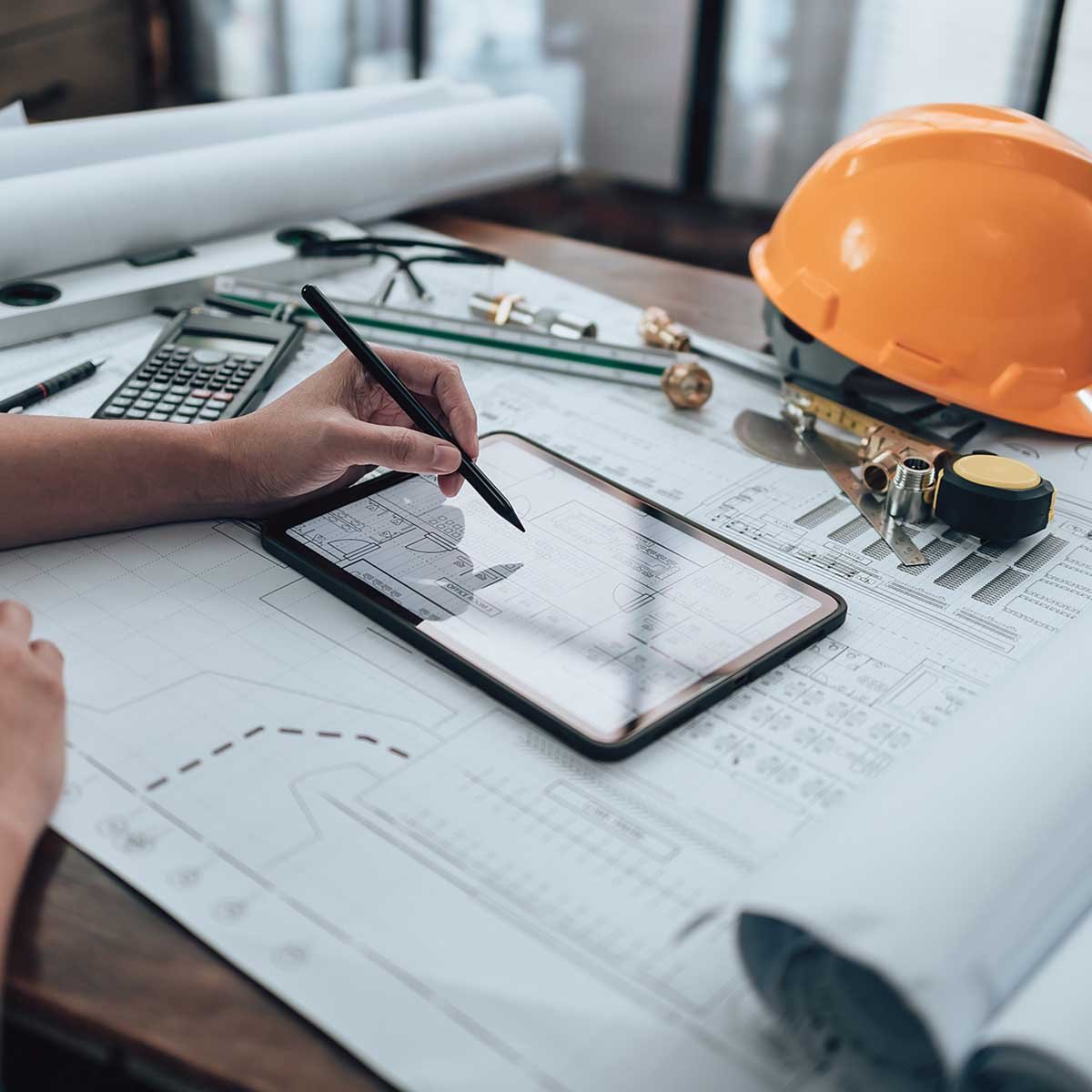


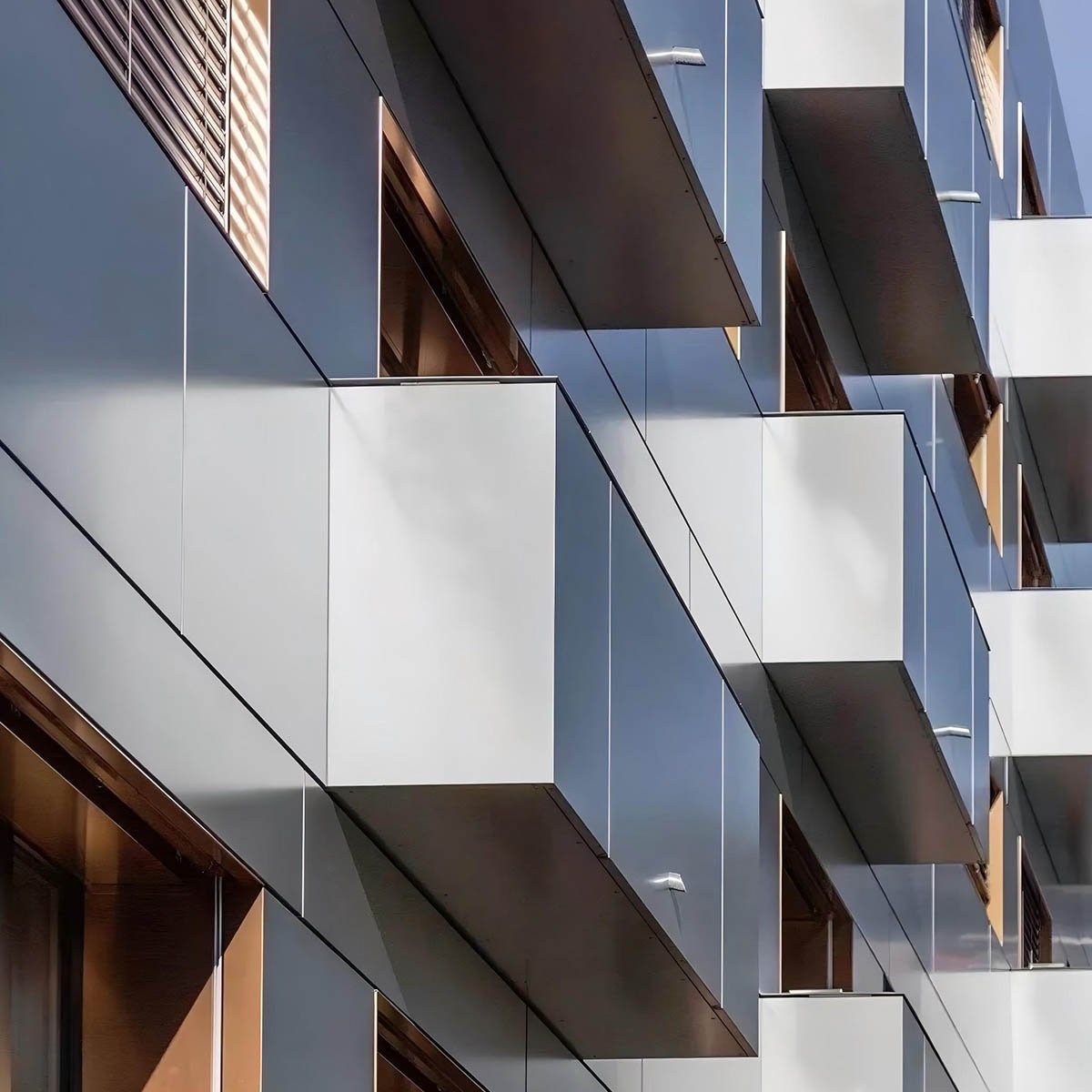
Aluminium cladding is a popular material for use in modern architecture, with its lightweight design, flexibility in terms of design and finishes, durability, and widespread use across the globe in large-scale, commercial and residential construction.
Aluminium facade systems can be used in a wide range of applications, from simple panels to elaborate decorative screen designs. A knowledge of materials, design and manufacturing options enables project teams to make informed decisions.
Table of Contents
ToggleWhat Is an Aluminium Facade?
An aluminium facade is an exterior facade covering, which consists of aluminium panels or aluminium profiles, providing protection and architectural value to the building, while offering lightweight construction, corrosion resistance and design flexibility.
A complete aluminium facades system is not only a skin, but a number of components which are tightly connected:
– Cladding panels: These are the external facing panels, either aluminium or custom panels, in different shapes, sizes and textures.
– Supporting structure: Aluminum profiles, brackets and subframes for structural support.
– Fixing systems: Fasteners, clips and fittings used to attach panels in a secure manner.
– Protective finishes: Surface finishes for decoration and anti-weathering performance.
– Weatherproofing parts: Insulation, membranes, sealants and drainage elements to control moisture and thermal transfer.
Metal facade systems can be designed to fit various styles, environments and goals, and can be selected to satisfy structural, material, fire safety, regulatory and installation standards.
What Materials Are Used in Aluminium Facade Systems?
Depending on the design, the structural need and the architecture application, various materials are utilized in an aluminium facade system. These can range from aluminium sheet to composite panels, extruded profiles and support.
Aluminium Sheets and Plates
Aluminium sheets and plates are commonly used for facade cladding. Some popular grades for architectural sheet are 3003 and 5005 and 6063 is typical for extruded profiles.
The alloy and thickness will depend on the panel size, strength, formability and surface requirements. Sheets may even be cut, folded, perforated or created into a custom design.
Aluminium Composite Panels
Aluminium composite panels are made up of two thin aluminium sheets and a core. These are light, and have a flat surface for exterior structures.
There is a range of fire performance for core materials, so the panel specification needs to be appropriate for the project’s fire safety needs.
Aluminium Extrusions and Supporting Profiles
Aluminium profiles, which are extruded, are part of the supporting and connection system of the facade. These are typically rails, brackets, framing sections and edge profiles.
The materials and specifications of the wall thickness and profile should be determined by the load and installation requirements of the structure.
Other Materials Used with Aluminium
Other materials can be used on the aluminium facade for functional and design needs.
| Material | Common applications |
| Glass | Curtain walls, windows and transparent façade sections |
| Stainless steel | Decorative trims, brackets and connection components |
| Expanded metal | Decorative screens and ventilated exterior layers |
| Insulation materials | Building envelope and thermal protection |
| Sealants and membranes | Panel joints and weatherproofing |
The use of combinations makes for versatile facades, but compatibility is critical. Thermal expansion, corrosion, weight and maintenance issues impact on performance and must be carefully detailed and connected.
Selection of materials should be based on location, structure, geometry and service life and early coordination of aluminium fabrication guarantees that panels, profiles, finishes match manufacture and installation.
What Are the Different Aluminium Facade Designs?
Aluminium facades give architects flexibility to create varied exterior shapes, patterns, textures and transparency levels, from minimalist cladding to decorative screens and three-dimensional structures, meeting different functional requirements.
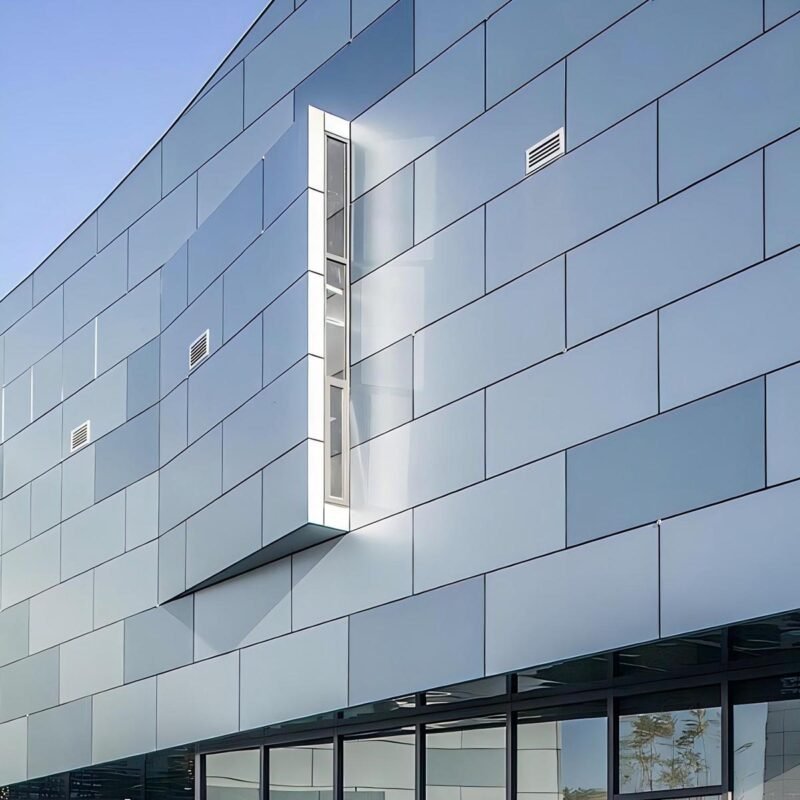
Solid Aluminium Panel Facades

Perforated Metal Facade
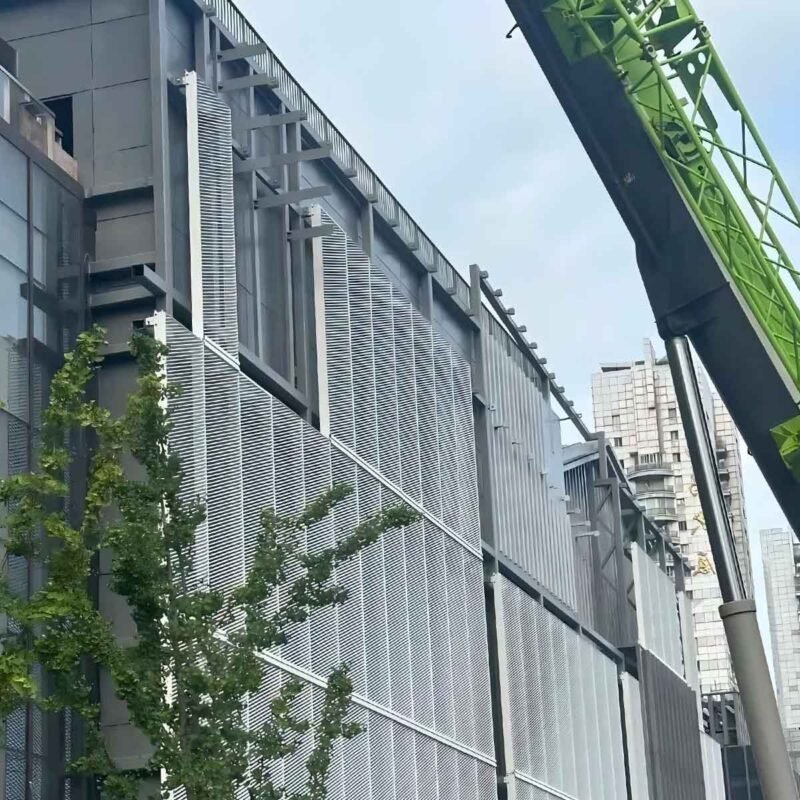
Expanded Metal Facade
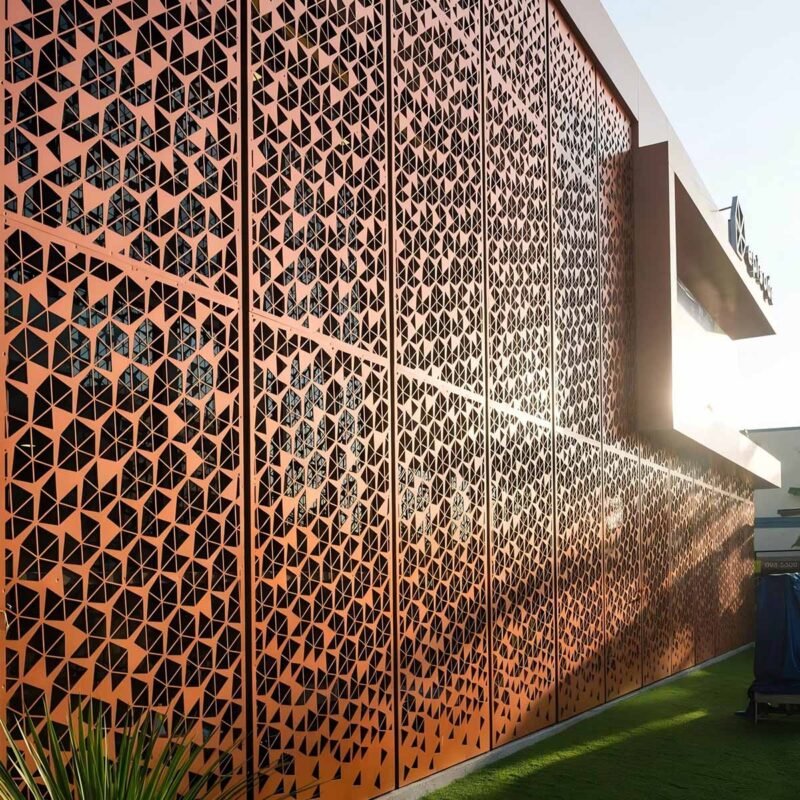
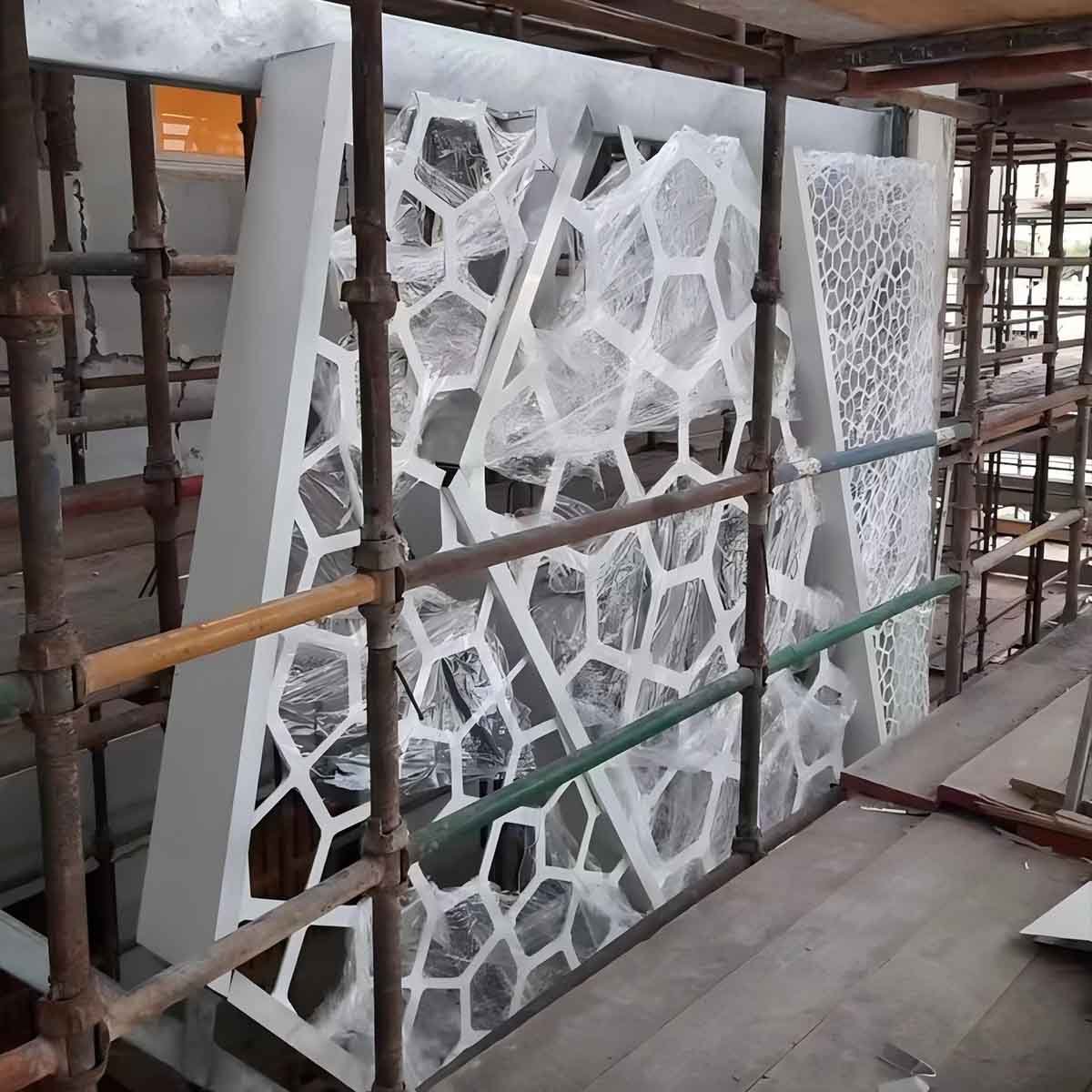
Laser-Cut Metal Facades
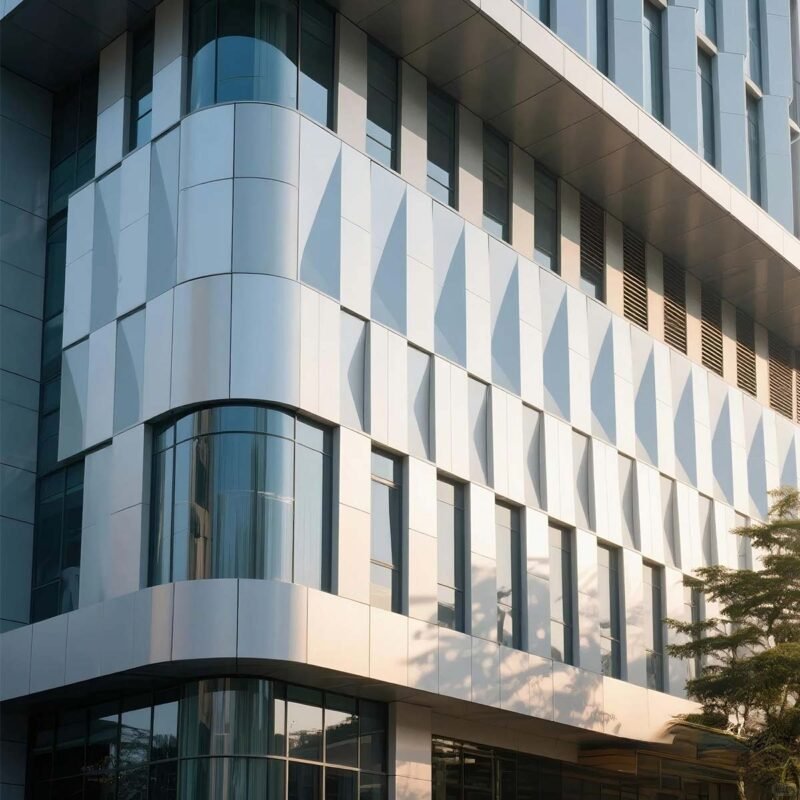
Composite Panel Systems
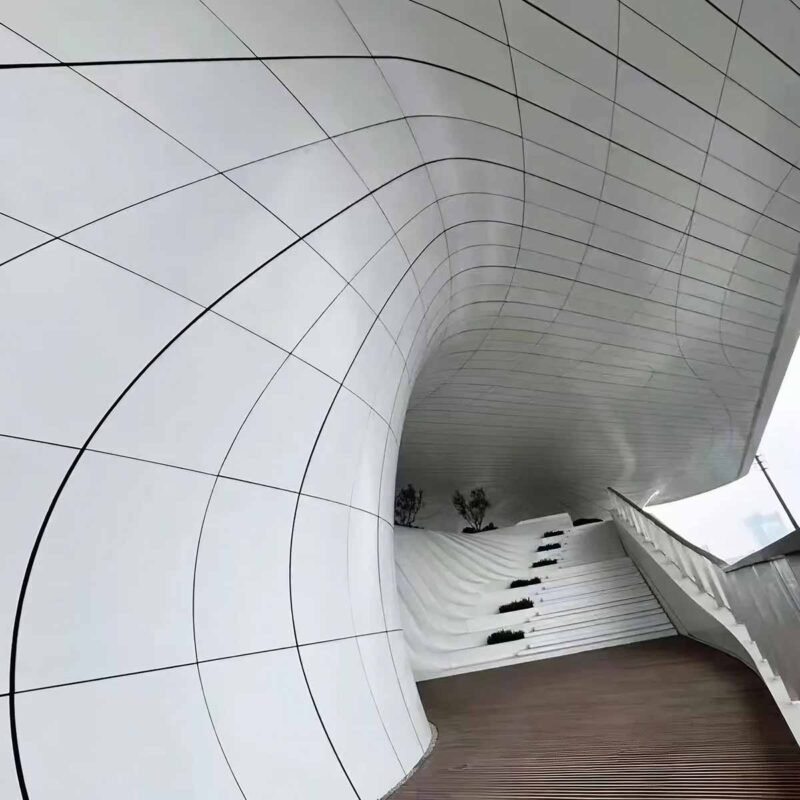
Curved Aluminium Panels
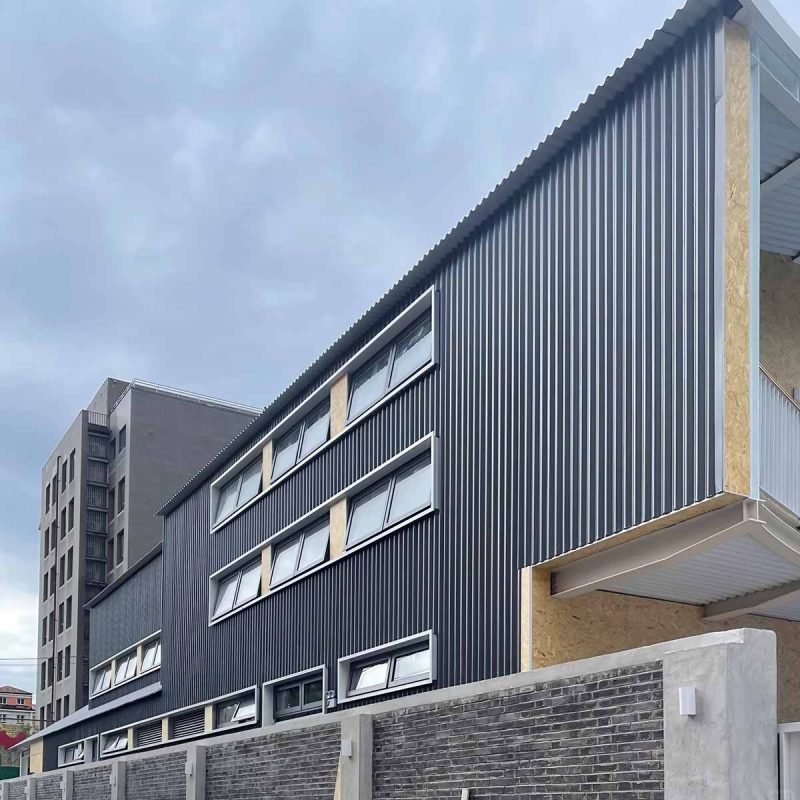
Corrugated Metal Facade
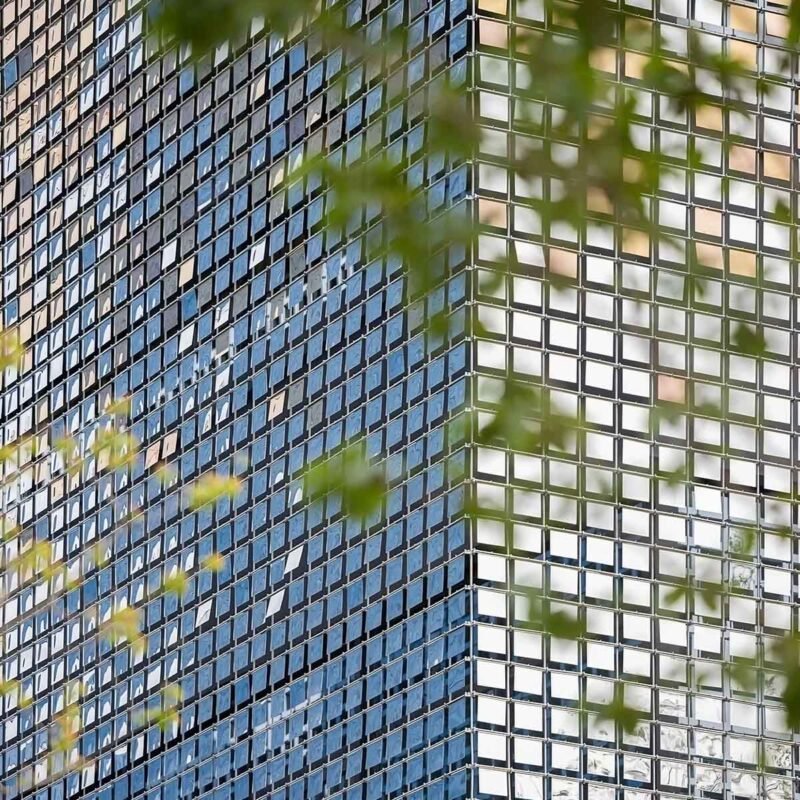
Kinetic Facade Systems
Some of the considerations that need to be done are design, structural requirements, environment, budgets, material, manufacturing and installation for the optimal appearance and performance of the aluminium facade.
What Are the Benefits of Aluminium Facades?
Aluminium facades are well suited for a variety of buildings, offering both functionality and design flexibility. The light weight, corrosion resistance, design flexibility and recyclability are important advantages for modern constructions.
Lightweight Construction
Corrosion Resistance and Weather Protection
Design Flexibility and Customisation
Durability and Low Maintenance
Sustainability and Recyclability
The lightweight construction, durability and design flexibility of aluminium facades depend on the right materials, structural details, protection and quality installation.
How Are Aluminium Facade Panels Manufactured?
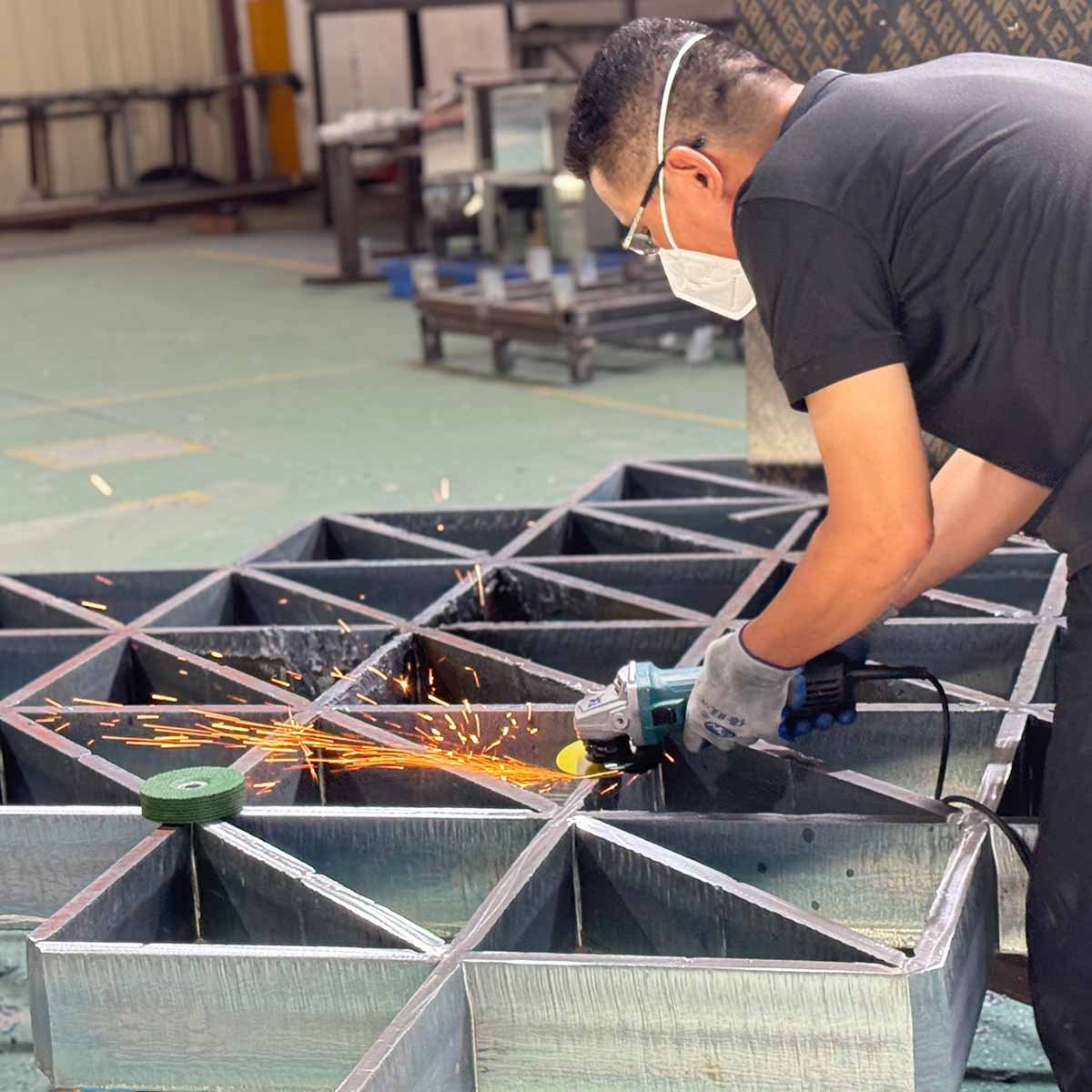
Aluminium facade making transforms raw sheets into architectural panels with material preparation, cutting, forming, surface treatment and inspection, guaranteeing the right dimensions, shapes, surface quality and installation readiness.
Material Selection and Preparation
Aluminium alloys and thicknesses, suitable for the required design, are chosen and checked prior to production for suitable properties, dimensions and surface finish.
Cutting and Panel Processing
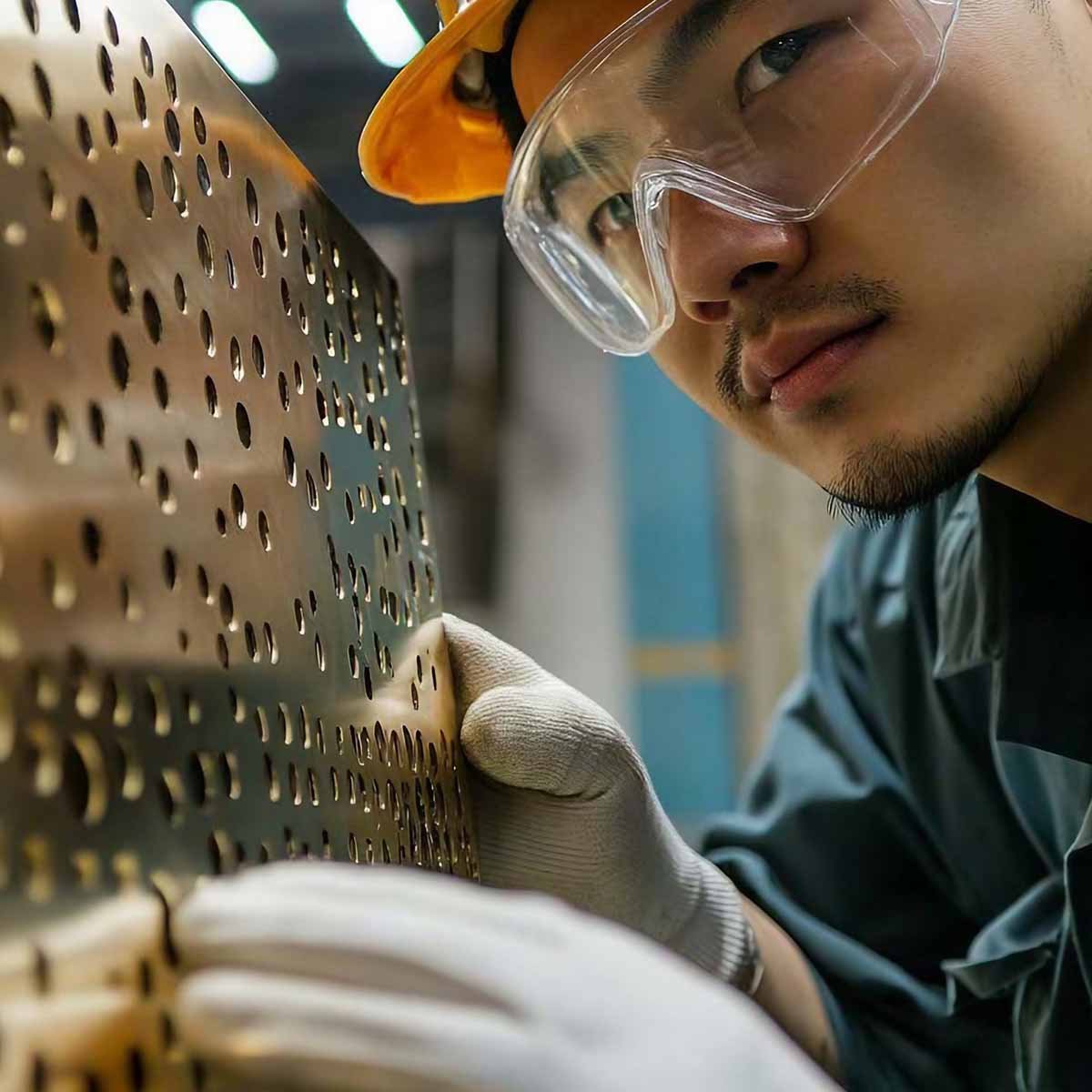
Aluminium sheets are sawn to the required length and size and then cut with holes, slotted, drilled, etc., to create the desired panel configurations and fixing positions.
Bending and Forming
Using a press brake, panels are bent, folded or formed into specific geometries, without sacrificing dimensional accuracy, to produce return edges, corners, curves and 3D shapes.
Surface Treatment and Finishing
Fabricated panels are then treated for surface preparation and finishes, which include anodising, powder-coating or PVDF coating, as required by appearance and environmental protection.
Quality Inspection and Packaging
Packaging protects panels against scratches, deformation and handling damage during delivery and installation, and finished panels are inspected for dimensions and surface consistency and forming quality.
To achieve consistent aluminium facades, materials, fabrication and finishes must be coordinated, and experienced manufacturers can ensure that customised panels are built to design, dimensional and installation requirements.
Looking for customised aluminium facade solutions? Contact TBK Metal to discuss your project requirements, explore suitable materials and finishes, and receive manufacturing support tailored to your architectural needs.
What Surface Finishes Are Available for Aluminium Facades?
The surface finishes have an impact on the aesthetic, performance and weather proofing of aluminium facades. The different treatments provide different colors, textures and protective features, depending on the architectural and environmental needs.
Mill Finish
Anodised Finish
Powder-Coated Finish
PVDF-Coated Finish
Special Decorative Finishes
How to Choose the Right Finish?
Choosing the right aluminium finishes can enhance the project’s appearance and durability needs while meeting its environmental specifications.
Appearance
Take into account the aesthetic appeal of the desired colour, shine, metal and texture that complement the architecture of the building.
Weather resistance
Assess the risk of sun, moisture, rain and coastal exposure in deciding on the protective treatment.
Durability
Take into account the hardness of the surface, the adhesion and corrosion protection of the coating and keep the facade in its original appearance under normal outdoor conditions.
Maintenance
Evaluate the needs for the frequency of cleaning, the maintenance requirements for surfaces and the availability of suitable maintenance products during the building’s service life.
Budget
Do a comparison between initial finishing costs and the expected durability, maintenance and long term replacement needs.
Finish should be appropriate for the aluminium alloy, the design and manufacturing of the panels, and the quality and suitability of the application are ensured by consultation with the manufacturer at the early stages of design.
What Should You Consider When Choosing an Aluminium Facade?
Lightweight construction, design options and exterior performance all make aluminium facades a versatile choice for different building types, allowing for a variety of panel configurations for functional cladding and decorative architectural applications.
Commercial and Office Buildings
Residential Buildings and Apartments
Shopping Centres and Retail Developments
Airports, Transport Hubs and Public Buildings
Hospitality and Cultural Buildings
Selection of facades is determined by building functions, exposure, structure and design objectives and suitable aluminium materials, panels and finishes satisfy practical and architectural requirements.
What Should You Consider When Choosing an Aluminium Facade?
Choosing an aluminium facade requires evaluating more than panel design and finish; material specifications, structural performance, environmental conditions and installation requirements determine system suitability during planning.
Building Requirements and Location
Consider building height, function, design and surroundings, as coastal, humid or sun-exposed locations may require specific aluminium grades and protective finishes.
Material Specifications
Aluminium alloy, thickness and dimensions influence strength, weight, formability and durability; select materials suited to the application, panel shapes and manufacturing processes.
Structural Performance
Consider wind loads, panel dimensions, fixing methods and support structures together; proper engineering and connection details ensure the facade meets structural requirements.
Weather Resistance and Fire Safety
Assess resistance to rain, moisture, UV and temperature changes. Check fire performance, ensuring panel cores, insulation and facade assemblies meet building regulations.
Design and Surface Finishes
Choose colours, patterns, textures and panel configurations that complement the architectural concept while ensuring the finish provides suitable protection against environmental exposure.
Manufacturing and Installation Capabilities
Custom facade designs need suitable equipment, technical expertise and precision. Ensure manufacturers can produce required geometries, maintain quality and coordinate installation fixings.
Budget and Long-Term Maintenance
Assess material, manufacturing, finishing and installation costs alongside cleaning needs, coating durability and potential replacement expenses to determine long-term value.
A suitable aluminium facade balances appearance, performance and budget, while early manufacturer consultation aligns material selection, fabrication and installation with project specifications.
Need aluminium alloy products for your next project? Contact TBK Metal to discuss suitable grades, specifications, finishes and customised manufacturing solutions that meet your architectural requirements, design objectives and specific production needs.
Why Choose TBK Metal for Aluminium Facade Solutions?
A skillful manufacturer guarantees consistent quality and performance in a project. TBK Metal offers a range of customised architectural aluminium products with manufacturing experience and material knowledge and technical support.
Extensive Manufacturing Experience
Customised Manufacturing Capabilities
Broad Architectural Project Experience
Comprehensive Architectural Metal Solutions
TBK Metal can provide manufacturing know-how, technical coordination and customised product support, both in the development of a new building facade and in sourcing of customised aluminium panels.
FAQs
Q1. How Long Do Aluminium Facades Last?
Q2. Are Aluminium Facades Suitable for Coastal Environments?
Q3. Do Aluminium Facades Require Regular Maintenance?
Q4. Do Aluminium Facades Improve Building Energy Efficiency?
Q5. Can Aluminium Facade Panels Be Replaced Individually?
Q6. Are Aluminium Facades Environmentally Friendly?
Q7. Can Aluminium Facades Be Installed on Existing Buildings?
Q8. What Affects the Cost of an Aluminium Facade?
Conclusion
Aluminium facades provide design versatility, durability and functionality. Using appropriate materials, panel layouts and finishes will create a durable finish and TBK Metal can provide bespoke solutions to various architectural projects.
Contact Request
Contact TBK Metal to explore customised aluminium facade solutions and discuss the materials, designs and finishes your project requires.